• Skip to primary navigation
  • Skip to main content
  • Skip to primary sidebar

everywomanover29 blog

Food, Mood and Women's Health – Be your healthiest, look and feel great!

  • Blog
  • About
  • Services
  • Store
  • Resources
  • Testimonials
  • The Book
  • Contact
  • Search this site

GABA

Sleep promoting effects of combined GABA and 5-HTP: new research

March 11, 2016 By Trudy Scott 173 Comments

gaba 5-htp and sleep

A new paper published in Life Sciences reports that a combination of GABA (γ-aminobutyric acid) and 5-HTP (5-hydroxytryptophan) improved sleep and sleep duration more than the use of either of the two amino acids alone.

Insomnia is a common symptom of both low GABA and low serotonin. The amino acid GABA raises levels of GABA, our calming brain chemical/neurotransmitter. 5-HTP is one of the amino acids that raises serotonin, your happy brain chemical/neurotransmitter (which is also happens to be calming) and in turn converts to melatonin to help you sleep. Tryptophan is the other amino acid that raises serotonin.

Low levels of both brain chemicals can also make you anxious, worried and overwhelmed. With low GABA levels you’ll have physical anxiety and may lie awake in bed feeling tension in your body. With low serotonin you’ll have the busy-mind type of anxiety, often lying in bed not able to switch off the ruminating thoughts or monkey-mind. (You can find the complete amino acid questionnaire here.)

The study, Sleep-promoting effects of a GABA/5-HTP mixture: Behavioral changes and neuromodulation in an invertebrate model, used caffeine treated fruit flies and:

Behavioral assays were applied to investigate subjective nighttime activity, sleep episodes, and total duration of subjective nighttime sleep of two amino acids and GABA/5-HTP mixture

In case you’re wondering, fruit flies are often used in research. This paper shares that the “Homeostatic and circadian regulation in Drosophila are comparable to findings from mammalian sleep research.” I can’t help chuckling when I imagine these little fruit flies lying in a tiny bed, ramped up on caffeine and with busy little minds!

fruit-fly

After my attempt at some humor (laughter is good for us too!), let’s get on to the serious stuff.

The study concludes that:

using a GABA/5-HTP mixture modulates subjective nighttime activity, sleep episodes, and total duration of subjective nighttime sleep to a greater extent than single administration of each amino acid, and that this modulation occurs via GABAergic and serotonergic signaling.

How this might equate to human dosing and other possible combinations

You may be wondering how this might equate to human dosing of these amino acids. Since it was the combined use of 1% GABA and 0.1% 5-HTP that had the most impact, this could equate to:

  • 250mg GABA and 25mg 5-HTP or
  • 500mg GABA and 50mg 5-HTP or
  • 1000mg GABA and 100mg 5-HTP

Do keep in mind that we are all unique and there is no one size fits all so it’s important to do a trial to see how much of each may work for you. This means starting low and increasing until you don’t get added benefits or until you get an adverse effect.

You may do better with a combination of GABA and 5-HTP or you may even find that you do well with one or the other. And you may also find tryptophan works better for you than 5-HTP. We know that 5-HTP can raise cortisol so keep that in mind if you know you have high night-time cortisol. And for many of my clients 250mg to 500mg GABA is too much, although you may be able to get away with more at night than during the day. And different GABA products work well for different people. But again, it’s important to figure out what works for you.

Here are some possible combinations that could help you with the restless nights and anxiety:

  • GABA and 5-HTP
  • GABA alone
  • 5-HTP alone
  • Tryptophan alone
  • GABA and tryptophan (this is what recommend most of the time)

I recently blogged about the differences between Tryptophan 500mg and Tryptophan Complete (by Lidtke) so the Complete product may well be part of the equation too.

Additional resources when you are new to using tryptophan, 5-HTP, GABA and other amino acids as supplements

As always, I use the symptoms questionnaire to figure out if low serotonin or low GABA or other neurotransmitter imbalances may be an issue.

If you suspect low levels of any of the neurotransmitters and do not yet have my book, The Antianxiety Food Solution – How the Foods You Eat Can Help You Calm Your Anxious Mind, Improve Your Mood, and End Cravings, I highly recommend getting it and reading it before jumping in and using amino acids on your own so you are knowledgeable. And be sure to share it with the practitioner/health team you or your loved one is working with.

There is an entire chapter on the amino acids and they are discussed throughout the book in the sections on gut health, gluten, blood sugar control (this is covered in an entire chapter too), sugar cravings, anxiety and mood issues.

The book doesn’t include product names (per the publisher’s request) so this blog, The Antianxiety Food Solution Amino Acid and Pyroluria Supplements, lists the amino acids that I use with my individual clients and those in my group programs.

If, after reading this blog and my book, you don’t feel comfortable figuring things out on your own (i.e. doing the symptoms questionnaire and respective amino acids trials), a good place to get help is the GABA QuickStart Program (if you have low GABA symptoms). This is a paid online/virtual group program where you get my guidance and community support, and is where this question was asked of me during one of the live Q&A calls.

If you are a practitioner, join us in The Balancing Neurotransmitters: the Fundamentals program. This is also a paid online/virtual program with an opportunity to interact with me and other practitioners who are also using the amino acids.

Wrapping up and your feedback

Keep in mind that low GABA and/or low serotonin are just one of many causes of insomnia. If you try to address what appears to be low levels and it doesn’t work then you have to look for other root causes such as: high cortisol, low blood sugar, SIBO, gluten sensitivity, EMF sensitivity, medication side-effects, caffeine and sugar consumption, benzodiazepine tolerance and/or withdrawal, parasites, and too much light too late or not enough light early in the morning.

Have you used any of the above with good results for sleep? I’d love to hear if you do better with the synergistic effects of two amino acids. And how much works for you?

Or do you do better with another combination?

Feel free to share your feedback and ask your questions below in the comments section.
Filed Under: Amino Acids, GABA, Sleep

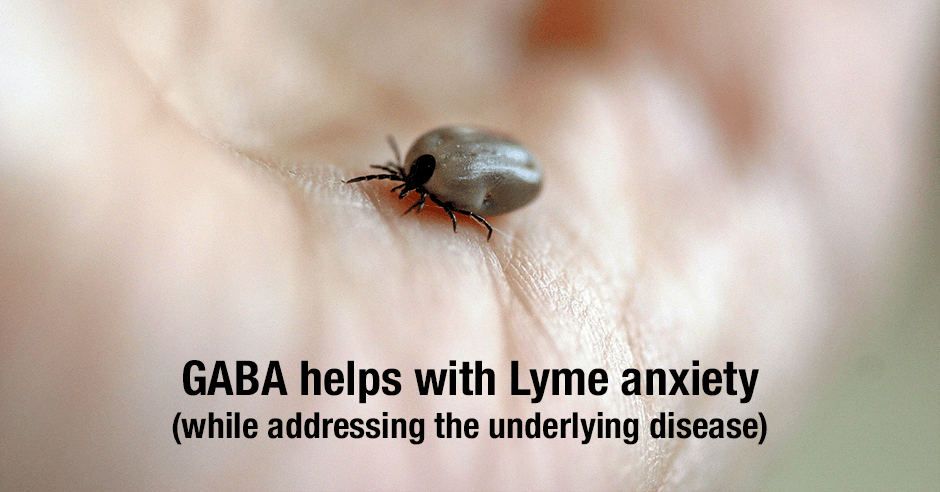
GABA helps with Lyme anxiety (while addressing the underlying disease)

January 22, 2016 By Trudy Scott 42 Comments

gaba and lyme anxiety

GABA is a calming amino acid that helps to reduce anxiety and panic attacks in individuals with low GABA levels and helps to address the anxiety that many individuals experience when they have Lyme disease.

At the recent IMMH/Integrative Medicine for Mental Health conference Dr. Suruchi Chandra presented on Neuropsychiatric Lyme Disease and shared that:

Lyme disease is one of the fastest growing infectious diseases in the United States. It can remain dormant for years and then later mimic a number of psychiatric illnesses, including anxiety disorders, mood disturbances, psychosis, and autism-like behaviors. It can be further complicated by the presence of co-infections.

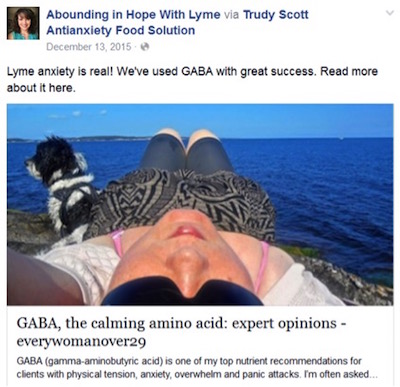
Last month I shared a post called GABA, the calming amino acid: expert opinions and Tricia Soderstrom, creator of the blog Abounding in Hope with Lyme shared it with her online Lyme community with this comment:

Lyme anxiety is real! We’ve used GABA with great success.

lyme-anxiety-real

Tricia shared further when I asked what had helped:

We’ve used Source Naturals GABA Calm sublinguals with good results. I learned about GABA helping anxiety and because I was treating my young daughter I purchased this because it was easy for her to take.

Lyme, Bartonella and Babesia are all known to cause anxiety and other psychological disorders ranging from mild to very severe. My daughter had it very severely but thankfully is much better now that we’ve treated the tick-borne diseases.

She also shared this excellent article by Pamela Weintraub as a resource: High Anxiety (Neurological Lyme Disease, Part Three)

I asked Tricia if I could share some of her daughter’s Lyme story and how GABA (and other nutrients) had helped with her anxiety while they were treating the Lyme disease. She kindly agreed and here are some excerpts from her blog post: How A Tick Bite Changed My Daughter – Part 2 Using Supplements To Nourish The Brain

When my third daughter turned 7 we had no idea that our whole lives were beginning to turn upside down by severe anxiety and OCD.

As that year progressed I noticed my …daughter incessantly washing her hands, pooling saliva in her mouth, clenching her fists until the skin around her knuckles turned bright white and repeating motions.  Her eyes were wider than normal and she became very fearful of things that never bothered her before.

At the same time, she was complaining of deep hip pain, pain in her feet, very bad headaches, motion sickness, nausea, heart palpitations and other symptoms….

Her anxiety grew, her obsessions controlled her and she was incapable of thinking rationally during these episodes.  With age her episodes became more frequent and more severe.

Tricia diligently searched for solutions for the Lyme disease that was impacting her daughter and herself. As Tricia learned more, she discovered the psychiatric connection to Lyme and they worked without success, with various doctors, having her daughter try antibiotic treatments and anti-anxiety and antidepressant medications.

Still searching, she discovered Dr. Klinghart teaching about pyroluria and started adjusting her daughter’s diet and adding various nutrients: magnesium, fish oil, trace minerals, vitamin D, evening primrose oil, vitamin B6 and zinc (the latter three are key for pyroluria).

Tricia then came across some of the amazing interviews I did with various experts on season 1 of the Anxiety Summit and it further consolidated what she had already discovered. She shares this:

What I learned was astounding and it was very similar to what [Dr. Kinghart] taught but I began to also learn about GABA, 5-HTP, L-Theanine, and L-Tryptophan.

To my daughter’s routine I added Source Naturals GABA Calm sublingual, Nature’s Way 5-HTP, Nature’s Way L-Theanine/ Green Tea sublingal, and Source Natural’s Melatonin.

At first we used GABA or L-Theanine whenever she would have a panic attack or her OCD was too much to deal with.  After awhile I just had her take it first thing in the morning, mid-day and then again in the evenings when her symptoms would be at their worst.

The amino acids and brain nutrients were ONE part of the solution, together with dietary changes, cognitive behavioral therapy (CBT), and homeopathy. As Tricia says:

These supplements did not cure my daughter but they helped her get off the prescription drugs and they helped both of us during our most trying times

This is why I love using targeted individual amino acids such as GABA. They give you immediate relief from anxiety and panic attacks while you are dealing with bigger underlying issues such as Lyme disease. Adding other nutrients (like zinc, magnesium, vitamin B6 etc) address nutritional deficiencies that the Lyme disease may be causing.

Keep in mind that Tricia’s daughter did well with Source Natural GABA Calm but there are many other excellent GABA products that can be beneficial too.

Tricia’s daughter has given her the go ahead to share her story and she is now doing so well!

My daughter is now a beautiful 15 year old, looking forward to her 16th birthday and getting her driver’s license.

She is the brave one to allow me to expose how this illness completely changed her and controlled her.  At one point she was embarrassed about it but now she really wants to help others.

What an encouraging, heartwarming and inspiring story!

Both Tricia and her daughter are very brave and I appreciate having the opportunity to share their story with you. I encourage you to read the whole story here on her blog.

Tricia also experienced Lyme-induced anxiety and she too found benefits with GABA. You can read more about her episodes of fear, panic attacks, fear of going outside and withdrawing from social situations on this blog post: Where Does Your Fear Come From And What Are You Doing About It? (Our Journey With Neurological Lyme)

Here is a little more about Tricia: She is a mom of 4 and wife of 26 years to Scott.  She was living a busy and active life as an outdoorsy homeschool mom, when chronic Lyme disease side-lined her and her entire family.  She has spent the past 8 years recovering, advocating and caring for her family and researching tick-borne diseases.  Tricia continues to homeschool her youngest two children and blogs about her life as a Christian homeschool mom with chronic Lyme, while homeschooling her children who also have chronic Lyme.  She is passionate about educating others about tick-borne disease, and how to prevent, recognize and get the proper treatment. You can read more about her and her Lyme resources here. And you can find Tricia on Facebook here AboundinginHopewithLyme

I’d love to hear if you have used GABA (or one of the other amino acids) to help with your anxiety while undergoing treatment for Lyme disease.

Dr. Klinghart discusses the connection between Lyme disease and pyroluria. I’d also love to hear if you have Lyme disease and also have pyroluria? You can do the pyroluria questionnaire here.

Filed Under: GABA, Lyme disease and co-infections, Pyroluria

GABA rapidly absorbed and tolerated – benefits for anxiety and diabetes

January 15, 2016 By Trudy Scott 13 Comments

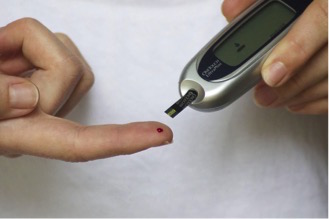
gaba-diabetes

New research published in November 2015: Study of GABA in Healthy Volunteers: Pharmacokinetics and Pharmacodynamics shows potential benefits for diabetes:

Our data show that GABA is rapidly absorbed and tolerated in human beings; its endocrine effects, exemplified by increasing islet hormonal secretion, suggest potential therapeutic benefits for diabetes.

This is very interesting because they conclude that GABA is rapidly absorbed and tolerated in human beings. This is very encouraging because we often hear that taking oral GABA will have no impact.

Here are additional details about the study:

Twelve subjects were subjected to an open-labeled, three-period trial involving sequential oral administration of placebo, 2g GABA once, and 2g GABA three times/day for 7 days, with a 7-day washout between each period.

Based on my work with anxious clients, even using 2g of GABA once a day is considered a high dose, especially if they don’t have low GABA levels. Because of this I’m not surprised at some of the side-effects:

Subjects with repeated dosing showed an elevated incidence of minor adverse events in comparison to placebo or the single dosing period, most notably transient discomforts such as dizziness and sore throat.

I have my anxious clients do a GABA trial in order to figure out their ideal dose. I recommend starting with around 125 mg GABA a few times a day.

In this 2012 study: Oral intake of γ-aminobutyric acid affects mood and activities of central nervous system during stressed condition induced by mental tasks study participants used only 100mg of GABA and saw mental stress reduction effects within 30 minutes.

Anxiety is more prevalent in diabetes than we realize and it’s something I seldom hear discussed:

  • More than 25% of the diabetic women in this 2015 study done in India reported high levels of anxiety
  • This 2015 study found that severe anxiety in early pregnancy is more frequent in Brazilian women with diabetes
  • In this 2015 Australian study half of the women with diabetes experienced an anxiety disorder    

Diabetes is a growing and serious health issue. As Dr. Mark Hyman, author of The Blood Sugar Solution shares in this valuable blog post on 7 Steps to Reverse Obesity and Diabetes

What disease affects EVERY other American and one in four kids? Type 2 diabetes or pre-diabetes. Type 2 diabetes in America has tripled since the 1980s, and researchers estimate one in three Americans will have diabetes by mid-century. More than one-third of American adults are obese.

I’d like to highlight two of his 7 excellent steps: Pull the Sugar and Control Stress Levels.

GABA is an amino acid that makes both of these steps much easier to achieve! GABA stops sugar cravings so you don’t need to use willpower. And GABA ends physical anxiety so you don’t have to manage it. Make the food changes, take the nutrients and do the yoga Dr. Hyman recommends, but why not add GABA too?

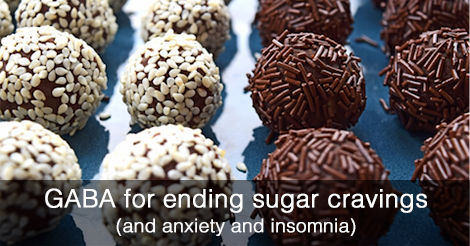
You can read more about Melissa’s success with GABA in this blog: GABA for ending sugar cravings (and anxiety and insomnia)

So here we have the amino amazing acid GABA that:

  • we know reduces and often eliminates sugar cravings completely
  • calms the anxious mind and reduces stress within 5 to 30 minutes
  • has the potential of offering therapeutic benefits for diabetes

Pretty powerful!

Be sure to check out the other 5 tips that Dr. Hyman offers and do share if you have seen benefits from GABA – for anxiety/stress and sugar cravings. Do let us know if you also have/had diabetes and noticed any improvements in your blood sugar labs.

If you’re a practitioner and use GABA with your patients/clients with diabetes, please share too.

Filed Under: GABA Tagged With: diabetes, GABA

GABA for ending sugar cravings (and anxiety and insomnia)

January 8, 2016 By Trudy Scott 50 Comments

In a recent blog post I shared some feedback from people who have tried various GABA products with success: GABA, the calming amino acid: products and results

Taken orally it works to relax, calm, ease anxiety and social anxiety, quiet the mind, help with insomnia and sleeping better, reduces neck tension, removes uneasiness and worry, and gives hope (as you can read in the above blog post).

What I didn’t mention is that GABA can also reduce and often eliminate cravings totally.

Melissa discovered this was a wonderful side-benefit (we like side-benefits vs side-effects!) when she recently added Source Naturals GABA Calm in anticipation of holiday travel and holiday gatherings.   She recently posted this comment on the above blog:

I’m glad I saw the post about GABA on your FB page a couple weeks ago, which led me to this article. I bought Source Naturals GABA Calm and have been taking 1-3 per day for two weeks. I’m glad I bought it before travelling home for Christmas – I was cool as a cucumber at the airport and was much calmer when visiting family and friends compared to last year! The true test of its efficacy will be in two weeks when the semester starts. For now, I notice a general calmness and am sleeping well.

An unexpected result was that I stopped craving sweets after about a week of taking it! I didn’t even realize this until I was grocery shopping and out of habit walked towards the ice cream – I stopped and realized I didn’t want ice cream. So I walked toward the chocolate – same reaction. For once in my life, I was not craving sweets. I made truffles for a NYE party and only ate two. But what is really shocking is that the leftovers are still in my refrigerator two days later and I haven’t touched them. I don’t understand what is going on! Can this be the GABA Calm (active ingredients: magnesium, GABA, Glycine, L-Tyrosine, Taurine)? I don’t think it’s the small amount of magnesium because I already do magnesium oil foot baths, so I suspect it’s one of the other ingredients.

Thanks so much for this article on GABA and recommendations

I love that she was calm during her travels, was much calmer when visiting family and friends compared to last year and is even sleeping better.   And she is clearly delighted about the lack of sugar cravings!

By addressing low GABA levels we can end stress-eating

Here are my answers to her question about those sugar cravings:

  • we can crave for many reasons and one reason can be due to low GABA levels
  • we stress eat (or drink more wine or other alcoholic beverages) when our GABA levels are low
  • by addressing the low GABA levels sugar cravings can disappear completely as in Melissa’s case (ice-cream, chocolates and truffles)
  • the GABA, glycine and taurine actively boost GABA, the magnesium is a co-factor for making GABA and the small amount of tyrosine counters the GABA so you don’t feel too relaxed

Often we also need to address other neurotransmitter imbalances and candida/gut health too

In many cases GABA can help partially and you may also need to address low serotonin (you’ll have afternoon/evening cravings), low dopamine (you crave sugar for focus and energy), low blood sugar (you are cranky and have an intense desire for something sweet) or low endorphins (you crave to self-soothe or comfort). Here is the amino acid questionnaire so you can figure out if you may have low levels of any of the above brain chemicals. If you are low, using the correlating amino acids can address both mood issues and cravings.

You may also need to address candida, dysbiosis or parasites as these factors can also cause sugar cravings since many “bugs” feed off sugar.

Common questions about GABA: the BBB question, phenibut, best forms and more

Update Dec 2016: I’ve written a number of blog posts on GABA since this was published. These hopefully address all the “how does GABA work? it can’t get through the blood brain barrier!” questions I am so often asked, and cover some of the research behind how effective this amino acid can be if your cravings, anxiety and insomnia have low GABA as a root cause:

  • Why I recommend GABA for anxiety instead of phenibut
  • GABA the calming amino acid: common questions I get asked
  • The Anxiety Summit – GABA: Blood brain barrier controversy, concerns, best forms and how to do a trial for eliminating anxiety
  • Sleep promoting effects of combined GABA and 5-HTP: new research
  • GABA rapidly absorbed and tolerated – benefits for anxiety and diabetes

Additional resources when you are new to using GABA and other amino acids as supplements

As always, I use the symptoms questionnaire to figure out if low GABA or other neurotransmitter imbalances may be an issue.

If you suspect low levels of any of the neurotransmitters and do not yet have my book, The Antianxiety Food Solution – How the Foods You Eat Can Help You Calm Your Anxious Mind, Improve Your Mood, and End Cravings, I highly recommend getting it and reading it before jumping in and using amino acids on your own so you are knowledgeable. And be sure to share it with the practitioner/health team you or your loved one is working with.

There is an entire chapter on the amino acids and they are discussed throughout the book in the sections on gut health, gluten, blood sugar control (this is covered in an entire chapter too), sugar cravings, anxiety and mood issues.

The book doesn’t include product names (per the publisher’s request) so this blog, The Antianxiety Food Solution Amino Acid and Pyroluria Supplements, lists the amino acids that I use with my individual clients and those in my group programs.

If, after reading this blog and my book, you don’t feel comfortable figuring things out on your own (i.e. doing the symptoms questionnaire and respective amino acids trials), a good place to get help is the GABA QuickStart Program (if you have low GABA symptoms). This is a paid online/virtual group program where you get my guidance and community support. Another option is the budget-friendly GABA QuickStart Homestudy program.

If you also need serotonin support, the Serotonin QuickStart Program is a good place to get help. This is also a paid online/virtual group program where you get my guidance on using tryptophan and 5-HTP safely, and community support during 5 LIVE Q&A calls. You can sign up to be notified when the next live launch of this program is happening.

If you are a practitioner, join us in The Balancing Neurotransmitters: the Fundamentals program. This is also a paid online/virtual program with an opportunity to interact with me and other practitioners who are also using the amino acids.

Wrapping up and your feedback

I always love to get feedback like this, so thanks to Melissa for sharing! It warms my heart to hear the impact that an amazing amino acid like GABA can have and because I get to share stories like this to give others like you hope!

Do you have a GABA story to share? Has using GABA helped you?

Or have one of the other amino acids helped you ease your sugar cravings and anxiety?

Filed Under: Antianxiety, GABA, Sugar addiction Tagged With: sugar cravings

GABA, the calming amino acid: products and results

December 18, 2015 By Trudy Scott 57 Comments

gaba

GABA (gamma-aminobutyric acid) is a calming amino acid that when taken orally works to relax, calm, ease anxiety and social anxiety, quiet the mind, help with sleeping better, reduce neck tension, remove uneasiness and worry, and give hope.

Even though we have recent research that it does work we still hear the naysayers saying “why bother to take GABA, it just doesn’t work unless you have a leaky blood brain barrier.”  

The blog post from last week – GABA, the calming amino acid: expert opinions generated so much interest and feedback, so I’m sharing some of this feedback so you can hear first-hand from people who have tried various GABA products. I’ve corrected typos but what follows is their actual feedback.

As you’ll see, it does work extremely well for many people. You’ll also see that there are many different products that work well. I’m sharing all of them even though I have my favorites.

There are some people that don’t benefit from it.   I share some questions below and you may want to go through these if GABA doesn’t work for you.

Here is the feedback for many of the products that were mentioned. It starts with products I like/recommend and have experience with.

Allergy Research 200mg of Zen product contains 500mg GABA and 200mg Theanine 200 mg per 2 capsules. Dee likes the instant calm and compared how it worked as well as Xanax had worked for her in the past:

I have taken Xanax in the past for panic attacks. My functional medicine doctor suggested this product as I wanted a natural product. I was amazed how it works just like the Xanax did – instant calm feeling within 10 mins of taking 2 capsules. I use them as needed when I am having heightened stress and anxiety.

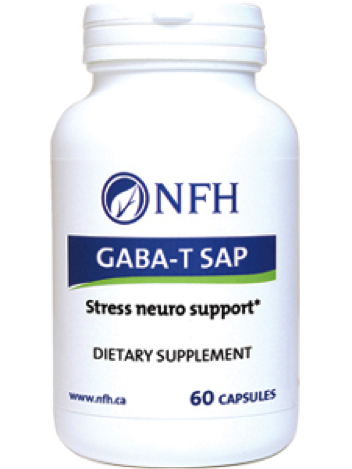
I’ve had a number of clients who really liked this GABA/theanine combination. This product together with Nutritional Fundamentals GABA-T SAP, also a GABA/theanine combination, comes highly recommended by me. They both contain a small amount of GABA, the theanine works really well with the GABA and the capsules, when opened on to the tongue, are pleasant tasting.

Source Naturals GABA Calm was only mentioned once which surprised me! Together with GABA/theanine combination products above, it’s the GABA product I use most with my clients because it’s sublingual, easy to take, great tasting and works so exceptionally well. It contains GABA, taurine and glycine, and a small amount of magnesium and tyrosine.   The tyrosine means this product cannot be used if you have melanoma, high blood pressure or bipolar disorder. You can see all the amino acid precautions here.  

Country Life GABA Relaxer contains GABA, taurine, glycine, inositol, niacin and vitamin B6. Melissa shares how much it helped her:

After my first panic attack I thankfully found Julia Ross’s work. I began taking 250 mg GABA every night. That really helped! Now a few years later I don’t need it every day, and I take a half pill during my cycle anxiety – more like uneasiness and over worried now, just as needed. I then heard you speak Trudy and share more info, bought your book, and put into place supportive lifestyle changes, and I have my life back. GABA is a great supplement for some of us!

I really like this product and used it when I worked with Julia Ross in her clinic. It was also a product I personally used when my anxiety and panic attacks started. I used this at night and GABA Calm in the day.

Seeking Health GABA 500mg was mentioned by a few people. Sherie said she loves it and takes it 2-4 times a day (she also takes theanine). This is what she shares:

It helps lower my overall anxious feeling all day (anxiety for no reason). I just started increasing the dose slightly and am beginning to take it a few times a day to help with social anxiety. I have lifelong problem of severe blushing and sweating from social anxiety and need that to stop.

I asked her if she’s looked into pyroluria and she said hadn’t but said it fits her to a T so this would be the next thing for her to address. It’s seldom just one underlying cause and the great thing is that the zinc, vitamin B6 and evening primrose oil of the pyroluria protocol help us make more GABA (and other brain chemicals).

I’d like to add that 500mg can be a high amount for many anxious individuals so it’s not something I typically start with. I like to have my clients start on either Source Naturals GABA Calm (which has 125mg of GABA) or one of the GABA/theanine combination products that have around 200mg GABA, and increase as needed.

I recommend GABA over pharmaGABA because over the years I’ve simply found more people seem to do better on GABA. But clearly, pharmaGABA does work for some individuals.

Thorne PharmaGABA-100 contains 100mg pharmaGABA and Cheryl shares how this product works great for her:

I usually only take it at night only when I know I need it, to quiet my mind and relax my body so I can sleep better. I need it less now because I am following MTHFR and adrenal fatigue supplement protocols and diet.

PharmaGABA Stress Relax from Natural Factors is another pharmaGABA product and Gina chewed two 100mg tablets and said this is how they helped:

It changed my life in minutes! Take it every day now. No more hopelessness!

April also finds that the Natural Factors pharmaGABA works great for her:

I take 100mg a day for about a week and then take time off until I feel I need it again or I feel I have too much. I know if I take too much, I get spacey, unmotivated, depressed even. Helps a ton with head/neck tension and anxiety.

I just want to add that this product does contain sugar (3.5 g with 300mg pharmaGABA) and fruit flavors (which sensitive folks may have an issue with) so this one would not be high on my list of recommendations. But if it’s the only one that works for you then go for it!

Quicksilver GABA is a liquid that contains GABA, theanine and sunflower lecithin, and is promoted as being a very effective form of delivery. Candy shares:

It is a liquid that I keep in the fridge. I squirt and leave it under my tongue for a couple minutes. It has been helpful.

I look forward to hearing if you or your clients have found this to be superior to other forms. I’d like add that it’s not suitable for children and alcoholics due to the ethanol.

A few other products were mentioned (neither of which I’ve had feedback on until now):

  • Source Naturals Theanine Serine which has GABA, theanine, taurine, magnesium and holy basil.
  • Pure Tranquility from Pure Encapsulations contains GABA, theanine and glycine. One person was suspicious that it was triggering migraines. I wonder if it could be related to one of the other ingredients like the natural apple flavor, potassium sorbate or purified stevia extract?

GABA won’t work for everyone and a few people said GABA didn’t work at all.

Karen appreciated me dispelling the blood-brain-barrier-GABA myth and pointing out that phenibut is not GABA. But GABA didn’t work for her and she shared this:

I have tried GABA, my mother swears by it and my husband uses it. It has a calming effect on me, but I like holy basil better.

I checked with her and she hasn’t tried it sublingually, which I find to be more effective for most of my clients. This could be something like Source Naturals GABA Calm or one of the GABA /theanine combination products opened on to tongue and held there for 1-2 minutes.

GABA also didn’t work for Sheri and she said:

I’m one of those folks for whom it seems to do nothing. Zip. I have found some relief using niacinamide, however.

Dr. Jonathan Prousky really likes niacinamide for anxiety and I find it helps a lot with my clients who have runaway thoughts and paranoia.

If GABA doesn’t work for you that’s fine, not everything works for everyone. But if you really feel GABA should work for you or feel you need additional support for your anxiety then I wouldn’t give up and ask these questions:

  1. do you have an underactive thyroid (amino acids may not be as effective)
  2. did you take it sublingually (it’s often more effective taken this way)
  3. did you take it away from protein (it needs to be taken this way)
  4. how much did you take (amounts can vary by person)
  5. do you have low GABA symptoms/physical anxiety (it will only work if you do) or
  6. are you taking a benzodiazepine (for some people on benzos many supplements don’t work or are just too much for them)

Here is the facebook post if you’d like to read the whole discussion.  I’d like to thank everyone who contributed to this great discussion!

I’ll cover phenibut (which is not GABA) in a future blog post. It’s always a hot topic and is not something I recommend but more on that next time.  

A heads up that I’ve shared links to the products that were mentioned so you can check them out. Some of the links are from Emerson, the online distributer I use. If you’d like to order from them you can find out how to set up an account here.

Now I’d love to hear from you. Have you used any of these GABA products (or had your clients use them) with good results? How much did you/they use and what were the results?

If GABA doesn’t help do you say “yes” to any of the 6 above questions?

Filed Under: Antianxiety, GABA Tagged With: amino acids, anxiety, calm, case study, GABA, sleep, supplements, tension, Trudy Scott

GABA, the calming amino acid: expert opinions

December 11, 2015 By Trudy Scott 69 Comments

gaba-opinions

GABA (gamma-aminobutyric acid) is one of my top nutrient recommendations for clients with physical tension, anxiety, overwhelm and panic attacks. I’m often asked if it really works and is it even worth taking so here is some feedback from practitioners from the Anxiety Summit, all of whom I consider experts on the topic.

Julia Ross, MFT, pioneer in the field of amino acid therapy, my mentor and the author of The Mood Cure and The Diet Cure shares this wisdom about GABA during our interview: Eliminating Anxiety: Amino Acid Therapy and Adrenal Balancing on season 1 of the Anxiety Summit:

Among other things, GABA relaxes the nerves in the muscles in the body. One of the most common kinds of feedback that we get from people who are doing a GABA trial is that it seems to take effect so quickly. This may be because, unlike tryptophan, which has to be converted into serotonin, GABA is the neurotransmitter and the amino acid all in one and requires no conversion.

There isn’t often a GABA discussion when the topic of the blood-brain-barrier doesn’t come up and whether GABA actually does work. Of course Julia addresses this too:

There is a myth going around, based on one old study, that GABA doesn’t cross into the brain, that it doesn’t cross the blood-brain barrier. But there are other studies that show that it does [here is a paper published earlier this year], and our clinical experience is overwhelming. This is the most popular trial that we do, the GABA trial, using only 100 mg. It zips right into the brain, and people immediately feel relaxed physically and mentally.

I see this with my clients on a daily basis and I can certainly attest to that personally too. I like to share that I was a “GABA girl”: when I had my terrible anxiety and panic attacks in my late 30s anxiety, GABA worked beautifully for me. It was amazing and life-changing! Zero anxiety and no more panic attacks!  

We are all individual and you may find that theanine works better for you than GABA. Julia talks about this too:

I would say about 15 to 20 percent of people who need this GABA-type relief of the tension and stress, don’t seem to get it from GABA. In those cases, most of them do get it from the amino acid, l-theanine, instead, in our experience.

Dr. Josh Friedman, is dear friend, colleague and integrative psychotherapist who uses amino acids and other nutritional approaches in his practice. I also had the honor of interviewing him on season 1 of the Anxiety Summit. I ask him if he uses GABA with his patients and what he thinks about the naysayers. I just love his answer:

[GABA] is definitely something I use. I am not a biochemist, so I actually don’t really know whether it crosses the blood/brain barrier, nor do I care actually. The first question should be, is it harmful? Are any of these things going to cause harm? And the answer with all the amino acids are no, they’re not going to cause harm, especially when compared to psychiatric medicines. The second question is, does it work? Is it helpful for our patients that we see in our practice?

GABA certainly worked for Meme Grant, GAPS Practitioner, Nutritional Therapist, FNTP, and fellow African. She had anxiety, panic attacks, didn’t enjoy speaking in public, had insomnia and was an emotional eater. I also interviewed her in season 1 and she shared this:

I took GABA for the first time in the afternoon and had no panic attacks that afternoon, and I took one in the evening and I did that for a couple of weeks, and I haven’t seen a panic attack since.

I find that many people do well with a combination of GABA and one or more of theanine, taurine and glycine. All of these are calming amino acids and since we are all unique you may find that one of these combinations work better for you.

Dr. Hyla Cass, M.D. board-certified in psychiatry and integrative medicine and the author of Natural Highs and The Addicted Brain and How to Break Free, talks about this in our interview: The Addicted Brain and How to Break Free   

If someone has anxiety, it’s not a Valium or a Xanax deficiency. It could be a GABA deficiency. And that could be due to stress. So if you’re low in GABA, there are some really cool things to take – theanine, glycine, taurine. The different nutrients work together and when we add them together, it’s more than the sum of its parts. So adding glycine and GABA together is going to give you a better result and you don’t have to use as much as each of the individual ones. So that’s nature’s Valium.

Jonathan Prousky, ND, MSc, editor of the Journal of Orthomolecular Medicine and author of Anxiety: Orthomolecular Diagnosis and Treatment shares this in our season 2 interview: Tapering off psychiatric drugs so they do not ruin your life

I have found GABA to be invariably helpful and I don’t really know exactly how GABA works but I know it to be very, very safe and, to me, that is fundamentally important. It’s not associated with any withdrawal, with any tolerance, with any habituation, so people can try it without a lot of concern.

Dr. Prousky uses both regular crystalline GABA and pharmaGABA but prefers the latter. He uses it as part of his SRR model for helping his patients taper of psychiatric drugs such as benzodiazepines. SRR stands for sedation, relaxation and regulation:

  • Sedation: one gets the sedating effects of GABA (he uses pharmaGABA at a dose of 100-200 mg)
  • Relaxation: niacin at a dose of 250-500 mg (immediate-release)
  • Regulation: melatonin (generally about 3mg) to helps regulate the sleep-and-wake cycles

GABA really does work if your anxiety is a result of low GABA levels. As Julia so wisely says:

On a scale of zero to ten, zero is not an unrealistic goal when it comes to anxiety.  It’s really the human potential and GABA [and tryptophan] give us access to it.

So we have many expert opinions but the best way to figure out if GABA works is to try it. You’ll know within 5 minutes if it’s working for you. This is one of the reasons I love the amino acids: you get results right away and it makes you feel less anxious right away, giving you hope while you deal with other factors that may be contributing to your anxiety.

How much GABA do we need and how do we take it? I find that GABA is most effective when taken sublingually. Source Naturals GABA Calm is a great sublingual that contains 125mg GABA, 50mg Glycine, 20mg taurine, some magnesium and 25mg N-Acetyl L-Tyrosine. I also really like Nutritional Fundamentals for Health GABA-T SAP which contains 300mg GABA 300 mg and 150mg theanine. This is pleasant-tasting when opened on to the tongue and seems to be most effective when held there for about 2 minutes.   GABA products that contain 500mg and 750mg are often too much for most of my clients.

You can find these and other GABA products that I recommend here

If you’d like to learn more about GABA from the above experts, you can get details of the Anxiety Summits here 

You’ll also learn about many other nutritional and biochemical causes of anxiety: gut health and the microbiome, hormone imbalance, methylation issues, other low neurotransmitter levels, pyroluria (causing social anxiety), oxalates/gluten (special diets), pyschoneuroendocrinology, heavy metals, poor liver health, adrenal issues like high cortisol, mold, candida, parasites and much more!

Have you used GABA or any of the other calming amino acids and found benefits? Please share what product and how much worked for you?

If you have not tried GABA, were you a naysayer but now feel more inclined to look into this?

Filed Under: Amino Acids, GABA Tagged With: anxiety, anxiety summit, calming amino acid, GABA, Hyla Cass, Julia Ross, panic attacks, Trudy Scott

  • « Go to Previous Page
  • Page 1
  • Interim pages omitted …
  • Page 22
  • Page 23
  • Page 24
  • Page 25
  • Go to Next Page »

Primary Sidebar

NEW! GABA QuickStart Homestudy (with special intro pricing)

gaba quickstart homestudy

Free Report

9 Great Questions Women Ask about Food, Mood and their Health

You'll also receive a complimentary subscription to my ezine "Food, Mood and Gal Stuff"


Connect with me

Popular Posts

  • Amino Acids Mood Questionnaire from The Antianxiety Food Solution
  • The Antianxiety Food Solution Amino Acid and Pyroluria Supplements
  • Pyroluria Questionnaire from The Antianxiety Food Solution
  • Collagen and gelatin lower serotonin: does this increase your anxiety and depression?
  • Tryptophan for the worry-in-your-head and ruminating type of anxiety
  • GABA for the physical-tension and stiff-and-tense-muscles type of anxiety
  • The Antianxiety Food Solution by Trudy Scott
  • Seriphos Original Formula is back: the best product for anxiety and insomnia caused by high cortisol
  • Am I an anxious introvert because of low zinc and vitamin B6? My response to Huffington Post blog
  • Vagus nerve rehab with GABA, breathing, humming, gargling and key nutrients

Recent Posts

  • What do I use instead of Seriphos to help lower high cortisol that is affecting my sleep and making me anxious at night?
  • BeSerene™ GABA/theanine cream eases severe muscle tension in her neck/shoulders, prevents her bad headaches and quells her anxiety
  • How the correct approach, dose and sublingual use of GABA can be calming and not cause a flushed and itchy face and neck
  • The amino acid glutamine improves low mood by addressing gut health, and it has calming effects too
  • Flight anxiety with heightened breath, physical tension and also fearing the worst (the role of low GABA and low serotonin)

Categories

  • 5-HTP
  • AB575
  • Addiction
  • ADHD
  • Adrenals
  • Alcohol
  • Allergies
  • Alzheimer's disease
  • Amino Acids
  • Anger
  • Antianxiety
  • Antianxiety Food Solution
  • Antidepressants
  • Anxiety
  • Anxiety and panic
  • Autism
  • Autoimmunity
  • benzodiazapines
  • Bipolar disorder
  • Books
  • Caffeine
  • Cancer
  • Candida
  • Children/Teens
  • Collagen
  • Cooking equipment
  • Coronavirus/COVID-19
  • Cravings
  • Depression
  • Detoxification
  • Diabetes
  • Diet
  • DPA/DLPA
  • Drugs
  • EFT/Tapping
  • EMF
  • EMFs
  • Emotional Eating
  • Endorphins
  • Environment
  • Essential oils
  • Events
  • Exercise
  • Fear
  • Fear of public speaking
  • Fertility and Pregnancy
  • Fish
  • Food
  • Food and mood
  • Functional neurology
  • GABA
  • Gene polymorphisms
  • General Health
  • Giving
  • Giving back
  • Glutamine
  • Gluten
  • GMOs
  • Gratitude
  • Gut health
  • Heart health/hypertension
  • Histamine
  • Hormone
  • Hyperparathyroidism
  • Hypoglycemia
  • Immune system
  • Inflammation
  • Insomnia
  • Inspiration
  • Introversion
  • Joy and happiness
  • Ketogenic diet
  • Lithium orotate
  • Looking awesome
  • Lyme disease and co-infections
  • MCAS/histamine
  • Medication
  • Men's health
  • Mental health
  • Mercury
  • Migraine
  • Mold
  • Movie
  • MTHFR
  • Multiple sclerosis
  • Music
  • NANP
  • Nature
  • Nutritional Psychiatry
  • OCD
  • Osteoporosis
  • Oxalates
  • Oxytocin
  • Pain
  • Paleo
  • Parasites
  • Parkinson’s disease
  • PCOS
  • People
  • PMS
  • Postpartum
  • PTSD/Trauma
  • Pyroluria
  • Questionnaires
  • Real whole food
  • Recipes
  • Research
  • Schizophrenia
  • serotonin
  • SIBO
  • Sleep
  • Special diets
  • Sports nutrition
  • Stress
  • Sugar addiction
  • Sugar and mood
  • Supplements
  • Teens
  • Testimonials
  • Testing
  • The Anxiety Summit
  • The Anxiety Summit 2
  • The Anxiety Summit 3
  • The Anxiety Summit 4
  • The Anxiety Summit 5
  • The Anxiety Summit 6
  • Thyroid
  • Thyroid health
  • Toxins
  • Tryptophan
  • Tyrosine
  • Uncategorized
  • Vegan/vegetarian
  • Women's health
  • Yoga

Archives

  • October 2025
  • September 2025
  • August 2025
  • July 2025
  • June 2025
  • May 2025
  • April 2025
  • March 2025
  • February 2025
  • January 2025
  • November 2024
  • October 2024
  • September 2024
  • August 2024
  • July 2024
  • June 2024
  • May 2024
  • April 2024
  • March 2024
  • February 2024
  • January 2024
  • December 2023
  • November 2023
  • October 2023
  • September 2023
  • August 2023
  • July 2023
  • June 2023
  • May 2023
  • April 2023
  • March 2023
  • February 2023
  • January 2023
  • December 2022
  • November 2022
  • October 2022
  • September 2022
  • August 2022
  • July 2022
  • June 2022
  • May 2022
  • April 2022
  • March 2022
  • February 2022
  • January 2022
  • December 2021
  • November 2021
  • October 2021
  • September 2021
  • August 2021
  • July 2021
  • June 2021
  • May 2021
  • April 2021
  • March 2021
  • February 2021
  • January 2021
  • December 2020
  • November 2020
  • October 2020
  • September 2020
  • August 2020
  • July 2020
  • June 2020
  • May 2020
  • April 2020
  • March 2020
  • February 2020
  • January 2020
  • December 2019
  • November 2019
  • October 2019
  • September 2019
  • August 2019
  • July 2019
  • June 2019
  • May 2019
  • April 2019
  • March 2019
  • February 2019
  • January 2019
  • December 2018
  • November 2018
  • October 2018
  • September 2018
  • August 2018
  • July 2018
  • June 2018
  • May 2018
  • April 2018
  • March 2018
  • February 2018
  • January 2018
  • December 2017
  • November 2017
  • October 2017
  • September 2017
  • August 2017
  • July 2017
  • June 2017
  • May 2017
  • April 2017
  • March 2017
  • February 2017
  • January 2017
  • December 2016
  • November 2016
  • October 2016
  • September 2016
  • August 2016
  • July 2016
  • June 2016
  • May 2016
  • April 2016
  • March 2016
  • February 2016
  • January 2016
  • December 2015
  • November 2015
  • October 2015
  • September 2015
  • August 2015
  • July 2015
  • June 2015
  • May 2015
  • April 2015
  • March 2015
  • February 2015
  • January 2015
  • December 2014
  • November 2014
  • October 2014
  • September 2014
  • August 2014
  • July 2014
  • June 2014
  • May 2014
  • April 2014
  • March 2014
  • February 2014
  • January 2014
  • December 2013
  • November 2013
  • October 2013
  • September 2013
  • August 2013
  • July 2013
  • June 2013
  • May 2013
  • April 2013
  • March 2013
  • February 2013
  • January 2013
  • December 2012
  • November 2012
  • October 2012
  • August 2012
  • July 2012
  • June 2012
  • May 2012
  • April 2012
  • March 2012
  • February 2012
  • January 2012
  • December 2011
  • November 2011
  • October 2011
  • September 2011
  • August 2011
  • July 2011
  • June 2011
  • May 2011
  • April 2011
  • March 2011
  • February 2011
  • January 2011
  • December 2010
  • October 2010
  • September 2010
  • July 2010
  • May 2010
  • April 2010
  • March 2010
  • February 2010
  • January 2010
  • November 2009

Share the knowledge!

The above statements have not been evaluated by the Food and Drug Administration. Products listed in this website are not intended to diagnose, treat, cure or prevent any disease.

The information provided on this site is for informational and educational purposes only and is not intended as a substitute for advice from your physician or other health care professional. You should consult with a healthcare professional before starting or modifying any diet, exercise, or supplementation program, before taking or stopping any medication, or if you have or suspect you may have a health problem.


Copyright © 2026 Trudy Scott. All Rights Reserved. | Privacy | Terms and Conditions | Refund Policy | Medical Disclaimer

Free Report

9 Great Questions Women Ask about Food, Mood and their Health

You’ll also receive a complimentary subscription to my ezine “Food, Mood and Gal Stuff”