• Skip to primary navigation
  • Skip to main content
  • Skip to primary sidebar

everywomanover29 blog

Food, Mood and Women's Health – Be your healthiest, look and feel great!

  • Blog
  • About
  • Services
  • Store
  • Resources
  • Testimonials
  • The Book
  • Newsletter
  • Contact
  • Search this site

Food and mood

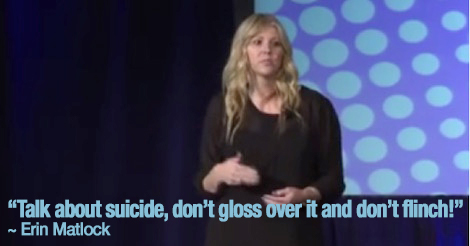
Erin Matlock: talk about suicide, don’t gloss over it and don’t flinch!

September 9, 2016 By Trudy Scott 29 Comments

erin-matlock-talk-suicide

Earlier this week when Erin Matlock shared her “Changing Fate” video from the Superhero You live event she said this:

This is hands down the most personal and most difficult talk I’ve ever given. In it I read from my own suicide note.

Please help us send this video out into the world so that people who are suffering alone can see that they are so very not alone.

I was very moved to share this video and since it’s National Suicide Prevention Week and World Suicide Prevention Day, September 10th, I’ve added to her wonderful message by sharing some powerful nutritional resources too.

You can WATCH the entire 16 minute video from the SuperheroYou live event VIA THIS LINK on the SuperheroYou facebook page. This is what Superhero You founder Jim Kwik shared when posting the video:

If you feel broken, alone, or unhappy, this might be the most important video you watch today.

Most of us think suicide is something that happens to strangers – not to people we know. But someone dies by suicide every 40 seconds. That’s 15,385 people this week and 800,000 people this year. If you have 1,000 Facebook friends, 60 of them have thought about suicide in the past year.

Erin Matlock knows this struggle well. She battled major depression for 15 years and had 4 escalating attempts on her own life. Today, Erin is a mental health advocate and founder of the Brain Summit, an online platform where experts present the latest tools and techniques to upgrade your brain. In the video, Erin shares how neuroscience helped her during this time, the challenges that even the happiest-seeming people might face, and what you can do if you (or someone you love) might be struggling.

Erin also talks about Cynthia Pasquella’s struggles with depression and saying “my brain is trying to murder me.” Here is her powerful blog where she bravely and openly shares: Let’s Talk About Depression – Because Most People Won’t And It’s Killing Us

Here is the resource list Erin shares:

National Suicide Prevention Lifeline (United States 24 hour hotline)
1-800-273-TALK

Samaritans  (United Kingdom and Republic of Ireland 24 hour hotline)
116 123 (UK) and 116 123 (ROI)

Beyond Blue (Australia 24 hour hotline and resources)
1300 22 4636

To Write Love On Her Arms
A nonprofit movement dedicated to presenting hope and finding help for people struggling with depression, addiction, self-injury, and suicide.

Mind
A UK charity with an extensive collection of information about mental health.

HeadsTogether
A UK Mental Health Awareness Campaign spearheaded by The Duke and Duchess of Cambridge and Prince Harry.

PsychologyToday Therapist Directory
Find Help From A licensed Therapist In Your Area

EEG Info Neurofeedback Provider Directory
Find a qualified clinician in your area

Advanced Brain Technologies Provider Directory
Music Listening Therapy

Fisher Wallace Stimulator
FDA approved device for the treatment of depression and anxiety. Stimulates the brain to produce serotonin while lowering cortisol.

You can find more wonderful resources from Erin on the Brain Pages and her website

erin-matlock-search-for-better-brain

In addition to the above resources Erin has so kindly shared I’d like to share some powerful and effective nutritional resources too. Just like anxiety, depression often has a biochemical and nutritional component and getting to the root cause of these imbalances and deficiencies can often completely eliminate the depression and suicidal thinking.

I hear this from Anxiety Summit attendees all the time:

Why has no-one told me that food and nutrients could have such an impact on my anxiety and panic attacks?

The same could be said for depression and suicidal thinking.

I also hear this from many in my community:

My anxiety (or depression) is SO severe there is no way that diet and nutrients could make a difference!

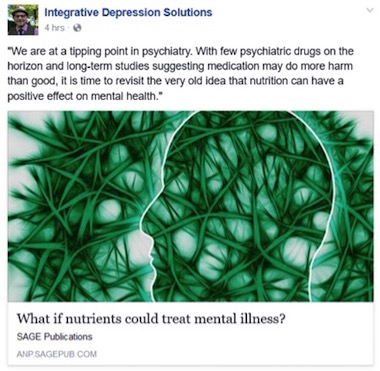
This is not true and I encourage you to have an open mind about this. We now have much research and so many integrative practitioners and nutritionists doing this work and seeing incredible results.  My colleague (and prior Anxiety Summit guest expert) Dr. Josh Friedman is one such practitioner and he has a wealth of information on his facebook page Integrative Depression Solutions. Here is just one example of a post:
nutrienta-and-mental-illness

The article was published in the Australian and New Zealand Journal of Psychiatry: What if nutrients could treat mental illness? and it starts with this sentence:

We are at a tipping point in psychiatry. With few psychiatric drugs on the horizon and long-term studies suggesting medication may do more harm than good, it is time to revisit the very old idea that nutrition can have a positive effect on mental health.

You can hear more about this topic in Julia Rucklidge’s TEDX talk: The surprisingly dramatic role of nutrition in mental health and read more about nutritional medicine in modern psychiatry from the International Society for Nutritional Psychiatry Research/ISNPR, and it’s founder Felice Jacka.

Here are some other nutritional resources for depression. Don’t let the word anxiety deter you – for some people anxiety is their biggest issue, for other it’s depression and the same underlying causes can be factors in both conditions.

60+ Nutritional & Biochemical Causes of Anxiety, a check-list to rule out possible underlying causes

The Anxiety Summit, an online event I host, now in its 4th season and called “a bouquet of hope”

The Depression Sessions, an online event hosted by Sean Croxton

The Mental Wellness Summit, an online event hosted by Dr. John Dempster and Ross McKenzie

The Medicinal Supplements Summit, co-hosted by Wendy Myers, airs next week (I cover both anxiety and depression in my interview)

The Brain Summit, hosted by Erin earlier this year.  I was fortunate enough to get to know Erin earlier this year, both as a speaker (I talked about grass-fed red meat and tryptophan) and by listening to her interview many wonderful brain experts like Alex Doman (who talked about music therapy for vagus nerve rehab).

A Mind of Your Own: The Truth about Depression and How Women Can Heal Their Bodies to Reclaim Their Lives, the wonderful best-selling book by Dr. Kelly Brogan

The Mood Cure: The 4-Step Program to Take Charge of Your Emotions–Today, the excellent book my mentor, Julia Ross

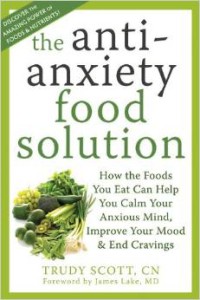
The Antianxiety Food Solution: How the Foods You Eat Can Help You Calm Your Anxious Mind, Improve Your Mood, and End Cravings, my book on anxiety

There is hope and just know there is an answer for you! Start by talking about how you feel, ask for help and work with someone to help you find your underlying cause and solution.

I know Erin’s courage and wisdom will get more people starting the conversation about suicide. And as she so wisely says:

talk about suicide, don’t gloss over it and don’t flinch!

I’d like to challenge you to be a superhero and talk to at least three people about suicide in the next week, whether you’re the one having suicidal thoughts or whether you’re the one concerned about a loved one or friend who may be having suicidal thoughts. Don’t gloss over it and don’t flinch!
 

Filed Under: Depression, Food and mood Tagged With: anxiety, Cynthia Pasquella, depression, Erin Matlock, integrative, nutritional psychiatry, suicide, SuperHero

The Anxiety Summit – Opening: benzos, electroshock, blueberries, sauerkraut and the vagus nerve

June 7, 2016 By Trudy Scott 56 Comments

Trudy Scott_opening_Anxiety4 other

The host of the Anxiety Summit, Trudy Scott, Food Mood Expert and Nutritionist, author of The Antianxiety Food Solution opens up the Anxiety Summit Season 4.

Anxiety Summit opening: benzos, electroshock, blueberries, sauerkraut and the vagus nerve

  • My vagus nerve story and how GABA helped
  • Why we need an integrative approach: Electroshock, LSD, BPA, zinc deficiencies, medication side-effects
  • An update on benzodiazepines and what we can learn from the Swiss and Blue Zones
  • Anxiety: new research on blueberries, gluten, sauerkraut, low vitamin B6 and iron, foods rich in polyphenols
  • An overview of the speakers and topics on this summit

My vagus nerve story – the videos document the journey with GABA and vagus nerve exercises 3-6-6 breathing and happy birthday humming.

This article published just last month is just so distressing to even contemplate: American Psychiatric Association Lobbies FDA to Electroshock Children

While the APA looks to seizure-inducing, brain-disabling, electricity as a form of ‘treatment,’ lobbying the FDA to make ECT available for children, no one in medicine, let alone psychiatry, has a clue how ECT machines ‘work’ or how passing large amounts of electricity into a child’s brain ‘treats’ the subjective mental disorder.  

Also published last month is an article in the New York Times called: LSD Like Drugs Are Out of the Haze and Back in the Labs.

modern scientists are picking up where their forerunners of the ’50s and ’60s left off. They are studying hallucinogens’ potential to help smokers kick the habit, to undo addictions to drugs and alcohol, to cope with cluster headaches and depression, and to deal with obsessive-compulsive and post-traumatic stress disorders.

Earlier this year a bill was put forward in Massachusetts proposing informed consent for benzodiazepine use. They will be submitting it again in a future session.

Here is the blog post and research on blueberries and serotonin: Blueberries boost serotonin and may help with PTSD and anxiety

Rats that were fed blueberries saw an increase in serotonin levels and the study authors suggest that the neuroprotection offered by the blueberries may offer support for those with PTSD. Presumably this could help those with anxiety and depression too, since low serotonin can also be an underlying factor.

Here is the blog post and research on gluten and OCD: Integrative Medicine Approach to Pediatric Obsessive-Compulsive Disorder and Anxiety 

The 7-year-old boy was put on a gluten-free diet and they saw a huge reduction in his OCD symptoms and anxiety and an improvement in social behavior and school work.

A paper published in August 2015: Fermented foods, neuroticism, and social anxiety suggests that:

consumption of fermented foods that contain probiotics may serve as a low-risk intervention for reducing social anxiety

Here are some of the other papers I mentioned:

  • Low serum concentrations of vitamin B6 and iron are related to panic attack and hyperventilation attack
  • Zinc-deficient ASD mice study: Gender Dependent Evaluation of Autism like Behavior in Mice Exposed to Prenatal Zinc Deficiency

  • Polyphenols / what foods can help fight the risk of chronic inflammation?
  • Bisphenol A exposure and children’s behavior:  A systematic review 

Here is the master blog with all the speakers, their topics and their individual blog posts with additional information, links to studies, books and other resources – The Anxiety Summit Season 4: All the speakers and topics (keep in mind that the speaker blog links will be live/active from the day of the speaker interview)

If you already have my book The Antianxiety Food Solution: How the Foods You Eat Can Help You Calm Your Anxious Mind, Improve Your Mood, and End Cravings, I recommend that you skim through it again and review the chapters on the food basics, gluten, amino acids, pyroluria and digestion.  If you don’t yet have a copy, I highly recommend getting a copy so you can be educated as well as empowered.

trudy scott the antianxiety food solution

Here is my gift to you, a song called Top of the World (grab the mp3 at this link)

A new beginning, a brand new day
All of my fears are gone away
I feel so calm, so free, so whole
Right now, I’m feeling on top of the world

On top the world
Right now, I’m feeling on top of the world


And here is another special gift: transcript of this entire talk!
Download the transcript here (right-click on the link and select “Save link as” or “Save target as” to download the file to your computer)

If you are not already registered for the Anxiety Summit you can get live access to the speakers of the day here: www.theAnxietySummit.com

Missed this interview or can’t listen live? Or want this and the other great interviews for your learning library? Purchase the MP3s or MP3s + transcripts and listen when it suits you.

You can find your purchasing options here.: Anxiety Summit Season 1, Anxiety Summit Season 2, Anxiety Summit Season 3, and Anxiety Summit Season 4.

Filed Under: Events, Food and mood, GABA, The Anxiety Summit 4 Tagged With: anxiety, anxiety summit, Trudy Scott, vagus nerve

Tryptophan, red meat and baby steps for anxiety: the Brain Summit

May 1, 2016 By Trudy Scott 18 Comments

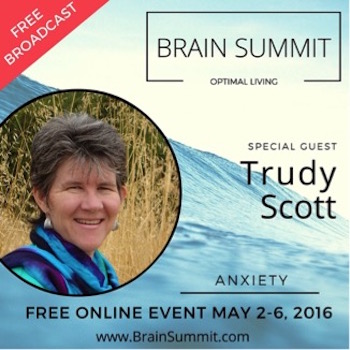
Just a quick reminder that the Brain Summit starts tomorrow, Monday, May 2nd.

brainsummit-trudy

Here are some snippets from my anxiety interview with host Erin Matlock. We started out talking about diet and grass-fed red meat and why it’s so beneficial if you have anxiety (and other mood problems):

…there’s a lot of research showing now that [a Western diet] diet is not good for so many conditions, and mental health is now coming into the research. And we know this, but to see it in the research is really beneficial. Dr. Felice Jacka did a great study in Australia that was one of the first studies that looked at anxiety and depression in women and found that the Western diet was associated with a higher risk for anxiety and depression. And this whole foods, traditional diet, that actually included grass-fed red meat, was more beneficial for anxiety and depression. And in her thesis, they actually looked at red meat thinking that they would find that red meat was actually detrimental. And, lo and behold, they found that grass-fed red meat was one of the most important predictors for good mental health. So a lot of people say, “I don’t eat red meat any more. I’m being healthy.” And in actual fact, not eating it is doing them harm.

So red meat is wonderful! And it needs to be grass fed because then you’re getting the good levels of the Omega-3s. The Omega-3 three profile of grass fed red meat is very similar to what you would find in salmon. Obviously, fish is great, so while fish like salmon or sardines are great as well, the reason I like the red meat is it’s something that most people enjoy eating. And as well as the Omega-3s, we’re getting the iron, and iron is a co-factor for making serotonin and making GABA, and it’s needed for energy and so many other functions in the body.

It’s also got zinc, and zinc is a common deficiency, way more common than we realize. And when you are anxious, you may have high copper level, and low zinc level. So getting those zinc levels up will push the copper down, and that can help with your anxiety, as well.

We also had a long discussion on serotonin and tryptophan/5-HTP:

…we often associate serotonin with depression. And a lot of people don’t realize that it’s very closely tied to anxiety, as well.  So we’ve got two types of anxiety when it comes to the brain chemicals. One is the low-serotonin type, and this is the anxiety in the head, where you’ve got the ruminating thoughts, and the busy mind, and the negative self-talk, and just this monkey mind that you can’t switch off — this worry, and sort of reprocessing things. And then we have the low-GABA kind of anxiety, where it’s in your physical body and you’re feeling stiff and tense, and you can feel it in your body, and you may feel it in your gut….

I have people do a questionnaire, and depending on how you score on that questionnaire, that’s a clue as to whether serotonin may be a factor. So all of those symptoms I’ve just mentioned, you would rate yourself on a scale of one to ten.  And then I use individual, targeted amino acids. So it’s a supplement, and the other things that obviously have an impact are food, and diet, and everything we just talked about. Getting exercise, getting outside in the light, all of those are factors.

But for quick, immediate results, and pretty profound results – people just say to me, “Could this really be happening so quickly?” that’s how quickly we get results, you know, within 30 seconds to two minutes they’re getting results – is to use these individual amino acids as supplements. And the reason they’re called “targeted” is because it’s targeted to your unique needs. Like when you do the questionnaire and it says, yes, you need some serotonin support, and then you would use either tryptophan or 5-HTP as a supplement. And again, targeted, because you need it, but also targeted to your unique biochemistry.

There’s a standard starting dose for tryptophan, which is 500 mg, while 5-HTP is 50 mg.

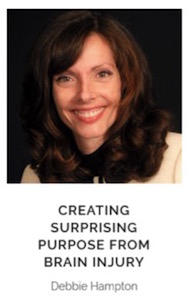
Be sure to tune into the interview with Debbie Hampton. She is the survivor of an acquired brain injury (from a pill overdose when trying to commit suicide) and the author of the upcoming book, Sex, Suicide, and Serotonin.  Her story and resilience is inspiring!  Here is Debbie’s wonderful answer to Erin’s question: “What advice would you give to someone who feels like it’s too late to do what they want to do? I’m already so deep in, there’s no way that I could possibly have the life that I wanted or do the work that I really wanted to do.”

debbie-hampton

It’s never too late. And those limitations, you’re putting on yourself. Those limitations are in your mind. If you think you can’t, and you think it’s too late, then it is. You’ve got to change your mind first and if your mind thinks you can, you’re halfway there.

My advice would be to start small … I’m not big on long-term plans. I’m big on a long-term bigger goal. But what you’ve got to do is you’ve got to take a little step in the right direction towards that goal, and when you get there, you look around and you say, “Okay, what is my next best step?” And when you get to that next step, there may be opportunities that you can see that you couldn’t even see back here.

So you’ve got to take it one step at a time and get there and assess your opportunities. And then figure out the next best step, and then get there and figure out the next one. And it may be a zigzag path, and you may even have to go back sometimes, regress, but as long as you just keep moving forward and keep positive momentum and positive thoughts and be your own cheerleader, and encourager, and supporter— be your own friend—that is the most important thing.

I could not agree more – there is an answer, you can do whatever you set out to do and just take baby steps!

You can register for the Brain Summit here:
http://www.brainsummit.com?orid=45505&opid=12


Filed Under: Amino Acids, Events, Food and mood, Real whole food, Tryptophan Tagged With: 5-HTP, anxiety, brain summit, Erin Matlock, iron, red meat, serotonin, Trudy Scott, tryptophan, zinc

Western diet is associated with a smaller left hippocampus and anxiety

October 23, 2015 By Trudy Scott Leave a Comment

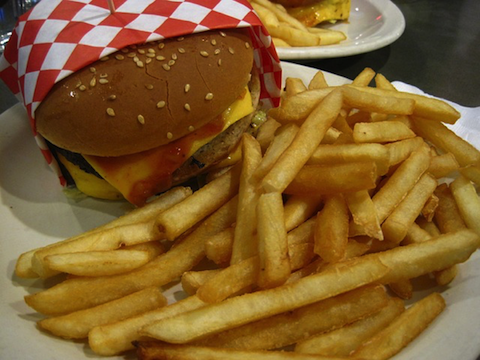
western-diet

A new food and mental health study has been published in the international BMC Medicine journal: Western diet is associated with a smaller hippocampus: a longitudinal investigation. The lead author is Associate Professor Felice Jacka from Deacon University in Australia.

Here is the conclusion of the study: 

Lower intakes of nutrient-dense foods and higher intakes of unhealthy foods are each independently associated with smaller left hippocampal volume. To our knowledge, this is the first human study to demonstrate associations between diet and hippocampal volume concordant with data previously observed in animal models.

Study participants were Australian adults aged 60-64.   The results of the study, show that an unhealthy “Western” diet is associated with a smaller left hippocampus and a healthier “prudent”, nutrient-dense diet is associated with a larger left hippocampus.

The unhealthy “Western” diet was:

characterized by the consumption of roast meat, sausages, hamburgers, steak, chips, crisps and soft drinks

and the healthy “prudent”, nutrient-dense diet was:

characterized by the consumption of fresh vegetables, salad, fruit and grilled fish

This study has importance for cognition and mental health, both depression and very possibly anxiety too:

extensive evidence from animal studies points to the importance of the hippocampus in the association between diet and mental and cognitive health

The hippocampus is a brain structure associated with both learning and memory, as well as mood regulation, and is specifically implicated in depression

The study does group high sugar and high saturated fat together, and unfortunately the healthy diet excludes good quality red meat which is surprising considering previous research and conversations with Dr. Jacka about the benefits of good quality red meat and mental health:

In our study, out of every single dietary food grouping that I looked at including vegetables, fruits, salads, beans, etc the strongest correlate of mental health was red meat intake [grass-fed red meat of course]

Consistently, women who have less than the recommended intake of red meat seem to be in an increased risk for common mental disorders [like anxiety and depression] and bipolar disorder.

It will be wonderful to see follow-up research looking at the effect of quality grass-fed red meat on hippocampus size.  

Drew Ramsey, MD, an assistant clinical professor of psychiatry at Columbia University College of Physicians and Surgeons in New York City, described the study as “exciting” in an interview on Medscape Medical News:

It’s the first time that a dietary pattern has been linked to specific changes in the brain. We’ve known for a long time that there’s a correlation between dietary pattern and the risk of a number of brain illnesses, like depression and dementia, and the mechanism behind this, we believe, involves neuroplastic processes of how food affects brain growth. This is the first study that’s really shown that quite conclusively.

Dr. Ramsey is the author of The Happiness Diet, and co-founder of National Kale Day. His mission is to educate America on eating healthier and I’ll second what he said about this study:

nutrition should be incorporated into mental health clinical practice.

How wonderful is it to hear a statement like this from a psychiatrist!?

You can read the complete study here.

What does all this mean for you? Eat real whole nutrient-dense food and ditch the junk food and processed food. Your brain will be happy and so will you be!

If you’re a mental health practitioner, start talking to your clients and patients about what they’re eating, ask them what they had for breakfast and share this research.


Filed Under: Antianxiety Food Solution, Depression, Food and mood, Mental health, Real whole food, Research Tagged With: anxiety, depression, drew ramsey, felice jacka, healthy diet, hippocampal, red meat, western diet

Low serotonin MAY often be a factor in anxiety and depression

July 17, 2015 By Trudy Scott 25 Comments

 low-serotonin-anxiety

I recently received the following series of questions/comments (all from the same person) on my blog Targeted Individual Amino Acids for Eliminating Anxiety: Practical Applications and would like to share some of what I shared, plus some additional information.

  1. Do you believe in the serotonin hypothesis? And that low serotonin is a factor in anxiety and/or depression? The serotonin hypothesis is a sales pitch from the pharmaceutical industry to sell psychotropic drugs. It is therefore very worrying that nutritional therapists found a market for sufferers and medicine addicts!

  2. There is no test you can take today that show low serotonin in the brain? So where is the evidence?

  3. Please read the books by Robert Whitaker, Peter Breggin and David Healy. Please read this article Things your Doctor Should tell You About Antidepressants and watch this Peter Breggin video

I’m sharing my response because these questions do come up periodically and you may hear other practitioners make similar statements. This is my response:

Yes, I do believe that low serotonin MAY be a factor in anxiety and/or depression (and research shows this to be a fact). I say MAY because anxiety and/or depression could have one of many possible causes – low serotonin, blood sugar instability, poor diet, not eating enough protein, sugar, caffeine, gluten, low dopamine (for depression), pyroluria, inflammation etc.

There is much evidence supporting low serotonin and depression/anxiety. Here are a few recent papers published in 2015:

  • “These findings suggest that the anxiolytic effect of dark cycle restraint is mediated by corticosterone, serotonin or γ-aminobutyric acid-independent mechanisms”
  • “Our results demonstrate that 5-HT [serotonin] deficiency leads to increased susceptibility to social defeat stress (SDS), a model of psychosocial stress”
  • “These findings link the serotonin transporter gene to affective circuitry findings in anxiety and depression psychopathology”
  • “Serotonin, tryptophan metabolism and the brain-gut-microbiome axis”

In response to the question about testing serotonin levels: you can actually test serotonin levels via platelet testing. It’s the test that correlates most closely with CSF levels. A lab called European Laboratory of Nutrients (ELN)/formerly Vitamin Diagnostics offers this platelet serotonin test. It’s not a test that I use as I rely on the Amino Acid Questionnaire and response to the amino acids.   I do not use Urinary Neurotransmitter testing.

With regards to the great article from Mad in America – I totally support these facts (for many individuals):

“antidepressant medications appear to do more harm than good as treatments for depression” and all the “harmful effects on other processes in the body” like digestion, sexual function, cognition etc.

I also respect Dr Peter Breggin’s concerns (in the youtube video) about biochemical imbalances in your brain being caused by the antidepressant drugs you are taking (such as Prozac or Paxil) and why we want to avoid them.

We know that anxiety and depression is not only caused by life stresses and trauma. There are physical biochemical imbalances, nutritional deficiencies, gut problems, food sensitivities, heavy metals and many more causes. I discussed 60+ Nutritional & Biochemical Causes of Anxiety during season 3 of the Anxiety Summit.

Low serotonin is just one of these possible contributing factors and we can address this with dietary and lifestyle changes:

  • Dietary changes include real whole food, grass-fed red meat, no sugar, no gluten, oily fish, healthy fats etc
  • Lifestyle changes include light therapy and exercise

Here are a few recent studies supporting the above:

  • “The effects of dietary tryptophan on affective disorders”
  • “Kefir protective effects against nicotine cessation-induced anxiety and cognition impairments in rats” (kefir is rich in tryptophan)
  • “Stress-Induced Depression Is Alleviated by Aerobic Exercise Through Up-Regulation of 5-Hydroxytryptamine 1A Receptors in rats”

The amino acid supplements tryptophan and 5-HTP are very powerful for providing immediate results of improved mood and reduced anxiety while the other factors are being addressed.   We really need more research on the supplements. Here are two papers:

  • “The effect of raising and lowering tryptophan levels on human mood and social behavior”
  • “5-Hydroxytryptophan: a clinically-effective serotonin precursor”

By boosting serotonin levels in my clients, I see incredible results on a daily basis. And with all this serotonin anxiety/depression research (literally thousands and thousands of papers), it just amazes me when I hear someone say that low serotonin is not a factor. It’s not THE ONLY factor, but is often one of any contributing factors.

If you are anxious or depressed and are still unconvinced, I encourage you to do the Amino Acid Questionnaire and a trial of tryptophan or 5-HTP and see how you respond. I’ve listed some brands I like on this blog: The Antianxiety Food Solution Amino Acid and Pyroluria Supplements.

If you don’t need convincing and have seen great results by boosting your serotonin levels please do share your experiences in the comments below so we can inspire others to look into this approach so they can feel wonderful too.

Filed Under: Antianxiety, Depression, Food and mood Tagged With: amino acids, anxiety, depression, serotonin

Nutritional testing for figuring out the root cause/s of your anxiety

July 3, 2015 By Trudy Scott 51 Comments

test

This blog covers the nutritional or functional testing I use with my clients, and what tests I’d run (and/or have my client’s doctor run) if everyone had unlimited funds.

Often it can be challenging to figure out the root cause/s of your anxiety, but that’s where questionnaires, nutritional/ functional/ testing, and a good practitioner (or team of practitioners like nutritionist, functional medicine doctor, nurse practitioner, therapist etc.) comes in – so you can put all the puzzle pieces together.

The following are what I have most of my clients do:

  • The basic blood work that I like to see is a lipid panel, a CBC (complete blood count), a metabolic panel, an iron panel that includes ferritin, and a thyroid panel that includes TSH, free T3, free T4, reverse T3, thyroid antibodies (antithyroglobulin and antithyroperoxidase), vitamin D, and CRP (C-Reactive Protein). There is much we can determine by looking at functional values: digestive status, possible gut dysbiosis, adrenal function, malabsorption, inflammation, as well as low iron, low vitamin D etc. I’ll share more about the markers on this panel of tests in a later blog post.  
  • I also like to see an adrenal saliva test, which measures four times cortisol. So it’d be a saliva collection first thing in the morning, noontime, 5:00 PM, and 10:00 PM. It also shows DHEA; Secretory IgA; and an anti-gliadin antibody (a marker of gluten sensitivity)
  • I rely on the Pyroluria Questionnaire and response to the supplements. The pyroluria urine test is a possibility. But I seldom have clients do it, because we can often see a false negative.
  • For neurotransmitter imbalances – low serotonin, low GABA, low catecholamines and low endorphins – I rely on the Amino Acid Questionnaire and response to amino acids. Vitamin Diagnostics offer a platelet serotonin/dopamine/norepinephrine and epinephrine panel, which is the most accurate way to measure neurotransmitters, if you really wanted to measure them. I don’t ever recommend urinary neurotransmitter testing. It just doesn’t seem to correlate with symptoms.
  • B12 levels. To determine a B12 deficiency, you would want to measure B12, methylmalonic acid (or MMA), and homocysteine.
  • The 23andme genetic testing. This will measure MTHFR, COMT, MAOA, CBS, GAD and many more polymorphisms.

Here is other testing that may be helpful for certain individuals:

  • A sex hormone saliva test. This will measures progesterone, estriol, estrone, estradiol, and testosterone.   I have a wonderful nurse practitioner that I work with, and, if need be, will refer people out to the nurse practitioner if we need support when it comes to bioidentical hormones.
  • A food intolerance test that measures IgG antibodies to 60+ foods. This shows a delayed reaction to the foods.
  • A fatty acid test. This will measure omega-3s (EPA and DHA), omega-6s and omega-9s. And it’ll also measure trans fats. Doing this test is really helpful if you have pyroluria or think that you may have pyroluria.
  • A RBC (red blood cell) magnesium test. Dr. Carolyn Dean talked about the usefulness of this test season 2 of The Anxiety Summit: Take magnesium and melt your anxiety away
  • A stool test. Metametrix/Genova and Diagnostechs offers functional stool testing. It’ll show good bacteria, yeast, parasites, bad bacteria, and digestive markers.
  • A hydrogen breath test or SIBO test. Genova offers this or you can ask your conventional doctor to order this.
  • The H/pylori antigen test. Genova offers this or a conventional doctor can do this.
  • Intestinal permeability profile. Genova offers this.
  • A celiac panel. Genova offers this, or a conventional doctor can do this.
  • The Cyrex panels, which will show gluten and food cross-reactions, and various autoimmune markers.
  • The histamine whole blood is a useful test to see if you have high histamine/histadelia or low histamine/histapenia. This is offered by Vitamin Diagnostics and must be WHOLE blood.
  • Spectracell shows vitamin and mineral deficiencies.
  • A VAP test. If you have concerns about high cholesterol and heart disease, this is going to measure particle size, fibrinogen, Lp(a) and other cardio markers (since looking at only high total cholesterol is not particularly useful).
  • The OAT/Organic Acid Test. Great Plains offers this and it has markers of digestion, yeast overgrowth, infections, B vitamin status and neurotransmitter function.
  • A hair mineral analysis. This is a great way to look for toxic metals and mineral status. You want to look at ratios, not just levels. This is a good marker for copper toxicity as well. Analytical Research Lab offers this test.
  • If you think your copper is too high, or you’ve got low zinc, you can measure copper or ceruloplasmin. This is in serum.
  • Porphyrin testing. This is a measure of the effect of heavy metals such as lead and mecury. Kris Homme talked about this in Season 2 of the Anxiety Summit: Your hidden mercury burden – A likely root cause of the other root causes of anxiety – part 2
  • An amino acid profile, which is a plasma or blood spot test. It’s not something that I use very often, but I have seen people with this test.
  • You can also test candida antibodies in blood, which is not terribly accurate, but sometimes will show up.

I want to look into the following testing:

  • The gene testing that Dr. Peter Osborne talks about in his interview on Season 3 of The Anxiety Summit: Grainflammation – How Grain Consumption Contributes to Anxiety and other Mood Disorders
  • The mold testing that Dr. Jill Carnahan talks about in her interview, also during Season 3 of The Anxiety Summit: Is Toxic Mold the Hidden Cause of Your Anxiety?
  • Testing of oxytocin by Meridian Valley – a 24 hour urinary test. I blogged about oxytocin, social anxiety and autism here

What functional/nutritional testing have you had done and have found to be helpful? Which of the above tests would you like more detailed information about?

Filed Under: Anxiety and panic, Food and mood, Gluten, Mercury, Testing

  • « Go to Previous Page
  • Page 1
  • Page 2
  • Page 3
  • Page 4
  • Interim pages omitted …
  • Page 22
  • Go to Next Page »

Primary Sidebar

GABA QuickStart Homestudy

gaba quickstart homestudy

Free Report

9 Great Questions Women Ask about Food, Mood and their Health

You'll also receive a complimentary subscription to my ezine "Food, Mood and Gal Stuff"


Connect with me

Popular Posts

  • Amino Acids Mood Questionnaire from The Antianxiety Food Solution
  • The Antianxiety Food Solution Amino Acid and Pyroluria Supplements
  • Pyroluria Questionnaire from The Antianxiety Food Solution
  • Collagen and gelatin lower serotonin: does this increase your anxiety and depression?
  • Tryptophan for the worry-in-your-head and ruminating type of anxiety
  • GABA for the physical-tension and stiff-and-tense-muscles type of anxiety
  • The Antianxiety Food Solution by Trudy Scott
  • Seriphos Original Formula is back: the best product for anxiety and insomnia caused by high cortisol
  • Am I an anxious introvert because of low zinc and vitamin B6? My response to Huffington Post blog
  • Vagus nerve rehab with GABA, breathing, humming, gargling and key nutrients

Recent Posts

  • Her cravings for chips and peanut butter were triggered by stress: GABA ends cravings and reduces physical tension and fear of heights
  • It is truly miraculous to be able to move through life without crippling anxiety and panic
  • GABA and tryptophan combo provide immediate and noticeable relief for tremors and cervical dystonia in just 7 days
  • Red light therapy for back and neck pain, plantar fasciitis and low mood – a complement to the amino acids GABA, DPA and tryptophan
  • What do I use instead of Seriphos to help lower high cortisol that is affecting my sleep and making me anxious at night?

Categories

  • 5-HTP
  • AB575
  • Addiction
  • ADHD
  • Adrenals
  • Alcohol
  • Allergies
  • Alzheimer's disease
  • Amino Acids
  • Anger
  • Antianxiety
  • Antianxiety Food Solution
  • Antidepressants
  • Anxiety
  • Anxiety and panic
  • Autism
  • Autoimmunity
  • benzodiazapines
  • Bipolar disorder
  • Books
  • Caffeine
  • Cancer
  • Candida
  • Children/Teens
  • Collagen
  • Cooking equipment
  • Coronavirus/COVID-19
  • Cravings
  • Depression
  • Detoxification
  • Diabetes
  • Diet
  • DPA/DLPA
  • Drugs
  • EFT/Tapping
  • EMF
  • EMFs
  • Emotional Eating
  • Endorphins
  • Environment
  • Essential oils
  • Events
  • Exercise
  • Fear
  • Fear of public speaking
  • Fertility and Pregnancy
  • Fish
  • Food
  • Food and mood
  • Functional neurology
  • GABA
  • Gene polymorphisms
  • General Health
  • Giving
  • Giving back
  • Glutamine
  • Gluten
  • GMOs
  • Gratitude
  • Gut health
  • Heart health/hypertension
  • Histamine
  • Hormone
  • Hyperparathyroidism
  • Hypoglycemia
  • Immune system
  • Inflammation
  • Insomnia
  • Inspiration
  • Introversion
  • Joy and happiness
  • Ketogenic diet
  • Lithium orotate
  • Looking awesome
  • Lyme disease and co-infections
  • MCAS/histamine
  • Medication
  • Men's health
  • Mental health
  • Mercury
  • Migraine
  • Mold
  • Movie
  • MTHFR
  • Multiple sclerosis
  • Music
  • NANP
  • Nature
  • Nutritional Psychiatry
  • OCD
  • Osteoporosis
  • Oxalates
  • Oxytocin
  • Pain
  • Paleo
  • Parasites
  • Parkinson’s disease
  • PCOS
  • People
  • PMS
  • Postpartum
  • PTSD/Trauma
  • Pyroluria
  • Questionnaires
  • Real whole food
  • Recipes
  • Research
  • Schizophrenia
  • serotonin
  • SIBO
  • Sleep
  • Special diets
  • Sports nutrition
  • Stress
  • Sugar addiction
  • Sugar and mood
  • Supplements
  • Teens
  • Testimonials
  • Testing
  • The Anxiety Summit
  • The Anxiety Summit 2
  • The Anxiety Summit 3
  • The Anxiety Summit 4
  • The Anxiety Summit 5
  • The Anxiety Summit 6
  • Thyroid
  • Thyroid health
  • Toxins
  • Tryptophan
  • Tyrosine
  • Uncategorized
  • Vegan/vegetarian
  • Women's health
  • Yoga

Archives

  • May 2026
  • April 2026
  • October 2025
  • September 2025
  • August 2025
  • July 2025
  • June 2025
  • May 2025
  • April 2025
  • March 2025
  • February 2025
  • January 2025
  • November 2024
  • October 2024
  • September 2024
  • August 2024
  • July 2024
  • June 2024
  • May 2024
  • April 2024
  • March 2024
  • February 2024
  • January 2024
  • December 2023
  • November 2023
  • October 2023
  • September 2023
  • August 2023
  • July 2023
  • June 2023
  • May 2023
  • April 2023
  • March 2023
  • February 2023
  • January 2023
  • December 2022
  • November 2022
  • October 2022
  • September 2022
  • August 2022
  • July 2022
  • June 2022
  • May 2022
  • April 2022
  • March 2022
  • February 2022
  • January 2022
  • December 2021
  • November 2021
  • October 2021
  • September 2021
  • August 2021
  • July 2021
  • June 2021
  • May 2021
  • April 2021
  • March 2021
  • February 2021
  • January 2021
  • December 2020
  • November 2020
  • October 2020
  • September 2020
  • August 2020
  • July 2020
  • June 2020
  • May 2020
  • April 2020
  • March 2020
  • February 2020
  • January 2020
  • December 2019
  • November 2019
  • October 2019
  • September 2019
  • August 2019
  • July 2019
  • June 2019
  • May 2019
  • April 2019
  • March 2019
  • February 2019
  • January 2019
  • December 2018
  • November 2018
  • October 2018
  • September 2018
  • August 2018
  • July 2018
  • June 2018
  • May 2018
  • April 2018
  • March 2018
  • February 2018
  • January 2018
  • December 2017
  • November 2017
  • October 2017
  • September 2017
  • August 2017
  • July 2017
  • June 2017
  • May 2017
  • April 2017
  • March 2017
  • February 2017
  • January 2017
  • December 2016
  • November 2016
  • October 2016
  • September 2016
  • August 2016
  • July 2016
  • June 2016
  • May 2016
  • April 2016
  • March 2016
  • February 2016
  • January 2016
  • December 2015
  • November 2015
  • October 2015
  • September 2015
  • August 2015
  • July 2015
  • June 2015
  • May 2015
  • April 2015
  • March 2015
  • February 2015
  • January 2015
  • December 2014
  • November 2014
  • October 2014
  • September 2014
  • August 2014
  • July 2014
  • June 2014
  • May 2014
  • April 2014
  • March 2014
  • February 2014
  • January 2014
  • December 2013
  • November 2013
  • October 2013
  • September 2013
  • August 2013
  • July 2013
  • June 2013
  • May 2013
  • April 2013
  • March 2013
  • February 2013
  • January 2013
  • December 2012
  • November 2012
  • October 2012
  • August 2012
  • July 2012
  • June 2012
  • May 2012
  • April 2012
  • March 2012
  • February 2012
  • January 2012
  • December 2011
  • November 2011
  • October 2011
  • September 2011
  • August 2011
  • July 2011
  • June 2011
  • May 2011
  • April 2011
  • March 2011
  • February 2011
  • January 2011
  • December 2010
  • October 2010
  • September 2010
  • July 2010
  • May 2010
  • April 2010
  • March 2010
  • February 2010
  • January 2010
  • November 2009

Share the knowledge!

The above statements have not been evaluated by the Food and Drug Administration. Products listed in this website are not intended to diagnose, treat, cure or prevent any disease.

The information provided on this site is for informational and educational purposes only and is not intended as a substitute for advice from your physician or other health care professional. You should consult with a healthcare professional before starting or modifying any diet, exercise, or supplementation program, before taking or stopping any medication, or if you have or suspect you may have a health problem.


Copyright © 2026 Trudy Scott. All Rights Reserved. | Privacy | Terms and Conditions | Refund Policy | Medical Disclaimer

Free Report

9 Great Questions Women Ask about Food, Mood and their Health

You’ll also receive a complimentary subscription to my ezine “Food, Mood and Gal Stuff”