• Skip to primary navigation
  • Skip to main content
  • Skip to primary sidebar

everywomanover29 blog

Food, Mood and Women's Health – Be your healthiest, look and feel great!

  • Blog
  • About
  • Services
  • Store
  • Resources
  • Testimonials
  • The Book
  • Newsletter
  • Contact
  • Search this site

Events

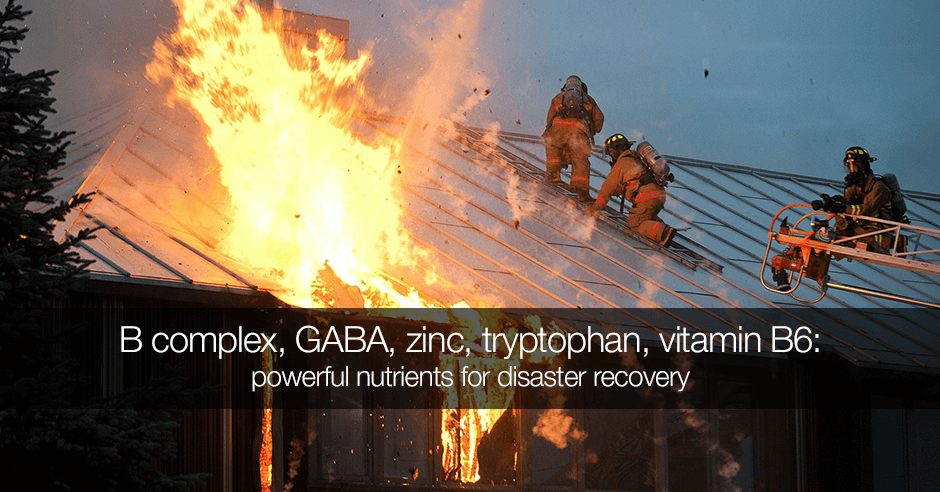
B complex, GABA, zinc, tryptophan, vitamin B6: powerful nutrients for disaster recovery

February 11, 2018 By Trudy Scott 2 Comments

My friend and colleague Dr. Shiroko Sokitch, and the crew at HealthMeans have created the Disaster Recovery Charity Event to help you learn to prepare for (and overcome) any lingering physical and emotional trauma after a natural disaster – fires, hurricanes, floods, mudslides, earthquakes and more.

When you register, you KEEP all the expert talks associated with the event (i.e. there is no charge), to listen and learn from at your own pace, in recovery or preparation for a natural disaster – it’s our goodwill gift to you!

In addition, a handful of global and local charities have been selected so have a choice to give back and donate to them if this feels like a good fit for you.

In my interview we talk about B vitamins for foundational nutritional support and to help with adrenal support. Research shows that a good B complex is very beneficial for disaster recovery

The use of nutrient formulas with multiple minerals and/or vitamins to minimise stress associated with natural disasters is now supported by three studies.

Of course, I also share how to use the amino acids, GABA and tryptophan, as needed when anxiety levels are high, and worry and fear are impacting your sleep.

  • Serotonin support with Lidtke tryptophan or Lidtke Tryptophan Complete or Lidtke Combat Stress (a tryptophan product formulated for stress support) – especially if you’re feeling sad, worried, resolving to try and feel positive, imagining the worst, feeling fearful and having problem sleeping. You can read more about tryptophan here.
  • GABA support for physical tension and an increased need to self-medicate with alcohol in order to stay calm. You can read more about GABA here.
  • Children who are fearful after a disaster and have a hard time sleep, often do very well with chewable tryptophan.

I also discuss pyroluria because stress makes symptoms worse so taking additional zinc and vitamin B6 is often needed in times of added stress such as being on call to evacuate, having to evacuate and/or rebuilding after a disaster:

Pyroluria is a genetic condition that is frequently associated with a type of anxiety characterized by social anxiety, avoidance of crowds, a feeling of inner tension, and bouts of depression. People with this problem experience varying degrees of anxiety or fear, often starting in childhood, but they usually manage to cover it up and push through. They tend to build their life around one person, become more of a loner over time, have difficulty handling stress or change, and have heightened anxiety symptoms when under more stress.

Addressing low levels of the mineral zinc and vitamin B6, together with some other nutrients and stress management, are key to addressing these symptoms.

I was thrilled to be able to contribute and share my expertise. I had friends impacted by the Houston hurricane and floods, and was actively involved in online support of volunteer rescue teams. So much of the stress and nutritional advice shared in my interview and by other experts can be used for rescuers, first responders and firefighters too – many of whom are under huge amounts of stress, are also suffering from lack of sleep and may be exposed to dirty flood water, mold, smoke, and flame retardants too.

Registration details for Disaster Recovery Charity Event here. It airs online from Feb 12-19, 2018.
My heart goes out to you and your families if you have been impacted by a disaster such a flood or fire or hurricane.

And even if you have not been impacted by a disaster, tune in so you can be prepared should this happen one day in the future.

Also, keep in mind, so much of this information helps recovery from PTSD and trauma that have other non-disaster causes.

Enjoy our gift to you and please share with loved ones and friends.

Feel free to share tips that have helped you recover from a disaster so we can all help more people.
Filed Under: Events Tagged With: disaster, disaster recovery, Shiroko Sokitch

Nutritional and lifestyle support for mercury toxicity and detoxification in general

February 4, 2018 By Trudy Scott 7 Comments


I’ve poured through most of the transcripts of the Heavy Metals Summit and there is so much information on nutritional and lifestyle support for mercury toxicity and the detoxification process in general:

  • sweating and using a sauna in order to detox through the skin
  • broccoli sprouts (due to a glutathione boost from sulforaphane, an organosulfur compound – in Julie Matthews’s interview)
  • reducing EMF/ELF and microwave exposure – in Dr. Mercola’s talk! He shares how all this can make matters worse and has some simple approaches like turning off power in the bedroom at night! This was new to me and a brilliant approach!
  • eating organic (to minimize GMO/glyphosate effects on a leaky gut and a leaky blood brain barrier) and never using Roundup
  • addressing low zinc and low selenium
  • supporting methylation so the body can detox on it’s own
  • supporting the liver and increasing bile production which is needed for detoxification
  • addressing low stomach acid which is needed for bile production and absorption of minerals like zinc (which is depleted by heavy metals)
  • avoiding meds like PPIs (which reduce stomach acid) and NSAIDs (which contribute to leaky gut)
  • thyroid support/iodine (as needed)
  • getting the brain’s glymphatic system working with sufficient sleep, melatonin (liposomal) and even liposomal GABA (in Dr. Christine Schaffer’s interview)
  • supporting the vagus nerve in order to improve digestion and detoxification
  • using an air filter and water filters
  • using foods/products like curcumin, ginger, probiotics, apple pectin
  • adding DPP-4 enzyme for gluten issues (mercury depletes this)
  • avoid energy-efficient bulbs (they are high mercury)
  • having Epsom salts baths
  • improving elimination from the bowels and much more

This is the support I offer as a nutritionist and it’s wonderful to hear all these doctors/practitioners discuss about all this with a tie back to mercury, lead and other metals.

Whey is not mentioned on the summit but since someone shared how it’s benefiting her (in the comments of the Boyd Haley blog) I’m sharing here too since it helps with glutathione production. In this paper “a case is made for the use of hydrolyzed whey protein to support metal detoxification and neurological function.” I recommend whey to clients if tolerated.

Many years ago I heard a presentation by a biological dentist who then became a nutritionist – he shared that he used whey with mercury toxic patients (together with other nutrients) and saw metals go up in hair analysis and then come down as their symptoms improved.

As I’ve mentioned in the past, mercury chelation is a controversial topic and you’ll see comments very divided on what the safest approach is. This is not my area of expertise and I’m very cautious with recommendations in this area as I’ve had reports of harm from individuals using all the approaches you’ll hear about on the summit (and even the Andy Cutler protocol which is not covered). My best advice is to follow all the nutritional/lifestyle recommendations and if you do decide to go the chelation root, do your homework, find a practitioner to work with and listen to your gut. If what you’re doing doesn’t feel right then stop doing it.

As with any chronic health condition, mercury detox is a comprehensive approach and very individualized.

There is also a discussion about safe removal of amalgams/mercury fillings. They do need to be done safely so as not to cause further issues. The IOMT also offers excellent guidelines.

The summit also covers other metals like copper (Ann Louise Gittleman covers this and I blog about it here), arsenic (Dr. Joseph Pizzorno covers this – reducing consumption is a big factor; and non-organic chicken is a source) and aluminum.

You can still register here to hear day 7 interviews and the encores: The Heavy Metals Summit.

Have you seen benefits with a nutritional approach?

Filed Under: Events Tagged With: anxiety, broccoli, detox, detoxification, heavy metals summit, liver support, magnesium, mercury, mercury toxicity, minerals, nutritional, nutritional support, sauna, sleep, zinc

Broken Brain: Anxiety, depression and medication side-effects

January 27, 2018 By Trudy Scott Leave a Comment

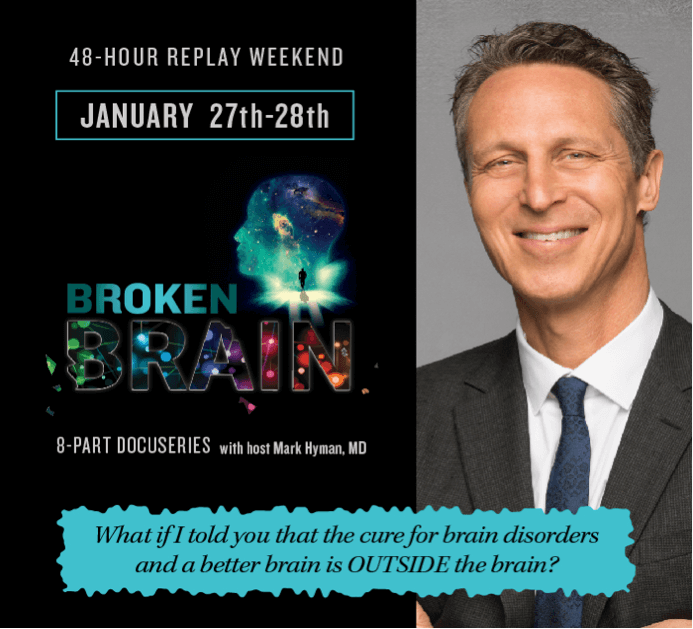
Dr. Mark Hyman, MD, host of the 8-part Broken Brain docuseries, makes this bold statement which is supported by the 58 experts in the docuseries:

What if I told you that the cure for brain disorders and a better brain is OUTSIDE the brain?  

Dr. Hyla Cass, integrative psychiatrist, and author of 8 Weeks to Vibrant Health, and The Addicted Brain, shares some of the side effects of antidepressant medications in her interview in Episode 5 – Anxiety and Depression:

  • some people start to imagine they are getting messages to do harm to themselves; one woman she worked with had weird thoughts of hurting someone
  • some people lose joy and are flat and experience sexual side-effects – this can affect relationships
  • weight gain of 10-20-30 pounds is not uncommon

Dr. Cass also mentions the side-effect called akathisia where it feels like you are crawling out of your skin. This is described in Drug-Induced Akathisia as follows:

Akathisia consists of subjective inner restlessness, such as awareness of the inability to remain seated, restless legs, fidgetiness, and the desire to move constantly, and of objective increased motor phenomena, such as body rocking, shifting from foot to foot, stamping in place, crossing and uncrossing legs, pacing around.

In this paper, Akathisia: overlooked at a cost

It is a recognized side effect of antipsychotic and antiemetic [or anti-nausea] drugs but may also be caused by other widely prescribed drugs such as antidepressants.

As Dr. Hyman states the cure for brain disorders is OUTSIDE the brain, and Dr. Cass reinforces this sharing that we have ability to heal ourselves when given the right materials and when we get to the root cause.

She recommends a nutritional approach using targeted and specific nutrients based on each person’s unique need. Here are some of the many root caused she looks into and addresses:

  • a B12 and other B vitamin deficiencies
  • MTHFR defects
  • hormonal imbalances
  • low levels of neurotransmitters

Dr. Cass also discusses sensible medication withdrawal approaches and much more.

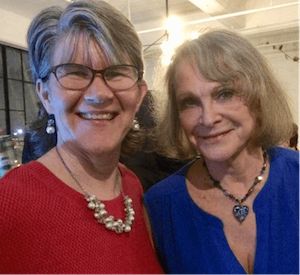
I’m a big fan of Dr. Cass and her interview is one of my favorite interviews in the series. She is both a colleague and good friend – here we are in LA in November when I had the opportunity to interview Dr. Hyman.

Here’s a list of ALL the episodes. Each one is available during the replay period:

  1. The Broken Brain Epidemic / Dr. Hyman’s Story
  2. Gut Brain Connection: Getting to The Root of a Broken Brain
  3. Losing Your Mind (Alzheimer’s, Dementia, MS, and more)
  4. ADHD and Autism
  5. Depression & Anxiety
  6. Traumatic Brain Injury: Accidents, Sports, and more
  7. 7 Steps to An UltraMind (Part 1)
  8. 7 Steps to An UltraMind (Part 2)

You can watch the entire 8-part Broken Brain docuseries by clicking here

All episodes will be aired until midnight on Sunday (9pm PST/ 11:59pm EST).

Keep in mind that what you’re seeing in episode 5 is a short section of Dr. Cass’ full interview. You can get access to her entire interview (video and transcript) and those of the other 58 speakers when you upgrade/purchase the series.

If you are considering purchasing the series now is the time to do it because prices will go up by 50% once it ends. As Dr. Hyman says: “Own Broken Brain and own your future.”  

Enjoy!

Filed Under: Events Tagged With: broken brain, Hyla Cass, mark hyman

Mercury detox: NBMI as a safe and non-toxic heavy metal chelator

January 22, 2018 By Trudy Scott 208 Comments

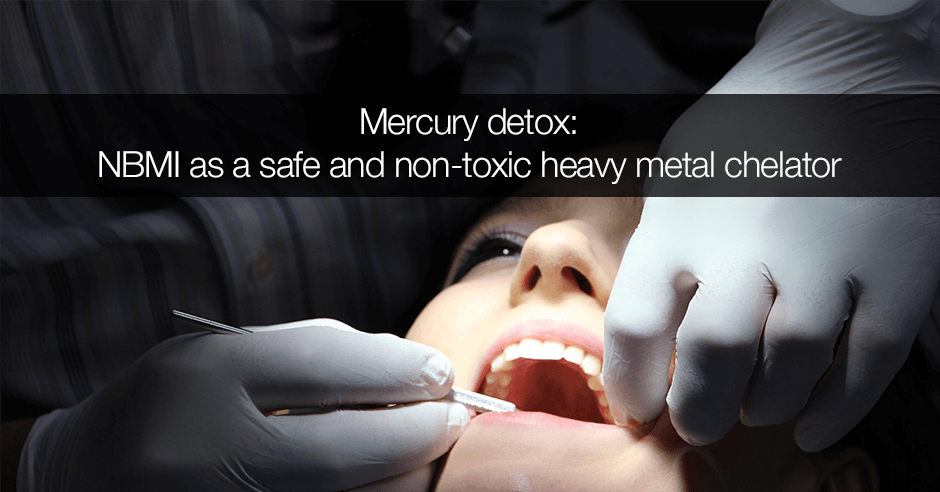
Mercury toxicity is a big issue when it comes to anxiety. Detoxification of mercury can be a complex process and is often controversial. I recently had the opportunity to hear Professor Boyd Haley’s interview on the Heavy Metals Summit where he addresses all this so well and shares some cutting-edge information. I was really quite blown away with what I learned.

Effective Mercury Detoxification Strategies is covered by Professor Haley, a researcher I have been following for years. He is interviewed by one of the summit hosts, Dr. Dietrich Klinghardt who asks brilliant questions. Be prepared for deep questions and some pretty technical feedback.

Professor Haley shares this about mercury amalgams in the mouth and iron that is displaced:

mercury vapor can penetrate any part of the body it wants. Mercury would rather be in fatty tissues, and that makes the brain a prime target. Plus, you can take it in through the axonal nerves… from the nasal cavity up into the brain. And if you breathe it, it gets into the body and it travels, basically penetrating every cell or any membrane.

When mercury is converted from Hg0 [elemental mercury] to Hg2+ [inorganic mercury] it displaces iron from iron sulfur centers in the brain. And that iron is now free, and iron is a very potent oxidative stress inducer…that’s associated with Alzheimer’s disease and other neurological illnesses [such as anxiety].

He talks about the synergistic effect of aluminum and mercury, and offers that the DMPS challenge test does show mercury body burden but isn’t good enough for reducing body burden, and that both DMPS and DMSA can make some people sicker and affect their kidneys. This has always been one of my concerns with this approach. I shared how I reacted badly to DMPS in my anxiety summit interview with Dr. John Dempster.

Professor Haley then shares how he set out to find a safe and non-toxic heavy metal chelator that would cross the blood-brain barrier, get inside the cells and bind the mercury. The compound was initially sold as an antioxidant (as OSR), is now called NBMI and is in phase 2 clinical trials:

It was sold for a long time, and called OSR, Oxidative Stress Relief. And now, it’s called NBMI…it takes a carboxybenzoate which is found in berries and couples to the carboxyl groups cystamine which is cysteine without the carboxyl group. And when you do that, you neutralize both of the charges, and you make an uncharged compound that has two sulfurs off two arms that can surround a mercury atom or any atom of any size.

And that compound is what we’re working on today. We’re now going into phase two studies. When we gave it to humans in a phase one study, the safety and pharmacokinetics, it was 60-80% absorbed into the blood. And we didn’t have one single adverse effect reported. It is the same thing we had when we sold it as a dietary antioxidant – this compound not only does it bind mercury, it is a very potent oxygen-radical scavenger, just like glutathione.

As of now this compound is only available in Switzerland and chelates any metal that binds sulfur – like mercury, lead, iron, cadmium, copper – all of which can increase anxiety when levels are high.

Dr. Klinghardt has been using it with success and feels Professor Haley deserves the Nobel Prize for his work! This is so promising because as you’ll hear in Dr. Klinghardt’s interview: Biophysics of Heavy Metal Detox (don’t miss this one either) heavy metal toxicity is at the root of most illnesses:

I found over the years that decreasing the body burden off metals, especially aluminum, lead, and mercury – if you can get that down – there is a point when we have been effective where all the vitality comes back.

I am so excited to share more as I learn more.

A good complement to the above two interviews is co-host, Dr. Christine Shaffer’s interview on Metal Allergies and Detoxing the Brain, where she shares much of what makes a detox successful. The discussion on how to get the brain’s glymphatic system working well is fascinating: sleep, melatonin (liposomal) and even GABA (also liposomal), looking at the vagus nerve and much more.


Update 7/10/20:

Here are updates on progress, new studies and proposed new applications – Mercury & gadolinium toxicity, iron overload, COVID-19: NBMI research update and potential applications.

The EmeraMed site has information about which countries are allowing early access. Please contact the company directly rather than ask me about how to obtain the product as I am simply sharing what they have shared with me. I also encourage you to sign up for EmeraMed’s newsletter so you can keep up to date with progress and access information.

I still find NBMI intriguing and look forward to it being readily available once the studies are completed. I’ll share again when I have additional information.

Filed Under: Anxiety, Detoxification, Events, Mercury, Toxins Tagged With: anxiety, Boyd Haley, detox, Dr. Dietrich Klinghard, GABA, heavy metals summit, melatonin, mercury, NBMI, non-toxic

GI MAP stool testing: DNA and antibiotic resistance genes

January 21, 2018 By Trudy Scott 3 Comments

Dr. Ben Lynch interviews Dr. David Brady’s on the Dirty Genes Summit (Jan 22 through Jan 29) and they cover stool testing and antibiotic resistance genes.

The section on antibiotic resistance genes is part of the discussion about the stool testing that Dr. Brady recommends: the GI Map test by Diagnostic Solutions Lab, a PCR/DNA test he helped to develop.

Before they get to the antibiotic resistance genes discussion, Dr. Brady shares more about this 2-year old test and why he has found it superior to other stool testing, sharing that it’s more comprehensive than what the gastroenterologist would do, plus the fact that other functional stool tests rely on culture technologies which has the limitation that you can only test bugs that you can grow. He shares that:

More than 95% of bugs in the gut can’t be grown on a petri dish. They are anaerobes or they are very difficult to culture.

He also discusses the process of testing for sensitivities to herbs (in some of the other stool tests) i.e. what herb will kill what bug, sharing that this is a flawed method:

While dropping specific prescriptive antibiotics on a culture has been methodically worked out to correlate with a certain dose of that antibiotic orally, it’s never been done for herbs and volatile oils.

Dr. Brady does discuss one other major advantage of the GI MAP test:

We look for antibiotic resistance genes, both phenotype and genotype of the microbiotia and looking through the genetic signatures of antibiotic resistance. So if you’re going to use a prescriptive antibiotic, we can tell you if the microbiotia of the patient harbors the genes for resistance to sulfonamide or fluoroquinolones or some others.

I see great value in this beyond finding a solution for addressing the pathogens. This is because we know antibiotics have side-effects and some like the fluroquinolones can actually cause anxiety, depression, insomnia, panic attacks, clouded thinking, depersonalization, suicidal thoughts, psychosis, nightmares, and impaired memory. We cover this in detail in the Anxiety Summit interview with Lisa Bloomquist, fluoroquinolone toxicity patient advocate: Antibiotic Induced Anxiety – How Fluoroquinolone Antibiotics Induce Psychiatric Illness Symptoms

When it comes to genetics work and testing, dr. Brady endorses Dr. Peter D’Adamo, Opus23 and Dr. Ben Lynch, recognizing the importance of science and looking at the clinical presentation of the patient rather than individual SNPs.  I would have loved hearing some examples of what he means by this.  

All in all, this is a fascinating interview and well worth listening to!

Register for the Dirty Genes Summit here – to hear this entire interview and learn from Dr. Ben Lynch and the other experts he interviews.

Hope you can join in!

Please post questions and comments below.

Filed Under: Events, Gene polymorphisms, Testing Tagged With: antibiotic resistance genes, anxiety, Ben Lynch, David Brady, depression, Dirty Genes, fluroquinolones, GI MAP

Thyroid disease: anxiety, panic attacks and seizures on The Broken Brain

January 15, 2018 By Trudy Scott 9 Comments

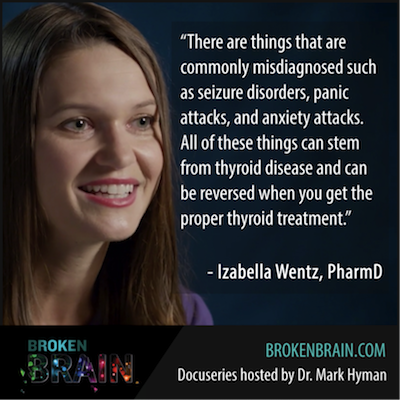
There are things that are commonly misdiagnosed as seizure disorders, panic attacks and anxiety attacks. All of these things can stem from thyroid disease and can be reversed when you get proper thyroid treatment.

~ Izabella Wentz, PharmD, author of Hashimoto’s Protocol

Here are some wise words of wisdom from one of the 57 expert speakers – Dr. Izabella Wentz – sharing about the thyroid-brain connection on Dr. Mark Hyman’s 8 -part Broken Brain docuseries.

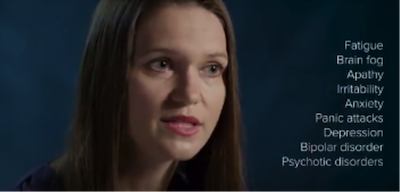
As well as anxiety and panic attacks, some other issues with the thyroid are fatigue, brain fog, apathy, irritability, depression, bipolar disorder and psychotic disorders.

With Hashimoto’s encephalopathy there can be gait and balance problems, seizures, delusions and even hallucinations.

Izabella shares her own Hashimoto’s story and how she experienced anxiety, panic attacks, social anxiety and bad brain fog. She said she felt her mind slipping away and how scary it was but also that thyroid problems are fairly resolvable.

Some of the solutions she offers:

  • a paleo or autoimmune paleo diet
  • getting rid of reactive foods
  • including bone broth if tolerated
  • 200-400mcg selenium methionine (it reduces an autoimmune attack on the thyroid by half and also improves anxiety and reduces hair loss)
  • 600mg of thiamine (has been shown to reverse thyroid fatigue in 6 days; she has found the benfotiamine form to be the most helpful)

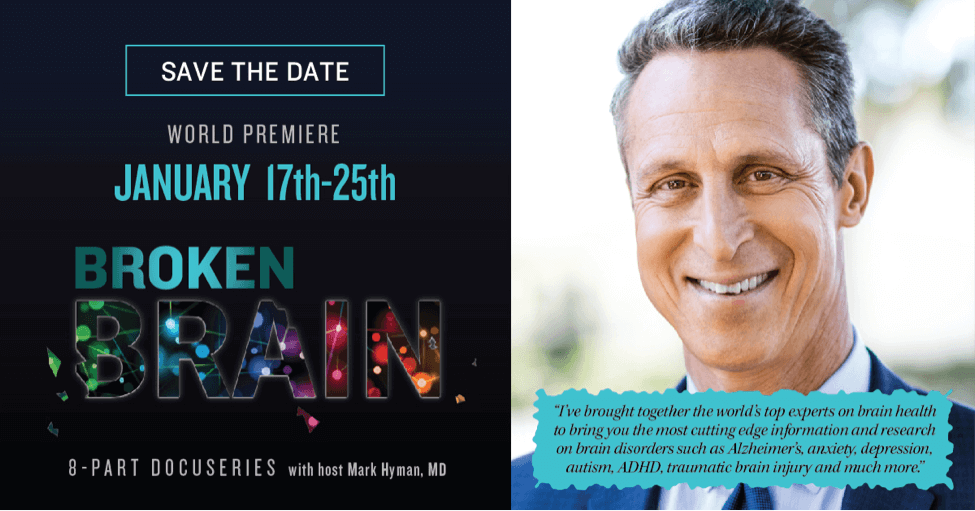
Save the date for the 8 -part Broken Brain docusersies, hosted by Dr. Mark Hyman – and register here. It airs January 17-25th

(I have just found out that if you watched the series during the pre-launch in October and want to watch it again this time around you do NOT need to sign up again under a new email address. My apologies for the confusion!)

Here’s a list of ALL the episodes, to showcase just some of what you will have access to. Each episode will be available for 24 hours, at no-cost!

  1. The Broken Brain Epidemic / Dr. Hyman’s Story (January 17)
  2. Gut Brain Connection: Getting to The Root of a Broken Brain (January 18)
  3. Losing Your Mind (Alzheimer’s, Dementia, MS, and More) (January 19)
  4. ADHD and Autism (January 20)
  5. Depression & Anxiety (January 21)
  6. Traumatic Brain Injury: Accidents, Sports, and More (January 22)
  7. 7 Steps to An UltraMind (Part 1) (January 23)
  8. 7 Steps to An UltraMind (Part 2) (January 24)

See you there!

Filed Under: Events Tagged With: broken brain summit, izabella wentz, mark hyman

  • « Go to Previous Page
  • Page 1
  • Interim pages omitted …
  • Page 3
  • Page 4
  • Page 5
  • Page 6
  • Page 7
  • Interim pages omitted …
  • Page 35
  • Go to Next Page »

Primary Sidebar

GABA QuickStart Homestudy

gaba quickstart homestudy

Free Report

9 Great Questions Women Ask about Food, Mood and their Health

You'll also receive a complimentary subscription to my ezine "Food, Mood and Gal Stuff"


Connect with me

Popular Posts

  • Amino Acids Mood Questionnaire from The Antianxiety Food Solution
  • The Antianxiety Food Solution Amino Acid and Pyroluria Supplements
  • Pyroluria Questionnaire from The Antianxiety Food Solution
  • Collagen and gelatin lower serotonin: does this increase your anxiety and depression?
  • Tryptophan for the worry-in-your-head and ruminating type of anxiety
  • GABA for the physical-tension and stiff-and-tense-muscles type of anxiety
  • The Antianxiety Food Solution by Trudy Scott
  • Seriphos Original Formula is back: the best product for anxiety and insomnia caused by high cortisol
  • Am I an anxious introvert because of low zinc and vitamin B6? My response to Huffington Post blog
  • Vagus nerve rehab with GABA, breathing, humming, gargling and key nutrients

Recent Posts

  • Her cravings for chips and peanut butter were triggered by stress: GABA ends cravings and reduces physical tension and fear of heights
  • It is truly miraculous to be able to move through life without crippling anxiety and panic
  • GABA and tryptophan combo provide immediate and noticeable relief for tremors and cervical dystonia in just 7 days
  • Red light therapy for back and neck pain, plantar fasciitis and low mood – a complement to the amino acids GABA, DPA and tryptophan
  • What do I use instead of Seriphos to help lower high cortisol that is affecting my sleep and making me anxious at night?

Categories

  • 5-HTP
  • AB575
  • Addiction
  • ADHD
  • Adrenals
  • Alcohol
  • Allergies
  • Alzheimer's disease
  • Amino Acids
  • Anger
  • Antianxiety
  • Antianxiety Food Solution
  • Antidepressants
  • Anxiety
  • Anxiety and panic
  • Autism
  • Autoimmunity
  • benzodiazapines
  • Bipolar disorder
  • Books
  • Caffeine
  • Cancer
  • Candida
  • Children/Teens
  • Collagen
  • Cooking equipment
  • Coronavirus/COVID-19
  • Cravings
  • Depression
  • Detoxification
  • Diabetes
  • Diet
  • DPA/DLPA
  • Drugs
  • EFT/Tapping
  • EMF
  • EMFs
  • Emotional Eating
  • Endorphins
  • Environment
  • Essential oils
  • Events
  • Exercise
  • Fear
  • Fear of public speaking
  • Fertility and Pregnancy
  • Fish
  • Food
  • Food and mood
  • Functional neurology
  • GABA
  • Gene polymorphisms
  • General Health
  • Giving
  • Giving back
  • Glutamine
  • Gluten
  • GMOs
  • Gratitude
  • Gut health
  • Heart health/hypertension
  • Histamine
  • Hormone
  • Hyperparathyroidism
  • Hypoglycemia
  • Immune system
  • Inflammation
  • Insomnia
  • Inspiration
  • Introversion
  • Joy and happiness
  • Ketogenic diet
  • Lithium orotate
  • Looking awesome
  • Lyme disease and co-infections
  • MCAS/histamine
  • Medication
  • Men's health
  • Mental health
  • Mercury
  • Migraine
  • Mold
  • Movie
  • MTHFR
  • Multiple sclerosis
  • Music
  • NANP
  • Nature
  • Nutritional Psychiatry
  • OCD
  • Osteoporosis
  • Oxalates
  • Oxytocin
  • Pain
  • Paleo
  • Parasites
  • Parkinson’s disease
  • PCOS
  • People
  • PMS
  • Postpartum
  • PTSD/Trauma
  • Pyroluria
  • Questionnaires
  • Real whole food
  • Recipes
  • Research
  • Schizophrenia
  • serotonin
  • SIBO
  • Sleep
  • Special diets
  • Sports nutrition
  • Stress
  • Sugar addiction
  • Sugar and mood
  • Supplements
  • Teens
  • Testimonials
  • Testing
  • The Anxiety Summit
  • The Anxiety Summit 2
  • The Anxiety Summit 3
  • The Anxiety Summit 4
  • The Anxiety Summit 5
  • The Anxiety Summit 6
  • Thyroid
  • Thyroid health
  • Toxins
  • Tryptophan
  • Tyrosine
  • Uncategorized
  • Vegan/vegetarian
  • Women's health
  • Yoga

Archives

  • May 2026
  • April 2026
  • October 2025
  • September 2025
  • August 2025
  • July 2025
  • June 2025
  • May 2025
  • April 2025
  • March 2025
  • February 2025
  • January 2025
  • November 2024
  • October 2024
  • September 2024
  • August 2024
  • July 2024
  • June 2024
  • May 2024
  • April 2024
  • March 2024
  • February 2024
  • January 2024
  • December 2023
  • November 2023
  • October 2023
  • September 2023
  • August 2023
  • July 2023
  • June 2023
  • May 2023
  • April 2023
  • March 2023
  • February 2023
  • January 2023
  • December 2022
  • November 2022
  • October 2022
  • September 2022
  • August 2022
  • July 2022
  • June 2022
  • May 2022
  • April 2022
  • March 2022
  • February 2022
  • January 2022
  • December 2021
  • November 2021
  • October 2021
  • September 2021
  • August 2021
  • July 2021
  • June 2021
  • May 2021
  • April 2021
  • March 2021
  • February 2021
  • January 2021
  • December 2020
  • November 2020
  • October 2020
  • September 2020
  • August 2020
  • July 2020
  • June 2020
  • May 2020
  • April 2020
  • March 2020
  • February 2020
  • January 2020
  • December 2019
  • November 2019
  • October 2019
  • September 2019
  • August 2019
  • July 2019
  • June 2019
  • May 2019
  • April 2019
  • March 2019
  • February 2019
  • January 2019
  • December 2018
  • November 2018
  • October 2018
  • September 2018
  • August 2018
  • July 2018
  • June 2018
  • May 2018
  • April 2018
  • March 2018
  • February 2018
  • January 2018
  • December 2017
  • November 2017
  • October 2017
  • September 2017
  • August 2017
  • July 2017
  • June 2017
  • May 2017
  • April 2017
  • March 2017
  • February 2017
  • January 2017
  • December 2016
  • November 2016
  • October 2016
  • September 2016
  • August 2016
  • July 2016
  • June 2016
  • May 2016
  • April 2016
  • March 2016
  • February 2016
  • January 2016
  • December 2015
  • November 2015
  • October 2015
  • September 2015
  • August 2015
  • July 2015
  • June 2015
  • May 2015
  • April 2015
  • March 2015
  • February 2015
  • January 2015
  • December 2014
  • November 2014
  • October 2014
  • September 2014
  • August 2014
  • July 2014
  • June 2014
  • May 2014
  • April 2014
  • March 2014
  • February 2014
  • January 2014
  • December 2013
  • November 2013
  • October 2013
  • September 2013
  • August 2013
  • July 2013
  • June 2013
  • May 2013
  • April 2013
  • March 2013
  • February 2013
  • January 2013
  • December 2012
  • November 2012
  • October 2012
  • August 2012
  • July 2012
  • June 2012
  • May 2012
  • April 2012
  • March 2012
  • February 2012
  • January 2012
  • December 2011
  • November 2011
  • October 2011
  • September 2011
  • August 2011
  • July 2011
  • June 2011
  • May 2011
  • April 2011
  • March 2011
  • February 2011
  • January 2011
  • December 2010
  • October 2010
  • September 2010
  • July 2010
  • May 2010
  • April 2010
  • March 2010
  • February 2010
  • January 2010
  • November 2009

Share the knowledge!

The above statements have not been evaluated by the Food and Drug Administration. Products listed in this website are not intended to diagnose, treat, cure or prevent any disease.

The information provided on this site is for informational and educational purposes only and is not intended as a substitute for advice from your physician or other health care professional. You should consult with a healthcare professional before starting or modifying any diet, exercise, or supplementation program, before taking or stopping any medication, or if you have or suspect you may have a health problem.


Copyright © 2026 Trudy Scott. All Rights Reserved. | Privacy | Terms and Conditions | Refund Policy | Medical Disclaimer

Free Report

9 Great Questions Women Ask about Food, Mood and their Health

You’ll also receive a complimentary subscription to my ezine “Food, Mood and Gal Stuff”