• Skip to primary navigation
  • Skip to main content
  • Skip to primary sidebar

everywomanover29 blog

Food, Mood and Women's Health – Be your healthiest, look and feel great!

  • Blog
  • About
  • Services
  • Store
  • Resources
  • Testimonials
  • The Book
  • Newsletter
  • Contact
  • Search this site

Antianxiety

Anxiety and the thyroid: how to make the amino acids more effective

March 2, 2017 By Trudy Scott 16 Comments

Did you know that thyroid disease can be a root cause of anxiety? In fact, most of my anxious clients have thyroid issues.

Having an excess amount of thyroid hormone can make us extremely anxious, irritable and on edge. This is one symptom that is commonly attributed to Graves’ disease but can also happen in Hashimoto’s.

In the early stages of Hashimoto’s, the thyroid is under attack by the immune system. Thyroid cells are broken down, and they release thyroid hormones into the bloodstream. This causes thyroid hormone surges or a transient hyperthyroidism.

I know how awful anxiety can feel, I had anxiety, panic attacks and pyroluria (social anxiety) in my late 30s, together with an underactive thyroid, adrenal issues, gluten sensitivity, heavy metals, low progesterone (I call it my perfect storm!).   

I’m excited to share that there is a way out and that you don’t have to feel this way forever. Everyone is different, but two of the things that worked wonders for me and now work for my clients are nutrition and targeted individual amino acids (like GABA and tryptophan).

But are you aware that the amino acids will be effective for addressing low GABA and low serotonin (in their typical quick manner, often providing relief in 5 to 10 minutes) ONLY when thyroid health is optimal (not many people know this!)

And by optimizing your thyroid health, I don’t just mean taking thyroid medications….

Dr. Izabella Wentz, the Thyroid Pharmacist, is a personal friend of mine – we’re both members of Mindshare, a collaboration of like-minded functional medicine practitioners. 

Magdalena Wzelaki, Niki Gratrix, Izabella Wentz, myself and Julie Matthews

I adore Izabella and love how she is connecting all the dots with the research and the feedback she receives from her community.  She is trailblazing and always focused on the why of how a condition develops.

She has found that thyroid disease is triggered by a combination of food sensitivities, nutrient depletions, intestinal permeability, chronic infections, toxins and also a faulty stress response.

The thing about thyroid disease, just like anxiety, is that it’s a sign of a bigger imbalance in your body – while thyroid medications and glandulars can certainly help, they do not get to the underlying root cause of the condition, and thyroid conditions, which are usually autoimmune in nature, may progress to other types of autoimmune disorders.

Hashimoto’s, a condition that affects up to 27% of the population in the United States has 5 stages to it. Out of the 90 million or so people that have it, close to 80 million don’t know that they have it. Often, they are in the earlier stages that are missed by conventional tests.

Hashimoto’s is the primary cause of hypothyroidism, accounting for 95% of cases of hypothyroid in the United States. This condition occurs when the immune system recognizes the thyroid gland as foreign invader and launches an attack against it, eventually destroying enough of the thyroid to produce hypothyroidism.

The five stages of Hashimoto’s are:

1) In the first stage, for all intents and purposes, you will just have the genetic predisposition

2) In the second stage, you start developing an autoimmune attack on the thyroid gland – at this stage, you will also have thyroid symptoms (the most common one is anxiety), but the TSH test will still be normal. Only the thyroid antibodies will be elevated at that point, and at this stage people are often misdiagnosed with anxiety or depression

3) The third stage is when the thyroid gland starts to have more damage than it can repair, and begins to fail. More symptoms are seen, but doctors often miss this stage as well because the TSH is only “slightly” elevated according to their reference ranges

4) The fourth stage, we see overt hypothyroidism. At this page a person has had a significant amount of thyroid damage, and their thyroid fully loses its ability to compensate and create thyroid hormone

5) The fifth stage is the scariest, this is when a thyroid condition progresses to another autoimmune condition. The immune system finds another target to attack, and person may end up with lupus, rheumatoid arthritis, Sjogren’s or even multiple sclerosis.

The only treatment that is offered by conventional medicine is thyroid hormones, which is prescribed in stage 4. When that can help of course, it doesn’t address most people’s symptoms and doesn’t stop the progression of the condition and autoimmunity. There is no conventional treatment for stopping or reversing the progression, but luckily we have functional medicine and nutrition to the rescue!

A shocking thing that Izabella has shared, is that it takes people on average of 10 years to get diagnosed, and this is also the time it takes to get from stage 2 to stage 4 of Hashimoto’s! Izabella was actually misdiagnosed with anxiety and chronic fatigue for almost a decade before she got the Hashimoto’s diagnosis, and many people are told that they have intractable infertility, lifelong anxiety that they are told they will have to “manage” forever or even told they have treatment-resistant depression, or that they are simply overweight and lazy.

I know that many of my clients with anxiety are likely still in the earliest stages of Hashimoto’s, and there is hope that you can eliminate your symptoms, AND you can actually prevent the damage to the thyroid gland if you intervene at this point.

Izabella created the Thyroid Secret documentary series to help you connect the dots of your own thyroid condition, so that you can rebuild your health and eliminate your symptoms (and potentially your health conditions). She shares her latest research in overcoming thyroid disorders, and interviews the top experts who share their best strategies as well.

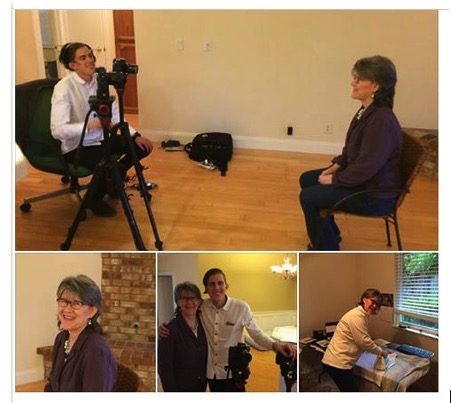
I was so excited when Izabella asked me to join the Thyroid Secret as an expert – in fact my interview was the very last thing I did in the United States, before I moved to Australia! This topic is so important to me (and so key for my clients and you to know about) that I did the interview in an empty house, with just a few chairs and our almost-packed suitcases, and just a few hours to spare before we got on the plane!

Here are a few pictures (I was ironing my clothes on a spare table in the mostly empty study!):
The Thyroid Secret covers not just the symptoms of thyroid disease (like anxiety) that can masquerade as mental illness, but also the triggers that can cause both conditions, and the solutions and protocols you need to recover your health.

When your thyroid is working as it should be, the amazing amino acids like GABA and tryptophan are truly effective in 5-10 minutes – so you really can say they are amazing!  You will see incredible results – anxiety relief right away – and a feeling of hope while you dig deeper for root causes that can take longer to address.

I wrote this blog for everyone using amino acids and not seeing results.  And also for everyone with a thyroid condition or if you have unresolved symptoms that could be related to your thyroid.

I do hope you’re already signed up and are enjoying watching, listening and learning as much as I am.

If you haven’t yet signed up you can still join as my guest to view the entire series at no cost (it started March 1). Just use this link to register.
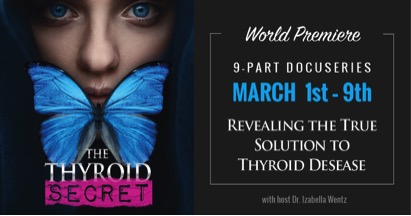
We’ve come together in this Thyroid Secret documentary to give you this information because you deserve to feel on top of the world again!

Got questions or feedback? Your favorite speaker and some takeaways?

Did you find that GABA, tryptophan and other amino acids were more effective once you addressed your thyroid health? If you’re a practitioner do you see this with patients/clients?

Please share in the blog comments below.
 

Filed Under: Amino Acids, Antianxiety, Events, Thyroid Tagged With: amino acids, anxiety, GABA, izabella wentz, The Thyroid Secret, thyroid secrets, tryptophan

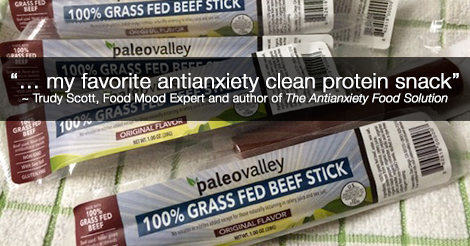
Paleovalley’s 100% Grass-Fed Beef Sticks: my favorite antianxiety clean protein snack

January 23, 2017 By Trudy Scott 13 Comments

I’ve got something great to share with you today… Paleovalley’s 100% Grass-Fed Beef Sticks!

Have you ever been stuck somewhere without a nutrient-dense healthy snack option: in traffic? At an airport? In a work meeting? At your child’s baseball game? At a conference? At the gym?

A healthy snack, gluten-free, quality protein and helps with blood sugar stability

When life gets busy, if we’re not prepared with healthy snacks it’s not very pretty – we can feel irritable and cranky, our focus and energy can take a dip and we can very often feel more anxious. These are all signs of low blood sugar. Low blood sugar can even trigger a panic attack and cause depression!

In fact, for many of my clients these are some of the main ways to keep anxiety and panic attacks at bay:

  • Avoiding gluten
  • Keeping blood sugar steady
  • Eating quality animal protein

Unfortunately, as you know, doing all this is often far harder in the real world than doing this in the comfort of your own kitchen. This is why having high quality snacks on hand are incredibly important. And if you’re like me and are always prepared and take healthy snacks with you, having something that is delicious and healthy is a top priority!  

I have finally found a healthy snack I approve of and so, of course, I want to share them with you!

They are Paleovalley’s 100% Grass-Fed Beef Sticks!

Grass-fed, grass-finished, organic spices, free of dyes, GMOs and gluten

These are not your average beef sticks. These beef sticks:

  • Are made from 100% grass-fed AND grass-finished beef (which is very rare!)
  • Contain all organic spices
  • Are free of all dyes (most casings contain artificial dyes)
  • Are also GMO-free, gluten-free, dairy-free, soy-free, carb-free, and contain 0 grams of sugar

AND they also help with blood sugar stability!

They are also fermented and free of trans fats!

But the main reason I really want to share these beef sticks with you (other than the yum-factor!) is because they are FERMENTED just like vegetables. Each beef stick contains 1 billion naturally-occurring, gut-healing probiotics! And we know how important good bacteria and the microbiome is when it comes to anxiety and depression.

Chas and Autumn, the founders of Paleovalley, shared this with me:

Most (if not all) other beef stick companies on the market utilize GMO corn and hydrogenated oils (trans fats) to preserve their sticks. It’s often labeled as “encapsulated citric acid” but can also be deceptively labeled as just “citric acid” or “lactic acid.” When the beef sticks are heated, the encapsulated oil coating melts into the beef stick and the citric acid is released for preservation purposes. Which means you’re getting an unhealthy dose of GMOs and hydrogenated oils with every bite.

Instead of using this process, Paleovalley uses natural fermentation to make their beef sticks shelf stable. From what they tell me, the reason that other companies don’t also use fermentation is that it takes about 4-5 times longer and isn’t as profitable.

So, these Paleovalley 100% Grass Fed Beef Sticks are not only free of questionable additives and GMOs, but they’re also nutrient dense AND support gut and brain health due to the fermentation process.

According to the research, high quality, grass fed red meat is strongly correlated with good mental health!

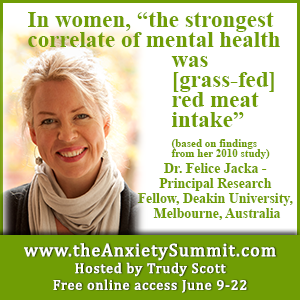
Another reason I love these beef sticks is that Dr. Felice Jacka, nutritional psychiatry researcher and founder of the International Society for Nutritional Psychiatry Research, has found that grass-fed red meat lowers the risk of anxiety and depression. In fact, Dr. Jacka went into her research thesis hypothesizing that red meat would be unhealthy, but was surprised to find the opposite. I interviewed Dr. Jacka in season 1 of the Anxiety Summit and she shared this about her research:

In our study, out of every single dietary food grouping that I looked at including vegetables, fruits, salads, beans, etc., the strongest correlate of mental health was red meat intake [grass-fed quality red meat of course]

Dr. Felice Jacka_2

You may also recall my wonderful interview with Autumn on season 4 of the Anxiety Summit. She actually wrote her master’s thesis on dietary strategies for anxiety and shared this (and much more):

I am extremely passionate about mental health and nutrition and have set out to create food products that make it easy for people to eat well on-the-go. Because Dr. Jacka found that grass-fed beef was the most anxiolytic food, we crafted a 100% grass-fed beef stick!

So these nutrient dense 100% grass fed beef sticks not only allow you to avoid substances that are problematic for mental health like gluten, dairy, soy, trans fats, GMOs and sugar but also help you with blood sugar stability (such a big factor when it comes to anxiety). They also provide important key nutrients for mental health such as amino acids, B vitamins, iron and zinc – all needed to make calming neurotransmitters like GABA and serotonin.

Moist, tender, convenient and delicious!

They are moist, tender and have a little snap to them? They are also shelf stable for up to 4 months (much longer if refrigerated or frozen). They are so convenient AND oh so delicious!

And these beef sticks were actually voted #2 best paleo snack of 2014 by Paleo Magazine!

I bumped into Chas and Autumn at a recent conference and they kindly offered to give my community 30% off for a limited time. You’ll also be given first dibs on their brand new, really delicious Garlic Summer Sausage & Summer Sausage flavors (just like healthy, mini hickory smoked sausages)!

Click here to get your fermented, 100% Grass-Fed Beef Sticks for 30% off!… and taste the gut-friendly, fermented, grass-fed goodness for yourself.

Grab some today so that you can stay calm, cool and collected no matter what life throws your way.

ps. Right now these are only available in the USA but I’m looking into options for similar products in Australia, Canada and the UK.  I’ll share once I have sourced something. If you happen to have a great resource please share in the comments.


Filed Under: Antianxiety Tagged With: grass-fed beef, paleovalley, protein

Saffron has both antidepressant and antianxiety effects

December 30, 2016 By Trudy Scott 71 Comments

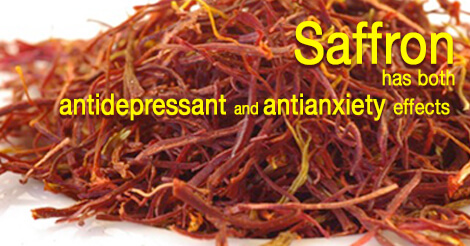
In a new study published in Pharmacopsychiatry, Crocus sativus L. versus citalopram in the treatment of major depressive disorder with anxious distress: a double-blind, controlled clinical trial, saffron (Crocus sativus L.) has been shown to have both antidepressant and antianxiety effects. It’s also anti-inflammatory and an antioxidant.

In this study patients received either saffron or an SSRI called citalopram/Celexa:

66 patients with major depressive disorder accompanied by anxious distress were randomly assigned to receive either saffron (30 mg/day) or citalopram (40 mg/day) for 6 weeks.

The Hamilton Rating Scale for Depression (HAM-D) and Hamilton Rating Scale for Anxiety (HAM-A) were used to assess the effectiveness of the treatment during the study.

60 participants finished the study and they all showed significant improvement in depression and anxiety scores, with no significant difference in effectiveness or side effects from either the saffron or citalopram.

The authors make this conclusion:

The present study indicates saffron as a potential efficacious and tolerable treatment for major depressive disorder with anxious distress.

A 2014 systematic review of clinical studies and examination of underlying antidepressant mechanisms of action of saffron found that:

saffron’s antidepressant effects potentially are due to its serotonergic, antioxidant, anti-inflammatory, neuro-endocrine and neuroprotective effects

This means that saffron could potentially be used in place tryptophan or 5-HTP if you score high on the low serotonin section of the amino acid questionnaire (anxiety, worry-in-the head, obsessiveness, negativity and depression, irritability, PMS, afternoon and evening cravings and insomnia) and yet do not seem to benefit from either of these two amino acids.

And you’ll be getting the added antioxidant, anti-inflammatory, neuro-endocrine and neuroprotective effects.

If you do well with tryptophan and/or 5-HTP, I suspect that using a small amount of saffron together with these amino acids could enhance the effects.

Saffron: GABA is one of the mechanisms of action

Update: Dec 20, 2024

I’m adding this section about GABA as a result of saffron coming up in a question in the GABA Quickstart 2.0 program this week. One of the participants asked me this question: “I’m seeing a lot of new Saffron supplements stating that it helps with GABA. Your thoughts on this?” 

According this this 2022 paper, Saffron (Crocus sativus L.): A Source of Nutrients for Health and for the Treatment of Neuropsychiatric and Age-Related Diseases

Investigations have shown that aqueous saffron extracts and its constituent safranal exert anxiolytic effects similar to that of diazepam, probably through their interaction with the benzodiazepine binding site at the GABAA receptor.

In addition, studies have demonstrated that crocins alleviated the obsessive compulsive behavior in rats through an antagonistic action at the 5-HT2C receptor site.

This is a subtype of the 5-HT2 serotonin receptor site and further supports the impacts saffron has on serotonin.

Another paper, also published in 2022, lists GABA as one of the mechanisms of action, in addition to its effects on monoamines (serotonin and dopamine) and N-methyl-d-aspartate (NMDA).

Additional resources when you are new to using GABA and other amino acids as supplements

As always, I use the symptoms questionnaire to figure out if low serotonin or low GABA or other neurotransmitter imbalances may be an issue.

If you suspect low levels of any of the neurotransmitters and do not yet have my book, The Antianxiety Food Solution – How the Foods You Eat Can Help You Calm Your Anxious Mind, Improve Your Mood, and End Cravings, I highly recommend getting it and reading it before jumping in and using amino acids on your own so you are knowledgeable. And be sure to share it with the practitioner/health team you or your loved one is working with.

There is an entire chapter on the amino acids and they are discussed throughout the book in the sections on gut health, gluten, blood sugar control (this is covered in an entire chapter too), sugar cravings, anxiety and mood issues.

The book doesn’t include product names (per the publisher’s request) so this blog, The Antianxiety Food Solution Amino Acid and Pyroluria Supplements, lists the amino acids that I use with my individual clients and those in my group programs.

If, after reading this blog and my book, you don’t feel comfortable figuring things out on your own (i.e. doing the symptoms questionnaire and respective amino acids trials), a good place to get help is the GABA QuickStart Program (if you have low GABA symptoms). This is a paid online/virtual group program where you get my guidance and community support.

If you are a practitioner, join us in The Balancing Neurotransmitters: the Fundamentals program. This is also a paid online/virtual program with an opportunity to interact with me and other practitioners who are also using the amino acids.

Wrapping up and your feedback

I have yet to use saffron with my clients so I’d love to hear from you (so we all can benefit and learn from each other):

  • Have you used saffron and found it to be effective for your anxiety and/or depression?
  • If you’re a practitioner, have you used it with patients or clients?
  • Have you found 30 mg a day to be the most effective dose and how quickly have you noticed benefits? What symptoms have improved the most?
  • Have you combined saffron with tryptophan or 5-HTP?
  • Have you combined saffron with GABA?

Feel free to post your questions below too.

Filed Under: Antianxiety Tagged With: 5-HTP, saffron, tryptophan

Magnolia officinalis and Phellodendron amurense (Relora®) lowers cortisol and reduces stress and anxiety

November 11, 2016 By Trudy Scott 19 Comments

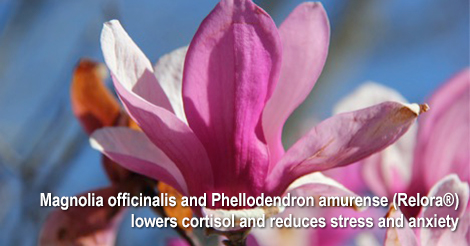
magnolia

I recently blogged about the Seriphos reformulation: Seriphos has been reformulated – what do I use to lower high cortisol? and promised to share additional products that could provide similar benefits. When someone in my community shared that she uses Relora® with success I started to look at the research and I am very encouraged.

This 2013 study: Effect of Magnolia officinalis and Phellodendron amurense (Relora®) on cortisol and psychological mood state in moderately stressed subjects

assessed salivary cortisol exposure and psychological mood state in 56 subjects (35 men and 21 women) screened for moderate stress and supplemented with a standardized/patented MP [Magnolia bark extract and Phellodendron bark extract] combination (Relora®, Next Pharmaceuticals) or placebo for 4 weeks.

After 4 weeks of supplementation (500 mg /day, with 250 mg at breakfast and 250mg at dinner) these were the results seen in the Relora® group (compared to the placebo group):

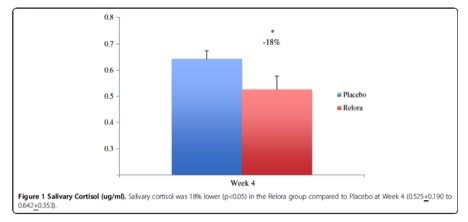
  • salivary cortisol exposure was significantly lower (18%)
  • lower overall stress (11%)
  • lower tension (13%)
  • less depression (20%)
  • less anger (42%)
  • less fatigue (31%),
  • less confusion (27%)
  • and significantly better mood state parameters (11%) and vigor (18%)

relora-effect-chart (table from Effect of Magnolia officinalis and Phellodendron amurense (Relora®) on cortisol and psychological mood state in moderately stressed subjects)

Each of the components in Relora® have been shown to be beneficial for controlling stress and anxiety, with the combination proving to be even more effective:

Extracts of Magnolia officinalis bark and its active constituent, honokiol, have been studied in animal models with comparable anxiolytic activity to diazepam (a benzodiazepine anxiolytic used to treat anxiety), but without associated side effects such as sedation.

Berberine, a constituent of the Phellodendron extract, has also demonstrated a significant anxiolytic effect in rodent stress studies.

The combination of magnolia plus phellodendron appears to be even more effective in controlling stress/anxiety compared to either herb used separately.

The study concluded that:

daily supplementation with a combination of Magnolia bark extract and Phellodendron bark extract (Relora®) reduces cortisol exposure and perceived daily stress, while improving a variety of mood state parameters, including lower fatigue and higher vigor.

These results suggest an effective natural approach to modulating the detrimental health effects of chronic stress in moderately stressed adults.

An added bonus is that there were no adverse events or side effects reported.

I’d like to note that the study does report that it was funded by the manufacturer of Relora® (Next Pharmaceuticals) and conducted by SupplementWatch.

A related study, also funded by the manufacturer: Effect of a proprietary Magnolia and Phellodendron extract on stress levels in healthy women: a pilot, double-blind, placebo-controlled clinical trial indicated that

Relora may offer some relief for premenopausal women experiencing mild transitory anxiety.

In this study, the participants used 250mg Relora® 3 times daily for 6 weeks and although mild anxiety was reduced, no changes were observed in cortisol levels. Clearly more research is needed and as with any nutrient, there will be the fact that you may benefit from it and someone else may not.

I’m encouraged enough by the research to begin recommending this product for high cortisol and the anxiety caused by the high cortisol. This will of course be done in conjunction with all the other approaches I use: real whole food, quality animal protein, eat to control blood sugar, no gluten/sugar/caffeine, addressing gut health, using GABA/tryptophan and the other amino acids as needed and addressing low levels of zinc, vitamin B6, vitamin D, iron if necessary. Additional adrenal support would include extra vitamin C and pantothenic acid, a B complex and possibly rhodiola.

Have you used Relora® with success either personally or with clients/patients? Has it lowered salivary cortisol levels? Has it helped with stress and anxiety?

If you had been using Seriphos to help lower high cortisol and reduce stress and anxiety, and decide to use Relora® please let us know how effective it is for you.


Update November 18, 2016: I emailed Interplexus asking if they will be bringing back the original Seriphos formula and received this message from them:

Yes, the information is correct we will be returning the previous formula of Seriphos and are expecting to have it late November, unfortunately we do not have a completion date as of yet so the estimated time frame is not a guarantee. It will be the same formula as before and we will also manufacture a Phosphatidylserine standalone product in the future. If you have further questions or concerns feel free to contact, and you’re also welcome to check on the status of Seriphos periodically.

Update January 20, 2017: Seriphos Original Formula is back and you can read more about it here 


Filed Under: Antianxiety Tagged With: adrenal, anxiety, depression, Magnolia officinalis, Phellodendron amurense, Relora, seriphos, stress, tension

Vitamin D: anxiety, depression, sun exposure, supplements and optimal levels

November 4, 2016 By Trudy Scott 36 Comments

vitamin-d
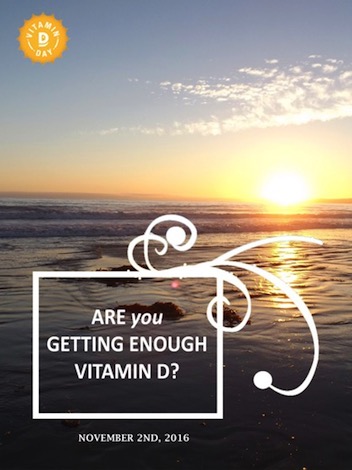
(image from Vitamin D Day website http://www.vitamindday.net/)

It was Vitamin D Day on November 2nd and it was a day to recognize vitamin D deficiency as a world problem. The day is led by the Vitamin D Society, Vitamin D Council and GrassrootsHealth, non-profit organizations dedicated to spread awareness on the vitamin D deficiency pandemic. According to the Vitamin D Day site:

Researchers agree that at least one third of the world is deficient in vitamin D, and some scientists even think a greater percent of people are deficient in vitamin D.

Why are so many people deficient, you might ask? It’s simple really. We get vitamin D from sun exposure. And now, more than ever, the world’s population lives an indoor lifestyle, avoiding the sun daily.

Doctors are beginning to discover that vitamin D deficiency is a risk factor for many diseases, including heart disease and cancer.

Furthermore, they’re discovering that vitamin D deficiency may make some diseases more severe, like respiratory diseases and autoimmune diseases like multiple sclerosis and lupus. And they’re discovering that vitamin D can be an important piece in the treatment of some illnesses and diseases, including multiple sclerosis, cystic fibrosis, asthma and many other diseases!

Low vitamin D is also a factor when it comes to mental health. Even though this information is not listed on the Vitamin D day site, there is much research supporting the connection:

  • Low vitamin D is associated with negative and depressive symptoms in psychotic disorders

There is a strong association between low S-25(OH)D and higher negative and depressive symptoms in psychotic disorders.

  • Vitamin D levels and perinatal depressive symptoms in women at risk: a secondary analysis of the mothers, omega-3, and mental health study

In women at risk for depression, early pregnancy low vitamin D levels are associated with higher depressive symptom scores in early and late pregnancy.

  • The Association between Vitamin D and Health-Related Quality of Life in Korean Adults

Participants with higher serum vitamin D (serum 25-hydroxyvitamin D) levels were significantly less likely to report problems with depression and anxiety.

  • Association Between Serum Levels of Vitamin D and the Risk of Post-Stroke Anxiety

Serum vitamin D status is related to the occurrence of anxiety in post-stroke patients and may be an independent risk factor of [post-stroke anxiety] after 1 month.

Here are eight key factors to know about vitamin D for Vitamin D day:

  1. Vitamin D comes from sun exposure, not your diet.
  2. Scientists and doctors agree that at least a third of the world is deficient in vitamin D.
  3. If you don’t get frequent moderate sun exposure or take a vitamin D supplement, you’re likely deficient in vitamin D.
  4. Moderate midday sun exposure is the best for making vitamin D.
  5. You don’t need to burn to make vitamin D.
  6. Vitamin D supplements are a good option in the wintertime to get the vitamin D you need.

In the northern hemisphere, the sun starts focusing more on the southern hemisphere. The sun’s rays strike the northern hemisphere at a different angle, an angle that isn’t quite as intense as during the summer. In consequence, your body has a harder time making vitamin D in the winter compared to the summer. The further north you live, the more difficult it is to make vitamin D in the winter.

Remember you can always check to see if you’re making vitamin D by looking at your shadow. If it’s longer than you, you aren’t making much vitamin D. And in the winter, your shadow is often longer than you.

Have no fear that you can’t make vitamin D! Vitamin D supplements are a good option in the wintertime. Low-pressure sunbeds and UV light units are also options to help you make vitamin D during the winter.

  1. Vitamin D is important for many things, including your bones, heart, respiratory system, brain [and mental health], and likely cancer prevention.
  2. Consider getting tested for vitamin D, to see if you’re getting enough.

Vitamin D tests are pretty easy. You can ask your doctor to add it to your next routine blood panel, or you can order an in-home test online through the Vitamin D Council.

vitamin-d-1
(image from Vitamin D Day website http://www.vitamindday.net/)

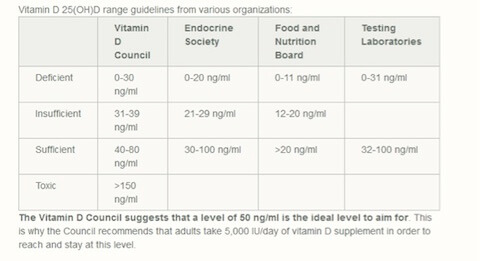
Here are the vitamin D range guidelines from various organizations and the recommendations from the Vitamin D council:

vitamin-d-2

This blog post by the Vitamin D Council helps you to interpret your results: I tested my vitamin D level. What do my results mean?

When you get your test results you will see a number in units of ng/ml, for example, 50 ng/ml. These are the units that health professionals in the United States use. Elsewhere in the world, vitamin D blood test results are given in units of nmol/l.

  • To convert a test result measured in ng/ml to one measured in nmol/l, multiply the ng/ml number by 2.5. For example, 20 ng/ml is the same as 50 nmol/l (20 x 2.5).
  • To convert a test result measured in nmol/l to one measured in ng/ml, divide the nmol/l number by 2.5. For example, 50 nmol/l is the same as 20 ng/ml (50÷2.5).

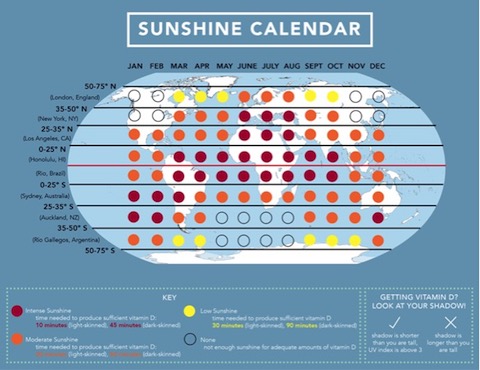
This great Sunshine Calendar shows the amount of time needed to produce sufficient vitamin D.

vitamin-d-3
(image from Vitamin D Day website http://www.vitamindday.net/)

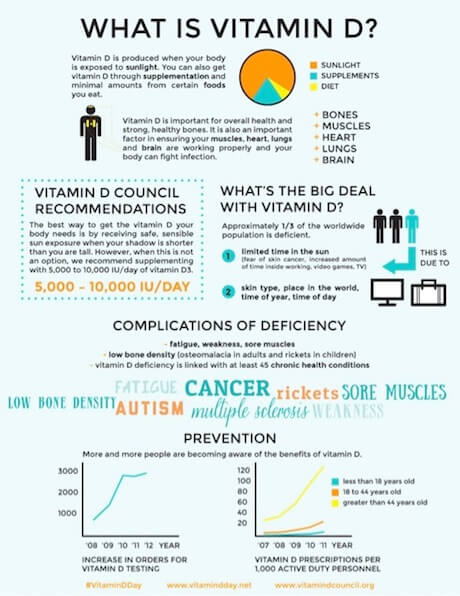
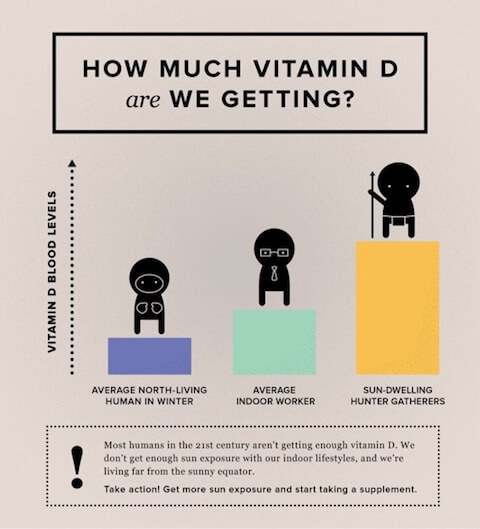
And this graphic shows why most of us aren’t getting enough vitamin D and why we need to supplement and get more sunshine exposure.

vitamin-d-4
(image from Vitamin D Day website http://www.vitamindday.net/)

To learn more about vitamin D, please visit Vitamin D Council, Vitamin D Society, GrassRootsHealth and the Vitamin D Day website.

Do you have your vitamin D levels tested at least once or twice a year? Are they in the 40-80ng/ml range?

And do you spend time in the sun and supplement?

Filed Under: Antianxiety Tagged With: anxiety, depression, Depressive symptoms, Negative, vitamin D, Vitamin D council, Vitamin D day

Seriphos has been reformulated – what do I use to lower high cortisol?

September 30, 2016 By Trudy Scott 121 Comments

seriphos
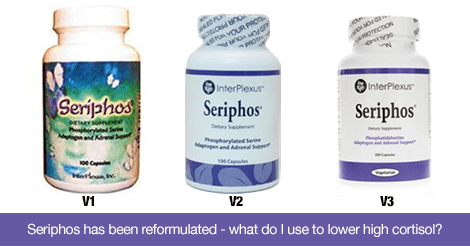
V1. The very old bottle (many years ago): Phospholylated Serine on the front

V2. Old label, original formulation (2 years ago?): Phospholylated Serine on the front

V3. New label, new formulation (5 months ago): Phosphatidylserine on the front

Last month I wrote a blog called Tryptophan and melatonin make a big difference but why do I still wake at 4am? and included a section about high night-time cortisol (measured with an adrenal salivary test) also being a factor with insomnia and waking in the night, often with anxiety. I then shared my top product for lowing high cortisol, Interplexus Seriphos, and had a number of readers (very kindly) inform me that Seriphos has been reformulated. One person shared this:

In your blog you recommend Interplexus Seriphos for those who have a high cortisol problem. What you may not know is that Interplexus changed its proprietary formula sometime March/April 2016 to a form which no longer works for many of us.

This is also true for me as I have been taking the new formula and the sleep issues have returned: waking at 2 am and not being able to go back to sleep. I have asked my functional medicine doctor and called Interplexus but they cannot help. Since you are an expert in such matters, PLEASE, help find another product like the old Seriphos (prior to March 2016) so that all of us who were happy with the old product can get back to the business of sleeping through the night.

Someone else shared this:

I was using the phosphorylated serine found in Interplexus Seriphos from November 2015 until present. For the first 6 months it was like a miracle pill calming me and leaving me feel normal, not like Niagara Falls was rushing through my veins.

Sometime in the spring 2016 I noticed the Seriphos was not working and read the reviews on Amazon that Interplexus had changed the formula.

I was not aware that the formulation had changed

I was not aware that the formulation had changed and love that I get to learn from my community too – thank you for letting me know!

I had not seen any new clients since just before the Anxiety Summit in June and my existing clients who are using the original Seriphos have enough stock to not have noticed the change or brought it to my attention.

It’s such a pity it has been reformulated because it’s been so powerful for lowering high cortisol and quickly when 1-3 x Seriphos (the original) are taken about 2-3 hours before the high cortisol. I first learned about this phosphorylated serine product when working with Julia Ross and continued to use it very successfully in my practice.

As you can see from the feedback above it truly was a lifesaver for these two women and for so many individuals.

I’m going to share what I have discovered thus far

I like to share what I know works but so many of you are desperately seeking a solution right now. I promised to look into what has happened so I’m going to share what I have discovered thus far.

It’s always helpful to learn from feedback from others (both positive and negative) so I read through Steve Gibson’s negative review on Amazon and found the very long thread of comments under this.

I also reached out to my colleagues to ask what they are now using:

  • some had not ever used Seriphos
  • some were also not aware it had changed (the old and new labels are deceptively similar)
  • some had used phosphatidyl serine and found Seriphos to be more effective
  • and many have had/do have success with phosphatidyl serine.

I also contacted Interplexus and was told there are no plans to go bring back the original formulation and they very nicely communicated that they’re sorry and feel they’ve done their best in communicating that it’s a new product.

As you can see from the images above the bottles, I tend to disagree and find it confusing:

V1. The very old bottle (many years ago): Phospholylated Serine on the front

V2. Old label, original formulation (2 years ago?): Phospholylated Serine on the front

V3. New label, new formulation (5 months ago): Phosphatidylserine on the front

So what are your options instead of Seriphos?

It’s going to be a good 3 months before I can definitively give you feedback so these are my suggestions right now since it’s too soon to know for sure. These are based on what I already know, some common sense, some of what we know from the research, feedback from colleagues, and feedback from real people who have been searching for alternatives and trying various combinations:

  • Cortisol Manager by Integrative Therapeutics (1 capsule contains 50mg phosphatidyl serine, theanine and other ingredients)
      • A colleague shared this: “Cortisol Manager can be dosed up to 2-3 tablets per day and used with or without additional phosphatidyl serine which can easily go as high as 600 mg.” He has seen salivary cortisol levels shift with this approach and shared: “Interestingly, I never saw those changes with Seriphos despite being a heavy user between 2009 and 2011 so I thought it was just hype.”
      • Feedback from someone on my blog: “Cortisol Manager was too stimulating with the Ashwagandha”
      • Feedback from a practitioner who first used Cortisol Manager personally and then switched to Seriphos at my recommendation: “Cortisol Manager did nothing for me. I dosed it high enough and took it for a month – but I felt nothing. Seriphos on the other hand, worked the same night, within an hour or two.”
  • Designs for Health PS 150 – Phosphatidylserine 150 mg: non-soy, sunflower sourced phosphatidyl serine with one capsule serving of 150mg
    • Someone shared this on Amazon: “We have equally good results with phosphatidyl serine, but the dose usually needs to be in the 300-500mg range, to equate to what 1 or 2 Seriphos capsules could do.” I don’t know which brand they use used.
    • Feedback from a colleague: “We started using PS150 from DFH and love it.” He often uses this in conjunction with another Designs for Health product called Catecholacalm.
  • Phosphatidyl Serine Powder 50 gms: One quarter teaspoon provides Phosphatidyl Serine 200 mg in a powder form.
    • This one is soy-derived (GMO-free) but may be easier to use to get higher doses
  • Enerphos by T.E. Neesby [Update Oct 2025 – this product is no longer on the Neesby site]
      • It is advertised to be same formula as the original Seriphos
      • Julia Ross recommends this as a replacement
      • One practitioner shared that she has had similar results with this product.
      • I’ve also had feedback from colleagues saying it works half as well. Perhaps doubling the dose would be more effective?
  • Lactium, also known as hydrolyzed casein
    • Biotics Research De-stress is a product I use with clients with good results. It’s calming and based on the research it also lowers high cortisol
  • There is very promising research on essential oils lowering cortisol levels – such as bergamot and I wonder if this approach could be incorporated too?

Update Nov 11, 2016: Relora, which is a proprietary combination of Magnolia bark extract and Phellodendron bark extract that studies show reduces cortisol and perceived daily stress and anxiety, improving mood and reducing fatigue.

I know the original Seriphos was very affordable and very effective for the cost. Using higher amounts of the above products and various combinations is likely to be much more expensive but at least it’s an option to provide relief until we find a longer term solution or until a Seriphos-type product becomes available.

Address all the possible underlying causes of high cortisol

We also don’t want to lose sight of why long-term use of Seriphos is needed and be sure to also focus on addressing all the possible underlying causes of high cortisol: stress, parasites, infections and inflammation, gluten sensitivity and other food sensitivities, low calorie eating, medication side-effects etc.

Please share what helps

If you’ve used Seriphos in the past and have found a solution please let us know.

If you are looking for an alternative to Seriphos please share this list with your practitioner in case they are not aware the formulation has changed. And have them help you find the right combination for your particular needs. Please come back and share what helps so we can all benefit.

If you are a practitioner and have your favorite product or combination please share what is working for your clients/patients.


Update November 18, 2016: I emailed Interplexus asking if they will be bringing back the original Seriphos formula and received this message from them:

Yes, the information is correct we will be returning the previous formula of Seriphos and are expecting to have it late November, unfortunately we do not have a completion date as of yet so the estimated time frame is not a guarantee. It will be the same formula as before and we will also manufacture a Phosphatidylserine standalone product in the future. If you have further questions or concerns feel free to contact, and you’re also welcome to check on the status of Seriphos periodically.

Update January 20, 2017:

The original Seriphos formula is back. This blog post has additional information – Seriphos Original Formula is back: the best product for anxiety and insomnia caused by high cortisol


Filed Under: Antianxiety Tagged With: anxiety, cortisol, Cortisol Manager, insomnia, phosphatidyl serine, phosphorylated serine, seriphos

  • « Go to Previous Page
  • Page 1
  • Page 2
  • Page 3
  • Page 4
  • Page 5
  • Interim pages omitted …
  • Page 20
  • Go to Next Page »

Primary Sidebar

GABA QuickStart Homestudy

gaba quickstart homestudy

Free Report

9 Great Questions Women Ask about Food, Mood and their Health

You'll also receive a complimentary subscription to my ezine "Food, Mood and Gal Stuff"


Connect with me

Popular Posts

  • Amino Acids Mood Questionnaire from The Antianxiety Food Solution
  • The Antianxiety Food Solution Amino Acid and Pyroluria Supplements
  • Pyroluria Questionnaire from The Antianxiety Food Solution
  • Collagen and gelatin lower serotonin: does this increase your anxiety and depression?
  • Tryptophan for the worry-in-your-head and ruminating type of anxiety
  • GABA for the physical-tension and stiff-and-tense-muscles type of anxiety
  • The Antianxiety Food Solution by Trudy Scott
  • Seriphos Original Formula is back: the best product for anxiety and insomnia caused by high cortisol
  • Am I an anxious introvert because of low zinc and vitamin B6? My response to Huffington Post blog
  • Vagus nerve rehab with GABA, breathing, humming, gargling and key nutrients

Recent Posts

  • Her cravings for chips and peanut butter were triggered by stress: GABA ends cravings and reduces physical tension and fear of heights
  • It is truly miraculous to be able to move through life without crippling anxiety and panic
  • GABA and tryptophan combo provide immediate and noticeable relief for tremors and cervical dystonia in just 7 days
  • Red light therapy for back and neck pain, plantar fasciitis and low mood – a complement to the amino acids GABA, DPA and tryptophan
  • What do I use instead of Seriphos to help lower high cortisol that is affecting my sleep and making me anxious at night?

Categories

  • 5-HTP
  • AB575
  • Addiction
  • ADHD
  • Adrenals
  • Alcohol
  • Allergies
  • Alzheimer's disease
  • Amino Acids
  • Anger
  • Antianxiety
  • Antianxiety Food Solution
  • Antidepressants
  • Anxiety
  • Anxiety and panic
  • Autism
  • Autoimmunity
  • benzodiazapines
  • Bipolar disorder
  • Books
  • Caffeine
  • Cancer
  • Candida
  • Children/Teens
  • Collagen
  • Cooking equipment
  • Coronavirus/COVID-19
  • Cravings
  • Depression
  • Detoxification
  • Diabetes
  • Diet
  • DPA/DLPA
  • Drugs
  • EFT/Tapping
  • EMF
  • EMFs
  • Emotional Eating
  • Endorphins
  • Environment
  • Essential oils
  • Events
  • Exercise
  • Fear
  • Fear of public speaking
  • Fertility and Pregnancy
  • Fish
  • Food
  • Food and mood
  • Functional neurology
  • GABA
  • Gene polymorphisms
  • General Health
  • Giving
  • Giving back
  • Glutamine
  • Gluten
  • GMOs
  • Gratitude
  • Gut health
  • Heart health/hypertension
  • Histamine
  • Hormone
  • Hyperparathyroidism
  • Hypoglycemia
  • Immune system
  • Inflammation
  • Insomnia
  • Inspiration
  • Introversion
  • Joy and happiness
  • Ketogenic diet
  • Lithium orotate
  • Looking awesome
  • Lyme disease and co-infections
  • MCAS/histamine
  • Medication
  • Men's health
  • Mental health
  • Mercury
  • Migraine
  • Mold
  • Movie
  • MTHFR
  • Multiple sclerosis
  • Music
  • NANP
  • Nature
  • Nutritional Psychiatry
  • OCD
  • Osteoporosis
  • Oxalates
  • Oxytocin
  • Pain
  • Paleo
  • Parasites
  • Parkinson’s disease
  • PCOS
  • People
  • PMS
  • Postpartum
  • PTSD/Trauma
  • Pyroluria
  • Questionnaires
  • Real whole food
  • Recipes
  • Research
  • Schizophrenia
  • serotonin
  • SIBO
  • Sleep
  • Special diets
  • Sports nutrition
  • Stress
  • Sugar addiction
  • Sugar and mood
  • Supplements
  • Teens
  • Testimonials
  • Testing
  • The Anxiety Summit
  • The Anxiety Summit 2
  • The Anxiety Summit 3
  • The Anxiety Summit 4
  • The Anxiety Summit 5
  • The Anxiety Summit 6
  • Thyroid
  • Thyroid health
  • Toxins
  • Tryptophan
  • Tyrosine
  • Uncategorized
  • Vegan/vegetarian
  • Women's health
  • Yoga

Archives

  • May 2026
  • April 2026
  • October 2025
  • September 2025
  • August 2025
  • July 2025
  • June 2025
  • May 2025
  • April 2025
  • March 2025
  • February 2025
  • January 2025
  • November 2024
  • October 2024
  • September 2024
  • August 2024
  • July 2024
  • June 2024
  • May 2024
  • April 2024
  • March 2024
  • February 2024
  • January 2024
  • December 2023
  • November 2023
  • October 2023
  • September 2023
  • August 2023
  • July 2023
  • June 2023
  • May 2023
  • April 2023
  • March 2023
  • February 2023
  • January 2023
  • December 2022
  • November 2022
  • October 2022
  • September 2022
  • August 2022
  • July 2022
  • June 2022
  • May 2022
  • April 2022
  • March 2022
  • February 2022
  • January 2022
  • December 2021
  • November 2021
  • October 2021
  • September 2021
  • August 2021
  • July 2021
  • June 2021
  • May 2021
  • April 2021
  • March 2021
  • February 2021
  • January 2021
  • December 2020
  • November 2020
  • October 2020
  • September 2020
  • August 2020
  • July 2020
  • June 2020
  • May 2020
  • April 2020
  • March 2020
  • February 2020
  • January 2020
  • December 2019
  • November 2019
  • October 2019
  • September 2019
  • August 2019
  • July 2019
  • June 2019
  • May 2019
  • April 2019
  • March 2019
  • February 2019
  • January 2019
  • December 2018
  • November 2018
  • October 2018
  • September 2018
  • August 2018
  • July 2018
  • June 2018
  • May 2018
  • April 2018
  • March 2018
  • February 2018
  • January 2018
  • December 2017
  • November 2017
  • October 2017
  • September 2017
  • August 2017
  • July 2017
  • June 2017
  • May 2017
  • April 2017
  • March 2017
  • February 2017
  • January 2017
  • December 2016
  • November 2016
  • October 2016
  • September 2016
  • August 2016
  • July 2016
  • June 2016
  • May 2016
  • April 2016
  • March 2016
  • February 2016
  • January 2016
  • December 2015
  • November 2015
  • October 2015
  • September 2015
  • August 2015
  • July 2015
  • June 2015
  • May 2015
  • April 2015
  • March 2015
  • February 2015
  • January 2015
  • December 2014
  • November 2014
  • October 2014
  • September 2014
  • August 2014
  • July 2014
  • June 2014
  • May 2014
  • April 2014
  • March 2014
  • February 2014
  • January 2014
  • December 2013
  • November 2013
  • October 2013
  • September 2013
  • August 2013
  • July 2013
  • June 2013
  • May 2013
  • April 2013
  • March 2013
  • February 2013
  • January 2013
  • December 2012
  • November 2012
  • October 2012
  • August 2012
  • July 2012
  • June 2012
  • May 2012
  • April 2012
  • March 2012
  • February 2012
  • January 2012
  • December 2011
  • November 2011
  • October 2011
  • September 2011
  • August 2011
  • July 2011
  • June 2011
  • May 2011
  • April 2011
  • March 2011
  • February 2011
  • January 2011
  • December 2010
  • October 2010
  • September 2010
  • July 2010
  • May 2010
  • April 2010
  • March 2010
  • February 2010
  • January 2010
  • November 2009

Share the knowledge!

The above statements have not been evaluated by the Food and Drug Administration. Products listed in this website are not intended to diagnose, treat, cure or prevent any disease.

The information provided on this site is for informational and educational purposes only and is not intended as a substitute for advice from your physician or other health care professional. You should consult with a healthcare professional before starting or modifying any diet, exercise, or supplementation program, before taking or stopping any medication, or if you have or suspect you may have a health problem.


Copyright © 2026 Trudy Scott. All Rights Reserved. | Privacy | Terms and Conditions | Refund Policy | Medical Disclaimer

Free Report

9 Great Questions Women Ask about Food, Mood and their Health

You’ll also receive a complimentary subscription to my ezine “Food, Mood and Gal Stuff”