• Skip to primary navigation
  • Skip to main content
  • Skip to primary sidebar

everywomanover29 blog

Food, Mood and Women's Health – Be your healthiest, look and feel great!

  • Blog
  • About
  • Services
  • Store
  • Resources
  • Testimonials
  • The Book
  • Contact
  • Search this site

pyroluria

My kids and I used GABA to get through Hurricane Helene – I recommend it for everyone’s 72-hr kit now

July 15, 2025 By Trudy Scott 2 Comments

gaba in hurricane

My kids and I used GABA to get through Hurricane Helene. Freeways broken in 3 directions, no comms, no gas, no power, etc. GABA noticeably kept us calmer even as the days went by. It helped us stay calm enough to think about our escape plan and jump on opportunities to find gas and water.

So grateful we learned about it [from you years ago] and had it on hand… I recommend it for everyone’s 72-hr [emergency preparedness] kit now.

Alecia shared her wonderful results with GABA on a Facebook post. I’m sorry they went through this but I am so happy GABA helped. I also wish everyone had GABA on hand for situations like this.

She now also uses a manual device for vagus nerve stimulation (VNS) and feels a combination of “GABA and VNS would have been incredible.” I’m a big fan of a B complex too and zinc and extra B6 if you have pyroluria because the added stress depletes these nutrients and makes things worse. And serotonin and endorphin support can often be helpful too. More on all this below and details about the GABA product she used and what dose helped her.

Which GABA product helped her and her family and how much did she use?

I asked Alecia to share how much GABA helped during and after the hurricane and which product worked for her? And if she had been using it before for day-to-day low GABA symptoms of feeling anxious, stressed, overwhelmed with physical tension and sleep issues.

We use the pharmaGABA by Natural Factors. I usually only need 100 – 200 mg in my regular life. During the hurricane I needed 300 mg pharmaGABA a couple of times a day. And more when waiting in a gas line. Such intense stress. GABA really took the edge off.

It’s always helpful to know your baseline dose i.e. what you use on a day-to-day basis. And to expect that dose to increase in times of the added stress in the midst of the hurricane and the immediate aftermath – as it did for Alecia. She needed a higher dose and used it more frequently.

You may often find you need to continue with the higher dose for a few weeks to months after the disaster, especially during the clean-up and rebuilding period.

One other factor to consider is the form of GABA. She used pharmaGABA with much success and many do very well on this form but I find more folks do better with GABA. GABA works best when used sublingually, capsule-opened, powder (all held on the tongue 1-2 mins) or cream, and a low starting dose is used, and increased to find the optimal dose.

Vagus nerve stimulation (VNS) as an added benefit

Alecia now also uses a manual device for vagus nerve stimulation (VNS). She had it during Hurricane Helene but had not yet used it:

A combo of GABA and VNS would have been incredible. I found out my mom was diagnosed with stage 4 cancer the next week and finally started using both GABA and VNS. Game changer combo.

She has the Hoolest veRelief Prime device and says this:

I love the Hoolest VNS. It helps with anxiety, sleep, digestion, and higher performance. I like level 4 but my kids prefer level 1.

I used it daily for about 4-6 months and then I started to heal deeply. Now I only need it once every week or two.

(I did hear that her mom’s treatments are working)

Vagus nerve stimulation, anxiety, GABA and the potential with VNS devices

This paper, Vagus nerve stimulation: a physical therapy with promising potential for central nervous system disorders, discusses how “vagus nerve stimulation influences the central nervous system through the GABA system” and the fact that “VNS has been shown to alleviate anxiety symptoms”, depression, obsessive-compulsive disorder (OCD), panic disorder, and post-traumatic stress disorder (PTSD). Much of the research has been done with implantable vagus nerve stimulation (iVNS) but the potential with non-invasive vagus nerve stimulation devices is really exciting.

What is so interesting is that “Vagus nerve stimulation influences the central nervous system through the GABA system” and it’s “speculated that part of VNS’s therapeutic effects …might involve the GABA system.”

VNS benefits are also seen via impacts on serotonin and dopamine, BDNF (brain-derived neurotrophic factor), by reducing inflammation and the secretion of inflammatory cytokines and promoting neuroprotection.

You can read more about vagus nerve support on this blog: Vagus nerve rehab with GABA, breathing, humming, gargling and key nutrients. I share my vagus nerve/throat issue and how manual vagus nerve support exercises and GABA helped me.

Using a good B complex and the pyroluria protocol too

I told Alecia that I’m a big fan of a good B complex and the pyroluria protocol too. I share more in this blog – Nutrition solutions for psychological stress after a natural disaster.

If this is all that can be managed it would be my first choice for everyone. In fact, if you live in an area prone to hurricanes, floods, fires etc. I’d recommend being on a B complex all the time.

My colleagues Bonnie Kaplin and Julia Rucklidge published this paper in 2015: A randomised trial of nutrient supplements to minimise psychological stress after a natural disaster. Those consuming a B-Complex and a broad-spectrum mineral/vitamin formula showed significantly greater improvement in stress and anxiety than study participants consuming a vitamin D supplement.

It is well known that pyroluria symptoms are made worse in times of heightened stress. If you are on protocol for pyroluria, additional zinc and vitamin B6/P5P is likely going to be needed short-term too.

In addition to GABA I also mention serotonin and endorphin support:

  • Serotonin support with tryptophan or 5-HTP, especially if you’re feeling sad, worried, imagining the worst, feeling fearful and having problems sleeping. More on tryptophan products.
  • Endorphin support with Lidtke DPA if you’re feeling especially emotional and weepy and grieving the loss of your home and community. More on endorphins here.

And I also include some resources for disaster preparedness and things to consider after the fangers have passed (like mold toxicity).

Additional resources when you are new to using GABA and other amino acids as supplements

As always, I use the symptoms questionnaire to figure out if low GABA or low serotonin or other neurotransmitter imbalances may be an issue.

If you suspect low levels of any of the neurotransmitters and do not yet have my book, The Antianxiety Food Solution – How the Foods You Eat Can Help You Calm Your Anxious Mind, Improve Your Mood, and End Cravings, I highly recommend getting it and reading it before jumping in and using amino acids on your own so you are knowledgeable. And be sure to share it with the practitioner/health team you or your loved one is working with.

There is an entire chapter on the amino acids and they are discussed throughout the book in the sections on gut health, gluten, blood sugar control (this is covered in an entire chapter too), sugar cravings, anxiety and mood issues.

The book doesn’t include product names (per the publisher’s request) so this blog,The Antianxiety Food Solution Amino Acid and Pyroluria Supplements, lists the amino acids that I use with my individual clients and those in my group programs.

If, after reading this blog and my book, you don’t feel comfortable figuring things out on your own (i.e. doing the symptoms questionnaire and respective amino acids trials), a good place to get help is the GABA QuickStart Program (if you have low GABA symptoms). This is a paid online/virtual group program where you get my guidance and community support. You can sign up to be notified when the next live launch is happening.

If you need serotonin support, the Serotonin QuickStart Program is a good place to get help. This is also a paid online/virtual group program where you get my guidance on using tryptophan and 5-HTP safely, and community support during 5 LIVE Q&A calls. You can sign up to be notified when the next live launch of this program is happening.

If you are a practitioner, join us in The Balancing Neurotransmitters: the Fundamentals program. This is also a paid online/virtual program with an opportunity to interact with me and other practitioners who are also using the amino acids.

Wrapping up and your feedback

I appreciate Alecia for sharing her story and giving me permission to share on the blog.

Do you have GABA on hand all the time and include them in your 72-hr emergency preparedness kit?

Have you found vagus nerve stimulation (VNS) to be helpful – either manual exercises (which ones help you) or using a device (which one helps you)?

What about B vitamins and the pyroluria protocol – do they help too?

If you’re a practitioner do you recommend GABA, VNS, B vitamins and the pyroluria protocol?

Feel free to share and ask your questions below.

Filed Under: Anxiety, Fear, GABA Tagged With: 72-hr kit, B-complex, B6, calm, calmer, disaster, dopamine, emergency, endorphin, GABA, GABA Quickstart, Hurricane Helene, pharmaGABA, pyroluria, serotonin, Serotonin Quickstart, stress, vagus, vagus nerve stimulation, VNS, zinc

Calming GABA, tryptophan to relinquish the evening bottle of red wine, theanine for focus and the pyroluria protocol

November 29, 2024 By Trudy Scott 5 Comments

gaba tryptophan theanine

I’m 61 years old postmenopausal. 2 GABA Calm under my tongue the second my eyes open in the morning. I keep it at the bedside. So that’s 250mg.

In the beginning I would also use two if I woke up at 2AM with a panic attack. That doesn’t happen as much anymore. I keep a bottle in my purse for panic attacks during the day. I haven’t had one of those in a couple of years. When I have a low stress week ahead, such as no social interaction scheduled, I go several days without any, but then that clutch in my chest reminds me to start back.

I also am diligent in treating my Pyroluria (diagnosed with a urine test)…it makes a difference. Daily zinc, B vitamins (especially 15mg methylfolate/day – check out the research papers on that dose being as effective as most antidepressants, I’m heterozygous not homozygous, MTHFR), Magnesium Threonate.

I am having good results with 1000 mg L-Tryptophan/day. I’ve just started adding another 1000mg/day in a bid to relinquish my evening bottle of red wine.

I keep a bottle of L-theanine on hand if I have a day ahead that I need to focus. ADHD does not improve with age!! I seriously liked it better in my day when my third-grade teacher labeled me a “dreamer”. Fortunately, I live on a farm and the cows don’t seem to mind that it takes me a bit to focus long enough to get the chores done.

I also have a regular yoga practice and I do physical work outside and in the winter use a SAD light.

I will also add that the last 8 months I have been in a very stressful family situation at home and the above regimen is holding.

If anyone has stuck with this wandering post to the end, don’t give up. Keep fighting to find what works for you.

Jennifer responded with the above in response to my question on Facebook about your starting GABA dose and if it’s changed over the years based on stress levels, hormone changes and life events.

I thanked her for sharing and for her encouraging words for others in the community and asked if I could share her feedback as a blog. She said yes saying “I have learned so very much from the stories of others on the page” – so here we are …

Stories offer hope, motivation and inspiration and we do learn so much from them.

I also told her that she is a poster child for how we want to use GABA and share more about that and her desire to relinquish her bottle of wine (and how amino acids make it easier) below.

She is a poster child for how we want to use GABA

Initially a higher dose of GABA may be needed and then as GABA levels increase and we also start to address other underlying root causes, less GABA is needed on a regular basis.

Initially Jennifer needed 4 x GABA Calm (for a total of 400mg/day) and then just 250mg GABA per day once she addressed pyroluria and B vitamin deficiencies. Yoga also supports GABA production.

On some low-stress days she doesn’t need any GABA at all, but she wisely keeps some in her purse for “panic attacks during the day” (but hasn’t had one in a couple of years).

She had struggled with perimenopause: “I must say that postmenopausal is a hell of a lot better, even with the paper thin skin and wrinkles, than the hell that was perimenopause!!!!”

And she did mention her phenyl-GABA mistake/ignorance and the fact that I helped her identify this issue 5 years ago. If you’re not aware, phenyl-GABA or phenibut can cause similar tolerance, dependence and discontinuation issues to benzodiazepines. More on phenibut here.

All of the above very likely contributed to her higher need for GABA initially.

Additional serotonin support to relinquish her evening bottle of red wine

Jennifer is already supporting her serotonin with 1000mg tryptophan per day, a SAD light in winter and physical exercise on the farm.

Afternoon and evening cravings are common when serotonin isn’t optimal – this can be carb/sugar cravings and/or also a need to self-medicate with wine. The first step is to recognize and acknowledge that a bottle of wine each evening is too much.

This amount of alcohol affects the liver, contributes to leaky gut, can cause blood sugar swings and reduces B vitamins, especially thiamine/vitamin B3. And it could also be considered an added “stress” if you have pyroluria.

Most of us are aware of these harmful effects and yet cannot easily quit. Her use of the word relinquish is a clue as to how she feels about this i.e. some common synonyms of relinquish are “abandon, resign, surrender” which “may suggest some regret, reluctance, or weakness.”

But because she understands the power of amino acids, she plans to increase her tryptophan from 1000mg to 2000mg to address this addiction without the need for willpower or with no feelings of regret or surrender.

If you are new to using this tryptophan for this purpose, this blog is worth reading: Tryptophan had the added benefit of turning me completely off alcohol when I took it to improve mood and sleep during perimenopause

Theanine for when she needs additional focus

Theanine provides a feeling of calm focus, offering support for the following neurotransmitters: GABA, serotonin and dopamine.

Jennifer also uses 400mg of theanine (Suntheanine) for her focus issues, using it only on days she needs it. She says “I rarely have a day when I would need more than 3-4 hours of paperwork concentration as my life on the farm and keeping up with grandchildren is more physical than mental focus.”

Now that she has used GABA, tryptophan and theanine with success, she has these amino acids in her toolbox whenever she needs them in the future and when she needs to increase the dose if the situation requires a change.

A few GABA product options  – a sublingual and a powder

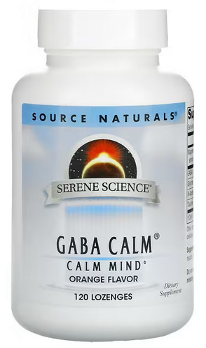
gaba calm
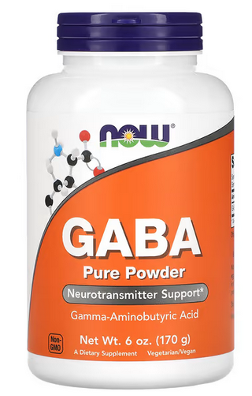
gaba pure poder

Jennifer used Source Naturals GABA Calm lozenges, a product I recommend. It’s a good low dose of 125 mg and is convenient and effective because it’s a sublingual lozenge.

Now GABA Powder is another product I use and recommend. It does need to be measured out to provide a 125 mg typical starting dose. I have clients use a handy mini measuring spoon like this one (my Amazon link) and share more about how to measure out GABA powder on this blog).

For Source Naturals GABA Calm lozenges and Now GABA Powder:

  • You can purchase these from my online store (Fullscript – only available to US customers – use this link to set up an account).
  • If you’re not in the US, you can purchase these at iherb (use this link to save 5%).

Additional resources when you are new to using GABA, tryptophan and other amino acids as supplements

As always, I use the symptoms questionnaire to figure out if low GABA, low serotonin or other neurotransmitter imbalances may be an issue.

If you suspect low levels of any of the neurotransmitters and do not yet have my book, The Antianxiety Food Solution – How the Foods You Eat Can Help You Calm Your Anxious Mind, Improve Your Mood, and End Cravings, I highly recommend getting it and reading it before jumping in and using amino acids on your own so you are knowledgeable. And be sure to share it with the practitioner/health team you or your loved one is working with.

There is an entire chapter on the amino acids and they are discussed throughout the book in the sections on gut health, gluten, blood sugar control (this is covered in an entire chapter too), sugar cravings, anxiety and mood issues.

The book doesn’t include product names (per the publisher’s request) so this blog, The Antianxiety Food Solution Amino Acid and Pyroluria Supplements, lists the amino acids that I use with my individual clients and those in my group programs.

If, after reading this blog and my book, you don’t feel comfortable figuring things out on your own (i.e. doing the symptoms questionnaire and respective amino acids trials), a good place to get help is the GABA QuickStart Program (if you have low GABA symptoms). This is a paid online/virtual group program where you get my guidance and community support.

If you are a practitioner, join us in The Balancing Neurotransmitters: the Fundamentals program. This is also a paid online/virtual program with an opportunity to interact with me and other practitioners who are also using the amino acids.

Wrapping up and your feedback

I appreciate Jennifer for sharing and giving me permission to share her story on the blog. Despite the wine and her very stressful family situation I am thrilled she says she is doing well. I also love that she ends with this: “… don’t give up. Keep fighting to find what works for you.”

I’d love to hear from you – has any of this worked for you?

Feel free to share about your GABA success and how much it helps you and if this has changed over time. And let us know what you feel has contributed to the need for less or more GABA i.e. which other root causes have you addressed?

Feel free to share if tryptophan (or another amino acid) has helped with quitting wine or another alcoholic beverage.

And do share if you use theanine for calm focus.

Feel free to share and ask your questions below.
Filed Under: Addiction, Anxiety, GABA, serotonin, Tryptophan Tagged With: addiction, ADHD, amino acids, anxiety, anxious, calming, focus, GABA, GABA Calm, neurotransmitter, panic attack, pyroluria, red wine, stress, theanine, tryptophan

Osteoporosis: two of my favorite self-help books by R. Keith McCormick DC (and some of my own story)

August 16, 2024 By Trudy Scott 3 Comments

osteoporosis books

In May 2023 I posted this on Facebook and it never made it on to the blog so here goes …. osteoporosis and two of my favorite self-help books by R. Keith McCormick DC:

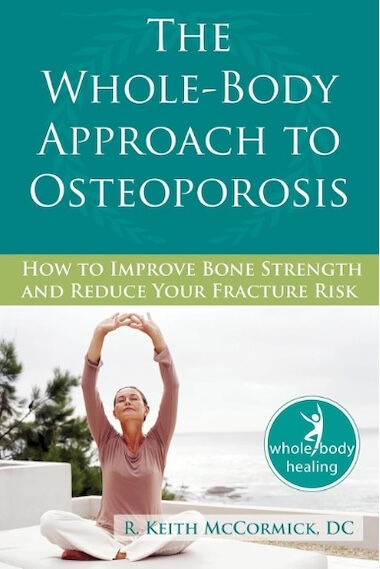
Earlier this week I read this book, The Whole-Body Approach to Osteoporosis: How to Improve Bone Strength and Reduce Your Fracture Risk by R. Keith McCormick DC, and wow, I’m very impressed and learned a ton.

It actually consolidates and builds on what I learned from him at the in-depth and excellent interviews with him on the Osteoporosis Summit, hosted by my friend and colleague, Margie Bissinger, MS, PT, CHC (thanks Margie! – I’ve ordered his newest book too).

I really love how Dr. McCormicks walks us through him being a detective with clients (the cases are excellent). And his information and interpretation on advanced bone health tests (like CTX, P1NP), other basic blood work (CRP, homocysteine, fibrinogen, vitamin D etc.) and functional testing (celiac/gluten sensitivity labs) he does is invaluable.

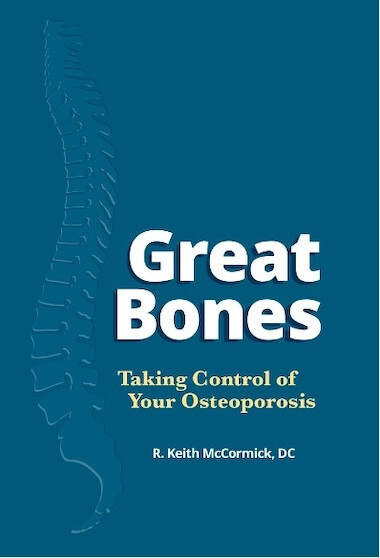
I’m curious to see what updates he’s made (if any) in his newest book, Great Bones: Taking Control of Your Osteoporosis.  Does he now prefer MK-4 to MK-7 (forms of vitamin K), if he addresses the tricky calcium-oxalate issues (I’m trying to figure this one out too) and if he also discusses Trabecular Bone Score (TBS) which can be included in the DXA.

I do like that he discusses prevention too – for younger women and men! He was in his 40s when he started to have osteoporotic fractures.

I’m in my early 60s and don’t have osteopenia or osteoporosis but I want to be proactive and do comprehensive testing. I do have concerns due to my dietary oxalate issues and calcium homeostasis as a result of this.

Read about both books below and more on my own osteoporosis story (yes, I do have osteoporosis after all!)  and probable root causes.

The Whole-Body Approach to Osteoporosis

whole body approach to osteoporosis

Here is the official blurb for this book:

No pill will cure you of osteoporosis. While medication can sometimes help, it won’t fully address the underlying causes of your osteoporosis or osteopenia. To restore bone health, you’ll need a targeted program combining the best bone-building strategies from traditional and holistic medicine. The Whole-Body Approach to Osteoporosis distills these complex strategies into a whole-body plan you can begin today to dramatically improve your bone strength and overall vitality.

This comprehensive guide includes information on:

    • What to eat for stronger bones
    • Choosing bone-building supplements and osteoporosis medications
    • Foods and medications that may be contributing to bone loss
    • Signs and symptoms that can help you monitor your bone health
    • How lab tests can help you personalize your plan

It was published in 2009, and I found it to be eye-opening and a wonderful introduction to the comprehensive functional medicine, nutritional and lifestyle approach that needs to be considered when addressing bone health. It’s written for the layperson but is meaty enough for practitioners new to the mechanisms of bone building and bone breakdown, osteoporosis medication and the impacts of environmental toxins.

As I mentioned above, his information and interpretation on advanced bone health tests (like CTX, P1NP), and other labs that are important for bone health (CRP, homocysteine, fibrinogen, vitamin D etc.) is invaluable. He also covers the basics that I cover in my book/work – like eating real food, digestive health and celiac/gluten sensitivity.

It comes highly recommended and you can find it in bookstores and on Amazon here (my Amazon link).

Great Bones: Taking Control of Your Osteoporosis

great bones

Here is the official blurb for this book:

Dr. McCormick knows what potential dangers lurk for women and men who don’t understand the life cycle of bone, who don’t realize the role nutrition plays in bone health, who don’t know what can happen to bone even when they think they’re doing “everything right.”

In his mission to help readers — women and men, athletes and nonathletes, primary care physicians and specialists — Dr. McCormick explains not just the fundamentals of osteoporosis but also the pathophysiology of bone loss and what it takes to regain skeletal health.

If you’re a patient suffering from bone loss, Dr. McCormick helps you take control of your osteoporosis; if you’re a doctor, he lays out the most up-to date science so you can best serve your patients. Great Bones is a book everyone can use to achieve better skeletal health well into their 70s, 80s, and beyond.

This one was published in 2023 and is a hefty 714 pages (vs 200 pages for his first book). This book takes everything in his first book to the next level. And while it is more geared to practitioners it is easy enough to follow for the health-savvy layperson.

Every time I pick it up to search for something I learn so much more. Here are a few eye-opening gems:

  • Test CTX early morning and avoid biotin and collagen for 48 hours beforehand (I also heard him say this on the osteoporosis summits)
  • “Butyric acid can increase bone formation by lowering osteoclastic formation” (bone break down) “and stimulating the deposition of calcium into the collagen matrix”
  • “High concentration of lead are found in the cement lines – where mineralized bone meets non-mineralized collagen and where zinc concentration is highest” (and more information on how lead adversely affects our bones)
  • “Post-menopausal women excrete eight times more urinary zinc than women with normal bone density”

With regards to my questions I had before getting this book – he does use both forms of vitamin K (MK-4 and MK-7) and he also discusses Trabecular Bone Score (TBS) which is an add-on for the DXA and a good indicator of bone texture and quality.

Unfortunately he doesn’t address the tricky calcium-oxalate issues that I’m trying to figure out, other than a very brief mention on one page.

I’m eagerly waiting for a kindle version to come out so I can more easily search for advanced topics. My index is full of my scribbles as I find some topics buried within other topics, like some of the TBS information.

This book is also highly recommended and you can find it on Amazon here (my Amazon link).

My osteoporosis story (some of it anyway)

When I posted about these books in May 2023, I was planning to be proactive and do comprehensive testing to get a good baseline in my early 60s. After reading these books and two others, I had my first DXA in July that included a TBS and testing of my left forearm. I was shocked to find out I have osteoporosis, despite the fact I have exercised my entire life – running (road and trails), playing tennis and then squash, rock-climbing, doing weights to train for climbing, backpacking with heavy packs, mountain biking, skiing and wind-surfing.

Because of this I’m really passionate about getting the message out about testing early (for women and men) and being informed and proactive. Dr. McCormick suggests women do their first DXA at 50 and men at 55 (and earlier if they’ve had a fracture).

Given my many possible root causes, I now wonder if I should have tested myself at 40 years of age? As I mentioned above, my dietary oxalate issues and the disruption of calcium homeostasis is likely a major factor. I’ve added these as contributing factors too: my long-term gut issues (since childhood), gluten sensitivity, SIBO, my history and propensity for anxiety and panic attacks, my past exposure to toxic lead (in my 20s I worked in an oil refinery and was exposed to jet fuel at a small airport), the fact that I have pyroluria (the zinc and vitamin B6 connections – I’ll be publishing a blog post on this and osteoporosis) and my liver/bile issues (which play into the oxalate issues).

Dr. McCormick says this at the start of Great Bones …  “you need to understand the causes” and I do so now I can work on all of this.  I love that he also says: “In this book what you will find is hope – within realistic physiological limitations – that you can improve your bone health.”

Dr. Kim Millman’s healthier bones course

With these books and other reading I’m doing, I now have the knowledge and tools. I’ve seen some improvements in the last year and I’m ready to jump in and do further testing and additional adjustments to actually reverse my bone loss.

But I need more so I’ve just signed up to do Dr. Kim Millman, MD’s online Restore & Rebuild: 100 Days to Healthier Bones program. Dr. Millman was also a speaker on Margie’s osteoporosis summit and if you are also looking for support and expert guidance via an online program, this one is a no-brainer. There is also an opportunity to ask your questions.  It’s really short notice and if you can’t make this cohort, I’ll share my feedback in case you make the 2025 class.

Dr. Millman shared this in one of her interviews with Margie: “I think that the most important thing to understand is that it is possible to reverse bone loss and drastically reduce your risk of fractures naturally. And in my 15 years of evaluating and treating the root causes of bone loss, my patients do not break bones, and they don’t feel fragile anymore. Their fear fades. They don’t feel vulnerable, and they return to living their most active lives and doing the things they love.”

Hearing this gives me even more hope and I’m excited!

And in case you’re wondering, I’m still glad I’ve read both these books and have them to refer back to again and again. Both are heavily referenced too and I love to look at the research.

Wrapping up and your feedback

Now I’d love to hear from you – do you have osteoporosis and have you read either of these books and have any gems to share?

Do you have another favorite book on bone health?

Have you done Dr. Millman’s program?

What age were you diagnosed with osteopenia or osteoporosis and were you surprised?

Have you been able to reverse your bone loss and drastically reduce your risk of fractures naturally?

What root causes do you feel play a role for you?

If you’re a practitioner working with clients/patients with osteopenia or osteoporosis I’d love your insights

Feel free to share and ask your questions below.
Filed Under: Anxiety, Osteoporosis, Pyroluria Tagged With: anxiety, bile, bone, books, calcium, celiac, CTX, Dr. Kim Millman, Dr. McCormick, DXA, fibrinogen, fracture, gluten sensitivity, Great Bones, homocysteine, Margie Bissinger, MK-4, MK-7, osteoporosis, Osteoporosis Summit, oxalate issues, P1NP, pyroluria, R. Keith McCormick, TBS, The Whole-Body Approach to Osteoporosis, vitamin D, vitamin K

Tryptophan and DPA (d-phenylalanine) for cravings and sleep issues (and a concern about 5-HTP and nightmares)

June 21, 2024 By Trudy Scott 19 Comments

tryptophan dpa craving sleep issues

Thank you for all your work! I saw your talk in the Super Trauma conference and immediately went and read your book. I suspect I am low in all 3 neurotransmitters, and have noticed the biggest difference in supplementing with DPA (d-phenylalanine). I started taking all 3 supplements by swallowing and switched to taking them sublingually after I got used to the idea.

My question is about tryptophan in particular. I struggle with nightmares already so I am a bit wary of trying 5-HTP. I tried taking mid afternoon and before bed but it made me way too tired in the afternoon. Is it okay to just double the dose right before bed? How safe are these amino acids in higher doses? I was also wanting to add an evening dose of DPA to help with cravings. Thanks again!

I get many questions like this on the blog about using either 5-HTP with DPA or tryptophan with DPA together, for helping to improve sleep and ease sugar cravings. So today I’m sharing one of these questions and my insights in case you have a similar question. This will also give you the opportunity to ask questions you may have related to using these amino acids together and gain an understanding on how to tweak the amino acids for optimal results.

Read on for my response to the above question from Amanda. I also share more about 5-HTP and nightmares (and why she may also decide to use this amino acid too), vitamin B6 and nightmares, pyroluria, and how to figure out if your cravings are due to low endorphins or low serotonin (or a combination).

Should she add an evening dose of DPA?

It’s wonderful to hear that DPA is helping with Amanda’s comfort cravings/emotional eating and other low endorphin symptoms. As a reminder these include:

  • Heightened sensitivity to emotional pain
  • Heightened sensitivity to physical pain
  • Crying or tearing up easily
  • Eating to soothe your mood, or comfort eating
  • Really, really loving certain foods, behaviors, drugs, or alcohol
  • Craving a reward or numbing treat
  • PMS (premenstrual syndrome) or PMDD (premenstrual dysphoric disorder) *

(bookmark this symptoms questionnaire because it’s updated as new research is published and has more symptoms listed that what is included in my book)

And in case you’re new to DPA (d-phenylalanine), it is an amino acid that prevents the breakdowns of endorphins so we have more of these feel-good neurotransmitters.

I’m really glad she figured out it’s more effective when opened and used on the tongue rather than swallowing it. I share more about this here – How best to use the amino acid DPA for easing heart-ache, weepiness, comfort eating and a compulsive desire for food. It really can mean the difference between no results and great results.

Amanda asks about adding an evening dose of DPA to help with endorphin-related cravings too and also using tryptophan only at night. Keep in mind that afternoon and evening cravings are typically related to low serotonin and it’s best to trial one amino acid at a time so you know which is working for which symptom. If we were working together, I’d recommend figuring out her serotonin support first and then layering in an extra DPA (or possibly two) at night if it’s still needed.

In case you’re curious, I discussed low serotonin, low endorphins and low GABA in my interview at the Trauma Super Conference so she is also using GABA. Using this one sublingually is key and it helps with easing physical tension and stress eating.

What could her serotonin support look like?

Since tryptophan used mid afternoon and before bed made her way too tired in the afternoon she could consider a lower dose of tryptophan (midafternoon and evening) or could just trial one tryptophan after dinner to help with sleep and reduce after dinner cravings.

For some folks this is enough. If not, after a few days of tracking symptoms, she could increase to one tryptophan after dinner and another at bedtime or two tryptophan at bedtime if her symptoms are not down 2/10 or 3/10.

Her concern about 5-HTP and nightmares

Some folks do better on 5-HTP and some on tryptophan and she is getting results with tryptophan so doesn’t really have to worry about 5-HTP at this stage. However, I do want to address Amanda’s concern about 5-HTP and nightmares, because in the future she may want to consider 5-HTP.

She may find she does in fact need some serotonin support earlier in the day and 5-HTP in the afternoon may be the answer for her i.e. 5-HTP midafternoon and tryptophan in the early evening and/or at bedtime.  It’s not unusual that we mix and match these two amino acids.

I’ve not had any clients report nightmares with 5-HTP, so I was surprised to hear this feedback on a Facebook thread, where a number of folks stopped using it for this reason. However, most folks on the same Facebook thread shared that 5-HTP works very well for them and does not cause nightmares. There is also research that supports the use of 5-HTP for night terrors. I suspect it may have to do with low vitamin B6 which we know contributes to poor dream recall and/or nightmares.

I share more about 5-HTP and nightmares here. And vitamin B6 and dream recall here.

I posed this question in the 5-HTP/nightmares blog: “Could it be that folks who get nightmares with 5-HTP, happen to also have pyroluria? Or perhaps they simply have low vitamin B6?” I have all my anxious clients supplement with vitamin B6 and/or P5P and this may be why nightmares with 5-HTP was news to me.

Vitamin B6 for neurotransmitter production and pyroluria

Since she does already struggle with nightmares, I’m not surprised she is concerned. However nightmares are a clue that someone may have low vitamin B6. This is typically picked up when I have clients do the pyroluria questionnaire on the intake form. Addressing low vitamin B6 is also important because it’s a cofactor for making the neurotransmitters and helps with hormone balancing.

I reminded her to read the pyroluria chapter in my book too. It includes the above questionnaire and detailed information on vitamin B6, zinc and evening primrose oil (all needed to address this condition that leads to feelings of being socially anxious).

How safe are these amino acids in higher amounts?

I share the top of the range for dosing all the amino acids in my book. This is typically 1500 mg tryptophan twice a day, 150 mg 5-HTP twice a day and 1500 mg DPA three times a day. Occasionally I have had clients need higher doses. The clue is symptom relief. We start low, monitor symptoms and adjust up as needed, and then down if no additional benefits are observed.

Using extra DPA at night for cravings?

As I mentioned above, I’d recommend figuring out serotonin support first (tryptophan only or a combination of 5-HTP and tryptophan) and then layering in an extra DPA (or possibly two) in the evening if it’s still needed for comfort cravings.

For some folks it’s very easy to identify comfort cravings (low endorphins) from worry/low mood cravings (low serotonin):

  • If you eat sugar or carbs to feel happy (and especially from late afternoon into the evening) then your sugar cravings are likely due to low serotonin, and tryptophan (or 5-HTP) stops the cravings and boosts mood and reduces anxious feelings
  • If you are a comfort-eater then it’s likely due to low endorphins and DPA will stop that feeling of “I deserve-it” kind of reward-eating or comfort-eating and also give you a hug-like mood boost

If it’s not easy to figure out the only way to know for sure is to do a trial of tryptophan and then do a trial of DPA and observe before and after feelings and the need to self-medicate with whatever the sugary treat is. Amanda may need one or the other at various times and she may even need both at certain times.

DPA and tryptophan product options

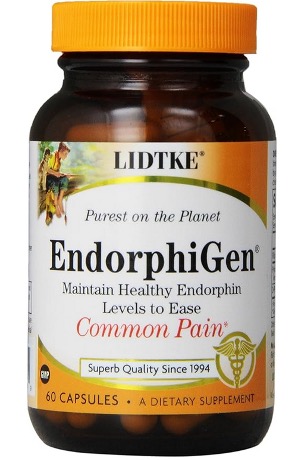
lidke endorphigen
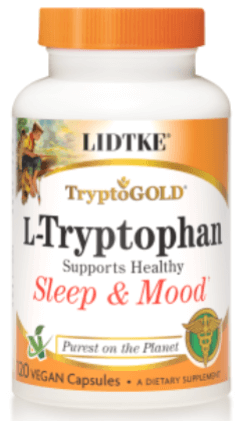
lidtke l-tryptophan

I recommend Lidtke EndorphiGen (which is DPA) and Lidtke Tryptophan 500mg. You can purchase these from my online store (Fullscript – only available to US customers – use this link to set up an account).

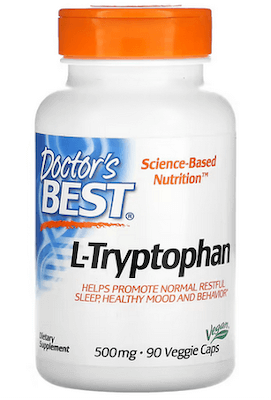
nature's best l-tryptophan
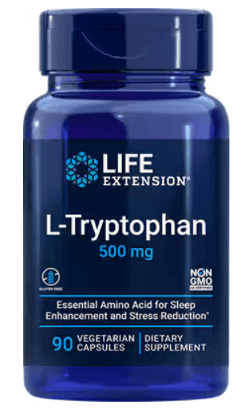
life extension l-tryptophan

If you’re not in the US, these products are available via iherb: Doctor’s Best D-Phenylalanine (or DPA) and Life Extension Tryptophan 500mg (use this link to save 5%).

Additional resources when you are new to using amino acids as supplements

As always, I use the symptoms questionnaire to figure out if low endorphins or low serotonin or other neurotransmitter imbalances may be an issue.

If you suspect low levels of any of the neurotransmitters and do not yet have my book, The Antianxiety Food Solution – How the Foods You Eat Can Help You Calm Your Anxious Mind, Improve Your Mood, and End Cravings, I highly recommend getting it and reading it before jumping in and using amino acids on your own so you are knowledgeable. And be sure to share it with the practitioner/health team you or your loved one is working with.

There is an entire chapter on the amino acids and they are discussed throughout the book in the sections on gut health, gluten, blood sugar control (this is covered in an entire chapter too), sugar cravings, anxiety and mood issues.

The book doesn’t include product names (per the publisher’s request) so this blog, The Antianxiety Food Solution Amino Acid and Pyroluria Supplements, lists the amino acids that I use with my individual clients and those in my group programs.

If, after reading this blog and my book, you don’t feel comfortable figuring things out on your own (i.e. doing the symptoms questionnaire and respective amino acids trials), if you need serotonin support, the Serotonin QuickStart Program is a good place to start. This is a paid online/virtual group program where you get my guidance on using tryptophan and 5-HTP safely, and community support during 5 LIVE Q&A calls. You can sign up to be notified when the next live launch of this program is happening. We take a deep dive into product options including Lidtke products and others if you’re not able to access Lidtke.

Low GABA can also affect sleep and cause stress eating. If you also have low GABA symptoms, the next step to get help is the GABA QuickStart Program. This is also a paid online/virtual group program where you get my guidance and community support. Another option is the budget-friendly GABA QuickStart Homestudy program.

If you are a practitioner, join us in The Balancing Neurotransmitters: the Fundamentals program. This is also a paid online/virtual program with an opportunity to interact with me and other practitioners who are also using the amino acids.

Wrapping up and your feedback

I’m thrilled Amanda is seeing these benefits with DPA, tryptophan and GABA and is fine-tuning her results even further. I appreciate her asking her questions on the blog so I can share and we all can learn.

Now I’d love to hear from you – does any of this resonate with you? If yes, which combination has worked best for you for emotional eating and sleep issues?

Is 5-HTP or tryptophan better for you and is vitamin B6 part of your supplement list.

If you’re a practitioner have you seen this combination work well with clients/patients?

Feel free to share and ask your questions below.

Filed Under: 5-HTP, Cravings, DPA/DLPA, serotonin, Sleep Tagged With: 5-HTP, amino acids, comfort eating, cravings, d-phenylalanine, DPA, endorphins, GABA, GABA Quickstart; Balancing Neurotransmitters: the Fundamentals program for practitioners, neurotransmitters, Nightmares, pyroluria, serotonin, sleep, stress-eating, sublingually, sugar cravings, tryptophan, vitamin B6

Vitamin B6 and magnesium on neurobehavioral status of autism spectrum disorder with hyperactivity and irritability (research)

May 24, 2024 By Trudy Scott 7 Comments

vitamin b6 magnesium and autism

Today I’m sharing new research that supports some of the original findings about vitamin B6 and magnesium published by autism biomedical pioneer Bernie Rimland.

Despite the small population size, this study demonstrated neurobehavioural improvement among children with ASD [autism spectrum disorder] with hyperactivity and irritability. Consequently, it can be expected that future studies conducted on a larger scale might help to establish the beneficial role of Vitamin B6 and Magnesium as a complementary treatment for autism with hyperactivity and irritability.

The above comes from the conclusion of  this 2021 paper, Vitamin B6 and Magnesium on Neurobehavioral Status of Autism Spectrum Disorder: A Randomized, Double-Blind, Placebo Controlled Study.

There were 50 children in the study, with a random assignment of 27 to the study group (vitamin B6 and magnesium) and 23 to the control group (placebo). All the children were autism patients from a pediatric autism and neurodevelopmental disorder outpatient clinic in India.

One of the primary aims over the 3 month study period was to investigate “any improvement among the six domains of ASD: general observation, cognition, emotion, social behavior, communication, and sensory deficits.”

Read on for learning more about the study outcomes, and dosing and forms of magnesium and vitamin B6 (and how this compares to P5P). I also share more about autism biomedical pioneer Bernie Rimland’s earlier research and the autism/B6/pyroluria connections. And end with some of the many possible mechanisms, GABA and vitamin B6, and other applications for vitamin B6.

More about the study outcomes

  • The improvement observed in the study/intervention group was 81% compared to only 47% in the placebo group.
  • Both the study group and control group had a mixture of patients rated as having mild, low moderate, high moderate and severe symptoms of ASD. At the conclusion of the study, there were fewer patients in high moderate and severe categories.
  • There was “an overall improvement in the symptoms of autism along with improvements in specific domains e.g. Emotion and Cognition.” The Emotion domain includes hyperactivity, aggressiveness, emotional lability (or instability) and stress.

Dosing varied by age and forms of magnesium and vitamin B6

The dosage of magnesium and vitamin B6 for the 27 children in the intervention/study group was pre-determined by the age of the subjects: “Patients aged 2-3 years received 50 mg Magnesium and 25mg Vitamin B6 daily, aged 4-8 years received 100 mg Magnesium and 50mg Vitamin B6 daily, and patients aged 9-12 years were given 200 mg Magnesium and 100mg Vitamin B6 daily.”

Patients in both groups received Risperidone for hyperactivity and irritability.

The form of magnesium used in the study was glycinate and the form of vitamin B6 was pyridoxine.

Vitamin B6 and magnesium research by autism biomedical pioneer Bernie Rimland

The authors share that of the many autism studies with nutrients, studies using vitamin B6 and magnesium “given by parents to ASD children have been observed to produce improvement for about 30 years.”

As I mentioned above, this new research builds on some of the original findings about vitamin B6 and magnesium published by autism biomedical pioneer Bernie Rimland. The study authors share this: “Rimland found significant improvement with the use of high doses of pyridoxine, however high doses of pyridoxine showed side effects which could be negated by co-administering magnesium.”

This 1988 paper by B. Rimland is referenced: Controversies in the treatment of autistic children: vitamin and drug therapy, and states that “Among the biomedical treatments, the use of high-dosage vitamin B6 and magnesium received the highest ratings”

Also referenced is this vitamin B6 paper, co-authored by B. Rimland and published 46 years ago: The effect of high doses of vitamin B6 on autistic children: a double-blind crossover study. It states that “Behavior was rated as deteriorating significantly during the B6 withdrawal.”

Vitamin B6, autism and pyroluria

My experience when it comes to vitamin B6 and P5P is primarily with the many individuals in my community who have pyroluria or suspect they do based on their symptoms (here is the pyroluria symptoms questionnaire). This is about 80% of the anxious folks in my community.

I share this because pyroluria is common in autism spectrum disorder:

  • children with learning disorders and behavioral disorders: 25% (Abram Hoffer)
  • autism spectrum disorders: 46% (Woody McGinnis)

(more on prevalence and associated conditions here)

And this study found emotional instability – a key aspect of pyroluria and autism – improved with vitamin B6 and magnesium.

For adults with pyroluria, vitamin B6 is used in the range of 100 mg  to 500 mg, starting low and increasing as needed. We use dream recall and increased ability to socialize without feeling anxious as a clue that the correct dose is being used.

Keep in mind that 25 mg P5P (pyridoxal-5-phosphate) or the active form of vitamin B6 is approximately equivalent to 100 mg pyridoxine.

I have found that some folks do better on one form of vitamin B6 than the other i.e. not everyone needs P5P and some folks do better with a combination of P5P and pyridoxine. As with all supplements there is no one–size fits all and so the protocol and form of vitamin B6 used in this study group really only serves as a guideline.

The possible mechanisms

The authors mention this as one possible mechanism under these circumstances:  “Magnesium inhibits the excitatory channel glutamate N-methyl-D-aspartate (NMDA) and reduces hyperactivity – a part of the emotional domain.” They also mention the fact that “magnesium increases presynaptic releases” enhancing “both short term and long term synaptic facilitation and long-term potentiation, improving learning and other memory functions.”

I’m adding these as possible mechanisms to consider too:

  • Vitamin B6 is a potent anti inflammatory compound
  • Vitamin B6 and magnesium are co-factors needed to make serotonin (which is calming and helps with emotional stability) and dopamine (which helps with focus and motivation)
  • “GABA is formed from glutamate via the addition of glutamate decarboxylase and vitamin B6”
  • Vitamin B6 offers neuroprotection in situations of excess glutamate release (together with vitamin B12 and B2)
  • Vitamin B6 is key (together with zinc, evening primrose oil and others) for addressing social anxiety/pyroluria which is common in autism (as mentioned above)
  • Vitamin B6 and magnesium improve hormonal health
  • Oxalate issues are common in autism, leading to depleted levels of vitamin B6 and magnesium. Supplementation can help counter some of the adverse effects.

Also vitamin B6 (and other B vitamins) and magnesium are depleted by sugar, stress, dysbiosis, food allergies, certain medications and caffeine. And it’s common to find deficiencies of both.

A comprehensive dietary and functional medicine / biomedical approach, targeted individual amino acids such as GABA and tryptophan, in addition to vitamin B6 and magnesium is imperative in ASD.

Many other applications for vitamin B6

It’s wonderful to be able to share yet another application for vitamin B6, which, in some circles, is receiving an unfavorable reputation about causing toxicity.

Here are a few other related vitamin B6 blog posts that may be of interest:

  • The role of low serotonin, low vitamin B6 and low iron in anxiety and panic attacks
  • Oral contraceptives cause low vitamin B6 and zinc, reduce serotonin levels and increase anxiety
  • Am I an anxious introvert because of low zinc and vitamin B6? My response to Huffington Post blog
  • Side stitch when running or exercising: the anxiety/stress connection (and the pyroluria protocol of zinc and vitamin B6 as a solution?)

Because of the role of vitamin B6 when it comes to calming GABA, it’s worth sharing this blog too  – Half a crushed GABA Calm for my autistic child: sleep, anxiety and sensorimotor skills (writing, horse riding and swimming) improve. Both vitamin B6 and GABA are commonly beneficial.

And sometimes, vitamin B6 on it’s own provides results – Anxiety and vomit phobia in an 8-year-old: within a week of starting vitamin B6 she made a complete turnaround.

Additional resources when you are new to using amino acids as supplements

As always, I use the symptoms questionnaire to figure out if low GABA or other neurotransmitter imbalances may be an issue.

If you suspect low levels of any of the neurotransmitters and do not yet have my book, The Antianxiety Food Solution – How the Foods You Eat Can Help You Calm Your Anxious Mind, Improve Your Mood, and End Cravings, I highly recommend getting it and reading it before jumping in and using amino acids on your own so you are knowledgeable. And be sure to share it with the practitioner/health team you or your loved one is working with.

There is an entire chapter on the amino acids and they are discussed throughout the book in the sections on gut health, gluten, blood sugar control (this is covered in an entire chapter too), sugar cravings, anxiety and mood issues.

There is also an entire chapter on pyroluria and in-depth sections on vitamin B6 and zinc.

The book doesn’t include product names (per the publisher’s request) so this blog, The Antianxiety Food Solution Amino Acid and Pyroluria Supplements, lists the amino acids that I use with my individual clients and those in my group programs.

If, after reading this blog and my book, you don’t feel comfortable figuring things out on your own (i.e. doing the symptoms questionnaire and respective amino acids trials), a good place to get help is the GABA QuickStart Program (if you have low GABA symptoms too). This is a paid online/virtual group program where you get my guidance and community support.

If you are a practitioner, join us in The Balancing Neurotransmitters: the Fundamentals program. This is also a paid online/virtual program with an opportunity to interact with me and other practitioners who are also using the amino acids.

Wrapping up and your feedback

I’d love to hear from you – have you had success with vitamin B6 and magnesium – personally or with your child? How much has helped and which products? (feel free to share the diagnosis and what symptoms have improved)

Have dietary changes and/or addressing pyroluria helped too?

If you’re a practitioner have you seen these nutrients to help in situations like this?

I’m also curious to hear if you’re familiar with the vitamin B6 and magnesium research and work done by Bernie Rimland?

Feel free to share and ask your questions below.
Filed Under: ADHD, Anxiety, Children/Teens, GABA Tagged With: ADHD, amino acids; GABA Quickstart; Balancing Neurotransmitters: the Fundamentals program for practitioners, anxious, ASD, autism, autism spectrum disorder, B6, Bernie Rimland, cognition, emotion, GABA, glutamic acid, hyperactivity, irritability, magnesium, neurobehavioral, P5P, pyroluria, vitamin B6

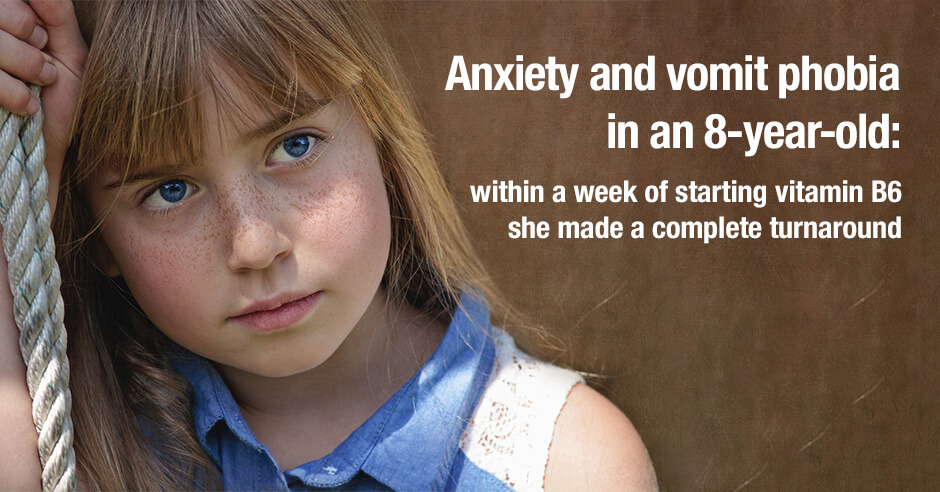
Anxiety and vomit phobia in an 8-year-old: within a week of starting vitamin B6 she made a complete turnaround

December 1, 2023 By Trudy Scott 15 Comments

anxiety and vomit phobia

Debbie, a mom in the community, shared this wonderful feedback about how vitamin B6 helped her daughter with terrible anxiety and a phobia of vomit:

My youngest (who is 8 now) started exhibiting terrible anxiety about a year ago, specifically around the phobia of vomit. Her anxiety is mostly about other people throwing up. But her anxiety became so strong it was preventing her from going to school or even staying in her classroom, kept her from eating (because her anxiety hurt her tummy) and even from wanting to do extracurricular activities that she previously loved but now was afraid to attend in case a child might throw up there.

We started her on weekly therapy sessions, and I started her on GABA and tryptophan. While the amino acids helped a little, it wasn’t enough to calm the thoughts that plagued her all day at school and home. Most days I still couldn’t get her out of the car for school.

Through your website and some other research, I decided to try supplementing her with vitamin B6. Within a week of her starting B6 she made a complete turnaround. The anxiety would still come when a kid at school would say their tummy hurt, but she was able to calm herself down within minutes and talk through the worry.

We still have some low days (especially if we haven’t taken her supplements in a few days) but overall, she’s a new kid. Even the school asked what we are doing differently to get her to be calm again.

It’s wonderful to hear that within a week of starting vitamin B6 she made a complete turnaround.

This blog addresses some of the possible mechanisms (possible serotonin and GABA support, and addressing pyroluria), how much vitamin B6 she had her daughter use and optimal dosing, plus other factors like a good multi or B complex.

Some of the possible causes and mechanisms: serotonin and/or GABA support

According to the Child Mind Institute, “Emetophobia, or the severe fear of vomiting or seeing others vomit, is surprisingly common.  Kids who already tend to be anxious are more likely to develop it. It leads to fear of things they associate with vomiting. Often it starts with avoiding places where they (or someone else) threw up, or places that remind them of it.”

They discuss therapy and medications as solutions whereas I am discussing nutritional solutions that address the root causes. In this case: addressing low vitamin B6 and its impact on serotonin and/or GABA.

This letter, Vitamin B6: A new approach to lowering anxiety, and depression?, published in 2022, mention a few studies concluding that vitamin B6 supplements “significantly reduce feelings of stress, anxiety, and depression.” It does this via an impact on serotonin and GABA production and this results in  the calming of the nervous system.

This 2022 paper, High-dose Vitamin B6 supplementation reduces anxiety and strengthens visual surround suppression, also discusses a GABA mechanism: vitamin B6 supplementation “increases inhibitory GABAergic neural influences, which is consistent with its known role in the synthesis of GABA.” (100 mg/day of vitamin B6 was used by the adult participants)

In this blog post you can read about the role of low vitamin B6 and iron in low serotonin, leading to anxiety and panic attacks.

How much vitamin B6 to use and is pyroluria a factor?

Debbie was not sure how much vitamin B6 to give her daughter:

The struggle I still have is knowing how much to dose her. There’s conflicting info out there as to how much is too much for kids. Right now I’m giving her Carlson liquid B6. I give her between 2-3 drops, which, if I’m doing the math correctly, is about 4-6 mg. She seems to be doing alright on that as long as we don’t miss a day. When we do miss, her anxiety becomes immediately irrational again. If you have any insight on dosing, please let me know. Thanks for all you do!

I shared this feedback with her: With phobia of vomiting I immediately think of the social anxiety condition pyroluria and the additional need for zinc, vitamin B6 and evening primrose oil.

This supports the fact that vitamin B6 helps her daughter and that missed days and increased stress means the anxiety returns.

With kids anxiety can often show up as tummy issues and nausea. And “emetophobics are particularly vulnerable to somatic symptoms, especially gastrointestinal symptoms such as nausea.  Nausea, as an anxiety symptom, may be misinterpreted as an imminent episode of vomiting causing further symptoms in a vicious circle.” (from this paper about an 8 year old boy with emetophobia)

Debbie mentions her daughter gets a sore tummy when anxious. If she also feels nauseous on her bad days, that would be another clue to consider pyroluria. A common symptom is morning nausea and addressing pyroluria helps kids who experience this and also helps prevent vomiting. The nutrients for pyroluria are also key for neurotransmitter production (as mentioned above).

I shared that I’ve used 10 – 25mg of vitamin B6 in children this age who have pyroluria (plus the other pyroluria supplements and stress reduction).

Good dream recall with no nightmares is a good gauge of vitamin B6 status and a clue that enough is being used and easy enough to ask children and/or observe nightmares.

There are not many papers on the use of vitamin B6 in children. This study, Use of Nutritional Supplements Based on L-Theanine and Vitamin B6 in Children with Tourette Syndrome, with Anxiety Disorders: A Pilot Study used 2.8mg of vitamin B6 but they were also using theanine.

Supportive solutions: a child’s multi with B vitamins and other underlying factors

When an individual B vitamin like vitamin B6 is used, it’s always advised to use a B complex or a good multivitamin that contains all the B vitamins with sufficient amounts. For children I like a product like Klaire Labs Vitaspectrum ® Powder. This product may actually provide enough vitamin B6 in a situation like this – 1 scoop provides 15 mg of vitamin B6 – or it could be used with extra vitamin B6.

It goes without saying that all dietary and other nutritional factors, gut health, blood sugar handling, sleep, toxins, infections etc. may need to be addressed too.

I would also want to do further exploration into why vitamin B6 may be low, other than pyroluria – such as dysbiosis, inflammation, malabsorption, autoimmunity, low dietary intake, leaky gut, high sugar intake, gluten sensitivity or celiac disease and alcohol use disorder (in adults).

Why didn’t GABA or tryptophan help?

Debbie is well versed in amino acids, having used GABA for her PCOS (polycystic ovarian syndrome). It helped ease her lifelong anxiety, wean off anxiety medication, ovulate each month and stop her PCOS meds. She helped her older daughter with GABA too – she calls them her “happy pills.” And Debbie used tryptophan with success when collagen caused her to have panic attacks again. You can read her story on this blog.

I can’t be sure why GABA or tryptophan didn’t help her younger daughter. It’s where I would have started too, but we are all unique and what works for Debbie and her older daughter just didn’t work for her younger daughter.

It’s possible that a higher dose of GABA or tryptophan may have worked better, or other GABA or tryptophan products, or theanine or 5-HTP or inositol may have been an option.

It’s wonderful that vitamin B6 did work and I appreciate Debbie for sharing and allowing me to share as a blog. I love that the school also asked what they are doing differently to get her daughter to be calm again.

Additional resources when you are new to using amino acids or the pyroluria nutrients as supplements

We use the symptoms questionnaire to figure out if low GABA or low serotonin or low endorphins or low dopamine or low blood sugar may be an issue with vomit phobia.

If you suspect low levels of any of the neurotransmitters and do not yet have my book, The Antianxiety Food Solution – How the Foods You Eat Can Help You Calm Your Anxious Mind, Improve Your Mood, and End Cravings, I highly recommend getting it and reading it before jumping in and using amino acids on your own so you are knowledgeable. And be sure to share it with the practitioner/health team you or your loved one is working with.

There is an entire chapter on the amino acids and they are discussed throughout the book in the sections on gut health, gluten, blood sugar control, sugar cravings, anxiety and mood issues.

As mentioned above, I would start with GABA and tryptophan (like Debbie did) and then start looking for other approaches that may help.

There is also an entire chapter on pyroluria where vitamin B6, zinc and evening primrose oil is addressed in detail.

The book doesn’t include product names (per the publisher’s request) so this blog, The Antianxiety Food Solution Amino Acid and Pyroluria Supplements, lists the amino acids that I use with my individual clients and those in my group programs. You can find them all in my online store.

This includes the products mentioned in this blog: Carlson 100mg B6 and Klaire Labs Vitaspectrum® Powder.

If, after reading this blog and my book, you don’t feel comfortable figuring things out on your own (i.e. doing the symptoms questionnaire and respective amino acids trials), a good place to get help is the GABA QuickStart Program (if you have low GABA symptoms too). This is a paid online/virtual group program where you get my guidance and community support.

If you are a practitioner, join us in The Balancing Neurotransmitters: the Fundamentals program. This is also a paid online/virtual program with an opportunity to interact with me and other practitioners who are also using the amino acids.

Does any of this resonate with you?

If yes, has vitamin B6 helped your child (or you) with anxiety and vomit phobia?

And is pyroluria also a factor that is being addressed?

Have either tryptophan or GABA or Klaire Labs Vitaspectrum® Powder helped too (alone or in conjunction with vitamin B6)?

Feel free to share and ask your questions below.
Filed Under: Anxiety, Children/Teens, GABA, Pyroluria, Tryptophan Tagged With: amino acids, anxiety, Balancing Neurotransmitters: the Fundamentals program for practitioners, calm, child, emetophobia, GABA, GABA Quickstart, phobia of vomit, pyroluria, throwing up, tryptophan, tummy, vitamin B6, vomit phobia

  • Page 1
  • Page 2
  • Page 3
  • Interim pages omitted …
  • Page 11
  • Go to Next Page »

Primary Sidebar

NEW! GABA QuickStart Homestudy (with special intro pricing)

gaba quickstart homestudy

Free Report

9 Great Questions Women Ask about Food, Mood and their Health

You'll also receive a complimentary subscription to my ezine "Food, Mood and Gal Stuff"


Connect with me

Popular Posts

  • Amino Acids Mood Questionnaire from The Antianxiety Food Solution
  • The Antianxiety Food Solution Amino Acid and Pyroluria Supplements
  • Pyroluria Questionnaire from The Antianxiety Food Solution
  • Collagen and gelatin lower serotonin: does this increase your anxiety and depression?
  • Tryptophan for the worry-in-your-head and ruminating type of anxiety
  • GABA for the physical-tension and stiff-and-tense-muscles type of anxiety
  • The Antianxiety Food Solution by Trudy Scott
  • Seriphos Original Formula is back: the best product for anxiety and insomnia caused by high cortisol
  • Am I an anxious introvert because of low zinc and vitamin B6? My response to Huffington Post blog
  • Vagus nerve rehab with GABA, breathing, humming, gargling and key nutrients

Recent Posts

  • What do I use instead of Seriphos to help lower high cortisol that is affecting my sleep and making me anxious at night?
  • BeSerene™ GABA/theanine cream eases severe muscle tension in her neck/shoulders, prevents her bad headaches and quells her anxiety
  • How the correct approach, dose and sublingual use of GABA can be calming and not cause a flushed and itchy face and neck
  • The amino acid glutamine improves low mood by addressing gut health, and it has calming effects too
  • Flight anxiety with heightened breath, physical tension and also fearing the worst (the role of low GABA and low serotonin)

Categories

  • 5-HTP
  • AB575
  • Addiction
  • ADHD
  • Adrenals
  • Alcohol
  • Allergies
  • Alzheimer's disease
  • Amino Acids
  • Anger
  • Antianxiety
  • Antianxiety Food Solution
  • Antidepressants
  • Anxiety
  • Anxiety and panic
  • Autism
  • Autoimmunity
  • benzodiazapines
  • Bipolar disorder
  • Books
  • Caffeine
  • Cancer
  • Candida
  • Children/Teens
  • Collagen
  • Cooking equipment
  • Coronavirus/COVID-19
  • Cravings
  • Depression
  • Detoxification
  • Diabetes
  • Diet
  • DPA/DLPA
  • Drugs
  • EFT/Tapping
  • EMF
  • EMFs
  • Emotional Eating
  • Endorphins
  • Environment
  • Essential oils
  • Events
  • Exercise
  • Fear
  • Fear of public speaking
  • Fertility and Pregnancy
  • Fish
  • Food
  • Food and mood
  • Functional neurology
  • GABA
  • Gene polymorphisms
  • General Health
  • Giving
  • Giving back
  • Glutamine
  • Gluten
  • GMOs
  • Gratitude
  • Gut health
  • Heart health/hypertension
  • Histamine
  • Hormone
  • Hyperparathyroidism
  • Hypoglycemia
  • Immune system
  • Inflammation
  • Insomnia
  • Inspiration
  • Introversion
  • Joy and happiness
  • Ketogenic diet
  • Lithium orotate
  • Looking awesome
  • Lyme disease and co-infections
  • MCAS/histamine
  • Medication
  • Men's health
  • Mental health
  • Mercury
  • Migraine
  • Mold
  • Movie
  • MTHFR
  • Multiple sclerosis
  • Music
  • NANP
  • Nature
  • Nutritional Psychiatry
  • OCD
  • Osteoporosis
  • Oxalates
  • Oxytocin
  • Pain
  • Paleo
  • Parasites
  • Parkinson’s disease
  • PCOS
  • People
  • PMS
  • Postpartum
  • PTSD/Trauma
  • Pyroluria
  • Questionnaires
  • Real whole food
  • Recipes
  • Research
  • Schizophrenia
  • serotonin
  • SIBO
  • Sleep
  • Special diets
  • Sports nutrition
  • Stress
  • Sugar addiction
  • Sugar and mood
  • Supplements
  • Teens
  • Testimonials
  • Testing
  • The Anxiety Summit
  • The Anxiety Summit 2
  • The Anxiety Summit 3
  • The Anxiety Summit 4
  • The Anxiety Summit 5
  • The Anxiety Summit 6
  • Thyroid
  • Thyroid health
  • Toxins
  • Tryptophan
  • Tyrosine
  • Uncategorized
  • Vegan/vegetarian
  • Women's health
  • Yoga

Archives

  • October 2025
  • September 2025
  • August 2025
  • July 2025
  • June 2025
  • May 2025
  • April 2025
  • March 2025
  • February 2025
  • January 2025
  • November 2024
  • October 2024
  • September 2024
  • August 2024
  • July 2024
  • June 2024
  • May 2024
  • April 2024
  • March 2024
  • February 2024
  • January 2024
  • December 2023
  • November 2023
  • October 2023
  • September 2023
  • August 2023
  • July 2023
  • June 2023
  • May 2023
  • April 2023
  • March 2023
  • February 2023
  • January 2023
  • December 2022
  • November 2022
  • October 2022
  • September 2022
  • August 2022
  • July 2022
  • June 2022
  • May 2022
  • April 2022
  • March 2022
  • February 2022
  • January 2022
  • December 2021
  • November 2021
  • October 2021
  • September 2021
  • August 2021
  • July 2021
  • June 2021
  • May 2021
  • April 2021
  • March 2021
  • February 2021
  • January 2021
  • December 2020
  • November 2020
  • October 2020
  • September 2020
  • August 2020
  • July 2020
  • June 2020
  • May 2020
  • April 2020
  • March 2020
  • February 2020
  • January 2020
  • December 2019
  • November 2019
  • October 2019
  • September 2019
  • August 2019
  • July 2019
  • June 2019
  • May 2019
  • April 2019
  • March 2019
  • February 2019
  • January 2019
  • December 2018
  • November 2018
  • October 2018
  • September 2018
  • August 2018
  • July 2018
  • June 2018
  • May 2018
  • April 2018
  • March 2018
  • February 2018
  • January 2018
  • December 2017
  • November 2017
  • October 2017
  • September 2017
  • August 2017
  • July 2017
  • June 2017
  • May 2017
  • April 2017
  • March 2017
  • February 2017
  • January 2017
  • December 2016
  • November 2016
  • October 2016
  • September 2016
  • August 2016
  • July 2016
  • June 2016
  • May 2016
  • April 2016
  • March 2016
  • February 2016
  • January 2016
  • December 2015
  • November 2015
  • October 2015
  • September 2015
  • August 2015
  • July 2015
  • June 2015
  • May 2015
  • April 2015
  • March 2015
  • February 2015
  • January 2015
  • December 2014
  • November 2014
  • October 2014
  • September 2014
  • August 2014
  • July 2014
  • June 2014
  • May 2014
  • April 2014
  • March 2014
  • February 2014
  • January 2014
  • December 2013
  • November 2013
  • October 2013
  • September 2013
  • August 2013
  • July 2013
  • June 2013
  • May 2013
  • April 2013
  • March 2013
  • February 2013
  • January 2013
  • December 2012
  • November 2012
  • October 2012
  • August 2012
  • July 2012
  • June 2012
  • May 2012
  • April 2012
  • March 2012
  • February 2012
  • January 2012
  • December 2011
  • November 2011
  • October 2011
  • September 2011
  • August 2011
  • July 2011
  • June 2011
  • May 2011
  • April 2011
  • March 2011
  • February 2011
  • January 2011
  • December 2010
  • October 2010
  • September 2010
  • July 2010
  • May 2010
  • April 2010
  • March 2010
  • February 2010
  • January 2010
  • November 2009

Share the knowledge!

The above statements have not been evaluated by the Food and Drug Administration. Products listed in this website are not intended to diagnose, treat, cure or prevent any disease.

The information provided on this site is for informational and educational purposes only and is not intended as a substitute for advice from your physician or other health care professional. You should consult with a healthcare professional before starting or modifying any diet, exercise, or supplementation program, before taking or stopping any medication, or if you have or suspect you may have a health problem.


Copyright © 2026 Trudy Scott. All Rights Reserved. | Privacy | Terms and Conditions | Refund Policy | Medical Disclaimer

Free Report

9 Great Questions Women Ask about Food, Mood and their Health

You’ll also receive a complimentary subscription to my ezine “Food, Mood and Gal Stuff”