• Skip to primary navigation
  • Skip to main content
  • Skip to primary sidebar

everywomanover29 blog

Food, Mood and Women's Health – Be your healthiest, look and feel great!

  • Blog
  • About
  • Services
  • Store
  • Resources
  • Testimonials
  • The Book
  • Contact
  • Search this site

PTSD

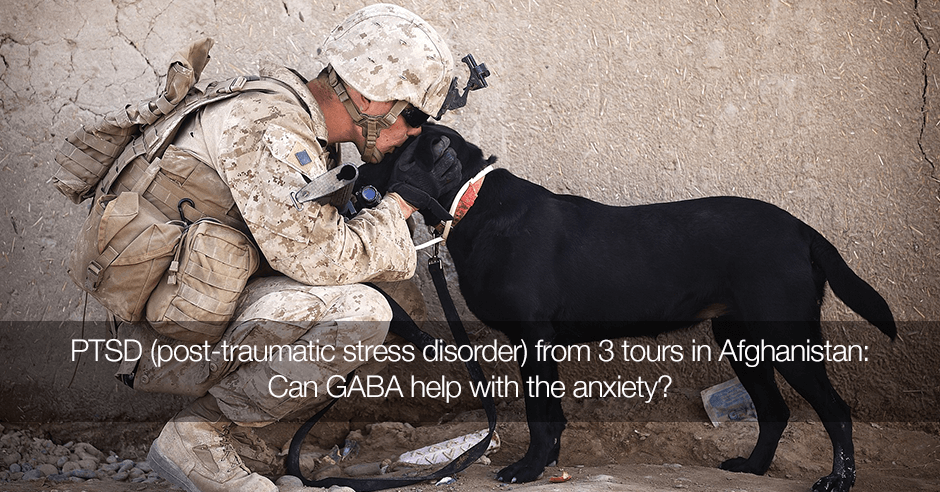
PTSD from 3 tours in Afghanistan: Can GABA help with the anxiety?

February 23, 2018 By Trudy Scott 23 Comments

My husband is suffering from PTSD [post-traumatic stress disorder] from 3 tours in Afghanistan. Can [GABA] help with the anxiety he is experiencing. Your thoughts?

I received the above question in response to one of my blogs addressing GABA for the physical, stiff-and-tense muscle type of anxiety.

It’s very likely that GABA will help ease some of the anxiety he is experiencing. Anxiety can have many root causes and with PTSD I would look into neurotransmitter imbalances first and use three key amino acids to address these three possible root causes, before digging deeper to address other nutrient deficiencies and root causes that may take longer to address.

Amino acids to provide some anxiety relief quickly

In order to provide some anxiety relief as quickly as possible I would assess for low GABA, low serotonin and low blood sugar using the amino acid questionnaire:

  • With low GABA he could be experiencing physical anxiety, muscle tension and the need to self-medicate with alcohol or sugary foods in order to calm down and relax. We would do an amino acid trial with calming GABA. Research also now shows that GABA helps with unwanted obtrusive thoughts which are common with PTSD.
  • With low serotonin he could be experiencing mental anxiety, ruminations, fears, phobias, anger and irritability and probably insomnia. We would do an amino acid trial with tryptophan first and then 5-HTP if the tryptophan isn’t helping and we know cortisol is not high.
  • With low blood sugar he could experience anxiety and feel extra stressed when he goes too long without eating. It’s likely he could also have an intense desire to eat candies and sweet treats. We would do a trial with glutamine and make sure he’s eating a breakfast that contains quality animal protein such eggs and bacon, or a protein smoothie.

High cortisol?

We would also want to determine if high cortisol is a driving factor of the anxiety. I’d want to see the results from a 4-collection cortisol saliva test (on waking, noon, around 5pm and around 10pm).

We would address adrenal issues (either high or low) with adrenal support of a good 50mg B-complex, extra pantothenic acid, vitamin C, and adaptogen such as rhodiola. If cortisol is high this can trigger anxiety and adrenaline-type surges and the phosphorylated serine product Seriphos used a few hours before the high cortisol is the best for lowering the high cortisol.

Recent research finds evidence that orange essential oil reduces fear and anxiety, diminishes immune system markers of stress in mice and may help alleviate PTSD and a blend of lavender, ylang-ylang, marjoram, and neroli (also a citrus oil) reduces stress and lowers cortisol too.

Other factors: gut health, diet, low vitamin D

When it comes to anxiety and PTSD, there are other factors to be considered:

  • gut health and the microbiome – has he picked up parasites or other gut bugs or been impacted by foodborne pathogens
  • diet and the importance of getting back to eating a real whole foods quality diet in order to provide the body with the best nutrients. An example from a recent study report that blueberries boost serotonin and may help ease PTSD
  • addressing low vitamin D: “Through its association with testosterone production, vitamin D deficiency may increase the risk for posttraumatic stress disorder”
  • removal of gluten, sugar and caffeine – all of which can contribute to anxiety and cause nutrient depletions

Possible effects from malaria drugs and other toxic exposures  

If symptoms persist other factors like the effects of medications (or other toxic exposures) must be considered. In one case study, Malaria drug causes brain damage that mimics PTSD, a service member was diagnosed with anxiety, PTSD and a thiamine deficiency. Various treatments, including medication, behavioral therapy and vitamins didn’t help. It was determined that his symptoms were due to the anti-malaria medication mefloquine, which is now known to contribute to neuropsychiatric symptoms in susceptible individuals.

As with any anxiety condition, the root causes and solutions are unique to each individual and the above approach would be adapted based on each person’s unique needs and biochemistry. Additional approaches over and above these listed here may well need to be considered.
Filed Under: GABA, PTSD/Trauma Tagged With: anxiety, depression, GABA, low blood sugar, malaria medications, PTSD, serotonin

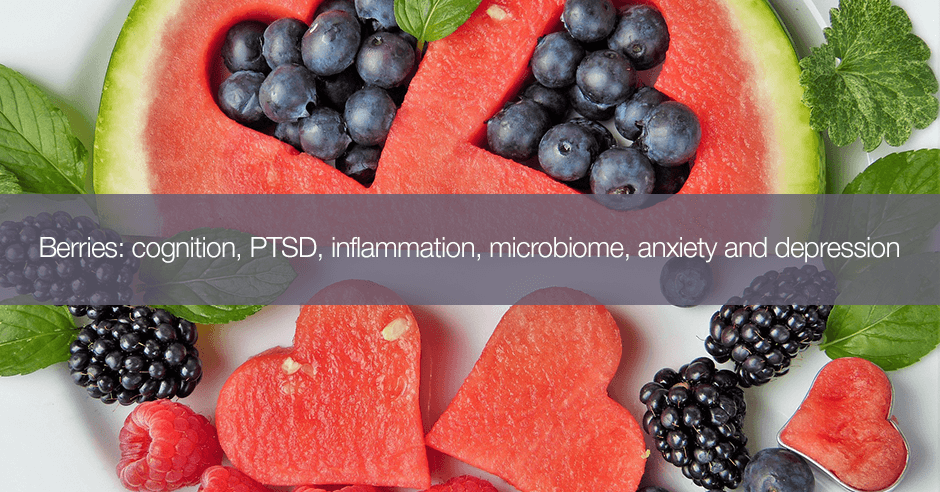
Berries: cognition, PTSD, inflammation, microbiome, anxiety and depression

February 2, 2018 By Trudy Scott 11 Comments

Berries such as blueberries, raspberries, raspberries and strawberries have so many health benefits, including but not limited to improving cognitive function, offering benefits for PTSD (post-traumatic stress disorder), reducing inflammation and even increasing good bacteria in our gut. There are even initial promising results of a compound in blackberries having antibiotic like properties against drug-resistant bacteria MRSA (methicillin resistant staphylococcus aureus).

Blueberries improve cognition

In a 2017 randomized, double-blind, placebo-controlled trial, dietary blueberries were found to improve cognition among older adults

In this study, 13 men and 24 women, between the ages of 60 and 75 years, were recruited into a randomized, double-blind, placebo-controlled trial in which they consumed either freeze-dried blueberry (24 g/day, equivalent to 1 cup of fresh blueberries) or a blueberry placebo for 90 days.

The findings show that the addition of 1 daily cup of blueberries to the diets of older adults can improve some aspects of cognition, such as

…significantly fewer repetition errors … in the California Verbal Learning Test (CLVT), a neuropsychological test which can be used to assess verbal memory abilities.

… fewer errors on trials when they switched to a new task as part of a task-switching test. Task switching is an important component of executive function, a collection of brain processes that are responsible for guiding thought and behavior.

This research was funded by the U.S. Highbush Blueberry Council.

Blueberries boost serotonin and ease PTSD

A study presented in 2016 reports that blueberries boost serotonin and may help with PTSD and anxiety. This was an animal study where the traumatized rats were fed a blueberry-enriched diet. The study authors report an increase in serotonin levels and suggest that these findings

indicate non-pharmacological approaches might modulate neurotransmitters in PTSD.

Presumably this could help if you have anxiety and depression too, since low serotonin is often one of the underlying factors.  

Anti-inflammatory activity of berry fruits

A 2016 study compared the anti-inflammatory and antioxidant effects of extracts of Lycium barbarum (found in goji berries), Vaccinium macrocarpon (found in cranberries) and Vaccinium myrtillus (found in blueberries).

High amounts of phenolic compounds, including rutin, were identified in all berries extracts. Quercetin was identified in blueberries and cranberries. Hepatic/liver concentrations of glutathione were higher in animals treated with goji berry extracts. Overall the study reports that:

These results suggest that quercetin, rutin, or other phenolic compounds found in these berry fruits extracts could produce an anti-inflammatory response based on modulation of oxidative stress.

We know that inflammation plays a role in mood issues so this is yet another mechanism for supporting your body nutritionally.

Wild blueberry powder drink increases bifidobacteria in the human gut

Wild blueberries are a rich source of polyphenols, fiber and other compounds that are metabolized by the intestinal microbiota. A 2011 human study reports that six weeks of consumption of a wild blueberry (Vaccinium angustifolium) drink can positively impact the composition of the intestinal microbiome, by increasing levels of Bifidobacterium.

There are numerous studies showing the benefits of bifidobacteria probiotics on mood and anxiety. Here are a few of them:

  • reduced depressive symptoms in IBS patients
  • reduced anxiety (animal study)
  • reduced inflammation, balanced neurotransmitters and a positive impact on the HPA axis (animal study)

Blackberry compound as an antibiotic against MRSA?

This section doesn’t involve eating blackberries but I’m including it because I just love this story, it’s inspiring and it has not received any coverage in the mainstream media. An article in a local publication reports that Irish teen wins top science prize for blackberry antibiotic that fights resistant bacteria

A 15-year-old science student Simon Meehan of Coláiste Choilm won first place in the 54th BT Young Scientist & Technology Exhibition. His discovery is that chemicals found within blackberries could form antibiotics that kills Staphylococcus aureus – often known as MRSA and well known for being resistant to antibiotics.

And he says his grandfather – a herbalist – was the inspiration that kept him going, keeping a frame picture of him at his side whilst he worked.

Professor John O’Halloran, who helped judge the competition, was fulsome in his praise for Simon’s work: “This is a really exciting project which explores the possibility of the blackberry leaf extracts’ ability to control harmful bacteria. The unexpected findings deliver a unique approach to killing bacteria using natural plant active ingredients.

You can watch a video of Simon Meehan sharing more about this investigation and the result here:

Simon Meehan of Coláiste Choilm, Cork investigates the antimicrobial effects of aerial & root parts of selected plants against Staphylococcus aureus.

Here are some ways to enjoy berries in your diet:

  • Fresh berries as a healthy snack
  • Berries like blueberries are quite delicious when eaten frozen too – kids often love them like this
  • In a smoothie for breakfast, together with coconut milk, a banana and some whey, pea or other quality protein powder (great for good blood sugar control/hypoglycemia and reducing anxiety and irritability too)
  • As a dessert with grass-fed organic ice-cream or cream, or coconut milk if dairy is an issue for you
  • Dunked in melted dark organic free-trade chocolate as an occasional treat
  • Freeze-dried or dehydrated berries as a camping or travel snack

Make sure to buy organic berries as non-organic are on the Dirty Dozen list and are highly sprayed with pesticides.

How do you enjoy eating your berries and how often do you eat them?

Filed Under: Food Tagged With: antibiotic, anxiety, Berries, bifidiobacteria, blackberries, blueberries, cognition, depression, Inflammation, microbiome, PTSD, serotonin, Simon Meehan

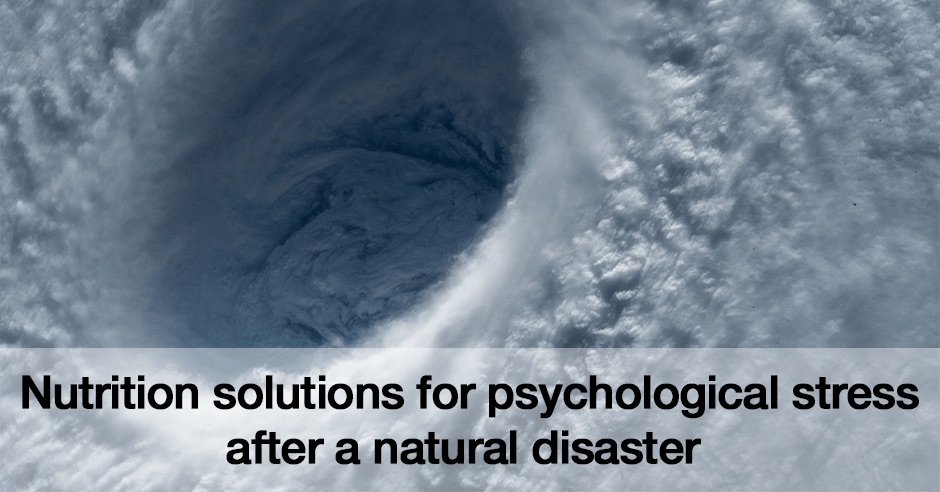
Nutrition solutions for psychological stress after a natural disaster

September 8, 2017 By Trudy Scott 8 Comments

There is much that can be done nutritionally in support of psychological stress and PTSD (post-traumatic stress disorder) during and after a natural disaster. I’ve written this blog for you if you’ve been impacted by the recent storm and flooding due to Hurricane Harvey in the Houston area (the pictures of people returning home are so sad), and for everyone impacted by Irma and about to be impacted by Irma. This is for you if

  • you had to be rescued and had to evacuate your home, are displaced and/or saw neighbors in trouble, have lost your belongings and home – and anything else that may have happened during this natural disaster
  • you have been involved in on-the-ground rescue efforts or working online helping with rescue efforts and you have working long hours, not getting enough sleep and likely not eating well
  • you had a loved one in trouble and feared for their lives
  • and if you’re on observer feeling distressed by what you have witnessed

You may be feeling on edge and anxious about the future, fearful about losing your job, worried about expenses and the chemical soup of flood waters you were exposed to, exhausted and yet not able to sleep, feeling overly emotional and weepy, having nightmares and flashbacks and feeling frazzled.

I wasn’t even in Texas and my contribution was a very small one, helping online rescue efforts from Australia via a volunteer rescue group created by McCall McPherson, but I felt really burned out after just a few days and quite distressed by some of the rescues we were trying to facilitate. I have had to really walk my talk and implement some of what I’m sharing here even though I would consider myself resilient because my nutrient balance is good.

B-Complex for everyone

My first recommendation is a B complex and if this is all that can be managed it would be my first choice for everyone. In fact, if you live in an area prone to hurricanes, flood, fires etc. I’d recommend being on a B complex all the time.

My colleagues Bonnie Kaplin and Julia Rucklidge published this paper in 2015: A randomised trial of nutrient supplements to minimise psychological stress after a natural disaster. They share that:

After devastating flooding in southern Alberta in June 2013, we attempted to replicate a New Zealand randomised trial that showed that micronutrient (minerals, vitamins) consumption after the earthquakes of 2010-11 resulted in improved mental health. Residents of southern Alberta were invited to participate in a study on the potential benefit of nutrient supplements following a natural disaster.

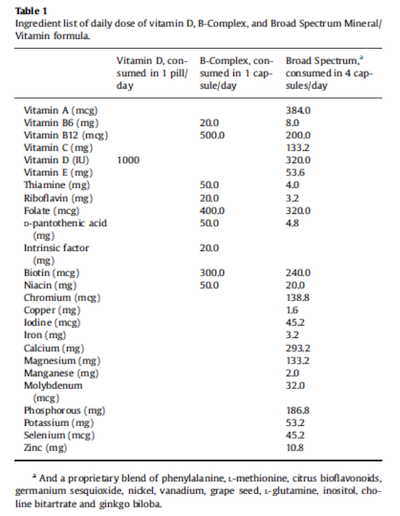
Fifty-six adults aged 23-66 were randomised to receive one of the following for 6 weeks:

  1. vitamin D as a single nutrient
  2. a B-Complex formula or a
  3. broad-spectrum mineral/vitamin formula

The study participants monitored changes in depression, anxiety and stress via self-reporting. All of the above 3 groups showed substantial decreases on all measures. However, those consuming the B-Complex and the broad-spectrum mineral/vitamin formula showed significantly greater improvement in stress and anxiety compared with those consuming the vitamin D alone, with the results being similar for the group using the B-Complex and the broad-spectrum mineral/vitamin formula.

The authors report that:

The use of nutrient formulas with multiple minerals and/or vitamins to minimise stress associated with natural disasters is now supported by three studies.

Further research should be carried out to evaluate the potential population benefit that might accrue if such formulas were distributed as a post-disaster public health measure.

I would love to see either a B-Complex or broad-spectrum mineral/vitamin formula be given out to everyone as part of relief efforts for all natural disasters.

The B-Complex used in the study was made by Douglas labs but other similar B-Complex products would be fine too.  I happen to use Designs for Health B Supreme with my clients.

The broad-spectrum mineral/vitamin formula in the study was EmpowerPlus made by TrueHope.

From: A randomised trial of nutrient supplements to minimise psychological stress after a natural disaster

Vitamin D based on levels

In the above study, some participants in the vitamin D group did see benefits and it’s likely to have been those who were low in vitamin D at the time of the flooding since other research supports a connection between low vitamin D and anxiety and depression. I like to see vitamin D results before recommending supplementation.

Serotonin, GABA and endorphin support based on symptoms and a trial

As well as a B-complex and/or vitamin D, I’d also consider the following neurotransmitter support on a case by case basis, and after doing the amino acid questionnaire and a trial of each amino acid:

  • Serotonin support with Lidtke tryptophan or Lidtke Tryptophan Complete or Lidtke Combat Stress (a tryptophan product formulated for stress support) – especially if you’re feeling sad, worried, resolving to try and feel positive, imagining the worst, feeling fearful and having problem sleeping. I blogged about tryptophan products last week.
  • GABA support for physical tension and an increased need to self-medicate with alcohol in order to stay calm. New research shows that reduced plasma levels of GABA observed in PTSD could be considered as a possible biomarker for PTSD severity. This is not something I typically look at but it’s something I will be considering going forward. I blogged about some specific GABA products earlier this week.
  • Endorphin support with Lidtke DPA if you’re feeling especially emotional and weepy.

Serotonin and GABA play a role in stress resilience and when we have enhanced stress resilience mechanisms we have the ability to adapt more successfully to stressful situations like natural disasters.    

Additional adrenal support if needed

The adrenals are part of the hypothalamic-pituitary axis (HPA) and also need nutritional support after stress and trauma. I recommend a good adrenal support product with rhodiola, Vitamin C, pantothenic acid, eleuthero and ashwagandha. Designs for Health Adrenotone is a good product.

If it’s known that cortisol levels are high then the addition of Seriphos and/or a lactium product (such as Biotics Research De-Stress) helps to lower high cortisol, reduce anxiety and help with insomnia.

Additional pyroluria support if needed

It is well known that pyroluria symptoms are made worse in times of heightened stress. If you are on protocol for pyroluria, additional zinc and vitamin B6/P5P is likely going to be needed short-term too.

Essential oils

Essential oils like lavender and citrus are wonderful for the stress, anxiety and sleepless nights. An animal study reports that passively inhaling orange essential oil could potentially reduce PTSD symptoms in humans


Some other considerations include the following once things start to get back to some kind of normal:

  • trying to eat as well as you can and not skipping meals
  • trying to get enough sleep (the GABA and tryptophan support mentioned above can help in this area)
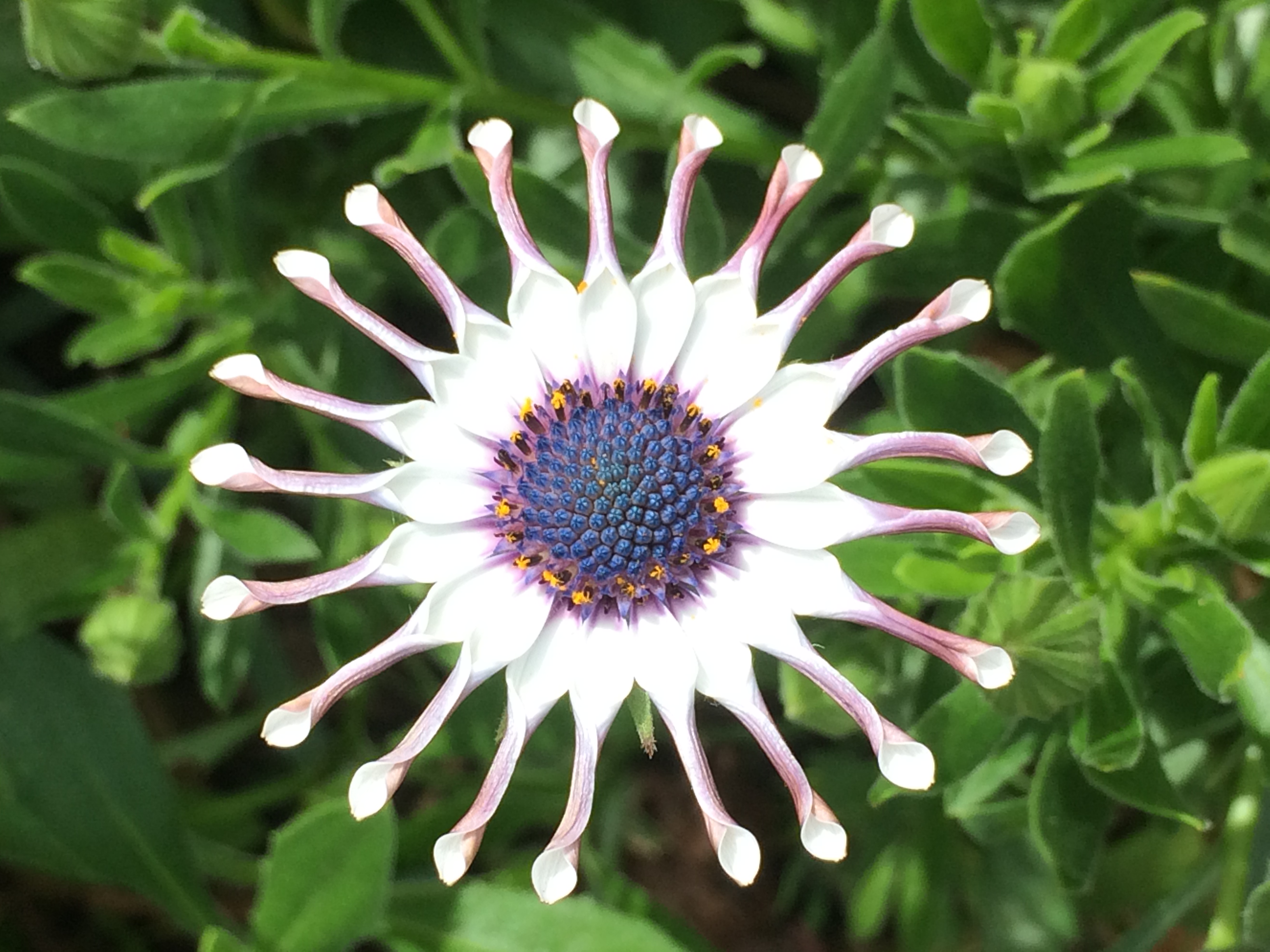
  • getting outside into nature as soon as it’s possible. If this is impossible right away, simply looking at images of nature can help you feel calmer, less irritable, and more empathetic. I hope you enjoy this flower photograph I took in Australia!   
  • meditating and doing yoga
  • community support and helping others if you’re able to
  • getting a cat or dog (veterans who were given pet dogs showed significant improvement in their PTSD symptoms)

I would recommend a similar approach for any natural disaster or in fact for any other traumatic event, always working individually with each person.  

If you have found some approach to be particularly useful for you please do share it.

And if you have any connections for getting this information into the hands of public health officials and non-profits offering aid please let me know. I feel that protocols similar to this one need to be made available to everyone subjected to a natural disaster.

I wish you and your families much healing and a speedy recovery.

Additional resources

I added these additional resources after September 20, 2017:

  • How to Stay Safe in a Disaster: Emergency Preparedness List by Katie Wells on the Wellness Mama blog. She says this: “The point of putting together an emergency preparedness plan is not to create any undue anxiety, but to help alleviate some of the stress of a disaster in case it hits.”
  • What to Do After a Hurricane: The Dangers Lurking Beyond the Storm by Dr. Jill Carnahan. This blog addresses both mold and bacteria in flood waters, and practical steps on how to deal with these issues.  Mold needs to be taken seriously – I interviewed Dr. Carnahan on the topic of mold toxicity and anxiety during one the Anxiety Summits – Is Toxic Mold the Hidden Cause of Your Anxiety?
  • My Flood Story and What to Do About Mold by Dave Asprey. This blog offers practical solutions on how best to do clean-up after a flood and the dangers of mold. He is also very kindly making his documentary, Moldy available for viewing at no charge.
  • Beyond Meditation: Making Mindfulness Accessible for Everyone by Mira Dessy and Kerry McClure. Mira is a dear friend whose home was flooded by Harvey and went I spoke to her last week she shared how much her meditation practice has been helping her.  I love that she has a book on the topic so that it can be shared far and wide to help those affected.
  • My book The Antianxiety Food Solution: How the Foods You Eat Can Help You Calm Your Anxious Mind, Improve Your Mood and End Cravings, available in major books stores and via online stores like Amazon. You can find out more here.
  • I am also the host of The Anxiety Summit, now in it’s 4th season and called a “bouquet of hope”. It’s a wealth of information on all topics related to anxiety. More on the Anxiety Summit here. 

If you have links to additional useful resources please let me know and I’ll add them.

Filed Under: PTSD/Trauma, Stress Tagged With: essential oils, floods, GABA, Houston, Hurricane Harvey, lactium, natural disaster, nature, nutrition solutions, psychological stress, PTSD, seriphos, stress, tryptophan, vitamin B6, zinc

Orange essential oil to alleviate PTSD, fear, stress and anxiety

April 28, 2017 By Trudy Scott 7 Comments

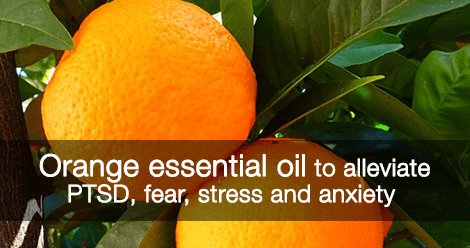
Recent research finds evidence that orange essential oil reduces fear and anxiety, diminishes immune system markers of stress in mice and may help alleviate PTSD, offering a nonpharmaceutical option.

Essential oils are aromatic compounds produced naturally by plants. Orange essential oil is typically extracted from the peel of the orange fruit. People use essential oils for therapeutic purposes by diffusing them into the air, applying them to the skin or ingesting them in foods or beverages.

About 8 percent of people will develop post-traumatic stress disorder at some point in their lives, according to the U.S. Department of Veterans Affairs, yet treatments for this debilitating condition remain limited. Cassandra Moshfegh is research assistant in Paul Marvar’s laboratory at the George Washington University and she presented this research at the American Physiological Society’s annual meeting during the Experimental Biology 2017 meeting held April 22-26 in Chicago.

Relative to pharmaceuticals, essential oils are much more economical and do not have adverse side effects. The orange essential plant oil showed a significant effect on the behavioral response in our study mice. This is promising, because it shows that passively inhaling this essential oil could potentially assuage PTSD symptoms in humans.

The researchers tested the effects of passive inhalation of orange essential oil using Pavlovian Fear conditioning, a behavioral mouse model used to study the formation, storage and expression of fear memories as a model for PTSD.

Mice exposed to orange essential oil showed a significant reduction in freezing/fear behavior. They also showed significant differences in the types of immune cells present after fear conditioning. The immune system contributes to the inflammation associated with chronic stress and fear, so immune cells are a marker of the biochemical pathways involved in PTSD.

Preliminary results point to differences in the gene expression in the brain between the mice that were exposed to essential oil and those that were not, hinting at a potential mechanism to explain the behavioral results.

Moshfegh said further studies would be needed to understand the specific effects of orange essential oil in the brain and nervous system and shed light on how these effects might help to reduce fear, anxiety and stress in people with PTSD.

Experimental Biology is an annual meeting comprised of more than 14,000 scientists and exhibitors from six host societies and multiple guest societies. With a mission to share the newest scientific concepts and research findings shaping clinical advances, the meeting offers an unparalleled opportunity for exchange among scientists from across the U.S. and the world who represent dozens of scientific areas, from laboratory to translational to clinical research.

The American Physiological Society (APS) is a nonprofit organization devoted to fostering education, scientific research and dissemination of information in the physiological sciences. The Society was founded in 1887 and today represents more than 11,000 members and publishes 14 peer-reviewed journals.

Here is a link to the press release issued by Experimental Biology

Here is a link to the actual session abstract – Effects of Essential Oil on Fear Memory and the Immune Response: A Potential Alternative Therapy for Post Traumatic Stress Disorder (PSTD)

The application of orange essential oil has other supporting evidence for anxiety:

The effect of aromatherapy by essential oil of orange on anxiety during labor: A randomized clinical trial.

Aromatherapy is a noninvasive and effective method to help women overcome their anxiety during labor. Orange scent can be useful in childbirth units to help women who are experiencing stress in labor.

Effect of aromatherapy with orange essential oil on salivary cortisol and pulse rate in children during dental treatment: A randomized controlled clinical trial

It seems that the use of aromatherapy with natural essential oil of orange could reduce salivary cortisol and pulse rate due to child anxiety state.

Effect of sweet orange aroma on experimental anxiety in humans

Although more studies are needed to find out the clinical relevance of aromatherapy for anxiety disorders, the present results indicate an acute anxiolytic [anxiety-reducing] activity of sweet orange aroma, giving some scientific support to its use as a tranquilizer by aromatherapists.

Based on this we can see that essential oils have a valuable place when it comes to anxiety and stress relief and even PTSD. I do consider aromatherapy to be one of many tools of a comprehensive approach that includes dietary changes (like no gluten, no sugar, no caffeine, eating for blood sugar balance etc.) and addressing biochemical and nutritional imbalances (like low zinc, low omega-3s, alterations in cortisol and the hypothalamic-pituitary-adrenal (HPA) axis, low GABA and/or low serotonin with targeted individual amino acids, low vitamin D, dysbiosis and the microbiome etc.). Research is now showing that many of these factors may play a role in PTSD (making you more susceptible and also enhancing healing) as well as anxiety.

Have you used orange essential oil to help with your anxiety, fears or even PTSD? What is your favorite way to use it?

If you’re a practitioner do you used this essential oil with clients or patients?

Filed Under: Essential oils Tagged With: anxiety, aromatherapy, Cassandra Moshfegh, cortisol, fear, Orange essential oil, PTSD, stress

Blueberries boost serotonin and may help with PTSD and anxiety

May 20, 2016 By Trudy Scott 11 Comments

blueberries

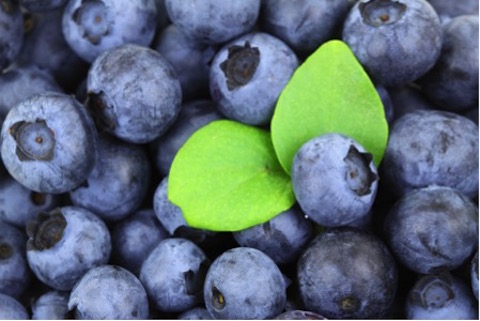
New research finds that blueberries boost serotonin and may help with PTSD and anxiety. This was an animal study and is very promising.

A press release issued by the American Physiological Society shares the following:

Up to 8 percent of people in the U.S. suffer from post-traumatic stress disorder (PTSD) as the result of witnessing or being the victim of a traumatic event.

People with PTSD have been in a situation in which they were at risk of death, serious injury or sexual violence or have seen first-hand loved ones faces such threats. They may experience flashbacks, emotional detachment and jumpiness, among other symptoms that affect their ability to function in everyday life.

Currently, the only approved therapy for PTSD is selective serotonin reuptake inhibitors (SSRIs), such as Zoloft and Paxil, but their effectiveness is marginal. Now researchers at Louisiana State University have found that a readily available superfood—the blueberry—could be an effective treatment.

Philip J. Ebenezer presented the poster titled “The Neuro-Protective Efficacy of Blueberry in an Animal Model of Post-Traumatic Stress Disorder (PTSD)” at the Experimental Biology meeting on March 30, 2016.

Here is the paper/poster abstract: The Neuro-protective Efficacy of Blueberry in an Animal Model of Post-Traumatic Stress Disorder (PTSD)

Post-traumatic stress disorder (PTSD) is a trauma and stressor-related disorder that results in a prolonged stress response. It is associated with increased oxidative stress and inflammation in the prefrontal cortex (PFC) and hippocampus (HC). Previous findings from our lab indicate that neurotransmitter levels are modulated in the brain of PTSD animals. The only approved therapy for PTSD is the use of selective serotonin re-uptake inhibitors (SSRI), but their efficacy is marginal. Recently, we demonstrated that over-activation of Norepinephrine (NE) along with Serotonin (5-HT) as the possible reason for the lack of efficacy of SSRI. Hence, there is a need for novel therapeutic approaches for the treatment of PTSD. In this study, we investigated the neuroprotective role of blueberries (BB) in modulating neurotransmitter levels in PTSD. Rats were fed with a blueberry-enriched (2%) or a control diet. Rats were exposed to cats for one hour on days 1 and 11 of a 31-day schedule to simulate traumatic conditions. At the end of the study, the rats were euthanized and PFC and HC were isolated. We measured monoamines and their metabolites by high-performance liquid chromatography. In our PTSD model, NE levels were increased and 5-HT levels were decreased when compared to control. In contrast, a BB diet increased 5-HT without affecting NE levels. These findings indicate non-pharmacological approaches might modulate neurotransmitters in PTSD. Further studies to understand the molecular mechanism of neuro-protection by BB can provide a potential therapeutic target for the treatment of PTSD.

In summary, the traumatized rats that were fed blueberries saw an increase in serotonin levels and the study authors suggest that the non-drug neuroprotection offered by the blueberries may offer support for those with PTSD. Presumably this could help those with anxiety and depression too, since low serotonin can also be a factor in these conditions.  

Here are some ways to incorporate blueberries:

  • Fresh blueberries as a healthy snack
  • Frozen blueberries, also eaten as is as healthy snack (kids love this treat)
  • In a smoothie for breakfast, together with coconut milk, a banana and some whey or pea protein powder (great for good blood sugar control and reducing anxiety and irritability too)
  • As a dessert with grass-fed organic ice-cream or cream, or coconut milk if dairy is an issue for you
  • Dunked in melted dark organic free-trade chocolate as an occasional treat

Make sure to buy organic blueberries as non-organic are on the Dirty Dozen list and are highly sprayed with pesticides.

I love blueberries! How about you? How do you like to eat them?

PS. We’ll be covering other new food anxiety research on the upcoming Anxiety Summit and hope you can join us.

Filed Under: Antianxiety, PTSD/Trauma Tagged With: anxiety, blueberries, PTSD, serotonin, the anxiety summit

Mental Health Month: anxiety, nutrition, gluten, GABA, leptin and fluoroquinolones

May 13, 2016 By Trudy Scott 21 Comments

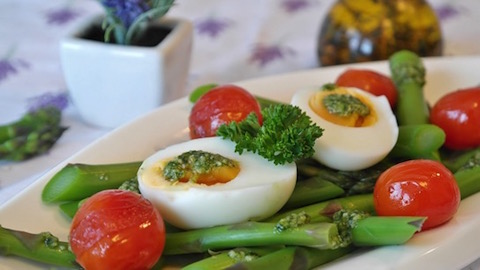
egg-asparagus-salad

Since 1949, Mental Health America and affiliates across the country have led the observance of May is Mental Health Month by reaching millions of people both online and locally. They share this:

This year’s theme for Mental Health Month is – Life with a Mental Illness – and calls on individuals to share what life with a mental illness feels like for them in words, pictures and video by tagging their social media posts with #mentalillnessfeelslike (or submitting to MHA anonymously). Posts are being collected and displayed at mentalhealthamerica.net/feelslike.

I love that they say that spreading the word that mental health issues like anxiety, depression, bipolar and other disorders is something everyone should care about.

I’d love to educate and inspire many of those individuals who have already posted on social media using #mentalillnessfeelslike and have yet to find a solution. There are so many of them and it’s heart-breaking. You can go to mentalhealthamerica.net/feelslike now and see what is being said.

Here are a few examples:

Severe anxiety feels like you are lost in a big city where no one else can speak your language and you are trying to get home.. #mentalillnessfeelslike

#anxietyfeelslike #mentalillnessfeelslike a never ending battle to keep worry from creeping in to your every thought. Trying to be present

Anxiety Attack #mentalillnessfeelslike: I’m swirling in a cyclone while also being constructed by a Boa

#MentalIllnessFeelsLike Worrying About Passing This Semester Causing Your Anxiety To Mess Up More Although Your Anxiety Put You Here

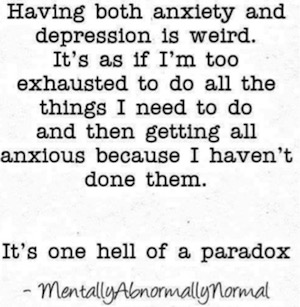
And this profound quote by MentallyAbnormallyNormal (you can find her here on Facebook)

mentally-abnormally-normal-meme

I encourage you to participate if it feels ok to you. I’d especially love you to share how nutrition and nutrients like GABA, tryptophan, zinc, vitamin B12, and/or vitamin D have helped you. You can also respond directly to the posts others have made.

Here are some links to my prior blog posts on some of the many nutritional (and biomedical) approaches so feel free to also share some of this information and use it if you’re still on your healing journey to overcome anxiety, panic attacks, OCD, insomnia and other mood problems:

  • Nutritional medicine in modern psychiatry: position statement by ISNPR
  • Integrative Medicine Approach to Pediatric Obsessive-Compulsive Disorder and Anxiety
  • GABA, the calming amino acid: products and results
  • Tryptophan for anxiety, sleep and mood: in Put Anxiety Behind You
  • Sleep promoting effects of combined GABA and 5-HTP: new research
  • Neuropsychiatric Lyme Disease by Dr. Suruchi Chandra
  • 60+ Nutritional & Biochemical Causes of Anxiety

I’ll be adding to this last blog during season 4 of The Anxiety Summit which runs June 6th – 16th. As I continue to interview experts I learn more about the myriad of possible underlying causes of anxiety:

  • Mike Mutzel will be covering how leptin resistance affects the HPA axis contributing to cortisol imbalances and how we handle stress, inflammation, immune imbalances and obesity – all playing a role in anxiety, schizophrenia and depression, and OCD and even PTSD.
  • Lisa Bloomquist will be covering fluoroquinolone related neuropsychiatric toxicity and how to recover from fluoroquinolone toxicity. Fluoroquinolones are commonly prescribed antibiotics (ciprofoxacin, levofoxacin, and moxifoxacin) and can be a major factor in anxiety and depression. She shares how this toxicity can be as bad for some individuals as benzodiazepine tolerance and withdrawal.

For some of my clients, eliminating anxiety (and other mood disorders) can be as simple as switching to a real whole foods diet, eating to balance blood sugar, quitting sugar/gluten/caffeine and adding some key nutrients like zinc and vitamin D. Many benefit immensely when using targeted individual amino acids like GABA and tryptophan. And some need to dig deeper to find the root cause of the anxiety.

But let’s always keep looking for that root cause or causes – find YOUR root cause/s – and address it/them.

My heart goes out to you if you are still suffering and still seeking a solution (and to everyone tagging themselves with #mentalillnessfeelslike and #anxietyfeelslike).

I say let’s aims to change this to the past tense so instead of #mentalillnessfeelslike let’s get to #mentalillnessfeltlike. Or how about #anxietyfeltlike or even #nutritionfixedmyanxiety ?

It truly is possible with food and nutrients! Do you agree? What has worked for you? Feel free to share in the comments and tag yourself on social media.

And do join us on The Anxiety Summit next month and share this during the Mental Health Month of May.


Filed Under: Events, Mental health Tagged With: anxiety, depression, fluoroquinolone, GABA, Leptin resistance, Mental Health Month, nutrition, OCD, PTSD, schizophrenia, the anxiety summit, tryptophan

  • « Go to Previous Page
  • Page 1
  • Page 2
  • Page 3

Primary Sidebar

NEW! GABA QuickStart Homestudy (with special intro pricing)

gaba quickstart homestudy

Free Report

9 Great Questions Women Ask about Food, Mood and their Health

You'll also receive a complimentary subscription to my ezine "Food, Mood and Gal Stuff"


Connect with me

Popular Posts

  • Amino Acids Mood Questionnaire from The Antianxiety Food Solution
  • The Antianxiety Food Solution Amino Acid and Pyroluria Supplements
  • Pyroluria Questionnaire from The Antianxiety Food Solution
  • Collagen and gelatin lower serotonin: does this increase your anxiety and depression?
  • Tryptophan for the worry-in-your-head and ruminating type of anxiety
  • GABA for the physical-tension and stiff-and-tense-muscles type of anxiety
  • The Antianxiety Food Solution by Trudy Scott
  • Seriphos Original Formula is back: the best product for anxiety and insomnia caused by high cortisol
  • Am I an anxious introvert because of low zinc and vitamin B6? My response to Huffington Post blog
  • Vagus nerve rehab with GABA, breathing, humming, gargling and key nutrients

Recent Posts

  • What do I use instead of Seriphos to help lower high cortisol that is affecting my sleep and making me anxious at night?
  • BeSerene™ GABA/theanine cream eases severe muscle tension in her neck/shoulders, prevents her bad headaches and quells her anxiety
  • How the correct approach, dose and sublingual use of GABA can be calming and not cause a flushed and itchy face and neck
  • The amino acid glutamine improves low mood by addressing gut health, and it has calming effects too
  • Flight anxiety with heightened breath, physical tension and also fearing the worst (the role of low GABA and low serotonin)

Categories

  • 5-HTP
  • AB575
  • Addiction
  • ADHD
  • Adrenals
  • Alcohol
  • Allergies
  • Alzheimer's disease
  • Amino Acids
  • Anger
  • Antianxiety
  • Antianxiety Food Solution
  • Antidepressants
  • Anxiety
  • Anxiety and panic
  • Autism
  • Autoimmunity
  • benzodiazapines
  • Bipolar disorder
  • Books
  • Caffeine
  • Cancer
  • Candida
  • Children/Teens
  • Collagen
  • Cooking equipment
  • Coronavirus/COVID-19
  • Cravings
  • Depression
  • Detoxification
  • Diabetes
  • Diet
  • DPA/DLPA
  • Drugs
  • EFT/Tapping
  • EMF
  • EMFs
  • Emotional Eating
  • Endorphins
  • Environment
  • Essential oils
  • Events
  • Exercise
  • Fear
  • Fear of public speaking
  • Fertility and Pregnancy
  • Fish
  • Food
  • Food and mood
  • Functional neurology
  • GABA
  • Gene polymorphisms
  • General Health
  • Giving
  • Giving back
  • Glutamine
  • Gluten
  • GMOs
  • Gratitude
  • Gut health
  • Heart health/hypertension
  • Histamine
  • Hormone
  • Hyperparathyroidism
  • Hypoglycemia
  • Immune system
  • Inflammation
  • Insomnia
  • Inspiration
  • Introversion
  • Joy and happiness
  • Ketogenic diet
  • Lithium orotate
  • Looking awesome
  • Lyme disease and co-infections
  • MCAS/histamine
  • Medication
  • Men's health
  • Mental health
  • Mercury
  • Migraine
  • Mold
  • Movie
  • MTHFR
  • Multiple sclerosis
  • Music
  • NANP
  • Nature
  • Nutritional Psychiatry
  • OCD
  • Osteoporosis
  • Oxalates
  • Oxytocin
  • Pain
  • Paleo
  • Parasites
  • Parkinson’s disease
  • PCOS
  • People
  • PMS
  • Postpartum
  • PTSD/Trauma
  • Pyroluria
  • Questionnaires
  • Real whole food
  • Recipes
  • Research
  • Schizophrenia
  • serotonin
  • SIBO
  • Sleep
  • Special diets
  • Sports nutrition
  • Stress
  • Sugar addiction
  • Sugar and mood
  • Supplements
  • Teens
  • Testimonials
  • Testing
  • The Anxiety Summit
  • The Anxiety Summit 2
  • The Anxiety Summit 3
  • The Anxiety Summit 4
  • The Anxiety Summit 5
  • The Anxiety Summit 6
  • Thyroid
  • Thyroid health
  • Toxins
  • Tryptophan
  • Tyrosine
  • Uncategorized
  • Vegan/vegetarian
  • Women's health
  • Yoga

Archives

  • October 2025
  • September 2025
  • August 2025
  • July 2025
  • June 2025
  • May 2025
  • April 2025
  • March 2025
  • February 2025
  • January 2025
  • November 2024
  • October 2024
  • September 2024
  • August 2024
  • July 2024
  • June 2024
  • May 2024
  • April 2024
  • March 2024
  • February 2024
  • January 2024
  • December 2023
  • November 2023
  • October 2023
  • September 2023
  • August 2023
  • July 2023
  • June 2023
  • May 2023
  • April 2023
  • March 2023
  • February 2023
  • January 2023
  • December 2022
  • November 2022
  • October 2022
  • September 2022
  • August 2022
  • July 2022
  • June 2022
  • May 2022
  • April 2022
  • March 2022
  • February 2022
  • January 2022
  • December 2021
  • November 2021
  • October 2021
  • September 2021
  • August 2021
  • July 2021
  • June 2021
  • May 2021
  • April 2021
  • March 2021
  • February 2021
  • January 2021
  • December 2020
  • November 2020
  • October 2020
  • September 2020
  • August 2020
  • July 2020
  • June 2020
  • May 2020
  • April 2020
  • March 2020
  • February 2020
  • January 2020
  • December 2019
  • November 2019
  • October 2019
  • September 2019
  • August 2019
  • July 2019
  • June 2019
  • May 2019
  • April 2019
  • March 2019
  • February 2019
  • January 2019
  • December 2018
  • November 2018
  • October 2018
  • September 2018
  • August 2018
  • July 2018
  • June 2018
  • May 2018
  • April 2018
  • March 2018
  • February 2018
  • January 2018
  • December 2017
  • November 2017
  • October 2017
  • September 2017
  • August 2017
  • July 2017
  • June 2017
  • May 2017
  • April 2017
  • March 2017
  • February 2017
  • January 2017
  • December 2016
  • November 2016
  • October 2016
  • September 2016
  • August 2016
  • July 2016
  • June 2016
  • May 2016
  • April 2016
  • March 2016
  • February 2016
  • January 2016
  • December 2015
  • November 2015
  • October 2015
  • September 2015
  • August 2015
  • July 2015
  • June 2015
  • May 2015
  • April 2015
  • March 2015
  • February 2015
  • January 2015
  • December 2014
  • November 2014
  • October 2014
  • September 2014
  • August 2014
  • July 2014
  • June 2014
  • May 2014
  • April 2014
  • March 2014
  • February 2014
  • January 2014
  • December 2013
  • November 2013
  • October 2013
  • September 2013
  • August 2013
  • July 2013
  • June 2013
  • May 2013
  • April 2013
  • March 2013
  • February 2013
  • January 2013
  • December 2012
  • November 2012
  • October 2012
  • August 2012
  • July 2012
  • June 2012
  • May 2012
  • April 2012
  • March 2012
  • February 2012
  • January 2012
  • December 2011
  • November 2011
  • October 2011
  • September 2011
  • August 2011
  • July 2011
  • June 2011
  • May 2011
  • April 2011
  • March 2011
  • February 2011
  • January 2011
  • December 2010
  • October 2010
  • September 2010
  • July 2010
  • May 2010
  • April 2010
  • March 2010
  • February 2010
  • January 2010
  • November 2009

Share the knowledge!

The above statements have not been evaluated by the Food and Drug Administration. Products listed in this website are not intended to diagnose, treat, cure or prevent any disease.

The information provided on this site is for informational and educational purposes only and is not intended as a substitute for advice from your physician or other health care professional. You should consult with a healthcare professional before starting or modifying any diet, exercise, or supplementation program, before taking or stopping any medication, or if you have or suspect you may have a health problem.


Copyright © 2026 Trudy Scott. All Rights Reserved. | Privacy | Terms and Conditions | Refund Policy | Medical Disclaimer

Free Report

9 Great Questions Women Ask about Food, Mood and their Health

You’ll also receive a complimentary subscription to my ezine “Food, Mood and Gal Stuff”