• Skip to primary navigation
  • Skip to main content
  • Skip to primary sidebar

everywomanover29 blog

Food, Mood and Women's Health – Be your healthiest, look and feel great!

  • Blog
  • About
  • Services
  • Store
  • Resources
  • Testimonials
  • The Book
  • Contact
  • Search this site

psychiatry

The marketing of Risperdal and how atypical antipsychotics became a multi-billion-dollar industry – a shockingly eye-opening article!

August 22, 2025 By Trudy Scott 2 Comments

marketing of risperdal

Even though I’m very aware this happens, this shockingly eye-opening article by Lydia Green is  the best explanation I’ve heard….

I didn’t set out to shape the field of psychiatry. I was just a copywriter working in pharmaceutical advertising. But over time, I found myself at the center of a campaign that would help transform how mental illness—and its treatment—are understood in the U.S. This is the story of how we marketed one drug, Risperdal, and how that effort helped turn atypical antipsychotics into a multi-billion-dollar industry.

If you’ve ever wondered how this powerful class of drugs ended up being prescribed for everything from adolescent mood swings to agitated nursing home patients, you’re not alone. The rise of atypical antipsychotics was a business and marketing phenomenon—driven in part by a wave of pharmaceutical mergers in the 1990s. First introduced for schizophrenia, atypical antipsychotics were promoted as more effective and safer than older drugs like Haldol or Thorazine.

While journalists and regulators have addressed this issue, I want to share my memories of marketing Risperdal—the first widely prescribed atypical antipsychotic. This is the story of how we promoted Risperdal not just as a medication, but as a revolution in psychiatric care. It’s also the story of how we redefined schizophrenia, rewrote the safety narrative of antipsychotics, and helped drive one of the most successful (and concerning) pharmaceutical launches in history.

It was also my first realization of the immense power marketers have to shape their version of the truth—and how I eventually came to question the very system I helped build.

This is an excerpt from the excellent article recently published on the Mad in America site.  We all need to be aware what happened with this medication and is still happening. It’s so wrong and is just heart-breaking to think how individuals and their families were manipulated and impacted. Unfortunately it’s very likely also happening with many other block-buster medications too – like Ozempic (for weight-loss),  Evenity (for osteoporosis) and more.

In this blog, I share stories from social workers and psychologists who were working in the field at time, the overprescribing of atypical antipsychotics to children and teens in the mid-1990s and now, and the powerful effects of tryptophan, GABA, other nutrients and diet for anxiety, agitation, rage and sleep issues in autism, dementia and ADHD.

You can read the full article here – Confessions of an Ad Writer: How I Helped Turn Atypical Antipsychotics into a Billion-Dollar Industry.

Be sure to read some of the many comments from individuals and families who bore the brunt of this. It’s heartbreaking.

Stories from individuals who were working in the trenches at the time

I shared this article on Facebook and here is some of the feedback I received from the community. Laura Ann’s response:

Thank you for sharing this article. I can remember when I was fresh out of my grad social work program and was working in child psychiatry at the University of Maryland, our docs were pushing this drug for young children with ADHD and conduct disorder. Unbelievable! These companies and their executives should be criminally prosecuted.

We tend to think of these scandals as something that happened but aren’t currently happening. I think we will be reading similar articles about GLP-1’s.

I appreciate her for sharing what she was seeing as a social worker at the time. This is so sad and so wrong. I agree that these companies should be prosecuted. Instead they pay massive fines which are part of their marketing and just-doing-business budget, and continue as before.

Unfortunately Laura Ann is spot on, as much of this continues with Risperdal and other psychiatric meds and it’s already happening with GLP-1s. I share more on this below.

Elizabeth Mary’s response:

Just reading your post gave me chills and made my stomach turn. I worked with folks with developmental disabilities during this time period, I had for years! I watched as the antipsychotics and various psych meds infiltrated the group homes and joined a team of co-workers to fight it. We lost. It was disgusting. And I had no idea all this was happening in the background

My heart breaks for these individuals and their families. Bravo to her for trying to fight it and I appreciate her for sharing what she saw happening.

And this feedback from someone else in the community:

This drug was pushed on individuals with ASD (autism spectrum disorder)! Probably still is! Very sad!

I am a retired psychologist who worked primarily with individuals with developmental disabilities. I saw it all the time. The “medical model” was used a lot, meaning many saw psychiatrists and/or PCPs (primary care providers) who prescribed these meds. It has a long history.

Overprescribing of atypical antipsychotics and other psychiatric medications to children and teens – then and now

As mentioned above, I’ve been aware for some time that there is overprescribing of psychiatric medications to children and teens. In one of my interviews on an Anxiety Summit, “Psychiatric Medications in Children and Teens” with Dr. Nicole Beurkens, we discuss these results from this 2019 paper, Current Pattern of Psychiatric Comorbidity and Psychotropic Drug Prescription in Child and Adolescent Patients:

  • Our study indicates that the rate of presentation to child and adolescent psychiatry outpatient clinics is increasing, and rates of diagnosis and initiation of psychiatry drugs are high among the presented children.
  • The prevalence of ADHD shows an increase in males and females in our country, and psychiatric polypharmacy (multiple medications) has reached significant rates.

Keep in mind that Lydia Green shared her marketing work began in the mid-1990s, about 25 years before the above paper was published.

Unfortunately not much has changed. This 2025 paper from Swedish authors reports that the “number of prescriptions to children aged 5-17 years has increased” and that “most prescribed drugs were risperidone [Risperdal] and aripiprazole.”

This 2025 paper report that in a group of Australian children with intellectual disability, autism spectrum disorder and cerebral palsy, “risperidone was the most prescribed antipsychotic medication” and it was often prescribed off-label.

Similar increases in antipsychotic prescriptions are also reported in children and teens in Israel in 2025. The list of papers goes on and on and there are similar papers for dementia and other conditions.

There are versions of this story about a lot of diseases: osteoporosis is another one

Melissa’s response to the Risperdal article was this: “Makes you wonder about therapies they are pushing today.” It’s creating awareness which is what we need and she is asking a great question. Yes – there are many versions of this story about other medications.

Here is a perfect quote from this 2009 article: How A Bone Disease Grew To Fit The Prescription

There’s a powerful economic incentive for pharmaceutical firms to expand the boundaries of the use of different therapies. So whether you consider treatments for osteoporosis or treatments for depression or treatments for high cholesterol — in all of these settings — pharmaceutical firms stand to benefit if the therapies for these diseases are broadly used, even if they’re used among people who have very mild forms of these diseases.

In this same article, Caleb Alexander, a pharmaco-epidemiologist at the University of Chicago, is writing about the marketing of osteoporosis medications and says “the dynamic is well understood.” But all this applies equally to the marketing of all medications i.e. “There are versions of this story about a lot of diseases.”

Dubious marketing by the makers of Ozempic and Wegovy (GLP-1s for weight loss)

This is happening right now for GLP-1s. There were already reports in 2023 about dubious marketing by Novo Nordisk, the makers of Ozempic and Wegovy:

In Great Britain, the company has paid within three years a total of around 21.7 million pounds (24.7 million euros) to experts and organisations including important opinion leaders who have since touted semaglutide as a “game changer” in obesity in a campaign described as an “orchestrated PR campaign.

Sadly I expect their marketing campaigns to run unchecked and get more and more sophisticated, with unsuspecting consumers being taken advantage of and harmed.

Families are not aware of the powerful effects of tryptophan, GABA, other nutrients and diet

My goal is to try and change this lack of awareness so families and individuals can explore other options when they are faced with decisions about some of these medications.

Instead of using antipsychotics for a family member with dementia or Alzheimer’s who is experiencing agitation, aggression and anxiety, consider tryptophan and melatonin, and GABA:

  • Sundowning in Alzheimer’s and dementia: melatonin/tryptophan for the agitation, restlessness, anxiety, disturbed sleep and aggression
  • GABA lessens anxiety, agitation and defiance in 98 year old mother who has been “sundowning” for a couple of years

Instead of using antipsychotics, explore the use of 5-HTP/tryptophan and/or GABA for kids with ADHD:

  • ADHD: 5-HTP melts have been a miracle for one of my adopted kids
  • GABA for children: ADHD, focus issues, irritability, anxiety and tantrums

Instead of antipsychotics and other psychotropic medications in autism, explore tryptophan and GABA:

  • Pathological Demand Avoidance (PDA) in children with autism – how much is behavioral and how much is due to low serotonin?
  • Half a crushed GABA Calm for my autistic child: sleep, anxiety and sensorimotor skills (writing, horse riding and swimming) improve

This is by no means a conclusive approach to addressing these symptoms in dementia/Alzheimer’s, ADHD and autism. We also need to consider and address diet, other nutritional imbalances, infections, gut health, toxins and much more.

Additional resources when you are new to using GABA and tryptophan as supplements

As always, I use the symptoms questionnaire to figure out if low GABA or low serotonin or other neurotransmitter imbalances may be an issue.

If you suspect low levels of any of the neurotransmitters and do not yet have my book, The Antianxiety Food Solution – How the Foods You Eat Can Help You Calm Your Anxious Mind, Improve Your Mood, and End Cravings, I highly recommend getting it and reading it before jumping in and using amino acids on your own so you are knowledgeable. And be sure to share it with the practitioner/health team you or your loved one is working with.

There is an entire chapter on the amino acids and they are discussed throughout the book in the sections on gut health, gluten, blood sugar control (this is covered in an entire chapter too), sugar cravings, anxiety and mood issues.

The book doesn’t include product names (per the publisher’s request) so this blog, The Antianxiety Food Solution Amino Acid and Pyroluria Supplements, lists the amino acids that I use with my individual clients and those in my group programs.

If, after reading this blog and my book, you don’t feel comfortable figuring things out on your own (i.e. doing the symptoms questionnaire and respective amino acids trials), a good place to get help is the GABA QuickStart Program (if you have low GABA symptoms). This is a paid online/virtual group program where you get my guidance and community support. You can sign up to be notified when the next live launch is happening.

If you need serotonin support, the Serotonin QuickStart Program is a good place to get help. This is also a paid online/virtual group program where you get my guidance on using tryptophan and 5-HTP safely, and community support during 5 LIVE Q&A calls. You can sign up to be notified when the next live launch of this program is happening.

If you are a practitioner, join us in The Balancing Neurotransmitters: the Fundamentals program. This is also a paid online/virtual program with an opportunity to interact with me and other practitioners who are also using the amino acids.

Wrapping up and your feedback

I appreciate Lydia for sharing this and enlightening us, and Mad in Arica for inviting her to do the article. And I appreciate community members for sharing and allowing me to share on this blog

Have you or a family member been the victim of the overprescribing of atypical antipsychotics ?

Have you seen this overprescribing of atypical antipsychotics happening in the work you do as a social worker, psychologist, doctor or other health professional?

Are you surprised to learn about similar strategies being used for marketing osteoporosis and GLP-1 medications?

Feel free to share and ask your questions below.
Filed Under: ADHD, Alzheimer's disease, Autism, GABA, Medication, serotonin Tagged With: ADHD, agitation, anxiety, atypical antipsychotics, autism, children, dementia, diet, Evenity, GABA, Lydia Green, marketing, mood swings, multi-billion-dollar industry, osteoporosis, overprescribing, Ozempic, pharmaceutical, psychiatry, rage, risperdal, sleep, teens, tryptophan, weight-loss

“A catatonic woman awakened after 20 years. Her story may change psychiatry.” (Her schizophrenia was an untreated autoimmune disease)

June 16, 2023 By Trudy Scott 8 Comments

catatonic woman

Today I’m sharing some highlights from a recent eye-opening article in the Washington Post: A catatonic woman awakened after 20 years. Her story may change psychiatry

Before she became a patient, April had been an outgoing, straight-A student majoring in accounting at the University of Maryland Eastern Shore. But after a traumatic event when she was 21, April suddenly developed psychosis and became lost in a constant state of visual and auditory hallucinations. The former high school valedictorian could no longer communicate, bathe or take care of herself.

April was diagnosed with a severe form of schizophrenia

April was hospitalized, medicated and eventually institutionalized. It got to the point where she no longer recognized her family and she became catatonic, “unmoving, unblinking and unknowing of where or who she was.”

Twenty years after April’s original diagnosis it was discovered that she has an autoimmune condition. Dr. Sander Markx is director of precision psychiatry at Columbia University and I have so much admiration for his dedication to the field and the fact that he facilitated this testing and discovery so long after meeting April, when he was a student:

Markx and his colleagues discovered that although April’s illness was clinically indistinguishable from schizophrenia, she also had lupus, an underlying and treatable autoimmune condition that was attacking her brain.

After months of targeted treatments – and more than two decades trapped in her mind – April woke up.

April’s transformation is truly heartwarming and it’s wonderful that the doctors plan to do similar testing and offer similar treatments for others living with schizophrenia who are in mental health institutions in New York State.

Researchers in other countries are making similar connections and it’s really exciting to read that they are recognizing that “underlying autoimmune and inflammatory processes may be more common in patients with a variety of psychiatric syndromes than previously believed.”

We can and should be doing better when looking for root causes

I believe we can and should be doing better when it comes to looking for root causes. Many individuals may have an autoimmune/inflammatory condition and many may have other root cause/s. If I was on an advisory panel these would be my recommendations:

  • Use this powerful outcome to really turn psychiatry on its head and screen for lupus and other autoimmune conditions in every single person with schizophrenia. Dr. Markx “believes highly sensitive and inexpensive blood tests to detect different antibodies should become part of the standard screening protocol for psychosis.”
  • Do the same for every single person with mental illnesses and illnesses with a behavioral aspect – including anxiety, depression, bipolar, OCD/obsessive compulsive disorder. ADD/ADHD, autism/ASD (autism spectrum disorders), developmental disorders and neurological disorders.
  • Go beyond autoimmune screening and do a comprehensive functional medicine and nutritional deficiency assessment for every single person, including low serotonin, low GABA, low vitamin D, low zinc, low vitamin B6, hormone imbalances (sex hormones, adrenals, thyroid health), gut health, liver health etc. This includes testing for infections (such as Lyme and strep), looking at toxin exposure (phthalates, mold, heavy metals) and medication side effects.

If you’re new to the concept of root causes and functional medicine/nutritional testing these two blogs will be helpful. They are specific to anxiety because I work with anxious individuals but much of it can also be applied to other mental health and even physical health conditions (like rheumatoid arthritis and say multiple sclerosis):

  • Nutritional testing for figuring out the root cause/s of your anxiety
  • 60+ Nutritional & Biochemical Causes of Anxiety

Functional medicine and nutrition for maintaining symptom resolution in the long term

As you read in the article, April received “short, but powerful “pulses” of intravenous steroids for five days, plus a single dose of cyclophosphamide, a heavy-duty immunosuppressive drug typically used in chemotherapy and borrowed from the field of oncology. She was also treated with rituximab, a drug initially developed for lymphoma.”

Incredibly, she recovered completely and was eventually discharged from the psychiatric hospital and has been living in a rehab center for 3 years. Unfortunately “she has recently regressed because she was not receiving adequate maintenance care.”

I see the next step for April and others like her, is maintaining resolution of symptoms in the long term. This is where functional medicine and nutrition shines.

The ISNPR shared this about Nutritional psychiatry in 2015 in a letter published in World Psychiatry, the official journal of the World Psychiatric Association:

In addition to dietary modification, we recognize that nutrient-based (nutraceutical) prescription has the potential to assist in the management of mental disorders at the individual and population level.

In other words, diet and nutrient-based approaches need to be included for mental health treatment and for prevention. One of many examples is the ketogenic diet which has been shown to reduce auditory hallucinations and delusions in those with schizophrenia. Another is the low carb diet helping to reduce bizarre intrusive thoughts. And the SMILES trial was the first randomized controlled trial to show that dietary improvement can actually treat depression.

Specific nutrients can be very powerful too. One example is a case where a woman in my community experienced a drastic reduction in intrusive thoughts, anxiety and fears (and better sleep) with GABA, tryptophan, 5-HTP and the pyroluria protocol (zinc, vitamin B6 and evening primrose oil). More on the blog. Intrusive thoughts can be alleviated with a similar combination of nutrients and by addressing hormonal imbalances too.

These blogs/research illustrate a few of the many root causes of schizophrenia and psychosis other than lupus:

  • Case Study: Bartonella and Sudden-Onset Adolescent Schizophrenia
  • Toxoplasma gondii: schizophrenia, bipolar disorder, OCD and unresolved anxiety?
  • Gluten sensitivity and relationship to psychiatric symptoms in people with schizophrenia

  • Late-Onset Psychotic Symptoms Associated With Vitamin B12 Deficiency in a Patient With Celiac Disease

When it comes to autoimmunity in general I refer you to the work of Dr. Tom O’Bryan, Dr. Izabella Wentz, Dr. Terry Wahls, Dr. Amy Myers and others who teach about using functional medicine and diet for reversing a number of different autoimmune conditions.

The above approaches can all be explored and used when individuals are initially diagnosed too. But keep in mind that there is no one size fits all and it’s a matter of finding the root causes for each person.

We are moving in the right direction and there is hope but…

We are moving in this direction, awareness is growing and there is hope. But I know we can get there sooner.

What Dr. Markx and his colleagues have discovered and shared with the world will hopefully help us get there much more quickly.

(You can read the whole story here and a similar transformation experienced by Devine Cruz.)

I’m thrilled for April and Devine and their families, and appreciate them sharing these stories with the world. Let’s hope their stories do change psychiatry!

Resources if you are new to using amino acids as supplements

If you are new to using amino acids as supplements, here is the Amino Acids Mood Questionnaire from The Antianxiety Food Solution (you can see all the symptoms of neurotransmitter imbalances, including low GABA, low serotonin and low endorphins).

If you suspect low levels of any of the neurotransmitters and do not yet have my book, The Antianxiety Food Solution – How the Foods You Eat Can Help You Calm Your Anxious Mind, Improve Your Mood, and End Cravings, I highly recommend getting it and reading it before jumping in and using amino acids on your own so you are knowledgeable. And be sure to share it with the practitioner/health team you or your loved one is working with.

There is an entire chapter on the amino acids and they are discussed throughout the book in the sections on gut health, gluten, blood sugar control, sugar cravings, anxiety and mood issues.

The book doesn’t include product names (per the publisher’s request) so this blog, The Antianxiety Food Solution Amino Acid and Pyroluria Supplements, lists the amino acids that I use with my individual clients and those in my group programs. You can find them all in my online store.

If, after reading this blog and my book, you don’t feel comfortable figuring things out on your own (i.e. doing the symptoms questionnaire and respective amino acids trials), a good place to get help is the GABA QuickStart Program (if you have low GABA symptoms too). This is a paid online/virtual group program where you get my guidance and community support.

If you are a practitioner, join us in The Balancing Neurotransmitters: the Fundamentals program. This is also a paid online/virtual program with an opportunity to interact with me and other practitioners who are also using the amino acids.

Does this heartwarming story give you hope for psychiatry?

What do you feel we should be doing to advance nutritional psychiatry even more quickly?

Can you or a family member relate to this and what did you discover in terms of testing and nutritional support/functional medicine?

Feel free to post your feedback and questions here in the comments.

Filed Under: Anxiety, Autism, Autoimmunity, Depression, Nutritional Psychiatry, Schizophrenia Tagged With: amino acids, auditory hallucinations, autoimmune disease, brain, catatonic, functional medicine, GABA, intrusive thoughts, lupus, nutrition, nutritional psychiatry, psychiatry, psychosis, root causes, schizophrenia, the GABA Quickstart online program; and Balancing Neurotransmitters: the Fundamentals program for practitioners, tryptophan, visual hallucinations, vitamin B6, zinc

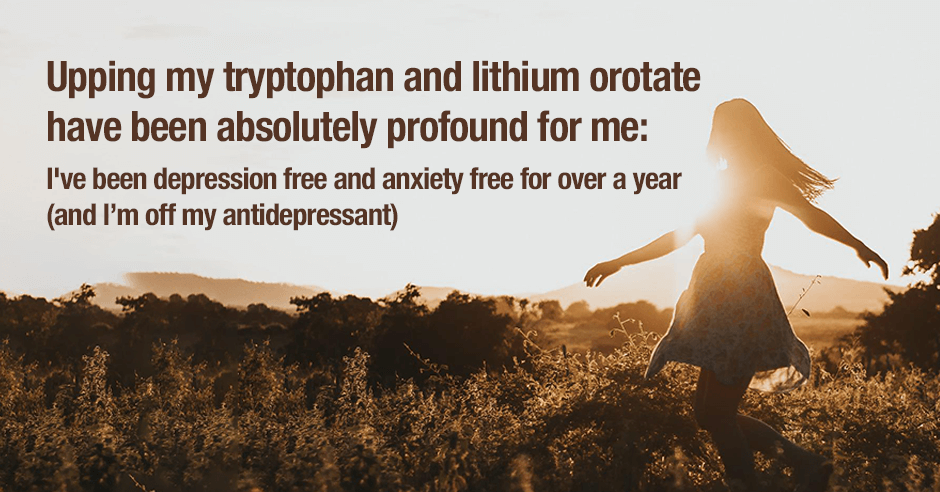
Upping my tryptophan and lithium orotate have been absolutely profound for me: I’ve been depression free and anxiety free for over a year

July 8, 2022 By Trudy Scott 66 Comments

tryptophan and lithium orotate

Upping my tryptophan dose and also including and upping the dose of lithium orotate has been absolutely profound for me.

I’m off my SSRI/antidepressant (which I was off and on for a number of years). I’ve been depression/anxiety free for over a year. So fantastic.

Everyone is bioindividual, of course, so please avoid using my dosing regime, but it wasn’t until I increased the lithium orotate to 20mg a day – 10mg in the AM and PM.

Life changing

Katrin shared this wonderful feedback on Facebook and I’m sharing this today in order to illustrate how much tryptophan dosing can vary, when you may need to up your dosage of tryptophan, how the addition of lithium orotate may be the missing link, and increasing it may help further and to offer hope (as always). And I share my insights and some additional information on lithium orotate.

Katrin was inspired by a post of mine where I discussed increasing tryptophan over and above 500mg twice a day and only taking it when needed). She shared this:

I was taking 3g tryptophan split up between the hours of 2pm and bedtime. 3 grams was what I increased to after floundering on 500mg afternoon and evening.  I don’t take it every day (as per your great suggestion of not taking an amino acid if you feel you don’t need to.) But if I’m having a stressful week etc and my serotonin tanks, I’ll start to take it again.

After the initial increase of lithium orotate, in conjunction with the tryptophan increase, that’s when I started to feel the real difference – the icing on the cake, so to speak (sugar-free, gluten free icing and cake, of course). Lithium orotate was the game changer.

She started with 5mg lithium orotate twice a day and then increased it to 10mg twice a day and has recently reduced this (more on this below).

Is there a role for lithium orotate in psychiatry?

If you’re new to lithium orotate, this editorial, Is there a role for lithium orotate in psychiatry?, is a useful introduction. Here are a few highlights:

  • The growing evidence from epidemiological studies mirror the cellular studies that suggest lithium is perhaps a crucial trace element necessary for optimum brain functioning. All these studies imply that adequate lithium intake may be neuroprotective. Conversely, inadequate lithium intake (especially in vulnerable individuals) may predispose and/or perpetuate a range of psychiatric and neurodegenerative conditions.
  • If further studies confirm this hypothesis, then a safe and effective lithium mineral supplement will be needed to correct this specific mineral deficiency. Advocates of lithium orotate argue that such a supplement already exists and that it is both safe and effective.
  • Lithium orotate has been used worldwide, mainly by non-medical health practitioners for over 30  years

Lithium orotate is used at low doses and the dosing is much lower and in a different form to prescription lithium (carbonate) that is prescribed for bipolar disorder. The above editorial explains some of the differences and standard daily dose:

To further illustrate the differences in the daily doses of elemental lithium between the orotate and carbonate forms, a single 120 mg tablet of lithium orotate contains about 5mg of elemental lithium. This is only 10% of the dose of elemental lithium that you would find in a single 250 mg tablet of lithium carbonate, which would have about 50 mg of elemental lithium.

There are no established (medical) guidelines for the daily dose of lithium orotate. However, the standard dose prescribed by alternative health practitioners is a single tablet of 120 mg of lithium orotate a day (which is equivalent to 5 mg of elemental lithium).

The authors conclude with this: “There have only been a few small trials done in humans, and they showed that lithium orotate was effective, safe and generally well tolerated.” Until we have more human trials we have to rely on what we see clinically.  And based on what I’ve seen and the feedback from colleagues, there is most definitely a role for lithium orotate in psychiatry.

Lithium orotate works when there are mood swings and anxiety ups and downs

I’ve used lithium orotate with many clients and use it when folks have mood swings and anxiety ups and downs. It’s harder for the amino acids to work when there is a moving goal post and lithium orotate evens things out. Katrin said she resonates with this and this may be why the lithium orotate works so well for her.

There are not many studies on lithium orotate, although it’s exciting that there has been an increase in the last few years. This small study done in 1994, Effects of nutritional lithium supplementation on mood, mentions the “mood-improving and stabilizing effect.”  They used a yeast based lithium supplement of 400 μg (which is just  0.4 mg) for former drug users of mostly heroin and crystal methamphetamine.

The above editorial states the following reported benefits of taking lithium orotate:

feeling calmer; experiencing fewer or less intense depressive, hypomanic or mixed affective symptoms; being less impulsive; experiencing less frequent and less intense suicidal thoughts or aggressive impulses; reduced consumption of alcohol and not getting as easily upset by stressors.

I also use a low lithium questionnaire with clients. A number of symptoms/signs other than mood swings  provide a clue that you may have low lithium levels and lithium orotate may need to be trialed.

My insights on Katrin’s approach to increasing her tryptophan and adding/increasing lithium orotate

Katrin increased the tryptophan to 3g and added lithium orotate at the same time. I recommend changing one thing at a time i.e. do a trial or tryptophan, then increase the tryptophan for better results (increasing slowly from 500mg 2 x day to 1000mg 2 x day and then 1500mg 2 x day, and tracking symptom improvements); then add lithium orotate; and then increase lithium orotate for even better results. But if it’s done the way Katrin did it, you simply unwind things so you can figure out what is really working for you.

Keep in mind, the starting dose for tryptophan is 500mg twice a day and lithium orotate is 5mg once a day. I would never recommend that anyone starts on 3g tryptophan or 20mg lithium orotate.

Experimenting with different doses and combinations

Katrin stayed at this dosing and combination of tryptophan and lithium orotate for close to a year. When something is working well, you understandably don’t want to change things. But more recently she has been experimenting with different doses and combinations. She is what is is doing now:

  • “currently trying lithium orotate by itself, during the day while only taking 1g tryptophan at night before bed.”
  • “now I only take a lithium orotate dose of 5mg twice a day and I do that every second day. It’s working for me.”

This is the perfect way to adjust things and if she finds the new combination doesn’t work over the coming weeks and months she can adjust again.

Also, keep in mind that your needs change as your hormones fluctuate, when you’re under more stress, with seasonal changes (winter time/winter blues and due to seasonal allergies), if you’re exposed to a toxin such as lead (it can impact serotonin levels) or parasites etc.

It goes without saying that diet must be addressed too – gluten-free, sugar-free, caffeine-free, real whole food, quality animal protein, organic vegetables and fruit, fermented foods and healthy fats.

Resources if you are new to using the amino acids as supplements

If you are new to using any of the amino acids as supplements, here is the Amino Acids Mood Questionnaire from The Antianxiety Food Solution (you can see all the symptoms of neurotransmitter imbalances).

If you suspect low levels of any of the neurotransmitters and do not yet have my book, The Antianxiety Food Solution – How the Foods You Eat Can Help You Calm Your Anxious Mind, Improve Your Mood, and End Cravings, I highly recommend getting it and reading it before jumping in and using amino acids on your own so you are knowledgeable. And be sure to share it with the practitioner/health team you or your loved one is working with.

There is an entire chapter on the amino acids and they are discussed throughout the book in the sections on gut health, gluten, blood sugar control, sugar cravings, self-medicating with alcohol and more. There is also an entire chapter on gluten and grains if this is new to you.

The book doesn’t include product names (per the publisher’s request) so this blog, The Antianxiety Food Solution Amino Acid and Pyroluria Supplements, lists the amino acids that I use with my individual clients and those in my group programs.

You can find the Lidtke Tryptophan products I use and a number of different lithium orotate products in my online Fullscript store.

If, after reading this blog and my book, you don’t feel comfortable figuring things out on your own (i.e. doing the symptoms questionnaire and respective amino acids trials), a good place to get help is the GABA QuickStart Program (if you have low GABA symptoms). This is a paid online/virtual group program where you get my guidance and community support. There are many moms in the program who are having much success with their kids.

If you need serotonin support, the Serotonin QuickStart Program is a good place to get help. This is also a paid online/virtual group program where you get my guidance on using tryptophan and 5-HTP safely, and community support during 5 LIVE Q&A calls. You can sign up to be notified when the next live launch of this program is happening.

If you are a practitioner, join us in The Balancing Neurotransmitters: the Fundamentals program. This is also a paid online/virtual program with an opportunity to interact with me and other practitioners who are also using the amino acids.

Wrapping up and your feedback

With much appreciation for Katrin for sharing her wonderful success story – I’m so thrilled for her! I’d love to get this published as case studies to further add to the evidence. If you are a researcher or have a resource for me please do let me know.

Did  you need to adjust your tryptophan dose for easing your anxiety, depression and other low serotonin symptoms? What adjustments did you make?

Have you found the addition of lithium orotate has helped keep things more even so the amino acids are more effective? What dosing works for you?

If you’re a practitioner, do you find the addition of lithium orotate to be helpful for your patients/clients?

If you have questions please share them here too.

Filed Under: Anxiety, Depression, Lithium orotate, serotonin, Tryptophan Tagged With: antidepressant, anxiety, Balancing Neurotransmitters: the Fundamentals program for practitioners, depression, dosing can vary, lithium carbonate, lithium orotate, mood swings, prescription lithium, psychiatry, serotonin, SSRI, stabilizing, tryptophan

I was called a vulture for preying on sensitive people in a social anxiety group – because I mentioned pyroluria and a nutritional solution

April 30, 2021 By Trudy Scott 74 Comments

I was called a vulture

Earlier this week I was called a vulture for preying on sensitive people in a social anxiety group because I mentioned pyroluria and a nutritional solution in response to someone asking for help. I shared much of this on Facebook and the response has been huge – supportive, understanding and encouraging, and also something many of you have also faced and can relate to. I’m publishing it as a blog post too because I feel there are many takeaways and lessons we can all learn from this.

The person asking for help posted this:

I’m seriously stuck. I’ve been battling social anxiety disorder my whole life. I feel like my social skills have gotten worse during 2020-2021. Is anyone the same way? And If possible can anyone give me some good advice?

I posted this in response to the request for advice:

Look into pyroluria and the nutrient protocol – life-changing for me (and my clients – disclaimer: I’m a nutritionist)

And this is the response from someone else in the group:

So not medicine. I think as a nutritionist you shouldn’t be advising people to avoid actual medical help. Foods can’t help but most depression and anxiety isn’t stress based. It’s a biological chemical imbalance. Food won’t help it in the long run. As someone who’s had bipolar, depression, anxiety, social anxiety, insomnia and possible schizo. I have known people to get seriously ill from people that couldn’t manage to be actual doctors. I’ve lost a friend due to them being advised to stop meds and take some herb. Please unless you are actually here because you have social anxiety and such. Could you please leave and stop acting like a vulture over the sensitive people.

I get that it can be tough to grasp that nutrition and nutrients could be a solution for social anxiety but even with a response like this I will continue to share my message.

This was my response:

Correct, not medicine … nutrition. I had social anxiety and panic attacks and diet (gluten-free, caffeine-free, sugar-free etc) and nutrients like zinc, vitamin B6, GABA, tryptophan and more solved my anxiety. I’m passionate about creating awareness because I’ve seen “nutritional psychiatry” work for 100s of thousands of folks.

Please be open-minded … and google “nutritional psychiatry”, “gut-brain”, “pyroluria social anxiety” and “gluten schizophrenia” … you will be pleasantly surprised. It’s going to take some time for all this to be part of mainstream psychiatry but it’s in the research and awareness and acceptance is growing.

I’m sorry about your loss but I would never advise anyone to stop taking their meds. For folks who want to explore this approach we always work in conjunction with their prescribing doctor.

It’s also not very nice calling someone a vulture but I understand that the idea that food and nutrients could be so powerful when it comes to anxiety and mental health can be tough when you first hear about it.

Why I’m sharing this – it’s not for sympathy or to call this person out

I’m not sharing this here for sympathy.

I’m not sharing this to call out this person who called me a vulture or to judge or shame them.

I’m sharing it to illustrate the challenge we have with getting this message out.

I’m sharing it in case you’ve tried to tell a loved one or friend or colleague about the power of anxiety nutrition solutions and have had push-back.

I’m sharing here so we remember to have empathy for someone who doesn’t yet know or understand what we have learned and experienced (no matter what they say or how they say it or even if they have even been preyed on in the past so a comment like this may be justified in their mind).

I’m sharing here because I truly believe in the power of planting seeds of knowledge.

I’m sharing here because I believe everyone deserves to feel their absolute best every single day.

I’m sharing here because everyone struggling with anxiety and social anxiety deserves to know about the growing field of “nutritional psychiatry” in mainstream medicine.

This is why I’m sharing here and why I’ll continue to share nutritional solutions in groups where folks are asking for help for social anxiety, anxiety and panic attacks (and other conditions where pyroluria and neurotransmitter imbalances are common, and there is a role for diet and nutrients).

Why the disconnect and the possible role of neurotransmitter imbalances

I’m hoping all this can help you as you reach out and offer support to someone in an online group. And also help you as you share what you have learned or experienced personally when it comes to nutritional solutions for social anxiety/anxiety – with loved ones, community members, friends and colleagues who are sometimes less than receptive.

I suspect one big disconnect is comprehending that lifestyle/diet/nutrients could help with anxiety and mental health challenges. Heart disease, diabetes, high blood pressure and cancer are more recognized as being lifestyle conditions even dietary and lifestyle changes are not always implemented.

I also often hear this: “my anxiety or social anxiety or panic attacks are so severe (or so complex) there is no way nutrients and nutrition could help! I need medications for sure.”

If someone has nutritional deficiencies or neurotransmitter imbalances, that may also be playing a role in how they respond. For example, low serotonin can make you feel hopeless, fearful, negative, overwhelmed and even angry. This is in addition to feeling anxious and not sleeping well, so you’re more likely to be cranky and irritable.

Links to resources for you to share

Here are links if you need some resources to share or in case you’re new to some of this:

  • Nutritional medicine in modern psychiatry: position statement by ISNPR (published in 2015)
  • SMILES diet depression trial: reduced depression and anxiety – the first randomized controlled diet depression study and ONE THIRD of the dietary intervention group saw improvements in their depression symptoms. This was just diet alone and switching from processed/junk food to real food with no specific dietary restrictions!
  • Paleo and grain free diets: anxiety and depression success stories
  • Nutritional Psychiatry: How Diet Affects Brain through Gut Microbiota
  • Anxiety and digestion: the microbiome, stomach acid, bile and the vagus nerve
  • A gut feeling – the gut microbiome in health, diseases and behavior
  • Berries: cognition, PTSD, inflammation, microbiome, anxiety and depression
  • Pyroluria prevalence and associated conditions
  • Randomized controlled trial of a gluten-free diet in patients with schizophrenia positive for antigliadin antibodies (AGA IgG): a pilot feasibility study
  • Ketogenic diet: reductions in auditory hallucinations and delusions, better mood and energy, and weight loss

Tamara’s wonderful feedback about gluten and vitamin D

This was Tamara Underwood’s response to my vulture post and her powerful feedback about gluten and vitamin D:

That was a thoughtful response Trudy. I think when people have complex health issues, they think the solution needs to be complex. I had no idea how powerful nutrients could be until it solved my own health issues. Often, it is returning to basics and using foundational support in a targeted way.

I’ve had chronic migraines (3-4 a week) since I was a toddler. Tried every medication, label and off label, to manage them for 40+ years. Removing gluten was life changing. I’ve been migraine free for 8 years now.

Also, about 10yrs ago, I experienced a very dark, unexplained depression for nearly a year. Of course drugs and therapy are the first line treatments. Not sure why I was opposed to starting there but thankful. My Vit D was 4.1. I felt so radically better within a week of starting repletion that I went back to school for my MS in Clinical Nutrition.

I think about how different life might be now, 10 yrs later, had I not pushed for testing. Psych meds wouldn’t have improved my Vit D so I would have been prescribed all the variations and combos and told how complex my case was when it didn’t help. [One study supporting an association between low vitamin D and depression]

There are just so many toxicities, deficiencies, and imbalances worth exploring if your mental wellness suffers. I’m passionate about this subject and a big fan of yours Trudy.

I’m thrilled that going gluten free and addressing low vitamin D solved her migraines and depression. It’s so wonderful to hear Tamara was inspired to go back to school to study nutrition. She now does this work helping professionals (firefighters, EMTS etc.) who shoulder a greater burden of stress and trauma. Check out Underwood Functional Wellness. I appreciate her for allowing me to share here.

I plan to update this blog with more of the wonderful insights from my community on Facebook but folks are still actively engaging and I need to get permission to share here. Stay tuned for more.  You can also join the discussion on the Facebook post here.

Until then, feel free to post your insights, thoughts, experiences (and questions if you have them) in the comments below.

Let us know how nutritional approaches have helped your anxiety and/or other health issues?

What made you open to this approach and were you initially skeptical?

And let us know if you continue to share your success and plant seeds even when you get negative feedback – and why? And do you have resources you like to share?

Filed Under: Anxiety, Nutritional Psychiatry, Pyroluria Tagged With: anxiety, GABA, gluten, gluten schizophrenia, gut-brain, mainstream, nutrients, nutrition, nutritional psychiatry, panic attacks, psychiatry, pyroluria, pyroluria social anxiety, schizophrenia, social anxiety, Solutions, tryptophan, vulture

Food Fix by Dr. Mark Hyman – my review

February 27, 2020 By Trudy Scott 4 Comments

food fix by mark hyman

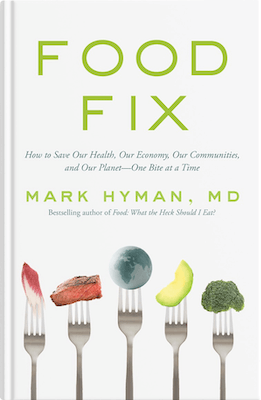
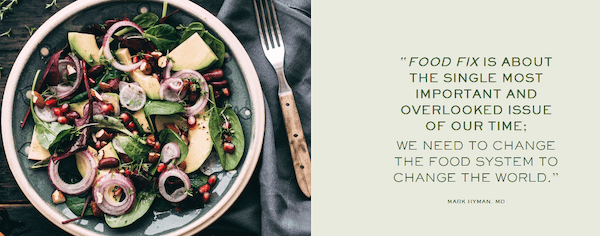
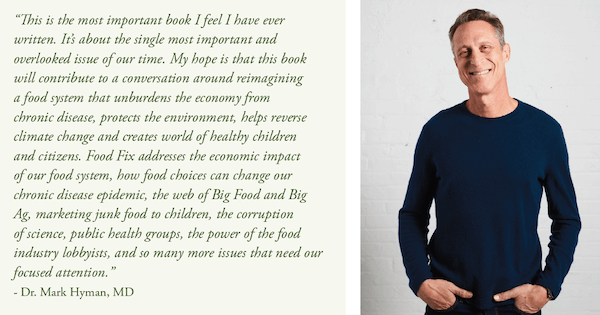
Dr. Mark Hyman has a brilliant new book called called Food Fix: How to Save Our Health, Our Economy, Our Communities, and Our Planet – One Bite at a Time and his big bold message is that: “We need to change the food system to change the world.”  It is an issue that is seriously overlooked and he wants to change this.

food fix

Watch this short video clip to hear it from Dr. Hyman himself.

food fix

Here are some of the key messages from Food Fix

  • If we don’t change the food system, we’re going to spend $95 trillion dollars on chronic disease – heart disease, obesity, type 2 diabetes, cancer, and dementia – over the next 35 years.
  • Big food spends a lot of money in Washington to keep us fat and sick.
  • The food industry preys on our most vulnerable citizens – children.

According to the American Psychological Association, children under the age of 8 don’t instinctively recognize the difference between TV Commercials and programs, which makes them particularly vulnerable.

  • Big Food buys partnerships with public schools.
  • Minorities are also targeted by the food industry.

Researchers at the University of Connecticut found that junk food companies spend the most on ads that target African Americans and Spanish speakers. Guess which products were most heavily advertised toward minorities—Gatorade, Pop Tarts, Twix Candy Bar, Cinnamon Toast Crunch Cereal, and Tyson Frozen Entrees

The worse the nutritional profile the more heavily the products were promoted through advertising.

Where are the broccoli ads?

These findings, the researchers noted, “highlight important disparities in the food and beverage industry’s heavy marketing of unhealthy foods to Hispanic and black youth, and the corresponding lack of promotion of healthier options.”

  • Bad food is making us anxious, depressed, and is messing with our brains. I’m thrilled that Dr. Hyman highlights how nutritional medicine is a key to mental health and psychiatry. Here are some snippets :

Studies show that adults with many types of mental health issues and children with ADHD have very low levels of antioxidants (which come from fruits and vegetables), such as the fifty-six-year-old man with lifelong crippling depression who improved by cleaning up his diet and taking a cocktail of B vitamins. I remember one man who presented with severe panic attacks every afternoon. Turned out he was eating a diet very high in sugar and starch and had wild swings in his blood sugar, which triggered the anxiety. When he cut out sugar and starch, his anxiety and panic attacks vanished. These stories are not anomalies. They are predictable results from applying nutritional medicine.

In recent years, major medical journals have clearly shown the link between nutrition and mental health. The Lancet Psychiatry, a top medical journal, maps out just how nutritional medicine is a key to mental health and psychiatry. Overall diet quality, high sugar loads, and rampant nutritional deficiencies (including omega‑3 fats, zinc, magnesium, vitamin D, and B vitamins) all drive mental illness. In other words, the culprit is once again the American and increasingly global industrial diet. We have discussed the costs of obesity and chronic disease, but most don’t connect mental illness to the costs of chronic disease. In fact, the cost of mental illness to the economic burden is far greater than the costs of heart disease, diabetes, and cancer.

Population studies have found that more fruits and vegetables and less french fries, fast food, and sugar are associated with a lower prevalence of mental illness, and that junk food creates moderate to severe psychological distress. The good news is that interventional studies have shown that treatment of mental illness with diet works well (especially since most medications for mental illness don’t work that well, despite being the second biggest category of drugs sold).

And here are a few of the many solutions proposed in the book:

  • Support regenerative agriculture and sustainable food.
  • Stop purchasing franken-foods:

Today 60% of our diet is ultra-processed food made from commodity crops—corn, soy, and wheat—that’s turned into various sizes, shapes, and colors from the raw materials—high fructose corn syrup, white flour, and refined soybean oil. When you vote with your dollars and your fork to stay away from these foods, you send a message to big food to stop subsidizing commodity crops and grow more fruits and vegetables!

  • End food waste:

Buy only what you need.  If food may go bad soon, make a soup or stew. Get a compost bucket for your kitchen.  Start a compost pile in your backyard, or buy an in-home composter.  Use it in your garden or donate it to someone who has a garden.

  • Be an activist and teach your family why food matters.
  • Address food deserts and food swamps in African American communities, and recognize that this is:

“food apartheid,” an embedded social and political form of discrimination.

Here is the official book blurb:

Help to transform the planet in crisis with this indispensable guide to healthy, ethical, and economically sustainable food from #1 New York Times bestselling author Mark Hyman, MD.

Food is our most powerful tool to reverse the global epidemic of chronic disease, heal the environment, reform politics, and revive economies. What we eat has tremendous implications not just for our waistlines, but also for the planet, society, and the global economy. What we do to our bodies, we do to the planet; and what we do to the planet, we do to our bodies. 

In Food Fix, Mark Hyman explains how our food and agriculture policies are corrupted by money and lobbies that drive our biggest global crises: the spread of obesity and food-related chronic disease, climate change, poverty, violence, educational achievement gaps, and more.

Pairing the latest developments in nutritional and environmental science with an unflinching look at the dark realities of the global food system and the policies that make it possible, Food Fix is a hard-hitting manifesto that will change the way you think about – and eat – food forever, and will provide solutions for citizens, businesses, and policy makers to create a healthier world, society, and planet.

I love that Dr. Hyman says he is left with a sense of hope and possibility after writing this book … “understanding the problems and challenges we face sets the foundations for the solutions.”

Wise words indeed! This book is much-needed, brilliant, eye-opening and shocking at times, but hopeful and solution-based.

You can get your copy of Food Fix here (my Amazon link) and find additional information and resources on the official book site here.

Filed Under: Books Tagged With: African Americans, chronic disease, climate change, education, environmental, food, food and agriculture policies, food deserts, Food Fix, food swamps, mark hyman, mental health, nutrition, Nutritional medicine, obesity, poverty, psychiatry, the planet, violence

The Anxiety Summit – What if… Nutrition could Treat Anxiety and Depression?

May 6, 2015 By Trudy Scott 18 Comments


Julia Rucklidge PhD, Professor of Clinical Psychology in the Department of Psychology at the University of Canterbury, Christchurch, New Zealand, was interviewed on the Anxiety Summit by host of the Anxiety Summit, Trudy Scott, Food Mood Expert and Nutritionist, author of The Antianxiety Food Solution.

Julia has over 75 peer-reviewed studies and is passionate about helping people find alternative treatments to medications for their psychiatric symptoms. Her current research interests can be found at the University of Canterbury site here.

What if… Nutrition could Treat Anxiety and Depression?

  • The increasing prevalence of mental health problems and medication side-effects
  • Why diet is so important when it comes to mental health (anxiety, depression, ADHD and even schizophrenia)
  • Nutritional medicine as mainstream in psychiatry and ISNPR (International Society for Nutritional Psychiatry Research)
  • The problems with food: pesticides, soil quality, Roundup
  • Micronutrient research for ADHD, anxiety, bipolar and PTSD
  • The emerging field of nutritional mental health: Inflammation, the microbiome, oxidative stress, and mitochondrial function

Here are some snippets from our interview:

Why is nutrition important? As a scientist I can just say because the data says it’s important. So if we start with the wonderful work that has really been spearheaded from Felice Jacka and there are other people in Spain and in Japan who have published similar studies showing that the more you eat a processed, western type of diet, the higher your risk for mental illness. They’ve published data on depression and anxiety, but also other mental illness as well. And the more you eat what we call, a prudent or a healthier Mediterranean type of diet, the lower your risk for depression and anxiety.

How long is it going to take our society to pay attention to the research that shows that suboptimal nutrition is contributing to the epidemic of mental illness? Are we just going to sit around and ignore this evidence to our peril? Or are we going to start paying attention and start to invest in the really important research that needs to happen?

Here is an earlier blog post I did on Dr. Rucklidge’s excellent TEDX talk: The surprisingly dramatic role of nutrition in mental health

Here is part of the recent paper titled “What if nutrients could treat mental illness?”

We are at a tipping point in psychiatry.

The growing body of literature on the effect of nutrients on mental health is compelling enough and consistent enough for us to pay attention. It is time to revisit the role of diet and supplementary nutrients in the treatment of mental illness and to invest in this line of research.

Here is the smoking and cannabis study we talked about: Use of micronutrients attenuates cannabis and nicotine abuse as evidenced from a reversal design: a case study.

This case adds to a growing body of research supporting the use of micronutrients in the treatment of psychiatric symptoms and suggests it may extend to substance dependence. Micronutrients, by assisting with mood regulation and reductions in anxiety, may assist with successful cessation of drug use.

We discussed this earthquake paper, a favorite of hers: Shaken but unstirred? Effects of micronutrients on stress and trauma after an earthquake: RCT evidence comparing formulas and doses.

This study supports micronutrients as an inexpensive and practical treatment for acute stress following a natural disaster with a slight advantage to higher doses

If you are not already registered for the Anxiety Summit you can get live access to the speakers of the day here: www.theAnxietySummit.com

Missed this interview or can’t listen live? Or want this and the other great interviews for your learning library? Purchase the MP3s or MP3s + transcripts and listen when it suits you.

You can find your purchasing options here: Anxiety Summit Season 1, Anxiety Summit Season 2, and Anxiety Summit Season 3.

Filed Under: Antianxiety, Food and mood, PTSD/Trauma, Research, The Anxiety Summit 3 Tagged With: ADHD, anxiety, depression, Julia Rucklidge, nutrition, Nutritional medicine, psychiatry, the anxiety summit, Trudy Scott

  • Page 1
  • Page 2
  • Go to Next Page »

Primary Sidebar

NEW! GABA QuickStart Homestudy (with special intro pricing)

gaba quickstart homestudy

Free Report

9 Great Questions Women Ask about Food, Mood and their Health

You'll also receive a complimentary subscription to my ezine "Food, Mood and Gal Stuff"


Connect with me

Popular Posts

  • Amino Acids Mood Questionnaire from The Antianxiety Food Solution
  • The Antianxiety Food Solution Amino Acid and Pyroluria Supplements
  • Pyroluria Questionnaire from The Antianxiety Food Solution
  • Collagen and gelatin lower serotonin: does this increase your anxiety and depression?
  • Tryptophan for the worry-in-your-head and ruminating type of anxiety
  • GABA for the physical-tension and stiff-and-tense-muscles type of anxiety
  • The Antianxiety Food Solution by Trudy Scott
  • Seriphos Original Formula is back: the best product for anxiety and insomnia caused by high cortisol
  • Am I an anxious introvert because of low zinc and vitamin B6? My response to Huffington Post blog
  • Vagus nerve rehab with GABA, breathing, humming, gargling and key nutrients

Recent Posts

  • What do I use instead of Seriphos to help lower high cortisol that is affecting my sleep and making me anxious at night?
  • BeSerene™ GABA/theanine cream eases severe muscle tension in her neck/shoulders, prevents her bad headaches and quells her anxiety
  • How the correct approach, dose and sublingual use of GABA can be calming and not cause a flushed and itchy face and neck
  • The amino acid glutamine improves low mood by addressing gut health, and it has calming effects too
  • Flight anxiety with heightened breath, physical tension and also fearing the worst (the role of low GABA and low serotonin)

Categories

  • 5-HTP
  • AB575
  • Addiction
  • ADHD
  • Adrenals
  • Alcohol
  • Allergies
  • Alzheimer's disease
  • Amino Acids
  • Anger
  • Antianxiety
  • Antianxiety Food Solution
  • Antidepressants
  • Anxiety
  • Anxiety and panic
  • Autism
  • Autoimmunity
  • benzodiazapines
  • Bipolar disorder
  • Books
  • Caffeine
  • Cancer
  • Candida
  • Children/Teens
  • Collagen
  • Cooking equipment
  • Coronavirus/COVID-19
  • Cravings
  • Depression
  • Detoxification
  • Diabetes
  • Diet
  • DPA/DLPA
  • Drugs
  • EFT/Tapping
  • EMF
  • EMFs
  • Emotional Eating
  • Endorphins
  • Environment
  • Essential oils
  • Events
  • Exercise
  • Fear
  • Fear of public speaking
  • Fertility and Pregnancy
  • Fish
  • Food
  • Food and mood
  • Functional neurology
  • GABA
  • Gene polymorphisms
  • General Health
  • Giving
  • Giving back
  • Glutamine
  • Gluten
  • GMOs
  • Gratitude
  • Gut health
  • Heart health/hypertension
  • Histamine
  • Hormone
  • Hyperparathyroidism
  • Hypoglycemia
  • Immune system
  • Inflammation
  • Insomnia
  • Inspiration
  • Introversion
  • Joy and happiness
  • Ketogenic diet
  • Lithium orotate
  • Looking awesome
  • Lyme disease and co-infections
  • MCAS/histamine
  • Medication
  • Men's health
  • Mental health
  • Mercury
  • Migraine
  • Mold
  • Movie
  • MTHFR
  • Multiple sclerosis
  • Music
  • NANP
  • Nature
  • Nutritional Psychiatry
  • OCD
  • Osteoporosis
  • Oxalates
  • Oxytocin
  • Pain
  • Paleo
  • Parasites
  • Parkinson’s disease
  • PCOS
  • People
  • PMS
  • Postpartum
  • PTSD/Trauma
  • Pyroluria
  • Questionnaires
  • Real whole food
  • Recipes
  • Research
  • Schizophrenia
  • serotonin
  • SIBO
  • Sleep
  • Special diets
  • Sports nutrition
  • Stress
  • Sugar addiction
  • Sugar and mood
  • Supplements
  • Teens
  • Testimonials
  • Testing
  • The Anxiety Summit
  • The Anxiety Summit 2
  • The Anxiety Summit 3
  • The Anxiety Summit 4
  • The Anxiety Summit 5
  • The Anxiety Summit 6
  • Thyroid
  • Thyroid health
  • Toxins
  • Tryptophan
  • Tyrosine
  • Uncategorized
  • Vegan/vegetarian
  • Women's health
  • Yoga

Archives

  • October 2025
  • September 2025
  • August 2025
  • July 2025
  • June 2025
  • May 2025
  • April 2025
  • March 2025
  • February 2025
  • January 2025
  • November 2024
  • October 2024
  • September 2024
  • August 2024
  • July 2024
  • June 2024
  • May 2024
  • April 2024
  • March 2024
  • February 2024
  • January 2024
  • December 2023
  • November 2023
  • October 2023
  • September 2023
  • August 2023
  • July 2023
  • June 2023
  • May 2023
  • April 2023
  • March 2023
  • February 2023
  • January 2023
  • December 2022
  • November 2022
  • October 2022
  • September 2022
  • August 2022
  • July 2022
  • June 2022
  • May 2022
  • April 2022
  • March 2022
  • February 2022
  • January 2022
  • December 2021
  • November 2021
  • October 2021
  • September 2021
  • August 2021
  • July 2021
  • June 2021
  • May 2021
  • April 2021
  • March 2021
  • February 2021
  • January 2021
  • December 2020
  • November 2020
  • October 2020
  • September 2020
  • August 2020
  • July 2020
  • June 2020
  • May 2020
  • April 2020
  • March 2020
  • February 2020
  • January 2020
  • December 2019
  • November 2019
  • October 2019
  • September 2019
  • August 2019
  • July 2019
  • June 2019
  • May 2019
  • April 2019
  • March 2019
  • February 2019
  • January 2019
  • December 2018
  • November 2018
  • October 2018
  • September 2018
  • August 2018
  • July 2018
  • June 2018
  • May 2018
  • April 2018
  • March 2018
  • February 2018
  • January 2018
  • December 2017
  • November 2017
  • October 2017
  • September 2017
  • August 2017
  • July 2017
  • June 2017
  • May 2017
  • April 2017
  • March 2017
  • February 2017
  • January 2017
  • December 2016
  • November 2016
  • October 2016
  • September 2016
  • August 2016
  • July 2016
  • June 2016
  • May 2016
  • April 2016
  • March 2016
  • February 2016
  • January 2016
  • December 2015
  • November 2015
  • October 2015
  • September 2015
  • August 2015
  • July 2015
  • June 2015
  • May 2015
  • April 2015
  • March 2015
  • February 2015
  • January 2015
  • December 2014
  • November 2014
  • October 2014
  • September 2014
  • August 2014
  • July 2014
  • June 2014
  • May 2014
  • April 2014
  • March 2014
  • February 2014
  • January 2014
  • December 2013
  • November 2013
  • October 2013
  • September 2013
  • August 2013
  • July 2013
  • June 2013
  • May 2013
  • April 2013
  • March 2013
  • February 2013
  • January 2013
  • December 2012
  • November 2012
  • October 2012
  • August 2012
  • July 2012
  • June 2012
  • May 2012
  • April 2012
  • March 2012
  • February 2012
  • January 2012
  • December 2011
  • November 2011
  • October 2011
  • September 2011
  • August 2011
  • July 2011
  • June 2011
  • May 2011
  • April 2011
  • March 2011
  • February 2011
  • January 2011
  • December 2010
  • October 2010
  • September 2010
  • July 2010
  • May 2010
  • April 2010
  • March 2010
  • February 2010
  • January 2010
  • November 2009

Share the knowledge!

The above statements have not been evaluated by the Food and Drug Administration. Products listed in this website are not intended to diagnose, treat, cure or prevent any disease.

The information provided on this site is for informational and educational purposes only and is not intended as a substitute for advice from your physician or other health care professional. You should consult with a healthcare professional before starting or modifying any diet, exercise, or supplementation program, before taking or stopping any medication, or if you have or suspect you may have a health problem.


Copyright © 2026 Trudy Scott. All Rights Reserved. | Privacy | Terms and Conditions | Refund Policy | Medical Disclaimer

Free Report

9 Great Questions Women Ask about Food, Mood and their Health

You’ll also receive a complimentary subscription to my ezine “Food, Mood and Gal Stuff”