• Skip to primary navigation
  • Skip to main content
  • Skip to primary sidebar

everywomanover29 blog

Food, Mood and Women's Health – Be your healthiest, look and feel great!

  • Blog
  • About
  • Services
  • Store
  • Resources
  • Testimonials
  • The Book
  • Contact
  • Search this site

NAC

Tryptophan 3x/day: OCD and ruminating thoughts are no longer ruling my grandson’s life and he has the most beautiful serene smile

December 15, 2023 By Trudy Scott 34 Comments

tryptophan 3 times a day

I recently received this wonderful feedback from a grandmother who is so happy about tryptophan helping her 17-year old grandson. He had been struggling with OCD (obsessive compulsive disorder) and ruminating thoughts for years:

We started with Lidtke L-Tryptophan Chewables. I was thrilled beyond my greatest hopes to see that it helped immediately! So, we went forward with having him chew a tryptophan when the thoughts started taking hold. This helped for a while, but the thoughts would return.

Finally I read one mother on your blog who gave her son tryptophan 3x/day. So we tried this. That was the magic bullet for my grandson. Getting the tryptophan in before the thoughts could take hold made the difference. And so we have stuck with this plan and have been so happy to see that OCD is no longer ruling my grandson’s life.

Last week I heard the most beautiful words I could imagine. “Hey grandma! The OCD is permanently gone!” Truly a miracle! That’s how it feels to him. As long as we continue to take the tryptophan 3x/day, there is no sign of OCD or ruminating thoughts!

We keep GABA Calm on hand as well and if a bothersome thought enters his mind, he chews a GABA and we don’t hear any more about it.

I honestly don’t even know how to tell you what a blessing your information has been to my grandson. He has the most beautiful, serene smile almost all the time now.

In all my reading and searching for all these years, you’re the only one I saw talking about this. Thank you, from the bottom of my heart, for guiding us to giving this kid his life back. I pray that all the good things you have done to help people come back to you tenfold, Trudy. You are a Godsend.

How much tryptophan helped him and why using it 3 x a day was key

The amino acid tryptophan, used as a supplement, supports low serotonin levels which can cause the worry type of anxiety, ruminating thoughts and OCD (behaviors and thoughts). You can see all the low serotonin symptoms here.

Each of the Lidtke L-Tryptophan Chewables provides 100 mg tryptophan which is often a great starting dose for children and teens. Because it’s chewable and tastes sweet it’s also a great format for children and teens (and “pixie dust” adults who need a very small amount). The bad aspect is that it does contain sugar and is quite sweet. Because you are continually consuming something sweet you may end up over-consuming them if sugar addiction is your issue.

As you can see 100 mg tryptophan did provide some relief in the moment but using the amino acids consistently throughout the day is what I always recommend for best results. In this instance 100 mg tryptophan 3x day worked perfectly for this young man.

Keep in mind there is no one-size fits all for dosing and 100 mg tryptophan x3 per day is considered quite low with many individuals needing 500-1000 mg tryptophan two or three times a day. Also some individuals do better on 5-HTP so this should always be considered too (10 mg 5-HTP is equivalent to 100 mg tryptophan).

Precaution about serotonin syndrome with tryptophan/5-HTP

There are precautions when using certain amino acids and I always review them with all my clients. If they have been prescribed an SSRI, I have them discuss the use of tryptophan/5-HTP with their prescribing doctor so they can be monitored for serotonin syndrome. With careful monitoring and doctor approval I feel comfortable having my clients use tryptophan/5-HTP 6 hours away from their one and only SSRI.

If they are using more than one SSRI and/or a combination of psychiatric medications, the use of tryptophan/5-HTP is not advised.

None of the above applied in this situation but it’s important to be aware of.

How GABA also helps and my recommendation about consistent use too

The amino acid GABA, used as a supplement, supports low GABA levels which can cause  physical anxiety and tension, and also an inability to stop intrusive thoughts. You can see all the low GABA symptoms here.

Each GABA Calm provides 125 mg GABA and he uses it as needed: “We keep GABA Calm on hand as well and if a bothersome thought enters his mind, he chews a GABA.”

My recommendation is to assess for low GABA symptoms and consider using GABA consistently throughout the day, typically 2-4 x day.

OCD research: glutamatergic and serotonergic pathway dysregulation

This 2011 paper, Nutraceuticals in the treatment of obsessive compulsive disorder (OCD): a review of mechanistic and clinical evidence, states the following:

Current preclinical research investigating nutraceuticals (natural products) for OCD, reveals encouraging novel activity in modulating key pathways suggested to be involved in the pathogenesis of OCD (glutamatergic and serotonergic pathway dysregulation).

With glutamatergic pathway dysregulation, we would expect GABA to help; and with serotonergic pathway dysregulation, we would expect tryptophan (or 5-HTP to help), as this young man found.

However there are no studies that have used tryptophan for OCD and the above paper concludes that “the serotonin precursor tryptophan is unlikely to be of use in treating OCD while 5-HTP may possibly be a more effective precursor strategy.” The authors state this about 5-HTP because it has been used with success for OCD in conjunction with medication (read the study here).

This lack of research on tryptophan for OCD is one of the reasons I feel compelled to share wonderful success stories like this. And until we have tryptophan research, we must use what we see works clinically and recognize that tryptophan and 5-HTP work in very similar ways.

Other nutrients when tryptophan or 5-HTP or GABA doesn’t help

The above paper does mention other nutrients that are tentatively supported by research and which modulate these pathways: N-acetylcysteine (NAC), myo-inositol, glycine, and milk thistle.

These nutrients could be considered when tryptophan or 5-HTP or GABA doesn’t help or doesn’t help enough. I’ve had much success with myo-inositol for OCD and have always used it in conjunction with tryptophan or 5-HTP. We start with tryptophan or 5-HTP and find a good base line and then add inositol, starting with 500 mg and working up to 18 g/day (as reported in the research).

As you can see, in one study, NAC was shown to be helpful for trichotillomania, a behavioral disorder characterized by the recurring or obsessive habit of pulling one’s hair, resulting in secondary alopecia. I blogged about this here.

They tried many approaches and it took 3 years before they used the amino acids

Patricia, the grandmother, also shared what other approaches they had tried from the age of 14-17 years before seeing success with tryptophan and GABA: therapy, tapping, breathing techniques, acupuncture, yoga and tai chi. None of this helped enough and they rejected pharmaceutical approaches.

It breaks my heart that it took 3 years for her grandson to find relief:

I have been reading your information on OCD for several years (in all my reading and searching for all these years, you’re the only one I saw talking about this) and though I thought it was the best hope I’d heard of for stopping OCD and ruminating thoughts, I was afraid to try the amino acids because I knew so little about them.

So I studied and studied and gained confidence by reading the published reports that seemed to back up what you said about amino acids.

Still, since I was hoping to help my grandson, who was 14 at the time, I was overly cautious. I’m not a medical professional and I’m aware that even really safe and effective treatments can change more than just the issue I was hoping to address.

So, more reading and searching ensued. Meanwhile my grandson’s life was deteriorating. He couldn’t function in many ways because he had no peace. Even sleep was difficult because the thoughts wouldn’t rest – the poor kid had no time at all when his mind wasn’t racing. It broke my heart to see him suffer so much.

Finally, I got the strength to trust my gut and try the amino acids.

I admire Patricia for reading, searching and studying and finally being well-informed enough to  help her grandson. And then sharing his story with me so I can share it here with you. She was inspired by one of my other blogs and hopefully you will be inspired and motivated by this wonderful success story.

My hope, with stories like this, is that the amino acids and nutritional approaches are considered first and not after all else has failed. 

Additional resources when you are new to using tryptophan, 5-HTP, GABA and the other amino acids as supplements

We use the symptoms questionnaire to figure out if low serotonin or low GABA may be an issue for you.

If you suspect low levels of any of the neurotransmitters and do not yet have my book, The Antianxiety Food Solution – How the Foods You Eat Can Help You Calm Your Anxious Mind, Improve Your Mood, and End Cravings, I highly recommend getting it and reading it before jumping in and using amino acids on your own so you are knowledgeable. And be sure to share it with the practitioner/health team you or your loved one is working with.

There is an entire chapter on the amino acids and they are discussed throughout the book in the sections on gut health, gluten, blood sugar control, sugar cravings, anxiety and mood issues.

The book doesn’t include product names (per the publisher’s request) so this blog, The Antianxiety Food Solution Amino Acid and Pyroluria Supplements, lists the amino acids that I use with my individual clients and those in my group programs. You can find them all – including the Lidtke Tryptophan Chewable product – in my online store.

If, after reading this blog and my book, you don’t feel comfortable figuring things out on your own (i.e. doing the symptoms questionnaire and respective amino acids trials), a good place to get help is the GABA QuickStart Program (if you have low GABA symptoms too). This is a paid online/virtual group program where you get my guidance and community support.

If you are a practitioner, join us in The Balancing Neurotransmitters: the Fundamentals program. This is also a paid online/virtual program with an opportunity to interact with me and other practitioners who are also using the amino acids.

Have you had success using tryptophan (or 5-HTP) and GABA this way for your OCD and ruminating thoughts or for a loved one? If yes, how much helps?

If you’re a practitioner do you have success using tryptophan (or 5-HTP) and GABA this way with your clients/patients who have OCD and ruminating thoughts?

Feel free to share and ask your questions below.
Filed Under: 5-HTP, Children/Teens, GABA, OCD, Tryptophan Tagged With: 5-HTP, amino acids, anxiety, GABA, GABA Calm, glutamatergic, inositol; GABA Quickstart; Balancing Neurotransmitters: the Fundamentals program for practitioners, Lidtke L-Tryptophan Chewables, NAC, obsessive compulsive disorder, OCD, ruminating thoughts, serene, serotonergic, serotonin, teen, tryptophan

Coronavirus: my immune boosting and antiviral plans (and what to use if you’re anxious)

January 31, 2020 By Trudy Scott 107 Comments

coronavirus immunity


3/27/20: Updated with a good blog post on elderberry (addressing cytokine storm concerns); an excellent video on “The Coronavirus Explained”; 3 new and promising coronavirus/COVID-19 studies on gut health and melatonin; an excellent hand-washing video I encourage you to watch with your families; a recap on using GABA, tryptophan, DPA, glutamine and tyrosine for emotional support

3/20/20: Updated with webinar information so you can post your questions.

3/12/20: Updated as a result of the situation in Italy and the WHO pandemic declaration – Italy overwhelmed with not enough ICU beds and ventilators; predictions the USA healthcare system (and other countries) will likely not be able to handle a similar situation; stay home and immune-boosting advice from Dr. David Brady; additional resources from Dr. Elisa Song; and more on hand-washing

1/31/20: Originally published – vitamin C and foundational nutrients; my other immune boosting nutrients and first aid kit; GABA or tryptophan if you are worried, overly anxious or fearful


UPDATES 3/27/20:

Coronavirus explained, gut health, elderberry, melatonin and more

So much is changing so quickly and there is so much to learn about the coronavirus. I am spending all my time pouring through the literature, learning from other practitioners, reaching out to researchers and trying to connect some of the dots for you. For this reason I’ve decided to do an update each week to this blog and add new findings and relevant information for you.

I’ve updated this blog again TODAY with a good blog post on elderberry, an excellent video on “The Coronavirus Explained” and 3 new and promising coronavirus/COVID-19 studies on gut health and melatonin. I will be taking a deeper dive into these studies, sharing my perspectives related to the anxiety nutrition work I do. I also share an excellent hand-washing video I encourage you to watch with your families!  And a recap on using GABA, tryptophan, DPA, glutamine and tyrosine for emotional support.

Elderberry concerns about it triggering a cytokine storm – put to rest

There have been many questions about elderberry and concerns about it possibly triggering a cytokine storm. Suzy Cohen addresses all these concerns here: In Defense of Precious Elderberries

The misinformation you’re getting was based upon a research article that evaluated blood cells in test tubes. It was not a well-designed, placebo-controlled clinical trial. It was not even done on real live people (in vivo).

A number of my respected colleagues agree with her conclusions: “compounds from elderberries can directly inhibit the [flu] virus’s entry and replication in human cells, and can help strengthen a person’s immune response to the virus.” More here.

Understanding the Coronavirus

I found this video very helpful for understanding the coronavirus: The Coronavirus Explained & What You Should Do


New and promising coronavirus/COVID-19 studies on gut health

Here are two new coronavirus/COVID-19 gut health studies. I will be taking a deeper dive into these studies in a future blog post, sharing my perspectives related to the anxiety nutrition work I do. For now, here are the links.  It’s very preliminary research but if you tuned in to the recent Anxiety Summit 5: Gut-Brain Axis, you know how promising this is:

  • 2019 novel coronavirus infection and gastrointestinal tract

Although no specific antiviral treatment has been recommended to date, we speculate that probiotics may modulate the gut microbiota to alter the gastrointestinal symptoms favorably and may also protect the respiratory system

  • Management of Corona Virus disease-19 (COVID-19): The Zhejiang Experience

Nutritional and gastrointestinal function should be assessed for all patients. Nutritional support and application of prebiotics or probiotics were suggested to regulate the balance of intestinal microbiota and reduce the risk of secondary infection due to bacterial translocation.

Anxiety and fear were common in patients with COVID-19. Therefore, we established dynamic assessment and warning for psychological crisis.

I address anxiety in all the work I do an agree it needs to be at the forefront for everyone.  I take a deeper dive into GABA and theanine and the anxiety/sleep/immunity connections in this recent blog: GABA and theanine for easing anxiety, improving sleep and supporting immunity.

Melatonin as a potential treatment: new research

This in press and pre-proof paper on melatonin is also very promising: COVID-19: Melatonin as a potential adjuvant treatment:

Melatonin, a well-known anti-inflammatory and anti-oxidative molecule, is protective against ALI/ARDS [acute lung injury/acute respiratory distress syndrome] caused by viral and other pathogens. Melatonin is effective in critical care patients by reducing vessel permeability, anxiety, sedation use, and improving sleeping quality, which might also be beneficial for better clinical outcomes for COVID-19 patients. Notably, melatonin has a high safety profile.

I will also be taking a deeper dive into this study in a future blog post, sharing my perspectives on serotonin, melatonin, anxiety and sleep.

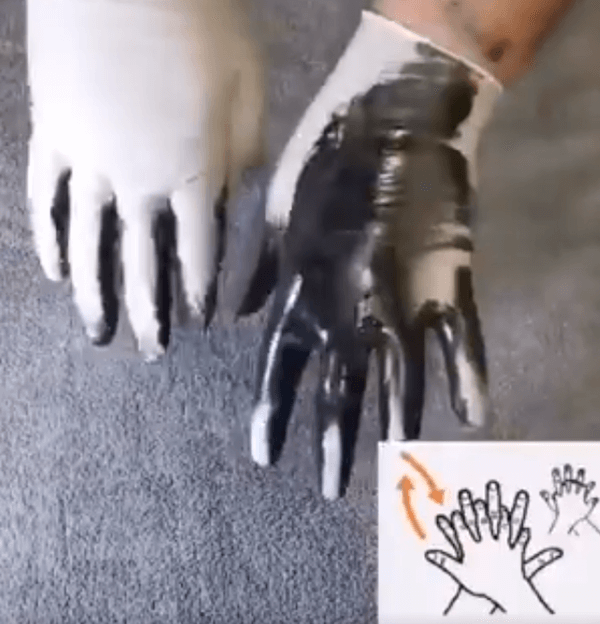
THE best hand-washing video!

This is THE best hand-washing video I’ve come across. It was even retweeted and acknowledged by WHO Director General, Dr Tedros Adhanom Ghebreyesus.

I’m pretty sure I may have been missing my thumbs! What about you?

handwashing

I don’t know how to share a video from twitter other than share the twitter link so I hope you can watch it.

We’re using soap at home and have one designated person in our household of four adults going out to pick up food items. This is the time we use hand-sanitizer (and gloves). Here is another blog on How to Make Your Own Hand Sanitizer in case you’re in a similar situation to us and can’t find ingredients to make more. Suzy mentions vinegar and colloidal silver in this one and shares a number of practical recipes.

IV vitamin C, oxalates, anti-malarial drugs and losss of smell and taste

It’s so encouraging that New York hospitals are treating coronavirus patients with vitamin C.  There are, however, concerns for folks who have dietary oxalate issues (with both oral and IV vitamin C). I’ve been gathering feedback and research on this topic and will hopefully have more to share next week.

I also have some major concerns about the anti-malarial drugs chloroquine and hydroxychloroquine and will share those, together with my perspectives on the loss of smell and taste as a possible marker of infection.


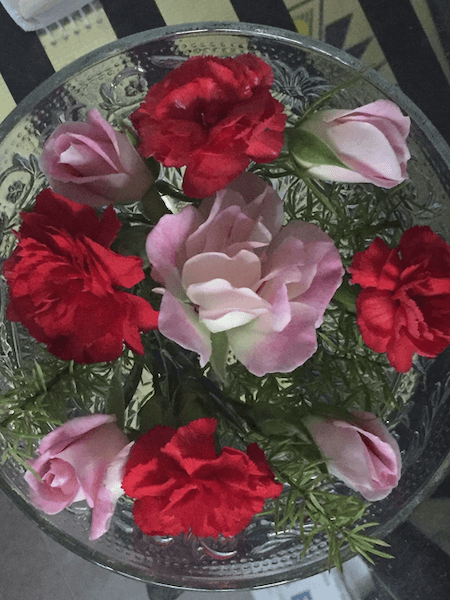
bouquet of hope

Until then, here is another little “bouquet of hope” from our garden to you … My darling mom-in-law brought this lovely little arrangement to me in my home office earlier this week! Aren’t I a lucky girl!?

Amino acids for emotional support, good sleep and to prevent comfort-eating

Finally, don’t forget about the amino acids for added emotional and nutritional support (our needs are higher at a time like this):

  • GABA for physical tension and anxiety (more here)
  • tryptophan for excessive worrying and feeling fearful (more here)
  • glutamine if you’re not eating well and getting blood sugar crashes, and for gut healing (more here)
  • tyrosine if you just can’t focus and want to curl up in bed (more here)
  • and DPA if you’re feeling overly emotional and weepy, comfort-eating is your support right now (more here)

This blog, The Antianxiety Food Solution Amino Acid and Pyroluria Supplements, lists the products that I use with my individual clients and those in my group programs.

Please feel free to comment on any of the above new developments and share what you are learning too. And do let me know if this format is helpful for you.

Keeping you in my thoughts! And keeping you informed and empowered so anxiety is less of an issue.


UPDATES 3/20/2020:

I’m planning a series of webinars to get your coronavirus questions answered:

  1. I’m planning to interview a health coach/colleague living in Italy/Germany right now and have her share her experiences about living in lock-down and more about the situation in Europe
  2. I’m planning to interview Dr. David Brady to share his patient protocols for immunity,  testing and much more
  3. I’ll be doing one with me talking about best how to deal with the anxiety, worry and laying awake until 3am fearful.  Anxiety and lack of sleep adversely impact immunity so we have to sort that out. I’ll also cover the many nutrients for anxiety that also support immunity
  4. I’m looking for an expert to talk about vitamin C and the risks for those with dietary oxalate issues, and other viable and safe options instead of vitamin C
  5. I’ll be interviewing a doctor on the role of melatonin in counteracting severe inflammatory responses such as pro-inflammatory cytokines. It’s being theorized that older individuals are being more impacted because of low melatonin levels and it’s because children have higher levels of melatonin they are less impacted.

I hope these will be helpful for you? What questions do you have for each webinar (please list the webinar # and the question/s when you comment below. Please don’t send your questions via email – as you can imagine we are receiving a large number of emails!) Let me know what other information you are looking for.


UPDATES 3/12/2020:

The situation in Italy has me concerned

At the time of initial publication of this blog at the end of January, I was in agreement with what the Orthomolecular Medicine News Service were suggesting – we were reading a lot of media hype.

I am not one for fear-mongering, but after reading this very sobering account by two Italian doctors 2 days ago, I am now much more concerned about the coronavirus for the folks who will be most severely impacted – the elderly and the immune-compromised.

In Italy they do not have enough ventilators or ICU beds. Dr. Jason Van Schoor shared warnings from a colleague working in Northern Italy:

I feel the pressure to give you a quick personal update about what is happening in Italy, and also give some quick direct advice about what you should do.

First, Lombardy is the most developed region in Italy and it has a extraordinary good healthcare, I have worked in Italy, UK and Aus and don’t make the mistake to think that what is happening is happening in a 3rd world country.

The current situation is difficult to imagine and numbers do not explain things at all. Our hospitals are overwhelmed by Covid-19, they are running 200% capacity

We’ve stopped all routine, all ORs have been converted to ITUs and they are now diverting or not treating all other emergencies like trauma or strokes. There are hundreds of pts with severe resp failure and many of them do not have access to anything above a reservoir mask.

Patients above 65 or younger with comorbidities are not even assessed by ITU, I am not saying not tubed, I’m saying not assessed and no ITU staff attends when they arrest.

We have seen the same pattern in different areas a week apart, and there is no reason that in a few weeks it won’t be the same everywhere

You can read the entire thread on Twitter here. At first glance there is skepticism and disbelief this could be happening but a trusted colleague in San Francisco has heard similar accounts from doctors she knows in Italy. It’s thanks to her that I started digging deeper into the situation in Italy and had my mind changed.

And this article in the New York Times was also just published confirming much of this: Italy’s Health Care System Groans Under Coronavirus — a Warning to the World. They they do mention doctors being muzzled which is very concerning. We need transparency if we are to learn.

Predictions the USA healthcare system (and other countries) will likely not be able to handle a similar situation

This article supports what is happening in Italy, with serious predictions for the USA (and presumably other countries too) – What does the coronavirus mean for the U.S. healthcare system? Some simple math offers alarming answers

What does an avalanche of uncharacteristically severe respiratory viral illness cases mean for our health care system? How much excess capacity currently exists, and how quickly could Covid-19 cases saturate and overwhelm the number of available hospital beds, face masks, and other resources …

….like in Italy where this is happening right now!

This is why I am now fully behind social distancing and staying home

I’m still of the opinion I need to focus on healthy living/eating and boosting my immunity (and it’s what me and my family are currently doing) but I am now fully behind social distancing, staying home, not attending big events and not traveling – so this virus can be contained as much as possible. Knowing what I now know about Italy makes this an easy decision which is why I’m sharing it here today – even if it is frightening.

Dr. David Brady, ND, author of The Fibro Fix, provides some basic advice on staying as healthy as possible in this recent video posted on Facebook. His is the calm voice of reason, sharing precautions to take during the COVID-19 pandemic and also fully supporting the social isolation and stay home message.  He does mention andrographis for antiviral support, garlic, elderberry, vitamin C, lauric acid (monolaurin), vitamin D, preformed vitamin A (as opposed to beta-carotene), zinc and echinacea as all good nutrients to consider for his patients and family.

Unfortunately, many of my colleagues are still saying it’s media hype, out of control fear-mongering, is not as bad as the flu and there is no way this could happen in a country like the USA, Australia, UK and elsewhere.  I know they’ll get on board with all this once they have this information too.

I sincerely hope I am wrong about this and things don’t get as bad as Italy. For now I’m playing it safe.

My hand-washing research

I got called out for not mentioning hand-washing when I first published this blog. My focus was to share my first-aid kit i.e. nutraceuticals I use but KT was is absolutely right

Hand hygiene is the single most important intervention for reducing healthcare associated infections and preventing the spread of antimicrobial resistance.

My assumption was that this is common knowledge but based on this statement in the same paper, perhaps this isn’t the case?

while tremendous progress has certainly been made in this field, a significant amount of work is yet to be done in both strengthening the evidence regarding the impact of hand hygiene and maximizing its implementation

With regard to what to use: antibacterial soap showed little added benefit compared with regular soap

Interestingly this paper also states “Hand hygiene is clearly effective against gastrointestinal and, to a lesser extent, respiratory infections. Studies examining hygiene practices during respiratory illness and interventions targeting aerosol transmission are needed.” I’m not sure of the implications of this for the coronavirus. For now I’m following the guidelines outlined in Dr. Song’s blog (below).

This 2017 Time article, Washing Hands In Cold Water Works As Well As Hot Against Germs, clears up what they say is often conflicting data and has some good guidelines from a study published the same year (it was looking at E. coli bacteria and not viruses): wash hands in cold water, at least 10 secs of lathering and use regular soap. Hand lotion afterwards seems to help too.

Additional resources

I’ve also got some blogs from colleagues to share with you so you have additional resources:

  • My friend and colleague Dr. Elisa Song MD shares this very comprehensive blog – Coronavirus (COVID-19): What a Pediatrician Wants You to Know (published late Feb so a little out of date with some of the stats). I’m so pleased to see Dr. Song write about IV Vitamin C and look forward to the outcome of the clinical trial she refers to: Vitamin C Infusion for the Treatment of Severe 2019-nCoV Infected Pneumonia.

It’s an approach the physicians of the Orthomolecular Medicine News Service are recommending and it’s gives me a higher level of comfort in these days ahead.

As I mentioned above I do have some questions and concerns about this vitamin C IV approach (and high doses of oral vitamin C) for folks with oxalate issues (myself included) and for folks with G6PD deficiencies and hemochromatosis. I’ll share more as I learn more.

  • And this one from Dr. Song too – Handwashing and Coronavirus: Are you doing it the right way? I encourage you to watch the hand-washing demo videos she links to and show them to your children! This fact is astounding: “If 60% rather than 20% of air travelers maintained clean hands, it could slow down the spread of infections by almost 70%“
  • Dr. Song also shares How to Make a 60% Alcohol-Based Hand Sanitizer. “Washing hands with soap and water is the #1 recommended way to prevent the spread of Coronavirus. But if you don’t have access to soap and water, what can you do? The CDC recommends using a hand sanitizer with at least 60% alcohol.“
  • A blog from Paleohacks: Thieves Oil What It Is, Benefits & How to Make It. Use Thieves oil as a natural disinfectant around your home. “It’s great for wiping down counters, cleaning toys, disinfecting cutting boards, removing stale odors, freshening trash cans and gym bags, and even cleaning veggies.”

Originally published 1/31/20:

How are you handling all the coronavirus news? Worried? Anxious? Fearful? Or are calmly watching and listening and making sure your immune system is in good shape and you have natural antivirals on hand if necessary? (and updated 3/12/20 – are you taking the stay at home message seriously? much more on that below)

There are still many unknowns but I’ve been gathering some articles and resources for my own personal use. I’m not an expert in infections but since folks in my community are asking I promised to share my first-aid kit and rationale in a blog post.

I can help with the anxiety and fear aspect if all this doesn’t put your mind at ease. I cover how I use individual amino acids with my clients at the end of this blog post.

Vitamin C and other foundational nutrients

This newly published blog by Andrew Saul PhD, Vitamin C Protects Against Coronavirus, offers sage foundational advice that resonates with what I already know:

The physicians of the Orthomolecular Medicine News Service and the International Society for Orthomolecular Medicine urge a nutrient-based method to prevent or minimize symptoms for future viral infection. The following inexpensive supplemental levels are recommended for adults; for children reduce these in proportion to body weight:

Vitamin C: 3,000 milligrams (or more) daily, in divided doses.

Vitamin D3: 2,000 International Units daily. (Start with 5,000 IU/day for two weeks, then reduce to 2,000)

Magnesium: 400 mg daily (in citrate, malate, chelate, or chloride form)

Zinc: 20 mg daily

Selenium: 100 mcg (micrograms) daily

Vitamin C, Vitamin D, magnesium, zinc, and selenium have been shown to strengthen the immune system against viruses.

Additional rationale for vitamin C

In another blog by Andrew Saul PhD, Nutritional Treatment of Coronavirus, offers additional rationale for vitamin C: “Abundant clinical evidence confirms vitamin C’s powerful antiviral effect when used in sufficient quantity” and states that the “physicians on the Orthomolecular Medicine News Service review board specifically recommend at least 3,000 milligrams (or more) of vitamin C daily, in divided doses. Vitamin C empowers the immune system and can directly denature many viruses.”

It’s very encouraging to read that just 200mg a day“given to the elderly resulted in improvement in respiratory symptoms in the most severely ill, hospitalized patients.”

This statement from the above blog puts much of what is considered to be media hype and fear-mongering into perspective: (see below why I no longer feel this is media hype)

“The common cold is a coronavirus, and SARS is a coronavirus, so they are the same viral type” ~ David Jenkins, MD, Professor of Medicine and Nutritional Science, University of Toronto.

I do have some questions and concerns about using high doses of oral vitamin C and vitamin C IV for folks with oxalate issues (myself included). I’m actively seeking answers.

Vitamin D, olive leaf extract, oregano oil, elderberry, NAC and diet

Here are some additional links that I have found or were shared with me (thank you if you shared one of these with me!):

  • Vitamin D and the anti-viral state “These results support the hypothesis that vitamin D … may play a major role in the inhibition of viruses.” I’m very aware of the immune-boosting properties of vitamin D.
  • Olive leaf extract “decreased the duration of upper respiratory illness in high school athletes.” We always have this on hand and it appears to work well for me and my family so I’ll make sure to keep this in mind.
  • Oregano oil – per this article on Holistic Primary care “A number of preliminary in vitro or animal studies have shown that compounds in oregano oil are virustatic and virucidal against several viral pathogens.” I always have oregano oil on hand (and especially when flying) and it always works well for me at the first sign of any bug. I was pleased to come across this research even though we don’t yet have a human study.
  • Black elderberry liquid extract “displays an inhibitory effect on the propagation of human pathogenic influenza viruses” and has antimicrobial effects against bacteria responsible for infections of the upper respiratory tract. This is also a firm favorite in our household in the winter months and I seldom need more than one or two doses at the first sign of the sniffles.
  • N-acetyl-L-cysteine (NAC) “antioxidants like NAC represent a potential additional treatment option that could be considered in the case of an influenza A virus pandemic.” I’ll be giving NAC more consideration.
  • Here are some well-balanced perspectives from Peter D’Adamo on Facebook mentions drinking plenty of water, stocks, garlic (freshly crushed), onions, leeks, elderberry and Andrographis paniculata. He does say “Keep in mind these are just my opinions and observations over a thin veneer of facts.”

Consider lomatium?

Lomatium is not my first choice but I’m listing it here out of interest. Lomatium by Barlow Herbals “During the flu pandemic of 1917-1918, the root came into extensive use by the two Washoe Indian tribes near Carson City, Nevada.” I have yet to try this one but have heard Jane from Barlow Herbals talk about lomatium on a number of summits and I’m intrigued.

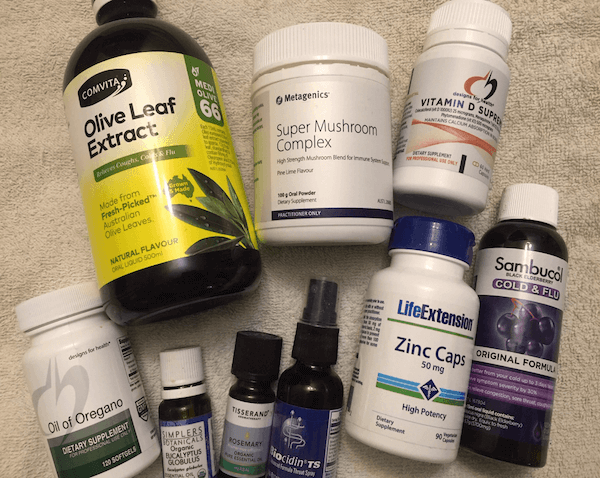
My first-aid kit

In summary, here is my first-aid kit: Vitamin C, zinc, extra selenium, vitamin D, magnesium, oil of oregano, olive leaf extract, black elderberry and Biocidin Throat Spray and Xlear Nasal Spray (the latter two are always on hand and I always also travel with them).

I also always have essential oils on hand: tea tree oil, eucalyptus, peppermint, rosemary, lavender and others. I’ll be adding sage per Dr. Elisa Song’s blog (see below).

This is pretty much what I always use other than adding in extra selenium, so it was very affirming to gather all this research.

trudy first aid kit
Here are just a few products from my first-aid kit.

GABA or tryptophan: if worried or overly anxious or fearful

If you’re feeling worried or overly anxious or fearful, the best way is to be informed and prepared. Interestingly, some of the very same nutrients mentioned above also help ease anxiety – vitamin C, zinc, vitamin D, magnesium and selenium and B vitamins – because they are co-factors for making neurotransmitters like serotonin, GABA and dopamine.

If all this information and being prepared isn’t enough to calm you down, then don’t forget the individual amino acids for quick relief. I use GABA for clients who are feeling physically tense and tryptophan or 5-HTP for worry-type of anxiety and if they are imagining the worst and can’t switch off their busy mind off.

We use the trial method to find the ideal amount for each person, starting low and titrating up based on symptoms and then down if not added benefits are seen.

You can find my most popular amino acid products on the supplements blog here (and with details for how to set up an account for my online store). You can find everything else I write about in the store too. Just be sure to work with your practitioner.


My thoughts are with you and all of those currently ill and those who will get ill. We will get through this together.

My hope is that you are less anxious and fearful as you become more informed.

Please share your immune-boosting remedies and your thoughts and plans.

As I mentioned above, these are resources and information I’ve gathered for my own personal use, and are in no way intended to be recommendations.


Filed Under: Amino Acids, Anxiety, GABA, Immune system Tagged With: Andrew Saul, anxious, comfort eating, Coronavirus, COVID-19, diet, DPA, elderberry, fearful, GABA, garlic, gut health, homeopathy, lomatium, magnesium, melatonin, NAC, olive leaf extract, onions, oregano oil, orthomolecular, selenium, Suzy Cohen, tryptophan, vitamin C, vitamin D, worried, zinc

The Toxin Solution – an interview with author Dr. Joseph Pizzorno

May 24, 2019 By Trudy Scott 4 Comments

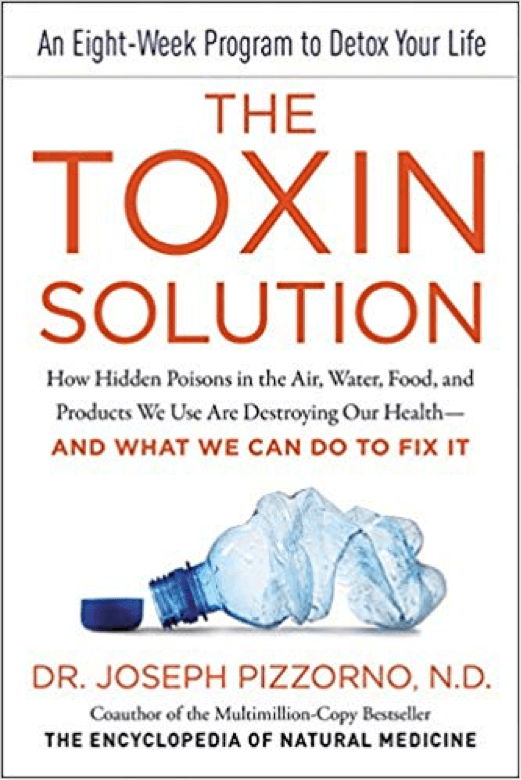
toxin solution

Toxin exposure is at an all-time high and very relevant when it comes to anxiety, ADHD, asthma, diabetes, cancer, dementia and all chronic diseases. I did this wonderful interview with Dr. Joseph Pizzorno in 2017 when his book – The Toxin Solution – was published and for some reason it didn’t make it onto the blog.

I’ve decided to share it now because Dr. Pizzorno is one of the speakers at the August IMMH/Integrative Medicine for Mental Health conference.

If you’re planning to attend this will give you a taste of what to expect. If you’re on the fence hopefully this will convince you, together with the fact that I’m presenting again this year (I’m doing a deep dive into GABA).

I look forward to meeting him in person at the conference and will hopefully see you there too! If you can’t make it or are not a practitioner enjoy this interview and do checkout his fabulous book.

Read on for notes from our interview, the video interview and resources for you related to our interview. Some highlights include these facts: about 90% of diabetes is just due to 6 toxins; PCBs (polychlorinated biphenyls) may account for half of all breast cancer; top 10% of those exposed to organophosphate pesticides saw a doubling of ADHD (just one pesticide); 20% of osteoporosis in women is due to cadmium; lentil soup in a can has 10 x more BPA than homemade and much more

Here is the book: The Toxin Solution: How Hidden Poisons in the Air, Water, Food, and Products We Use Are Destroying Our Health–AND WHAT WE CAN DO TO FIX IT (my Amazon link)

Here is our wonderful interview

And here is a summary from the video interview:

  • in mid to late-70s people were sick because of nutritional deficiencies, lack of exercise and lifestyle factors
  • we have polluted our air, water, food, health and beauty aids, household cleaning products, products in our yards – independent of what you do, toxins are coming in
  • he worked with big oil company in Canada – they wanted to improve the health of the staff and he ran tests to measure nutritional status and toxin levels ($1500 worth of lab tests of 4500 people) – saw a lot of toxicity
  • top 20% of those with body burden of toxins vs bottom 20% – what is disease risk? very big increase in disease risk
  • diabetes as example – when he was in medical school 50 years ago diabetes affected 1% of the population and now it’s 20-30x more common
  • looked at data on diabetes and toxins – looked at organochlorine pesticides – used widely in our food supply
  • top 10% of those with high body burden – 12 fold increase risk of diabetes
  • looked at many other diseases and all had high correlation of toxicity with higher risk
  • used his book advance to hire researchers (Bastyr grads) to determine what toxins contribute to what diseases
  • about 90% of diabetes is just due to 6 toxins
  • it’s why he wrote this book The Toxin Solution (my Amazon link) – here’s how toxins cause disease, here’s where the toxins are coming from, here’s how you avoid them and here’s how you prepare your body for a detox (do this first) and then do the detox
  • [I shared my exposure to lead when I worked in an oil refinery before I became a nutritionist]
  • oil field workers he tested were never exposed to the oil itself as it was underground – they were also farmers and spaying with pesticides, herbicides and insecticides
  • everyone can relate to how dangerous smoking is i.e. lung cancer is doubled by smoking and it affects 20-25% of the population, so bring it home for people asked if there are other toxins that increase the risk of certain diseases – answer is most certainly yes
  • asthma – Polycyclic aromatic hydrocarbons (PAHs) from second-hand smoke, city living, diesel, barbecue smoke; 93% of the US population have enough PAH exposure to double their risk of asthma
  • breast cancer – PCBs (polychlorinated biphenyls) may account for half of all breast cancer
  • some data on toxins and anxiety, mental health but more on neurodegeneration and dementia; damage to the neurons will make you more prone to anxiety, stress and depression
  • anxiety and ADHD in children – top 10% of those exposed to organophosphate pesticides compared to bottom 10%, saw a doubling of ADHD (and this was just looking at one pesticide)
  • neurological system is really susceptible to these toxins
  • if you’re eating conventional foods you’re full of toxins
  • Seattle study on kids coming out of organic stores vs those coming out of conventional stores – the later had 10x higher levels of organophosphate pesticides
  • high phosphate fertilizers are contaminated with cadmium
  • osteoporosis study in women – thinner bones when exposed to cadmium from conventional soybeans; 20% of osteoporosis in women in the USA is due to cadmium
  • eat organically grown foods
  • foods will absorb BPA and phthalates from the cans they are in
  • study comparing homemade lentil soup vs lentil soup in a can – canned lentil soup had 10 x more BPA
  • BPA binds to insulin-receptor sites, pancreas burns out and you get diabetes
  • [I mention moms exposed to BPA when pregnant and their children have higher risk for ADHD and anxiety]
  • children born to moms in top 10% of exposure to organophosphate pesticides vs bottom 10% – children had a 7 point drop in IQ (even when followed for 7 years)
  • women who breastfeed have lower cancer risk and more breastfeeding leads to lower PCB levels (breast-feeding for 12 months decreased PCB levels by 40%)
  • great for the mom but no good for the children
  • what’s remarkable – PCBs were banned in the US 40 years ago – so hard to breakdown in our bodies and the environment so they accumulate
  • best plan – east organic, don’t use plastic storage containers, beauty products with no phthalates
  • check your water – in the USA 10% of public water has high enough arsenic levels to increase risk of diseases; at least use carbon filter to get out the chemicals
  • 60-70% of out toxin exposure comes from food – we have control over this and the body can heal
  • [I say the book offers solutions: The Toxin Solution: How Hidden Poisons in the Air, Water, Food, and Products We Use Are Destroying Our Health–AND WHAT WE CAN DO TO FIX IT (my Amazon link)]
  • our bodies evolved to detoxify and there is a lot we can do
  • what to do – don’t let them in
  • increase your fiber intake – liver denatures toxins by binding them to another molecule and dumps them into the gut where they are bound to fiber and excreted but 90% of toxins get reabsorbed through enterohepatic circulation because we now only consume 15-20g of fiber a day. You need at least 40-50g of fiber a day to detox
  • if you do nothing more than consume more fiber you will get the toxins out – it’s very slow but you will get the toxins out
  • flax seeds, oats, alginate, pectin
  • not a fan of wheat fiber – most of his patients don’t tolerate wheat
  • any kind of fiber that mixes in water and gels – this is good
  • NAC (N-acetyl cysteine) – the cysteine promotes the production of glutathione (most important intracellular and intra-mitochondrial antioxidant
  • glutathione is also part of process in the liver where it binds chemical toxins in order to neutralize them and dump them into the gut to get rid of them
  • as little 500mg/day of NAC can help your body get rid of toxins
  • next is sweat – saunas and running, but not steam-baths as this recirculates stuff – your sweat is full of toxins
  • [I have a question about the toxin-filled sweat on the towels and in the sauna]
  • air out the sauna and wash the towels but it’s not ideal because then we’re putting those toxins back into the environment (can burn them or bury them but there is no good solution) – best to stop putting chemicals into environment
  • [I have a question about an indoor saunas and toxins going into the home]
  • valid question – his sauna has a window to the outside
  • tip for homemade cleaning products – water, vinegar and lavender oil (which is both calming and antibacterial)
  • no to fragrances which are solubilized to phthalates and 1/3 of all diabetes is linked to phthalate exposure
  • you get exposed to phthalates when hot water hits your plastic shower curtain
  • great-grandfather ate a Mediterranean diet lived to 95 and never saw a doctor, grandfather ate a mix of American diet and Mediterranean diet
  • dad ate 100% American diet, plus not worried about exposure to chemicals – lived to 88 but had dementia by 83, osteoporosis, arthritis, hip replacement surgery, cardiac surgery
  • final words of wisdom: good health is quite straight-forward – eat real food rich in nutrients and avoid toxins as much as you can and your wonderful body will take of just about everything else

Resources for you

  • The Toxin Solution: How Hidden Poisons in the Air, Water, Food, and Products We Use Are Destroying Our Health–AND WHAT WE CAN DO TO FIX IT (my Amazon link). This is a wonderful book if you as a health-savvy consumer are looking to learn and protect yourself and your family. It’s aksi a great gift for someone who is new to the concept of how toxins affect our health. Finally, it’s a wonderful resource for practitioners to share with their patients and clients.
  • You can purchase NAC and lavender essential oil from my supplement store here.
  • As I mentioned, Dr. Pizzorno is one of the speakers at the August 2019 IMMH/Integrative Medicine for Mental Health. His presentation will be on day 2 – Neurotoxin Susceptibility by Age: The Impact of Metal and Non-Metal Toxins on the Brain. You can read more here.
  • We didn’t address how some of the amino acids can help with detox too. But you can learn more about how GABA protects against hypothyroidism caused by fluoride and reduces anxiety here. I’ll be discussing this and some other new GABA research in my presentation on day 3 – GABA for Anxiety, ADHD, Autism, Insomnia and Addictions: Research and Practical Applications. You can read more here.

Do let us know what steps you’ve made to reduce toxic exposure in your life and what you’ve done to detox, and what improvements you’ve observed.

Feel free to post questions in the comments too.

And let me know if you’ll be at IMMH. And be sure to stop by and say hi to both me and Dr. Pizzorno.

Filed Under: Toxins Tagged With: ADHD, anxiety, asthma, breast cancer, dementia, fiber, Joseph Pizzorno, NAC, organic, osteoporosis, PCBs, pesticides, phthalates, sauna, The Toxin Solution

Trichotillomania: NAC, GABA, tryptophan, inositol and zinc?

January 5, 2018 By Trudy Scott 44 Comments


This recent paper reports on a case study with NAC – Trichotillomania: a good response to treatment with N-acetylcysteine

Trichotillomania is considered a behavioral disorder and is characterized by the recurring habit of pulling one’s hair, resulting in secondary alopecia. It affects 1% of the adult population, and 2 to 4.4% of psychiatric patients meet the diagnostic criteria. It can occur at any age and is more prevalent in adolescents and females. Its occurrence in childhood is not uncommon and tends to have a more favorable clinical course.

The scalp, eyebrows and eyelashes are the most commonly affected sites. Glutamate modulating agents, such as N-acetylcysteine, have been shown to be a promising treatment. N-acetylcysteine acts by reducing oxidative stress and normalizing glutaminergic transmission. In this paper, we report a case of trichotillomania with an excellent response to N-acetylcysteine.

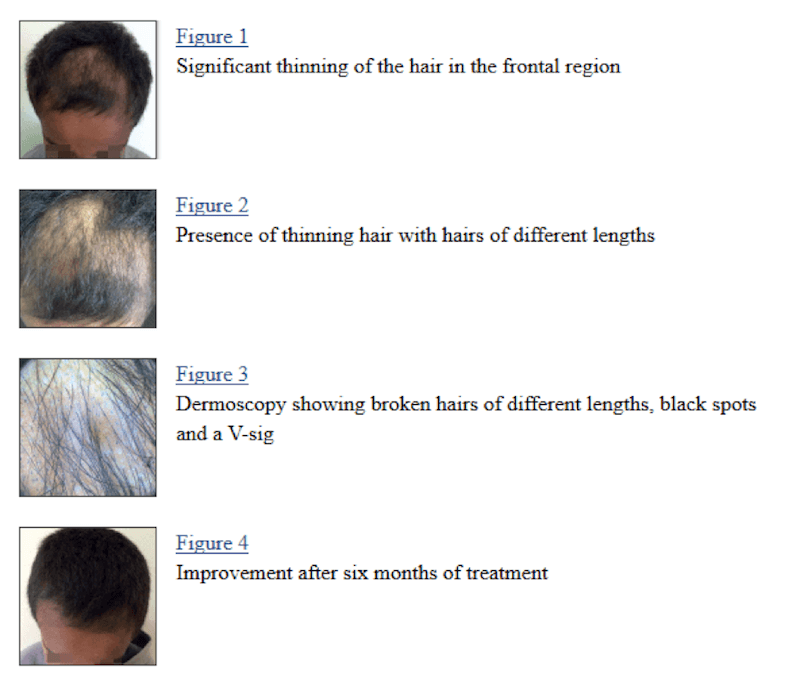
In this case report an 11 year-old male student had been pulling his hair out for 6 months. He had a relationship problem with this father and also suffered from asthma and dermatitis. He was started on NAC:

Treatment with N-acetylcysteine was initiated ​​(1200 mg/day for three months). The patient’s outlook improved dramatically, but complete remission was not achieved. We chose to increase the dosage to 1800 mg/day, which resulted in almost complete regrowth.

[From: Trichotillomania: a good response to treatment with N-acetylcysteine]

In this paper from 2009, N-acetylcysteine, a glutamate modulator, in the treatment of trichotillomania: a double-blind, placebo-controlled study, it is reported that

  • Fifty individuals with trichotillomania (45 women and 5 men) received 1200-2400 mg/day of N-acetylcysteine or placebo over a 12-week period.
  • 56% percent of patients experienced “much or very much improved” hair-pulling symptoms with N-acetylcysteine use compared with 16% using the placebo, and the improvements were first noted after 9 weeks of supplementation.
  • Those in the N-acetylcysteine group did not experience any adverse events.

As you can see, the results with NAC are excellent but it can take 9 weeks and more before results are seen. For this reason, I would always also assess for low serotonin and low GABA and do trials of tryptophan or 5-HTP for low serotonin and GABA for low GABA. With any compulsive and obsessive behaviors I always consider inositol too and we may add this once the ideal dose of tryptophan has been found.

What is my rationale for recommending GABA, tryptophan, 5-HTP and/or inositol?

  • Since NAC works on reducing oxidative stress and normalizing glutaminergic transmission, GABA may help too and will certainly help to ease any physical anxiety that is being experienced
  • “Recommended first-line therapy for this psychiatric condition is administration of SSRIs” even though their efficacy is not yet proven in children – for this reason I’d recommend tryptophan or 5-HTP
  • Also “according to the psychiatric definition, these patients pull their hair because the act is gratifying and reduces tension, anger, depression and anxiety” (these are all signs of low serotonin and another reason to consider tryptophan or 5-HTP)
  • Because they offer relief right away, within 1-5 minutes

A complete nutritional and functional medicine work-up would be part of the plan too – to address the asthma and dermatitis (in the first paper above) and any other symptoms the person is experiencing and may be a contributing factor.

I’d expect the 56% of improved patients (in the second study above) to go to a much higher percent with all of the above approaches.

When I shared these papers on Facebook I was asked this question from someone who pulls out her eyelashes:

I pull my mascara off what is left of my eyelashes every night. I try my hardest not to do it but I find it impossible once I’ve touched my lashes. I’m about to start taking GABA and I was thinking about taking NAC. Would it be a bad idea to take both these amino acids?

This is my feedback: I always like to do one thing at a time and (as mentioned above) I would do the amino acid questionnaire and a trial of tryptophan and GABA first if the scores are high, and then look at adding NAC. If there are still some obsessive tendencies I would consider adding inositol. I am not aware of any issues with using all of these nutrients at once.

Someone else asked this:

Wouldn’t you deal with the psychological cause of it too – at the same time?

My response: Yes absolutely – if there is a psychological cause. But be aware that sometimes it’s purely nutritional or biochemical.

Another person shared that she only exhibits these behaviors when she’s stressed. Of course, the nutrients mentioned above, plus dietary changes, adrenal support, improving gut health and everything that I educate about, are important for reducing stress.

I also received some success stories. Here is one of them:

I’ve struggled with trichotillomania and dermatillomania (skin picking) for years and years. I underwent hypnosis that was extremely effective. When I added in zinc (after reading your book) the urge is almost completely gone. Thank you!

Keep in mind that zinc is a co-factor for making serotonin and GABA, is important for overall adrenal support and stress reduction, is needed for glutathione production and works as an antioxidant. I’d actually love to see these studies repeated with zinc alone.

And then I received this message from someone else:

I’m messaging you my answer about NAC because it’s slightly embarrassing I’ve always had terrible acne and always have picked at it obsessively and could not stop until I was given some supplements for PCOS which happened to contain NAC. To my surprise I lost the compulsion to pick at my skin, something I had never thought possible!

How wonderful for both of them! I always appreciate feedback like this and have to say nothing is too embarrassing to share (especially if it helps someone else).

Have you used NAC with success – with trichotillomania or dermatillomania (skin-picking) or even nail-biting? Or some other compulsive behavior?

What about GABA or inositol or tryptophan or zinc (or something else) for the same purpose and/or for additional emotional and stress-reducing support?

Filed Under: Antianxiety Tagged With: anger, depression and anxiety, dermatillomania, GABA, inositol, NAC, skin-picking, tension, trichotillomania, tryptophan, zinc

Primary Sidebar

NEW! GABA QuickStart Homestudy (with special intro pricing)

gaba quickstart homestudy

Free Report

9 Great Questions Women Ask about Food, Mood and their Health

You'll also receive a complimentary subscription to my ezine "Food, Mood and Gal Stuff"


Connect with me

Popular Posts

  • Amino Acids Mood Questionnaire from The Antianxiety Food Solution
  • The Antianxiety Food Solution Amino Acid and Pyroluria Supplements
  • Pyroluria Questionnaire from The Antianxiety Food Solution
  • Collagen and gelatin lower serotonin: does this increase your anxiety and depression?
  • Tryptophan for the worry-in-your-head and ruminating type of anxiety
  • GABA for the physical-tension and stiff-and-tense-muscles type of anxiety
  • The Antianxiety Food Solution by Trudy Scott
  • Seriphos Original Formula is back: the best product for anxiety and insomnia caused by high cortisol
  • Am I an anxious introvert because of low zinc and vitamin B6? My response to Huffington Post blog
  • Vagus nerve rehab with GABA, breathing, humming, gargling and key nutrients

Recent Posts

  • What do I use instead of Seriphos to help lower high cortisol that is affecting my sleep and making me anxious at night?
  • BeSerene™ GABA/theanine cream eases severe muscle tension in her neck/shoulders, prevents her bad headaches and quells her anxiety
  • How the correct approach, dose and sublingual use of GABA can be calming and not cause a flushed and itchy face and neck
  • The amino acid glutamine improves low mood by addressing gut health, and it has calming effects too
  • Flight anxiety with heightened breath, physical tension and also fearing the worst (the role of low GABA and low serotonin)

Categories

  • 5-HTP
  • AB575
  • Addiction
  • ADHD
  • Adrenals
  • Alcohol
  • Allergies
  • Alzheimer's disease
  • Amino Acids
  • Anger
  • Antianxiety
  • Antianxiety Food Solution
  • Antidepressants
  • Anxiety
  • Anxiety and panic
  • Autism
  • Autoimmunity
  • benzodiazapines
  • Bipolar disorder
  • Books
  • Caffeine
  • Cancer
  • Candida
  • Children/Teens
  • Collagen
  • Cooking equipment
  • Coronavirus/COVID-19
  • Cravings
  • Depression
  • Detoxification
  • Diabetes
  • Diet
  • DPA/DLPA
  • Drugs
  • EFT/Tapping
  • EMF
  • EMFs
  • Emotional Eating
  • Endorphins
  • Environment
  • Essential oils
  • Events
  • Exercise
  • Fear
  • Fear of public speaking
  • Fertility and Pregnancy
  • Fish
  • Food
  • Food and mood
  • Functional neurology
  • GABA
  • Gene polymorphisms
  • General Health
  • Giving
  • Giving back
  • Glutamine
  • Gluten
  • GMOs
  • Gratitude
  • Gut health
  • Heart health/hypertension
  • Histamine
  • Hormone
  • Hyperparathyroidism
  • Hypoglycemia
  • Immune system
  • Inflammation
  • Insomnia
  • Inspiration
  • Introversion
  • Joy and happiness
  • Ketogenic diet
  • Lithium orotate
  • Looking awesome
  • Lyme disease and co-infections
  • MCAS/histamine
  • Medication
  • Men's health
  • Mental health
  • Mercury
  • Migraine
  • Mold
  • Movie
  • MTHFR
  • Multiple sclerosis
  • Music
  • NANP
  • Nature
  • Nutritional Psychiatry
  • OCD
  • Osteoporosis
  • Oxalates
  • Oxytocin
  • Pain
  • Paleo
  • Parasites
  • Parkinson’s disease
  • PCOS
  • People
  • PMS
  • Postpartum
  • PTSD/Trauma
  • Pyroluria
  • Questionnaires
  • Real whole food
  • Recipes
  • Research
  • Schizophrenia
  • serotonin
  • SIBO
  • Sleep
  • Special diets
  • Sports nutrition
  • Stress
  • Sugar addiction
  • Sugar and mood
  • Supplements
  • Teens
  • Testimonials
  • Testing
  • The Anxiety Summit
  • The Anxiety Summit 2
  • The Anxiety Summit 3
  • The Anxiety Summit 4
  • The Anxiety Summit 5
  • The Anxiety Summit 6
  • Thyroid
  • Thyroid health
  • Toxins
  • Tryptophan
  • Tyrosine
  • Uncategorized
  • Vegan/vegetarian
  • Women's health
  • Yoga

Archives

  • October 2025
  • September 2025
  • August 2025
  • July 2025
  • June 2025
  • May 2025
  • April 2025
  • March 2025
  • February 2025
  • January 2025
  • November 2024
  • October 2024
  • September 2024
  • August 2024
  • July 2024
  • June 2024
  • May 2024
  • April 2024
  • March 2024
  • February 2024
  • January 2024
  • December 2023
  • November 2023
  • October 2023
  • September 2023
  • August 2023
  • July 2023
  • June 2023
  • May 2023
  • April 2023
  • March 2023
  • February 2023
  • January 2023
  • December 2022
  • November 2022
  • October 2022
  • September 2022
  • August 2022
  • July 2022
  • June 2022
  • May 2022
  • April 2022
  • March 2022
  • February 2022
  • January 2022
  • December 2021
  • November 2021
  • October 2021
  • September 2021
  • August 2021
  • July 2021
  • June 2021
  • May 2021
  • April 2021
  • March 2021
  • February 2021
  • January 2021
  • December 2020
  • November 2020
  • October 2020
  • September 2020
  • August 2020
  • July 2020
  • June 2020
  • May 2020
  • April 2020
  • March 2020
  • February 2020
  • January 2020
  • December 2019
  • November 2019
  • October 2019
  • September 2019
  • August 2019
  • July 2019
  • June 2019
  • May 2019
  • April 2019
  • March 2019
  • February 2019
  • January 2019
  • December 2018
  • November 2018
  • October 2018
  • September 2018
  • August 2018
  • July 2018
  • June 2018
  • May 2018
  • April 2018
  • March 2018
  • February 2018
  • January 2018
  • December 2017
  • November 2017
  • October 2017
  • September 2017
  • August 2017
  • July 2017
  • June 2017
  • May 2017
  • April 2017
  • March 2017
  • February 2017
  • January 2017
  • December 2016
  • November 2016
  • October 2016
  • September 2016
  • August 2016
  • July 2016
  • June 2016
  • May 2016
  • April 2016
  • March 2016
  • February 2016
  • January 2016
  • December 2015
  • November 2015
  • October 2015
  • September 2015
  • August 2015
  • July 2015
  • June 2015
  • May 2015
  • April 2015
  • March 2015
  • February 2015
  • January 2015
  • December 2014
  • November 2014
  • October 2014
  • September 2014
  • August 2014
  • July 2014
  • June 2014
  • May 2014
  • April 2014
  • March 2014
  • February 2014
  • January 2014
  • December 2013
  • November 2013
  • October 2013
  • September 2013
  • August 2013
  • July 2013
  • June 2013
  • May 2013
  • April 2013
  • March 2013
  • February 2013
  • January 2013
  • December 2012
  • November 2012
  • October 2012
  • August 2012
  • July 2012
  • June 2012
  • May 2012
  • April 2012
  • March 2012
  • February 2012
  • January 2012
  • December 2011
  • November 2011
  • October 2011
  • September 2011
  • August 2011
  • July 2011
  • June 2011
  • May 2011
  • April 2011
  • March 2011
  • February 2011
  • January 2011
  • December 2010
  • October 2010
  • September 2010
  • July 2010
  • May 2010
  • April 2010
  • March 2010
  • February 2010
  • January 2010
  • November 2009

Share the knowledge!

The above statements have not been evaluated by the Food and Drug Administration. Products listed in this website are not intended to diagnose, treat, cure or prevent any disease.

The information provided on this site is for informational and educational purposes only and is not intended as a substitute for advice from your physician or other health care professional. You should consult with a healthcare professional before starting or modifying any diet, exercise, or supplementation program, before taking or stopping any medication, or if you have or suspect you may have a health problem.


Copyright © 2026 Trudy Scott. All Rights Reserved. | Privacy | Terms and Conditions | Refund Policy | Medical Disclaimer

Free Report

9 Great Questions Women Ask about Food, Mood and their Health

You’ll also receive a complimentary subscription to my ezine “Food, Mood and Gal Stuff”