• Skip to primary navigation
  • Skip to main content
  • Skip to primary sidebar

everywomanover29 blog

Food, Mood and Women's Health – Be your healthiest, look and feel great!

  • Blog
  • About
  • Services
  • Store
  • Resources
  • Testimonials
  • The Book
  • Contact
  • Search this site

menopause

Berberine in perimenopause and menopause: improving mood, calming the anxious mind, and improving heart health, blood sugar and bone health

May 10, 2024 By Trudy Scott 15 Comments

berberine and menopause

… Berberine, an isoquinoline alkaloid derived from plants of the generis Berberis, has been recognized as being capable of decreasing oxidative stress, LDL, triglycerides, and insulin resistance and of improving the mood. This review describes the cellular and clinical effects associated with the use of berberine, which suggest that this molecule could be an effective natural supplement to ensure a smooth peri- and postmenopausal transition.

The above is from a paper published in 2015, Potential benefits of berberine in the management of perimenopausal syndrome.

These are just a few of the many benefits of berberine. Other research reports impacts on the microbiome, benefits for bone density and kidney health – all very relevant in perimenopause and menopause.

I feel that berberine may be a nutrient to consider, in addition to dietary changes, stress reduction and lifestyle changes, and targeted individual amino acids. Read on to discover some of the mechanisms and the benefits of using a comprehensive approach, and feedback from folks in the community who are using berberine with success.

Impacts on oxidative stress, blood sugar/insulin resistance, lipids and heart health, and mood

I encourage you to read the full paper in order to get an overview of the impacts on oxidative stress, blood sugar/insulin resistance, lipids and heart health, and mood. Here is a very high level summary:

  • Estrogen deficiency, increased cardiovascular risk, an “overproduction of reactive oxygen species (ROS)” and reduced nitric oxide (NO) which are important contributing factors when it comes to “menopause-related endothelial dysfunction, atherosclerosis, hypertension, cardiovascular, and renal diseases.” Berberine counters this via various mechanisms.
  • Type 2 diabetes is higher amongst menopausal women, causing high blood sugar and insulin resistance. This paper shares a study that found berberine “significantly lowered fasting blood glucose (FBG), hemoglobin A1c, triglycerides, and insulin levels in patients with Type 2 diabetes as well as metformin and rosiglitazone.” One way berberine does this is via “increased insulin receptor (InsR) messenger RNA and protein expression.”
  • “inactivity of LDL receptor (LDLR)” in liver cells leads to higher levels of oxidized LDL, a risk factor for “endothelial dysfunction and atherosclerosis.” One mechanism is that berberine improves LDLR expression and has lipid-lowering activity.
  • When it comes to mood issues, the increased oxidative stress, immune dysfunction and inflammation play a role because of “interactions between neurotransmitters, neuropeptides, oxidative and nitrosative stress, and cytokines.” Higher levels of inflammatory markers such as interleukin-6 (IL-6), C-reactive protein, interleukin-1-beta (IL-1β), and TNFα “can enter the brain and may cause alterations of the metabolism of serotonin and dopamine.” Berberine helps to counter this inflammatory cascade and “inhibits the expression of MAO” , increasing norepinephrine, serotonin, and dopamine – and improving mood and presumably reducing anxiety too.
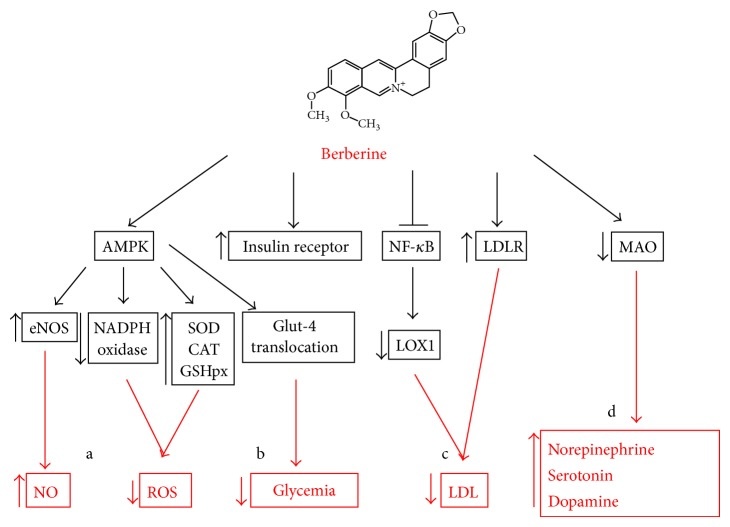
Berberine benefits menopause
From: Potential benefits of berberine in the management of perimenopausal syndrome

Feedback from folks in the community

When I shared this research on Facebook I received much in the way of positive results.

Susan shared this: “A functional medicine doctor suggested I take it with every meal. My A1C was not bad, (5.3) but my last level was 4.8. This was over the course of about 1 year.”

Becky shared this: “I used it for about 6 months along with diet changes to drop my A1C. Have been holding steady since with dietary measures alone. I didn’t realize berberine also helped lower LDL. Mine is slightly elevated. Not enough that my traditional MD has called me on it, but I’ve adjusted my diet again and hearing this about berberine I think I’ll try going back on it.”

Liz shared this: “I had gained some caregiver weight so started on berberine twice a day and it was helpful. However my Doc quickly had me switch over to [a combination product with berberine, chromium and alpha lipoic acid] and it’s fabulous! Twice a day and I feel great, my carb cravings are at bay and my bloodwork and overall health has vastly improved in just a few months.”

Marcy shared this: “Yes!! My son had been steadily gaining weight from binge eating and medications. In October 2022 his triglycerides were through the roof and I was so worried about his health. I put him on 500 mg of Berberine twice a day. Fast forward to today, he has lost approximately 50 pounds and his triglycerides are normal. There were other factors that may have contributed to the weight loss such as therapy and more structured eating times, but I absolutely believe the Berberine supported all this!” (this was also a combination product with berberine and a small amount of alpha lipoic acid and grape seed extract)

Marcia shared this: “I’ve used Berberine for appetite suppression, which it seems to help with, though not enough for me to lose any weight. But it did also actually lift my mood, which I was not expecting.”

Berberine: the microbiota, the gut-brain connection and anxiety

The number of studies on berberine is impressive and growing by the day. It’s not discussed in the above paper, but this paper, Effects of Berberine on the Gastrointestinal Microbiota states this: “The mechanism underlying the role of berberine in lipid‐lowering and insulin resistance is incompletely understood, but one of the possible mechanisms is related to its effect on the gastrointestinal microbiota.” Given what we know about the gut-brain connection, this is another likely mechanism for mood and anxiety benefits.

In another paper, Berberine ameliorates ovariectomy-induced anxiety-like behaviors by enrichment in equol generating gut microbiota, the authors propose that the use of berberine “modulates the gut microbiota, stimulates equol production, and improves anxiety-like symptoms” … “suggesting a direct link between gut microbiota modulation and estrogen deficiency-induced anxiety.”

Berberine: osteoporosis and the kidneys

An osteoporosis study shows that berberine regulates “the estrogen and thyroid hormone signaling pathways to treat osteoporosis in a multi-target, multi-pathway, and multi-system manner.”

And berberine used in conjunction with calcium carbonate and vitamin D, helps to prevent drug-induced bone loss too: “berberine inhibits bone resorption and improves bone formation to prevent glucocorticoid-induced osteoporosis.” I’d be considering vitamin K and other approaches like working towards optimal homocysteine, addressing food sensitivities, addressing possible oxalate and gallbladder issues too. The latter are more common during and after perimenopause.

Interestingly berberine also improves kidney health. One study reports that berberine “significantly ameliorated chronic kidney disease by altering the composition of the gut microbiota and inhibiting the production of gut-derived uremic toxins.”

A comprehensive approach that includes amino acids

As I mentioned above, I feel that berberine may be a nutrient to consider, in addition to dietary changes, stress reduction and lifestyle changes, and targeted individual amino acids. Berberine is relatively new to me and not covered in my book “The Antianxiety Food Solution” but it’s a great resource for the rest.

Here are are few blog posts specific to amino acids in perimenopause and menopause:

  • Tryptophan had the added benefit of turning me completely off alcohol when I took it to improve mood and sleep during perimenopause
  • “Potion” of tyrosine, Endorphigen, GABA and tryptophan has been nothing less than a miracle for my depression and anxiety – how long can I remain on these?
  • I have issues with perimenopausal anxiety a couple of weeks per month and don’t want to turn to SSRIs
  • The individual amino acids glutamine, GABA, tryptophan (or 5-HTP), DPA and tyrosine are powerful for eliminating sugar cravings, often within 5 minutes

The good news is that the amino acids provide immediate relief while the berberine is slower-acting and starting to have an impact.

Product recommendation: Thorne Berberine

There are many good berberine products available. I did some reading and research and landed on Thorne Berberine.

thorne berberine

It is available from my online store (Fullscript – only available to US customers – use this link to set up an account) and it’s available via iherb (use this link to save 5%).

If you’re new to berberine, be sure to discuss the research and if it may be something to consider with your practitioner.

Additional resources when you are new to using amino acids as supplements

As always, I use the symptoms questionnaire to figure out if low GABA or other neurotransmitter imbalances may be an issue.

If you suspect low levels of any of the neurotransmitters and do not yet have my book, The Antianxiety Food Solution – How the Foods You Eat Can Help You Calm Your Anxious Mind, Improve Your Mood, and End Cravings, I highly recommend getting it and reading it before jumping in and using amino acids on your own so you are knowledgeable. And be sure to share it with the practitioner/health team you or your loved one is working with.

There is an entire chapter on the amino acids and they are discussed throughout the book in the sections on gut health, gluten, blood sugar control (this is covered in an entire chapter too), sugar cravings, anxiety and mood issues.

The book doesn’t include product names (per the publisher’s request) so this blog, The Antianxiety Food Solution Amino Acid and Pyroluria Supplements, lists the amino acids that I use with my individual clients and those in my group programs.

If, after reading this blog and my book, you don’t feel comfortable figuring things out on your own (i.e. doing the symptoms questionnaire and respective amino acids trials), a good place to get help is the GABA QuickStart Program (if you have low GABA symptoms too). This is a paid online/virtual group program where you get my guidance and community support.

If you are a practitioner, join us in The Balancing Neurotransmitters: the Fundamentals program. This is also a paid online/virtual program with an opportunity to interact with me and other practitioners who are also using the amino acids.

Wrapping up and your feedback

I do always appreciate feedback from the community and being able to share it on the blog.

Now I’d love to hear from you – have you used berberine with success? How much have you used, which product and how has it helped?

Were you aware of all these benefits?

Have you also used amino acids and dietary approaches as you start to see hormonal shifts?

If you’re a practitioner do you berberine with your clients/patients?

And please let me know if it’s helpful that I’m now including product recommendations and where to get them.

Feel free to share and ask your questions below.
Filed Under: Anxiety, Depression, Women's health Tagged With: amino acids, anxious, anxious mind, berberine, blood sugar, bone density, bone health, calming, GABA, GABA Quickstart; Balancing Neurotransmitters: the Fundamentals program for practitioners, gut-brain, heart health, insulin resistance, kidney, LDL, menopause, microbiome, mood, osteoporosis, oxalates, oxidative stress, perimenopause, triglycerides, tryptophan

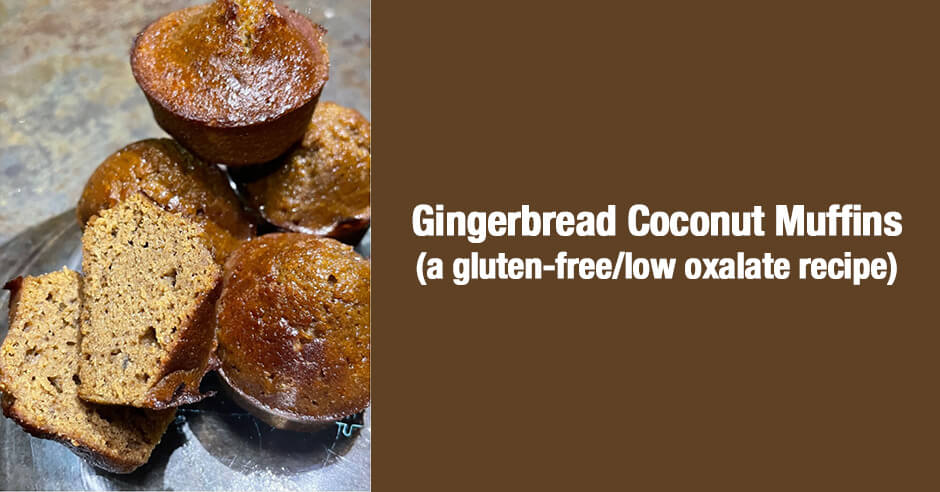
Gingerbread Coconut Muffins (a gluten-free/low oxalate recipe)

July 28, 2023 By Trudy Scott 12 Comments

gingerbread coconut muffins

If you have gluten sensitivity or celiac disease and/or dietary oxalate issues (pain, anxiety, insomnia, restless legs, hearing loss, eye issues, unresolved thyroid issues, bladder issues and more) and yet really miss the occasional muffin this Gingerbread Coconut Muffins recipe is a delicious gluten-free and low oxalate option. I see way too many so-called healthy gluten-free recipes using almond flour.  This is concerning given that almonds are high in oxalates. Keep in mind that wheat is also high oxalate.

I’m finding dietary oxalate issues to be underappreciated especially in menopausal women when symptoms can show up and be more severe. If you’re new to the dietary oxalate issues you can read more below.

I have also found that using almond flour and other nut flours in baking affects your zinc/copper balance, increasing copper and hence causing more anxiety and even panic attacks.

If you don’t have dietary oxalate issues, you can certainly enjoy this recipe too. But watch the overindulging and binge-eating (more on that and using amino acids below).

Gingerbread Coconut Muffins (a low oxalate recipe)

Ingredients

6 eggs
1/3 cup melted butter
1/4 teaspoon salt
1/2 cup molasses
1/2 cup coconut sugar
2-3 teaspoons ginger powder (or liquid ginger extract)
3/4 cup sifted coconut flour
1 tablespoon ground flax seeds

Method

Melt the butter over low heat and add the coconut sugar and molasses. Once it’s cooled add the eggs and mix well. Stir in the coconut flour, salt, ground flax seeds and ginger powder.

Spoon the mixture into two greased mini muffin pans. Bake at 400 degrees F/ 205 degrees C for 12 – 14 minutes. The muffins will rise nicely and will start to turn dark brown. Remove and cool on a cooking rack. Makes 24 mini muffins.

Eat warm or when cooled. Serve with butter and/or cream and/or coconut butter. For a little added sweetness a small amount of raw honey can be spread on a muffin too.

My adaptation from a gingerbread cookies recipe

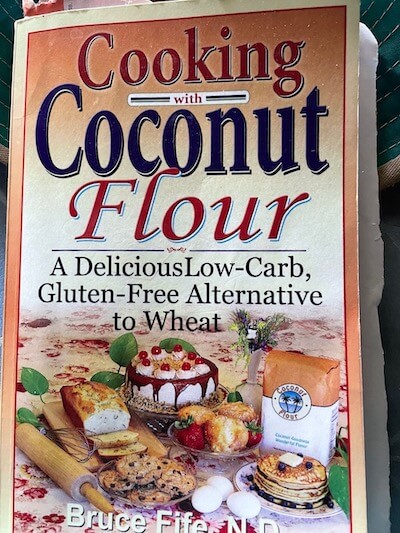
I adapted this recipe from a Gingerbread Cookies recipe in Cooking with Coconut Flour by Bruce Fife ND. I pretty much always do this when I cook – adapt recipes to my needs and likes – and always reduce the sugar. In this instance, I halved the sugar and used coconut sugar instead.

I also increased the ginger because I love all things ginger. I upped it from 1 teaspoon ground ginger to 2 teaspoons and will actually try 3 teaspoons next time I make them. Ginger can be an issue if you have oxalate issues so you’d want to see how much you can tolerate – so far so good for me. If you do have issues with ground ginger you could always use a liquid ginger extract which is low oxalate.

I omitted the cinnamon and cloves to emphasize the ginger taste. I also added ground flax seeds for added fiber.

I decided to cook them in mini muffin pans instead of making cookies on a baking tray but you could always try this option. Use the same temperature and cooking time per the original recipe.

The blackstrap molasses makes them so flavorful too and takes me back to my childhood. Molasses is nutrient dense too, providing calcium, magnesium, potassium, manganese, iron, vitamin B6, and selenium. Just be sure to use molasses made from sugar cane and not sugar beets (which are high in oxalates).

They were surprisingly soft and moist and eating them with butter and/or cream made them even more delicious. I always like to include some healthy fats. If dairy isn’t tolerated, coconut cream could be substituted. I suspect coconut oil could be substituted for the melted butter but have not tried this yet.

cooking with coconut flour

Here is Cooking with Coconut Flour by Bruce Fife ND. You can find it on Amazon here (my link). I’ve baked a number of recipes from this book and I’m impressed. I really appreciate that it’s all coconut flour recipes with no almond flour or other gluten-free flours used.

If you do battle with sugar cravings and binge eating – use amino acids

It’s ideal to keep baked goods – especially the ones shown on the cover of this book – to a minimum. But for an occasional treat this recipe book is excellent.

If you do battle with sugar cravings and binge eating, don’t forget how useful the amino acids are for stopping your cravings with no willpower and no feelings of deprivation. You can learn more about this here: The individual amino acids glutamine, GABA, tryptophan (or 5-HTP), DPA and tyrosine are powerful for eliminating sugar cravings, often within 5 minutes.

I discuss cravings/emotional eating and how to use amino acids in my book, The Antianxiety Food Solution – How the Foods You Eat Can Help You Calm Your Anxious Mind, Improve Your Mood and End Cravings. More here. I also cover how low blood sugar can lead to both anxiety and cravings and how to prevent this by use glutamine and eating for blood sugar stability.

If you’re new to dietary oxalates as a possible health issue

This blog post is a helpful one to start with if you’re new to dietary oxalates and the issues they can cause: Oxalate crystal disease, dietary oxalates and pain: the research & questions

These are the common medium-oxalate and high-oxalate foods that many folks have problems with: nuts, nut-butters and nut-flour (especially baking with almond flour and something to watch when eating Paleo or GAPS), wheat, chocolate, kiwi fruit (very high – see the raphides image on the above blog), star fruit (also very high), beets, potatoes, sweet potatoes, legumes, raspberries, spinach and soy.

In the above blog post, I share an overview of oxalates, my pain issues with dietary oxalates (severe foot pain and eye pain), and deeper dive into the condition called oxalate crystal disease (with some of my insights and questions).

The big take-aways are that calcium oxalate crystals are sharp and can cause far reaching harm beyond pain – such as unresolved anxiety, thyroid issues, neurological symptoms, eye issues, hearing loss, bladder issues, headaches, fatigue, insomnia, restless legs, autism symptoms and more. You can have issues with dietary oxalates and not have kidney disease/kidney stones, although there is very little research supporting the latter.

You may find these oxalate blogs helpful too:

  • Increased kidney stones in postmenopausal women with lower estradiol levels. What about increased dietary oxalate issues too?
  • Waking in the night due to environmental toxins: impacts on the liver, gallbladder and fat digestion (making oxalate issues worse)
  • Butternut Bake recipe (a low oxalate alternative to Potato Bake)
  • Coconut Macaroon Mini Muffin recipe (low oxalate)

What dietary oxalates issues have you experienced and has a low oxalate diet helped you?

If you have dietary oxalates issues can you handle ginger?

Do let us know if you make this recipe and enjoy it.

Feel free to share a favorite recipe of something you’ve adapted to be low or even medium oxalate.

If you have questions and feedback please share them here too.

Filed Under: Amino Acids, Anxiety, Recipes Tagged With: almond flour, anxiety, blackstrap molasses, bladder issues, celiac disease, coconut flour, copper, cravings. amino acids, dietary oxalate issues, eye issues, Gingerbread, gluten sensitivity, gluten-free, hearing loss, insomnia, Low oxalate, menopause, muffin, pain, recipe, restless legs, unresolved thyroid issues

When using GABA for anxiety does tolerance increase and which amino acid to use for a low mood?

May 31, 2019 By Trudy Scott 4 Comments

gaba and tolerence

Today I’m sharing some great questions I’ve received about GABA and serotonin support for anxiety and low mood, and my feedback to give you some ideas on what to look for as you use the amino acids for your own issues (or with clients/patients if you’re a practitioner).

I cover possible reasons for ongoing low GABA levels, long-term use of the amino acids, low mood associated with menopause, problems with mainly sugar- and gluten-free, the role of the adrenals and thyroid, the amino acids I’d start with for low mood, how lithium orotate may help, how to know if collagen is causing a low mood and making you more anxious, and some resources for you.

GABA tolerance has increased

Gaba has been a lifesaver for my anxiety! I also use taurine sometimes for anxiety too, and that has helped too. Right now, I take 1000 mg [of taurine]. As for GABA (I now take 1000 mg of that also) I have noticed that my tolerance for it has increased.

Here is my feedback: I’m really pleased GABA and taurine are helping ease your anxiety. I have not seen tolerance to be a factor with my clients using GABA and I’m not aware of any research on this topic. I would look into what could be depleting GABA at a faster rate so you seem to need more and more.

This could be caused by:

  • increased stress which lowers zinc and increases cortisol
  • poor gut health and dysbiosis (there is a bacteria in the gut that may consume GABA – it’s called gabavorous)
  • low zinc and low B6 (which are needed to make GABA and other neurotransmitters)
  • toxin exposure (we’re now seeing that GABA has a protective effect – this blog covers have GABA is protective of the thyroid after fluoride exposure)
  • thyroid problems (the amino acids are less effective in this instance)

Keep in mind that long-term use of the amino acids is not the plan. Once the diet is addressed and the other underlying biochemistry, nutrient deficiencies, toxins etc. are addressed they should no longer be needed. At most, an occasional “top-up” may be needed.

Low mood associated with menopause

Which amino acids would you recommend for low mood associated with menopause? No panic attacks but a crashing low mood for 24hrs or more before slight recovery, a few easy days and then the cycle begins again. Diet is mainly sugar- and gluten-free. Any suggestions would be appreciated, thank you

Here is my feedback: When I hear “diet is mainly sugar- and gluten-free” with mood swings I always look into gluten exposure and blood sugar dips. Keeping a food mood log is an easy first step to see if the low mood is tied to what is being eaten and when.

I would recommend the complete removal of gluten and sugar. Gluten can trigger depression, anxiety, OCD and lead to many psychiatric symptoms. Blood sugar swings can cause both depression and anxiety. The amino acids make it easy to quite sugar and gluten – no willpower required and no feelings of deprivation. Do the questionnaire and do a trial of the amino acids that apply. Based on the above symptoms I’d suspect tryptophan and tyrosine may help and are always a good first step while everything else is being figured out.

I would also look at adrenal function as they take up the slack in menopause and rule out Hashimoto’s thyroiditis and Graves (as you can get mood swings with both as the thyroid levels shift).

Low lithium can also cause mood swings too and lithium orotate can help to keep an even mood, allowing the amino acids to be more effective.

Finally, I’d want to know if collagen, gelatin or bone broths have recently been added to your diet and are being consumed in an on-an-off pattern that correlates with the low mood. Certain susceptible individuals find that it lowers serotonin and increases depression and anxiety, and causes insomnia.

Next steps are a full workup looking at sex hormones, low zinc, low B6, low magnesium, the gut, EMFs, sleep and other dietary factors like salicylates, histamine, glutamates etc. We look at all the possible 60+ nutritional and biochemical root causes and address them or rule them out.

It’s also important to have a good support system in place for those very low days – friends and family members, being part of a community and even keeping a mental health support line number close at hand.

And of course, I always say this: get out in nature, get some exercise, hug someone and have a good laugh.

Resources for you

  • My book The Antianxiety Food Solution (my Amazon affiliate link) has an entire chapter on the amino acids GABA, tryptophan, tyrosine, and DPA (and how to use them), a chapter on blood sugar balancing and glutamine and a chapter on gluten issues (and much more). Read it and become a savvy health-advocate for yourself. Become someone who is well-informed about the amino acids, the precautions and nuances, and all the nutritional approaches for anxiety-relief. Share a copy with your doctor and point out the references.
  • If figuring it out alone or reading my book feels overwhelming to you, or you’re afraid to use the amino acids on your own, my home-study Amazing Aminos for Anxiety program walks you through a step-by step approach on how to figure out which symptoms are tied to which neurotransmitter deficiency, and how to trial each respective amino acid. Stay tuned for a special upcoming launch with live Q and A calls so you can get your questions answered. (If you have recently purchased the homestudy ONLY version we will be contacting you to invite you to participate.)
  • Here is a blog to read if you’re new to GABA: GABA for the physical-tension and stiff-and-tense-muscles type of anxiety
  • Here is a blog to read if you’re new to tryptophan: Tryptophan for the worry-in-your-head and ruminating type of anxiety (it’s a blog about low serotonin anxiety but applies to low-serotonin low mood too)
  • Here is a blog to read if you’re new to tyrosine: Tyrosine for focus, motivation, energy, a good mood and possibly even anxiety
  • You can find the amino acids in my supplement store here.

Can you relate to either of these questions? And are you good at playing a detective to figure out why something may not be working as expected?

What has worked for your anxiety and/or low moods?

Feel free to post questions in the comments too.

And let me know if you’re interested in the homestudy program with live Q and A calls. (If you have recently purchased the homestudy ONLY version we will be contacting you to invite you to participate.)

Filed Under: Amino Acids, Depression, GABA, serotonin, Tryptophan Tagged With: adrenals, anxiety, collagen, GABA, low mood, menopause, thyroid, tolerance, tryptophan

New book: The Healing Power of Essential Oils

March 19, 2018 By Trudy Scott Leave a Comment

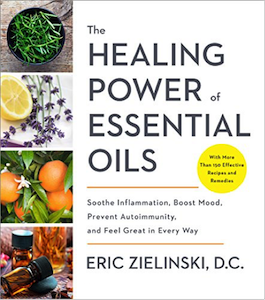
The Healing Power of Essential Oils: Soothe Inflammation, Boost Mood, Prevent Autoimmunity, and Feel Great in Every Way by Eric Zielinski, launched last week and I promised you a book review so here goes. I have always loved Dr. Z’s research-based approach and practical how-tos when it comes to essential oils and was so excited for this book. Well, all I can say is that this is one of the best books I’ve read this year! I read it cover-to-cover in one sitting and I have lists of things I want to try!

It’s perfect for you if you’re:

  • a total newbie to essential oils and have been hearing how great they are and want to learn the basics (and the science)
  • someone like me who does has been using essential oils for a few years but could really take things up notch in terms of therapeutic use and how to use blends
  • someone who is well versed in using essential oils therapeutically, making your own cleaning products and self-care products and wants the science behind each essential oil
  • looking for a great resource to give a loved one like your sister or mom, or to a friend, and if you’re a practitioner, as a resource for your clients and patients, so they too can benefit by what you already know
  • looking for a non-branded resource (Dr. Z has no brand loyalty but does teach you how to find quality brands of essential oils)

Here are some of the many reasons I love this book:

  • Dr. Z emphasizes biochemical individuality – just like with food and nutrients there is no one size fits all with essential oils and you have to find what works for you. He teaches you how to figure that out in the recipes sections
  • He addresses the ‘overwhelmed and where do I start’ aspect – he calls it “paralysis by analysis”. One way he does this in a few ways: 7 steps to start using them, a daily morning and/or evening practice and the tops oils everyone should start with. Here’s another idea (from me): start with a calming essential oil like lavender or neroli!
  • The background information is excellent: the source of the essential oil (for example cinnamon bark vs the leaf); why knowing the chemotype is important in terms of their different therapeutic effects; shelf life; how to find quality oils; why plants native to an area are better; dilution rules; inhalation, topical use and ingestion of oils
  • The research is comprehensive and best of all he refers to studies where the essential oil has been shown to provide therapeutic value, rather than referencing studies on various constituents
  • There is extensive coverage on carrier oils (like jojoba, coconut oil, fractionated coconut oil etc.) and emulsifiers (like Castile soap and aloe vera oil). He also shares that liquid stevia is a solubilizer (this one intrigues me)
  • All the wonderful recipes – from home cleaning to personal care products to many products for addressing specific health conditions like aching muscles, wounds, candida, dandruff and much more. Here are a few ways he shares how peppermint essential oil, one of my favorites, can help: as a digestive aid (I use it topically in coconut oil, together with lavender at night and love it!), to ease muscle tension, to clear sinuses, as a potential solution to antibiotic-resistant infections (I’ve used lavender and lemongrass when I had a boil but wasn’t aware peppermint had similar properties), to give you focus and provide an energy pick-up and much more.  Here is one application for your hair/scalp:

A few drops of peppermint essential oil included in your shampoo and conditioner will tingle your scalp and wake your senses. As a bonus, peppermint’s antiseptic properties can also help prevent or remove both lice and dandruff.


  • Here is a safe and effective bathroom cleaner recipe from the book – and it smells wonderful! I love the added bonus of getting a mood boost while cleaning!

    Tea Tree Citrus Bathroom Cleaner

    The star of this blend is orange essential oil, which is a known mood booster. You’ll be happier even though you’re stuck cleaning the bathroom!

    1 tablespoons Dr. Bronner’s liquid castile soap

    2 tablespoons baking soda

    20 drops tea tree essential oil

    15 drops orange or lemon essential oil (or 7 drops of each)

    15 drops lemon eucalyptus or lemon myrtle essential oil

    2 cups distilled water

    Supplies: 32 oz spray bottle, preferably glass

    1. Combine the liquid soap, baking soda and essential oils in the spray bottle and mix well.
    2. Pour in the water and shake well
    3. Use as you would any other bathroom cleaner. Shake before use.

    Elsewhere in the book, Dr. Z writes about how eucalyptus is highly antimicrobial, helping to clear surfaces of potential germs (and says you can use regular eucalyptus in the above recipe too).

  • There is a big focus on women’s health and anxiety and depression, so it’s perfect for you. The recipes for PMS, perimenopause and menopause are fabulous – with help for anxiety, depression, insomnia, vaginal dryness and much more. Here is one where clary sage helped with depression (anxiety was not assessed but we know high cortisol and low serotonin impacts both anxiety and depression)

Clary sage offers antidepressant effects as described in a 2014 study that was conducted on twenty-two women in Korea. The trial measured neurotransmitter levels found in blood samples of menopausal women and discovered that, by simply inhaling clary sage oil, levels of the stress hormone cortisol dropped considerably and serotonin levels were elevated. The result was an overall improvement in depression symptoms.

  • There is an entire chapter on essential oils for fertility, pregnancy and postpartum
  • Photosensitivity is explained and he lists all the oils that fall into this category (such as bergamot and expressed lemon)

Some essential oils can increase the photosensitivity of your skin. For example, chemicals in the citrus family such as bergapten are notable for their phototoxic effects. When bergapten is left on the skin and then exposed to the sun, it can amplify the effect of UV rays, potentially causing sunburn and leading to sunspots. Some people just decide not to use any bergapten-heavy oils topically, but simply avoiding the sun after use (for example, by applying them at night) is sufficient.

  • He addresses the concerns about lavender and tea tree being estrogenic and explaining why they are not (I get this question a lot!)
  • Plenty of oils and recipes for digestive support like a SIBO blend of a 1:1:1 ratio of caraway, lavender and neroli (which I am very interested in exploring further)

As you can see, this book is comprehensive, research-based, practical and I would even say pretty exciting and fun! Here is the official blurb about the book:

Eric Zielinski, D.C., host of the Essential Oils Revolution summits, offers a soup-to-nuts guide to mastering essential oils for vibrant health and well-being, featuring dozens of recipes and formulations for restful sleep, reduced inflammation, balanced hormones, and more.

Achieving true health is not an easy task. For many people, it might be easier to pop a pill or push aside lingering discomfort in favor of finishing everything on your to-do list. In The Healing Power of Essential Oils, Eric Zielinski, D.C. shows readers how to make their health a priority with the life-changing benefits of essential oils. Essential oils are the natural solution to everything from anxiety and depression to deep-seated inflammation.

For beginners, Dr. Z teaches everything you need to know to get started, including the top seven oils you should stock from Day 1 and the commonly used techniques and tools. He illustrates daily practices you can follow to enjoy the properties of essential oils, including a five-minute devotional using frankincense and neroli to set you up for a productive and stress-free day, and a simple bedtime routine harnessing the soporific effects of lavender.

Backed by extensive research, Dr. Z also supplies essential oil blends that promote hormone balance, reduced inflammation, improved digestion, increased immunity, and so much more. You’ll be armed with over 150 recipes for every health need, and a special section on women’s health includes dozens of formulations for PMS, fertility, pregnancy, candida, and menopause. Even those well-versed in essential oils will benefit from this thorough approach. With your newfound knowledge, you can begin tailoring an essential oils practice to your unique pain points and lifestyle right away – and start experiencing amazing results.

Grab a copy from your nearest bookstore or online store such as Amazon (this is my amazon affiliate link)

Be sure to grab the bonus gifts here after you’ve purchased the book

And let us know what you think and some of your favorite recipes and how they have helped you!

Filed Under: Books, Essential oils Tagged With: anxiety, clary sage, cortisol, depression, Dr. Z, eric zielinski, essential oils, lavender, menopause, The Healing Power of Essential Oils

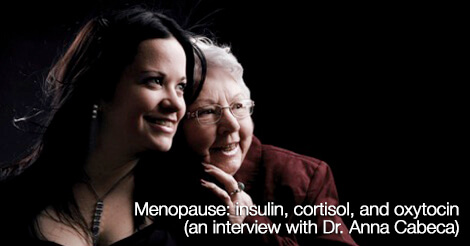
Menopause: insulin, cortisol, and oxytocin (an interview with Dr. Anna Cabeca)

March 13, 2017 By Trudy Scott Leave a Comment

What should a healthy menopause look like and what does an unhealthy hormonal imbalance leads? And what is the significance of insulin, cortisol, and oxytocin?

Dr. Brian Mowll, host of the upcoming Diabetes Summit, interviews Dr. Anna Cabeca on the topic of menopause and metabolic health. Dr. Anna is a board certified gynecologist and obstetrician as well as board certified in anti-aging and regenerative medicine. She is an expert in functional medicine and an expert in women’s health.

She starts with an overview of what menopause should look like and what an unhealthy hormonal imbalance leads to:

Hormonally, what does menopause look like? Yes, we’re going to age. And we’re going to have wrinkles and laugh lines and smile lines and things like that. But that’s awesome. We should be waking up rested, going to sleep on schedule without difficulty and have the sense of peace within us that we’ve become able to enjoy the life that we’ve worked so hard to create and also be able to educate, inspire, and instruct those around us and the generations that follow us. So those are the ideals in menopause.

However, with our environment and toxicities and unhealthy aging and unhealthy hormonal imbalance, what happens is we tend to get overweight, difficulty with weight loss. We tend to have increases in our blood sugar, increases of heart disease. What that feels like, too, is hot flashes, mood swings, itchy skin, night sweats and irritability. The monster within us can come out!

The next part of their discussion is fascinating and rather unexpected. Dr. Brian asks Dr. Anna about the main hormonal players in menopause and this is what she shares:  

As a gynecologist, you would think the major players would be estrogen, progesterone, and even testosterone. However, the major players when it comes to a healthy menopause are insulin, cortisol, and oxytocin. I run menopause programs specifically to get these major hormones in balance. And then we can fine tune the minor hormones.

But unless we’re getting the concepts that relate to increasing our body’s ability to have insulin sensitivity and, regarding cortisol, to have reset our cortisol, our natural circadian rhythm, we’re not going to get hormonal balance at all. And we’ll continue to struggle with the inflammation, the weight gain, the mood swings, [the anxiety and insomnia], the night sweats….  

Actually, insulin and cortisol have a bigger role than estrogen, progesterone, and testosterone although those are important and DHEA as well which I will replace very frequently. But insulin and cortisol are key to healthy menopause.  

And so cortisol is our natural anti-inflammatory. But also, we know that when we excrete high spikes of cortisol, that’s going to affect glucose production. So whether cortisol is too high or too low, we’re going to have an issue with glucose production and metabolism and increasing hemoglobin A1c and inflammation. So from both those areas, we’re going affect our inflammatory pathways.

Dr. Anna also covers some of the following in the interview:

  • Issues she sees with ketogenic diets and eating low carbohydrate diets (this one is for women in particular – she feels it throws off our neurotransmitters)
  • Why to test for pH and how to do it
  • Simple ways to boost oxytocin
  • Nutritional support for the adrenals

As I mentioned above, these are a few snippets from the upcoming Diabetes Summit.

In case you’re thinking “I don’t have diabetes, I don’t need to tune in to this one”, or “I’m not menopausal” or “I’m a guy” here are few points to consider:

  • If you’re a woman and experience stress this would be applicable whether or not you have diabetes or are in menopause (addressing this could help prevent diabetes and make menopause a breeze)
  • If you’re a man and experience stress this topic is also relevant, whether or not you have diabetes – just remove the words “menopause” and “women” and focus on the information about insulin, cortisol and oxytocin

So do consider tuning in to this one and other interviews in the summit!

If you do have diabetes or pre-diabetes then tuning in to the summit is a must! According to a 2015 study, nearly half the US population had diabetes or pre-diabetes.  Add to that all the Americans who are overweight, obese, or have insulin resistance and other blood sugar imbalances, that number likely climbs above 75%! Unfortunately it’s not just in the US.  Diabetes has become a global epidemic, predicted to get much worse in the next 20 years.

Clearly we need to do something different.  Change often starts with information and inspiration.  Learning the root causes of the problem and real solutions to correct those causes can motivate action.

That’s why I’m excited about this upcoming online Diabetes Summit.  My friend and diabetes expert, Dr. Brian Mowll, is hosting this life-changing event for the fourth year, and this year’s event looks amazing.

I’m really pleased to be a speaker on this summit too. I cover the anxiety diabetes connection and how GABA helps reduce anxiety and how research shows it’s a promising treatment for diabetes. Read more here.

You can register for this online event here.


Filed Under: Women's health Tagged With: Anna Cabeca, cortisol, insulin, menopause, oxytocin

Food to Rebalance Your Hormones & Super Sprout Smoothie recipe

March 9, 2016 By Trudy Scott 3 Comments

In case you missed the newsletter announcements, this is a quick reminder that this no-cost webinar is happening on Saturday morning!

How to Use Food to Rebalance Your Hormones – online March 12th (at 10am PST, 1pm EST).

hormone-balancing-workshop

Cooking for Balance will start with this no-cost live online workshop on March 12th (at 10am PST, 1pm EST). Seats are limited and they get snapped up quickly.

Cooking for Balance is an online cooking program created by my friend and colleague Magdalena Wszelaki, founder of Hormones Balance. You may remember our great interviews on last season of The Anxiety Summit! She was a hit, is a wealth of knowledge and very hands-on when it comes to food for hormone balancing! I really love what she offers (and her cute accent)!

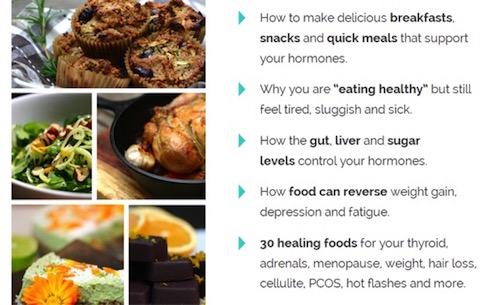
Here is a sampling of what Magdalena is going to show you in the no-cost webinar:

balance-hormone-2

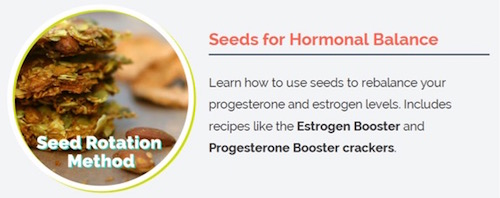
Plus she has a bonus for you: Seeds for Hormonal Balance – learn how to use seeds to rebalance your progesterone and estrogen levels. I really love that Magdalena teaches this simple and yet powerful concept!

balance-hormone-3

Here is a great example of Magdalena’s teachings on how to use food to balance your hormones: using broccoli sprouts for estrogen dominance. She shares this:

Most women have experienced some form of estrogen dominance without even realizing it. Symptoms include PMS, endometriosis, water retention, cellulite, weight gain, moodiness and infertility. Estrogen dominance can also be responsible for thyroid nodules and cancer as well as breast lumps and breast cancer. It is believed that 90% of breast cancers are of non-genetic origin and estrogen dominance can be the leading cause.

This hormonal imbalance can happen due to the dominance of the antagonistic estrogen called estradiol (or E2) as compared to progesterone or the protective estrogen called estriol (or E3). Estrogen dominance can also happen when there is an excess of metabolized estrogen called hydroxyestrones (a simple blood test called 2:16 hydroxyestrone can confirm that).

One of my favorite go-to foods to rebalance the estrogens and nudge them in the right direction are broccoli sprouts.

They contain di-indolyl-methane (short form: DIM, also found as a supplement) which detoxifies us of estradiol. Broccoli sprouts also contain the highest amounts of sulforaphane, which has been linked by numerous studies to not only prevent but also reverse breast cancer. Sulforaphane can also be found in smaller quantities in other cruciferous vegetables like kale, broccoli or cauliflower.

Depending on one’s health condition, studies have shown that ¼ cup to 1 cup of broccoli sprouts can create profound health improvement resulting from rebalancing estrogen dominance.

I recommend using them raw by adding to smoothies, wraps, salads or warm (not hot) soups. See recipes below for some cool ideas.  

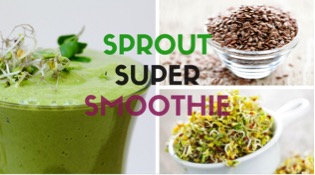
And here is Magdalena’s Super Sprout Smoothie recipe

balance-hormone-4

This recipe is a little different as it takes you on an unusual taste adventure to the land of a green savory smoothie. It is an energizing way to start the day with no sugar that will sustain you until lunch with no energy crushes. This smoothie is packed with the hormone-balancing superfoods: broccoli sprouts, flax seed, maca, Brazil nuts and camu camu and can be consumed by women of any hormonal imbalances.

Serves: 1

Time to prepare: 15 minutes

Ingredients

1½ cups water
½ avocado
½ cup broccoli sprouts
½ cup freshly chopped cilantro
4 Brazil nuts
3 tablespoons lemon juice
2 tablespoons flax seed
1 teaspoon maca root powder
½ teaspoon camu camu powder (get it on Amazon)
½ teaspoon ground fennel seed
½ teaspoon ground cumin
a generous pinch of salt

Place all the ingredients in the blender and blend until silky smooth.

Impressed? Intrigued to learn more? Salivating?

Tune in to the no-cost webinar to learn a ton, have fun, get some great cooking ideas.

If you can’t make it live sign up anyway to get the recording.

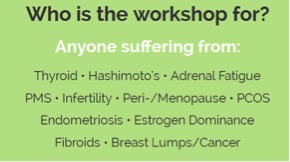
At the end of the webinar she’ll be sharing more about her next upcoming Cooking for Balance online cooking program that helps women rebalance their hormones with food, offering tailor-made nutritional protocols for women with thyroid issues, Hashimoto’s, adrenal fatigue, estrogen dominance, menopause and PCOS. This online program features 4 live classes, over 20+ done-for-you guides, 80+ recipes and 20+ demo videos. They focus on quick, simple yet nutritionally-dense cooking techniques that will help you feel like yourself again.

balance-hormone-5

Registration page for the no-cost webinar is here:
https://xa202.isrefer.com/go/cfb1/trudys/

Filed Under: Events, Hormone Tagged With: adrenal, hormones, Magdalena Wszelaki, menopause, PCOS, PMS, thyroid

  • Page 1
  • Page 2
  • Go to Next Page »

Primary Sidebar

NEW! GABA QuickStart Homestudy (with special intro pricing)

gaba quickstart homestudy

Free Report

9 Great Questions Women Ask about Food, Mood and their Health

You'll also receive a complimentary subscription to my ezine "Food, Mood and Gal Stuff"


Connect with me

Popular Posts

  • Amino Acids Mood Questionnaire from The Antianxiety Food Solution
  • The Antianxiety Food Solution Amino Acid and Pyroluria Supplements
  • Pyroluria Questionnaire from The Antianxiety Food Solution
  • Collagen and gelatin lower serotonin: does this increase your anxiety and depression?
  • Tryptophan for the worry-in-your-head and ruminating type of anxiety
  • GABA for the physical-tension and stiff-and-tense-muscles type of anxiety
  • The Antianxiety Food Solution by Trudy Scott
  • Seriphos Original Formula is back: the best product for anxiety and insomnia caused by high cortisol
  • Am I an anxious introvert because of low zinc and vitamin B6? My response to Huffington Post blog
  • Vagus nerve rehab with GABA, breathing, humming, gargling and key nutrients

Recent Posts

  • What do I use instead of Seriphos to help lower high cortisol that is affecting my sleep and making me anxious at night?
  • BeSerene™ GABA/theanine cream eases severe muscle tension in her neck/shoulders, prevents her bad headaches and quells her anxiety
  • How the correct approach, dose and sublingual use of GABA can be calming and not cause a flushed and itchy face and neck
  • The amino acid glutamine improves low mood by addressing gut health, and it has calming effects too
  • Flight anxiety with heightened breath, physical tension and also fearing the worst (the role of low GABA and low serotonin)

Categories

  • 5-HTP
  • AB575
  • Addiction
  • ADHD
  • Adrenals
  • Alcohol
  • Allergies
  • Alzheimer's disease
  • Amino Acids
  • Anger
  • Antianxiety
  • Antianxiety Food Solution
  • Antidepressants
  • Anxiety
  • Anxiety and panic
  • Autism
  • Autoimmunity
  • benzodiazapines
  • Bipolar disorder
  • Books
  • Caffeine
  • Cancer
  • Candida
  • Children/Teens
  • Collagen
  • Cooking equipment
  • Coronavirus/COVID-19
  • Cravings
  • Depression
  • Detoxification
  • Diabetes
  • Diet
  • DPA/DLPA
  • Drugs
  • EFT/Tapping
  • EMF
  • EMFs
  • Emotional Eating
  • Endorphins
  • Environment
  • Essential oils
  • Events
  • Exercise
  • Fear
  • Fear of public speaking
  • Fertility and Pregnancy
  • Fish
  • Food
  • Food and mood
  • Functional neurology
  • GABA
  • Gene polymorphisms
  • General Health
  • Giving
  • Giving back
  • Glutamine
  • Gluten
  • GMOs
  • Gratitude
  • Gut health
  • Heart health/hypertension
  • Histamine
  • Hormone
  • Hyperparathyroidism
  • Hypoglycemia
  • Immune system
  • Inflammation
  • Insomnia
  • Inspiration
  • Introversion
  • Joy and happiness
  • Ketogenic diet
  • Lithium orotate
  • Looking awesome
  • Lyme disease and co-infections
  • MCAS/histamine
  • Medication
  • Men's health
  • Mental health
  • Mercury
  • Migraine
  • Mold
  • Movie
  • MTHFR
  • Multiple sclerosis
  • Music
  • NANP
  • Nature
  • Nutritional Psychiatry
  • OCD
  • Osteoporosis
  • Oxalates
  • Oxytocin
  • Pain
  • Paleo
  • Parasites
  • Parkinson’s disease
  • PCOS
  • People
  • PMS
  • Postpartum
  • PTSD/Trauma
  • Pyroluria
  • Questionnaires
  • Real whole food
  • Recipes
  • Research
  • Schizophrenia
  • serotonin
  • SIBO
  • Sleep
  • Special diets
  • Sports nutrition
  • Stress
  • Sugar addiction
  • Sugar and mood
  • Supplements
  • Teens
  • Testimonials
  • Testing
  • The Anxiety Summit
  • The Anxiety Summit 2
  • The Anxiety Summit 3
  • The Anxiety Summit 4
  • The Anxiety Summit 5
  • The Anxiety Summit 6
  • Thyroid
  • Thyroid health
  • Toxins
  • Tryptophan
  • Tyrosine
  • Uncategorized
  • Vegan/vegetarian
  • Women's health
  • Yoga

Archives

  • October 2025
  • September 2025
  • August 2025
  • July 2025
  • June 2025
  • May 2025
  • April 2025
  • March 2025
  • February 2025
  • January 2025
  • November 2024
  • October 2024
  • September 2024
  • August 2024
  • July 2024
  • June 2024
  • May 2024
  • April 2024
  • March 2024
  • February 2024
  • January 2024
  • December 2023
  • November 2023
  • October 2023
  • September 2023
  • August 2023
  • July 2023
  • June 2023
  • May 2023
  • April 2023
  • March 2023
  • February 2023
  • January 2023
  • December 2022
  • November 2022
  • October 2022
  • September 2022
  • August 2022
  • July 2022
  • June 2022
  • May 2022
  • April 2022
  • March 2022
  • February 2022
  • January 2022
  • December 2021
  • November 2021
  • October 2021
  • September 2021
  • August 2021
  • July 2021
  • June 2021
  • May 2021
  • April 2021
  • March 2021
  • February 2021
  • January 2021
  • December 2020
  • November 2020
  • October 2020
  • September 2020
  • August 2020
  • July 2020
  • June 2020
  • May 2020
  • April 2020
  • March 2020
  • February 2020
  • January 2020
  • December 2019
  • November 2019
  • October 2019
  • September 2019
  • August 2019
  • July 2019
  • June 2019
  • May 2019
  • April 2019
  • March 2019
  • February 2019
  • January 2019
  • December 2018
  • November 2018
  • October 2018
  • September 2018
  • August 2018
  • July 2018
  • June 2018
  • May 2018
  • April 2018
  • March 2018
  • February 2018
  • January 2018
  • December 2017
  • November 2017
  • October 2017
  • September 2017
  • August 2017
  • July 2017
  • June 2017
  • May 2017
  • April 2017
  • March 2017
  • February 2017
  • January 2017
  • December 2016
  • November 2016
  • October 2016
  • September 2016
  • August 2016
  • July 2016
  • June 2016
  • May 2016
  • April 2016
  • March 2016
  • February 2016
  • January 2016
  • December 2015
  • November 2015
  • October 2015
  • September 2015
  • August 2015
  • July 2015
  • June 2015
  • May 2015
  • April 2015
  • March 2015
  • February 2015
  • January 2015
  • December 2014
  • November 2014
  • October 2014
  • September 2014
  • August 2014
  • July 2014
  • June 2014
  • May 2014
  • April 2014
  • March 2014
  • February 2014
  • January 2014
  • December 2013
  • November 2013
  • October 2013
  • September 2013
  • August 2013
  • July 2013
  • June 2013
  • May 2013
  • April 2013
  • March 2013
  • February 2013
  • January 2013
  • December 2012
  • November 2012
  • October 2012
  • August 2012
  • July 2012
  • June 2012
  • May 2012
  • April 2012
  • March 2012
  • February 2012
  • January 2012
  • December 2011
  • November 2011
  • October 2011
  • September 2011
  • August 2011
  • July 2011
  • June 2011
  • May 2011
  • April 2011
  • March 2011
  • February 2011
  • January 2011
  • December 2010
  • October 2010
  • September 2010
  • July 2010
  • May 2010
  • April 2010
  • March 2010
  • February 2010
  • January 2010
  • November 2009

Share the knowledge!

The above statements have not been evaluated by the Food and Drug Administration. Products listed in this website are not intended to diagnose, treat, cure or prevent any disease.

The information provided on this site is for informational and educational purposes only and is not intended as a substitute for advice from your physician or other health care professional. You should consult with a healthcare professional before starting or modifying any diet, exercise, or supplementation program, before taking or stopping any medication, or if you have or suspect you may have a health problem.


Copyright © 2026 Trudy Scott. All Rights Reserved. | Privacy | Terms and Conditions | Refund Policy | Medical Disclaimer

Free Report

9 Great Questions Women Ask about Food, Mood and their Health

You’ll also receive a complimentary subscription to my ezine “Food, Mood and Gal Stuff”