• Skip to primary navigation
  • Skip to main content
  • Skip to primary sidebar

everywomanover29 blog

Food, Mood and Women's Health – Be your healthiest, look and feel great!

  • Blog
  • About
  • Services
  • Store
  • Resources
  • Testimonials
  • The Book
  • Contact
  • Search this site

leaky gut

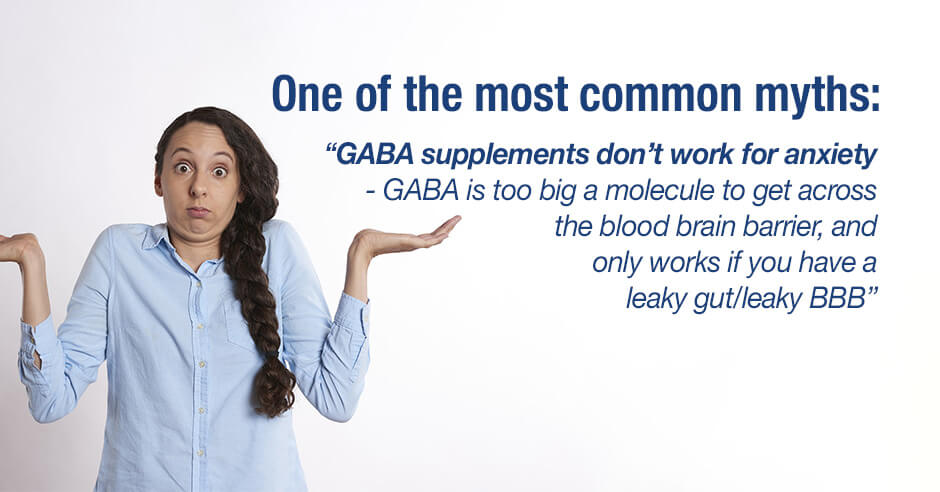
One of the most common myths: “GABA supplements don’t work – GABA is too big a molecule to get across the blood brain barrier”

December 8, 2023 By Trudy Scott 30 Comments

gaba myth

GABA supplements don’t work – GABA is too big a molecule to get across the blood brain barrier. They don’t typically work unless you have a leaky gut which means you have a leaky brain” (also referred to as leaky blood brain barrier/BBB).

This is one of the most common myths I hear about GABA. Neither of the above statements are true. I stand by my recommendations of GABA Calm and other GABA products as an effective way to boost GABA levels that are low, and ease physical anxiety symptoms and the other symptoms you can experience with low GABA levels.

A few weeks ago, Suzanne asked a question on the blog after hearing a doctor state the above about GABA supplements not working for anxiety. She was justifiably confused and concerned:

I stumbled across this video on Youtube and am seeking your thoughts on it please. In my quest to achieve a state of calm as naturally as possible, I research a lot of stuff. I have always taken on board the knowledge you share about GABA.

The video, made by a quite well known fitness trainer, focuses on GABA. Your team suggested I time stamp the part of the video of interest, but frankly, there are poignant points made throughout.

I would be really appreciative if you have time to watch it, as now I’m unsure that the GABA Calm I have purchased, and yet to take, is in fact, going to be effective.

The video she had watched was a very recent Youtube video where a well-known fitness trainer interviews an integrative medical doctor. It’s the doctor who said: “GABA supplements don’t work.”

I reassured Suzanne and provided her with some additional reading (more on that below). This topic has been discussed by me before but it’s time for another blog post that gathers the information into one place. Hopefully it offers you confidence if you are also uncertain and can be a resource for you to share with the naysayers or those who just don’t yet know that GABA supplements really do work (when used in a specific way)!

The effects of GABA supplements may be exerted through BBB passage or indirectly, via an effect on the enteric nervous system (but we don’t really know)

I first discussed GABA and the blood brain barrier controversy during one of my interviews during The Anxiety Summit in 2016. I shared this October 2015 paper, Neurotransmitters as food supplements: the effects of GABA on brain and behavior, which states that we don’t really know how GABA supplements work:

There is some evidence in favor of a calming effect of GABA food supplements, but most of this evidence was reported by researchers with a potential conflict of interest. We suggest that any veridical effects of GABA food supplements on brain and cognition might be exerted through BBB passage or, more indirectly, via an effect on the enteric nervous system. We conclude that the mechanism of action of GABA food supplements is far from clear, and that further work is needed to establish the behavioral effects of GABA.

I also discuss the fact that GABA’s relaxing effect may be due to peripheral effects rather than the effect on/in the brain. Here is an excerpt from this paper: GABA-receptors in peripheral tissues

GABA and its receptors are found in a wide range of peripheral tissues, including parts of the peripheral nervous system, endocrine, and non-neural tissues such as smooth muscle and the female reproductive system.

Feel free to read more about this here

Valuable feedback about GABA’s effectiveness from other practitioners

Dr. Josh Friedman, integrative psychotherapist uses amino acids and other nutritional approaches in his practice:

[GABA] is definitely something I use. I am not a biochemist, so I actually don’t really know whether it crosses the blood/brain barrier, nor do I care actually. The first question should be, is it harmful? Are any of these things going to cause harm? And the answer with all the amino acids is no, they’re not going to cause harm, especially when compared to psychiatric medicines. The second question is, does it work? Is it helpful for our patients that we see in our practice? Yes it is.

Jonathan Prousky, ND, MSc, editor of the Journal of Orthomolecular Medicine and author of Anxiety: Orthomolecular Diagnosis and Treatment shared this in our season 2 interview: Tapering off psychiatric drugs so they do not ruin your life

I have found GABA to be invariably helpful and I don’t really know exactly how GABA works but I know it to be very, very safe and, to me, that is fundamentally important. It’s not associated with any withdrawal, with any tolerance, with any habituation, so people can try it without a lot of concern.

I feel the same way – GABA supplementation works, it is safe and it doesn’t really matter how it works.

Dr. Kharrazian’s GABA Challenge for a leaky blood brain barrier is a theory

In addition to sharing the above with Suzanne, I also shared this blog with her: Dr. Datis Kharrazian’s GABA Challenge for a leaky blood brain barrier is a theory and we still have much to learn.

I had the pleasure of interviewing him late in 2019 and we talked about his GABA challenge for testing for a leaky blood brain barrier. Read the above blog to learn how Dr. Kharrazian came up with the GABA Challenge and the fact that it’s just a theory.

GABA case studies/success stories if you’re still unsure

If you’re still unsure I encourage you to read the many case studies published in my book “The Antianxiety Food Solution” and on this blog. Here are some of them:

  • My 6 year old was having panic attacks getting out of the car for Kindergarten: GABA has completely relieved him of his fears
  • GABA Calm is a game changer for husband’s sound and tactile hypersensitivity, significant coordination problems and his anxiety
  • GABA lessens anxiety, agitation and defiance in 98 year old mother who has been “sundowning” for a couple of years
  • Her mum just passed away and although she is sad, GABA allows her to sit with a feeling of peace and calm most of the time
  • PCOS (polycystic ovarian syndrome): GABA helped ease lifelong anxiety, wean off anxiety medication, ovulate each month and stop PCOS meds
  • GABA helps ease symptoms of anger, rage, and dark moods (symptoms we typically associate with low serotonin)
  • GABA worked amazingly for 18-year-old during a MCAS/histamine flare, helping with OCD, anxiety, rage and skin issues

Do a trial of GABA and use it in a specific way

Doing a trial of GABA is another way to find out how effective it is. Keep in mind GABA will only work if you have the low GABA type of physical anxiety, stiff and tense muscles, insomnia caused by low GABA, overwhelm and panic attacks, and other low GABA symptoms. You can see all the low GABA symptoms here.

Also, GABA needs to be used in a specific way. It is most effective provided it’s used as a sublingual, liposomal, a powder or capsules opened on to the tongue or rubbed inside the cheek, or as a GABA cream (as you’ll read in the case studies above). It’s best to start low – at 125mg – and increase from there based on your own unique needs. I believe many practitioners are not on board because they have clients and patients swallow GABA capsules, and often use high dose GABA capsules.

I appreciate Suzanne for asking this question and I’m hoping my feedback gave you and her confidence.

It also helps me to know what is still being taught so I can offer educational resources – for both the consumer like Suzanne and practitioners – and hopefully further the field.

Am I surprised to hear that this myth is still being shared? Not really. So I’ll continue to share what I know and the wonderful GABA success stories so this message gets out there.

Additional resources when you are new to using GABA and the other amino acids as supplements

We use the symptoms questionnaire to figure out if low GABA or low serotonin or low endorphins or low dopamine or low blood sugar may be an issue for you.

If you suspect low levels of any of the neurotransmitters and do not yet have my book, The Antianxiety Food Solution – How the Foods You Eat Can Help You Calm Your Anxious Mind, Improve Your Mood, and End Cravings, I highly recommend getting it and reading it before jumping in and using amino acids on your own so you are knowledgeable. And be sure to share it with the practitioner/health team you or your loved one is working with.

There is an entire chapter on the amino acids and they are discussed throughout the book in the sections on gut health, gluten, blood sugar control, sugar cravings, anxiety and mood issues.

The book doesn’t include product names (per the publisher’s request) so this blog, The Antianxiety Food Solution Amino Acid and Pyroluria Supplements, lists the amino acids that I use with my individual clients and those in my group programs. You can find them all in my online store.

If, after reading this blog and my book, you don’t feel comfortable figuring things out on your own (i.e. doing the symptoms questionnaire and respective amino acids trials), a good place to get help is the GABA QuickStart Program (if you have low GABA symptoms too). This is a paid online/virtual group program where you get my guidance and community support.

If you are a practitioner, join us in The Balancing Neurotransmitters: the Fundamentals program. This is also a paid online/virtual program with an opportunity to interact with me and other practitioners who are also using the amino acids.

How many times have you heard this myth about GABA not working? How long ago and where from?

Has GABA helped you? If yes, I’m thrilled for you. Please do share how it’s helped, how much helps and how you use GABA (as a sublingual, liposomal, a powder or capsules opened on to the tongue or inside the cheek, or as a GABA cream)?

If you’re a practitioner do you have success using GABA this way with your clients/patients? And were you also taught – in the past – that GABA supplements don’t work or taught the GABA leaky BBB theory?

Feel free to share and ask your questions below.
Filed Under: Anxiety, GABA Tagged With: anxiety, BBB, blood brain barrier, calm, Dr. Kharrazian, enteric nervous system, GABA, GABA Calm, GABA Challenge, GABA Quickstart; Balancing Neurotransmitters: the Fundamentals program for practitioners, GABA supplements, leaky BBB, leaky gut, physical anxiety, too big a molecule

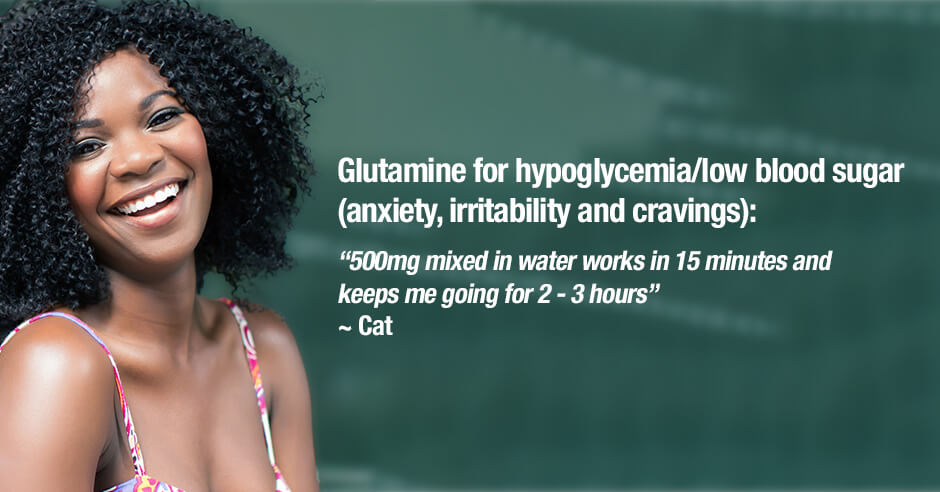
Glutamine for hypoglycemia/low blood sugar: “500mg mixed in water works in 15 minutes and keeps me going for 2 – 3 hours”

November 3, 2023 By Trudy Scott 27 Comments

glutamine and hypoglycemia

Cat shared this feedback about how effective just 500mg of glutamine is for her low blood sugar and how quickly it helps:

I recently followed one of your posts on GABA down the rabbit hole to a linked blog post and then to another post where I found a mention of using glutamine for hypoglycemia. This is the only reference that I have read on this in 35 years of research on the subject. I follow a low carb, higher protein, healthy fat diet, but still suffer low blood sugar issues consistently at one particular time of the day. After so many years of eating a second breakfast to prevent the lows, I was ready to give any other healthy option a try.

It works!!! I found a powder that I mix approximately 500 mg of with water. It works within about 15 minutes and keeps me going for about 2 – 3 hours — long enough to reach a reasonable time for lunch.

I’m thrilled to have this option as anytime that I travel, low blood sugar becomes a huge issue as I suffer from ketotic hypoglycemia and end up with massive headaches and vomiting for 6-8 hours.

You have freed me from a huge weight! Thank you and hugs!

(And thank you for researching and sharing the tremendously helpful information in your books, webinar presentations and blogs.)

Thank you Cat for sharing your success and you are most welcome! I’m sharing this as a blog post because you may also be new to this.

Glutamine dosing, using powder vs capsules and using it on the tongue

Cat finds 500 mg glutamine works well for her unique needs. This is a good starting dose. I see many folks start too high, like 5000 mg / 5 g and up multiple times a day, and it’s not necessary. However, we increase based on individual needs and you may find you do need to use 500 mg -1000 mg two to three times a day.

Using a glutamine powder is a great way to use it especially if you find you do need more than 500 mg each time.

One thing I mentioned to Cat is when you use glutamine powder directly on to the tongue (rather than mixed in water), the benefits are seen more quickly i.e. right away rather than having to wait 15 minutes.

If you do start with glutamine capsules, be sure to open the capsule on the tongue too, But watch for fillers which can be irritating to some folks. Powders are typically glutamine-only and don’t taste bad at all. But when traveling, capsules may be a better option (at least when on a plane).

Ketotic hypoglycemia, adrenal dysfunction and breakfast

Ketotic Hypoglycemia International defines ketotic hypoglycemia as “a condition characterized by low blood sugar (glucose) and elevated ketones, typically occurring after fasting, like sleeping overnight. Ketotic hypoglycemia (KH) is not a disease itself but rather a symptom or a clinical presentation that can occur as a result of various underlying conditions.” I’ve asked Cat if she is aware as to what is causing her ketotic hypoglycemia and I’ll report back.

I have also asked if she has had salivary cortisol testing done as adrenal dysfunction plays a role in all types of low blood sugar and will need to be addressed. This can take awhile to test and figure out nutritional support. Until then, glutamine is wonderful for preventing low blood sugar episodes.

I’m also curious what her breakfasts look like and will update the blog when I find out. Cat does mention that she follows “a low carb, higher protein, healthy fat diet” so I assume her first breakfast is a good one. But it’s always something to confirm.  As you can see on this blog, Anxiety and Hypoglycemia Symptoms Improve with Diet Modification, a healthy breakfast is key for blood sugar stability and preventing anxiety.

Low blood sugar symptoms and all the ways glutamine may help

This is the blog she commented on: Glutamine for calming, intense sugar cravings, gut healing and low blood sugar

I share all the symptoms we see with low blood sugar:

  • Crave sugar, starch or alcohol any time during the day
  • Irritable, shaky, headachey – especially if going too long between meals
  • Intense cravings for sweets
  • Lightheaded if meals are missed
  • Eating relieves fatigue
  • Agitated, easily upset
  • Nervous, anxious, panic attacks

As you can see, in addition to helping with low blood sugar symptoms, glutamine has calming properties (low blood sugar can also cause anxiety and panic attacks), helps reduce intense sugar cravings (sometimes described as a demonic urge to eat all things sweet and also helps with healing a leaky gut. Be sure to read these two blogs I’ve linked to above.

Glutamine has also been researched to help with addiction recovery. In this blog, An amino acid supplement with DLPA, glutamine and 5-HTP eases alcohol withdrawal symptoms at an inpatient detoxification program, glutamine is paired with two other amino acids.

Resources if you are new to using glutamine and other amino acids as supplements

We use the symptoms questionnaire to figure out if low blood sugar may be an issue for you.

If you suspect blood sugar or low levels of any of the neurotransmitters and do not yet have my book, The Antianxiety Food Solution – How the Foods You Eat Can Help You Calm Your Anxious Mind, Improve Your Mood, and End Cravings, I highly recommend getting it and reading it before jumping in and using amino acids on your own so you are knowledgeable. And be sure to share it with the practitioner/health team you or your loved one is working with.

There is an entire chapter on the amino acids and they are discussed throughout the book in the sections on gut health, gluten, blood sugar control (this topic has an entire chapter), sugar cravings, anxiety and mood issues.

The book doesn’t include product names (per the publisher’s request) so this blog, The Antianxiety Food Solution Amino Acid and Pyroluria Supplements, lists the amino acids that I use with my individual clients and those in my group programs. You can find them all in my online store.

If, after reading this blog and my book, you don’t feel comfortable figuring things out on your own (i.e. doing the symptoms questionnaire and respective amino acids trials), a good place to get help is the GABA QuickStart Program (if you have low GABA symptoms too). This is a paid online/virtual group program where you get my guidance and community support.

If you are a practitioner, join us in The Balancing Neurotransmitters: the Fundamentals program. This is also a paid online/virtual program with an opportunity to interact with me and other practitioners who are also using the amino acids.

I really appreciate Cat for sharing her story and giving me permission to share as a blog.

Has glutamine helped you with low blood sugar/hypoglycemia? If yes, in what way has it helped – reduced anxiety, less sugar cravings (or other addictions), and not as irritable and cranky/angry?

And how much helps and how quickly? Are you using it on the tongue?

Has glutamine  also helped with leaky gut?

If you’re a practitioner are you using glutamine this way with your clients/patients?

Feel free to share and ask your questions below.
Filed Under: Anger, Anxiety, Cravings, Glutamine, Hypoglycemia Tagged With: addictions, adrenal dysfunction, amino acids, anxiety, breakfast, capsules, cravings, GABA, GABA Quickstart; Balancing Neurotransmitters: the Fundamentals program for practitioners, glutamine, Headaches, Hypoglycemia, irritability, ketotic hypoglycemia, leaky gut, low blood sugar, low carb, on the tongue, powder, vomiting

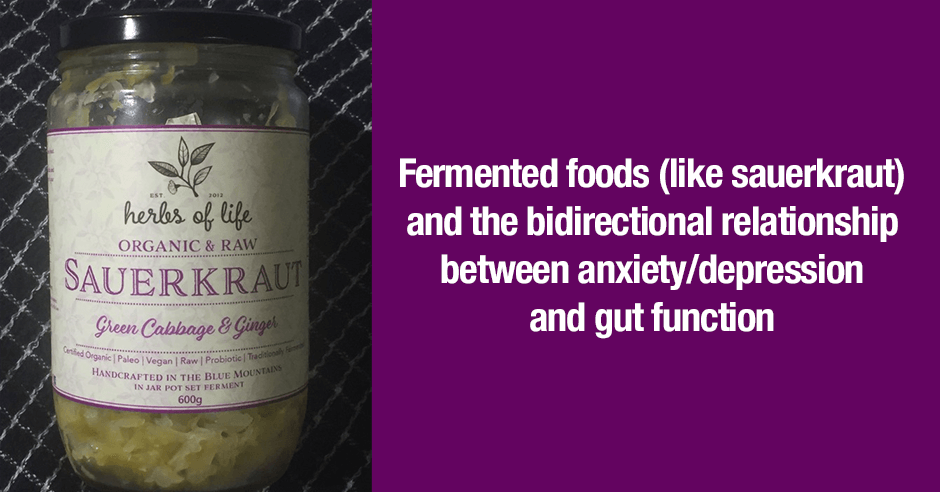
Fermented foods (like sauerkraut) and the bidirectional relationship between anxiety/depression and gut function

September 17, 2021 By Trudy Scott 6 Comments

fermented foods

Today’s blog is to whet your appetite (pun intended) with some snippets from my interview – Anxiety: Gut-Brain Communication & Diet – with Dr. David Perlmutter, author of Grain Brain and Brain Wash. In this interview we talk about fermented foods (like sauerkraut) and a study that highlights mechanisms underlying the  bidirectional relationship between anxiety/depression and gut function.

With anxiety at an all-time high and the ever-evolving research on the gut-brain connections we are relaunching the Anxiety Summit 5: Gut-Brain Axis summit on November 8-14, 2021. This interview is featured during the summit and is meaty (you’d expect nothing less from Dr. Perlmutter.)

The two-way connection between the gut and brain is powerful and needs to be explored and addressed if you have anxiety. Diet, fermented foods, reducing inflammation, addressing leaky gut (or intestinal permeability) and neurotransmitter support with amino acids are some of the ways that make a difference.

For the summit relaunch we have 4 incredible new guest expert interviews on sugar addiction, thiamine deficiency, trauma and the freeze response and safe tapering of SSRIs. And I have a new deep dive interview on glutamine, DPA and tyrosine for anxiety and sugar cravings/addiction. I’m excited to share it all with you!

For now, save the date and look out for the registration link in a few weeks. We’re in edit mode for the videos and transcripts, and getting all the backend setup done.

This is the first question I ask Dr. Perlmutter: I’d like to start with the microbiome and the fact that there is a bidirectional relationship between mental health and gut function. There’s a paper titled, Fermented foods, the gut and mental health: a mechanistic overview with implications for depression and anxiety published online late 2018 in The Journal of Nutritional Neuroscience. It highlights this important bidirectional relationship and the role of fermented foods. Can you share a little bit more about this and why this is important?

Before I share Dr. Perlmutter’s response, let me share a few quotes from the abstract of the paper:

  • Mental disorders including depression and anxiety are often comorbid with gut problems, suggesting a bidirectional relationship between mental health and gut function.
  • Several mechanisms might explain this comorbidity, such as inflammation and immune activation; intestinal permeability; perturbations in the hypothalamic-pituitary-adrenal axis; neurotransmitter/neuropeptide dysregulation; dietary deficiencies; and disturbed gut microbiome composition.
  • The potential of modulating the microbiome-gut-brain axis, and subsequently mental health, through the use of functional foods, is an emerging and novel topic of interest.
  • Fermented foods are considered functional foods due to their reputed health benefits.

The paper goes on to discuss food fermentation and summarizes how these foods “act biologically in the gastrointestinal tract and have the ability to modify the gut microbiota, influence translocation of endotoxins and subsequent immune activation, and promote host nutrition.” They are exploring their theoretical potential to improve symptoms of depression and anxiety in humans, saying more research is needed.

Dr. Perlmutter highlights various section of the paper and starts by sharing more about fermented foods and that we’ve been actively fermenting for thousands of years:

I think it’s first instructive to recognize that we’ve been actively fermenting foods for thousands of years as humans as a technique to preserve them, and allow us to travel with a food source. But beyond that, our ancestors prior to that would eat fermented foods. Fermentation is actually what happens to food when it’s left outside and is exposed to bacteria and begins the process of, dare I say, rotting. I don’t want that to be off putting to people who are going to hear the later part of our discussion dealing with eating fermented foods, because we have wonderful fermented foods that we eat these days.

He goes on to elaborate on what the paper terms functional foods. What this means is that these fermented foods have far-reaching health benefits for optimal health and for making us resistant to disease (i.e. improving our immunity):

The point is that the process of fermentation is basically a process of enrichment of food sources with bacteria. And what a notion that is, where we’re looking at the idea of eating a food that’s teeming with bugs, with germs, if you will. I say it that way, because it has such a negative connotation, but it really is what we want to do. These bacteria are involved in so many processes that deal with our health, and nurture our health, and our resistance to disease.

Some common examples of fermented foods are kimchi, sauerkraut, kefir (dairy kefir and water kefir), kombucha, and yogurt. Keep in mind, you can ferment many different vegetables. One of my favorites is cauliflower.

The paper also mentions inflammation as one possible mechanism for the bidirectional relationship between anxiety/depression and gut function, and Dr. Perlmutter discusses this in great detail, in the context of chronic health conditions. And he ties it all back to the microbiome:

From my perspective, of course, that has to do with the functionality of the brain, the way the brain remains healthy, and disease-free moving forward. And there are multiple mechanisms that relate to what’s going on in the gut to the brain. When we think of disease processes, most of what we are concerned about is the notion of inflammation, at least, in terms of a mechanism that relates to so many of the chronic degenerative conditions of the brain; be it Alzheimer’s, Parkinson’s, or even a non-chronic degenerative condition, which is autism is not necessarily considered to be progressive, but nonetheless at its heart, is in fact an inflammatory disorder.

So beyond that, of course, all of the chronic degenerative conditions that plague our planet, including heart disease, cancer, diabetes, the autoimmune conditions are at their very core, primarily inflammatory.

And let me be very clear that chronic degenerative conditions are ranked by the World Health Organization as the number one cause of death on planet Earth.

So we have to pay attention to anything that’s involved in the regulation of inflammation in the human body. And front and center right now in terms of gaining the spotlight, is the health of the gut bacteria, as well as its metabolites and it’s gene expression, collectively, we call that the microbiome.

The paper mentions intestinal permeability as another mechanism. Dr. Perlmutter covers the importance of the gut lining integrity and why it’s so important when it comes to anxiety, depression and the chronic diseases he mentions:

So we realize that the gut bacteria have a very important function, and that is to maintain the integrity of the gut lining.

And why would I, as a neurologist, give a hoot about the integrity of the gut lining? Quite categorically it’s because that is where inflammation in the body, in the long term, has its genesis. So, meaning we’ve got to have a strong gatekeeper at the lining of the gut to keep various gut-related proteins and other chemicals from making their way into the rest of the body, and challenging the immune system, upregulating the production of inflammatory chemicals that then do damage.

Dr. Perlmutter ends by discussing neurotransmitter dysregulation (also mentioned in the paper):

We know that our gut bacteria are involved in the manufacture of various neurochemicals, various neurotransmitters, serotonin, for example, dopamine, norepinephrine, epinephrine, [GABA], etcetera, that are primarily manufactured in the gut.

As a matter of fact, when it comes to serotonin, which certainly gains the spotlight; 90% is manufactured in the gut, another 9% is manufactured in the blood platelets, meaning that only 1% is actually manufactured in the brain, though, we call it a brain transmitter, a neurotransmitter. That said, the availability of the precursor for serotonin; the amino acid tryptophan, the availability of that even to the brain, is in fact controlled to a significant degree by actions of the gut microbes.

He wraps up by bringing in the microbiome, inflammation, chronic health conditions, anxiety and depression, and our lifestyle choices and diet (which includes foods such as fermented vegetables):

If we simply recognize that our gut bacteria are playing a massive role in regulating inflammation in the body, that’s enough, because our mission for the prevention of chronic degenerative conditions in the brain and out of the brain is controlling inflammation.

And it’s through the lens of the microbiome that we realize the detrimental or effectiveness of our food choices, and other lifestyle choices that can act to increase or balance inflammation. So it becomes extremely important.

The paper does discuss perturbations in the hypothalamic-pituitary-adrenal axis but we didn’t get into this during this interview. However, we do cover this in Dr. Peter Bongiorno’s interview on the summit.

Some of the recent research on specific fermented foods and mental health

Here is some of the recent research on specific fermented foods and mental health, where some or all of the above mechanisms may be a factor:

  • Kefir peptides exhibit antidepressant-like activity in mice through the BDNF/TrkB pathway
  • Effects of Fermented Milk Containing Lacticaseibacillus paracasei Strain Shirota on Constipation in Patients with Depression: A Randomized, Double-Blind, Placebo-Controlled Trial
  • Consumption of OLL1073R-1 yogurt improves psychological quality of life in women healthcare workers: secondary analysis of a randomized controlled trial (this improved mood, sleep and gastrointestinal health)
  • Possible use of fermented foods in rehabilitation of anorexia nervosa: the gut microbiota as a modulator

Some simple changes you can make

Here are some simple changes that be incorporated when you have anxiety or depression:

  • Include fermented foods and beverages in the diet (ideally on a daily basis). If you decide to include sauerkraut, you can make it yourself or buy it from the store. If you buy it ready-made, always make sure it’s raw and found in the refrigerated section. Vinegar should not feature on the label but do look for salt as this is used in the fermentation process. In the example I share above, the added ginger helps with digestion even further and is very delicious!
  • Eat a real whole foods diet with quality animal protein, healthy fats and organic vegetables and fruit (there is much research supporting dietary changes for improving mood and easing anxiety i.e. nutritional psychiatry)
  • Avoid inflammatory foods like gluten, sugar, processed foods/fast foods and foods that you have a sensitivity to
  • Address intestinal permeability if necessary (glutamine is my go-to nutrient for this and I take a deep dive into this amino acid in one of the new interviews on the summit)
  • Use targeted individual amino acids such as GABA to boost GABA (for physical anxiety symptoms) and tryptophan or 5-HTP to boost serotonin (for worry-type anxiety). You can do this while you are addressing underlying gut issues and making dietary changes. Keep in mind that these amino acids help you quit sugar, gluten and junk food at the same time as easing anxiety!

Resources if you are new to using the amino acids as supplements

If you are new to using the amino acids as supplements and want to know more, here is the Amino Acids Mood Questionnaire from The Antianxiety Food Solution and a brief overview here, Anxiety and targeted individual amino acid supplements: a summary.

If you suspect low neurotransmitters and do not yet have my book, The Antianxiety Food Solution – How the Foods You Eat Can Help You Calm Your Anxious Mind, Improve Your Mood, and End Cravings, I highly recommend getting it and reading it before jumping in and using amino acids so you are knowledgeable.

Do join us on the summit relaunch of Anxiety Summit 5: Gut-Brain Axis summit on November 8-14, 2021. Registration details coming soon.

And if you’d like to learn more about Dr. Perlmutter’s book, Brain Wash: Detox Your Mind for Clearer Thinking, Deeper Relationships, and Lasting Happiness (written with his son Dr. Austin Perlmutter), here is my review. In our interview on the summit, he shares about disconnection syndrome (and loneliness) and how our decision-making abilities have been compromised.

Are fermented foods and beverages included in your diet (and your family’s diet) on a daily basis? And what are your favorites?

Do you make your own fermented vegetables?

Have you observed mood and/or digestive improvements since including fermented foods in your diet?

If you are a practitioner, do you recommend fermented foods and discuss this bidirectional communication between the gut and the brain with your clients/patients?

Feel free to post your questions too.

Filed Under: Anxiety, Depression, Gut health, Inflammation Tagged With: amino acids, anxiety, anxiety summit, bidirectional, depression, diet, Dr. David Permutter, fermented foods, GABA, gut, gut-brain, Inflammation, intestinal permeability, leaky gut, mental health, neurotransmitter support, sauerkraut, serotonin, tryptophan

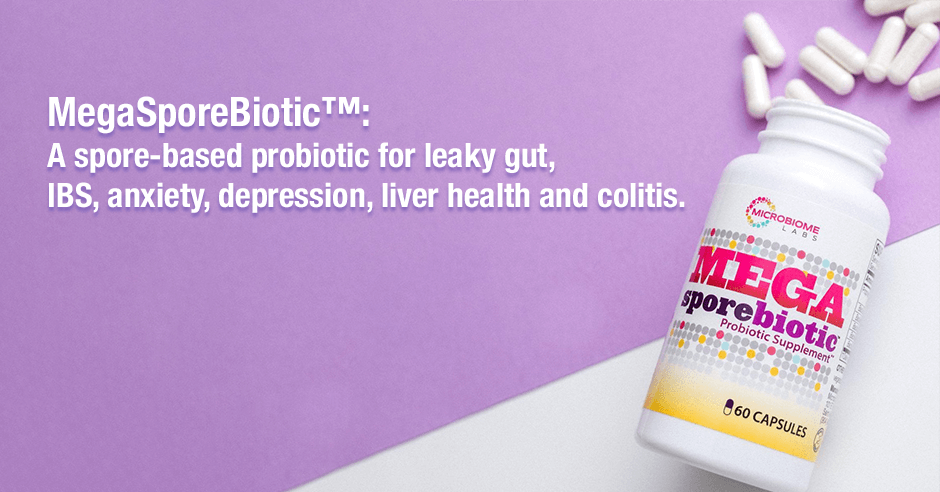
MegaSporeBiotic™: A spore-based probiotic for leaky gut, IBS, anxiety, depression, liver health and colitis

May 7, 2021 By Trudy Scott 44 Comments

megasporebiotic

MegaSporeBiotic™ is “a 100% spore-based broad-spectrum probiotic shown to maintain healthy gut barrier function” i.e. leaky gut. Research and clinical results show it is promising for irritable bowel syndrome (IBS) or SIBO (small intestinal bacterial overgrowth), recovery from liver injury caused by acetaminophen, and is protective in ulcerative colitis (an inflammatory bowel disease). Given the gut-brain connection and the fact that the majority of serotonin is produced in the gut, it’s not surprising that spore-based probiotics may also help ease anxiety and depression.

Here are some of the studies supporting this spore-based probiotic for gut issues:

  • Oral spore-based probiotic supplementation was associated with reduced incidence of post-prandial dietary endotoxin, triglycerides, and disease risk biomarkers

The key findings of the present study is that oral spore-based probiotic supplementation reduced symptoms indicative of “leaky gut syndrome”.

  • Bacillus spp. Spores-A Promising Treatment Option for Patients with Irritable Bowel Syndrome

The results demonstrated that patients treated with MegaSporeBiotic, compared with those treated with rifaximin followed by nutraceutical or low-FODMAP diet, had similar severity scores and rectal volume sensation test results for all parameters tested and statistically significant improvement in measurements of quality of life.

  • Probiotic Bacillus Spores Protect Against Acetaminophen Induced Acute Liver Injury in Rats

This is important because “Acetaminophen  is one of the most used analgesics [pain-reducing] and antipyretic [fever-lowering] agents in the world. Intoxication with acetaminophen is the main cause of acute liver toxicity in both the US and Europe.”

  • Probiotic Bacillus Spores Together with Amino Acids and Immunoglobulins Exert Protective Effects on a Rat Model of Ulcerative Colitis

Pretreatment with probiotic spore-forming Bacillus strains and a supplement of amino acids in combination with immunoglobulins exhibited anti-inflammatory and antioxidant effects in an AA-induced rat model of ulcerative colitis.

In one study, Bacillus coagulans (one of the spore-forming strains in MegaSporeBiotic™), when used alone was shown to help ease depression and gut problems in IBS patients. It was a randomised, double-blind, placebo controlled, multi-centre, pilot clinical study and:

The improvement in depression and IBS symptoms was statistically significant and clinically meaningful. These findings support B. coagulans MTCC 5856 as an important new treatment option for major depressive disorder in IBS patients.

During The Anxiety Summit 5: Gut-Brain Axis, I interviewed Kiran Krishnan who is a microbiologist, one of the founders of Microbiome Labs and a co-creator of MegaSporeBiotic™. He reminds us about the gut-brain connection and how anxiety and mental health issues come from the gut “because the vast majority of serotonin in your body – more than ninety percent of it – is actually produced in the gut” and not in the brain.

He talks about the type of cell in the gut that produces serotonin – the enterochromaffin cell – and the fact that “spore forming bacteria are some of the best stimulators of the enterochromaffin cell to produce serotonin.”

With low levels of serotonin you’ll experience the worry-type of anxiety with ruminations, obsessing, panic attacks, insomnia (often lying awake worrying). Other low serotonin symptoms include low mood/depression, late afternoon and evening carbohydrate cravings, pain, PMS, irritability, rage and anger, TMJ, low confidence, imposter syndrome and perfectionism. This type of low-serotonin anxiety is different from the low GABA physical/tension type anxiety.

These cells also play a crucial role in gastrointestinal regulation, particularly intestinal motility. We know low serotonin also contributes to digestive/IBS-type symptoms.

You can see a list of all the low serotonin symptoms here.

Brandy’s positive feedback on digestive issues and mental health

Brandy Oto, a marriage, couple and family counselor, incorporates  an integrative nutrition approach with her clients and she shares this:

MegaSporeBiotic™ makes a HUGE difference in my body! I have used every probiotic I can think of. Megaspore has not only resolved my digestive issues and allows me regular bowel movements, I find my mental health is much better! I have decided to use it in my practice as well now. Clients consistently report better mental health!

I asked her how quickly she notices an improvement when using MegaSporeBiotic™ and what aspects of mental health improve for her and her clients. She shares this:

I personally notice physical and mental anxiety decrease usually about 4-5 days, bowel movements easy within a couple days, ability to tolerate foods I was sensitive to after 6 or so months on them.

Clients report all types of improvements from anxiety, depression, to digestive issues improving. I have even heard from one client that when she gets off the probiotic symptoms of schizophrenia return.

In Brandy’s mental health practice, she does use amino acids to address neurotransmitter deficiencies too (for example tryptophan or 5-HTP to address low serotonin symptoms like worry, fear, panic attacks). She uses this spore-based probiotic to address underlying issues that cause those deficiencies.

It’s not one or the other – the probiotics and amino acids are part of a comprehensive plan.

Not everyone raves about this probiotic and some folks report it either does nothing for them or is too strong for them. So, as with everything, it’s very individualized.

How do spore-based probiotics differ from other probiotics?

During the Anxiety Summit interview with Kiran, he explains how they differ from other probiotics and why this is important for them to get into the gut:

These are organisms that have a unique capability of covering themselves in a thick calcified protein-like coating. So it’s armor, essentially, around the bacterial cell.

This allows these bacteria to come in through the gastric system, through the oral route, and survive the gauntlet that bacteria have to go through just getting through the process of digestion.

So the first step is the stomach acid. The stomach acid is called the gastric barrier and that’s because it acts as an actual physical barrier through the function of hydrochloric acid to try to kill off as many microbes that are trying to enter the system through food and other exposure.

If something gets past the stomach acid then the second piece of the gauntlet are the bile salts. Bile salts are released into the duodenum itself. Those are very strong antimicrobials and part of their function is to act as an antimicrobial to protect the system against a lot of bacteria coming in on a regular basis.

And then the last part is the pancreatic enzymes that help you digest your food – they also act as antimicrobials.

So there’s this really difficult gauntlet that the microbes that are entering the system through the oral route have to go through in order to make it past these initial systems to get to the site of action in the deeper part of the intestines where they’re supposed to function as a probiotic.

These spores have developed this unique, natural capability of covering themselves in this armor which allows them to survive through all of that.

This study, Survival and persistence of Bacillus clausii in the human gastrointestinal tract following oral administration as spore-based probiotic formulation confirms the above for one particular strain and concludes that “Bacillus clausii spores survive transit through the human gastrointestinal tract.”

Where can I buy MegaSporeBiotic™?

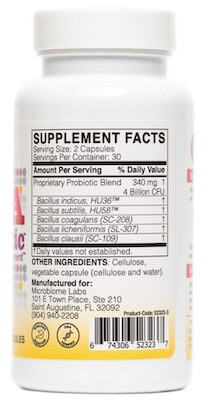
megasporebiotic supplement facts

These are the spore-based bacteria contained in the MegaSporeBiotic™ product: Bacillus Licheniformis, Bacillus Indicus HU36™, Bacillus Subtilis HU58™, Bacillus Clausii and Bacillus Coagulans.

You can purchase MegaSporeBiotic™ directly from Microbiome Labs once you have set up an account with them under my name. Use this link (and make sure the Direct2Patient™ Code says tscott).

You can also read more about the product on the Microbiome Labs site here.

If you already have an account with Fullscript, my online supplement store, you can purchase from there too.

If you don’t yet have an account with Fullscript you can read more about how to set up an account here.

Let us know if you’ve used MegaSporeBiotic™ with success and how it helped you with anxiety, depression and/or gut and liver health.

Let us know if you’ve used another spore-based probiotic and which one? Or do you have a favorite probiotic that is not spore-based?

I’m going to a product review like this once a month so please let me know if you like this format with research, feedback and mechanisms.  And let me know what other products you’d like me to review.

Feel free to post your questions here too.


Filed Under: Anxiety, Depression, Gut health, serotonin Tagged With: acetaminophen, amino acids, anxiety, Bacillus clausii, bacillus coagulans, colitis, depression, enterochromaffin, IBS, Kiran Krishnan, leaky gut, liver, MegaSporeBiotic™, Microbiome Labs, probiotics, serotonin, SIBO, spore-based probiotic

Delayed IgG food sensitivities: depression and anxiety due to inflammation, leaky gut, leaky blood brain barrier and low serotonin

July 20, 2018 By Trudy Scott 7 Comments

It’s really encouraging and exciting to see a major study confirming what we’ve known about IgG food sensitivities or IgG food reactivity for years, and also reporting a link to irritable bowel syndrome (IBS) and depression. The paper, published in May this year, The Food-Specific Serum IgG Reactivity in Major Depressive Disorder Patients, Irritable Bowel Syndrome Patients and Healthy Controls states

There is an increasing amount of evidence which links the pathogenesis of irritable bowel syndrome (IBS) with food IgG hyperreactivity. Some authors have suggested that food IgG hyperreactivity could be also involved in the pathophysiology of major depressive disorder (MDD).

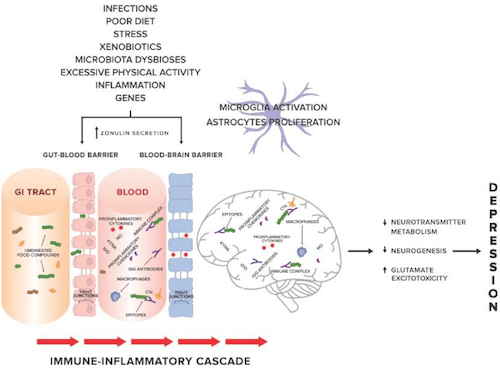
The following diagram and excerpt illustrates the gut-immune-inflammatory-brain model for depression that is associated with food IgG hyperreactivity or sensitivity.

The gut-immune-inflammatory-brain model for Major Depressive Disorder associated with food IgG hyperreactivity. According to the hypothesis proposed in our previous work, we present a possible mechanism underlying the MDD [major depressive disorder] development, suggesting that the interplay between genetic and environmental factors may lead to disruption of tight junctions, the loss of their integrity and both gut and BBB [blood brain barrier] permeability. Undigested food compounds, which would normally break down in the gut, translocate into the blood circulation, and trough epitopes combine with food IgG antibodies to form immune complexes. This, in turn, provokes an abnormal response and triggers immune-inflammatory cascade. Uncontrolled release of the proinflammatory mediators may contribute to low-grade systemic inflammation and low-grade neuroinflammation, which, via pathological processes in CNS [central nervous system], i.e., changes in neurotransmitter metabolism, neurogenesis, glutamate excitotoxicity, may in consequence induce and then maintain and prolong depression.

[diagram and excerpt from The Food-Specific Serum IgG Reactivity in Major Depressive Disorder Patients, Irritable Bowel Syndrome Patients and Healthy Controls]

I wrote my book, The Antianxiety Food Solution, in 2011 and there wasn’t research on the gut-immune-inflammatory-brain model, but I do write extensively about delayed IgG food sensitivities (as well as other types of food issues). If you don’t have my book I’m including some of the highlights related to this (and I encourage you to pick up a copy too!). If you do have my book I hope this next section encourages you to go back and read chapter 4 again (and even check out the other books I mention below).

I write about how with delayed food reactions, it may take a few hours to several days before symptoms appear, which can make it difficult to identify the offending food or foods. In these reactions, the body responds by creating a type of antibody known as IgG (immunoglobulin G).

I also write about how food sensitivities can have effects beyond physiological symptoms, including creating imbalances in key chemicals in the brain, which can cause anxiety, phobias, depression, irritability, and mood swings. When food sensitivities have these effects, they are sometimes termed “brain allergies” or “cerebral allergies.” Dr. Carl Pfeiffer wrote extensively about this and used these terms in his wonderful book, Nutrition and Mental Illness, way back in 1987. (This book is a quick read and is one of my favorite older books on the subject of mental health and biochemical imbalances.)

I also reference the work of my colleague and friend, clinical nutritionist Liz Lipski. In her 2004 book, the 3rd edition of Digestive Wellness she shares that

24 percent of American adults claim they have delayed food and environmental reactions.

She feels that these sensitivities are often the result of leaky gut syndrome, a condition characterized by damage to the microvilli lining the intestinal walls. This allows undigested food particles to travel across the intestinal wall and into the blood, where the immune system responds to them as foreign, harmful substances and creates antibodies to neutralize them.

All this sounds very similar to what the new study is reporting doesn’t it? I’d prefer it not to take so long for the knowledge from as far back as 1987 to get into mainstream journals but it’s the world we live in and we can just appreciate that we are moving forward and in the right direction!

The 2018 paper mentioned above concludes the following:

Our findings suggest more common food-specific serum IgG hyperreactivity among patients with IBS and MDD [major depressive disorder], which may be one of the mechanisms leading to the development of immune activation and low-grade inflammation observed in these disorders.

They do support an elimination diet for IBS but not for depression:

There is no causal relationship which could confirm clinical utility of an elimination diet in patients with depression

I do love research, but this really bothers me as it’s just common-sense and we do have some case studies supporting the use of elimination diets. In this case study the patient’s “treatment-resistant” depression improved considerably with an elimination diet, with similar results in another case study where a gluten-free elimination diet improved both anxiety and depression and everyday functioning.

In the meantime, we’ll continue to rely on the wisdom of practitioners like Dr. Pfeiffer and Liz Lipski, and all the clinical evidence showing how an elimination diet does help with both depression and anxiety. Just read some of the success stories on this blog – Paleo and grain free diets: anxiety and depression success stories.

Other mechanisms: nutrient malabsorption and serotonin production

There are other mechanisms that I also cover in my book – nutrient malabsorption and a more direct impact on serotonin production.

One possible mechanism is indirect effects of gastrointestinal damage due to eating problem foods, resulting in nutrient malabsorption. In a 2009 double blind placebo-controlled study:

65 celiac patients aged 45-64 years on a strict gluten-free diet for several years [and showing signs of low folate, low vitamin B12 and low vitamin B6] were randomized to a daily dose of 0.8 mg folic acid,0.5 mg cyanocobalamin and 3 mg pyridoxine or placebo for 6 months

I doubt folic acid or this form of B12 would be used today but even with these forms at these low doses, the study participants showed homocysteine in a good range and reported improvement in general well-being – after just 6 months of supplementation.

Another possible mechanism is the fact that gluten sensitivity and the resulting damage to the gut can limit the availability of tryptophan and therefore lead to decreases in levels of serotonin. Research published in 2005, Gluten-free diet may alleviate depressive and behavioural symptoms in adolescents with coeliac disease: a prospective follow-up case-series study, reports that:

serotonergic dysfunction due to impaired availability of tryptophan may play a role in vulnerability to depressive and behavioral disorders among adolescents with untreated coeliac disease

In addition to removing the foods that are causing the sensitivities, you need to heal the gut and boost serotonin levels with a targeted individual amino acid like tryptophan.

Give the link between anxiety and depression, all of the above could apply if you have anxiety too.

Have you had IgG food sensitivity testing and found that an elimination diet helped reduce your depression or anxiety symptoms?

Filed Under: Depression Tagged With: anxiety, blood brain barrier, celiac, depression, gluten, IgG, leaky BBB, leaky gut, serotonin, tryptophan

Oxalates and leaky gut for Anxiety: Webinar replay

December 30, 2016 By Trudy Scott 21 Comments

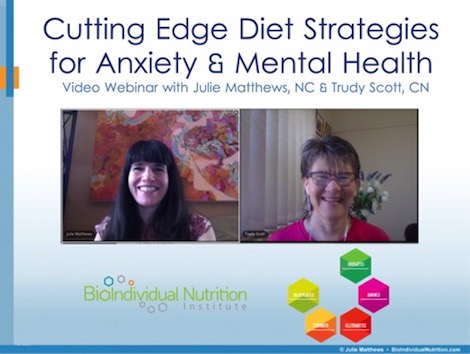
Just a quick reminder in case you missed this over the New year weekend. You can still listen to the webinar replay from last week: Live Case studies, Q & A, and Special Diet Strategies for Anxiety – with myself and Julie Matthews

Tune in to hear live case studies on how we use special therapeutic diets and bioindividual nutrition strategies with complex clients who have anxiety, other mood issues and various related health problems.

I was my own case study and shared my own oxalate issue in detail (for the very first time) so you can learn in detail about this special diet and how these healthy foods that are high in oxalates caused me excruciating foot pain.

Here is the summary:

  • In 2013 I was on my feet speaking often 3 full days in a row at conferences
  • Exhibiting at conferences like American Public Health
  • Terrible foot pain (+ sharp hip pain in that same year)
    • burning pain (like hot coals) and sharp (like shards of glass)
    • standing on them and while lying in bed
    • one event: had to crawl back to bed from the bathroom
  • My travel food was all high oxalate foods:
    • Smoothies with berries (I took a blender when I travelled)
    • Nuts to snack on
    • Kale chips

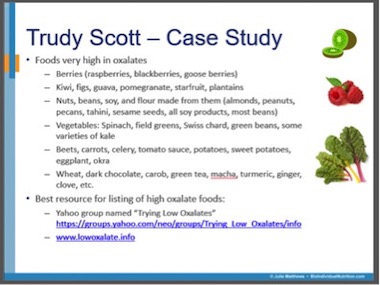
Here is are the high oxalate foods:

And this is how I figured out the issue and what I did about it (with a few dietary changes):

  • Heard Julie present at WAPF conference
  • Light bulb: pain and oxalates!
  • Picked Julie’s brain about my feet pain and oxalates
  • Consult with Julie – I went salicylate free and oxalate free
  • It was the oxalates – I knew in 2 weeks!
  • Pyroluria connection – I have pyroluria and low vitamin B6 is a factor with oxalates
  • My oxalate results on OAT – nothing showed up
  • If I am exposed by mistake
    • I feel irritable
    • A sense of growing pain in my feet (in about 30 minutes)
  • I always have calcium citrate on hand – sorts me out in a few minutes
  • Concerns about everyone consuming green smoothies and baking with nut flours (oxalates and copper issues)
  • Decided to do the Bioindividual Nutrition Program to really learn about these special therapeutic diets
  • Julie is THE person to teach this!

During the webinar Julie shared her expertise on low oxalate diets and the lab testing, and shared a new powerful case study from her practice – Luka’s story is just heartwarming!

Julie also discusses the science behind these cutting edge therapeutic diet approaches which also include low phenol, low amine, low glutamate and low FODMAPs – and how so much of this can be applied to anxiety, depression and other chronic health conditions.

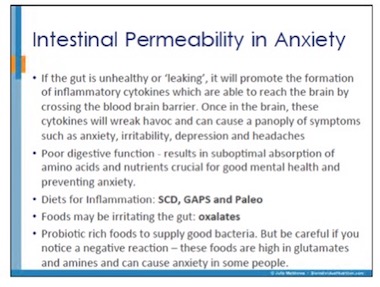
Here is a slide that covers leaky gut or intestinal permeability and anxiety – and special diets to consider:

The Q&A was excellent (thanks to all of you who attended live and asked questions).

You can register here for access to the replay (this is geared towards practitioners is open for all to listen in and learn + would be great to share with your practitioner if you’re not one)

Julie shared more about the BioIndividual Nutrition Training winter enrollment for practitioners. If you are a practitioner and already know you want to do the BioIndividual Nutrition Training training here is that link to check it out and register.

I highly recommend the training! As I mentioned, it helped me personally and now I use this information with the anxious women I work with and their families. I have also found the connection and sharing amongst the community of practitioners to be an invaluable aspect of joining the program.


PS. Even if you’re not a practitioner, many non-practitioners choose to listen in to these types of calls in order to learn. Feel free to do the same or to pass on to your practitioner so they can learn and then further help you. I also like to share this type of call with my entire community because I know many of you are aspiring health coaches, nutritionists and nutritional psychologists.

PPS. Julie also offers a version of this training to mom’s who want to learn for themselves and their families. Feel free to reach out to them at info [at] bioindividualnutrition.com if you’re interested.

Filed Under: Events Tagged With: bioindividual nutrition, Julie Matthews, leaky gut, oxalates, therapeutic diets

  • Page 1
  • Page 2
  • Go to Next Page »

Primary Sidebar

NEW! GABA QuickStart Homestudy (with special intro pricing)

gaba quickstart homestudy

Free Report

9 Great Questions Women Ask about Food, Mood and their Health

You'll also receive a complimentary subscription to my ezine "Food, Mood and Gal Stuff"


Connect with me

Popular Posts

  • Amino Acids Mood Questionnaire from The Antianxiety Food Solution
  • The Antianxiety Food Solution Amino Acid and Pyroluria Supplements
  • Pyroluria Questionnaire from The Antianxiety Food Solution
  • Collagen and gelatin lower serotonin: does this increase your anxiety and depression?
  • Tryptophan for the worry-in-your-head and ruminating type of anxiety
  • GABA for the physical-tension and stiff-and-tense-muscles type of anxiety
  • The Antianxiety Food Solution by Trudy Scott
  • Seriphos Original Formula is back: the best product for anxiety and insomnia caused by high cortisol
  • Am I an anxious introvert because of low zinc and vitamin B6? My response to Huffington Post blog
  • Vagus nerve rehab with GABA, breathing, humming, gargling and key nutrients

Recent Posts

  • What do I use instead of Seriphos to help lower high cortisol that is affecting my sleep and making me anxious at night?
  • BeSerene™ GABA/theanine cream eases severe muscle tension in her neck/shoulders, prevents her bad headaches and quells her anxiety
  • How the correct approach, dose and sublingual use of GABA can be calming and not cause a flushed and itchy face and neck
  • The amino acid glutamine improves low mood by addressing gut health, and it has calming effects too
  • Flight anxiety with heightened breath, physical tension and also fearing the worst (the role of low GABA and low serotonin)

Categories

  • 5-HTP
  • AB575
  • Addiction
  • ADHD
  • Adrenals
  • Alcohol
  • Allergies
  • Alzheimer's disease
  • Amino Acids
  • Anger
  • Antianxiety
  • Antianxiety Food Solution
  • Antidepressants
  • Anxiety
  • Anxiety and panic
  • Autism
  • Autoimmunity
  • benzodiazapines
  • Bipolar disorder
  • Books
  • Caffeine
  • Cancer
  • Candida
  • Children/Teens
  • Collagen
  • Cooking equipment
  • Coronavirus/COVID-19
  • Cravings
  • Depression
  • Detoxification
  • Diabetes
  • Diet
  • DPA/DLPA
  • Drugs
  • EFT/Tapping
  • EMF
  • EMFs
  • Emotional Eating
  • Endorphins
  • Environment
  • Essential oils
  • Events
  • Exercise
  • Fear
  • Fear of public speaking
  • Fertility and Pregnancy
  • Fish
  • Food
  • Food and mood
  • Functional neurology
  • GABA
  • Gene polymorphisms
  • General Health
  • Giving
  • Giving back
  • Glutamine
  • Gluten
  • GMOs
  • Gratitude
  • Gut health
  • Heart health/hypertension
  • Histamine
  • Hormone
  • Hyperparathyroidism
  • Hypoglycemia
  • Immune system
  • Inflammation
  • Insomnia
  • Inspiration
  • Introversion
  • Joy and happiness
  • Ketogenic diet
  • Lithium orotate
  • Looking awesome
  • Lyme disease and co-infections
  • MCAS/histamine
  • Medication
  • Men's health
  • Mental health
  • Mercury
  • Migraine
  • Mold
  • Movie
  • MTHFR
  • Multiple sclerosis
  • Music
  • NANP
  • Nature
  • Nutritional Psychiatry
  • OCD
  • Osteoporosis
  • Oxalates
  • Oxytocin
  • Pain
  • Paleo
  • Parasites
  • Parkinson’s disease
  • PCOS
  • People
  • PMS
  • Postpartum
  • PTSD/Trauma
  • Pyroluria
  • Questionnaires
  • Real whole food
  • Recipes
  • Research
  • Schizophrenia
  • serotonin
  • SIBO
  • Sleep
  • Special diets
  • Sports nutrition
  • Stress
  • Sugar addiction
  • Sugar and mood
  • Supplements
  • Teens
  • Testimonials
  • Testing
  • The Anxiety Summit
  • The Anxiety Summit 2
  • The Anxiety Summit 3
  • The Anxiety Summit 4
  • The Anxiety Summit 5
  • The Anxiety Summit 6
  • Thyroid
  • Thyroid health
  • Toxins
  • Tryptophan
  • Tyrosine
  • Uncategorized
  • Vegan/vegetarian
  • Women's health
  • Yoga

Archives

  • October 2025
  • September 2025
  • August 2025
  • July 2025
  • June 2025
  • May 2025
  • April 2025
  • March 2025
  • February 2025
  • January 2025
  • November 2024
  • October 2024
  • September 2024
  • August 2024
  • July 2024
  • June 2024
  • May 2024
  • April 2024
  • March 2024
  • February 2024
  • January 2024
  • December 2023
  • November 2023
  • October 2023
  • September 2023
  • August 2023
  • July 2023
  • June 2023
  • May 2023
  • April 2023
  • March 2023
  • February 2023
  • January 2023
  • December 2022
  • November 2022
  • October 2022
  • September 2022
  • August 2022
  • July 2022
  • June 2022
  • May 2022
  • April 2022
  • March 2022
  • February 2022
  • January 2022
  • December 2021
  • November 2021
  • October 2021
  • September 2021
  • August 2021
  • July 2021
  • June 2021
  • May 2021
  • April 2021
  • March 2021
  • February 2021
  • January 2021
  • December 2020
  • November 2020
  • October 2020
  • September 2020
  • August 2020
  • July 2020
  • June 2020
  • May 2020
  • April 2020
  • March 2020
  • February 2020
  • January 2020
  • December 2019
  • November 2019
  • October 2019
  • September 2019
  • August 2019
  • July 2019
  • June 2019
  • May 2019
  • April 2019
  • March 2019
  • February 2019
  • January 2019
  • December 2018
  • November 2018
  • October 2018
  • September 2018
  • August 2018
  • July 2018
  • June 2018
  • May 2018
  • April 2018
  • March 2018
  • February 2018
  • January 2018
  • December 2017
  • November 2017
  • October 2017
  • September 2017
  • August 2017
  • July 2017
  • June 2017
  • May 2017
  • April 2017
  • March 2017
  • February 2017
  • January 2017
  • December 2016
  • November 2016
  • October 2016
  • September 2016
  • August 2016
  • July 2016
  • June 2016
  • May 2016
  • April 2016
  • March 2016
  • February 2016
  • January 2016
  • December 2015
  • November 2015
  • October 2015
  • September 2015
  • August 2015
  • July 2015
  • June 2015
  • May 2015
  • April 2015
  • March 2015
  • February 2015
  • January 2015
  • December 2014
  • November 2014
  • October 2014
  • September 2014
  • August 2014
  • July 2014
  • June 2014
  • May 2014
  • April 2014
  • March 2014
  • February 2014
  • January 2014
  • December 2013
  • November 2013
  • October 2013
  • September 2013
  • August 2013
  • July 2013
  • June 2013
  • May 2013
  • April 2013
  • March 2013
  • February 2013
  • January 2013
  • December 2012
  • November 2012
  • October 2012
  • August 2012
  • July 2012
  • June 2012
  • May 2012
  • April 2012
  • March 2012
  • February 2012
  • January 2012
  • December 2011
  • November 2011
  • October 2011
  • September 2011
  • August 2011
  • July 2011
  • June 2011
  • May 2011
  • April 2011
  • March 2011
  • February 2011
  • January 2011
  • December 2010
  • October 2010
  • September 2010
  • July 2010
  • May 2010
  • April 2010
  • March 2010
  • February 2010
  • January 2010
  • November 2009

Share the knowledge!

The above statements have not been evaluated by the Food and Drug Administration. Products listed in this website are not intended to diagnose, treat, cure or prevent any disease.

The information provided on this site is for informational and educational purposes only and is not intended as a substitute for advice from your physician or other health care professional. You should consult with a healthcare professional before starting or modifying any diet, exercise, or supplementation program, before taking or stopping any medication, or if you have or suspect you may have a health problem.


Copyright © 2026 Trudy Scott. All Rights Reserved. | Privacy | Terms and Conditions | Refund Policy | Medical Disclaimer

Free Report

9 Great Questions Women Ask about Food, Mood and their Health

You’ll also receive a complimentary subscription to my ezine “Food, Mood and Gal Stuff”