• Skip to primary navigation
  • Skip to main content
  • Skip to primary sidebar

everywomanover29 blog

Food, Mood and Women's Health – Be your healthiest, look and feel great!

  • Blog
  • About
  • Services
  • Store
  • Resources
  • Testimonials
  • The Book
  • Newsletter
  • Contact
  • Search this site

GABA

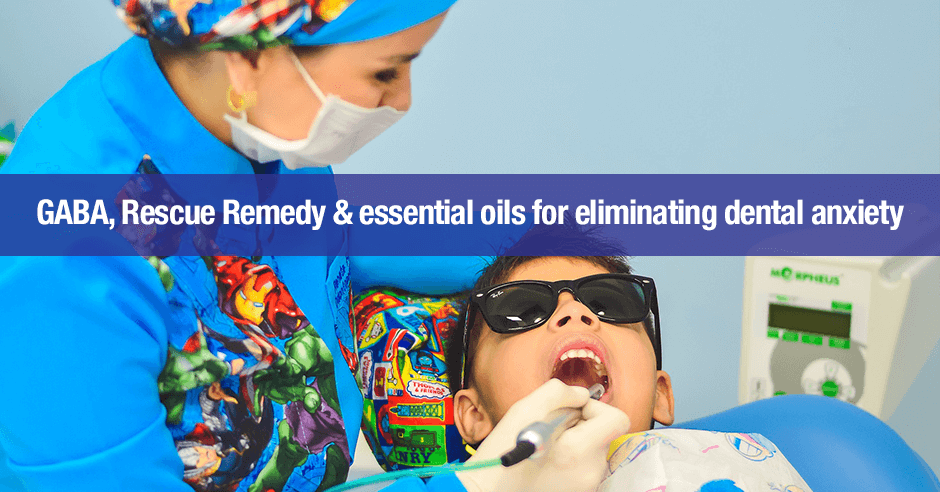
GABA, Rescue Remedy & essential oils for eliminating dental anxiety

September 20, 2019 By Trudy Scott 8 Comments

dental anxiety

Have you used GABA to help with the anxiety you experience when going to the dentist or with one of your children who are fearful during a dental visit? I recently shared a comment on Facebook about how delighted I was with some of the feedback from Integrative Medicine for Mental Health attendees for my recent GABA presentation. I had a mom, Katie, respond and share how happy she was that GABA helped her 8 year old son on a trip to the dentist. She shared this:

My 8 year old has some anxiety, OCD-like tendencies, and sensory processing issues. Going to the dentist is extremely difficult. They recommended full sedation, which I refused. Instead, I brought his GABA, Rescue Remedy, and essential oils. He got 2 cavities filled like a champ!

I had forgotten the GABA at first and he was struggling. I stopped the dentist, gave my son a GABA lozenge to dissolve in his mouth, and within 30 seconds he was calm. The dentist was SO impressed. It really does work! I’m so grateful I learned about it from you!

GABA really does work this quickly – 30 seconds is not unusual – and this effectively and I was thrilled for this mom and her son.

A few other moms asked about which GABA product Katie used for her son, which one I recommend, and can GABA be used with children.

I like GABA Calm for kids and adults for the physical type of tension anxiety. When using with a child we want to start low and slowly increase. I’ll have the mom start them on one quarter (or sometimes less) of the GABA Calm product (which contains 125mg of GABA) and increase based on the trial and how their symptoms improve.
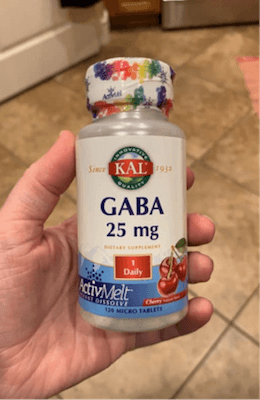
kal gaba

Katie used a 25mg GABA product by Kal, pictured here. I really like that it’s a nice low amount and that it uses what they call ActivMelt™ technology, so it melts in the mouth. Using GABA this way or sublingually or opening a capsule of a GABA-only product and holding it in the mouth is the most effective way to use GABA.

Depending on sensitivity issues you may need to test it out and consider some of the other ingredients if you notice tummy upset or something else.

Rescue Remedy and an essential oil blend

Katie also shared this about the Rescue Remedy and essential oil blend she used when they arrived (before giving him GABA):

The Rescue Remedy was very helpful. We use it on the whole family. For oils, I used a blend called Tranquility from Butterfly Express.

I had him inhale the oil plus applied it behind his ears and on the carotid artery on his neck. The dental assistant commented on how good that oil works because she felt really relaxed and calm.

I find GABA to be more effective so start there but many moms like Katie, find Rescue Remedy, a Bach Flower remedy, to help. I remember using Rescue myself, many years ago before I had discovered GABA.

The Tranquility blend contains: Blue Tansy, Geranium, Chamomile German, Lavender Officinalis, Palmarosa, Patchouli, Orange Sweet, Tangerine, and Ylang Complete. I’m not familiar with this company but the essential oils in this blend are wonderful.

Both of these – the oils and Rescue remedy – helped initially but it seems it was the GABA that gave him the most effective calming relief.

Anxiety nutritional solutions resources for dentists

Going to the dentist can be stressful at the best of times and downright terrifying in some instances and I want kids and adults alike to know they have options like this.

Now, let’s get my book, The Antianxiety Food Solution, into the hands of all dentists so they can help their anxious and fearful patients with GABA and other nutritional approaches!

And let’s also talk to the dentist about diffusing calming essential oils in the treatment and/or waiting rooms or at least encouraging their patients to bring their own blends.

Tryptophan or 5-HTP if there is a dental phobia,  intense fear or OCD-like tendencies

Keep in mind that serotonin support with tryptophan or 5-HTP should also be considered if there is a phobia and fear that is so intense, the child won’t even go to the dentist. Katie mentions her son has OCD-like tendencies too and serotonin support helps with these symptoms as does a gluten-free diet in many children (as illustrated by this case study).

Both GABA and serotonin support can help with post-dental pain and so can DPA/d-phenylalanine.

Additional resources when you are new to using GABA or other amino acids as supplements

We use the symptoms questionnaire to figure out if low GABA (indicating a possible need for GABA or theanine) or low serotonin (indicating a need for tryptophan or 5-HTP) or low endorphins (indicating a possible need for DPA) or other neurotransmitter imbalances may be an issue for you.

If you suspect low levels of any of the neurotransmitters and do not yet have my book, The Antianxiety Food Solution – How the Foods You Eat Can Help You Calm Your Anxious Mind, Improve Your Mood, and End Cravings. I highly recommend getting it and reading it before jumping in and using amino acids on your own so you are knowledgeable. And be sure to share it with the practitioner/health team you or your loved one is working with.

There is an entire chapter on the amino acids and they are discussed throughout the book in the sections on gut health, gluten, blood sugar control, sugar cravings, anxiety and mood issues. The importance of quality animal protein and healthy fats is also covered.

The book doesn’t include product names (per the publisher’s request) so this blog, The Antianxiety Food Solution Amino Acid and Pyroluria Supplements, lists the amino acids that I use with my individual clients and those in my group programs.

If, after reading this blog and my book, you don’t feel comfortable figuring things out on your own (i.e. doing the symptoms questionnaire and respective amino acids trials), a good place to get help is the GABA QuickStart Program (if you have low GABA symptoms). This is a paid online/virtual group program where you get my guidance and community support. Another option is the budget-friendly GABA QuickStart Homestudy program.

If you also need serotonin support, the Serotonin QuickStart Program is a good place to get help. This is also a paid online/virtual group program where you get my guidance on using tryptophan and 5-HTP safely, and community support during 5 LIVE Q&A calls. You can sign up to be notified when the next live launch of this program is happening.

If you are a practitioner, join us in The Balancing Neurotransmitters: the Fundamentals program. This is also a paid online/virtual program with an opportunity to interact with me and other practitioners who are also using the amino acids.

Now I’d like to hear from you …

Thank you Katie for sharing on Facebook and giving me permission to share your son’s GABA dentist story here. Well done for getting your dentist on board with both the essential oils and GABA.

Have any of the above helped your dental anxiety or fears? Or helped with fears and phobias your children have experienced going to the dentist?

If you are a dentist have you found any of the above helps your patients?
 

Filed Under: Uncategorized Tagged With: anxiety, Bach Flower, child, dental, dentist, essential oils, fear, GABA, gluten, KAL, serotonin, trial, tryptophan

How high to go on GABA for sleep issues and what are the negative effects of too much tyrosine?

September 13, 2019 By Trudy Scott 12 Comments

gaba and sleep issues

How high to go on GABA for sleep issues and what are the negative effects of too much tyrosine?

Today I’m sharing a great question I received about sleep issues – how high to go on GABA and what are the negative effects of too much tyrosine – together with my feedback because it’s not always a simple answer.

Here is the question about sleep, GABA and tyrosine:

I find I need more than the 500mg of sublingual Gaba Calm for sleep even with 200mg theanine. What dose can I go up to. Took a while to work up to that dose. I want to get away from sleeping tablets. Also what are the negative effects of too much tyrosine that comes with this product?

GABA Calm contains both GABA (125mg) and tyrosine (25mg) and it’s one of my most recommended products for anxiety. It sometimes works for insomnia and sometimes it doesn’t.

GABA and feeling stiff and tense with insomnia and anxiety

As you may know, with sleep issues caused by low GABA levels you’ll often lie awake with feelings of physical tension and stiff muscles rather than the ruminating thoughts which is the low serotonin type of insomnia – although it’s not uncommon to experience both. You may also have the stiff-and-tense type of anxiety, panic attacks and the need to self-medicate to calm down, often with alcohol but sometimes with carbs and sugary foods. By using the amino acid GABA you can raise your GABA levels and ease many of these symptoms.

Tyrosine can be stimulating and can be calming

Tyrosine is a considered a stimulating amino acid that is the precursor for making catecholamines (one of the neurotransmitters) like dopamine, epinephrine and norepinephrine. Boosting these neurotransmitters provides focus, increased energy and more motivation, and can also alleviate some forms of “curl-up-in-bed” depression.

Conversely tyrosine can also provide a sort of calm focus for some folks.

How much GABA and how much tyrosine?

Keeping all the above in mind, here is my feedback: 500mg of GABA is a large dose when starting out and is typically too high for most people, causing a light-headed feeling and sometimes a niacin-like flush. For this reason, it was good to hear that she worked up to that dose of GABA, found in 4 of the GABA Calm tablets i.e. 125mg of GABA for each one.

When my clients get up to multiple GABA Calm tablets I will often have them switch to a GABA-only product or a GABA/theanine product (opened up onto the tongue and held there for 2 minutes or longer) as the tyrosine can be stimulating. Some folks do fine on a small amount of tyrosine in the evening so 1-2 GABA Calm may be fine but more than that and it can be too much and may need to be avoided.

Taking 4 x GABA Calm tablets also provide a hefty dose of sugar alcohols which could cause diarrhea.

As far as using higher amounts of GABA, I have clients increase as long as they are seeing added benefits. I have had some clients go up to 1000-2000mg but more than this is rare. Theanine can often also be increased up to around 1000mg.

Here are some clues to look out for:

  • too tired in the day → too much GABA or too much theanine?
  • too tired in the day → too little GABA or too little theanine causing disturbed sleep?
  • too tired in the day → not enough tyrosine?
  • not able to sleep well → too little GABA or theanine?
  • not able to sleep well → too much tyrosine (at night or even mid-afternoon)?
  • calm energy → just enough tyrosine
  • sleep well → just enough GABA and/or theanine

There is research supporting that a GABA/theanine combination can improve sleep and that a GABA/5-HTP combination can too. There is no research on GABA Calm and insomnia but in practice it works for some people at night and not for others.

I’m sure you can agree with me that it’s not always simple and there can never be one size fits all. This doesn’t work: “Since you have insomnia take 2 GABA Calm and I’ll see you in a month” or even “This 250mg GABA with 100mg theanine will sort out your sleep issues in no time.”

It’s always a matter of figuring out what your own unique needs are.

Looking for other root causes of your insomnia

If my clients are not seeing incremental benefits as they increase the GABA and/or theanine (and stop the tyrosine) they go back down to their lower dose and we start looking for other root causes for their insomnia.

These root causes can range from low serotonin to high cortisol, also gut issues like SIBO, parasites (which are more active at night) or gluten issues. Too much caffeine (even if consumed in the morning and even a single cup of coffee!) and low blood sugar must always be ruled out too. Some sleep medications can actually make sleep worse especially benzodiazepines. And side-effects of all medications need to be looked at and also the possible effects of EMFs/WiFi.

Have you found that using the trial method with GABA and/or theanine has enabled you to find the ideal amount to take for your insomnia or anxiety? Where did you start and how high did you need to go and how much did this approach help?

Did the removal of tyrosine make a difference or make you more tired in the day?

Were there other factors at play as root causes of your insomnia or anxiety?

As a practitioner, do you want to learn more about how to incorporate GABA and theanine and the other targeted individual amino acids, tryptophan/5-HTP, DPA, glutamine and tyrosine, into your work to help your clients/patients with sleep issues and anxiety? I invite you to check out my online practitioner training here: Balancing Neurotransmitters – The Fundamentals.

Filed Under: GABA, Sleep Tagged With: anxiety, benzodiazepines, caffeine, cortisol, GABA, insomnia, serotonin, sleep, theanine, trial method

Psychedelics: is MDMA assisted therapy effective and safe?

September 6, 2019 By Trudy Scott 5 Comments

psychedelics

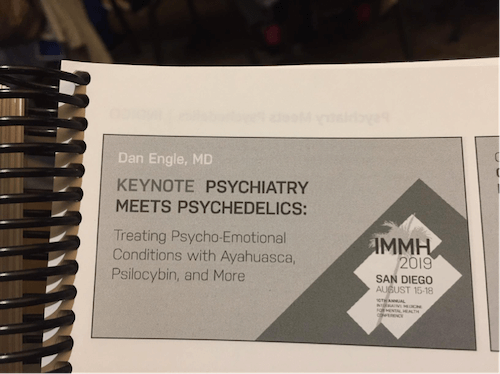
Dr. Dan Engle, MD, did one of the keynote presentations at the recent IMMH conference. The topic was “Psychiatry Meets Psychedelics: Treating Psycho-Emotional Conditions with Ayahuasca, Psilocybin and more.”

psychedelics

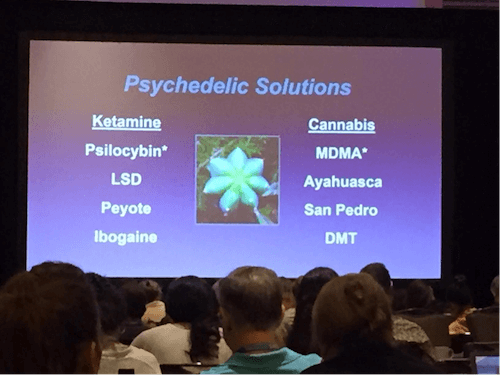
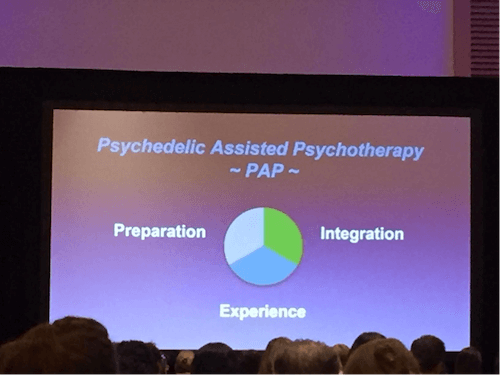
This was not about recreational use of psychedelics but rather Psychedelic Assisted Psychotherapy or PAP, which is “professionally supervised use of ketamine, MDMA, psilocybin, LSD and ibogaine as part of elaborated psychotherapy programs.” Dr. Engle also talked about peyote, cannabis, ayahuasca, San Pedro and DMT.

psychedelics

psychedelics

I had the pleasure of meeting Dr. Engle the day before during the speaker panel we were both part of and shared that I was coming to his presentation because I have a curious mind and love to learn but to be honest “I’m not yet sure if I’m on board with pyschedelics because I’m concerned about the adverse effects AND that too many folks will rush into this approach before exhausting all other nutritional and functional medicine options.” He appreciated my honesty, saying the fact that I was going to come to his talk was a great first step.

psychedelics

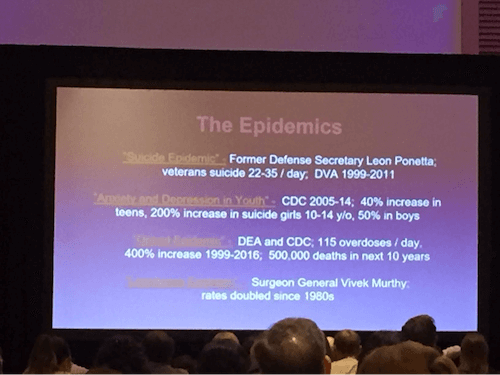
He highlighted the epidemics of suicide (22-23/day in veterans), anxiety and depression in youth (40% increase in teens and 200% increase in suicide in girls 10-14 years old, and a 50% increase in boys, opioids (115 overdoses/day and a 400% increase from 1999-206) and loneliness (where rates have doubled since the 1980s).

This is all very horrifying and calls for drastic interventions. Is Psychedelic Assisted Psychotherapy the solution and is it safe and effective?

Let’s take MDMA as one example. In case you’re new to the term, MDMA is the abbreviation for 3,4-Methyl​enedioxy​methamphetamine. This 2018 article, Is psychiatry ready for medical MDMA? shares this:

Advocates for MDMA-assisted psychotherapy have been at pains to distinguish the street drug ecstasy from MDMA, the medicine. Ecstasy can contain a range of substances as well as varying doses of MDMA.

psychedelics

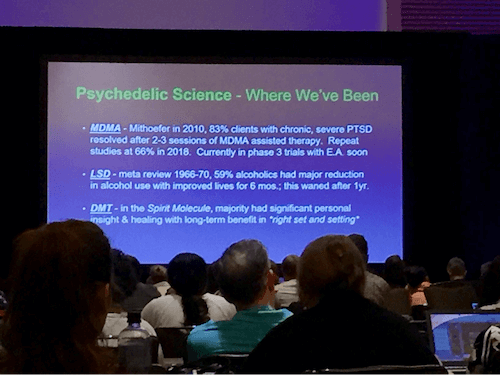
Dr. Engle shared some of the psychedelic science, with impressive results for MDMA.

The study by Mithoefer in 2010 reported that 83% of patients with severe treatment-resistant PTSD saw their symptoms resolve after 2-3 sessions of MDMA assisted therapy. These are very encouraging results, however the patients were described as having treatment-resistant PTSD as a result of not seeing resolution of their symptoms with either psychotherapy or psychopharmacology (i.e. medications). They had not been offered a functional medicine/nutritional approach. This is all good and well if there were no adverse reactions with the MDMA assisted therapy.

According to the above paper: There were no drug-related serious adverse events, adverse neurocognitive effects or clinically significant blood pressure increases.

However, what wasn’t mentioned in Dr. Engle’s presentation is that some studies do show adverse effects of MDMA. For me, this is an area of concern as far as psychedelic use goes, and I would have liked to hear more about what kinds of problems we need to be aware of.

This 2014 paper: The potential dangers of using MDMA for psychotherapy lists a number of very concerning potential dangers:

  • Early studies from the 1980s noted that MDMA was an entactogen, engendering feelings of love and warmth. However, negative experiences can also occur with MDMA since it is not selective in the thoughts or emotions it releases. This unpredictability in the psychological material released is similar to another serotonergic drug, LSD.
  • Acute MDMA has powerful neurohormonal effects, increasing cortisol, oxytocin, testosterone, and other hormone levels. The release of oxytocin may facilitate psychotherapy, whereas cortisol may increase stress and be counterproductive.
  • MDMA administration is followed by a period of neurochemical recovery, when low serotonin levels are often accompanied by lethargy and depression.
  • MDMA could increase the likelihood of suicide in those individuals with strong post-recovery feelings of depression.
  • Regular usage can also lead to serotonergic neurotoxicity, memory problems, and other psychobiological problems.
  • Proponents of MDMA-assisted therapy state that it should only be used for reactive disorders (such as PTSD) since it can exacerbate distress in those with a prior psychiatric history.

The author ends by saying: My own position is that it will always be far safer to undertake psychotherapy without using co-drugs. In selected cases MDMA might provide an initial boost, but it also has far too many potentially damaging effects for safe general usage.

There are many practitioners who, like me, are not yet on board with Psychedelic Assisted Psychotherapy, because adverse effects appear to be under-reported and not discussed. A more recent 2018 paper calls for more research about the safety of MDMA assisted therapy: an immediate need for more research directly examining its safe usage in the therapeutic context.

Hopefully the phase 3 MDMA trial Dr. Engle mentioned on this slide will provide further insights about potential safety issues.

psychedelics

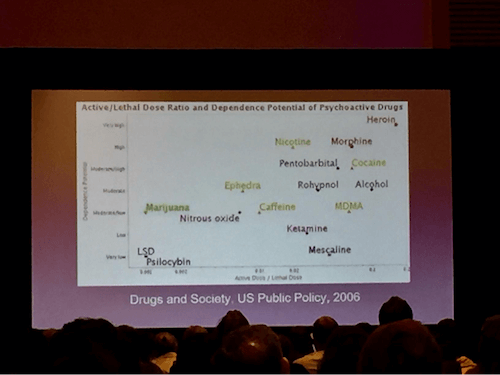
Dr. Engle did also share this interesting slide: Active/Lethal Dose Ratio and Dependence Potential of Psychoactive Drugs, Drugs and Society, US Public Policy, 2006. It’s apparently from this paper published by Gable, RS (I’ll confirm once I find out). You can see MDMA on the far right indicating a rather high potential for acute lethality (bottom scale), with a moderate/low risk for dependence (the scale on the left).

Dr. Engle stopped by my booth after his presentation to see if he’d been able to change my mind. I shared my concerns about the potential risks. I also said that it would be helpful to see a study comparing MDMA assisted therapy with a functional medicine/nutritional approach. I also said I’ll keep reading and learning and will keep an open mind but right now I’m still very much on the fence. This approach does seem to be very effective but I have concerns about safety.

I blogged about some of my concerns last year: MDMA-Assisted Psychotherapy for Treating Chronic PTSD: Why I feel we can do better and the role of nutrition and amino acids like GABA

I agree there is an immense need for successful treatment approaches, but jumping to MDMA from psychotherapy and/or psychiatric medications is skipping out the entire nutritional and biochemical step which is SO powerful and doesn’t have the above adverse effects. I’m concerned too many who have not seen benefits from therapy or medications are seeing MDMA as THE solution and are going to be harmed even further.

One other big reason is that I’m very much on the fence is that I see so much success with the nutritional approach that I use with clients.

In addition to psychotherapy, there are also so many nutritional and biochemical factors we can consider when it comes to PTSD. These don’t have any of the above harmful effects seen with MDMA.

Here are a few to consider:

  • In this blog post, PTSD from 3 tours in Afghanistan: Can GABA help with the anxiety? how low GABA can lead to physical anxiety, muscle tension and the need to self-medicate with alcohol or sugary foods in order to calm down and relax. We also have research supporting the use of GABA for helping with unwanted obtrusive thoughts which are common with PTSD. When low GABA is suspected we do an amino acid trial with GABA, one of the calming amino acids.
  • A 2016 reports that blueberries boost serotonin and may help with PTSD and anxiety. This was an animal study where the traumatized rats were fed a blueberry-enriched diet. The study authors report an increase in serotonin levels, suggesting that “non-pharmacological approaches might modulate neurotransmitters in PTSD.”
  • A recent meta-analysis, Association between posttraumatic stress disorder and lack of exercise, poor diet, obesity, and co-occuring smoking, confirms the diet and lifestyle connection to being more impacted by trauma when health is not optimal.
  • Depression, hostility, anger, and aggression and common in returning veterans with PTSD. These are classic signs of low serotonin and a trial of tryptophan may be warranted given that insomnia and anxiety are so common too.

I feel it is these kinds of interventions that should be considered for PTSD, rather than subjecting individuals who are already suffering to treatments that have adverse reactions AND are not addressing underlying nutritional deficiencies of low GABA, low serotonin, out of balance endocannabinoid system, dysbiosis and overall health, to name a few of the many possible underlying biochemical factors.

Real whole food, exercise, GABA, tryptophan, zinc, berries, probiotics etc. wouldn’t even feature on a chart such as the one above! They are effective approaches and they are safe!

In case you missed the previous IMMH blogs:

  • Last week I shared some highlights on mold, oxalates, anxiety, panic attacks and depersonalization
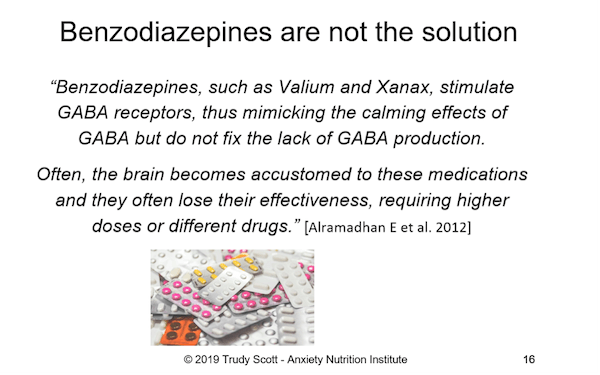
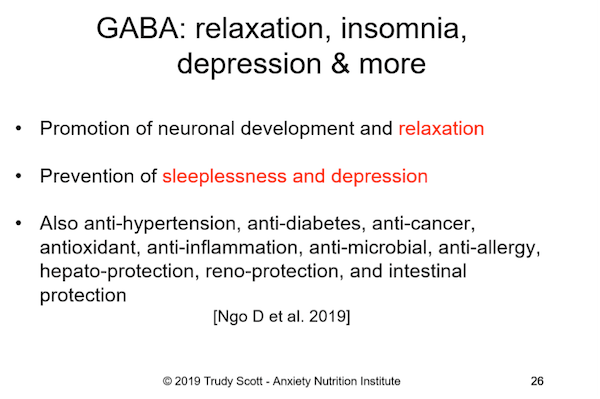
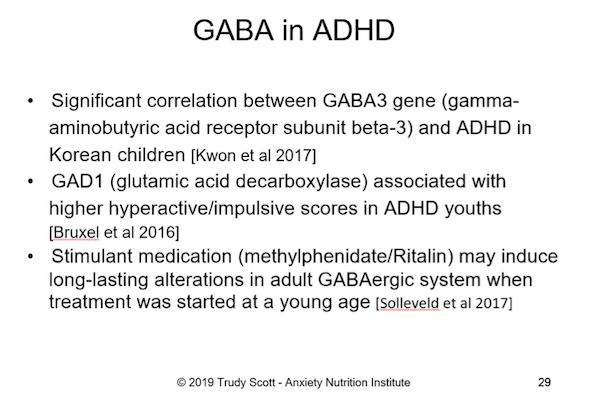
  • Here are a few highlights from my IMMH presentation: “GABA for Anxiety, Insomnia, ADHD, Autism and Addictions: Research and Practical Applications” – benzodiazepines are not the solution, some new 2019 research on the far-reaching benefits of GABA, and the role of GABA in ADHD.
  • A few weeks before IMMH I wrote this blog post on one of the new studies in my presentation: how a combination of GABA and theanine improves sleep and reduces anxiety.

Have you been part of a Psychedelic Assisted Psychotherapy program with MDMA or one of the other psychedelics? What benefits did you experience? Did you have any adverse effects?

Would you consider Psychedelic Assisted Psychotherapy with MDMA or one of the other psychedelics?

Have you see benefits and/or adverse effects with your patients or clients?
As a practitioner, do you want to learn more about how to incorporate GABA and the other targeted individual amino acids, tryptophan/5-HTP, DPA, glutamine and tyrosine, into your work to help your clients/patients with anxiety and PTSD? I invite you to check out my new online practitioner training here: Balancing Neurotransmitters – The Fundamentals. I’m extending the $100 discount offered at IMMH for a few weeks (use coupon code immh2019).

Filed Under: Events Tagged With: amino acids, anxiety, Dan Engle, depression, GABA, IMMH, Integrative Medicine for Mental Health conference, MDMA, MDMA assisted therapy, Psychedelics, PTSD

IMMH highlights: mold, oxalates, anxiety, panic attacks and depersonalization

August 30, 2019 By Trudy Scott 3 Comments

IMMH highlights

Today I’m sharing some highlights from three different presentations at the recent IMMH/Integrative Medicine for Mental Health Conference – on mold and the connection to oxalate issues, as well as a major trigger of anxiety, panic attacks, depression and depersonalization.

Matthew Pratt-Hyatt, PhD: “The Hidden Threats of Mycotoxins.”

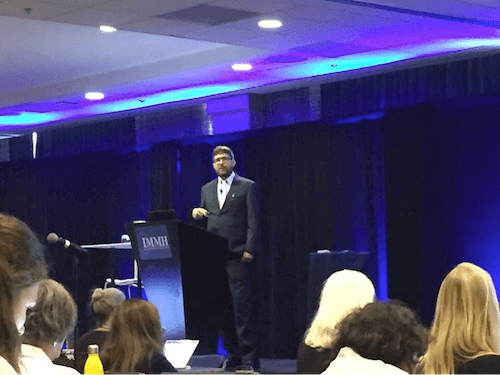
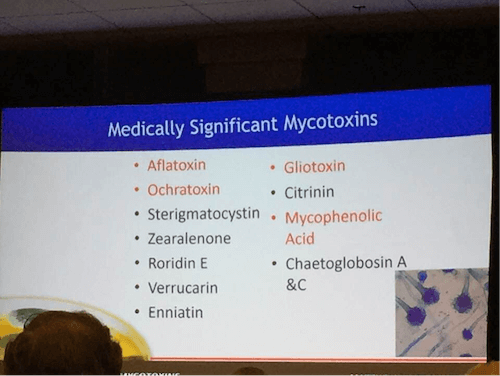
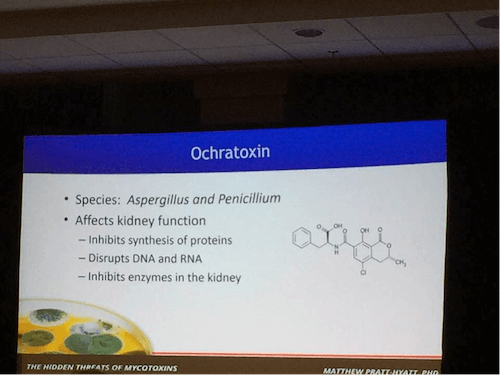
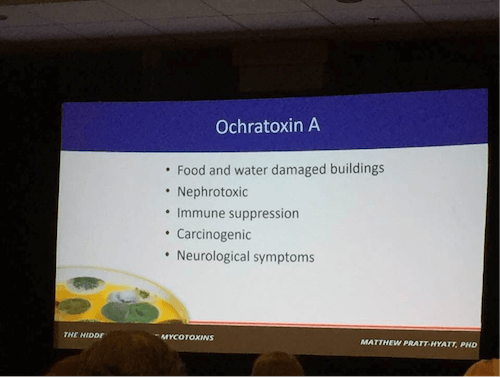
Matthew Pratt-Hyatt, PhD presented on “The Hidden Threats of Mycotoxins.” He shared medically significant mycotoxins and that ochratoxin affects the kidneys and my first thought was: “I wonder if this plays a role in oxalate issues?”

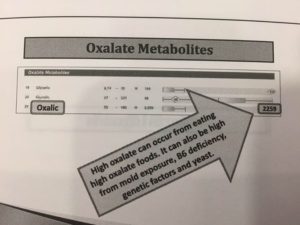
I asked Dr. Pratt-Hyatt after his presentation and he said yes, the mycotoxins produce oxalates and then dietary oxalates can be the tipping point. He wasn’t aware of any research on the mycotoxin-oxalate connection but sees the connection on the Great Plains MycoTOX lab test and Organic Acids test

Matthew Pratt-Hyatt

Matthew Pratt-Hyatt

Matthew Pratt-Hyatt

Matthew Pratt-Hyatt

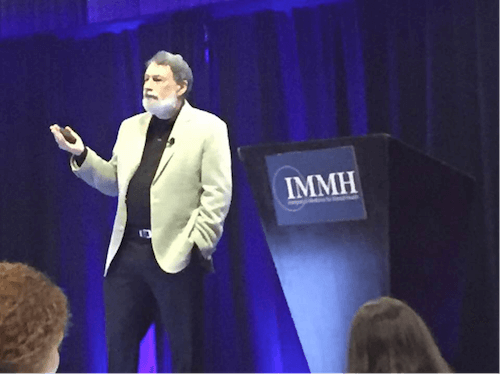
Dr. Neil Nathan: “Mold Toxicity as an Unrecognized Cause of Mental Health issues.”

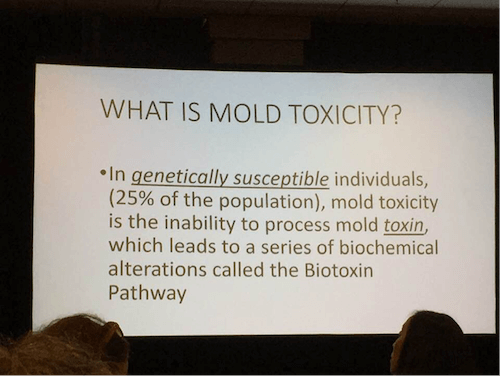
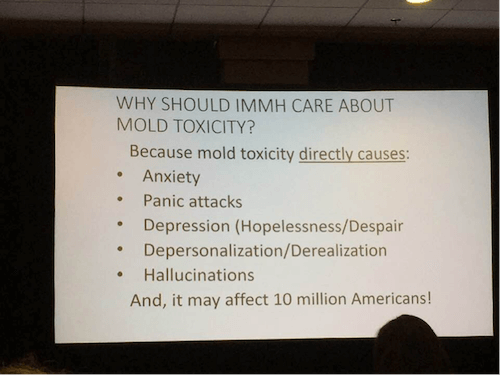
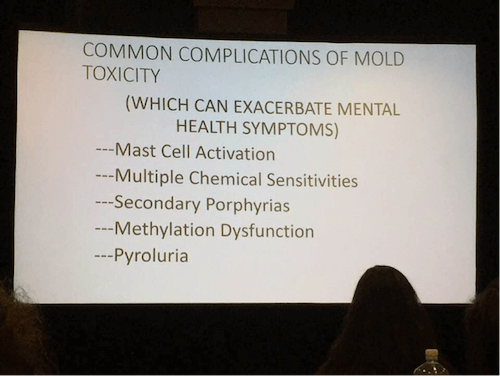
One of my favorite presentations was the one delivered by Dr. Neil Nathan on “Mold Toxicity.” He defines mold toxicity and how it can directly trigger anxiety, panic attacks, depression, depersonalization and hallucinations, as well as some of the common complications which can exacerbate mental health symptoms. These include mast cell activation, multiple chemical sensitivities, secondary porphyrias, methylation dysfunction and pyroluria.

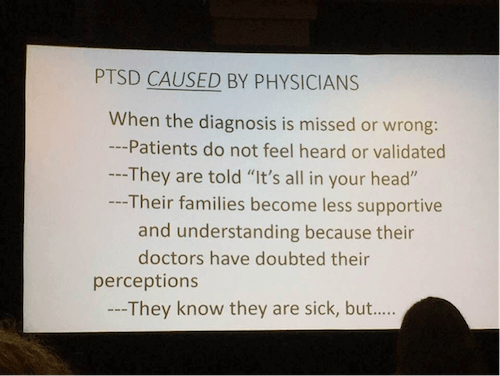
I do appreciate the fact that he addressed that there can be PTSD caused by physicians when someone knows they are sick – especially with mold toxicity – and yet they do not feel heard or validated. This can even lead to their families being less supportive.

Dr. Nathan is a brilliant and compassionate practitioner, and the author of the excellent book – Toxic: Heal Your Body from Mold Toxicity, Lyme Disease, Multiple Chemical Sensitivities, and Chronic Environmental Illness (my Amazon link)

Neil Nathan

Neil Nathan

Neil Nathan

Neil Nathan

Neil Nathan

Dr. Kurt Woeller: “Metabolic Products in Mental Health – How Fungal, Bacterial, Mitochondrial and Other Compounds Influence the Brain.”

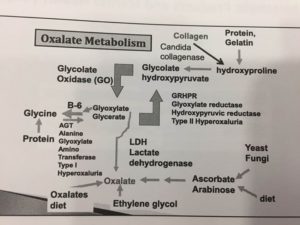
Dr. Kurt Woeller shared more about oxalates and mold in his presentation: “Metabolic Products in Mental Health.” I really like the Oxalate Metabolism diagram that shows the role of low vitamin B6, dietary oxalates including ascorbic acid, collagen and gelatin, mold, yeast and genetics in someone with high oxalates.

On a side note, low serotonin is often a factor with collagen and gelatin but it can be a source of oxalates.

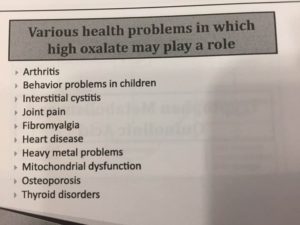
He mentions various health problems associated with high oxalates – pain issues are common and so is fatigue and behavioral issues. Dr. Woeller works primarily with children but I have seen anxiety and depression in adults with oxalate issues too.   If mold is one of the triggers then the mental health issues can be further impacted.


In case you missed the previous two IMMH blogs:

  • Last week I shared a few highlights from my IMMH presentation: “GABA for Anxiety, Insomnia, ADHD, Autism and Addictions: Research and Practical Applications” – benzodiazepines are not the solution, some new 2019 research on the far-reaching benefits of GABA, and the role of GABA in ADHD.
  • The previous week I wrote this blog post on one of the new studies in my presentation: how a combination of GABA and theanine improves sleep and reduces anxiety.

What wasn’t discussed were some of the other mechanisms that may be causing the increased anxiety – such as the impacts of toxic mold on neurotransmitters and low levels of zinc.

Have you been exposed to toxic mold and was this a trigger for your anxiety, panic attacks and other mood issues?

Did GABA, tryptophan and zinc (and other nutritional support approaches) help ease some of the anxiety symptoms while you were remediating your home and detoxing from the mold toxicity?

Do you have oxalate issues and have you ruled out the fact that toxic mold may be a trigger? I personally have oxalate issues (I share more about this here) and plan to do the MycoTOX test to learn more. I’ll keep you posted on what I find.

As a practitioner, do you want to learn more about how to incorporate GABA and the other targeted individual amino acids, tryptophan/5-HTP, DPA, glutamine and tyrosine, into your work to help your clients/patients with anxiety triggered by toxic mold? I invite you to check out my new online practitioner training here: Balancing Neurotransmitters – The Fundamentals. I’m extending the $100 discount offered at IMMH for a few weeks (use coupon code immh2019).

Filed Under: Anxiety, Depression, Environment, Events, GABA, Mold Tagged With: ADHD and addictions, anxiety, autism, benzodiazepines, depersonalization, depression, GABA, IMMH, insomnia, Integrative Medicine for Mental Health conference, mold, oxalates, panic attacks

IMMH highlights: GABA for anxiety, insomnia, ADHD, autism and addictions

August 23, 2019 By Trudy Scott 6 Comments

immh highlights

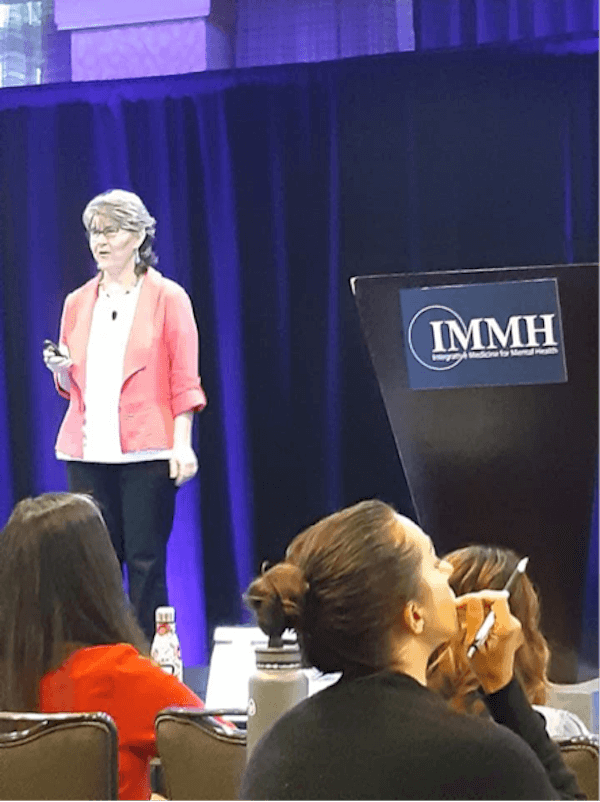
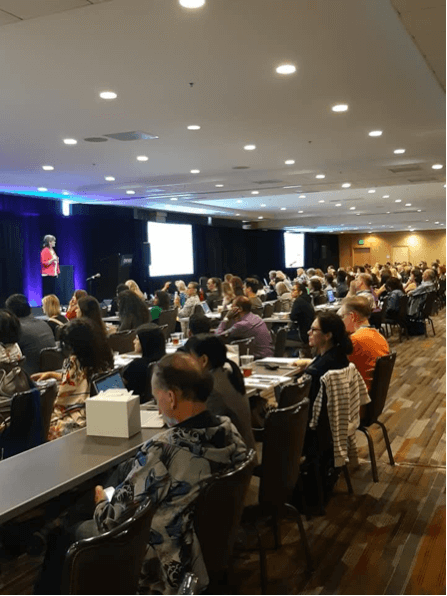
I’m back from 2 weeks in the USA, first attending the Mindshare Summit (a collaborative community of like-minded practitioners) and then speaking at the IMMH/Integrative Medicine for Mental Health Conference – my favorite mental health conference – on “GABA for Anxiety, Insomnia, ADHD, Autism and Addictions: Research and Practical Applications.”

Last week I shared a blog on one of the new studies in my presentation: how a combination of GABA and theanine improves sleep and reduces anxiety. Today I’m sharing some other highlights from my presentation: benzodiazepines are not the solution, some new 2019 research on the far-reaching benefits of GABA, and the role of GABA in ADHD.

immh slide

immh slide

immh slide

It was great to meet so many of you from my community and to make new connections! I’m thrilled there is so much interest in using the individual amino acids for anxiety and insomnia, and for those with ADHD, autism and addictions.

trudy at immh
trudy at immh

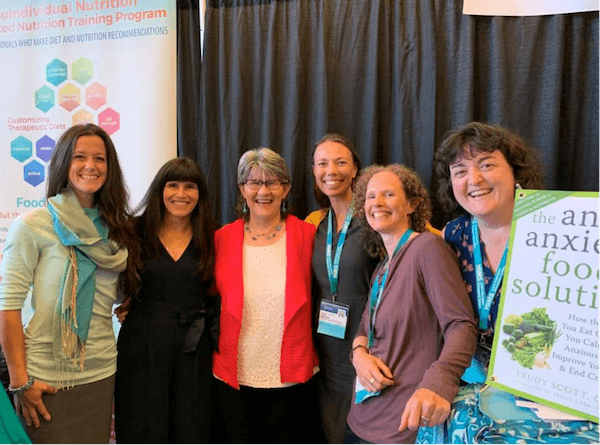
It was also wonderful to get the support of my colleagues at my booth, for my talk, and to hang out with them, laugh and eat good food. There was plenty of sardines, sauerkraut and grass-fed beef in the place we all shared!

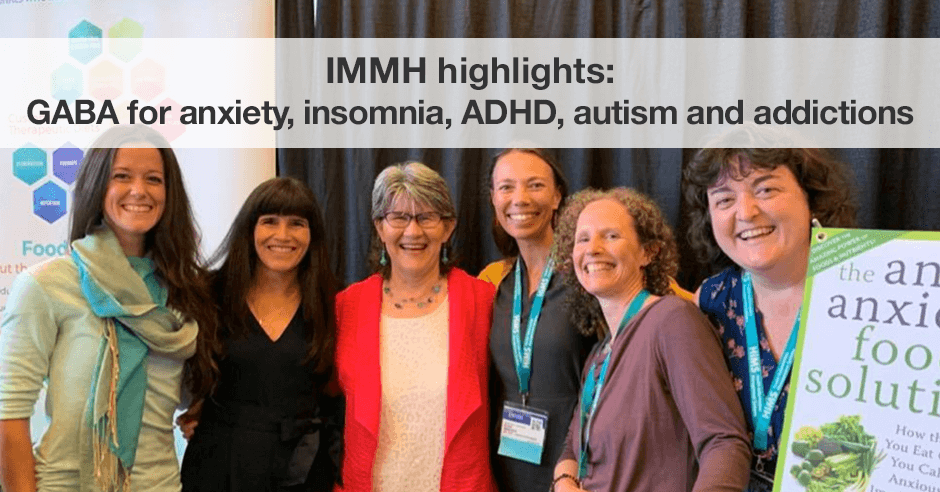
immh booth

Pictured here, on the left is is Annie and Julie; on the right is Elissa, Jessica and Dr. Zendi

Let me share a little about these wonderful practitioners who are doing life-changing work:

  • Julie Matthews, is the author of Nourishing Hope for Autism (my Amazon link), co-author of a new study, Nutritional and Dietary Intervention for Autism Spectrum Disorder and creator/founder of the Bioindividual Nutrition Institute, offering practitioner training on special diets and bioindividual nutrition. Julie also presented at IMMH this year: “Effective Nutrition and Diet Intervention for Autism Spectrum Disorder: Newly Published Research.”
  • Elissa Arnheim is a health coach and a certified fermentationist. She is the creator of “Healthy Gut Happy Child”, “8 Days to Freedom from Picky Eating!” and the “Gut Health Mamas” group coaching programs.
  • Jessica Sherman’s work is all about raising resilient healthy kids and she teaches about nutrition for the brain, mood, behavior and better overall health. She is the author of Raising Resilience: Take the Stress out of Feeding Your Family and Love Your Life.
  • Zendi Molderhauer, works with children, adolescents and young adults, integrating her conventional medical background in pediatrics and psychiatry with more natural, holistic, and functional healing modalities.

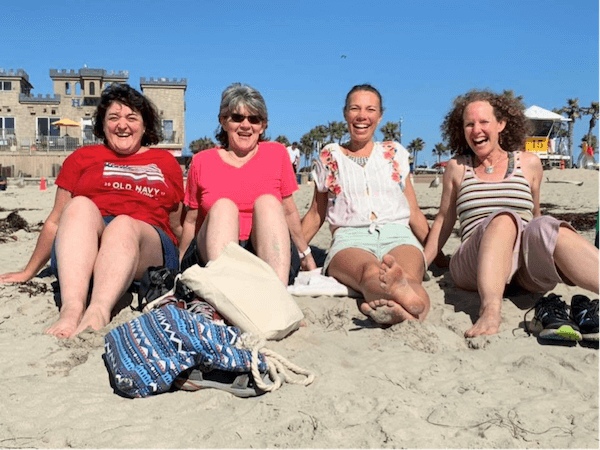
Once the conference was over, we also got to lie on the warm sand chatting about what we had just learned, walk along the beach, jump for joy and play, and even have a quick swim in the ocean (it was chilly but invigorating).

san diego beach

san diego beach

san diego beach

san diego beach

Has GABA helped you with your anxiety, insomnia or addictions (carbs or alcohol or even drugs)? Do you have a child with autism or ADHD and have they benefited from GABA?

Do you have questions about using GABA for anxiety, insomnia, autism, ADHD and addictions?

If you’re a practitioner and want to learn more about how to incorporate GABA and the other targeted individual amino acids (tryptophan/5-HTP, DPA, glutamine and tyrosine) into your work to help your clients/patients with anxiety/insomnia/addictions/ADHD/autism, I invite you to check out my online practitioner training here: Balancing Neurotransmitters – The Fundamentals.

And be sure to save the date for IMMH 2020:  August 20-23 in Chicago!

Filed Under: Events Tagged With: ADHD and addictions, anxiety, autism, benzodiazepines, GABA, IMMH, insomnia, Integrative Medicine for Mental Health conference

GABA and theanine mixture improves sleep and eases anxiety

August 16, 2019 By Trudy Scott 36 Comments

gaba theanine sleep

Today I’m sharing results from a new study on GABA and theanine and how this combination improves sleep: “GABA and l-theanine mixture decreases sleep latency and improves NREM sleep.”

I shared highlights from this paper with practitioners at the Integrative Medicine for Mental Health Conference, presenting on “GABA for anxiety, insomnia, ADHD, autism and addictions.”

The authors share the sleep and anxiety benefits of both GABA and theanine:

γ-Aminobutyric acid (GABA) is the main inhibitory neurotransmitter and it is well established that activation of GABAA receptors favours sleep.

l-Theanine, a naturally occurring amino acid first discovered in green tea, is a well-known anti-anxiety supplement with proven relaxation benefits.

The study objective was to investigate the: “potential synergistic sleep enhancement effect of GABA/l-theanine mixture.”

The GABA/l-theanine mixture showed a decrease in sleep latency (length of time to fall asleep) and an increase in sleep duration compared to GABA or theanine alone.

The study authors state:

The increase in GABA receptor and GluN1 (glutamine receptor subunit) expression is attributed to the potential neuromodulatory properties of GABA/l-theanine combination, which seems to affect sleep behaviour.

The dosing of GABA and theanine used in this animal study cannot be extrapolated to humans

Here are the amounts used in the study:

  • GABA: 100mg per kg of body weight
  • theanine: 20 mg per kg of body weight

This was an animal study and these very high doses based on weight do not extrapolate to humans. I have adult clients start with 125 mg GABA and increase based on their unique needs.

Keep in mind I do not make amino acid recommendations based on weight but instead use the trial method to find the ideal amount.

Using a GABA/theanine combination lessens the rushing feeling and prevents waking multiple times during the night

Anu shares how a combination helps her:

My doctor has recommended I take GABA 500mg with L-Theanine 200mg three times a day to stop the rushing and flushing feeling of extremely high cortisol, high melatonin, and low serotonin. I cannot find much on what the negative effects of high doses of GABA and l-theanine can be on the body so am asking you if you know. I only know that low doses of GABA did not have any effect on me but that the higher doses seem to lessen the rushing feeling and help me to sleep (only waking once not 3-5x/night).

I have clients and those individuals in my program start low and increase based on their response. A dose of 500mg GABA is considered high but is fine to continue with if it’s not the starting dose and not causing any adverse effects.

Using GABA alone improves sleep and mood and ends carb cravings

I have found the combination of GABA and theanine to be extremely helpful for many of my clients but not everyone needs to use both to get results. Some folks do very well on GABA alone and some folks do really well on theanine alone.

Here’s one mom’s experience of using just GABA for her son with autism:

“Got some GABA for our ASD [autism spectrum disorder] child. He has not slept well for years. We had tried all kinds of stuff. I am a healthcare pro and have studied and read and tried so much. But this stuff is a true miracle. For the first time in years my child sleeps. He sang and was all smiles from ear to ear for the first three days.

He has also really noticed a difference in his carb cravings since doing GABA. He went to grandma’s and was not tempted by 6 pies, tons of cookies, sweet rolls etc. We were both shocked. This is a kid who would mow through tons of cookies, rolls and pastries.”

Here are some other blogs on the benefits of using oral GABA

  • Sleep improvement: Oral intake of GABA and Apocynum venetum leaf extract
  • How GABA eases agonizing rectal pain and spasms in under 2 minutes
  • Oral GABA supplementation allows better prioritizing of planned actions
  • GABA helps with inhibition of unwanted thoughts

The best way for you to figure out if you will benefit from the combination or either of them alone is to use the trial method. Do the low GABA questionnaire and do a trial of either GABA alone or theanine alone or a combination of both, until you find the right amount to improve your sleep and ease anxiety.

A good quality GABA/theanine product: GABA-T SAP

If you find the combination works well for you, GABA-T SAP by Nutritional Fundamentals, is a really nice combination product that I use with clients who have both anxiety and insomnia issues. I find that opening up the capsule onto the tongue is more effective than swallowing it. You can find this product and other GABA products I recommend on my supplements blog.

Additional resources when you are new to using GABA and other amino acids as supplements

As always, I use the symptoms questionnaire to figure out if low GABA or other neurotransmitter imbalances may be an issue.

If you suspect low levels of any of the neurotransmitters and do not yet have my book, The Antianxiety Food Solution – How the Foods You Eat Can Help You Calm Your Anxious Mind, Improve Your Mood, and End Cravings, I highly recommend getting it and reading it before jumping in and using amino acids on your own so you are knowledgeable. And be sure to share it with the practitioner/health team you or your loved one is working with.

There is an entire chapter on the amino acids and they are discussed throughout the book in the sections on gut health, gluten, blood sugar control (this is covered in an entire chapter too), sugar cravings, anxiety and mood issues.

The book doesn’t include product names (per the publisher’s request) so this blog, The Antianxiety Food Solution Amino Acid and Pyroluria Supplements, lists the amino acids that I use with my individual clients and those in my group programs.

If, after reading this blog and my book, you don’t feel comfortable figuring things out on your own (i.e. doing the symptoms questionnaire and respective amino acids trials), a good place to get help is the GABA QuickStart Program (if you have low GABA symptoms). This is a paid online/virtual group program where you get my guidance and community support.

If you are a practitioner, join us in The Balancing Neurotransmitters: the Fundamentals program. This is also a paid online/virtual program with an opportunity to interact with me and other practitioners who are also using the amino acids.

Wrapping up and your feedback

Now I’d love to hear from you – have you found GABA alone to help you with both sleep and anxiety or have you found that the combination of GABA and theanine is more helpful?

Feel free to ask your questions below.

Filed Under: GABA Tagged With: anxiety, GABA, sleep, theanine

  • « Go to Previous Page
  • Page 1
  • Interim pages omitted …
  • Page 24
  • Page 25
  • Page 26
  • Page 27
  • Page 28
  • Interim pages omitted …
  • Page 49
  • Go to Next Page »

Primary Sidebar

GABA QuickStart Homestudy

gaba quickstart homestudy

Free Report

9 Great Questions Women Ask about Food, Mood and their Health

You'll also receive a complimentary subscription to my ezine "Food, Mood and Gal Stuff"


Connect with me

Popular Posts

  • Amino Acids Mood Questionnaire from The Antianxiety Food Solution
  • The Antianxiety Food Solution Amino Acid and Pyroluria Supplements
  • Pyroluria Questionnaire from The Antianxiety Food Solution
  • Collagen and gelatin lower serotonin: does this increase your anxiety and depression?
  • Tryptophan for the worry-in-your-head and ruminating type of anxiety
  • GABA for the physical-tension and stiff-and-tense-muscles type of anxiety
  • The Antianxiety Food Solution by Trudy Scott
  • Seriphos Original Formula is back: the best product for anxiety and insomnia caused by high cortisol
  • Am I an anxious introvert because of low zinc and vitamin B6? My response to Huffington Post blog
  • Vagus nerve rehab with GABA, breathing, humming, gargling and key nutrients

Recent Posts

  • Her cravings for chips and peanut butter were triggered by stress: GABA ends cravings and reduces physical tension and fear of heights
  • It is truly miraculous to be able to move through life without crippling anxiety and panic
  • GABA and tryptophan combo provide immediate and noticeable relief for tremors and cervical dystonia in just 7 days
  • Red light therapy for back and neck pain, plantar fasciitis and low mood – a complement to the amino acids GABA, DPA and tryptophan
  • What do I use instead of Seriphos to help lower high cortisol that is affecting my sleep and making me anxious at night?

Categories

  • 5-HTP
  • AB575
  • Addiction
  • ADHD
  • Adrenals
  • Alcohol
  • Allergies
  • Alzheimer's disease
  • Amino Acids
  • Anger
  • Antianxiety
  • Antianxiety Food Solution
  • Antidepressants
  • Anxiety
  • Anxiety and panic
  • Autism
  • Autoimmunity
  • benzodiazapines
  • Bipolar disorder
  • Books
  • Caffeine
  • Cancer
  • Candida
  • Children/Teens
  • Collagen
  • Cooking equipment
  • Coronavirus/COVID-19
  • Cravings
  • Depression
  • Detoxification
  • Diabetes
  • Diet
  • DPA/DLPA
  • Drugs
  • EFT/Tapping
  • EMF
  • EMFs
  • Emotional Eating
  • Endorphins
  • Environment
  • Essential oils
  • Events
  • Exercise
  • Fear
  • Fear of public speaking
  • Fertility and Pregnancy
  • Fish
  • Food
  • Food and mood
  • Functional neurology
  • GABA
  • Gene polymorphisms
  • General Health
  • Giving
  • Giving back
  • Glutamine
  • Gluten
  • GMOs
  • Gratitude
  • Gut health
  • Heart health/hypertension
  • Histamine
  • Hormone
  • Hyperparathyroidism
  • Hypoglycemia
  • Immune system
  • Inflammation
  • Insomnia
  • Inspiration
  • Introversion
  • Joy and happiness
  • Ketogenic diet
  • Lithium orotate
  • Looking awesome
  • Lyme disease and co-infections
  • MCAS/histamine
  • Medication
  • Men's health
  • Mental health
  • Mercury
  • Migraine
  • Mold
  • Movie
  • MTHFR
  • Multiple sclerosis
  • Music
  • NANP
  • Nature
  • Nutritional Psychiatry
  • OCD
  • Osteoporosis
  • Oxalates
  • Oxytocin
  • Pain
  • Paleo
  • Parasites
  • Parkinson’s disease
  • PCOS
  • People
  • PMS
  • Postpartum
  • PTSD/Trauma
  • Pyroluria
  • Questionnaires
  • Real whole food
  • Recipes
  • Research
  • Schizophrenia
  • serotonin
  • SIBO
  • Sleep
  • Special diets
  • Sports nutrition
  • Stress
  • Sugar addiction
  • Sugar and mood
  • Supplements
  • Teens
  • Testimonials
  • Testing
  • The Anxiety Summit
  • The Anxiety Summit 2
  • The Anxiety Summit 3
  • The Anxiety Summit 4
  • The Anxiety Summit 5
  • The Anxiety Summit 6
  • Thyroid
  • Thyroid health
  • Toxins
  • Tryptophan
  • Tyrosine
  • Uncategorized
  • Vegan/vegetarian
  • Women's health
  • Yoga

Archives

  • May 2026
  • April 2026
  • October 2025
  • September 2025
  • August 2025
  • July 2025
  • June 2025
  • May 2025
  • April 2025
  • March 2025
  • February 2025
  • January 2025
  • November 2024
  • October 2024
  • September 2024
  • August 2024
  • July 2024
  • June 2024
  • May 2024
  • April 2024
  • March 2024
  • February 2024
  • January 2024
  • December 2023
  • November 2023
  • October 2023
  • September 2023
  • August 2023
  • July 2023
  • June 2023
  • May 2023
  • April 2023
  • March 2023
  • February 2023
  • January 2023
  • December 2022
  • November 2022
  • October 2022
  • September 2022
  • August 2022
  • July 2022
  • June 2022
  • May 2022
  • April 2022
  • March 2022
  • February 2022
  • January 2022
  • December 2021
  • November 2021
  • October 2021
  • September 2021
  • August 2021
  • July 2021
  • June 2021
  • May 2021
  • April 2021
  • March 2021
  • February 2021
  • January 2021
  • December 2020
  • November 2020
  • October 2020
  • September 2020
  • August 2020
  • July 2020
  • June 2020
  • May 2020
  • April 2020
  • March 2020
  • February 2020
  • January 2020
  • December 2019
  • November 2019
  • October 2019
  • September 2019
  • August 2019
  • July 2019
  • June 2019
  • May 2019
  • April 2019
  • March 2019
  • February 2019
  • January 2019
  • December 2018
  • November 2018
  • October 2018
  • September 2018
  • August 2018
  • July 2018
  • June 2018
  • May 2018
  • April 2018
  • March 2018
  • February 2018
  • January 2018
  • December 2017
  • November 2017
  • October 2017
  • September 2017
  • August 2017
  • July 2017
  • June 2017
  • May 2017
  • April 2017
  • March 2017
  • February 2017
  • January 2017
  • December 2016
  • November 2016
  • October 2016
  • September 2016
  • August 2016
  • July 2016
  • June 2016
  • May 2016
  • April 2016
  • March 2016
  • February 2016
  • January 2016
  • December 2015
  • November 2015
  • October 2015
  • September 2015
  • August 2015
  • July 2015
  • June 2015
  • May 2015
  • April 2015
  • March 2015
  • February 2015
  • January 2015
  • December 2014
  • November 2014
  • October 2014
  • September 2014
  • August 2014
  • July 2014
  • June 2014
  • May 2014
  • April 2014
  • March 2014
  • February 2014
  • January 2014
  • December 2013
  • November 2013
  • October 2013
  • September 2013
  • August 2013
  • July 2013
  • June 2013
  • May 2013
  • April 2013
  • March 2013
  • February 2013
  • January 2013
  • December 2012
  • November 2012
  • October 2012
  • August 2012
  • July 2012
  • June 2012
  • May 2012
  • April 2012
  • March 2012
  • February 2012
  • January 2012
  • December 2011
  • November 2011
  • October 2011
  • September 2011
  • August 2011
  • July 2011
  • June 2011
  • May 2011
  • April 2011
  • March 2011
  • February 2011
  • January 2011
  • December 2010
  • October 2010
  • September 2010
  • July 2010
  • May 2010
  • April 2010
  • March 2010
  • February 2010
  • January 2010
  • November 2009

Share the knowledge!

The above statements have not been evaluated by the Food and Drug Administration. Products listed in this website are not intended to diagnose, treat, cure or prevent any disease.

The information provided on this site is for informational and educational purposes only and is not intended as a substitute for advice from your physician or other health care professional. You should consult with a healthcare professional before starting or modifying any diet, exercise, or supplementation program, before taking or stopping any medication, or if you have or suspect you may have a health problem.


Copyright © 2026 Trudy Scott. All Rights Reserved. | Privacy | Terms and Conditions | Refund Policy | Medical Disclaimer

Free Report

9 Great Questions Women Ask about Food, Mood and their Health

You’ll also receive a complimentary subscription to my ezine “Food, Mood and Gal Stuff”