• Skip to primary navigation
  • Skip to main content
  • Skip to primary sidebar

everywomanover29 blog

Food, Mood and Women's Health – Be your healthiest, look and feel great!

  • Blog
  • About
  • Services
  • Store
  • Resources
  • Testimonials
  • The Book
  • Contact
  • Search this site

dl-phenylalanine

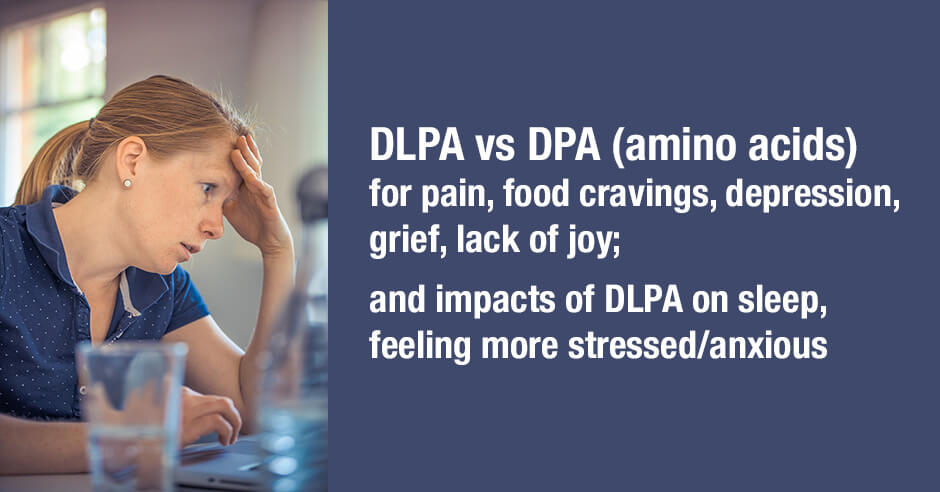
DLPA vs DPA for pain, food cravings, depression, grief, lack of joy; and impacts of DLPA on sleep, and feeling more stressed/anxious

April 5, 2024 By Trudy Scott Leave a Comment

dlpa vs dpa

A very common question I get is from folks asking about the difference between the amino acids DPA (d-phenylalanine) and DLPA (dl-phenylalanine) for endorphin support and endorphin/dopamine support. I dedicate an entire blog to this question explaining the differences and which one I use for weepiness, heart-ache, pain and energy. I also discuss where tyrosine (for dopamine support) fits in. If you missed that or need a recap you can read about this on the blog.

The blog post generated some great questions that I’m sharing today, with my feedback, in case you have similar questions. I discuss a question about DLPA vs DPA for pain and impacts on sleep; a question about DLPA (used by mistake) raising already high dopamine levels and why DPA isn’t working any more for food cravings; a question about using DPA with GABA; and a question about DPA for depression and lack of joy caused by grief.

Here is the question from Gloria who shared this feedback about her use of DLPA (as part of a pain relief product) but says she can’t use it past noon. She also wants to know more about DPA for pain relief:

My experience with DLPA is as part of a supplement called Curamin for pain relief from arthritis that also has curcumin and boswellia. It works quite well in the AM but I can’t tolerate it past noon or it negatively affects my sleep.

Interesting to learn it is similar to tyrosine which I have had sleep problems with in the past.

Does DPA work as well for pain? Is it best to take amino acids on an empty stomach for best absorption? Does that mean an hour before a meal or two hours after? Thank you for your blogs and book!

It’s great that this combination product offers pain relief and it’s good that she has made the connection to poor sleep when it’s used after noon. This is a popular product that I would like to see include the possible impacts on sleep and the other precautions for DLPA . It is a proprietary formulation so you don’t actually know how much DLPA you’re getting. I really don’t like not knowing.

One other concern is that curcumin is high-oxalate and for some this can make pain worse. Otherwise, curcumin and boswellia are excellent for pain relief and reducing inflammation.

DPA is more effective for pain than DLPA because it offers a bigger endorphin boost. If oxalates are not an issue, one option could be to continue with the Curamin before noon and if needed, add standalone DPA in the afternoon and evening, for added pain relief.

Amino acids are more effective on an empty stomach and even more effective when opened on to the tongue. I share more about opening DPA onto the tongue in this blog.

DLPA (used by mistake) raised already high dopamine levels and why isn’t DPA working any more for food cravings?

Rhonda shared how she found out the difference between DPA and DLPA the hard way and wants to go back to DPA:

I certainly found out the difference the hard way. I had used Lidtke Endorphigen for a few years and I think it helped a bit with food cravings. As I am in Australia, I depend on my sister’s visits from US for my supply. When I ran out last year, I bought DLPA by mistake.

After 1 week I was unable to cope with life, totally stressed out about everything, wanting to cry or scream or run away. Zero tolerance towards anyone. After 10 days I realized my mistake and I went back to normal in 24 hrs.

I believe DLPA resulted in very high dopamine as I already have a very slow COMT gene activity for breaking down dopamine.

I now take Endorphigen again but not seeing much effect on sugar cravings this time.

That is quite the reaction she experienced but I’m glad she figured it out so quickly. It’s not uncommon for some folks to react to DLPA like this, feeling more stressed and even anxious. High dopamine, and norepinephrine and epinephrine (so a huge adrenalin rush), related to slow COMT activity could well be the cause.

When Endorphigen (or any of the amino acids) work well initially we continue with trials of higher doses to find the ideal dose. It may also be that a reset is needed after the shift in dopamine.

Rhonda did say she thinks Endorphigen “helped a bit with food cravings.” When it only helps a bit it may be that the dose isn’t high enough or we may need to consider other neurotransmitter imbalances. They can all cause cravings for slightly different reasons: GABA/stress, serotonin/worry or low mood, glutamine/low blood sugar. More on that and the respective amino acids here.

Can GABA be used with DPA?

Ray asks: “Can I use GABA 25mg and also take DPA? Would either/or offset the other?”

My feedback: If someone has low GABA symptoms and GABA helps and they also have low endorphin symptoms and DPA helps then they are absolutely fine to use together and even at the same time. However, I have my clients trial one at a time in order to find the ideal dose and so you know how each one is working

What can I use for my depression and lack of joy, caused by grief?

Vee says she needs something “to get through my grief depression”:

Completely flat, no joy. I always had a calm flat disposition, but now it’s a complete zero. I need my brain to produce some oxytocin so I can like myself, my family and remember all I should be grateful for. I sleep good. I don’t take any meds, and I don’t abuse alcohol. Does tyrosine affect the brain in the way of producing oxytocin?

My feedback: I use DPA/Lidtke Endorphigen for this very purpose. It’s wonderful for grief, depression, lack of joy and the weepiness we see with low endorphins. It also helps with emotional eating that can show up as we try to self-medicate with treats in order to try and feel better.

When the depression also includes being flat, blah and curl-up in bed we use DLPA instead of DPA, or a combination of DPLA/DPA or tyrosine/DPA. Trials of each, one by one, helps you figure out what works best for your unique needs.

And for some folks GABA is helpful as shared by this woman who found GABA allowed her to sit with a feeling of peace and calm most of the time after her mum passed away.

Research does shows a link between dopamine and oxytocin, with oxytocin “emerging as one particular neural substrate that may be influenced by the altered dopamine levels.” Also, for oxytocin support I’d focus on hugs, massage, touch, laughter, making love, yoga, and petting a dog or cat.

DPA and DLPA product options
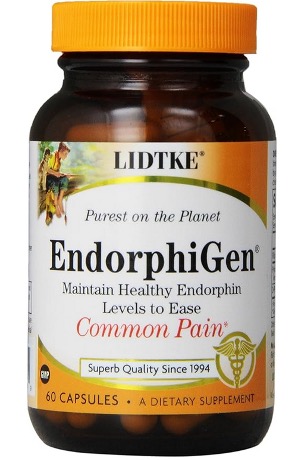
lidke endorphigen
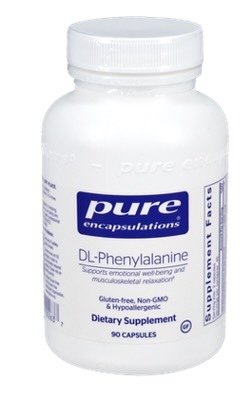
pure dlp

Products I recommend include Lidtke EndorphiGen (which is DPA) and Pure Encapsulations DL-Phenylalanine (DLPA).  You can purchase these from my online store (Fullscript – only available to US customers – use this link to set up an account).
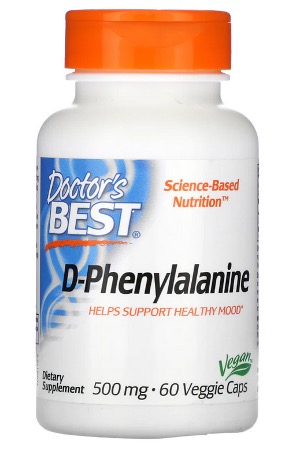
dr's best dpa
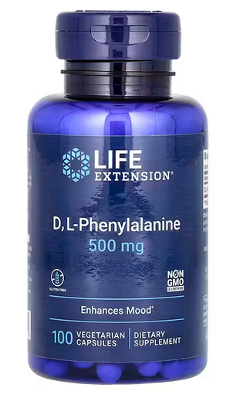
life dlp

If you’re not in the US, these products are available via iherb: Doctor’s Best D-Phenylalanine (or DPA) and Life Extension D, L-Phenylalanine (or DLPA) (use this link to save 5%).

Additional resources when you are new to using DPA and DLPA, and other amino acids as supplements

As always, I use the symptoms questionnaire to figure out if low endorphins or low dopamine or other neurotransmitter imbalances may be an issue for you.

If you suspect low levels of any of the neurotransmitters and do not yet have my book, The Antianxiety Food Solution – How the Foods You Eat Can Help You Calm Your Anxious Mind, Improve Your Mood, and End Cravings, I highly recommend getting it and reading it before jumping in and using amino acids on your own so you are knowledgeable. And be sure to share it with the practitioner/health team you or your loved one is working with.

There is an entire chapter on the amino acids and they are discussed throughout the book in the sections on gut health, gluten, blood sugar control (this is covered in an entire chapter too), sugar cravings, anxiety and mood issues.

The book doesn’t include product names (per the publisher’s request) so this blog, The Antianxiety Food Solution Amino Acid and Pyroluria Supplements, lists the amino acids that I use with my individual clients and those in my group programs (over and above the few I mentioned above).

If, after reading this blog and my book, you don’t feel comfortable figuring things out on your own (i.e. doing the symptoms questionnaire and respective amino acids trials), a good place to get help is the GABA QuickStart Program (if you have low GABA symptoms too). This is a paid online/virtual group program where you get my guidance and community support.

If you are a practitioner, join us in The Balancing Neurotransmitters: the Fundamentals program. This is also a paid online/virtual program with an opportunity to interact with me and other practitioners who are also using the amino acids.

Wrapping up and your feedback

I do always appreciate questions and feedback like this so keep your questions coming. I do hope my sharing these ones have been helpful to you.

How has DPA or DLPA helped your pain, depression, lack of joy, weepiness, and grief? And has DLPA affected your sleep or made you feel more anxious or stressed?

If yes, which products have helped and do you find swallowed or capsule opened is more effective?

If you’re a practitioner do you use DPA and/or DLPA with clients/patients?

And please let me know if it’s helpful that I’m now including product recommendations and where to get them?

Feel free to share and ask your questions below.
Filed Under: Anxiety and panic, Depression, DPA/DLPA, Endorphins, Insomnia, Pain Tagged With: amino acids, anxiety, anxious, cravings, d-phenylalanine, depression, dl-phenylalanine, DLPA, dopamine, DPA, endorphin, energy, GABA Quickstart; Balancing Neurotransmitters: the Fundamentals program for practitioners, grief, heart-ache, insomnia, lack of joy, neurotransmitters, pain, sleep, stressed, tyrosine, weepiness

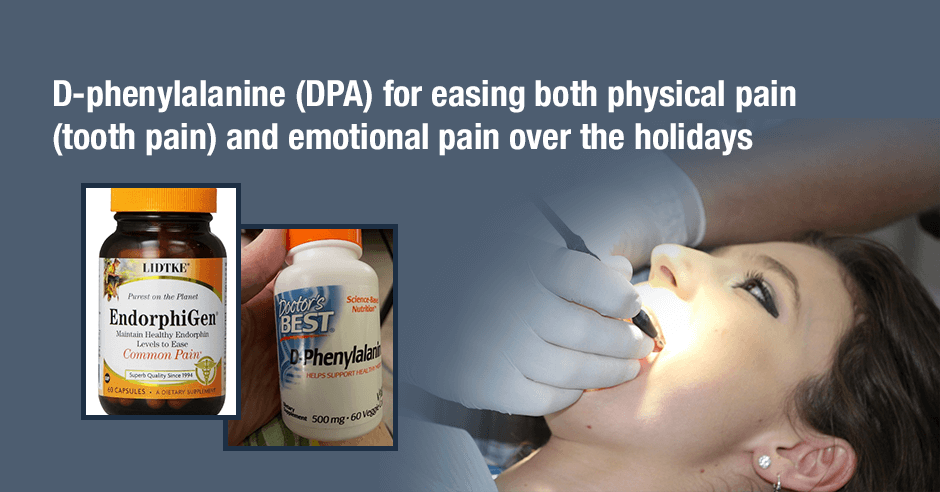
D-phenylalanine (DPA) for easing both physical pain (tooth pain) and emotional pain over the holidays

January 5, 2024 By Trudy Scott 33 Comments

dpa for pain

Today I share how the amino acid D-phenylalanine (DPA), used as a supplement multiple times a day, and opened on to my tongue, eased both the physical tooth pain I experienced for 14 days and the emotional pain I was feeling over the holidays.

In this blog I share more about DPA and endorphins when it comes to pain – both physical and emotional. I also share two DPA products I recommend, product label confusion and more about how DPA differs from DLPA (DL-phenylalanine). I am often asked this question and even long time users of DLPA are sometimes surprised to learn how different DPA is. As always, I like to share some research and other related blogs on the topic. Here is my recent and very positive personal experience with DPA, a firm favorite of mine:

I’m just back from the dentist – my crown was re-cemented and I’m a happy camper now. It popped off just before Christmas and I had to wait until now! There was a tiny cavity beneath the crown which is why I was having daily pain.

Thank goodness I always have DPA (the amino acid d-phenylananine) on hand. I gravitate to it for pain relief – sports injuries like muscle sprains, the rare headache and this time for tooth/jaw pain.

I opened a DPA onto my tongue as soon as I could feel the dull ache start and the pain relief lasted a few hours. It works by boosting endorphins to provide pain relief – kind of like acupuncture.  I call it “powdered acupuncture”.

Some days I used 3-4 and one day I needed 6. Taking one before bed was wonderful.

I also got bonus benefits for emotional well-being over the holidays. It’s the first Christmas without my darling mom and I really needed the endorphin boost to help with the emotional pain.

The DPA product I used was Doctor’s best (details below) and I opened up the 500 mg capsule onto my tongue each time I needed pain relief.

The number of capsules I needed seemed to vary by how much chewing I was doing (for example, I had more pain after a steak meal vs smoked salmon) and what I was eating or drinking (for example, I had more pain after drinking something cold). I simply used a DPA capsule when the dull pain started, making sure it was away from protein (not always but most of the time).

UPDATE: Sept 13, 2024
DPA has come to my rescue yet again and this time the tooth pain has been very severe. I initially suspected it was the crown again but when I got into the dentist an xray confirmed an abscess at the tip of one of the roots.

It’s a first for me and I’ve never experienced a toothache like this. The pain ramps up from zero to 10 (with 10 being most severe) in a matter of seconds. The only thing that helps right now is DPA. I’m opening a capsule every few hours and have even had to use it every 30 mins when it’s really severe like after drinking or eating something. It brings to pain down to a 3 in a matter of minutes.

I’ve figured out that using a straw to drink liquids helps a ton. I’m also  using a soft ice-pack a few times a day too. Strangely it’s worse just before bed, after I take my bedtime supplements. I need the DPA and ice-pack but fortunately I have no pain through the night.  Thank goodness for that!

I’m also using a herbal antibiotic and herbal mouth swish from my naturopath while I get a second opinion, learn about my options, and decide next steps.

All this has solidified DPA as my go-to supplement for pain relief.

One of the DPA products I recommend: Doctor’s Best D-Phenylalanine

There are not many d-phenylalanine/DPA products available but of those I have two that I recommend: Doctor’s Best D-Phenylalanine and Lidtke Endorphigen. Both contain 500 mg DPA but the labels can be confusing at first – at least until you’re familiar with them.

Also, this amino acid, DPA, is not to be confused with docosapentaenoic acid (also abbreviated as DPA), an omega-3 fatty acid similar to eicosapentaenoic acid (EPA).

dr's best dpa

Here is the Doctor’s Best D-Phenylalanine description:

Doctor’s Best D-phenylalanine is a non-protein amino acid that acts as an inhibiting agent to enzymes that degrade enkephalins, naturally occurring peptides in the body that metabolize endorphins. Endorphins are neurotransmitters that play a key role in the function of the nervous system and are associated with feelings of pleasure. By limiting production of enzymes that break down endorphins, the supplement can help support a healthy mood and normal functioning of the nervous system.

  • Helps support healthy mood
  • Helps support endorphin metabolism
  • Help support neurotransmitter function

This is the actual product that I used over the past 2 weeks and have used it on and off as needed for a few years. It was one of the nutrients that helped when I sprained my ankle when visiting my brother in Las Vegas. More here

As you can see there is no mention of pain on the label or product description. I share more on the pain/endorphin connection below.

You can purchase this online from their website or from iherb. If you use my iherb link you’ll save 5%. This is a good option if you’re not in the USA and already use iherb for one-stop shopping of quality products.

The other DPA product I recommend: Lidtke Endorphigen

The other product I recommend is Lidtke Endorphigen which also contains 500 mg DPA and a small amount of vitamin B6 and riboflavin (vitamin B2). As you can see, this product does mention pain but not the emotional support/mood benefits on the front label.

lidke endorphigen

Here is the Lidtke Endorphigen description

Ease Minor Pain & Feel Good with Healthy Endorphin Level Maintenance

Endorphins are nature’s way to relieve common minor pain and promote a cheerful mood. Research shows that endorphins are released in response to pain and stress, bringing relief. The second wind and runner’s high during and after a vigorous run are results of endorphins. Acting as an analgesic and sedative, endorphins diminish our perception of pain…. But there is more.

Recovery centers report that endorphins promote recovery from a wide variety of unhealthy cravings.

Low endorphin symptoms and typical dosing of DPA

I use the symptoms questionnaire to help clients identify if they have low endorphin symptoms (you can see that here).

Typical dosing is 500 mg to 1000 mg DPA 3-4 x day between meals/away from protein. I do find having clients open the capsule onto their tongue to be more effective for quick pain relief – with results as quickly as 5-10 minutes.

DPA vs DLPA: they are quite different but have some overlaps

I am often asked if DPA and DLPA are the same – they are quite different but have some overlaps as outlined in this blog post on the topic: What is the difference between DPA and DLPA (amino acids) and which one do I use for weepiness, heart-ache, pain and energy?

The precautions are also not the same so I always review contraindications with all my clients and encourage you to do the same.

DPA for MS pain, weepiness, emotional pain and more

Here are a few blog posts illustrating the use of DPA in multiple sclerosis, weepiness, physical pain, emotional pain and resilience, cravings/emotional eating and even helping to wean off prescription pain medication:

  • Multiple sclerosis: low endorphin research and the amino acid DPA (d-phenylalanine) for pain, depression, comfort and trauma support “The endogenous opioid system is …well known to play a role in the development of chronic pain and negative affect [i.e. depression], both of which are common comorbidities in MS.”
  • DPA for weepiness, pain and comfort and reward eating
  • The individual amino acids glutamine, GABA, tryptophan (or 5-HTP), DPA and tyrosine are powerful for eliminating sugar cravings, often within 5 minutes
  • When using the amino acid DPA (d-phenylalanine) I have more resilience and more buffer in the caregiving work I do, and just the oops’s of life As I mentioned above, using DPA over these holidays also gave me more resilience and the endorphin boost I needed help with the emotional pain of losing my mom.
  • Wean off prescription pain medication, improve sleep and reduce emotional eating with DPA (an endorphin-boosting amino acid)

Be sure to use the search feature on the blog to find additional applications of DPA.

DPA research on pain and depression

The use of DPA is not new as you can read in this paper from 1982 – D-phenylalanine and other enkephalinase inhibitors as pharmacological agents: implications for some important therapeutic application

A number of compounds have been shown to inhibit the degradation of enkephalins. As expected, these compounds produce naloxone reversible analgesia and potentiate the analgesia produced by enkephalins and by acupuncture.

One of these, D-phenylalanine, is also anti-inflammatory.

D-phenylalanine has proven to be beneficial in many human patients with chronic, intractable pain. It is proposed the enkephalinase inhibitors may be effective in a number of human “endorphin deficiency diseases” such as depression, schizophrenia, convulsive disorders and arthritis.

Additional resources when you are new to using DPA and the other amino acids as supplements

We use the symptoms questionnaire to figure out if low endorphins or other neurotransmitter imbalances may be an issue for you.

If you suspect low levels of any of the neurotransmitters and do not yet have my book, The Antianxiety Food Solution – How the Foods You Eat Can Help You Calm Your Anxious Mind, Improve Your Mood, and End Cravings, I highly recommend getting it and reading it before jumping in and using amino acids on your own so you are knowledgeable. And be sure to share it with the practitioner/health team you or your loved one is working with.

There is an entire chapter on the amino acids and they are discussed throughout the book in the sections on gut health, gluten, blood sugar control, sugar cravings, anxiety and mood issues.

The book doesn’t include product names (per the publisher’s request) so this blog, The Antianxiety Food Solution Amino Acid and Pyroluria Supplements, lists the amino acids that I use with my individual clients and those in my group programs. You can find them all – including the Lidtke Endorphigen 500 mg that I mentioned above.

Also mentioned above is Doctor’s Best D-Phenylalanine which can be purchased on iherb.

If, after reading this blog and my book, you don’t feel comfortable figuring things out on your own (i.e. doing the symptoms questionnaire and respective amino acids trials), a good place to get help is the GABA QuickStart Program (if you have low GABA symptoms too). This is a paid online/virtual group program where you get my guidance and community support.

If you are a practitioner, join us in The Balancing Neurotransmitters: the Fundamentals program. This is also a paid online/virtual program with an opportunity to interact with me and other practitioners who are also using the amino acids.

Have you had success using DPA for toothache, dental abscess or your other pain issues – what kind of pain has it helped and how much has helped you?

Has DPA also helped with emotional pain and weepiness? And cravings/emotional eating?

If you’re a practitioner do you have success using DPA with your clients/patients?

Feel free to share and ask your questions below.
Filed Under: Depression, DPA/DLPA, Emotional Eating, Endorphins, Pain Tagged With: Acupuncture, amino acids, cavity, crown, d-phenylalanine, dentist, depression, dl-phenylalanine, DLPA, Doctor’s Best D-Phenylalanine, DPA, dull ache, emotional pain, emotional well-being, endorphins, GABA Quickstart; Balancing Neurotransmitters: the Fundamentals program for practitioners, headache, Lidtke Endorphigen, muscle sprains, physical pain, tooth pain, weepiness

Multiple sclerosis: low endorphin research and the amino acid DPA (d-phenylalanine) for pain, depression, comfort and trauma support

April 28, 2023 By Trudy Scott 8 Comments

MS support

The research on the role of low endorphins in multiple sclerosis (MS) is exciting because it creates more awareness about a powerful way to offer pain and mood support if you have been diagnosed with this condition. Typically, I ignore the diagnosis when assessing for low levels of neurotransmitters (via a symptoms questionnaire) and have clients do a trial of the amino acid DPA (d-phenylalanine) if they have physical pain symptoms, experience emotional pain symptoms with excessive weepiness/crying and seek comfort via treats/rewarding foods or the numbing effects of alcohol. However, we now know low endorphins play a role in MS (via the endogenous opioid system). By addressing low levels with DPA, you can find some relief of the above pain/depression symptoms and a need for comfort and numbing. DPA may also offer some trauma support if past trauma is a contributing factor (more on all of this below).

Low endorphins play a role in multiple sclerosis: the research

This 2021 paper, Multiple Sclerosis and the Endogenous Opioid System describes MS and the fact that current therapies have limited efficacy: “Multiple sclerosis (MS) is an autoimmune disease characterized by chronic inflammation, neuronal degeneration and demyelinating lesions within the central nervous system. The mechanisms that underlie the pathogenesis and progression of MS are not fully known and current therapies have limited efficacy.”

What is exciting is the identification of the role of the endogenous opioid system and specific opioid peptides in MS:

Preclinical investigations using the murine experimental autoimmune encephalomyelitis (EAE) model of MS, as well as clinical observations in patients with MS, provide converging lines of evidence implicating the endogenous opioid system in the pathogenesis of this disease.

In recent years, it has become increasingly clear that endogenous opioid peptides, binding μ- (MOR), κ- (KOR) and δ-opioid receptors (DOR), function as immunomodulatory molecules within both the immune and nervous systems.

The endogenous opioid system is also well known to play a role in the development of chronic pain and negative affect [i.e. depression], both of which are common comorbidities in MS. As such, dysregulation of the opioid system may be a mechanism that contributes to the pathogenesis of MS and associated symptoms.

Endogenous means internal i.e natural compounds produced by the body and involved in pain relief and mood improvement. This article, Opioid Peptides, describes peptides as compounds that “produce the same effects as the chemicals known as classic alkaloid opiates, which include morphine and heroin.”

It also mentions three major categories of opioid receptors – mu, delta, and kappa – referred to as MOR, DOR and KOR above.

D-phenylalanine for human “endorphin deficiency diseases”

Unfortunately neither of these papers mentions the amino acid DPA (d-phenylalanine) and the fact that it supports endorphin production (by inhibiting the breakdown of endorphins), reducing pain and improving mood – quickly (as in 5-10 minutes).

The use of DPA is not new information as you can read in this paper from 1982 – D-phenylalanine and other enkephalinase inhibitors as pharmacological agents: implications for some important therapeutic application

A number of compounds have been shown to inhibit the degradation of enkephalins. As expected, these compounds produce naloxone reversible analgesia and potentiate the analgesia produced by enkephalins and by acupuncture.

One of these, D-phenylalanine, is also anti-inflammatory.

D-phenylalanine has proven to be beneficial in many human patients with chronic, intractable pain. It is proposed the enkephalinase inhibitors may be effective in a number of human “endorphin deficiency diseases” such as depression, schizophrenia, convulsive disorders and arthritis.

Such compounds may alleviate other conditions associated with decreased endorphin levels such as opiate withdrawal symptoms.

Prevalence of anxiety/depression and alcohol abuse in MS

As I shared in the recent post addressing low GABA symptoms (anxiety, muscle stiffness, swallowing/voice issues and pain) in multiple sclerosis, anxiety and depression is common in this condition. Alcohol abuse is also high. I shared this paper, The incidence and prevalence of psychiatric disorders in multiple sclerosis: A systematic Review, with the following results:

Among population-based studies, the prevalence of anxiety was 21.9% (and up to 35.0% in some papers), 23.7% for depression …and 14.8% for alcohol abuse.

The above Opioid Peptides paper highlights that the endogenous opioid system may be related to excessive alcohol-drinking behavior. In the work I do with amino acids, I see alcohol used as a way to numb out.

All this supports the fact that the amino acid DPA may help ease symptoms of depression and weepiness seen in MS, and self-medicating with alcohol.

The goal is to use these amino acids instead of needing to use benzodiazepines (covered in the above GABA blog), antidepressants and pain medications.

DPA may help trauma in MS, and the freeze response

This paper, Childhood Trauma in Multiple Sclerosis: A Case-Control Study, suggests an association between childhood trauma and early-life stress and MS:

Although childhood trauma was not associated with the degree of current MS-related disability, patients with MS with histories of physical and/or sexual abuse had significantly higher relapse rates than patients without early-life stress.

DPA may also offer some trauma support if past trauma is a contributing factor. I learned about trauma and the low energy freeze state (a survival mechanism) from Dr. Aimie Apigian, MD, MS, MPH. There is the feeling of numbness and being disconnected when in the freeze state and this eventually becomes the default pattern that the nervous system has been wired into.

Individuals with low endorphins are often in the freeze state and are more emotionally sensitive to everything and because of this they experience much more stress. They also experience a feeling of numbness and feel disconnected. The encouraging news is that the amino acid DPA helps ease the low endorphin symptoms while they are addressing their trauma in other ways, like with somatic work and addressing other biological underpinnings of trauma.

DPA is comforting, helps you feel safe and is often described as feeling like someone just hugged you.

Endorphins and the amino acid DPA (d-phenylalanine) and DLPA (dl-phenylalanine)

If you’re new to endorphins and the amino acid DPA and DLPA here are some blog posts:

  • When using the amino acid DPA (d-phenylalanine) I have more resilience and more buffer in the caregiving work I do, and just the oops’s of life
  • What is the difference between DPA and DLPA (amino acids) and which one do I use for weepiness, heart-ache, pain and energy?
  • Wean off prescription pain medication, improve sleep and reduce emotional eating with DPA (an endorphin-boosting amino acid)
  • DPA for weepiness, pain and comfort and reward eating
  • How best to use the amino acid DPA for easing heart-ache, weepiness, comfort eating and a compulsive desire for food

Low GABA and low serotonin are common in multiple sclerosis too

Low endorphins are just the tip of the iceberg when it comes to the underlying neurotransmitter imbalances in MS. Low GABA and low serotonin are common too.

As mentioned, I recently blogged about the GABA research and applications of GABA when it comes to multiple sclerosis. Here is that link.

When that blog was published I had a number of questions (see the comments in the above link) from folks asking if GABA could help with similar symptoms in Parkinson’s: swallowing and voice problems, pain and hand spasms. I said yes – if GABA is low, the amino acid GABA will help. As important as your diagnosis is, it’s always the questionnaire/symptoms that help you figure out if it’s worth trialing GABA, DPA or one of the other amino acids.

Both GABA and DPA can help pain symptoms via different mechanisms, so it’s a matter of doing a trial of each amino acid, one at a time and monitoring your response.

Tryptophan and/or 5-HTP may help ease some of the low serotonin worry-type of anxiety, fear, panic attacks, obsessing, low mood and MS-specific pain issues and insomnia.

If you do have more than one imbalance (which is not unusual), you need to figure out which imbalance you have and address that with the relevant amino acids, one at a time. I have clients pick the area that is more problematic for them and start there.

I gathered some of this research while preparing for an interview with the wonderful Dr. Terry Wahls, MD and author of “The Wahls Protocol.” We were both pleasantly surprised to see these endorphin/MS and other neurotransmitter connections.

I really look forward to seeing future research on the use of the amino acids DPA, GABA and tryptophan in MS. And I’d love to be involved in some studies if you are associated with a research facility or do research.

Resources if you are new to using amino acids as supplements

If you are new to using amino acids as supplements, here is the Amino Acids Mood Questionnaire from The Antianxiety Food Solution (you can see all the symptoms of neurotransmitter imbalances, including low GABA, low serotonin and low endorphins).

If you suspect low levels of any of the neurotransmitters and do not yet have my book, The Antianxiety Food Solution – How the Foods You Eat Can Help You Calm Your Anxious Mind, Improve Your Mood, and End Cravings, I highly recommend getting it and reading it before jumping in and using amino acids on your own so you are knowledgeable. And be sure to share it with the practitioner/health team you or your loved one is working with.

There is an entire chapter on the amino acids and they are discussed throughout the book in the sections on gut health, gluten, blood sugar control, sugar cravings, anxiety and mood issues.

The book doesn’t include product names (per the publisher’s request) so this blog, The Antianxiety Food Solution Amino Acid and Pyroluria Supplements, lists the amino acids that I use with my individual clients and those in my group programs. You can find them all in my online store.

If, after reading this blog and my book, you don’t feel comfortable figuring things out on your own (i.e. doing the symptoms questionnaire and respective amino acids trials), a good place to get help is the GABA QuickStart Program (if you have low GABA symptoms too). This is a paid online/virtual group program where you get my guidance and community support.

If you are a practitioner, join us in The Balancing Neurotransmitters: the Fundamentals program. This is also a paid online/virtual program with an opportunity to interact with me and other practitioners who are also using the amino acids.

Do you have multiple sclerosis and has the amino acid DPA helped with your low endorphin symptoms: pain, depression, alcohol addiction, comfort and trauma support?

How much has helped and which product do you use?

Do you find opening a capsule of DPA helps more than swallowing the DPA capsule?

Were you surprised that DPA would help so much?

What else has helped your multiple sclerosis symptoms? And have you also addressed low GABA and serotonin with amino acids GABA and tryptophan?

If you have questions and other feedback please share it here too.

Filed Under: Addiction, Amino Acids, DPA/DLPA, Endorphins, Multiple sclerosis Tagged With: alcohol, alcohol addiction, comfort, crying, d-phenylalanine, depression, dl-phenylalanine, DLPA, DPA, emotional pain, endogenous opioid system, endorphin, endorphins, freeze response, GABA, GABA Quickstart online program; Balancing Neurotransmitters: the Fundamentals program for practitioners, multiple sclerosis, numbing, pain, reward, serotonin, trauma, treats, weepiness

What if rewarding, comforting, numbing or distracting behaviors (caused by low endorphins) are causing low motivation, instead of low dopamine?

June 17, 2022 By Trudy Scott 21 Comments

behaviors and low motivation

One of the first things that comes to mind when someone is stuck and not able to get things done is low motivation caused by low catecholamines/low dopamine. But what if numbing, rewarding, comforting and/or distracting behaviors (caused by low endorphins) are holding you back and preventing you from getting things done instead? It may be low endorphins only or may be in conjunction with other neurotransmitter imbalances. The following question and stories from women in the community (and my insights and some of the research) may help you figure it out if any of this applies to you.

I posted a question to this effect on Facebook and there was a great deal of interest. Many folks shared examples of what their distractions are and how they fit into being rewarding and comforting for them. Here is what I posted:

I’m digging into the research connecting low endorphins and low motivation i.e. not being able to get stuff done! We associate low endorphins with physical pain, emotional pain and comfort/reward eating. But in a similar way that emotional eating /comfort food is used to numb us out and reward and comfort us, certain behaviors can do this too. Here are some examples you may relate to:

  • mindless scrolling through Facebook or other social media platforms instead of working on your new project
  • binge watching hours of Netflix shows instead of getting to bed early so you’re productive and motivated (and not distracted)
  • playing video games for days (and not going outdoors, eating proper meals and even bathing)

All of these are also an addiction and we know low endorphins are a factor when it comes to addictions too. There is also an endorphin/dopamine connection hence the motivation aspect I’m looking into.

Can you relate to any of this and has endorphin support (with the amino acid DPA/d-phenylalanine as a supplement) or exercise or LDN (low dose naltrexone) helped with your low endorphin symptoms, your lack of motivation and the distractions you almost create for yourself?

I’d expect the amino acid DLPA (dl-phenylalanine) to help since it works on boosting both low endorphins and low dopamine. I am really curious about DPA because some folks can’t tolerate DLPA or it’s contraindicated.

What are some examples of your distractions and what has helped you?

Sarah: finds looking for split ends and cutting them off very rewarding. Is this a low endorphin behavior?

Omgosh this is so me. I often wonder what the heck is wrong with me. I look around at everything that needs to be done but just get overwhelmed and have no motivation to get it done. I don’t know where to start and then get anxious about it. I will immerse myself looking for split ends in my hair instead, I can spend easily over an hour at a time just sitting there looking for split ends and cutting them off. I find it very rewarding and it’s become such a habit now that if I’m out publicly and see a pesky split end l can’t ignore it and as Í don’t typically carry scissors with me (because that would be weird right?!) so I bite them off. I often think I must look like a nutter! I am always thinking what is wrong with me???!!

Sarah describes a rewarding activity perfectly and I’d suspect endorphin support – using the amino acid DPA (d-phenylalanine) – will likely help her. This behavior is her distraction from getting things done. It’s such a distraction that she cannot ignore it even when in public.

Since she also mentions overwhelm and anxiety I’d also want to explore low GABA physical-type anxiety and low serotonin worry-type anxiety and consider trials of both GABA and tryptophan (or 5-HTP).

There may also be an obsessive element to her distracting behavior and serotonin support (with the above, inositol and possibly NAC) has been shown to help with trichotillomania (recurring habit of pulling one’s hair).

Bonnie: low motivation almost feels physical or like something is missing in my brain. Low endorphins and low dopamine?

I relate to this very much – low motivation almost feels physical or like something is missing in my brain, also an almost inability to focus or organize how to do something or get through the day. I have low motivation with poor focus … but I am also constantly craving reward, comfort, or some kind of boost in energy or pleasure to motivate or energize me – this used to be things like sweets or chocolate but I have been lowering sugar/attempting to quit.

I haven’t tried any supplements mentioned but I’m very interested to learn more as this significantly affects my life.

She says her low motivation feels physical or like something is missing. It’s great she has that awareness and she is spot on – she is missing the specific action of certain neurotransmitters (which can be resolved with amino acid supplementation).

We address neurotransmitter imbalances, one at a time:

  • DPA for low endorphin support to help with the comfort/distraction/reward
  • And tyrosine for dopamine support to help with the inability to focus and needing something to energize her
  • Her inability to focus or organize could be due to the spinning we see with the low GABA type of physical anxiety too

She also shares that she has “feelings of anxiety, hopelessness and self judgment” so low serotonin worry-type anxiety is also likely in the mix.

As always it’s best to trial one at a time and find the ideal dose before trialing the next one. I recommend trialing in the area that causes the most distress. What is great is that addressing all this will make quitting sweets and chocolate easy and with no feelings of deprivation.

Jennifer: video games are hard to break free of / switches to learning languages. Could it be low GABA and an inability to prioritize?

All of the above but video games are especially hard to break free from. Luckily I decided to use those dopamine hits to my advantage and am closing in on a 1000 day Duolingo streak, having made it to the end of the French, Norwegian, and Japanese courses.  Yes I neglect other things, but it’s better than wasting time on video games. I do worry a bit that I would lose interest if my chemistry was fully balanced, but then again there are more important things that I could be doing.

I congratulated her on her language learning and shared that it’s common to switch one addiction for another. For example alcoholics quit drinking and then get addicted to sugar or caffeine unless they address their neurotransmitter imbalances.

Jennifer has been using GABA without much success yet and once she finds the ideal dose it may be the solution or part of the solution for her spinning and inability to prioritize (which she “chalked up to ADHD, but also only became a problem when I got sick.”

Initially I would focus on GABA support (for physical anxiety) more than endorphin support, because she shares she also has all these other low GABA symptoms:

  • acrophobia (which started when she got sick)
  • proctalgia fugax/rectal spasms (recently developed
  • and burning mouth (which was a big part of her mold symptoms)

Keep in mind mold can deplete GABA and other brain chemicals so this does need to be addressed (home/office remediation and healing from the mycotoxin effects), in addition to using amino acid support.

She does check all the boxes on the symptoms questionnaire and it’ll be interesting to see which other amino acids help her with this gaming/language learning challenge. There may well be a low endorphin distraction and reward aspect too.

As always it’s best to trial one amino acid at a time and find the ideal dose before moving on to the next one.

Some of the research

I actually went looking for the research to support what I was seeing in terms of these struggles folks are experiencing i.e. another type of low motivation that is driven by low endorphins and has a numbing, rewarding and addiction aspect.

As mentioned above there is an endorphin/dopamine connection. This paper, Opioids for hedonic experience and dopamine to get ready for it, summarizes it well:

Brain dopamine has been suggested to rather code for the preparatory aspects of behavior, while brain opioids [endorphins] seem to mediate the perception of the hedonic [or pleasant] properties of rewards.

There is an addiction/cravings aspect with each of the neurotransmitter imbalances, including low endorphins.  As mentioned above, these distracting behaviors can also be addicting. And we know low endorphins are a factor when it comes to addictions to drugs, carbs/sweets and behaviors.

DPA destroys the enzyme that breaks down/inhibits endorphins and in essence raises endorphin levels, This paper discusses beta-endorphins and the reward mechanism and how they can induce euphoria, reduce pain and ease addictions and distress: “Long known for its analgesic effect, the opioid beta-endorphin is now shown to induce euphoria, and to have rewarding and reinforcing properties.” You can read more about DPA here.

With regards to DLPA (which supports low endorphins and low dopamine), a really interesting study identified low endorphins and low catecholamines as a probable cause of PMS (premenstrual syndrome) or PMDD (premenstrual dysphoric disorder) in some women. I blogged about this study and the use of DLPA here.

When it comes to exercise, this study, Opioid Release after High-Intensity Interval Training in Healthy Human Subjects, highlights the effects of different exercise intensities on opioid release, with moderate-intensity exercise being more beneficial for endorphin support. You can read about the impacts of exercise on pain, reward, and emotional processing and “the most commonly adopted theory on physical exercise induced euphoria …the ‘endorphin hypothesis’.”

LDN (low dose naltrexone) is often used in autoimmune conditions and to help with inflammation. This article, The Uses of Low-Dose Naltrexone in Clinical Practice, provides a good overview, and states that “unlike higher doses of naltrexone, LDN acts on β-endorphin receptors to stimulate the release of endorphins in the body.”  I’m not advocating the use of LDN instead of DPA or DLPA, but if you’ve been prescribed LDN you may have observed the endorphin boosting effects.

Brain chemical imbalances to consider when you experience low motivation and can’t get things done

Here is a short summary of brain chemical/neurotransmitter imbalances to consider when you have low motivation and can’t get things done:

  • Low endorphins – the less recognized low endorphin/comfort/distraction type as discussed in this blog
  • Low dopamine/low catecholamines – this is what we think of as the classic low motivation trigger where there is also poor focus, low energy and sometimes curl-up-in bed kind of depression
  • Low serotonin is another less recognized kind of low motivation I’ve blogged about: What if overthinking, fear, anxiety and worry (caused by low serotonin) is holding you back instead of low motivation/low dopamine?
  • Low GABA is also not recognized as a trigger of low motivation but since anxiety can cause inability to prioritize and spinning, this could be a factor too
  • Low blood sugar could also be a factor since it affects focus and energy

Resources if you are new to using the amino acids as supplements

If you are new to using any of the amino acids as supplements, here is the Amino Acids Mood Questionnaire from The Antianxiety Food Solution (you can see all the symptoms of neurotransmitter imbalances).

If you suspect low levels of any of the neurotransmitters and do not yet have my book, The Antianxiety Food Solution – How the Foods You Eat Can Help You Calm Your Anxious Mind, Improve Your Mood, and End Cravings, I highly recommend getting it and reading it before jumping in and using amino acids on your own so you are knowledgeable. And be sure to share it with the practitioner/health team you or your loved one is working with.

There is an entire chapter on the amino acids and they are discussed throughout the book in the sections on gut health, blood sugar control, sugar cravings, self-medicating with alcohol and more.

The book doesn’t include product names (per the publisher’s request) so this blog, The Antianxiety Food Solution Amino Acid and Pyroluria Supplements, lists the amino acids that I use with my individual clients and those in my group programs.

If, after reading this blog and my book, you don’t feel comfortable figuring things out on your own (i.e. doing the symptoms questionnaire and respective amino acids trials), a good place to get help is the GABA Quickstart Program (if you have low GABA symptoms). This is a paid online/virtual group program where you get my guidance and community support. There are many moms in the program who are having much success with their kids.

If you are a practitioner, join us in The Balancing Neurotransmitters: the Fundamentals program. This is also a paid online/virtual program with an opportunity to interact with me and other practitioners who are also using the amino acids.

With much appreciation for these women for sharing their stories and allowing me to provide my insights for them and you. We all have much to learn from each other.

Can you relate to any of this and has endorphin support with the amino acid DPA (d-phenylalanine) used as a supplement) helped?

What about exercise or LDN (low dose naltrexone) or DLPA (dl-phenylalanine)?

What are some examples of your distractions or rewarding/comforting/numbing behaviors?

And do you have a mix of neurotransmitter imbalances to address? Which is the most troubling area for you?

If you have questions please share them here too.

Filed Under: Anxiety, Endorphins, GABA, serotonin Tagged With: addiction, binge watching Netflix, catecholamines, comforting, d-phenylalanine, distracting behaviors, dl-phenylalanine, DLPA, DPA, exercise, LDN, low dopamine, low dose naltrexone, low endorphins, low motivation, mindless scrolling, neurotransmitter imbalances, numbing, playing video games, rewarding

An amino acid supplement with DLPA, glutamine and 5-HTP eases alcohol withdrawal symptoms at an inpatient detoxification program

April 8, 2022 By Trudy Scott 18 Comments

amino acid and alcohol

An amino acid supplement with DLPA, glutamine and 5-HTP (and a few other nutrients) eases alcohol withdrawal symptoms at an inpatient detoxification program. Other than anxiety (I’ll share more on this below), there was also a significant decrease in psychiatric symptoms. Here is an excerpt from the study, The use of a food supplementation with D-phenylalanine, L-glutamine and L-5-hydroxytriptophan in the alleviation of alcohol withdrawal symptoms:

We described the use of a food supplementation with D-phenylalanine, L-glutamine and L-5-hydroxytryptophan in the alleviation of alcohol withdrawal symptoms in patients starting a detoxification therapy.

Since abstinence from ethanol causes a hypodopaminergic and a hypoopioidergic environment in the reward system circuits, manifesting with withdrawal symptoms, food supplements that contains D-phenylalanine, a peptidase inhibitor (of opioid inactivation) and L-amino-acids (for dopamine synthesis) were used to replenish a lack in neurotransmitters and alleviate the symptoms of alcohol withdrawal.

First I cover some translation issues and then more about the actual product and study results. I also share my commentary on the amino acids and dosing used in the study (and the fact that anxiety did not resolve). I include how to apply this information if you have a loved one in an alcohol treatment/rehab program or if you recognize social drinking is an issue for you. And I wrap up with additional resources if you are new to using GABA as a supplement, the GABA Quickstart online program and the practitioner training.

The study was completed and published in Slovenia and there are a few translation issues I’d like to clarify:

  • The study title states D-phenylalanine (DPA) was in the amino acid product, however DL-phenylalanine (DLPA) was actually used. You can read about the difference between DPA and DLPA here. In summary, DPLA works on both dopamine and endorphin support and DPA works on endorphin support only.
  • As you can see from the excerpt above, hypodopaminergic refers to low dopamine and hypoopioidergic refers to low endorphins. During withdrawal from ethanol/alcohol, both low dopamine and low endorphins cause withdrawal symptoms.
  • L-5-hydroxytryptophan is incorrectly spelled as L-5-hydroxytriptophan and reward system is incorrectly spelled as reword system. (Clarifications are provided for facilitating online searches in the research literature.)

More about the product, the study and the conclusion

It was a small randomized, double blind study with just 20 patients and the amino acid product was used for 40 days of the inpatient alcohol detox or rehab program.

This is the actual combination product used:

300 mg DLPA

150 mg glutamine

5 mg 5-HTP

1 mg  vitamin B6

50 mg calcium gluconate

25 mg magnesium oxide

0.01 mg folic acid

Psychiatric symptoms were measured using the SCL- 90R and included assessing for “somatization, obsessive-compulsive, interpersonal sensitivity, depression, anxiety, hostility, phobic anxiety, paranoid, and psychoticism.” During their rehab there was a significant decrease in these categories of psychiatric symptoms in the study group, except for their anxiety symptoms.

The authors conclude that “abstinence causes a major stress for the patients. The use of a food supplement containing D-phenylalanine [it was actually DL-phenylalanine], L-glutamine and L-5-hydroxytryptophan alleviates the withdrawal symptoms.”

As expected, once alcohol consumption was stopped, cortisol levels, liver enzymes and total bilirubin all decreased in the study group and the control group.

My commentary on the amino acids and dosing used in the study (and the fact that anxiety did not resolve)

Keep in mind the same dosing was used for all study participants. What I use clinically with folks with low levels of these neurotransmitters, is an individualized approach based on each person’s needs, for endorphin and dopamine support (from the DLPA), blood sugar support (from glutamine) and serotonin support (from 5-HTP). This means identifying symptoms in each category and doing a trial of each respective amino acid, starting low and increasing based on symptom resolution.

Given that anxiety symptoms didn’t resolve in the study group, I would have loved to see the amino acid GABA included, also dosed according to individual needs. GABA helps ease the physical tension-type anxiety and low GABA tension often drives the need to self-medicate with alcohol in order to relax and fit in socially.

The authors do mention GABA too: “the physiological craving for alcohol may be the result of a deficiency of the naturally occurring opiate like substances as well as other neurochemical deficits (i.e., dopaminergic, GABAergic, and serotonergic).

Also, an animal study shows that GABA helps with gut damage caused by alcohol consumption, so there is this additional benefit.

A higher dose of glutamine and/or 5-HTP may have also helped ease anxiety. They used 150 mg glutamine whereas a typical starting dose for glutamine is 500 mg (and we increase from there). Going up to 1000 mg to 1500 mg three or 4 times a day is not unusual and is typically very beneficial for alcoholics – for blood sugar stability, an additional calming effect and for healing the leaky gut which has been damaged by the alcohol consumption.

With regards to 5-HTP, they used 5 mg 5-HTP which is considered extremely low. I wonder if it was in fact 50 mg, which is a typical starting dose? Going up to 150 mg 5-HTP use 2 or 3 times a day is not unusual. Serotonin support with 5-HTP (or tryptophan) is very beneficial for the worry-type of ruminating anxiety.

For some individuals DLPA may have been too stimulating and contributing to anxiety via a dopamine boost. For these individuals, DPA may have been a better option for endorphin support.

I am not in favor of folic acid and prefer methylfolate, and although magnesium is an important cofactor for neurotransmitter production, magnesium oxide does not provide much usable magnesium.

Outside of the amino acids and other nutrients used, a vitamin B1 (thiamine) deficiency would need to be addressed and any other deficiencies (such as all the B vitamins, zinc, vitamin D, magnesium etc.) caused by chronic alcohol consumption. This is not a comprehensive list and a full functional workup will help to identify all possible deficiencies.

Despite my quibbles, the outcome of the study is very encouraging, I appreciate the researchers and I hope to see it replicated and refined in other settings.

How to apply this information if you have a loved one in an alcohol treatment/rehab program

Unfortunately the amino acids are seldom incorporated at in-patient detox and rehab centers but they should be. Your options are to:

  • Share this study and my blog with the treatment center
  • Educate yourself (on using the questionnaire and doing the amino acid trials) so you can use them with your loved one once rehab is over. This is key for preventing a relapse and for swapping alcohol addiction for sugar or caffeine or nicotine addiction.
  • Introduce one amino acid at a time so you can figure out which one/s they need and how much
  • Read my book, The Antianxiety Food Solution – How the Foods You Eat Can Help You Calm Your Anxious Mind, Improve Your Mood, and End Cravings, and share a copy with the treatment center (and your loved one and their treatment team)
  • Address diet, nutritional deficiencies and gut health

Keep in mind that the amino acids are used with success for cocaine, heroin and other drug addictions.

How to apply this information if you recognize social drinking is an issue for you

New research shares that “low-level alcohol consumption is commonly perceived as being inconsequential or even beneficial for overall health, with some reports suggesting that it may protect against dementia or cardiovascular risks”, however, as the authors suggest “even low-level alcohol consumption is associated with premature brain aging.”

Social drinking is the norm and is way too prevalent. And it’s often used as a calming measure in order to relax and fit in socially.  If this sounds like you:

  • Educate yourself (on using the questionnaire and doing the amino acid trials) so you can use them to quit drinking easily with no willpower and no feelings of being deprived. This is key for preventing the swapping out the need for alcohol (to relax or fit in socially) with a sugar or caffeine or nicotine addiction. In this case, GABA helps a young man who has recently given up alcohol, Adderall and nicotine.
  • Introduce one amino acid at a time so you can figure out which one/s you need and how much
  • Read my book, The Antianxiety Food Solution – How the Foods You Eat Can Help You Calm Your Anxious Mind, Improve Your Mood, and End Cravings, and share a copy with your loved one/spouse/partner and practitioners/therapists.
  • Address diet, nutritional deficiencies and gut health

Resources if you are new to using the amino acids as supplement

If you are new to using the amino acids as supplements, here is the Amino Acids Mood Questionnaire from The Antianxiety Food Solution (you can see all the low neurotransmitter symptoms).

If you suspect low levels of any of the neurotransmitters and do not yet have my book, The Antianxiety Food Solution – How the Foods You Eat Can Help You Calm Your Anxious Mind, Improve Your Mood, and End Cravings, I highly recommend getting it and reading it before jumping in and using amino acids on your own so you are knowledgeable. And be sure to share it with the team you or your loved one is working with.

There is a section on alcohol but keep in mind that all the sections on sugar craving/addiction apply to alcohol addiction and self-medicating with alcohol too. Some individuals use alcohol to numb out and some use sugar. Many use both and once alcohol addiction is addressed, it’s often replaced with sugar and caffeine addiction. This is why addressing neurotransmitter imbalances is key.

The book doesn’t include product names (per the publisher’s request) so this blog, The Antianxiety Food Solution Amino Acid and Pyroluria Supplements, lists the amino acids that I use with my individual clients and those in my group programs.

If you don’t feel comfortable reading my book and figuring things out on your own (doing the symptoms questionnaire and doing respective trials), you can get guidance from me in the GABA Quickstart Program (online/virtual).

If you are a practitioner, join us in The Balancing Neurotransmitters: the Fundamentals program. It’s an opportunity to interact with me and other practitioners who are also using the amino acids.

Have you used amino acids with success as part of an alcohol detox program (for yourself or for a loved one)? Or to help stop social drinking of alcohol?

Which neurotransmitter imbalances were driving your need to self-medicate with alcohol and which amino acids helped?

If you’re a practitioner do you use the amino acids (via an individualized approach) to help with alcohol withdrawal and cessation with your patients and/or clients?

Feel free to ask your questions here too.

Filed Under: 5-HTP, Addiction, Amino Acids, Anxiety, DPA/DLPA, GABA, Glutamine, Tryptophan Tagged With: 5-HTP, alcohol, alcohol withdrawal symptoms, amino acid supplement, anxiety, B1, calming, d-phenylalanine, detox, dl-phenylalanine, DLPA, GABA, GABA Quickstart, glutamine, gut, hypodopaminergic, hypoopioidergic, inpatient detoxification program, L-5-hydroxytriptophan, L-glutamine, practitioner training, psychiatric symptoms, rehab, social drinking, tension, Thiamine, worry

DLPA (DL-Phenylalanine) eases PMDD/PMS symptoms in women who experience declining endorphin levels in the second half of their cycles

March 18, 2022 By Trudy Scott 23 Comments

dlpa

Mood swings, intense sugar cravings, comfort/binge eating, sadness, anxiety, crying, cramps and increased pain, irritability, anger, fatigue, cognitive dysfunction, overwhelm, feelings of unease and dissatisfaction, aggression, heartache, and/or insomnia are common for many women during the second half of the menstrual cycle i.e. in the luteal phase. You may relate to all or some of these symptoms. And you may have been diagnosed with or may identify with PMS (premenstrual syndrome) or PMDD (premenstrual dysphoric disorder – similar to PMS but more serious).

Research shows improvements of these symptoms with the amino acids tryptophan (which provides serotonin support) and GABA (which supports GABA levels). Although there is no research that the pyroluria protocol improves symptoms it’s something I see clinically all the time. (I’ve written about this extensively and share more on this below)

A really interesting study published in 1989 identified low endorphins and low catecholamines as a probable cause for some women – Prevention of Late Luteal Phase Dysphoric Disorder Symptoms with DL-Phenylalanine in Women with Abrupt β-Endorphin Decline: A Pilot Study

I recently came across the above paper and prior to this, had not considered this as a primary root cause. Here is the excerpt from the abstract:

Twenty-two women with late luteal phase dysphoric disorder were treated with DL-phenylalanine during the 15 days prior to menses in a double-blind crossover study.

DL-Phenylalanine was shown to be more effective than placebo in attenuating many symptoms characteristic of luteal phase dysphoric disorder. This amino acid was chosen because of its hypothesized actions in attenuating the symptoms associated with the sharp decline in central β-endorphin levels during the late luteal phase in women with luteal phase dysphoric disorder.

Let’s review a few terms… Late luteal phase dysphoric disorder is a synonym for PMDD. The luteal phase is one stage of the menstrual cycle and occurs after ovulation and before your period. When you feel dysphoric you feel very unhappy, uneasy, or dissatisfied. With the downward endorphin shift at this time, period pain and other pain can be worse, and weepiness and emotional symptoms increase. The need for comfort or reward eating also increases. The study authors suggest these PMDD symptoms may “closely resemble those seen during morphine or heroin withdrawal.”

Based on my experience I do feel comfortable extrapolating these findings to PMS and even peri and post-menopausal women who experience some or all of these symptoms (other than actual periods and period issues in post-menopausal women).

Study participants, dosing and timing of DLPA and improvements

The participants in the study were white, middle-class, and between 24 and 29. Each woman took one 750 mg of DLPA at breakfast and lunch for the 15 days prior to the expected onset of their periods.

In the study groups, it was found that “initial improvement started at the end of the first month of DLPA therapy. Continued therapy brought increased relief from symptoms by the end of the second month. Interestingly, the greatest period of improvement occurred during the washout period” at the end of the third month possibly due to a delayed action of DL-phenylalanine.

The authors make the following conclusion:

DL-phenylalanine was found to be safe, well-accepted, and without significant side effects. The significant improvement it produced with many of the symptoms characteristic of Late Luteal Phase Dysphoric Disorder [PMDD] suggests that it may prove a useful addition to the therapeutic armamentarium for this syndrome.

Keep in mind that a typical starting dose of DLPA is 500mg used 2-3 x per day and it’s typically used between meals for best effects. Ideal is also to customize dosing to your unique needs. In this study, everyone received the same dose at the same time. For these reasons it’s even more impressive to see results like they did.

It makes sense but I have just not used DPLA alone and only in the second half of the cycle

It’s a very small pilot study but given my experience with the amino acids DLPA, DPA and tyrosine, and the vast number of women I have worked with who had symptoms like the above, it makes sense. Using the above three amino acids in combination with dietary changes, tryptophan, GABA and the pyroluria protocol, this approach has offered relief for many of my clients. I have just not used DPLA alone and only in the second half of the cycle.

In case you’re wondering why I mention the three amino acids DLPA, DPA and tyrosine above, it’s because:

  • DLPA (the amino acid used in this study) supports both endorphins and catecholamines (dopamine is one of them)
  • Or DPA (supports endorphins only) can be used with tyrosine (supports catecholamines only) instead of DLPA which does both

I blog about the differences between DLPA and DPA here, together with all the symptoms we look at when considering doing a trial.

In this study, they used DLPA which boosts endorphins and catecholamines. As I share in my DPA vs DLPA blog, I prefer DPA (d-phenylalanine) for endorphin support when symptoms are severe. But DPA is not always available so DLPA is a good alternative, assuming the person can handle the catecholamine support. Some people can’t and there are some contraindications too.

I’d love to see follow-on research covering the following:

  • A larger group of women using DLPA
  • Individualizing the dosing of DLPA to each person’s unique needs
  • Correlating results with the low endorphin and low catecholamine symptoms questionnaire
  • Comparing DLPA alone with a combination of DPA + tyrosine (with each individualized based on unique needs)

Serotonin and GABA support for PMS/PMDD, and the pyroluria protocol

In this paper, Premenstrual Dysphoric Disorder the authors share that PMDD

comprises emotional and physical symptoms and functional impairment that lie on the severe end of the continuum of premenstrual symptoms. Women with PMDD have a differential response to normal hormonal fluctuations.

It’s recognized that serotonin and GABA play a role:

This susceptibility may involve the serotonin system, altered sensitivity of the GABAA receptor to the neurosteroid allopregnanalone [a naturally occurring neurosteroid which is made from the hormone progesterone], and altered brain circuitry involving emotional and cognitive functions.

They share SSRIs that are considered as the first-line treatment. Second-line treatments include oral contraceptives, calcium, chasteberry, and cognitive-behavioral therapy.

However, as I share in this blog, research supports the use of tryptophan – Tryptophan for PMS: premenstrual dysphoria, mood swings, tension, and irritability

A study published in 1999, A placebo-controlled clinical trial of L-tryptophan in premenstrual dysphoria, tryptophan was found to reduce symptoms of PMS when used in the luteal phase or second half of the cycle (i.e. after ovulation).

I mention GABA in this blog and the fact that many anxious women I work with also have pyroluria or signs of low zinc and low vitamin B6 and adding these nutrients, together with evening primrose oil, provide additional hormonal and neurotransmitter support, and help with the social anxiety.

Resources if you are new to using DLPA (or other amino acids) as supplements

If you are new to using DLPA or the other amino acids as supplements, here is the Amino Acids Mood Questionnaire from The Antianxiety Food Solution (you can see the low endorphin and low catecholamine symptoms.)

If you suspect low levels of endorphins and/or low levels of catecholamine and do not yet have my book, The Antianxiety Food Solution – How the Foods You Eat Can Help You Calm Your Anxious Mind, Improve Your Mood, and End Cravings, I highly recommend getting it and reading it before jumping in and using amino acids on your own so you are knowledgeable. And be sure to share it with the team you or your loved one is working with. Blog posts like this are intended to add value to the chapter on amino acids, which contains detailed information on doses and time of the day for dosing.

The book doesn’t include product names (per the publisher’s request) so this blog, The Antianxiety Food Solution Amino Acid and Pyroluria Supplements, lists the amino acid products that I use with my individual clients and those in my group programs.

If you are a practitioner, join us in The Balancing Neurotransmitters: the Fundamentals program. It’s an opportunity to interact with me and other practitioners who are also using the amino acids.

Have you considered that there may be different types of PMS (premenstrual syndrome) or PMDD (premenstrual dysphoric disorder) i.e. a different combination of root causes and therefore different solutions?

And have you had success with DLPA alone (providing both endorphin and dopamine support) or by using a combination of DPA (endorphin support only) and tyrosine (catecholamine support only).

If you’re peri or post menopausal have you also seen success with any of these amino acids?

Have the other amino acids, tryptophan and GABA or the pyroluria protocol helped too?

If you’re a practitioner please share what you’ve seen with clients/patients.

Feel free to ask your questions here too.

Filed Under: Amino Acids, Anxiety, Hormone, PMS, Women's health Tagged With: aggression, anger, anxiety, catecholamines, Cognitive dysfunction, comfort/binge eating, cramps, crying, dissatisfaction, dl-phenylalanine, DLPA, endorphin, fatigue, feelings of unease, GABA, heartache, increased pain, insomnia, intense sugar cravings, irritability, luteal phase. premenstrual syndrome, menstrual cycle, mood swings, overwhelm, PMDD, PMS, premenstrual dysphoric disorder, pyroluria, sadness, second half of their cycles, serotonin, tryptophan

  • Page 1
  • Page 2
  • Go to Next Page »

Primary Sidebar

NEW! GABA QuickStart Homestudy (with special intro pricing)

gaba quickstart homestudy

Free Report

9 Great Questions Women Ask about Food, Mood and their Health

You'll also receive a complimentary subscription to my ezine "Food, Mood and Gal Stuff"


Connect with me

Popular Posts

  • Amino Acids Mood Questionnaire from The Antianxiety Food Solution
  • The Antianxiety Food Solution Amino Acid and Pyroluria Supplements
  • Pyroluria Questionnaire from The Antianxiety Food Solution
  • Collagen and gelatin lower serotonin: does this increase your anxiety and depression?
  • Tryptophan for the worry-in-your-head and ruminating type of anxiety
  • GABA for the physical-tension and stiff-and-tense-muscles type of anxiety
  • The Antianxiety Food Solution by Trudy Scott
  • Seriphos Original Formula is back: the best product for anxiety and insomnia caused by high cortisol
  • Am I an anxious introvert because of low zinc and vitamin B6? My response to Huffington Post blog
  • Vagus nerve rehab with GABA, breathing, humming, gargling and key nutrients

Recent Posts

  • What do I use instead of Seriphos to help lower high cortisol that is affecting my sleep and making me anxious at night?
  • BeSerene™ GABA/theanine cream eases severe muscle tension in her neck/shoulders, prevents her bad headaches and quells her anxiety
  • How the correct approach, dose and sublingual use of GABA can be calming and not cause a flushed and itchy face and neck
  • The amino acid glutamine improves low mood by addressing gut health, and it has calming effects too
  • Flight anxiety with heightened breath, physical tension and also fearing the worst (the role of low GABA and low serotonin)

Categories

  • 5-HTP
  • AB575
  • Addiction
  • ADHD
  • Adrenals
  • Alcohol
  • Allergies
  • Alzheimer's disease
  • Amino Acids
  • Anger
  • Antianxiety
  • Antianxiety Food Solution
  • Antidepressants
  • Anxiety
  • Anxiety and panic
  • Autism
  • Autoimmunity
  • benzodiazapines
  • Bipolar disorder
  • Books
  • Caffeine
  • Cancer
  • Candida
  • Children/Teens
  • Collagen
  • Cooking equipment
  • Coronavirus/COVID-19
  • Cravings
  • Depression
  • Detoxification
  • Diabetes
  • Diet
  • DPA/DLPA
  • Drugs
  • EFT/Tapping
  • EMF
  • EMFs
  • Emotional Eating
  • Endorphins
  • Environment
  • Essential oils
  • Events
  • Exercise
  • Fear
  • Fear of public speaking
  • Fertility and Pregnancy
  • Fish
  • Food
  • Food and mood
  • Functional neurology
  • GABA
  • Gene polymorphisms
  • General Health
  • Giving
  • Giving back
  • Glutamine
  • Gluten
  • GMOs
  • Gratitude
  • Gut health
  • Heart health/hypertension
  • Histamine
  • Hormone
  • Hyperparathyroidism
  • Hypoglycemia
  • Immune system
  • Inflammation
  • Insomnia
  • Inspiration
  • Introversion
  • Joy and happiness
  • Ketogenic diet
  • Lithium orotate
  • Looking awesome
  • Lyme disease and co-infections
  • MCAS/histamine
  • Medication
  • Men's health
  • Mental health
  • Mercury
  • Migraine
  • Mold
  • Movie
  • MTHFR
  • Multiple sclerosis
  • Music
  • NANP
  • Nature
  • Nutritional Psychiatry
  • OCD
  • Osteoporosis
  • Oxalates
  • Oxytocin
  • Pain
  • Paleo
  • Parasites
  • Parkinson’s disease
  • PCOS
  • People
  • PMS
  • Postpartum
  • PTSD/Trauma
  • Pyroluria
  • Questionnaires
  • Real whole food
  • Recipes
  • Research
  • Schizophrenia
  • serotonin
  • SIBO
  • Sleep
  • Special diets
  • Sports nutrition
  • Stress
  • Sugar addiction
  • Sugar and mood
  • Supplements
  • Teens
  • Testimonials
  • Testing
  • The Anxiety Summit
  • The Anxiety Summit 2
  • The Anxiety Summit 3
  • The Anxiety Summit 4
  • The Anxiety Summit 5
  • The Anxiety Summit 6
  • Thyroid
  • Thyroid health
  • Toxins
  • Tryptophan
  • Tyrosine
  • Uncategorized
  • Vegan/vegetarian
  • Women's health
  • Yoga

Archives

  • October 2025
  • September 2025
  • August 2025
  • July 2025
  • June 2025
  • May 2025
  • April 2025
  • March 2025
  • February 2025
  • January 2025
  • November 2024
  • October 2024
  • September 2024
  • August 2024
  • July 2024
  • June 2024
  • May 2024
  • April 2024
  • March 2024
  • February 2024
  • January 2024
  • December 2023
  • November 2023
  • October 2023
  • September 2023
  • August 2023
  • July 2023
  • June 2023
  • May 2023
  • April 2023
  • March 2023
  • February 2023
  • January 2023
  • December 2022
  • November 2022
  • October 2022
  • September 2022
  • August 2022
  • July 2022
  • June 2022
  • May 2022
  • April 2022
  • March 2022
  • February 2022
  • January 2022
  • December 2021
  • November 2021
  • October 2021
  • September 2021
  • August 2021
  • July 2021
  • June 2021
  • May 2021
  • April 2021
  • March 2021
  • February 2021
  • January 2021
  • December 2020
  • November 2020
  • October 2020
  • September 2020
  • August 2020
  • July 2020
  • June 2020
  • May 2020
  • April 2020
  • March 2020
  • February 2020
  • January 2020
  • December 2019
  • November 2019
  • October 2019
  • September 2019
  • August 2019
  • July 2019
  • June 2019
  • May 2019
  • April 2019
  • March 2019
  • February 2019
  • January 2019
  • December 2018
  • November 2018
  • October 2018
  • September 2018
  • August 2018
  • July 2018
  • June 2018
  • May 2018
  • April 2018
  • March 2018
  • February 2018
  • January 2018
  • December 2017
  • November 2017
  • October 2017
  • September 2017
  • August 2017
  • July 2017
  • June 2017
  • May 2017
  • April 2017
  • March 2017
  • February 2017
  • January 2017
  • December 2016
  • November 2016
  • October 2016
  • September 2016
  • August 2016
  • July 2016
  • June 2016
  • May 2016
  • April 2016
  • March 2016
  • February 2016
  • January 2016
  • December 2015
  • November 2015
  • October 2015
  • September 2015
  • August 2015
  • July 2015
  • June 2015
  • May 2015
  • April 2015
  • March 2015
  • February 2015
  • January 2015
  • December 2014
  • November 2014
  • October 2014
  • September 2014
  • August 2014
  • July 2014
  • June 2014
  • May 2014
  • April 2014
  • March 2014
  • February 2014
  • January 2014
  • December 2013
  • November 2013
  • October 2013
  • September 2013
  • August 2013
  • July 2013
  • June 2013
  • May 2013
  • April 2013
  • March 2013
  • February 2013
  • January 2013
  • December 2012
  • November 2012
  • October 2012
  • August 2012
  • July 2012
  • June 2012
  • May 2012
  • April 2012
  • March 2012
  • February 2012
  • January 2012
  • December 2011
  • November 2011
  • October 2011
  • September 2011
  • August 2011
  • July 2011
  • June 2011
  • May 2011
  • April 2011
  • March 2011
  • February 2011
  • January 2011
  • December 2010
  • October 2010
  • September 2010
  • July 2010
  • May 2010
  • April 2010
  • March 2010
  • February 2010
  • January 2010
  • November 2009

Share the knowledge!

The above statements have not been evaluated by the Food and Drug Administration. Products listed in this website are not intended to diagnose, treat, cure or prevent any disease.

The information provided on this site is for informational and educational purposes only and is not intended as a substitute for advice from your physician or other health care professional. You should consult with a healthcare professional before starting or modifying any diet, exercise, or supplementation program, before taking or stopping any medication, or if you have or suspect you may have a health problem.


Copyright © 2026 Trudy Scott. All Rights Reserved. | Privacy | Terms and Conditions | Refund Policy | Medical Disclaimer

Free Report

9 Great Questions Women Ask about Food, Mood and their Health

You’ll also receive a complimentary subscription to my ezine “Food, Mood and Gal Stuff”