• Skip to primary navigation
  • Skip to main content
  • Skip to primary sidebar

everywomanover29 blog

Food, Mood and Women's Health – Be your healthiest, look and feel great!

  • Blog
  • About
  • Services
  • Store
  • Resources
  • Testimonials
  • The Book
  • Contact
  • Search this site

benzodiazepine

Mitochondrial disruption and systemic benzodiazepine side effects/tapering issues: pain, fatigue, brain fog, insomnia and anxiety

May 16, 2025 By Trudy Scott 19 Comments

mitochondrial disruption

A recent article published on Naturopathic Doctor News & Review, Mitochondrial Disruption Explains Systemic Benzodiazepine Side Effects, reports on new research that identifies a possible mechanism for wide-ranging side effects of these antianxiety medications. In addition to side-effects there can also be persistent withdrawal symptoms that continue after they have been tapered:

Benzodiazepines impair mitochondrial signaling across multiple systems in the body, not just GABA receptors in the brain. Mitochondria play a central role in regulating cell energy metabolism, hormone synthesis, oxidative stress balance, and immune response.

Disrupting these pathways has systemic consequences that explain the wide range of symptoms patients report during chronic use and withdrawal.

These findings offer a cellular mechanism for persistent fatigue, pain syndromes, cognitive impairment, and inflammatory symptoms that may continue after tapering.

Many medications impact the mitochondria but this new research has identified a new possible mechanism: tryptophan-rich sensory proteins (HsTSPO1) and reactive oxygen species.

In this blog I share more about HsTSPO1 and this new research, additional symptoms of benzodiazepine withdrawal, what we already know about mitochondria and anxiety, other medications and environmental toxicants that affect the mitochondria, and some key nutrients for mitochondrial support.

Benzodiazepines bind to tryptophan-rich sensory proteins (HsTSPO1)

This article from Virginia Commonwealth University, Researchers may have solved decades-old mystery behind benzodiazepine side effects, discusses the new study and HsTSPO1:

Benzodiazepines produce their therapeutic effect by binding with GABAA receptors in the brain; however, the drug has an equally strong affinity to human mitochondrial tryptophan-rich sensory proteins (HsTSPO1), located on the outer membrane of mitochondria in cells.

This type of protein is linked to several neurodegenerative diseases, including Alzheimer’s, and researchers have suspected that HsTSPO1 may be involved in certain side effects of benzodiazepine drugs.

And “when valium and other benzodiazepines bind to HsTSPO1, they inhibit the protein’s ability to manage ROS (reactive oxygen species) levels in our cells … this both reduces the production and the neutralization of ROS.

This may help explain why such medications cause side effects over time

And the authors propose this: “The new insights into HsTSPO1’s function could help pharmaceutical companies develop improved benzodiazepines.”

I have a better idea and propose we create more awareness about how these and other medications affect the mitochondria. I believe all medications should include a warning about these mitochondrial effects, and that mitochondrial support should be included when these medications are prescribed and then tapered.

This may include a combination of the same nutrients used for neurodegenerative disorders caused by mitochondrial dysfunction – CoQ10, B-vitamins/NADH, L-carnitine, vitamin D, and alpha-lipoic acid. And should also include infrared sauna, red light therapy and other detox approaches.

Ideally, this awareness will increase the use of the amino acids GABA, tryptophan, 5-HTP and DPA (d-phenylalanine), and other nutritional approaches instead of long-term benzodiazepine prescriptions for anxiety, pain and sleep issues. More on that below.

Some of the many other symptoms of benzodiazepine withdrawal

This paper from 1994, The benzodiazepine withdrawal syndrome describes some of the many symptoms:

Physiological dependence on benzodiazepines is accompanied by a withdrawal syndrome which is typically characterized by sleep disturbance, irritability, increased tension and anxiety, panic attacks, hand tremor, sweating, difficulty in concentration, dry wretching and nausea, some weight loss, palpitations, headache, muscular pain and stiffness and a host of perceptual changes.

The mechanism is not addressed in the paper but in the light of this new research, it’s possible that tryptophan-rich sensory proteins, increased reactive oxygen species and mitochondrial dysfunction are factors.

Brain mitochondria: anxiety and fear

I first addressed mitochondrial dysfunction during the 2019 Anxiety Summit: Gut-Brain Axis. One of my guest experts, Tara Hunkin, NTP, CGP, RWP shared these highlights from this review paper – Anxiety and Brain Mitochondria: A Bidirectional Crosstalk:

  • Despite the established link between mitochondrial dysfunction and various psychiatric disorders, the contribution of mitochondria in anxiety disorders has not been extensively addressed.
  • Mitochondria are emerging as modulators of anxiety-related behavior, as evidenced both in animal and human studies.
  • There is a bidirectional link between mitochondria and anxiety. Mitochondrial, energy metabolism, and oxidative stress alterations are observed in high anxiety; conversely, changes in mitochondrial function can lead to heightened anxiety.

More recent research, published in 2024, The Emerging Role of Brain Mitochondria in Fear and Anxiety, supports this and proposes “a model in which mitochondrial function is critical for regulating the neural circuits that underpin fear and anxiety behaviors, highlighting how mitochondrial dysfunction can lead to their pathological manifestations.”

The new HsTSPO1 research builds on this research, identifying a possible mechanism and further supporting the oxidative stress connection.

On a side note, I’m really intrigued to learn more about these tryptophan-rich sensory proteins!

Other medications and environmental toxicants that impact the mitochondria

Keep in mind that it’s not only benzodiazepines that impact the mitochondria.

This 2023 paper, Drug-induced mitochondrial toxicity: Risks of developing glucose handling impairments, explores the correlation between potential mitochondrial dysfunction caused by selected medications, specifically looking at their effects on insulin signalling and glucose handling:

Drug classes such as statins, anti-diabetics, anti-epileptics, NSAIDs, anti-depressants, and certain antibiotics have been identified to induce mitochondrial toxicity.

This 2022 paper, Environmental Chemical Exposures and Mitochondrial Dysfunction: a Review of Recent Literature, states this:

Classes of environmental toxicants such as polycyclic aromatic hydrocarbons, air pollutants, heavy metals, endocrine-disrupting compounds, pesticides, and nanomaterials can damage the mitochondria in varied ways, with changes in mtDNA copy number and measures of oxidative damage the most commonly measured in human populations.

Amino acids and nutritional support: instead of benzos and before/during tapering

As I mentioned above, this awareness will hopefully increase the use of the amino acids GABA, tryptophan, 5-HTP and DPA (d-phenylalanine), and other nutritional approaches instead of long-term benzodiazepine prescriptions for anxiety, pain and sleep issues.

When it comes to tapering, it’s best to be nutritionally stable BEFORE starting to taper. This means eating real whole food that includes quality animal protein, healthy fats, fermented foods and organic vegetables and fruit; eating for blood sugar control; quitting sugar, gluten, alcohol and caffeine; addressing gut and adrenal health; addressing pyroluria and key nutritional deficiencies like low zinc, low iron, low vitamin D and more. This is all covered in my book.

Addressing neurotransmitter imbalances with amino acids before and during the tapering helps immensely too.  And so does mitochondrial support.

And a reminder: tapering should always be done very very very slowly and under medical supervision with the prescribing doctor.

Additional resources when you are new to using GABA, tryptophan and other amino acids as supplements

As always, I use the symptoms questionnaire to figure out if low serotonin or low GABA or other neurotransmitter imbalances may be an issue.

If you suspect low levels of any of the neurotransmitters and do not yet have my book, The Antianxiety Food Solution – How the Foods You Eat Can Help You Calm Your Anxious Mind, Improve Your Mood, and End Cravings, I highly recommend getting it and reading it before jumping in and using amino acids on your own so you are knowledgeable. And be sure to share it with the practitioner/health team you or your loved one is working with.

There is an entire chapter on the amino acids and they are discussed throughout the book in the sections on gut health, gluten, blood sugar control (this is covered in an entire chapter too), sugar cravings, anxiety and mood issues.

The book doesn’t include product names (per the publisher’s request) so this blog, The Antianxiety Food Solution Amino Acid and Pyroluria Supplements, lists the amino acids that I use with my individual clients and those in my group programs.

If, after reading this blog and my book, you don’t feel comfortable figuring things out on your own (i.e. doing the symptoms questionnaire and respective amino acids trials), a good place to get help is the GABA QuickStart Program (if you have low GABA symptoms). This is a paid online/virtual group program where you get my guidance and community support.

If you are a practitioner, join us in The Balancing Neurotransmitters: the Fundamentals program. This is also a paid online/virtual program with an opportunity to interact with me and other practitioners who are also using the amino acids.

Wrapping up and your feedback

Are you aware that benzodiazepines and many other medications can play a role in mitochondrial disruption? And that this mitochondrial disruption is likely a factor when it comes to systemic benzodiazepine side effects and tapering issues such as pain, fatigue, brain fog, insomnia and anxiety (and more)?

Have you considered or used mitochondrial support when tapering one of the benzodiazepines and has this approach helped?

And has it helped to be nutritionally stable BEFORE tapering and using amino acids to help with tapering? What changes did you make and which amino acids helped?

If you’re a practitioner is this a topic you discuss and address with your clients/patients?

Please do share in the comments below.

Filed Under: Anxiety, GABA, Insomnia Tagged With: alpha-lipoic acid, antianxiety medications, anxiety, B vitamins, benzodiazepine, brain fog, cell energy metabolism, CoQ10, fatigue, GABA, HsTSPO1, insomnia, L-carnitine, medications, mitochondria, Mitochondrial disruption, oxidative stress, pain, reactive oxygen species, side-effects, tapering, tryptophan-rich sensory proteins, vitamin D

GABA and theanine for sedation, anxiety, and cognition in preoperative surgical patients (a randomized controlled study)

October 18, 2024 By Trudy Scott 7 Comments

amino acids for sedation

L-theanine is a unique amino acid found in green tea. It prevents stress, produces anxiolysis, modulates alpha activity, and provides beneficial effects on mental state, including sleep quality.

Gamma-aminobutyric acid (GABA) is a non-proteinogenic amino acid and a phytochemical that is the main inhibitory neurotransmitter in the mammalian brain. It is beneficial in anxiety and stress regulation.

This overview of theanine and GABA come from this paper, Comparison of the effects of two amino acids, Gamma-aminobutyric acid (GABA) and L-theanine, on sedation, anxiety, and cognition in preoperative surgical patients – A randomized controlled study, a very promising paper published in May this year.

This novel study was planned to study and compare the effects of L-theanine and GABA on anxiety, sedation, and cognition in preoperative patients posted for major elective surgeries under general anesthesia.

The conclusion is that: “GABA and L-theanine result in effective preoperative anxiolysis with minimal sedation and improvement of cognitive skills.”

In other words, both these amino acids are calming before a surgical procedure, don’t cause too much drowsiness and improve cognition.

There are a number of reasons why I feel this study is so promising: anxiety before surgery is very common; laryngospasms (or vocal cord spasms) during surgery are potentially life threatening and clinically we see GABA to be helpful outside of the surgical setting; and any research confirming the calming benefits of GABA (and other amino acids like theanine) supports what we see clinically and furthers the field. This is especially the case when it’s a randomized controlled study such as this one. More on all this below.

The study information and benzodiazepine comparison with GABA/theanine

It was a small study with a “total of 168 patients aged between 18 and 55 years .. who were randomly divided into three groups that received either oral L-theanine, oral GABA, or oral alprazolam 0.25 mg. The anxiety score, sedation score, and psychomotor and cognitive performance scores were noted 60 minutes before and after the administration of the drugs” and amino acids.

Alprazolam is an antianxiety medication known as a benzodiazepine which impairs “psychomotor performance and cause excessive sedation.” I’ve blogged extensively about many of the  known issues with benzodiazepines.

Because of this it’s worth noting that the authors share this exciting information: “To our knowledge, our study is the first comparative study that compares GABA with L-theanine and alprazolam.”

This in itself is very encouraging but more so because the outcome “showed that oral L-theanine, oral GABA, and oral alprazolam were equally effective in producing anxiolysis.”

How much GABA and theanine was used in the study? And what is optimal?

The authors had the study participants use 500 mg GABA and 200 mg of theanine. Both were used as capsules and swallowed. If you’ve been following my work, you’re aware that I find sublingual (or powder or liposomal or topical) use of GABA to be more effective than swallowing a capsule. For this reason it’s possible that using a lower dose sublingually may be as effective or possibly even more effective.

As always, dosing of GABA (and other amino acids such as theanine) is individualized to the unique needs of the person. Ideally, the person has figured out their optimal dose for easing anxiety in their day to day life before going in for surgery. They may find that a higher dose is needed the weeks leading up to surgery and the day of surgery.

You can read the entire study here: Comparison of the effects of two amino acids, Gamma-aminobutyric acid (GABA) and L-theanine, on sedation, anxiety, and cognition in preoperative surgical patients – A randomized controlled study

Laryngospasms during anesthetic – could GABA help prevent this?

Laryngospasm is a life threatening complication during the perioperative period (time of surgery) with an incidence of 0.78-5% depending on the surgical type, patient age, pre-existing conditions and anesthetic technique.”

It is described as “the sustained closure of the vocal cords resulting in the partial or complete loss of the patient’s airway. Although described in the conscious state and associated with silent reflux, laryngospasm is a problematic reflex which occurs often under general anaesthesia.”

The authors state that “a clear management plan is required to avoid significant morbidity and even mortality.” They do discuss the use of magnesium “due to both an increased depth of anaesthetic and muscle relaxation” and the authors state that this “agent may have a role to play in the future prevention of laryngospasm, but more studies are needed.”

Clinically we see GABA to be helpful for the prevention of laryngospasms outside of a surgical setting (I blogged about this here) and it’s intriguing to consider that the use of GABA before surgery may actually help prevent or reduce the severity of this complication. I look forward to future research on this application of GABA.

Until then it may be worth discussing with your surgeon and anesthetist. I have a family member who is susceptible to laryngospasms and GABA powder rubbed on the inside of his cheek during an episode, stops the spasm and stridor (abnormal high-pitched sound) in a matter of 30 seconds. Prior to a recent surgical procedure, he discussed this with his surgeon and anesthetist. We were both pleasantly surprised that they were both interested and open to having him take GABA with him into surgery.

GABA for anxiety, stress, muscle spasms and pain too

I shared this excerpt in a recent blog but it’s worth sharing again: a number of studies have shown that “GABA is implicated in a large number of diseases including anxiety and stress disorders, pain, musculoskeletal disorders, sleep disorders, depression, addiction and withdrawal syndromes.”

Let’s consider GABA (and theanine) during the often stressful and anxiety-provoking periods leading up to surgery and on the day of surgery. It’s likely to help with muscle spasms, pain reduction and sleep too.

A few GABA product options  – a sublingual, a powder and a cream

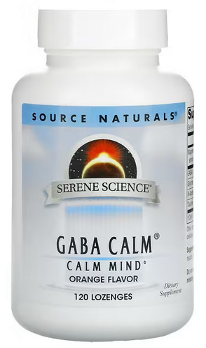
gaba calm
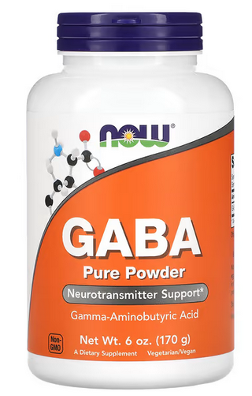
gaba pure poder
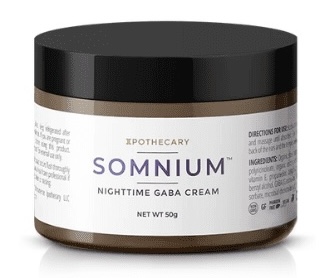
somnium gaba cream

The authors had the study participants use 500 mg GABA, swallowed. As I mentioned above, using a lower dose sublingually may be as effective or possibly even more effective. Also, dosing of GABA (and other amino acids) is individualized to the unique needs of the person.

One product I use and recommend is Source Naturals GABA Calm lozenges. It’s a good low dose of 125 mg and is convenient and effective because it’s a sublingual lozenge.

Now GABA Powder is another product I use and recommend. It does need to be measured out to provide a 125 mg typical starting dose. I have clients use a handy mini measuring spoon like this one (my Amazon link) and share more about how to measure out GABA powder on this blog).

For Source Naturals GABA Calm lozenges and Now GABA Powder:

  • You can purchase these from my online store (Fullscript – only available to US customers – use this link to set up an account).
  • If you’re not in the US, you can purchase these at iherb (use this link to save 5%).

Somnium GABA Cream is another option that could be considered especially for children and those with special needs. It is available in the US and elsewhere with international shipping. Read more about the product and who else may benefit from using a cream, and grab my coupon code to save 15%.

Additional resources when you are new to using GABA and other amino acids as supplements

As always, I use the symptoms questionnaire to figure out if low low GABA or other neurotransmitter imbalances may be an issue.

If you suspect low levels of any of the neurotransmitters and do not yet have my book, The Antianxiety Food Solution – How the Foods You Eat Can Help You Calm Your Anxious Mind, Improve Your Mood, and End Cravings, I highly recommend getting it and reading it before jumping in and using amino acids on your own so you are knowledgeable. And be sure to share it with the practitioner/health team you or your loved one is working with.

There is an entire chapter on the amino acids and they are discussed throughout the book in the sections on gut health, gluten, blood sugar control (this is covered in an entire chapter too), sugar cravings, anxiety and mood issues.

The book doesn’t include product names (per the publisher’s request) so this blog, The Antianxiety Food Solution Amino Acid and Pyroluria Supplements, lists the amino acids that I use with my individual clients and those in my group programs.

If, after reading this blog and my book, you don’t feel comfortable figuring things out on your own (i.e. doing the symptoms questionnaire and respective amino acids trials), a good place to get help is the GABA QuickStart Program (if you have low GABA symptoms). This is a paid online/virtual group program where you get my guidance and community support.

If you are a practitioner, join us in The Balancing Neurotransmitters: the Fundamentals program. This is also a paid online/virtual program with an opportunity to interact with me and other practitioners who are also using the amino acids.

Wrapping up and your feedback

I’d love to hear from you – does any of this resonate with you? Do you feel increasingly anxious before surgery and other medical procedures and is GABA and/or theanine part of your calming repertoire?

And have either helped you when experiencing a laryngospasm?

Have you ever discussed either of these two amino acids with your surgeon or anesthetist prior to surgery and were they open?

If you’re a practitioner do you recommend GABA and theanine to your anxious clients/patients and as a surgeon or anesthetist would you consider these amino acids in the future (especially in patients more prone to laryngospasm)?

Feel free to share and ask your questions below.

Filed Under: Anxiety, benzodiazapines, GABA Tagged With: amino acids, anesthesia, anxiety, anxiolysis, anxious, benzodiazepine, calming, cognition, GABA, inhibitory, l-theanine, laryngospasms, neurotransmitter, preoperative, sedation, sleep quality, stress, surgery, surgical, theanine

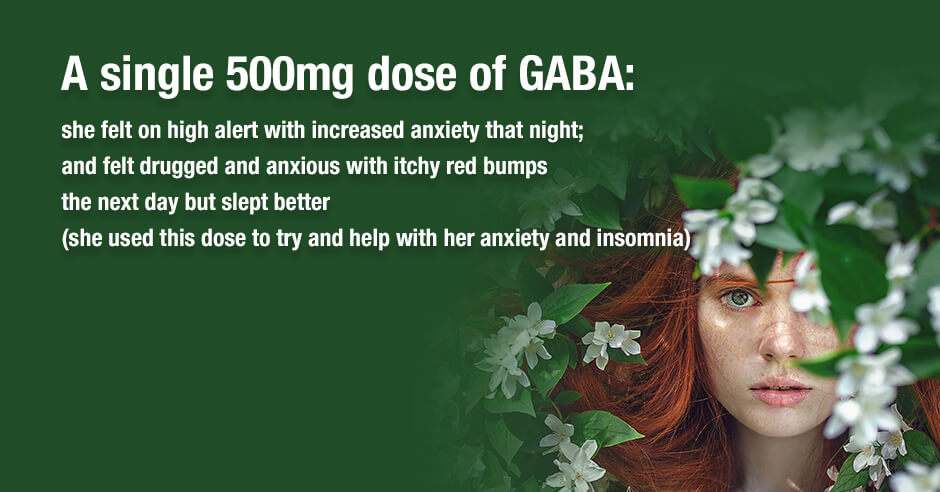
GABA 500mg: high alert and increased anxiety; drugged and anxious with itchy red bumps the next day but slept better

November 11, 2022 By Trudy Scott 22 Comments

500mg gaba

Too much of the calming amino acid, GABA, can cause the opposite effect leading to increased anxiety and feeling too tired the following day, sometimes even feeling drugged. I have clients start with 125mg if they have low GABA physical type of anxiety so when I hear someone has had a bad reaction after using 500mg GABA, it’s unfortunate but not surprising. SM posted her reaction on the blog where I write about a niacin-type flush from using too much GABA. However her reaction was more severe than this. Here is her feedback and questions:

I took a single dose of GABA 500mg from NOW foods one night hoping it can help with anxiety and insomnia. I felt on high alert that night and increased anxiety that night. The next day I felt drugged and anxious, but strangely slept better [the next] night. I also had itchy red bumps.

I realized from your blog that 500mg was too much for me. I switched to NOW Foods True Calm which has 200 mg GABA and other nutrients, quite like a mini version of the Country Life GABA. I slept better but again have itchy red bumps now, so I’m afraid of using another capsule during the day.

I am also on 0.375mg of Clonotril which I take only at night but it does not help with constant anxiety all day. I managed to taper down to 0.375mg from 1mg after taking magnesium glycinate but unfortunately I had too much diarrhea from the magnesium. That’s how I came to know about GABA hoping it can help relieve the constant anxiety and heart palpitations.

After reading this article I realize it’s important to start GABA low. I tried to use Olly Goodbye Stress gummies which have 100 mg GABA and 50 mg theanine per 2 gummies but it was of no help.

I want to try the Source Naturals GABA Calm lozenges you recommended but I’m also feeling scared as I have been trying so many things without much success. Very grateful if you could offer me some advice. I came across your work when googling about GABA. Thank you for this opportunity to ask you questions.

This is my feedback for SM: too much GABA can have adverse effects the day it’s taken and feeling on high alert with increased anxiety that night is not unusual. It’s also not unusual to feel overly fatigued and even experience a drugged-type feeling and still continue to feel anxious.

With symptoms like this my first piece of advice is to start low at 125mg and always have 1000mg vitamin C on hand when trialing GABA (and any of the amino acids). It’s the antidote and works quickly to ease all the adverse effects and also any beneficial effects that are experienced.

Use a much lower dose of GABA and keep vitamin C on hand

We often trial GABA again – even with adverse symptoms like this – but always use a much lower dose.. We could use another product like Source Naturals GABA Calm lozenges or use 125mg of the 500mg NOW GABA product.

One big clue that she may actually need GABA is that she did sleep better the next night.

If it’s a niacin type flush, as described in the blog she commented on, Too much GABA causes a tingling niacin-like flush sensation (in the brain and body). It’s awful and very uncomfortable!, I would still recommend another trial of the lower dose (with vitamin C on hand).

Other product options to consider are theanine and/or pharmaGABA too.

A histamine reaction or MCAS /mast cell activation syndrome?

However if it’s not a flush but a real rash or hives then I’m more concerned and would not have them trial something new. With a rash that doesn’t resolve we also consider a histamine reaction or MCAS /mast cell activation syndrome.

GABA typically helps with MCAS/histamine issues but unfortunately things are not predictable when you have MCAS. She may need to address the histamine/MCAS reaction before she can start benefiting from GABA.

A phenol sensitivity or allergic reaction?

Phenols can trigger some strong emotional reactions that do include anxiety, hyperactivity, insomnia and meltdowns – and a feeling of being on high alert (which SM mentions).

Since she mentions the rash, I would also want to rule out a phenol reaction to the GABA. My colleague Julie Matthews shares this: “When phenols are not able to be broken-down and detoxified by a process called sulfation… they can cause these emotional symptoms and also red cheeks and ears.”

The benzodiazepine may be the confounding factor

One other confounding factor is the Clonotril. Benzodiazepines (using them and/or tapering) can cause many different issues. I do have clients use GABA to help while tapering but we only change one thing at a time and the benzo taper is super super slow. They also only start to taper (with the doctor’s approval and monitoring) once they are nutritionally stable. My book The Antianxiety Food Solution is a great resource for learning more about becoming nutritionally stable.

Serotonin support as well as GABA support?

SM mentions that she took GABA hoping it would help with anxiety and insomnia. These are also both symptoms of low serotonin so she may also see benefits with tryptophan, 5-HTP and melatonin.   You can read more about tryptophan here: Tryptophan for the worry-in-your-head and ruminating type of anxiety and melatonin here: Melatonin improves sleep quality and reduces anxiety after a TBI.

Resources if you are new to using GABA and other amino acids as supplements

If you are new to using any of the amino acids as supplements, here is the Amino Acids Mood Questionnaire from The Antianxiety Food Solution (you can see all the symptoms of neurotransmitter imbalances, including low GABA and low serotonin).

If you suspect low levels of any of the neurotransmitters and do not yet have my book, The Antianxiety Food Solution – How the Foods You Eat Can Help You Calm Your Anxious Mind, Improve Your Mood, and End Cravings, I highly recommend getting it and reading it before jumping in and using amino acids on your own so you are knowledgeable. And be sure to share it with the practitioner/health team you or your loved one is working with.

There is an entire chapter on the amino acids and they are discussed throughout the book in the sections on gut health, gluten, blood sugar control, sugar cravings, self-medicating with alcohol and more.

The book doesn’t include product names (per the publisher’s request) so this blog, The Antianxiety Food Solution Amino Acid and Pyroluria Supplements, lists the amino acids that I use with my individual clients and those in my group programs. You can find them all in my online store.

If, after reading this blog and my book, you don’t feel comfortable figuring things out on your own (i.e. doing the symptoms questionnaire and respective amino acids trials), a good place to get help is the GABA QuickStart Program (if you have low GABA symptoms). This is a paid online/virtual group program where you get my guidance and community support.

If you are a practitioner, join us in The Balancing Neurotransmitters: the Fundamentals program. This is also a paid online/virtual program with an opportunity to interact with me and other practitioners who are also using the amino acids.

Have you had an adverse reaction to taking a high dose of GABA? What dose, which product and what was your reaction?

What did you figure out was the ideal dose for you?

If you have questions please share them here too.

Filed Under: Anxiety, GABA, Insomnia Tagged With: 500mg GABA, amino acids; GABA Quickstart online program; and Balancing Neurotransmitters: the Fundamentals program for practitioners, anxiety, anxious, benzodiazepine, Clonotril, drugged, high alert, histamine reaction, increased anxiety, insomnia, itchy red bumps, MCAS, niacin-type flush, phenol reaction, rash, serotonin, slept, Source Naturals GABA Calm, tired, vitamin C

Rebound insomnia after tapering a benzodiazepine: will taking GABA or any other natural supplement interfere with healing?

August 26, 2022 By Trudy Scott 16 Comments

rebound insomnia after tapering

This question was posted on one of the GABA blog posts by Fran, asking about about using GABA for insomnia shortly after having tapered a benzodiazepine she had used for 15 years:

I am a senior who took benzodiazepines (clonazepam) on advice of my doctor for sleep because of chronic fatigue for 15 years. Last year I weaned myself off the medication and it has been just over 10 months. No one tells you that when you stop taking them you go into a rebound insomnia phase and it can last a long time. The doctor still won’t admit that!

I joined benzo buddies, a group I found out about on your site and found much encouragement from the posts of many brave and determined people. One post mentioned that the drug actually overrides your GABA receptors so when you stop taking it they have to heal to become active again. My question is: Will taking GABA or any other natural supplement interfere with that healing. The writer of the post feels taking nothing is best for the brain to return to normal and that only time will do that.

I said I was sorry to hear about her struggles with her benzodiazepine prescription. Sadly it’s all too common and it’s seldom that folks are cautioned about the rebound insomnia and other issues seen with benzodiazepines.

I love benzo buddies and other benzo support groups and often recommend that clients join one of these groups for the community support aspect. I am really happy that Fran found encouragement.

However, I  respectfully disagree with their message that GABA supplements or other supplements should not be used and that you should just wait for time to heal. We want to use everything at our disposal in order to heal as quickly as possible. And quality sleep is imperative for healing.

Also many of the most severely affected folks are part of these support groups, so it may well be all that they know, hence the advice they dispense.

Many do get relief with GABA during and post benzo taper and it won’t affect long-term healing (with a very low dose)

It is true that GABA receptors can be affected by benzodiazepines but despite this, many of my clients and others in my community do get relief from GABA during this period. Since we are all unique, some folks may have an issue, so we always do a trial with GABA if someone has rebound insomnia (and other low GABA symptoms of physical tension/anxiety, stiff and tense muscles, stress eating etc).

When someone can’t tolerate GABA they will know very quickly – typically in 1-2 days. If you can’t tolerate GABA it may feel the same as someone who takes GABA and doesn’t need it (i.e. GABA isn’t low) or when someone takes too much. This could make you feel light-headed, dizzy, feel a flush and/or feel too tired. You may even feel more anxious. Vitamin C is a wonderful antidote to all this and these short-term adverse reactions won’t interfere with long-term healing.

We also start with a very small dose – I typically have someone start with 25mg GABA and go up from there – and only use sublingual GABA. For some very sensitive folks we will start even lower as in this example where Syd gets sleep and body anxiety benefits with just 1.5 mg to 3 mg GABA.

Other nutrients that may also help with insomnia

We may also use other nutrients to help with sleep support and rebound anxiety (which is also common) and other symptoms, all based on each person’s unique needs. These may include tryptophan or 5-HTP if serotonin is also low (this can affect sleep and cause worry/ruminating type anxiety), melatonin if that is low (either sublingual or timed-release) and Seriphos if cortisol is high too. We may also combine GABA with theanine (research shows the combination may help some folks).

A full functional medicine and nutritional workup is recommended in order to be as nutritionally stable as possible. Ideally this happens before tapering starts but even if it’s done after the fact it can help with healing and symptom relief. Addressing histamine imbalances is one factor to consider as this can impact sleep (more on that below).

This is an important question that many folks ask so I appreciate her asking so I could share it as a blog post for others in a similar situation.

I am waiting to hear back about what happened when she did use GABA and how much she used. She mentioned that she did take GABA for a time at first but it only worked for a while. I find that during the taper and post taper, GABA needs can fluctuate as healing starts to take place. I have clients adjust up and down as needed.

More on benzodiazepine withdrawal and histamine issues

These medications have the most debilitating withdrawal reactions in all of medicine and Valium blocks DAO/impacts histamine levels:

  • World Benzodiazepine Awareness Day 2017: Awareness and Anxiety Nutrition Solutions

Benzodiazepines (Xanax, Klonopin, Ativan, Valium, Librium, and others) as well as Z-drugs (Ambien, Lunesta and others), which are similar, have the most debilitating withdrawal reactions in all of medicine.

This happens in regular, everyday people who are taking the medications exactly as their doctor prescribed. It also happens to people on what they think are “low doses” and is not just a “high dose” problem.

  • The benzodiazepine valium blocks DAO and impacts histamine levels: wisdom from Yasmina Ykelenstam and a tribute to her brilliance

Many people doing a benzodiazepine taper are often switched to Valium which is a DAO [diamine oxidase blocker (or histamine liberator)] and this further prevents histamine from being removed from the body [and can lead to increased anxiety].

Dyes are also triggers…the pink Xanax can be problematic.

GABA is as effective as benzodiazepines (which should only be prescribed for short-term use)

Many folks who have used benzos in the past, find GABA to be as effective. Another woman in my community, Dee, shared that she had taken Xanax in the past for panic attacks and her functional medicine doctor suggested GABA Calm as she wanted a natural product. This is her encouraging feedback: “I was amazed how it works just like the Xanax did – instant calm feeling within 10 mins of taking 2 capsules. I use them as needed when I am having heightened stress and anxiety.”

Ideally we want to use GABA instead of one of the benzodiazepines – which are all too commonly prescribed for anxiety, insomnia and pain – in order to avoid tolerance issues, dependence and withdrawal/tapering issues. The fact that they are used long term – like 15 years for Fran – further compounds the issues. Even a few months can be problematic for some folks. It’s important to be aware that this class of medication is intended for short-term use  i.e. 2-4 weeks only.

Resources if you are new to using the GABA and other amino acids as supplements

If you are new to using GABA and any of other the amino acids as supplements, here is the Amino Acids Mood Questionnaire from The Antianxiety Food Solution (you can see all the symptoms of neurotransmitter imbalances, including low GABA).

If you suspect low levels of any of the neurotransmitters and do not yet have my book, The Antianxiety Food Solution – How the Foods You Eat Can Help You Calm Your Anxious Mind, Improve Your Mood, and End Cravings, I highly recommend getting it and reading it before jumping in and using amino acids on your own so you are knowledgeable. And be sure to share it with the practitioner/health team you or your loved one is working with.

There is an entire chapter on the amino acids and they are discussed throughout the book in the sections on gut health, gluten, blood sugar control, sugar cravings, self-medicating with alcohol and more.

The book doesn’t include product names (per the publisher’s request) so this blog, The Antianxiety Food Solution Amino Acid and Pyroluria Supplements, lists the amino acids that I use with my individual clients and those in my group programs. You can find them all in my online store.

If, after reading this blog and my book, you don’t feel comfortable figuring things out on your own (i.e. doing the symptoms questionnaire and respective amino acids trials), a good place to get help is the GABA QuickStart Program (if you have low GABA symptoms). This is a paid online/virtual group program where you get my guidance and community support.

If you are a practitioner, join us in The Balancing Neurotransmitters: the Fundamentals program. This is also a paid online/virtual program with an opportunity to interact with me and other practitioners who are also using the amino acids.

Have you used GABA with success while tapering a benzodiazepine or shortly after tapering is complete?

Have you used other nutrients to help while tapering or post taper? If yes, which ones?

Did you find that GABA was not helpful? (which product and how much did you use?)

If you have questions please share them here too.

Filed Under: Anxiety, benzodiazapines, GABA, Insomnia Tagged With: 5-HTP, amino acids, Balancing Neurotransmitters: the Fundamentals program for practitioners, benzo buddies, benzodiazepine, clonazepam, DAO enzyme, GABA, GABA Quickstart program, GABA receptors, healing, histamine, insomnia, medication, melatonin, natural supplement, Rebound insomnia, seriphos, sleep, tapering, theanine, tryptophan, Xanax

GABA for easing physical anxiety and tension: some questions and answers

April 2, 2021 By Trudy Scott 79 Comments

gaba q and a

GABA is an amino acid used as a supplement to ease low GABA levels. With low GABA you’ll experience physical-tension and stiff-and-tense-muscles type of anxiety, panic attacks and insomnia. You may feel the need to self-medicate to calm down, often with alcohol but sometimes with carbs and sugary foods. GABA also helps with muscle spasms and provides pain relief when muscles are tight.

When I share my GABA blogs on Facebook I receive so many great questions (some basic questions and some more complex). Today I’m going to share some of these and my answers so you can get the benefits too.

Let’s start with the basic questions about using GABA.

Amanda asks:

What time of the day is best to take GABA?

The best time is 1 to 4 x a day, depending on your symptoms, between meals and always away from protein so it doesn’t compete for absorption with the other amino acids.

Brian asks:

What dose do you recommend starting at?

I have clients start with 125mg and go up from there based on how they respond i.e. are they getting symptom resolution.

Based on the above 2 questions it’s clear that Amanda and Brian are new to using the amino acid GABA. If you are new to using GAB and the other amino acids (and other anxiety nutrition solutions like gluten/sugar/caffeine removal, blood sugar control, gut health, pyroluria etc.) my book “The Antianxiety Food Solution” is a great place to start.

I don’t cover specific brands in my book because brand formulations change and come and go so this is a great question from Olivia who asks:

Which brand would you recommend? thank you

My favorite is Source Naturals GABA Calm but since it’s been in short supply during the pandemic I list many other GABA options here. I’ve updated the main supplements blog with these additional GABA options too.

Now for some of the more advanced questions:

Salome asks:

I’m super sensitive to supplements (Histamine Intolerance / MCAS / Multiple chemical sensitivity). Are there any potential reactions from taking GABA that you know of?

As far as I know there are none (clinically or in the research) but, as always, the best is to do a trial. For clients who are very sensitive we start super low and may use 1/8 to 1/4 of the starting dose of 125mg GABA, and increase from there if there are no adverse effects.

Dena asks:

Does GABA help the same way Xanax does? I only take 0.5mg Xanax a few times a week when I really need it but if GABA works I’d like to try it but worry it won’t help like Xanax does. It calms me down and makes me feel normal

Many of my clients report back that GABA works just like Xanax used to work for them. But do keep in mind it’s important to work with your prescribing doctor and that the benzodiazepine taper should be very very slow. And it’s important to be aware that for some folks tapering can be very challenging (more on that here).

Boyd asks:

In New Zealand GABA is classed as a prohibited Class B drug so what can be used as an alternative for anxiety?

Taurine or theanine are good options if GABA is not available and mail order is not an option. Glutamine can be calming for some folks who are able to convert some of it to GABA. For others it can be too stimulating if it converts to glutamate. Addressing gut health and using precursors like magnesium, zinc and vitamin B6 are also key but this takes longer to see results.

Debbie asks:

Can u take GABA if taking a very low dose SSRI (sertraline). I’ve had to start it because I couldn’t find a GABA product when I needed it.

GABA is safe to take with an SSRI (antidepressant) but this should always be discussed with the prescribing doctor.  Also, keep in mind that Sertraline works on serotonin so GABA may not be the best solution and  tryptophan or 5-HTP may be. Looking at the low GABA and low serotonin symptoms and doing a trial is the best way to figure this out.

Cornina asks:

What could be used instead of Ativan for travel anxiety?

I would trial GABA if the anxiety is more physical with neck tension and butterflies in the stomach or tummy pain. I would trial tryptophan or 5-HTP if it’s mental like imagining-the- worst or if you have a phobia about flying or you are worrying and obsessing. Ideally you would want to build up levels before travelling and also use the amino acids as needed while traveling. Keep in mind that both GABA and serotonin support may be needed.

Kelly asks:

Is 4,000 mg of Now GABA too much for a person to take a day. This person is 86 years old.

This dose of 4,000mg GABA is high so I’d want to know if she is seeing benefits (and what benefits) and having any adverse reactions. I’d also want to know what product and how it’s being used (swallowed or opened on to the tongue).

I asked the above and Kelly shared this additional information:

Yes, it lessens the anxiety but also makes her very sleepy. She doesn’t take that many mg every day. She just swallows it.

When the GABA capsules are opened less can be used. Also, taking it at night helps improve sleep and avoids the sleepiness in the day and the anxiety-relief benefits often carry over to the next day too. We commonly experiment with different timings and dosing to find what works best for the client as there is no one-size fits all.

Rhonda asks:

Which would be best for a truck driver that drives all night – GABA or 5-HTP?

For someone who drives all night and wants to sleep in the day I would want to know why he or she can’t sleep (assuming it’s related to disrupted circadian rhythm). If it’s physical tension then I’d trial GABA, and if it’s worry and over-thinking then I’d trial 5-HTP or tryptophan for serotonin support. Often a combination is helpful, Research shows the sleep promoting effects of combined GABA and 5-HTP for some folks.

We appreciate these folks for asking questions and allowing me to share here on the blog.

As always, it’s not only the low GABA we need to address. GABA offers quick relief but we must always do a full functional workup looking at diet, nutritional deficiencies, digestion, all hormones, toxins and infections (and so on) so we can address all possible root causes.

Have these GABA questions and answers been helpful? Have you seen benefits from using GABA and do you have questions?

Feel free to post your questions and feedback in the comments below.

And join us on Facebook – TrudyScottAntianxietyFoodSolution – to read and ask questions there too.

Filed Under: Anxiety, GABA Tagged With: 5-HTP, anxiety, benzodiazepine, dosing, GABA, histamine, insomnia, MCAS, physical anxiety, serotonin, SSRI, tension, travel anxiety, truck driver, tryptophan

ADHD and psychiatric meds in children/teens on the rise, and benzodiazepine use increases mortality in adults (including suicide)

October 7, 2020 By Trudy Scott Leave a Comment

meds teens children

Registration for my Anxiety Summit 6: Toxins/Meds/Infections is now open and in the spirit of continuing to share valuable snippets leading up to the summit, here goes for today.

(If you’ve already registered I do hope you find these snippets of value and they help you figure out more about which interviews to tune into first. If you’re only hearing about the summit for the first time, you can register here)

Today I want to highlight some aspects from two of the interviews on psychiatric medications.

In the interview Psychiatric Medications in Children and Teens with Dr. Nicole Beurkens, we discuss these results from a 2019 paper:

  • Our study indicates that the rate of presentation to child and adolescent psychiatry outpatient clinics is increasing, and rates of diagnosis and initiation of psychiatry drugs are high among the presented children.
  • The prevalence of ADHD shows an increase in males and females in our country, and psychiatric polypharmacy has reached significant rates.

Polypharmacy means concurrent use of multiple medications by a patient. The fact that psychiatric polypharmacy is increasing in children and adolescents is most concerning. There are safer solutions that address the root causes of ADHD, anxiety and depression.

Here is what we cover in this interview:

  • Increasing ADHD, anti-anxiety, SSRI and antipsychotic meds and discontinuation syndrome
  • Disparities in BIPOC communities;
  • Psychiatric side effects of acne, constipation and asthma medications
  • Nutritional psychiatry/targeted nutrients/gut, sleep, movement, screen time and play

nicole beurkens interview

In the interview SSRIs, Benzodiazepines, Alcohol and Amino acids with Dr. Hyla Cass, she shares how benzodiazepines (a class of antianxiety medications that include Xanax, Ativan, Valium and others) are:

  • strongly associated with all cause mortality, including suicide (even when used for short durations of treatment
  • the cause of many accidents even if taken the previous day

Here is what we cover in this interview:

  • SSRI and benzodiazepine side-effects
  • Discontinuation syndrome, pre-taper protocols and tapering
  • The harmful effects of alcohol and the impacts on sleep
  • The dangers of combining alcohol with benzodiazepines, and the risks of antabuse (commonly used in alcohol addiction treatment plans)
  • GABA, tryptophan, 5-HTP, glutamine, DPA, CBD and key nutrient co-factors for medication taper, alcohol addiction, carb cravings and anxiety

hyla cass interview

Dr. Nicole Beurkens’ interview is focused on children and adolescents, and Dr. Hyla Cass’ interview is focused on adults but both are invaluable resources if you want to learn more about psychiatric medications, discontinuation syndrome, tapering and addressing the root-causes with nutritional other non-medication solutions.

Other related medication interviews of interest would be:

  • GABA and Tryptophan vs Meds for Hormone Balance – one of my 3 interviews (I also cover the birth control pill and more about using the amino acids)
  • Benzodiazepines: Short-Term Benefits, Long-Term Harms – Catherine M. Pittman, PhD, HSPP
  • 5-HTP: Anxiety, Depression, Insomnia and Liver Protection – Michael Murray, ND (he shares studies comparing 5-HTP to SSRIs)
  • Neuropsychiatric Toxicity from Fluoroquinolone Antibiotics – Lisa Bloomquist
  • Your Brain on Food: Anxiety, OCD and PTSD – Uma Naidoo, MD, PCP (she also shares studies comparing psychiatric meds to NAC and inositol)

In case you missed the first few emails about the summit … as you know, anxiety can be related to your daily life experiences BUT it can also be triggered by:

  • foods you eat and what you drink (like wheat, oxalates, alcohol and more)
  • environmental toxins (like lead, plastics, fragrances, insecticides, fluoride and more)
  • many types of medications (like the benzos/SSRIs, birth control pill, acne medication, fluoroquinolone antibiotics and more) and/or
  • chronic infections (like Lyme disease, PANDAS, parasites, candida and more).

Once you identify the root causes and understand anxiety’s mechanisms you can support the liver/gallbladder, detox, address infections, implement targeted and supportive solutions, and get relief!

This is my 6th Anxiety Summit, featuring all new topics and the latest research related to anxiety and toxins, medications and infections.

anxiety summit 6

Over the course of the next 6 weeks you’ll be seeing frequent emails from me with snippets and highlights from various interviews – like this one. I do hope you continue to enjoy them and get excited about the summit! Please do share if you know someone who has anxiety!

You’ve heard me say the Anxiety Summit has been called “a bouquet of hope!”  My wish for you is that this summit is your bouquet of hope!

I hope you’ll join me and these incredible speakers, be enlightened and find YOUR solutions!

Here’s to no more anxiety and you feeling on top of the world again!

If you’re already familiar with some of this information and practice some of this already please share how it’s helped you. That way we can all learn.

If you’d like to ask a question, please post in the comments below.

I’d also love to hear from you once you’ve listened to this interview. Please do come back and comment about some of the highlights of this interview and what changes you plan to make.

Filed Under: The Anxiety Summit 6 Tagged With: ADHD, amino acids, anxiety, benzodiazepine, cbd, children, depression, GABA, Hyla Cass, medications, mortality, Nicole Beurkens, psychiatric meds, SSRI, suicide, teens, The Anxiety Summit 6, tryptophan

  • Page 1
  • Page 2
  • Page 3
  • Page 4
  • Go to Next Page »

Primary Sidebar

NEW! GABA QuickStart Homestudy (with special intro pricing)

gaba quickstart homestudy

Free Report

9 Great Questions Women Ask about Food, Mood and their Health

You'll also receive a complimentary subscription to my ezine "Food, Mood and Gal Stuff"


Connect with me

Popular Posts

  • Amino Acids Mood Questionnaire from The Antianxiety Food Solution
  • The Antianxiety Food Solution Amino Acid and Pyroluria Supplements
  • Pyroluria Questionnaire from The Antianxiety Food Solution
  • Collagen and gelatin lower serotonin: does this increase your anxiety and depression?
  • Tryptophan for the worry-in-your-head and ruminating type of anxiety
  • GABA for the physical-tension and stiff-and-tense-muscles type of anxiety
  • The Antianxiety Food Solution by Trudy Scott
  • Seriphos Original Formula is back: the best product for anxiety and insomnia caused by high cortisol
  • Am I an anxious introvert because of low zinc and vitamin B6? My response to Huffington Post blog
  • Vagus nerve rehab with GABA, breathing, humming, gargling and key nutrients

Recent Posts

  • What do I use instead of Seriphos to help lower high cortisol that is affecting my sleep and making me anxious at night?
  • BeSerene™ GABA/theanine cream eases severe muscle tension in her neck/shoulders, prevents her bad headaches and quells her anxiety
  • How the correct approach, dose and sublingual use of GABA can be calming and not cause a flushed and itchy face and neck
  • The amino acid glutamine improves low mood by addressing gut health, and it has calming effects too
  • Flight anxiety with heightened breath, physical tension and also fearing the worst (the role of low GABA and low serotonin)

Categories

  • 5-HTP
  • AB575
  • Addiction
  • ADHD
  • Adrenals
  • Alcohol
  • Allergies
  • Alzheimer's disease
  • Amino Acids
  • Anger
  • Antianxiety
  • Antianxiety Food Solution
  • Antidepressants
  • Anxiety
  • Anxiety and panic
  • Autism
  • Autoimmunity
  • benzodiazapines
  • Bipolar disorder
  • Books
  • Caffeine
  • Cancer
  • Candida
  • Children/Teens
  • Collagen
  • Cooking equipment
  • Coronavirus/COVID-19
  • Cravings
  • Depression
  • Detoxification
  • Diabetes
  • Diet
  • DPA/DLPA
  • Drugs
  • EFT/Tapping
  • EMF
  • EMFs
  • Emotional Eating
  • Endorphins
  • Environment
  • Essential oils
  • Events
  • Exercise
  • Fear
  • Fear of public speaking
  • Fertility and Pregnancy
  • Fish
  • Food
  • Food and mood
  • Functional neurology
  • GABA
  • Gene polymorphisms
  • General Health
  • Giving
  • Giving back
  • Glutamine
  • Gluten
  • GMOs
  • Gratitude
  • Gut health
  • Heart health/hypertension
  • Histamine
  • Hormone
  • Hyperparathyroidism
  • Hypoglycemia
  • Immune system
  • Inflammation
  • Insomnia
  • Inspiration
  • Introversion
  • Joy and happiness
  • Ketogenic diet
  • Lithium orotate
  • Looking awesome
  • Lyme disease and co-infections
  • MCAS/histamine
  • Medication
  • Men's health
  • Mental health
  • Mercury
  • Migraine
  • Mold
  • Movie
  • MTHFR
  • Multiple sclerosis
  • Music
  • NANP
  • Nature
  • Nutritional Psychiatry
  • OCD
  • Osteoporosis
  • Oxalates
  • Oxytocin
  • Pain
  • Paleo
  • Parasites
  • Parkinson’s disease
  • PCOS
  • People
  • PMS
  • Postpartum
  • PTSD/Trauma
  • Pyroluria
  • Questionnaires
  • Real whole food
  • Recipes
  • Research
  • Schizophrenia
  • serotonin
  • SIBO
  • Sleep
  • Special diets
  • Sports nutrition
  • Stress
  • Sugar addiction
  • Sugar and mood
  • Supplements
  • Teens
  • Testimonials
  • Testing
  • The Anxiety Summit
  • The Anxiety Summit 2
  • The Anxiety Summit 3
  • The Anxiety Summit 4
  • The Anxiety Summit 5
  • The Anxiety Summit 6
  • Thyroid
  • Thyroid health
  • Toxins
  • Tryptophan
  • Tyrosine
  • Uncategorized
  • Vegan/vegetarian
  • Women's health
  • Yoga

Archives

  • October 2025
  • September 2025
  • August 2025
  • July 2025
  • June 2025
  • May 2025
  • April 2025
  • March 2025
  • February 2025
  • January 2025
  • November 2024
  • October 2024
  • September 2024
  • August 2024
  • July 2024
  • June 2024
  • May 2024
  • April 2024
  • March 2024
  • February 2024
  • January 2024
  • December 2023
  • November 2023
  • October 2023
  • September 2023
  • August 2023
  • July 2023
  • June 2023
  • May 2023
  • April 2023
  • March 2023
  • February 2023
  • January 2023
  • December 2022
  • November 2022
  • October 2022
  • September 2022
  • August 2022
  • July 2022
  • June 2022
  • May 2022
  • April 2022
  • March 2022
  • February 2022
  • January 2022
  • December 2021
  • November 2021
  • October 2021
  • September 2021
  • August 2021
  • July 2021
  • June 2021
  • May 2021
  • April 2021
  • March 2021
  • February 2021
  • January 2021
  • December 2020
  • November 2020
  • October 2020
  • September 2020
  • August 2020
  • July 2020
  • June 2020
  • May 2020
  • April 2020
  • March 2020
  • February 2020
  • January 2020
  • December 2019
  • November 2019
  • October 2019
  • September 2019
  • August 2019
  • July 2019
  • June 2019
  • May 2019
  • April 2019
  • March 2019
  • February 2019
  • January 2019
  • December 2018
  • November 2018
  • October 2018
  • September 2018
  • August 2018
  • July 2018
  • June 2018
  • May 2018
  • April 2018
  • March 2018
  • February 2018
  • January 2018
  • December 2017
  • November 2017
  • October 2017
  • September 2017
  • August 2017
  • July 2017
  • June 2017
  • May 2017
  • April 2017
  • March 2017
  • February 2017
  • January 2017
  • December 2016
  • November 2016
  • October 2016
  • September 2016
  • August 2016
  • July 2016
  • June 2016
  • May 2016
  • April 2016
  • March 2016
  • February 2016
  • January 2016
  • December 2015
  • November 2015
  • October 2015
  • September 2015
  • August 2015
  • July 2015
  • June 2015
  • May 2015
  • April 2015
  • March 2015
  • February 2015
  • January 2015
  • December 2014
  • November 2014
  • October 2014
  • September 2014
  • August 2014
  • July 2014
  • June 2014
  • May 2014
  • April 2014
  • March 2014
  • February 2014
  • January 2014
  • December 2013
  • November 2013
  • October 2013
  • September 2013
  • August 2013
  • July 2013
  • June 2013
  • May 2013
  • April 2013
  • March 2013
  • February 2013
  • January 2013
  • December 2012
  • November 2012
  • October 2012
  • August 2012
  • July 2012
  • June 2012
  • May 2012
  • April 2012
  • March 2012
  • February 2012
  • January 2012
  • December 2011
  • November 2011
  • October 2011
  • September 2011
  • August 2011
  • July 2011
  • June 2011
  • May 2011
  • April 2011
  • March 2011
  • February 2011
  • January 2011
  • December 2010
  • October 2010
  • September 2010
  • July 2010
  • May 2010
  • April 2010
  • March 2010
  • February 2010
  • January 2010
  • November 2009

Share the knowledge!

The above statements have not been evaluated by the Food and Drug Administration. Products listed in this website are not intended to diagnose, treat, cure or prevent any disease.

The information provided on this site is for informational and educational purposes only and is not intended as a substitute for advice from your physician or other health care professional. You should consult with a healthcare professional before starting or modifying any diet, exercise, or supplementation program, before taking or stopping any medication, or if you have or suspect you may have a health problem.


Copyright © 2026 Trudy Scott. All Rights Reserved. | Privacy | Terms and Conditions | Refund Policy | Medical Disclaimer

Free Report

9 Great Questions Women Ask about Food, Mood and their Health

You’ll also receive a complimentary subscription to my ezine “Food, Mood and Gal Stuff”