• Skip to primary navigation
  • Skip to main content
  • Skip to primary sidebar

everywomanover29 blog

Food, Mood and Women's Health – Be your healthiest, look and feel great!

  • Blog
  • About
  • Services
  • Store
  • Resources
  • Testimonials
  • The Book
  • Newsletter
  • Contact
  • Search this site

anxiety

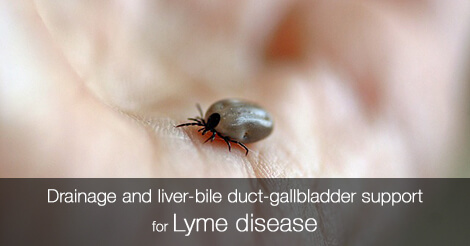
Drainage and liver-bile duct-gallbladder support for Lyme disease

May 24, 2017 By Trudy Scott 4 Comments

Dr Jay Davidson, host The Chronic Lyme Disease Summit 2 shares the powerful story of how he became a Lyme expert because of his own wife’s crash with Lyme disease when their daughter was born. I just love that he offers hope:

there is actually hope out there no matter how much crud you’ve been through and how many crazy things you went through

He shares the 5 steps from his book: 5 Steps to Restoring Health Protocol

  • Step one is detect, and that’s all about figuring out what are all the pieces to the puzzle. Because if we can’t figure out what the pieces are, we can’t create a road map of where we need to go, right.
  • The second step is drain. And I want to talk a lot about that today, because that’s something I believe that can improve any protocol, any treatment that you’re going through; drainage, drainage, drainage.
  • Step three is elimination or pathogen elimination or if you just want to think of it as like killing pathogens.
  • Step four is about rebuilding tissues, and it’s very dependent on what’s going on with your body as to where we need to focus with rebuilding the tissues.
  • Step five is detoxification.

And goes into what drainage is and why it’s so important when it comes to Lyme disease, heavy metal detox and healing in general:

Drainage, I think more of the pathways. So you could say, okay, what are the pathways? I think of the colon, like going number two, pooping, that’s a pathway. So if you are not going number two at least once a day, if not twice a day, and having good bowel movements then that’s a sign that drainage pathway is not open.

The kidneys are drainers; the skin, just the ability to sweat; the liver-bile duct system; the brain; lymphatic system; these are all drainers.

And so if we focus on the idea of draining just to make sure these pathways are open and moving. Then when we get to a point where we’re going to kill bugs or kill pathogens and/or detoxify toxins, heavy metals – get these things out of our body – if the drainage pathways are open, the body does well.

If the drainage pathways are clogged, then that’s when these things can’t move – like the metals, these pathogens like Lyme – they can’t move out of the body. So therefore, the debris or the chemical creates inflammation, and that’s what makes us to have these reactions. We call them Herxheimer reactions.

Dr Jay goes into more detail on the number one drainage area he focuses on with his patients – the liver-bile duct-gallbladder area and how it impacts:

  • the lymphatic system
  • stomach acid and digestion
  • exposure to pathogens

And he shares how to use ox bile, dandelion tea, activated charcoal, coffee enemas and castor oil packs to support the liver-bile duct-gallbladder area and improve drainage.

He’s also excited to share a liver support product that is new to me. It’s called TUDCA or tauroursodeoxycholic acid and I certainly look forward to learning more about it!
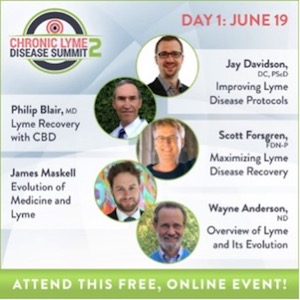
The Chronic Lyme Disease Summit 2 runs June 19-26, 2017 and Dr Jay’s interview airs on day 1 of the summit.

Lyme disease is quickly spreading across the entire globe – very few are enlightened on this troublesome condition! We know that 300,000+ people per year contract Lyme, and 2017 is predicted by some to be an incredibly risky year! And according to the CDC, every single year there are more people affected with Lyme disease than breast cancer. That’s why Dr. Jay Davidson is hosting the second summit on this topic with only 2 repeat speakers from 2016.

Last year I was interviewed on Lyme anxiety and how to use GABA and other amino acids to ease the anxiety while you are working on addressing the Lyme disease. I’m not speaking this year but last year’s summit was so good and very popular with my community so I want you to know about it in case your health challenges are due to Lyme disease. I’ve seen the line-up this year and I’m excited to learn from these experts.

This summit will help you understand symptoms (common and rare), diagnosis and testing, practical at-home health tips, healing protocol explanations and more!

So much of what you’ll learn on this summit is applicable for you if you have Lyme BUT much of it will be valuable if you’re dealing with any health issue (like this drainage interview).
Register here for The Chronic Lyme Disease Summit 2

Feel free to post questions or feedback below.
Filed Under: Events Tagged With: anxiety, bile duct, Chronic Lyme Summit, Dr. Jay Davidson, drainage, gallbladder, liver, Lyme Disease

Niacin for anxiety and insomnia: Andrew W. Saul on That Vitamin Summit

May 16, 2017 By Trudy Scott 57 Comments

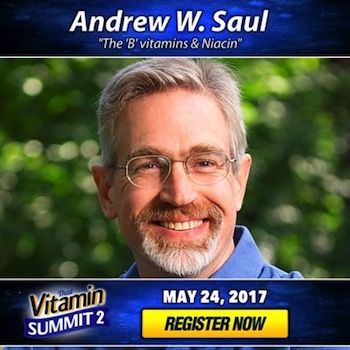
If you have trouble calming down or maybe difficulty sleeping at night, niacin may be worth investigating and trialing. Andrew W. Saul addresses this B vitamin on That Vitamin Summit which starts later this week and runs May 18 – 24 2017. (Note that it starts on a Thursday and not the usual Monday)

He covers the four types of niacin:

Niacin or plain old niacin, niacinamide, a no flush form that works just right for all mental and emotional issues but does not work for cholesterol issues. Inositol hexanicotinate which works well for everything but you have to use more it costs a little more money and it doesn’t work as well and then sustained release niacin which is prescription, expensive and has the most side effects.

Andrew discusses how to experiment and what you can expect in the way of flushing:

First of all you personally can experiment by trying some niacin and seeing how you feel. An example of this would be a healthy person who has a little trouble calming down maybe difficulty sleeping at night. Maybe they’re a little more anxious than they think they should be and perhaps taking some niacin would be a good thing to try. You could open up with 500 milligrams of niacin, breakfast lunch and dinner.

Now you’re probably going to flush and by the way if you have it with a meal you don’t flush as much. You don’t flush as quickly as you do if you take it on an empty stomach but you are still going to flush. The weird thing is you’re not going to flush for a couple of hours because you’re going to have the niacin with all that food and if you take the niacin in the middle of the meal or at the end of the meal there could be quite a delay before you have your flush.

Andrew does share what he calls “my wimpy way of taking niacin” where you slowly but surely increase from a low dose to avoid the flush.

He laughs about how Dr. Abram Hoffer was so fond of using niacin that he would tell people look just tough it out: “Tolerate the flush, it’s going to take a couple of weeks.”

And he also shares that Dr. Hoffer was his mentor and how Dr. Hoffer saw dramatic results with schizophrenia patients:

Now Dr. Abram Hoffer the world’s expert on niacin who started studying niacin in the early 1950’s and he was my personal mentor many decades later. Dr. Hoffer was a psychiatrist, a PhD as well as an MD and he treated over five thousand patients with niacin in his medical career.

The amount of niacin that you need for schizophrenia tends to be very high. Dr. Hoffer’s standard prescription was three thousand milligrams a day, divided into three doses of one thousand milligrams each.

It’s a fascinating interview and the most detailed one I’ve yet to hear on the topic of niacin. It’s not to be missed!

He goes on to cover the following

  • niacin for the treatment of alcoholic depression
  • other B vitamins like thiamine, vitamin B12, vitamin B6 and folate
  • plus multivitamins and whole food vitamins

I hope you can join us on That Vitamin Summit brought to you by makers of That Vitamin Movie which has been watched online by over one million people since its release in January 2016.

There are over 80 years of documented evidence that show how humble vitamins, minerals and other nutrients (such as amino acids – the topic of my interview) can prevent, and even cure major diseases like diabetes, arthritis heart disease and anxiety and depression. That Vitamin Summit 2 has assembled over 20 top experts to show YOU how to use these nutrients to increase your health and well-being almost immediately.

Here is the registration link for the summit which starts later this week on Thursday May 18 (note the Thursday start date)

Filed Under: Events Tagged With: Andrew W. Saul, anxiety, calming, inositol hexanicotinate, insomnia, niacin, niacinamide, That Vitamin Summit

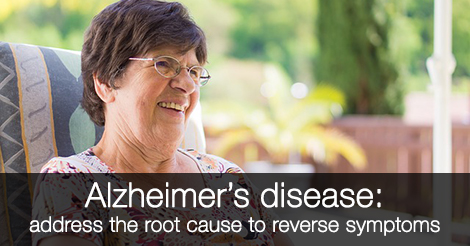
Alzheimer’s disease: address the root cause to reverse symptoms (Microbiome summit)

May 7, 2017 By Trudy Scott 4 Comments

Dr. Jill Carnahan’s interview on the Microbiome Medicine Summit 2 covers cutting edge new information about Alzheimer’s disease, based on the work and research of Dr. Dale Bredesen. They start with the gut-brain connection and Dr. Carnahan shares this:

we used to think of early-onset cognitive decline and dementias and mood disorders as being in their own bucket. And so, we saw psychiatrists or neurological doctors or neurologists to treat those diseases. And now we’re finding as we knew for several years with functional medicine that, obviously, it’s all connected.

And the gut is especially important because this reservoir holds so many of our microbes and possibly pathogens and that speaks to the brain through the vagus nerve and through cytokines and through inflammatory molecules of all types.

And so, this conversation between our gut and our brain is very profound and has a huge impact on things like multiple sclerosis or dementia, Alzheimer’s, or even things like bipolar disorder, schizophrenia, depression, anxiety, and sleep disorders.

So what we’re finding is by addressing the immune system and the gut which are intricately connected, we can often get profound effects on areas in the body that are far from that, like the brain.

Dr. Kellman asks Dr. Carnahan to share a study that will be the slam dunk for really believing in this connection and she mentions a paper titled Microbes and Alzheimer’s Disease. It cites pathogens like herpes simplex virus type 1 (HSV1), Chlamydia pneumoniae, and several types of spirochaete which can affect the brain and play a role in Alzheimer’s disease.

Dr. Carnahan then covers Dr. Dale Bredesen’s subtypes of early-onset dementia which allows you to treat the root cause and actually reverse symptoms. She goes into it in great detail so I’m going to give you the summary version here:

Type #1 is inflammatory

  • This could be from inflammation or infections or other poor dietary habits. And that’s where the microbiome could play into that.
  • You might see elevated CRP, IL-6, TNF-alpha. You might see a low albumin to globulin ratio. You might see high homocysteine, hypothyroid, elevated cortisol

Type #1.5 is glycotoxic

  • The pure pre-diabetic, diabetic
  • That’s kind of the pure elevated insulin, elevated fasting blood sugar, elevated cortisol, low testosterone, high triglycerides, low HDL (and has an element of inflammation)

Type #2 is atrophic: So that’s someone who loses their trophic factor of support like estrogen, testosterone, insulin, and vitamin D3.

And often, these type 1s and type 2s actually have ApoE-4 double mutations which are higher risk for Alzheimer’s.

Type #3 is toxic:

  • Toxic mold exposure, biotoxins from Lyme disease, or heavy metals or other chemicals.
  • Often these chemicals will act on the tight junctions of the gut and increase permeability. And then that permeability leads to massive endotoxemia.
  • Younger onset of symptoms (like 40s and 50s) and reversible once you find and remove the root cause

Type #4 is vascular: inflammation of the blood vessels, high homocysteine

Type #5 is traumatic: wrestlers or boxers or football players that have had multiple head injuries or trauma.

By addressing the various root causes, Dr. Bredesen reports a reduction and in some instances reversal of dementia symptoms.

Of course, we know anxiety is common when it comes to Alzheimer’s and dementia. By addressing many of these above root causes we’re also able to reduce anxiety symptoms at the same time.

It was a fascinating interview and I hope you enjoy it as much as I did. I learned a great deal and find it very useful to group the symptoms into types.

There does seem to be one aspect that Dr. Carnahan didn’t address and I haven’t seen it covered in Dr. Bredesen’s papers: the impact of benzodiazepines on dementia and Alzheimer’s disease.  There is conflicting research on this but I feel there is enough research that does show a correlation – enough for us to be concerned.   Here is a recent paper looking at high-dose benzodiazepine use in Chinese patients , supporting an association.

This 2016 paper – Benzodiazepine Use and Risk of Dementia in the Elderly Population: A Systematic Review and Meta-Analysis states:

Our results suggest that benzodiazepine use is significantly associated with dementia risk. However, observational studies cannot clarify whether the observed epidemiologic association is a causal effect or the result of some unmeasured confounding variable. Therefore, more research is needed.

This may likely fall under type #3 (toxic).  I plan to reach out to them as a follow-up.

UPDATE: May 9, 2017.  I did hear back from Dr. Carnahan and she shared that she always discusses history and physical and lab testing, and history of benzodiazepine use or other neuroactive substances. 

And new research shows that it’s more than the benzodiazepines: SSRIs, SRNIs and atypical antipsychotics increase the risk of dementia in veterans with PTSD and even in those who don’t have PTSD. 

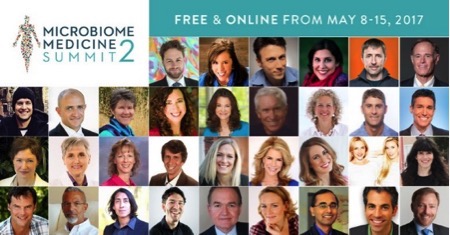
I hope you’ll join the host Dr. Raphael Kellman and all the great speakers on the Microbiome Medicine Summit 2, May 8-15, 2017 to learn more.

If you have questions or comments please feel free to share in the comments.


Filed Under: Alzheimer's disease, Events Tagged With: Alzheimer’s disease, anxiety, benzodiazepines, dementia, Dr. Dale Bredesen, Dr. Jill Carnahan, Dr. Kellman, gut-brain, microbiome, microbiome medicine summit, SRNI, SSRI

Laughter, self-compassion and appreciation: Global Stress Summit

May 1, 2017 By Trudy Scott 1 Comment

Laughter, self-compassion and appreciation: 3 wonderful tips for reducing stress and anxiety in your life – from experts in the Global Stress Summit, hosted by Heidi Hanna.

#1: Laughter and mirth

Heidi Hanna’s wise words:

I have three things I do every morning to prime my brain. One is movement. One is meditation. And one is mirth

Heidi and neurohumorist Karen Buxman talk about the many benefits of humor and laughter during Karen’s interview What’s so Funny About Stress? It’s one of my favorites in the summit!

Laughter and humor boost resilience, affect gene expression and generate gamma brain waves in a similar way that meditation does, acting as a brain tonic. People who experience this gamma wave pattern find that

Food tastes better, things look more appealing and colors look brighter

I’m with them and HAVE to laugh every day – what about you?

#2 Self-care and self-compassion in times of loss

Ken Druck, PhD shares this in his interview on Courageous Living: Turning Adversity into Opportunity

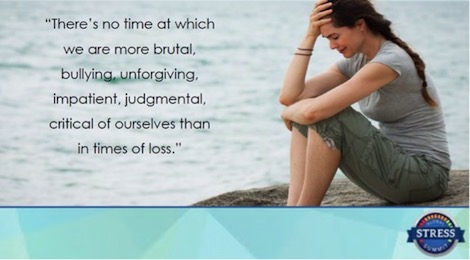
There is no time at which we are more brutal, bullying, unforgiving, impatient, judgmental and critical of ourselves than in times of loss

This could be the loss of someone we love or a living loss like a divorce or break-up. He goes on to say:

It’s a teachable moment in our life to learn self-care and self-compassion. The practice of self-compassion is the basis for surviving through these hard and rough stretches in our lives

#3 Appreciation for your loved one every day

Arielle Ford shares this in her interview with her husband Brian on Positively Resilient Relationships

I try to give him 5 appreciations every day, just things that he’s doing and acknowledging them

She shares how research shows that doing it in public in front of other people wins millions more brownie points!

Arielle and Brian also share how they lighten up stressful situations with laughter and humor. I love their “Sheila” and “Wayne” tip when either of them are being too bossy (Sheila is Arielle’s mom and Wayne is Brian’s dad).

Arielle also offers these wise words: instead of being annoyed with something Brian is doing she changes the way she perceives the behavior.

It’s encore day of the Global Stress Summit so you can watch these and all the speakers today. If you haven’t already signed up you can still do so – just register here)

If you’re considering purchasing the series for your learning library be sure to do so today before the price increase. Here is the link to learn more and purchase.

I hope you enjoy them as much as I have!

Filed Under: Events, Stress Tagged With: anxiety, appreciation, Arielle Ford, global stress summit, Heidi Hanna, Karen Buxman, Ken Druck, laughter, Mirth, Self-care, stress

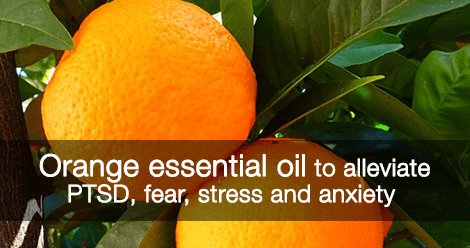
Orange essential oil to alleviate PTSD, fear, stress and anxiety

April 28, 2017 By Trudy Scott 7 Comments

Recent research finds evidence that orange essential oil reduces fear and anxiety, diminishes immune system markers of stress in mice and may help alleviate PTSD, offering a nonpharmaceutical option.

Essential oils are aromatic compounds produced naturally by plants. Orange essential oil is typically extracted from the peel of the orange fruit. People use essential oils for therapeutic purposes by diffusing them into the air, applying them to the skin or ingesting them in foods or beverages.

About 8 percent of people will develop post-traumatic stress disorder at some point in their lives, according to the U.S. Department of Veterans Affairs, yet treatments for this debilitating condition remain limited. Cassandra Moshfegh is research assistant in Paul Marvar’s laboratory at the George Washington University and she presented this research at the American Physiological Society’s annual meeting during the Experimental Biology 2017 meeting held April 22-26 in Chicago.

Relative to pharmaceuticals, essential oils are much more economical and do not have adverse side effects. The orange essential plant oil showed a significant effect on the behavioral response in our study mice. This is promising, because it shows that passively inhaling this essential oil could potentially assuage PTSD symptoms in humans.

The researchers tested the effects of passive inhalation of orange essential oil using Pavlovian Fear conditioning, a behavioral mouse model used to study the formation, storage and expression of fear memories as a model for PTSD.

Mice exposed to orange essential oil showed a significant reduction in freezing/fear behavior. They also showed significant differences in the types of immune cells present after fear conditioning. The immune system contributes to the inflammation associated with chronic stress and fear, so immune cells are a marker of the biochemical pathways involved in PTSD.

Preliminary results point to differences in the gene expression in the brain between the mice that were exposed to essential oil and those that were not, hinting at a potential mechanism to explain the behavioral results.

Moshfegh said further studies would be needed to understand the specific effects of orange essential oil in the brain and nervous system and shed light on how these effects might help to reduce fear, anxiety and stress in people with PTSD.

Experimental Biology is an annual meeting comprised of more than 14,000 scientists and exhibitors from six host societies and multiple guest societies. With a mission to share the newest scientific concepts and research findings shaping clinical advances, the meeting offers an unparalleled opportunity for exchange among scientists from across the U.S. and the world who represent dozens of scientific areas, from laboratory to translational to clinical research.

The American Physiological Society (APS) is a nonprofit organization devoted to fostering education, scientific research and dissemination of information in the physiological sciences. The Society was founded in 1887 and today represents more than 11,000 members and publishes 14 peer-reviewed journals.

Here is a link to the press release issued by Experimental Biology

Here is a link to the actual session abstract – Effects of Essential Oil on Fear Memory and the Immune Response: A Potential Alternative Therapy for Post Traumatic Stress Disorder (PSTD)

The application of orange essential oil has other supporting evidence for anxiety:

The effect of aromatherapy by essential oil of orange on anxiety during labor: A randomized clinical trial.

Aromatherapy is a noninvasive and effective method to help women overcome their anxiety during labor. Orange scent can be useful in childbirth units to help women who are experiencing stress in labor.

Effect of aromatherapy with orange essential oil on salivary cortisol and pulse rate in children during dental treatment: A randomized controlled clinical trial

It seems that the use of aromatherapy with natural essential oil of orange could reduce salivary cortisol and pulse rate due to child anxiety state.

Effect of sweet orange aroma on experimental anxiety in humans

Although more studies are needed to find out the clinical relevance of aromatherapy for anxiety disorders, the present results indicate an acute anxiolytic [anxiety-reducing] activity of sweet orange aroma, giving some scientific support to its use as a tranquilizer by aromatherapists.

Based on this we can see that essential oils have a valuable place when it comes to anxiety and stress relief and even PTSD. I do consider aromatherapy to be one of many tools of a comprehensive approach that includes dietary changes (like no gluten, no sugar, no caffeine, eating for blood sugar balance etc.) and addressing biochemical and nutritional imbalances (like low zinc, low omega-3s, alterations in cortisol and the hypothalamic-pituitary-adrenal (HPA) axis, low GABA and/or low serotonin with targeted individual amino acids, low vitamin D, dysbiosis and the microbiome etc.). Research is now showing that many of these factors may play a role in PTSD (making you more susceptible and also enhancing healing) as well as anxiety.

Have you used orange essential oil to help with your anxiety, fears or even PTSD? What is your favorite way to use it?

If you’re a practitioner do you used this essential oil with clients or patients?

Filed Under: Essential oils Tagged With: anxiety, aromatherapy, Cassandra Moshfegh, cortisol, fear, Orange essential oil, PTSD, stress

Microbiome summit: SIBO, anxiety, migrating motor complex and CDT

April 24, 2017 By Trudy Scott Leave a Comment

Anxiety and depression are very common symptoms of SIBO or small intestinal bacterial overgrowth and Dr. Alison Siebecker, one of the speakers on the Microbiome Medicine Summit 2 shares this about anxiety and SIBO:

I see their anxiety resolving, going way down, once the SIBO is treated. I see a lot of very anxious SIBO patients. It’s caused by one of the mechanisms. It’s the cell wall of the bacteria. The LPS otherwise known as endotoxins, that can stimulate inflammatory cytokines and these affect mood.

She discusses some of the common causes of SIBO or small intestinal bacterial overgrowth:

So we’re talking about the deficiency of migrating motor complex. And this is a form of like peristalsis or motility that occurs in the small intestine itself. And its whole purpose is to clear the small intestine of bacteria, believe it or not, and cellular debris, any leftover food. Because it works in between meals, it works when we’re actually fasting, so in between meals and then overnight when we’re sleeping.

It’s kind of like—it’s called the housekeeper wave. It comes and sweeps and cleans up after we eat. So what can happen for really the predominant amount of people is that this motility becomes deficient. Or it doesn’t function very well. Now, there are a lot of things that could cause this motility to get deficient. There are many diseases, some of them quite common, like diabetes, hypothyroid.

We’ve got drugs that can slow it like opioid painkillers, opioid narcotics, very common for a lot of people. I do see a lot of people with SIBO after they take narcotic or painkillers, for instance for like a knee surgery or maybe they had gallstones or kidney stones. They had to take them for awhile—back pain, things like that. This can slow the migrating motor complex and allow SIBO to develop.

But probably the most common reason of all is from an acute disease, which is food poisoning or otherwise known as acute gastroenteritis, and here we’re talking about the bacterial type.

And this is what’s really revolutionary to me about SIBO and what we’ve learned. This is the work of Dr. Pimentel and associates many years figuring this out.

She shares how the toxin secreted by the bacteria (from the food poisoning) causes an autoimmune-type reaction

What happens is, in bacterial food poisoning, all the bacteria that cause this secrete—they are pathogenic bacteria. And they secrete a toxin. And it’s all the same toxin, CDT, which stands for cytolethal distending toxin.  

Well, it turns out a portion of this toxin, the B portion—it’s just named B. It has an A, B, and C part. The B portion looks like a protein that’s on one of these very important nerve cells, as you just mentioned, that sort of generates this migrating motor complex.

So what happens is through a case of mistaken identity—or we could call it friendly fire. Or we could call it molecular mimicry. These are all words for the initiation of an autoimmune process through that because this protein on our nerve cell looks like the toxin. Our immune system gets triggered into damaging and fighting against our own nerve cells.

So it damages our nerve cells. And then the migrating motor complex can’t be produced properly. And what studies have shown is that the damage has to reach a certain threshold where these cells are diminishing. And then that will really, really slow down the migrating motor complex. And at a certain level there, the SIBO will develop.

The rates are pretty high – anywhere from 10% to 20% of people – who get food poisoning go on and get SIBO.

And she shares about the IBSchek test that

checks for the antibodies against that toxin, CDT-B, and the protein, which is actually called the vinculin, the protein that was on the nerve cells.

I always enjoy hearing Dr. Siebecker’s interviews and learn something new every time. This one was no exception!

I hope you’ll join the host Dr. Raphael Kellman and all the great speakers on the Microbiome Medicine Summit 2, May 8-15, 2017 to learn more

Here is the registration link

Filed Under: Events Tagged With: anxiety, Dr. Kellman, microbiome medicine summit, migrating motor complex and CDT, SIBO

  • « Go to Previous Page
  • Page 1
  • Interim pages omitted …
  • Page 52
  • Page 53
  • Page 54
  • Page 55
  • Page 56
  • Interim pages omitted …
  • Page 96
  • Go to Next Page »

Primary Sidebar

GABA QuickStart Homestudy

gaba quickstart homestudy

Free Report

9 Great Questions Women Ask about Food, Mood and their Health

You'll also receive a complimentary subscription to my ezine "Food, Mood and Gal Stuff"


Connect with me

Popular Posts

  • Amino Acids Mood Questionnaire from The Antianxiety Food Solution
  • The Antianxiety Food Solution Amino Acid and Pyroluria Supplements
  • Pyroluria Questionnaire from The Antianxiety Food Solution
  • Collagen and gelatin lower serotonin: does this increase your anxiety and depression?
  • Tryptophan for the worry-in-your-head and ruminating type of anxiety
  • GABA for the physical-tension and stiff-and-tense-muscles type of anxiety
  • The Antianxiety Food Solution by Trudy Scott
  • Seriphos Original Formula is back: the best product for anxiety and insomnia caused by high cortisol
  • Am I an anxious introvert because of low zinc and vitamin B6? My response to Huffington Post blog
  • Vagus nerve rehab with GABA, breathing, humming, gargling and key nutrients

Recent Posts

  • Her cravings for chips and peanut butter were triggered by stress: GABA ends cravings and reduces physical tension and fear of heights
  • It is truly miraculous to be able to move through life without crippling anxiety and panic
  • GABA and tryptophan combo provide immediate and noticeable relief for tremors and cervical dystonia in just 7 days
  • Red light therapy for back and neck pain, plantar fasciitis and low mood – a complement to the amino acids GABA, DPA and tryptophan
  • What do I use instead of Seriphos to help lower high cortisol that is affecting my sleep and making me anxious at night?

Categories

  • 5-HTP
  • AB575
  • Addiction
  • ADHD
  • Adrenals
  • Alcohol
  • Allergies
  • Alzheimer's disease
  • Amino Acids
  • Anger
  • Antianxiety
  • Antianxiety Food Solution
  • Antidepressants
  • Anxiety
  • Anxiety and panic
  • Autism
  • Autoimmunity
  • benzodiazapines
  • Bipolar disorder
  • Books
  • Caffeine
  • Cancer
  • Candida
  • Children/Teens
  • Collagen
  • Cooking equipment
  • Coronavirus/COVID-19
  • Cravings
  • Depression
  • Detoxification
  • Diabetes
  • Diet
  • DPA/DLPA
  • Drugs
  • EFT/Tapping
  • EMF
  • EMFs
  • Emotional Eating
  • Endorphins
  • Environment
  • Essential oils
  • Events
  • Exercise
  • Fear
  • Fear of public speaking
  • Fertility and Pregnancy
  • Fish
  • Food
  • Food and mood
  • Functional neurology
  • GABA
  • Gene polymorphisms
  • General Health
  • Giving
  • Giving back
  • Glutamine
  • Gluten
  • GMOs
  • Gratitude
  • Gut health
  • Heart health/hypertension
  • Histamine
  • Hormone
  • Hyperparathyroidism
  • Hypoglycemia
  • Immune system
  • Inflammation
  • Insomnia
  • Inspiration
  • Introversion
  • Joy and happiness
  • Ketogenic diet
  • Lithium orotate
  • Looking awesome
  • Lyme disease and co-infections
  • MCAS/histamine
  • Medication
  • Men's health
  • Mental health
  • Mercury
  • Migraine
  • Mold
  • Movie
  • MTHFR
  • Multiple sclerosis
  • Music
  • NANP
  • Nature
  • Nutritional Psychiatry
  • OCD
  • Osteoporosis
  • Oxalates
  • Oxytocin
  • Pain
  • Paleo
  • Parasites
  • Parkinson’s disease
  • PCOS
  • People
  • PMS
  • Postpartum
  • PTSD/Trauma
  • Pyroluria
  • Questionnaires
  • Real whole food
  • Recipes
  • Research
  • Schizophrenia
  • serotonin
  • SIBO
  • Sleep
  • Special diets
  • Sports nutrition
  • Stress
  • Sugar addiction
  • Sugar and mood
  • Supplements
  • Teens
  • Testimonials
  • Testing
  • The Anxiety Summit
  • The Anxiety Summit 2
  • The Anxiety Summit 3
  • The Anxiety Summit 4
  • The Anxiety Summit 5
  • The Anxiety Summit 6
  • Thyroid
  • Thyroid health
  • Toxins
  • Tryptophan
  • Tyrosine
  • Uncategorized
  • Vegan/vegetarian
  • Women's health
  • Yoga

Archives

  • May 2026
  • April 2026
  • October 2025
  • September 2025
  • August 2025
  • July 2025
  • June 2025
  • May 2025
  • April 2025
  • March 2025
  • February 2025
  • January 2025
  • November 2024
  • October 2024
  • September 2024
  • August 2024
  • July 2024
  • June 2024
  • May 2024
  • April 2024
  • March 2024
  • February 2024
  • January 2024
  • December 2023
  • November 2023
  • October 2023
  • September 2023
  • August 2023
  • July 2023
  • June 2023
  • May 2023
  • April 2023
  • March 2023
  • February 2023
  • January 2023
  • December 2022
  • November 2022
  • October 2022
  • September 2022
  • August 2022
  • July 2022
  • June 2022
  • May 2022
  • April 2022
  • March 2022
  • February 2022
  • January 2022
  • December 2021
  • November 2021
  • October 2021
  • September 2021
  • August 2021
  • July 2021
  • June 2021
  • May 2021
  • April 2021
  • March 2021
  • February 2021
  • January 2021
  • December 2020
  • November 2020
  • October 2020
  • September 2020
  • August 2020
  • July 2020
  • June 2020
  • May 2020
  • April 2020
  • March 2020
  • February 2020
  • January 2020
  • December 2019
  • November 2019
  • October 2019
  • September 2019
  • August 2019
  • July 2019
  • June 2019
  • May 2019
  • April 2019
  • March 2019
  • February 2019
  • January 2019
  • December 2018
  • November 2018
  • October 2018
  • September 2018
  • August 2018
  • July 2018
  • June 2018
  • May 2018
  • April 2018
  • March 2018
  • February 2018
  • January 2018
  • December 2017
  • November 2017
  • October 2017
  • September 2017
  • August 2017
  • July 2017
  • June 2017
  • May 2017
  • April 2017
  • March 2017
  • February 2017
  • January 2017
  • December 2016
  • November 2016
  • October 2016
  • September 2016
  • August 2016
  • July 2016
  • June 2016
  • May 2016
  • April 2016
  • March 2016
  • February 2016
  • January 2016
  • December 2015
  • November 2015
  • October 2015
  • September 2015
  • August 2015
  • July 2015
  • June 2015
  • May 2015
  • April 2015
  • March 2015
  • February 2015
  • January 2015
  • December 2014
  • November 2014
  • October 2014
  • September 2014
  • August 2014
  • July 2014
  • June 2014
  • May 2014
  • April 2014
  • March 2014
  • February 2014
  • January 2014
  • December 2013
  • November 2013
  • October 2013
  • September 2013
  • August 2013
  • July 2013
  • June 2013
  • May 2013
  • April 2013
  • March 2013
  • February 2013
  • January 2013
  • December 2012
  • November 2012
  • October 2012
  • August 2012
  • July 2012
  • June 2012
  • May 2012
  • April 2012
  • March 2012
  • February 2012
  • January 2012
  • December 2011
  • November 2011
  • October 2011
  • September 2011
  • August 2011
  • July 2011
  • June 2011
  • May 2011
  • April 2011
  • March 2011
  • February 2011
  • January 2011
  • December 2010
  • October 2010
  • September 2010
  • July 2010
  • May 2010
  • April 2010
  • March 2010
  • February 2010
  • January 2010
  • November 2009

Share the knowledge!

The above statements have not been evaluated by the Food and Drug Administration. Products listed in this website are not intended to diagnose, treat, cure or prevent any disease.

The information provided on this site is for informational and educational purposes only and is not intended as a substitute for advice from your physician or other health care professional. You should consult with a healthcare professional before starting or modifying any diet, exercise, or supplementation program, before taking or stopping any medication, or if you have or suspect you may have a health problem.


Copyright © 2026 Trudy Scott. All Rights Reserved. | Privacy | Terms and Conditions | Refund Policy | Medical Disclaimer

Free Report

9 Great Questions Women Ask about Food, Mood and their Health

You’ll also receive a complimentary subscription to my ezine “Food, Mood and Gal Stuff”