• Skip to primary navigation
  • Skip to main content
  • Skip to primary sidebar

everywomanover29 blog

Food, Mood and Women's Health – Be your healthiest, look and feel great!

  • Blog
  • About
  • Services
  • Store
  • Resources
  • Testimonials
  • The Book
  • Newsletter
  • Contact
  • Search this site

anxiety

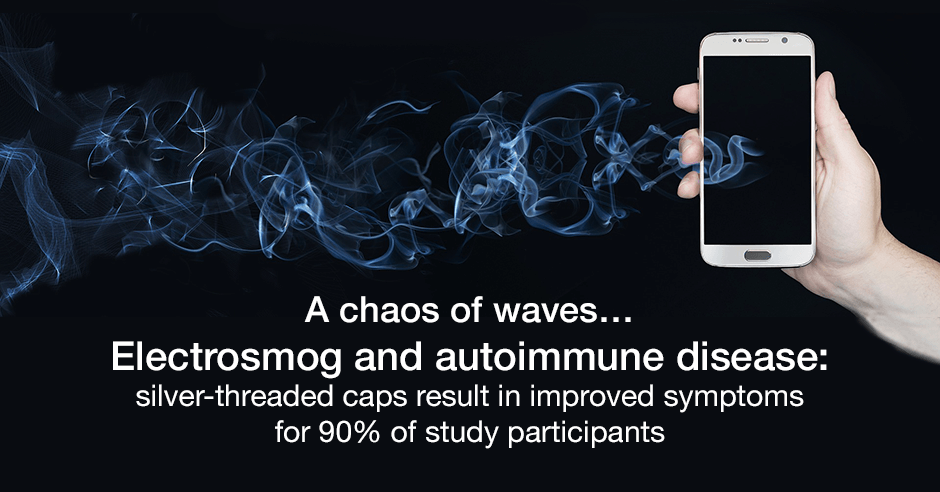
Electrosmog and autoimmune disease: silver-threaded caps result in improved symptoms for 90% of study participants

April 27, 2018 By Trudy Scott 40 Comments

One of the most compelling studies I learned about in the recent Electrosmog Rx course (hosted by Nick Pineault) is the study by Trevor Marshall, MD and Trudy Heil, RN: Electrosmog and autoimmune disease. In this study, 90% of the participants – all with an autoimmune diagnosis of either arthritis, lupus, multiple sclerosis, sjogrens or celiac disease – reported improved symptoms as a result of wearing silver-threaded EMF protective caps.

The paper provides a good overview from NASA on what electrosmog is i.e. all the electromagnetic waves we’re exposed to on a daily basis:

As you sit watching TV, not only are there visible light waves from the TV striking your eyes, but also radio waves, transmitting from a nearby station, and microwaves carrying cellphone calls and text messages, and waves from your neighbor’s WiFi, and GPS units in the cars driving by. There is a chaos of waves from all across the spectrum passing through your room right now.

Patients who were participating in Dr. Marshall’s autoimmune/VDR/electrosmog research were purchasing commercially available shielded clothing and tenting on their own from retailers and reporting symptom improvements:

This clothing typically has silver-coated polyester threads interwoven with the supporting fabric so that the garment is capable of partially blocking microwave Electrosmog.
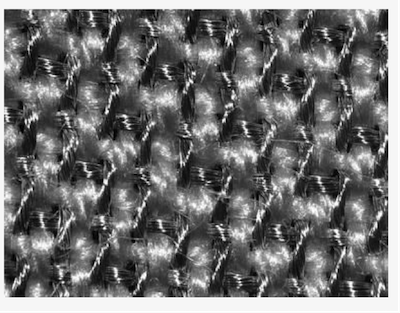
Fig. 5: A X20 micrograph of a microwave-blocking fabric woven with a mesh of silver-coated polyester strands among the supporting bamboo fibers (Electrosmog and autoimmune disease)

Because there were frequent anecdotal reports of symptom improvement, especially when their brain and brain stem were “shielded” during sleep, Dr. Marshall and his team decided to create a standardized sleeping cap so the EMF shielding effect could be easily analyzed and optimized.
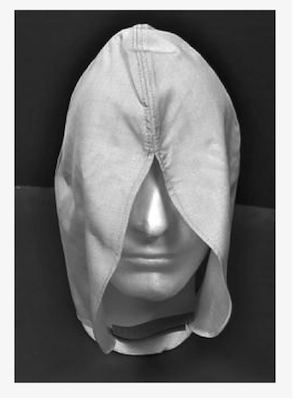
Fig. 6: A photograph of a sleeping cap sewn from the microwave-shielding fabric (Electrosmog and autoimmune disease)

Study participants wore the cap once for 4 hours during sleeping and once for 4 hours during normal activity. The results were impressive, with 90 % of the 64 patients reporting a “Definite” or “Strong” change in their symptoms.

The authors share that those with an autoimmune condition seem to be predisposed to Electrosmog hypersensitivity (now being called EHS) at levels currently existing in typical home and work environments. They suggest the following:

effective control of environmental Electrosmog immunomodulation may soon become necessary for successful therapy of autoimmune disease.

Caution does need to be exercised as some people can feel worse when going from being bombarded by EMFs on a daily basis to much less exposure. This could almost be considered a Herxheimer reaction and is described in the paper as follows:

When the Electrosmog in a patient’s environment is reduced, the immune system tends to become more active. This may result in immunopathology. Indeed, some patients have reported a surge in disease symptoms, occasionally an intolerable surge, after WiFi routers and cell phones have been switched off in their homes. Others have reported that travel to a very quiet area, such as a remote canyon, caused a surge in their immune symptoms.

This is something that Dr. Klinghardt finds when working with his patients and the authors agree that we need a plan on how best to address this. I can attest to this personally – I have discovered that I have Electrosmog hypersensitivity – and as I have started to mitigate my own EMF exposure I’ve had to be careful.

This proposed go-slow EMF mitigation plan includes:

  • the basic foundational work based on my book “The Antianxiety Food Solution” and the material on my blog
  • additional nutritional support specific to the EMF detox: mitochondria support, added antioxidants and melatonin, rosemary, propolis, kombucha, vitamin D and more
  • and only then removal of EMF sources, EMF-protective clothing, grounding and devices such as pendants, and supporting specific symptoms such as increased insomnia/anxiety
  • working with a knowledgeable functional medicine practitioner if heavy metals are being stirred up and are causing worse symptoms (Dr. Klinghardt reports this to be a common issue).
  • reducing some of the support nutrients once EMF mitigation is in place and the ‘herxheimer’ reaction is over, adding them back when you know you’ll be exposed to WiFi i.e. during travel and when ill or during times of stress

I’ll be sharing more about my journey and my detailed proposed go-slow EMF mitigation plan with links to research in a future blog.

Going back to the study – we are still learning more about what this may all mean for someone with an autoimmune disease. The results are clearly very powerful and the benefits wonderful. But for me this study is so promising on many other levels because it shows that:

  • EMFs can and do have an adverse impact on health and this adds to the growing body of evidence (despite this research and many more studies, the dangers of EMFs are not common knowledge)
  • we have control and can do something about the adverse effects of EMFs
  • those of us with less severe symptoms but still sensitive to EMFs, can also hopefully expect to see some improvements when mitigation approaches like this are implemented

I write about how Wi-Fi is an important threat to human health and may contribute to unresolved anxiety, SIBO, oxalate issues and high cortisol. This is just the tip of the iceberg and it’s something we all need to be taking seriously.

I’d love to hear from you. How concerned are you about EMFs and what changes have you made? Did you experience a Herxheimer reaction when reducing EMF exposure and what helped you?

If you’re a practitioner – are you talking to your clients/patients about this and seeing improvements in their symptoms when they make changes? Are you interested in learning more about this topic so you can further help them? If yes, the evergreen digital version of the Electrosmog Rx program created by investigative health journalist Nicolas Pineault is now available.  You can learn more about the program here. I highly recommend it!

His book, “The Non-Tinfoil Guide to EMFs” (my Amazon link), is also recommended reading for all of us.

 

Filed Under: Anxiety, EMFs Tagged With: anxiety, arthritis, autoimmune disease, celiac, Dr. Marshall, electrosmog, EMFs, high cortisol, MS, SIBO, silver-threaded caps

Help! I’m worried all the time! Soothe with supplements and tame worry with food!

April 20, 2018 By Trudy Scott 3 Comments

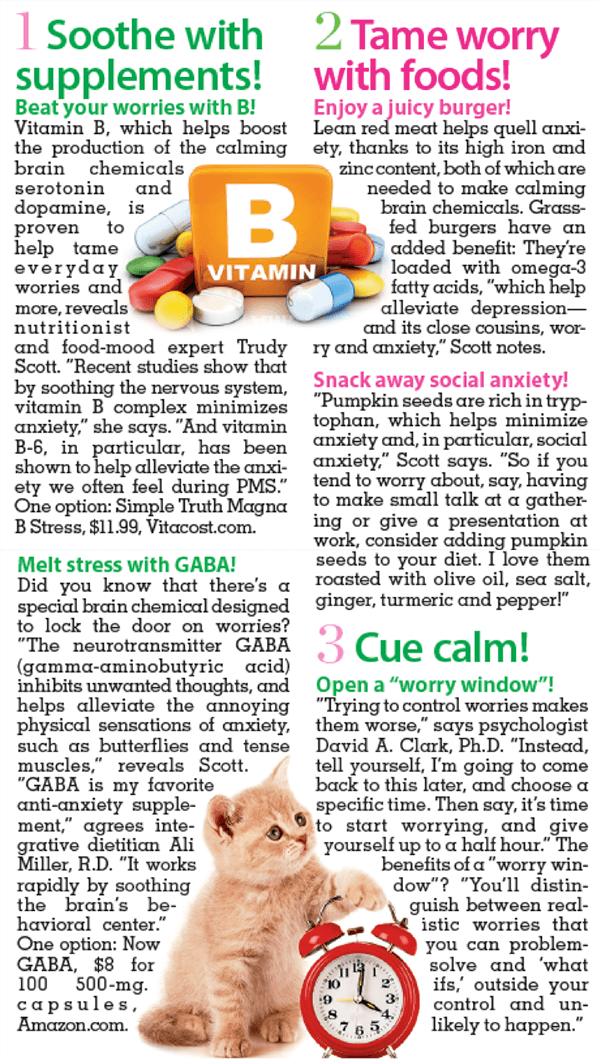
Some of my simple tips for worry were shared in the April edition of Women’s World so here they are for you to enjoy in case you didn’t see them in the magazine. I’m quite chuffed to see it’s for a piece called “Ask America’s Ultimate Experts.”

I share tips about the benefits of a B- complex vitamin (for adrenal support), vitamin B6 (especially for PMS-type anxiety and worry, the calming amino acid called GABA, plus the mood-boosting and calming benefits of a grass-fed burger (loaded with zinc, iron and omega-3s) and pumpkin seeds as a snack (because they’re rich in both tryptophan and zinc)

Here are my tips from the article:

#1 Soothe with supplements

Here are some supporting articles and research for some of the above tips. A good B- complex vitamin for adrenal support has been shown to minimize psychological stress after a natural disaster and vitamin B6 (or pyridoxine) helps with PMS-type anxiety and worry.

A paper titled Pyridoxine in the treatment of premenstrual syndrome: a retrospective survey in 630 patients, reports the following results:

The daily doses of pyridoxine hydrochloride varied from 40 to 100 mg early in the study and from 120 to 200 mg in the later period of the investigations. The response to treatment was recorded as good (no significant residual complaints) in 40 per cent or more of patients taking 100-150 mg pyridoxine daily and in 60 per cent of patients treated with 160-200 mg daily. Together with partial response (useful benefit but still some significant complaints), the positive effect of the treatment increased to 65-68 per cent and 70-88 per cent respectively. No symptoms consistent with a diagnosis of peripheral neuropathy were reported

The calming amino acid called GABA helps with the physical-tension and stiff-and-tense-muscles type of anxiety and helps with worry and inhibition of unwanted thoughts.

#2 Tame worry with foods

Professor Felice Jacka, nutritional psychiatry researcher, discusses the mood-boosting and calming benefits of grass-fed beef (loaded with zinc, iron and omega-3s) on our Anxiety Summit interview: The Research – Food to prevent and treat anxiety and depression?

Pumpkin seeds are rich in tryptophan and zinc and research shows that a functional food made from these seeds actually helps with social anxiety.

Here are a few minor discrepancies in the above sections:

  • In #1 dopamine is not a calming brain chemical but instead it’s stimulating and helps with focus and motivation. The B vitamin mentioned contain folic acid whereas methyl folate is the preferred choice.
  • In #2 the GABA product recommended is 500mg and I find starting much lower is a more effective approach with my clients.

#3 Cue calm – open a worry window

Opening a worry window is a new approach for me and I’d love to hear if it helps you now or has helped you in the past.

Anti-anxiety gummies and low serotonin

Ali Miller, RD, shares a recipe for anti-anxiety gummies (you can see it in the PDF) and I love that it includes coconut water, ginger and turmeric. I’d replace the cup of orange juice (which is high in sugar) with water and use 2 tablespoons instead. Be sure to watch that these gelatin gummies don’t make your anxiety (or depression or sleep worse). It’s a small amount of gelatin but if you’re eating a lot of them and you’re prone to low serotonin, this may be a problem for you. I write about this in a blog post here – Collagen and gelatin lower serotonin: does this increase your anxiety and depression? If it does cause an adverse reaction it doesn’t mean you can’t eat them, instead it simply means you may need to take tryptophan when eating them (if low serotonin is the issue.

If you’d like a PDF of the article you can grab a copy here.

I’d love to hear if any of these approaches have helped you or your clients/patients. Keep in mind that it’s a fun article that is by no means comprehensive in terms of addressing all the possible root causes of anxiety.

Filed Under: Anxiety Tagged With: anxiety, B-complex, food, GABA, grass-fed red meat, omega-3s, pumpkin seeds, supplements, vitamin B6, Women’s World, worry, zinc

Could yeast infections impair recovery from mental illness?

April 13, 2018 By Trudy Scott 3 Comments

Julia Rucklidge, PhD, is an associate professor in the Department of Psychology, University of Canterbury, Christchurch, New Zealand and has published a number of studies looking at “micronutrients to treat psychiatric disorders including attention-deficit/hyperactivity disorder (ADHD), mood disorders, stress, and anxiety,” where benefits were reported. “Despite the positive benefits associated with micronutrients, some factors may limit a positive response, one of which may be the overgrowth of intestinal Candida.”

In this 2013 paper, Could yeast infections impair recovery from mental illness? A case study using micronutrients and olive leaf extract for the treatment of ADHD and depression the authors discuss the impact of candida on gut health and response to supplementation:

a number of factors influence optimal response and absorption of nutrients, including the health of the gut, particularly the presence of yeast infections, such as Candida.

As part of a wider investigation into the impact of micronutrients on psychiatric symptoms, many participants who experienced a yeast infection during their treatment showed a diminished response to the micronutrients.

One particular female client was followed for a 3-year period:

Kate (an alias) is a 24-year-old female of European descent who had participated in the 2010 trial by Rucklidge et al using micronutrients for the treatment of ADHD. In the past, she had been prescribed methylphenidate [Ritalin] by a psychiatrist but could not tolerate the side effects.

For just over 2 years, while using the micronutrient, she had no ADHD or mood symptoms, other than a mild increase around her period.

About 2.5 years participating in the trial, Kate started to feel increasingly unwell and reported the following:

(1) a chronic sore throat; (2) a constant runny nose; (3) cramps; (4) itchy toes, anus, and vagina; (5) rashes on her legs and groin area; and (6) an overall flu-like feeling. Concomitantly, all her psychiatric symptoms had returned… She was moody, anhedonic (unable to experience pleasure), and chronically irritable and was having cravings for sugary and starchy foods. Kate visited her family physician, who diagnosed Kate with a vaginal yeast infection

Over the next year, it was found that her psychiatric symptoms (ADHD and mood) got worse when she was infected with Candida and then her ADHD and mood symptoms improved once she was successfully treated with olive leaf extract and probiotics.

The study makes this conclusion about the role of inflammation, gut health and nutrient absorption:

This case outlines that micronutrient treatment might be severely compromised by infections such as Candida and may highlight the importance of gut health when treating psychiatric disorders with nutrients.

Given the role that inflammation can play in absorption of nutrients, it was hypothesized that the infection was impairing absorption of the micronutrients.

The authors also mention the growing body of literature on the gut-brain connection and how

the gut microbiota can influence brain function and subsequent psychiatric functioning.

Candida is always considered as one of many possible root causes with my anxious clients – it can contribute to anxiety as well as ADHD and depression, and out-of-control-sugar and intense carb cravings.

Olive leaf extract is one of many approaches for eliminating candida is more commonly used in Australia and New Zealand.

Another approach is to use garlic and oregano to kill the candida. I have great success with these products from Designs for Health:

  • Allicillin – a garlic product that contains Garlicillin®, a blend of garlic oil and parsley oil with specified levels of garlic sulfides and ajoene, the most bioactive compound formed from garlic and
  • Oil of Oregano – which has powerful antioxidant and intestinal cleansing benefits. It also helps to maintain a healthy microbial balance. This product is standardized for carvacrol and thymol, the principal phenolic compounds in oregano

Probiotics are also part of the protocol, as are dietary changes. Fresh garlic, onion, daikon, olive oil, coconut oil, lemon, apple cider vinegar, fermented vegetables and coconut oil are all therapeutic foods on an anti-candida diet.

In addition to killing the candida and restoring the good bacteria with probiotics, I also use targeted individual amino acids to help reduce the sugar and carb cravings, making it easier to quit the bread, sugar, cookies, cakes and fruit. These amino acids can also help to alleviate some of the anxiety, mood and ADHD symptoms from day one, offering relief and hope right away since eliminating candida is not a quick process:

  • tryptophan for afternoon cravings and mental worry (tryptophan also has some direct anti-candida effects – more to come on this in the future blog)
  • GABA for stress-related cravings and physical anxiety
  • glutamine for intense sugar cravings and low blood sugar
  • DPA for reward eating and weepiness
  • tyrosine for cravings due to low energy and low motivation
[all of the above supplements, including Allicillin, Oil of Oregano, various probiotics and an olive leaf product, called Olivirex Combination, can be ordered via my online store – details for creating an account on my supplements page. The category once you login is candida/dysbiosis]

Have you experienced anxiety, depression, panic attacks, ADHD and cravings with candida?

Have supplements that worked in the past stop working while you’re dealing with the candida?

Have you found the amino acids to help with anxiety and cravings while you’re addressing your candida?

Filed Under: Candida Tagged With: ADHD, allicillin, anxiety, candida, depression, Julia Rucklidge, olive leaf, oregano, probiotics, sugar cravings, yeast infection

Ketogenic diet: reductions in auditory hallucinations and delusions, better mood and energy, and weight loss

April 6, 2018 By Trudy Scott 5 Comments

Two schizoaffective patients of Dr. Chris Palmer, a psychiatrist from Harvard’s McLean Hospital in Belmont, Massachusetts, tried a ketogenic diet for weight loss. As well as losing weight, they experienced reductions in auditory hallucinations and delusions, had a better mood and had more energy.

Here is additional information about these remarkable results, published late last year in this letter to the editor – Ketogenic diet in the treatment of schizoaffective disorder: Two case studies.

The male patient: lost weight, reductions in auditory hallucinations and delusions, better mood and energy

The male patient, diagnosed with schizoaffective disorder, with a prior psychiatric history of attention deficit hyperactivity disorder and major depression, experienced “dramatic” reductions in auditory hallucinations and delusions, as well as better mood and energy on the ketogenic diet. He also lost weight, losing 104 pounds over the course of a year.

He weighed 322 lb and wanted to lose weight by following a ketogenic diet, typically consisting of coffee with medium chain triglyceride (MCT) oil and butter (“bulletproof coffee”), eggs, meat, fish, poultry, spinach, kale, and olive oil. Within 3 weeks, he had lost 15 lb, but also noted a dramatic reduction in his auditory hallucinations and delusions, and improvement in his mood, energy, and ability to concentrate. For the past year, he has largely remained on this ketogenic diet and has lost 104 lb.

His functioning has improved and he has become more independent:

He completed a certification course, successfully participates in an online college program, has friends, began dating, and moved from his father’s home into an independent apartment.

The female patient: lost weight, resolution of her delusions

After four weeks on the ketogenic diet, the female patient, also diagnosed with schizoaffective disorder, and with a prior psychiatric history of major depression and anorexia nervosa, had resolution of her delusions and lost ten pounds:

she wanted to lose weight, and went on a ketogenic diet, consisting mostly of coffee, eggs, poultry, and lettuce. Within 4 weeks, she lost 10 lb and noted that her delusions were no longer present, and that her mood and energy were much better. After 4 months, she lost a total of 30 lb and her PANSS score decreased to 70 [down from 107]

In both instances their symptoms returned when they stopped the diet, but then improved again when back on the ketogenic diet.

In case you’re not familiar with the ketogenic diet here is a quick summary:

The ketogenic diet is a high-fat / low carbohydrate [and low protein] diet that has been used since the 1920’s to treat childhood epilepsy, with some studies suggesting that over 50% of patients experience significant reductions in seizure frequency. The ketogenic diet results in ketone bodies, instead of glucose, being used as the primary energy source in the brain.

There simply is no psychiatric medication available with the power to accomplish these results

I had the pleasure of meeting Dr. Georgia Ede, MD  last year at the ISNPR conference. She is a Harvard-trained psychiatrist and nutrition consultant practicing at Smith College, and writes about these two schizoaffective cases in her article – Low-Carbohydrate Diet Superior to Antipsychotic Medications:

These outcomes are truly remarkable: improvement by dozens of points on the PANSS, significant weight loss, and better quality of life. There simply is no psychiatric medication available with the power to accomplish these results.

I agree with Dr. Ede especially when we look at the medications these patients had trialed. These medication trials for the male patient: methylphenidate, amphetamine salts, dextroamphetamine, bupropion, sertraline, paroxetine, buspirone, lamotrigine, lorazepam, clonazepam, gabapentin, haloperidol, perphenazine, aripiprazole, olanzapine, quetiapine, and clozapine. The female patient had a similarly long list of medication trials and she also received 23 electroconvulsive therapy treatments. For both of them, positive and negative symptoms persisted.

I do still have questions about the ketogenic diet

The research in epilepsy is extensive and the research in mental health is growing. I am really impressed with the results, but I do still have questions about the ketogenic diet. Perhaps you have some similar questions and concerns. Here goes…

  1. If this particular nutritional psychiatry approach works so well for severe mental health disorders such as schizophrenia and psychosis, how will it work for less severe conditions like anxiety and panic attacks? Are these severe cases like the “canaries in the coal-mine” paving the way and teaching us about the benefits of this way of eating?
  2. Should you use a ketogenic dietary approach as the first approach or consider it as a last resort once the other dietary approaches have been implemented and you’re not seeing full symptom resolution? In other words, should you start with a real whole foods diet, then implement a gluten-free diet, then a grain-free diet, then remove dairy (if it’s an issue), then incorporate low FODMAPs if needed and only then implement a ketogenic diet? (low oxalate, low salicylate and low histamine would be incorporated as needed earlier in the process, based on each person’s unique needs).  If we look only at schizoaffective disorder,  there is growing evidence of the role of gluten  in some individuals with this paper “suggesting that an antigliadin IgG positive population of schizophrenia could be a distinct subgroup.” This 2 person pilot study reports the benefits of a gluten-free diet: “this potential mechanism is exciting and may provide improvement for up to one-fourth of patients (antibody-positive) who suffer from this devastating disorder.”
  3. How do we clearly define a ketogenic diet and communicate this definition to practitioners and to those who choose to implement this way of eating on their own? I’ve had feedback from many people who tell me they have been on a ketogenic diet (and it’s worked well for them or maybe it hasn’t worked so well for them), only to discover they are not really eating a true ketogenic diet. How do we simplify this way of eating and make it easy for individuals to understand and then stay in ketosis?
  4. How do we create a ketogenic diet that is nutrient dense and also offers the benefits seen in this research. I have major concerns about long-term nutritional deficiencies with a diet of coffee, eggs, poultry, and lettuce (as eaten by the female patient in this case study). It should ideally include plenty of leafy greens, non-starchy vegetables like broccoli, cauliflower, asparagus etc. and healthy fats like avocado, grass-fed butter and coconut oil, together with fermented vegetables and bone broths. I’m also not convinced that coffee should be part of the ketogenic diet, especially if coffee increases your anxiety and affects your sleep.

  1. How do we help individuals make the switch to this way of low carb eating and help them maintain so they don’t feel deprived and are not relying on willpower alone? As you can see from these 2 cases, the diet can be challenging to sustain and slip ups are common. If you are eating enough health fats (and it’s a lot more than you’re used to eating), this typically helps with cravings. If you still have cravings and feel you are deprived and missing out on treats, the targeted individual amino acids offer powerful results: tryptophan (for afternoon cravings), GABA (for stress eating), DPA (for comfort eating), tyrosine (when there is low motivation) and glutamine (for low blood sugar cravings).
  2. Is the ketogenic diet the next big fad or weight-loss trend as we’re hearing in the media? Based on the above research it truly does have impressive therapeutic benefits beyond only weight-loss. So can we see similar benefits with a modified ketogenic diet, using intermittent fasting and/or cycling in and out of ketosis, and even adding in a ‘feasting day’ of carbs?
  3. Who shouldn’t adopt a ketogenic diet? For example: those with the APOE4 gene, women with adrenal and hormone issues, and individuals with thyroid issues and no gallbladder? The question then becomes this: of those suffering with anxiety and depression or another mental health disorder, who doesn’t have one of these issues? And how do we address the keto rash, constipation, fat malabsorption, fatigue, mineral deficiencies and other issues some people experience on a ketogenic diet?

Right now, this is my thinking: as with any nutritional or functional medicine approach, I would say there is no one-size-fits all for who should implement a ketogenic diet (we need to consider the unique biochemistry of each person) and there is no one set ketogenic diet (it will need to be customized for each person).

Please do share if you’ve adopted a ketogenic diet and the benefits you have experienced, and if you experienced any issues. Be sure to share what a typical day’s diet looks like for you.

Filed Under: Anxiety, Diet, Sugar addiction Tagged With: anxiety, coffee, delusions, depression, diet, Dr. Chris Palmer, energy, hallucinations, Ketogenic, mood, schizoaffective, weight-loss

Wi-Fi is an important threat to human health and may contribute to unresolved anxiety, SIBO, oxalate issues and high cortisol

March 30, 2018 By Trudy Scott 32 Comments

A new paper by Martin Pall, Wi-Fi is an important threat to human health, states the following:

Repeated Wi-Fi studies show that Wi-Fi causes oxidative stress, sperm/testicular damage, neuropsychiatric effects including EEG changes, apoptosis, cellular DNA damage, endocrine changes, and calcium overload.

He states that EMF effects are often cumulative, EMFs may impact young people more than adults and that voltage-gated calcium channel (VGCC) activation plays a role in all seven effects:

Each of these seven is also produced by downstream effects of the main action of such EMFs, voltage-gated calcium channel (VGCC) activation.

Peroxynitrite is a very powerful oxidant leading to major oxidative stress in the body and his landmark VGCC paper covers how peroxynitrite is created:

EMF activation of VGCCs leads to rapid elevation of intracellular Ca2+ [calcium ions], nitric oxide and in some cases at least, peroxynitrite

I’m studying the human threats of Wi-Fi and EMFs in the practitioner ElectrosmogRx course being taught by Nick Pineault, so the timing of this new paper is excellent.  Nick’s course is highly recommended too.

I’ll have much more to share once the course is over but this is just some of what I’ve learned so far about the biological impacts of EMFs (other than what is mentioned in the above new paper by Martin Pall):

  • A contribution to mitochrondrial dysfunction
  • Increased inflammation
  • Glutathione depletion
  • Glutamate excitotoxicty
  • Break down of the blood brain barrier and other barriers like the gut
  • Melatonin depletion

And much more – all of which have major implications for mental health (and other health conditions too of course).

My speculations about chronic anxiety, insomnia, benzodiazepine issues, SIBO and oxalate issues

Based on the above and making some extrapolations from the research I am speculating that EMF overload may play a role in the following situations in some susceptible individuals:

  • Why some individuals have chronic high cortisol and yet nutritional support for the adrenals offers minimal help? And why some individuals continue to experience anxiety and insomnia (due in part to high cortisol and/or low melatonin) despite making all the root cause changes to diet, addressing gut health and addressing nutritional deficiencies? Or why ongoing nutrient support is needed despite following a healthy lifestyle?
  • Why some individuals on benzodiazepines have such a difficult time with tolerance, physical dependence and tapering, and even continue to experience adverse effects long after their last dose. This is based on extrapolations from research showing “Chronic benzodiazepine administration potentiates high voltage-activated calcium currents in hippocampal CA1 neurons”
  • Why so many have issues with dietary oxalates (found in nuts, wheat, leafy greens like spinach, strawberries, eggplant, kiwi fruit and other healthy vegetables and fruits) leading to increased anxiety and pain. I’m just starting to look at all the research – here is one paper that discusses the effects of electromagnetic radiation on the rat kidney: “kidney tissue is extremely sensitive to oxidative damage since it is one of the organs involving intense oxidation processes”
  • Why we are seeing such an increase in SIBO (small intestinal bacterial overgrowth) and why are there so many individuals who cannot resolve their chronic SIBO.  I’m still looking for some research linking EMFs and SIBO and/or IBS but Nick writes about this in his book. Is the high use of the cell phone for texting and communicating on social media playing a role since you hold your phone on your lap right by your belly? I did find this interesting research: could oxalate issues be contributing to chronic SIBO?

If you can relate to any of the above and you are now wondering if your Wi-Fi exposure could be playing a role, I’d love to hear from you in the comments. Please share your situation and symptoms and your current Wi-Fi and EMF exposure i.e. what are you being exposed to and for how long each day are you using various devices.

How to start mitigating your EMF exposure

I’ll be sharing more in the next few weeks, connecting some of the dots, digging into the research and sharing all the steps you can take to mitigate your EMF exposure. Here are some tips to get you started right now:

  • No electric blanket or clock radio next to your bed
  • Never have your cell phone on in a moving car (you can use Google maps with your cell phone on airplane mode – just do the search first and then put your phone on airplane mode)
  • Always have your cell phone on airplane mode at night (it’s even better to switch it off completely) and when carrying it in your bag or on your person
  • Never hold your cell phone to your ear – only ever speak on your cell phone using the speaker or use a hollow-tube headset
  • Stop texting/reading social media with your phone on your lap (it’s right by your belly and may be affecting your microbiome)
  • Do not allow children to use your cell phone or iPad or similar smart device unless they are on airplane mode.
  • Remove Wi-Fi from your home or at least (for starters) switch it off at night
  • Get rid of your wireless “toys” like wireless keyboard and mouse (I really didn’t want to get rid of mine)
  • Work on your laptop via an external wired keyboard and work on battery mode (charging it when you’re not working)
  • Get rid of cordless phones and get a corded phone

Nicolas Pineault is an investigative journalist and is the author of “The Non-Tinfoil Guide to EMFs” (my Amazon link). He is an expert on EMFs and his book is a wealth of knowledge.

I’d love to hear your level of awareness and concerns about the risks of EMFs? And what you currently do to reduce the risk for you and your family? And have you noticed any improvements in health or strange symptoms?

Or are you not concerned?

If you’re a practitioner is this something you discuss with your clients or patients? Have you observed they respond better to your recommendations and heal more quickly?

Filed Under: EMFs, Environment Tagged With: anxiety, depression, DNA damage, EMF, glutathione, health, Inflammation, melatonin, peroxynitrite, VGCC, Wi-Fi

The Lyme Solution by Dr. Darin Ingels

March 30, 2018 By Trudy Scott 4 Comments

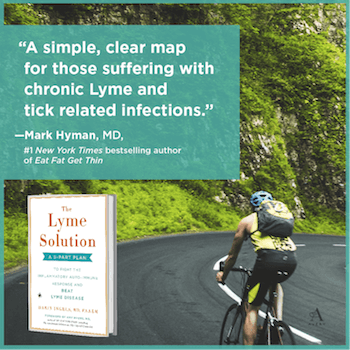
I highly recommend Dr. Darin Ingels, ND new book The Lyme Solution: A 5-Part Plan to Fight the Inflammatory Auto-Immune Response and Beat Lyme Disease. As a functional medicine practitioner, he provides a natural approach to treating Lyme disease that is both comprehensive and designed to each person’s own unique needs i.e. he doesn’t use a one size fits all approach. His uniquely holistic approach to treating this rampant disease, treats both the infection and the resulting autoimmune response. He’s also recovered from Lyme disease himself so he really gets it!

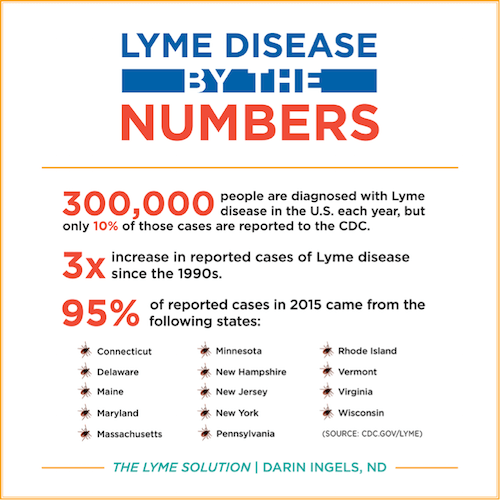
According to the CDC, over 300,000 cases of Lyme are reported every year in the U.S.A.

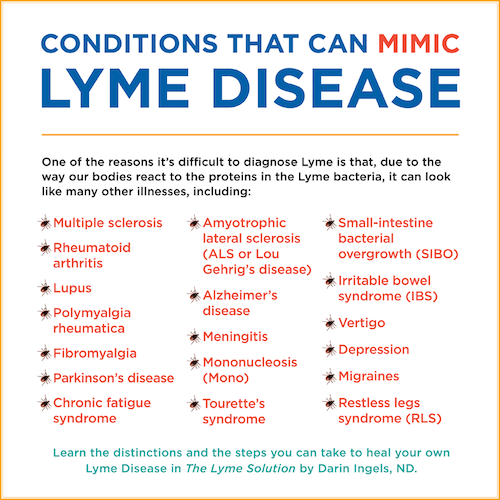
As you can see, many conditions can mimic Lyme disease, including anxiety and depression.

Many in my community have both Lyme disease and anxiety and many nutritional solutions, such as GABA (a calming amino acid supplement), can ease their anxiety while my client is working with a doctor such as Dr. Ingels in order to address and eliminate the Lyme disease.

Tricia Soderstrom from Abounding in Hope With Lyme shares her Lyme GABA story here: GABA helps with Lyme anxiety (while addressing the underlying disease)

Dr. Ingels shared this with me when I asked about what GABA products he likes and why:

I use DFH PharmaGaba and Allergy Research Liposomal GABA, which also has theanine. Liposomal GABA works beautifully for anxiety and sleep disturbances in my Lyme patients and children with autism. I also love how quickly it seems to affect people, often within 10-15 minutes of taking it.

Including the latest research about the diagnosis and treatment of Lyme, The Lyme Solution provides a path to wellness by strengthening the body’s ability to heal from within. Dr. Ingels suggests an actionable 5-Part Plan to:

  • Fortify gut health and restore the immune system
  • Follow a diet that increases immunity and reduces inflammation
  • Thwart and target an active infection
  • Identify hidden toxins that worsen Lyme
  • Lifestyle suggestions to help healing

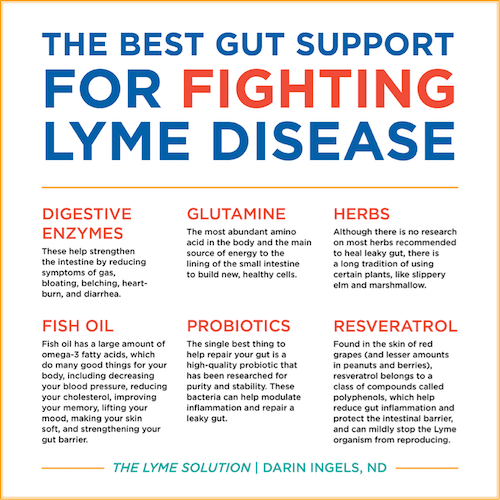
Here are some of his gut support protocols: digestive enzymes, glutamine, resveratrol, herbs like slippery elm and marshmallow, fish oil and probiotics:

The Lyme Solution is a simple guide for how you can advocate for your own health and use innovative treatments to maintain wellness, using the least invasive ways to facilitate treatment. By following this plan, you can become even stronger than you were before the Lyme and better equipped to manage recurring symptoms.

UPDATE: April 20, 2018 – My actual review  

I highly recommend this book if you have Lyme disease or if you suspect that Lyme disease may be playing a role in your ill-health or have chronic anxiety (or another chronic health condition) and have not yet found a solution. I also highly recommend it for practitioners who are both treating Lyme disease patients and those, like myself, who want to really understand all aspects in order to make good referrals for Lyme treatment.

I read it cover to cover in one sitting and could not put it down!

Chapter 1 – An excellent discussion about the problems with long-term antibiotics for chronic Lyme disease and when antibiotics should be used. The chronic inflammatory autoimmune connection is unique to Dr. Ingels’ approach for treating Lyme disease and makes a great deal of sense. The Lyme facts are invaluable: Lyme spirochete going dormant and hiding in scar tissue and lymph nodes; the nymph the most dangerous; Lyme-reactive antibodies form against proteins in the brain, giving rise to neurological symptoms.

Chapter 2 – Covers complex and controversial issues with diagnosis and pitfalls of the various testing that is available. It contains Lyme signs/symptoms and a Lyme questionnaire. It was eye-opening to learn that the bull’s-eye rash is Lyme specific and that changes in handwriting and mixing up words may be a sign of chronic Lyme disease. This is one of my favorite chapters of the book and is very comprehensive.

Chapter 3 – Gut and immune restoring protocols and more on the autoimmune connection. Addressing gut health is key to any condition and Dr. Ingels reiterates that addressing the immune system is key for recovery from Lyme.

Chapter 4 – Immune boosting diet and the importance of alkalinity. This is my least favorite chapter because I’m an advocate of the Paleo diet and have found that when done well with large amounts of vegetables, it is healing and alkaline. (He did connect with me on this and agrees in principle with a Paleo diet that does include plenty of vegetables). I am pleased to see coffee is off the list but would have liked to hear his experiences with intermittent fasting.

Chapter 5 – Covers targeting the infection in a way that doesn’t impact gut flora and undermine the immune system. This chapter has extensive coverage of the herbal protocols Dr. Ingels has found to be effective for his patients: Zhang protocol, his version of the Cowden protocol and others. He goes into great detail for each herb, including products to help with a Herxheimer reaction, as well as the rationale and protocols for breaking up biofilm. It’s also one of my favorite chapters in the book.

Chapter 6 – Cleaning your home and environment and getting rid of toxic chemicals and products, as well as addressing mold. This is also common-sense to address for any condition so it’s great to cover for Lyme.

Chapter 7 – Sleep, exercise and stress reduction. This is also common-sense to address for any condition. I do have a professional difference of opinion for the GABA recommendation for sleep and typically start my clients on much lower doses. I also love GABA for stress and anxiety.

Chapter 8 – Advanced protocols for specific symptoms: mitochondrial issues, neuropathy and balance, low dose immunotherapy, LDN and other approaches where you’ll need to work with a health care provider. Another favorite chapter of mine.

Chapter 9 – Additional lab testing, SIBO, Mast cell activation syndrome and POTS are addressed in relation to Lyme disease. This chapter is enlightening.

The case studies throughout the book reflect the complex nature of Lyme disease and help us get a better understanding about unexpected symptoms, as well as Dr. Ingels’ level of expertise. One such example is Peter’s story: he developed tics but none of the other classic Lyme symptoms, PANS was found and then Lyme disease.

Given that neuropsychiatric symptoms are common in Lyme disease I hope to see more coverage of this in a later edition or follow-up book. I work with individuals with anxiety and underlying Lyme disease is very common, with benzodiazepines and SSRIs commonly prescribed. Using nutritional approaches for the anxiety and/or depression and since it gets to the root cause it’s more effective, plus it lowers the toxic burden and side-effects of added medications. (He also connected with me about this and said he agrees but word-count was the challenge in this first book).

Overall, this book is an excellent resource and I highly recommend it! It offers practical solutions and hope for those who are been suffering with chronic Lyme disease and are seeking a solution.

Learn more and get your copy here on Amazon (my link) or at major bookstores. Get access to a digital version of chapter 1 here.

Filed Under: Books, Lyme disease and co-infections Tagged With: anxiety, autoimmune, Darin Ingels, GABA, glutamine, gut, Lyme Disease, The Lyme Solution

  • « Go to Previous Page
  • Page 1
  • Interim pages omitted …
  • Page 40
  • Page 41
  • Page 42
  • Page 43
  • Page 44
  • Interim pages omitted …
  • Page 96
  • Go to Next Page »

Primary Sidebar

GABA QuickStart Homestudy

gaba quickstart homestudy

Free Report

9 Great Questions Women Ask about Food, Mood and their Health

You'll also receive a complimentary subscription to my ezine "Food, Mood and Gal Stuff"


Connect with me

Popular Posts

  • Amino Acids Mood Questionnaire from The Antianxiety Food Solution
  • The Antianxiety Food Solution Amino Acid and Pyroluria Supplements
  • Pyroluria Questionnaire from The Antianxiety Food Solution
  • Collagen and gelatin lower serotonin: does this increase your anxiety and depression?
  • Tryptophan for the worry-in-your-head and ruminating type of anxiety
  • GABA for the physical-tension and stiff-and-tense-muscles type of anxiety
  • The Antianxiety Food Solution by Trudy Scott
  • Seriphos Original Formula is back: the best product for anxiety and insomnia caused by high cortisol
  • Am I an anxious introvert because of low zinc and vitamin B6? My response to Huffington Post blog
  • Vagus nerve rehab with GABA, breathing, humming, gargling and key nutrients

Recent Posts

  • Her cravings for chips and peanut butter were triggered by stress: GABA ends cravings and reduces physical tension and fear of heights
  • It is truly miraculous to be able to move through life without crippling anxiety and panic
  • GABA and tryptophan combo provide immediate and noticeable relief for tremors and cervical dystonia in just 7 days
  • Red light therapy for back and neck pain, plantar fasciitis and low mood – a complement to the amino acids GABA, DPA and tryptophan
  • What do I use instead of Seriphos to help lower high cortisol that is affecting my sleep and making me anxious at night?

Categories

  • 5-HTP
  • AB575
  • Addiction
  • ADHD
  • Adrenals
  • Alcohol
  • Allergies
  • Alzheimer's disease
  • Amino Acids
  • Anger
  • Antianxiety
  • Antianxiety Food Solution
  • Antidepressants
  • Anxiety
  • Anxiety and panic
  • Autism
  • Autoimmunity
  • benzodiazapines
  • Bipolar disorder
  • Books
  • Caffeine
  • Cancer
  • Candida
  • Children/Teens
  • Collagen
  • Cooking equipment
  • Coronavirus/COVID-19
  • Cravings
  • Depression
  • Detoxification
  • Diabetes
  • Diet
  • DPA/DLPA
  • Drugs
  • EFT/Tapping
  • EMF
  • EMFs
  • Emotional Eating
  • Endorphins
  • Environment
  • Essential oils
  • Events
  • Exercise
  • Fear
  • Fear of public speaking
  • Fertility and Pregnancy
  • Fish
  • Food
  • Food and mood
  • Functional neurology
  • GABA
  • Gene polymorphisms
  • General Health
  • Giving
  • Giving back
  • Glutamine
  • Gluten
  • GMOs
  • Gratitude
  • Gut health
  • Heart health/hypertension
  • Histamine
  • Hormone
  • Hyperparathyroidism
  • Hypoglycemia
  • Immune system
  • Inflammation
  • Insomnia
  • Inspiration
  • Introversion
  • Joy and happiness
  • Ketogenic diet
  • Lithium orotate
  • Looking awesome
  • Lyme disease and co-infections
  • MCAS/histamine
  • Medication
  • Men's health
  • Mental health
  • Mercury
  • Migraine
  • Mold
  • Movie
  • MTHFR
  • Multiple sclerosis
  • Music
  • NANP
  • Nature
  • Nutritional Psychiatry
  • OCD
  • Osteoporosis
  • Oxalates
  • Oxytocin
  • Pain
  • Paleo
  • Parasites
  • Parkinson’s disease
  • PCOS
  • People
  • PMS
  • Postpartum
  • PTSD/Trauma
  • Pyroluria
  • Questionnaires
  • Real whole food
  • Recipes
  • Research
  • Schizophrenia
  • serotonin
  • SIBO
  • Sleep
  • Special diets
  • Sports nutrition
  • Stress
  • Sugar addiction
  • Sugar and mood
  • Supplements
  • Teens
  • Testimonials
  • Testing
  • The Anxiety Summit
  • The Anxiety Summit 2
  • The Anxiety Summit 3
  • The Anxiety Summit 4
  • The Anxiety Summit 5
  • The Anxiety Summit 6
  • Thyroid
  • Thyroid health
  • Toxins
  • Tryptophan
  • Tyrosine
  • Uncategorized
  • Vegan/vegetarian
  • Women's health
  • Yoga

Archives

  • May 2026
  • April 2026
  • October 2025
  • September 2025
  • August 2025
  • July 2025
  • June 2025
  • May 2025
  • April 2025
  • March 2025
  • February 2025
  • January 2025
  • November 2024
  • October 2024
  • September 2024
  • August 2024
  • July 2024
  • June 2024
  • May 2024
  • April 2024
  • March 2024
  • February 2024
  • January 2024
  • December 2023
  • November 2023
  • October 2023
  • September 2023
  • August 2023
  • July 2023
  • June 2023
  • May 2023
  • April 2023
  • March 2023
  • February 2023
  • January 2023
  • December 2022
  • November 2022
  • October 2022
  • September 2022
  • August 2022
  • July 2022
  • June 2022
  • May 2022
  • April 2022
  • March 2022
  • February 2022
  • January 2022
  • December 2021
  • November 2021
  • October 2021
  • September 2021
  • August 2021
  • July 2021
  • June 2021
  • May 2021
  • April 2021
  • March 2021
  • February 2021
  • January 2021
  • December 2020
  • November 2020
  • October 2020
  • September 2020
  • August 2020
  • July 2020
  • June 2020
  • May 2020
  • April 2020
  • March 2020
  • February 2020
  • January 2020
  • December 2019
  • November 2019
  • October 2019
  • September 2019
  • August 2019
  • July 2019
  • June 2019
  • May 2019
  • April 2019
  • March 2019
  • February 2019
  • January 2019
  • December 2018
  • November 2018
  • October 2018
  • September 2018
  • August 2018
  • July 2018
  • June 2018
  • May 2018
  • April 2018
  • March 2018
  • February 2018
  • January 2018
  • December 2017
  • November 2017
  • October 2017
  • September 2017
  • August 2017
  • July 2017
  • June 2017
  • May 2017
  • April 2017
  • March 2017
  • February 2017
  • January 2017
  • December 2016
  • November 2016
  • October 2016
  • September 2016
  • August 2016
  • July 2016
  • June 2016
  • May 2016
  • April 2016
  • March 2016
  • February 2016
  • January 2016
  • December 2015
  • November 2015
  • October 2015
  • September 2015
  • August 2015
  • July 2015
  • June 2015
  • May 2015
  • April 2015
  • March 2015
  • February 2015
  • January 2015
  • December 2014
  • November 2014
  • October 2014
  • September 2014
  • August 2014
  • July 2014
  • June 2014
  • May 2014
  • April 2014
  • March 2014
  • February 2014
  • January 2014
  • December 2013
  • November 2013
  • October 2013
  • September 2013
  • August 2013
  • July 2013
  • June 2013
  • May 2013
  • April 2013
  • March 2013
  • February 2013
  • January 2013
  • December 2012
  • November 2012
  • October 2012
  • August 2012
  • July 2012
  • June 2012
  • May 2012
  • April 2012
  • March 2012
  • February 2012
  • January 2012
  • December 2011
  • November 2011
  • October 2011
  • September 2011
  • August 2011
  • July 2011
  • June 2011
  • May 2011
  • April 2011
  • March 2011
  • February 2011
  • January 2011
  • December 2010
  • October 2010
  • September 2010
  • July 2010
  • May 2010
  • April 2010
  • March 2010
  • February 2010
  • January 2010
  • November 2009

Share the knowledge!

The above statements have not been evaluated by the Food and Drug Administration. Products listed in this website are not intended to diagnose, treat, cure or prevent any disease.

The information provided on this site is for informational and educational purposes only and is not intended as a substitute for advice from your physician or other health care professional. You should consult with a healthcare professional before starting or modifying any diet, exercise, or supplementation program, before taking or stopping any medication, or if you have or suspect you may have a health problem.


Copyright © 2026 Trudy Scott. All Rights Reserved. | Privacy | Terms and Conditions | Refund Policy | Medical Disclaimer

Free Report

9 Great Questions Women Ask about Food, Mood and their Health

You’ll also receive a complimentary subscription to my ezine “Food, Mood and Gal Stuff”