• Skip to primary navigation
  • Skip to main content
  • Skip to primary sidebar

everywomanover29 blog

Food, Mood and Women's Health – Be your healthiest, look and feel great!

  • Blog
  • About
  • Services
  • Store
  • Resources
  • Testimonials
  • The Book
  • Newsletter
  • Contact
  • Search this site

Anxiety, phenibut, toxins and cold showers for detoxification

March 19, 2017 By Trudy Scott 10 Comments

Anxiety, phenibut, toxins, cold showers for detox and more. All of this and more is being covered on the upcoming online Diabetes Summit.

Starting Monday March 20th

I’m really pleased to be a speaker on this summit this year. I cover the anxiety diabetes connection. Anxiety is very common in diabetes – some research shows it’s as high as 25%, and women with diabetes are twice as likely to be affected with anxiety and depression. I also cover how and how GABA helps reduce physical anxiety AND how new research shows GABA is also a promising treatment for diabetes!

Dr. Mowll asked me about using phenibut instead of GABA:

I’ve seen a number of papers that talk about tolerance. I’ve talked to practitioners who’ve said they’ll rotate. They’ll have people be on Phenibut for five days, two days off. And I’ve seen some really scary drug forums where people are using Phenibut as a sort of mood enhancing and performance enhancing drug. They are using very high doses and there are protocols on how to safely taper off Phenibut.

So when I see things like that it concerns me. I’ve had a handful of people, who’ve had some pretty bad side effects from Phenibut. So with someone who’s going through anxiety I just don’t want to add anything else into the mix that may cause problems.

The concern is it does seem to work really well for anxiety and sleep, so that’s why I think a lot of practitioners are drawn to using it. And it may be that they’re not recommending the GABA/ Gamma Amino Butyric Acid sublingually. And they may not be doing a trial to find the optimal dose [so that’s why they are not seeing the results they’d hope to see]. So I would steer clear of phenibut.

We also cover the following (all relevant if you have diabetes AND if you don’t have diabetes):

  • doing a GABA trial and the blood brain barrier controversy
  • benzodiazepine tapers and nutritional support during a taper
  • rooibos tea for metabolic support and adrenal health
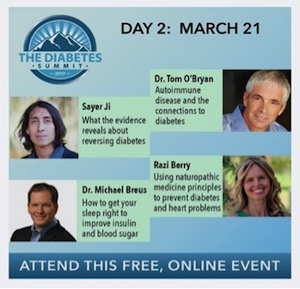
On day 2 of the summit, Razi Berry shares this about the toxins in our environment and the impacts they have on our health:

Out of the 80,000 chemicals that we have in our world, we have barely studied any of them. A couple presidents ago, the Environment Protection Agency was supposed to study the first 300 of these 80,000 chemicals. And so far they’ve only studied one, which is BPA. And BPA is all around us

She had to get rid of the toxins in her environment to help her fibromyalgia and chronic fatigue.

I had to stop using the body sprays that I love from Bath and Body, and the perfumes

I got rid of everything fragrant. And I didn’t use essential oils at first either because you still want to use them judiciously and in the right way. So I switched to everything unscented. And I found a lot about beeswax candles. Beeswax candles are so not only beautiful, and they have this honey like scent to them, but they actually neutralize odors and toxins in the air. They don’t just cover it up. So you actually can clean the air by burning beeswax candles. For centuries churches could not burn tallow or paraffin. They could only burn beeswax.

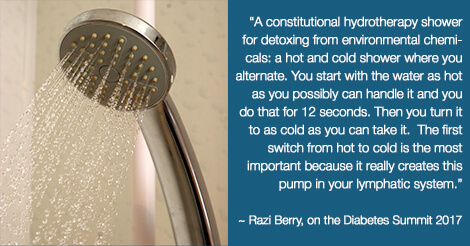
She covers tons of other everyday toxins we are exposed to and how we can safely avoid them. And then importantly, how we can detoxify from these toxins. One approach she covers is hot and cold showers or hydrotherapy (very powerful and very easy to do at home):

Hydrotherapy is a really old technique. It became really popular in the last turn of the century, the late 1800s, early 1900s. And it’s this use of water and/or temperature to help prime your body to get rid of toxins.

So one of the ways that you can do hydrotherapy at home is through what’s called a constitutional hydrotherapy shower. And it’s basically taking a hot and cold shower where you alternate. You start with the water as hot as you possibly can handle it. And you do that for like 12 seconds. Then you turn it to as cold as you can take it.

And the first switch from hot to cold is the most important because it really creates this pump in your lymphatic system, the hot, cold, hot, cold, and really helps to move toxins through your body so it can be eliminated by your kidneys, by your liver, through your respiration.

As you can see there’s plenty to learn from these experts!
Here are just a few of the topics being covered (general topics and applicable if you have diabetes):

  • How food allergens can trigger blood sugar problems, and how to detoxify the body safely
  • Understanding the stress continuum and how children trauma, adverse life events, and daily stressors can lead to diabetes (all of this is applicable to any health condition)
  • Natural strategies to balance blood sugar including new supplement recommendations, essential oils, and using food as medicine
  • Breaking down various eating strategies including the ketogenic diet (vegan diets and raw food diets are also addressed but I must add that I don’t endorse this way of eating if you do have anxiety)
  • Menopause and blood sugar issues (insulin, cortisol and oxytocin)
  • How to get your sleep right to balance insulin and blood sugar

And some topics taking a deeper diver into very specific diabetes areas (if you have type 1 or type 2 diabetes):

  • Developing a deeper understanding of peripheral neuropathy – how to test for it and how to treat it, naturally and effectively
  • Important strategies for those dealing with type 1 diabetes in themselves or a child 
  • Autoimmunity and diabetes

I hope you’ll join us to learn from these experts on the online Diabetes Summit.  My friend and diabetes expert, Dr. Brian Mowll, is hosting this life-changing event for the fourth year, and this year’s event looks amazing.
You can register for this online event here.

Feel free to ask questions in the comments below.
 

Filed Under: Events Tagged With: Brian Mowll, diabetes, Diabetes Summit, GABA, Razi Berry

Anxiety: when to use GABA and tryptophan and how much to use

March 17, 2017 By Trudy Scott 116 Comments

When you have anxiety it can be confusing trying to figure out the root cause. I like to start by assessing for low GABA and low serotonin because when you address these with targeted individual amino acids you typically see results right away and feel hopeful (and now have time to look for other root causes like gluten issues, high cortisol, gut issues, dietary changes etc).

But there may still be some confusion about when to use GABA and when to use tryptophan and how much of each of these amino acids to use.

I’d like to share a question I received on this blog: I am on 5-HTP for anxiety and I am wondering about trying tryptophan instead and my response so you have a clearer understanding of this:

I have started with Source Naturals GABA Calm 125 mg, 2 on awakening and two in mid-afternoon, and 2 GABA Relaxer at bedtime. It has taken some anxiety edge away from me, but I still feel some anxiety on and off, not so severe as before. I used to feel very anxious on awakening. I want to improve more.

Today, I ordered Lidtke L-trytophan 500mg and am expecting to receive it in a week. I plan to take 2 Gaba Calm on awakening and 2 in mid-afternoon, then add one 500mg Trytophan mid-afternoon and one 500 mg trytophan at bed time.

Is this a good plan? Or shall I have 2 GABA Calm on awakening, 2 trytophan mid-afternoon and 2 trytophan at bedtime.

It’s an excellent question and this is my feedback (with some additional information here for this blog post)

Firstly I’m so pleased to hear the GABA products has taken some of the anxiety edge away.

I would expect this when someone has the low GABA type of anxiety and hear this all the time despite the fact I continue to be asked the blood brain barrier question and does GABA really work as a supplement.

There is also no specific formula to be followed because each person is different and when I’m working with someone we’re figuring out what is working and why and adjusting accordingly. If something is working we continue with that until no additional benefits are seen.

Ask yourself what low GABA anxiety symptoms (this is the physical anxiety) have improved with the GABA and how much (rate each one before – out of 10; and what are they now – out of 10).

From your question it sounds like they could improve more – so if we were working together I’d continue to increase GABA before adding something new. I’d do this until the low GABA symptoms are resolved or until no additional benefits are observed.

Remember when it comes to brain chemical imbalances and anxiety we have 3 anxiety types

  1. Low GABA anxiety type (physical anxiety, more stiff and tense muscles)
  2. Low serotonin anxiety type (mental anxiety, ruminations, negative self-talk, worry)
  3. Low blood sugar anxiety type (physical anxiety, but more shaky)

You need to figure out which type of anxiety you are experiencing and address that. It can be different for each person but it’s not uncommon to experience all of the above.

Once that has been done and we have the ideal amount of GABA and no more low GABA anxiety symptoms I’d then check what low serotonin symptoms my client has (these are the busy mind, ruminations type or worry anxiety).

If she does have some of these symptoms, we pick one or two symptoms and do a trial with 1 x 500mg tryptophan opened on to the tongue (or less if she’s super sensitive). She rates the symptoms out of 10 before the tryptophan trial and then after the trial. Depending on how she responds on the trial, we’ll decide if she needs 1 or 2 x 500mg mid-afternoon and evening. The bedtime dose also depends on how bad the insomnia is. We continue to increase as needed based on symptoms until she has no more low serotonin type symptoms or until no additional benefits are observed.

All the while we are starting to make other changes – like diet, eating for blood sugar balance (this and using glutamine helps with the low blood sugar anxiety type), no caffeine, no sugar, looking for high cortisol, no gluten, looking at gut health and for other nutritional deficiencies.

Here are some links to additional resources related to the above:

  • The amino acid questionnaire to help you figure out which anxiety type you have: low GABA or low serotonin
  • How to do an amino acid trial
  • Targeted individual amino acids: what do we really mean?
  • Anxiety and the amino acids: an overview
    • In this blog I make the following recommendation: if you do not have my book The Antianxiety Food Solution, I highly recommend getting it and reading it before jumping in to taking amino acids
  • Here are the supplements I use with my clients

I’d love to hear your feedback – do you/did you have the low GABA type of anxiety or the low serotonin type of anxiety or the low blood sugar type of anxiety or all three?

And feel free to share the before rating (from 1 to 10) and the after rating (from 1 to 10) once you’re taking the corresponding amino acid.

Filed Under: GABA, Tryptophan Tagged With: anxiety, GABA, tryptophan

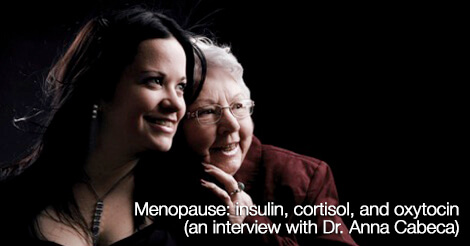
Menopause: insulin, cortisol, and oxytocin (an interview with Dr. Anna Cabeca)

March 13, 2017 By Trudy Scott Leave a Comment

What should a healthy menopause look like and what does an unhealthy hormonal imbalance leads? And what is the significance of insulin, cortisol, and oxytocin?

Dr. Brian Mowll, host of the upcoming Diabetes Summit, interviews Dr. Anna Cabeca on the topic of menopause and metabolic health. Dr. Anna is a board certified gynecologist and obstetrician as well as board certified in anti-aging and regenerative medicine. She is an expert in functional medicine and an expert in women’s health.

She starts with an overview of what menopause should look like and what an unhealthy hormonal imbalance leads to:

Hormonally, what does menopause look like? Yes, we’re going to age. And we’re going to have wrinkles and laugh lines and smile lines and things like that. But that’s awesome. We should be waking up rested, going to sleep on schedule without difficulty and have the sense of peace within us that we’ve become able to enjoy the life that we’ve worked so hard to create and also be able to educate, inspire, and instruct those around us and the generations that follow us. So those are the ideals in menopause.

However, with our environment and toxicities and unhealthy aging and unhealthy hormonal imbalance, what happens is we tend to get overweight, difficulty with weight loss. We tend to have increases in our blood sugar, increases of heart disease. What that feels like, too, is hot flashes, mood swings, itchy skin, night sweats and irritability. The monster within us can come out!

The next part of their discussion is fascinating and rather unexpected. Dr. Brian asks Dr. Anna about the main hormonal players in menopause and this is what she shares:  

As a gynecologist, you would think the major players would be estrogen, progesterone, and even testosterone. However, the major players when it comes to a healthy menopause are insulin, cortisol, and oxytocin. I run menopause programs specifically to get these major hormones in balance. And then we can fine tune the minor hormones.

But unless we’re getting the concepts that relate to increasing our body’s ability to have insulin sensitivity and, regarding cortisol, to have reset our cortisol, our natural circadian rhythm, we’re not going to get hormonal balance at all. And we’ll continue to struggle with the inflammation, the weight gain, the mood swings, [the anxiety and insomnia], the night sweats….  

Actually, insulin and cortisol have a bigger role than estrogen, progesterone, and testosterone although those are important and DHEA as well which I will replace very frequently. But insulin and cortisol are key to healthy menopause.  

And so cortisol is our natural anti-inflammatory. But also, we know that when we excrete high spikes of cortisol, that’s going to affect glucose production. So whether cortisol is too high or too low, we’re going to have an issue with glucose production and metabolism and increasing hemoglobin A1c and inflammation. So from both those areas, we’re going affect our inflammatory pathways.

Dr. Anna also covers some of the following in the interview:

  • Issues she sees with ketogenic diets and eating low carbohydrate diets (this one is for women in particular – she feels it throws off our neurotransmitters)
  • Why to test for pH and how to do it
  • Simple ways to boost oxytocin
  • Nutritional support for the adrenals

As I mentioned above, these are a few snippets from the upcoming Diabetes Summit.

In case you’re thinking “I don’t have diabetes, I don’t need to tune in to this one”, or “I’m not menopausal” or “I’m a guy” here are few points to consider:

  • If you’re a woman and experience stress this would be applicable whether or not you have diabetes or are in menopause (addressing this could help prevent diabetes and make menopause a breeze)
  • If you’re a man and experience stress this topic is also relevant, whether or not you have diabetes – just remove the words “menopause” and “women” and focus on the information about insulin, cortisol and oxytocin

So do consider tuning in to this one and other interviews in the summit!

If you do have diabetes or pre-diabetes then tuning in to the summit is a must! According to a 2015 study, nearly half the US population had diabetes or pre-diabetes.  Add to that all the Americans who are overweight, obese, or have insulin resistance and other blood sugar imbalances, that number likely climbs above 75%! Unfortunately it’s not just in the US.  Diabetes has become a global epidemic, predicted to get much worse in the next 20 years.

Clearly we need to do something different.  Change often starts with information and inspiration.  Learning the root causes of the problem and real solutions to correct those causes can motivate action.

That’s why I’m excited about this upcoming online Diabetes Summit.  My friend and diabetes expert, Dr. Brian Mowll, is hosting this life-changing event for the fourth year, and this year’s event looks amazing.

I’m really pleased to be a speaker on this summit too. I cover the anxiety diabetes connection and how GABA helps reduce anxiety and how research shows it’s a promising treatment for diabetes. Read more here.

You can register for this online event here.


Filed Under: Women's health Tagged With: Anna Cabeca, cortisol, insulin, menopause, oxytocin

Shame is inflammatory: the thyroid, autoimmunity and serotonin

March 11, 2017 By Trudy Scott 20 Comments

A quick reminder that The Thyroid Secret online documentary replays air this weekend – all 9 episodes will be available to watch! It comes highly recommended! (You can still register here)

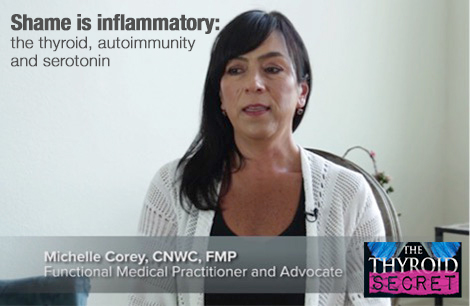
In Episode 5, The Stress Sickness, Michelle Corey, Functional Medical Practitioner, Nutritionist and author of the groundbreaking book The Thyroid Cure, The Functional Mind-Body Approach to Reversing Your Autoimmune Condition and Reclaiming Your Health, talks about the connection between shame and inflammation:

We know that shame is inflammatory. In fact, there was a study done where they had students sit for 20 minutes and think about some experience in their life that was shameful. They measured their blood afterwards, and they found spikes in inflammatory cytokines. We know that, from that study that induced shame cause a lot of inflammation. Unfortunately, we live in a global culture of shaming.

…shame is not something people really wanted to talk about, even psychologists or psychotherapists. Because shame is shameful. When you think about something shameful, it’s like the worst thing…

It’s very uncomfortable to speak about. I think just getting into the conversations about it. Just even journaling is one of the ways, because it is inflammatory. I have found, because I work with the autoimmunity [community], and there has been a big connection between abuse and autoimmunity in my practice that there is a lot of shame there. Just having someone be there to truly share your experience in a nonjudgmental way. Not in the way that I’m going to fix you, but just hear your story and have empathy for you. That’s one of the ways that shame dissolves. Because empathy is the antidote to shame. If we can have empathy for ourselves, if others can have empathy for us.”

She is talking about autoimmunity but this topic of shame and empathy is very relevant for my community – that means you of course – simply because of the shame and stigma around anxiety and mental health in general.

In case you’re interested here is the study Michelle is referring to: Immunological effects of induced shame and guilt, published in Psychosomatic Medicine in 2004.

I so appreciate everyone in the series, including Dr. Izabella Wentz, for sharing their powerful stories without shame so we can all be inspired and learn from them and have hope!

It’s not easy. I know because I used to have anxiety and panic attacks myself and made the choice to talk openly about the struggles I had. I was cautioned by a well-meaning mentor not to talk about it. She warned me that it was not professional and just not done in the field. I chose to be open and share anyway and I’m really glad I made this decision. It’s so important for healing on so many levels – for me and especially for those of you who hear my story and have hope!

In this same episode the topic of negative thoughts, the fears that we’re holding and the [negative] beliefs that we have about the body are discussed by Marc David and Emily Joy Rosen, founders of The Institute for the Psychology of Eating.

Marc shares this about these impacts on autoimmunity and the body attacking itself:

Autoimmune disease. That’s an autoimmune disease literally of our thinking, it’s self attacking self. It makes perfect sense to me because we know mind and body track one another. If I’m attacking self with negative thoughts, physiology can often follow where all of a sudden the body starts to attack itself. Or the body can attack its own thyroid gland. Which is, wow, how does that happen?

And Emily talks about how these thoughts impact treatment protocols:

I’m not saying that’s the only factor whatsoever. I think it is really important to look at the [negative] thoughts that we’re thinking. The fears that we’re holding, and the beliefs that we have about the body. Because they will impact the efficacy of any treatment protocol.

I wholeheartedly agree with both Marc and Emily and would like to add that these are all classic signs of low serotonin (that we can easily address):

  • negative thoughts (or negative self-talk)
  • fears and phobias and
  • the [negative] beliefs that we have about the body (often seen as low self-esteem or lack of confidence)

We could even connect the shame Michelle Corey talks about to low serotonin. The definition of ashamed is “reluctant to do or say something through fear of embarrassment or humiliation” or “hesitant or afraid to do or say something.” It sounds like low serotonin doesn’t it?

The wonderful thing is that these signs of low serotonin can be eliminated with some key nutrients.

The quickest and most effective way to boost serotonin is with the amino acids tryptophan and 5-HTP. I discuss the amino acids in the documentary: I touch on them in episode 2 and you hear me go into more detail in the FULL interview (which is part of the Deluxe GOLD package if you’re considering purchasing the series). Other ways include assessing and addressing low zinc, low vitamin B6, a need for inositol or curcumin or saffron, leaky gut and an out of balance microbiome. Eating GMOs, trans fats and gluten is detrimental. Exercising, eating grass-fed red meat and wild fish and supporting the adrenals is beneficial.

I hope you enjoyed this snippet and enjoy the replays!

And a quick reminder: did you know you can own the entire Thyroid Secret documentary series for yourself?

  • The Premium Silver Package, includes all 9 video episodes of The Thyroid Secret documentary series, complete easy to read transcriptions and MP3 audio recordings of each episode
  • The Deluxe Gold Package includes over 100+ amazing expert video interviews and 64 patient stories in over 76 hours of videos, transcriptions and MP3 audio recordings of each full length interview.

I’d love to hear some of the highlights you found useful and practical? Please share below in the comments.

PS. Feel free to share The Thyroid Secret online documentary with friends and family – all 9 replays air this weekend.

Filed Under: Events, Thyroid Tagged With: michelle corey, shame, The Thyroid Secret, thyroid secrets

Titanium dioxide: gut damage, anxiety and cancer

March 10, 2017 By Trudy Scott 36 Comments

Titanium dioxide, a common food additive found in candy, gum, bread, sunscreens, cosmetics and medications, has been shown in new research to alter digestive cell structure and function due to the damage it causes to the gut lining:

The ability of small intestine cells to absorb nutrients and act as a barrier to pathogens is ‘significantly decreased’ after chronic exposure to nanoparticles of titanium dioxide, a common food additive found in everything from chewing gum to bread.

Acute exposures did not have much effect, but chronic exposure diminished the absorptive projections on the surface of intestinal cells called microvilli. With fewer microvilli, the intestinal barrier was weakened, metabolism slowed and some nutrients — iron, zinc, and fatty acids, specifically — were more difficult to absorb. Enzyme functions were negatively affected, while inflammation signals increased.

The study was done using an in vitro (i.e. “in glass” or test-tube) cell culture model of the small intestinal epithelium. You can read the actual January 2017 study here.

Since this was not a human study this could be some of the extrapolations we could possibly make because of how chronic exposure led to fewer microvilli:

  • The intestinal barrier was weakened and metabolism slowed. If you suspect you may have damage to the gut lining (as in leaky gut and malabsorption), glutamine is an amino acid that when taken as a supplement is very healing of the gut.
  • Malabsorption of iron, zinc, and fatty acids was a factor so it would be important to assess for low levels and address deficiencies if necessary, especially since low levels of all three can have a direct impact on increasing anxiety.
  • Enzyme functions were negatively affected so this would need to be addressed with a broad spectrum enzyme and possibly HCl.
  • Inflammation signals also increased so using something like curcumin and omega-3 fatty acids may be a good choice to reduce likely inflammation.
  • And it goes without saying, eating a nutrient-dense anti-inflammatory diet is key

As soon as I read this paper I thought of my good friend and colleague Mira Dessy, NE, known as The Ingredient Guru, and author of The Pantry Principle: how to read the label and understand what’s really in your food. She is an expert in all things ingredient and food labels related so I reached out to her and she shared that the titanium dioxide powder itself appears to be somewhat harmless (although there are reports of the dust causing causing respiratory irritation). Even this concerns me but it gets even more concerning. Mira goes on to say:  

The challenge, however, is that there is an increasing amount of titanium dioxide nanoparticles being used.  The microscopic size and their ability to penetrate into the blood stream and from there circulate throughout the body is very worrisome.  These titanium dioxide nanoparticles represent a significant challenge to nerve tissue and also impact brain health through oxidative stress.

Given the ability of the nanoparticles to go through the skin and into the blood stream I’m not surprised that there is growing evidence for gut disruption in addition to the nerve and brain health issues.  The damage to epithelial cells and impairment of micronutrient absorption is highly concerning.  

I love Mira’s book The Pantry Principle (and learned so much from it) and I asked her this week when I reached out for a quote from her why it didn’t make it into her book published just a few years ago in 2013. She shared that it did not really come up on her radar at the time:  

Sadly it turns out that this is because food producers can use up to 1% titanium dioxide (food grade) without declaring it on the label.  Unfortunately when I wrote the book I did not know that.   At the time it appeared to be primarily used in personal care products. Approved for use in cosmetics back in 1973 it is often found in bath powders, cosmetics, antiperspirants, nail polish, sunscreen, and lotions.  It seems to be growing in food usage, appearing in candies, gums, dairy products, condiments, processed meats, and snack foods.  

I’m sharing this because I want you to be aware how quickly things can change and how we really need to keep up with labeling! (be sure to check out Mira’s other work on additives and labeling and my review of her book The Pantry Principle for additional information.)

I was also shocked to find out that food producers can use up to 1% titanium dioxide (food grade) without declaring it on the label – what!? I suspect (and hope) this will be changing in the near future.

I would expect some radical changes from governments and companies using it especially with this IARC (International Agency for Research on Cancer) monograph (another resource Mira provided): 

Titanium dioxide is possible carcinogenic to humans (Group 2B) based on sufficient evidence in experimental animals and inadequate evidence from epidemiological studies.

and this conclusion they reach:

Given the increasing applications of nano titanium dioxide in consumer products (e.g., food or food packaging and skin care products), there is a need to develop better techniques to detect titanium dioxide in tissues and to examine possible carcinogenicity of nano titanium dioxide by other routes of exposure (oral, dermal).

Another recent study found that injected titanium dioxide nanoparticles increased anxiety in rats, increased inflammation and there was increased accumulation in the liver, lungs and brain:

The results suggest that TiO2 NPs [titanium dioxide nanoparticles] could alter the neurobehavioral performance of adult Wistar rats and promote alterations in hepatic [liver] tissues.

I plan to avoid this additive. The best way you can avoid it too is to do the following:

  • eat real food and avoid food that has been processed
  • if you do eat something processed make sure it’s organic because titanium dioxide is not approved for use in organic foods (also make sure it’s not organic “junk food” – there is plenty of that around these days!)
  • read cosmetic labels and avoid toothpastes, makeup, lotions and sunscreens that contain the titanium, especially when in nanoparticle form  

Just to be clear, not all titanium dioxide used in food products are nanoparticles (which are defined as smaller than 100 nanometers in diameter). However up to 36 percent of the titanium dioxide found in nearly 90 food products were nanoparticles, according to this 2012 article: Titanium Dioxide Nanoparticles in Food and Personal Care Products.

I also reached out to my friend and colleague Lara Adler, Environmental Toxins Expert & Educator for her expert opinion:

The issue of nanoparticles in consumer products, whether it’s food, or personal care products like makeup or sunscreen can be confusing. The first issue is that there are no current labelling or disclosure requirements regarding nanoparticles, at least here in the US. Companies that are more keen to appeal to health-minded consumers will often disclose that they are not using nanoparticle sized ingredients, but there’s no legal requirement for anyone to do so, which means it’s totally possible for a product to contain nanoparticles of titanium dioxide and we won’t know. In the European Union, companies are required to disclose and fully label nano-ingredients.

When it comes to topical use in say, sunscreen, research is showing that non-nano titanium dioxide is unlikely to penetrate the skin and enter the body, and is therefore a low risk. The bigger health risk, for nano, or non-nano are products that are aerosolized, like the spray sunscreens as these products are easily inhaled. Most of the research into the negative health effects of titanium dioxide are inhalation studies.

Her feedback supports what Mira and I have discovered from the research: there’s a growing body of research that’s indicating potential negative health effects of nanoparticles, including their ability to migrate throughout the body. She shared these papers with me (both about nanoparticles in general):

A rodent study found that inhaled nanoparticles ended up in the central nervous system, and another study found them ending up in the liver.

But most shocking is this study Lara shared with me about maternal exposure to nanoparticles of titanium dioxide:

It caused the changes in the expression of genes associated with brain development, cell death, response to oxidative stress, and mitochondria in the brain during the perinatal period.

Changes of the expression of genes associated with neurotransmitters and psychiatric diseases were found.

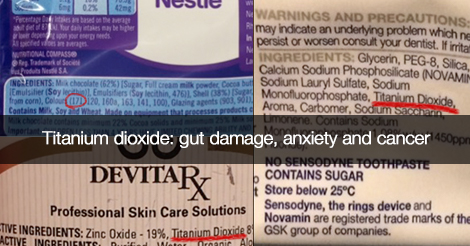
Here are some examples of what you may see on labels:

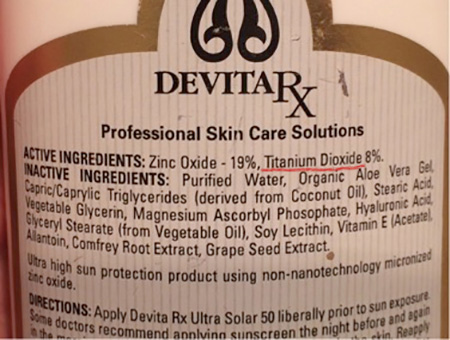
Titanium dioxide in Devitar sunscreen – this is the sunscreen I have been using and recommended by an integrative cancer doctor. This is a common ingredient in sunscreen since it reflects the sun. I’m on the look-out for a new sunscreen that is free from titanium dioxide because we just don’t know what research is going to find. Right now a product like this is better than some of the other sunscreens that contain endocrine-disrupting oxybenzone and should definitely be avoided at all costs.

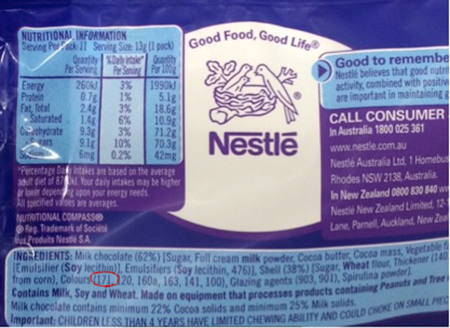
A bag of Smarties (yes, I was prowling the candy aisle here in Australia looking for ingredients!). You’ll see it on this label as 171. Titanium dioxide or E171 is used by the food industry to whiten and brighten food. Children have been identified as having the highest exposures because titanium dioxide content of sweets is higher than other food products.


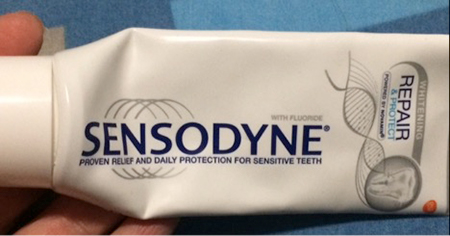
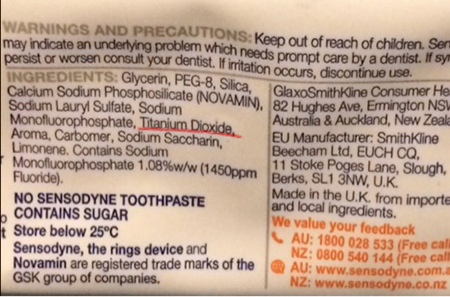
It’s very commonly found in toothpaste for it’s whitening and brightening properties. This is from a tube of Sensodyne toothpaste here in Australia.  

Have you got products in your home with titanium dioxide on the label? I’d love to hear where you see it labelled and if you’ll be avoiding it in the future?

Filed Under: Cancer Tagged With: anxiety, brain, cancer, gut damage, nanoparticles, titanium dioxide

Stress, aging and turning off your bad genes: with Dr. Sara Gottfried

March 6, 2017 By Trudy Scott 23 Comments

At age 44, my friend and colleague Dr. Sara Gottfried, M.D., got a research opportunity few people would want. She performed a simple blood test of how fast she was aging, and she failed.

She was aging 20 years faster than her chronological years, as measured by her telomeres. Those are the protective caps on your chromosomes that determine how your cells age. You want telomeres that are long and lovely. Dr. Sara’s were short and stubby.

Despite what we’ve been told, it’s not normal to age fast, gain weight, feel anxious, and become disease-ridden. Just as the number on the bathroom scale isn’t always a simple reflection of calories consumed vs. calories burned, the number of years you’ve lived isn’t always a reflection of your biological age (meaning the age of your cells).

Dr. Sara’s telomeres and body needed rescuing, so she dove into the science and created a breakthrough protocol to slow down aging.

Dr. Sara also had adrenal fatigue, a slow thyroid, estrogen dominance, disrupted sleep, and insulin resistance. Because her cells were numb to insulin, her blood sugar was climbing. Not in the diabetes range, but prediabetes. These hormone problems added up to faster aging.

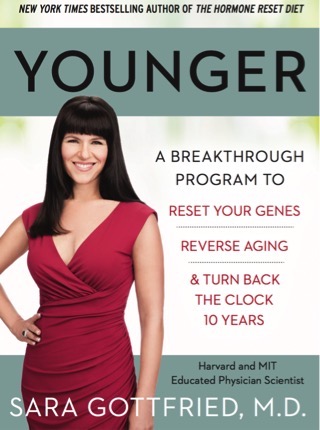
During the past five years of research, Dr. Sara discovered crucial truths locked in our genes—truths about how you age, how you gain weight, how your body handles stress, and so much more. In her new book, Younger: A Breakthrough Program to Reset Your Genes, Reverse Aging, and Turn Back the Clock 10 Years, she reveals important yet little-known truths to slow down aging and reverse anxiety. She helps you create hormonal harmony and turn on and off the appropriate longevity genes. Here are just a few highlights:

  • Breast cancer runs in her family, so she learned how to turn off her cancer-promoting genes using her fork and wine glass.
  • Sara doesn’t detox well—neither do half of Americans—so she needed to add a specific B vitamin to her daily regimen. Hint: we talk about the MTHFR gene and detox in our interview below).
  • Her grandmother died of Alzheimer’s disease, so Dr. Sara was thrilled to learn about the functional medicine protocol that preserves cognitive function regardless of age. Hint: it involves a specific way of eating, exercising, practicing yoga or meditation, flossing, brushing teeth, and sleeping.

In her new book, you’ll learn what happened to Dr. Sara’s telomeres over the past 5 years as she tested and refined her protocol, first on herself, and then on 1,000 other women.

I was fortunate to receive an advance copy of Younger and loved it so much that I wrote the following endorsement:

The brilliant book, Younger, by Dr. Sara Gottfried MD is mesmerizing, cutting-edge and a must-read! It teaches how you can turn your good genes on and your bad genes off via a healthy mix of science and gene information, together with simple assessment tools and powerful lifestyle changes. You’ll feel happier and calmer, look and feel younger, and actually reverse age-related diseases – even if you have anxiety, depression, Alzheimer’s disease, breast cancer, heart disease or obesity in your family. Why wouldn’t you want to influence your genes for the better? I know I do and so do my community of anxious women. We will all benefit immensely from Dr. Gottfried’s wisdom!

~ Trudy Scott, nutritionist and author of The Antianxiety Food Solution

I also had the opportunity to interview Dr. Sara about this topic and you can watch and listen below as we discuss some of the following:

  • Telomeres and aging (at 44 Dr. Sara had the telomeres of a 64 year old woman)
  • Healthspan and feeling fantastic
  • Walking on the beach for the adrenals, earthing and vagal toning
  • Forest bathing and the effects on cortisol levels [this isn’t in the book]
  • Ikaria “the island where they forgot to die” – herbal teas, tight social community, long lunches, no watches, 7.5 hours of sleep
  • Date night and chanting in the infrared sauna
  • Finnish study: saunas, longevity and the FOXO3 gene (a panacea? and even a form of exercise for those with heart failure)
  • MTHFR “detox” or methylation gene (depression and alcohol detox)
  • We can impact how our genes talk to our bodies in such profound ways
  • The FKBP5 Gene is turned on by severe trauma (studied in Holocaust victims) and affects how we handle stress
  • The TH gene is turned on by the cold
  • rs6330 – NGF/nerve growth factor gene and vagal tone (CC form = more anxious females; TT form = more anxious males) [this isn’t in the book]
  • Genetic testing is optional but can be done with 23andme, Pathway and SmartDNA (in Australia)
  • Testing telomeres with Lifelength and SpectraCell
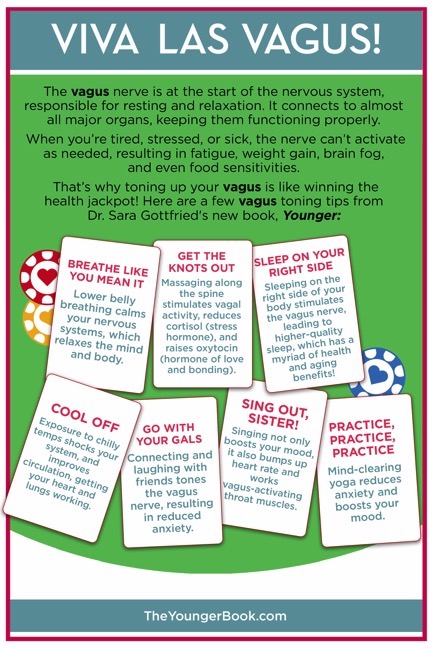
  • Vagus nerve and parasympathetic system – affects anxiety levels, the gut, voice and brain – improved with meditation, prayer, chanting, social connection, singing, call girlfriends, sleeping on your right side
  • 7 day Younger challenge (most powerful levers from the book)
  • 7 week Younger challenge
  • Thing about your 75 year old self: “I want to make decisions that are kind to her” and “How can you kind be to your future self”

If this resonates with you, I encourage you to join Dr. Sara’s slow aging revolution by ordering your copy of Younger.

I hope you’ll join Dr. Sara and me in our quest to continue resetting genes and reversing aging in 2017. The science is yours for the taking!

If you are like Dr. Sara and have issues with your adrenals, thyroid, insulin, or sleep, you could be aging too fast, as she was. And while the genetic hand you’ve been dealt may seem like a fait accompli, the greatest truth Dr. Sara discovered is that you can “turn on” good genes and “turn off” bad ones using the seven-week protocol she developed based on the latest research. Thankfully, she’s done all the research so you don’t have to!

When you order the new book, feel free to click here to submit your receipt and get several bonuses for a limited time, including Dr. Sara’s Younger Quick Start Guide. This guide includes an overview of the Younger Protocol, Dr. Sara’s Anti-Aging Prerequisites, and a sample menu so that you’re ready when the book arrives.


Filed Under: Books, Stress Tagged With: aging, Sara Gottfried, vagus nerve

  • « Go to Previous Page
  • Page 1
  • Interim pages omitted …
  • Page 78
  • Page 79
  • Page 80
  • Page 81
  • Page 82
  • Interim pages omitted …
  • Page 160
  • Go to Next Page »

Primary Sidebar

GABA QuickStart Homestudy

gaba quickstart homestudy

Free Report

9 Great Questions Women Ask about Food, Mood and their Health

You'll also receive a complimentary subscription to my ezine "Food, Mood and Gal Stuff"


Connect with me

Popular Posts

  • Amino Acids Mood Questionnaire from The Antianxiety Food Solution
  • The Antianxiety Food Solution Amino Acid and Pyroluria Supplements
  • Pyroluria Questionnaire from The Antianxiety Food Solution
  • Collagen and gelatin lower serotonin: does this increase your anxiety and depression?
  • Tryptophan for the worry-in-your-head and ruminating type of anxiety
  • GABA for the physical-tension and stiff-and-tense-muscles type of anxiety
  • The Antianxiety Food Solution by Trudy Scott
  • Seriphos Original Formula is back: the best product for anxiety and insomnia caused by high cortisol
  • Am I an anxious introvert because of low zinc and vitamin B6? My response to Huffington Post blog
  • Vagus nerve rehab with GABA, breathing, humming, gargling and key nutrients

Recent Posts

  • Her cravings for chips and peanut butter were triggered by stress: GABA ends cravings and reduces physical tension and fear of heights
  • It is truly miraculous to be able to move through life without crippling anxiety and panic
  • GABA and tryptophan combo provide immediate and noticeable relief for tremors and cervical dystonia in just 7 days
  • Red light therapy for back and neck pain, plantar fasciitis and low mood – a complement to the amino acids GABA, DPA and tryptophan
  • What do I use instead of Seriphos to help lower high cortisol that is affecting my sleep and making me anxious at night?

Categories

  • 5-HTP
  • AB575
  • Addiction
  • ADHD
  • Adrenals
  • Alcohol
  • Allergies
  • Alzheimer's disease
  • Amino Acids
  • Anger
  • Antianxiety
  • Antianxiety Food Solution
  • Antidepressants
  • Anxiety
  • Anxiety and panic
  • Autism
  • Autoimmunity
  • benzodiazapines
  • Bipolar disorder
  • Books
  • Caffeine
  • Cancer
  • Candida
  • Children/Teens
  • Collagen
  • Cooking equipment
  • Coronavirus/COVID-19
  • Cravings
  • Depression
  • Detoxification
  • Diabetes
  • Diet
  • DPA/DLPA
  • Drugs
  • EFT/Tapping
  • EMF
  • EMFs
  • Emotional Eating
  • Endorphins
  • Environment
  • Essential oils
  • Events
  • Exercise
  • Fear
  • Fear of public speaking
  • Fertility and Pregnancy
  • Fish
  • Food
  • Food and mood
  • Functional neurology
  • GABA
  • Gene polymorphisms
  • General Health
  • Giving
  • Giving back
  • Glutamine
  • Gluten
  • GMOs
  • Gratitude
  • Gut health
  • Heart health/hypertension
  • Histamine
  • Hormone
  • Hyperparathyroidism
  • Hypoglycemia
  • Immune system
  • Inflammation
  • Insomnia
  • Inspiration
  • Introversion
  • Joy and happiness
  • Ketogenic diet
  • Lithium orotate
  • Looking awesome
  • Lyme disease and co-infections
  • MCAS/histamine
  • Medication
  • Men's health
  • Mental health
  • Mercury
  • Migraine
  • Mold
  • Movie
  • MTHFR
  • Multiple sclerosis
  • Music
  • NANP
  • Nature
  • Nutritional Psychiatry
  • OCD
  • Osteoporosis
  • Oxalates
  • Oxytocin
  • Pain
  • Paleo
  • Parasites
  • Parkinson’s disease
  • PCOS
  • People
  • PMS
  • Postpartum
  • PTSD/Trauma
  • Pyroluria
  • Questionnaires
  • Real whole food
  • Recipes
  • Research
  • Schizophrenia
  • serotonin
  • SIBO
  • Sleep
  • Special diets
  • Sports nutrition
  • Stress
  • Sugar addiction
  • Sugar and mood
  • Supplements
  • Teens
  • Testimonials
  • Testing
  • The Anxiety Summit
  • The Anxiety Summit 2
  • The Anxiety Summit 3
  • The Anxiety Summit 4
  • The Anxiety Summit 5
  • The Anxiety Summit 6
  • Thyroid
  • Thyroid health
  • Toxins
  • Tryptophan
  • Tyrosine
  • Uncategorized
  • Vegan/vegetarian
  • Women's health
  • Yoga

Archives

  • May 2026
  • April 2026
  • October 2025
  • September 2025
  • August 2025
  • July 2025
  • June 2025
  • May 2025
  • April 2025
  • March 2025
  • February 2025
  • January 2025
  • November 2024
  • October 2024
  • September 2024
  • August 2024
  • July 2024
  • June 2024
  • May 2024
  • April 2024
  • March 2024
  • February 2024
  • January 2024
  • December 2023
  • November 2023
  • October 2023
  • September 2023
  • August 2023
  • July 2023
  • June 2023
  • May 2023
  • April 2023
  • March 2023
  • February 2023
  • January 2023
  • December 2022
  • November 2022
  • October 2022
  • September 2022
  • August 2022
  • July 2022
  • June 2022
  • May 2022
  • April 2022
  • March 2022
  • February 2022
  • January 2022
  • December 2021
  • November 2021
  • October 2021
  • September 2021
  • August 2021
  • July 2021
  • June 2021
  • May 2021
  • April 2021
  • March 2021
  • February 2021
  • January 2021
  • December 2020
  • November 2020
  • October 2020
  • September 2020
  • August 2020
  • July 2020
  • June 2020
  • May 2020
  • April 2020
  • March 2020
  • February 2020
  • January 2020
  • December 2019
  • November 2019
  • October 2019
  • September 2019
  • August 2019
  • July 2019
  • June 2019
  • May 2019
  • April 2019
  • March 2019
  • February 2019
  • January 2019
  • December 2018
  • November 2018
  • October 2018
  • September 2018
  • August 2018
  • July 2018
  • June 2018
  • May 2018
  • April 2018
  • March 2018
  • February 2018
  • January 2018
  • December 2017
  • November 2017
  • October 2017
  • September 2017
  • August 2017
  • July 2017
  • June 2017
  • May 2017
  • April 2017
  • March 2017
  • February 2017
  • January 2017
  • December 2016
  • November 2016
  • October 2016
  • September 2016
  • August 2016
  • July 2016
  • June 2016
  • May 2016
  • April 2016
  • March 2016
  • February 2016
  • January 2016
  • December 2015
  • November 2015
  • October 2015
  • September 2015
  • August 2015
  • July 2015
  • June 2015
  • May 2015
  • April 2015
  • March 2015
  • February 2015
  • January 2015
  • December 2014
  • November 2014
  • October 2014
  • September 2014
  • August 2014
  • July 2014
  • June 2014
  • May 2014
  • April 2014
  • March 2014
  • February 2014
  • January 2014
  • December 2013
  • November 2013
  • October 2013
  • September 2013
  • August 2013
  • July 2013
  • June 2013
  • May 2013
  • April 2013
  • March 2013
  • February 2013
  • January 2013
  • December 2012
  • November 2012
  • October 2012
  • August 2012
  • July 2012
  • June 2012
  • May 2012
  • April 2012
  • March 2012
  • February 2012
  • January 2012
  • December 2011
  • November 2011
  • October 2011
  • September 2011
  • August 2011
  • July 2011
  • June 2011
  • May 2011
  • April 2011
  • March 2011
  • February 2011
  • January 2011
  • December 2010
  • October 2010
  • September 2010
  • July 2010
  • May 2010
  • April 2010
  • March 2010
  • February 2010
  • January 2010
  • November 2009

Share the knowledge!

The above statements have not been evaluated by the Food and Drug Administration. Products listed in this website are not intended to diagnose, treat, cure or prevent any disease.

The information provided on this site is for informational and educational purposes only and is not intended as a substitute for advice from your physician or other health care professional. You should consult with a healthcare professional before starting or modifying any diet, exercise, or supplementation program, before taking or stopping any medication, or if you have or suspect you may have a health problem.


Copyright © 2026 Trudy Scott. All Rights Reserved. | Privacy | Terms and Conditions | Refund Policy | Medical Disclaimer

Free Report

9 Great Questions Women Ask about Food, Mood and their Health

You’ll also receive a complimentary subscription to my ezine “Food, Mood and Gal Stuff”