• Skip to primary navigation
  • Skip to main content
  • Skip to primary sidebar

everywomanover29 blog

Food, Mood and Women's Health – Be your healthiest, look and feel great!

  • Blog
  • About
  • Services
  • Store
  • Resources
  • Testimonials
  • The Book
  • Newsletter
  • Contact
  • Search this site

PTSD/Trauma

MDMA-Assisted Psychotherapy for Treating Chronic PTSD: Why I feel we can do better and the role of nutrition and amino acids like GABA

November 2, 2018 By Trudy Scott 7 Comments

You may be familiar with MDMA (3,4-methylenedioxymethamphetamine), also known as “ecstasy”, because of its reputation as a party drug. And you have likely seen some of the media reports on the new research and growing support for MDMA-Assisted psychotherapy for treating chronic PTSD (post-traumatic stress disorder). Due to adverse effects I’d like to share my concerns about this research and treatment and why I feel we can do better – by addressing nutrition and using amino acids like GABA and others.

In a recent press release, Colorado Study Shows Lasting Benefits of MDMA-Assisted Psychotherapy for Treating Chronic PTSD, the non-profit organization, Multidisciplinary Association for Psychedelic Studies (MAPS) reports these study results:

28 participants found that one month after their second day-long experimental session, 42.9% in the active-dose (100 mg and 125 mg) MDMA groups did not qualify for a diagnosis of PTSD, compared to 33.3% in the low-dose MDMA (40 mg active placebo) control group.

The results were even more notable 12 months after the third active-dose experimental session, which found that one year following treatment with MDMA-assisted psychotherapy, 76% of participants no longer had PTSD.

It is the largest U.S. FDA-regulated double-blind, placebo-controlled clinical trial of MDMA-assisted psychotherapy for the treatment of chronic PTSD and the results are impressive: 76% of the study participants no longer had PTSD after a year and 3 treatment sessions. I’m really happy for the participants BUT I believe we can do better because there are adverse reactions to this treatment and there are other safer approaches for recovery.

This comment about an acceptable risk profile and adverse reactions concerns me (and I suspect it concerns you too):

The study replicated previous research showing an acceptable risk profile for MDMA, with the most frequently reported adverse reactions during experimental sessions being anxiety, jaw clenching, headache, muscle tension, dizziness, fatigue, and low mood.

Adverse reactions one week following treatment included insomnia, low mood, irritability, and ruminations. Temporary elevations in pulse, blood pressure, and temperature were also recorded during MDMA sessions, and did not require medical intervention.

A common theme we see in the research on psychedelics is how effective it is for PTSD that doesn’t respond to therapy or medications. This paper states:

There is an immense need for innovative treatment options that improve outcomes, especially for PTSD refractory to psychotherapy and/or pharmacotherapies

I agree there is an immense need for successful treatment approaches, but jumping to MDMA from psychotherapy and/or psychiatric medications is skipping out the entire nutritional and biochemical step which is SO powerful and doesn’t have the above adverse effects. I’m concerned too many who have not seen benefits from therapy or medications are seeing MDMA as THE solution and are going to be harmed even further.

This paper, The Potential Dangers of Using MDMA for Psychotherapy, the author is concerned about the fact that “acute MDMA can stimulate the release of difficult feelings and memories, which may be distressing” and also the negative moods that occur after MDMA treatment:

This period of negative cognitions may be counter-productive, especially in psychiatrically vulnerable clients, for instance those with predispositions to anxiety, depression, or psychosis. For example, it could increase the likelihood of suicide in those individuals with strong post-recovery feelings of depression.

Because of this, I wholeheartedly agree with the author’s position:

it will always be far safer to undertake psychotherapy without using co-drugs. In selected cases MDMA might provide an initial boost, but it also has far too many potentially damaging effects for safe general usage.

In addition to psychotherapy, there are also so many nutritional and biochemical factors we can consider when it comes to PTSD. These don’t have any of the above damaging effects seen with MDMA. Here are a few to consider:

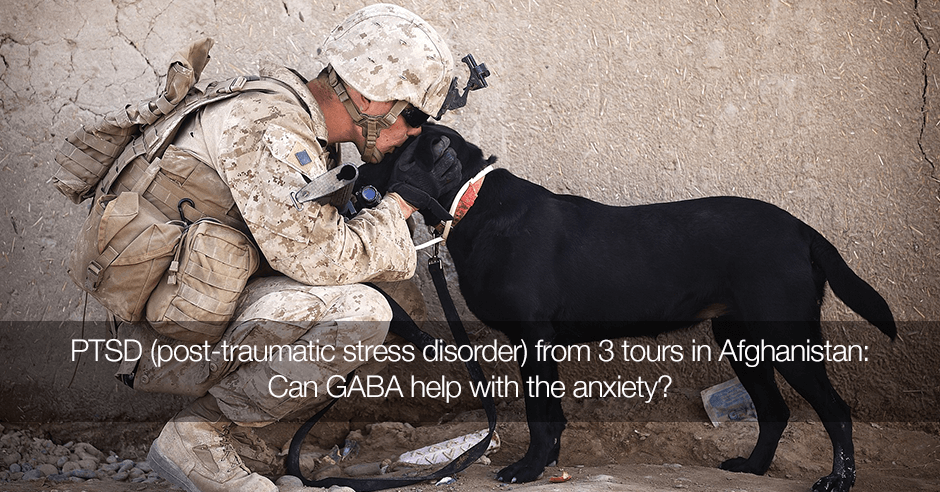
  • In this blog post, PTSD from 3 tours in Afghanistan: Can GABA help with the anxiety? how low GABA can lead to physical anxiety, muscle tension and the need to self-medicate with alcohol or sugary foods in order to calm down and relax. We also have research supporting the use of GABA for helping with unwanted obtrusive thoughts which are common with PTSD. When low GABA is suspected we do an amino acid trial with GABA, one of the calming amino acids.
  • A 2016 reports that blueberries boost serotonin and may help with PTSD and anxiety https://www.everywomanover29.com/blog/blueberries-serotonin-ptsd-anxiety/. This was an animal study where the traumatized rats were fed a blueberry-enriched diet. The study authors report an increase in serotonin levels, suggesting that “non-pharmacological approaches might modulate neurotransmitters in PTSD.”
  • A recent meta-analysis, Association between posttraumatic stress disorder and lack of exercise, poor diet, obesity, and co-occuring smoking, confirms the diet and lifestyle connection to being more impacted by trauma when health is not optimal.

I feel it is these above approaches and others like this that we need to be using to address PTSD, rather than subjecting individuals who are already suffering to treatments that have adverse reactions AND are not addressing underlying nutritional deficiencies of low GABA, low serotonin, out of balance endocannabinoid system and overall health, to name a few of many possible underlying biochemical factors.

If this treatment approach is approved, I would hope that all the adverse effects and dangers are clearly explained and I’d also like there to be informed consent before it is used – so individuals know exactly what they are getting into. Hopefully, by the time it is approved, nutritional psychiatry will be more accepted.

I’d love to hear your thoughts on this research and treatment approach. Is it something you have considered or would possibly consider in the future – you personally or with patients?

Or do you have similar concerns that I have?

Have you already tried MDMA recreationally (possibly for therapeutic reasons) and what were your experiences like?
Filed Under: PTSD/Trauma Tagged With: anxiety, biochemical, blueberries, depression, GABA, insomnia, irritability, low mood, MAPS, MDMA, nutrition, nutritional, PTSD, ruminations

PTSD from 3 tours in Afghanistan: Can GABA help with the anxiety?

February 23, 2018 By Trudy Scott 23 Comments

My husband is suffering from PTSD [post-traumatic stress disorder] from 3 tours in Afghanistan. Can [GABA] help with the anxiety he is experiencing. Your thoughts?

I received the above question in response to one of my blogs addressing GABA for the physical, stiff-and-tense muscle type of anxiety.

It’s very likely that GABA will help ease some of the anxiety he is experiencing. Anxiety can have many root causes and with PTSD I would look into neurotransmitter imbalances first and use three key amino acids to address these three possible root causes, before digging deeper to address other nutrient deficiencies and root causes that may take longer to address.

Amino acids to provide some anxiety relief quickly

In order to provide some anxiety relief as quickly as possible I would assess for low GABA, low serotonin and low blood sugar using the amino acid questionnaire:

  • With low GABA he could be experiencing physical anxiety, muscle tension and the need to self-medicate with alcohol or sugary foods in order to calm down and relax. We would do an amino acid trial with calming GABA. Research also now shows that GABA helps with unwanted obtrusive thoughts which are common with PTSD.
  • With low serotonin he could be experiencing mental anxiety, ruminations, fears, phobias, anger and irritability and probably insomnia. We would do an amino acid trial with tryptophan first and then 5-HTP if the tryptophan isn’t helping and we know cortisol is not high.
  • With low blood sugar he could experience anxiety and feel extra stressed when he goes too long without eating. It’s likely he could also have an intense desire to eat candies and sweet treats. We would do a trial with glutamine and make sure he’s eating a breakfast that contains quality animal protein such eggs and bacon, or a protein smoothie.

High cortisol?

We would also want to determine if high cortisol is a driving factor of the anxiety. I’d want to see the results from a 4-collection cortisol saliva test (on waking, noon, around 5pm and around 10pm).

We would address adrenal issues (either high or low) with adrenal support of a good 50mg B-complex, extra pantothenic acid, vitamin C, and adaptogen such as rhodiola. If cortisol is high this can trigger anxiety and adrenaline-type surges and the phosphorylated serine product Seriphos used a few hours before the high cortisol is the best for lowering the high cortisol.

Recent research finds evidence that orange essential oil reduces fear and anxiety, diminishes immune system markers of stress in mice and may help alleviate PTSD and a blend of lavender, ylang-ylang, marjoram, and neroli (also a citrus oil) reduces stress and lowers cortisol too.

Other factors: gut health, diet, low vitamin D

When it comes to anxiety and PTSD, there are other factors to be considered:

  • gut health and the microbiome – has he picked up parasites or other gut bugs or been impacted by foodborne pathogens
  • diet and the importance of getting back to eating a real whole foods quality diet in order to provide the body with the best nutrients. An example from a recent study report that blueberries boost serotonin and may help ease PTSD
  • addressing low vitamin D: “Through its association with testosterone production, vitamin D deficiency may increase the risk for posttraumatic stress disorder”
  • removal of gluten, sugar and caffeine – all of which can contribute to anxiety and cause nutrient depletions

Possible effects from malaria drugs and other toxic exposures  

If symptoms persist other factors like the effects of medications (or other toxic exposures) must be considered. In one case study, Malaria drug causes brain damage that mimics PTSD, a service member was diagnosed with anxiety, PTSD and a thiamine deficiency. Various treatments, including medication, behavioral therapy and vitamins didn’t help. It was determined that his symptoms were due to the anti-malaria medication mefloquine, which is now known to contribute to neuropsychiatric symptoms in susceptible individuals.

As with any anxiety condition, the root causes and solutions are unique to each individual and the above approach would be adapted based on each person’s unique needs and biochemistry. Additional approaches over and above these listed here may well need to be considered.

Filed Under: GABA, PTSD/Trauma Tagged With: anxiety, depression, GABA, low blood sugar, malaria medications, PTSD, serotonin

Nutrition solutions for psychological stress after a natural disaster

September 8, 2017 By Trudy Scott 8 Comments

There is much that can be done nutritionally in support of psychological stress and PTSD (post-traumatic stress disorder) during and after a natural disaster. I’ve written this blog for you if you’ve been impacted by the recent storm and flooding due to Hurricane Harvey in the Houston area (the pictures of people returning home are so sad), and for everyone impacted by Irma and about to be impacted by Irma. This is for you if

  • you had to be rescued and had to evacuate your home, are displaced and/or saw neighbors in trouble, have lost your belongings and home – and anything else that may have happened during this natural disaster
  • you have been involved in on-the-ground rescue efforts or working online helping with rescue efforts and you have working long hours, not getting enough sleep and likely not eating well
  • you had a loved one in trouble and feared for their lives
  • and if you’re on observer feeling distressed by what you have witnessed

You may be feeling on edge and anxious about the future, fearful about losing your job, worried about expenses and the chemical soup of flood waters you were exposed to, exhausted and yet not able to sleep, feeling overly emotional and weepy, having nightmares and flashbacks and feeling frazzled.

I wasn’t even in Texas and my contribution was a very small one, helping online rescue efforts from Australia via a volunteer rescue group created by McCall McPherson, but I felt really burned out after just a few days and quite distressed by some of the rescues we were trying to facilitate. I have had to really walk my talk and implement some of what I’m sharing here even though I would consider myself resilient because my nutrient balance is good.

B-Complex for everyone

My first recommendation is a B complex and if this is all that can be managed it would be my first choice for everyone. In fact, if you live in an area prone to hurricanes, flood, fires etc. I’d recommend being on a B complex all the time.

My colleagues Bonnie Kaplin and Julia Rucklidge published this paper in 2015: A randomised trial of nutrient supplements to minimise psychological stress after a natural disaster. They share that:

After devastating flooding in southern Alberta in June 2013, we attempted to replicate a New Zealand randomised trial that showed that micronutrient (minerals, vitamins) consumption after the earthquakes of 2010-11 resulted in improved mental health. Residents of southern Alberta were invited to participate in a study on the potential benefit of nutrient supplements following a natural disaster.

Fifty-six adults aged 23-66 were randomised to receive one of the following for 6 weeks:

  1. vitamin D as a single nutrient
  2. a B-Complex formula or a
  3. broad-spectrum mineral/vitamin formula

The study participants monitored changes in depression, anxiety and stress via self-reporting. All of the above 3 groups showed substantial decreases on all measures. However, those consuming the B-Complex and the broad-spectrum mineral/vitamin formula showed significantly greater improvement in stress and anxiety compared with those consuming the vitamin D alone, with the results being similar for the group using the B-Complex and the broad-spectrum mineral/vitamin formula.

The authors report that:

The use of nutrient formulas with multiple minerals and/or vitamins to minimise stress associated with natural disasters is now supported by three studies.

Further research should be carried out to evaluate the potential population benefit that might accrue if such formulas were distributed as a post-disaster public health measure.

I would love to see either a B-Complex or broad-spectrum mineral/vitamin formula be given out to everyone as part of relief efforts for all natural disasters.

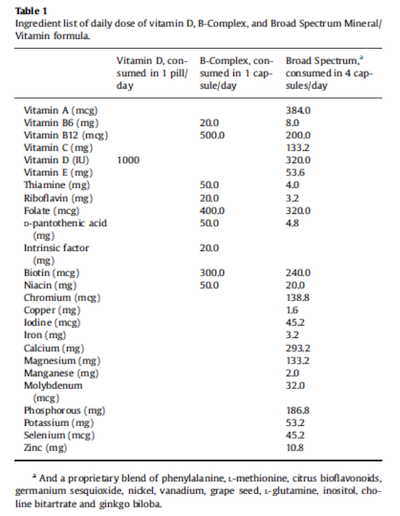
The B-Complex used in the study was made by Douglas labs but other similar B-Complex products would be fine too.  I happen to use Designs for Health B Supreme with my clients.

The broad-spectrum mineral/vitamin formula in the study was EmpowerPlus made by TrueHope.

From: A randomised trial of nutrient supplements to minimise psychological stress after a natural disaster

Vitamin D based on levels

In the above study, some participants in the vitamin D group did see benefits and it’s likely to have been those who were low in vitamin D at the time of the flooding since other research supports a connection between low vitamin D and anxiety and depression. I like to see vitamin D results before recommending supplementation.

Serotonin, GABA and endorphin support based on symptoms and a trial

As well as a B-complex and/or vitamin D, I’d also consider the following neurotransmitter support on a case by case basis, and after doing the amino acid questionnaire and a trial of each amino acid:

  • Serotonin support with Lidtke tryptophan or Lidtke Tryptophan Complete or Lidtke Combat Stress (a tryptophan product formulated for stress support) – especially if you’re feeling sad, worried, resolving to try and feel positive, imagining the worst, feeling fearful and having problem sleeping. I blogged about tryptophan products last week.
  • GABA support for physical tension and an increased need to self-medicate with alcohol in order to stay calm. New research shows that reduced plasma levels of GABA observed in PTSD could be considered as a possible biomarker for PTSD severity. This is not something I typically look at but it’s something I will be considering going forward. I blogged about some specific GABA products earlier this week.
  • Endorphin support with Lidtke DPA if you’re feeling especially emotional and weepy.

Serotonin and GABA play a role in stress resilience and when we have enhanced stress resilience mechanisms we have the ability to adapt more successfully to stressful situations like natural disasters.    

Additional adrenal support if needed

The adrenals are part of the hypothalamic-pituitary axis (HPA) and also need nutritional support after stress and trauma. I recommend a good adrenal support product with rhodiola, Vitamin C, pantothenic acid, eleuthero and ashwagandha. Designs for Health Adrenotone is a good product.

If it’s known that cortisol levels are high then the addition of Seriphos and/or a lactium product (such as Biotics Research De-Stress) helps to lower high cortisol, reduce anxiety and help with insomnia.

Additional pyroluria support if needed

It is well known that pyroluria symptoms are made worse in times of heightened stress. If you are on protocol for pyroluria, additional zinc and vitamin B6/P5P is likely going to be needed short-term too.

Essential oils

Essential oils like lavender and citrus are wonderful for the stress, anxiety and sleepless nights. An animal study reports that passively inhaling orange essential oil could potentially reduce PTSD symptoms in humans


Some other considerations include the following once things start to get back to some kind of normal:

  • trying to eat as well as you can and not skipping meals
  • trying to get enough sleep (the GABA and tryptophan support mentioned above can help in this area)
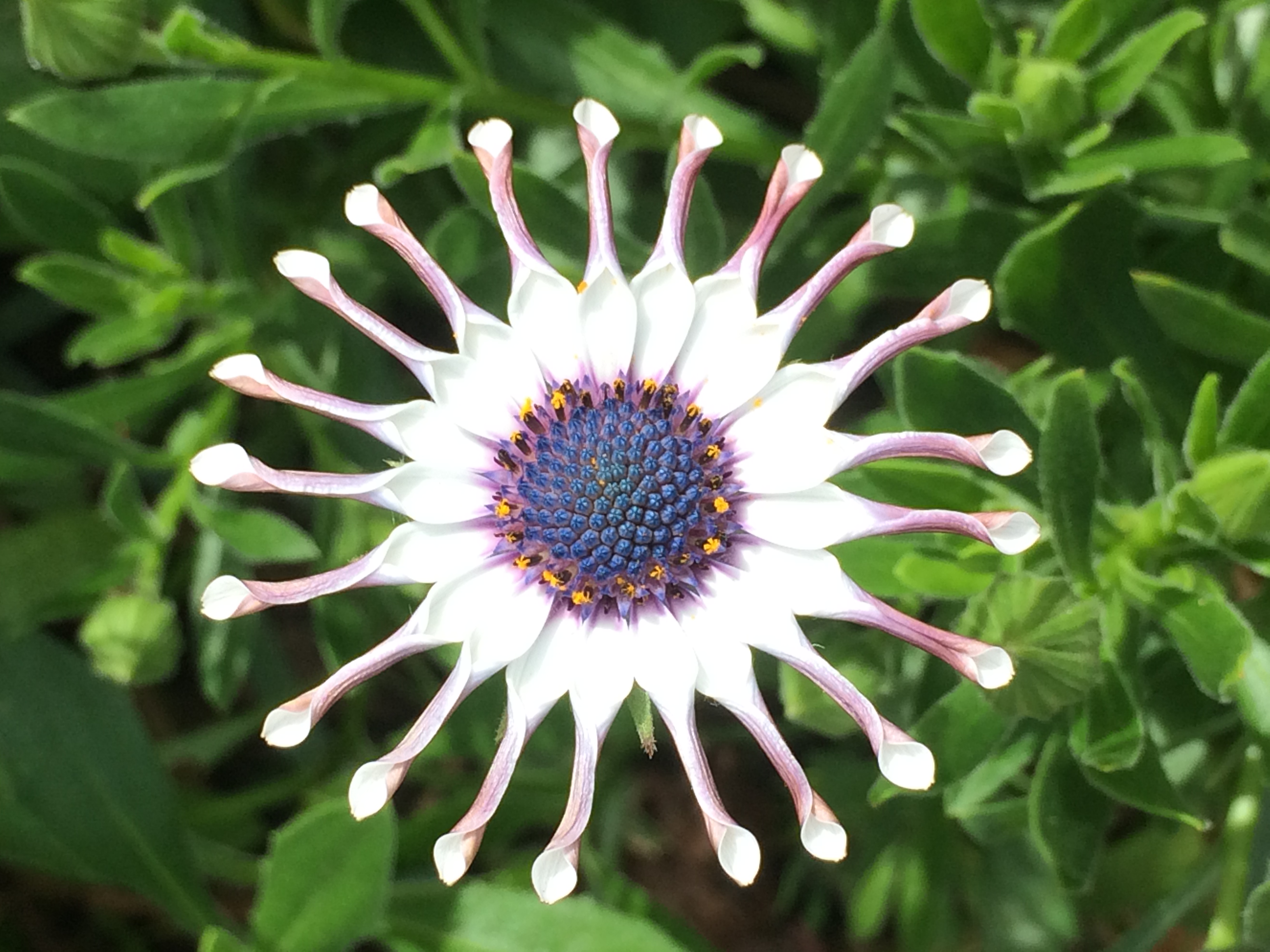
  • getting outside into nature as soon as it’s possible. If this is impossible right away, simply looking at images of nature can help you feel calmer, less irritable, and more empathetic. I hope you enjoy this flower photograph I took in Australia!   
  • meditating and doing yoga
  • community support and helping others if you’re able to
  • getting a cat or dog (veterans who were given pet dogs showed significant improvement in their PTSD symptoms)

I would recommend a similar approach for any natural disaster or in fact for any other traumatic event, always working individually with each person.  

If you have found some approach to be particularly useful for you please do share it.

And if you have any connections for getting this information into the hands of public health officials and non-profits offering aid please let me know. I feel that protocols similar to this one need to be made available to everyone subjected to a natural disaster.

I wish you and your families much healing and a speedy recovery.

Additional resources

I added these additional resources after September 20, 2017:

  • How to Stay Safe in a Disaster: Emergency Preparedness List by Katie Wells on the Wellness Mama blog. She says this: “The point of putting together an emergency preparedness plan is not to create any undue anxiety, but to help alleviate some of the stress of a disaster in case it hits.”
  • What to Do After a Hurricane: The Dangers Lurking Beyond the Storm by Dr. Jill Carnahan. This blog addresses both mold and bacteria in flood waters, and practical steps on how to deal with these issues.  Mold needs to be taken seriously – I interviewed Dr. Carnahan on the topic of mold toxicity and anxiety during one the Anxiety Summits – Is Toxic Mold the Hidden Cause of Your Anxiety?
  • My Flood Story and What to Do About Mold by Dave Asprey. This blog offers practical solutions on how best to do clean-up after a flood and the dangers of mold. He is also very kindly making his documentary, Moldy available for viewing at no charge.
  • Beyond Meditation: Making Mindfulness Accessible for Everyone by Mira Dessy and Kerry McClure. Mira is a dear friend whose home was flooded by Harvey and went I spoke to her last week she shared how much her meditation practice has been helping her.  I love that she has a book on the topic so that it can be shared far and wide to help those affected.
  • My book The Antianxiety Food Solution: How the Foods You Eat Can Help You Calm Your Anxious Mind, Improve Your Mood and End Cravings, available in major books stores and via online stores like Amazon. You can find out more here.
  • I am also the host of The Anxiety Summit, now in it’s 4th season and called a “bouquet of hope”. It’s a wealth of information on all topics related to anxiety. More on the Anxiety Summit here. 

If you have links to additional useful resources please let me know and I’ll add them.

Filed Under: PTSD/Trauma, Stress Tagged With: essential oils, floods, GABA, Houston, Hurricane Harvey, lactium, natural disaster, nature, nutrition solutions, psychological stress, PTSD, seriphos, stress, tryptophan, vitamin B6, zinc

Blueberries boost serotonin and may help with PTSD and anxiety

May 20, 2016 By Trudy Scott 11 Comments

blueberries

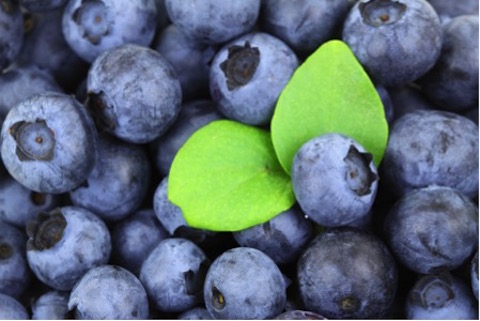
New research finds that blueberries boost serotonin and may help with PTSD and anxiety. This was an animal study and is very promising.

A press release issued by the American Physiological Society shares the following:

Up to 8 percent of people in the U.S. suffer from post-traumatic stress disorder (PTSD) as the result of witnessing or being the victim of a traumatic event.

People with PTSD have been in a situation in which they were at risk of death, serious injury or sexual violence or have seen first-hand loved ones faces such threats. They may experience flashbacks, emotional detachment and jumpiness, among other symptoms that affect their ability to function in everyday life.

Currently, the only approved therapy for PTSD is selective serotonin reuptake inhibitors (SSRIs), such as Zoloft and Paxil, but their effectiveness is marginal. Now researchers at Louisiana State University have found that a readily available superfood—the blueberry—could be an effective treatment.

Philip J. Ebenezer presented the poster titled “The Neuro-Protective Efficacy of Blueberry in an Animal Model of Post-Traumatic Stress Disorder (PTSD)” at the Experimental Biology meeting on March 30, 2016.

Here is the paper/poster abstract: The Neuro-protective Efficacy of Blueberry in an Animal Model of Post-Traumatic Stress Disorder (PTSD)

Post-traumatic stress disorder (PTSD) is a trauma and stressor-related disorder that results in a prolonged stress response. It is associated with increased oxidative stress and inflammation in the prefrontal cortex (PFC) and hippocampus (HC). Previous findings from our lab indicate that neurotransmitter levels are modulated in the brain of PTSD animals. The only approved therapy for PTSD is the use of selective serotonin re-uptake inhibitors (SSRI), but their efficacy is marginal. Recently, we demonstrated that over-activation of Norepinephrine (NE) along with Serotonin (5-HT) as the possible reason for the lack of efficacy of SSRI. Hence, there is a need for novel therapeutic approaches for the treatment of PTSD. In this study, we investigated the neuroprotective role of blueberries (BB) in modulating neurotransmitter levels in PTSD. Rats were fed with a blueberry-enriched (2%) or a control diet. Rats were exposed to cats for one hour on days 1 and 11 of a 31-day schedule to simulate traumatic conditions. At the end of the study, the rats were euthanized and PFC and HC were isolated. We measured monoamines and their metabolites by high-performance liquid chromatography. In our PTSD model, NE levels were increased and 5-HT levels were decreased when compared to control. In contrast, a BB diet increased 5-HT without affecting NE levels. These findings indicate non-pharmacological approaches might modulate neurotransmitters in PTSD. Further studies to understand the molecular mechanism of neuro-protection by BB can provide a potential therapeutic target for the treatment of PTSD.

In summary, the traumatized rats that were fed blueberries saw an increase in serotonin levels and the study authors suggest that the non-drug neuroprotection offered by the blueberries may offer support for those with PTSD. Presumably this could help those with anxiety and depression too, since low serotonin can also be a factor in these conditions.  

Here are some ways to incorporate blueberries:

  • Fresh blueberries as a healthy snack
  • Frozen blueberries, also eaten as is as healthy snack (kids love this treat)
  • In a smoothie for breakfast, together with coconut milk, a banana and some whey or pea protein powder (great for good blood sugar control and reducing anxiety and irritability too)
  • As a dessert with grass-fed organic ice-cream or cream, or coconut milk if dairy is an issue for you
  • Dunked in melted dark organic free-trade chocolate as an occasional treat

Make sure to buy organic blueberries as non-organic are on the Dirty Dozen list and are highly sprayed with pesticides.

I love blueberries! How about you? How do you like to eat them?

PS. We’ll be covering other new food anxiety research on the upcoming Anxiety Summit and hope you can join us.

Filed Under: Antianxiety, PTSD/Trauma Tagged With: anxiety, blueberries, PTSD, serotonin, the anxiety summit

The Anxiety Summit – What if… Nutrition could Treat Anxiety and Depression?

May 6, 2015 By Trudy Scott 18 Comments


Julia Rucklidge PhD, Professor of Clinical Psychology in the Department of Psychology at the University of Canterbury, Christchurch, New Zealand, was interviewed on the Anxiety Summit by host of the Anxiety Summit, Trudy Scott, Food Mood Expert and Nutritionist, author of The Antianxiety Food Solution.

Julia has over 75 peer-reviewed studies and is passionate about helping people find alternative treatments to medications for their psychiatric symptoms. Her current research interests can be found at the University of Canterbury site here.

What if… Nutrition could Treat Anxiety and Depression?

  • The increasing prevalence of mental health problems and medication side-effects
  • Why diet is so important when it comes to mental health (anxiety, depression, ADHD and even schizophrenia)
  • Nutritional medicine as mainstream in psychiatry and ISNPR (International Society for Nutritional Psychiatry Research)
  • The problems with food: pesticides, soil quality, Roundup
  • Micronutrient research for ADHD, anxiety, bipolar and PTSD
  • The emerging field of nutritional mental health: Inflammation, the microbiome, oxidative stress, and mitochondrial function

Here are some snippets from our interview:

Why is nutrition important? As a scientist I can just say because the data says it’s important. So if we start with the wonderful work that has really been spearheaded from Felice Jacka and there are other people in Spain and in Japan who have published similar studies showing that the more you eat a processed, western type of diet, the higher your risk for mental illness. They’ve published data on depression and anxiety, but also other mental illness as well. And the more you eat what we call, a prudent or a healthier Mediterranean type of diet, the lower your risk for depression and anxiety.

How long is it going to take our society to pay attention to the research that shows that suboptimal nutrition is contributing to the epidemic of mental illness? Are we just going to sit around and ignore this evidence to our peril? Or are we going to start paying attention and start to invest in the really important research that needs to happen?

Here is an earlier blog post I did on Dr. Rucklidge’s excellent TEDX talk: The surprisingly dramatic role of nutrition in mental health

Here is part of the recent paper titled “What if nutrients could treat mental illness?”

We are at a tipping point in psychiatry.

The growing body of literature on the effect of nutrients on mental health is compelling enough and consistent enough for us to pay attention. It is time to revisit the role of diet and supplementary nutrients in the treatment of mental illness and to invest in this line of research.

Here is the smoking and cannabis study we talked about: Use of micronutrients attenuates cannabis and nicotine abuse as evidenced from a reversal design: a case study.

This case adds to a growing body of research supporting the use of micronutrients in the treatment of psychiatric symptoms and suggests it may extend to substance dependence. Micronutrients, by assisting with mood regulation and reductions in anxiety, may assist with successful cessation of drug use.

We discussed this earthquake paper, a favorite of hers: Shaken but unstirred? Effects of micronutrients on stress and trauma after an earthquake: RCT evidence comparing formulas and doses.

This study supports micronutrients as an inexpensive and practical treatment for acute stress following a natural disaster with a slight advantage to higher doses

If you are not already registered for the Anxiety Summit you can get live access to the speakers of the day here: www.theAnxietySummit.com

Missed this interview or can’t listen live? Or want this and the other great interviews for your learning library? Purchase the MP3s or MP3s + transcripts and listen when it suits you.

You can find your purchasing options here: Anxiety Summit Season 1, Anxiety Summit Season 2, and Anxiety Summit Season 3.

Filed Under: Antianxiety, Food and mood, PTSD/Trauma, Research, The Anxiety Summit 3 Tagged With: ADHD, anxiety, depression, Julia Rucklidge, nutrition, Nutritional medicine, psychiatry, the anxiety summit, Trudy Scott

  • « Go to Previous Page
  • Page 1
  • Page 2

Primary Sidebar

GABA QuickStart Homestudy

gaba quickstart homestudy

Free Report

9 Great Questions Women Ask about Food, Mood and their Health

You'll also receive a complimentary subscription to my ezine "Food, Mood and Gal Stuff"


Connect with me

Popular Posts

  • Amino Acids Mood Questionnaire from The Antianxiety Food Solution
  • The Antianxiety Food Solution Amino Acid and Pyroluria Supplements
  • Pyroluria Questionnaire from The Antianxiety Food Solution
  • Collagen and gelatin lower serotonin: does this increase your anxiety and depression?
  • Tryptophan for the worry-in-your-head and ruminating type of anxiety
  • GABA for the physical-tension and stiff-and-tense-muscles type of anxiety
  • The Antianxiety Food Solution by Trudy Scott
  • Seriphos Original Formula is back: the best product for anxiety and insomnia caused by high cortisol
  • Am I an anxious introvert because of low zinc and vitamin B6? My response to Huffington Post blog
  • Vagus nerve rehab with GABA, breathing, humming, gargling and key nutrients

Recent Posts

  • Her cravings for chips and peanut butter were triggered by stress: GABA ends cravings and reduces physical tension and fear of heights
  • It is truly miraculous to be able to move through life without crippling anxiety and panic
  • GABA and tryptophan combo provide immediate and noticeable relief for tremors and cervical dystonia in just 7 days
  • Red light therapy for back and neck pain, plantar fasciitis and low mood – a complement to the amino acids GABA, DPA and tryptophan
  • What do I use instead of Seriphos to help lower high cortisol that is affecting my sleep and making me anxious at night?

Categories

  • 5-HTP
  • AB575
  • Addiction
  • ADHD
  • Adrenals
  • Alcohol
  • Allergies
  • Alzheimer's disease
  • Amino Acids
  • Anger
  • Antianxiety
  • Antianxiety Food Solution
  • Antidepressants
  • Anxiety
  • Anxiety and panic
  • Autism
  • Autoimmunity
  • benzodiazapines
  • Bipolar disorder
  • Books
  • Caffeine
  • Cancer
  • Candida
  • Children/Teens
  • Collagen
  • Cooking equipment
  • Coronavirus/COVID-19
  • Cravings
  • Depression
  • Detoxification
  • Diabetes
  • Diet
  • DPA/DLPA
  • Drugs
  • EFT/Tapping
  • EMF
  • EMFs
  • Emotional Eating
  • Endorphins
  • Environment
  • Essential oils
  • Events
  • Exercise
  • Fear
  • Fear of public speaking
  • Fertility and Pregnancy
  • Fish
  • Food
  • Food and mood
  • Functional neurology
  • GABA
  • Gene polymorphisms
  • General Health
  • Giving
  • Giving back
  • Glutamine
  • Gluten
  • GMOs
  • Gratitude
  • Gut health
  • Heart health/hypertension
  • Histamine
  • Hormone
  • Hyperparathyroidism
  • Hypoglycemia
  • Immune system
  • Inflammation
  • Insomnia
  • Inspiration
  • Introversion
  • Joy and happiness
  • Ketogenic diet
  • Lithium orotate
  • Looking awesome
  • Lyme disease and co-infections
  • MCAS/histamine
  • Medication
  • Men's health
  • Mental health
  • Mercury
  • Migraine
  • Mold
  • Movie
  • MTHFR
  • Multiple sclerosis
  • Music
  • NANP
  • Nature
  • Nutritional Psychiatry
  • OCD
  • Osteoporosis
  • Oxalates
  • Oxytocin
  • Pain
  • Paleo
  • Parasites
  • Parkinson’s disease
  • PCOS
  • People
  • PMS
  • Postpartum
  • PTSD/Trauma
  • Pyroluria
  • Questionnaires
  • Real whole food
  • Recipes
  • Research
  • Schizophrenia
  • serotonin
  • SIBO
  • Sleep
  • Special diets
  • Sports nutrition
  • Stress
  • Sugar addiction
  • Sugar and mood
  • Supplements
  • Teens
  • Testimonials
  • Testing
  • The Anxiety Summit
  • The Anxiety Summit 2
  • The Anxiety Summit 3
  • The Anxiety Summit 4
  • The Anxiety Summit 5
  • The Anxiety Summit 6
  • Thyroid
  • Thyroid health
  • Toxins
  • Tryptophan
  • Tyrosine
  • Uncategorized
  • Vegan/vegetarian
  • Women's health
  • Yoga

Archives

  • May 2026
  • April 2026
  • October 2025
  • September 2025
  • August 2025
  • July 2025
  • June 2025
  • May 2025
  • April 2025
  • March 2025
  • February 2025
  • January 2025
  • November 2024
  • October 2024
  • September 2024
  • August 2024
  • July 2024
  • June 2024
  • May 2024
  • April 2024
  • March 2024
  • February 2024
  • January 2024
  • December 2023
  • November 2023
  • October 2023
  • September 2023
  • August 2023
  • July 2023
  • June 2023
  • May 2023
  • April 2023
  • March 2023
  • February 2023
  • January 2023
  • December 2022
  • November 2022
  • October 2022
  • September 2022
  • August 2022
  • July 2022
  • June 2022
  • May 2022
  • April 2022
  • March 2022
  • February 2022
  • January 2022
  • December 2021
  • November 2021
  • October 2021
  • September 2021
  • August 2021
  • July 2021
  • June 2021
  • May 2021
  • April 2021
  • March 2021
  • February 2021
  • January 2021
  • December 2020
  • November 2020
  • October 2020
  • September 2020
  • August 2020
  • July 2020
  • June 2020
  • May 2020
  • April 2020
  • March 2020
  • February 2020
  • January 2020
  • December 2019
  • November 2019
  • October 2019
  • September 2019
  • August 2019
  • July 2019
  • June 2019
  • May 2019
  • April 2019
  • March 2019
  • February 2019
  • January 2019
  • December 2018
  • November 2018
  • October 2018
  • September 2018
  • August 2018
  • July 2018
  • June 2018
  • May 2018
  • April 2018
  • March 2018
  • February 2018
  • January 2018
  • December 2017
  • November 2017
  • October 2017
  • September 2017
  • August 2017
  • July 2017
  • June 2017
  • May 2017
  • April 2017
  • March 2017
  • February 2017
  • January 2017
  • December 2016
  • November 2016
  • October 2016
  • September 2016
  • August 2016
  • July 2016
  • June 2016
  • May 2016
  • April 2016
  • March 2016
  • February 2016
  • January 2016
  • December 2015
  • November 2015
  • October 2015
  • September 2015
  • August 2015
  • July 2015
  • June 2015
  • May 2015
  • April 2015
  • March 2015
  • February 2015
  • January 2015
  • December 2014
  • November 2014
  • October 2014
  • September 2014
  • August 2014
  • July 2014
  • June 2014
  • May 2014
  • April 2014
  • March 2014
  • February 2014
  • January 2014
  • December 2013
  • November 2013
  • October 2013
  • September 2013
  • August 2013
  • July 2013
  • June 2013
  • May 2013
  • April 2013
  • March 2013
  • February 2013
  • January 2013
  • December 2012
  • November 2012
  • October 2012
  • August 2012
  • July 2012
  • June 2012
  • May 2012
  • April 2012
  • March 2012
  • February 2012
  • January 2012
  • December 2011
  • November 2011
  • October 2011
  • September 2011
  • August 2011
  • July 2011
  • June 2011
  • May 2011
  • April 2011
  • March 2011
  • February 2011
  • January 2011
  • December 2010
  • October 2010
  • September 2010
  • July 2010
  • May 2010
  • April 2010
  • March 2010
  • February 2010
  • January 2010
  • November 2009

Share the knowledge!

The above statements have not been evaluated by the Food and Drug Administration. Products listed in this website are not intended to diagnose, treat, cure or prevent any disease.

The information provided on this site is for informational and educational purposes only and is not intended as a substitute for advice from your physician or other health care professional. You should consult with a healthcare professional before starting or modifying any diet, exercise, or supplementation program, before taking or stopping any medication, or if you have or suspect you may have a health problem.


Copyright © 2026 Trudy Scott. All Rights Reserved. | Privacy | Terms and Conditions | Refund Policy | Medical Disclaimer

Free Report

9 Great Questions Women Ask about Food, Mood and their Health

You’ll also receive a complimentary subscription to my ezine “Food, Mood and Gal Stuff”