• Skip to primary navigation
  • Skip to main content
  • Skip to primary sidebar

everywomanover29 blog

Food, Mood and Women's Health – Be your healthiest, look and feel great!

  • Blog
  • About
  • Services
  • Store
  • Resources
  • Testimonials
  • The Book
  • Newsletter
  • Contact
  • Search this site

GABA

GABA Calm instead of Xanax for panic attacks, heightened stress and anxiety: questions and my feedback

April 12, 2019 By Trudy Scott 42 Comments

Last month I shared Dee’s wonderful results with using GABA Calm for her panic attacks, heightened stress and anxiety. I posted the following on Facebook and it led to some really good questions so here they are with my feedback in case you have similar questions about using GABA, which is a calming amino acid. This is Dee’s feedback:

I have taken Xanax in the past for panic attacks. My functional medicine doctor suggested GABA Calm as I wanted a natural product. I was amazed how it works just like the Xanax did – instant calm feeling within 10 mins of taking 2 capsules. I use them as needed when I am having heightened stress and anxiety.

These are wonderful results for Dee and what a great functional medicine doctor she has. I get feedback like this all the time with my clients. In fact, I had this positive feedback on the Facebook post:

  • “Yes absolutely treat the anxiety while finding root cause” – I agree with this but would add that low GABA is one of the root causes we are addressing right away
  • I have GAD enzyme deficiency. B6, Magnesium, theanine, and GABA are a must
  • GABA saved my life – my functional medicine doctor gave me the same thing!


(1) The first question I received was about which product and which form of GABA:

The Gaba Calm that is being mentioned by Dee says 2 capsules – would you please provide a link for that? I see the one you mention as a lozenge – which I’d like to try as well. Do they contain pharmaGaba or synthetic GABA? I read that the pharmaGaba is superior – your thoughts on this?

This is the GABA product Dee is referring to: Source Naturals GABA Calm and she used 2 sublingual lozenges.

As a recap (in case you’re new to the low GABA type of anxiety) when you have low GABA levels you will have physical anxiety with stiff and tense muscles as well as feelings of stress, overwhelm and may even have panic attacks.

The amino acid GABA helps to raise GABA levels and ease these symptoms very quickly. I find that all GABA products are most effective when taken sublingually or opened on to the tongue. This is why I recommend the Source Naturals GABA Calm™ product.

This is my most popular and most effective form of GABA I use with my clients. It is a pleasant-tasting sublingual product that you can buy at your local health-store and in my online supplement store.

I prefer to start with GABA with my clients but folks do better with pharmaGABA so it’s matter of doing a trial to figure it out.

(2) Someone also asked if you can you take it if you are on antidepressants?

There are no known issues that I am aware of and I use GABA calm with clients who are prescribed antidepressants.

(3) One woman had a concern about her prior use and how GABA made her feel worse:

2 capsules at what dosage? I tried one at 750 mg and made me feel more panicked. Maybe it’s the strength?

I always have my clients start LOW, typically at 125mg, which is the amount in one GABA Calm lozenge. We start even lower (like ¼ of a lozenge) if they are very sensitive to supplement or medications. Higher doses like 750mg (and even 500mg for some people) is way too much for most folks to start on and can make you feel worse and even cause a panic attack, make you feel flushed and light-headed and very sleepy.

(4) One woman said, “unfortunately GABA didn’t work for me” but lithium orotate (5-10 mg per day did help her – “Great mood stabilizer”

When GABA doesn’t help to ease anxiety, it could be for a number of reasons:

  • the root cause of the anxiety wasn’t due to low GABA (perhaps it’s the low serotonin anxiety) or
  • it wasn’t enough GABA (we titrate up from 125mg until we find the ideal amount for each person) or
  • too much GABA was used (as above) or
  • it wasn’t actually GABA that was used (some people say GABA when they used the medication gabapentin or used Phenibut) or
  • the GABA was not used sublingually (this is the best way to use it for quickest results) or
  • the person has thyroid issues (the amino acids are less effective in this instance)

I do like lithium orotate as a mood stabilizer and find that for some individuals this does make the amino acids more effective. The fact that lithium worked for her makes me think there is some GABA involvement in her anxiety because lithium seems to support increased levels of GABA. Dr. Peter Bongiorno writes about this in his book Put Anxiety Behind You.

(5) One person shared her success with exposure therapy and acceptance and cognitive behavior therapy (CBT) instead of using GABA, and a concern about a lifetime need for GABA. I’m paraphrasing some of the discussion:

I have recovered from GAD, panic disorder, OCD and depression from exposure therapy and acceptance and cognitive behavior therapy (CBT). It takes a lot of work and understanding but anxiety and panic can be recovered, and you don’t have use ANY external substances.

We can’t take GABA for a whole life time and it isn’t a permanent solution. Anxiety comes with a LOT more than uncomfortable feelings. Unfortunately for myself and many others GABA had no significant impact on anxiety. No external substance is going to correct a cognitive disorder.

GABA is not a life-time solution. The goal is to take GABA short-term and address other root causes that are leading to low GABA such as poor gut health, gluten issues, diet (not enough quality protein or health fats), stress/adrenals, sex hormone imbalances, heavy metals, Lyme disease and so on.

As I mention in #4 above there are reasons when the GABA doesn’t work or doesn’t seem to work.

I respectfully disagree that “No external substance is going to correct a cognitive disorder.” I’m all for CBT but many folks have to address their biochemistry too for lasting results. I also have many therapist colleagues who share that CBT and other therapy is often more effective when someone is nutritionally stable and with no deficiencies or biochemical imbalances. I say let’s use everything at our disposal to feel good again!

I’m really pleased she found results with acceptance and cognitive behavior therapy. I will admit that I’m not a big fan of exposure therapy as I’m concerned about the added stress for someone who is already anxious. I’ve also worked with a number of clients who have not seen long-term results with exposure therapy.

Here are three additional GABA success stories:

  • GABA for children: ADHD, focus issues, irritability, anxiety and tantrums
  • GABA helps with Lyme anxiety (while addressing the underlying disease)
  • GABA for ending sugar cravings (and anxiety and insomnia)

In case this is relevant for you, the product mentioned in this blog can be found in my online store:

  • Source Naturals GABA Calm (with additional information here)

If for some reason GABA Calm isn’t the best product for you, a low dose GABA-only product or combination GABA/theanine product can easily be opened onto the tongue in order to provide similar benefits to the lozenge. You can find some examples on my supplements blog here and purchased from my online store:

  • Nutritional Fundamentals for Health GABA-T SAP: gamma-aminobutyric acid (GABA) 300 mg, l-theanine 150 mg. This is pleasant-tasting when opened on to the tongue and works very well when GABA Calm can’t be used.  I find best results when it is used opened on to the tongue.
  • Enzymatic Therapy GABA: gamma-aminobutyric acid (GABA) 250 mg. This is also pleasant-tasting when opened on to the tongue and works very well when GABA Calm can’t be used.  As with all GABA products, I find best results when it is used opened on to the tongue.
  • ProThera 500mg GABA: gamma-aminobutyric acid (GABA) 500 mg.  You will likely need to open this up and start with less than a full capsule during the day. A full capsule may be fine at night for some individuals)

I’d love to hear if these questions and my feedback have been helpful for you as you navigate the low GABA type of anxiety? Do you have additional GABA questions for me? Or a GABA success story to share? Please post in the comments below.

Filed Under: GABA Tagged With: anxiety, CBT, exposure therapy, GABA, GABA Calm, panic attacks, Source naturals, stress, theanine, Xanax

Beyond the Pill by Dr. Jolene Brighten – my book review

February 15, 2019 By Trudy Scott 9 Comments

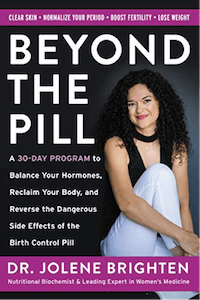
I really wish this book – Beyond the Pill A 30-Day Program to Balance Your Hormones, Reclaim Your Body, and Reverse the Dangerous Side Effects of the Birth Control Pill by Dr. Jolene Brighten – was available when I was in my 30s and on the pill.

Dr. Jolene mentions a study in the Journal of the American Medical Association which reports the following:

women who began the pill were more likely to be prescribed an antidepressant – which means it contributes to a bit more than moodiness.

This was not a small study and included over one million women.

Symptoms caused by the pill and the damage it does to your body

This book, Beyond the Pill, provides a comprehensive list of symptoms caused by the pill:

  • hormonal confusion: missing or irregular periods, light or heavy periods, short cycles, infertility, headaches
  • digestive problems: leaky gut, gut dysbiosis, inflammatory bowel disease
  • energy reduction: fatigue, adrenal and thyroid dysfunction
  • skin issues: hair loss, dry skin
  • mood disruption: depression, anxiety
  • lady part disturbance: low libido (Oh, hell no!), vaginal dryness, chronic infection, pain with sex
  • vitamin, mineral, and antioxidant depletion (such as folate, B12, and magnesium) (I’ll add vitamin B6 to this list too – it is mentioned elsewhere in the book)

The pill does further damage to your body and also:

  • intensifies the risk of blood clots, which lead to strokes
  • increases the risk of breast, cervical, and liver cancers
  • increases the risk of diabetes
  • raises the risk of heart attacks
  • triggers autoimmune disease

Truth-bombs about how the pill works

She shares plenty of truth-bombs about how the pill works – like these gems:

As long as you’re on the pill, your brain and ovaries aren’t talking, which can seriously affect all your hormones.

When you take that week of placebo pills, you’re not actually getting a period because you never ovulated. Instead, this is what is called a withdrawal bleed (I did not know this!)

Post–birth control syndrome (PBCS)

I first became aware of Dr. Jolene’s brilliance in this area when she started writing about Post–birth control syndrome (PBCS) a few years ago. PBCS is “is a constellation of symptoms women experience when they discontinue hormonal birth control.” She has found the symptoms of PBCS – hormonal irregularities like no period or heavy bleeding, acne, mood swings and anxiety, headaches, infertility, pill-induced PCOS (polycystic ovarian syndrome), hypothyroidism, gut issues and even autoimmune symptoms – typically occur in the first 4-6 months after stopping the pill. To make it easy for you the PBCS symptoms are all laid out in a handy quiz in the book.

She has found these symptoms won’t go away without taking the necessary steps that include detox, gut repair, healing the thyroid and adrenals, addressing metabolic health or blood sugar control, boosting mood, improving libido and addressing nutritional deficiencies that the pill has caused. This is all covered in the book as a 30-day program to balance your hormones, reclaim your body, and reverse the dangerous side effects of the birth control pill.

I really appreciate that Dr. Jolene shares this:

I want you to know I’m not anti-pill. Nope. I’m pro–informed consent, which means doctors giving you all the information you need to consent to taking birth control.

This book will help you understand what those hormonal symptoms mean, how the pill is affecting your body, and what to do if you either need to stay on it or are ready to get off it.

Addressing low vitamin B6, low serotonin and low GABA

Here are a few of the nutritional supporting approaches she covers (all supported by research) that are very applicable for support for anxiety specifically and relevant to what you’ve been learning from me: addressing low vitamin B6, low serotonin and low GABA.

Because the pill depletes vitamin B6, she recommends up to 100mg per day for PMS and mood-related symptoms, and symptoms of PBCS. (I know vitamin B6 is controversial and she does acknowledge this).

Dr Jolene identifies the concerning and far-reaching effects of the pill on serotonin: “studies have shown that women on the pill don’t metabolize tryptophan normally” affecting both serotonin and melatonin production, reducing kynurenic acid and raising high-sensitivity C-reactive protein (hs-CRP), a marker of inflammation and immune system activation, and shifting the “tryptophan pathway… toward quinolinic acid production, which is inflammatory and harmful to the brain.”

I would have loved to see more about tryptophan and 5-HTP and even vitamin B6 (given that it is crucial for the conversion of tryptophan away from quinolinic acid) in this section of the book. Using tryptophan as a supplement is only briefly mentioned and 50-100mg 5-HTP is only recommended for serotonin-related cravings. As you may know from my work using targeted trials of the amino acid tryptophan and/or 5-HTP offers very quick anxiety relief and  support for PMS within 3 cycles. Fortunately, you can fill in the gaps and use what I teach about these amino acids in conjunction with everything else in the book.

I do love that she adds to our knowledge base with other tips, sharing that the botanicals “passionflower and skullcap support healthy serotonin production by reducing quinolinic acid production.” This was new to me and I’m intrigued.

I love what she writes about progesterone inducing “a sense of calm and a deep sense of love and connection by stimulating gamma-aminobutyric acid (GABA) receptors.”  Theanine and taurine (a precursor of GABA) are recommended and taurine is also part of her detox and adrenal protocols which I love.

However, I use GABA itself extensively in my work and find it to be more effective than theanine or taurine for the anxiety symptoms – it’s a firm favorite for the majority of my anxious clients. Again, you can fill in the gaps and check out what I share about GABA for very quick anxiety relief and PMS support.


My other favorite sections: libido and orgasms, and liver detox

Some of my other favorite sections include the libido section and her wonderful information about orgasms – she shares the myriad of health benefits of orgasms and recommends once-weekly orgasms but need I say more than this comment from Dr. Jolene:

Women can have four different types of orgasm throughout the month because of the hormonal changes we experience. Dude, this is a serious reason to consider ending that pill pack.

I couldn’t resist including this advice for anxiety and insomnia:

Trouble with anxiety? Have sex. Trouble with insomnia? Have sex. When you have an orgasm and release oxytocin, it relaxes you, calms your mind, and enables you to get a good night’s sleep. Besides oxytocin, your body releases vasopressin during orgasm, a hormone that often accompanies the release of melatonin.

If you do have low libido Dr. Jolene has this covered.

I also love the liver detox chapter and so will you. You’ll learn that the pill can cause benign liver tumors and can contribute to gallstones and gallbladder disease. She also shares this about the synthetic estrogen in birth control pills and the liver/libido connection:

There is some concern that long-term exposure to the synthetic estrogen in birth control pills actually alters your liver genes to make higher levels of SHBG (sex hormone binding globulin) for the rest of your life. Unfortunately, SHBG also binds up your testosterone. The result is a libido that’s nonexistent.

She also has you covered on how to detox as part of this wonderfully comprehensive hormone balancing program.

The official book blurb

Out of the 100 million women – almost 11 million in the United States alone – who are on the pill, roughly 60 percent take it for non-contraceptive reasons like painful periods, endometriosis, PCOS, and acne. While the birth control pill is widely prescribed as a quick-fix solution to a variety of women’s health conditions, taking it can also result in other more serious and dangerous health consequences.

Did you know that women on the pill are more likely to be prescribed an antidepressant? That they are at significantly increased risk for autoimmune disease, heart attack, thyroid and adrenal disorders, and even breast and cervical cancer? That the pill can even cause vaginal dryness, unexplained hair loss, flagging libido, extreme fatigue, and chronic infection.

As if women didn’t have enough to worry about, that little pill we’re taking to manage our symptoms is only making things worse.

This book is perfect for you if

  • You’re a woman in your child-bearing years and are currently on the pill, considering the pill, have been on the pill in the past and had issues, and even did well on the pill in the past
  • You’re a woman like me and past the birth control age and yet are intrigued to get a better understanding of how you may have been affected by the pill in the past and also want a better understanding of your body and hormonal health going forward
  • You have a daughter or grand-daughter or niece or friend you can gift a copy to
  • You are a practitioner who works with women
  • You are a curious male with women in your life and would like to understand them better so you can continue to have the healthiest relationship possible.

I’m already recommending this book and will continue to recommend it going forward!

This much-needed solution-based and heavily referenced book released January 29. It’s ground-breaking information and I’m thrilled to be sharing it with you!

Grab your copy of Beyond the Pill (my Amazon link) and find additional information here.

I now recognize that post–birth control syndrome (PBCS) was part the perfect storm that contributed to my anxiety and panic attacks in my late 30s (and a whole host of other symptoms). Personally, I found the entire book fascinating reading, and wish I’d had access to this material while I was in the midst of trying to figure things out.

Fortunately, GABA and tryptophan helped immensely with my anxiety and PMS (together with everything else I did) and I eventually discovered FAM (Fertility Awareness Method). But wish I’d know about this safer option when I was younger. Dr. Jolene is a big fan of FAM and covers it extensively in the book, sharing what I found to be true: it works even if it seems scary at first AND you get to learn so much about your body.

Please feel free to share your experiences with the birth control pill (both good and bad), why it was prescribed and what you learn from this book that can help others in your situation. Feel free to post questions here too.

Filed Under: Books, GABA, serotonin, Women's health Tagged With: antidepressant, anxiety, BCP, Beyond the Pill, Dr. Jolene Brighten, GABA, insomnia, libido, orgasm, post-birth control syndrome, serotonin, the birth control pill, the pill

Why does chewable GABA make me run to the bathroom and what GABA do I use instead?

January 4, 2019 By Trudy Scott 9 Comments

The amino acid GABA (gamma-amino butyric acid) helps to raise GABA neurotransmitter levels and ease the physical symptoms of anxiety: stiff and tense muscles as well as feelings of stress, overwhelm and often panic attacks and overthinking/unwanted thoughts too. It can also help with the visceral pain of IBS/SIBO and insomnia. GABA eases symptoms very quickly, often within 5 minutes but is most effective when taken sublingually, is chewed or is opened on to the tongue.

I often get feedback from individuals in my community saying GABA doesn’t work for them for one reason or another. Digestive issues are a common problem and one question I often hear is the one about chewable GABA and gas, bloating and/or diarrhea.

Rav asks this question on the blog:

What about individuals with IBS (irritable bowel syndrome) or Colitis who cannot take chewable tablets? I used to take the GABA-Pro by Bioclinic Naturals and it just made me run to the bathroom. Should those with digestive trouble steer clear from chewable forms of GABA?

This is an excellent question and something you always need to consider when having digestive upset: is it due to a new supplement I’ve recently added? You have to find a product that works for you and we’re all different. Just like we need to read labels with food we need to read and understand the labels of supplements too.

There are a number of factors to consider: sugar alcohols, natural flavors and plant-based cellulose ingredients.

Let’s look at sugar alcohols first

Many of the chewable or sublingual forms of GABA contain sugar alcohols which can be problematic and cause digestive upset and often explosive diarrhea. Sugar alcohols include xylitol, sorbitol, mannitol and erythritol. Your reaction will depend on the amount of sugar alcohols used, how many chewable tablets you use and how accustomed you are to sugar alcohols. You may get used to them and eventually be fine with consuming small amounts and yet for others the tiniest amount is an issue.

Many of the chewable forms also contain natural flavors which could potentially be problematic for you.

Let’s now look at cellulose and rice flour

I’m also starting to see more and more folks have digestive distress and gas from products with plant-based cellulose ingredients, especially when someone has IBS or SIBO (small intestinal bacterial overgrowth). For example, you may see hydroxypropylcellulose on the label. This helps the chewable keep its shape and stay intact longer when in the mouth.

With capsules you may see cellulose, methylcellulose or hypromellose on the “Other Ingredients” section on the label, with these vegetable-based ingredients replacing the gelatin capsule. This also often causes bloating and gas when IBS/SIBO is an issue.

The rice flour filler in many products can also be problematic for some folks with IBS/SIBO.

Reading the label

The product Rav mentions – GABA-Pro by Bioclinic Naturals – is not one I’m familiar with but a quick check shows these ingredients in addition to the GABA:

Xylitol, stearic acid, hydroxypropylcellulose, silica, natural tropical fruit flavour (banana, pomegranate, pineapple, mango, passionfruit, orange, tangerine, mandarin), citric acid, vegetable grade magnesium stearate (lubricant).

The xylitol is a sugar alcohol, the hydroxypropylcellulose is plant-based cellulose and there are many natural flavors in this product. Any one or all could be the issue.

Magnesium stearate, a bulking agent and lubricant, is often reported as being problematic but since it’s in so many products, it’s unlikely to be causing digestive distress in this case. If you’d like to learn more, Dr Josh Axe has a great blog addressing some of the hype around magnesium stearate concluding it’s safe to consume.

Interestingly, the product label says GABA (gamma-amino butyric acid) when in actual fact it contains pharma GABA (a fermented form of GABA). It’s unlikely that this is the issue for Rav but I do find it a strange way to label a product.

Finally, it’s always important to check quality and make sure there are no artificial colors, preservatives, or sweeteners, no dairy, no gluten and no GMO ingredients in the supplement. This product passes this test.

What GABA do I use instead?

One option is to switch to another chewable such as GABA Calm. This is one of my favorite GABA products because  it works so well, is a nice low dose of GABA, is convenient when you’re out and about and actually tastes good. This one does contain the sugar alcohols sorbitol and mannitol, as well as a natural flavor which may well also be an issue, although I’ve had few complaints from clients and those in my community.

The other option is to use a GABA-only product or a combination GABA and theanine product (such as NFH GABA-T SAP) opened onto the tongue. It’s not as convenient but if it gets you the calming results you’re looking for then it’s a non-issue.

And finally, you could do a trial of using the chewable during the day and the opened GABA capsule at night so you’re consuming less sugar alcohols overall (if that’s your issue).

You can find the GABA Calm, NFH GABA-T SAP and Enzymatic Therapy GABA on the supplements blog here. To be clear, I’m not saying the GABA-Pro product isn’t a good choice in general, rather that it may not be ideal for you, based on your unique needs and what is going on with your gut at any one time.

How do you do with these chewable GABA products (or others like this). Do you do well on them or do you end up running to the toilet or battle with gas and/or bloating?

Or do you prefer a GABA-only or GABA/theanine combination product (opened onto the tongue)?

Filed Under: GABA Tagged With: anxiety, bathroom, bloating, cellulose, diarrhea, digestive trouble, GABA, GABA Calm, gas, magnesium stearate, quality GABA T-SAP, stiff and tense muscles, sugar alcohols, toilet

Fipronil insecticide: GABA/glutamate and anxiety, aggressive behavior, memory and Alzheimer’s disease in humans?

October 5, 2018 By Trudy Scott 21 Comments

The insecticide called fipronil has me concerned because there is increasing evidence that it can be toxic to humans and, much to my surprise, I’ve just discovered that the main mechanism of action is by targeting the gamma-aminobutyric acid (GABA) receptor and recent research points to increased anxiety, aggressive behavior, memory problems and even Alzheimer’s disease in animal studies.

Based on a rather surprising conversation I had with someone a few weeks ago (let’s call her Sue), I felt compelled to get more information on fipronil. Before that I was not aware about the specific effects I mention above.

We were in Sue’s front yard and the dog kept sniffing these small white plastic squares in the flower beds. Sue kept pulling the dog away and I asked “why? what are those?” It turns out they were ant-bait devices. Yes, I’m this clueless simply because I’ve never purchased anything like this. I expressed my concerns about toxicity and possible endocrine/hormone effects but didn’t have enough concrete facts, so I went digging through the research. Needless to say I am very concerned with what I found.

What was equally concerning is that Sue had not even considered that it could be harmful. Looking into possible harms was not even on her radar. When pressed, Sue said “it’s only a small amount in each container so I’m sure it’ll be fine” and “the poison is inside the container so none of it will come out – so it’ll be fine.”

This is what went through my mind (which is pretty typical for me – I’m always in questioning mode): What is it and how toxic is it? Does it have impacts on humans and by what mechanism? Could it cause anxiety or increase existing anxiety symptoms? Are there additional concerns about it being in a flower-bed near the front door where you could possibly walk some into the house or breathe it in as you come and go?

Organophosphates and psychological effects

Organophosphates are a commonly used pesticide used on fruits and vegetables and research going as far back as 1994 reports that acute exposure can cause psychological effects because they

act directly on the nervous system by inhibiting the neurotransmitter acetylcholine … [contributing to] … acute psychological and behavioral effects, such as anxiety, depression, and cognitive impairments.

The researchers also suggest that long-term psychological effects of low-level exposure have not been determined satisfactorily.

We hear less about insecticides such as fipronil

We hear less about insecticides such as fipronil and how they work.

According to the National Pesticide Information Center Fipronil is a broad use insecticide that

belongs to the phenylpyrazole chemical family. Fipronil is used to control ants, beetles, cockroaches, fleas, ticks, termites, mole crickets, thrips, rootworms, weevils, and other insects.

Fipronil is used in a wide variety of pesticide products, including granular products for grass, gel baits, spot-on pet care products, liquid termite control products, and products for agriculture.

It can be found in ant-bait and anti-cockroach products as well as Frontline Plus (tick and flea protection) for cats and dogs. You can find a partial list of products here and a fact sheet here.

GABA & glutamate: anxiety, aggressive behavior and neurotoxic effects

Fipronil works to kill insects via the inhibition of glutamate- and GABA-activated chloride channels resulting in uncontrolled neural excitation. It also blocks GABAA receptor function and is typically considered toxic to insects but not humans.

As soon as I read the GABA-glutamate mechanism I started searching for anxiety and neurotoxic connections.

There are no human studies on increased anxiety due to fipronil exposure but research on zebrafish larvae exposed to fipronil at typical environmental levels, finds anxiety-like behavior.   In the paper, A metabolomic study of fipronil for the anxiety-like behavior in zebrafish larvae at environmentally relevant levels, the authors report decreased levels of glycine and serine with higher levels of glutamate saying fipronil may be a potential neurotransmitter disruptor. Here are some of the possible mechanisms they discuss related to this:

  • The decreased metabolite glycine caused by fipronil may contribute to the excitatory swimming performance. Whether the glycinergic reciprocal receptor (GlyR)…inhibitory mechanism is also involved in low level of fipronil [exposure] requires further investigation.
  • Additionally, as one of the most abundant amino acids in microenvironment stress, proline is biosynthetically derived from the amino acid L-glutamine. Low levels of L-proline detected in fipronil-treated group may indicate the accumulation of glutamine. As an excitatory neurotransmitter, high level of glutamine would associate with the excitatory behavior of the fish.

In another study, Prenatal exposure to fipronil disturbs maternal aggressive behavior in rats, the authors suggest fipronil impacts the central nervous system areas that control aggression and increases in maternal aggressive behavior are via impacts on GABA(A) receptors.

This 2016 paper lists a variety of toxic effects to both animals and humans: Fipronil insecticide toxicology: oxidative stress and metabolism:

because of accidental exposure, incorrect use of fipronil or widespread fipronil use leading to the contamination of water and soil, there is increasing evidence that fipronil could cause a variety of toxic effects on animals and humans, such as neurotoxic, hepatotoxic, nephrotoxic, reproductive, and cytotoxic effects

They explore oxidative stress as a possible mechanism as to how fipronil causes these toxic effects.

Does concrete make fipronil more toxic?

One of the questions I asked myself was this: Are there additional concerns about it being in a flower-bed near the front door where you could possibly walk some into the house?

It turns out that this may be a valid concern. In this 2016 paper, Conversion of pesticides to biologically active products on urban hard surfaces, the researchers report that urban landscapes that include concrete can actually convert pesticides to other biologically active and more toxic intermediates, likely caused by the alkalinity and metal oxides in concrete. They report that fipronil:

was quickly transformed to desulfinyl and sulfone derivatives, with the desulfinyl level exceeding that of parent in the runoff water only 1week after treatment. Fipronil derivatives have aquatic toxicity similar or even greater than the parent fipronil.

Impacts on memory and a possible factor in Alzheimer’s disease

This 2016 animal study, Memory impairment due to fipronil pesticide exposure occurs at the GABAA receptor level, in rats concludes that fipronil can

have toxic interactions with the CNS [central nervous system] of mammals and lead to memory impairment by modulating the GABAergic system.

We also have to ask how big a role this insecticide could be playing in Alzheimer’s disease? In a paper published earlier in 2018, Induction of Amyloid-β42 Production by Fipronil and Other Pyrazole Insecticides, they use the term “Alzheimerogens” when writing about insecticides such as fipronil and the metabolite fipronil sulfone:

Focusing on fipronil, we showed that some of its metabolites, in particular the persistent fipronil sulfone, also favor the production of Aβ42/Aβ43 in both cell-based and cell-free systems.

Fipronil administered orally to mice and rats is known to be metabolized rapidly, mostly to fipronil sulfone, which stably accumulates in adipose tissue and brain.

In conclusion several widely used pyrazole insecticides [such as fipronil] enhance the production of toxic, aggregation prone Aβ42/Aβ43 peptides, suggesting the possible existence of environmental “Alzheimerogens” which may contribute to the initiation and propagation of the amyloidogenic process in sporadic AD.

The paper shares that amyloid-β peptides (Aβs), especially increased production of Aβ42/Aβ43 over Aβ40, represent a characteristic feature of Alzheimer’s disease.

Why wait for long-term human studies?

Hopefully you’re like me and don’t buy ant-bait or roach-bait products.

My bigger concern is the wide-spread use of spot-on pet-care products which contain fipronil, exposing our beloved pets to this toxin and all the humans they come into contact with. Pet-groomers are especially cautioned. And I’d also add a caution for children playing with pets where these flea and tick products are used since “the developing brain is particularly vulnerable to the action of insecticides.”

We don’t know for sure how harmful this insecticide is for humans and it’s not clear what the mechanisms are – GABA-glutamate and/or glycine and/or oxidative stress – but why wait for long-term human studies, especially given that chronic and long-term effects are difficult to investigate and based on what we already know about their effects on Parkinson’s disease, amyotrophic lateral sclerosis, and depression.

I have found enough information to be very concerned and to feel justified in continuing to avoid fipronil. I encourage you to avoid fipronil as well.

This is especially the case if you already suffer from long-term anxiety, insomnia or another chronic health condition as it may be one more possible contributory factor.

Given that fipronil blocks GABAA receptor function, I have to wonder if chronic long-term exposure could play a role in difficulties with benzodiazepine tapering.

If this is old news to you feel free to share with family and friends who may not be as informed as you.

If this is news to you, I hoping this gets you thinking and questioning. I’d love to hear your thoughts, concerns and questions.

Filed Under: GABA Tagged With: aggressive behavior, Alzheimer’s disease, anxiety, anxious, benzodiazepine, fipronil, GABA, insecticide, memory, pets

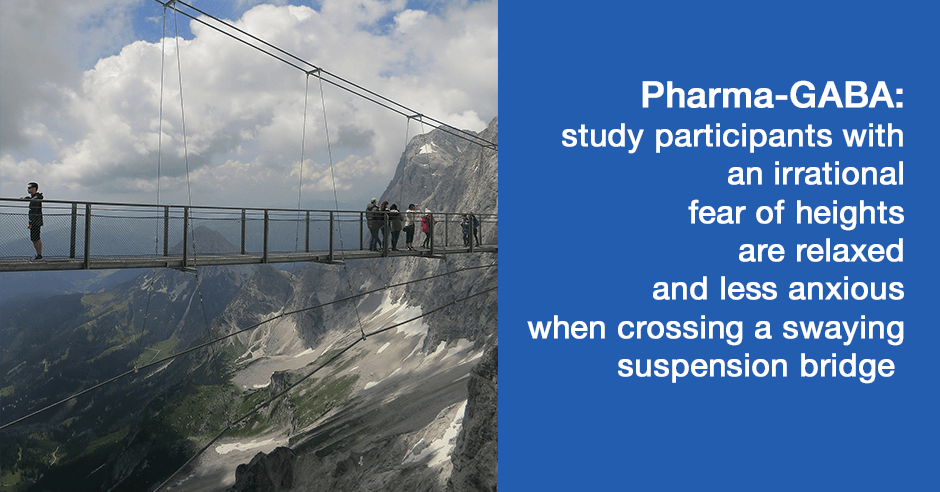
Pharma-GABA: study participants with an irrational fear of heights are relaxed and less anxious when crossing a swaying suspension bridge

September 28, 2018 By Trudy Scott 7 Comments

Based on clinical evidence, we know that gamma-aminobutyric acid (GABA), a calming amino supplement, reduces anxiety. There isn’t as much research on GABA or Pharma-GABA as we’d like to see, so we’ll take small studies that are done on humans.

In a 2006 study, Relaxation and immunity enhancement effects of gamma-aminobutyric acid (GABA) administration in humans, Pharma-GABA was used to determine if it would increase relaxation and reduce anxiety during the stressful event of crossing a suspension bridge:

Eight healthy volunteers, with no clinical evidence of any illness, (5 males and 3 females) aged 25 to 30 years who had a history of acrophobia [extreme or irrational fear of heights], were recruited.

Subjects crossed … a pedestrian suspended bridge at Nara Prefecture, Japan (Totsu River Bridge) with 54 m height, 300 m length, and 2 m width.

I believe it’s also called the Tanize Suspension bridge and is one of the longest suspension bridges in Japan. You can see pictures of the bridge here and here. They say this: “though quite safe, the swaying motion can be disconcerting, or fun, depending on your perspective.”

If we convert that to feet, it’s 177 feet high, almost 1000 feet long (about 3 times the length of a football field) and 6 feet wide.

There were 2 groups: placebo and Pharma-GABA. Salivary immunoglobulin A (IgA) levels (also known as secretary IgA or sIgA) was measured in both groups and used as a marker of relaxation and stress, as well as immunity. Saliva was collected before crossing the bridge, half way across and at the end. The study found that the

placebo group showed marked decrease of their IgA levels, while GABA group showed significantly higher levels.

And concludes as follows:

GABA could work effectively as a natural relaxant and its effects could be seen within 1 hour of its administration to induce relaxation and diminish anxiety. Moreover, GABA administration could enhance immunity under stress conditions.

The paper is reporting about 2 studies and it’s not clear how much Pharma-GABA was used in this bridge study – it was either 100mg or 200mg. Results were observed within 60-90 minutes. Also, this study was conducted by the company who makes the Pharma-GABA product, and they do say that this bridge study includes unpublished data.  Notice that they use the term GABA in the paper – I prefer to differentiate since Pharma-GABA and GABA are actually different.

Other than this and the very small number of participants, I’m always encouraged by any research we have. Clinically, we see very similar results with GABA or Pharma-GABA when someone has a fear of something – heights, flying, spiders etc. – and it typically addresses the physical fear and anxiety symptoms.

Here are some of my thoughts as to why results were only observed after 60 minutes:

  • Pharma-GABA was used in the study and for some folks this is not as effective as using GABA. I typically start my clients on GABA.
  • Using GABA sublingually often has calming results in under 10 minutes, so a chewable Pharma-GABA may have been a better option and would be something I’d recommend
  • Low serotonin is commonly a factor with fears and phobias and I’d recommend a trial of tryptophan

The resources in this blog and my other articles are intended to be used in conjunction with my book: The Antianxiety Food Solution – How the Foods You Eat Can Help You Calm Your Anxious Mind, Improve Your Mood, and End Cravings (Amazon link). If you do not have my book I highly recommend getting it and reading it before jumping in and trialing/taking amino acid supplements: There is a complete chapter on the amino acids and one for pyroluria, plus information on real whole food, sugar and blood sugar, gluten, digestion and much more.

You can find the GABA and tryptophan products I recommend on this blog: The Antianxiety Food Solution Amino Acid and Pyroluria Supplements

How would you feel walking across a swaying suspension bridge like this?

Have you used Pharma-GABA, GABA and/or tryptophan to help you with the stress and anxiety caused by a phobia like this or another phobia?

Filed Under: GABA Tagged With: acrophobia, anxiety, anxious, bridge, fear of heights, GABA, immunity, Pharma-GABA, relaxation, relaxed, sIgA, swaying suspension bridge

GABA reduces the visceral pain of IBS & SIBO, eases anxiety and helps with insomnia

August 23, 2018 By Trudy Scott 6 Comments

I have chronic SIBO (small intestinal bacterial overgrowth) and shared some insights – during an interview on the IBS & SIBO SOS Summit – on what helps me when I’m trying a new protocol or new food and get that awful and painful belly bloat.

It’s so bad that I’m in pain all night, tossing and turning and can’t sleep…. and Iberogast, enzymes and peppermint and lavender essential oil on my bloated belly help so much:

Because of the cellulose in one of the Candibactin products, I was getting the bloating. And the Iberogast taken at night just before I went to bed (together with a few other things) definitely helped with some of the bloating.

For me, the problem with the bloating is the pain (obviously), but worse than that is the lack of sleep. If I’m bloated, it just feels like I’m tossing and turning the whole night. And if I don’t get eight hours of sleep, I’m a mess. So, the biggest issue for me is the impact on my sleep.

But if I’ve got this huge, bloated belly which was happening a lot, I take enzymes that help with carb digestion. I will also rub peppermint essential oil on my belly. So I’ve got a little bowl of coconut oil with a dab of lavender (it’s calming and it helps you sleep as well) and a little bit of peppermint oil.

There’s a number of studies showing that essential oil or peppermint ingested in a capsule can help with IBS. And I’ve found that, topically, it can help too. So that works for me to help with some of the bloating.

I also share about my 2 favorite amino acids – you guessed it – GABA and tryptophan. They just have so many applications! In this instance of painful belly bloating they help with pain and sleep and improve motility:

The other thing that helps is GABA which is one of the amino acids. There is research discussing the role of GABA in stress-induced visceral hypersensitivity. GABA helps with reducing the visceral pain that is seen with IBS/SIBO because we have GABA receptors in various parts of the body, including the digestive system. GABA is amazing for physical tension/anxiety and it can ease that. I’m thinking that this easing of physical tension may be one of the mechanisms as to how it works for some of the pain issues.

I do want to mention something about GABA – it works most effectively when taken sublingually. I just chew a capsule and get the results. And it works within five minutes.

And then, the other one that I use at night is tryptophan. This really helps with the sleep as well by boosting serotonin levels. It actually helps with motility too – there’s research showing this.

If your SIBO causes increased anxiety, these two amino acids would help ease those symptoms too – GABA for the physical anxiety and tryptophan for the worry in the head anxiety:

And then, it helps with anxiety as well if that’s an issue – for many people with IBS and SIBO, anxiety is an issue.

Summit host, Shivan Sarna, shares how LDN (low dose naltrexone) has helped her tremendously (she also has chronic SIBO) and we discuss how too much can increase anxiety and impact your sleep. Since doing this interview I’ve had feedback from two people who successfully used GABA Calm to reduce their anxiety from too high a dose of LDN.

We also touch on some of the possible mechanisms of LDN, I share some of the benefits of berberine, and we discuss benzodiazepines which are so often prescribed for IBS/SIBO (for the anxiety, the insomnia and the pain) and why nutritional approaches are a safer option.

Have topical peppermint/lavender essential oils helped with belly bloat?

Has GABA or tryptophan helped you with the pain, poor motility or anxiety associated with SIBO?

Feel free to post your feedback and questions in the comments below.

Filed Under: GABA Tagged With: anxiety, bloat, GABA, Iberogast, IBS, insomnia, lavender, pain, peppermint, SIBO, visceral pain

  • « Go to Previous Page
  • Page 1
  • Interim pages omitted …
  • Page 16
  • Page 17
  • Page 18
  • Page 19
  • Page 20
  • Interim pages omitted …
  • Page 25
  • Go to Next Page »

Primary Sidebar

GABA QuickStart Homestudy

gaba quickstart homestudy

Free Report

9 Great Questions Women Ask about Food, Mood and their Health

You'll also receive a complimentary subscription to my ezine "Food, Mood and Gal Stuff"


Connect with me

Popular Posts

  • Amino Acids Mood Questionnaire from The Antianxiety Food Solution
  • The Antianxiety Food Solution Amino Acid and Pyroluria Supplements
  • Pyroluria Questionnaire from The Antianxiety Food Solution
  • Collagen and gelatin lower serotonin: does this increase your anxiety and depression?
  • Tryptophan for the worry-in-your-head and ruminating type of anxiety
  • GABA for the physical-tension and stiff-and-tense-muscles type of anxiety
  • The Antianxiety Food Solution by Trudy Scott
  • Seriphos Original Formula is back: the best product for anxiety and insomnia caused by high cortisol
  • Am I an anxious introvert because of low zinc and vitamin B6? My response to Huffington Post blog
  • Vagus nerve rehab with GABA, breathing, humming, gargling and key nutrients

Recent Posts

  • Her cravings for chips and peanut butter were triggered by stress: GABA ends cravings and reduces physical tension and fear of heights
  • It is truly miraculous to be able to move through life without crippling anxiety and panic
  • GABA and tryptophan combo provide immediate and noticeable relief for tremors and cervical dystonia in just 7 days
  • Red light therapy for back and neck pain, plantar fasciitis and low mood – a complement to the amino acids GABA, DPA and tryptophan
  • What do I use instead of Seriphos to help lower high cortisol that is affecting my sleep and making me anxious at night?

Categories

  • 5-HTP
  • AB575
  • Addiction
  • ADHD
  • Adrenals
  • Alcohol
  • Allergies
  • Alzheimer's disease
  • Amino Acids
  • Anger
  • Antianxiety
  • Antianxiety Food Solution
  • Antidepressants
  • Anxiety
  • Anxiety and panic
  • Autism
  • Autoimmunity
  • benzodiazapines
  • Bipolar disorder
  • Books
  • Caffeine
  • Cancer
  • Candida
  • Children/Teens
  • Collagen
  • Cooking equipment
  • Coronavirus/COVID-19
  • Cravings
  • Depression
  • Detoxification
  • Diabetes
  • Diet
  • DPA/DLPA
  • Drugs
  • EFT/Tapping
  • EMF
  • EMFs
  • Emotional Eating
  • Endorphins
  • Environment
  • Essential oils
  • Events
  • Exercise
  • Fear
  • Fear of public speaking
  • Fertility and Pregnancy
  • Fish
  • Food
  • Food and mood
  • Functional neurology
  • GABA
  • Gene polymorphisms
  • General Health
  • Giving
  • Giving back
  • Glutamine
  • Gluten
  • GMOs
  • Gratitude
  • Gut health
  • Heart health/hypertension
  • Histamine
  • Hormone
  • Hyperparathyroidism
  • Hypoglycemia
  • Immune system
  • Inflammation
  • Insomnia
  • Inspiration
  • Introversion
  • Joy and happiness
  • Ketogenic diet
  • Lithium orotate
  • Looking awesome
  • Lyme disease and co-infections
  • MCAS/histamine
  • Medication
  • Men's health
  • Mental health
  • Mercury
  • Migraine
  • Mold
  • Movie
  • MTHFR
  • Multiple sclerosis
  • Music
  • NANP
  • Nature
  • Nutritional Psychiatry
  • OCD
  • Osteoporosis
  • Oxalates
  • Oxytocin
  • Pain
  • Paleo
  • Parasites
  • Parkinson’s disease
  • PCOS
  • People
  • PMS
  • Postpartum
  • PTSD/Trauma
  • Pyroluria
  • Questionnaires
  • Real whole food
  • Recipes
  • Research
  • Schizophrenia
  • serotonin
  • SIBO
  • Sleep
  • Special diets
  • Sports nutrition
  • Stress
  • Sugar addiction
  • Sugar and mood
  • Supplements
  • Teens
  • Testimonials
  • Testing
  • The Anxiety Summit
  • The Anxiety Summit 2
  • The Anxiety Summit 3
  • The Anxiety Summit 4
  • The Anxiety Summit 5
  • The Anxiety Summit 6
  • Thyroid
  • Thyroid health
  • Toxins
  • Tryptophan
  • Tyrosine
  • Uncategorized
  • Vegan/vegetarian
  • Women's health
  • Yoga

Archives

  • May 2026
  • April 2026
  • October 2025
  • September 2025
  • August 2025
  • July 2025
  • June 2025
  • May 2025
  • April 2025
  • March 2025
  • February 2025
  • January 2025
  • November 2024
  • October 2024
  • September 2024
  • August 2024
  • July 2024
  • June 2024
  • May 2024
  • April 2024
  • March 2024
  • February 2024
  • January 2024
  • December 2023
  • November 2023
  • October 2023
  • September 2023
  • August 2023
  • July 2023
  • June 2023
  • May 2023
  • April 2023
  • March 2023
  • February 2023
  • January 2023
  • December 2022
  • November 2022
  • October 2022
  • September 2022
  • August 2022
  • July 2022
  • June 2022
  • May 2022
  • April 2022
  • March 2022
  • February 2022
  • January 2022
  • December 2021
  • November 2021
  • October 2021
  • September 2021
  • August 2021
  • July 2021
  • June 2021
  • May 2021
  • April 2021
  • March 2021
  • February 2021
  • January 2021
  • December 2020
  • November 2020
  • October 2020
  • September 2020
  • August 2020
  • July 2020
  • June 2020
  • May 2020
  • April 2020
  • March 2020
  • February 2020
  • January 2020
  • December 2019
  • November 2019
  • October 2019
  • September 2019
  • August 2019
  • July 2019
  • June 2019
  • May 2019
  • April 2019
  • March 2019
  • February 2019
  • January 2019
  • December 2018
  • November 2018
  • October 2018
  • September 2018
  • August 2018
  • July 2018
  • June 2018
  • May 2018
  • April 2018
  • March 2018
  • February 2018
  • January 2018
  • December 2017
  • November 2017
  • October 2017
  • September 2017
  • August 2017
  • July 2017
  • June 2017
  • May 2017
  • April 2017
  • March 2017
  • February 2017
  • January 2017
  • December 2016
  • November 2016
  • October 2016
  • September 2016
  • August 2016
  • July 2016
  • June 2016
  • May 2016
  • April 2016
  • March 2016
  • February 2016
  • January 2016
  • December 2015
  • November 2015
  • October 2015
  • September 2015
  • August 2015
  • July 2015
  • June 2015
  • May 2015
  • April 2015
  • March 2015
  • February 2015
  • January 2015
  • December 2014
  • November 2014
  • October 2014
  • September 2014
  • August 2014
  • July 2014
  • June 2014
  • May 2014
  • April 2014
  • March 2014
  • February 2014
  • January 2014
  • December 2013
  • November 2013
  • October 2013
  • September 2013
  • August 2013
  • July 2013
  • June 2013
  • May 2013
  • April 2013
  • March 2013
  • February 2013
  • January 2013
  • December 2012
  • November 2012
  • October 2012
  • August 2012
  • July 2012
  • June 2012
  • May 2012
  • April 2012
  • March 2012
  • February 2012
  • January 2012
  • December 2011
  • November 2011
  • October 2011
  • September 2011
  • August 2011
  • July 2011
  • June 2011
  • May 2011
  • April 2011
  • March 2011
  • February 2011
  • January 2011
  • December 2010
  • October 2010
  • September 2010
  • July 2010
  • May 2010
  • April 2010
  • March 2010
  • February 2010
  • January 2010
  • November 2009

Share the knowledge!

The above statements have not been evaluated by the Food and Drug Administration. Products listed in this website are not intended to diagnose, treat, cure or prevent any disease.

The information provided on this site is for informational and educational purposes only and is not intended as a substitute for advice from your physician or other health care professional. You should consult with a healthcare professional before starting or modifying any diet, exercise, or supplementation program, before taking or stopping any medication, or if you have or suspect you may have a health problem.


Copyright © 2026 Trudy Scott. All Rights Reserved. | Privacy | Terms and Conditions | Refund Policy | Medical Disclaimer

Free Report

9 Great Questions Women Ask about Food, Mood and their Health

You’ll also receive a complimentary subscription to my ezine “Food, Mood and Gal Stuff”