• Skip to primary navigation
  • Skip to main content
  • Skip to primary sidebar

everywomanover29 blog

Food, Mood and Women's Health – Be your healthiest, look and feel great!

  • Blog
  • About
  • Services
  • Store
  • Resources
  • Testimonials
  • The Book
  • Newsletter
  • Contact
  • Search this site

Events

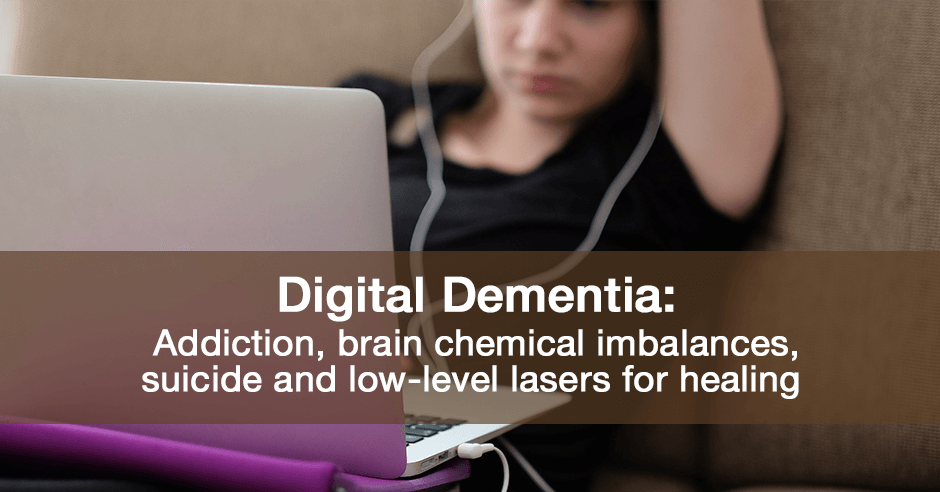
Digital Dementia: Addiction, brain chemical imbalances, suicide and low-level lasers for healing

June 1, 2019 By Trudy Scott Leave a Comment

digital dementia

“Digital dementia” is very real – overconsumption of screen time can lead to a breakdown of cognitive abilities and deteriorated posture, developmental delays, degraded short-term memory, seclusion and lack of motivation… especially for our children!

In my interview, Food and Mood Support to Prevent Digital Dementia, I talk about anxiety, depression and even a higher risk for suicide in overuse of screen time and how using diet and amino acids can help with the addiction and related mood issues.
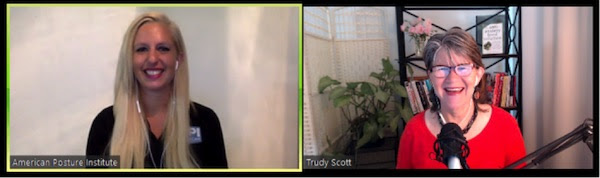
krista and trudy

One of the questions Krista asks is this: “What do you think will happen to children/teens if we don’t make changes as a society?” and I share some scary stats about suicide.

In a 2018 article in Newsweek, “iPhones Pose Suicide Risk to Teenagers, Apple Investors Warn”, they share

A 2017 study by Jean Twenge, a professor of psychology at San Diego State University, who found that U.S. teenagers who spend more than three hours a day using electronic devices are 35 percent more likely to have a risk factor for suicide than those who spend less than an hour.

Teenagers who spend more than five hours on their phones are 71 percent more likely to have a risk factor for suicide.

And these are very real and sobering stats about the average American teenager – they first receive a smartphone at the age of 10 and spend over 4.5 hours a day using it!

Of course, we have to consider how much is it the biological effects of the smartphone itself (DNA damage, immune system effects, depletion of zinc and melatonin etc.) and how much is it the poor nutrient status and brain chemical imbalances that are driving this high use of smartphones (i.e. a need to self-medicate by going online) and the increased anxiety, depression and suicide risk?

It’s likely a combination of both…and a vicious cycle that can be broken with education AND addressing brain chemical imbalances. Low GABA, low serotonin, low dopamine and even low endorphins drive teens (and us adults too) to “self-medicate” with social media and iPhone use in order to feel calm, happier, stimulated and/or comforted.

We do this just like we do with sugar, street drugs, prescription pain meds, and alcohol. Just like with drugs and carbs, we can break this very serious digital addiction with individual amino acids such as GABA, tryptophan, DPA and tyrosine, and prevent digital dementia AND improve the mood and reduce the anxiety of those experiencing this. It’s imperative we use this approach in addition to dietary changes, parenting tips and education about this harm we’re doing to ourselves.

The good news is, that in addition to improving diet and nutrient status, we can also use tools to help with healing.

Kirk Gair, DC, in his interview, Lasers – Secret Weapon Against Digital Dementia, covers benefits of low-level lasers (also called photobiomodulation) for brain support and it’s fascinating. Here are a few snippets from his interview:

  • The main target area is going to be in what’s called the powerhouse or the mitochondria. They’re going to absorb the energy from the laser, and they’re going to make more ATP, which is an energy molecule that helps basically every process in the body; whether it’s your brain firing, whether it’s sports performance, or whether it’s healing tissue, you’re going to see that increased.
  • You’re also going to make something called “nitric oxide,” which dilates the blood vessels. Especially when we look at the brain, that’s really important. We dilate these blood vessels. You’re going to improve blood flow throughout the brain.
  • You’re also going to stimulate glutathione, which is a powerful antioxidant that helps to neutralize damaging free radicals, which we know can affect the aging process, can turn on different kinds of genes in our DNA, etc.
  • Numerous studies have shown the lasers being able to actually calm down autoimmunity, especially with thyroid antibodies. It’s been shown to be able to decrease those TPO antibodies, which then protects the cerebellum.
  • If we’re looking at an athlete who’s been concussed, or just a regular patient who’s had a car accident or a fall or something, the laser has been shown to be able to modulate the immune system so it knows which cells to clean up.

Learn all this and more on The Digital Dementia Summit

digital dementia summit

Host, Dr. Krista Burns, is an author and speaker who has been educating practitioners about the dangers of digital dementia for over 5 years. With this summit she believes it’s now time to reach parents directly for their health and that of their children.
Filed Under: Events Tagged With: addiction, amino acids, brain chemicals, digital dementia, GABA, iPhone, Kirk Gair, Krista Burns, LLLT, low level lasers, photobiomodulation, serotonin, suicide

Treating Neuroinflammation Course by Dr. Datis Kharrazian

May 13, 2019 By Trudy Scott 10 Comments

treating neuroinflammation course

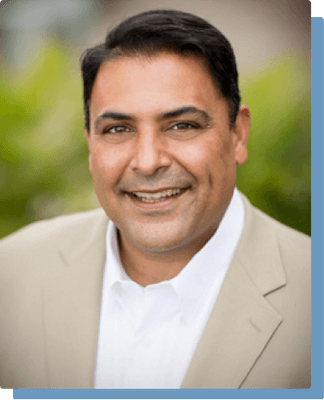
Dr. Datis Kharrazian is a Harvard Medical School-trained researcher and author of Why Isn’t My Brain Working. The Treating Neuroinflammation Course is based on breakthrough research into the role glial cells – the brain’s immune cells – play in neuroinflammation. Dr. Kharrazian has exhaustively studied this new research and developed new clinical models he’s used to treat his patients. Now he’s ready to teach them to you.

In the Treating Neuroinflammation Course you will learn:

  • The role of the brain’s immune cells, called glial cells, in maintaining the health of the neurons.
  • How focusing on the neurons but ignoring glial cells explains why functional neurology protocols often worsen symptoms or fail.
  • How glial cells that have become pro-inflammatory actually change in shape, anatomy, and function… and what to do about it.
  • Clinical strategies for disarming activated glial cells.
  • How to figure out what is causing neuroinflammation in each patient; it will be different for each.
  • How to stimulate the neurons to keep glial cells healthy.
  • How to prevent accelerated degeneration and loss of glial cells and take care of the ones you and your patients have left.
  • How to work backwards through a step-by-step clinical process to uncover each patient’s unique triggers for neuroinflammation.
  • How memory, cognition, synaptic function, neurotransmitter activity, and other vital brain functions are dependent on healthy glial cell function.
  • Research breakthroughs in what causes glial cells to become pro-inflammatory.
  • How to identify patterns of neuroinflammation on blood tests.
  • How healthy glial function supports positive neuron plasticity.
  • How gut bacteria directly communicate with glial cells.
  • How to use physical examinations and neuroimaging studies to identify neuroinflammation and track the progress of protocols.

Here is my video interview with Dr. Kharrazian sharing some highlights from the Treating Neuroinflammation course.

One of many gems he shared: when you hit your head, whether it’s a mild bump or if you’re concussed or lose consciousness or have a very severe traumatic brain injury (TBI), the severity of the neuroinflammation depends on many factors including your blood sugar levels, if you have an autoimmune condition and many other factors outside of the injury itself.

We talk about the fact that registration for this training does include ongoing access to case discussions on the private Facebook group. Two of the case studies will be followed live over the next few months. One gentleman who has volunteered to be a case study, has already introduced himself in the Facebook group. To me, this adds so much value to the course because we almost get to shadow Dr. Kharrazian in real life.

If you’re already signed up for the course, enjoy this video and I’ll see you in the course Facebook group (be sure to tag me and say hi). I am loving the interaction with the other practitioners and the training hasn’t even started.

If you’re not yet signed up and are still considering it, registration for the LIVE and LIVESTREAM does closes Wednesday, May 15th at 11:59 p.m. (PST). It will be available on-demand after this date at some time in the future but I don’t have those details.

dr. Kharrazian

I had the good fortune to attend a number of live trainings with Dr. Kharrazian shortly after becoming a nutritionist and I’ve been a huge fan ever since then. I’ve always been impressed with the depth of his knowledge.

Here are a few endorsements from prominent functional medicine practitioners:

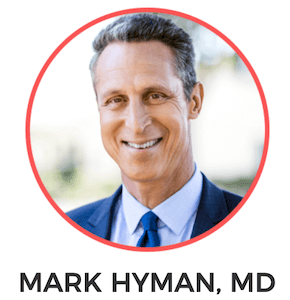
mark hyman

Dr. Kharrazian has been a prominent educator and highly-respected clinician in the functional medicine community since the inception of functional medicine. He is an expert clinician and an innovator in this field ~ Dr. Mark Hyman

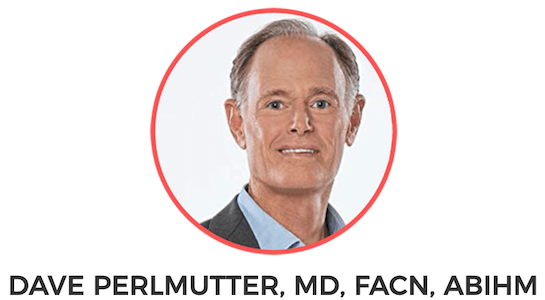
dave perlmutter

Dr. Kharrazian’s work represents the vanguard in our understanding of the role of lifestyle choices in charting the brain’s destiny. His highly effective educational outreach has opened the door for countless healthcare providers, allowing them to dramatically increase their effectiveness in treating and indeed preventing so many of the pernicious conditions that plague our modern society ~ Dr. David Perlmutter

This training is geared to practitioners BUT health-savvy patients/clients are welcome to attend too:

The neuroinflammation course is not actually practitioners-only. Dr. Kharrazian welcomes anyone to sign up for the course, and there are already a number of non-practitioners enrolled. Over on the Kharrazian Institute facebook page, he addresses this in some of the threads. There will be content that moves a bit too fast for those who do not have medical training, but for the avid patient who is well-read and keen to learn on a deeper level, the course is open. More info can be found on the Kharrazian Institute FAQ page.

Details and registration for The Treating Neuroinflammation Course here

Filed Under: Events Tagged With: cognition, Dr. Datis Kharrazian, Functional neurology, glial cells, Gut bacteria, head injury, memory, neuroimaging, neuroinflammation, neurons, neurotransmitter, TBI, Treating Neuroinflammation

Dr. Mark Hyman’s Broken Brain 2: mold toxicity, the heart-brain connection, genetics, inspiration and more

April 1, 2019 By Trudy Scott 6 Comments

Dr. Mark Hyman has done it again with a powerful all-new online docuseries called Broken Brain 2: The Body-Mind Connection as a follow-up to his very popular earlier online docuseries. Some of the big topics that are covered mycotoxins and mold toxicity, the heart-brain connection, the role of genetics and your environment and of course diet and lifestyle.

In the first episode, Dr. Hyman shares his own and very recent personal story with mold toxicity,  how it damaged his brain and how he recovered:

My mold toxicity started off as a cough I just couldn’t kick. After seeing several doctors (something even a doctor has to do sometimes!) I was advised that it could be mold. My house was the prime suspect and my hunch was right, and so began the process of healing my body and gutting my home. I was at one point so sick I couldn’t get out of bed; my mind and body felt like they were failing me and I was desperate to feel like myself again.

In a later episode, Dr. Hyman also shares how the connection between the heart and brain is a great example of the body’s interconnectedness at work:

People often think the brain is the one sending signals to the heart, instructing it to pump blood throughout the body. But there is much more to the story. The heart actually sends MORE signals to the brain than the other way around. The rhythm of the heart is extremely influential—it can signal a state of calm or one of stress, which the nervous system and brain register and share with the rest of the body.

That means your emotional and physical experiences all tie back to the rhythm of the heart. When we’re in a chronic state of stress, that disordered heart rate becomes our norm, and the amygdala gets familiar with it; the brain actually gets comfortable with it and sees it as our baseline.

For this reason, heart rate variability, or HRV, can be used as a dynamic tool to reset our heart-brain connection. We want to strive for a state of coherence—a smooth wave pattern in heart rate variability over time. This coherence is a reflection of a balance between the parasympathetic or relaxation nervous system and our sympathetic nervous system, which is the fight or flight system.

Coherence is the natural state of feeling good and it sends the most beneficial signals to the brain; it actually means we are able to send more information through the vagus nerve to the brain and when we’re in this state frequently it sets a new baseline, one that keeps the body relaxed, enhances cognition, and keeps our physiology balanced.

The powerful evidence behind the heart-brain connection has given birth to a concept called HeartMath, a methodology that assesses HRV and encourages self-regulation practices to promote heart-brain coherence for optimal health.

Dr Hyman and the experts will be doing a deep dive into HeartMath and the importance of the heart-brain connection in Broken Brain 2: The Body-Mind Connection. 

Here are some gems and inspiration from a few of the 70 health experts you can expect to learn from in the docuseries.

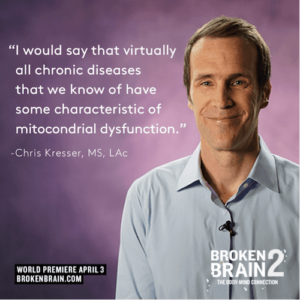
Dr. Chris Kresser on mitochondrial dysfunction and chronic disease….

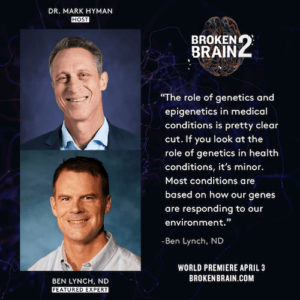
Dr. Ben Lynch on our genes and the environment …

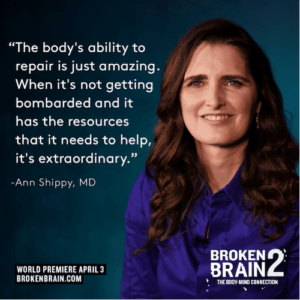
And some inspiration from Dr. Ann Shippy during her discussion on mold toxicity and brain health …

I am privileged and honored to have a very small cameo section in the docuseries!

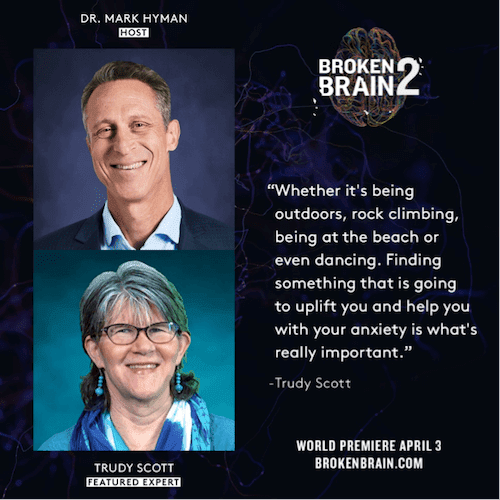
Here is some of my advice to find something you love to do and have fun…

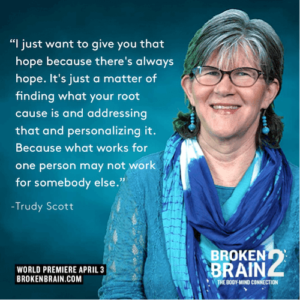
And my closing words of wisdom about hope and finding your unique root cause …

» Click here to Reserve your SPOT to see Broken Brain 2

In Broken Brain 2, you’ll hear from me and leading health experts AND hear inspiring stories from recovering patients. You’ll discover:

  • Unique ways to protect your brain from the multitude of toxins inside your home…
  • The odd way in which your heart rhythm can shape your brain function…
  • Easy methods to heal yourself from destructive beliefs and traumas that impact your mind and body…
  • How to use your personal genetics to improve your brain and overall health…
  • The little-known link between your brain health and your eyes, teeth, and gums…
  • A simple morning routine for more success and better brain health…
  • And much, much more…

In Broken Brain 2, you’ll learn all about the functional medicine approaches available for overcoming a variety of toxic environmental exposures, including mold, as well as how to heal from toxic beliefs, support the heart-brain connection, understand immunity in the brain, and so much more.

Over the course of 8 full-length episodes, you’ll learn cutting-edge strategies to help you heal your own mind, brain, and body. Here are all 8 episodes and when they will air:

  1. April 3: Dr. Hyman’s Story: The Power of the Body-Mind Connection
  2. April 4: Protecting Your Brain from a Toxic World
  3. April 5: Rising Above and Healing from Toxic Beliefs and Trauma
  4. April 6: The Secrets Behind the Heart-Brain Connection
  5. April 7: Cooling the Fire Within: The Immune-Brain Connection
  6. April 8: How to Personalize Your Diet and Understand Your Genetics
  7. April 9: Optimizing Your Brain Health and Innovative Therapies
  8. April 10: The Step-by-Step Brain Reset

» Click here to register for Broken Brain 2

This was truly a “labor of love” for Dr. Hyman and all of us participants and we hope you’ll join.

Please help us spread the word by sharing this with your friends and loved ones who may benefit from this information.

Let us know if you can relate to any of this and feel free to post your questions here.

Filed Under: Events Tagged With: Ben Lynch, Broken Brain 2, Dr. Ann Shippy, Dr. Mark Hyman, functional medicine, genes, heart, Heartmath, mold toxicity

Mindd 2019: The cell danger response and microbiome; and microchimerism and pregnancy

March 15, 2019 By Trudy Scott 16 Comments

Today’s blog highlights two interesting and very different topics that can impact both your mental and physical health: The cell danger response: inflammation, the microbiome and digestion; and microchimerism and how pregnancy can change the health of a mother in unintended ways.

I love to share resources after I’ve attended a conference but today I’m switching it up and sharing resources before the conference for three reasons: 1) to get you fired up and excited about attending in person (or on the Livestream) 2) to share in case you can’t attend in person (or via Livestream) and 3) to highlight the amazing work that the Mindd Foundation is doing via the Mindd Forum 2019, which will be in Sydney, Australia, March 23-24, 2019.

There’s also a giveaway of 2 free tickets to the Public stream (in-person or livestream) so read on below to see how to enter.

The cell danger response: inflammation, the microbiome and digestion

The cell danger response can cause increased inflammation and have direct impacts on the microbiome and digestion. The Cell Danger Response (also known as CDR)

is the intracellular response to stressors, viruses, chemicals or toxins and any foreign particles that come into the human system that need to be expelled. If the cell danger response is constantly being activated and is defective, it may cause a heightened prevalence and severity of inflammation.

The above article highlights the effects on the cell danger response on the microbiome, digestion and nutrient absorption, with ramifications for anxiety, depression, ASD (autism spectrum disorder), ADHD (attention deficit hyperactivity disorder) and many other conditions. Here are some highlights of what the CDR can impact the lower part of the colon

  • alter disaccharide metabolism, causing the lower/distal bowel to receive a more significant number of simple sugars and change carbohydrate digestion
  • alter the cells that line the intestines leading to differences in how amino acids are processed, affecting production of neurotransmitters such as GABA, serotonin and dopamine, with consequences for both your brain and gut health

Dr. Robert Naviaux coined the term CDR and will address these links in detail and explain current research with regard to the CDR, cellular healing and how to incorporate these concepts into practice. He will address the role this plays in the healing cycle and treating chronic disease, and specifics on CDR as it applies to understanding Chronic Fatigue Syndrome. His masterclass series is titled: Cellular Pathways for Chronic Disease Recovery.

According to Mindd, three of Dr. Robert Naviaux’s research publications were the most frequently downloaded papers in the journal Mitochondrion in the last 90 days, so this gives you an idea on the relevance of this topic.

Dr Nancy O’Hara also has a helpful explanation of the CDR here cover Clinical Applications of Dr. Naviaux’s research, together with Dr. Elizabeth Mumper.

It’s a pretty complex topic and I’ve been trying to get my head around it for some time. I blogged about some of his early research on CDR and the dramatic effects of a single dose of suramin on “social communication and play, speech and language, calm and focus, repetitive behaviors and coping skills” in 10 boys, ages 5 to 14 years, all diagnosed with autism.

What does all this mean for you?

  • Could the CDR be a factor in your chronic unresolved SIBO (small intestinal bacterial overgrowth)?
  • Could there be applications for anxiety for you if you have tried ALL the nutritional/biochemical approaches and are still not seeing symptom resolution?
  • Could addressing the CDR help you if you’ve been harmed by benzodiazepines, SSRIs and/or fluoroquinolones and can’t take any supplements or can only tolerate very small doses?
  • Could addressing the CDR help when you have a combination of many stresses like past or recent trauma, genetic defects, heavy metals, mold and Lyme, as well as gut issues and nutritional imbalances?

We clearly have much to learn in this area and I’m excited to hear more from these practitioners.

Microchimerism and how pregnancy can change the health of a mother in unintended ways

Pregnancy can change the health of a mother in unintended ways, sometimes causing harm and in other instances saving the mother’s life. Microchimerism is the “two-way implantation of cells between a mother and fetus.”

Approximately 50-75% of women carry immune cells derived from their fetus after giving birth. Not only that, but the offspring can also hold onto maternal cells too. The fetal cells present in a mother can be apparent for years after giving birth, and their role in human health is currently being investigated. Research is also evaluating the likelihood of whether an older sibling/previous pregnancy can pass cells to a current fetus of a different pregnancy.

The majority of research on microchimerism has investigated its potential to cause harm. This is due to a 1996 paper hypothesizing the link between microchimerism and the cause of autoimmune conditions. However, the connection between microchimerism and positive health outcomes has been receiving attention in the last few years. This is partly due to detecting the capability of mammals to save their mother’s lives by providing cells that are repairing tissue, including bone marrow, to replace dysfunctional cells.

While the mechanism of action is currently unclear, it is understood that microchimeric fetal cells can provide repair processes within maternal tissue, via cellular differentiation.

Leah Hechtman will be speaking at the Mindd Forum 2019 on Microchimerism, mRNA and Parental Wisdom. She will review the understanding of how pregnancy can change the health of a mother in unintended ways and “how we can influence unique genetic pathways to improve the health of future generations.” Read about Leah and more about this fascinating topic in the MINDD article on microchimerism.

Ideally, attend the conference in person. These topics will all be presented as part of both the Public stream and the Practitioner stream, and will also be available via Livestream – at the Mindd Forum 2019 (links below).

Other topics of interest being presented at the Mindd forum

Alexx Stuart from Low Tox Life is presenting in the Food Is Medicine program – Foods that Support Detoxification: Brilliant Brassicas!

Are you looking for clever ways to bring delicious inspiration to your plate? Learn how to incorporate brassica vegetables (Broccoli, Cauliflower, Brussels sprouts, Cabbage, Kale and more) – this vital family of veggies – to inspire detoxification and disease-fighting, every single day. From breakfast to snacks to family meals and even dessert!

Naturopath, Nutritionist and Mindd Ambassador Helen Padarin is presenting – Nutrition & Lifestyle that Supports Mitochondria

Many symptoms can be due to your mitochondria needing support. These can include waking tired, energy slumps, fatigue, trouble concentrating, poor muscle tone, speech difficulties, learning disabilities, Autism Spectrum Disorder, vision or hearing problems, exercise intolerance or heart, liver or kidney disease. If you haven’t yet heard about your mitochondria – it’s time to get to know them and learn how to treat them well! Mitochondria are highly intelligent energy producing engines in every cell in your body.

Gillian Koziciki of Cultured Artisans is presenting – Fermenting the Rainbow for Health & Vitality

Bidirectional communication between your gut microbiota and cellular mitochondria show a link to your health and energy levels. Feeding your gut healthy, probiotic foods increases the good bacteria of your microbiome which assists your mitochondrial health. The full colour spectrum of foods can be fermented to provide guerilla nourishment.

Both Dr. Mumper and Dr. O’Hara are presenting – A Functional Approach to Conditions On-the-Rise

Clinical pearls and case histories, testing and treatment on Lyme disease, ADHD, PANDAS & PANS, Alopecia, Vitiligo and Cutaneous Mastocytosis, migraines, rhinitis, asthma, eczema, Cerebral folate deficiency, Chronic inflammatory response syndrome (i.e. toxic mold issues), POTS & Dysautonomia, Autism, Celiac & non-celiac gluten sensitivity, and ADHD without drugs.

Here are all the links

The cell danger response and the microbiome – what’s the link?

What is the Cell Danger Response? with Dr. Nancy O’Hara

A new outlook on Microchimerism

Practitioner stream link

Public stream link

You can find the Mindd Foundation on facebook here.

Drawing to win a ticket to the Public sessions (2 tickets to be won) and 10% discount

If you’d like to be entered into a drawing to enter a ticket to the Public Stream (in-person or livestream):

  1. Comment below and share why you’d like to attend/listen in and what interests you about any or all of these topics
  2. AND share this blog with a friend, colleague and/or on social media. Be sure to mention where you shared it when you comment.
  3. AND let me know if you’d like to attend the Public track in person or do the livestream Public track

I have 2 tickets to give away and I’ll announce the winners on the blog Monday March 18 at 10pm PDT (USA) which is Tuesday March 19 at 4pm AEDT (Australia), and will email you directly if you’re a winner.

As a Mindd Ambassador, I am also thrilled to be able to offer a 10% discount to my community. Use the promotional code TRUDY10 at checkout to receive this discount (this is for both the practitioner and public tracks and the livestream).

Can you see any applications of the above for your health personally or for someone in your family, or a client/patient?

Feel free to post your questions here too and I’ll do my best to try and address them.

And don’t forget to comment and share the blog for a chance to win a ticket to the Public stream!

Filed Under: Events Tagged With: anxiety, CDR, cell danger response, depression, Dr. Robert Naviaux, GABA, Leah Hechtman, microbiome, microchimerism, Mindd 2019, pregnancy, serotonin, SIBO

Fasting for hormone balance, improved mood, mental clarity and gut repair

January 7, 2019 By Trudy Scott 7 Comments

Fasting can improve hormone balance and mood, lead to mental clarity and play a role in gut repair – and much more. Dr Jocker’s shares this about fasting:

It is an ancient healing practice that dates back to the beginning of mankind, when our bodies were forced to adapt to times of famine and food scarcity on a regular basis — it STILL costs nothing to practice and could transform the health of every cell in your body!

Our ancestors once lived in a way that created robust health to help them survive the rigorous wear and tear of life. We’ve lost those life skills. Today, more and more people are struggling with their weight, chronic pain, memory loss, digestive problems, cancer, poor mental health and autoimmune diseases.

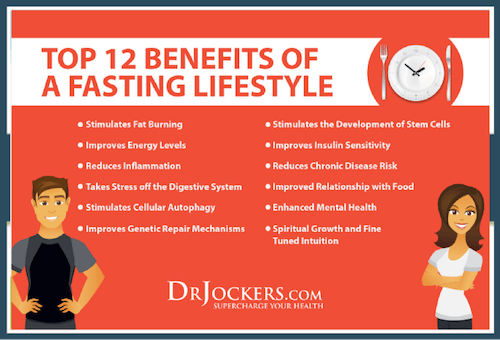
If you’re not familiar with the many benefits of fasting (and the many types of fasting) then be sure to grab a copy of The Fasting Transformation Quickstart Guide that Dr. David Jockers is giving away when you register for The Fasting Transformation Summit.

I snagged this image from The Fasting Transformation Quickstart Guide so you can see all the benefits!

Here are a few quotes from some of my favorite interviews on The Fasting Transformation Summit (which airs Jan 14 – 20)

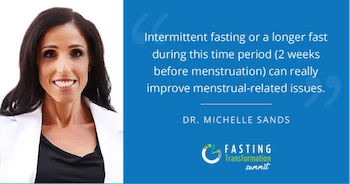
Dr. Michelle Sands shares how fasting CAN work well in women and dispels the belief that fasting doesn’t work as well for women as it does for men. Here is one example she gives:

Intermittent fasting or a longer fast during this time period (2 weeks before menstruation) can really improve menstrual-related issues

In her interview,“Fasting for Younger Women” she covers exactly how fasting impacts female hormones – in both perimenopause and menopause – as well as precautions to consider before fasting. They also discuss why fasting is so key for gut repair (I love her pothole road analogy) and how fasting boosts the anti-aging hormone HGH (human growth hormone).

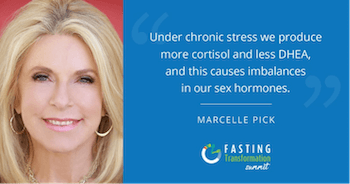
Dr. Marcelle Pick, MSN, OB-GYN, NP discusses menopause and how to reduce symptoms and optimize hormones in her interview “Intermittent Fasting for Menopausal Women.” She shares that premenopausal women and menopausal women who are

under chronic stress produce more cortisol and less DHEA and this causes imbalances in our sex hormones

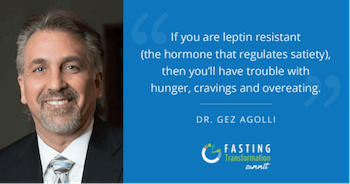
Dr. Gez Agolli discusses leptin resistance and hunger, cravings and overeating in his interview “Using Fasting Strategies in the Clinical Setting” (leptin is the hormone that regulates satiety or your feeling of fullness)

If you are leptin resistant then you’ll have trouble with hunger, cravings and overeating

Interestingly leptin resistance also impacts cognitive function and increases your risk for depression. Leptin resistance also increases anxiety/depression in menopausal women.

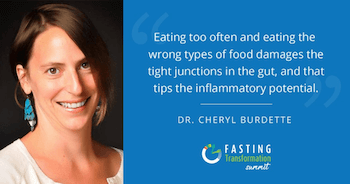
Cheryl Burdette, ND covers inflammation and how it impacts you and the “Impact of Fasting on Chronic Inflammation.” She shares that

Eating too often and eating the wrong types of foods damages the tight junctions in the gut, and that tips the inflammatory potential.

Dr. Jockers shares this about improved mental health in his talk:

As ketones elevate in the body, most people experience improved mood, mental clarity and creativity. Many people observe that they feel the most productive at the peak of their intermittent fast or after 3-4 days of extended fasting.

I’ve personally adjusted my eating to do regular intermittent fasting and am surprised at how much it helps my mental clarity and energy levels. It also leads to much more restful sleep. I’m still recovering from the harms of EMFs and fasting helps so much!

I remember feeling a bit overwhelmed by it all and thinking it was a daunting venture (especially when I wasn’t feeling great) but I learned a lot during Dr. Jocker’s Ketogenic Summit and then did his keto program. It’s really quite easy to do once you understand how to do it well.

In case you’re curious, I’m doing what he calls a Strong Fast and consume all food (2 meals) in a 6-8 hour eating window each day and fast through breakfast. Dr. Jockers describes 16 different types of fasts in The Fasting Transformation Quickstart Guide which you get access to when you register.

Join Dr. David Jockers as he interviews fasting experts, so you can learn everything you need to know about this transformational health tactic!

Register here to learn more: Fasting Transformation Summit (it airs online from Jan 14-20, 2019)

Have you found health benefits from fasting? And have you felt challenged when fasting? Feel free to share your insights and questions in the comments below.

Filed Under: Events, Uncategorized

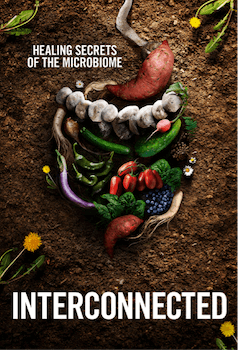
Interconnected: Healing Secrets of the Microbiome

November 27, 2018 By Trudy Scott 12 Comments

The 8-part docuseries called Interconnected: Healing Secrets of the Microbiome airs from November 27th and runs through December 6th.

Prominent scientists, physicians, researchers, and patients come forward offering personal stories and the latest findings about the body’s “interconnected” pathway to good health.

It’s called the microbiome – the active eco-system of trillions of bacteria that live in our gut.

The documentary series explores how the microbiome regulates our body systems, immunity, mental state – and how we can partner with our microbes to optimize health or destroy them and fall victim to chronic disease.

In this paper, Fermented foods, the gut and mental health: a mechanistic overview with implications for depression and anxiety, published just this month in the journal Nutritional Neuroscience, the important bidirectional relationship between mental health and gut function is highlighted, emphasizing and the role of fermented foods in modulating the microbiome:

Mental disorders including depression and anxiety are often comorbid with gut problems, suggesting a bidirectional relationship between mental health and gut function. Several mechanisms might explain this comorbidity, such as inflammation and immune activation; intestinal permeability; perturbations in the hypothalamic-pituitary-adrenal axis; neurotransmitter/neuropeptide dysregulation; dietary deficiencies; and disturbed gut microbiome composition. The potential of modulating the microbiome-gut-brain axis, and subsequently mental health, through the use of functional foods, is an emerging and novel topic of interest. Fermented foods are considered functional foods due to their putative health benefits.

And in this paper, Integrative Therapies in Anxiety Treatment with Special Emphasis on the Gut Microbiome they discuss how certain probiotics strains can help regulate stress and anxiety:

Studies on probiotic supplementation in mice and in humans provides compelling evidence of microbial regulation over stress and anxiety induced neuroendocrine signaling. In particular, strains of Lactobacillus and Bifidobacterium are found to exert a profound anxiolytic influence through the production of γ-aminobutryic acid (GABA), 5-HT (serotonin), and SCFAs (short chain fatty acids), and by dampening HPA adrenergic reaction.

The researchers also discuss the link between dysregulation of carbohydrate digestion and metabolism to depression, hyperactivity, and autism. One example is the

relationship between fructose malabsorption and circulating lipopolysaccharide (LPS), which could be abolished by administration of an antibiotic, thus implicating microbial activity.

And how fructose malabsorption is linked to depression and mood disorders and dysregulation of the tryptophan and therefore serotonin product (which also plays a role in the worry-type of anxiety.)

If this new research excites you as much as it does me, then you don’t want to miss this educational docuseries: Interconnected: Healing Secrets of the Microbiome

Here are the core topics that will be covered:

  • #1 – The Invisible Organ: The Missing Piece in Health and Longevity…
  • #2 – The Human Microbiome: The Raging Battle from Within…
  • #3 – The Truth About Probiotics…
  • #4 – The Trouble With Toxins: Staying Alive in a Toxic World…
  • #5 – The Kids Aren’t Alright: Leaky Gut – Leaky Brain – Leaky Kids…
  • #6 – The Microbiome Solution: Thyroid, Obesity, and Diabetes…
  • #7 – The Microbiome Solution: Cancer, Immunity, and Heart Disease…
  • #8 – Ancient Wisdom and Modern Technology: The Keys To Personalized, Individualized, Made-For-You Medicine…
  • #9 – Healing Yourself: A Bright Future…

You’ll learn from a growing community of physicians and healthcare professionals who now make the microbiome an integral part of their practice. You’ll learn from a growing community of physicians and healthcare professionals who now make the microbiome an integral part of their practice.

I hope you also enjoy my contribution as a patient, sharing some of my anxiety story and the role my gut health and microbiome played in my anxiety issues and how addressing this was key to my healing!

Register here and feel free to share with friends, family and colleagues.

And please share in the comments how addressing your gut health helped you. Feel free to post questions too.

Filed Under: Events

  • « Go to Previous Page
  • Page 1
  • Page 2
  • Page 3
  • Page 4
  • Interim pages omitted …
  • Page 35
  • Go to Next Page »

Primary Sidebar

GABA QuickStart Homestudy

gaba quickstart homestudy

Free Report

9 Great Questions Women Ask about Food, Mood and their Health

You'll also receive a complimentary subscription to my ezine "Food, Mood and Gal Stuff"


Connect with me

Popular Posts

  • Amino Acids Mood Questionnaire from The Antianxiety Food Solution
  • The Antianxiety Food Solution Amino Acid and Pyroluria Supplements
  • Pyroluria Questionnaire from The Antianxiety Food Solution
  • Collagen and gelatin lower serotonin: does this increase your anxiety and depression?
  • Tryptophan for the worry-in-your-head and ruminating type of anxiety
  • GABA for the physical-tension and stiff-and-tense-muscles type of anxiety
  • The Antianxiety Food Solution by Trudy Scott
  • Seriphos Original Formula is back: the best product for anxiety and insomnia caused by high cortisol
  • Am I an anxious introvert because of low zinc and vitamin B6? My response to Huffington Post blog
  • Vagus nerve rehab with GABA, breathing, humming, gargling and key nutrients

Recent Posts

  • Her cravings for chips and peanut butter were triggered by stress: GABA ends cravings and reduces physical tension and fear of heights
  • It is truly miraculous to be able to move through life without crippling anxiety and panic
  • GABA and tryptophan combo provide immediate and noticeable relief for tremors and cervical dystonia in just 7 days
  • Red light therapy for back and neck pain, plantar fasciitis and low mood – a complement to the amino acids GABA, DPA and tryptophan
  • What do I use instead of Seriphos to help lower high cortisol that is affecting my sleep and making me anxious at night?

Categories

  • 5-HTP
  • AB575
  • Addiction
  • ADHD
  • Adrenals
  • Alcohol
  • Allergies
  • Alzheimer's disease
  • Amino Acids
  • Anger
  • Antianxiety
  • Antianxiety Food Solution
  • Antidepressants
  • Anxiety
  • Anxiety and panic
  • Autism
  • Autoimmunity
  • benzodiazapines
  • Bipolar disorder
  • Books
  • Caffeine
  • Cancer
  • Candida
  • Children/Teens
  • Collagen
  • Cooking equipment
  • Coronavirus/COVID-19
  • Cravings
  • Depression
  • Detoxification
  • Diabetes
  • Diet
  • DPA/DLPA
  • Drugs
  • EFT/Tapping
  • EMF
  • EMFs
  • Emotional Eating
  • Endorphins
  • Environment
  • Essential oils
  • Events
  • Exercise
  • Fear
  • Fear of public speaking
  • Fertility and Pregnancy
  • Fish
  • Food
  • Food and mood
  • Functional neurology
  • GABA
  • Gene polymorphisms
  • General Health
  • Giving
  • Giving back
  • Glutamine
  • Gluten
  • GMOs
  • Gratitude
  • Gut health
  • Heart health/hypertension
  • Histamine
  • Hormone
  • Hyperparathyroidism
  • Hypoglycemia
  • Immune system
  • Inflammation
  • Insomnia
  • Inspiration
  • Introversion
  • Joy and happiness
  • Ketogenic diet
  • Lithium orotate
  • Looking awesome
  • Lyme disease and co-infections
  • MCAS/histamine
  • Medication
  • Men's health
  • Mental health
  • Mercury
  • Migraine
  • Mold
  • Movie
  • MTHFR
  • Multiple sclerosis
  • Music
  • NANP
  • Nature
  • Nutritional Psychiatry
  • OCD
  • Osteoporosis
  • Oxalates
  • Oxytocin
  • Pain
  • Paleo
  • Parasites
  • Parkinson’s disease
  • PCOS
  • People
  • PMS
  • Postpartum
  • PTSD/Trauma
  • Pyroluria
  • Questionnaires
  • Real whole food
  • Recipes
  • Research
  • Schizophrenia
  • serotonin
  • SIBO
  • Sleep
  • Special diets
  • Sports nutrition
  • Stress
  • Sugar addiction
  • Sugar and mood
  • Supplements
  • Teens
  • Testimonials
  • Testing
  • The Anxiety Summit
  • The Anxiety Summit 2
  • The Anxiety Summit 3
  • The Anxiety Summit 4
  • The Anxiety Summit 5
  • The Anxiety Summit 6
  • Thyroid
  • Thyroid health
  • Toxins
  • Tryptophan
  • Tyrosine
  • Uncategorized
  • Vegan/vegetarian
  • Women's health
  • Yoga

Archives

  • May 2026
  • April 2026
  • October 2025
  • September 2025
  • August 2025
  • July 2025
  • June 2025
  • May 2025
  • April 2025
  • March 2025
  • February 2025
  • January 2025
  • November 2024
  • October 2024
  • September 2024
  • August 2024
  • July 2024
  • June 2024
  • May 2024
  • April 2024
  • March 2024
  • February 2024
  • January 2024
  • December 2023
  • November 2023
  • October 2023
  • September 2023
  • August 2023
  • July 2023
  • June 2023
  • May 2023
  • April 2023
  • March 2023
  • February 2023
  • January 2023
  • December 2022
  • November 2022
  • October 2022
  • September 2022
  • August 2022
  • July 2022
  • June 2022
  • May 2022
  • April 2022
  • March 2022
  • February 2022
  • January 2022
  • December 2021
  • November 2021
  • October 2021
  • September 2021
  • August 2021
  • July 2021
  • June 2021
  • May 2021
  • April 2021
  • March 2021
  • February 2021
  • January 2021
  • December 2020
  • November 2020
  • October 2020
  • September 2020
  • August 2020
  • July 2020
  • June 2020
  • May 2020
  • April 2020
  • March 2020
  • February 2020
  • January 2020
  • December 2019
  • November 2019
  • October 2019
  • September 2019
  • August 2019
  • July 2019
  • June 2019
  • May 2019
  • April 2019
  • March 2019
  • February 2019
  • January 2019
  • December 2018
  • November 2018
  • October 2018
  • September 2018
  • August 2018
  • July 2018
  • June 2018
  • May 2018
  • April 2018
  • March 2018
  • February 2018
  • January 2018
  • December 2017
  • November 2017
  • October 2017
  • September 2017
  • August 2017
  • July 2017
  • June 2017
  • May 2017
  • April 2017
  • March 2017
  • February 2017
  • January 2017
  • December 2016
  • November 2016
  • October 2016
  • September 2016
  • August 2016
  • July 2016
  • June 2016
  • May 2016
  • April 2016
  • March 2016
  • February 2016
  • January 2016
  • December 2015
  • November 2015
  • October 2015
  • September 2015
  • August 2015
  • July 2015
  • June 2015
  • May 2015
  • April 2015
  • March 2015
  • February 2015
  • January 2015
  • December 2014
  • November 2014
  • October 2014
  • September 2014
  • August 2014
  • July 2014
  • June 2014
  • May 2014
  • April 2014
  • March 2014
  • February 2014
  • January 2014
  • December 2013
  • November 2013
  • October 2013
  • September 2013
  • August 2013
  • July 2013
  • June 2013
  • May 2013
  • April 2013
  • March 2013
  • February 2013
  • January 2013
  • December 2012
  • November 2012
  • October 2012
  • August 2012
  • July 2012
  • June 2012
  • May 2012
  • April 2012
  • March 2012
  • February 2012
  • January 2012
  • December 2011
  • November 2011
  • October 2011
  • September 2011
  • August 2011
  • July 2011
  • June 2011
  • May 2011
  • April 2011
  • March 2011
  • February 2011
  • January 2011
  • December 2010
  • October 2010
  • September 2010
  • July 2010
  • May 2010
  • April 2010
  • March 2010
  • February 2010
  • January 2010
  • November 2009

Share the knowledge!

The above statements have not been evaluated by the Food and Drug Administration. Products listed in this website are not intended to diagnose, treat, cure or prevent any disease.

The information provided on this site is for informational and educational purposes only and is not intended as a substitute for advice from your physician or other health care professional. You should consult with a healthcare professional before starting or modifying any diet, exercise, or supplementation program, before taking or stopping any medication, or if you have or suspect you may have a health problem.


Copyright © 2026 Trudy Scott. All Rights Reserved. | Privacy | Terms and Conditions | Refund Policy | Medical Disclaimer

Free Report

9 Great Questions Women Ask about Food, Mood and their Health

You’ll also receive a complimentary subscription to my ezine “Food, Mood and Gal Stuff”