• Skip to primary navigation
  • Skip to main content
  • Skip to primary sidebar

everywomanover29 blog

Food, Mood and Women's Health – Be your healthiest, look and feel great!

  • Blog
  • About
  • Services
  • Store
  • Resources
  • Testimonials
  • The Book
  • Newsletter
  • Contact
  • Search this site

Events

International Society for Nutritional Psychiatry Research: 2017 conference

July 21, 2017 By Trudy Scott Leave a Comment

This is the first major international meeting of the International Society for Nutritional Psychiatry Research and will be held July 30 – August 2, in Bethesda, MD, USA. The conference will comprise:

  • Plenary presentations from leading international researchers
  • State of the art symposia and free oral presentations from researchers and clinicians
  • Multidisciplinary workshops for psychiatrists, psychologists, dietitians, nutritionists and other health professionals
  • An exciting social program

This meeting will reflect the broad spectrum of research, from the sub-cellular to translation and implementation science. There will also be a strong focus on basic science and the biological processes and factors that underpin the links between diet, nutrition and mental health, including the brain-gut-microbe axis, immunology and metabolic processes and molecular science. The program will cater to the interests of researchers and clinicians from the fields of public health, diabetes, cardiovascular disease, obesity and dietetics, as well as psychiatry and psychology.

I’m excited to have the opportunity to hear and meet so many amazing food/nutrient and mental health researchers, many of whom I’ve referenced in my book and shared on my blog and in presentations:

  • Food mood /microbiome researcher, Professor Felice Jacka, President, International Society for Nutritional Psychiatry Research
  • Microbiome researcher, Professor John F. Cryan
  • Micronutrient researcher, Julia Rucklidge
  • Sugar and trans fats researcher, Professor Almudena Sánchez-Villegas, University of Las Palmas de Gran Canaria, Spain
  • Nutraceuticals researcher, Professor Jerome Sarris;
  • Hypoglycemia/anxiety researcher, Monique Aucoin ND and so many more!

I’ve been accepted to do a rapid fire presentation on gluten-free/Paleo diet for anxiety and will also be presenting a poster on GABA/amino acids for anxiety. What an honor!

You can find the program information here.

This is a conference for health professionals but I’m pleased to announce that the Sunday sessions are OPEN TO THE PUBLIC.


More information and registration for INSPR 2017 here.

Filed Under: Events Tagged With: anxiety, felice jacka, food, GABA, gut-brain, International Society for Nutritional Psychiatry Research, ISNPR

Triggers and tests from Dr. Tom O’Bryan on Interpreting Your Genetics Summit

July 17, 2017 By Trudy Scott 2 Comments

I’m really excited about the upcoming Interpreting Your Genetics Summit which runs August 21-28, 2017.

Summit host, James Maskell of Evolution of Medicine, has gathered world-renowned leaders from genetics, genomics and functional medicine. These pioneering experts are on the front lines interpreting data to create improved health in patients around the globe. Learn how to translate your health data to better understand:

  • Your predisposition for diseases and how to minimize manifestation.
  • Genetic health traits your children are likely to inherit.
  • Whether your medications and supplements are right for you.
  • How to unlock previously unsolved health challenges.
  • And more!

Tom O’Bryan, author of The Autoimmune Fix and creator of the docuseries Betrayal: The Autoimmune Secret They’re Not Telling You sets the stage for the summit in his brilliant interview by explaining that simply because you have a genetic defect or polymorphism doesn’t mean you’re going to get that disease:

It means that you’re vulnerable to a particular disease. “Mrs. Patient, if you pull at a chain, it always breaks at the weakest link. Always. It’s going to be at one end, the middle, the other end. It’s your heart, your brain, your liver, your kidneys. Wherever your genetic weak link is. And where’s your weak link? Whatever your genes are. Whatever the deck of cards you’ve been dealt in life, that’s the weak link in your chain.”

So when you have that basic understanding, the first thing that comes up is stop pulling on the chain so much, right. And then, the link won’t break. And how do you stop pulling on the chain? Reduce the inflammation, reduce the activation of your immune system, which is what turns on the genes.

James summarizes this concept perfectly:

So what I hear you saying is that whatever your genetic test comes back, you want to be minimizing the pull on the chain. And you want to be minimizing and repairing the holes in your gut to make sure that you don’t end up with a broken-chain situation, which would be an autoimmune disease, which could manifest anywhere depending on your genetic makeup.

Tom O’Bryan discusses some common environmental triggers that will “pull on the chain” in great detail, and how they lead to genes being turned on and hence causing disease: food quality, wheat, dairy sugar, glyphosate, plastic and air quality. He also covers the APOE4 genes that increase your risk for Alzheimer’s disease and shares this scary fact about kids in Mexico City:

what they have found is that every child that they checked in Mexico City has evidence of early Alzheimer’s. Every child! Let me say that again. Every child that they check has evidence of early Alzheimer’s.

Why? Because the air pollution is so bad. And you breathe that stuff in. It goes into your lungs. And just like leaky gut, you get leaky lungs. And this particulate matter goes right through the lungs, into the bloodstream, straight up to the brain, activating your immune system to fight this stuff. Tears the lining of the blood-brain barrier.

And he shares one of his favorite tests for determining if damage is being done to the brain:

8-hydroxy-2′- Deoxyguanosine… a measure of the DNA residue from damaged brain cells or damaged nerve cells, mostly in the brain. So you just do a simple urine test. And if your 8-hydroxy is up, you’re killing off brain cells. And that makes you say, “Well, why?” [this is the DNA Oxidative Damage Assay from Doctor’s Data]

And this one to look at antibodies to the blood-brain barrier:

You have a simple type of lining on your brain that stops molecules from getting in the brain that shouldn’t be here. So you want to look for antibodies… to S100B. There’s a panel of antibodies that you could look for to see, “Is my brain on fire right now,” because if you have elevated antibodies, your brain is on fire. You’re killing off brain cells.

This interview sets the stage for the rest of the summit! I can’t wait to learn from these amazing speakers on this very relevant and cutting-edge topic.

I hope you can join us on Interpreting Your Genetics Summit, August 21-28, 2017. You can register here

Once you register you’ll have access to this interview and 2 others (Epigenetic Mastery for Everyone from Andrea Nakayama, CNC, CNE and The Current State of Genetics from Jeffrey Bland, PhD) right away.

Hope to “see you” on the summit!

Filed Under: Events Tagged With: 8-hydroxy, autoimmune, Betrayal, genes, Interpreting Your Genetics Summit, james maskell, S100B, The Autoimmune Fix, tom o’bryan

Vitamin C, autoimmunity, food sensitivities & visual processing: Chronic Headache & Migraine Summit

July 9, 2017 By Trudy Scott 5 Comments

Guest post by Erin Knight, FDN-P

Did you know that nearly 60% of migraineurs report suffering from anxiety as well? I didn’t. That was one of many surprising things I discovered interviewing functional medicine experts and clinicians with decades of experience helping people overcome their headaches and migraines at the root cause for the Chronic Headache and Migraine Summit.

As much as the high correlation between migraines and anxiety surprised me, I could quickly see some reasons for the connection. People with frequent headaches report that managing life around headaches and missing out on things places an incredible strain on relationships and career that is nearly as bad as the physical pain. In other words, the mental agony of being sidelined by severe headaches is worse than the pain itself and contributes to the stress we carry around each day. But I don’t have to tell you that.

Is this meal going to cause a headache today? Am I going to be able to make it to my daughter’s choir concert? Is my boss going to pass me up for that project because I’ve been out with migraines so many days this year? If you are like me, these questions are always top of mind – creating a vicious circle between worrying – headaches – and more stress.

While it may seem quite obvious that there is this worrying and fear that migraineurs carry around with them each day, you may be surprised to learn from the experts speaking on the summit that there are many underlying root causes that can lead to both anxiety and headaches at a biological level. Some of these include:

  • Poor absorption of nutrients such as magnesium
  • Leaky gut and inflammation in the digestive tract that impacts the production of neurotransmitters like serotonin and hormones like estrogen
  • Emotional trauma in childhood (which is linked to a staggering increase in chronic conditions such migraines, autoimmune diseases, obesity and chronic fatigue

The good news is that there are real solutions to improve your health at a foundational level that can drastically improve or even resolve both headaches/migraines and anxiety at the root cause.

The experts in the Chronic Headache and Migraine Summit talk both about what has helped their clients recover their health as well as natural, simple ways to reduce the pain and intensity of headaches quickly and at home so you can go on with your life.

If you know you experience headaches due to weather changes, sinus stuffiness, neck tension, classic migraine or monthly hormonal changes – there are different relief techniques to employ for each. For example, Jay Davidson  highlights 3 tricks for clearing pressure out of your head when you feel a thunderstorm headache coming on – and they work in minutes! My favorite is to dab frankincense essential oil with your fingertips along the hairline in your neck. I can feel drainage start immediately with this simple technique!

If you think you’ve tried it all and been through the gamut of herbal and homeopathic remedies – I promise you will learn something that surprises you and makes a difference in your journey.

5 things I learned about hosting the Chronic Headache and Migraine Summit that might surprise you too:

  • There are many superstar supplements that can help people with different types of migraines beyond the typical riboflavin and magnesium citrate – for example, Vitamin C, different forms of magnesium, 5-HTP or tryptophan, and glutathione.
  • Migraines are being reclassified as an autoimmune disease. One autoimmune disease that frequently leads to migraines (and anxiety and miscarriages) is the clotting disease called Antiphospholipid Syndrome (featured on day 7 in Trudy Scott’s interview)
  • Food sensitivities may be more important than avoiding trigger foods
  • There is a visual processing disorder that affects 15% of the population and is simple to correct.
  • Toxicity from air and water pollution causes different types of chronic headaches and can be easily identified and reversed.

We are so thrilled to be able to offer this first-of-its-kind resource for people who want to stop managing their headaches, stop watching life pass them by from the sidelines and find natural relief options that really work.

Feel free to share something that surprises YOU from the above in the comments below.

Filed Under: Events, Migraine Tagged With: 5-HTP, antiphospholipid syndrome, anxiety, Autoimmunity, Erin Knight, food sensitivities, headache, migraine, tryptophan, visual processing, vitamin C

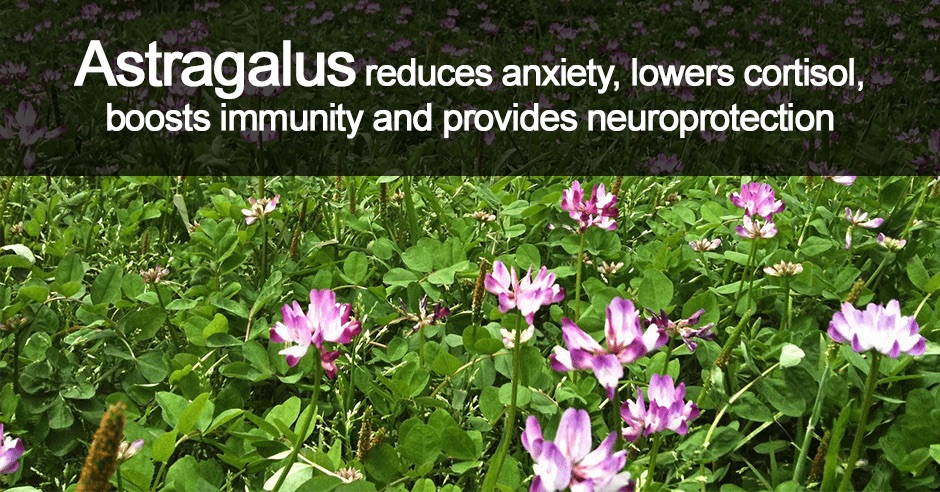
Astragalus reduces anxiety, lowers cortisol, boosts immunity and provides neuroprotection

July 5, 2017 By Trudy Scott 19 Comments

Astragalus is a herb that is well recognized for it’s immune boosting benefits and David Christopher, one of the experts on Immune Defense Summit, shares that it’s his favorite herb for protecting the immune system.

We know the immune system plays a role in anxiety and depression. I’m sure you’ve heard the term psychoneuroimmunology: the study of the interaction between psychological processes and the nervous and immune systems of the human body. So I went searching to see if this herb has any evidence for reducing anxiety and I wasn’t disappointed

It was encouraging to discover very recent research that supports that it has benefits for reducing anxiety and that it offers neuroprotection.

In an animal Alzheimer’s disease study published in 2016, Neuroprotection and anxiety like behavior reduction of Allium hirtifolium and Astragalus hamosus in the Aβ-injected rat it was shown that oral administration of both Allium hirtifolium and Astragalus hamosus decreased anxiety-like behavior.

The results of this study also revealed

potential neuroprotective properties of Allium hirtifolium and Astragalus hamosus as herbal remedies that could play a role in fostering healthy aging and be considered as useful candidates in decreasing Alzheimer’s disease related symptoms.

David doesn’t cover the above this in his interview so I’m sharing this here to provide you with some context on the importance of supporting the immune system beyond colds and flu.

This is what David does say about astragalus in his interview with Immune Defense Summit host Jonathan Landsman:

I think it is the number one herb for protecting the immune system. And the nice thing about astragalus is it’s a tonic. And tonics are substances that will go either way – if you’ve got over-functioning or if you’ve got under-functioning – it will go whatever the body needs. They also call them adaptogens.

Because astragalus is an adaptogen, it is one of many herbs that can be used to support the HPA axis, thereby helping to reduce high cortisol, and hence anxiety via another mechanism. This paper, Effect of hypothalamic-pituitary-adrenal axis alterations on glucose and lipid metabolism in diabetic rats, reports that astragalus may improve HPA axis functioning and aid in the treatment of diabetes by lowering blood sugar and high levels of corticosterone (the rat version of cortisol).

David goes on to share that astragalus does a lot of things for the immune system:

It actually increases the interferon which is the chemical message that the immune system uses to communicate between the cells.

One of the things that astragalus does is it stimulates the production of and activity of the macrophage, the part of the immune system that gobbles up impurities, so it’s nonspecific. And it tends to last for a long, long period of time. They’ve done the studies showing that when you take astragalus, it immediately affects your immune system (within six hours). And it’ll last 72 hours. So it’s fast-working and it’ll last a long time.

I can’t think of anything in the medical profession that has as many benefits as astragalus has. Nothing. Astragalus is my favorite herb for the immune system.

David shares more about astragalus and other immune boosting herbs like echinacea (which also happens to help with reducing anxiety) on the Immune Defense Summit which runs July 24-31.

I do hope you can join us to hear from many experts on various topics related to immunity, many of which have a direct connection to anxiety, mood and overall health.

Click here to register

Have you used astragalus with good results? For stress and anxiety? To help lower high cortisol? For immune-boosting? For cognition?

Filed Under: Events Tagged With: anxiety, astragalus, high cortisol, Immune Defense Summit, immune-boosting, immunity, neuroprotection, stress

Migraines, anxiety, depression and gluten: on the Chronic Headache & Migraine Summit

June 26, 2017 By Trudy Scott 5 Comments

The goal of a 2015 Russian study titled Gluten Migraine, was to study the prevalence of migraine among patients with celiac disease and to assess the efficacy of a gluten-free diet in its treatment. There were 200 celiac disease (CD) patients and the

CD group had migraine syndrome four times more often than the control group. The attacks were more frequent in CD patients who were older than 50 years old.

The migraines disappeared in 25% of patients with migraines who were on the gluten free diet and the reduction in the intensity and/or frequency of attacks was observed in 38% of patients.

This is the study conclusion:

We revealed the clear association between migraine syndrome and CD and the high efficacy of gluten FREE diet in the treatment of migraine symptoms.”

I would suspect similar results if you have gluten sensitivity. And here is some gluten-migraine feedback from 4 different women in my community:

  • HUGE decrease in my migraines now that I eat more cleanly. I used to start to get headaches immediately upon eating gluten-y meals
  • I had them frequently from teenage years right up until my Celiac diagnosis in my thirties. Once gluten was gone so were the migraines
  • Stopping gluten stopped my migraines
  • My migraines always came from gluten and dairy

Of course there is also an anxiety-gluten and the depression-gluten connection so getting the gluten out of your diet will help with both anxiety and depression most of the time too.

I talked about all this on The Chronic Headache & Migraine Summit.

The other topic I covered is the autoimmune condition called Antiphospholipid Syndrome (APS) which is one of many possible contributing factors for both migraines and anxiety. Of course, with any autoimmune condition gluten removal is key.

I also cover low serotonin as one possible cause of migraines (and anxiety) and the use of tryptophan (instead of SSRIs). An amino acid like tryptophan or GABA also helps you break the gluten addiction so you don’t have to rely only on willpower!

Have you got questions or comments? Please post in the comment box below.

Filed Under: Events, Migraine Tagged With: amino acids, anxiety, depression, gluten, headache, migraine, serotonin, tryptophan, willpower

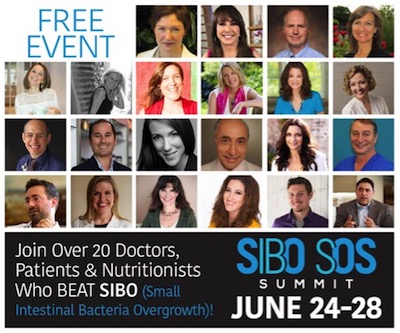
Dr. Allison Siebecker’s treatment approach: SIBO SOS Summit

June 24, 2017 By Trudy Scott 10 Comments

The SIBO SOS Summit starts today June 24th and runs to June 28th.

SIBO (Small Intestine Bacterial Overgrowth) is the #1 leading cause of IBS and other digestive problems and can cause bloating, chronic constipation or diarrhea (or both!!), anxiety, depression, pain and a host of other symptoms.

Shivan Sarna and co-host Dr. Allison Siebecker (a SIBO expert and hero of mine), are bringing some of the foremost experts in the country together to discuss this potentially life altering disease. Over 5 full days of expert interviews Shivan will take a deep dive into the causes, treatment options and expert opinions on everything from diet, to medication you need to know about to regain your optimal health and how to beat SIBO (even if you didn’t know you had it!)

You’ll also meet a host of patients who have lived with SIBO and have learned how to heal themselves… their passionate stories will give you the hope you need.

In her SIBO treatment interview Dr. Siebecker shares the following:

There’s several layers that we can aim our treatments at. I would say the top layer is the symptoms. And of course we want to get somebody feeling symptomatically better as soon as we can. And this is in regards to SIBO, it could apply to other diseases but specifically SIBO. The next layer down would be the bacteria. That’s the actual SIBO, the accumulation of bacteria in the small intestine aiming at eliminating those bacteria. And then the bottom layer would be the underlying cause of the SIBO. And that’s really where most of us probably want to focus our treatment because if we can get rid of the underlying cause well then we can get rid of SIBO and we can cure it, but that isn’t so easy.

I love these 2 tips she shares for the painful bloating:

something that helps a lot is charcoal, activated charcoal because it actually absorbs… gas into its little pockets and chambers inside the charcoal. That can really help people, especially if you’re having pain from the bloating that can really help.

Another thing is you can lie face down on your stomach and it puts the anatomy in a position where it can allow gas to be burped out and you can get some relief that way.

I’ve used the latter face down position but didn’t know about the charcoal tip, which is why I love these summits – I always learn something new!

Dr. Siebecker goes on to share in detail about

  • pharmaceutical antibiotics
  • herbal antibiotics (you would need to add in the allicin/Alimed if you had constipation type of SIBO or high methane)
  • prokinetics like triphala, MotilPro and Iberogast (and some pharmaceutical prokinetics) to assist motility
  • the elemental diet
  • visceral manipulation, massage and acupuncture

She ends with how important stress reduction is and that’s where my work comes in!

I hope you can join us. You can register for SIBO SOS here

Filed Under: Events, SIBO Tagged With: Allison Siebecker, SIBO, sibo sos summit

  • « Go to Previous Page
  • Page 1
  • Interim pages omitted …
  • Page 8
  • Page 9
  • Page 10
  • Page 11
  • Page 12
  • Interim pages omitted …
  • Page 35
  • Go to Next Page »

Primary Sidebar

GABA QuickStart Homestudy

gaba quickstart homestudy

Free Report

9 Great Questions Women Ask about Food, Mood and their Health

You'll also receive a complimentary subscription to my ezine "Food, Mood and Gal Stuff"


Connect with me

Popular Posts

  • Amino Acids Mood Questionnaire from The Antianxiety Food Solution
  • The Antianxiety Food Solution Amino Acid and Pyroluria Supplements
  • Pyroluria Questionnaire from The Antianxiety Food Solution
  • Collagen and gelatin lower serotonin: does this increase your anxiety and depression?
  • Tryptophan for the worry-in-your-head and ruminating type of anxiety
  • GABA for the physical-tension and stiff-and-tense-muscles type of anxiety
  • The Antianxiety Food Solution by Trudy Scott
  • Seriphos Original Formula is back: the best product for anxiety and insomnia caused by high cortisol
  • Am I an anxious introvert because of low zinc and vitamin B6? My response to Huffington Post blog
  • Vagus nerve rehab with GABA, breathing, humming, gargling and key nutrients

Recent Posts

  • Her cravings for chips and peanut butter were triggered by stress: GABA ends cravings and reduces physical tension and fear of heights
  • It is truly miraculous to be able to move through life without crippling anxiety and panic
  • GABA and tryptophan combo provide immediate and noticeable relief for tremors and cervical dystonia in just 7 days
  • Red light therapy for back and neck pain, plantar fasciitis and low mood – a complement to the amino acids GABA, DPA and tryptophan
  • What do I use instead of Seriphos to help lower high cortisol that is affecting my sleep and making me anxious at night?

Categories

  • 5-HTP
  • AB575
  • Addiction
  • ADHD
  • Adrenals
  • Alcohol
  • Allergies
  • Alzheimer's disease
  • Amino Acids
  • Anger
  • Antianxiety
  • Antianxiety Food Solution
  • Antidepressants
  • Anxiety
  • Anxiety and panic
  • Autism
  • Autoimmunity
  • benzodiazapines
  • Bipolar disorder
  • Books
  • Caffeine
  • Cancer
  • Candida
  • Children/Teens
  • Collagen
  • Cooking equipment
  • Coronavirus/COVID-19
  • Cravings
  • Depression
  • Detoxification
  • Diabetes
  • Diet
  • DPA/DLPA
  • Drugs
  • EFT/Tapping
  • EMF
  • EMFs
  • Emotional Eating
  • Endorphins
  • Environment
  • Essential oils
  • Events
  • Exercise
  • Fear
  • Fear of public speaking
  • Fertility and Pregnancy
  • Fish
  • Food
  • Food and mood
  • Functional neurology
  • GABA
  • Gene polymorphisms
  • General Health
  • Giving
  • Giving back
  • Glutamine
  • Gluten
  • GMOs
  • Gratitude
  • Gut health
  • Heart health/hypertension
  • Histamine
  • Hormone
  • Hyperparathyroidism
  • Hypoglycemia
  • Immune system
  • Inflammation
  • Insomnia
  • Inspiration
  • Introversion
  • Joy and happiness
  • Ketogenic diet
  • Lithium orotate
  • Looking awesome
  • Lyme disease and co-infections
  • MCAS/histamine
  • Medication
  • Men's health
  • Mental health
  • Mercury
  • Migraine
  • Mold
  • Movie
  • MTHFR
  • Multiple sclerosis
  • Music
  • NANP
  • Nature
  • Nutritional Psychiatry
  • OCD
  • Osteoporosis
  • Oxalates
  • Oxytocin
  • Pain
  • Paleo
  • Parasites
  • Parkinson’s disease
  • PCOS
  • People
  • PMS
  • Postpartum
  • PTSD/Trauma
  • Pyroluria
  • Questionnaires
  • Real whole food
  • Recipes
  • Research
  • Schizophrenia
  • serotonin
  • SIBO
  • Sleep
  • Special diets
  • Sports nutrition
  • Stress
  • Sugar addiction
  • Sugar and mood
  • Supplements
  • Teens
  • Testimonials
  • Testing
  • The Anxiety Summit
  • The Anxiety Summit 2
  • The Anxiety Summit 3
  • The Anxiety Summit 4
  • The Anxiety Summit 5
  • The Anxiety Summit 6
  • Thyroid
  • Thyroid health
  • Toxins
  • Tryptophan
  • Tyrosine
  • Uncategorized
  • Vegan/vegetarian
  • Women's health
  • Yoga

Archives

  • May 2026
  • April 2026
  • October 2025
  • September 2025
  • August 2025
  • July 2025
  • June 2025
  • May 2025
  • April 2025
  • March 2025
  • February 2025
  • January 2025
  • November 2024
  • October 2024
  • September 2024
  • August 2024
  • July 2024
  • June 2024
  • May 2024
  • April 2024
  • March 2024
  • February 2024
  • January 2024
  • December 2023
  • November 2023
  • October 2023
  • September 2023
  • August 2023
  • July 2023
  • June 2023
  • May 2023
  • April 2023
  • March 2023
  • February 2023
  • January 2023
  • December 2022
  • November 2022
  • October 2022
  • September 2022
  • August 2022
  • July 2022
  • June 2022
  • May 2022
  • April 2022
  • March 2022
  • February 2022
  • January 2022
  • December 2021
  • November 2021
  • October 2021
  • September 2021
  • August 2021
  • July 2021
  • June 2021
  • May 2021
  • April 2021
  • March 2021
  • February 2021
  • January 2021
  • December 2020
  • November 2020
  • October 2020
  • September 2020
  • August 2020
  • July 2020
  • June 2020
  • May 2020
  • April 2020
  • March 2020
  • February 2020
  • January 2020
  • December 2019
  • November 2019
  • October 2019
  • September 2019
  • August 2019
  • July 2019
  • June 2019
  • May 2019
  • April 2019
  • March 2019
  • February 2019
  • January 2019
  • December 2018
  • November 2018
  • October 2018
  • September 2018
  • August 2018
  • July 2018
  • June 2018
  • May 2018
  • April 2018
  • March 2018
  • February 2018
  • January 2018
  • December 2017
  • November 2017
  • October 2017
  • September 2017
  • August 2017
  • July 2017
  • June 2017
  • May 2017
  • April 2017
  • March 2017
  • February 2017
  • January 2017
  • December 2016
  • November 2016
  • October 2016
  • September 2016
  • August 2016
  • July 2016
  • June 2016
  • May 2016
  • April 2016
  • March 2016
  • February 2016
  • January 2016
  • December 2015
  • November 2015
  • October 2015
  • September 2015
  • August 2015
  • July 2015
  • June 2015
  • May 2015
  • April 2015
  • March 2015
  • February 2015
  • January 2015
  • December 2014
  • November 2014
  • October 2014
  • September 2014
  • August 2014
  • July 2014
  • June 2014
  • May 2014
  • April 2014
  • March 2014
  • February 2014
  • January 2014
  • December 2013
  • November 2013
  • October 2013
  • September 2013
  • August 2013
  • July 2013
  • June 2013
  • May 2013
  • April 2013
  • March 2013
  • February 2013
  • January 2013
  • December 2012
  • November 2012
  • October 2012
  • August 2012
  • July 2012
  • June 2012
  • May 2012
  • April 2012
  • March 2012
  • February 2012
  • January 2012
  • December 2011
  • November 2011
  • October 2011
  • September 2011
  • August 2011
  • July 2011
  • June 2011
  • May 2011
  • April 2011
  • March 2011
  • February 2011
  • January 2011
  • December 2010
  • October 2010
  • September 2010
  • July 2010
  • May 2010
  • April 2010
  • March 2010
  • February 2010
  • January 2010
  • November 2009

Share the knowledge!

The above statements have not been evaluated by the Food and Drug Administration. Products listed in this website are not intended to diagnose, treat, cure or prevent any disease.

The information provided on this site is for informational and educational purposes only and is not intended as a substitute for advice from your physician or other health care professional. You should consult with a healthcare professional before starting or modifying any diet, exercise, or supplementation program, before taking or stopping any medication, or if you have or suspect you may have a health problem.


Copyright © 2026 Trudy Scott. All Rights Reserved. | Privacy | Terms and Conditions | Refund Policy | Medical Disclaimer

Free Report

9 Great Questions Women Ask about Food, Mood and their Health

You’ll also receive a complimentary subscription to my ezine “Food, Mood and Gal Stuff”