• Skip to primary navigation
  • Skip to main content
  • Skip to primary sidebar

everywomanover29 blog

Food, Mood and Women's Health – Be your healthiest, look and feel great!

  • Blog
  • About
  • Services
  • Store
  • Resources
  • Testimonials
  • The Book
  • Newsletter
  • Contact
  • Search this site

Autism

The healing properties of camel’s milk for autism (and anxiety)

July 16, 2018 By Trudy Scott 8 Comments

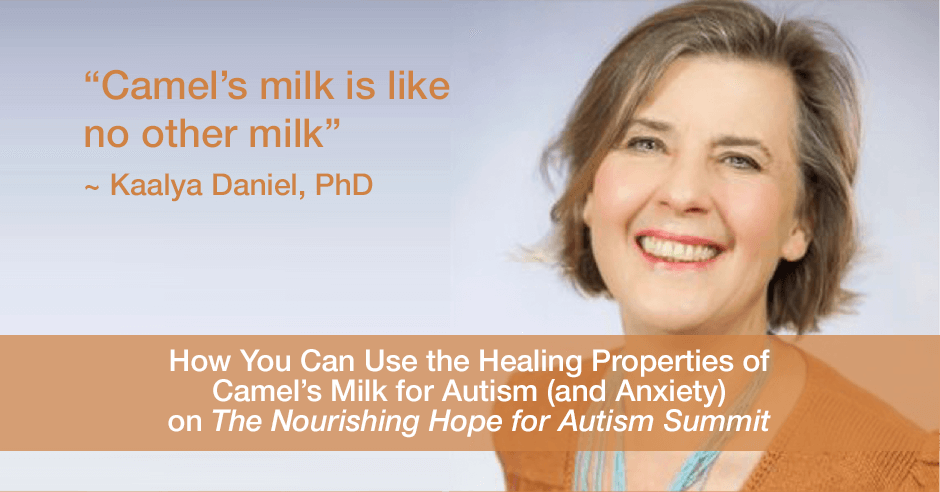
Kaalya Daniel, PhD covers the very interesting topic of camel milk in her interview on The Nourishing Hope for Autism Summit

How You Can Use the Healing Properties of Camel’s Milk for Autism

Camel’s milk is like no other milk. You’ll learn the unique and powerful immune system properties and nutrient benefits of this milk, from an animal known to endure extreme conditions. And how it helps with autism, even when you can’t tolerate other milk.

I don’t have access to the interview transcript yet but since this is a new topic I haven’t yet blogged about I’ve decided to highlight this interview as one I’m really interested in exploring for mom’s in my community with children on the spectrum, with ADHD or other developmental disorders.

In case you’re new to camel’s milk, a paper published in 2015 – Nutritional and Therapeutic Characteristics of Camel Milk in Children: A Systematic Review, shares the following:

Camel milk is the closest to a human mother’s milk. Camel milk is different from other milks, however, having low sugar and cholesterol, high minerals (sodium, potassium, iron, copper, zinc and magnesium, and vitamin C). The milk is considered have medicinal characteristics as well.

The study concludes that there is evidence denoting the importance, usability and benefits of camel’s milk:

Camel milk as a supplemental treatment seems less invasive and costly than specialist care, medications, alternative treatments, and behavioral interventions. Based on our findings, camel milk is safer for children, effective in the treatment of autism, improves general well-being, promotes body natural defenses, is a good nutritional source, and can helps the daily nutritional needs of humans.

Given the many overlaps we see with autism/ASD and anxiety/depression, it’s clear that camel milk has wide applications given the benefits we see has for immunity, the gut and inflammation, as well as providing nourishment when dairy cannot be tolerated. As you can see in the above study below camel milk consumption has been shown to improve general well-being.

I’m not sure if anxiety and GABA is covered in the interview but I did find some interesting research reporting that both camel and goat milk have significantly more bioavailable GABA than cow and human milk – which may be another beneficial mechanism.

Here are just a few of the other speakers and topics I’m really looking forward to hearing:

  • James Adams, PhD: The Scientific Evidence Linking Nutrition and Autism Improvement
  • Dietrich Klinghardt: Understanding Lyme, Infections, Mold, and Heavy Metals and the Effects on Autism
  • Chef Pete Evans: Food is Medicine, Inspiration from a chef
  • Dominic D’Agostino, PhD: Is the Ketogenic Diet Right for an Autistic Child?
  • Susan Owens, MS: The Inflammasome, Oxalates, Autoimmunity and Autism
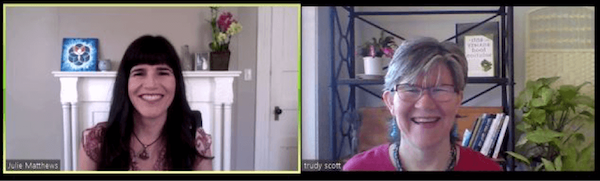
  • And of course, Julie Matthews, CNC: When GFCF Diets Don’t Work – BioIndividual Nutrition for Autism (I’m actually going to interview Julie on this topic)

In my interview we go into anxiety, OCD and aggression in great detail, discussing the amino acids GABA and tryptophan, plus gluten issues and when and how to use inositol.

This summit provides you with information and tools that address the root causes of autism, ADHD and many other conditions including anxiety.
The Summit runs July 30 to August 3 and is hosted by my dear friend and colleague Julie Matthews, whose work you’re probably very familiar with. In case Julie’s work is new to you, in my eyes, she is THE autism nutrition expert. I’ve had the pleasure of interviewing her a number of times on the Anxiety Summit, I endorse her Bioindividual Nutrition training (special diets) for practitioners, I highly respect the work she does and I adore her!

Register here for The Nourishing Hope for Autism Summit to learn more! It airs online from July 30 to August 3, 2018. Hope to see you online!

I’d love to hear your camel’s milk experiences. If you have questions please post them in the comments below.
Filed Under: Anxiety, Autism, Events Tagged With: anxiety, ASD, autism, Camel milk, GABA, Julie Matthews, Kaayla Daniel, Nourishing Hope for Autism Summit, OCD

Little evidence for SSRI use in anxiety and compulsions in ASD: my interview on Nourishing Hope for Autism Summit

July 2, 2018 By Trudy Scott 2 Comments

One of the reasons I’m so passionate about participating on summits like The Nourishing Hope for Autism Summit and sharing the powerful nutritional interventions is due to the fact that medications such as antidepressants and benzodiazepines are frequently prescribed in ASD – and the research and clinical evidence shows that children and adolescents with ASD (autism spectrum disorder) are more vulnerable to the side effects.

This paper, Psychopharmacological interventions in autism spectrum disorder, makes the following conclusion:

Psychopharmacological treatment of core and associated symptoms in ASD is challenging, in large part because ASD presents in many different ways. Furthermore, children and adolescents with ASD are more vulnerable to the side effects of psychopharmacological intervention than their age-matched, typically developing counterparts.

This paper, Pharmacotherapy of emotional and behavioral symptoms associated with autism spectrum disorder in children and adolescents, supports this, stating there is little evidence to support the use of SSRIs in ASD:

Selective serotonin reuptake inhibitors are often used in clinical practice to target anxiety and compulsions; however, there is little evidence to support its use in this population. There is a great need for further research on the safety and efficacy of existing psychotropic medications in youth with ASD.

And this paper published a few months ago, An update on pharmacotherapy of autism spectrum disorder in children and adolescents, concludes that

Overall, the evidence is limited for pharmacotherapy in children with ASD, and side-effects with long-term use can be burdensome.

Much of this also applies to adults with ASD and in my interview I talk about the psychiatric medicine concerns within the ASD community and the high incidence of anxiety, aggression, irritability and OCD in this population.

We also discuss the following nutritional solutions in my interview (appropriately titled: How to calm anxiety, and eliminate aggression and OCD) –

  • the role low serotonin plays in anxiety, aggression and OCD/obsessions and the use of tryptophan and when to avoid 5-HTP
  • the low GABA type of physical anxiety and how to effectively use GABA for results
  • how to use inositol for OCD and some wonderful success stories
  • lead toxicity and increased anxiety and the protective role of tryptophan and ascorbic acid
  • phenols and oxalates other special diets (and my story with oxalate issues)

Our interviews are always fun, science based and practical – and in this one we even shared some of our personal results (both good and bad) with some of these nutrients.

Here are just a few of the speakers and topics I’m really looking forward to hearing:

  • James Adams, PhD: The Scientific Evidence Linking Nutrition and Autism Improvement
  • Dietrich Klinghardt: Understanding Lyme, Infections, Mold, and Heavy Metals and the Effects on Autism
  • Chef Pete Evans: Food is Medicine, Inspiration from a chef
  • Kaalya Daniel, PhD: How You Can Use the Healing Properties of Camel’s Milk for Autism
  • Dominic D’Agostino, PhD: Is the Ketogenic Diet Right for an Autistic Child?
  • Susan Owens, MS: The Inflammasome, Oxalates, Autoimmunity and Autism
  • And of course, Julie Matthews, CNC: When GFCF Diets Don’t Work – BioIndividual Nutrition for Autism

This summit provides you with information and tools that address the root causes so medications such as the above do not even have to come into the picture!

The Nourishing Hope for Autism Summit runs July 30 to August 3 and is hosted by my dear friend and colleague Julie Matthews, whose work you’re probably very familiar with. In case Julie’s work is new to you, in my eyes, she is THE autism nutrition expert. I’ve had the pleasure of interviewing her a number of times on the Anxiety Summit, I endorse her Bioindividual Nutrition training (special diets) for practitioners, I highly respect the work she does and I adore her!

The focus of this summit is clearly autism and Julie is THE expert so you’ll learn a ton from the experts she has gathered.

But do keep in mind that those with autism or Asperger’s are often considered the canaries in the coalmine and even if you don’t have a loved one with ASD many of the interviews have wider applications for anxiety, ADHD and other developmental and learning disorders.

Register here for The Nourishing Hope for Autism Summit to learn more! It airs online from July 30 to August 3, 2018

Filed Under: Anxiety, Autism, Events Tagged With: antidepressant, anxiety, ASD, Asperger’s, autism, benzodiazepine, compulsions, GABA, inositol, Julie Matthews, medications, Nourishing Hope for Autism Summit, OCD, psychotropic, SSRI, tryptophan

Nutritional and Dietary Intervention for Autism Spectrum Disorder – a new study

June 29, 2018 By Trudy Scott 3 Comments

The research confirms how effective nutritional psychiatry is for anxiety and depression (the SMILEs diet depression trial) so when a 12 month randomized trial reports the benefits of nutrition for autism spectrum disorder (ASD) we celebrate this too. Many of the same mechanisms that contribute to anxiety, can also play a role when it comes to ASD – such as food sensitivities, poor gut health, heavy metals, fatty acid imbalances and so on. Also, many children with ASD experience anxiety – 34 to 47% depending on whether you ask a parent of a teacher. Many adults with autism and Asperger’s syndrome also experience anxiety and overwhelm too. In one study 50% of adults with ASD experienced social anxiety.

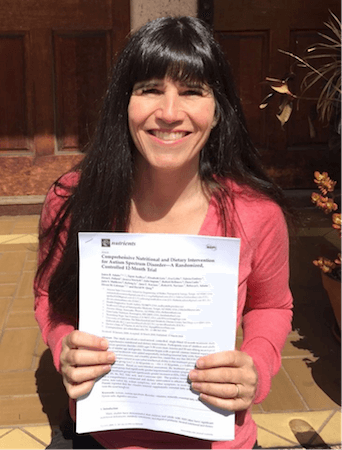
This paper was published in March this year: Comprehensive Nutritional and Dietary Intervention for Autism Spectrum Disorder-A Randomized, Controlled 12-Month Trial and was

a randomized, controlled, single-blind 12-month treatment study of a comprehensive nutritional and dietary intervention.

Treatment began with a special vitamin/mineral supplement, and additional treatments were added sequentially, including essential fatty acids, Epsom salt baths, carnitine, digestive enzymes, and a healthy gluten-free, casein-free, soy-free (HGCSF) diet.

Here is the year-long protocol for the study participants:

Day 0: Vitamin/Mineral supplementation begins.
Day 30: Essential Fatty Acid supplementation begins.
Day 60: Epsom salt baths begin.
Day 90: Carnitine Supplementation begins.
Day 180: Digestive Enzyme supplementation begins.
Day 210: Healthy, casein-free, gluten-free diet begins.
Day 365: Final assessment of autism severity and overall functioning status. Final blood draw and urine collection.

And these are the guidelines for the dietary changes for the study participants:

  1. Adequate intake of a variety of vegetables (including leafy greens) and fruit (preferably whole fruit).
  2. Adequate protein quality and intake.
  3. Adequate, but not excessive, caloric intake.
  4. Minimal consumption of “junk” foods and replacement with healthy snacks.
  5. Healthy, gluten-free, casein-free, and soy-free (HGCSF).
  6. Avoidance of artificial flavors, colors, and preservatives.

Parents of participants reported that the vitamin/mineral supplements, essential fatty acids, and HGCSF diet were the most beneficial. And when asked at the end of the study which treatments they planned to continue at the conclusion of the study, over 85% of parents said the vitamin/mineral supplement and the essential fatty acids were the most likely to be continued, 70% planned to continue the Epsom salt baths, 63% planned to continue the healthy HGCSF diet, and 44% planned to continue using the carnitine and digestive enzymes.

I’m really pleased that they mentioned the following limitation because we really do need to address the nutritional needs of each person:

all participants received all treatments, whereas probably only a subset are likely to benefit from any single intervention (for example, only participants with low carnitine are likely to benefit from carnitine supplementation)…. future studies could try to determine which treatments were most beneficial, using the results of this study to guide those future studies.

Despite the above study limitation, the treatment group saw the following improvements:

  • Improved nonverbal intellectual ability
  • Significantly greater improvement in autismsymptoms and developmental age
  • Significantly greater increases in EPA, DHA, carnitine, and vitamins A, B2, B5, B6, B12, folic acid, and coenzyme Q10

Many of the study participants saw improved communication skills as well as improved daily living skills and social skills – all of which can lead to reduced anxiety and social anxiety, and improved overall happiness.

The authors do mention that the combination of all of the above treatments is feasible for most families and that there were minimal adverse effects. They conclude that:

The positive results of this study suggest that a comprehensive nutritional and dietary intervention is effective at improving nutritional status, non-verbal IQ, autism symptoms, and other symptoms in most individuals with ASD [both children and adults].

Julie Matthews, one of the nutritionists supporting the study

My good friend and colleague, Julie Matthews, was one of the nutritionists supporting the study and is one of the co-authors on the paper. I’m so proud of her contribution to this research which further supports prior studies and the work she does clinically.

Julie is the author of Nourishing Hope for Autism: Nutrition and Diet Guide for Healing Our Children and the founder of the Bioindividual Nutrition Institute. She is hosting the Nourishing Hope for Autism Summit running July 30 to August 30 and she interviews lead researcher, James Adams, PhD, Director of the Autism/Asperger’s Research Program at Arizona State University. The interview is titled “The Scientific Evidence Linking Nutrition and Autism Improvement” so be sure to tune in if you’d like more information on this study and other dietary and nutritional interventions for ASD. (You can register here).


Shamus diagnosed with moderate to severe autism at age 2

Julie shares Shamus’ success story on her Nourishing Hope blog. He was diagnosed with moderate to severe autism at age 2.

When they began him on nutritional and biomedical protocols, his parents had no expectation of improved speech or ever “mainstreaming” their son. They just wanted him to sleep so they could cope with him being autistic.

Within 3 days of starting a gluten and casein-free (GFCF) diet his projectile vomiting stopped and his meltdowns reduced from 20 per day to just 3. The next step was the GAPS diet (Gut and Psychology Syndrome) which included broths and fermented foods, and did lead to worsening symptoms for a short time. Later on overgrowth of the harmful bacteria Clostridium difficile was addressed and other biomedical/nutritional interventions were included.

Today at age 10, Shamus shows no signs of autism and has been classified as “fully recovered!” He’s in a mainstream classroom at school, his teachers love him and he has a great group of friends. Shamus is great at team sports, and exhibits no problems in the classroom whatsoever.

I’m horrified that the doctor told this mom that she was over-anxious, had post-natal depression and needed to take an antidepressant (but that’s another entire blog post).


Both children and adults benefit from dietary changes

I find it very encouraging that the study participants were both children and adults with autism spectrum disorder and their ages ranged from 3 years to 58 years. Julie shares this inspiring and hopeful comment in the press release:

The study also shows that no matter the age of the individual with autism, diet and nutrition intervention can help. It’s never too late to be nourishing hope!

I agree, it’s never too late to make changes. This wonderful success story about an older gentleman with autism is just one example. Carolyn Gammicchia, mom/wife/autism advocate/ disability activist, shared the following on Facebook shortly after the study was published:

I have spoken to many people across the country who implemented this in older individuals, one man was 51 from TX who had been institutionalized and had not spoken. He was in very poor health when a wonderful lady took him in and somehow got my number and called me. She had seen a presentation I had done about five years ago about this and she weaned him off multiple medications, cleaned up his diet (went GFCFSF i.e. gluten-free, casein-free and soy-free) and supplemented with vitamins and minerals, plus exercise. He started speaking, lost 50 lbs, and is able to work now. It works!

Diet reduces anxiety and depression and helps with bipolar and schizoaffective disorder too

I mentioned nutritional psychiatry at the start so here are a few blog posts that highlight how diet reduces anxiety and depression and helps with bipolar and schizoaffective disorder too.

  • Ketogenic diet: reductions in auditory hallucinations and delusions, better mood and energy, and weight loss 
  • Bipolar, disruptive mood or gluten and junk food? 
  • Paleo and grain free diets: anxiety and depression success stories

Going back to the study limitation – what this all means is finding the right combination of dietary and nutritional interventions for each person. There is no one-size fits all and bioindividualized nutrition is key – for ASD, anxiety, depression and any other condition.

We’d love to hear what dietary interventions you’ve used with success with a loved one with autism or Asperger’s syndrome.  Have these changes also reduced anxiety and improved other mood symptoms?

If you’re a practitioner, feel free to share a success story about one of your clients/patients with ASD.

Do also share some tips that you have found make this dietary transition easier and some challenges you have faced. Feel free to post your questions too.

Filed Under: Autism, Diet Tagged With: anxiety, ASD, autism, casein-free, diet, GFCFSF, gluten-free, Julie Matthews, Nourishing Hope for Autism, soy-free

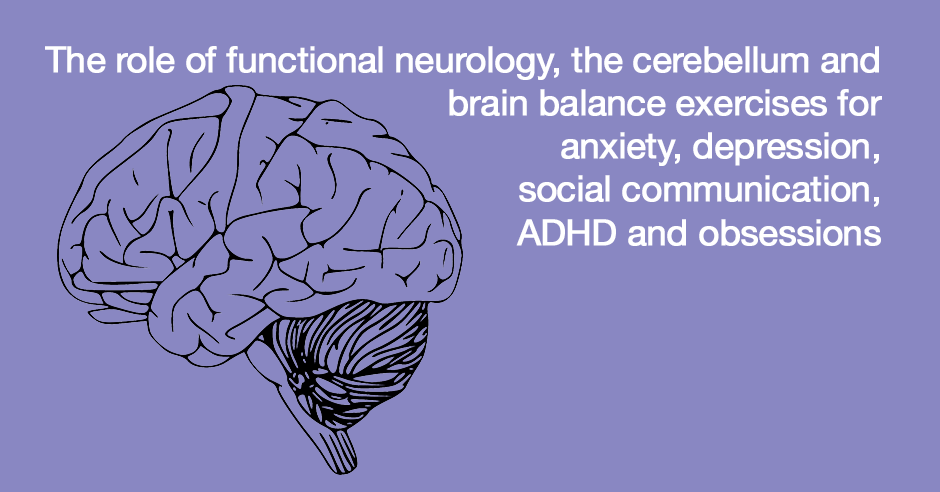
The role of functional neurology, the cerebellum and brain balance exercises for anxiety, depression, social communication, ADHD and obsessions

June 20, 2018 By Trudy Scott 29 Comments

Here are some snippets from a fascinating interview sharing cutting edge information on functional neurology and the cerebellum on the Autism, ADHD and Sensory Processing Disorder Summit.

Dr. Peter Scire, DC covers: How to Induce Neuroplastic Change in Your Teenager and Make it Fun. He shares how brain hemisphere imbalances and misfiring can be assessed and corrected with very specific exercises to induce neuroplastic change (in both children and even adults). 

I want to bring attention to, really what Schmahmann calls the cerebellum cognitive affective syndrome, so CCAS. It’s been in the literature now for 20 years. And now he’s developed a way to actually do a checklist and to look at these different aspects. But ultimately what he’s saying is that the cerebellum networks have huge relationships to your cognition of executive functions: like working memory, linguistics (your ability to generate language and to actually comprehend language), your affect, so your mood and your emotional stability. Being able to not only generate emotions, but also be able to receive emotions.

These are things that we thought for a long time were at the higher center of the brain, more of the frontal lobe specifically….. But again, the more that we’re looking at the neuro anatomy through neuroimaging, we’re able to really say, guess what? There are certain pockets of the cerebellum that specifically drive these networks.

He talks about the 3 major parts of the cerebellum, 10 subparts and how 5 of these subparts actually deal with non-motor aspects (i.e. mood and emotions, ADHD etc.). It’s this latter aspect – the non-moto aspects – that is not recognized in mainstream neurology and that forms the some of the central aspects of functional neurology: 

What we know about the cerebellum is that we have three major parts to it, and then there’s actually like 10 sub parts to it. And these 10 sub parts to it have different connections and when you look at the 10 sub parts, the first 5 have to do with more sensory motor aspects of the cerebellum. And then really the other 10 or so, give or take, are really dealing with non-motor aspects.

We have areas from the cortex that speak back to the cerebellum. We call them cerebral cerebellum loops. And then we have cerebellum back to the cerebrum. It kind of makes this bio directional system. Now it’s a little bit more complicated than that. There are other parts of the motor center, the basal ganglia and these other parts in the limbic system and stuff like that. But from a simple standpoint, for most of our attendees that understand brain gut access, just think about it in that sense. Cerebellum … brain, cerebellum, cerebellum back to the brain, okay?

And so we can have dysfunction in those systems. But again, most of the clinical model has always been looking at brain to cerebellum, not cerebellum back to the brain. And I think in my experience over the last 15 plus years, most of the work in functional neurology has actually been centered around, even chiropractic per se has been centered around cerebellum to brain, but we now are even getting more specific with our therapeutic entities.

Dr. Scire discusses the under-recognized relationships between the cerebellum networks and ADHD, social communication, mood, and emotional aspects, relationships, obsessions, compulsions, anxiety and depression: 

Again, when you look at the different phases of his work, you want to look at executive function – the whole ADHD population. You look at the linguistic processing. Obviously, we know language and social communication for autism spectrum disorders. Looking at spatial cognition so visual spatial information, visual memory aspects. Then you can begin to look at not only mood, and emotional aspects, but also relationships, obsessions, compulsions, anxiety and depression.

All this continuum of symptomatology can be traced back to the cerebellum. I agree with Doctor Melillo on this hemisphere communication model. But at the same time, in my opinion, I think that we can take it one step further and even get into the specifics of starting with these networks in the cerebellum. It starts out with this very specific examination to say okay, I want to look at motor functions of the cerebellum and I also want to look at non-motor functions of the cerebellum. And then my therapeutic entity is going to be based on that.

Dr. Scire shares the research published by Dr. Schmahmann. In this paper, The neuropsychiatry of the cerebellum – insights from the clinic they discuss the behaviors that they witnessed and that were described by patients and families:

distractibility and hyperactivity, impulsiveness, disinhibition, anxiety, ritualistic and stereotypical behaviors, illogical thought and lack of empathy, as well as aggression and irritability. Ruminative and obsessive behaviors, dysphoria and depression, tactile defensiveness and sensory overload, apathy, childlike behavior, and inability to appreciate social boundaries and assign ulterior motives were also evident.

He also recommends Dr. Robert Melillo’s book: Disconnected Kids: The Groundbreaking Brain Balance Program for Children with Autism, ADHD, Dyslexia, and Other Neurological Disorders (my Amazon link). I’ve skimmed it and will be doing a review –the functional neurology information is brilliant. I’d love to see the dietary information expanded upon.

In this interview you will learn…

  • What the latest research says about the role of the cerebellum in cognition and motor planning [and the role it also plays in anxiety, depression and ADHD]
  • What to look for when assessing cerebellar function.
  • How the cerebellum impacts executive function.
  • How to rehabilitate the brain and the importance of movement.
  • How to treat young adults with neurological disorders.
  • How what may seem to be “simple” exercises you can do at home with your child can have a major impact on their cognitive function.

I learned so much from his interview and will be delving into this aspect of functional neurology in order to add this element for clients who need this support beyond nutrition and functional medicine.

If you’re new to my work and the targeted individual amino acids be sure to catch my interview: Self-care strategies for parents that are stressed out, anxious and depressed – without using medications.

Using the targeted individual amino acids (such as tryptophan, GABA and DPA) provides quick relief from anxiety and overwhelm, giving my clients hope from day one.  And then we start to dig deeper for other root causes which can often take some time.

In this interview my focus was for stress and overwhelm support for parents but the use of amino acids is very applicable to children (and was the topic I covered in my interview in the first season).

As I learn more I expect to find that the amino acids used in conjunction with functional neurology is going to provide more comprehensive results for many individuals who also have cerebellum dysfunctions.

This event brings together 30+ of the leading doctors, nutritionists, and researchers working to help parents by sharing the latest information and strategies for achieving recovery for children with Autism, ADHD and Sensory Processing Disorder.

If you have (or a loved one has) anxiety, depression, OCD,  social anxiety, anger issues and other behavioral symptoms this event is one I highly recommend. Alzheimer’s disease, dementia and Parkinson’s disease are also covered in Dr. Scire’s interview.  This information has a wider application than autism, Asperger’s syndrome, ADHD and SPD and you will learn a great deal.

If you’ve benefited from functional neurology and these brain balancing exercises please do share in the comments. Feel free to post questions too.

Filed Under: Amino Acids, Anxiety, Autism, Children/Teens, Functional neurology, OCD, Teens Tagged With: ADHD, amino acids, anxiety, cerebellum, Dr Scire, Functional neurology, obsessions, OCD, social anxiety

Associations between Parental Anxiety/Depression and Child Behavior Problems

June 10, 2018 By Trudy Scott 2 Comments

In my interview on the Autism, ADHD and Sensory Processing Disorder Summit (June 11 to June 20, 2018) I discuss Self-care strategies for parents that are stressed out, anxious and depressed – without using medications.

You may think “why do I need research to show what I already feel and know?” but I can share that many of the moms I’ve worked find this validating and almost a relief to know they are not alone in this.

The paper, Associations between Parental Anxiety/Depression and Child Behavior Problems Related to Autism Spectrum Disorders: The Roles of Parenting Stress and Parenting Self-Efficacy reports that

Parents of children with autism spectrum disorders (ASDs) have been shown to experience increases in stress, depression, and anxiety, which are also associated with child behavior problems related to ASDs.

The paper lists some reasons for the increased parental stress, anxiety and depression:

  1. First and foremost, the realization that there is no cure for the disorder may serve to increase parenting stress.
  2. Aspects of the child’s behavior, specifically socially inappropriate and aggressive behaviors typically associated with ASD, have been found to be associated with increases in parenting stress… due to a lack of understanding of ASD
  3. Additionally, raising a child with ASD typically involves allocating extra time to meet the needs of the children.

This event addresses all of the above and more by providing you with insights and tools on how to recover your child using a biomedical and nutritional approach together with traditional behavioral models (#1 addressed). This event also helps you understand what some of the underlying causes of socially inappropriate and aggressive behaviors may be – like pyroluria and low serotonin and gluten issues (#2 addressed). And finally, the planning resources that Tara offers via her coaching program help you manage your time while you’re figuring all this out (#3 addressed).

And as an added bonus you get my nutritional advice to help make you more resilient and better able to handle the stress and worry that comes with parenting a cild with ASD or other developmental disorder.

As always, I share about the amazing amino acids that provide anxiety-relief and end the overwhelm, spinning mind, second guessing from day one while you’re figuring everything else out.

In my interview (which airs on day 1), I share:

  • How amino acids can provide instantaneous relief to symptoms of anxiety
  • Low serotonin anxiety, what are the symptoms, and what nutrients can help
  • Low GABA anxiety, how to identify and how to help
  • How to trial amino acids to see if they can help you (and your child)
  • How caring for a child with a neurodevelopmental disorder can be equivalent to combat and result in a form of PTSD
  • B vitamins and adaptogenic herbs for PTSD nutritional support
  • The benefits of a ketogenic diet for caregivers and our children
  • How collagen can actually make anxiety, depression and insomnia worse.
  • EMFs role in our health and how they are contributing to our stress.

This event brings together 30+ of the leading doctors, nutritionists, and researchers working to help parents by sharing the latest information and strategies for achieving recovery for children with Autism, ADHD and Sensory Processing Disorder.

Having a child with Autism, ADHD or Sensory Processing Disorder is challenging. Figuring out what to do to help them is just as challenging. Join us for 10 days of eye-opening information into the root causes of your child’s neurological dysfunction. Imagine learning about what may have caused their symptoms and how to address them with nutrition and biomedical approaches and leverage the power of positive neuroplasticity to improve function, health, and their lives.

Anxiety, stress, depression and PTSD-like symptoms are common in any caregiver situation, so even if you don’t have a child with a neurological disorder, this may be of interest to you if you are taking care of an older parent, a sibling, a spouse or expect to in the near future.

Register for the summit here

Hope to see you there.

Filed Under: Autism, Children/Teens, Events Tagged With: ADHD, amino acids, autism, PTSD, Self-care, spd

OCD, anxiety, PANDAS and PANS: Dr Brandon Brock

June 18, 2017 By Trudy Scott 6 Comments

This is a quick reminder that The Autism, ADHD and Sensory Processing Disorder Summit starts tomorrow.

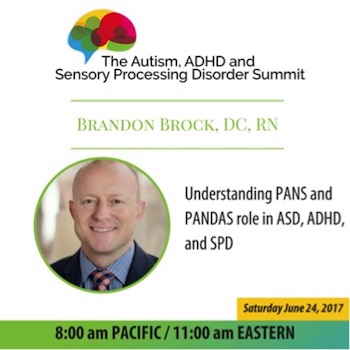
I really enjoyed Dr. Brandon Brock’s interview, Understanding PANS and PANDAS role in ASD, ADHD and SPD, and it is particularly relevant for anxiety and OCD. During the interview he describes what he often finds with these children with PANS (Pediatric Acute-onset Neuropsychiatric Syndrome) and PANDAS (Pediatric Autoimmune Neuropsychiatric Disorders Associated with Streptococcal Infections):

A lot of times the child may come in having nightmares or they just start bed wetting or they’re having fears or a little bit of irritability and they get blamed on all kinds of things. You know they get blamed on maybe a sketchy home environment that’s really not that sketchy, or maybe they just say it’s normal for a child to go through this, or maybe they’re just starting to hit puberty so they’re getting more aggressive. In other words there’s always a reason other than looking at the brain physiology. Why is it changing? Is the brain physiology changing because maybe there is an environmental factor? You know maybe there is some abuse or something. And that does happen.

But on a bigger scale maybe they had some sort of infectious disease, or maybe they had a toxin that got into their body, and it made their immune system react, and it started giving them symptoms like abnormal movements, ticks, especially in the face, lip smacking, hair twirling.

He talks about how these immune reactions to the brain and basal ganglia cause symptoms:

So when you have an immune response against the basal ganglia it’s kind of like pushing the play button over and over and over again. So now we see things like obsessive compulsive disorder, we see tics, we see choreiform movements [repetitive and rapid, jerky, involuntary movement that appears to be well-coordinated], we see nightmares and bizarre thoughts, or the kid does something that we call a perseveration. It is the repetition of a particular response (such as a word, phrase, or gesture), so they say something over and over and over. So there’s a fine line between a kid being a kid and then a kid having something like PANDAS. And really what we call that is auto-immune encephalitis, which just means inflammation of the brain. So the kid’s brain really is kind of like, if you want to say it metaphorically, on fire.

Dr. Brock talks about the 2 strep tests or anti-streptococcal antibody titers that are commercially available and determines whether the child has had a previous strep infection:

  • Antistrepolysin O (ASO) titer,* which rises 3-6 weeks after a strep infection, and
  • Antistreptococcal DNAse B (AntiDNAse-B) titer, which rises 6-8 weeks after a strep infection.]

In addition to the many other labs tests they do, he goes on to discuss another whole set of antibodies that can become positive down the road:

Dopamine antibodies, calcium calmodulin mechanisms, and then all of the intra-cellular structures, like the tubulin structures, the alpha and beta tubulin structures, the micro-tubulin structures, and even the cell wall. So we have an antibody panel that really says it’s either the structure, it’s either the receptor, or it’s the actual pumping mechanism that makes dopamine.

He didn’t mention this but it’s the Cunningham Panel done by Moleculera Labs

Dr. Brock goes on to talk about functional neurology, diet, how to find a good practitioner and much more. It’s a great interview!

The Autism, ADHD and Sensory Processing Disorder Summit, hosted by Tara Hunkin, NTP, runs from June 19-28, 2017.

It will be 10 days of eye opening information into the root causes of your child’s neurological dysfunction. Imagine learning about what may have caused their symptoms and how to address them with nutrition and biomedical approaches and leverage the power of positive neuroplasticity to improve function, health and their lives.

As I mentioned in the prior summit announcement many of the interviews on this summit may be applicable for you even if you don’t have a child with a sensory processing disorder, ADHD and/or autism – many of my clients with anxiety often benefit from the biomedical support that many of these speakers are addressing. Simply replace sensory processing disorder, ADHD and/or autism with anxiety and listen and learn.

And if you’re new to my work, do also tune into my interview: Anxiety’s Role in ASD, ADHD and SPD and how nutrient therapy can help.

Here are a few other speakers and their interesting topics (and I can’t wait to hear them all):

  • David Perlmutter, MD: The role of the microbiome in neurological health.
  • Alex Doman: Using music to heal your child’s brain
  • Derrick MacFabe, MD: The role of propionic acid in the multi-system challenges found in ASD.
  • Sonia McGowin, DC: How to know if biomedical intervention is right for your child.

You can register for The Autism, ADHD and Sensory Processing Disorder Summit here

Filed Under: Autism Tagged With: ADHD, anxiety, autism, Brandon Brock, OCD, PANDAS, PANS, Sensory Processing Disorder, strep, Tara Hunkin

  • « Go to Previous Page
  • Page 1
  • Page 2
  • Page 3
  • Page 4
  • Go to Next Page »

Primary Sidebar

GABA QuickStart Homestudy

gaba quickstart homestudy

Free Report

9 Great Questions Women Ask about Food, Mood and their Health

You'll also receive a complimentary subscription to my ezine "Food, Mood and Gal Stuff"


Connect with me

Popular Posts

  • Amino Acids Mood Questionnaire from The Antianxiety Food Solution
  • The Antianxiety Food Solution Amino Acid and Pyroluria Supplements
  • Pyroluria Questionnaire from The Antianxiety Food Solution
  • Collagen and gelatin lower serotonin: does this increase your anxiety and depression?
  • Tryptophan for the worry-in-your-head and ruminating type of anxiety
  • GABA for the physical-tension and stiff-and-tense-muscles type of anxiety
  • The Antianxiety Food Solution by Trudy Scott
  • Seriphos Original Formula is back: the best product for anxiety and insomnia caused by high cortisol
  • Am I an anxious introvert because of low zinc and vitamin B6? My response to Huffington Post blog
  • Vagus nerve rehab with GABA, breathing, humming, gargling and key nutrients

Recent Posts

  • Her cravings for chips and peanut butter were triggered by stress: GABA ends cravings and reduces physical tension and fear of heights
  • It is truly miraculous to be able to move through life without crippling anxiety and panic
  • GABA and tryptophan combo provide immediate and noticeable relief for tremors and cervical dystonia in just 7 days
  • Red light therapy for back and neck pain, plantar fasciitis and low mood – a complement to the amino acids GABA, DPA and tryptophan
  • What do I use instead of Seriphos to help lower high cortisol that is affecting my sleep and making me anxious at night?

Categories

  • 5-HTP
  • AB575
  • Addiction
  • ADHD
  • Adrenals
  • Alcohol
  • Allergies
  • Alzheimer's disease
  • Amino Acids
  • Anger
  • Antianxiety
  • Antianxiety Food Solution
  • Antidepressants
  • Anxiety
  • Anxiety and panic
  • Autism
  • Autoimmunity
  • benzodiazapines
  • Bipolar disorder
  • Books
  • Caffeine
  • Cancer
  • Candida
  • Children/Teens
  • Collagen
  • Cooking equipment
  • Coronavirus/COVID-19
  • Cravings
  • Depression
  • Detoxification
  • Diabetes
  • Diet
  • DPA/DLPA
  • Drugs
  • EFT/Tapping
  • EMF
  • EMFs
  • Emotional Eating
  • Endorphins
  • Environment
  • Essential oils
  • Events
  • Exercise
  • Fear
  • Fear of public speaking
  • Fertility and Pregnancy
  • Fish
  • Food
  • Food and mood
  • Functional neurology
  • GABA
  • Gene polymorphisms
  • General Health
  • Giving
  • Giving back
  • Glutamine
  • Gluten
  • GMOs
  • Gratitude
  • Gut health
  • Heart health/hypertension
  • Histamine
  • Hormone
  • Hyperparathyroidism
  • Hypoglycemia
  • Immune system
  • Inflammation
  • Insomnia
  • Inspiration
  • Introversion
  • Joy and happiness
  • Ketogenic diet
  • Lithium orotate
  • Looking awesome
  • Lyme disease and co-infections
  • MCAS/histamine
  • Medication
  • Men's health
  • Mental health
  • Mercury
  • Migraine
  • Mold
  • Movie
  • MTHFR
  • Multiple sclerosis
  • Music
  • NANP
  • Nature
  • Nutritional Psychiatry
  • OCD
  • Osteoporosis
  • Oxalates
  • Oxytocin
  • Pain
  • Paleo
  • Parasites
  • Parkinson’s disease
  • PCOS
  • People
  • PMS
  • Postpartum
  • PTSD/Trauma
  • Pyroluria
  • Questionnaires
  • Real whole food
  • Recipes
  • Research
  • Schizophrenia
  • serotonin
  • SIBO
  • Sleep
  • Special diets
  • Sports nutrition
  • Stress
  • Sugar addiction
  • Sugar and mood
  • Supplements
  • Teens
  • Testimonials
  • Testing
  • The Anxiety Summit
  • The Anxiety Summit 2
  • The Anxiety Summit 3
  • The Anxiety Summit 4
  • The Anxiety Summit 5
  • The Anxiety Summit 6
  • Thyroid
  • Thyroid health
  • Toxins
  • Tryptophan
  • Tyrosine
  • Uncategorized
  • Vegan/vegetarian
  • Women's health
  • Yoga

Archives

  • May 2026
  • April 2026
  • October 2025
  • September 2025
  • August 2025
  • July 2025
  • June 2025
  • May 2025
  • April 2025
  • March 2025
  • February 2025
  • January 2025
  • November 2024
  • October 2024
  • September 2024
  • August 2024
  • July 2024
  • June 2024
  • May 2024
  • April 2024
  • March 2024
  • February 2024
  • January 2024
  • December 2023
  • November 2023
  • October 2023
  • September 2023
  • August 2023
  • July 2023
  • June 2023
  • May 2023
  • April 2023
  • March 2023
  • February 2023
  • January 2023
  • December 2022
  • November 2022
  • October 2022
  • September 2022
  • August 2022
  • July 2022
  • June 2022
  • May 2022
  • April 2022
  • March 2022
  • February 2022
  • January 2022
  • December 2021
  • November 2021
  • October 2021
  • September 2021
  • August 2021
  • July 2021
  • June 2021
  • May 2021
  • April 2021
  • March 2021
  • February 2021
  • January 2021
  • December 2020
  • November 2020
  • October 2020
  • September 2020
  • August 2020
  • July 2020
  • June 2020
  • May 2020
  • April 2020
  • March 2020
  • February 2020
  • January 2020
  • December 2019
  • November 2019
  • October 2019
  • September 2019
  • August 2019
  • July 2019
  • June 2019
  • May 2019
  • April 2019
  • March 2019
  • February 2019
  • January 2019
  • December 2018
  • November 2018
  • October 2018
  • September 2018
  • August 2018
  • July 2018
  • June 2018
  • May 2018
  • April 2018
  • March 2018
  • February 2018
  • January 2018
  • December 2017
  • November 2017
  • October 2017
  • September 2017
  • August 2017
  • July 2017
  • June 2017
  • May 2017
  • April 2017
  • March 2017
  • February 2017
  • January 2017
  • December 2016
  • November 2016
  • October 2016
  • September 2016
  • August 2016
  • July 2016
  • June 2016
  • May 2016
  • April 2016
  • March 2016
  • February 2016
  • January 2016
  • December 2015
  • November 2015
  • October 2015
  • September 2015
  • August 2015
  • July 2015
  • June 2015
  • May 2015
  • April 2015
  • March 2015
  • February 2015
  • January 2015
  • December 2014
  • November 2014
  • October 2014
  • September 2014
  • August 2014
  • July 2014
  • June 2014
  • May 2014
  • April 2014
  • March 2014
  • February 2014
  • January 2014
  • December 2013
  • November 2013
  • October 2013
  • September 2013
  • August 2013
  • July 2013
  • June 2013
  • May 2013
  • April 2013
  • March 2013
  • February 2013
  • January 2013
  • December 2012
  • November 2012
  • October 2012
  • August 2012
  • July 2012
  • June 2012
  • May 2012
  • April 2012
  • March 2012
  • February 2012
  • January 2012
  • December 2011
  • November 2011
  • October 2011
  • September 2011
  • August 2011
  • July 2011
  • June 2011
  • May 2011
  • April 2011
  • March 2011
  • February 2011
  • January 2011
  • December 2010
  • October 2010
  • September 2010
  • July 2010
  • May 2010
  • April 2010
  • March 2010
  • February 2010
  • January 2010
  • November 2009

Share the knowledge!

The above statements have not been evaluated by the Food and Drug Administration. Products listed in this website are not intended to diagnose, treat, cure or prevent any disease.

The information provided on this site is for informational and educational purposes only and is not intended as a substitute for advice from your physician or other health care professional. You should consult with a healthcare professional before starting or modifying any diet, exercise, or supplementation program, before taking or stopping any medication, or if you have or suspect you may have a health problem.


Copyright © 2026 Trudy Scott. All Rights Reserved. | Privacy | Terms and Conditions | Refund Policy | Medical Disclaimer

Free Report

9 Great Questions Women Ask about Food, Mood and their Health

You’ll also receive a complimentary subscription to my ezine “Food, Mood and Gal Stuff”