• Skip to primary navigation
  • Skip to main content
  • Skip to primary sidebar

everywomanover29 blog

Food, Mood and Women's Health – Be your healthiest, look and feel great!

  • Blog
  • About
  • Services
  • Store
  • Resources
  • Testimonials
  • The Book
  • Newsletter
  • Contact
  • Search this site

Anxiety

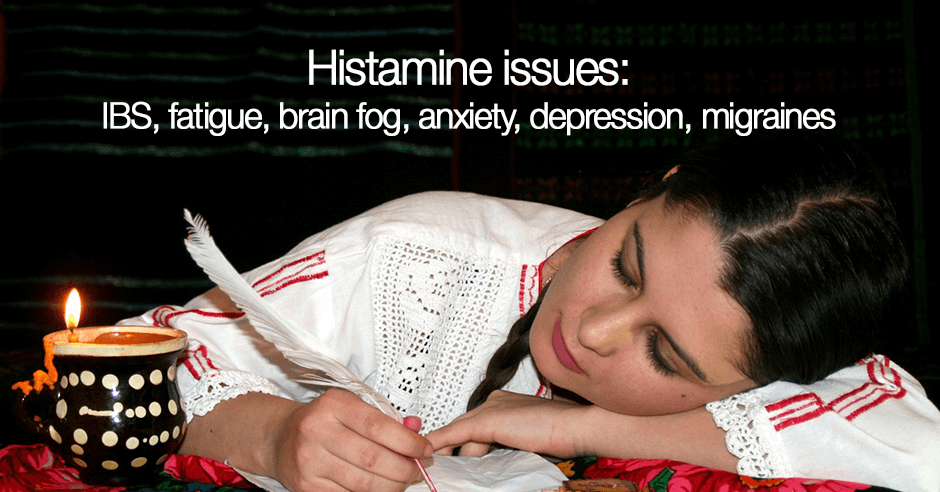
Histamine issues: IBS, fatigue, brain fog, anxiety, depression, migraines

January 11, 2018 By Trudy Scott 10 Comments

Dr. Ben Lynch is hosting the Dirty Genes Summit Jan 22-39 and he shares this about you and your genes:

You are not a victim of circumstance… born with bad genes, destined to die of whatever your family tree has genetically bequeathed you.

The way your genes express is unique – and it can change throughout your life. 

Knowing how to create that change is vitally important and you’ll see how clear this is in his wonderful histamine interview with Yasmina Ykelenstam of Healing Histamine.

I love the bucket analogy where Yasmina shares about histamine and inflammation:

Imagine the body as a giant bucket and there is only so much inflammation you can put into it before our inflammation causing behaviors that you can fill it up with before you spill over symptoms. So let’s say you fill it with a few high histamine foods; then you feel it up with stress; then you fill it up to being exposed to animal hair (dander); then pollen season starts; and woah, we’re right, right, right at the top; and then we eat an apple which is not high histamine, it doesn’t cause inflammation, in fact, it’s anti-inflammatory; and suddenly we spill over because the active digestion itself is an inflammatory process.

We blame the poor little apple and not the hamburger we ate the week ago that started the inflammation bucket filling up. We don’t blame the puppy because we love the doggy so much. We certainly don’t blame our stress because we don’t want to take too hard a look at our lives and how difficult it would be for us to make changes, steps to take real steps to handle our stress and to start meditating or to remove stressful processes from our life because that’s just too much for us to handle

She shares how you can combat some of this by adding foods with

anti-properties: anti-histamine and anti-inflammatory properties…I just stopped eating the wrong high histamine foods, the processed ones, the sugary ones, the ones that added nothing to my life beyond the two seconds in my mouth.

Dr. Lynch asks Yasmina to list symptoms she experienced in this midst of her histamine issues (many of which are commonly seen in individuals with histamine issues)

IBS, which is mostly loose stools or being totally bound up so you can’t go to the bathroom for 8 days and they tend to go back and forth… severe swelling of the stomach – what I call basketball stomach… At my worse, it was projectile vomiting and constant nausea, and constant until it went away… chronic migraines. I once had migraines every day for six months before they went away. Common symptoms include dizziness, brain fog, low blood pressure, feeling dizzy when you stand up… really, inability to think straight is a really, really big one. It’s kind of like somebody almost puts a wet blanket over your brain. It tends to happen after you eat.

She also shares how fatigue after eating is often an issue. And how intolerance to alcohol is a factor, specifically red wine:

Most people do better with tequila, vodka, rum and gin, although alcohol paralyzes the thiamine oxidase, histamine degrading enzyme.

There is also a mental health impact from histamine issues – histamine is a neurotransmitter – and Yasmina shares how this may impact you:

…it affects dopamine, GABA, serotonin, and it can make us depressed. It can also make us manic as I discovered in my teens. It can mimic the symptoms of bipolar disorder and also schizophrenia. There’s been a few interesting studies where certain types of antihistamines that are not available on the market were able to reverse schizophrenia symptoms better than antipsychotic medications.

Anxiety is also a very, very big histamine symptom and whenever I see somebody who has a histamine problem, they do tend to be quite stressed out and kind of the chicken or the egg, which came first. But definitely histamine causes more stress and anxiety and that again is in the medical research.

This statement about symptoms rotating was new to me and may be new to you too:

It has to be consistent and then it goes away and then it comes back again. That’s what’s really confusing about histamine because: 1. It mimics many disorders, and 2. The symptoms rotate

All in all, this is a fascinating interview and well worth listening to!

Join the summit and you will learn that your genes can be turned off or on and this event will teach:

  • How Do Your Genes Impact You?
  • How to Clean Your Genes With Food
  • About Your Genes and Your Mental Health
  • How to Alter Your Genetic Expression
  • The Building Blocks of Healthy Families (and generations!)
  • An Understanding of How Your Genes Work
  • Genetic Testing and How to Clean Up Your Genes for the Long Term

Register for the Dirty Genes Summit here – to hear this entire interview and learn from Dr. Ben Lynch and the other experts he interviews.

Hope you can join!
Filed Under: Anxiety, Events, Histamine Tagged With: anxiety, Ben Lynch, dirty genes summit, histamine, IBS, Yasmina Ykelenstam

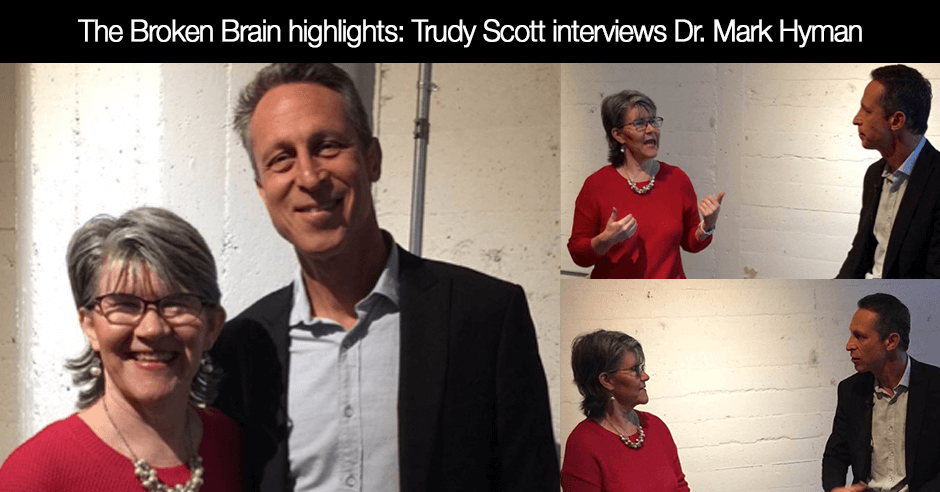
The Broken Brain highlights: Trudy Scott interviews Dr. Mark Hyman

January 3, 2018 By Trudy Scott 6 Comments

I’m really excited to share my in-person video interview with Dr. Mark Hyman, MD. It’s an interview I arranged because I’m so excited about his Broken Brain docu-series which will start airing on January 17th. You may have seen it when they recently did a test launch but if you haven’t yet seen the series it is well-worth watching and is highly recommended! (Registration link here)

In this interview with Dr. Hyman we talk about root causes of anxiety, depression, dementia, Alzheimer’s disease and ADHD: medication side-effects, diet, the microbiome, nutritional deficiencies, brain chemical imbalances, heavy metal toxicities and more; he shares his personal mercury toxicity story and the why behind the Broken Brain series; we cover off-label medications, trauma, labels and functional medicine.

I love the term he uses to describe body-mind medicine (which is different from mind-body medicine): somatopsychic = mental symptoms caused by bodily illness i.e. all of the above root causes.

One of the big reasons I’m supporting The Broken Brain docu-sersies is that it offers solutions and plenty of hope!

Here is the interview and transcript.

(there are captions on the video – if you don’t see them be sure to click the CC on the bottom right)

Trudy: – Welcome, it’s Trudy Scott here, food mood expert, certified nutritionist, author of The Antianxiety Food Solution, host of The Anxiety Summit, and today I’ve got the pleasure of interviewing Dr. Mark Hyman, who is the creator and host of the new Broken Brain series, and I’m just really excited to be here. I’ve been such a fan of yours for so many years. I know my community knows who you are, and they’re really excited about the Broken Brain series. I wanted to get together with you, and give some highlights, and talk about firstly why you created the Broken Brain series, and you’ve got a story behind your passion about it.

Dr. Mark Hyman: – I do. I do. Thank you for having me. Yeah, so about 20 years ago, I went from being a very healthy young doctor to having a broken brain, and a broken body, and it turned out it was from mercury poisoning that I got when I was in China, and I just developed severe chronic fatigue, where I couldn’t focus, I couldn’t remember, I couldn’t think, I couldn’t pay attention, I was depressed, I couldn’t sleep, I felt just completely not myself, and through that journey, was able to discover this world of functional medicine, which I thought was fairly developed at the time, but was really just in its infancy, and through discovering functional medicine, I was able to repair my own system, and fix my broken brain. I began to apply this with patients, seeing all kinds of things, without really knowing what I was doing, I was just treating people’s physical systems, fixing their gut, helping their immune system, cleaning up their diet, optimizing their nutritional status, balancing their hormones, and all their mental problems would get better. Their anxiety would get better, their depression would get better, and I wasn’t actually treating the depression or anxiety. Autism, ADD, memory issues, dementia, all these things would start to get better, and I began to realize that the body was driving a lot of this brain dysfunction, and that if you fix the body, a lot of the brain disorders would get better, that it wasn’t a primarily a mental problem, but it was a physical problem. Just as there’s a mind body effect, which is real, there’s also a body mind effect and that hadn’t been really talked about, so I wrote a book called The UltraMind Solution 10 years ago, which outlined this model, and then really this has been an incredible 10 years of brain research that I felt needed updating, and so we created a documentary series online looking at the new research, and how this applies, and the things that I noticed 10, 15, 20 years ago are now becoming more and more accepted and understood as real, and so we’re able to actually work with people in a very specific and direct way to help heal their broken brains, and to help people recover from things that we thought were really irreversible, not just anxiety, depression, but ADD, autism, dementia, Parkinson’s, all sort of issues that affect the brain that have a very different approach that can be used to repair and heal.

Trudy: – That’s so powerful, and I love that you talk about this effect that the body has on the brain, because we know about mind body medicine, you talk about that in the series, about how we can use our mind to affect our health, but you use this term. Tell me what the term is that you use that talks about how physical issues in our body, nutritional deficiencies, imbalances, can actually affect the brain.

Dr. Mark Hyman: – You mean the body mind effect?

Trudy: – Yes.

Dr. Mark Hyman – Yeah.

Trudy: – You’ve give it a term, and it was called?

Dr. Mark Hyman: – Oh, somatopsychic.

Trudy: – Somatopsychic, yes.

Dr. Mark Hyman: – We think of psychosomatic, but there’s also a somatopsychic phenomena. I would say if you have mercury poisoning, or you have a thyroid problem, or you have abnormal gut flora, or you’re vitamin D deficient, or B12 deficient, it’s very hard to have a proper functioning brain. You can’t just say someone’s got depression, that’s what’s causing their hopelessness, and helplessness, and sadness, and maybe many other things, it could be psychological, it could be a trauma, but it also could be so many other factors, and they often are overlooked and ignored, and when I start peeling back the layers of what’s happening with these people, and looking underneath the hood, and looking through the functional medicine lens at the body as a system, and correcting the imbalances, it’s shocking to me what happens. I always remember when I start applying this, I was like, wow, you got better? I can’t believe it. You shouldn’t really get better, according to Western medicine.

Trudy: – Amazing, and you mention trauma. Even if someone has experienced trauma, if their nutritional status is good, they’re able to deal with it better.

Dr. Mark Hyman: – Right.

Trudy: – And maybe have less symptoms of post-traumatic stress.

Dr. Mark Hyman: – That’s right.

Trudy: – If they have a good nutritional status, and there’s a lot of good research supporting that.

Dr. Mark Hyman: – Absolutely.

Trudy: – You talk about that in the series as well.

Dr. Mark Hyman: – Yeah, absolutely. Your brain has the ability to be resilient, but if you’re nutritionally depleted, and if you’re having all sorts of inflammatory problems, if you’re eating foods you’re reacting to, or allergic to, your brain can’t work properly, so your baseline is going be much lower, but if you fix all those things, then your capacity to deal with your psychological issues, it’s not that they don’t exist, it’s that your ability to cope with them, to work through them, to heal and repair the more difficult things, which are early life traumas, or abuse, or addiction, these are much easier to deal with once you fix the basic constitution of the person.

Trudy: – Right. Now one thing that you talk about a lot in the Broken Brain series, which I really appreciate, is the fact that there’s so much over-medication.

Dr. Mark Hyman: – Yeah.

Trudy: – Can you talk a little about it today? And I know with your story, you also had anxiety, depression, and you were prescribed medications as well.

Dr. Mark Hyman: – Yeah.

Trudy: – So this is common.

Dr. Mark Hyman: – Yeah.

Trudy: – You talk about antipsychotics. You shared some pretty scary stats on the increase that we see.

Dr. Mark Hyman: – When you look at it, it kind of goes up and down, but psychiatric medication as a whole, is the number two or three most prescribed category of drugs in America, and increasing across the globe, and it’s being used instead of dealing with the real issues, and they don’t really even work that well. I mean, anxiety medications can work, but antidepressants have been shown really not to work that well for mild to moderate depression. For severe depression, they can be helpful, and they can be life saving for some people, but they’re not a panacea, and when I was a kid, there was that one kid in the class, Patty Ainsworth, who was a troublemaker. Now it’s like 10% of the class is on ADD medication. That’s a problem.

Trudy: – It is.

Dr. Mark Hyman: – And when we see one in four people have depression in their lifetime, and if the knee jerk reaction is medication, it just sort of gives people a sense of numbness, but it doesn’t really deal with the issue. So I think we are way over-medicated, and on top of that, there’s pushing of medications for off-label use, which means that they’re not approved for those indications. So they’re doing this for kids with antipsychotics, and they’re actually been sued. So the pharma companies have been held liable for promoting these drugs for off-label uses, which they’re not allowed to do, for kids. They get fined billions of dollars, but they don’t care because they’ve made umpteen more billions, and they just see it as a marketing expense. So it’s really discouraging to see what happens to the pharmaceutical use in this space, because even for example, ADD is so fixable by dealing with the root causes, and most of us not are not even trained how to think that way.

Trudy: – That’s why I love the Broken Brian series, because it offers a message of hope, offers some practical solutions, and it empowers the person who’s suffering from the brain disorder, whatever it is, anxiety, depression, dementia, you name it, empowers them with solutions, and I think the other thing is it’s going to give curious practitioners who are not on board with this functional medicine approach some insights into what the future may hold, which I think is very promising.

Dr. Mark Hyman: – Yeah. It’s very powerful. I remember this guy who read my book, The UltraMind Solution, which is really what the Broken Brain series is based on, and he was a doctor, and he had a kid with autism, and he said, “We’re so desperate. Our kids was five, he wasn’t talking. We just started with the diet. We just got him off gluten, casein, and a few days later, all of a sudden, he started talking in full sentences,” and this is a skeptical physician who witnessed this, and I see this all the time. Patients, for example, have Alzheimer’s, or dementia, or diagnosed with dementia, and it turns out they have other issues. They have heavy metal poisoning, or they might have Lyme disease in the brain, or they might have severe nutritional deficiencies, or they might be insulin resistant with high levels of sugar in their diet that are affecting their brain, and you can fix those things. There may still be issues left over, but it’s going to be much easier to deal with those after.

Trudy: – Get to the root cause, and address those root causes.

Dr. Mark Hyman: – That’s right. That’s the purpose of functional medicine, which is a medicine of why, not what, and we have all these labels, but you know, if someone comes into my office, and they’re hopeless, and helpless, have no interest in life, can’t focus, can’t sleep, don’t want to have sex, I know what’s wrong with you. Depression, but depression isn’t the cause of those symptoms, it’s the name of the symptoms. It doesn’t tell you what’s really wrong with that person. It’s could be a host of things, from low thyroid, to gluten, to mercury poisoning, to vitamin D deficiency, to B12 deficiency, to insulin resistance. All these factors can lead to depression. Same syndrome, but different causes. So I’m much more interested in addressing the causes, then you don’t have to use the medication.

Trudy: – And some people have an issue with gluten, and have autism symptoms, and someone else can have depression or anxiety or dementia.

Dr. Mark Hyman: – That’s right.

Trudy: – So it can affect different people in a different way.

Dr. Mark Hyman: – That’s a very good point. So in functional medicine, we see that one disease can have many causes, but on the other hand, one causative factor can create many diseases. For example, heavy metals may cause dementia, or autism, or depression, or anxiety, or insomnia, or gut issues can cause all these various things that are not one disease, or for example gluten, like you mentioned, can cause autoimmune disease, can cause cancer, can cause diabetes, can cause osteoporosis, can cause anemia, can cause depression, can cause even dementia. So how do you begin to think about it? Our current naming of diseases doesn’t make any sense. So all the labeling, if you look at the diagnostic criteria, we have something called the DSM-5, which is the diagnostic and statistical manual that categorizes and catalogs all the psychiatric disorders, and they’re all categorized by symptoms. So it’s all descriptive. It’s says if you have these five symptoms, you have this, but it doesn’t tell you why, and it doesn’t really help you, other than giving you a label, which doesn’t mean anything about helping you understand what’s really going on.

Trudy: – And then you’re on a medication that’s going to give you side effects, and not actually get to the root cause of the problem.

Dr. Mark Hyman: – Right.

Trudy: – And yeah, just make some nutritional changes, addressing the thyroid, getting off gluten, addressing the gut – big session in the Broken Brain series.

Dr. Mark Hyman: – Yeah, it’s huge.

Trudy: – The gut brain connection.

Dr. Mark Hyman: – I mean, we’re just learning about this. For example, for years one of the main ways I treated the brain was fixing the gut, and that means optimizing the flora, getting rid of bad bugs, helping heal leaky gut, and we just did it, we didn’t really have a deep understanding other than we knew the microbiome was important, but now we know, for example, that there are more bacterial molecules in your blood than your own molecules, that you have 10 times as many bacterial cells in you as your own cells, 100 times as much bacterial DNA, and that DNA is all producing proteins, and all those proteins, you have 20,000 genes, there’s two million genes of bacteria in you, and they’re all producing molecules that are entering your blood stream, and driving all sorts of biological reactions, that aren’t even human molecules. So we have to begin to sort of how do those affect the brain and what’s going on? And it’s very powerful.

Trudy: – And so much research in this area, it’s just growing and growing.

Dr. Mark Hyman: – Yeah.

Trudy: – So you mentioned earlier that you wanted to do this because of all the new research. There is so much research on the gut brain connection, nutritional psychiatry. Dr. Drew Ramsey talks about this recent study on depression, and just getting people onto a real whole foods diet, and how 30% saw remission of symptoms, just changing their diet.

Dr. Mark Hyman: – Of course.

Trudy: – Not even going gluten free. So it’s powerful. These small changes can have powerful effects.

Dr. Mark Hyman: – Profound, profound effects

Trudy: – Well, thank you so much.

Dr. Mark Hyman – Thank you.

Trudy: – For your wonderful work that you do. And for making time today. I highly recommend the Broken Brain series with Dr. Mark Hyman, all the wonderful experts.

Dr. Mark Hyman: – Oh, so many. We’ve got 57 experts.

Trudy: – Amazing, some of our favorite functional medicine practitioners.

Dr. Mark Hyman: – Yeah.

Trudy: – Thank you.

Dr. Mark Hyman: – Thank you.

(I’m a tad disappointed that there is the background noise of people talking – and apologize – but I am hoping the great content overrides this and it’s not too distracting.)

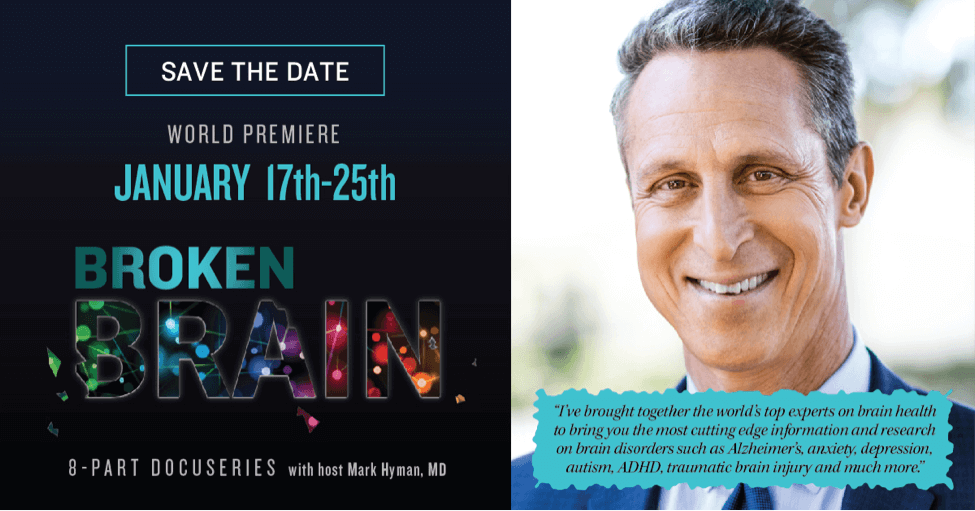
Save the date for the 8 -part Broken Brain docusersies, hosted by Dr. Mark Hyman – and register here. It airs January 17-25th

Here’s a list of ALL the episodes, to showcase just some of what you will have access to. Each episode will be available for 24 hours, at no-cost!

  1. The Broken Brain Epidemic / My Story (January 17)
  2. Gut Brain Connection: Getting to The Root of a Broken Brain (January 18)
  3. Losing Your Mind (Alzheimer’s, Dementia, MS, and More) (January 19)
  4. ADHD and Autism (January 20)
  5. Depression & Anxiety (January 21)
  6. Traumatic Brain Injury: Accidents, Sports, and More (January 22)
  7. 7 Steps to An UltraMind (Part 1) (January 23)
  8. 7 Steps to An UltraMind (Part 2) (January 24)

I hope you enjoy it and get as much out of it as I did!

I actually flew from Sydney to LA for this opportunity to meet and interview him, and share more about the Broken Brain series, and I’m so glad I did! It was the first time I’d met Dr. Hyman in person and it truly was an honor to be in the company of this great man who is doing so much in the functional medicine world! Again, here is that link to register

Please share if any of this resonates with you – what solutions you have found have helped you and/or what you are working on addressing now?

AN UPDATE: there has been some feedback on the term “broken brain” being too negative and even scary so I gathered some feedback and share it in this blog: Is the term ‘broken brain’ hopeful and real or too negative and scary? I really want to hear your thoughts if you are offended by the term broken brain.  I also want to share Dr. Hyman’s apology.

Filed Under: Anxiety, Depression, Events, Gut health, Mental health, Mercury Tagged With: ADHD, alzheimer's, anxiety, broken brain, depression, functional medicine, mark hyman, Trudy Scott

Trudy’s favorites: new books and golden oldies for your reading pleasure and as gift ideas

December 15, 2017 By Trudy Scott 6 Comments

With the holiday’s almost upon us and an opportunity to curl up with a cup of herbal tea and a good book, and also as gifts ideas, here are some of my favorite new books and a few older ones too – mostly related to anxiety, mood and emotional eating/cravings and functional medicine and biochemical imbalances.

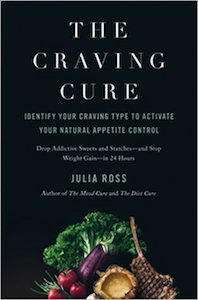
The Craving Cure: Identify Your Craving Type to Activate Your Natural Appetite Control by Julia Ross (Author)

Julia Ross, best-selling author and expert in nutrition and overeating, exposes the real reason so many of us can’t stick to a healthy diet: our favorite foods are engineered to be addictive. At her clinic in California, Julia Ross and her colleagues treat food addiction where it starts – in the brain – by triggering our natural appetite-regulating neurotransmitters with nutrients called amino acids. It turns out that these protein concentrates boost our neurotransmitters, which broadcast sensations of satisfaction that no food, including chocolate, can override. Thousands of Julia Ross’ clients have abolished their cravings for high-calorie confections using this simple nutritional strategy.

With The Craving Cure, Julia Ross grants all of us access to this revolutionary approach. The process begins with a five-part questionnaire that helps you identify your unique craving profile and specifies the amino acid supplements you need to curb your specific cravings. Julia Ross’ clear explanations of why and how to use the aminos empower you to reclaim your natural appetite control, and her anti-craving eating guidelines will permanently strengthen your dietary defenses. A well-researched and clinically-tested rejection of low-calorie, low-saturated fat, and low-protein diets, The Craving Cure reveals how we can effortlessly and permanently eradicate our cravings to lose weight, rediscover our nutritional heritage, and regain optimal mood, energy, and health.

Drop Addictive Sweets and Starches – and Stop Weight Gain – in 24 Hours

Julia is a pioneer in the use of amino acids for cravings and mood and I had the wonderful opportunity of learning from her while working in her clinic for 2 years. It’s thanks to her that I developed my foundational knowledge of amino acids – which I have now expanded on for their powerful effects for anxiety. With this new book, Julia takes a deep dive into using amino acids for the cravings aspect that goes hand-in-hand with anxiety and depression i.e. the emotional eating component.

Get your copy of The Craving Cure on Amazon here (this one just released this week)


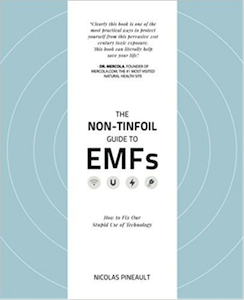
The Non-Tinfoil Guide to EMFs: How to Fix Our Stupid Use of Technology by Nicolas Pineault

Can you really feel years younger & make unexplained symptoms vanish with the click of a button — the “Airplane Mode” on your cell phone?

Investigative Health Journalist Nicolas Pineault used to think this all sounded like something only crazy people wearing tinfoil hats would say.

But the overwhelming amount of independent scientific evidence linking electromagnetic fields (EMFs) from wireless technologies with increased risks of cancer, infertility, insomnia, and depression sure has the uncanny ability to change a man’s mind.

The Non-Tinfoil Guide to EMFs is a simple and unconventional book that will teach you exactly how to reduce your exposure to this brand new 21st-century pollution without going back to the Stone Age.

You will learn:

  • What your smartphone, your wifi router and your microwave oven have in common (page 9)
  • Why policy makers and scientists all worldwide don’t agree about whether EMFs are dangerous or not (page 21)
  • Is Electro-Hypersensitivity as popularized in the TV show “Better Call Saul” real? Or is it all psychological? (page 62)
  • Why carrying a cell phone in your pocket can harm your fertility (201 studies prove it) (page 72)
  • The 1-click fix to reduce cellphone EMFs by 84% (page 142)
  • What is safer? Speakerphone, earbuds or a Bluetooth ear piece? (page 155)
  • The #1 worst source of EMF radiation at home (page 160)
  • Why baby monitors are worse than smartphones, and better alternatives (page 208)

It’s true. The jury is still out about whether cellphone radiation is the new smoking or just a temporary scare. But why take chances?

Instead, read The Non-Tinfoil Guide to EMFs — the technological seat belt you might just need to use your new gadgets safely.

This is the most comprehensive and balanced book I have read on the topic of EMFs. It covers the risks (supported by research) and also offers a myriad of practical solutions. I had the wonderful opportunity to see Nicolas present on this topic earlier this year and he is clearly passionate about getting this message out. I am thrilled he’s now published a book on the subject because I believe EMFs are one of the most under-reported factors when it comes to anxiety and many other chronic health conditions.  

Get your copy of The Non-Tinfoil Guide to EMFs on Amazon here (this is a new book that published in November).


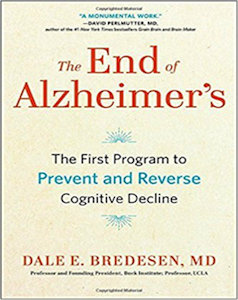
The End of Alzheimer’s – The First Program to Prevent and Reverse Cognitive Decline by Dale Bredesen, MD

A groundbreaking plan to prevent and reverse Alzheimer’s Disease that fundamentally changes how we understand cognitive decline.
 
Everyone knows someone who has survived cancer, but until now no one knows anyone who has survived Alzheimer’s Disease. 
 
In this paradigm shifting book, Dale Bredesen, MD, offers real hope to anyone looking to prevent and even reverse Alzheimer’s Disease and cognitive decline.  Revealing that AD is not one condition, as it is currently treated, but three, The End of Alzheimer’s outlines 36 metabolic factors (micronutrients, hormone levels, sleep) that can trigger “downsizing” in the brain. The protocol shows us how to rebalance these factors using lifestyle modifications like taking B12, eliminating gluten, or improving oral hygiene.
 
The results are impressive. Of the first ten patients on the protocol, nine displayed significant improvement with 3-6 months; since then the protocol has yielded similar results with hundreds more. Now, The End of Alzheimer’s brings new hope to a broad audience of patients, caregivers, physicians, and treatment centers with a fascinating look inside the science and a complete step-by-step plan that fundamentally changes how we treat and even think about AD.

I am familiar with the powerful results of his research and had been waiting in anticipation for the launch of this groundbreaking book.

Here is the Amazon link to the book: The End of Alzheimer’s (this book released in August)


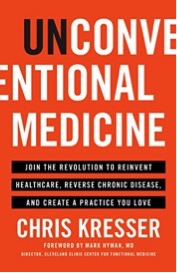
Unconventional Medicine: Join the Revolution to Reinvent Healthcare, Reverse Chronic Disease, and Create a Practice You Love by Chris Kresser

The world is facing the greatest healthcare crisis it has ever seen. Chronic disease is shortening our lifespan, destroying our quality of life, bankrupting governments, and threatening the health of future generations. Sadly, conventional medicine, with its focus on managing symptoms, has failed to address this challenge. The result is burned-out physicians, a sicker population, and a broken healthcare system.

In Unconventional Medicine, Chris Kresser presents a plan to reverse this dangerous trend. He shows how the combination of a genetically aligned diet and lifestyle, functional medicine, and a lean, collaborative practice model can create a system that better serves the needs of both patients and practitioners.

The epidemic of chronic illness can be stopped, if patients and practitioners can adapt.

This is a book that has been written primarily for practitioners but if you are a health enthusiast/health advocate who want to understand functional medicine you will enjoy it too.

I really enjoy the discussion about a collaborative practice model where there is a place for doctors, nutritionists, health coaches, and other allied health practitioners.

The only section in book I don’t agree with is where Chris states that: “Research suggests that depression is not actually caused by low serotonin.” Based on my experience, depression/anxiety is not always caused by low serotonin – it can be one of many causes. I am so vocal about this that I know you would will call me out on it if I don’t mention it!

Get your copy of Unconventional Medicine here on Amazon (newly published last month)


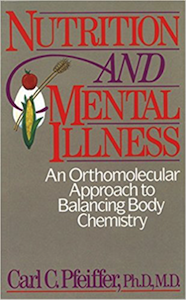
Nutrition and Mental Illness: An Orthomolecular Approach to Balancing Body Chemistry by Carl C. Pfeiffer Ph.D. M.D.

This book is a quick read and is one of my favorite older books on the subject of mental health and biochemical imbalances.

Believing that drugs and psychoanalysis were not always the best course of treatment for a variety of mental illnesses, Dr. Carl Pfeiffer began an extensive program of research into the causes and treatment of mental illness, and in 1973 opened the Brain Bio Center in Princeton, New Jersey. Here, with a team of scientists, he found that many psychological problems can be traced to biochemical imbalances in the body. With these patients, he achieved unprecedented success in treating a wide range of mental problems by adjusting diet and providing specific nutritional supplements for those conditions where deficiences exist. This book documents his approach.

Each year, thousands of people are diagnosed as schizophrenic; many more suffer from depression, anxiety, and phobias.

Dr. Pfeiffer’s methods of treatment presented in Nutrition and Mental Illness are a valuable adjunct to traditional therapies, and can bring hope of real wellness to many of those who suffer.

Get your copy of Nutrition and Mental Illness on Amazon here (this book was published in 1988)


antianxiety food solution

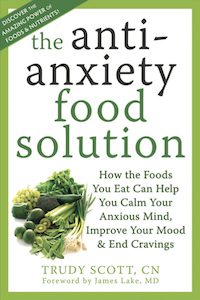
The Antianxiety Food Solution: How the Foods You Eat Can Help You Calm Your Anxious Mind, Improve Your Mood, and End Cravings by Trudy Scott

I’m sharing my book in case you don’t yet have a copy or as a reminder to share it with a loved one or friend if it helped you!

It’s remarkable how much the foods we eat can impact our brain chemistry and emotions. What and when we eat can make the difference between feeling anxious and staying calm and in control. But most of us don’t realize how much our diets influence our moods, thoughts, and feelings until we make a change.

In The Antianxiety Food Solution, you’ll find four unique antianxiety diets designed to help you address nutritional deficiencies that may be at the root of your anxiety and enjoy the many foods that foster increased emotional balance. This helpful guide allows you to choose the best plan for you and incorporates effective anxiety-busting foods and nutrients. You’ll soon be on the path to freeing yourself from anxiety—and enjoying an improved overall mood, better sleep, fewer cravings, and optimal health—the natural way! The book also includes an easy-to-use index.

In The Antianxiety Food Solution, you’ll discover:

  • How to assess your diet for anxiety-causing and anxiety-calming foods and nutrients
  • Foods and nutrients that balance your brain chemistry
  • Which anxiety-triggering foods and drinks you may need to avoid
  • Easy lifestyle changes that reduce anxiety and increase happiness

There are also complete chapters on the amino acids (with questionnaires and protocols for low serotonin/tryptophan, low GABA/GABA, low endorphins/DPA, low blood sugar/glutamine and low catecholamines/tyrosine) and the social anxiety condition called pyroluria (with the questionnaire and protocols for zinc, vitamin B6, GLA and other factors to consider).

Grab your copy of The Antianxiety Food Solution from Amazon here (published in 2011 but still very relevant)

Feel free to share some of the favorite nutritional books you are reading now or are planning to read….

Filed Under: Antianxiety Food Solution, Anxiety, Books, EMFs, Emotional Eating Tagged With: anxiety, cravings, EMFs, functional medicine

Healthy travel food, first aid and avoiding anxiety and motion sickness when flying

November 3, 2017 By Trudy Scott 15 Comments

Updated: June 28, 2024

In today’s blog I share what I eat on a long international flight, plus what “first-aid” goodies I take in my carry-on luggage, how to stay cool, calm and collected when flying and demonstrate my favorite wrist bands for preventing motion sickness.

Even though I order gluten-free meals, I’m sure you’ll agree that the food on planes is pretty horrible and sometimes you can’t even be sure you’ll get your special meal.  One flight we ordered gluten-free only to be told on the plane that they don’t serve gluten-free meals! Fortunately we did a layover in Hawaii and were able to buy a salad and some fruit after a lot of searching but it was not what you’d expect. It was a good thing we did take some snacks with us too but I am now way more prepared when I travel.

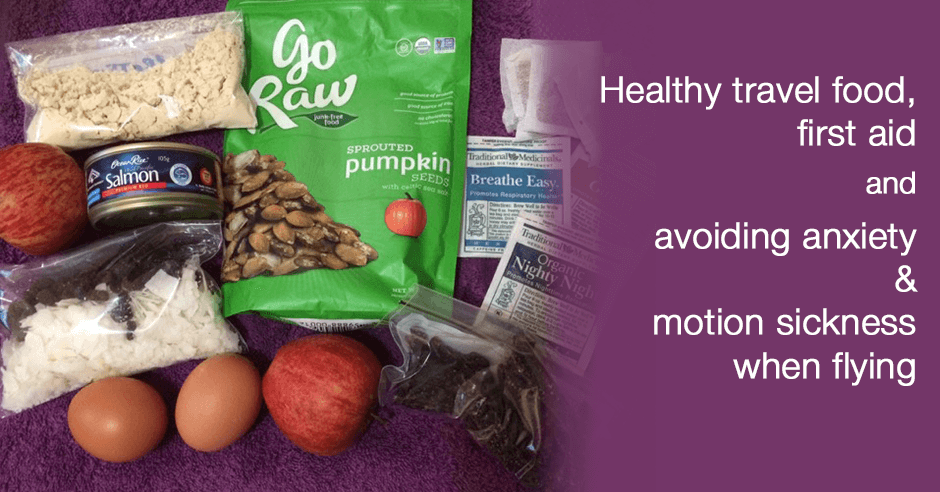
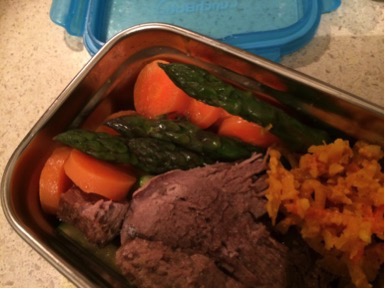
As you can see from the above image, this is the typical travel food (or “padkos” as we call it in South Africa) for a 13-hour flight:

  • 2 organic apples
  • 2 organic boiled eggs and some sea salt
  • Homemade biltong from grass fed beef (a South African version of jerky) made with sea salt, coriander and pepper
  • Coconut flakes and organic raisins
  • Sprouted pumpkin seeds (many nuts and seeds are medium and high oxalate but a few tablespoons of pumpkin seeds are low oxalate – more on oxalates here)
  • A selection of herbal tea bags: ginger (which is great for motion sickness), Nighty night which contains chamomile and is relaxing), Breathe Easy (in case of congestion) and rooibos (great for stress and an excellent source of polyphenols)
  • A can of wild salmon
  • Pea protein powder or whey or beef protein powder (as tolerated)

I also packed a meal of roast lamb with a veggie selection of carrots, zucchini and asparagus, plus some cauliflower sauerkraut. This was really delicious!

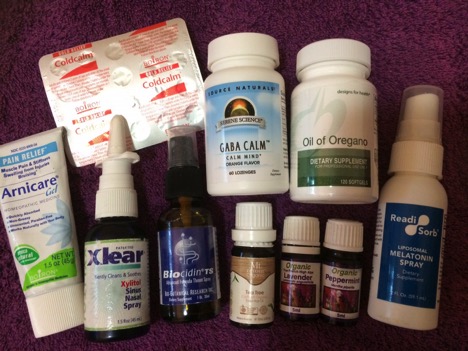
Also, to be safe, I take a selection of “first-aid” products in my carry-on luggage.

Here is some of what I typically pack for “first-aid”:

  • Arnicare which is an arnica gel * (for muscle pain)
  • Xlear nasal spray * and Biocidin throat spray * – I find that using these two products before boarding the plane and half way into the flight prevents me from picking up any bugs and getting sick
  • Tree tree oil *
  • Essential oils of lavender * (for relaxation and sleep) and peppermint * (for energy and a headache). Both are antibacterial too.
  • Melatonin spray * to help reset my circadian rhythm and help with jetlag
  • Designs for Health Oil of Oregano * and garlic supplements (not shown) for bug protection
  • Source Naturals GABA Calm for tension and anxiety. I didn’t use it/need it this trip but after my scary plane ride last year leading to vagus nerve issues, I’ve decided to always have some on hand when flying
  • Boiron Cold Calm, one of my favorite homeopathic cold remedies

I also take a few of each of the following in a supplement box: Designs for Health Inflammatone * (a natural anti-inflammatory), DPP-IV enzymes * (for accidental gluten exposure), activated charcoal * (also for accidental gluten exposure) and my daily supplements.

Note: the products marked with a * above can all be found on my Fullscript supplement store. And tryptophan, mentioned below, is also available on Fullscript.

Here is a video I did for the Healthy Travelers Global summit, an online event that was hosted by my good friend Robyn Benson in 2015 (just ignore the summit promo and enjoy the tips and demonstrations).

I share the following:

  • A quick demonstration using Xlear (notice that I actually miss my nose by mistake!) and Biocidin Throat Spray for avoiding bugs
  • The pressure-point wrist-bands I use for motion sickness (find them on Amazon here). Many people with pyroluria are more prone to morning nausea and may be very prone to motion sickness (and it’s commonly a sign of low vitamin B6). In order to be effective they do need to be put on BEFORE you start to travel and the position is key).
  • I don’t mention it in the video but motion sickness can be a sign of low bile production or poor quality bile. I share more about how I’ve been using ox bile to improve fat digestion and help with oxalate issues here. Hopefully this will help even more with my motion sickness.
  • Amino acids for travel anxiety (GABA for the physical anxiety and tryptophan for the fearful, worrying-about-flying anxiety)
  • Healthy travel snacks

Enjoy the beautiful Rocky Mountains! When I filmed this I was on a trip to St Paul, MN for the National Association of Nutrition Professionals conference and wanted to share just how I travel.

Additional resources when you are new to using amino acids such as GABA or tryptophan as supplements

As always, I use the symptoms questionnaire to figure out if low GABA or low serotonin may be an issue.

When considering them for flying I have clients do a trial before they leave and figure out optimal doses for their unique needs. And then use GABA and/or tryptophan as needed on the flight.

If you suspect low levels of any of the neurotransmitters and do not yet have my book, The Antianxiety Food Solution – How the Foods You Eat Can Help You Calm Your Anxious Mind, Improve Your Mood, and End Cravings, I highly recommend getting it and reading it before jumping in and using amino acids on your own so you are knowledgeable. And be sure to share it with the practitioner/health team you or your loved one is working with.

There is an entire chapter on the amino acids and they are discussed throughout the book in the sections on gut health, gluten, blood sugar control (this is covered in an entire chapter too), sugar cravings, anxiety and mood issues.

The book doesn’t include product names (per the publisher’s request) so this blog, The Antianxiety Food Solution Amino Acid and Pyroluria Supplements, lists the amino acids that I use with my individual clients and those in my group programs.

If, after reading this blog and my book, you don’t feel comfortable figuring things out on your own (i.e. doing the symptoms questionnaire and respective amino acids trials), a good place to get help is the GABA QuickStart Program (if you have low GABA symptoms too). This is a paid online/virtual group program where you get my guidance and community support.

If you are a practitioner, join us in The Balancing Neurotransmitters: the Fundamentals program. This is also a paid online/virtual program with an opportunity to interact with me and other practitioners who are also using the amino acids.

Wrapping up and your feedback

I hope this is all helpful for your next long flight or even a road-trip you have coming up. Do keep in mind that some of this can be adapted for a day out shopping or a day at the beach too.

I’d love to hear about your favorite travel foods and first-aid goodies that you take on a trip.

Feel free to share and ask your questions below.

Filed Under: Anxiety Tagged With: anxiety, anxiety nutrition solutions, depression, DPA, GABA, iPhone, kids, teen, Teen Depression and Anxiety: Why the Kids Are Not Alright, teens, tryptophan

Teen Depression and Anxiety: Why the Kids Are Not Alright – my response

October 27, 2017 By Trudy Scott 10 Comments

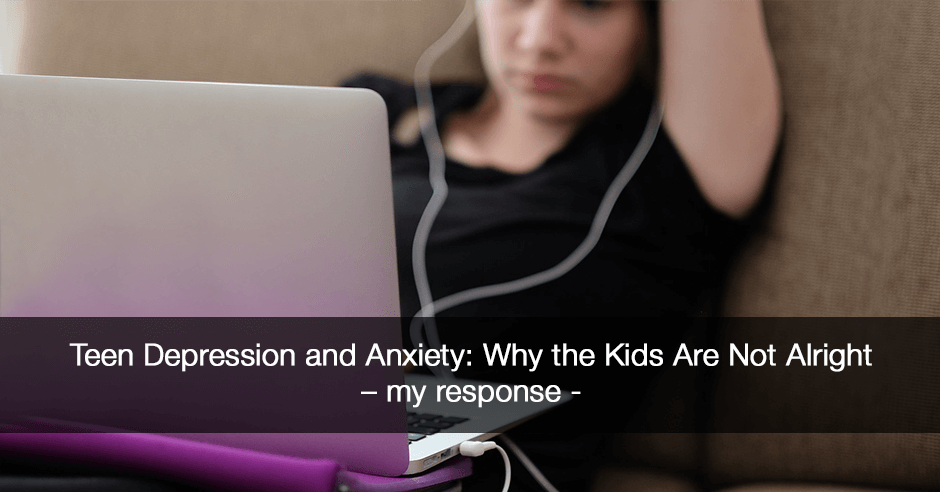
Teens suffer from so much anxiety and their anxiety symptoms are now more of an issue than depression; they are cutting and self-harming as a way to feel normal; they are super-stressed; social media and iPhone use is taking over their lives, and in general, they seem to have poor coping skills.

This article in TIME magazine is a sad and concerning read: Teen Depression and Anxiety: Why the Kids Are Not Alright. It was written last year but is still very relevant. The author writes:

“Adolescents today have a reputation for being more fragile, less resilient and more overwhelmed than their parents were when they were growing up”

It’s an excellent article for creating awareness and to get an understanding of the extent of the issues and does highlight the crazy online world of teens:

It’s hard for many adults to understand how much of teenagers’ emotional life is lived within the small screens on their phones, but a CNN special report in 2015 conducted with researchers at the University of California, Davis, and the University of Texas at Dallas examined the social-media use of more than 200 13-year-olds. Their analysis found that ‘there is no firm line between their real and online worlds.’

Here is my response to the article and how I feel we can do better.

No solutions other than coping mechanisms

These teens are hopeless and resigned to the fact that this is how they are going to have to live i.e. simply managing their symptoms. It breaks my heart and it’s not alright!

Unfortunately (like the recent Xanax anxiety article in the New York Times) it offers no solutions other than coping mechanisms.

No mention of the importance of diet or nature

I agree that these kids are under a lot of stress (certainly more than when I was a teen) BUT there is ZERO mention of a real foods diet (that includes quality animal protein), a nourishing breakfast with protein (balancing blood sugar makes such a difference for reducing anxiety levels), the removal of caffeine, gluten and sugar, the importance of addressing nutritional deficiencies and poor gut health.

I love the movie project but there is no encouragement to get these teens out into nature (and maybe take up bouldering or gardening, both of which have been shown to reduce anxiety and depression).

No mention of DPA or GABA or tryptophan for self-harming, anxiety and addiction

The article makes the connections between the endorphin/opioid system and pain and the comfort these teens get from self-harming and cutting:

Scientists want to better understand how self-harm engages the endogenous opioid system–which is involved in the pain response in the brain–and what happens if and when it does

However, there is NO nutritional solution offered and NO mention of the amino acid DPA (d-phenylalanine), which can often be very effective for the cutting and self-harming, because it creates a similar endorphin boost that the cutting provides.  

There is also NO mention of the calming amino acid GABA or the happy and worry-free amino acid tryptophan for the anxiety and worry.

All the above amino acid also address addictions and may well offer neurotransmitter support to help with the addictive nature of their “drug-of-choice” i.e. their iPhones, games and other devices.

We have a plethora of nutritional solutions

We have a plethora of nutritional solutions to consider. Here are some relevant blogs that need to be part of the conversation for these teens:

  • GABA for children: ADHD, focus issues, irritability, anxiety and tantrums
  • My interview with psychiatric nurse practitioner, Zendi Moldenhauer, on the Anxiety Summit – Anxiety in children, adolescents and young adults: an integrative psychiatric approach
  • My discussion with Dr. Nicole Beurkens at the end of one of Integrative Medicine for Mental Health conferences to talk about anxiety and the impact of both low zinc and low GABA. Nicole shares her perspectives on working with children and I share what I see with the adult women I work with.

Something as simple as a weighted blanket may help ease the anxiety some of these teens are experiencing.

We can do better than simply discussing the problem teens face. I’ve worked with both children and teens and we’ve shifted things in a matter of months. It really can be done but we need to share the powerful nutritional psychiatry solution, especially because research shows that most children with anxiety relapse, regardless of conventional treatment approaches.

Do you have a teenager who is experiencing anxiety and what has helped her/him?

Do you work with teens and do you incorporate some of these approaches?

How do we get this information into the hands of parents, schools, organizations, doctors, mental health practitioners and others those who can help make this happen?

Filed Under: Anxiety, Children/Teens, Teens Tagged With: anxiety, anxiety nutrition solutions, depression, DPA, GABA, iPhone, kids, teen, Teen Depression and Anxiety: Why the Kids Are Not Alright, teens, tryptophan

Collagen and gelatin lower serotonin: does this increase your anxiety and depression?

September 29, 2017 By Trudy Scott 471 Comments

I see everyone raving about gelatin and collagen – and rightly so – they have amazing health benefits. However, no-one is addressing the fact that gelatin is actually used in tryptophan-depletion studies to lower serotonin (gelatin is derived from collagen: when collagen breaks down, it becomes gelatin). When I first discovered this fact it really concerned me that this very important aspect is ignored so I added it to my long list of topics to investigate.

I posted the above on Facebook last month as part of a fact-finding exercise and appreciate all the feedback and questions. Today I share some of the feedback and research and I’d love to hear from you what your experiences have been.

I share how my experience with collagen left me flat and worried until I added tryptophan; feedback from individuals who wondered if collagen was affecting their sleep, making them moody, on edge or feeling night-time anxiety; some reported no mood issues when using collagen with tryptophan; feedback from many who didn’t notice any obvious mood issues at all ;and one woman who uses collagen ‘therapeutically’ to lower her serotonin levels.

I also share some very interesting research on why some people seem to be adversely impacted by acute tryptophan depletion/ATD (caused by collagen or gelatin consumption) while others are not. There are definitely some folks who are more susceptible.

The health benefits of collagen

In case you’re new to collagen, Dr. Josh Axe provides an excellent overview of the health benefits of collagen

  1. Improves Health of Skin and Hair
  2. Reduces Joint Pains and Degeneration
  3. Helps Heal Leaky Gut
  4. Boosts Metabolism, Muscle Mass and Energy Output
  5. Strengthens Nails, Hair and Teeth
  6. Improves Liver Health
  7. Protects Cardiovascular Health

Gelatin is used in tryptophan depletion studies

Tryptophan-depletion studies have been done for years, as a way to study the relationship between low serotonin and depression.  Often a tryptophan-deficient amino acid mixture is used for this purpose.  More recently, collagen and gelatin are being used.

Collagen and gelatin are an excellent source of these amino acids: proline, glycine, glutamine and arginine, but they do not contain the amino acid tryptophan.

This paper, Pharmacokinetics of acute tryptophan depletion using a gelatin-based protein in male and female Wistar rats summarizes what we find in a number of studies that use gelatin for the purpose of lowering serotonin levels, in order to study the relationship between serotonin and behavior:

The essential amino acid tryptophan is the precursor of the neurotransmitter serotonin. By depleting the body of tryptophan, brain tryptophan and serotonin levels are temporarily reduced. In this paper, several experiments are described in which dose and treatment effects of acute tryptophan depletion (ATD) using a gelatin-based protein-carbohydrate mixture were studied in male and female Wistar rats.

My experience with collagen – flat and worried until I added tryptophan

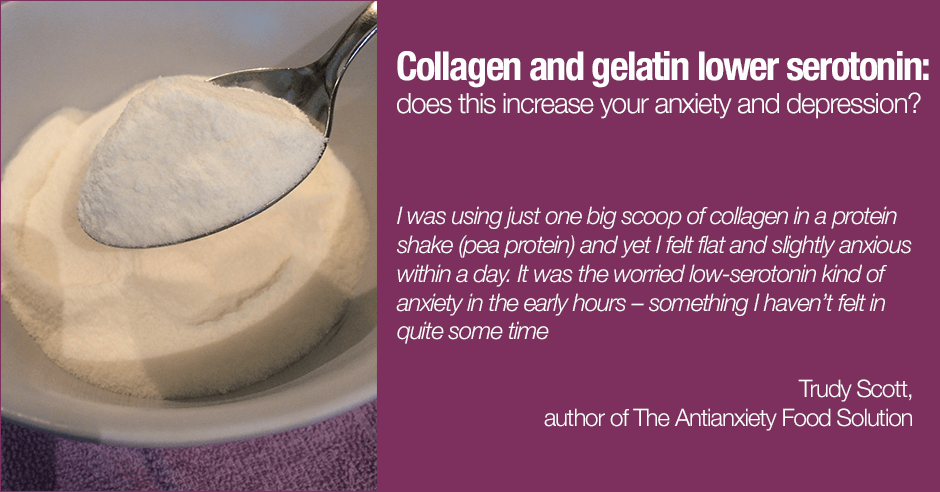
When I recently injured my back and sprained my ankle, I decided to add collagen to speed up the healing and very quickly had to take a deeper dive into the topic because I noticed it affected my mood right away! I was using just one big scoop of collagen in a protein shake (pea protein) and yet I felt flat and slightly anxious within a day. It was the worried low-serotonin kind of anxiety in the early hours – something I haven’t felt in quite some time.

I wondered if it was due to the injury and inflammation my body was dealing with or if it was related to the effects of tryptophan depletion. I stopped the collagen and then added it back and had the same experience. I did this a few times and experienced similar feelings each time.

When I used tryptophan mid-afternoon and at bedtime I felt fine and was able to continue taking the collagen with no problems. I am prone to low serotonin – it was one of the root causes of my big anxiety issues in my late 30s – so I may be more affected than the average person.

Wondering if collagen causing mood issues and an increase in anxiety?

Here is feedback from someone who is wondering if collagen is causing her mood to dive:

I have wondered if it affects my mood so I haven’t been using it lately. Interested to see what other people say. I was using about a table spoon in a drink that I would sip on throughout the morning. My moods just take dives now and then. I have isolated gluten as a HUGE factor. I am forever wondering what else causes the dives and I began to wonder if collagen was causing problems so I haven’t used it in several months.

Stephanie feels moody when using collagen:

I have found that the days I take collagen that I’m moody. I’ve kept trying, but am always surprised by the reaction. I even mentioned it to my naturopath recently. Curious to see if there’s a connection.

Here is feedback from someone also reporting mood dives and feeling on edge (although as I pointed out to her the feeling on edge is very likely due to or partly due to the coffee):

I take collagen (grass-fed and grass-finished) in my coffee every morning. I’ve also had some mood dives consistently the last few months and feel more on edge. I’ve honestly never made the connection and actually thought it was hormones. Something to think about!

Melissa shared it affected her sleep:

As soon as I started taking gelatin daily I have had difficult falling asleep.

Katinka began having strange night time anxiety:

I did [Vital Proteins grass fed beef gelatin] for 2 weeks in bone broth. My nails grew like crazy, but at the same time I begun having strange night time anxiety: worry, obsessive, but not any of the other symptoms like depression and cravings. It is interesting to me because this was the only time I had anxiety at night since going gluten free.

Collagen caused a racing heart for Beverly:

Used to take Vital Proteins products. Was woken up several times in the night with racing heartbeat and out of breath. This went away when I stopped the collagen. I have symptoms of low serotonin but have not tried tryptophan

No noticeable problems

Many people shared that they didn’t notice any obvious mood issues so it’s clearly not a problem for everyone:

  • Jaime: Interesting, I use it almost daily for protein at breakfast. I will pay attention better. No obvious problems now (used for 9 months).
  • Angela: …I don’t think I have any side effects and I do have serotonin issues. I think I will have to do more research
  • Courtney: I just started using collagen peptides but not every day. Maybe once or twice a week. I haven’t noticed any difference in mood but I also just started taking it a few weeks ago.
  • Debra: I take 1bsp of Great Lakes Collagen Hydrosylate every day and take it to help heal my leaky gut….haven’t noticed any particular side-effects. I alternate it with the normal gelatin. I suffer from complex PTSD, anxiety and depression…I haven’t noticed any difference in that either

Jessica Drummond, nutritionist and physical therapist, and an expert on female pelvic pain and women’s health shared:

I use collagen regularly and I also eat quite a lot of meat and fish. For me both help me to feel very grounded and less anxious. I think of collagen as balancing for all of the muscle meat that we eat. I eat anywhere from 10-20 grams 4-5 days per week.


Feels anxious using gelatin, stop using it and anxiety is gone/less

Laura’s anxiety got worse within a few months of adding daily gelatin:

Wow, I never heard that gelatin can lower serotonin. I started using [Puritan’s Pride brand], 650mg, daily about 6 months ago to strengthen my nails. It’s worked very well for that. About a couple months ago my anxiety started to get worse again. My anxiety shows up as fear and worry mostly and not being able to quiet my mind. I had gotten it under control for almost 2 years now. I wonder if there is a connection. I’m going to stop taking the gelatin and see if my anxiety improves. I have not tried tryptophan, but I have found GABA helped quiet my mind and let me sleep better.

She decided to stop taking it to see if her anxiety symptoms would reduce and when I checked back with her she shared this:

I was surprised to find after about 2 weeks of stopping the gelatin, I began to feel more calm again and it’s been a lasting change. I still take zinc, vitamin b6 and lysine in the morning and GABA in the evening. This combination works well for me. I’m so grateful for all the information you share! Thank you!

Toni experienced something similar:

I’ve been using Organic collagen for about 8 months now… love the hair and skin results. My tummy felt better at first but not currently. My anxiety and panic attacks are off the charts: panic attacks, heart racing, sweating, brain fog. I want to escape -like fight or flight. Definately obsessing and fears. Memory difficulty. I have an upcoming GI appointment to check for Candida /SIBO… but I had no idea this could add to my anxiety. I’ll be looking forward to more information, Seriously.

And a few weeks after stopping the collagen she shared this:

I stopped using the collagen. Since then, my anxiety and panic are decreased by less than half. Mild in comparison. I’m definately taking a long break.

Keep in mind I’m not suggesting we should not be using collagen – just that if it seems to lower serotonin and increase anxiety/depression doing a trial with tryptophan may be the solution (more on that and some other possible causes of anxiety below).

When used with tryptophan – no mood issues

Karen uses collagen and tryptophan at night:

I use collagen every day. But hey, I also take L-tryptophan every night for anxiety. It runs in the family and a small amount of Tyrptophan at night helps resolve mine. No clue there was a connection

Maxine uses it every morning and takes 1 tryptophan before bed and reports no mood issues

I take it [Great Lakes gelatin and Vital Choice collagen] every morning in my tea and at night in my bone broth for my skin and joints and I take one tryptophan before bed. The tryptophan with GABA before bed is for better sleep. No mood issues.


Used ‘therapeutically’ to lower serotonin

Misty reports using it ‘therapeutically’ to lower her high serotonin levels. This application is new to me and I find it quite fascinating:

I use it to reduce tryptophan because I have a tendency toward high serotonin. I have suffered my entire life with ADD, tics as a child, grinding teeth, general anxiety, lack of motivation and later, IBS. In my quest to maximize my health, I finally came to these web pages for help. In my 53 years I’ve never been as calm as I am now. If I’m not careful, I can get a bout of IBS (not food related and trust me, from GAPS to AIP, nothing really affects me). I reduce tryptophan and I’m balanced. It seems contrary but it works for me and so many others

She links to these articles Tryptophan, Sleep, and Depression and The Sadder Side of Serotonin which both refer to the work of Ray Peat who I recently discovered is very much against the use of tryptophan.

I agree with the premise of too much serotonin causing issues (often the same symptoms we see with serotonin that is too low) but not the general message that tryptophan supplements and foods high in tryptophan are harmful and should be avoided by everyone. Based on the clinical results myself and other practitioners see boosting low serotonin with tryptophan and/or 5-HTP -and the wonderful results they experience – in my opinion, this is really all about biochemical individuality.

I decided to share this story here, even with the controversial tryptophan articles, because it illustrates that it is highly likely that the collagen is lowering her serotonin levels and making her feel better. I’ll tackle the above negative articles about serotonin and tryptophan in a separate blog post.

Why are some people adversely impacted by acute tryptophan depletion/ATD while others are not?

UPDATE: Dec 22, 2017. This section adds additional evidence or possibly some theories for why some people are adversely impacted when consuming collagen, while others are not impacted mood-wise – all related to the lowering of serotonin levels. These are called ATD or acute tryptophan depletion studies.

This paper: The effect of raising and lowering tryptophan levels on human mood and social behavior explains that effects of ATD can vary based on susceptibility of the study participants to clinical depression:

Acute tryptophan depletion (ATD) studies indicate that low serotonin can lower mood and also increase aggression, although results vary somewhat between studies with similar participants. Lowering of mood after ATD is related to the susceptibility of the study participants to clinical depression, and some participants show no effect on mood.

In healthy individuals, there is little or no lowering of mood, although results can be quite variable between studies, with some lowering of mood seen more often in women than in men.

The author reports the following variable responses:

In healthy participants with a family history of depression, there is a lowering of mood although mood remains within the normal range of mood.

In newly recovered depressed patients on antidepressants that act on the serotonergic system, 50 per cent or more of the patients show a temporary reappearance of the depressed mood they experienced before recovery.

In recovered depressed patients off antidepressants, only a small percentage of the patients show a marked lowering of mood.

In recovered depressed on noradrenergic antidepressants, there is no lowering of mood.

The results of the ATD studies suggest that lowering serotonin synthesis can lower mood in some circumstances, and that the magnitude of the effect tends to be greater in people with a greater susceptibility for depression.

Other studies report on these groups of people that were adversely affected with a lowered mood after ATD:

OCD / obsessive compulsive disorder: Patients with OCD experienced a decrease in control and an increase in interfering thoughts after acute tryptophan depletion. There was no effect on anxiety in this group.

Genetic polymorphisms: A number of papers show some genetic polymorphisms make some individuals vulnerable to increased depression after acute tryptophan depletion, such as MAOA and 5-HTTLPR (the serotonin transporter gene). In one 5-HTTLPR polymorphism study differences were seen between men and women: healthy men became more impulsive, whereas healthy women showed a mood reduction after ATD. Keep in mind that having a polymorphism doesn’t mean there will always be an issue, instead, it means there may be a predisposition.

Smokers: The moderating influence of nicotine and smoking on resting-state mood and EEG changes in remitted depressed patients during tryptophan depletion.

Comorbidity between depression and tobacco use may reflect self-medication of serotonergically mediated mood dysregulation [and acute tryptophan depletion or ATD] increased self-ratings of depressed mood [in certain smokers].

Although this study was looking at the role of nicotinic receptors in disordered mood and the self-medication of mood by smoking, we may be able to extrapolate this for our purposes because it was this one subset of smokers who were more depressed after tryptophan depletion. Could it be that smokers or even former smokers are more likely see increased depression after consuming collagen because it contains no tryptophan? Or is it that smokers tend to be drawn to smoking because they are prone to low serotonin?

Women ecstasy users: The effect of acute tryptophan depletion on mood and impulsivity in polydrug ecstasy users.

Women polydrug ecstasy users appear to be more susceptible than men to the effects of lowered serotonin levels [when they] received a tryptophan-deficient amino acid mixture and a control amino acid mixture containing tryptophan, at least 1 week apart.

The women who were impacted – with a lowering of their mood – used a tryptophan-deficient amino acid mixture and not collagen. The authors suggest this could be due to the drug-use causing progressive damage of serotonin neurons. Could this also happen with collagen consumption in current and possibly prior drug users? What about users of other street drugs or even medications that may also damage serotonin neurons?

Interestingly, in a study looking at five chronic fatigue/CFS patients, none of them showed any significant differences in fatigue, depression and concentration when subjected to acute tryptophan depletion /ATD. Was this group of patients too small or were none of them susceptible to low serotonin?

This is just a small selection of studies looking at the effects of acute tryptophan depletion or ATD but they give us much to think about when it comes to considering the varied effects we are seeing when individuals consume collagen.

If collagen affects you adversely and makes you feel more depressed, more anxious and experience worse sleep, can you relate to any of the above scenarios?

More questions and looking for your feedback

As you can see we have very different experiences but there are enough unanswered questions we need to be asking:

  • Are the negative effects because of low serotonin? If yes, are some of us more susceptible to the serotonin-lowering effects than others and should we stop using collagen despite all the health benefits?
  • And should we be assessing for low serotonin levels before using collagen or gelatin, and supplementing with tryptophan when it is low (more on this below)? There is one company that has added tryptophan to their collagen – is this a good idea?
  • Or are the negative effects some people experience due to glutamates, arginine, histamine, because of quality issues and glyphosate levels, an increase in oxalates or something else such as not eating enough animal protein?

I’ll address the above questions and share some additional research and feedback from collagen experts in part 2 of this article.

Until then, if you have observed a mood dip or increase in anxiety since using collagen or gelatin, I would suggest you stop using collagen/gelatin and see how you feel, then add it back and see how you feel. If you do see a correlation, do the low serotonin questionnaire and a trial of tryptophan (after checking the precautions) to see if this improves your mood when using collagen/gelatin. I recently blogged about tryptophan here (brand is important).

Resources if you are new to using the amino acids as supplements

If you are new to using any of the amino acids as supplements, here is the Amino Acids Mood Questionnaire from The Antianxiety Food Solution (you can see all the symptoms of neurotransmitter imbalances, including low endorphins).

If you suspect low levels of any of the neurotransmitters and do not yet have my book, The Antianxiety Food Solution – How the Foods You Eat Can Help You Calm Your Anxious Mind, Improve Your Mood, and End Cravings, I highly recommend getting it and reading it before jumping in and using amino acids on your own so you are knowledgeable. And be sure to share it with the practitioner/health team you or your loved one is working with.

There is an entire chapter on the amino acids and they are discussed throughout the book in the sections on gut health, gluten, blood sugar control, sugar cravings, self-medicating with alcohol and more.

The book doesn’t include product names (per the publisher’s request) so as mentioned above, this blog, The Antianxiety Food Solution Amino Acid and Pyroluria Supplements, lists the amino acids that I use with my individual clients and those in my group programs.

As mentioned above, Lidtke Endorphigen is the DPA product I’ve had the most success with (and it can be found in my online store). Doctor’s Best D-phenylalanine is also a good product.

If, after reading this blog and my book, you don’t feel comfortable figuring things out on your own (i.e. doing the symptoms questionnaire and respective amino acids trials), a good place to get help is the GABA Quickstart Program (if you have low GABA symptoms). This is a paid online/virtual group program where you get my guidance and community support. There are many moms in the program who are having much success with their kids.

You can then use this knowledge to then trial DPA and other amino acids or move on to the Amazing Aminos for Anxiety Program and get help there.

If you are a practitioner, join us in The Balancing Neurotransmitters: the Fundamentals program. This is also a paid online/virtual program with an opportunity to interact with me and other practitioners who are also using the amino acids with success with their clients/patients.


I would love your feedback. Do you use gelatin or collagen regularly i.e. daily or weekly? And why do you use it? How do you use it and what benefits do you notice?

Have you noticed any worsening of mood or an increase in anxiety or any of the other low serotonin symptoms? Do you take tryptophan to offset the fact that gelatin or collagen doesn’t contain any tryptophan?

Have you done the off/on test with collagen/gelatin and what was the outcome?

I’d love your feedback in the comments. Be sure to share what you’re using (collagen or gelatin and the brand), how much, how often you consume it, what you take it with, how much caffeine you consume, how much protein you consume on a daily basis and what kind of protein, and how you react to home made bone broth. If you’re comfortable with sharing how you score on the low serotonin questionnaire (now or in the past i.e. are you prone to low serotonin) and if you’re using a SSRI (or have in the recent past), this may help us piece the puzzle together.

Filed Under: Anxiety, Depression, Food and mood, serotonin Tagged With: anxiety, collagen, depression, gelatin, mood, serotonin, tryptophan

  • « Go to Previous Page
  • Page 1
  • Interim pages omitted …
  • Page 31
  • Page 32
  • Page 33
  • Page 34
  • Go to Next Page »

Primary Sidebar

GABA QuickStart Homestudy

gaba quickstart homestudy

Free Report

9 Great Questions Women Ask about Food, Mood and their Health

You'll also receive a complimentary subscription to my ezine "Food, Mood and Gal Stuff"


Connect with me

Popular Posts

  • Amino Acids Mood Questionnaire from The Antianxiety Food Solution
  • The Antianxiety Food Solution Amino Acid and Pyroluria Supplements
  • Pyroluria Questionnaire from The Antianxiety Food Solution
  • Collagen and gelatin lower serotonin: does this increase your anxiety and depression?
  • Tryptophan for the worry-in-your-head and ruminating type of anxiety
  • GABA for the physical-tension and stiff-and-tense-muscles type of anxiety
  • The Antianxiety Food Solution by Trudy Scott
  • Seriphos Original Formula is back: the best product for anxiety and insomnia caused by high cortisol
  • Am I an anxious introvert because of low zinc and vitamin B6? My response to Huffington Post blog
  • Vagus nerve rehab with GABA, breathing, humming, gargling and key nutrients

Recent Posts

  • Her cravings for chips and peanut butter were triggered by stress: GABA ends cravings and reduces physical tension and fear of heights
  • It is truly miraculous to be able to move through life without crippling anxiety and panic
  • GABA and tryptophan combo provide immediate and noticeable relief for tremors and cervical dystonia in just 7 days
  • Red light therapy for back and neck pain, plantar fasciitis and low mood – a complement to the amino acids GABA, DPA and tryptophan
  • What do I use instead of Seriphos to help lower high cortisol that is affecting my sleep and making me anxious at night?

Categories

  • 5-HTP
  • AB575
  • Addiction
  • ADHD
  • Adrenals
  • Alcohol
  • Allergies
  • Alzheimer's disease
  • Amino Acids
  • Anger
  • Antianxiety
  • Antianxiety Food Solution
  • Antidepressants
  • Anxiety
  • Anxiety and panic
  • Autism
  • Autoimmunity
  • benzodiazapines
  • Bipolar disorder
  • Books
  • Caffeine
  • Cancer
  • Candida
  • Children/Teens
  • Collagen
  • Cooking equipment
  • Coronavirus/COVID-19
  • Cravings
  • Depression
  • Detoxification
  • Diabetes
  • Diet
  • DPA/DLPA
  • Drugs
  • EFT/Tapping
  • EMF
  • EMFs
  • Emotional Eating
  • Endorphins
  • Environment
  • Essential oils
  • Events
  • Exercise
  • Fear
  • Fear of public speaking
  • Fertility and Pregnancy
  • Fish
  • Food
  • Food and mood
  • Functional neurology
  • GABA
  • Gene polymorphisms
  • General Health
  • Giving
  • Giving back
  • Glutamine
  • Gluten
  • GMOs
  • Gratitude
  • Gut health
  • Heart health/hypertension
  • Histamine
  • Hormone
  • Hyperparathyroidism
  • Hypoglycemia
  • Immune system
  • Inflammation
  • Insomnia
  • Inspiration
  • Introversion
  • Joy and happiness
  • Ketogenic diet
  • Lithium orotate
  • Looking awesome
  • Lyme disease and co-infections
  • MCAS/histamine
  • Medication
  • Men's health
  • Mental health
  • Mercury
  • Migraine
  • Mold
  • Movie
  • MTHFR
  • Multiple sclerosis
  • Music
  • NANP
  • Nature
  • Nutritional Psychiatry
  • OCD
  • Osteoporosis
  • Oxalates
  • Oxytocin
  • Pain
  • Paleo
  • Parasites
  • Parkinson’s disease
  • PCOS
  • People
  • PMS
  • Postpartum
  • PTSD/Trauma
  • Pyroluria
  • Questionnaires
  • Real whole food
  • Recipes
  • Research
  • Schizophrenia
  • serotonin
  • SIBO
  • Sleep
  • Special diets
  • Sports nutrition
  • Stress
  • Sugar addiction
  • Sugar and mood
  • Supplements
  • Teens
  • Testimonials
  • Testing
  • The Anxiety Summit
  • The Anxiety Summit 2
  • The Anxiety Summit 3
  • The Anxiety Summit 4
  • The Anxiety Summit 5
  • The Anxiety Summit 6
  • Thyroid
  • Thyroid health
  • Toxins
  • Tryptophan
  • Tyrosine
  • Uncategorized
  • Vegan/vegetarian
  • Women's health
  • Yoga

Archives

  • May 2026
  • April 2026
  • October 2025
  • September 2025
  • August 2025
  • July 2025
  • June 2025
  • May 2025
  • April 2025
  • March 2025
  • February 2025
  • January 2025
  • November 2024
  • October 2024
  • September 2024
  • August 2024
  • July 2024
  • June 2024
  • May 2024
  • April 2024
  • March 2024
  • February 2024
  • January 2024
  • December 2023
  • November 2023
  • October 2023
  • September 2023
  • August 2023
  • July 2023
  • June 2023
  • May 2023
  • April 2023
  • March 2023
  • February 2023
  • January 2023
  • December 2022
  • November 2022
  • October 2022
  • September 2022
  • August 2022
  • July 2022
  • June 2022
  • May 2022
  • April 2022
  • March 2022
  • February 2022
  • January 2022
  • December 2021
  • November 2021
  • October 2021
  • September 2021
  • August 2021
  • July 2021
  • June 2021
  • May 2021
  • April 2021
  • March 2021
  • February 2021
  • January 2021
  • December 2020
  • November 2020
  • October 2020
  • September 2020
  • August 2020
  • July 2020
  • June 2020
  • May 2020
  • April 2020
  • March 2020
  • February 2020
  • January 2020
  • December 2019
  • November 2019
  • October 2019
  • September 2019
  • August 2019
  • July 2019
  • June 2019
  • May 2019
  • April 2019
  • March 2019
  • February 2019
  • January 2019
  • December 2018
  • November 2018
  • October 2018
  • September 2018
  • August 2018
  • July 2018
  • June 2018
  • May 2018
  • April 2018
  • March 2018
  • February 2018
  • January 2018
  • December 2017
  • November 2017
  • October 2017
  • September 2017
  • August 2017
  • July 2017
  • June 2017
  • May 2017
  • April 2017
  • March 2017
  • February 2017
  • January 2017
  • December 2016
  • November 2016
  • October 2016
  • September 2016
  • August 2016
  • July 2016
  • June 2016
  • May 2016
  • April 2016
  • March 2016
  • February 2016
  • January 2016
  • December 2015
  • November 2015
  • October 2015
  • September 2015
  • August 2015
  • July 2015
  • June 2015
  • May 2015
  • April 2015
  • March 2015
  • February 2015
  • January 2015
  • December 2014
  • November 2014
  • October 2014
  • September 2014
  • August 2014
  • July 2014
  • June 2014
  • May 2014
  • April 2014
  • March 2014
  • February 2014
  • January 2014
  • December 2013
  • November 2013
  • October 2013
  • September 2013
  • August 2013
  • July 2013
  • June 2013
  • May 2013
  • April 2013
  • March 2013
  • February 2013
  • January 2013
  • December 2012
  • November 2012
  • October 2012
  • August 2012
  • July 2012
  • June 2012
  • May 2012
  • April 2012
  • March 2012
  • February 2012
  • January 2012
  • December 2011
  • November 2011
  • October 2011
  • September 2011
  • August 2011
  • July 2011
  • June 2011
  • May 2011
  • April 2011
  • March 2011
  • February 2011
  • January 2011
  • December 2010
  • October 2010
  • September 2010
  • July 2010
  • May 2010
  • April 2010
  • March 2010
  • February 2010
  • January 2010
  • November 2009

Share the knowledge!

The above statements have not been evaluated by the Food and Drug Administration. Products listed in this website are not intended to diagnose, treat, cure or prevent any disease.

The information provided on this site is for informational and educational purposes only and is not intended as a substitute for advice from your physician or other health care professional. You should consult with a healthcare professional before starting or modifying any diet, exercise, or supplementation program, before taking or stopping any medication, or if you have or suspect you may have a health problem.


Copyright © 2026 Trudy Scott. All Rights Reserved. | Privacy | Terms and Conditions | Refund Policy | Medical Disclaimer

Free Report

9 Great Questions Women Ask about Food, Mood and their Health

You’ll also receive a complimentary subscription to my ezine “Food, Mood and Gal Stuff”