• Skip to primary navigation
  • Skip to main content
  • Skip to primary sidebar

everywomanover29 blog

Food, Mood and Women's Health – Be your healthiest, look and feel great!

  • Blog
  • About
  • Services
  • Store
  • Resources
  • Testimonials
  • The Book
  • Newsletter
  • Contact
  • Search this site

Anxiety and panic

Methylation and anxiety: histadelia and histapenia

May 13, 2015 By Trudy Scott 64 Comments

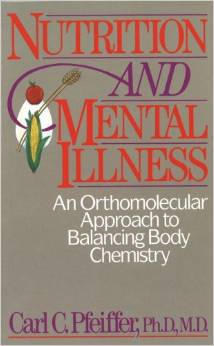
carl pfeiffer nutrition and mental illness

In preparing for the Anxiety Summit I put out a call for questions for my methylfolate interview with Dr. Ben Lynch: How Methylfolate can make you Feel Worse and even Cause Anxiety, and What to do about it  This question was posted on my blog and since it’s a big topic I feel it deserves a separate blog post

This is the question that Paula posted:

If my understanding is correct, William Walsh of the Walsh Research Institute explains that folates of any kind (methylfolate, folic acid, etc) will cause there to be less serotonin activity at the synapse because folates promote the expression of the SERT enzyme which increases serotonin reuptake. He warns that those who are undermethylators should not take folate if they have cognitive/mood issues, as it will make their anxiety or depression worse. Since those with the MTHFR gene defect are likely undermethylators, his advice contradicts Dr Lynch’s advice regarding the use of folate. Could you ask Dr Lynch if he has any opinion regarding this?

Dr. Walsh has treated over 30,000 patients with mental health problems and has one of the largest lab chemistry data bases in the world. It would be great to see the top doctors collaborating on the methylation cycle as it seems to be a large piece of the puzzle for so many people. Maybe a methylation summit? It’s such a complicated and confusing subject and there seems to be some contradictory information out there.

This was my response:

These are excellent questions you bring up!

The terminology can be confusing so I will recap my understanding here:

Undermethylators/high histamine/histadelia = folate not good
Overmethylators or low folate/low histamine/histapenia = folate helps symptoms

This is from the work of Carl Pfeiffer (his book “Nutrition and Mental Illness” is excellent) and is also written about in Joan Matthews Larson’s wonderful book “Depression-Free Naturally” and Eva Edelman’s “Natural Healing for Schizophrenia.”

As you’re aware Dr. Walsh uses this terminology too. His book is “Nutrient Power.” Here is a snippet from a powerpoint of his called The Role of Epigenetics in Mental Health 

Undermethylated mental patients are intolerant to folic acid, but most overmethylated mental patients improve after folic acid supplements.

Folic Acid generates acetylase enzymes that alter histones, promoting expression of SERT and DAT transporter proteins. SERT and DAT enhance reuptake at serotonin and dopamine synapses…. thus reducing NT activity.

For undermethylators, the harmful impact of folic acid at NT synapses greatly exceeds the benefits of normalizing methylation.

So there is a place for methylfolate. I don’t know anything about SERT and DAT transporter proteins so can’t comment on that aspect, but look forward to learning more.

You say “Since those with the MTHFR gene defect are likely undermethylators.” I don’t know that this is a true statement. I would love to see a source for this? It’s certainly not the case with me – I have the MTHFR 1298C defect and have low histamine/histapenia/overmethylation (using the Carl Pfeiffer terminology).

As far as I’m aware Dr Walsh does NOT feel the MTHFR defects play a role in all of this. I hope to learn more and interview him on a future Anxiety Summit.

I have not seen Dr. Lynch write about histapenia and histadelia or the work of Carl Pfeiffer, although some recent comments in this blog  refer to Walsh and Dr. Lynch says he’ll check it out.

Dr. Lynch is not a big fan of the terms overmethylation and undermethylation. And when he talks about overmethylation and undermethylation I think he is referring to the methylation process being more effective/speeding up and being less effective/slowing down within a few days of adding methylfolate supplements.

So I feel we have some terminology differences AND some differences of opinions.

Both Dr. Walsh and Dr. Lynch see amazing results with their patients/clients but I agree with you – I’d love to clear up some of the confusion. I’m going send this question and my answer to Dr. Lynch for our interview next Friday. Since he may need to do some additional prep/research, we may have to do a deeper dive into this question on a future summit. Hopefully he’ll be able to add something to the discussion this time.

I did also interview Yamsina (www.thelowhistaminechef.com) for this summit and she too was not familiar with the work of Carl Pfeiffer so it’s exciting that we can all learn from each other and advance the field.

Finally, this is not all bad because it gets us thinking and asking questions and digging deeper.

Paula then has this follow-up question:

The following quote from this link gave me the impression that the MTHFR mutation usually caused undermethylation, but farther down it also references where Dr Walsh says it’s possible to have MTHFR and not be undermethylated.

In your opinion, do people fall into either an overmethylated or undermethylated status or can you be an undermethylator in certain areas of the methylation cycle and an overmethylator in other areas of the cycle? If someone has some traits of an undermethylator and some traits of an overmethylator, what would you recommend?

Dr. Walsh: Based on my massive chemistry database, about 22% of the population is undermethylated and 8% overmethylated. These are inborn tendencies that usually persist throughout life. Undermethylation usually results from single nucleotide polymorphisms (SNPs) that weaken MTHFR or other enzymes in the methylation cycle. Overmethylation is generally caused by enzyme weaknesses (SNPs) in the SAMe utilization pathways.

What are your thoughts on using genetic testing, such as “23 and Me” to create an individual methylation roadmap/treatment plan.

Dr. Walsh: Genetic testing is quite inexpensive, highly accurate, reliable, and will certainly grow in importance in future years. These tests can already identify predispositions for many disorders such as breast cancer and Alzheimer’s and may soon obsolete the need for pap smears. However the reliability of genetic testing for assessing methylation is quite limited at present.

Identifying SNP weaknesses in MTHFR and other methylation-cycle enzymes does not necessarily mean that individual is undermethylated. There is a “tug-of-war” competition between enzyme SNPs that weaken methylation and SNPs in the SAMe utilization pathway that can produce overmethylation.

I believe you’re right Trudy in saying this is not all bad because it gets everyone thinking and digging deeper. I think both Dr Lynch and Dr Walsh bring invaluable information to the discussion, each adding something that can further illuminate how this complicated process works. Thanks again to you for providing us an opportunity to ask questions.

And this is my response:

This is a perfect summary of Dr Walsh’s approach – thank you!

This part is interesting: “Undermethylation usually results from single nucleotide polymorphisms (SNPs) that weaken MTHFR or other enzymes in the methylation cycle. Overmethylation is generally caused by enzyme weaknesses (SNPs) in the SAMe utilization pathways.” I’d love to know which ones… and then he says “However the reliability of genetic testing for assessing methylation is quite limited at present”

His percentages are also interesting and I would challenge this saying it’s very likely based on the people he has worked with: 22% of the population is undermethylated (high histamine) and 8% overmethylated (low histamine).

When I worked with Julia Ross we saw way more low histamine and that is likely because we worked with more women who seem to be prone to low histamine.

This is also what Carl Pfeiffer found: “These are inborn tendencies that usually persist throughout life” and was my understanding until I started learning from Dr Lynch 2 years ago. Now I’m confused too!

Here is a nice post by Chris Kresser: Methylation – What it is and why should you care. I’m going to paraphrase some of it. He says yes do the 23and me testing but: “genetics do not always predict functional methylation capacity”…”I really believe that we need to be testing both”… “There are different ways to test functional methylation capacity. Doctor’s Data has a methylation panel blood test. Health Diagnostics and Research Institute has a Methylation Pathways Panel that’s good and I tend to use in my practice. Genova has a Complete Hormones profile that, among other things, looks at the ability to convert proliferative estrogen metabolites into less proliferative metabolites, and those conversions are methylation dependent. So if you see poor conversion happening there, that’s a methylation issue. The urine organics acids profile from Genova has some methylation markers, active folate and B12 deficiency. And then a urine amino acids profile can be helpful to look at taurine levels and levels of other metabolites in the methylation cycle.”

This above blog has comments about Dr. Walsh and Dr. Lynch too so they are worth a read.

Of course Dr. Lynch supports the fact that just because you have a defect it doesn’t mean you are affected by it so the additional functional testing makes total sense. And he recommends this additional testing too.

I feel it’s time to mesh the old research and prior work Carl Pfeiffer did, the work Dr. Walsh is doing, Dr. Lynch’s work and the new methylation research. And the wisdom from other practitioners like Chris Kresser and people like you who are digging and reading and asking questions

We clearly all have lots to learn!  I know I don’t have the answers! This topic has been front and center in my mind for awhile so it’s good to get it down in writing here (so thanks Paula, for asking this question!)

I encourage you to listen in to my interview with Dr. Lynch. We talk about this and acknowledge that we all have gaps and that getting together to talk about all this would be an excellent idea!

And finally, please share if you have had your histamine levels tested (whole blood histamine)?  Low or high? and have you found results with the Pfeiffer protocol?

I have tested mine and have low histamine/histapenia and absolutely do benefit from the low histamine protocol.


Filed Under: Anxiety and panic, MTHFR, The Anxiety Summit 3 Tagged With: anxiety, Ben Lynch, Bill Walsh, Carl Pfeiffer, histadelia, histapenia, the anxiety summit, Trudy Scott

The Anxiety Summit – Nutritional Influences on Anxiety and Musculoskeletal Pain

May 11, 2015 By Trudy Scott 20 Comments


Joe Tatta DPT, CCN, Musculoskeletal Pain Expert, was interviewed by host of the Anxiety Summit, Trudy Scott, Food Mood Expert and Nutritionist, author of The Antianxiety Food Solution.

Nutritional Influences on Anxiety and Musculoskeletal Pain

  • Link between anxiety and chronic musculoskeletal problems
  • Fear avoidance behaviors and pain
  • Headaches, back pain, joint pain and nutritional influences
  • An exercise prescription for anxiety

Here are some snippets from our interview:

People used to think depression was more linked to chronic pain but we are learning its more anxiety driven

The chronic anxiety that people have on a daily basis kicks off the pain process

Negative thoughts, worry, doom-and-gloom about the future all come in to play, with fear being the most common emotion leading to pain

Here is the very recent 2015 paper that discusses this – Psychological functioning of people living with chronic pain: A meta-analytic review.

Joe tied fear and anxiety to adrenalin release and the effects on the muscles, specifically how the smaller muscles around the spine and in the neck are turned off. You then have less blood flow, less oxygen and less nutrients going to those muscles and that’s when the pain starts.

Joe shared the staggering number of people who suffer from chronic pain:

more than those who suffer from heart disease, diabetes and cancer combined!

We also discussed migraines and magnesium, and this paper: Why all migraine patients should be treated with magnesium

Magnesium, the second most abundant intracellular cation, is essential in many intracellular processes and appears to play an important role in migraine pathogenesis. Routine blood tests do not reflect true body magnesium stores since <2% is in the measurable, extracellular space, 67% is in the bone and 31% is located intracellularly. Lack of magnesium may promote cortical spreading depression, hyperaggregation of platelets, affect serotonin receptor function, and influence synthesis and release of a variety of neurotransmitters.

There is strong evidence that magnesium deficiency is much more prevalent in migraine sufferers than in healthy controls.

Considering these features of magnesium, the fact that magnesium deficiency may be present in up to half of migraine patients, and that routine blood tests are not indicative of magnesium status, empiric treatment with at least oral magnesium is warranted in all migraine sufferers.

If you are not already registered for the Anxiety Summit you can get live access to the speakers of the day here: www.theAnxietySummit.com

Missed this interview or can’t listen live? Or want this and the other great interviews for your learning library? Purchase the MP3s or MP3s + transcripts and listen when it suits you.

You can find your purchasing options here: Anxiety Summit Season 1, Anxiety Summit Season 2, and Anxiety Summit Season 3.

Filed Under: Antianxiety, Anxiety and panic, Depression, Pain, The Anxiety Summit 3 Tagged With: anxiety, butterbur, chronic pain, cortisol, fear, Joe Tatta, magnesium, migraine, pain, the anxiety summit, Trudy Scott

Anxiety and targeted individual amino acid supplements: a summary

May 8, 2015 By Trudy Scott 58 Comments

woman-looking-evening 

The targeted use of individual amino acid supplements will balance brain chemistry to alleviate anxiety, fear, worry, panic attacks, and feeling stressed or overwhelmed. They can also be helpful in addressing other problems that contribute to or exacerbate anxiety, such as sugar cravings and addictions. In addition, they can help with depression and insomnia, which often co-occur with anxiety. When you balance your brain chemistry, not only will you alleviate symptoms of anxiety, you’ll also have a great mood, eliminate cravings, sleep well, and have good energy and mental focus.

This is a collection of past blog posts on the topic of amino acids in preparation for my season 3 interview on the Anxiety Summit: “Pyroluria, Amino Acids and Anxiety: Troubleshooting when you are not getting results”

In season 1 of the Anxiety Summit, I interviewed my hero, Julia Ross, MFT, pioneer in the field of Amino Acid Therapy and the author of best sellers The Mood Cure. The topic was Eliminating Anxiety – Amino Acid Therapy and Adrenal Balancing

I just love this quote from our interview:

On a scale of zero to ten, zero is not an unrealistic goal when it comes to anxiety.  It’s really the human potential and GABA and tryptophan give us access to it

And then this was the topic of my interview on season 2 of the Anxiety Summit: Targeted individual amino acids for eliminating anxiety: practical applications

  • Glutamine: how it’s calming and helps with blood sugar balancing
  • GABA: how it eases physical tension
  • Tryptophan: how it eases anxiety in the head/busy ruminations (and when not to use 5-HTP)
  • DPA and tyrosine: how they help you quit the comfort-eating and coffee
  • Precautions when using individual amino acids
  • Factors that make them more effective and factors that make them less effective

My interview on season 3 will be taking a deeper dive in to this last bullet: Factors that make them more effective and factors that make them less effective, and how to troubleshoot when they are not working.

Today I’d love feedback, comments and questions from you. I want to address your questions. I encourage you to read the blog posts I’m linking to below and learn if this is new to you. Or read them and get a recap if you’ve been following me for awhile. And then PLEASE ASK YOUR QUESTIONS in the comments section below.

Here is the Amino Acids Mood Questionnaire from The Antianxiety Food Solution. I encourage you to do and see which sections may be an issue for you (or see how much you’ve improved if you’ve been using amino acids)

There are some precautions to be aware of when taking supplemental amino acids. Here are the Amino Acid Precautions

If you are prone to low blood sugar and have adrenal issues glutamine is wonderful: Glutamine for low blood sugar and calming effects

Of course, if you need them, the aminos are also very effective for eliminating emotional eating and comfort eating. I write about this here:

  • Amazing Amino Acids for Ending Emotional Eating – No Willpower Required! Really!!
  • End emotional eating – no willpower required!

Of course I have to share some great success stories because the amino acids really are amazing:

The Anxiety Summit: amazing amino acids client success with Meme Grant

Meme had anxiety, had panic attacks, didn’t enjoy speaking in public, had insomnia and was an emotional eater. She found answers with the amazing aminos acids and the pyroluria protocol.

No coffee, adrenal support and amino acids: free of anxiety, high energy and great sleep!

The above great client testimonial shows how a few small changes can make the world of difference; that you don’t have to resort to drugs for anxiety or sleep or energy drinks for fatigue! And that you can feel on top on the world!

Unfortunately not everyone responds as expected when using amino acids. Some people

  • Don’t get any benefits
  • Get some benefits but they are marginal
  • Get an adverse reaction and may even feel more anxious
  • Get benefits that seem to come and go

My troubleshooting interview will be addressing the above scenarios and other related amino acid questions that come up. PLEASE ASK YOUR QUESTIONS in the comments section below.

If you’re not already signed up do join us here: season 3 of The Anxiety Summit


Filed Under: Anxiety and panic, Depression, Food and mood, The Anxiety Summit 3 Tagged With: supplements, targeted individual amino acid

The Anxiety Summit – New 2015 Food/Nutrient Research on Anxiety and Speaker Highlights

May 6, 2015 By Trudy Scott 107 Comments


The host of the Anxiety Summit, Trudy Scott, Food Mood Expert and Nutritionist, author of The Antianxiety Food Solution opens up the Anxiety Summit Season 3.

New 2015 Food/Nutrient Research on Anxiety and Speaker Highlights

  • Nutritional medicine as mainstream in psychiatry
  • What if nutrients could treat mental illness?
  • The gut microbiome and diet in psychiatry, and the guts of remote Amazon dwellers
  • Dietary guidelines from Brazil, exercise, mindfulness, caffeine and social interaction
  • Preschoolers on Medicaid being prescribed psychotropic drugs and other medication news
  • Speaker highlights, gems and connections

“Nutritional Medicine as Mainstream in Psychiatry” published in January this year.

Psychiatry is at an important juncture, with the current pharmacologically focused model having achieved modest benefits in addressing the burden of poor mental health worldwide. Although the determinants of mental health are complex, the emerging and compelling evidence for nutrition as a crucial factor in the high prevalence and incidence of mental disorders suggests that diet is as important to psychiatry as it is to cardiology, endocrinology, and gastroenterology. Evidence is steadily growing for the relation between dietary quality (and potential nutritional deficiencies) and mental health, and for the select use of nutrient-based supplements to address deficiencies, or as monotherapies or augmentation therapies.

The abstract concludes as follows:

We present a viewpoint from an international collaboration of academics (members of the International Society for Nutritional Psychiatry Research), in which we provide a context and overview of the current evidence in this emerging field of research, and discuss the future direction. We advocate recognition of diet and nutrition as central determinants of both physical and mental health.

I blogged about this earlier this year and you can read more here

Here is part of “What if nutrients could treat mental illness?”

We are at a tipping point in psychiatry.

The growing body of literature on the effect of nutrients on mental health is compelling enough and consistent enough for us to pay attention. It is time to revisit the role of diet and supplementary nutrients in the treatment of mental illness and to invest in this line of research.

Here are the other studies I mentioned:

  • “A randomized controlled trial to test the effect of multispecies probiotics on cognitive reactivity to sad mood”
  • “Indigenous Bacteria from the Gut Microbiota Regulate Host Serotonin Biosynthesis”

Here are 2014 dietary guidelines of Brazil  What is your takeaway? who will you teach to cook? Will you take cooking lessons?  Will you plan more family sit-down meals?

Here is the information on Preschoolers on Medicaid being prescribed psychotropic drugs – very disturbing and sad! 

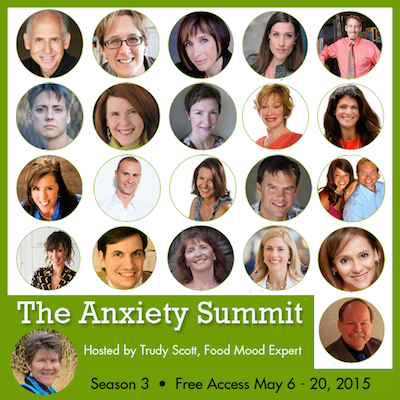
And here are all the speakers of Season 3 of The Anxiety Summit.

Here are some of the words from Top of the World

A new beginning, a brand new day
All of my fears are gone away
I feel so calm, so free, so whole
Right now, I’m feeling on top of the world
You’ll find the link to download the song on the replay page. Enjoy and share!
 

A few final words from me –

  • Please don’t tolerate how you feel
  • Don’t ever give up hope and keep looking for answers until you have zero anxiety – there may be one root cause, there may be many but you can end your anxiety!
  • Finally ….“You deserve to feel your absolute best, and can and should feel on top of the world – always!”
If you are not already registered for the Anxiety Summit you can get live access to the speakers of the day here: www.theAnxietySummit.com


Missed this interview or can’t listen live? Or want this and the other great interviews for your learning library? Purchase the MP3s or MP3s + transcripts and listen when it suits you.

You can find your purchasing options here: Anxiety Summit Season 1, Anxiety Summit Season 2, and Anxiety Summit Season 3.

Filed Under: Antianxiety, Anxiety and panic, Drugs, The Anxiety Summit 3 Tagged With: anxiety, cooking, diet, drugs, microbiome, micronutrients, the anxiety summit, Trudy Scott

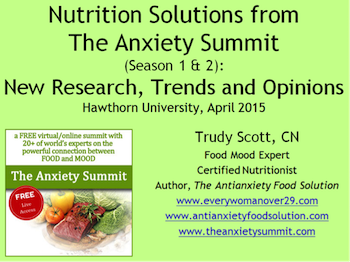
Nutrition Solutions from the Anxiety Summit: New Research, Trends and Opinions

May 1, 2015 By Trudy Scott 4 Comments

AS-hawthorn

“Could diet and nutrition be central determinants of mental health? Find out when Trudy Scott, CN, provides evidence presented at The Anxiety Summit, seasons 1 and 2, which has showcased vitally important research now available to integrative practitioners and to people who suffer with anxiety, panic attacks, social anxiety and OCD. The gut-brain connection and microbiome, methylation, adverse effects of benzodiazapines, the role of inflammation, and controversial opinions about serotonin, GABA and urinary neurotransmitter testing are a few of the concepts that will be shared.”

This is the blurb describing my recent online presentation/webinar at Hawthorn University, a Leader in Online Holistic Nutrition Education. Doing this presentation: “Nutrition Solutions from The Anxiety Summit: New Research, Trends and Opinions” was a fabulous opportunity to highlight some of the incredible season 1 and season 2 speakers and share some of the exciting research.   I also had the opportunity to share quite a few differences of opinions around GABA, serotonin and neurotransmitter testing.

Here is the presentation – enjoy!


Here are a few snippets from the presentation:

Dr. Felice Jacka, Principal Research Fellow at Deakin University, Melbourne, Australia shared this in our interview titled: “The Research – Food to prevent and treat anxiety and depression?”

We’ve now seen data from right around the world right across every continent and across age ranges, showing that diet really does matter to the prevalence and incidence of depression and anxiety.

Dr. Kelly Brogan, MD and Holistic women’s health psychiatry, shared this in our interview titled: “Psychoneuroimmunology, the new psychiatry”

it’s about no longer looking at psychiatry as a head up phenomenon, which at best can result in limited outcomes and at worst, can be quite dangerous”… and it “also sort of ropes in the gut and the endocrine system with the implication being that you cannot treat one without knowledge about the other.

In my talk “Targeted individual amino acids for eliminating anxiety: practical applications,” I shared this:

You’ll hear some practitioners say GABA molecules are too large to cross the blood brain barrier so GABA won’t work or if it does work you must have a leaky blood brain barrier

I have seen research indicating that GABA’s relaxing effect may be due to peripheral effects rather than the effect on/in the brain.

You can access a PDF copy of the presentation on the Hawthorn University site. While you’re there, do check out their other webinars and program offerings.

If you tuned in for season 1 and season 2, this gives you a nice recap. If you didn’t listen to season 1 and season 2 and enjoyed these highlights, be sure to check out all the The Anxiety Summit Season 1 and The Anxiety Summit Season 2 speakers and topics.  

Either way I hope it has inspired you to want to hear more on season 3 which starts next week! I’ll be taking a deeper dive into troubleshooting when you are using (or recommending) amino acids and what to do when the pyroluria protocol is not working for you.

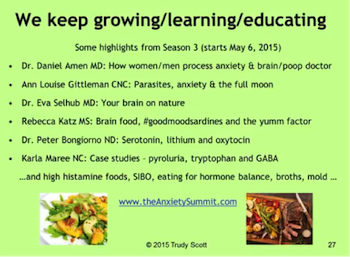
Here are just a few other highlights from Season 3:

keep-learningWe have a whole set of new topics, new speakers and new research to share – so you can learn more nutritional solutions for anxiety.  Join us here: season 3 of The Anxiety Summit.
 

Filed Under: Anxiety and panic, Events, The Anxiety Summit 3 Tagged With: felice jacka, Hawthorn University, Kelly Brogan

End anxiety, fears, social anxiety – the Anxiety Summit starts next week!

April 29, 2015 By Trudy Scott 2 Comments

 small_group2015V2_sml

End anxiety, social anxiety, panic attacks, fears and overwhelm! Find nutritional solutions!

The Anxiety Summit (a virtual/online event) kicks off on Wednesday May 6 at 9am PDT. It will run thru May 20 with 2 speakers per day available for viewing at no charge. AND WE HAVE ALL NEW TOPICS!

Topics cover latest food mood research, troubleshooting the aminos and pyroluria, 60+ biochemical causes/solutions for anxiety, why real whole food, micronutrients, brain food like sardines, sauerkraut, corn gluten, vegetarianism, broths and soy, SIBO, parasites, nature, mold, pain, hormone balancing, methylfolate, histamine and mood, serotonin and tryptophan, case studies, mindbody medicine, gluten and zinc/high histamine, my recommended supplements… and lots more!

Here are some snippets from a few interviews to get you excited if you are already signed up and to get you inspired if you are not already signed up!

Julia Rucklidge PhD, Professor of Clinical Psychology in the Department of Psychology at the University of Canterbury, Christchurch, New Zealand, said this during our interview titled: “What if… Nutrition could Treat Anxiety and Depression?”

How long is it going to take our society to pay attention to the research that shows that suboptimal nutrition is contributing to the epidemic of mental illness? Are we just going to sit around and ignore this evidence to our peril? Or are we going to start paying attention and start to invest in the really important research that needs to happen?

Dr. Peter Osborne DC, author of Glutenology, said this during our interview titled “Grainflammation – How Grain Consumption Contributes to Anxiety and other Mood Disorders”

A lot of people don’t realize that corn has a form of gluten – the one that has been the most studied is called zein. This is very disturbing to me as there are several studies that show that corn gluten causes inflammation in patients with celiac disease…and can actually cause villous atrophy. These studies are largely ignored.

You can now see all the incredible speakers and topics at www.theAnxietySummit.com. This will be over 25 hours of top-notch anxiety nutritional solutions from people I have hand-picked! Plus 3 talks I will be doing on new research, amino acid and pyroluria troubleshooting, 60+ nutritional causes of anxiety and the supplements I recommend. ALL NEW TOPICS!

If you have any questions about how any of this works feel free to ask here:
https://www.everywomanover29.com/blog/anxiety-summit-season-3-speakers-topics

“See you” on the summit! I’m looking forward to all your great questions and feedback!

Please share if you know someone who has anxiety or if you know someone who works with anxious individuals: www.theanxietysummit.com


Filed Under: Anxiety and panic, Events, The Anxiety Summit 3 Tagged With: Julia Rucklidge, peter osborne

  • « Go to Previous Page
  • Page 1
  • Interim pages omitted …
  • Page 5
  • Page 6
  • Page 7
  • Page 8
  • Page 9
  • Interim pages omitted …
  • Page 27
  • Go to Next Page »

Primary Sidebar

GABA QuickStart Homestudy

gaba quickstart homestudy

Free Report

9 Great Questions Women Ask about Food, Mood and their Health

You'll also receive a complimentary subscription to my ezine "Food, Mood and Gal Stuff"


Connect with me

Popular Posts

  • Amino Acids Mood Questionnaire from The Antianxiety Food Solution
  • The Antianxiety Food Solution Amino Acid and Pyroluria Supplements
  • Pyroluria Questionnaire from The Antianxiety Food Solution
  • Collagen and gelatin lower serotonin: does this increase your anxiety and depression?
  • Tryptophan for the worry-in-your-head and ruminating type of anxiety
  • GABA for the physical-tension and stiff-and-tense-muscles type of anxiety
  • The Antianxiety Food Solution by Trudy Scott
  • Seriphos Original Formula is back: the best product for anxiety and insomnia caused by high cortisol
  • Am I an anxious introvert because of low zinc and vitamin B6? My response to Huffington Post blog
  • Vagus nerve rehab with GABA, breathing, humming, gargling and key nutrients

Recent Posts

  • Her cravings for chips and peanut butter were triggered by stress: GABA ends cravings and reduces physical tension and fear of heights
  • It is truly miraculous to be able to move through life without crippling anxiety and panic
  • GABA and tryptophan combo provide immediate and noticeable relief for tremors and cervical dystonia in just 7 days
  • Red light therapy for back and neck pain, plantar fasciitis and low mood – a complement to the amino acids GABA, DPA and tryptophan
  • What do I use instead of Seriphos to help lower high cortisol that is affecting my sleep and making me anxious at night?

Categories

  • 5-HTP
  • AB575
  • Addiction
  • ADHD
  • Adrenals
  • Alcohol
  • Allergies
  • Alzheimer's disease
  • Amino Acids
  • Anger
  • Antianxiety
  • Antianxiety Food Solution
  • Antidepressants
  • Anxiety
  • Anxiety and panic
  • Autism
  • Autoimmunity
  • benzodiazapines
  • Bipolar disorder
  • Books
  • Caffeine
  • Cancer
  • Candida
  • Children/Teens
  • Collagen
  • Cooking equipment
  • Coronavirus/COVID-19
  • Cravings
  • Depression
  • Detoxification
  • Diabetes
  • Diet
  • DPA/DLPA
  • Drugs
  • EFT/Tapping
  • EMF
  • EMFs
  • Emotional Eating
  • Endorphins
  • Environment
  • Essential oils
  • Events
  • Exercise
  • Fear
  • Fear of public speaking
  • Fertility and Pregnancy
  • Fish
  • Food
  • Food and mood
  • Functional neurology
  • GABA
  • Gene polymorphisms
  • General Health
  • Giving
  • Giving back
  • Glutamine
  • Gluten
  • GMOs
  • Gratitude
  • Gut health
  • Heart health/hypertension
  • Histamine
  • Hormone
  • Hyperparathyroidism
  • Hypoglycemia
  • Immune system
  • Inflammation
  • Insomnia
  • Inspiration
  • Introversion
  • Joy and happiness
  • Ketogenic diet
  • Lithium orotate
  • Looking awesome
  • Lyme disease and co-infections
  • MCAS/histamine
  • Medication
  • Men's health
  • Mental health
  • Mercury
  • Migraine
  • Mold
  • Movie
  • MTHFR
  • Multiple sclerosis
  • Music
  • NANP
  • Nature
  • Nutritional Psychiatry
  • OCD
  • Osteoporosis
  • Oxalates
  • Oxytocin
  • Pain
  • Paleo
  • Parasites
  • Parkinson’s disease
  • PCOS
  • People
  • PMS
  • Postpartum
  • PTSD/Trauma
  • Pyroluria
  • Questionnaires
  • Real whole food
  • Recipes
  • Research
  • Schizophrenia
  • serotonin
  • SIBO
  • Sleep
  • Special diets
  • Sports nutrition
  • Stress
  • Sugar addiction
  • Sugar and mood
  • Supplements
  • Teens
  • Testimonials
  • Testing
  • The Anxiety Summit
  • The Anxiety Summit 2
  • The Anxiety Summit 3
  • The Anxiety Summit 4
  • The Anxiety Summit 5
  • The Anxiety Summit 6
  • Thyroid
  • Thyroid health
  • Toxins
  • Tryptophan
  • Tyrosine
  • Uncategorized
  • Vegan/vegetarian
  • Women's health
  • Yoga

Archives

  • May 2026
  • April 2026
  • October 2025
  • September 2025
  • August 2025
  • July 2025
  • June 2025
  • May 2025
  • April 2025
  • March 2025
  • February 2025
  • January 2025
  • November 2024
  • October 2024
  • September 2024
  • August 2024
  • July 2024
  • June 2024
  • May 2024
  • April 2024
  • March 2024
  • February 2024
  • January 2024
  • December 2023
  • November 2023
  • October 2023
  • September 2023
  • August 2023
  • July 2023
  • June 2023
  • May 2023
  • April 2023
  • March 2023
  • February 2023
  • January 2023
  • December 2022
  • November 2022
  • October 2022
  • September 2022
  • August 2022
  • July 2022
  • June 2022
  • May 2022
  • April 2022
  • March 2022
  • February 2022
  • January 2022
  • December 2021
  • November 2021
  • October 2021
  • September 2021
  • August 2021
  • July 2021
  • June 2021
  • May 2021
  • April 2021
  • March 2021
  • February 2021
  • January 2021
  • December 2020
  • November 2020
  • October 2020
  • September 2020
  • August 2020
  • July 2020
  • June 2020
  • May 2020
  • April 2020
  • March 2020
  • February 2020
  • January 2020
  • December 2019
  • November 2019
  • October 2019
  • September 2019
  • August 2019
  • July 2019
  • June 2019
  • May 2019
  • April 2019
  • March 2019
  • February 2019
  • January 2019
  • December 2018
  • November 2018
  • October 2018
  • September 2018
  • August 2018
  • July 2018
  • June 2018
  • May 2018
  • April 2018
  • March 2018
  • February 2018
  • January 2018
  • December 2017
  • November 2017
  • October 2017
  • September 2017
  • August 2017
  • July 2017
  • June 2017
  • May 2017
  • April 2017
  • March 2017
  • February 2017
  • January 2017
  • December 2016
  • November 2016
  • October 2016
  • September 2016
  • August 2016
  • July 2016
  • June 2016
  • May 2016
  • April 2016
  • March 2016
  • February 2016
  • January 2016
  • December 2015
  • November 2015
  • October 2015
  • September 2015
  • August 2015
  • July 2015
  • June 2015
  • May 2015
  • April 2015
  • March 2015
  • February 2015
  • January 2015
  • December 2014
  • November 2014
  • October 2014
  • September 2014
  • August 2014
  • July 2014
  • June 2014
  • May 2014
  • April 2014
  • March 2014
  • February 2014
  • January 2014
  • December 2013
  • November 2013
  • October 2013
  • September 2013
  • August 2013
  • July 2013
  • June 2013
  • May 2013
  • April 2013
  • March 2013
  • February 2013
  • January 2013
  • December 2012
  • November 2012
  • October 2012
  • August 2012
  • July 2012
  • June 2012
  • May 2012
  • April 2012
  • March 2012
  • February 2012
  • January 2012
  • December 2011
  • November 2011
  • October 2011
  • September 2011
  • August 2011
  • July 2011
  • June 2011
  • May 2011
  • April 2011
  • March 2011
  • February 2011
  • January 2011
  • December 2010
  • October 2010
  • September 2010
  • July 2010
  • May 2010
  • April 2010
  • March 2010
  • February 2010
  • January 2010
  • November 2009

Share the knowledge!

The above statements have not been evaluated by the Food and Drug Administration. Products listed in this website are not intended to diagnose, treat, cure or prevent any disease.

The information provided on this site is for informational and educational purposes only and is not intended as a substitute for advice from your physician or other health care professional. You should consult with a healthcare professional before starting or modifying any diet, exercise, or supplementation program, before taking or stopping any medication, or if you have or suspect you may have a health problem.


Copyright © 2026 Trudy Scott. All Rights Reserved. | Privacy | Terms and Conditions | Refund Policy | Medical Disclaimer

Free Report

9 Great Questions Women Ask about Food, Mood and their Health

You’ll also receive a complimentary subscription to my ezine “Food, Mood and Gal Stuff”