• Skip to primary navigation
  • Skip to main content
  • Skip to primary sidebar

everywomanover29 blog

Food, Mood and Women's Health – Be your healthiest, look and feel great!

  • Blog
  • About
  • Services
  • Store
  • Resources
  • Testimonials
  • The Book
  • Newsletter
  • Contact
  • Search this site

Anxiety and panic

The Antianxiety Food Solution Amino Acid and Pyroluria Supplements

June 26, 2015 By Trudy Scott 674 Comments

antianxiety food solution and amino acids

Here are my amino acid and pyroluria supplement recommendations. These are the products I use with my one-one clients and those doing my online group programs.

You can find most of these products in my online store at Fullscript – you’ll find details here on how to set up and account (you just need to do this once) and make your purchase.
Purchase products through our Fullscript virtual dispensary.

Questionnaires and information

My publisher would not allow me to make specific product recommendations in my book so this list is a courtesy to those of you who have purchased the book.

If you do not have my book I highly recommend getting it and reading it before jumping in to taking supplements: The Antianxiety Food Solution – How the Foods You Eat Can Help You Calm Your Anxious Mind, Improve Your Mood, and End Cravings

There is a complete chapter on the amino acids and one for pyroluria, plus information on real whole food, sugar and blood sugar, gluten, digestion and much more.

Once you have read it you can use these blogs as summaries (they do contain some information that is not in my book).

Here is the Amino Acids Mood Questionnaire from The Antianxiety Food Solution and additional information on Anxiety and targeted individual amino acid supplements: a summary

Please read and follow these Amino Acid Precautions

Here is the Pyroluria Questionnaire from The Antianxiety Food Solution and additional information on Pyroluria, social anxiety, introversion: a summary

Here is a useful post: Pyroluria/social anxiety protocol: why aren’t I getting results? (trouble-shooting checklist)

Supplements for Low Blood Sugar (anxious, shaky between meals and intense sugar cravings)

Glutamine helps with low blood sugar, may help eliminate the strong desire for something sweet when opened on to the tongue, and is very healing for the digestive system

  • Pure Encapsulations L-Glutamine 500mg:  L-glutamine (free-form) 500 mg, vitamin C (as ascorbyl palmitate) 5 mg. The capsules can be swallowed or the capsule can be opened on to the tongue
  • Designs for Health Glutamine Powder: This is a powdered glutamine that you can use right on your tongue or even mixed in water. The taste is quite pleasant.

Supplements for low GABA (stiff and tense muscles, anxious, panic attacks, use sugar/wine to relax)

GABA helps to raise GABA levels.  I find GABA to be most effective when taken sublingually or opened on to the tongue. I find GABA to be more effective than pharmaGABA for most of my clients. I don’t ever use Phenibut (which the FDA recently removed from non-prescription use).  Here are some GABA products that I like and use with clients.

Source Naturals GABA Calm (lozenges): This is a pleasant-tasting sublingual product that is my most popular and the most effective form of GABA I use with my clients. It is a lozenge that contains 125mg GABA, 5mg magnesium, 50mg glycine, 25mg tyrosine and 20 mg taurine. [AS OF NOV 24, 2021 THIS PRODUCT IS IN SHORT SUPPLY AGAIN]

[Note: this product is a lozenge with 125mg GABA and is not to be confused with the Source Naturals, GABA Calm Mind, 750 mg tablets]

Nutritional Fundamentals for Health GABA-T SAP: gamma-Aminobutyric acid (GABA) 300 mg, l-Theanine 150 mg. This is pleasant-tasting when opened on to the tongue and works very well when GABA Calm can’t be used.  I find best results when it is used opened on to the tongue.

Thorne PharmaGABA-100:  the label says Gamma-Aminobutyric Acid (GABA) 100 mg but it also states that the product uses Pharma Foods International’s Gamma-Aminobutyric Acid (PharmaGABA®).  This is also pleasant-tasting when opened on to the tongue and is most effective when used this way. [AS OF NOV 24, 2021 THIS MAY BE UNAVAILABLE]

Thorne PharmaGABA-250: as above but contains 250mg of PharmaGABA®.  This is also pleasant-tasting when opened on to the tongue and is most effective when used this way. [AS OF NOV 24, 2021 THIS MAY BE UNAVAILABLE]

Designs for Health PharmaGABA Chewables: gamma-amino butyric acid (pharmaGABA) 200 mg in 2 chewable tablets.  It’s quick-acting and convenient like GABA-Calm because it’s chewable. This does contain xylitol, natural flavors, stevia and some other ingredients so taste may be a factor and xylitol can cause gas, bloating and diarrhea when too much is consumed.

Natural Factors PharmaGABA: gamma-amino butyric acid (pharmaGABA) 200 mg in 2 chewable tablets. It’s quick-acting and convenient like GABA-Calm because it’s chewable. However it also contains organic cane sugar and natural fruit flavors so it’s a little too candy-like for my preference, especially if you have low GABA-related sugar cravings. Also 2 chewable tablets – 4g of carbs which is almost 1 teaspoon of sugar!

[January 22, 2021/November 24, 2021: I’ve included this as a stand-by option for occasional use when Source Naturals GABA Calm is in short supply or if Designs for Health PharmaGABA Chewables are not available.]


Now Foods GABA Powder: 1/4 Level Teaspoon (500mg). This is pleasant-tasting when opened on to the tongue and is most effective when used this way.  The only challenge with powder like this is making sure you don’t use too much by mistake. And it’s especially challenging when you only need 100mg.  A mini measuring spoon set like this one (my Amazon link) is so easy and convenient to use and allows for accurate dosing.

Quicksilver Scientific Liposomal GABA with L-Theanine: 2ml (4 Pumps) provides (Gamma Amino Butyric Acid) 240mg, L-Theanine 100mg and Phosphatidylcholine 120mg (from purified sunflower seed lecithin). Spray and hold 30 seconds before swallowing. It does contain ethanol so would not be suitable for alcoholics or young children.

GABA-Pro Calming Effect Chewable: This is a chewable that contains 100 mg of pharmaGABA in 1 tablet. It is pharmaGABA even though the product says GABA-Pro on the front and the label states Gamma Amino Butyric Acid (GABA). It does contain natural flavors and xylitol. [This product is a reasonable replacement for Source Naturals GABA Calm when it’s not available (Nov 24, 2021)]

GABA-Pro Calming Effect: This contains 100 mg of pharmaGABA in 1 tablet. It is pharmaGABA even though the product says GABA-Pro on the front and the label states Gamma Amino Butyric Acid (GABA). This capsule can be opened onto the tongue.  It does contain rice flour which can be an issue if you have a rice allergy/sensitivity and/or SIBO.

Designs for Health Stress Arrest: Niacin (niacinamide) 100 mg, Vitamin B6 (pyridoxine HCL) 10 mg, Pantothenic acid (d-calcium pantothenate) 100 mg, GABA 300 mg, Glycine 200 mg

Supplements for low serotonin (worry, rumination, negativity, afternoon and evening cravings and insomnia)

Tryptophan and/or 5-HTP can help to raise low serotonin. I typically recommend starting with tryptophan and don’t recommend 5-HTP if you have high cortisol as it can raise cortisol. Some people do better on tryptophan and some do better on 5-HTP.

Lidtke l-tryptophan 500mg:  I only recommend the Lidtke brand for tryptophan as quality is a big consideration when it comes to this amino acid. This can be opened and/or chewed but doesn’t taste good. It can be mixed with inositol powder to make it more pleasant (see below) or with mashed banana. NOTE: This is not the same as the Lidtke Tryptophan Complete which has ingredients other than tryptophan making it more difficult to titrate up.

Lidtke l-Tryptophan Chewable: tablets contain 200mg L-Tryptophan per 2 tablets. This chewable form is both good and bad. It’s good because it’s a nice 100mg of tryptophan per tablet, is chewable, tastes good and is suitable for kids and “pixie dust” individuals (who need a very small amount). The bad aspect is that it does contain sugar and is quite sweet. Because you are continually consuming something sweet you may end up over-consuming them if sugar addiction is your issue.

Pure Encapsulations 5-HTP 50mg:  Some of my clients do better on 5-HTP and some find taking this during the day and tryptophan at night works well for them.

Designs for Health Inositol: is fabulous for obsessive thoughts/behaviors that the tryptophan isn’t quite enough for. It’s also been shown to be very helpful for OCD itself. The powder has a slightly sweet taste and I recommend taking it in the powdered form. You can take up to 18g a day but I suggest starting with 2g a day and building up as needed. I think it  makes a great addition for mixing into the nasty tasting tryptophan – I suggest starting with 2g inositol per 500mg tryptophan.

Douglas Labs 1mg melatonin sublingual: If the tryptophan isn’t enough for sleep issues, adding this often helps if you can’t fall asleep (and if it’s a low serotonin/low melatonin issue). Start with one and increase to 3 as needed

Douglas Labs 3mg melatonin prolonged release: If the tryptophan isn’t enough for sleep, adding this often helps if you wake in the night and if it’s a low serotonin/low melatonin issue. Start with one and increase to 2 as needed.

Supplement for low endorphins (comfort and reward eating, weepy, pain issues)

DPA or D-Phenylalanine is the amino acid that helps to raise endorphins and eliminates the comfort/reward eating and the feelings of “I deserve this” and LOVING certain foods

Lidtke Endorphigen 500mg: Riboflavin 5mg, Pyridoxal 5-phosphate 5mg (enzymatic form of vitamin B6), D-Phenylalanine 500mg. This is also one of my top products that I recommend. I used to recommend simply chewing the capsule to get the quickest and best effects and this worked well when it was produced in a gelatin capsule. Now it’s made with a cellulose capsule and chewing doesn’t work at all well so opening the capsule (or just biting off the top) and tipping the powder into your mouth works well. It does taste quite pleasant – some of my clients think it has a dark chocolate-like taste. A few people don’t like the taste at all but even then, it can be very effective when low endorphins are an issue.

Supplement for low catecholamines (tired, coffee-drinking, blahs, poor focus, low motivation)

Tyrosine is the amino acid that helps to raise low catecholamines and can often help you quit coffee if you “self-medicate” due to low catecholamines.

Progressive Labs tyrosine 500mg: 500mg l-tyrosine.  This is the last amino acid I trial with my anxious clients because it can make you more anxious (although with one client it reduced her anxiety because she was able to focus better at work).

Vitamin C for negating the effects of any amino acid

Vitamin C 1000mg is used to negate the effects of any amino acid. I used to use EmergenC but this still contains folic acid, so here are some good alternate vitamin C recommendations:

Designs for Health C + Biofizz: Vitamin C 2569 mg (as Ascorbic Acid, Calcium Ascorbate, Magnesium Ascorbate) Quercetin 20 mg Hesperidin 20 mg Rutin 10 mg. This one mixes nicely in water and can also be added to a smoothie but tastes quite sweet for many people. I personally prefer less of a sweet taste.

Designs for Health Buffered Vitamin C: Vitamin C (as ascorbic acid) 2000 mg, Calcium (as calcium ascorbate) 80 mg, Magnesium (as magnesium ascorbate) 160 mg, Potassium (as potassium bicarbonate) 200 mg. This one doesn’t mix very well in water and can also be added to a smoothie. The taste is not very pleasant.

The supplements for pyroluria

Zinc, vitamin B6, evening primrose oil and a good copper-free multivitamin are what I use for my clients with pyroluria or for those who score above 15 on the questionnaire:

Solaray OptiZinc 30mg. Zinc (as Zinc Monomethionine [OptiZinc®] 30 mg, Vitamin B6 (as Pyridoxine HCl) 20 mg. The zinc in this form seems to be well absorbed by many of my clients and is available over the counter. This also does not contain copper. Be aware as there are other OptiZinc products on the market that do contain copper (Source Naturals is one example)

Douglas Labs Opti-Zinc: Zinc (from 150 mg Zinc Monomethionine) 30 mg. The zinc in this form seems to be well absorbed by many of my clients. This also does not contain copper.

Metagenics Zinc Drink:  Zinc sulphate monohydrate in a base of distilled water. Each 2 tsp provides Zinc sulfate monohydrate 8 mg. Use this for testing your zinc status as described here: Zinc deficiency is common: using liquid zinc status test as an assessment tool

Here are a selection of 100 mg Vitamin B6/pyridoxine products. Use dream recall as a way to monitor if it’s working, plus social anxiety and mood improvements. If this doesn’t work you may need to use the activated form in conjunction with or instead of this one (see below)

Progressive Labs 100mg Vitamin B6 (contains rice flour)

NOW 100mg Vitamin B6 (contains rice flour)

Vital Nutrients 100mg Vitamin B6  (Only B6 and glycine)

Klaire Labs 250mg Vitamin B6 (Use this one if you find you do better with more i.e. 250mg)

Pure Encapsulations P5P 50 (activated B-6): pyridoxal 5 phosphate (activated B6) 50 mg, vitamin C (as ascorbyl palmitate) 3 mg. This activated form of B6 may be needed if the 100-500 mg B6/pyridoxine doesn’t work or may be needed in addition to vitamin B6/pyridoxine. Use dream recall as a way to monitor if it’s working, plus social anxiety and mood improvements.

Designs For Health P5P 50mg: another good product with pyridoxal 5 phosphate (activated B6) 50 mg

Now Foods Super Primrose 1300mg: Evening Primrose Oil (Oenothera blennis) (Seed) 1.3 g (1300 mg) – 120 count. GLA is often low in pyroluria and EPO helps with zinc absorption and PMS symptoms.

Designs for Health Twice Daily Multi: This is a good copper-free multi. It also contains Folates (NatureFolate™ blend) 400 mcg instead of folic acid (no DFH products contain folic acid).

Free form amino acids and magnesium

Pure Encapsulations Amino Replete: A free form amino acid powder blend that does contain tryptophan. It does contain fructose, flavors and luo han guo

Allergy Research Free Aminos: A free form amino acid blend in capsules. It contains 5-HTP and not tryptophan. I’d prefer it if it had tryptophan.

Designs for Health Amino Acid Supreme: A free form amino acid blend powder that does contain tryptophan. It is sweetened with stevia and contains natural flavors.

Designs for Health Magnesium Malate 360mg

Liquid and powder options for children

Here are some liquid and powder options for children (or for adults, if you have a hard time swallowing pills):

Carlson 100mg B6: Use dream recall (and no more nightmares) as a way to monitor if it’s working, plus improvements in social anxiety and mood.

Designs for Health 50mg P5P (with a little zinc and magnesium): This is the activated form of B6. Use dream recall (and no more nightmares) as a way to monitor if it’s working, plus improvements in social anxiety and mood.

Pure Encapsulations 15mg Zinc gluconate: A liquid zinc option.

Metagenics 15mg Zinc (as zinc sulfate): A liquid zinc option.

Designs for Health Zinc Challenge: Zinc sulphate monohydrate in a base of distilled water. Each 2 tsp provides Zinc sulfate monohydrate 8 mg. I use this for testing zinc status but it could be used as a supplement too.

BodyBio evening primrose oil: Gamma Linolenic Acid/GLA (omega-6) 473 mg. GLA is often low in pyroluria and EPO helps with zinc absorption, eczema and PMS symptoms.

Klaire Labs Vitaspectrum multivitamin/mineral: This is a great copper-free, iron-free powdered multi for kids. You can mix the powder directly into room temperature or cold foods or beverages just before serving.

Pure Encapsulations Amino Replete: A free form amino acid powder blend that does contain tryptophan. It does contain fructose, flavors and luo han guo.

Pure Encapsulations Magnesium Citrate 250mg powder

Designs for Health Magnesium Bisglycinate Chelate 300 mg powder: This one does have stevia and natural flavors

Also see chewable tryptophan, GABA Calm and inositol powder, plus powdered Vitamin C (all listed above).

Purchase products through our Fullscript virtual dispensary.


What about international orders?

Unfortunately, Fullscript does not ship internationally.

So we suggest folks try an intermediary shipping service like www.shipito.com (we haven’t used them as of yet, so do your own research, and if they or someone else does work out please let us know in the comments below).

An alternative is to use iHerb to get similar products, as they ship worldwide and may even have a branch in your country for free shipping.

Here is the link for iHerb and to get 5% off, and if you are interested in iHerb’s exclusive brands to get 10% off here.
 

Filed Under: Amino Acids, Antianxiety, Anxiety and panic, Pyroluria, Supplements Tagged With: amin acids, anxiety, GABA, pyroluria, the antianxiety food solution, Trudy Scott, tryptophan, vitamin B6, zinc

Holistic Solutions for Anxiety and Depression: review

June 12, 2015 By Trudy Scott 84 Comments

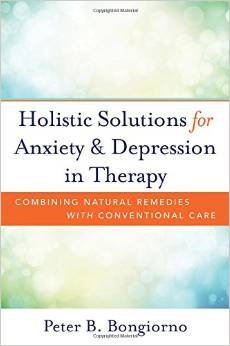
holistic-solutions-anxiety

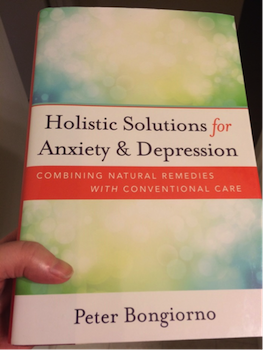
Although it is written for therapists I feel that Holistic Solutions for Anxiety and Depression: Combining Natural Remedies with Conventional Care, written by Dr. Peter Bongiorno, ND, is a great resource for anyone working with individuals with anxiety or depression, and this includes nutritionists.

As a nutritionist who works primarily with women with anxiety, I was so pleased to receive a physical review copy of this wonderful book. I did purchase the kindle but a real book is just so much nicer!

It’s also perfect for the anxious individual who taking charge of their own health and wants to become more empowered. It would also be a perfect book for the anxious person to share with their open-minded therapist or doctor.

Here are some of the reasons why I really enjoyed this book:

  • The extensive coverage of diet – Dr. Bongiorno favors a Mediterranean diet and cites research supporting this way of eating for mental health (I’d add more red meat and skip the grains, especially gluten)
  • The recommendation to eat crunchy vegetables based on the research about crunchy foods making us feel happier and calmer
  • The coverage of nutrients such as 5-HTP and tryptophan. Dr. Bongiorono will use 5-HTP first (he feels its “more effective at crossing the blood brain barrier) , whereas I tend to start with tryptophan. But he does say that “when dosed accordingly, tryptophan appears to be quite safe and effective.”    
  • The coverage of GABA: “GABA supplementation helps open chloride channels in neurons, which hyperpolarizes them, so that the positive charges remain on one side of the membrane, which inactivates the nerve cell. This slows firing and calms the brain.”
  • The coverage of vitamin B3: one way it helps mood is “its ability to inhibit the liver enzyme tryptophan pyrrolase. This enzyme breaks down tryptophan making it less available to produce serotonin. Vitamin B3 is also responsible for activating the enzyme that converts tryptophan to 5-hydroxytryptophan.”    
  • The coverage of lithium orotate: “It is suggested that lithium’s beneficial effects on mood may be due to its oxytocin-raising properties.” He suggests using it with an oxytocin-raising massage! Oxytocin also helps with social anxiety: Oxytocin and social anxiety, pyroluria and depression?
  • The fascinating discussion of the 5-HT1A receptor and oxytocin
  • The history of the discovery of serotonin (clams used it to keep their shells closed)
  • The coverage of light therapy, getting house-plants and a mind-body approach

As you can see, it includes plenty of geeky science, something I really love!

I had the pleasure of interviewing Dr. Bongiorno on The Anxiety Summit – our topic: Serotonin and Anxiety, Happiness, Digestion and our Hormones. Dr. Bongiorno’s speaking is as eloquent, factual and caring as his writing.

Dr. Bongiorno has been kind enough to offer a copy of his book as a giveaway. We’ll do a drawing and select one lucky reader and announce the winner next Friday. If you’d like to be entered in to the drawing simply comment below and share:

  • why you’d like to win the book
  • which section you’re most excited about reading and why (just go to the Amazon preview and check out the table of contents)
  • which holistic approaches you already use with patients/clients or you’ve used yourself

This drawing is open to practitioners and non-practitioners alike.

Peter Bongiorno, ND, a doctor of naturopathic medicine, is co-director of InnerSource Natural Health and Acupuncture in New York City. President of the New York Association of Naturopathic Physicians, he is a contributor to numerous blogs and online magazines, including DrOz.com and Sharecare.com, and is regularly interviewed as a natural medicine expert on national television and radio.

Filed Under: Anxiety and panic, Books, Depression, The Anxiety Summit 3 Tagged With: 5-HTP, anxiety, anxiety summit, depression, GABA, holistic, Peter Bongiorno, serotonin, tryptophan

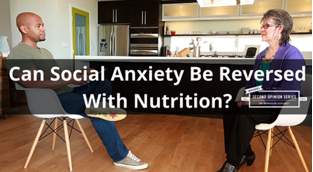
Can Social Anxiety Be Reversed with Nutrition?

May 29, 2015 By Trudy Scott 62 Comments

underground-wellness-radio

Sean Croxton host of Underground Wellness Radio shares how:

  • he was once prescribed Paxil for social anxiety (and depression)
  • he doesn’t like big crowds
  • he can speak on stage in front of 100s of people with no problem
  • as soon as people come to talk to him afterwards he wants to go!

Can you relate to any of this?

He thinks he has pyroluria, a social anxiety condition where you have a higher need for some key nutrients: zinc, vitamin B6 and evening primrose oil.

We are often surprised when we hear that someone who appears to be outgoing and extroverted (like Sean) actually has social anxiety.

It’s more common than you think and is made worse under stressful situations: life stresses, gluten sensitivities etc.

I share how my social anxiety got really bad in my late thirties (when my PMS was so bad) and how

  • many of us with pyroluria push through and deal with it
  • we just want to stay home
  • we don’t really want to see people

Not everyone needs omega-3 supplements!

We discuss omega-3s and omega-6s and how pyrolurics often don’t need to supplement with omega-3s like fish oils but can extract the omega-3s from the foods they eat: grass-fed red meat, wild fish like salmon, leafy greens and walnuts.

Pyrolurics often do need to supplement with the GLA form of omega-6 that we find in evening primrose oil as GLA is often low, plus the GLA enhances zinc absorption.

(by the way: I said alpha linolenic acid (ALA) but should have said gamma linolenic acid (GLA)

A good copper-free multi is part of the protocol because low zinc often means high copper and this can make you more anxious.

Looking at other sources of copper is a helpful for many pyrolurics: eating too many nuts, baking with nut flours, the copper IUD.

You don’t want to miss this part…Sean asks if you can cure introversion with this pyroluria protocol. If you are an introvert and force yourself in social settings, feel very uncomfortable and anxious being around big groups of people then you’re going to have to watch the end of the video for my answer!

You can watch the whole snippet here

This is part of my interview on the Depression Sessions, an online event hosted by my friend Sean. I’ll also be sharing information about the amazing amino acids – inexpensive, over-the-counter supplements that can lift your mood and end anxiety in minutes!

Sean traveled the country to interview the best of the best experts — medical doctors, naturopaths, nutritionists, and bestselling authors — on what really causes depression and anxiety and what to do about it.

Some of us (like me) flew to San Diego to be interviewed in his home. It was such a thrill to be interviewed by the legendary Sean Croxton and is an honor to be part of this group of experts!

Here are just a few of the amazing experts you’ll hear from:

  • Suzy Cohen, also known as America’s Pharmacist, uncovers specific prescription drugs that rob your body and brain of mood-friendly nutrients.
  • Datis Kharrazian will show you what insomnia, anxiety, and the symptoms that tag along with depression can tell you about what’s causing it.
  • Hyla Cass, a medical doctor and integrative psychiatrist (who has been featured on two prior Anxiety Summits), shares her best tips for transitioning OFF of psychiatric meds while avoiding or minimizing common withdrawal symptoms.
  • Ben Lynch (another Anxiety Summit favorite) reveals the incredibly common genetic mutation known to drive depression (and anxiety) … and the critical nutrients that make such a big difference.


Filed Under: Anxiety and panic, Events, Introversion, Pyroluria Tagged With: introversion, pyroluria, sean croxton, social anxiety, the depression sessions, Trudy Scott, underground wellness radio, zinc

Pyroluria prevalence and associated conditions

May 22, 2015 By Trudy Scott 104 Comments

pyroluria prevalence

Pyroluria is a genetic condition that is frequently associated with a type of anxiety characterized by social anxiety, avoidance of crowds, a feeling of inner tension, and bouts of depression. People with this problem experience varying degrees of anxiety or fear, often starting in childhood, but they usually manage to cover it up and push through. They tend to build their life around one person, become more of a loner over time, have difficulty handling stress or change, and have heightened anxiety symptoms when under more stress.

Addressing low levels of the mineral zinc and vitamin B6, together with some other nutrients and stress management, are key to addressing these symptoms.

You can read more about pyroluria, sometimes called high mauve or pyrrole disorder here

Pyroluria is far more common that we realize and is not considered a real condition in conventional medicine or mainstream mental health.

I’d like to share the prevalence of pyroluria and the many related conditions/syndromes (other than those we have listed on the current Pyroluria Questionnaire from The Antianxiety Food Solution

I discussed some of this in my interview on the Anxiety Summit season 3: Pyroluria, Amino Acids and Anxiety: Troubleshooting when you are not getting results and in my Closing call 60+ Nutritional & Biochemical Causes of Anxiety and Recommended Supplements so here it is all in one place.

This is an excerpt from my book The Antianxiety Food Solution:

Joan Mathews-Larson is someone who I consider an expert on the subject of pyroluria. In her book Depression-Free Naturally, she reports the prevalence as follows: 11 percent of the healthy population, 40 percent of adults with psychiatric disorders, 25 percent of children with psychiatric disorders, 30 percent of people with schizophrenia, and 40 percent of alcoholics.

Abram Hoffer worked primarily with schizophrenic patients, but he found pyroluria was also present in 25 percent of his nonschizophrenic patients, including adults with anxiety, depression, and alcoholism, and children with learning disorders and behavioral disorders.

According to McGinnis, pyroluria is also present in about 46 percent of people with autism spectrum disorders and 71 percent of those with Down syndrome.

I work primarily with adult women who are anxious, depressed, or both and have found that at least 80 percent of my clients with moderate to severe anxiety have a large number of pyroluria symptoms.

I thought it would be useful to summarize the above percentages for some clarity. I used some educated guesses to get some ranges we may expect to see. Keep in mind that the differing percentages are because of the different populations each practitioner works with:

  • the healthy population : 11% (Joan Mathews Larson)
  • adults with psychiatric/mood disorders like anxiety and depression: 40% (Joan Mathews Larson)
  • children with psychiatric/mood disorders like anxiety and depression: 25% (Joan Mathews Larson)
  • children with learning disorders and behavioral disorders: 25% (Abram Hoffer)
  • schizophrenics: 30% (Joan Mathews Larson)
  • alcoholics: 25% (Woody McGinnis and Abram Hoffer) to 40% (Joan Mathews Larson)
  • autism spectrum disorders: 46% (Woody McGinnis)
  • Down Syndrome: 71% (Woody McGinnis)
  • adult women with anxiety and/or depression: up to 80% (Trudy Scott)

There are other related conditions where there have been reports of improvements in both conditions (when on the pyroluria protocol):

  • Introversion – see my blog Am I an anxious introvert because of low zinc and vitamin B6? My response to Huffington Post blog. As of now 100s of people score high on both the pyroluria and introvert questionnaires and report feeling less introverted when on the pyroluria protocol (just read all the comments in this blog).
  • Dystonia – see my blog that shares Jay’s story: Pyroluria and focal musician’s dystonia or musician’s cramp. As of now we have 2 people reporting resolution of dystonia and pyroluria when on the pyroluria protocol.
  • Thin Basement Membrane Disease (an inherited collagen/connective tissue disorder diagnosed via kidney biopsy). Someone contacted me during season 3 of the Anxiety Summit and said she has pyroluria and TBMD. She shared that the pyroluria protocol helped with her TBMD symptoms.

Other factors/conditions to consider:

  • Miscarriage – Carl Pfeiffer observed that pyroluria is more common in girls and that girls in the family often look alike. It seems that boy babies are more frequently miscarried
  • MTHFR defects – I have been hearing that many people with pyroluria also have one or both of the MTHFR polymorphisms. We know that methylation polymorphisms are a factor in miscarriages and it would be interesting to know if more boys are miscarried.
  • Low histamine (histapenia) or high histamine (histadela) – many pyrolurics also have one or the other. I’m not sure of the prevalence but I’m sure Dr. William Walsh has some numbers which I plan to find.
  • Chronic fatigue syndrome/CFS – the common issues with CFS and pyroluria seem to be low zinc and low iron, plus inflammation. You can read more here: Pyroluria and chronic fatigue syndrome: is there a link?
  • Low oxytocin and social anxiety and autism – the common factors seem to be oxytocin receptor gene (OXTR) defects, low serotonin and low zinc

Other conditions that have a social anxiety aspect, a possible neurotransmitter imbalance with a likely pyroluria connection. These came up as questions during season 3 of the Anxiety Summit and I’ll report back as I find out more:

  • Alice in Wonderland Syndrome. I don’t know if there is there a connection between pyroluria and Alice in Wonderland Syndrome (where the person sees large or small objects/people and often has migraines). I had never heard of this condition but my quick search had me wondering about the word “hallucinations.” The original work by Carl Pfeiffer was with schizophrenics who had pyroluria so it’s possible that there is a connection.
  • Selective mutism I also don’t know if there is a connection between pyroluria and selective mutism. We do know that selective mutism often goes hand in hand with anxiety and social anxiety.

Both young girls with the above conditions did score high on the pyroluria questionnaire and it will be wonderful to hear if the pyroluria protocol helps them. I really do hope so!

Update: August 23, 2024

Osteopenia/osteoporosis – I’m exploring a possible connection to pyroluria given the role of zinc and vitamin B6, oxidative stress, anxiety and homocysteine in both.

One example are B vitamins (folate, B6 and B12) which help to reduce homocysteine. Elevated homocysteine increases anxiety/panic attacks and it also increases the risk of fractures. Also, vitamin B6 and the B vitamins are key for pyroluria and for helping to ease anxiety in general.

Another factor may be low zinc leading to low stomach acid production, thereby contributing to poor protein digestion and reduced calcium absorption – both important for bone health.

Other possible links include: celiac disease or non-celiac gluten sensitivity, MTHFR polymorphism, oxalate issues, collagen/joint issues, perimenopause/menopause and liver/gallbladder/bile issues.

I will be publishing an in depth blog with all the supporting research links and some case studies, so stay tuned.

If you’re new to pyroluria

If you’re new to pyroluria you can find the current Pyroluria Questionnaire from The Antianxiety Food Solution here.

There is an entire chapter on pyroluria in my book, The Antianxiety Food Solution, where I cover more of the back story, the exact protocol and nuances (for example using vitamin B6/pyridoxine vs P5P/pyridoxal-5-phosphate), testing and much more.

There are many blog posts on the site that address additional aspects of pyroluria – feel free to use the search feature when on any blog post or use this link to find the posts.

Wrapping up and your feedback

Now I’d love to hear from you – do you have pyroluria (or suspect you have pyroluria) and do you have any of the above conditions or do any of them run in your family?

Has addressing your pyroluria with the pyroluria helped you feel more social and helped any of the related conditions?

If you’re aware of any other conditions related to pyroluria please do share in the comments.

With the newest update on osteopenia/osteoporosis I’m particularly interested in your feedback on this aspect as I gather information for a more in-depth blog post.

If you’re a practitioner working with clients/patients with pyroluria I’d love to hear your insights too.

Feel free to share and ask your questions below.

Filed Under: Anxiety and panic, Pyroluria Tagged With: alice in wornderland syndrome, cfs, dystonia, histamine, introversion, mthfr, oxtr, pyroluria, selective mutism, thin basement membrane disease

12 Ways Coffee Impacts Your Hormones

May 17, 2015 By Trudy Scott 4 Comments

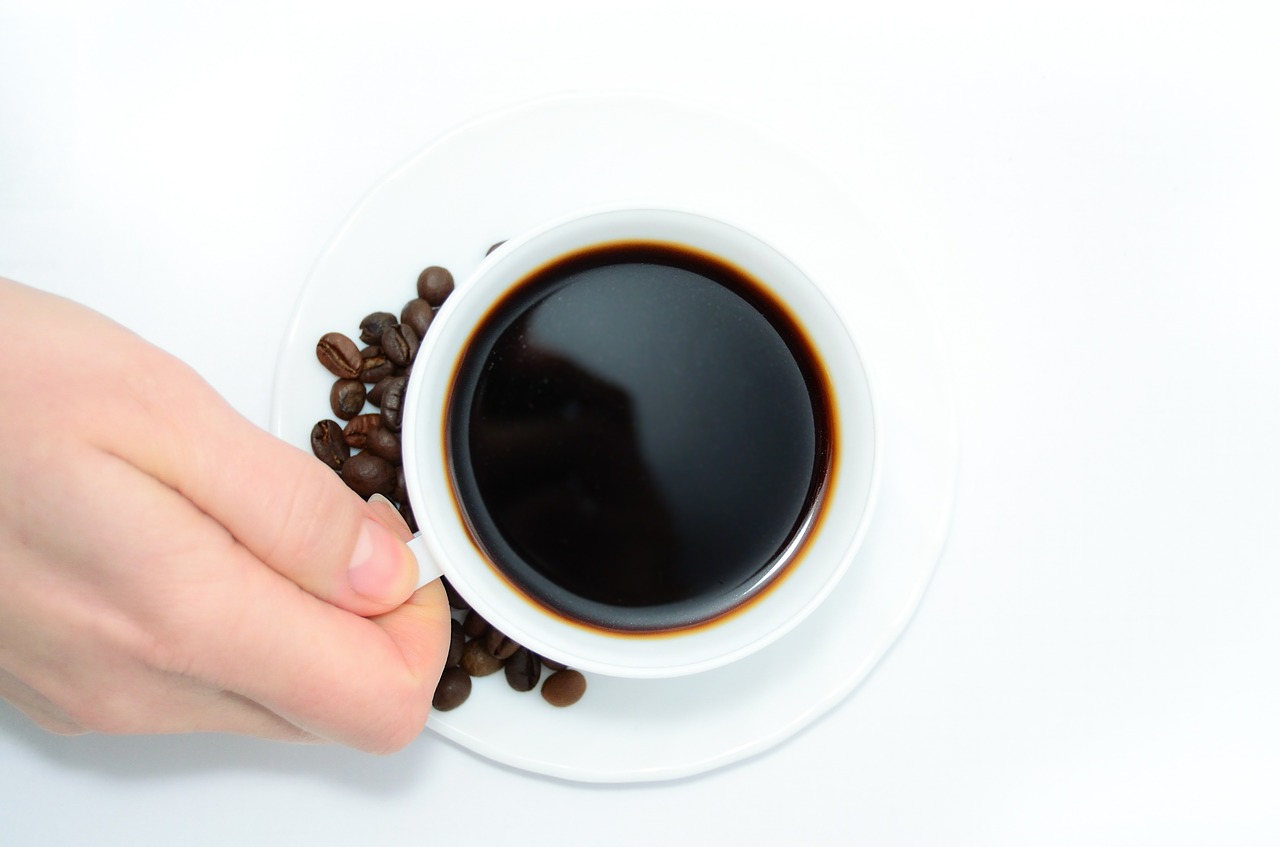
 a-cup-of-coffee-399478_1280

12 Ways Coffee Impacts Your Hormones

Guest post by Magdalena Wszelaki, founder of Hormones Balance

(with the 12th one on anxiety added by me!)

Black magic. Black medicine. Morning elixir.

If you had to give up either coffee or the internet for 2 weeks, which one would you choose? How about either coffee or sex for 2 weeks? If you’d rather relinquish anything to keep your coffee, you’d be on par with the majority of the people around you.

Taking steps to remove gluten, dairy or sugar from your diet can feel like a breeze compared to giving up coffee. However, as with anything that makes us feel that good, there is another side to your java fixation, and you need to know about it.

Benefits of coffee

Many reliable studies are often cited in confirming that coffee is full of antioxidants and polyphenols. However, these same antioxidants and polyphenols can also be found abundantly in many fruits and vegetables.

In addition, there are also a variety studies showing coffee’s role in the prevention of cancer, diabetes, depression, cirrhosis of the liver, gallstones, etc.

Beyond science, there is also the undeniable feeling of comfort in a morning routine, a stop at a favorite coffee shop, the smell, the buzz, and the energetic boost and mental clarity that come with a good cup of joe.

Everyone reacts differently

Is coffee bad for everybody? Not really. Each of us can have a different reaction to coffee. Some people get jittery, anxious and nervous, while others feel uplifted for hours. Many coffee drinkers report feeling good for the first two hours (mainly due to a dopamine spike), but eventually their energy and mental alertness will start dropping rapidly.

Coffee is metabolized in Phase I of the liver detoxification pathway, and some people have a harder time breaking it down – we call them “slow metabolizers.” This can either manifest immediately, presenting shaky and jittery feelings, or in a delayed fashion, such as poor sleep and digestive issues.

What is so worrisome about coffee?

If you are suffering from thyroid issues, Hashimoto’s, adrenal fatigue, insomnia, anxiety, hot flashes or hormone-related conditions, it’s important to be fully aware of the “other side of coffee” and make an educated decision whether it is good for you.

Here are some of the lesser-known facts about coffee:

  1. Increases blood sugar levels

According to this study, caffeine increases blood sugar levels. This is especially dangerous for people with hypoglycemia (or low sugar levels) who feel jittery, shaky, moody and unfocused when hungry. Blood sugar fluctuations cause cortisol spikes, which not only exhaust the adrenals, but also deregulate the immune system. This is highly undesirable for those of us with adrenal fatigue, Hashimoto’s or Graves’ disease. Such cortisol spikes are also highly inflammatory (read more below).

  1. Creates sugar and carbohydrate cravings

As the result of the above (increase in sugar levels), when our blood sugar levels come down, we need an emergency fix to bring them back up. This is why people who drink coffee at breakfast or indulge in sugary and processed breakfasts crave carbs and sugar by 11am or later in the day.

  1. Contributes to acid reflux and damages gut lining

Coffee stimulates the release of gastrin, the main gastric hormone, which speeds up intestinal transit time. Coffee can also stimulate the release of bile (which is why some people run to the bathroom soon after drinking coffee) and digestive enzymes.

In a person with a healthy digestion, this is not a big deal. However, for people with autoimmune conditions, compromised digestion (such as IBS, or “leaky gut”), this can cause further digestive damage to the intestinal lining (source).

  1. Exhausts the adrenals

Coffee stimulates the adrenals to release more cortisol, our stress hormone; this is partly why we experience a wonderful but temporary and unsustainable burst of energy.

What many of us don’t realize is that our tired adrenals are often the cause of unexplained weight gain, sleeping problems, feeling emotionally fragile, depression and fatigue. Drinking coffee while experiencing adrenal fatigue is only adding fuel to the fire.

  1. Worsens PMS and lumpy breasts

It’s well-established that coffee contributes to estrogen dominance (source), which can mean one of two things: we either have too much estrogen in relation to progesterone, or we have an imbalance in the estrogen metabolites (some are protective and some are dangerous).

PMS, lumpy breasts, heavy periods, cellulite and even breast cancer (which is an estrogenic cancer) can be symptoms of estrogen dominance.

  1. Gluten-cross reactive food

50% of people with gluten sensitivities also experience cross reactivity with other foods, including casein in milk products, corn, coffee, and almost all grains, because their protein structures are similar. Cyrex Labs provides a test for gluten cross-reactive foods.

 Many people report having a similar reaction to coffee as they do to gluten.

  1. Impacts the conversion of T4 to T3 hormones

Coffee impacts the absorption of levothyroxine (the synthetic thyroid hormone); this is why thyroid patients need to take their hormone replacement pill at least an hour before drinking coffee.

The indirect but important point is that coffee contributes to estrogen dominance, cited above, and estrogen dominance inhibits T4 to T3 conversion.

  1. Can cause miscarriages

This study showed that women who drink coffee during their pregnancy are at a higher risk of miscarriage.

  1. Is highly inflammatory

Any functional or integrative doctor would say the majority of modern diseases are caused by inflammation – a smoldering and invisible fire found on a cellular level.

This study found that caffeine is a significant contributor to oxidative stress and inflammation in the body. Chronic body pains and aches, fatigue, skin problems, diabetes and autoimmune conditions are just some of the conditions related to inflammation.

  1. Can contribute to and even cause osteoporosis

It is well-known that coffee changes our body pH to a lower, and thus more acidic, level. A low pH (which means a more acidic body) can contribute to osteoporosis.

This study has confirmed that habitual coffee drinking among postmenopausal women was the leading cause of osteoporosis.

  1. Can cause insomnia and poor sleep

This study showed that 400mg of “caffeine taken 6 hours before bedtime has important disruptive [sleep] effects.”

This, again, is dependent on the individual and his or her ability to metabolize caffeine. Some people experience deep and restful sleep whether or not they drink coffee, while others do not, even if they stop drinking anything caffeinated at noon.

How sensitive are you and how does coffee impact your sleep? You will only find out when you give up caffeinated drinks for 5 days – then your body will tell you!

       12.  Can cause anxiety and depression (Trudy: I added this one!)

Many people find that caffeine consumption can worsen anxiety. For example, chronic, heavy use of caffeine can cause or heighten anxiety and may lead to increased use of antianxiety medications as shown in this study. This study showed that people with panic disorder and social anxiety may be more sensitive to the anxiety-causing effects of caffeine. Somewhat paradoxically, caffeine withdrawal can also mimic anxiety

What about decaf?

It’s a disputed area, but many health practitioners don’t suggest it for two reasons. For one, many manufacturers use a chemical process to remove caffeine from the coffee beans. The result is less caffeine, but more chemicals. Secondly, it is the caffeine in the coffee that has the health benefits we discussed above. Without it, you are left with little benefit.

The change we resist the most is often the change we need the most

Many people who have made extensive dietary changes will admit that coffee was the last and hardest thing to eliminate from their diets. Coffee is our ritual; it’s our best friend.

But is it really? It is often said that the change we resist the most is the change our body needs the most. Let your intuition be your guide.

Bottom line

You will only know how you really feel without coffee when you get off it for 3 to 5 days (and please don’t say it does not impact you until you try this experiment). The first 2 days will be tough, but that tells you something important about this addictive substance, does it not?

Many women who have given up coffee and caffeine report better sleep within days, fewer hot flashes, less depression and anxiety, and many more other benefits over time.

What are some substitute options?

If you feel like you still need a slight kick, go for less-caffeinated options, such as green tea.

Once you are ready to completely rid yourself of caffeine, herbal teas are a wonderful replacement.

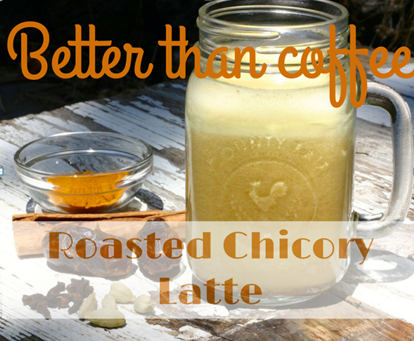
One of my personal favorites is a Roasted Chicory Latte – it tastes like coffee, but it contains no caffeine. Making it into a smooth and creamy (yet dairy-free) latte makes the transition so much easier.

magdalena roasted chicory latte 

RECIPE: ROASTED CHICORY ROOT LATTE

Time to prepare: 15 minutes; Time to steep: 10minutes.

Serves: 1

Equipment: blender

Ingredients

1 tbsp roasted chicory root

2 cups water

1 tbsp ghee, coconut butter or butter (if tolerated)

1 pitted date

fresh nutmeg (nut or powder)

How to make:

  1. Bring water to a boil, add chicory root and steep for 10 minutes.
  2. Strain and transfer to a blender.
  3. Add the ghee (or any fat you decide to use) and the date. Blend for 1 minute at high speed.
  4. Top with freshly grated nutmeg and enjoy.


Medical references:

  • Effects of caffeine on glucose tolerance: a placebo-controlled study.
  • Coffee and estrogen dominance.
  • Maternal caffeine consumption during pregnancy and the risk of miscarriage: a prospective cohort study.
  • The effects of theaflavin-enriched black tea extract on muscle soreness, oxidative stress, inflammation, and endocrine responses to acute anaerobic interval training: a randomized, double-blind, crossover study.
  • Coffee and gastrointestinal function: facts and fiction. A review.
  • Dietary patterns and bone mineral density in Brazilian postmenopausal women with osteoporosis: a cross-sectional study.
  • Caffeine effects on sleep taken 0, 3, or 6 hours before going to bed.
  • Psychotropic effects of caffeine
  • Caffeine, mental health, and psychiatric disorders

If you are not already registered for the Anxiety Summit you can get live access to the speakers of the day here: www.theAnxietySummit.com

Check out the speaker blog from Magdalena’s two wonderful interviews on the Anxiety Summit Season 3: Foods to balance your hormones and ease anxiety.

Her 2 interviews will be replayed on Monday May 18th (we have encore replay days on Monday May 18th and Wednesday May 20th).

Grab Magdalena’s gift: How to Rebalance Your Hormones with Food and Recipes

Missed these interviews or can’t listen live? Or want this and the other great interviews for your learning library? Purchase the MP3s or MP3s + transcripts and listen when it suits you.

You can find your purchasing options here: Anxiety Summit Season 1, Anxiety Summit Season 2, and Anxiety Summit Season 3.

Filed Under: Anxiety and panic, Caffeine, Hormone, The Anxiety Summit 3, Women's health Tagged With: anxiety, caffeine, coffee, hormones, Magdalena Wszelaki, the anxiety summit, Trudy Scott

The Anxiety Summit – Serotonin and Anxiety, Happiness, Digestion and our Hormones

May 14, 2015 By Trudy Scott 43 Comments


Dr. Peter Bongiorno ND, author of Holistic Therapies for Anxiety and Depression is interviewed by host of the Anxiety Summit, Trudy Scott, Food Mood Expert and Nutritionist, author of The Antianxiety Food Solution.

Serotonin and Anxiety, Happiness, Digestion and our Hormones

  • What is serotonin and why is it often considered the molecule of happiness
  • The role of serotonin when it comes to anxiety?
  • How serotonin was first discovered and the 5-HT1A receptor/oxytocin connection
  • Serotonin’s strong relationship to the digestive tract
  • The connection between inflammation and serotonin
  • How to naturopathically support serotonin and the overall neurotransmitter system for optimal mood support: 5-HTP, L-tryptophan and its vitamin co-factors
  • Serotonin’s effects on our hormones, other neurotransmitters and whole body

Here are some snippets from our interview:

In modern medicine we tend to focus on one thing and tend to work it to death, almost to the point that we believe we are doing things that will be helpful. Many studies have shown that antidepressants are not working any better than placebos in most people and yet we’re still treating it [depression/anxiety] the same way

In naturopathy we look at things from all angles. There can be multiple factors involved and why someone has anxiety. How you’re going to work through these factors successfully is going to be very different for each person.

Here is the 2010 JAMA paper: The Antidepressant Drug Effects and Depression Severity A Patient-Level Meta-analysis

The magnitude of benefit of antidepressant medication compared with placebo increases with severity of depression symptoms and may be minimal or nonexistent, on average, in patients with mild or moderate symptoms. For patients with very severe depression, the benefit of medications over placebo is substantial.

Dr. Bongiorno shares how using 5-HTP and tryptophan leads to quicker results for his patients, and unlike drugs you don’t get side-effects. He likes to use acupuncture for this too.

He discusses the co-factors that are needed for making neurotransmitters: the B vitamins like riboflavin, niacinamide and vitamin B6, plus the need for a good multivitamin.   Here is a recent Psychology Today article: Multiple Vitamins for Anxiety

Here are Dr. Bongiorno’s two books:

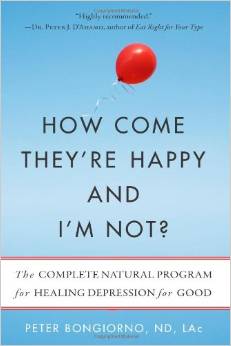
How Come They’re Happy and I’m Not – The Complete Natural Program for Healing Depression for Good

peter bongiorno how come they're happy and I'm not

Holistic Solutions for Anxiety & Depression in Therapy: Combining Natural Remedies with Conventional Care

peter bongiorno holistic solutions for anxiety and depression

You can download his free gift here: 10 Ways to Boost Serotonin Naturally.  Once you sign up you’re taken to a page that has the free ebook about serotonin.

If you are not already registered for the Anxiety Summit you can get live access to the speakers of the day here: www.theAnxietySummit.com

Missed this interview or can’t listen live? Or want this and the other great interviews for your learning library? Purchase the MP3s or MP3s + transcripts and listen when it suits you.

You can find your purchasing options here: Anxiety Summit Season 1, Anxiety Summit Season 2, and Anxiety Summit Season 3.

Filed Under: Amino Acids, Antianxiety, Anxiety and panic, Depression, The Anxiety Summit 3 Tagged With: 5-HTP, anxiety, digestion, happiness, oxytocin, Peter Bongiorno, serotonin, the anxiety summit, Trudy Scott, tryptophan

  • « Go to Previous Page
  • Page 1
  • Interim pages omitted …
  • Page 4
  • Page 5
  • Page 6
  • Page 7
  • Page 8
  • Interim pages omitted …
  • Page 27
  • Go to Next Page »

Primary Sidebar

GABA QuickStart Homestudy

gaba quickstart homestudy

Free Report

9 Great Questions Women Ask about Food, Mood and their Health

You'll also receive a complimentary subscription to my ezine "Food, Mood and Gal Stuff"


Connect with me

Popular Posts

  • Amino Acids Mood Questionnaire from The Antianxiety Food Solution
  • The Antianxiety Food Solution Amino Acid and Pyroluria Supplements
  • Pyroluria Questionnaire from The Antianxiety Food Solution
  • Collagen and gelatin lower serotonin: does this increase your anxiety and depression?
  • Tryptophan for the worry-in-your-head and ruminating type of anxiety
  • GABA for the physical-tension and stiff-and-tense-muscles type of anxiety
  • The Antianxiety Food Solution by Trudy Scott
  • Seriphos Original Formula is back: the best product for anxiety and insomnia caused by high cortisol
  • Am I an anxious introvert because of low zinc and vitamin B6? My response to Huffington Post blog
  • Vagus nerve rehab with GABA, breathing, humming, gargling and key nutrients

Recent Posts

  • Her cravings for chips and peanut butter were triggered by stress: GABA ends cravings and reduces physical tension and fear of heights
  • It is truly miraculous to be able to move through life without crippling anxiety and panic
  • GABA and tryptophan combo provide immediate and noticeable relief for tremors and cervical dystonia in just 7 days
  • Red light therapy for back and neck pain, plantar fasciitis and low mood – a complement to the amino acids GABA, DPA and tryptophan
  • What do I use instead of Seriphos to help lower high cortisol that is affecting my sleep and making me anxious at night?

Categories

  • 5-HTP
  • AB575
  • Addiction
  • ADHD
  • Adrenals
  • Alcohol
  • Allergies
  • Alzheimer's disease
  • Amino Acids
  • Anger
  • Antianxiety
  • Antianxiety Food Solution
  • Antidepressants
  • Anxiety
  • Anxiety and panic
  • Autism
  • Autoimmunity
  • benzodiazapines
  • Bipolar disorder
  • Books
  • Caffeine
  • Cancer
  • Candida
  • Children/Teens
  • Collagen
  • Cooking equipment
  • Coronavirus/COVID-19
  • Cravings
  • Depression
  • Detoxification
  • Diabetes
  • Diet
  • DPA/DLPA
  • Drugs
  • EFT/Tapping
  • EMF
  • EMFs
  • Emotional Eating
  • Endorphins
  • Environment
  • Essential oils
  • Events
  • Exercise
  • Fear
  • Fear of public speaking
  • Fertility and Pregnancy
  • Fish
  • Food
  • Food and mood
  • Functional neurology
  • GABA
  • Gene polymorphisms
  • General Health
  • Giving
  • Giving back
  • Glutamine
  • Gluten
  • GMOs
  • Gratitude
  • Gut health
  • Heart health/hypertension
  • Histamine
  • Hormone
  • Hyperparathyroidism
  • Hypoglycemia
  • Immune system
  • Inflammation
  • Insomnia
  • Inspiration
  • Introversion
  • Joy and happiness
  • Ketogenic diet
  • Lithium orotate
  • Looking awesome
  • Lyme disease and co-infections
  • MCAS/histamine
  • Medication
  • Men's health
  • Mental health
  • Mercury
  • Migraine
  • Mold
  • Movie
  • MTHFR
  • Multiple sclerosis
  • Music
  • NANP
  • Nature
  • Nutritional Psychiatry
  • OCD
  • Osteoporosis
  • Oxalates
  • Oxytocin
  • Pain
  • Paleo
  • Parasites
  • Parkinson’s disease
  • PCOS
  • People
  • PMS
  • Postpartum
  • PTSD/Trauma
  • Pyroluria
  • Questionnaires
  • Real whole food
  • Recipes
  • Research
  • Schizophrenia
  • serotonin
  • SIBO
  • Sleep
  • Special diets
  • Sports nutrition
  • Stress
  • Sugar addiction
  • Sugar and mood
  • Supplements
  • Teens
  • Testimonials
  • Testing
  • The Anxiety Summit
  • The Anxiety Summit 2
  • The Anxiety Summit 3
  • The Anxiety Summit 4
  • The Anxiety Summit 5
  • The Anxiety Summit 6
  • Thyroid
  • Thyroid health
  • Toxins
  • Tryptophan
  • Tyrosine
  • Uncategorized
  • Vegan/vegetarian
  • Women's health
  • Yoga

Archives

  • May 2026
  • April 2026
  • October 2025
  • September 2025
  • August 2025
  • July 2025
  • June 2025
  • May 2025
  • April 2025
  • March 2025
  • February 2025
  • January 2025
  • November 2024
  • October 2024
  • September 2024
  • August 2024
  • July 2024
  • June 2024
  • May 2024
  • April 2024
  • March 2024
  • February 2024
  • January 2024
  • December 2023
  • November 2023
  • October 2023
  • September 2023
  • August 2023
  • July 2023
  • June 2023
  • May 2023
  • April 2023
  • March 2023
  • February 2023
  • January 2023
  • December 2022
  • November 2022
  • October 2022
  • September 2022
  • August 2022
  • July 2022
  • June 2022
  • May 2022
  • April 2022
  • March 2022
  • February 2022
  • January 2022
  • December 2021
  • November 2021
  • October 2021
  • September 2021
  • August 2021
  • July 2021
  • June 2021
  • May 2021
  • April 2021
  • March 2021
  • February 2021
  • January 2021
  • December 2020
  • November 2020
  • October 2020
  • September 2020
  • August 2020
  • July 2020
  • June 2020
  • May 2020
  • April 2020
  • March 2020
  • February 2020
  • January 2020
  • December 2019
  • November 2019
  • October 2019
  • September 2019
  • August 2019
  • July 2019
  • June 2019
  • May 2019
  • April 2019
  • March 2019
  • February 2019
  • January 2019
  • December 2018
  • November 2018
  • October 2018
  • September 2018
  • August 2018
  • July 2018
  • June 2018
  • May 2018
  • April 2018
  • March 2018
  • February 2018
  • January 2018
  • December 2017
  • November 2017
  • October 2017
  • September 2017
  • August 2017
  • July 2017
  • June 2017
  • May 2017
  • April 2017
  • March 2017
  • February 2017
  • January 2017
  • December 2016
  • November 2016
  • October 2016
  • September 2016
  • August 2016
  • July 2016
  • June 2016
  • May 2016
  • April 2016
  • March 2016
  • February 2016
  • January 2016
  • December 2015
  • November 2015
  • October 2015
  • September 2015
  • August 2015
  • July 2015
  • June 2015
  • May 2015
  • April 2015
  • March 2015
  • February 2015
  • January 2015
  • December 2014
  • November 2014
  • October 2014
  • September 2014
  • August 2014
  • July 2014
  • June 2014
  • May 2014
  • April 2014
  • March 2014
  • February 2014
  • January 2014
  • December 2013
  • November 2013
  • October 2013
  • September 2013
  • August 2013
  • July 2013
  • June 2013
  • May 2013
  • April 2013
  • March 2013
  • February 2013
  • January 2013
  • December 2012
  • November 2012
  • October 2012
  • August 2012
  • July 2012
  • June 2012
  • May 2012
  • April 2012
  • March 2012
  • February 2012
  • January 2012
  • December 2011
  • November 2011
  • October 2011
  • September 2011
  • August 2011
  • July 2011
  • June 2011
  • May 2011
  • April 2011
  • March 2011
  • February 2011
  • January 2011
  • December 2010
  • October 2010
  • September 2010
  • July 2010
  • May 2010
  • April 2010
  • March 2010
  • February 2010
  • January 2010
  • November 2009

Share the knowledge!

The above statements have not been evaluated by the Food and Drug Administration. Products listed in this website are not intended to diagnose, treat, cure or prevent any disease.

The information provided on this site is for informational and educational purposes only and is not intended as a substitute for advice from your physician or other health care professional. You should consult with a healthcare professional before starting or modifying any diet, exercise, or supplementation program, before taking or stopping any medication, or if you have or suspect you may have a health problem.


Copyright © 2026 Trudy Scott. All Rights Reserved. | Privacy | Terms and Conditions | Refund Policy | Medical Disclaimer

Free Report

9 Great Questions Women Ask about Food, Mood and their Health

You’ll also receive a complimentary subscription to my ezine “Food, Mood and Gal Stuff”