• Skip to primary navigation
  • Skip to main content
  • Skip to primary sidebar

everywomanover29 blog

Food, Mood and Women's Health – Be your healthiest, look and feel great!

  • Blog
  • About
  • Services
  • Store
  • Resources
  • Testimonials
  • The Book
  • Newsletter
  • Contact
  • Search this site

Antianxiety

Balance Neurotransmitters for Pain and Anxiety: The Healing Pain Summit

September 11, 2015 By Trudy Scott 20 Comments

healing-pain-summit

Joe Tatta is a Doctor of Physical Therapy and he is putting on The Healing Pain Summit which is focused on healing pain of all kinds using an integrated approach. Having practiced Physical Therapy for 20 years, Joe knows first-hand that pain is THE thing that will stop you in your tracks … completely.  To help people with pain of all kinds Joe has brought together experts on:

  • Healing joint pain and muscle pain
  • How the foods you eat can cause you physical and emotional pain
  • Healing spiritual pain
  • Healing sexual pain

Here are just a few of the summit topics that may interest you:

  • Natural Ways To Heal Fibromyalgia
  • Your Adrenals and Pain: What is the Connection?
  • Solutions for Cancer Patients and Cancer Survivors

My interview will be: How Balancing Neurotransmitters Can Help Pain and Anxiety. I’ll be sharing new information on pain and the amino acids – something I don’t often talk about but can be a very powerful addition to a pain management program. I’ll cover how GABA, DPA/Endorphigen and tryptophan/5-HTP can help with various types of pain (and anxiety). I’ll also discuss some of the many mood and anxiety side-effects we can see with pain medications.

Here are some reasons for concern when it comes to pain medications:

  1. Glucocorticoid medications like cortisone and prednisone can actually contribute to mood and cognitive issues. A 2014 paper titled Adverse consequences of glucocorticoid medication: psychological, cognitive, and behavioral effects reports that

Severe neuropsychiatric consequences (including suicide, suicide attempt, psychosis, mania, depression, panic disorder, and delirium, confusion, or disorientation) have been reported to occur in 15.7 per 100 person-years at risk for all glucocorticoid courses, and 22.2 per 100 person-years at risk for first courses

  1. NSAIDs (nonsteroidal anti-inflammatory drugs) such as ibuprofen are well known for causing injury and bleeding throughout the GI tract, but there now new evidence of an increased risk of a brain bleed when someone is also taking an SSRI. According to a Medscape article

The combination of antidepressants and nonsteroidal anti-inflammatory drugs (NSAIDS) is linked to an early increased risk for intracranial hemorrhage, regardless of the type of NSAID or antidepressant, new research shows.

Most worryingly, conditions requiring NSAIDs and antidepressants commonly coexist; 65% of adults with major depression also have chronic pain, with both morbidities sharing common psychological risk factors and neurobiological processes.

The good news is that amino acids can be a very powerful addition to a pain management program. One example is 5-HTP, an amino acid that raises serotonin levels.  Anxiety, depression and increased pain can all be caused by low serotonin.

A paper published in 1998 and called 5-Hydroxytryptophan: a clinically-effective serotonin precursor  reports that 5-HTP

easily crosses the blood-brain barrier and effectively increases central nervous system (CNS) synthesis of serotonin. In the CNS, serotonin levels have been implicated in the regulation of sleep, depression, anxiety, aggression, appetite, temperature, sexual behaviour, and pain sensation. Therapeutic administration of 5-HTP has been shown to be effective in treating a wide variety of conditions, including depression, fibromyalgia, binge eating associated with obesity, chronic headaches, and insomnia.

You can register here https://gc182.isrefer.com/go/hpsreg/trudyscottcn/
 

Filed Under: Antianxiety, Events Tagged With: 5-HTP, anxiety, DPA, Healing Pain Summit, Joe Tatta, pain, side-effects, tryptophan

Amino acids for anxiety – which ones and for how long?

August 14, 2015 By Trudy Scott 221 Comments

amino-acids

The targeted use of individual amino acid supplements will balance brain chemistry to alleviate anxiety, fear, worry, panic attacks, and feeling stressed or overwhelmed. They can also be helpful in addressing other problems that contribute to or exacerbate anxiety, such as sugar cravings and addictions. In addition, they can help with depression and insomnia, which often co-occur with anxiety. When you balance your brain chemistry, not only will you alleviate symptoms of anxiety, you’ll also have a great mood, eliminate cravings, sleep well, and have good energy and mental focus.

The above is from an earlier blog post: Anxiety and targeted individual amino acid supplements: a summary

I recently shared this article on my facebook page TrudyScott AntianxietyFoodSolution and we had such a healthy productive discussion going I’ve decided to share some of the great questions here – and my responses to them – so you can benefit too.

Some of these have been paraphrased, typos have been corrected and I’ve added additional information. Here is the link to the facebook discussion.

The first question was related to how to know which amino acid to use:

But how do you know which one will help? I have heard of so many different options. I was told by my nutritionist to try one called l-theanine but I haven’t tried it due to the fact that she told me it could have a reverse effect on me. Any advice?

Here is my response:

I have my clients do the amino acid questionnaire and then a trial of the amino acids that show up as likely being low: tryptophan for low serotonin, GABA for low GABA, DPA for low endorphins, tyrosine for low catecholamines and glutamine for low blood sugar. You may need support in more than one area. And if you need the amino acids you can actually get results in 5 minutes!

I prefer GABA to theanine as it’s often more effective but you may do well on theanine. And yes too much can cause a reverse effect so start low and back down if you don’t feel an improvement or feel worse.

In case you have not heard me present on this topic I’ll be featured on the online Mental Wellness Summit that started this week. My interview airs Saturday August 15th.

Another question was related to how long to take the amino acids:

When do you stop taking them? I have been taking GABA since January and it has helped tremendously. Is there ever a time you stop or do you take it indefinitely?

Here is my response:

I’m so pleased to hear the GABA has helped tremendously. Some people just forget to take them and then realize they feel good, have no more anxiety and don’t need the amino acids any more.

For other people we may say “let’s stop or cut back and see how you feel.” If you cut back and feel worse then you add them back again. If you feel fine on the lower amounts then you stay there and lower again a few weeks later.

With GABA, if you’re taking too much you may feel sluggish and tired.

There is no set length that works for everyone – it varies. For some it’s a month. I would say 6 months is pretty typical but a year is not unheard of.

If you find you are needing to keep taking the amino acids long term then I like to look at why. So we’d look at diet, stress and adrenal health, food sensitivities, malabsorption etc.

As someone kindly said in this same thread:

You can’t just “wing it.” You need dosage guidance on amino acid supplements, same as you would a prescription. I found reading Trudy’s blogs and book The Antianxiety Food Solution very helpful, plus the book The Mood Cure by Julia Ross give specific guidance on which ones to use and how.

I agree, of course, and would like to add that each person is different and has their own unique needs. And not everyone with anxiety or depression has a neurotransmitter deficiency and needs amino acids.

This question about adverse effects was also posted:

What’s the story with trying amino acid supplements and tyrosine gives you headaches and makes you feel unsettled, and GABA and 5-HTP makes you feel dopey. I’ve tried different dosing and I’m still not getting anywhere. Can you suggest what else may be going on?

Here is my response:

I would look at the quality of the amino acids being used (here are brands I use and like) and also consider if you’re possibly using too much. Some pixie dust clients need just a dab to start.

You may also have genetic SNPs that are affecting you or you may simply not need them. That’s when we dig deeper and look for other causes: here are the 60+ Nutritional & Biochemical Causes of Anxiety I covered in the last Anxiety Summit

If you enjoyed this and want to be part of future interactive discussions do come on over to facebook and join in.

If you’ve been using any of the amino acids, I hope this has been helpful for you. Please share how you’re doing in the comments and feel free to ask additional questions.

If you’re new to the amazing amino acids for anxiety and you’d like more detailed information, my book The Antianxiety Food Solution has a whole very detailed chapter on the topic, together with the other 8 steps I use with my clients to alleviate anxiety: real whole food, balance blood sugar, quit caffeine, quit gluten, address the gut, pyroluria, lifestyle and other factors.

If this sounds intriguing and you’d like guidance with using the amino acids, stay tuned for the launch of The Amazing Aminos for Anxiety homestudy group program that will be starting in September. You’re welcome to sign up here to be notified when we have details about the start date and more.

Filed Under: Amino Acids, Antianxiety

Low serotonin MAY often be a factor in anxiety and depression

July 17, 2015 By Trudy Scott 25 Comments

 low-serotonin-anxiety

I recently received the following series of questions/comments (all from the same person) on my blog Targeted Individual Amino Acids for Eliminating Anxiety: Practical Applications and would like to share some of what I shared, plus some additional information.

  1. Do you believe in the serotonin hypothesis? And that low serotonin is a factor in anxiety and/or depression? The serotonin hypothesis is a sales pitch from the pharmaceutical industry to sell psychotropic drugs. It is therefore very worrying that nutritional therapists found a market for sufferers and medicine addicts!

  2. There is no test you can take today that show low serotonin in the brain? So where is the evidence?

  3. Please read the books by Robert Whitaker, Peter Breggin and David Healy. Please read this article Things your Doctor Should tell You About Antidepressants and watch this Peter Breggin video

I’m sharing my response because these questions do come up periodically and you may hear other practitioners make similar statements. This is my response:

Yes, I do believe that low serotonin MAY be a factor in anxiety and/or depression (and research shows this to be a fact). I say MAY because anxiety and/or depression could have one of many possible causes – low serotonin, blood sugar instability, poor diet, not eating enough protein, sugar, caffeine, gluten, low dopamine (for depression), pyroluria, inflammation etc.

There is much evidence supporting low serotonin and depression/anxiety. Here are a few recent papers published in 2015:

  • “These findings suggest that the anxiolytic effect of dark cycle restraint is mediated by corticosterone, serotonin or γ-aminobutyric acid-independent mechanisms”
  • “Our results demonstrate that 5-HT [serotonin] deficiency leads to increased susceptibility to social defeat stress (SDS), a model of psychosocial stress”
  • “These findings link the serotonin transporter gene to affective circuitry findings in anxiety and depression psychopathology”
  • “Serotonin, tryptophan metabolism and the brain-gut-microbiome axis”

In response to the question about testing serotonin levels: you can actually test serotonin levels via platelet testing. It’s the test that correlates most closely with CSF levels. A lab called European Laboratory of Nutrients (ELN)/formerly Vitamin Diagnostics offers this platelet serotonin test. It’s not a test that I use as I rely on the Amino Acid Questionnaire and response to the amino acids.   I do not use Urinary Neurotransmitter testing.

With regards to the great article from Mad in America – I totally support these facts (for many individuals):

“antidepressant medications appear to do more harm than good as treatments for depression” and all the “harmful effects on other processes in the body” like digestion, sexual function, cognition etc.

I also respect Dr Peter Breggin’s concerns (in the youtube video) about biochemical imbalances in your brain being caused by the antidepressant drugs you are taking (such as Prozac or Paxil) and why we want to avoid them.

We know that anxiety and depression is not only caused by life stresses and trauma. There are physical biochemical imbalances, nutritional deficiencies, gut problems, food sensitivities, heavy metals and many more causes. I discussed 60+ Nutritional & Biochemical Causes of Anxiety during season 3 of the Anxiety Summit.

Low serotonin is just one of these possible contributing factors and we can address this with dietary and lifestyle changes:

  • Dietary changes include real whole food, grass-fed red meat, no sugar, no gluten, oily fish, healthy fats etc
  • Lifestyle changes include light therapy and exercise

Here are a few recent studies supporting the above:

  • “The effects of dietary tryptophan on affective disorders”
  • “Kefir protective effects against nicotine cessation-induced anxiety and cognition impairments in rats” (kefir is rich in tryptophan)
  • “Stress-Induced Depression Is Alleviated by Aerobic Exercise Through Up-Regulation of 5-Hydroxytryptamine 1A Receptors in rats”

The amino acid supplements tryptophan and 5-HTP are very powerful for providing immediate results of improved mood and reduced anxiety while the other factors are being addressed.   We really need more research on the supplements. Here are two papers:

  • “The effect of raising and lowering tryptophan levels on human mood and social behavior”
  • “5-Hydroxytryptophan: a clinically-effective serotonin precursor”

By boosting serotonin levels in my clients, I see incredible results on a daily basis. And with all this serotonin anxiety/depression research (literally thousands and thousands of papers), it just amazes me when I hear someone say that low serotonin is not a factor. It’s not THE ONLY factor, but is often one of any contributing factors.

If you are anxious or depressed and are still unconvinced, I encourage you to do the Amino Acid Questionnaire and a trial of tryptophan or 5-HTP and see how you respond. I’ve listed some brands I like on this blog: The Antianxiety Food Solution Amino Acid and Pyroluria Supplements.

If you don’t need convincing and have seen great results by boosting your serotonin levels please do share your experiences in the comments below so we can inspire others to look into this approach so they can feel wonderful too.

Filed Under: Antianxiety, Depression, Food and mood Tagged With: amino acids, anxiety, depression, serotonin

The Antianxiety Food Solution Amino Acid and Pyroluria Supplements

June 26, 2015 By Trudy Scott 674 Comments

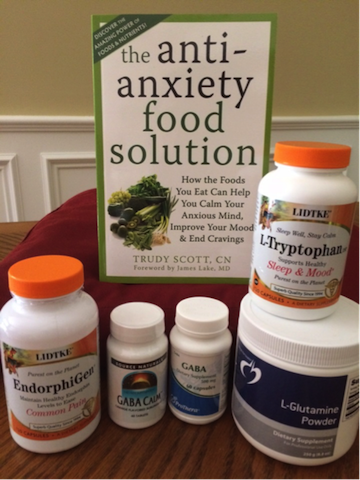
antianxiety food solution and amino acids

Here are my amino acid and pyroluria supplement recommendations. These are the products I use with my one-one clients and those doing my online group programs.

You can find most of these products in my online store at Fullscript – you’ll find details here on how to set up and account (you just need to do this once) and make your purchase.

Purchase products through our Fullscript virtual dispensary.

Questionnaires and information

My publisher would not allow me to make specific product recommendations in my book so this list is a courtesy to those of you who have purchased the book.

If you do not have my book I highly recommend getting it and reading it before jumping in to taking supplements: The Antianxiety Food Solution – How the Foods You Eat Can Help You Calm Your Anxious Mind, Improve Your Mood, and End Cravings

There is a complete chapter on the amino acids and one for pyroluria, plus information on real whole food, sugar and blood sugar, gluten, digestion and much more.

Once you have read it you can use these blogs as summaries (they do contain some information that is not in my book).

Here is the Amino Acids Mood Questionnaire from The Antianxiety Food Solution and additional information on Anxiety and targeted individual amino acid supplements: a summary

Please read and follow these Amino Acid Precautions

Here is the Pyroluria Questionnaire from The Antianxiety Food Solution and additional information on Pyroluria, social anxiety, introversion: a summary

Here is a useful post: Pyroluria/social anxiety protocol: why aren’t I getting results? (trouble-shooting checklist)

Supplements for Low Blood Sugar (anxious, shaky between meals and intense sugar cravings)

Glutamine helps with low blood sugar, may help eliminate the strong desire for something sweet when opened on to the tongue, and is very healing for the digestive system

  • Pure Encapsulations L-Glutamine 500mg:  L-glutamine (free-form) 500 mg, vitamin C (as ascorbyl palmitate) 5 mg. The capsules can be swallowed or the capsule can be opened on to the tongue
  • Designs for Health Glutamine Powder: This is a powdered glutamine that you can use right on your tongue or even mixed in water. The taste is quite pleasant.

Supplements for low GABA (stiff and tense muscles, anxious, panic attacks, use sugar/wine to relax)

GABA helps to raise GABA levels.  I find GABA to be most effective when taken sublingually or opened on to the tongue. I find GABA to be more effective than pharmaGABA for most of my clients. I don’t ever use Phenibut (which the FDA recently removed from non-prescription use).  Here are some GABA products that I like and use with clients.

Source Naturals GABA Calm (lozenges): This is a pleasant-tasting sublingual product that is my most popular and the most effective form of GABA I use with my clients. It is a lozenge that contains 125mg GABA, 5mg magnesium, 50mg glycine, 25mg tyrosine and 20 mg taurine. [AS OF NOV 24, 2021 THIS PRODUCT IS IN SHORT SUPPLY AGAIN]

[Note: this product is a lozenge with 125mg GABA and is not to be confused with the Source Naturals, GABA Calm Mind, 750 mg tablets]

Nutritional Fundamentals for Health GABA-T SAP: gamma-Aminobutyric acid (GABA) 300 mg, l-Theanine 150 mg. This is pleasant-tasting when opened on to the tongue and works very well when GABA Calm can’t be used.  I find best results when it is used opened on to the tongue.

Thorne PharmaGABA-100:  the label says Gamma-Aminobutyric Acid (GABA) 100 mg but it also states that the product uses Pharma Foods International’s Gamma-Aminobutyric Acid (PharmaGABA®).  This is also pleasant-tasting when opened on to the tongue and is most effective when used this way. [AS OF NOV 24, 2021 THIS MAY BE UNAVAILABLE]

Thorne PharmaGABA-250: as above but contains 250mg of PharmaGABA®.  This is also pleasant-tasting when opened on to the tongue and is most effective when used this way. [AS OF NOV 24, 2021 THIS MAY BE UNAVAILABLE]

Designs for Health PharmaGABA Chewables: gamma-amino butyric acid (pharmaGABA) 200 mg in 2 chewable tablets.  It’s quick-acting and convenient like GABA-Calm because it’s chewable. This does contain xylitol, natural flavors, stevia and some other ingredients so taste may be a factor and xylitol can cause gas, bloating and diarrhea when too much is consumed.

Natural Factors PharmaGABA: gamma-amino butyric acid (pharmaGABA) 200 mg in 2 chewable tablets. It’s quick-acting and convenient like GABA-Calm because it’s chewable. However it also contains organic cane sugar and natural fruit flavors so it’s a little too candy-like for my preference, especially if you have low GABA-related sugar cravings. Also 2 chewable tablets – 4g of carbs which is almost 1 teaspoon of sugar!

[January 22, 2021/November 24, 2021: I’ve included this as a stand-by option for occasional use when Source Naturals GABA Calm is in short supply or if Designs for Health PharmaGABA Chewables are not available.]


Now Foods GABA Powder: 1/4 Level Teaspoon (500mg). This is pleasant-tasting when opened on to the tongue and is most effective when used this way.  The only challenge with powder like this is making sure you don’t use too much by mistake. And it’s especially challenging when you only need 100mg.  A mini measuring spoon set like this one (my Amazon link) is so easy and convenient to use and allows for accurate dosing.

Quicksilver Scientific Liposomal GABA with L-Theanine: 2ml (4 Pumps) provides (Gamma Amino Butyric Acid) 240mg, L-Theanine 100mg and Phosphatidylcholine 120mg (from purified sunflower seed lecithin). Spray and hold 30 seconds before swallowing. It does contain ethanol so would not be suitable for alcoholics or young children.

GABA-Pro Calming Effect Chewable: This is a chewable that contains 100 mg of pharmaGABA in 1 tablet. It is pharmaGABA even though the product says GABA-Pro on the front and the label states Gamma Amino Butyric Acid (GABA). It does contain natural flavors and xylitol. [This product is a reasonable replacement for Source Naturals GABA Calm when it’s not available (Nov 24, 2021)]

GABA-Pro Calming Effect: This contains 100 mg of pharmaGABA in 1 tablet. It is pharmaGABA even though the product says GABA-Pro on the front and the label states Gamma Amino Butyric Acid (GABA). This capsule can be opened onto the tongue.  It does contain rice flour which can be an issue if you have a rice allergy/sensitivity and/or SIBO.

Designs for Health Stress Arrest: Niacin (niacinamide) 100 mg, Vitamin B6 (pyridoxine HCL) 10 mg, Pantothenic acid (d-calcium pantothenate) 100 mg, GABA 300 mg, Glycine 200 mg

Supplements for low serotonin (worry, rumination, negativity, afternoon and evening cravings and insomnia)

Tryptophan and/or 5-HTP can help to raise low serotonin. I typically recommend starting with tryptophan and don’t recommend 5-HTP if you have high cortisol as it can raise cortisol. Some people do better on tryptophan and some do better on 5-HTP.

Lidtke l-tryptophan 500mg:  I only recommend the Lidtke brand for tryptophan as quality is a big consideration when it comes to this amino acid. This can be opened and/or chewed but doesn’t taste good. It can be mixed with inositol powder to make it more pleasant (see below) or with mashed banana. NOTE: This is not the same as the Lidtke Tryptophan Complete which has ingredients other than tryptophan making it more difficult to titrate up.

Lidtke l-Tryptophan Chewable: tablets contain 200mg L-Tryptophan per 2 tablets. This chewable form is both good and bad. It’s good because it’s a nice 100mg of tryptophan per tablet, is chewable, tastes good and is suitable for kids and “pixie dust” individuals (who need a very small amount). The bad aspect is that it does contain sugar and is quite sweet. Because you are continually consuming something sweet you may end up over-consuming them if sugar addiction is your issue.

Pure Encapsulations 5-HTP 50mg:  Some of my clients do better on 5-HTP and some find taking this during the day and tryptophan at night works well for them.

Designs for Health Inositol: is fabulous for obsessive thoughts/behaviors that the tryptophan isn’t quite enough for. It’s also been shown to be very helpful for OCD itself. The powder has a slightly sweet taste and I recommend taking it in the powdered form. You can take up to 18g a day but I suggest starting with 2g a day and building up as needed. I think it  makes a great addition for mixing into the nasty tasting tryptophan – I suggest starting with 2g inositol per 500mg tryptophan.

Douglas Labs 1mg melatonin sublingual: If the tryptophan isn’t enough for sleep issues, adding this often helps if you can’t fall asleep (and if it’s a low serotonin/low melatonin issue). Start with one and increase to 3 as needed

Douglas Labs 3mg melatonin prolonged release: If the tryptophan isn’t enough for sleep, adding this often helps if you wake in the night and if it’s a low serotonin/low melatonin issue. Start with one and increase to 2 as needed.

Supplement for low endorphins (comfort and reward eating, weepy, pain issues)

DPA or D-Phenylalanine is the amino acid that helps to raise endorphins and eliminates the comfort/reward eating and the feelings of “I deserve this” and LOVING certain foods

Lidtke Endorphigen 500mg: Riboflavin 5mg, Pyridoxal 5-phosphate 5mg (enzymatic form of vitamin B6), D-Phenylalanine 500mg. This is also one of my top products that I recommend. I used to recommend simply chewing the capsule to get the quickest and best effects and this worked well when it was produced in a gelatin capsule. Now it’s made with a cellulose capsule and chewing doesn’t work at all well so opening the capsule (or just biting off the top) and tipping the powder into your mouth works well. It does taste quite pleasant – some of my clients think it has a dark chocolate-like taste. A few people don’t like the taste at all but even then, it can be very effective when low endorphins are an issue.

Supplement for low catecholamines (tired, coffee-drinking, blahs, poor focus, low motivation)

Tyrosine is the amino acid that helps to raise low catecholamines and can often help you quit coffee if you “self-medicate” due to low catecholamines.

Progressive Labs tyrosine 500mg: 500mg l-tyrosine.  This is the last amino acid I trial with my anxious clients because it can make you more anxious (although with one client it reduced her anxiety because she was able to focus better at work).

Vitamin C for negating the effects of any amino acid

Vitamin C 1000mg is used to negate the effects of any amino acid. I used to use EmergenC but this still contains folic acid, so here are some good alternate vitamin C recommendations:

Designs for Health C + Biofizz: Vitamin C 2569 mg (as Ascorbic Acid, Calcium Ascorbate, Magnesium Ascorbate) Quercetin 20 mg Hesperidin 20 mg Rutin 10 mg. This one mixes nicely in water and can also be added to a smoothie but tastes quite sweet for many people. I personally prefer less of a sweet taste.

Designs for Health Buffered Vitamin C: Vitamin C (as ascorbic acid) 2000 mg, Calcium (as calcium ascorbate) 80 mg, Magnesium (as magnesium ascorbate) 160 mg, Potassium (as potassium bicarbonate) 200 mg. This one doesn’t mix very well in water and can also be added to a smoothie. The taste is not very pleasant.

The supplements for pyroluria

Zinc, vitamin B6, evening primrose oil and a good copper-free multivitamin are what I use for my clients with pyroluria or for those who score above 15 on the questionnaire:

Solaray OptiZinc 30mg. Zinc (as Zinc Monomethionine [OptiZinc®] 30 mg, Vitamin B6 (as Pyridoxine HCl) 20 mg. The zinc in this form seems to be well absorbed by many of my clients and is available over the counter. This also does not contain copper. Be aware as there are other OptiZinc products on the market that do contain copper (Source Naturals is one example)

Douglas Labs Opti-Zinc: Zinc (from 150 mg Zinc Monomethionine) 30 mg. The zinc in this form seems to be well absorbed by many of my clients. This also does not contain copper.

Metagenics Zinc Drink:  Zinc sulphate monohydrate in a base of distilled water. Each 2 tsp provides Zinc sulfate monohydrate 8 mg. Use this for testing your zinc status as described here: Zinc deficiency is common: using liquid zinc status test as an assessment tool

Here are a selection of 100 mg Vitamin B6/pyridoxine products. Use dream recall as a way to monitor if it’s working, plus social anxiety and mood improvements. If this doesn’t work you may need to use the activated form in conjunction with or instead of this one (see below)

Progressive Labs 100mg Vitamin B6 (contains rice flour)

NOW 100mg Vitamin B6 (contains rice flour)

Vital Nutrients 100mg Vitamin B6  (Only B6 and glycine)

Klaire Labs 250mg Vitamin B6 (Use this one if you find you do better with more i.e. 250mg)

Pure Encapsulations P5P 50 (activated B-6): pyridoxal 5 phosphate (activated B6) 50 mg, vitamin C (as ascorbyl palmitate) 3 mg. This activated form of B6 may be needed if the 100-500 mg B6/pyridoxine doesn’t work or may be needed in addition to vitamin B6/pyridoxine. Use dream recall as a way to monitor if it’s working, plus social anxiety and mood improvements.

Designs For Health P5P 50mg: another good product with pyridoxal 5 phosphate (activated B6) 50 mg

Now Foods Super Primrose 1300mg: Evening Primrose Oil (Oenothera blennis) (Seed) 1.3 g (1300 mg) – 120 count. GLA is often low in pyroluria and EPO helps with zinc absorption and PMS symptoms.

Designs for Health Twice Daily Multi: This is a good copper-free multi. It also contains Folates (NatureFolate™ blend) 400 mcg instead of folic acid (no DFH products contain folic acid).

Free form amino acids and magnesium

Pure Encapsulations Amino Replete: A free form amino acid powder blend that does contain tryptophan. It does contain fructose, flavors and luo han guo

Allergy Research Free Aminos: A free form amino acid blend in capsules. It contains 5-HTP and not tryptophan. I’d prefer it if it had tryptophan.

Designs for Health Amino Acid Supreme: A free form amino acid blend powder that does contain tryptophan. It is sweetened with stevia and contains natural flavors.

Designs for Health Magnesium Malate 360mg

Liquid and powder options for children

Here are some liquid and powder options for children (or for adults, if you have a hard time swallowing pills):

Carlson 100mg B6: Use dream recall (and no more nightmares) as a way to monitor if it’s working, plus improvements in social anxiety and mood.

Designs for Health 50mg P5P (with a little zinc and magnesium): This is the activated form of B6. Use dream recall (and no more nightmares) as a way to monitor if it’s working, plus improvements in social anxiety and mood.

Pure Encapsulations 15mg Zinc gluconate: A liquid zinc option.

Metagenics 15mg Zinc (as zinc sulfate): A liquid zinc option.

Designs for Health Zinc Challenge: Zinc sulphate monohydrate in a base of distilled water. Each 2 tsp provides Zinc sulfate monohydrate 8 mg. I use this for testing zinc status but it could be used as a supplement too.

BodyBio evening primrose oil: Gamma Linolenic Acid/GLA (omega-6) 473 mg. GLA is often low in pyroluria and EPO helps with zinc absorption, eczema and PMS symptoms.

Klaire Labs Vitaspectrum multivitamin/mineral: This is a great copper-free, iron-free powdered multi for kids. You can mix the powder directly into room temperature or cold foods or beverages just before serving.

Pure Encapsulations Amino Replete: A free form amino acid powder blend that does contain tryptophan. It does contain fructose, flavors and luo han guo.

Pure Encapsulations Magnesium Citrate 250mg powder

Designs for Health Magnesium Bisglycinate Chelate 300 mg powder: This one does have stevia and natural flavors

Also see chewable tryptophan, GABA Calm and inositol powder, plus powdered Vitamin C (all listed above).

Purchase products through our Fullscript virtual dispensary.


What about international orders?

Unfortunately, Fullscript does not ship internationally.

So we suggest folks try an intermediary shipping service like www.shipito.com (we haven’t used them as of yet, so do your own research, and if they or someone else does work out please let us know in the comments below).

An alternative is to use iHerb to get similar products, as they ship worldwide and may even have a branch in your country for free shipping.

Here is the link for iHerb and to get 5% off, and if you are interested in iHerb’s exclusive brands to get 10% off here.


Filed Under: Amino Acids, Antianxiety, Anxiety and panic, Pyroluria, Supplements Tagged With: amin acids, anxiety, GABA, pyroluria, the antianxiety food solution, Trudy Scott, tryptophan, vitamin B6, zinc

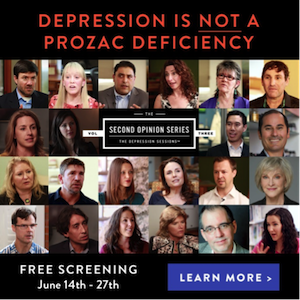
The Depression Sessions, Online event, June 14th to 27th

June 19, 2015 By Trudy Scott 12 Comments

depression-session 

It’s a wonderful FREE online event hosted by my friend Sean Croxton. Click here to register:
https://at105.isrefer.com/go/depreg/trudyscott/

This started earlier this week but looks what is ahead…

These Thursday/Friday interviews air until 8am tomorrow:

  • Damage Control for Anxiety and Panic Attacks – Dr. Corey Schuler, DC
  • PMS, PCOS and Postpartum: A Woman’s Guide to Depression – Alisa Vitti, HHC
  • How to Rewire Your Brain and Beat Depression with Neurofeedback – Nora Gedgaudas, CNS, CNT (I hear this one is very popular!)

Coming up on Saturday/Sunday:

  • Reframing Depression: A Functional Nutrition Approach – Andrea Nakayama, CNE (I love her functional medicine approach!)
  • The Microbiome-Mood Connection – Dr. Jillian Teta, ND (gut health is such a hot topic!)
  • How to Boost Your Mood with Foods and Fats – Dr. Ann Childers, MD (yes!)

Coming up on Monday/Tuesday:

  • Natural Antidepressant Alternatives – Sayer Ji (I love how he’s on top of the research!)
  • Depression is NOT a Serotonin Deficiency – Dr. Kelly Brogan, MD (you’ve heard me say why I don’t agree with everything Dr. Brogan says about serotonin and the amino acids)
  • How to Safely Transition Off of Psychiatric Meds – Dr. Hyla Cass, MD (her information is always great! She is always a favorite on the Anxiety Summits!)

And on Monday I’m doing a live Google hangout Q and A with Sean – once you’ve signed up you’ll just watch for emails from Sean with the details.

If you know you want these videos/transcripts/mp3s, simply go here to order them:
https://at105.isrefer.com/go/deporder/trudyscott/
Prices will increase after the summit.

Got questions? Please ask them in the comment section below.


Filed Under: Antianxiety, Depression, Events Tagged With: free event, sean croxton, the depression sessions

Genome Meets Microbiome by Dr. Robert Rountree at IFM

June 5, 2015 By Trudy Scott 10 Comments

microbiota

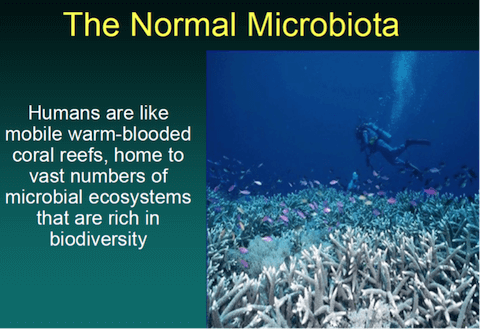
I’m going to share some gems from one of my favorite talks at the annual IFM conference The Omics Revolution – Nature and Nurture. It was a talk by Dr. Robert Rountree and was called “Genome Meets Microbiome” and he opens with this great slide that paints an incredible picture:

Humans are like mobile warm-blooded coral reefs, home to vast numbers of microbial ecosystems that are rich in biodiversity

Dr. Rountree shared how humans have more than 100 trillion microbiota, outnumbering human cells by 10:1. And he shared this great quote from Dr. Martin J Blaser, MD’s 2014 paper:

It is reasonable to propose that the composition of the microbiome and its activities are involved in most, if not all, of the biological processes that constitute human health and disease  

Here are some other gems from the talk:

  • Disease-specific alterations in the enteric virome in inflammatory bowel disease (such as Crohn’s disease and ulcerative colitis) and how changes in the virome may contribute to intestinal inflammation and dysbiosis
  • Methanogens in human health and disease Evidence has linked overabundance of methanogens to constipation and IBS, influencing intestinal transit and pH. These methanogens ensure more complete fermentation of carbohydrates, leading to higher production and absorption of SCFAs (short chain fatty acids), which may lead to obesity
  • The emerging world of the fungal microbiome or the mycobiome “Early-stage studies show interactions between the mycobiome and other microbes, with host physiology, and in pathogenic and mutualistic phenotypes. Current research portends a vital role for the mycobiome in human health and disease.”

So we have the microbiome, the virome, methanogens and the mycobiome! (and so much more)

He closes with this:

Alteration of the microbiome by our modern lifestyle (diet, stress, excessive hygiene and antibiotics) may be responsible for many chronic diseases [my addition: including anxiety and depression]

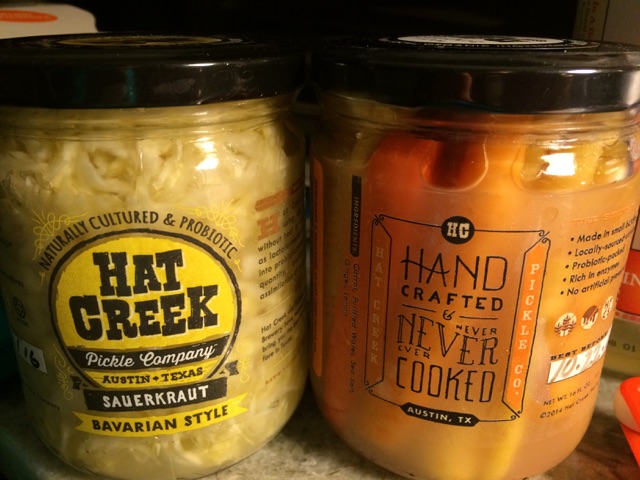
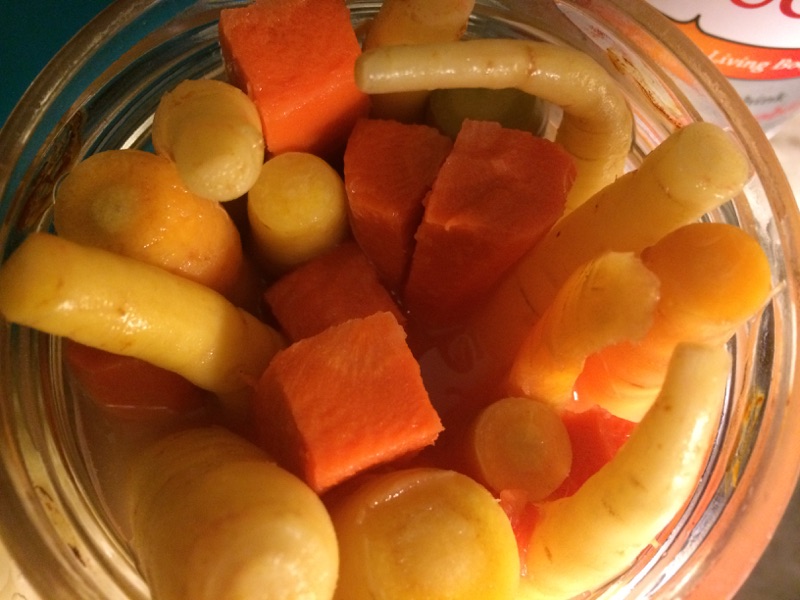
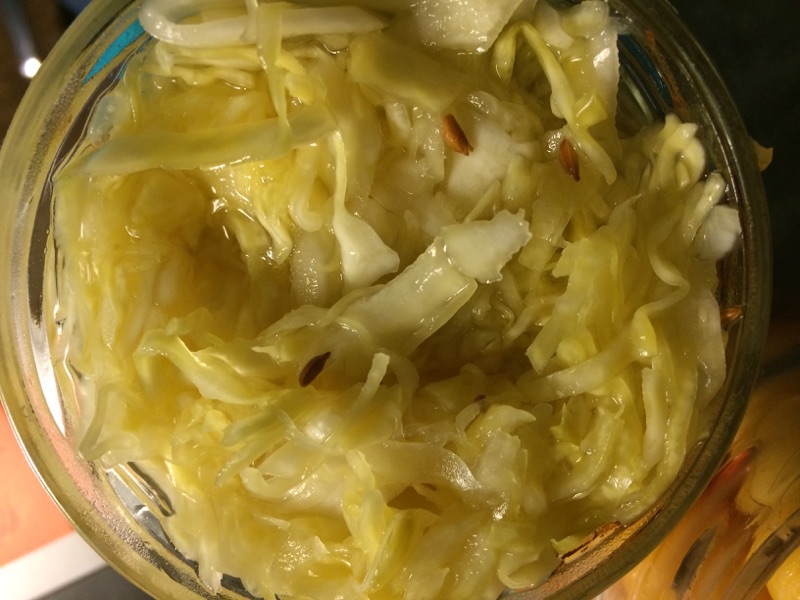
When I arrived in Austin I headed to the local Whole Foods to stock up on travel food (like I always do) and found some probiotic-rich foods that are made right in Austin.  Now I can highly recommend this fabulous sauerkraut and fermented carrots from Hat Creek Pickles. I  munched on this yummy food (and sardines, boiled eggs, grass-fed beef jerky, pemmican and fruit) all weekend! I even brought what was left of the the sauerkraut home!

Raw, local, organic, delish!!!! and oh so pretty too.

sauerkraut and fermented carrots
Sauerkraut and fermented carrots
Fermented carrots
Fermented carrots with a hint of ginger
Sauerkraut
Sauerkraut with caraway seeds (a favorite of mine!)

Happy gut means happy Trudy!  How are you looking after your gut?


Filed Under: Antianxiety, Events, Gut health Tagged With: Dr. Robert Rountree, genome, gut health, IFM conference, microbiome

  • « Go to Previous Page
  • Page 1
  • Interim pages omitted …
  • Page 5
  • Page 6
  • Page 7
  • Page 8
  • Page 9
  • Interim pages omitted …
  • Page 20
  • Go to Next Page »

Primary Sidebar

GABA QuickStart Homestudy

gaba quickstart homestudy

Free Report

9 Great Questions Women Ask about Food, Mood and their Health

You'll also receive a complimentary subscription to my ezine "Food, Mood and Gal Stuff"


Connect with me

Popular Posts

  • Amino Acids Mood Questionnaire from The Antianxiety Food Solution
  • The Antianxiety Food Solution Amino Acid and Pyroluria Supplements
  • Pyroluria Questionnaire from The Antianxiety Food Solution
  • Collagen and gelatin lower serotonin: does this increase your anxiety and depression?
  • Tryptophan for the worry-in-your-head and ruminating type of anxiety
  • GABA for the physical-tension and stiff-and-tense-muscles type of anxiety
  • The Antianxiety Food Solution by Trudy Scott
  • Seriphos Original Formula is back: the best product for anxiety and insomnia caused by high cortisol
  • Am I an anxious introvert because of low zinc and vitamin B6? My response to Huffington Post blog
  • Vagus nerve rehab with GABA, breathing, humming, gargling and key nutrients

Recent Posts

  • Her cravings for chips and peanut butter were triggered by stress: GABA ends cravings and reduces physical tension and fear of heights
  • It is truly miraculous to be able to move through life without crippling anxiety and panic
  • GABA and tryptophan combo provide immediate and noticeable relief for tremors and cervical dystonia in just 7 days
  • Red light therapy for back and neck pain, plantar fasciitis and low mood – a complement to the amino acids GABA, DPA and tryptophan
  • What do I use instead of Seriphos to help lower high cortisol that is affecting my sleep and making me anxious at night?

Categories

  • 5-HTP
  • AB575
  • Addiction
  • ADHD
  • Adrenals
  • Alcohol
  • Allergies
  • Alzheimer's disease
  • Amino Acids
  • Anger
  • Antianxiety
  • Antianxiety Food Solution
  • Antidepressants
  • Anxiety
  • Anxiety and panic
  • Autism
  • Autoimmunity
  • benzodiazapines
  • Bipolar disorder
  • Books
  • Caffeine
  • Cancer
  • Candida
  • Children/Teens
  • Collagen
  • Cooking equipment
  • Coronavirus/COVID-19
  • Cravings
  • Depression
  • Detoxification
  • Diabetes
  • Diet
  • DPA/DLPA
  • Drugs
  • EFT/Tapping
  • EMF
  • EMFs
  • Emotional Eating
  • Endorphins
  • Environment
  • Essential oils
  • Events
  • Exercise
  • Fear
  • Fear of public speaking
  • Fertility and Pregnancy
  • Fish
  • Food
  • Food and mood
  • Functional neurology
  • GABA
  • Gene polymorphisms
  • General Health
  • Giving
  • Giving back
  • Glutamine
  • Gluten
  • GMOs
  • Gratitude
  • Gut health
  • Heart health/hypertension
  • Histamine
  • Hormone
  • Hyperparathyroidism
  • Hypoglycemia
  • Immune system
  • Inflammation
  • Insomnia
  • Inspiration
  • Introversion
  • Joy and happiness
  • Ketogenic diet
  • Lithium orotate
  • Looking awesome
  • Lyme disease and co-infections
  • MCAS/histamine
  • Medication
  • Men's health
  • Mental health
  • Mercury
  • Migraine
  • Mold
  • Movie
  • MTHFR
  • Multiple sclerosis
  • Music
  • NANP
  • Nature
  • Nutritional Psychiatry
  • OCD
  • Osteoporosis
  • Oxalates
  • Oxytocin
  • Pain
  • Paleo
  • Parasites
  • Parkinson’s disease
  • PCOS
  • People
  • PMS
  • Postpartum
  • PTSD/Trauma
  • Pyroluria
  • Questionnaires
  • Real whole food
  • Recipes
  • Research
  • Schizophrenia
  • serotonin
  • SIBO
  • Sleep
  • Special diets
  • Sports nutrition
  • Stress
  • Sugar addiction
  • Sugar and mood
  • Supplements
  • Teens
  • Testimonials
  • Testing
  • The Anxiety Summit
  • The Anxiety Summit 2
  • The Anxiety Summit 3
  • The Anxiety Summit 4
  • The Anxiety Summit 5
  • The Anxiety Summit 6
  • Thyroid
  • Thyroid health
  • Toxins
  • Tryptophan
  • Tyrosine
  • Uncategorized
  • Vegan/vegetarian
  • Women's health
  • Yoga

Archives

  • May 2026
  • April 2026
  • October 2025
  • September 2025
  • August 2025
  • July 2025
  • June 2025
  • May 2025
  • April 2025
  • March 2025
  • February 2025
  • January 2025
  • November 2024
  • October 2024
  • September 2024
  • August 2024
  • July 2024
  • June 2024
  • May 2024
  • April 2024
  • March 2024
  • February 2024
  • January 2024
  • December 2023
  • November 2023
  • October 2023
  • September 2023
  • August 2023
  • July 2023
  • June 2023
  • May 2023
  • April 2023
  • March 2023
  • February 2023
  • January 2023
  • December 2022
  • November 2022
  • October 2022
  • September 2022
  • August 2022
  • July 2022
  • June 2022
  • May 2022
  • April 2022
  • March 2022
  • February 2022
  • January 2022
  • December 2021
  • November 2021
  • October 2021
  • September 2021
  • August 2021
  • July 2021
  • June 2021
  • May 2021
  • April 2021
  • March 2021
  • February 2021
  • January 2021
  • December 2020
  • November 2020
  • October 2020
  • September 2020
  • August 2020
  • July 2020
  • June 2020
  • May 2020
  • April 2020
  • March 2020
  • February 2020
  • January 2020
  • December 2019
  • November 2019
  • October 2019
  • September 2019
  • August 2019
  • July 2019
  • June 2019
  • May 2019
  • April 2019
  • March 2019
  • February 2019
  • January 2019
  • December 2018
  • November 2018
  • October 2018
  • September 2018
  • August 2018
  • July 2018
  • June 2018
  • May 2018
  • April 2018
  • March 2018
  • February 2018
  • January 2018
  • December 2017
  • November 2017
  • October 2017
  • September 2017
  • August 2017
  • July 2017
  • June 2017
  • May 2017
  • April 2017
  • March 2017
  • February 2017
  • January 2017
  • December 2016
  • November 2016
  • October 2016
  • September 2016
  • August 2016
  • July 2016
  • June 2016
  • May 2016
  • April 2016
  • March 2016
  • February 2016
  • January 2016
  • December 2015
  • November 2015
  • October 2015
  • September 2015
  • August 2015
  • July 2015
  • June 2015
  • May 2015
  • April 2015
  • March 2015
  • February 2015
  • January 2015
  • December 2014
  • November 2014
  • October 2014
  • September 2014
  • August 2014
  • July 2014
  • June 2014
  • May 2014
  • April 2014
  • March 2014
  • February 2014
  • January 2014
  • December 2013
  • November 2013
  • October 2013
  • September 2013
  • August 2013
  • July 2013
  • June 2013
  • May 2013
  • April 2013
  • March 2013
  • February 2013
  • January 2013
  • December 2012
  • November 2012
  • October 2012
  • August 2012
  • July 2012
  • June 2012
  • May 2012
  • April 2012
  • March 2012
  • February 2012
  • January 2012
  • December 2011
  • November 2011
  • October 2011
  • September 2011
  • August 2011
  • July 2011
  • June 2011
  • May 2011
  • April 2011
  • March 2011
  • February 2011
  • January 2011
  • December 2010
  • October 2010
  • September 2010
  • July 2010
  • May 2010
  • April 2010
  • March 2010
  • February 2010
  • January 2010
  • November 2009

Share the knowledge!

The above statements have not been evaluated by the Food and Drug Administration. Products listed in this website are not intended to diagnose, treat, cure or prevent any disease.

The information provided on this site is for informational and educational purposes only and is not intended as a substitute for advice from your physician or other health care professional. You should consult with a healthcare professional before starting or modifying any diet, exercise, or supplementation program, before taking or stopping any medication, or if you have or suspect you may have a health problem.


Copyright © 2026 Trudy Scott. All Rights Reserved. | Privacy | Terms and Conditions | Refund Policy | Medical Disclaimer

Free Report

9 Great Questions Women Ask about Food, Mood and their Health

You’ll also receive a complimentary subscription to my ezine “Food, Mood and Gal Stuff”