• Skip to primary navigation
  • Skip to main content
  • Skip to primary sidebar

everywomanover29 blog

Food, Mood and Women's Health – Be your healthiest, look and feel great!

  • Blog
  • About
  • Services
  • Store
  • Resources
  • Testimonials
  • The Book
  • Newsletter
  • Contact
  • Search this site

Antianxiety

Apigenin, a flavonoid in parsley increases brain connections, reduces anxiety

December 25, 2015 By Trudy Scott 9 Comments

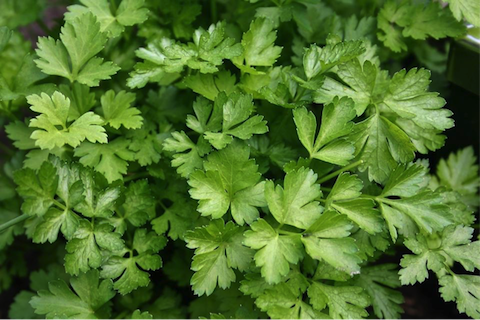
parsley

New research finds that a flavonoid called apigenin increases brain connections:

the flavonoid apigenin, a substance found in parsley, thyme, chamomile and red pepper, improves neuron formation and strengthens the connections between brain cells, new lab research demonstrates… and has potential to treat diseases like schizophrenia, depression, Alzheimer’s and Parkinson’s

Previous experiments with animals had already shown that substances from the same chemical group as the apigenin… positively affect memory and learning. Many studies highlight the potential of flavonoids to preserve and enhance brain function.

While the effectiveness of flavonoids for brain health is not an entirely new concept, this research is the first to show the positive effects of apigegin directly on human cells and the first to unraveling its mechanism.

The neurons that were treated with the apigenin flavonoid (API) show more formation of synapses (red) than the neurons that were not treated. You can see this in the image on the right.
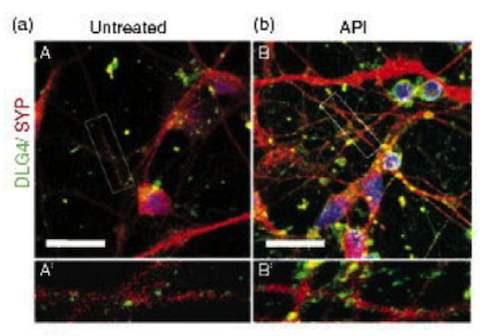
Credit: Rehen et al.


The study concludes with this:

since flavonoids are present at high amounts in some foods, we can speculate that a diet rich in flavonoids may influence the formation of neurons and the way they communicate within the brain.

Yes! These are powerful foods and nutrients for brain health! And these flavonoids have been shown to specifically reduce anxiety too, as mentioned in this paper – Flavonoids and the central nervous system: from forgotten factors to potent anxiolytic compounds

A paper published in October 2015: Flavonoid nutraceuticals and ionotropic receptors for the inhibitory neurotransmitter GABA likens flavonoids to benzodiazapines:

A number of studies have likened flavonoids to the widely prescribed benzodiazepines as ‘a new family of benzodiazepine receptor ligands’.

It is time to consider flavonoids in their own right as important modulators of these vital [GABA] receptors in brain function.

So let’s eat parsley and get a decent serving size in a delicious salad. I’ve got the perfect recipe for you, created by Rebecca Katz, author of The Healthy Mind Cookbook. I interviewed her on the Anxiety Summit and this was our topic – Your Brain on Food: The Science and Alchemy of Yum for Alleviating Anxiety!

We talked about one of my favorite recipes from her book: a pomegranate olive mint salsa recipe 

When I read the ingredients list I was surprised about the quantity of parley and mint but followed the directions anyway and the end result is incredibly yum! We LOVE this recipe – it has become a standard in our home. We have had it with both salmon and with lamb chops (it’s the best mint “sauce” for lamb).

Enjoy and let us know what you think! If you have a recipe that uses parsley feel free to share a link or the recipe in the comments.
Filed Under: Antianxiety, Recipes Tagged With: apigenin, flavonoid, parsley, Rebecca Katz

GABA, the calming amino acid: products and results

December 18, 2015 By Trudy Scott 57 Comments

gaba

GABA (gamma-aminobutyric acid) is a calming amino acid that when taken orally works to relax, calm, ease anxiety and social anxiety, quiet the mind, help with sleeping better, reduce neck tension, remove uneasiness and worry, and give hope.

Even though we have recent research that it does work we still hear the naysayers saying “why bother to take GABA, it just doesn’t work unless you have a leaky blood brain barrier.”  

The blog post from last week – GABA, the calming amino acid: expert opinions generated so much interest and feedback, so I’m sharing some of this feedback so you can hear first-hand from people who have tried various GABA products. I’ve corrected typos but what follows is their actual feedback.

As you’ll see, it does work extremely well for many people. You’ll also see that there are many different products that work well. I’m sharing all of them even though I have my favorites.

There are some people that don’t benefit from it.   I share some questions below and you may want to go through these if GABA doesn’t work for you.

Here is the feedback for many of the products that were mentioned. It starts with products I like/recommend and have experience with.

Allergy Research 200mg of Zen product contains 500mg GABA and 200mg Theanine 200 mg per 2 capsules. Dee likes the instant calm and compared how it worked as well as Xanax had worked for her in the past:

I have taken Xanax in the past for panic attacks. My functional medicine doctor suggested this product as I wanted a natural product. I was amazed how it works just like the Xanax did – instant calm feeling within 10 mins of taking 2 capsules. I use them as needed when I am having heightened stress and anxiety.

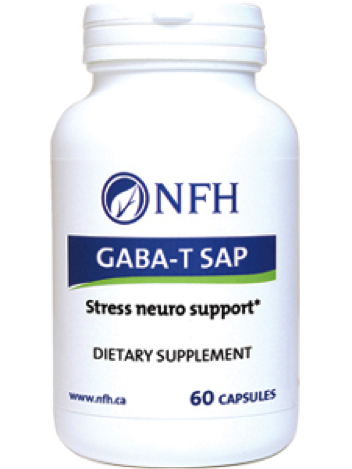
I’ve had a number of clients who really liked this GABA/theanine combination. This product together with Nutritional Fundamentals GABA-T SAP, also a GABA/theanine combination, comes highly recommended by me. They both contain a small amount of GABA, the theanine works really well with the GABA and the capsules, when opened on to the tongue, are pleasant tasting.

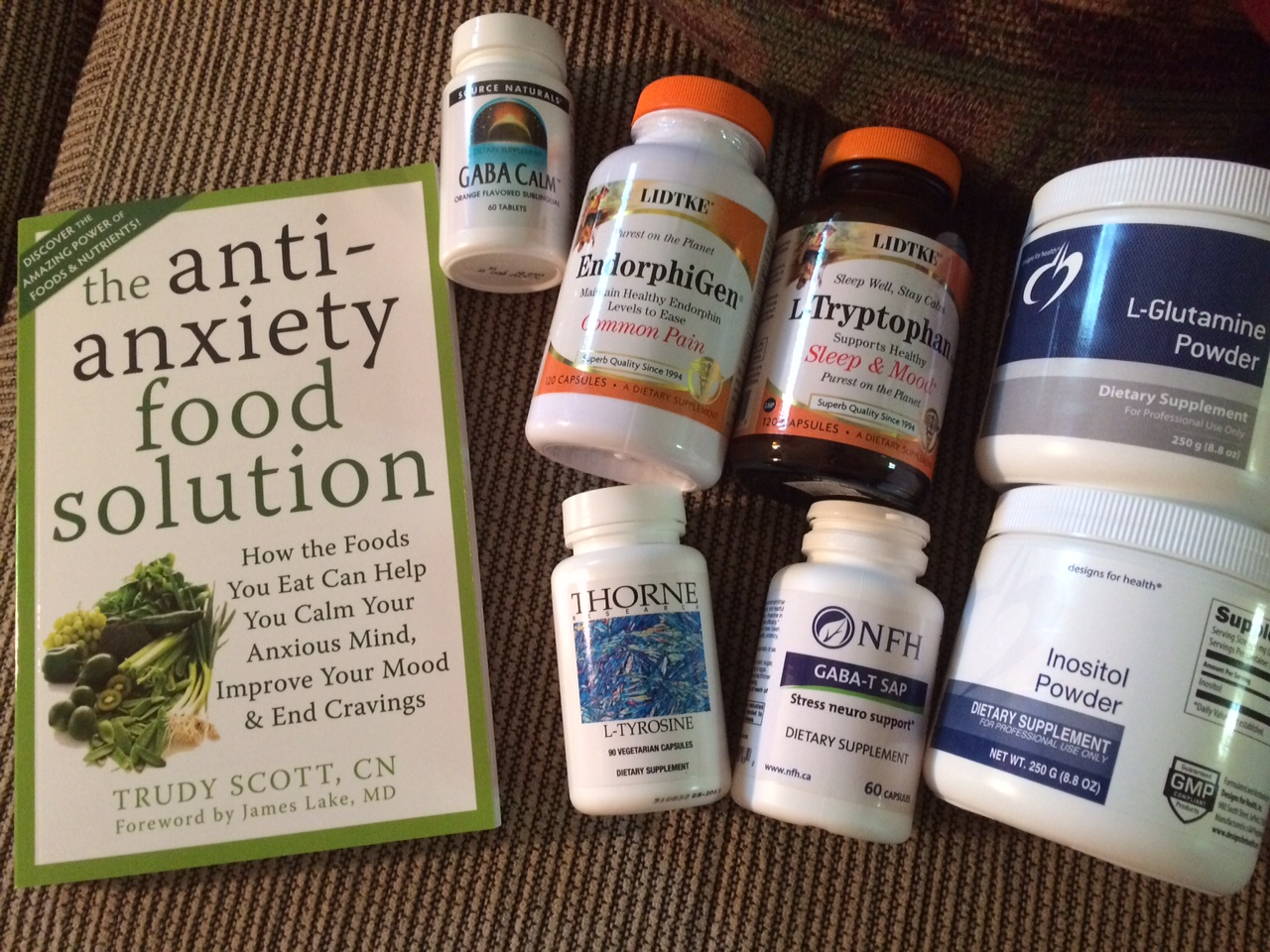
Source Naturals GABA Calm was only mentioned once which surprised me! Together with GABA/theanine combination products above, it’s the GABA product I use most with my clients because it’s sublingual, easy to take, great tasting and works so exceptionally well. It contains GABA, taurine and glycine, and a small amount of magnesium and tyrosine.   The tyrosine means this product cannot be used if you have melanoma, high blood pressure or bipolar disorder. You can see all the amino acid precautions here.  

Country Life GABA Relaxer contains GABA, taurine, glycine, inositol, niacin and vitamin B6. Melissa shares how much it helped her:

After my first panic attack I thankfully found Julia Ross’s work. I began taking 250 mg GABA every night. That really helped! Now a few years later I don’t need it every day, and I take a half pill during my cycle anxiety – more like uneasiness and over worried now, just as needed. I then heard you speak Trudy and share more info, bought your book, and put into place supportive lifestyle changes, and I have my life back. GABA is a great supplement for some of us!

I really like this product and used it when I worked with Julia Ross in her clinic. It was also a product I personally used when my anxiety and panic attacks started. I used this at night and GABA Calm in the day.

Seeking Health GABA 500mg was mentioned by a few people. Sherie said she loves it and takes it 2-4 times a day (she also takes theanine). This is what she shares:

It helps lower my overall anxious feeling all day (anxiety for no reason). I just started increasing the dose slightly and am beginning to take it a few times a day to help with social anxiety. I have lifelong problem of severe blushing and sweating from social anxiety and need that to stop.

I asked her if she’s looked into pyroluria and she said hadn’t but said it fits her to a T so this would be the next thing for her to address. It’s seldom just one underlying cause and the great thing is that the zinc, vitamin B6 and evening primrose oil of the pyroluria protocol help us make more GABA (and other brain chemicals).

I’d like to add that 500mg can be a high amount for many anxious individuals so it’s not something I typically start with. I like to have my clients start on either Source Naturals GABA Calm (which has 125mg of GABA) or one of the GABA/theanine combination products that have around 200mg GABA, and increase as needed.

I recommend GABA over pharmaGABA because over the years I’ve simply found more people seem to do better on GABA. But clearly, pharmaGABA does work for some individuals.

Thorne PharmaGABA-100 contains 100mg pharmaGABA and Cheryl shares how this product works great for her:

I usually only take it at night only when I know I need it, to quiet my mind and relax my body so I can sleep better. I need it less now because I am following MTHFR and adrenal fatigue supplement protocols and diet.

PharmaGABA Stress Relax from Natural Factors is another pharmaGABA product and Gina chewed two 100mg tablets and said this is how they helped:

It changed my life in minutes! Take it every day now. No more hopelessness!

April also finds that the Natural Factors pharmaGABA works great for her:

I take 100mg a day for about a week and then take time off until I feel I need it again or I feel I have too much. I know if I take too much, I get spacey, unmotivated, depressed even. Helps a ton with head/neck tension and anxiety.

I just want to add that this product does contain sugar (3.5 g with 300mg pharmaGABA) and fruit flavors (which sensitive folks may have an issue with) so this one would not be high on my list of recommendations. But if it’s the only one that works for you then go for it!

Quicksilver GABA is a liquid that contains GABA, theanine and sunflower lecithin, and is promoted as being a very effective form of delivery. Candy shares:

It is a liquid that I keep in the fridge. I squirt and leave it under my tongue for a couple minutes. It has been helpful.

I look forward to hearing if you or your clients have found this to be superior to other forms. I’d like add that it’s not suitable for children and alcoholics due to the ethanol.

A few other products were mentioned (neither of which I’ve had feedback on until now):

  • Source Naturals Theanine Serine which has GABA, theanine, taurine, magnesium and holy basil.
  • Pure Tranquility from Pure Encapsulations contains GABA, theanine and glycine. One person was suspicious that it was triggering migraines. I wonder if it could be related to one of the other ingredients like the natural apple flavor, potassium sorbate or purified stevia extract?

GABA won’t work for everyone and a few people said GABA didn’t work at all.

Karen appreciated me dispelling the blood-brain-barrier-GABA myth and pointing out that phenibut is not GABA. But GABA didn’t work for her and she shared this:

I have tried GABA, my mother swears by it and my husband uses it. It has a calming effect on me, but I like holy basil better.

I checked with her and she hasn’t tried it sublingually, which I find to be more effective for most of my clients. This could be something like Source Naturals GABA Calm or one of the GABA /theanine combination products opened on to tongue and held there for 1-2 minutes.

GABA also didn’t work for Sheri and she said:

I’m one of those folks for whom it seems to do nothing. Zip. I have found some relief using niacinamide, however.

Dr. Jonathan Prousky really likes niacinamide for anxiety and I find it helps a lot with my clients who have runaway thoughts and paranoia.

If GABA doesn’t work for you that’s fine, not everything works for everyone. But if you really feel GABA should work for you or feel you need additional support for your anxiety then I wouldn’t give up and ask these questions:

  1. do you have an underactive thyroid (amino acids may not be as effective)
  2. did you take it sublingually (it’s often more effective taken this way)
  3. did you take it away from protein (it needs to be taken this way)
  4. how much did you take (amounts can vary by person)
  5. do you have low GABA symptoms/physical anxiety (it will only work if you do) or
  6. are you taking a benzodiazepine (for some people on benzos many supplements don’t work or are just too much for them)

Here is the facebook post if you’d like to read the whole discussion.  I’d like to thank everyone who contributed to this great discussion!

I’ll cover phenibut (which is not GABA) in a future blog post. It’s always a hot topic and is not something I recommend but more on that next time.  

A heads up that I’ve shared links to the products that were mentioned so you can check them out. Some of the links are from Emerson, the online distributer I use. If you’d like to order from them you can find out how to set up an account here.

Now I’d love to hear from you. Have you used any of these GABA products (or had your clients use them) with good results? How much did you/they use and what were the results?

If GABA doesn’t help do you say “yes” to any of the 6 above questions?

Filed Under: Antianxiety, GABA Tagged With: amino acids, anxiety, calm, case study, GABA, sleep, supplements, tension, Trudy Scott

Glutamine for blood sugar stability, calming and gut healing

October 30, 2015 By Trudy Scott 31 Comments

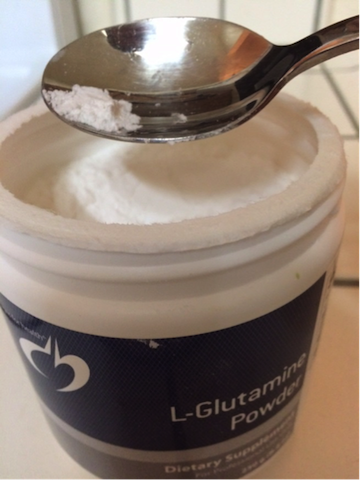
Glutamine powder by DFH: 3/4 of a teaspoon = 3g, so 1/6 of a teaspoon = 500mg

If you’ve been following me for awhile, worked with me, read my book The Antianxiety Food Solution, or listened in on The Anxiety Summit, you’ll be aware that I use glutamine with clients to help with blood sugar control while we’re figuring out diet/breakfast/adrenal health and the carbohydrate/sugar cravings associated with low blood sugar. Opened on to the tongue or taken in powder form glutamine is super-effective for stopping that intense desire for something sweet if it’s related to low blood sugar.

Integrative psychiatrist Dr. Hyla Cass and Julia Ross, MA both recommend glutamine for addiction and carb cravings, as well as for blood sugar control. During a past Anxiety Summit, Dr. Cass shared how to break free of addictions. And Julia Ross, a pioneer in the use of individual amino acids talked about glutamine and other amino acids for eliminating anxiety.

My clients also find benefits as far as healing the leaky gut and glutamine is recommended by many respected integrative practitioners for this purpose: Dr. Josh Axe, Dr. Amy Myers, author of The Autoimmune Solution , and Dr. David Perlmutter, author Grain Brain during his interview with Dr Tom O’ Bryan on The Gluten Summit.  Steven Wright also writes about leaky gut and glutamine on the SCD lifestyle blog, as does fermentationist Summer Bock.

With all these benefits, my clients love this amino acid!

Here is very encouraging feedback from one of the participants in the Amazing Aminos for Anxiety group program:

I started the glutamine trial low and slow. I have been taking 500mg three times a day AM AFT & BED for the past 4 days. I am celiac and have irritable bowel as well. The 2-3x a day diarrhea I have been experiencing has completely stopped! Blood sugar feels stable – not hungry and not craving. Psychologically, I’m feeling more resilient i.e., calmer and more positive on a daily basis. I am surprised that glutamine has helped so much 🙂  My gut is healing and my mental health has improved markedly through this trial.

She confirmed that adding the glutamine was the only change she made. She is already gluten-free and her diet doesn’t include any grains, legumes or lactose etc. She also avoids other foods to which she has had reactions.

I was so thrilled with these fabulous results and this was my feedback:

These are fabulous results – so happy for you! If you feel you could get added benefits i.e. if these symptoms (low blood sugar, hunger, craving, resilience) are not all 0s (with 10 being the worst on a scale of 1 to 10) then I’d consider bumping up the glutamine to 1000mg 3 x day to see if you get added benefits. If you don’t see added benefits then you can go back down.

It’s very common to get good results like this so I’d like to share another example. I met Nicole at the NTA conference and she shared how she suffers from low blood sugar issues:

I get irritable, I get shaky and I get to the point that if I don’t get food NOW I think I’m going to hurt something!

She did a trial of 500mg glutamine and in under 5 minutes she went from that frantic feeling to a very calm feeling:

I’m ok. I feel happy, I feel calm, I feel I can make it longer without needing food right away. I’m impressed at how well that worked for me.

You can read more about low blood sugar and watch Nicole’s video feedback here.

Of course there is research supporting the many benefits that glutamine has for gut health. Here are some excerpts from the abstract of a 2015 paper titled: Glutamine and intestinal barrier function.

glutamine has been reported to enhance intestinal and whole-body growth, to promote enterocyte proliferation and survival, and to regulate intestinal barrier function in injury, infection, weaning stress, and other catabolic conditions

glutamine stimulates growth of the small intestinal mucosa in young animals and also enhances ion transport by the gut in neonates and adults

as a functional amino acid with multiple key physiological roles, glutamine holds great promise in protecting the gut from atrophy and injury under various stress conditions in mammals and other animals.

And this 2015 paper titled: Oral supplementation with L-glutamine alters gut microbiota of obese and overweight adults found that adults supplemented with 30g of glutamine a day for just 14 days had a change in gut bacteria:

Oral supplementation with [glutamine], for a short time, altered the composition of the gut microbiota in overweight and obese humans reducing the Firmicutes to Bacteroidetes ratio, which resembled weight loss programs already seen in the literature.

In a randomized, double-blind, placebo-controlled trial that was conducted in children aged two months to nine years from the urban shanty compound community of Fortaleza, Brazil, it was found that:

Glutamine and all combined nutrients (glutamine, vitamin A, and zinc) improved the intestinal barrier function in these children

When it comes to cravings, addiction and appetite we have this research supporting the use of glutamine:

  • Glutamine and glutamatergic metabolism is a factor in cravings and alcohol dependence
  • A combination of tyrosine, lecithin, glutamine and 5-HTP helped withdrawal syndromes and mental symptoms in detoxified heroin addicts
  • Glutamine has been shown to decrease secretion of ghrelin, the hormone that impacts appetite regulation. High levels of ghrelin appear to make high-calorie foods look more appealing.

I do want to end by saying there are some possible concerns with cancer supplementation and be sure to check with your oncologist if you are currently undergoing treatment. I write about these concerns here – Glutamine supplementation: cancer concerns and benefits.

Have you successfully used glutamine for helping with low blood sugar control, reducing carb or other cravings/addictions, and healing your leaky gut?


Filed Under: Amino Acids, Antianxiety, Emotional Eating, Sugar addiction, Sugar and mood Tagged With: glutamine

Tryptophan and 5-HTP combination for anxiety and sleep: when to use

October 19, 2015 By Trudy Scott 22 Comments

amazing aminos for anxiety

Here is a great question that came in from one of the attendees of the live Amazing Aminos for Anxiety program that I hosted earlier this year.   This attendee is asking when to use a combination of tryptophan and 5-HTP for anxiety and sleep, and concerns about high cortisol when wanting to use 5-HTP:

The book says “for symptoms that occur earlier in the day, 50-150 mg of 5-HTP on waking and midmorning” but it also cautions about taking 5-HTP if one has severe insomnia (which I do) as it can raise cortisol. Is it okay to take tryptophan upon waking and mid-morning? I’m assuming the reason for holding off until late afternoon is to avoid daytime drowsiness, but am wondering if this is where the tyrosine may come in? (At the end of the program)

I started getting good results at 500 mg tryptophan. Sometimes I needed more so I doubled the dose to 1000 mg. Sometimes I got better results than others. It’s possible I may need to take more than that – the book says to take up to 1500 mg. Is consistency key (as opposed to PRN/as needed) when taking tryptophan, in the same way that one has to build up a blood level of serotonin when taking an SSRI? I also wanted to mention that prior to coming off my SSRI, my mood was fine

She is referring to my book The Antianxiety Food Solution and she had been taking these amino acids before starting the group program with me. Her goals were to address her insomnia, the anxiety and the depression. The tryptophan she had been taking was not the Lidtke tryptophan, which is the brand I recommend.

You can listen to the 4 minute snippet of this question and my answer here:

https://s3.amazonaws.com/trudyblog/3_AAA_low+serotonin_4+min_snippet_on_tryptophan_and_5HTP.mp3


Before using any amino acids be sure to check the Amino Acid Precautions and work with your doctor if needed.

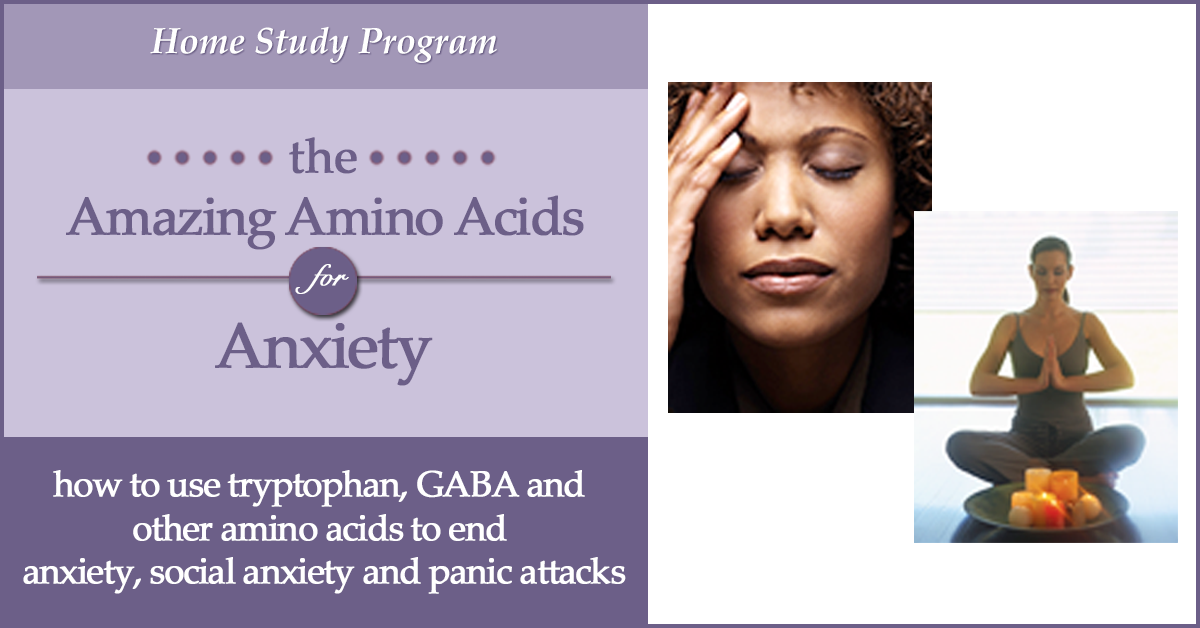
And a friendly reminder for you …. we are offering $100 off each of the 3 options of The Amazing Aminos for Anxiety homestudy programs. This offer expires today, Monday October 19th at 9pm PST midnight EST  (previous emails said 9pm EST – sorry about that)

This is a powerful home study program that results in you feeling

  • less stressed and overwhelmed, and happier
  • more energetic and focused
  • sleeping through the night
  • and no longer suffering from emotional eating/stress eating!

I walk you through, one week at a time, how to use five of the top individual amino acid supplements (tryptophan/5-HTP, GABA, glutamine, DPA/Endorphigen and tyrosine) to help you eliminate anxiety, social anxiety and panic attacks. We also cover pyroluria, other key nutrients, diet and lifestyle changes.

There are 3 program options available:

  1. Basic: Homestudy if you’re a DIY person

     OR

  1. Plus: Homestudy + 2 Q and A Live with Trudy (if you need some guidance and will have questions you can opt for this one)

     OR

  1. Premium: Homestudy + 4 Q and A live with Trudy (if you need some guidance and will have questions) + private Facebook group for group discussions and interactions.

All 3 options include access to Questions and Answers from the previous program so you get to learn from others. Options 2 and 3 include the LIVE Question and Answer sessions i.e. you can ask your own questions (option 3 also includes the facebook support).

For #3 Premium program, we will also be closing the cart and not taking new registrations until January next year

You can check out the 3 program options and register here https://www.everywomanover29.com/aminosforanxietyhs/

Got questions about the program or tryptophan and 5-HTP? Feel free to ask them below and read some of the commonly asked questions on this blog post

Filed Under: Amino Acids, Antianxiety, Events Tagged With: 5-HTP, amazing amino acids, Amazing Aminos for Anxiety, anxiety, Trudy Scott, tryptophan

How to do an amino acid trial for anxiety

October 9, 2015 By Trudy Scott 184 Comments

amino acids for anxiety

The best way to figure out if you have a particular brain chemical imbalance and if you’ll benefit from a certain amino acid, is to do a trial.   This is something I do with all my clients with anxiety, when we’re working one-one-one and with those in group programs, and it works really well.

Because the effects of amino acids can be felt within a few minutes to a few days, it’s easy to confirm whether you do in fact have a deficiency in a certain area and whether you’ll benefit from supplementing with the associated amino acid.

How does doing a trial work?

  • I have my clients complete the Amino Acids Mood Questionnaire from The Antianxiety Food Solution  and check off their symptoms on the low serotonin, low GABA, low catecholamines, low endorphins, and low blood sugar sections.  The rating uses scale of 1-10 with 10 being worst.
  • I also have my clients review the Amino Acids Precautions  and we figure out which amino acids they can and can’t use
  • I have them do a trial of the amino acid that resonates the most with them. For example if they have really bad obsessive thoughts, anxiety in the head, negative self-talk we’ll start with trying to address low serotonin with tryptophan or 5-HTP. If they resonate more with physical tension and overwhelm, we’ll start with trying to address low GABA with GABA.
  • We trial one amino acid at a time and use them opened onto the tongue or chewed (and held there for 1 to 2 minutes) for getting immediate feedback.
  • I have my client rate themselves before the trial and then afterwards (10 is worst), looking for benefits and how many notches they improved. This helps us figure out how much to start with.
    • If it’s a big improvement (like 4 or 5 notches) they may start on 1 of the lowest dose (for example 1 x 500mg tryptophan or 1 x 125 mg GABA).
    • If they see a small improvement (like 1 or 2 notches) we may start with the lowest dose and give them a range to try over the next week (for example 1-2 x 500mg tryptophan or 1-2 x 125 mg GABA)
  • During the trial and over the next week we also look for possible negative effects, such as a headache or feeling light-headed. If the adverse effects of supplemental amino acids are uncomfortable, taking 1,000 mg of vitamin C is an effective short-term antidote.
  • If someone is very sensitive to small amount of supplements, we may have them do a trial with a dab or two rather than a whole capsule and start really low during the next week.
  • We typically allow a week to see how the selected amino acid is working and adjust up or down during that week until we find the optimal amount.

What are the advantages of doing a trial?

  • You are able to target the amino acid for your specific needs – I write more about this here: Targeted individual amino acids: what do we really mean?
  • You get feedback immediately – the amino acid works or doesn’t
  • You are able to figure out what your starting dose of the amino should be and are able to adjust upwards accordingly
  • You get more in tune with your symptoms and how certain amino acids affect you
  • You can use the results (provided you log them – this is something I recommend and encourage) if you ever need a tune up in the future

Which amino acids have you found to be effective? Did you do a trial to figure out which one to try and how did that work for you? We’d love to hear in the comments below?

Have you got questions about doing a trial? Feel free to ask in the comments below.

If this information is useful but also sounds a little overwhelming, check out the The Amazing Aminos for Anxiety homestudy program. This homestudy group program provides guidance with using each of the targeted individual amino acids and how to do a trial.

Filed Under: Amino Acids, Antianxiety, Anxiety and panic, GABA Tagged With: amino acids, anxiety, GABA, trial, tryptophan

Anxiety and OCD: Inositol instead of tryptophan or 5-HTP?

September 11, 2015 By Trudy Scott 191 Comments

inositol for anxiety and OCD
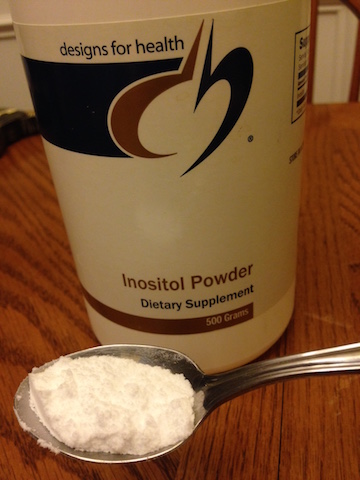
DFH Inositol powder – it’s pleasant-tasting and 1 teaspoon is about 3g

Have you used inositol for anxiety and OCD (obsessive compulsive disorder) or even obsessive thinking or behaviors? Have you used it alone or with tryptophan or 5-HTP? I’d like to share an interesting discussion on a recent blog I wrote: Amino acids for anxiety – which ones and for how long? to illustrate how we are all unique and how some nutrients work well and some not so well.

I received this question on the blog regarding the use of amino acids tryptophan or 5-HTP and OCD/anxiety:

I was wondering if this will help with OCD? I did not see any mention of OCD in your articles. Do you feel it can be treated the same way you would treat other anxieties? I was told that since I take serotonin medication that I should not take 5-HTP because it may cause too much serotonin. What are your thoughts?

My answer was as follows (I’ve added a few links because I like to share the research):

OCD can often be related to low serotonin so yes tryptophan and/or 5-HTP can help and is often very effective. If you take an SSRI then tryptophan and/or 5-HTP should only be taken under a doctor’s supervision and at least 6 hours from the SSRI. I would suggest working with a practitioner who knows the amino acids too. And talk to your doctor about doing a taper if that’s what you’d like to do

The other nutrient that helps with OCD is inositol and this is fine to take with an SSRI. I start my clients on 2g/day and go up to 18g/day. Here is one of the older papers on inositol, showing benefits for depression, panic attacks and OCD and a more recent paper discussing OCD and inositol and other nutrients such as NAC and glycine.

With OCD I’d always also look into past strep infections and PANDAs as this could be a factor too.

One of my blog readers, Tracy, responded to the question with some encouragement (how lovely!) and gave us a great example of how we are all different and there is no one size fits all:  

Chiming in with a bit of encouragement here – a bit late perhaps, but wanted to let you know that my teenage son suffers from OCD and anxiety. A number of years ago I found Trudy’s website while trying to find some natural ways to help him. We tried 5-HTP with good success (it also helped lessen the frequency and intensity of his migraines) but it caused stomach upset with him, even when taken with food, so be aware that it may have this effect on you if you try it. After about 9 months of 5-HTP we kind of “forgot” to give it to him and he continued to feel good.

Once my son started high school he started having more stress in his life and his OCD, anxiety and migraines returned. I started him on inositol about 8 months ago. It has had an even greater effect on the OCD than the 5-HTP (remember everyone is different tho!).

I’d highly recommend you try the inositol since 5HTP/tryptophan is not an option for you at this time. My son has had no side effects from inositol at all. Good luck!!

I was pleased to hear that the 5-HTP helped when Tracy’s son was younger. Some people do have digestive issues with 5-HTP. It’s usually in the first week and then typically resolves. This was obviously not the case with this young man.

I was also thrilled to hear that the inositol is helping so much now and wanted to know how much helps so I asked her. Tracy shared how much her son needs (not much at all) and the symptoms it helps with:

My son takes 500mg (NOW brand) daily in the mornings, usually with breakfast. That amount works well for him most days.

When stress is higher and he starts experiencing “breakthrough anxiety” or obsessions, I have him take another 500mg in the evenings as well, just for a couple days or until the stress has diminished.

I should mention that his OCD tends to be primarily obsessive in nature with very little compulsion. His father was actually diagnosed with mild OCD before I met him and he learned to deal with his through counseling and behavior modification. I read about tryptophan (Julia Ross) and asked him to try it. It works well for him when his anxiety acts up (which interestingly tends to have a seasonal component!) It has been an education living with these two!

You can take up to 18g a day of inositol but I suggest starting with 2g a day and building up as needed.  But as you can see above, even 500mg to 1000mg (which is 1 g – I grew up in South Africa and love the metric system!) may be enough.

I happen to use the DFH Inositol powder (pictured above). It has a pleasant slightly sweet taste and is easy to increase the amount based on how much you find helpful. You can find this on the supplements blog here.

As I mentioned above, tryptophan or 5-HTP can help with anxiety, OCD, obsessive thoughts and behaviors (and panic disorders and depression). Adding inositol is an option when the tryptophan/5-HTP isn’t quite enough, or simply use inositol alone.

I also think inositol makes a great addition for mixing into the nasty tasting tryptophan if you find you get better benefits with the tryptophan capsules opened. I suggest starting with 2g inositol per 500mg tryptophan.

I appreciate Tracy giving me permission to share her son’s success with these nutrients. We can all learn so much from stories like this. If you’ve been using any of the amino acids and/or inositol, I hope this has been helpful for you.

Please share how you’re doing in the comments and feel free to ask additional questions.

If this sounds intriguing and you’d like guidance with using the amino acids and other nutrients like inositol, stay tuned for the launch of The Amazing Aminos for Anxiety homestudy group program. This homestudy group program will provide guidance with using each of the targeted individual amino acids, including nutrients like inositol. You can also add your name in the comments if you’d like to be notified when it launches. You’re also welcome to sign up here to be notified when we have more details about the start date.

Filed Under: Antianxiety, Anxiety and panic, Depression, OCD Tagged With: anxiety, depression, inositol, obsessive thinking, OCD, supplements

  • « Go to Previous Page
  • Page 1
  • Interim pages omitted …
  • Page 4
  • Page 5
  • Page 6
  • Page 7
  • Page 8
  • Interim pages omitted …
  • Page 20
  • Go to Next Page »

Primary Sidebar

GABA QuickStart Homestudy

gaba quickstart homestudy

Free Report

9 Great Questions Women Ask about Food, Mood and their Health

You'll also receive a complimentary subscription to my ezine "Food, Mood and Gal Stuff"


Connect with me

Popular Posts

  • Amino Acids Mood Questionnaire from The Antianxiety Food Solution
  • The Antianxiety Food Solution Amino Acid and Pyroluria Supplements
  • Pyroluria Questionnaire from The Antianxiety Food Solution
  • Collagen and gelatin lower serotonin: does this increase your anxiety and depression?
  • Tryptophan for the worry-in-your-head and ruminating type of anxiety
  • GABA for the physical-tension and stiff-and-tense-muscles type of anxiety
  • The Antianxiety Food Solution by Trudy Scott
  • Seriphos Original Formula is back: the best product for anxiety and insomnia caused by high cortisol
  • Am I an anxious introvert because of low zinc and vitamin B6? My response to Huffington Post blog
  • Vagus nerve rehab with GABA, breathing, humming, gargling and key nutrients

Recent Posts

  • Her cravings for chips and peanut butter were triggered by stress: GABA ends cravings and reduces physical tension and fear of heights
  • It is truly miraculous to be able to move through life without crippling anxiety and panic
  • GABA and tryptophan combo provide immediate and noticeable relief for tremors and cervical dystonia in just 7 days
  • Red light therapy for back and neck pain, plantar fasciitis and low mood – a complement to the amino acids GABA, DPA and tryptophan
  • What do I use instead of Seriphos to help lower high cortisol that is affecting my sleep and making me anxious at night?

Categories

  • 5-HTP
  • AB575
  • Addiction
  • ADHD
  • Adrenals
  • Alcohol
  • Allergies
  • Alzheimer's disease
  • Amino Acids
  • Anger
  • Antianxiety
  • Antianxiety Food Solution
  • Antidepressants
  • Anxiety
  • Anxiety and panic
  • Autism
  • Autoimmunity
  • benzodiazapines
  • Bipolar disorder
  • Books
  • Caffeine
  • Cancer
  • Candida
  • Children/Teens
  • Collagen
  • Cooking equipment
  • Coronavirus/COVID-19
  • Cravings
  • Depression
  • Detoxification
  • Diabetes
  • Diet
  • DPA/DLPA
  • Drugs
  • EFT/Tapping
  • EMF
  • EMFs
  • Emotional Eating
  • Endorphins
  • Environment
  • Essential oils
  • Events
  • Exercise
  • Fear
  • Fear of public speaking
  • Fertility and Pregnancy
  • Fish
  • Food
  • Food and mood
  • Functional neurology
  • GABA
  • Gene polymorphisms
  • General Health
  • Giving
  • Giving back
  • Glutamine
  • Gluten
  • GMOs
  • Gratitude
  • Gut health
  • Heart health/hypertension
  • Histamine
  • Hormone
  • Hyperparathyroidism
  • Hypoglycemia
  • Immune system
  • Inflammation
  • Insomnia
  • Inspiration
  • Introversion
  • Joy and happiness
  • Ketogenic diet
  • Lithium orotate
  • Looking awesome
  • Lyme disease and co-infections
  • MCAS/histamine
  • Medication
  • Men's health
  • Mental health
  • Mercury
  • Migraine
  • Mold
  • Movie
  • MTHFR
  • Multiple sclerosis
  • Music
  • NANP
  • Nature
  • Nutritional Psychiatry
  • OCD
  • Osteoporosis
  • Oxalates
  • Oxytocin
  • Pain
  • Paleo
  • Parasites
  • Parkinson’s disease
  • PCOS
  • People
  • PMS
  • Postpartum
  • PTSD/Trauma
  • Pyroluria
  • Questionnaires
  • Real whole food
  • Recipes
  • Research
  • Schizophrenia
  • serotonin
  • SIBO
  • Sleep
  • Special diets
  • Sports nutrition
  • Stress
  • Sugar addiction
  • Sugar and mood
  • Supplements
  • Teens
  • Testimonials
  • Testing
  • The Anxiety Summit
  • The Anxiety Summit 2
  • The Anxiety Summit 3
  • The Anxiety Summit 4
  • The Anxiety Summit 5
  • The Anxiety Summit 6
  • Thyroid
  • Thyroid health
  • Toxins
  • Tryptophan
  • Tyrosine
  • Uncategorized
  • Vegan/vegetarian
  • Women's health
  • Yoga

Archives

  • May 2026
  • April 2026
  • October 2025
  • September 2025
  • August 2025
  • July 2025
  • June 2025
  • May 2025
  • April 2025
  • March 2025
  • February 2025
  • January 2025
  • November 2024
  • October 2024
  • September 2024
  • August 2024
  • July 2024
  • June 2024
  • May 2024
  • April 2024
  • March 2024
  • February 2024
  • January 2024
  • December 2023
  • November 2023
  • October 2023
  • September 2023
  • August 2023
  • July 2023
  • June 2023
  • May 2023
  • April 2023
  • March 2023
  • February 2023
  • January 2023
  • December 2022
  • November 2022
  • October 2022
  • September 2022
  • August 2022
  • July 2022
  • June 2022
  • May 2022
  • April 2022
  • March 2022
  • February 2022
  • January 2022
  • December 2021
  • November 2021
  • October 2021
  • September 2021
  • August 2021
  • July 2021
  • June 2021
  • May 2021
  • April 2021
  • March 2021
  • February 2021
  • January 2021
  • December 2020
  • November 2020
  • October 2020
  • September 2020
  • August 2020
  • July 2020
  • June 2020
  • May 2020
  • April 2020
  • March 2020
  • February 2020
  • January 2020
  • December 2019
  • November 2019
  • October 2019
  • September 2019
  • August 2019
  • July 2019
  • June 2019
  • May 2019
  • April 2019
  • March 2019
  • February 2019
  • January 2019
  • December 2018
  • November 2018
  • October 2018
  • September 2018
  • August 2018
  • July 2018
  • June 2018
  • May 2018
  • April 2018
  • March 2018
  • February 2018
  • January 2018
  • December 2017
  • November 2017
  • October 2017
  • September 2017
  • August 2017
  • July 2017
  • June 2017
  • May 2017
  • April 2017
  • March 2017
  • February 2017
  • January 2017
  • December 2016
  • November 2016
  • October 2016
  • September 2016
  • August 2016
  • July 2016
  • June 2016
  • May 2016
  • April 2016
  • March 2016
  • February 2016
  • January 2016
  • December 2015
  • November 2015
  • October 2015
  • September 2015
  • August 2015
  • July 2015
  • June 2015
  • May 2015
  • April 2015
  • March 2015
  • February 2015
  • January 2015
  • December 2014
  • November 2014
  • October 2014
  • September 2014
  • August 2014
  • July 2014
  • June 2014
  • May 2014
  • April 2014
  • March 2014
  • February 2014
  • January 2014
  • December 2013
  • November 2013
  • October 2013
  • September 2013
  • August 2013
  • July 2013
  • June 2013
  • May 2013
  • April 2013
  • March 2013
  • February 2013
  • January 2013
  • December 2012
  • November 2012
  • October 2012
  • August 2012
  • July 2012
  • June 2012
  • May 2012
  • April 2012
  • March 2012
  • February 2012
  • January 2012
  • December 2011
  • November 2011
  • October 2011
  • September 2011
  • August 2011
  • July 2011
  • June 2011
  • May 2011
  • April 2011
  • March 2011
  • February 2011
  • January 2011
  • December 2010
  • October 2010
  • September 2010
  • July 2010
  • May 2010
  • April 2010
  • March 2010
  • February 2010
  • January 2010
  • November 2009

Share the knowledge!

The above statements have not been evaluated by the Food and Drug Administration. Products listed in this website are not intended to diagnose, treat, cure or prevent any disease.

The information provided on this site is for informational and educational purposes only and is not intended as a substitute for advice from your physician or other health care professional. You should consult with a healthcare professional before starting or modifying any diet, exercise, or supplementation program, before taking or stopping any medication, or if you have or suspect you may have a health problem.


Copyright © 2026 Trudy Scott. All Rights Reserved. | Privacy | Terms and Conditions | Refund Policy | Medical Disclaimer

Free Report

9 Great Questions Women Ask about Food, Mood and their Health

You’ll also receive a complimentary subscription to my ezine “Food, Mood and Gal Stuff”