• Skip to primary navigation
  • Skip to main content
  • Skip to primary sidebar

everywomanover29 blog

Food, Mood and Women's Health – Be your healthiest, look and feel great!

  • Blog
  • About
  • Services
  • Store
  • Resources
  • Testimonials
  • The Book
  • Contact
  • Search this site

vulvodynia

Oxalate crystal disease, dietary oxalates and pain: the research & questions

June 26, 2020 By Trudy Scott 143 Comments

oxalate crystal disease

This blog post came out of my quest for finding a medical explanation/term for my own pain caused by dietary oxalates and a desire to gain a better understanding for my clients who experience similar pain. It’s been on my writing list for some time and I’ve been gathering articles and research but the current coronavirus pandemic and recommendations for high vitamin C intake had me concerned enough to blog about it and ask for feedback from my community.

This is the blog, Coronavirus and vitamin C for immune support: new pain or more severe pain due to oxalate issues?, where I pose the question about recent increased intake of vitamin C or the addition of large doses for immune support and increased pain: joint pain, eye pain, foot pain, vulvodynia, bladder issues, insomnia, gut pain, kidney pain, changes in thyroid health/labs, bone pain etc?  The feedback on this blog and on Facebook has been huge and confirms the connection.  Thank you if you’ve already contributed to the discussion!

Today I’ll share an overview of oxalates, my pain issues with dietary oxalates, a deeper dive into the condition called oxalate crystal disease (with some of my insights and questions), and the autism and atherosclerosis research. It’s by no means a comprehensive blog on all things oxalates but rather a way to try and connect some dots and pose some questions for going deeper.

The next blog will address my vitamin C/oxalate/pain story and the research on vitamin C, oxalates and pain, together with questions.

Oxalates defined and food sources

Before we review oxalate crystal disease, let’s define calcium oxalates. Julie Matthews, my good friend and colleague and an oxalate expert shares this in her blog, Oxalates: Their Influence on Chronic Disease

Oxalates present in our body as sharp crystals or crystalline structures with jagged edges that cause pain, irritation, and distress. They can bind with certain minerals; particularly calcium and magnesium, as well as iron and copper

You’ll find many different lists of low, medium and high oxalate foods. When I started eating low oxalate I found Susan Owen’s site simple and very helpful. I then joined the Trying Low Oxalates Facebook group for support and feedback.

In summary, these are the common medium-oxalate and high-oxalate foods that many folks have problems with: nuts, nut-butters and nut-flour (something to watch when eating Paleo or GAPS), wheat, chocolate, kiwi fruit (very high – see the raphides image below), star fruit (also very high), beets, potatoes, legumes, berries, spinach and soy.

You can see why these needle shaped calcium oxalate crystals found in kiwi fruit could inflict pain. This is just one example – there are many different shapes of calcium oxalate crystals.
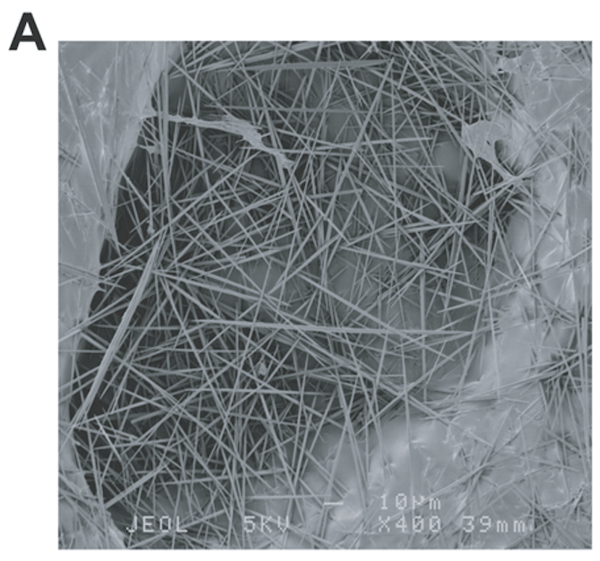
raphides purified from kiwifruit
Raphides purified from kiwifruit. Raphides, needle shaped calcium oxalate crystals, were collected from kiwifruit homogenate through heavy media separation using a dense CsCl solution. (A) The SEM image of purified raphides (x400). Shared from: Synergistic Defensive Function of Raphides and Protease through the Needle Effect via Creative Commons.

My oxalate story: severe foot pain and eye pain

I personally had severe dietary oxalate issues in 2012 which manifested as excruciating foot pain. It was a combination of hot-burning-coals-pain and shards-of-glass-pain. It was just after my book, The Antianxiety Solution (my Amazon link), came out. Due to my book tours and events, I would be on my feet all day presenting, often for 3 full consecutive days, so I figured that must be the reason. When I travelled, I took a blender and made smoothies with berries, ate plenty of healthy nuts as my snacks and took kale chips with me to make sure I was getting my greens. Kiwi fruit was a favorite of mine!

I was eating a high oxalate diet and had no idea until I heard Julie present at an Integrative Medicine for Mental Health Conference on dietary oxalates and autism. A light-bulb went off and then I worked with her to learn about oxalates and figure out if it was in fact because of oxalates and sure enough, as soon as I removed high and medium oxalate foods the pain resolved. Note: the advice is NOT to remove all high and medium oxalate foods at once because dumping can occur. I was fortunate that this didn’t happen with me, possibly because of the vitamin B6 I was already taking as part of the pyroluria protocol.

When I eat a low oxalate diet I do really well. However, more recently dietary oxalates have been causing me eye pain when I have a treat like eggplant or carob. It starts out as a kind of scratchy discomfort and mild pain and then gets worse and worse. I also have a goopy kind of discharge from the inner part of my eye and burning/redness crystal-like teariness on the outer parts of my eyes.  I recently had one very severe incident where the eye pain in my left eye was agonizing for about 2 hours. I was beside myself and tried GABA, DPA and tryptophan for an attempt at pain relief – with no success. When I took 500mg of vitamin B6 the pain eased immediately.

The theory is that oxalates cause issues where you have a weakness. I injured my left eye walking into a low tree-branch while rock-climbing 15 years ago, so I suspect this is why my left eye is more severely affected.

Oxalate crystal disease

The condition “oxalate crystal disease” is the closest explanation I’ve found that explains the pain I’ve experienced and makes the most sense, other than the fact that all the studies mention kidney disease and yet I don’t have kidney disease and have never had kidney stones. I’ve also never had a problem with my estimated Glomerular Filtration Rate (eGFR). In case eGFR is new to you it measures how well your kidneys filter the wastes from your blood and is the best overall measure of kidney function/damage.

This paper, Update on oxalate crystal disease, summarizes it:

Oxalate arthropathy is a rare cause of arthritis characterized by deposition of calcium oxalate crystals within synovial fluid. This condition typically occurs in patients with underlying primary or secondary hyperoxaluria. Primary hyperoxaluria constitutes a group of genetic disorders resulting in endogenous overproduction of oxalate, whereas secondary hyperoxaluria results from gastrointestinal disorders associated with fat malabsorption and increased absorption of dietary oxalate. In both conditions, oxalate crystals can deposit in the kidney leading to renal failure. Since oxalate is primarily renally eliminated, it accumulates throughout the body in renal failure, a state termed oxalosis. Affected organs can include bones, joints, heart, eyes, and skin. Since patients can present with renal failure and oxalosis before the underlying diagnosis of hyperoxaluria has been made, it is important to consider hyperoxaluria in patients who present with unexplained soft tissue crystal deposition. The best treatment of oxalosis is prevention. If patients present with advanced disease, treatment of oxalate arthritis consists of symptom management and control of the underlying disease process.

Let me break this down because I’ve had to look up terminology and read and re-read papers in order to get a better understanding of things:

#1 Oxalate arthropathy is a rare cause of arthritis characterized by deposition of calcium oxalate crystals within synovial fluid.

Oxalate arthropathy is a disease of the joints caused by oxalates depositing in the synovial fluid of the joints.  The paper states it is a rare cause of arthritis, but I suspect it is much more common given what we’re seeing clinically.

Also, because all the research connects oxalate crystal disease with kidney disease, it may be overlooked when there is no kidney disease (more on that below).

Synovial fluid is the fluid between the joints that acts as a lubricant and nutrient source.

#2 This condition typically occurs in patients with underlying primary or secondary hyperoxaluria.

Hyperoxaluria occurs when you have “too much oxalate in your urine.”

#3 Primary hyperoxaluria constitutes a group of genetic disorders resulting in endogenous overproduction of oxalate and… secondary hyperoxaluria results from gastrointestinal disorders associated with fat malabsorption and increased absorption of dietary oxalate.

Primary hyperoxaluria is genetic and results in endogenous or internal overproduction of oxalate, causing too much oxalate in the urine.

The secondary hyperoxaluria description mentions “gastrointestinal disorders associated with fat malabsorption and increased absorption of dietary oxalate.”  There are a number of other factors which I’ll address in a future blog.

According to this paper and others, secondary hyperoxaluria also results in too much oxalate in the urine.

#4 In both conditions, oxalate crystals can deposit in the kidney leading to renal failure. Since oxalate is primarily renally eliminated, it accumulates throughout the body in renal failure, a state termed oxalosis.

Affected organs can include bones, joints, heart, eyes, and skin.

Mayo clinic states oxalosis occurs if your kidneys fail. “Because your body can no longer eliminate the extra oxalate, it starts accumulating — first in your blood, then in your eyes, bones, skin, muscles, blood vessels, heart and other organs.”

My comment is that in some instances, oxalates accumulate in various parts of the body without kidney failure. I share more about this aspect and what we see clinically below, plus an autism and atherosclerosis study.

This paper, Oxalate crystal deposition disease, also mentions the following: “osteopathy, acute and chronic arthropathy with chondrocalcinosis, synovial calcification, and miliary skin calcium oxalate deposits and vascular calcifications that affect mainly the hands and feet.” The paper is focused on primary hyperoxaluria (and does also discuss the kidney involvement) but I’m including it because of the conditions listed. You may have received one of these diagnoses and not linked it back to dietary oxalates and/or vitamin C intake possibly playing a role.

The authors do report “systemic life-threatening cardiovascular, neurologic, and hematologic manifestations”, saying they are rare.

Calcium oxalates: anxiety, sleep, headaches, fatigue and other symptoms

Calcium oxalate crystals can also be found in the thyroid, and ear, leading to hearing loss under some circumstances.

Julie Matthews, in her blog, Oxalates: Their Influence on Chronic Disease, also shares that

Clinical studies and anecdotal experience indicate that oxidative stress, mitochondrial disruption and damage, and nutrient depletions, trigger widely varied symptoms including fatigue and inflammatory cascades, joint pain or pain anywhere in the body. Chronic low energy is very common because of a reduction in ATP in the mitochondria. Oxalates could be a hidden source of headaches, urinary pain, genital irritation, joint, muscle, intestinal or eye pain.

Other common oxalate-caused symptoms may include mood conditions, anxiety, sleep problems, weakness, or burning feet. Indicators can be digestive, respiratory, or even bedwetting for children.

What the researchers are saying – always kidney disease

I’ve reached out to a number of researchers, practitioners and labs and they all state that oxalate crystal disease only happens with kidney disease/kidney stones. This is what one researcher shared with me: “Plasma oxalate concentrations only elevate enough to cause systemic disease when there is significant kidney disease (typically GFR <20-30). I have never seen a significantly elevated plasma oxalate without chronic kidney disease.”

Could this be the case because they are kidney specialists and therefore only seeing patients who already have kidney disease?

The good news is that a number of them are intrigued and interested in learning more.

Oxalate crystals in autism and atherosclerosis without kidney issues

However, based on my own experience and according to many in this community and other communities like the Trying Low Oxalates Facebook group, pain issues related to dietary oxalate intake may occur without kidney issues/kidney stones, and often does.

These papers offer some support for what I suspect we are seeing clinically – systemic oxalate deposits can occur deposits without kidney stones or renal failure:

  • A Potential Pathogenic Role of Oxalate in Autism

Children with ASD [autism spectrum disorder] demonstrated 3-fold greater plasma oxalate levels … and 2.5-fold greater urinary oxalate concentrations. Despite significant hyperoxaluria no evidence of kidney stone disease…was observed

  • Atherosclerotic Oxalosis in Coronary Arteries

calcium oxalate crystals were observed within atherosclerotic plaques in the coronary arteries. Similar deposits were seen in the thyroid gland and other organs but not in the kidneys. None of the patients had chronic renal failure…. We suggest the phrase “atherosclerotic oxalosis” to describe this finding.

These are the disconnects I’m seeing in the research and questions I have:

  • Oxalate crystal disease is reported to be rare and it only happens with kidney disease/kidney stones – could it be more common than reported? As Julie states: “New science and clinical experience reveal concerns about oxalates that far exceed traditional kidney stone pathology.”
  • Should we be calling it hyperoxaluria. “too much oxalate in your urine” if the kidney is not involved? Or do we need to expand the definition of hyperoxaluria to include too much oxalate in other tissues outside the kidney and urine?
  • Could oxalate crystal disease with no kidney disease be a new syndrome that has yet to be widely and clearly identified in the research?

I mean no disrespect to the study authors and researchers by sharing my insights and questions here and in the section above.  I appreciate the work they do and the opportunity to learn from them.

Searching through the literature on this has been extremely challenging because studies always refer to the kidney. It may well be that there is a perfectly logical explanation for much of this and someone has already gone through the research and has answers to all my questions.  I am very willing to be enlightened so please do share if you’ve come across a good explanation.

Either way, please share your insights based on what I’ve shared in this blog and in relation to your experiences with pain caused by dietary oxalates and/or pain caused by vitamin C intake. I will be sharing this blog and the comments with the researchers and practitioners who are open to all this.

Read all posts in this series:

  • Coronavirus and vitamin C for immune support: new pain or more severe pain due to oxalate issues? (part 1)
  • Oxalate crystal disease, dietary oxalates and pain: the research & questions (part 2)
  • Vitamin C causes oxalate formation resulting in pain, anxiety, and insomnia (when there is a defect in ascorbic acid or oxalate metabolism)? (part 3)
  • Willow’s survival story: Easter Lilies cause acute renal failure in cats and Peace Lilies cause oxalate issues (part 4)
  • Waking in the night due to environmental toxins: impacts on the liver, gallbladder and fat digestion (making oxalate issues worse) (part 5)
  • Increased kidney stones in postmenopausal women with lower estradiol levels. What about increased dietary oxalate issues too?
  • Vulvodynia: oxalates, GABA, tryptophan and physical therapy
  • Ox bile as a supplement: to help counter the effects of dietary oxalates very likely caused by bile issues and poor fat digestion
  • Low oxalate success stories: resolution of joint/body pain, insomnia, peripheral neuropathy and can walk without a cane
  • Bright light to reset circadian rhythm: a solution for jet lag (with melatonin) and for disturbed sleep caused by bile issues?
Filed Under: Oxalates Tagged With: atherosclerosis, autism, calcium oxalates, dietary oxalates, eyes, Julie Matthews, kidney disease, oxalate crystal disease, oxalates, pain, questions, research, susan owen, vulvodynia, xalate crystal disease

The best food-mood-nutrient topics of 2017

December 29, 2017 By Trudy Scott Leave a Comment

As we move into 2018, it’s time to recap and share the best of 2017 – from both blog posts and facebook posts. Hopefully these topics have helped you move forward as you address your anxiety symptoms and will help you (and your clients/patients if you’re a practitioner) take even bigger leaps as you move into 2018!

Most popular blog posts

Here are the most popular blog posts of 2017, based on comments and questions. If you have already read one of these and found it interesting at the time of publication, it’s worth a re-read for all the valuable comments/questions and my feedback.

Collagen and gelatin lower serotonin: does this increase your anxiety and depression?

I see everyone raving about gelatin and collagen – and rightly so – they have amazing health benefits. However, no-one is addressing the fact that gelatin is actually used in tryptophan-depletion studies to lower serotonin.

Some people get more anxious and depressed when consuming collagen, some do just fine and some even use it to lower their serotonin. Many need to use it with added tryptophan. I recently made some additional updates to this blog and have more to add so stay tuned for more on this topic.

How much GABA should I use and which GABA product is best?

There is no simple answer! It requires a blog post to provide a good answer because we are all unique, have different needs and these needs can even differ at different times depending on the issue and what is going on in our lives at the moment.

My Kid is Not Crazy and PANS/PANDAS awareness day 2017

PANDAS (Pediatric Autoimmune Neuropsychiatric Disorders Associated with Streptococcal Infections) occurs when strep triggers a misdirected immune response results in inflammation on a child’s brain. In turn, the child quickly begins to exhibit life changing symptoms such as OCD, anxiety, tics, personality changes, decline in math and handwriting abilities, sensory sensitivities, restrictive eating, and more.

Anxiety, compulsive thinking, counting behaviors: gluten, tryptophan and inositol

Today I’m going to share my feedback on a question I received on how to approach working with a child with anxiety, compulsive thinking and counting behaviors in the hope it can help you or someone you know (or are working with if you’re a practitioner)

DPA for weepiness, pain and comfort and reward eating

This amino acid is a favorite with so many of my clients because it helps with [weepiness, pain and comfort and reward eating] by boosting your endorphins and when you chew a capsule you feel like you just got a big hug.

How to Beat Anxiety and Resolve Panic Attacks with Targeted Amino Acids: Wellness Mama podcast

I share my wonderful interview with Katie, the “Wellness Mama”. We talk about my favorite topic: How to Beat Anxiety and Resolve Panic Attacks with Targeted Amino Acids, with some extra questions about pregnancy and nursing that I’m not often asked about.

GABA for the physical-tension and stiff-and-tense-muscles type of anxiety

I’m going to review some GABA products for the physical-tension and stiff-and-tense-muscles type of anxiety, and share some additional resources for you….

I share that sublingual is best, do a trial and start low, my favorite GABA products and when it works and when it doesn’t.

Tryptophan for the worry-in-your-head and ruminating type of anxiety

I’m going to review some tryptophan products for the worry-in-your-head and ruminating type of anxiety… Lidtke is the only brand of tryptophan that I recommend simply because I see it work so well and because of quality issues with tryptophan in the past.

I also share when to use tryptophan and when to use GABA, and tryptophan for PMS.

GABA: an amino acid supplement for neurotransmitter support and anxiety relief

I recently attended the first international meeting of International Society for Nutritional Psychiatry Research and was honored and thrilled to present my poster – GABA: an amino acid supplement for neurotransmitter support and anxiety relief Because you were not able to be there, here are the contents of my poster word for word.

How GABA eases agonizing rectal pain and spasms in under 2 minutes

Proctalgia fugax is described as a condition that leads to rectal spasms and sharp fleeting pain in the lower rectum or anus. In some people it can be more than fleeting and is often described as excruciating and agonizing.

I have experienced this awful anal sphincter spasm and pain myself so I want to shine some light on this condition and offer the simplest and most effective solution: oral and sublingual GABA. It works to completely eliminate the pain in 1-2 minutes! And it can also be used to prevent a full-on spasm if you catch it in advance.

Migraines, Anxiety and Antiphospholipid Syndrome: on the Chronic Headache & Migraine Summit

The autoimmune condition called Antiphospholipid Syndrome (APS) is one of many possible contributing factors for both migraines and anxiety.

Cognitive impairment, strokes and livedo reticularis is common.

GABA protects against hypothyroidism caused by fluoride and reduces anxiety

To the best of our knowledge, this is the first study to establish the therapeutic efficacy of GABA as a natural antioxidant in inducing thyroprotection against fluoride-induced toxicity.

GABA for children: ADHD, focus issues, irritability, anxiety and tantrums

My daughter hasn’t been diagnosed with ADHD but has a lot of ADHD qualities. We were having a huge amount of behavior problems as she is getting older (she’s 11). I did some research and went to the health food store and bought a bottle [of GABA Calm]. At this point I was mentally exhausted from all the fighting and drama at home and at school. I was desperate and didn’t want to put her on any hard medication.

She has had amazing behavior at school and at home since giving it to her. She’s almost like different child. GABA has truly changed our life. She’s been taking it for almost 2 months.

Anxiety: when to use GABA and tryptophan and how much to use

When you have anxiety it can be confusing trying to figure out the root cause. I like to start by assessing for low GABA and low serotonin because when you address these with targeted individual amino acids you typically see results right away and feel hopeful (and now have time to look for other root causes like gluten issues, high cortisol, gut issues, dietary changes etc).

But there may still be some confusion about when to use GABA and when to use tryptophan and how much of each of these amino acids to use.

Vulvodynia: oxalates, GABA, tryptophan and physical therapy

I just listened to the webinar talking about oxalates. I was shocked and delighted to hear the mention of the connection between high oxalates and vulvodynia.

Research shows there is serotonin involvement with vulvodynia and SSRIs are often prescribed, as are benzodiazepines. My recommendation is trials of tryptophan and/or GABA.

Seriphos Original Formula is back: the best product for anxiety and insomnia caused by high cortisol

If you have high nighttime cortisol (as measured by an adrenal saliva test) it can cause insomnia and anxiety. Using 1-3 x Seriphos about 1-3 hours before the high cortisol is the best way I know for lowering the high cortisol and providing relief.

The product was reformulated and didn’t work like it used to and then the original formula was brought back.

GABA takes some of the anxiety edge away and now I want to add tryptophan: how do I do this?

I would say this – ask yourself what low GABA anxiety symptoms (this is the physical anxiety) have improved with the GABA and how much (rate each one before – out of 10; and what are they now – out of 10). From your question it sounds like they could improve more – so if we were working together I’d continue to increase GABA before adding something new.

The most popular facebook posts

And here are some of the most popular Facebook posts on TrudyScottAntianxietyFoodSolution (based on comments and shares). Many of these link to other sources like the research or other blogs with additional information. Most of them have a great back and forth discussion on the Facebook post so feel free to join in there.

Canola oil linked to worsened memory and learning ability in Alzheimer’s

Canola oil is one of the most widely consumed vegetable oils in the world, yet surprisingly little is known about its effects on health. Now, a new study published online December 7 in the journal Scientific Reports by researchers at the Lewis Katz School of Medicine at Temple University (LKSOM) associates the consumption of canola oil in the diet with worsened memory, worsened learning ability and weight gain in mice which model Alzheimer’s disease. The study is the first to suggest that canola oil is more harmful than healthful for the brain.

Canola oil is not something I’ve ever recommended and I’m really glad to see this research. You have to read labels because it’s in a lot of salad dressings and processed foods!

Nestle to buy vitamin maker Atrium Innovations for $2.3 billion

The following brands are now owned by Nestle: Garden of Life, Douglas Laboratories, Pure Encapsulations.

This is not good! Other than the fact that the formulations will likely be changed, there is much to be said about Nestle and their ethics.

The Big Vitamin D Mistake

This could lead to a recommendation of 1000 IU for children <1 year on enriched formula and 1500 IU for breastfed children older than 6 months, 3000 IU for children >1 year of age, and around 8000 IU for young adults and thereafter. Actions are urgently needed to protect the global population from vitamin D deficiency.

Do you use a zinc supplement every day?

1) how much and what form? and with or without copper?
2) how did you decide to add zinc (or was it recommended by a practitioner)
3) how did you assess your zinc status (alk phos? zinc challenge/tally? mood symptoms? white flecks on nails? poor digestion? pyroluria questionnaire? blood work? other?)
4) how it helps you? (less anxious? more social? less depressed? less cravings? better digestion? better skin? less aches/pains? better blood sugar control? less PMS/hormone symptoms? better adrenal health? better immunity? other?)

Scary new information about benzodiazepine deaths

The five most frequently occurring drugs found in decedents were ethyl alcohol (5,318), benzodiazepines (5,167, including 1,851 alprazolam occurrences), cocaine (2,882), cannabinoids (2,292), and morphine (2,040).

With teen mental health deteriorating over five years, there’s a likely culprit

In a new paper published in Clinical Psychological Science, my colleagues and I found that the increases in depression, suicide attempts and suicide appeared among teens from every background – more privileged and less privileged, across all races and ethnicities and in every region of the country. All told, our analysis found that the generation of teens I call “iGen” – those born after 1995 – is much more likely to experience mental health issues than their millennial predecessors.

What happened so that so many more teens, in such a short period of time, would feel depressed, attempt suicide and commit suicide? After scouring several large surveys of teens for clues, I found that all of the possibilities traced back to a major change in teens’ lives: the sudden ascendance of the smartphone.

Gabapentin and pregabalin are as problematic as benzodiazepines

Crippling toll of the new valium that’s ruining the lives of MILLIONS

Can you relate to the term high-functioning anxiety?

Busy and in control. High-achieving and perfectionistic. Driven by details and order in a desperate attempt to calm racing thoughts, worry, and the fear that invade every ounce of the mind and body. An over-thinker with a tendency to perseverate, dwell, and stew on everything.

I used to be like this before the panic attacks and it’s a big clue that it’s time to do something about it but too often we push and push and push and then it gets really bad. I would love to be able to reach women (and men) at this stage before it gets really bad!

Great article about squatting and the benefits

How often do you squat? and do you use a device like the Squatty Potty?

Screen time might boost depression, suicide behaviors in teens

A new study finds that teens, especially girls, who spend several hours per day on phones and tablets are more likely to be depressed and have suicide-related outcomes.

When it comes to cravings, addiction and appetite we have this research supporting the use of glutamine

– Glutamine and glutamatergic metabolism is a factor in cravings and alcohol dependence
– A combination of tyrosine, lecithin, glutamine and 5-HTP helped withdrawal syndromes and mental symptoms in detoxified heroin addicts
– Glutamine has been shown to decrease secretion of ghrelin, the hormone that impacts appetite regulation. High levels of ghrelin appear to make high-calorie foods look more appealing.

Why the vaginal mesh scandal could be ‘bigger than thalidomide’

More than 92,000 women had vaginal mesh implants between 2007 and 2015 in England, and about one in 11 is said to have complications. More than 800 of these women are now taking legal action against the NHS and mesh manufacturers.

Please be aware of the dangers of vaginal mesh (and other procedures that use mesh) – it’s something I’ve always warned my clients about and it needs to become common knowledge

Do you take probiotics on a daily basis and do they help? Have you had to stop taking probiotics because of any adverse effects?

Melatonin–estrogen interactions in breast cancer

Individualized protocols in Dr. Nalini Chilkov’s OutSmart Cancer system include melatonin at 10-20mg at bedtime (to match nature’s cycling of melatonin…not for sleep issues) . MANY breast cancer patients have low or aberrant melatonin patterns.

The anti antidepressant. Depression affects 16 million Americans.

One third don’t respond to treatment. A surprising new drug may change that: ketamine.

I’m quite surprised how many women who are smart and savvy when it comes to eating and natural health continue to color their hair (or straighten or perm or treat).

I’m curious if you are one of those people ? And if yes why? Do you know the risks or would you just prefer not to know?

Excellent article on toxic sunscreen ingredients

I have always avoided conventional sunscreens and teach my clients about this but wish more people were aware of these issues. It’s not just sunscreens either…so many skin care products, makeup, hair products and household products have ingredients that are endocrine disrupters, cause DNA and oxidative damage and affect our health – both physically and mentally! What sunscreen do you use?

My favorite protein powder

I love this one because _______. I use it in these ways ______, _______, ________.

Right now my favorite protein powder is a pea protein (made by Nuzest). I love this one because it’s gluten-free, dairy and soy free, GMO-free and is pea only (no other ingredients!). I just found out it’s also available in USA and other countries.

My favorite healthy protein bar

I love it because _______ AND/OR I tried ______ and don’t like it because ________. My clients are always looking for protein bars for a quick healthy snack but so many are loaded with sugar OR don’t have enough protein and fat OR are full of processed soy OR contain a ton of nuts OR aren’t gluten-free.

Thank you for being such a huge part of this community, for sharing your stories and successes and for offering words of encouragement to others in the community. Thank you too, for asking your questions. Keep the questions coming – they keep me on my toes and help me to learn too!

I’d love to hear how the above topics have helped you and what topics you’d like me to cover in 2018, plus which areas you’d like me to take an even deeper dive into.

Filed Under: Antianxiety Tagged With: anxiety, collagen, cravings, depression, DPA, GABA, melatonin, mesh, migraines, PANDAS, seriphos, serotonin, teens, tryptophan, vitamin D, vulvodynia, zinc

Vulvodynia: oxalates, GABA, tryptophan and physical therapy

February 10, 2017 By Trudy Scott 41 Comments

On a recent webinar with Julie Matthews, I shared how healthy foods that are high in oxalates caused me excruciating foot pain: Oxalates and leaky gut for Anxiety.

We also mentioned how oxalates can be a factor in vulvodynia and someone asked this question on the blog:

I just listened to the webinar talking about oxalates. I was shocked and delighted to hear the mention of the connection between high oxalates and vulvodynia. My friend has suffered with this for 18 months with little improvement. She has painful feet so I am wondering if there is indeed a connection for her situation. Could you please explain a bit more of the vulvodynia/ oxalates connection? I would like to give my friend the information.

Before I share the resources I offered her for her friend, let me share this about vulvodynia:

Vulvodynia is defined as chronic vulvar burning, stinging, rawness, soreness or pain in the absence of objective clinical or laboratory findings to explain these symptoms. Vulvodynia is a chronic pain syndrome affecting up to 18% of the female population and is generally regarded as an underdiagnosed difficult to treat gynecological disorder.

There is still much we have to learn about vulvodynia and the causes are multifactorial:

The etiology [cause] of vulvodynia is still enigmatic and is probably multifactorial-including physiological concerns (eg, pelvic floor muscle dysfunction, neuropathic pain, and psychosocial) and sexual issues (eg, anxiety and sexual dysfunction). Although it is a common syndrome, most patients are neither correctly diagnosed nor treated. A diagnosis of vulvodynia is based upon patient history and lack of physical findings upon careful examination. No clinical or histological findings are present to aid in diagnosis. Most treatment options for vulvodynia are neither well studied nor have an evidence base, relying instead upon expert opinion, care provider experience, and use of data from other pain syndromes. However, many patients show marked improvement after physical therapy for the pelvic floor, medications for neuropathic pain, and psychosexual therapy.

You’ll notice that oxalates and other dietary approaches are not mentioned. There are actually 2 studies that state there is NO connection between dietary oxlalates and vulvodynia. This is the first one: Influence of dietary oxalates on the risk of adult-onset vulvodynia. The second paper: Urinary oxalate excretion and its role in vulvar pain syndrome concludes that:

Urinary oxalates may be nonspecific irritants that aggravate vulvodynia; however, the role of oxalates as instigators is doubtful.

In this paper: Vulvar vestibulitis-a complex clinical entity, a low oxalate diet and calcium citrate did help:

Successful outcomes were achieved in 14.3% of patients using a low oxalate diet and calcium citrate supplementation

The Vulval Pain Society is a wealth of information on vulvodynvia and they have this information on the low oxalate diet, saying it helps many women and it worth trying:

A diet low in oxalate salts has been suggested as a treatment for women who experience unexplained vulval pain or vulvodynia… it is widely used in the United States as a treatment for vulvodynia. The diet may be supplemented with the use of oral calcium citrate.

There are few doctors in the UK who are aware of or routinely use this treatment. Many specialist doctors who run vulval clinics in this country [the UK] are skeptical about the treatment, as much of the evidence has not been published in the medical literature and the treatment is not of proven value. A diet low in oxalate with or without calcium citrate may, however, benefit some women with vulval pain and this is certainly an option for some women to try.

The vulvar pain is often described as a “burning” or “cutting” or “sharp” kind of pain. You’ll see medications recommended for the neuropathic pain in many of the studies and on the Vulval Pain society site.

It does concern me that so many women are prescribed SSRIs and medications like gabapentin and benzodiazepines when there are the safer and more effective options of the amino acids such as tryptophan and GABA.   When dosed correctly these individual amino acids help with some of the pain and anxiety right away while other root causes are addressed.

For my clients, I recommend targeted individual amino acids instead of the medications. I recommend a trial of tryptophan instead of an antidepressant, assuming they score low on the serotonin section of the amino acid questionnaire.

Research shows there is serotonin involvement with vulvodynia. In this study of women with PVD (provoked vestibulodynia i.e. pain in the entrance of the vagina, common with vulvodynia):

Polymorphism in the serotonin receptor gene, 5HT-2A, has been associated with other chronic pain disorders such as fibromyalgia…. The results [of this study] indicate a contribution of alterations in the serotonergic system to the patho-genesis of PVD and gives further evidence of PVD being a general pain disorder similar to other chronic pain disorders.

I also recommend a trial of GABA instead of gabapentin or one of the benzodiazepines, assuming they score low on the GABA section of the amino acid questionnaire.

Tryptophan and GABA can help with both the pain, and the anxiety and depression that is commonly seen with vulvodynia and other pelvic floor conditions – right away while other root causes are addressed.

Since acupuncture is often reported to be helpful, I also consider a trial of DPA for endorphin boosting and hence some pain reduction too.

Physical therapy is often extremely beneficial and frequently overlooked, so finding a good pelvic floor PT to be part of your healing team is key too.

When responding to the blog question I commented that “your friend is fortunate to have you looking out for her”. Using some or all of the above approaches I would expect her to find some relief of the vulva pain, the foot pain and experience reduced anxiety and depression (assuming these are her root causes).

Please note that this is not an exhaustive list of contributing factors for vulvoldynia – other factors could include candida, infections such as HPV, IBS/SIBO, and trauma and sexual abuse. My colleague, Jessica Drummond, nutritionist and physical therapist, and an expert on female pelvic pain, writes about immunity, dysbiosis, gluten and other food sensitivities, cortisol and sex hormone imbalances in this article: Vulvovaginal Pain and The Immune System: Practical Steps for Vulvovaginal Pain Relief. A full functional workup is required and your root cause can be different from someone else’s root cause.

I’d also like to add that although dietary oxalates cause excruciating pain in my feet, I’m so fortunate, in that I do not have vulvodynia.

Additional resources when you are new to using tryptophan and other amino acids as supplements

We use the symptoms questionnaire to figure out if low serotonin or other neurotransmitter imbalances may be an issue for you.

If you suspect low levels of any of the neurotransmitters and do not yet have my book, The Antianxiety Food Solution – How the Foods You Eat Can Help You Calm Your Anxious Mind, Improve Your Mood, and End Cravings, I highly recommend getting it and reading it before jumping in and using amino acids on your own so you are knowledgeable. And be sure to share it with the practitioner/health team you or your loved one is working with.

There is an entire chapter on the amino acids and they are discussed throughout the book in the sections on gut health, gluten, blood sugar control (this is covered in an entire chapter too), sugar cravings, anxiety and mood issues. The importance of quality animal protein and healthy fats is also covered.

The book doesn’t include product names (per the publisher’s request) so this blog, The Antianxiety Food Solution Amino Acid and Pyroluria Supplements, lists the amino acids that I use with my individual clients and those in my group programs.

If, after reading this blog and my book, you don’t feel comfortable figuring things out on your own (i.e. doing the symptoms questionnaire and respective amino acids trials), a good place to get help is the GABA QuickStart Program (if you have low GABA symptoms too). This is a paid online/virtual group program where you get my guidance and community support.

If you are a practitioner, join us in The Balancing Neurotransmitters: the Fundamentals program. This is also a paid online/virtual program with an opportunity to interact with me and other practitioners who are also using the amino acids.

Have you had success with a low oxalate diet and calcium citrate for vulvodynia? And other pain (in the feet or hips or elsewhere in the body)?

Has physical therapy with a pelvic floor specialist helped?

Have you found tryptophan, GABA or DPA to help with the pain and the anxiety and/or depression too?

Have any other treatments helped you?

If you’re a practitioner what approaches have helped your clients/patients?

Please share questions or feedback below.

Filed Under: Amino Acids, Women's health Tagged With: anxiety, benzodiazepine, depression, GABA, gabapentin, oxalates, pain, physical therapy, SSRI, tryptophan, vulvodynia

Primary Sidebar

NEW! GABA QuickStart Homestudy (with special intro pricing)

gaba quickstart homestudy

Free Report

9 Great Questions Women Ask about Food, Mood and their Health

You'll also receive a complimentary subscription to my ezine "Food, Mood and Gal Stuff"


Connect with me

Popular Posts

  • Amino Acids Mood Questionnaire from The Antianxiety Food Solution
  • The Antianxiety Food Solution Amino Acid and Pyroluria Supplements
  • Pyroluria Questionnaire from The Antianxiety Food Solution
  • Collagen and gelatin lower serotonin: does this increase your anxiety and depression?
  • Tryptophan for the worry-in-your-head and ruminating type of anxiety
  • GABA for the physical-tension and stiff-and-tense-muscles type of anxiety
  • The Antianxiety Food Solution by Trudy Scott
  • Seriphos Original Formula is back: the best product for anxiety and insomnia caused by high cortisol
  • Am I an anxious introvert because of low zinc and vitamin B6? My response to Huffington Post blog
  • Vagus nerve rehab with GABA, breathing, humming, gargling and key nutrients

Recent Posts

  • What do I use instead of Seriphos to help lower high cortisol that is affecting my sleep and making me anxious at night?
  • BeSerene™ GABA/theanine cream eases severe muscle tension in her neck/shoulders, prevents her bad headaches and quells her anxiety
  • How the correct approach, dose and sublingual use of GABA can be calming and not cause a flushed and itchy face and neck
  • The amino acid glutamine improves low mood by addressing gut health, and it has calming effects too
  • Flight anxiety with heightened breath, physical tension and also fearing the worst (the role of low GABA and low serotonin)

Categories

  • 5-HTP
  • AB575
  • Addiction
  • ADHD
  • Adrenals
  • Alcohol
  • Allergies
  • Alzheimer's disease
  • Amino Acids
  • Anger
  • Antianxiety
  • Antianxiety Food Solution
  • Antidepressants
  • Anxiety
  • Anxiety and panic
  • Autism
  • Autoimmunity
  • benzodiazapines
  • Bipolar disorder
  • Books
  • Caffeine
  • Cancer
  • Candida
  • Children/Teens
  • Collagen
  • Cooking equipment
  • Coronavirus/COVID-19
  • Cravings
  • Depression
  • Detoxification
  • Diabetes
  • Diet
  • DPA/DLPA
  • Drugs
  • EFT/Tapping
  • EMF
  • EMFs
  • Emotional Eating
  • Endorphins
  • Environment
  • Essential oils
  • Events
  • Exercise
  • Fear
  • Fear of public speaking
  • Fertility and Pregnancy
  • Fish
  • Food
  • Food and mood
  • Functional neurology
  • GABA
  • Gene polymorphisms
  • General Health
  • Giving
  • Giving back
  • Glutamine
  • Gluten
  • GMOs
  • Gratitude
  • Gut health
  • Heart health/hypertension
  • Histamine
  • Hormone
  • Hyperparathyroidism
  • Hypoglycemia
  • Immune system
  • Inflammation
  • Insomnia
  • Inspiration
  • Introversion
  • Joy and happiness
  • Ketogenic diet
  • Lithium orotate
  • Looking awesome
  • Lyme disease and co-infections
  • MCAS/histamine
  • Medication
  • Men's health
  • Mental health
  • Mercury
  • Migraine
  • Mold
  • Movie
  • MTHFR
  • Multiple sclerosis
  • Music
  • NANP
  • Nature
  • Nutritional Psychiatry
  • OCD
  • Osteoporosis
  • Oxalates
  • Oxytocin
  • Pain
  • Paleo
  • Parasites
  • Parkinson’s disease
  • PCOS
  • People
  • PMS
  • Postpartum
  • PTSD/Trauma
  • Pyroluria
  • Questionnaires
  • Real whole food
  • Recipes
  • Research
  • Schizophrenia
  • serotonin
  • SIBO
  • Sleep
  • Special diets
  • Sports nutrition
  • Stress
  • Sugar addiction
  • Sugar and mood
  • Supplements
  • Teens
  • Testimonials
  • Testing
  • The Anxiety Summit
  • The Anxiety Summit 2
  • The Anxiety Summit 3
  • The Anxiety Summit 4
  • The Anxiety Summit 5
  • The Anxiety Summit 6
  • Thyroid
  • Thyroid health
  • Toxins
  • Tryptophan
  • Tyrosine
  • Uncategorized
  • Vegan/vegetarian
  • Women's health
  • Yoga

Archives

  • October 2025
  • September 2025
  • August 2025
  • July 2025
  • June 2025
  • May 2025
  • April 2025
  • March 2025
  • February 2025
  • January 2025
  • November 2024
  • October 2024
  • September 2024
  • August 2024
  • July 2024
  • June 2024
  • May 2024
  • April 2024
  • March 2024
  • February 2024
  • January 2024
  • December 2023
  • November 2023
  • October 2023
  • September 2023
  • August 2023
  • July 2023
  • June 2023
  • May 2023
  • April 2023
  • March 2023
  • February 2023
  • January 2023
  • December 2022
  • November 2022
  • October 2022
  • September 2022
  • August 2022
  • July 2022
  • June 2022
  • May 2022
  • April 2022
  • March 2022
  • February 2022
  • January 2022
  • December 2021
  • November 2021
  • October 2021
  • September 2021
  • August 2021
  • July 2021
  • June 2021
  • May 2021
  • April 2021
  • March 2021
  • February 2021
  • January 2021
  • December 2020
  • November 2020
  • October 2020
  • September 2020
  • August 2020
  • July 2020
  • June 2020
  • May 2020
  • April 2020
  • March 2020
  • February 2020
  • January 2020
  • December 2019
  • November 2019
  • October 2019
  • September 2019
  • August 2019
  • July 2019
  • June 2019
  • May 2019
  • April 2019
  • March 2019
  • February 2019
  • January 2019
  • December 2018
  • November 2018
  • October 2018
  • September 2018
  • August 2018
  • July 2018
  • June 2018
  • May 2018
  • April 2018
  • March 2018
  • February 2018
  • January 2018
  • December 2017
  • November 2017
  • October 2017
  • September 2017
  • August 2017
  • July 2017
  • June 2017
  • May 2017
  • April 2017
  • March 2017
  • February 2017
  • January 2017
  • December 2016
  • November 2016
  • October 2016
  • September 2016
  • August 2016
  • July 2016
  • June 2016
  • May 2016
  • April 2016
  • March 2016
  • February 2016
  • January 2016
  • December 2015
  • November 2015
  • October 2015
  • September 2015
  • August 2015
  • July 2015
  • June 2015
  • May 2015
  • April 2015
  • March 2015
  • February 2015
  • January 2015
  • December 2014
  • November 2014
  • October 2014
  • September 2014
  • August 2014
  • July 2014
  • June 2014
  • May 2014
  • April 2014
  • March 2014
  • February 2014
  • January 2014
  • December 2013
  • November 2013
  • October 2013
  • September 2013
  • August 2013
  • July 2013
  • June 2013
  • May 2013
  • April 2013
  • March 2013
  • February 2013
  • January 2013
  • December 2012
  • November 2012
  • October 2012
  • August 2012
  • July 2012
  • June 2012
  • May 2012
  • April 2012
  • March 2012
  • February 2012
  • January 2012
  • December 2011
  • November 2011
  • October 2011
  • September 2011
  • August 2011
  • July 2011
  • June 2011
  • May 2011
  • April 2011
  • March 2011
  • February 2011
  • January 2011
  • December 2010
  • October 2010
  • September 2010
  • July 2010
  • May 2010
  • April 2010
  • March 2010
  • February 2010
  • January 2010
  • November 2009

Share the knowledge!

The above statements have not been evaluated by the Food and Drug Administration. Products listed in this website are not intended to diagnose, treat, cure or prevent any disease.

The information provided on this site is for informational and educational purposes only and is not intended as a substitute for advice from your physician or other health care professional. You should consult with a healthcare professional before starting or modifying any diet, exercise, or supplementation program, before taking or stopping any medication, or if you have or suspect you may have a health problem.


Copyright © 2026 Trudy Scott. All Rights Reserved. | Privacy | Terms and Conditions | Refund Policy | Medical Disclaimer

Free Report

9 Great Questions Women Ask about Food, Mood and their Health

You’ll also receive a complimentary subscription to my ezine “Food, Mood and Gal Stuff”