• Skip to primary navigation
  • Skip to main content
  • Skip to primary sidebar

everywomanover29 blog

Food, Mood and Women's Health – Be your healthiest, look and feel great!

  • Blog
  • About
  • Services
  • Store
  • Resources
  • Testimonials
  • The Book
  • Contact
  • Search this site

the anxiety summit

Mental Health Month: anxiety, nutrition, gluten, GABA, leptin and fluoroquinolones

May 13, 2016 By Trudy Scott 21 Comments

egg-asparagus-salad

Since 1949, Mental Health America and affiliates across the country have led the observance of May is Mental Health Month by reaching millions of people both online and locally. They share this:

This year’s theme for Mental Health Month is – Life with a Mental Illness – and calls on individuals to share what life with a mental illness feels like for them in words, pictures and video by tagging their social media posts with #mentalillnessfeelslike (or submitting to MHA anonymously). Posts are being collected and displayed at mentalhealthamerica.net/feelslike.

I love that they say that spreading the word that mental health issues like anxiety, depression, bipolar and other disorders is something everyone should care about.

I’d love to educate and inspire many of those individuals who have already posted on social media using #mentalillnessfeelslike and have yet to find a solution. There are so many of them and it’s heart-breaking. You can go to mentalhealthamerica.net/feelslike now and see what is being said.

Here are a few examples:

Severe anxiety feels like you are lost in a big city where no one else can speak your language and you are trying to get home.. #mentalillnessfeelslike

#anxietyfeelslike #mentalillnessfeelslike a never ending battle to keep worry from creeping in to your every thought. Trying to be present

Anxiety Attack #mentalillnessfeelslike: I’m swirling in a cyclone while also being constructed by a Boa

#MentalIllnessFeelsLike Worrying About Passing This Semester Causing Your Anxiety To Mess Up More Although Your Anxiety Put You Here

And this profound quote by MentallyAbnormallyNormal (you can find her here on Facebook)

mentally-abnormally-normal-meme

I encourage you to participate if it feels ok to you. I’d especially love you to share how nutrition and nutrients like GABA, tryptophan, zinc, vitamin B12, and/or vitamin D have helped you. You can also respond directly to the posts others have made.

Here are some links to my prior blog posts on some of the many nutritional (and biomedical) approaches so feel free to also share some of this information and use it if you’re still on your healing journey to overcome anxiety, panic attacks, OCD, insomnia and other mood problems:

  • Nutritional medicine in modern psychiatry: position statement by ISNPR
  • Integrative Medicine Approach to Pediatric Obsessive-Compulsive Disorder and Anxiety
  • GABA, the calming amino acid: products and results
  • Tryptophan for anxiety, sleep and mood: in Put Anxiety Behind You
  • Sleep promoting effects of combined GABA and 5-HTP: new research
  • Neuropsychiatric Lyme Disease by Dr. Suruchi Chandra
  • 60+ Nutritional & Biochemical Causes of Anxiety

I’ll be adding to this last blog during season 4 of The Anxiety Summit which runs June 6th – 16th. As I continue to interview experts I learn more about the myriad of possible underlying causes of anxiety:

  • Mike Mutzel will be covering how leptin resistance affects the HPA axis contributing to cortisol imbalances and how we handle stress, inflammation, immune imbalances and obesity – all playing a role in anxiety, schizophrenia and depression, and OCD and even PTSD.
  • Lisa Bloomquist will be covering fluoroquinolone related neuropsychiatric toxicity and how to recover from fluoroquinolone toxicity. Fluoroquinolones are commonly prescribed antibiotics (ciprofoxacin, levofoxacin, and moxifoxacin) and can be a major factor in anxiety and depression. She shares how this toxicity can be as bad for some individuals as benzodiazepine tolerance and withdrawal.

For some of my clients, eliminating anxiety (and other mood disorders) can be as simple as switching to a real whole foods diet, eating to balance blood sugar, quitting sugar/gluten/caffeine and adding some key nutrients like zinc and vitamin D. Many benefit immensely when using targeted individual amino acids like GABA and tryptophan. And some need to dig deeper to find the root cause of the anxiety.

But let’s always keep looking for that root cause or causes – find YOUR root cause/s – and address it/them.

My heart goes out to you if you are still suffering and still seeking a solution (and to everyone tagging themselves with #mentalillnessfeelslike and #anxietyfeelslike).

I say let’s aims to change this to the past tense so instead of #mentalillnessfeelslike let’s get to #mentalillnessfeltlike. Or how about #anxietyfeltlike or even #nutritionfixedmyanxiety ?

It truly is possible with food and nutrients! Do you agree? What has worked for you? Feel free to share in the comments and tag yourself on social media.

And do join us on The Anxiety Summit next month and share this during the Mental Health Month of May.
 

Filed Under: Events, Mental health Tagged With: anxiety, depression, fluoroquinolone, GABA, Leptin resistance, Mental Health Month, nutrition, OCD, PTSD, schizophrenia, the anxiety summit, tryptophan

60+ Nutritional & Biochemical Causes of Anxiety

May 19, 2015 By Trudy Scott 50 Comments

nutritional causes of anxiety

I shared these 60+ Nutritional & Biochemical Causes of Anxiety on my closing call  of the The Anxiety Summit season 3. Since then I’ve kept this list updated as I find additional research, connections and case studies.  In conjunction with my book “The Antianxiety Food Solution”, interviews and other blogs, I hope this list will help you put the puzzle pieces together to resolve your anxiety. 

Keep in mind it’s not uncommon to have many root causes so if it feels too overwhelming, addressing low serotonin and/or low GABA first, really does help with the overwhelm, fear, anxiety and negativity.

The Foundational Causes from The Antianxiety Food Solution :

  1. Food – real whole food, organic (pesticides may be problematic), quality protein (grass-fed, wild, pastured), healthy fats; avoid junk/processed food with additives/colors/trans fats/GMOs
  2. Sugar – depletes zinc and magnesium and fills us up. We should not feel the need for treats/fruit should satisfy our desire for sweet
  3. Low blood sugar – breakfast/protein/healthy snacks/no coffee
  4. Caffeine/Coffee – even decaf coffee may be an issue. Coffee has high-levels of pesticides, affects blood sugar and affects hormones
  5. Tobacco – depletes key nutrients like zinc, vitamin C
  6. alcohol – depletes key nutrients like zinc, vitamin C
  7. Food sensitivities – gluten (plus glyphosates/roundup affect serotonin/zinc etc), dairy, GAPs, grains
  8. Digestive system – low HCl
  9. Digestive system – Low good bacteria/probiotics
  10. Digestive system – other enzymes are low
  11. Digestive system – candida
  12. Digestive system – parasites
  13. Digestive system – leaky gut
  14. Digestive system – liver/gallbladder issues
  15. Digestive system – SIBO
  16. Brain chemicals/neurotransmitters: low GABA (covered in detail in season 4 of the Anxiety Summit)
  17. Brain chemicals/neurotransmitters: low serotonin
  18. Brain chemicals/neurotransmitters: low endorphins
  19. Brain chemicals/neurotransmitters: low catecholamines (need for coffee/sugar) or high catecholamines. Gut health, what you eat, coffee, gluten all affect the brain chemicals
  20. Pyroluria/social anxiety – zinc, vitamin B6 and EPO (addressing this improves brain chemical imbalances and hormone imbalances)
  21. A need for zinc
  22. A need for vitamin B6
  23. A need for EPO
  24. Toxins/pesticides/plastics/BPA
  25. Medication side-effects/withdrawal (benzos are the worst)
  26. Sex hormones imbalances (especially low progesterone)
  27. Thyroid problems – hyperthyroid/Hashimoto’s thyroiditis can cause anxiety symptoms; low thyroid symptoms – amino acids are not as effective
  28. Adrenals issues: cortisol imbalance can affect how you handle stress, digestion, inflammation; high cortisol can have direct impact on anxiety levels
  29. Low total cholesterol (<150)
  30. Low levels of vitamin D, magnesium, vitamin C
  31. Low levels of vitamin B12
  32. Low levels of folate
  33. Low levels of iron (test ferritin)
  34. Not getting exercise
  35. Not working on stress-reduction (tai chi, meditation, guided imagery, yoga)
  36. Not getting out in nature
  37. Not getting at least 8 hours of sleep
[the above are all covered in great detail in my book  The Antianxiety Food Solution ]

Other possible nutritional/biochemical/physical causes of anxiety/depression

  1. Drug-induced nutrient deficiencies (for example: the birth control pill depletes vitamin B6, folate, magnesium)
  2. MVP (mitral valve prolapse) – it feel like the “heart is skipping a beat” (magnesium may help)
  3. Infections – strep can cause OCD/PANDAS/PANS. Also consider: H/Pylori, Lyme disease, clostridia
  4. Heavy metals like mercury or lead.  We covered mercury in season 2 – Your hidden mercury burden: A likely root cause of the other root causes of anxiety and mercury/lead detox in season 4 with Dr. John Dempster
  5. Anything that increases inflammation in the body (high CRP is a good clue)
  6. Herbicide/Roundup use in the home/garden
  7. Genetic polymorphisms – MTHFR, COMT, MAOA, GAD – Dr. Ben Lynch is an excellent resource and has shared his expertise on season 2 – Anxiety: Biochemical and genetic predispositionsand season 3 – How Methylfolate can make you Feel Worse and even Cause Anxiety
  8. Apolipoprotein E ?4 (ApoE ?4) gene polymorphism
  9. Other possible hormone issues: high prolactin, low oxytocin
  10. Histamine reaction to certain foods (Yasmina covers this in her interview in season 3: Histamine-containing Foods: their Role in Anxiety, Depression and Schizophrenia )
  11. Oxalates reaction (berries, leafy greens, nuts). A good resource is lowoxalateinfo
  12. SIBO and FODMAPs/fructose malabsorption (affects serotonin levels)
  13. Too much of some nutrients: fish oil, a B complex, tyrosine, folate
  14. Low lithium (impacts GABA levels)
  15. Copper toxicity i.e. high copper and low zinc
  16. EMFs, air pollution, noise pollution, cell phone use, smart meters
  17. Marijuana use – used recreationally or as medical marijuana (Dr. Hyla Cass covers this in season 4 of the Anxiety Summit – cognitive issues, anxiety, psychosis, schizophrenia, social anxiety)
  18. Toxic mold exposure (Dr. Jill Carnahan covers this in season 3)
  19. Fluoride exposure
  20. Poor mouth health
  21. Toxoplasma gondii
  22. Metals/chemicals/drugs in the tap water
  23. Low leptin (signals satiety/fullness) and high ghrelin
  24. Over-the counter drugs, inner ear issues/cochlear damage, light sensitivity (Sharon Heller shared Hidden Causes of Anxiety on season 2)
  25. Physical pain (from an injury)
  26. Gas leaks
  27. Plastics/BPA
  28. Accutane, the acne drug can lead to psychiatric disorders in some people

May 14, 2016 updates after Season 4 of the Anxiety Summit:

66. Leptin resistance, obesity, skinny-fat and high body fat % (Mike Mutzel covers this in season 4 – anxiety, inflammation, microbiome, PTSD, cortisol and HPA axis)

67. Fluoroquinolone antibiotics (Lisa Bloomquist covers this in season 4 – anxiety, psychosis, connective tissue damage, mitochondrial impacts)

68. Low histamine/histapenia/overmethylation or high histamine/histadelia/undermethylation – read more here and the season 4 interview with Dr. William Walsh

69. Lack of community and social connection (James Maskell covers this in season 4)

Note: these causes do not include psychological or physical trauma or abuse (both past and current).

If the idea of 60+ causes feels too overwhelming and scary for you start with the basic food changes and look at the Amino Acids Mood Questionnaire from The Antianxiety Food Solution. GABA and serotonin support benefits most of my clients.  You can see how to do a trial here  and find the products I use with my clients here – such as tryptophan and GABA.

Missed this interview or can’t listen live? Or want this and the other great interviews for your learning library? Purchase the MP3s or MP3s + transcripts and listen when it suits you.

You can find your purchasing options here: Anxiety Summit Season 1, Anxiety Summit Season 2, and Anxiety Summit Season 3.

Filed Under: Amino Acids, Antianxiety, Food and mood, Gluten, Real whole food, The Anxiety Summit 3 Tagged With: amino acid questionnaire, anxiety, biochemical, nutritional, real whole food, the anxiety summit, Trudy Scott

The Anxiety Summit – 60+ Nutritional & Biochemical Causes of Anxiety and Recommended Supplements

May 19, 2015 By Trudy Scott 88 Comments


Trudy Scott, host of The Anxiety Summit, Food Mood Expert and Nutritionist, author of The Antianxiety Food Solution presents:

Closing call: 60+ Nutritional & Biochemical Causes of Anxiety and Recommended Supplements

  • 60+ Nutritional/biochemical causes of anxiety and associated solutions
  • 4 degrees/levels of anxiety I see and response to the 60+ causes
  • The unique ability of the body to heal
  • Testing I use with my clients and what tests I’d run if everyone had unlimited funds
  • My recommendations:  supplements
  • My message of hope

I mentioned the speaker blog posts.  You can access them all here: The Anxiety Summit Season 3: All the speakers and topics

I also referred back to speakers and topics from season 1 and 2 so here are those links:

The Anxiety Summit Season 2: All the speakers and topics

The Anxiety Summit: All the speakers and topics (this is summit 1)

If the idea of 60+ causes feels too overwhelming and scary for you here is the Amino Acids Mood Questionnaire from The Antianxiety Food Solution. Serotonin support in the form of tryptophan or 5-HTP may help

As Dr. Peter Bongiorno said in his interview: Serotonin and Anxiety, Happiness, Digestion and our Hormones

There can be multiple factors involved as to why someone has anxiety. How you’re going to work through these factors successfully is going to be very different for each person.

Here is the list of the 60+ Nutritional/biochemical causes of anxiety.  (Just click on this link to see all of them)

Here is the list of supplements: The Antianxiety Food Solution Amino Acid and Pyroluria Supplements (Just click on this link to see all of them)

Here is the: Nutritional testing for figuring out the root cause/s of your anxiety (Just click on this link to see all of them)

If you are not already registered for the Anxiety Summit you can get live access to the speakers of the day here: www.theAnxietySummit.com

Missed this interview or can’t listen live? Or want this and the other great interviews for your learning library? Purchase the MP3s or MP3s + transcripts and listen when it suits you.

You can find your purchasing options here: Anxiety Summit Season 1, Anxiety Summit Season 2, and Anxiety Summit Season 3.

Filed Under: Amino Acids, Antianxiety, Food and mood, Gluten, Real whole food, The Anxiety Summit 3 Tagged With: amino acid questionnaire, anxiety, biochemical, nutritional, real whole food, supplements, the anxiety summit, Trudy Scott

The Anxiety Summit – My Anxiety Story and the Message of Hope We Offer

May 18, 2015 By Trudy Scott 14 Comments


Dan Stradford, Safe Harbor President, is interviewed by host of the Anxiety Summit, Trudy Scott, Food Mood Expert and Nutritionist, author of The Antianxiety Food Solution.

My Anxiety Story and the Message of Hope We Offer

  • Safe Harbor /Alternative Mental Health: a message of hope and practitioner resources
  • His low zinc, histadelia and anxiety
  • Margot Kidder’s story with amino acids and bipolar disorder
  • Success with social anxiety/pyroluria
  • His greatest piece of wisdom from an elderly African priest

Safe Harbor is the world’s largest site on non-drug approaches for mental health.

Thousands of people around the world have recovered from mental disorders and now enjoy the simple pleasures of a drug-free life. Most were told this was impossible. Yet we hear from these individuals regularly. Many others have been able to significantly reduce their dependency on psychiatric medication. Commonly these people find that underlying their “mental” disorders are medical problems, allergies, toxic conditions, nutritional imbalances, poor diets, lack of exercise, or other treatable physical conditions.

Safe Harbor is a nonprofit corporation, founded in 1998 and based in Los Angeles, California.

In 1958, when Safe Harbor founder Dan Stradford was four years old, his father, William Stradford, vanished into a mental hospital with a “nervous breakdown.” After receiving a series of shock treatments and potent drugs, William Stradford returned home a broken man. His memory was gone, his personality had deteriorated, and he could scarcely hold a job.

William Stradford – a once-vibrant, personable man – never recovered. The family, with 4 children, plummeted into poverty and fell apart. All the children except for Dan ended up in children’s homes.               

From a very early age, Dan Stradford felt there had to be safer, more effective alternatives for treating the mentally disturbed. In 1998 he formed the groundwork for the Safe Harbor Project to help others avoid the tragedy he witnessed growing up.

Finding many like-minded people inside and outside the medical community, Dan requested their help as board members and advisors and the Safe Harbor Project was born.

Safe Harbor has a very active Integrative Psychiatry email listserv for professionals who wish to share information on alternative mental health treatments. You can find out more about this and sign up here

This is the ebook for health professionals: Complementary and Alternative Medicine Treatments in Psychiatry

There is a practitioner directory  but I’m not sure how accurate it is right now. They just moved to a new website format and I don’t see my listing there. We’ll keep you posted as it gets fixed.

Here is a link to Margot Kidder’s story: The Role of Amino Acids in Bipolar Disorder and Mental Health

The big takeaways from this interview:

  • The human mind and body is very complex and many overlapping factors can contribute to your anxiety
  • The physical aspect is the most unknown cause of mental health and most practitioners don’t know about this aspect

If you are not already registered for the Anxiety Summit you can get live access to the speakers of the day here: www.theAnxietySummit.com

Missed this interview or can’t listen live? Or want this and the other great interviews for your learning library? Purchase the MP3s or MP3s + transcripts and listen when it suits you.

You can find your purchasing options here: Anxiety Summit Season 1, Anxiety Summit Season 2, and Anxiety Summit Season 3.

Filed Under: Antianxiety, The Anxiety Summit 3 Tagged With: Alternative Mental Health, anxiety, Dan Stradford, histadelia, Margot Kidder, physical conditions, pyroluria, Safe Harbor, the anxiety summit, Trudy Scott

12 Ways Coffee Impacts Your Hormones

May 17, 2015 By Trudy Scott 4 Comments

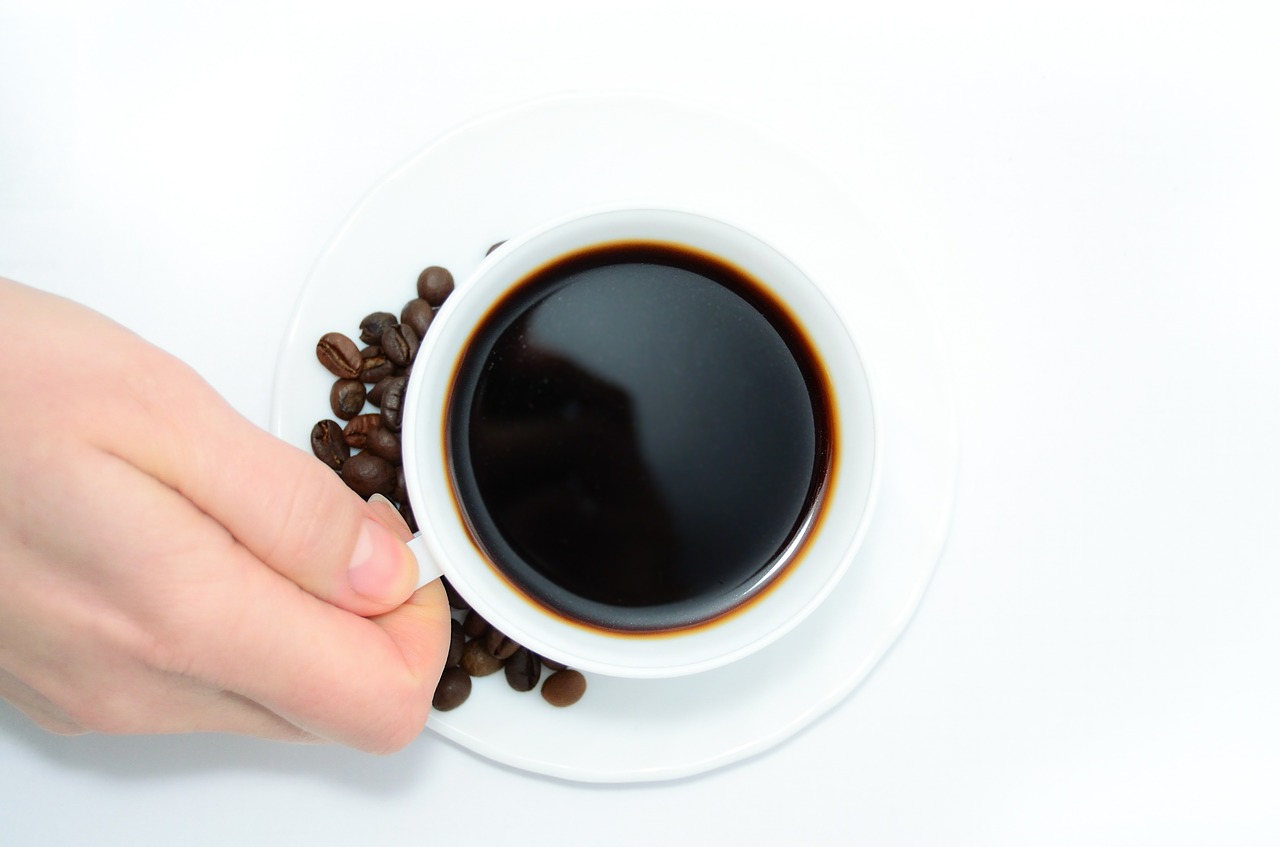
 a-cup-of-coffee-399478_1280

12 Ways Coffee Impacts Your Hormones

Guest post by Magdalena Wszelaki, founder of Hormones Balance

(with the 12th one on anxiety added by me!)

Black magic. Black medicine. Morning elixir.

If you had to give up either coffee or the internet for 2 weeks, which one would you choose? How about either coffee or sex for 2 weeks? If you’d rather relinquish anything to keep your coffee, you’d be on par with the majority of the people around you.

Taking steps to remove gluten, dairy or sugar from your diet can feel like a breeze compared to giving up coffee. However, as with anything that makes us feel that good, there is another side to your java fixation, and you need to know about it.

Benefits of coffee

Many reliable studies are often cited in confirming that coffee is full of antioxidants and polyphenols. However, these same antioxidants and polyphenols can also be found abundantly in many fruits and vegetables.

In addition, there are also a variety studies showing coffee’s role in the prevention of cancer, diabetes, depression, cirrhosis of the liver, gallstones, etc.

Beyond science, there is also the undeniable feeling of comfort in a morning routine, a stop at a favorite coffee shop, the smell, the buzz, and the energetic boost and mental clarity that come with a good cup of joe.

Everyone reacts differently

Is coffee bad for everybody? Not really. Each of us can have a different reaction to coffee. Some people get jittery, anxious and nervous, while others feel uplifted for hours. Many coffee drinkers report feeling good for the first two hours (mainly due to a dopamine spike), but eventually their energy and mental alertness will start dropping rapidly.

Coffee is metabolized in Phase I of the liver detoxification pathway, and some people have a harder time breaking it down – we call them “slow metabolizers.” This can either manifest immediately, presenting shaky and jittery feelings, or in a delayed fashion, such as poor sleep and digestive issues.

What is so worrisome about coffee?

If you are suffering from thyroid issues, Hashimoto’s, adrenal fatigue, insomnia, anxiety, hot flashes or hormone-related conditions, it’s important to be fully aware of the “other side of coffee” and make an educated decision whether it is good for you.

Here are some of the lesser-known facts about coffee:

  1. Increases blood sugar levels

According to this study, caffeine increases blood sugar levels. This is especially dangerous for people with hypoglycemia (or low sugar levels) who feel jittery, shaky, moody and unfocused when hungry. Blood sugar fluctuations cause cortisol spikes, which not only exhaust the adrenals, but also deregulate the immune system. This is highly undesirable for those of us with adrenal fatigue, Hashimoto’s or Graves’ disease. Such cortisol spikes are also highly inflammatory (read more below).

  1. Creates sugar and carbohydrate cravings

As the result of the above (increase in sugar levels), when our blood sugar levels come down, we need an emergency fix to bring them back up. This is why people who drink coffee at breakfast or indulge in sugary and processed breakfasts crave carbs and sugar by 11am or later in the day.

  1. Contributes to acid reflux and damages gut lining

Coffee stimulates the release of gastrin, the main gastric hormone, which speeds up intestinal transit time. Coffee can also stimulate the release of bile (which is why some people run to the bathroom soon after drinking coffee) and digestive enzymes.

In a person with a healthy digestion, this is not a big deal. However, for people with autoimmune conditions, compromised digestion (such as IBS, or “leaky gut”), this can cause further digestive damage to the intestinal lining (source).

  1. Exhausts the adrenals

Coffee stimulates the adrenals to release more cortisol, our stress hormone; this is partly why we experience a wonderful but temporary and unsustainable burst of energy.

What many of us don’t realize is that our tired adrenals are often the cause of unexplained weight gain, sleeping problems, feeling emotionally fragile, depression and fatigue. Drinking coffee while experiencing adrenal fatigue is only adding fuel to the fire.

  1. Worsens PMS and lumpy breasts

It’s well-established that coffee contributes to estrogen dominance (source), which can mean one of two things: we either have too much estrogen in relation to progesterone, or we have an imbalance in the estrogen metabolites (some are protective and some are dangerous).

PMS, lumpy breasts, heavy periods, cellulite and even breast cancer (which is an estrogenic cancer) can be symptoms of estrogen dominance.

  1. Gluten-cross reactive food

50% of people with gluten sensitivities also experience cross reactivity with other foods, including casein in milk products, corn, coffee, and almost all grains, because their protein structures are similar. Cyrex Labs provides a test for gluten cross-reactive foods.

 Many people report having a similar reaction to coffee as they do to gluten.

  1. Impacts the conversion of T4 to T3 hormones

Coffee impacts the absorption of levothyroxine (the synthetic thyroid hormone); this is why thyroid patients need to take their hormone replacement pill at least an hour before drinking coffee.

The indirect but important point is that coffee contributes to estrogen dominance, cited above, and estrogen dominance inhibits T4 to T3 conversion.

  1. Can cause miscarriages

This study showed that women who drink coffee during their pregnancy are at a higher risk of miscarriage.

  1. Is highly inflammatory

Any functional or integrative doctor would say the majority of modern diseases are caused by inflammation – a smoldering and invisible fire found on a cellular level.

This study found that caffeine is a significant contributor to oxidative stress and inflammation in the body. Chronic body pains and aches, fatigue, skin problems, diabetes and autoimmune conditions are just some of the conditions related to inflammation.

  1. Can contribute to and even cause osteoporosis

It is well-known that coffee changes our body pH to a lower, and thus more acidic, level. A low pH (which means a more acidic body) can contribute to osteoporosis.

This study has confirmed that habitual coffee drinking among postmenopausal women was the leading cause of osteoporosis.

  1. Can cause insomnia and poor sleep

This study showed that 400mg of “caffeine taken 6 hours before bedtime has important disruptive [sleep] effects.”

This, again, is dependent on the individual and his or her ability to metabolize caffeine. Some people experience deep and restful sleep whether or not they drink coffee, while others do not, even if they stop drinking anything caffeinated at noon.

How sensitive are you and how does coffee impact your sleep? You will only find out when you give up caffeinated drinks for 5 days – then your body will tell you!

       12.  Can cause anxiety and depression (Trudy: I added this one!)

Many people find that caffeine consumption can worsen anxiety. For example, chronic, heavy use of caffeine can cause or heighten anxiety and may lead to increased use of antianxiety medications as shown in this study. This study showed that people with panic disorder and social anxiety may be more sensitive to the anxiety-causing effects of caffeine. Somewhat paradoxically, caffeine withdrawal can also mimic anxiety

What about decaf?

It’s a disputed area, but many health practitioners don’t suggest it for two reasons. For one, many manufacturers use a chemical process to remove caffeine from the coffee beans. The result is less caffeine, but more chemicals. Secondly, it is the caffeine in the coffee that has the health benefits we discussed above. Without it, you are left with little benefit.

The change we resist the most is often the change we need the most

Many people who have made extensive dietary changes will admit that coffee was the last and hardest thing to eliminate from their diets. Coffee is our ritual; it’s our best friend.

But is it really? It is often said that the change we resist the most is the change our body needs the most. Let your intuition be your guide.

Bottom line

You will only know how you really feel without coffee when you get off it for 3 to 5 days (and please don’t say it does not impact you until you try this experiment). The first 2 days will be tough, but that tells you something important about this addictive substance, does it not?

Many women who have given up coffee and caffeine report better sleep within days, fewer hot flashes, less depression and anxiety, and many more other benefits over time.

What are some substitute options?

If you feel like you still need a slight kick, go for less-caffeinated options, such as green tea.

Once you are ready to completely rid yourself of caffeine, herbal teas are a wonderful replacement.

One of my personal favorites is a Roasted Chicory Latte – it tastes like coffee, but it contains no caffeine. Making it into a smooth and creamy (yet dairy-free) latte makes the transition so much easier.

magdalena roasted chicory latte 

RECIPE: ROASTED CHICORY ROOT LATTE

Time to prepare: 15 minutes; Time to steep: 10minutes.

Serves: 1

Equipment: blender

Ingredients

1 tbsp roasted chicory root

2 cups water

1 tbsp ghee, coconut butter or butter (if tolerated)

1 pitted date

fresh nutmeg (nut or powder)

How to make:

  1. Bring water to a boil, add chicory root and steep for 10 minutes.
  2. Strain and transfer to a blender.
  3. Add the ghee (or any fat you decide to use) and the date. Blend for 1 minute at high speed.
  4. Top with freshly grated nutmeg and enjoy.


Medical references:

  • Effects of caffeine on glucose tolerance: a placebo-controlled study.
  • Coffee and estrogen dominance.
  • Maternal caffeine consumption during pregnancy and the risk of miscarriage: a prospective cohort study.
  • The effects of theaflavin-enriched black tea extract on muscle soreness, oxidative stress, inflammation, and endocrine responses to acute anaerobic interval training: a randomized, double-blind, crossover study.
  • Coffee and gastrointestinal function: facts and fiction. A review.
  • Dietary patterns and bone mineral density in Brazilian postmenopausal women with osteoporosis: a cross-sectional study.
  • Caffeine effects on sleep taken 0, 3, or 6 hours before going to bed.
  • Psychotropic effects of caffeine
  • Caffeine, mental health, and psychiatric disorders

If you are not already registered for the Anxiety Summit you can get live access to the speakers of the day here: www.theAnxietySummit.com

Check out the speaker blog from Magdalena’s two wonderful interviews on the Anxiety Summit Season 3: Foods to balance your hormones and ease anxiety.

Her 2 interviews will be replayed on Monday May 18th (we have encore replay days on Monday May 18th and Wednesday May 20th).

Grab Magdalena’s gift: How to Rebalance Your Hormones with Food and Recipes

Missed these interviews or can’t listen live? Or want this and the other great interviews for your learning library? Purchase the MP3s or MP3s + transcripts and listen when it suits you.

You can find your purchasing options here: Anxiety Summit Season 1, Anxiety Summit Season 2, and Anxiety Summit Season 3.

Filed Under: Anxiety and panic, Caffeine, Hormone, The Anxiety Summit 3, Women's health Tagged With: anxiety, caffeine, coffee, hormones, Magdalena Wszelaki, the anxiety summit, Trudy Scott

The Anxiety Summit – How to use MindBody Medicine to Reverse Anxiety in 3 Minutes or Less

May 16, 2015 By Trudy Scott 8 Comments


Dr. Kim D’Eramo, DO, author of The MindBody Tool Kit, is interviewed by host of the Anxiety Summit, Trudy Scott, Food Mood Expert and Nutritionist, author of The Antianxiety Food Solution.

How to use MindBody Medicine to Reverse Anxiety in 3 Minutes or Less

  • Why anxiety leads to us developing diseases like heart disease
  • What is MindBody medicine
  • How do we use MindBody medicine to reverse anxiety, depression, pain or other symptoms instantly
  • MindBody tools like the instant elevation technique
  • The broccoli yoga pose

Dr. Kim shared how at osteopathic school you learn how the body and mind are related and how that has a direct impact on health and the body’s ability to heal itself.

Here is the medical student mindfulness study I mentioned: An Adapted, Four-Week Mind-Body Skills Group for Medical Students: Reducing Stress, Increasing Mindfulness, and Enhancing Self-Care.

these findings suggest that a brief, voluntary mind-body skills workshop specifically adapted for medical students is feasible, acceptable, and effective for reducing stress, increasing mindfulness, and enhancing student self-care

Dr. Kim shared about women she has worked with whose kids have struggled with anxiety or behavior problems and how having the mom do the mindbody techniques led to the kids no longer having night-terrors and anxiety. I found this section so fascinating.

Dr Kim shared this:

Most of us live in the sympathetic state of fight or flight and that means your stress hormones are high all the time. You can’t metabolize nutrients, you gain weight, you develop allergies and you no longer have the big picture ability to make little changes to make your life easier, You’re in survival mode and not relaxation mode. This leads to heart disease, inflammation, anxiety and it affects your thyroid and overall hormonal balance.

Here is the Brazilian civil servant heart disease mood study I mentioned: The association between mood and anxiety disorders, and coronary heart disease in Brazil

The association with CHD [coronary heart disease] is greatest in those with psychiatric comorbidity, while associations were also observed in MDD [major depressive disorder] and generalized anxiety disorder without comorbidity


Dr Kim says this about the broccoli pose (don’t you just love that name?):

According to my friend, Matt Sanford (he trains yogis all over the world) this simple yoga pose is like “Broccoli for your emotional body.” You literally cannot feel depressed after being in this pose.

I recommend it daily for 5 minutes. Life-changing!

It decreases stress hormones, and inflammation that causes disease, AND it’s shown to increase “healthy hormones” like endorphins and oxytocin, that make you feel a sense of confidence and self-worth

What mindbody tool have you used today?  I just did the broccoli pose and loved it!

If you are not already registered for the Anxiety Summit you can get live access to the speakers of the day here: www.theAnxietySummit.com

Missed this interview or can’t listen live? Or want this and the other great interviews for your learning library? Purchase the MP3s or MP3s + transcripts and listen when it suits you.

You can find your purchasing options here: Anxiety Summit Season 1, Anxiety Summit Season 2, and Anxiety Summit Season 3.

Filed Under: Antianxiety, Stress, The Anxiety Summit 3, Yoga Tagged With: anxiey, Dr. Kim D’Eramo, the anxiety summit, The MindBody Tool Kit, Trudy Scott, yoga

  • « Go to Previous Page
  • Page 1
  • Page 2
  • Page 3
  • Page 4
  • Interim pages omitted …
  • Page 14
  • Go to Next Page »

Primary Sidebar

NEW! GABA QuickStart Homestudy (with special intro pricing)

gaba quickstart homestudy

Free Report

9 Great Questions Women Ask about Food, Mood and their Health

You'll also receive a complimentary subscription to my ezine "Food, Mood and Gal Stuff"


Connect with me

Popular Posts

  • Amino Acids Mood Questionnaire from The Antianxiety Food Solution
  • The Antianxiety Food Solution Amino Acid and Pyroluria Supplements
  • Pyroluria Questionnaire from The Antianxiety Food Solution
  • Collagen and gelatin lower serotonin: does this increase your anxiety and depression?
  • Tryptophan for the worry-in-your-head and ruminating type of anxiety
  • GABA for the physical-tension and stiff-and-tense-muscles type of anxiety
  • The Antianxiety Food Solution by Trudy Scott
  • Seriphos Original Formula is back: the best product for anxiety and insomnia caused by high cortisol
  • Am I an anxious introvert because of low zinc and vitamin B6? My response to Huffington Post blog
  • Vagus nerve rehab with GABA, breathing, humming, gargling and key nutrients

Recent Posts

  • What do I use instead of Seriphos to help lower high cortisol that is affecting my sleep and making me anxious at night?
  • BeSerene™ GABA/theanine cream eases severe muscle tension in her neck/shoulders, prevents her bad headaches and quells her anxiety
  • How the correct approach, dose and sublingual use of GABA can be calming and not cause a flushed and itchy face and neck
  • The amino acid glutamine improves low mood by addressing gut health, and it has calming effects too
  • Flight anxiety with heightened breath, physical tension and also fearing the worst (the role of low GABA and low serotonin)

Categories

  • 5-HTP
  • AB575
  • Addiction
  • ADHD
  • Adrenals
  • Alcohol
  • Allergies
  • Alzheimer's disease
  • Amino Acids
  • Anger
  • Antianxiety
  • Antianxiety Food Solution
  • Antidepressants
  • Anxiety
  • Anxiety and panic
  • Autism
  • Autoimmunity
  • benzodiazapines
  • Bipolar disorder
  • Books
  • Caffeine
  • Cancer
  • Candida
  • Children/Teens
  • Collagen
  • Cooking equipment
  • Coronavirus/COVID-19
  • Cravings
  • Depression
  • Detoxification
  • Diabetes
  • Diet
  • DPA/DLPA
  • Drugs
  • EFT/Tapping
  • EMF
  • EMFs
  • Emotional Eating
  • Endorphins
  • Environment
  • Essential oils
  • Events
  • Exercise
  • Fear
  • Fear of public speaking
  • Fertility and Pregnancy
  • Fish
  • Food
  • Food and mood
  • Functional neurology
  • GABA
  • Gene polymorphisms
  • General Health
  • Giving
  • Giving back
  • Glutamine
  • Gluten
  • GMOs
  • Gratitude
  • Gut health
  • Heart health/hypertension
  • Histamine
  • Hormone
  • Hyperparathyroidism
  • Hypoglycemia
  • Immune system
  • Inflammation
  • Insomnia
  • Inspiration
  • Introversion
  • Joy and happiness
  • Ketogenic diet
  • Lithium orotate
  • Looking awesome
  • Lyme disease and co-infections
  • MCAS/histamine
  • Medication
  • Men's health
  • Mental health
  • Mercury
  • Migraine
  • Mold
  • Movie
  • MTHFR
  • Multiple sclerosis
  • Music
  • NANP
  • Nature
  • Nutritional Psychiatry
  • OCD
  • Osteoporosis
  • Oxalates
  • Oxytocin
  • Pain
  • Paleo
  • Parasites
  • Parkinson’s disease
  • PCOS
  • People
  • PMS
  • Postpartum
  • PTSD/Trauma
  • Pyroluria
  • Questionnaires
  • Real whole food
  • Recipes
  • Research
  • Schizophrenia
  • serotonin
  • SIBO
  • Sleep
  • Special diets
  • Sports nutrition
  • Stress
  • Sugar addiction
  • Sugar and mood
  • Supplements
  • Teens
  • Testimonials
  • Testing
  • The Anxiety Summit
  • The Anxiety Summit 2
  • The Anxiety Summit 3
  • The Anxiety Summit 4
  • The Anxiety Summit 5
  • The Anxiety Summit 6
  • Thyroid
  • Thyroid health
  • Toxins
  • Tryptophan
  • Tyrosine
  • Uncategorized
  • Vegan/vegetarian
  • Women's health
  • Yoga

Archives

  • October 2025
  • September 2025
  • August 2025
  • July 2025
  • June 2025
  • May 2025
  • April 2025
  • March 2025
  • February 2025
  • January 2025
  • November 2024
  • October 2024
  • September 2024
  • August 2024
  • July 2024
  • June 2024
  • May 2024
  • April 2024
  • March 2024
  • February 2024
  • January 2024
  • December 2023
  • November 2023
  • October 2023
  • September 2023
  • August 2023
  • July 2023
  • June 2023
  • May 2023
  • April 2023
  • March 2023
  • February 2023
  • January 2023
  • December 2022
  • November 2022
  • October 2022
  • September 2022
  • August 2022
  • July 2022
  • June 2022
  • May 2022
  • April 2022
  • March 2022
  • February 2022
  • January 2022
  • December 2021
  • November 2021
  • October 2021
  • September 2021
  • August 2021
  • July 2021
  • June 2021
  • May 2021
  • April 2021
  • March 2021
  • February 2021
  • January 2021
  • December 2020
  • November 2020
  • October 2020
  • September 2020
  • August 2020
  • July 2020
  • June 2020
  • May 2020
  • April 2020
  • March 2020
  • February 2020
  • January 2020
  • December 2019
  • November 2019
  • October 2019
  • September 2019
  • August 2019
  • July 2019
  • June 2019
  • May 2019
  • April 2019
  • March 2019
  • February 2019
  • January 2019
  • December 2018
  • November 2018
  • October 2018
  • September 2018
  • August 2018
  • July 2018
  • June 2018
  • May 2018
  • April 2018
  • March 2018
  • February 2018
  • January 2018
  • December 2017
  • November 2017
  • October 2017
  • September 2017
  • August 2017
  • July 2017
  • June 2017
  • May 2017
  • April 2017
  • March 2017
  • February 2017
  • January 2017
  • December 2016
  • November 2016
  • October 2016
  • September 2016
  • August 2016
  • July 2016
  • June 2016
  • May 2016
  • April 2016
  • March 2016
  • February 2016
  • January 2016
  • December 2015
  • November 2015
  • October 2015
  • September 2015
  • August 2015
  • July 2015
  • June 2015
  • May 2015
  • April 2015
  • March 2015
  • February 2015
  • January 2015
  • December 2014
  • November 2014
  • October 2014
  • September 2014
  • August 2014
  • July 2014
  • June 2014
  • May 2014
  • April 2014
  • March 2014
  • February 2014
  • January 2014
  • December 2013
  • November 2013
  • October 2013
  • September 2013
  • August 2013
  • July 2013
  • June 2013
  • May 2013
  • April 2013
  • March 2013
  • February 2013
  • January 2013
  • December 2012
  • November 2012
  • October 2012
  • August 2012
  • July 2012
  • June 2012
  • May 2012
  • April 2012
  • March 2012
  • February 2012
  • January 2012
  • December 2011
  • November 2011
  • October 2011
  • September 2011
  • August 2011
  • July 2011
  • June 2011
  • May 2011
  • April 2011
  • March 2011
  • February 2011
  • January 2011
  • December 2010
  • October 2010
  • September 2010
  • July 2010
  • May 2010
  • April 2010
  • March 2010
  • February 2010
  • January 2010
  • November 2009

Share the knowledge!

The above statements have not been evaluated by the Food and Drug Administration. Products listed in this website are not intended to diagnose, treat, cure or prevent any disease.

The information provided on this site is for informational and educational purposes only and is not intended as a substitute for advice from your physician or other health care professional. You should consult with a healthcare professional before starting or modifying any diet, exercise, or supplementation program, before taking or stopping any medication, or if you have or suspect you may have a health problem.


Copyright © 2026 Trudy Scott. All Rights Reserved. | Privacy | Terms and Conditions | Refund Policy | Medical Disclaimer

Free Report

9 Great Questions Women Ask about Food, Mood and their Health

You’ll also receive a complimentary subscription to my ezine “Food, Mood and Gal Stuff”