• Skip to primary navigation
  • Skip to main content
  • Skip to primary sidebar

everywomanover29 blog

Food, Mood and Women's Health – Be your healthiest, look and feel great!

  • Blog
  • About
  • Services
  • Store
  • Resources
  • Testimonials
  • The Book
  • Contact
  • Search this site

insomnia

GABA for Anxiety, ADHD, Autism, Insomnia, and Addictions at IMMH 2019 conference

June 26, 2019 By Trudy Scott Leave a Comment

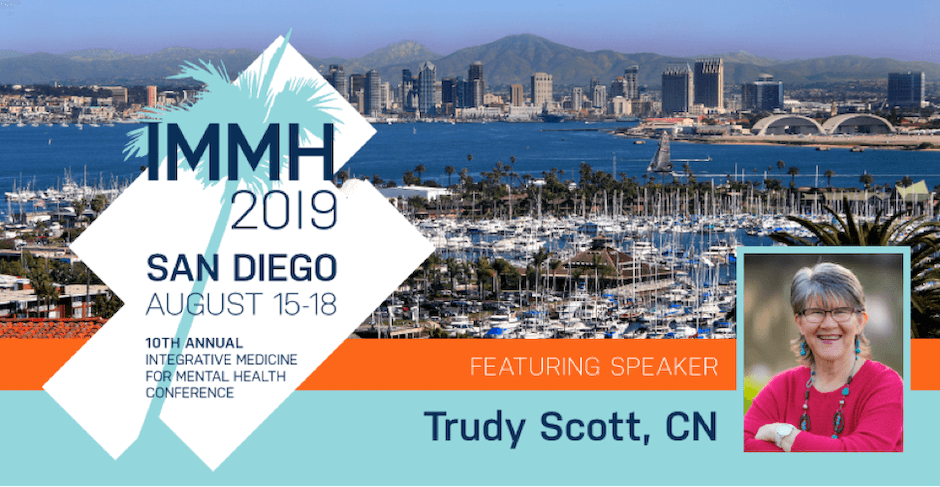
immh trudy scott

I’m proud to be presenting on “GABA for Anxiety, ADHD, Autism, Insomnia, and Addictions: Research and Practical Applications” at this year’s Integrative Medicine for Mental Health (IMMH) conference (a practitioner-only event)

I’ll be sharing the newest research on GABA and practical ways to use GABA with your clients/patients, as well as how to trouble-shoot when you’re not getting expected results.

Here is one of the many new studies I’ll be discussing (plus how to translate the animal study dosages for a human population): GABA and l-theanine mixture decreases sleep latency and improves NREM sleep

The use of GABA/l-theanine mixture rather than GABA or l-theanine alone restored to normal levels sleep time and quality in the arousal animal model.

The 10th Annual IMMH Conference will be held in San Diego, at the beautiful Hilton San Diego Bayfront! This four-day international conference gives practitioners a holistic approach to successfully diagnose and treat underlying issues contributing to the manifestations of neurological, behavioral, and psychiatric disorders.

Research has revealed that many disorders such as depression, bipolar disorder, anxiety, OCD, eating disorders, and autism spectrum disorders often have biomedical causes that contribute to symptoms, from nutritional deficiencies to chronic infections. Patients have better outcomes when these causes are addressed and treated through a combination of specialized testing and nutritional therapies, even in combination with traditional approaches.

CME, CE, and CEU credits available!

It’s my favorite integrative mental health conference and this year the speaker line-up and topics being addressed are excellent!


2019 CONFERENCE SPEAKERS

  • BRIDGET BRIGGS, MD
  • SURUCHI CHANDRA, MD
  • KABRAN CHAPEK, ND
  • BILL CODE, MD
  • MARK FILIDEI, DO
  • FELICE GERSH, MD
  • JAMES GREENBLATT, MD
  • ANN HATHAWAY, MD
  • GRACE JACKSON, MD
  • HEATHER KING, PhD
  • LESLIE KORN, PhD
  • JULIE MATTHEWS, CNC
  • NEIL NATHAN, MD
  • JAMES NEUENSCHWANDER, MD
  • SANFORD NEWMARK, MD
  • JOSEPH PIZZORNO, ND
  • MATTHEW PRATT-HYATT, PhD
  • SCOTT SHANNON, MD
  • KENNETH SHARLIN, MD
  • WILLIAM SHAW, PhD
  • RICK SPONAUGLE, MD
  • ELISA SONG, MD
  • KURT WOELLER, DO

A few of the conference topics include:

  • Solving the Brain Puzzle: Recovery Potential for Neurodegenerative Disorders
  • It’s Not All in Their Heads: Treating the Gut-Brain-Immune Triad
  • Brains on Fire: An Integrative Approach to Healing Childhood PANS/PANDAS
  • Integrative Therapies for Suicide Prevention
  • Reversal of Cognitive Decline: The Science, The Tools, and the Transformation
  • Concussion Rescue: A Comprehensive Approach to Traumatic Brain Injury
  • Neuropsychiatric Aspects of Lyme Disease and Associated Co-Infections
  • Non-Pharmacological Treatments for Chronic Pain
  • The Integrative Treatment of ADHD
  • Bioidentical Hormone Replacement for Mood and Cognition
  • New Frontiers in Mental Health: CBD and Beyond

IMMH CLINICIAN REGISTRY

Attendance at this conference qualifies you to join the Integrative Medicine for Mental Health (IMMH) Clinician Registry, making you accessible to potential patients. Each entry searchable by zip code in the U.S. and provides the medical professional’s specialty and contact information. In keeping with the integrative approach, the registry includes all professionals who have attended an IMMH conference and completed the IMMH registry application.

Details and registration here (Use promo code TRUDY50 to save an additional $50 on your registration). Early bird rates expire after June 30th.

If you are coming, please comment below and let me know! And be sure to come and say hi after my presentation and at my booth! If there is enough interest, I’ll be arranging a gathering/dinner one evening so let me know.

This is a practitioner-only event so if this doesn’t apply to you please consider sharing it with your practitioner. I’ll also be bringing back information to share with you via blog posts after the event so stay tuned. In the meanwhile, feel free to post questions in the comments below.
Filed Under: Events Tagged With: addictions, ADHD, anxiety, autism, GABA, IMMH, insomnia, Integrative Medicine for Mental Health, theanine, Trudy Scott

Phenibut for anxiety and insomnia: FDA warns 3 companies to cease distribution of their products

April 19, 2019 By Trudy Scott 71 Comments

Earlier this week, on April 16, 2019, the FDA issued warning letters to 3 companies have products that are marketed as dietary supplements with a label saying they contain Phenibut. These companies have been told to stop distribution of the current products and to let the FDA know within 15 days what they plan to do to be compliant with the law.

Quite frankly, I’m surprised it’s taken this long, and I actually agree with the decision. However, there are some major problems that are being overlooked with a decision like this, such as the dire consequences for susceptible individuals currently tapering from Phenibut or needing to do a slow taper once they no longer have access to Phenibut (more on that below).

The good news is that GABA, when used correctly i.e. used sublingually as part of a trial process to find the ideal amount for each person, is as effective and with none of the dependence and withdrawal issues.

Here is the announcement on the FDA site:

Phenibut has been found in products labeled as dietary supplements, sometimes marketed for uses such as a sleep aid. Phenibut does not meet the definition of a dietary ingredient Under the Federal Food, Drug, and Cosmetic Act (FD&C Act). Products labeled as dietary supplements that list phenibut as a dietary ingredient are misbranded.

Phenibut is also known as:

  • fenibut
  • phenigam
  • PhGaba
  • Phenigamma
  • Phenygam
  • 4-Amino-3-phenylbutanoic acid
  • β-(aminomethyl)benzenepropanoic acid
  • beta-(Aminomethyl)hydrocinnamic acid
  • β-phenyl-γ-aminobutyric acid

The companies have 15 business days from the date of receipt of the letter to communicate to the agency the specific steps they will take to bring their products into compliance with the law. The warning letters also caution the companies that the FDA may take enforcement action without further notice if they do not immediately cease distribution of the products.

A reaffirmed commitment to traditional advisory and enforcement actions, such as warning letters, in combination with the newly launched rapid-response tool, the Dietary Supplement Ingredient Advisory List, are integral parts of the FDA’s overall effort to strengthen the agency’s regulation and oversight of dietary supplements. We continue to look for ways to modernize our approach to protecting consumers from misbranded, unsafe, or otherwise unlawful dietary supplements.

I have always been very open with my warnings and have never recommended Phenibut because of the dependence issues and the fact that withdrawal can be similar to benzodiazepines. I blogged about my concerns back in 2016: Why I recommend GABA for anxiety instead of Phenibut

Here are a few highlights from this blog:

  • I have concerns with Phenibut and I don’t feel anyone should be using it
  • It is widely used in Russia as a prescription medication for anxiety, tension, fear, to improve sleep, pre- or post-operatively, depression, post-traumatic stress, stuttering and vestibular disorders
  • It’s available over-the-counter and as a supplement in the USA and the UK. It’s no longer available in Australia as a supplement
  • It’s very effective for anxiety and insomnia and this is why anxious individuals really love it and many practitioners recommend it before they start to see problems
  • One of the reasons Phenibut seems to work so well is because it is so similar to benzodiazepines.
  • The adverse effects can be similar to those experienced with benzos. This case study is one of many that report physical dependence can develop, including tolerance and withdrawal

Here are a few more recent case studies, reviews and papers on Phenibut:

  • Phenibut exposures and clinical effects reported to a regional poison center (the numbers are small: “56 exposure calls over 19 years with 48 (85.7%) calls within the past five years” but we know not everyone feels the need to call poison control)
  • Phenibut (β-Phenyl-γ-Aminobutyric Acid): an Easily Obtainable “Dietary Supplement” With Propensities for Physical Dependence and Addiction

Over the last several years, multiple case reports have highlighted phenibut’s potential to produce the conditions of physical dependence, withdrawal, and addiction. In cases involving intoxication, patients have presented with a varying degree of mental status changes, from being minimally responsive to manifesting symptoms of an agitated delirium. Phenibut is a potent psychoactive substance with GABAB agonist properties, which is emerging as a drug of misuse through growing internet sales. Its marketing as a “dietary supplement” is inaccurate and misleading, given its pharmacological profile and ability to induce the physiological changes associated with withdrawal and physical dependence

  • Acute phenibut withdrawal: A comprehensive literature review and illustrative case report . In many of the published cases “Patients were typically younger and had coexisting substance abuse disorders to other drugs” but based on feedback I’ve had from folks in my community and elsewhere this is certainly not the case across the board. However it may be that prior benzodiazepine or fluoroquinolone use may play a role in individuals being more susceptible to issues.
  • Phenibut (β-Phenyl-γ-Aminobutyric Acid) Psychosis. This case study was a situation of recreational abuse but even so it shows how severe symptoms can be.

I see no reason to use a product like Phenibut given the potential to cause harm and because GABA (when used correctly i.e. used sublingually as part of a trial process to find the ideal amount for each person) is as effective and with none of the dependence and withdrawal issues.

Phenibut: initially very promising results and then rebound anxiety, panic and insomnia

I’d like to share a story from someone in my community who posted on the 2016 blog above. He shared this about the addictive aspects he observed when he used a Phenibut product called GABA Wave, saying his initial reaction was very positive and quite extreme compared to his previous trials of GABA:

The initial response in the first couple of weeks was great, especially a couple of hours after taking it. The effects were a marked elevation in mood to the point of euphoria, enhanced appreciation for music, improved focus and cognition initially (but that became memory difficulty), marked relief of anxiety, increased motivation, renewed interest in things, being more talkative, a significant calming/relaxation effect, generally a deep and great night’s sleep the night of the morning it is taken.

He then shares how this changed after a few weeks with rebound insomnia, panic and anxiety, and other adverse symptoms:

However, after a few weeks it was the reaction on the following day of taking it that kicked me in the butt, literally. On the following day I began to feel very low, groggy and spaced out, almost like a hangover and then during the following night I began having brutal insomnia – a complete turn-around from the night before. A kind of rebound response. I imagine that’s when the tolerance and addiction begins to develop because one craves the next dose to provide the good night’s sleep after the bad sleep on the second night. Other side effects included mood swings, irritability, rebound anxiety, panic, loss of short-term memory, total and utter loss of any form of libido and constipation!

He shared that his diet and self-care are excellent, but he is dealing with and working past emotional and psychological traumas – and this may make him more susceptible to the adverse effects.

And this is one of the problems with Phenibut – you’ll hear excellent initial reports and for some people this continues. Not everyone is adversely affected but you just don’t know in advance if you will be someone who is adversely affected or just how badly you’ll be affected.

Merry has had very severe ongoing adverse effects from Phenibut.

Merry Citoli shares her warnings about benzodiazepine, lunesta and Phenibut withdrawal

Merry Citoli shares her warnings about benzodiazepine, lunesta and Phenibut withdrawal. Lunesta and then Phenibut were recommended to help her taper from the benzodiazepine she was prescribed for perimenopausal anxiety. At the time of this recording, she had tapered off the benzo and lunesta, but was having great difficulties tapering off Phenibut – almost as bad as her benzo taper.

You can learn more about Merry on Follow Your Bliss. She shares how cathartic it is to share her story and the desire to help stop others going through what she has been through. I’d like to acknowledge Merry for doing this (and all of you for sharing your stories and posting encouraging messages here on the blog for each other).

I’d also like to give a shout out to the Benzodiazepine Information Coalition who is doing amazing advocacy and educational work about these awful medications.

The comments in my 2016 blog: Why I recommend GABA for anxiety instead of Phenibut are worth a read if this affects you. You’ll see there are some very different thoughts on Phenibut safety and folks saying GABA won’t work. This is typical of what you can expect to hear elsewhere online.

I don’t have all the answers

I know many Phenibut users are going to be very concerned about this and we’ll be dealing with many withdrawal issues and folks looking for an alternative. I recognize that this is not going to be easy if there is no Phenibut available for tapering. There are also very serious concerns for those who can’t go cold-turkey off Phenibut and won’t have the time to taper. Abrupt discontinuation of Phenibut may result in withdrawal which can be severe and require hospitalization.

What I don’t know:

  • if other companies and products will be targeted too?
  • if Phenibut will be made available as prescription in some form or another?
  • what resources are in place or going to be put in place for individuals who are in the process for trying to taper from Phenibut right now (or if there is even the awareness that this is an issue and very needed? For people like Merry, cold-turkeying off Phenibut could be life-threatening)
  • what advocacy groups and benzo support groups know and what advice do they have?
  • what my colleagues know and are planning to do?
  • why so many practitioners recommended it and why so many companies made it available as a supplement, given the research/case studies and the issues so many individuals report?
  • if there will be a place to submit concerns and complaints?

What I do know – GABA and the foundations

Give GABA serious consideration for safe and comfortable tapering (assuming there is enough Phenibut to do slow tapers) and for ongoing support of the low GABA symptoms of physical anxiety and tension.

It’s really best that you work with your practitioner. As with a benzodiazepine, before starting a Phenibut taper, I’ve always found it’s best to get nutritionally stable as possible first and address all root causes of anxiety before starting to taper and then tapering Phenibut very very very slowly. For some folks it’s just very uncomfortable for a few weeks and for others it’s a long-term ordeal.

I use GABA sublingually after an initial trial to find the ideal amount for each person. I have found that for both a benzo and Phenibut taper, very very tiny amounts (like a pinch or dab) will be enough for some folks.

Other nutrients are used based on each person’s need – such as theanine, tryptophan, melatonin, niacinamide, zinc and vitamin B6 and others. Light therapy, exercise, yoga, meditation, getting out in nature and essential oils like lavender, citrus and jasmine are also wonderful to incorporate. Of course, diet, blood sugar control and gut health are the foundation.

These are various GABA products I use. You can find some examples on my supplements blog here:

  • Source Naturals GABA Calm (with additional information here)
  • Nutritional Fundamentals for Health GABA-T SAP: gamma-aminobutyric acid (GABA) 300 mg, l-theanine 150 mg. This is pleasant-tasting when opened on to the tongue and works very well when GABA Calm can’t be used.  I find best results when it is used opened on to the tongue.
  • Enzymatic Therapy GABA: gamma-aminobutyric acid (GABA) 250 mg. This is also pleasant-tasting when opened on to the tongue and works very well when GABA Calm can’t be used.  As with all GABA products, I find best results when it is used opened on to the tongue.
  • ProThera 500mg GABA: gamma-aminobutyric acid (GABA) 500 mg.  You will likely need to open this up and start with less than a full capsule during the day. A full capsule may be fine at night for some individuals.

They can all be purchased from my online store here.

As you can see, I don’t have all the answers about this FDA announcement, but I wanted to share what I do know so you are aware of what’s going on.

In the next few weeks I’m going to be reaching out to benzodiazepine groups, colleagues, the companies affected and individuals who are in the process for trying to taper from Phenibut. As I learn more, I’ll share what I learn.

In the meantime, please post questions you may have, and I’ll do my best to either answer them now or find answers for you.

And please do share your Phenibut stories (both good and bad), your concerns, and any resources you may have.

And do share if GABA has help you taper from Phenibut.

Filed Under: Anxiety Tagged With: anxiety, fda, GABA, GABA Calm, insomnia, panic, phenibut, theanine, tolerance, withdrawal

Sleeping through the night for the first time in many years: a trial and error approach to find the ideal tryptophan product

April 5, 2019 By Trudy Scott 38 Comments

If you have trouble sleeping through the night (or even have anxiety or panic attacks), finding the nutritional/biochemical root causes and addressing them is going to provide relief but it’s not always straightforward to find your root cause or causes (there are often more than one). Also, what works for you today may not work for you in 2 years time and may not work for your friend who has similar symptoms. You have to be a detective yourself and/or work with a health professional who can put all the puzzle pieces together.

I recently read a Facebook comment where someone was really frustrated about all the trial and error work that may be involved:

I’m just so tired of all this trial and error work trying to figure out why I’m anxious and depressed can’t sleep more than 4 hours a night. It’s been going on way too long I just want answers and a solution to all this. Enough already!

While I feel for this woman, I do acknowledge that it can sometimes be challenging to put all the puzzle pieces together. Other times we are able to figure things out very quickly. I’d like to share some feedback from Lorraine on the tryptophan-PMS-anxiety blog to illustrate how one small change made a big difference for her and it was a matter of trial and error.

Lorraine shares her great results with this Tryptophan Complete tweak for her insomnia:

Trudy, after listening to your talks about Lidtke Tryptophan I decided to give the Tryptophan Complete a try. I’ve taken one capsule each on the last two nights instead of two of the Tryptophan 500mg caps. Both nights I slept straight through all night and had a hard time waking up in the morning. I’ve struggled with insomnia for many, many years. The 500mg Lidtke Tryptophan supplements were helping but I was still waking up during the night. For me to sleep all night is almost miraculous.

I’ve been also taking Progesterone (low on testing), Magnesium, L-Theanine and Melatonin.

I recently added phosphatidylserine, and Holy Basil because saliva testing showed high cortisol at bedtime and off the charts high in the morning. I’m hoping to start eliminating some of those other supplements now that I’m sleeping so well.

I want to thank you for the Anxiety Summits and your book and updates on Facebook and newsletters. I have learned so much from you!

I’ve blogged about which product to use for boosting serotonin: Tryptophan 500mg or Tryptophan Complete (by Lidtke)?. I share this

  • I like to have my clients do a trial of the amino acidsso they can find the ideal dose for their needs and right now I still feel this would still be the best approach to take – using 500mg tryptophan. Once you have figured out you do well with tryptophan-only product and have your dose, then consider reducing it slightly after about 2-3 weeks and adding in additional Tryptophan Complete.
  • The other option is this: if you don’t get the expected results with Tryptophan 500mg, then try the Tryptophan Complete. You may need the other ingredients for it to work well for you.

Lorraine chose to do the latter – switching to Tryptophan Complete – since she didn’t get ideal results with Tryptophan 500mg and it worked for her. I will add that even though she slept straight through all night, I don’t like that she had a hard time waking up in the morning and when that happens, I recommend less tryptophan. It’s very possible that the ideal combination would be 1 x Tryptophan 500mg and 1 x Tryptophan Complete (my first suggestion).

Here is my quick commentary on the other products she’s using for her insomnia:

  • Progesterone and theanine: Testing progesterone levels are important before using progesterone. Both theanine and GABA support GABA production and when GABA is low, we often see low progesterone. With both low GABA and low progesterone, sleep and anxiety can be worse.
  • Magnesium: This mineral is commonly low and is needed to make both serotonin and GABA.
  • Melatonin: This is made in the body when there is sufficient serotonin and may not be needed long-term once she has good levels of serotonin (which the tryptophan product/s are helping her make).
  • Phosphatidylserine and holy basil: High cortisol is a common root cause of both insomnia and anxiety and saliva testing is an excellent way to confirm this. Phosphatidylserine can be used to lower high cortisol although I have found even better results with a phosphorylated serine product called Seriphos. Holy basil or tulsi is an adaptogenic herbal product that provides adrenal support helping with sleep problems and easing anxiety and stress.

In Lorraine’s case, her insomnia was caused by low serotonin (hence the need for tryptophan, melatonin and magnesium), low GABA/low progesterone (hence the need for progesterone, theanine and magnesium) and high cortisol (hence the need for phosphatidylserine and holy basil).

She shares she’s hoping to start eliminating some of these other supplements now that she’s sleeping so well. So, this would be another trial and error approach, stopping and/or reducing one at a time and seeing how she does. Or she may well find she needs to continue with everything for some time.

As you can see, for Lorraine it was a matter of trial and error to find her solution, but it was well worth it to get the “miraculous results” she experienced: sleeping though the night for the first time in many years!

Some of these products may work for you but it’s going to be a matter of trial and error to find your root cause/s and solution.

In case they are relevant for you, these products mentioned in this blog can all be found in my online Fullscript store:

  • Lidtke 500mg Tryptophan (with additional information here)
  • Lidtke Tryptophan Complete (with additional information here)
  • Magnesium
  • Melatonin (with additional information here)
  • Holy basil /tulsi (with additional information here)
  • Interplexus Seriphos (with additional information here)

I’d love to hear how you’ve used a trial and error approach either on your own or with the help of your practitioner to find the nutritional solution for your insomnia and/or anxiety?

If you’re a practitioner, please do share an example of how you’ve used this approach with a client or patient.

If you’ve had frustrations with this trial and error approach, please share them too.

Feel free to post your questions here too.

Filed Under: Tryptophan Tagged With: adrenals, anxiety, cortisol, depression, GABA, insomnia, Lidtke, magnesium, seriphos, serotonin, sleep, sleeping, trial and error, tryptophan, tryptophan complete, tulsi

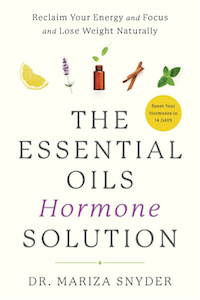
The Essential Oils Hormone Solution by Dr. Mariza Snyder – my book review

February 22, 2019 By Trudy Scott 15 Comments

Together with dietary changes and key nutrients like GABA, tryptophan, zinc and vitamin B6, using essential oils are a wonderful tool for helping to ease anxiety, reduce stress, improve sleep and focus and contribute to overall hormonal health for women. Now we have a new book that is a wonderful essential oil resource specifically for women, The Essential Oils Hormone Solution: Reclaim Your Energy and Focus and Lose Weight Naturally by Dr. Mariza Snyder.

She shares this about essential oils:

Essential oils are natural aromatic com­pounds found in the roots, seeds, stems, bark, leaves, and flowers of various plants. They are super-charged, fifty to seventy times more potent than their dried-herbal counterparts. They’re simply the best plant-based remedy that exists, and they have been success­fully used for thousands of years.

Dr. Mariza lists these top 5 must-have hormone-support essential oils for perimenopausal and menopausal women: clary sage, geranium, lavender, peppermint and rosemary. Lavender and peppermint have been long-time favorites of mine and I recently learned about clary sage and rosemary and love both.

She covers so many wonderful essential oils in the book but for the purposes of this review I’ll focus on clary sage since it was new to me until recently and may be new to you too.

In the chapter on sleep, she shares this about the benefits of clary sage and how to use this essential oil:

CLARY SAGE (Salvia sclarea)

  • Promotes relaxation of the body for a restful night’s sleep
  • Calms and soothes the mind and body
  • Supportive during menstrual distress

Aromatic Use 

  • Apply 1–2 drops directly to bedclothes or pillow.
  • Diffuse 3–4 drops before bedtime.

Topical Use

  • Dilute 1–2 drops with your favorite carrier oil and massage into abdomen.
  • Add 2–3 drops to a warm bath with ¼ cup Epsom salts dis­solved in the water.
  • Dilute 1–2 drops with your favorite carrier oil and massage into your soles before bedtime.

I had looked into clary sage about 6 months ago when I learned that it supports serotonin production and also lowers high cortisol.

Interestingly, I didn’t care for the aroma of clary sage when I first purchased it and I diffused it with lavender and rosemary to disguise the aroma. But I have grown to really like it and use a drop on a hanky each night and look forward to how much it helps me sleep and the fact that it eased the mild hot flashes I had started to experience again.

I love the combinations/blends Dr. Mariza recommends in the book and would have welcomed these ideas when I first started using clary sage myself. Here is one example of a rollerball blend with clary sage:

Tense-Away Rollerball Blend

10 drops Lavender essential oil

10 drops Clary Sage essential oil

10 drops Peppermint essential oil

Carrier oil of choice

I also really like that Dr. Mariza describes different ways to use the oils other than only diffusing – like using rollerballs, using them for massages and in baths, and applying the essential oils on various parts of the body for a more direct impact. One such example is the Hormone Synergy Rollerball Blend (which contains clary sage, lavender, geranium, bergamot and ylang ylang). She recommends applying this blend directly over your ovaries.

I learned this direct application tip from Dr. Mariza last year and started using lavender, peppermint and rosemary (in a carrier oil) topically on my belly before bed. It helps with digestion, occasional belly bloat from SIBO (if I’ve eaten something that triggers symptoms) and is relaxing too. I think I’ll add clary sage to this belly blend too for the added hormone benefits. This could be one way to use clary sage for the benefits if you find you don’t really like the aroma (because it will be further from your nose!)

Here are some of the benefits of the other top 5 hormone-support essential oils for perimenopausal and menopausal women that Dr. Mariza shares:

  • geranium – calming and soothing and “rejuvenates and revitalizes skin, complexion, and hair” (I haven’t been using this one and looking forward to trying this one)
  • lavender – “eases and calms feelings of anxiety, stress, and tension while rebalancing emotions” and “relieves discomfort associated with menstrual cycles” (I’ve been using lavender for years)
  • peppermint – “stimulates mental focus and energy by enlivening the senses” and supports your respiratory system (I also use this one all the time. It’s also great for headaches and neck pain)
  • and rosemary – “increases memory, concentration, and focus” (I also use it for EMF/electromagnetic radiation protection. Research shows rosemary could play a protective role against this harmful effect through its antioxidant activity)

Clary sage is also featured in the libido chapter: “Commonly used to stimulate sexual energy and boost libido.” This aspect was new to me, but it makes sense given that it lowers cortisol and supports serotonin production (and hence estrogen). Dr. Mariza also covers many other wonderful essential oils that boost libido too: jasmine, neroli, rose, sandalwood, ylang ylang and geranium.  In one study neroli, lavender, fennel, geranium, and rose significantly improved sexual function in menopausal women.

Here is the official book blurb:

Have your hormones been hijacked? Do you feel energy-depleted and irritable, unable to sleep, stay focused, or lose weight? You may have attributed these symptoms to the natural hormonal fluctuations that occur with age. But behind the scenes, there are a host of pesky culprits wreaking havoc on your hormonal health: chronic stress, air pollution, chemical-laden foods and cleaning supplies, and the synthetic estrogens in personal care products. Women of all ages are left vulnerable to the consequences, suffering from unnecessary hormonal imbalance and frustrating symptoms that are often dismissed by their doctors.

Dr. Mariza Snyder is here to help put you back in control of your health. In The Essential Oils Hormone Solution, you will learn how to heal hormonal chaos and revitalize the body from the inside out with the support of high-quality essential oils. You’ll learn how essential oils work on a cellular level to mitigate the toxic loads we carry, and how to use essential oils to reduce cravings, get deep, restful sleep, ease stress, improve mood, banish the worst symptoms of PMS, regain focus and concentration, boost libido, and increase energy.

Featuring a 14-day plan to jumpstart your hormonal health, with over 100 essential oil blends, daily self-care rituals, and delicious, easy-to-prepare recipes, you’ll discover how to reset your body and pave the way for improved hormonal health, without taking hormones.

Grab your copy of The Essential Oils Hormone Solution here (my Amazon link).

I’d like to add my thoughts on what I have found to be safe use of essential oils, and what I share with my clients (I consider myself an essential oil user like you – I’m not an expert):

  • Always use a carrier oil, unless you are diffusing, and this includes using essential oils in the bath (I know there is some conflicting advice on this, but I like to err on the side of caution)
  • Don’t try to remove too much of an essential oil with water – it will only drive it deeper into the skin
  • Think low doses i.e. a little goes a long way
  • Be sure to rotate your essential oils
  • Don’t ingest the oils neat or even in a gelatin capsule. I would only consider doing so if I was working with an experienced practitioner and using an enteric coated capsule  (there is definitely conflicting advice on this one but again I like to err on the side of caution)

It’s a fun book with wonderful ideas for how to combine essential oils and use them to improve hormone imbalance. I love this quote from Dr. Mariza:

Inhaling them and applying them is like adorning yourself in something truly beautiful

What are your favorite essential oils and combinations for easing anxiety, reducing stress, improving sleep and balancing your hormones? How are you “adorning yourself” and what is your favorite way to use them – diffused, topically, via a rollerball, or via a massage or in the bath? Feel free to post questions here too.

Filed Under: Books, Essential oils Tagged With: anxiety, calming, clary sage, cortisol, Dr. Mariza Snyder, energy, essential oils, focus, hormone, hormones, insomnia, lavender, libido, mood, peppermint, PMS, serotonin, sleep, stress, The Essential Oils Hormone Solution

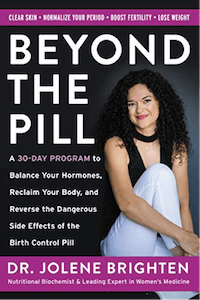
Beyond the Pill by Dr. Jolene Brighten – my book review

February 15, 2019 By Trudy Scott 9 Comments

I really wish this book – Beyond the Pill A 30-Day Program to Balance Your Hormones, Reclaim Your Body, and Reverse the Dangerous Side Effects of the Birth Control Pill by Dr. Jolene Brighten – was available when I was in my 30s and on the pill.

Dr. Jolene mentions a study in the Journal of the American Medical Association which reports the following:

women who began the pill were more likely to be prescribed an antidepressant – which means it contributes to a bit more than moodiness.

This was not a small study and included over one million women.

Symptoms caused by the pill and the damage it does to your body

This book, Beyond the Pill, provides a comprehensive list of symptoms caused by the pill:

  • hormonal confusion: missing or irregular periods, light or heavy periods, short cycles, infertility, headaches
  • digestive problems: leaky gut, gut dysbiosis, inflammatory bowel disease
  • energy reduction: fatigue, adrenal and thyroid dysfunction
  • skin issues: hair loss, dry skin
  • mood disruption: depression, anxiety
  • lady part disturbance: low libido (Oh, hell no!), vaginal dryness, chronic infection, pain with sex
  • vitamin, mineral, and antioxidant depletion (such as folate, B12, and magnesium) (I’ll add vitamin B6 to this list too – it is mentioned elsewhere in the book)

The pill does further damage to your body and also:

  • intensifies the risk of blood clots, which lead to strokes
  • increases the risk of breast, cervical, and liver cancers
  • increases the risk of diabetes
  • raises the risk of heart attacks
  • triggers autoimmune disease

Truth-bombs about how the pill works

She shares plenty of truth-bombs about how the pill works – like these gems:

As long as you’re on the pill, your brain and ovaries aren’t talking, which can seriously affect all your hormones.

When you take that week of placebo pills, you’re not actually getting a period because you never ovulated. Instead, this is what is called a withdrawal bleed (I did not know this!)

Post–birth control syndrome (PBCS)

I first became aware of Dr. Jolene’s brilliance in this area when she started writing about Post–birth control syndrome (PBCS) a few years ago. PBCS is “is a constellation of symptoms women experience when they discontinue hormonal birth control.” She has found the symptoms of PBCS – hormonal irregularities like no period or heavy bleeding, acne, mood swings and anxiety, headaches, infertility, pill-induced PCOS (polycystic ovarian syndrome), hypothyroidism, gut issues and even autoimmune symptoms – typically occur in the first 4-6 months after stopping the pill. To make it easy for you the PBCS symptoms are all laid out in a handy quiz in the book.

She has found these symptoms won’t go away without taking the necessary steps that include detox, gut repair, healing the thyroid and adrenals, addressing metabolic health or blood sugar control, boosting mood, improving libido and addressing nutritional deficiencies that the pill has caused. This is all covered in the book as a 30-day program to balance your hormones, reclaim your body, and reverse the dangerous side effects of the birth control pill.

I really appreciate that Dr. Jolene shares this:

I want you to know I’m not anti-pill. Nope. I’m pro–informed consent, which means doctors giving you all the information you need to consent to taking birth control.

This book will help you understand what those hormonal symptoms mean, how the pill is affecting your body, and what to do if you either need to stay on it or are ready to get off it.

Addressing low vitamin B6, low serotonin and low GABA

Here are a few of the nutritional supporting approaches she covers (all supported by research) that are very applicable for support for anxiety specifically and relevant to what you’ve been learning from me: addressing low vitamin B6, low serotonin and low GABA.

Because the pill depletes vitamin B6, she recommends up to 100mg per day for PMS and mood-related symptoms, and symptoms of PBCS. (I know vitamin B6 is controversial and she does acknowledge this).

Dr Jolene identifies the concerning and far-reaching effects of the pill on serotonin: “studies have shown that women on the pill don’t metabolize tryptophan normally” affecting both serotonin and melatonin production, reducing kynurenic acid and raising high-sensitivity C-reactive protein (hs-CRP), a marker of inflammation and immune system activation, and shifting the “tryptophan pathway… toward quinolinic acid production, which is inflammatory and harmful to the brain.”

I would have loved to see more about tryptophan and 5-HTP and even vitamin B6 (given that it is crucial for the conversion of tryptophan away from quinolinic acid) in this section of the book. Using tryptophan as a supplement is only briefly mentioned and 50-100mg 5-HTP is only recommended for serotonin-related cravings. As you may know from my work using targeted trials of the amino acid tryptophan and/or 5-HTP offers very quick anxiety relief and  support for PMS within 3 cycles. Fortunately, you can fill in the gaps and use what I teach about these amino acids in conjunction with everything else in the book.

I do love that she adds to our knowledge base with other tips, sharing that the botanicals “passionflower and skullcap support healthy serotonin production by reducing quinolinic acid production.” This was new to me and I’m intrigued.

I love what she writes about progesterone inducing “a sense of calm and a deep sense of love and connection by stimulating gamma-aminobutyric acid (GABA) receptors.”  Theanine and taurine (a precursor of GABA) are recommended and taurine is also part of her detox and adrenal protocols which I love.

However, I use GABA itself extensively in my work and find it to be more effective than theanine or taurine for the anxiety symptoms – it’s a firm favorite for the majority of my anxious clients. Again, you can fill in the gaps and check out what I share about GABA for very quick anxiety relief and PMS support.


My other favorite sections: libido and orgasms, and liver detox

Some of my other favorite sections include the libido section and her wonderful information about orgasms – she shares the myriad of health benefits of orgasms and recommends once-weekly orgasms but need I say more than this comment from Dr. Jolene:

Women can have four different types of orgasm throughout the month because of the hormonal changes we experience. Dude, this is a serious reason to consider ending that pill pack.

I couldn’t resist including this advice for anxiety and insomnia:

Trouble with anxiety? Have sex. Trouble with insomnia? Have sex. When you have an orgasm and release oxytocin, it relaxes you, calms your mind, and enables you to get a good night’s sleep. Besides oxytocin, your body releases vasopressin during orgasm, a hormone that often accompanies the release of melatonin.

If you do have low libido Dr. Jolene has this covered.

I also love the liver detox chapter and so will you. You’ll learn that the pill can cause benign liver tumors and can contribute to gallstones and gallbladder disease. She also shares this about the synthetic estrogen in birth control pills and the liver/libido connection:

There is some concern that long-term exposure to the synthetic estrogen in birth control pills actually alters your liver genes to make higher levels of SHBG (sex hormone binding globulin) for the rest of your life. Unfortunately, SHBG also binds up your testosterone. The result is a libido that’s nonexistent.

She also has you covered on how to detox as part of this wonderfully comprehensive hormone balancing program.

The official book blurb

Out of the 100 million women – almost 11 million in the United States alone – who are on the pill, roughly 60 percent take it for non-contraceptive reasons like painful periods, endometriosis, PCOS, and acne. While the birth control pill is widely prescribed as a quick-fix solution to a variety of women’s health conditions, taking it can also result in other more serious and dangerous health consequences.

Did you know that women on the pill are more likely to be prescribed an antidepressant? That they are at significantly increased risk for autoimmune disease, heart attack, thyroid and adrenal disorders, and even breast and cervical cancer? That the pill can even cause vaginal dryness, unexplained hair loss, flagging libido, extreme fatigue, and chronic infection.

As if women didn’t have enough to worry about, that little pill we’re taking to manage our symptoms is only making things worse.

This book is perfect for you if

  • You’re a woman in your child-bearing years and are currently on the pill, considering the pill, have been on the pill in the past and had issues, and even did well on the pill in the past
  • You’re a woman like me and past the birth control age and yet are intrigued to get a better understanding of how you may have been affected by the pill in the past and also want a better understanding of your body and hormonal health going forward
  • You have a daughter or grand-daughter or niece or friend you can gift a copy to
  • You are a practitioner who works with women
  • You are a curious male with women in your life and would like to understand them better so you can continue to have the healthiest relationship possible.

I’m already recommending this book and will continue to recommend it going forward!

This much-needed solution-based and heavily referenced book released January 29. It’s ground-breaking information and I’m thrilled to be sharing it with you!

Grab your copy of Beyond the Pill (my Amazon link) and find additional information here.

I now recognize that post–birth control syndrome (PBCS) was part the perfect storm that contributed to my anxiety and panic attacks in my late 30s (and a whole host of other symptoms). Personally, I found the entire book fascinating reading, and wish I’d had access to this material while I was in the midst of trying to figure things out.

Fortunately, GABA and tryptophan helped immensely with my anxiety and PMS (together with everything else I did) and I eventually discovered FAM (Fertility Awareness Method). But wish I’d know about this safer option when I was younger. Dr. Jolene is a big fan of FAM and covers it extensively in the book, sharing what I found to be true: it works even if it seems scary at first AND you get to learn so much about your body.

Please feel free to share your experiences with the birth control pill (both good and bad), why it was prescribed and what you learn from this book that can help others in your situation. Feel free to post questions here too.

Filed Under: Books, GABA, serotonin, Women's health Tagged With: antidepressant, anxiety, BCP, Beyond the Pill, Dr. Jolene Brighten, GABA, insomnia, libido, orgasm, post-birth control syndrome, serotonin, the birth control pill, the pill

I have chronic insomnia and I started getting headaches with GABA, 5-HTP and melatonin

February 1, 2019 By Trudy Scott 14 Comments

A combination of GABA (gamma-aminobutyric acid) and 5-HTP (5-hydroxytryptophan) can often improve sleep duration more than the use of either of these two amino acids alone. I blogged about this and the supporting research published in 2016.

Eve asked this question about her chronic sleep problems and headaches that she suspects are being triggered by the supplements:

I have chronic insomnia and I have been using 100mg 5-HTP, 250mg GABA and 1mg melatonin during the night for a week but the second day I used them I started getting a headache. Do you have idea what happened and can you please help me?

I shared this feedback about each person having unique needs and that I trial one amino acid at a time to find the ideal dose and then once we have a good baseline with good results and no adverse effects, we add the next one if needed. With 3 new supplements being started at once, we don’t know which one may be helping and which one (or more) is causing headaches.

A reminder I give all my clients is NOT to push through with the amino acids when you are experiencing any adverse effects. Headaches are more common with tyrosine rather than 5-HTP or GABA but too much of any one of the amino acids may cause a headache and with some folks, even a small amount can cause a headache especially if it’s not needed. At the first sign of a headache my advice is to stop the latest supplement added and see how you do. If 3 where started at one time, as in this situation, stop all 3 and add them back one at a time, watching for headaches and benefits.

Eve didn’t say which GABA product she was using. Source Naturals GABA Calm is the one I most often recommend, and the small amount of tyrosine could be causing her headaches. If this is the case, a switch to a GABA-only product or a GABA-theanine product may be what is needed.

It’s always important to also review the amino acid precautions before use. If you have migraines, tyrosine may make them worse.

But I do want to also add that some folks cannot tolerate 500mg tyrosine at all and yet they do just fine with the 25mg of tyrosine in the GABA Calm product (and sometimes up to 75mg of tyrosine when three GABA Calm lozenges are needed at once).

It’s also good to be aware that some folks do better on tryptophan versus 5-HTP so if it is the 5-HTP that is the problem I’d consider a trial of tryptophan. The best way to do that is to replace the 5-HTP with tryptophan (and I recommend Lidtke 500mg tryptophan).

You want to also look carefully at each of the products in case there are fillers that could be causing the headaches.

If it turns out that none of these are working i.e. the problem with sleep isn’t because of low serotonin and low GABA, then we ask these questions and address them:

  • is there a gut issue i.e. is there candida, parasites and/or dysbiosis?
  • is night-time cortisol high?
  • is gluten or other grains an issue? or was there accidental gluten exposure?
  • is caffeine or alcohol consumption a problem?
  • is there EMF and WiFi exposure?
  • are there medication side-effects?
  • has there been mold exposure or some other environmental trigger?

Have you had issues when trialing amino acids for sleep or anxiety and then figured out what the problem was?

Filed Under: Sleep Tagged With: 5-HTP, GABA, Headaches, insomnia, melatonin, serotonin, sleep, tryptophan

  • « Go to Previous Page
  • Page 1
  • Interim pages omitted …
  • Page 11
  • Page 12
  • Page 13
  • Page 14
  • Page 15
  • Interim pages omitted …
  • Page 17
  • Go to Next Page »

Primary Sidebar

NEW! GABA QuickStart Homestudy (with special intro pricing)

gaba quickstart homestudy

Free Report

9 Great Questions Women Ask about Food, Mood and their Health

You'll also receive a complimentary subscription to my ezine "Food, Mood and Gal Stuff"


Connect with me

Popular Posts

  • Amino Acids Mood Questionnaire from The Antianxiety Food Solution
  • The Antianxiety Food Solution Amino Acid and Pyroluria Supplements
  • Pyroluria Questionnaire from The Antianxiety Food Solution
  • Collagen and gelatin lower serotonin: does this increase your anxiety and depression?
  • Tryptophan for the worry-in-your-head and ruminating type of anxiety
  • GABA for the physical-tension and stiff-and-tense-muscles type of anxiety
  • The Antianxiety Food Solution by Trudy Scott
  • Seriphos Original Formula is back: the best product for anxiety and insomnia caused by high cortisol
  • Am I an anxious introvert because of low zinc and vitamin B6? My response to Huffington Post blog
  • Vagus nerve rehab with GABA, breathing, humming, gargling and key nutrients

Recent Posts

  • What do I use instead of Seriphos to help lower high cortisol that is affecting my sleep and making me anxious at night?
  • BeSerene™ GABA/theanine cream eases severe muscle tension in her neck/shoulders, prevents her bad headaches and quells her anxiety
  • How the correct approach, dose and sublingual use of GABA can be calming and not cause a flushed and itchy face and neck
  • The amino acid glutamine improves low mood by addressing gut health, and it has calming effects too
  • Flight anxiety with heightened breath, physical tension and also fearing the worst (the role of low GABA and low serotonin)

Categories

  • 5-HTP
  • AB575
  • Addiction
  • ADHD
  • Adrenals
  • Alcohol
  • Allergies
  • Alzheimer's disease
  • Amino Acids
  • Anger
  • Antianxiety
  • Antianxiety Food Solution
  • Antidepressants
  • Anxiety
  • Anxiety and panic
  • Autism
  • Autoimmunity
  • benzodiazapines
  • Bipolar disorder
  • Books
  • Caffeine
  • Cancer
  • Candida
  • Children/Teens
  • Collagen
  • Cooking equipment
  • Coronavirus/COVID-19
  • Cravings
  • Depression
  • Detoxification
  • Diabetes
  • Diet
  • DPA/DLPA
  • Drugs
  • EFT/Tapping
  • EMF
  • EMFs
  • Emotional Eating
  • Endorphins
  • Environment
  • Essential oils
  • Events
  • Exercise
  • Fear
  • Fear of public speaking
  • Fertility and Pregnancy
  • Fish
  • Food
  • Food and mood
  • Functional neurology
  • GABA
  • Gene polymorphisms
  • General Health
  • Giving
  • Giving back
  • Glutamine
  • Gluten
  • GMOs
  • Gratitude
  • Gut health
  • Heart health/hypertension
  • Histamine
  • Hormone
  • Hyperparathyroidism
  • Hypoglycemia
  • Immune system
  • Inflammation
  • Insomnia
  • Inspiration
  • Introversion
  • Joy and happiness
  • Ketogenic diet
  • Lithium orotate
  • Looking awesome
  • Lyme disease and co-infections
  • MCAS/histamine
  • Medication
  • Men's health
  • Mental health
  • Mercury
  • Migraine
  • Mold
  • Movie
  • MTHFR
  • Multiple sclerosis
  • Music
  • NANP
  • Nature
  • Nutritional Psychiatry
  • OCD
  • Osteoporosis
  • Oxalates
  • Oxytocin
  • Pain
  • Paleo
  • Parasites
  • Parkinson’s disease
  • PCOS
  • People
  • PMS
  • Postpartum
  • PTSD/Trauma
  • Pyroluria
  • Questionnaires
  • Real whole food
  • Recipes
  • Research
  • Schizophrenia
  • serotonin
  • SIBO
  • Sleep
  • Special diets
  • Sports nutrition
  • Stress
  • Sugar addiction
  • Sugar and mood
  • Supplements
  • Teens
  • Testimonials
  • Testing
  • The Anxiety Summit
  • The Anxiety Summit 2
  • The Anxiety Summit 3
  • The Anxiety Summit 4
  • The Anxiety Summit 5
  • The Anxiety Summit 6
  • Thyroid
  • Thyroid health
  • Toxins
  • Tryptophan
  • Tyrosine
  • Uncategorized
  • Vegan/vegetarian
  • Women's health
  • Yoga

Archives

  • October 2025
  • September 2025
  • August 2025
  • July 2025
  • June 2025
  • May 2025
  • April 2025
  • March 2025
  • February 2025
  • January 2025
  • November 2024
  • October 2024
  • September 2024
  • August 2024
  • July 2024
  • June 2024
  • May 2024
  • April 2024
  • March 2024
  • February 2024
  • January 2024
  • December 2023
  • November 2023
  • October 2023
  • September 2023
  • August 2023
  • July 2023
  • June 2023
  • May 2023
  • April 2023
  • March 2023
  • February 2023
  • January 2023
  • December 2022
  • November 2022
  • October 2022
  • September 2022
  • August 2022
  • July 2022
  • June 2022
  • May 2022
  • April 2022
  • March 2022
  • February 2022
  • January 2022
  • December 2021
  • November 2021
  • October 2021
  • September 2021
  • August 2021
  • July 2021
  • June 2021
  • May 2021
  • April 2021
  • March 2021
  • February 2021
  • January 2021
  • December 2020
  • November 2020
  • October 2020
  • September 2020
  • August 2020
  • July 2020
  • June 2020
  • May 2020
  • April 2020
  • March 2020
  • February 2020
  • January 2020
  • December 2019
  • November 2019
  • October 2019
  • September 2019
  • August 2019
  • July 2019
  • June 2019
  • May 2019
  • April 2019
  • March 2019
  • February 2019
  • January 2019
  • December 2018
  • November 2018
  • October 2018
  • September 2018
  • August 2018
  • July 2018
  • June 2018
  • May 2018
  • April 2018
  • March 2018
  • February 2018
  • January 2018
  • December 2017
  • November 2017
  • October 2017
  • September 2017
  • August 2017
  • July 2017
  • June 2017
  • May 2017
  • April 2017
  • March 2017
  • February 2017
  • January 2017
  • December 2016
  • November 2016
  • October 2016
  • September 2016
  • August 2016
  • July 2016
  • June 2016
  • May 2016
  • April 2016
  • March 2016
  • February 2016
  • January 2016
  • December 2015
  • November 2015
  • October 2015
  • September 2015
  • August 2015
  • July 2015
  • June 2015
  • May 2015
  • April 2015
  • March 2015
  • February 2015
  • January 2015
  • December 2014
  • November 2014
  • October 2014
  • September 2014
  • August 2014
  • July 2014
  • June 2014
  • May 2014
  • April 2014
  • March 2014
  • February 2014
  • January 2014
  • December 2013
  • November 2013
  • October 2013
  • September 2013
  • August 2013
  • July 2013
  • June 2013
  • May 2013
  • April 2013
  • March 2013
  • February 2013
  • January 2013
  • December 2012
  • November 2012
  • October 2012
  • August 2012
  • July 2012
  • June 2012
  • May 2012
  • April 2012
  • March 2012
  • February 2012
  • January 2012
  • December 2011
  • November 2011
  • October 2011
  • September 2011
  • August 2011
  • July 2011
  • June 2011
  • May 2011
  • April 2011
  • March 2011
  • February 2011
  • January 2011
  • December 2010
  • October 2010
  • September 2010
  • July 2010
  • May 2010
  • April 2010
  • March 2010
  • February 2010
  • January 2010
  • November 2009

Share the knowledge!

The above statements have not been evaluated by the Food and Drug Administration. Products listed in this website are not intended to diagnose, treat, cure or prevent any disease.

The information provided on this site is for informational and educational purposes only and is not intended as a substitute for advice from your physician or other health care professional. You should consult with a healthcare professional before starting or modifying any diet, exercise, or supplementation program, before taking or stopping any medication, or if you have or suspect you may have a health problem.


Copyright © 2026 Trudy Scott. All Rights Reserved. | Privacy | Terms and Conditions | Refund Policy | Medical Disclaimer

Free Report

9 Great Questions Women Ask about Food, Mood and their Health

You’ll also receive a complimentary subscription to my ezine “Food, Mood and Gal Stuff”