• Skip to primary navigation
  • Skip to main content
  • Skip to primary sidebar

everywomanover29 blog

Food, Mood and Women's Health – Be your healthiest, look and feel great!

  • Blog
  • About
  • Services
  • Store
  • Resources
  • Testimonials
  • The Book
  • Contact
  • Search this site

DPA

How the correct approach, dose and sublingual use of GABA can be calming and not cause a flushed and itchy face and neck

October 10, 2025 By Trudy Scott 12 Comments

correct use of gaba

I started GABA 750mg and think it gently chills out my anxiety a bit, however 20 minutes after I take it, I feel flushed and itchy in my face and neck. This lasts for 5 minutes and then goes away.

I am in a migraine program with a health coach who has referenced your book several times. She recommended I stop it because it sounds like an allergy. I personally would think it would last longer if it was an allergy.

What do you think? Have you heard of this reaction before? I thought it would maybe get better as my body gets used to taking it? I wanted to continue because I think it’s helping. Thank you.

Sharon posted the above feedback about her promising calming results with GABA and her flushed/itchy question on one of the blogs.  She also asked this:

Just read other posts and I’m just beginning to learn all of this info on your site. I’m also getting your book. Looks like I may have started too high? Could I open up one of my capsules and just take powder orally and then work up?

Read on below to learn more about the fact that too much GABA does cause flushing; the correct approach, dose and sublingual use of GABA for Sharon; Holly’s similar story with 750mg GABA; and GABA, serotonin and endorphin support for Sharon’s other symptoms (headaches, migraines, PMS, sleep issues and rectal spasms); plus additional resources when are new to amino acids such as GABA, 5-HTP, DPA and others.

Too much GABA does cause a flush feeling

Firstly, it’s wonderful that GABA gently chills out Sharon’s anxiety a bit. And she is correct – her flush and itchy face and neck is unlikely to be an allergic reaction. Too much GABA does cause a niacin-like flush or tingling feeling and yes, I have heard of this reaction many times. Unfortunately it leads to many people giving up on GABA when they really do need it.

Sharon shared this: “I thought it would maybe get better as my body gets used to taking it?”  Unfortunately, many individuals think the same and end up pushing through the discomfort and it’s not what I advise. She was wise in exercising caution and finding out by reading more on the blog, getting a copy of my book, The Antianxiety Food Solution and asking on the blog.

I have no idea why supplement companies produce such a high dose GABA product and it’s something I caution all my clients and GABA Quickstart program participants about.

The correct approach, dose and sublingual use of GABA for Sharon

Sharon also acknowledges she probably started with too high a dose and asks about opening up the GABA capsule and working her way up. This is exactly what we need to do to get results with GABA and not cause new issues.

Some other options to opening the GABA capsule could be:

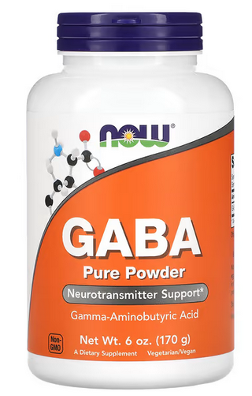
  • a GABA only powder
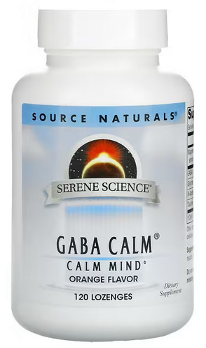
  • a GABA sublingual product (such as GABA Calm)
  • a liposomal GABA product
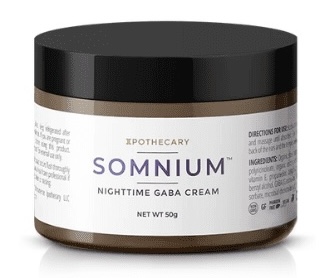
  • a GABA cream (she reported migraines and neck tension so a cream may be a good option for her too)

I also have clients start with only one amino acid product and find the ideal dose before adding the next amino acid acid. And track results carefully so they can course correct, adjusting up or down as needed.

Sharon did come back and comment a week later sharing this adjustment she had made:

So I have been opening the GABA capsule and taking half a dose (so 375mg) on my tongue in the morning and then in the afternoon. I don’t notice the real calm like I did with the whole capsule though.

She’s on the right track and the next step could be to use three-quarters of a dose twice a day and see how that helps. Another option is half a dose, maybe 4 x day. There is no one-size fits all and it’s a matter of Sharon finding what works best for her unique needs.

Keep in mind that for some individuals even 375mg is too high a dose. I typically have clients start with 125mg GABA and less if they are super-sensitive.

Holly’s story with 750mg GABA is very similar

I’ve actually blogged about this before: Too much GABA causes a tingling niacin-like flush sensation (in the brain and body). It’s awful and very uncomfortable!) and shared Holly’s niacin-like flush result when using the same dose:

I experienced the niacin-like flush when I tried to go from GABA Calm [mostly dissolved in my mouth] to a pill form and didn’t realize the dosage would be way too high all at one time. The pill was 750 mg GABA [and swallowed with food], so it wasn’t going to work well anyway.

The flush lasted about 15-20 minutes. It was awful. I was sure I was going to throw up every time.

It took me a couple of weeks to figure out the cause.  My therapist recommended your website and book and those helped me understand when to take it and why it would help.

When I eliminated the 750 mg GABA  pill the symptoms completely went away.

Now I stick to GABA Calm. I take one in the morning and one before bed and sometimes one midday.

You can read more about this flush feeling on the above blog and another example.

GABA, serotonin and endorphin support for Sharon’s other symptoms

Sharon also has headaches, migraines, PMS, sleep issues and rectal spasms:

I’ve got chronic headaches and frequent migraines. Other weird symptoms are lip dermatitis, hormone imbalance, PMS, and rare rectal spasms which I saw referenced on your site too. Serotonin issues too and I also recently started 5-HTP 200mg at night which seems to be helping my PMS insomnia.

It’s great that 5-HTP is helping her PMS-related sleep issues. Both GABA and 5-HTP (for serotonin support) may help with her hormone balance, which in turn, may help with her headaches and migraines too. She may also want to consider a trial of d-phenylalanine/DPA for endorphin support/pain relief. GABA itself helps to ease neck tension and headaches.

GABA does stop very painful rectal spasms very quickly. More about this here – GABA lozenge relieves excruciating pelvic floor/rectal pain and spasms within 30 seconds: a solution for proctalgia fugax.

As I mentioned above, I have clients and those in the GABA Quickstart program start with GABA and find the ideal dose before adding the next amino acid acid. For Sharon, I’d recommend that she finds her ideal dose of GABA before bumping up her 5-HTP and adding DPA.

Additional resources when you are new to using GABA or other amino acids as supplements

We use the symptoms questionnaire to figure out if low GABA (indicating a possible need for GABA or theanine) or low serotonin (indicating a need for tryptophan or 5-HTP) or low endorphins (indicating a possible need for DPA) or other neurotransmitter imbalances may be an issue for you.

If you suspect low levels of any of the neurotransmitters and do not yet have my book, The Antianxiety Food Solution – How the Foods You Eat Can Help You Calm Your Anxious Mind, Improve Your Mood, and End Cravings. I highly recommend getting it and reading it before jumping in and using amino acids on your own so you are knowledgeable. And be sure to share it with the practitioner/health team you or your loved one is working with.

There is an entire chapter on the amino acids and they are discussed throughout the book in the sections on gut health, gluten, blood sugar control, sugar cravings, anxiety and mood issues. The importance of quality animal protein and healthy fats is also covered.

The book doesn’t include product names (per the publisher’s request) so this blog, The Antianxiety Food Solution Amino Acid and Pyroluria Supplements, lists the amino acids that I use with my individual clients and those in my group programs.

If, after reading this blog and my book, you don’t feel comfortable figuring things out on your own (i.e. doing the symptoms questionnaire and respective amino acids trials), a good place to get help is the GABA QuickStart Program (if you have low GABA symptoms). This is a paid online/virtual group program where you get my guidance and community support.

If you also need serotonin support, the Serotonin QuickStart Program is a good place to get help. This is also a paid online/virtual group program where you get my guidance on using tryptophan and 5-HTP safely, and community support during 5 LIVE Q&A calls. You can sign up to be notified when the next live launch of this program is happening.

If you are a practitioner, join us in The Balancing Neurotransmitters: the Fundamentals program. This is also a paid online/virtual program with an opportunity to interact with me and other practitioners who are also using the amino acids.

Now I’d love to hear from you…

I appreciate Sharon and Holly for sharing their experiences and asking questions. I’m hoping their stories have enlightened you!

And I am thrilled that her migraine health coach referenced my book and told her about GABA. It’s a great book that many practitioners share with their clients and patients.

Have you experienced this uncomfortable feeling when using too much GABA? And did you learn to use less in order to get the calming benefits of GABA?

How much do you find helps? And do you use powder or capsules opened or liposomal or cream?

Has serotonin or endorphin support helped too?

Feel free to share and ask your questions below.

Filed Under: Anxiety, GABA Tagged With: 5-HTP, 750mg, allergy, amino acids, anxiety, calming, chill, dose, DPA, endorphin, flushed, flushing, GABA, Headaches, itchy, migraines, PMS, rectal spasms, serotonin, sleep issues, sublingual, too high

How can I help my anxious daughter withdraw from vaping? She wants to quit but gets more anxious when she tries to quit!

September 5, 2025 By Trudy Scott 2 Comments

withdraw from vaping

I have been trying to help my daughter withdraw from vaping but it is proving such a vicious cycle.

She wants to quit but has anxiety and gets health anxiety when she doesn’t use the vape within a certain period – the physical withdrawal signs come thru very quickly for her – rapid heart beat, pain inside etc. which freaks her out and then she vapes…

It’s a hopeless cycle of withdrawals with horrible physical symptoms and then the emotional frustration of using vaping to manage the symptoms and feeling so frustrated with herself.

We tried 5-HTP which did not help. I make sure she gets a great protein, veg, good fat and some carbs for breakfast and she takes home made food to work but she works in hospitality and has really late night / early morning finishes and I feel like we are dealing with a lot more than the addiction here. I’d love to try and find a way to get her use down and hopefully kicked to the kerb.

If we could put her into a deep deep sleep for a few days till the toxin is washed out of her system and have a way to deal with the emotional aspect of withdrawal I think myself and so many other parents in Australia would be grateful.

Vaping is a huge problem in our young people – it’s all thru the schools too. It doesn’t smell, tastes like lollies and parents can’t detect it easily.

Louise is a mom in the community who posted this question on one of the blogs. I feel for her and her daughter and hear her concerns – vaping is a huge problem. However, there is a solution that doesn’t involve putting her daughter into a deep deep sleep – addressing neurotransmitter imbalances as a root cause.

Read on below for information on vaping and the very harmful effects (on the lungs and even bones); how to figure out which emotions are driving the need to use vaping to self-medicate and which amino acids to trial (including my insights for Louise’s daughter); why the amino acids are so powerful when it comes to vaping and other addictions; dietary aspects are foundational and important too, as are really late nights; and additional amino acid resources.

What is vaping and why is it so harmful?

This 2023 Harvard Health Publishing article, Can vaping damage your lungs? What we do (and don’t) know, provides an overview of vaping if you’re not exactly sure what is involved:

Vaping involves heating a liquid and inhaling the aerosol into the lungs. With vaping, a device such as an e-cigarette is used that heats up a liquid (called vape juice or e-liquid) until it turns into a vapor that is inhaled. These devices are commonly called vapes, mods, e-hookahs, sub-ohms, tank systems, and vape pens. They may all look a bit different, but work in similar ways.

These devices heat up various flavorings, nicotine, marijuana, or other potentially harmful substances.

The authors list the potentially harmful substances found in vapes:

  • nicotine
  • ultrafine particles that can be inhaled deep into the lungs
  • flavorings such as diacetyl, a chemical linked to a serious lung disease
  • volatile organic compounds
  • cancer-causing chemicals
  • heavy metals such as nickel, tin, and lead.

And they explain some of the serious lung problems that occur in those who vape: EVALI (e-cigarette, or vaping, product use-associated lung injury) and “popcorn lung” or bronchiolitis obliterans (BO).

One adverse effect that I seldom see mentioned is the potential harms to bone health, including “accelerating bone associated disease progression, impacting skeletal development in younger users and to advise patients following orthopaedic surgery, dental surgery, or injury to maximise bone healing.”

Unfortunately it’s the flavors in nicotine and cannabis vape products – candy/dessert, fruit, and fruit-ice combination vs tobacco flavor – that increased adolescents’ willingness to try them. “Comprehensive bans on flavored vapes would likely reduce adolescent use.”

There is growing awareness of these issues and fortunately rates of vaping are declining, however we do have to address why teens and young adults are seeking something calming or soothing such as vaping (or smoking or drinking) i.e. neurotransmitter imbalances.

How to figure out which emotions are driving the need to use vaping to self-medicate and which amino acids to trial?

This is how I would suggest this mom works with her daughter to help them figure out which emotions are driving the need to use vaping to self-medicate and which amino acids to trial:

How do you feel before vaping? How do you feel after vaping? Likely brain chemistry imbalance Amino acid/s to supplement
Anxious or stressed (physical anxiety) Calm or relaxed Low GABA GABA, pharmaGABA or theanine
Low mood, worried, fearful? (mental anxiety) Happy or content Low serotonin Tryptophan or 5-HTP
Tired, unfocused, low motivation Energetic, alert, or focused Low catecholamines, low dopamine Tyrosine
Desire for a reward or treat, sad (weepy), emotional Rewarded or comforted Low endorphins DPA (d-phenylalanine) or DLPA
Irritable and shaky Grounded or stable Low blood sugar Glutamine

We use this in conjunction with the symptoms questionnaire for each neurotransmitter and trial the respective amino acids one at a time.

I often see low GABA to be a driving reason for vaping, smoking cigarettes and drinking alcohol – they are all ways of self-medicating in order to calm down and reduce stress. And research supports this connection with “disturbances to GABA dynamics” “found to play a key role in … substance dependence and addiction.”

Louise mentions her daughter notices “physical withdrawal signs” of “rapid heart beat, pain inside” when trying to quit so it’s very possible there is a low GABA aspect to her addiction. I would consider a trial of GABA to start if she also has other low GABA symptoms.

She also shares that her daughter has “health anxiety” and freaks out when she starts to get withdrawal symptoms. If she resonates with being fearful and worried then it’s possible there is also a low serotonin aspect for her. Louise mentions that 5-HTP didn’t help but not how much they trialed or if they increased to try and find the ideal amount. If her daughter has other low serotonin symptoms I’d revisit this and also consider a trial of tryptophan as some individuals do better on one vs the other. I’d also use both as powder on the tongue in case that makes a difference.

And when I hear “hopeless” and “emotional” I would also be considering low endorphins and a trial of DPA (d-phenylalanine).

Why the amino acids are so powerful when it comes to vaping and other addictions

The amino acids play many roles in addressing a vaping addiction:

  • They address the root cause of the addiction i.e. the neurotransmitter imbalance/s
  • They help you to quit vaping with no willpower and without feeling deprived
  • They help to mitigate many of the adverse effects (like worse sleep issues and feeling more anxious)
  • They address the emotional aspect so mood and anxiety is improved
  • They prevent the need to find a replacement like sugar, coffee, Diet soda and alcohol and cigarettes (intake of any of these may increase when vaping is stopped, unless the neurotransmitter imbalances are addressed)

Many individuals with addiction issues have imbalances in all areas. We use a similar approach for vaping as we use for addictions to alcohol, cigarettes and sugar/carb/junk food i.e. we tackle one imbalance at a time so we know which amino acid is helping and how much is needed.

Dietary aspects are foundational and important too, as are really late nights and detox

I love that mom makes sure her daughter is well-nourished with real whole food – it’s foundational, as I explain in my book “The Antianxiety Food Solution.”

Louise mentions she gets a good breakfast. I’d be making sure she has good quality animal protein at breakfast in order to help with blood sugar stability as this helps with addictions too. And I’d want to make sure she takes healthy protein snacks to work too – like a boiled egg, beef jerky/biltong, a grass-fed beef stick etc.

With really late night / early morning finishes we always consider adrenal issues and address that as needed, after doing salivary testing.

And once Louise’s daughter has quit I would be focusing on detoxification of the toxins using sauna, red light, dry skin brushing and other detox approaches. And making a concerted effort to focus on improving antioxidants and other nutritional deficiencies, and assessing and working to improve her bone health.

Additional resources when you are new to using GABA, tryptophan and other amino acids as supplements

As always, I use the symptoms questionnaire to figure out if low GABA or low serotonin or other neurotransmitter imbalances may be an issue.

If you suspect low levels of any of the neurotransmitters and do not yet have my book, The Antianxiety Food Solution – How the Foods You Eat Can Help You Calm Your Anxious Mind, Improve Your Mood, and End Cravings, I highly recommend getting it and reading it before jumping in and using amino acids on your own so you are knowledgeable. And be sure to share it with the practitioner/health team you or your loved one is working with.

There is an entire chapter on the amino acids and they are discussed throughout the book in the sections on gut health, gluten, blood sugar control (this is covered in an entire chapter too), sugar cravings, anxiety and mood issues.

The book doesn’t include product names (per the publisher’s request) so this blog, The Antianxiety Food Solution Amino Acid and Pyroluria Supplements, lists the amino acids that I use with my individual clients and those in my group programs.

If, after reading this blog and my book, you don’t feel comfortable figuring things out on your own (i.e. doing the symptoms questionnaire and respective amino acids trials), a good place to get help is the GABA QuickStart Program (if you have low GABA symptoms). This is a paid online/virtual group program where you get my guidance and community support. You can sign up to be notified when the next live launch is happening.

If you need serotonin support, the Serotonin QuickStart Program is a good place to get help. This is also a paid online/virtual group program where you get my guidance on using tryptophan and 5-HTP safely, and community support during 5 LIVE Q&A calls. You can sign up to be notified when the next live launch of this program is happening.

If you are a practitioner, join us in The Balancing Neurotransmitters: the Fundamentals program. This is also a paid online/virtual program with an opportunity to interact with me and other practitioners who are also using the amino acids.

Wrapping up and your feedback

I appreciate Louise for asking this question so I could share on this blog and enlighten her and other parents whose teen and young adult children are struggling with vaping.

Does your teen or young adult child struggle with quitting vaping? And have the amino acids helped – if yes, which ones?

Have you personally had a similar issue?

And are you aware how harmful vaping is – for the lungs and even the bones?

Feel free to share and ask your questions below.

Filed Under: Addiction, Amino Acids, Anxiety, GABA, serotonin, Teens Tagged With: 5-HTP, amino acids, anxious, anxious daughter, bones, detox, DPA, emotional, endorphins, flavorings, GABA, late nights, lung damage, lungs, neurotransmitter imbalances, nicotine, protein, rapid heart beat, self-medicate, serotonin, teens, tryptophan, vaping, wants to quit, withdraw from vaping, young adults

[NEW] D-Phenylalanine (DPA) powder for boosting endorphins: improve mood, reduce comfort eating and ease pain

May 30, 2025 By Trudy Scott 30 Comments

dpa for endorphins

D-Phenylalanine (DPA) is an amino acid that destroys the enzyme that breaks down endorphins. Endorphins are feel-good chemicals that you experience with an endorphin rush when you go for a run or when someone gives you a big hug, when you show kindness to someone or someone does something nice for you. Taking the amino acid DPA, as a supplement helps to boost your endorphins in order to improve mood, reduce pain and cravings or comfort-eating.

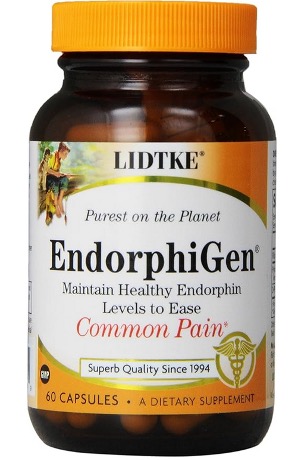
I’ve recommended the Lidtke Endorphigen product (500mg DPA) to my clients and community for many years, and wrote about it in my book and on various blog posts. Because product formulations have shifted and capsules changed, I’ve revised my recommendations over the years. I’ve suggested swallowing a capsule, then suggested chewing the capsule (when the company used gelatin capsules and clients saw quicker results than swallowing the capsule) and then suggested opening the capsule and tipping the contents on to the tongue (when the company  switched to vegan capsules).

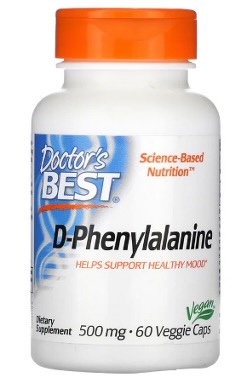
I then also started recommending Doctor’s Best D-Phenylalanine 500mg as another option and because many in the community didn’t like the taste and texture of the Lidtke product (more on that below). This product has now been discontinued.

The purpose of this blog post is to announce a new product: D-Phenylalanine (DPA) powder and share my current recommendations on the use of DPA for endorphin support. And some examples and feedback (from clients and my personal experiences too) in case you’re new to this amino acid and low endorphins.

Lidtke Endorphigen with 500mg D-phenylalanine (capsules)

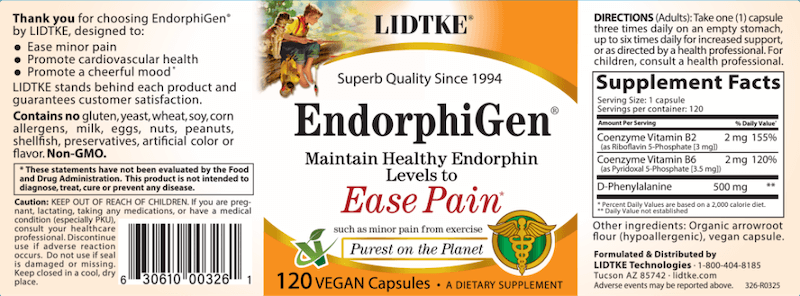
Here is the new label for the Lidtke Endorphigen with 500mg D-phenylalanine. As you can see it also contains vitamin B2 and vitamin B6. The latest version now contains arrowroot flour as a filler.

lidtke endorphigen

This product has been a firm favorite of mine for many years and the formulation has shifted over the years.

Last year I did a taste difference blog on Lidtke Endorphigen and Doctor’s Best D-phenylalanine – Lidtke Endorphigen vs Doctor’s Best D-phenylalanine: the taste difference and endorphin boosting benefits for mood and cravings

Many of my clients (and myself included) describe the opened DPA (from capsules) as a dark-chocolate bitter like taste that is not unpleasant. However, about half my clients don’t particularly like the taste of DPA and one woman in my community, Ali, was ready to give up on the Lidtke Endorphigen product because of the taste. I suspect it was the B vitamins that she didn’t like.

Oh goodness. If I open the Endorphigen on my tongue, it’s just awful. I might be able to get 1/4 of it but that’s it. And the taste stays there for at least an hour. No sense of chocolate in there for me. Isn’t that interesting that you and others like the taste. I consider myself pretty open to whatever needs to be done but wow, this is almost no way.

I reached out to Lidtke sharing the taste issue and the above blog post, and asked if they would be willing to offer a DPA only product and suggested a powder.

Lidtke appreciated the fact that I shared your taste issues and feedback, and my request for a powder-only product of d-phenyalanine/DPA has come to fruition.

Doctor’s Best D-phenylalanine has been discontinued, so this is great news taste-wise and for a number of other reasons (listed below)!

The brand new Lidtke D-Phenylalanine (DPA) powder

Here is the label for the brand new Lidtke D-Phenylalanine (DPA) powder. As you can see it’s only DPA – no added B vitamins or fillers.

lidtke d-phenylalanine

Here are the advantages of DPA in powder form:

  • A capsule opened on to the tongue offers mood and pain benefits so why not simply use the powder instead
  • Fewer capsules to swallow
  • Fewer digestive issues the cellulose of vegan capsules are not tolerated (I’m hearing more and more feedback about this)
  • Convenient for kids and older adults who may have problems swallowing capsules
  • A pleasant dark-chocolate like taste with none of bitterness of B vitamins
  • Hopefully, more affordable than the capsules

My personal experience with DPA

Personally I have used DPA over the years with much success. It’s my go-to amino acid for all kinds of pain – a sprained ankle, a pulled back muscle, a tension headache (and even a headache caused by chocolate) and belly pain during an IBS flare.

I’ve also used it for endorphin support when I have not been able to exercise due to an injury. I immediately notice a subtle mood boost and a reduction in comfort-eating and carb-cravings.

I have the new Endorphigen 500mg DPA product (i.e. the capsules) and it’s helping in the same way as the previous version.

I have yet to try the new DPA (d-phenylalanine) powder myself but will report back as soon as I have had a chance to do so – on the taste, the texture and the effectiveness.

Other DPA feedback from the community

I suspect many folks who already like the Lidtke 500mg Endorphigen and find opening the capsules to be more effective, are going to like the new powder:

  • “I love using the DPA! I use the Lidke brand. Very helpful in improving mood and anxiety. Open on my tongue. I like the taste!” ~ Lynn
  • “It’s interesting to read your recommendation to open the capsule … I had just started doing that! (Already using powdered forms of other aminos) Anyone looking thru my trash might wonder what I’m up to. This method really works for me.” ~ Joan

Here are a few blog posts illustrating the use of DPA in multiple sclerosis, weepiness, physical pain, emotional pain and resilience, cravings/emotional eating and even helping to wean off prescription pain medication:

  • Multiple sclerosis: low endorphin research and the amino acid DPA (d-phenylalanine) for pain, depression, comfort and trauma support “The endogenous opioid system is …well known to play a role in the development of chronic pain and negative affect [i.e. depression], both of which are common comorbidities in MS.”
  • DPA for weepiness, pain and comfort and reward eating
  • The individual amino acids glutamine, GABA, tryptophan (or 5-HTP), DPA and tyrosine are powerful for eliminating sugar cravings, often within 5 minutes
  • When using the amino acid DPA (d-phenylalanine) I have more resilience and more buffer in the caregiving work I do, and just the oops’s of life As I mentioned above, using DPA over these holidays also gave me more resilience and the endorphin boost I needed help with the emotional pain of losing my mom.
  • Wean off prescription pain medication, improve sleep and reduce emotional eating with DPA (an endorphin-boosting amino acid)

Be sure to use the search feature on the blog to find additional applications of DPA.

Additional resources when you are new to using DPA, tryptophan, GABA, and other amino acids as supplements

As always, I use the symptoms questionnaire to figure out if low endorphins or low serotonin or low GABA or other neurotransmitter imbalances may be an issue.

If you suspect low levels of any of the neurotransmitters and do not yet have my book, The Antianxiety Food Solution – How the Foods You Eat Can Help You Calm Your Anxious Mind, Improve Your Mood, and End Cravings, I highly recommend getting it and reading it before jumping in and using amino acids on your own so you are knowledgeable. And be sure to share it with the practitioner/health team you or your loved one is working with.

There is an entire chapter on the amino acids and they are discussed throughout the book in the sections on gut health, gluten, blood sugar control (this is covered in an entire chapter too), sugar cravings, anxiety and mood issues.

The book doesn’t include product names (per the publisher’s request) so this blog, The Antianxiety Food Solution Amino Acid and Pyroluria Supplements, lists the amino acids that I use with my individual clients and those in my group programs.

If, after reading this blog and my book, you don’t feel comfortable figuring things out on your own (i.e. doing the symptoms questionnaire and respective amino acids trials), a good place to get help is the GABA QuickStart Program (if you have low GABA symptoms). This is a paid online/virtual group program where you get my guidance and community support.

If you are a practitioner, join us in The Balancing Neurotransmitters: the Fundamentals program. This is also a paid online/virtual program with an opportunity to interact with me and other practitioners who are also using the amino acids.

Wrapping up and your feedback

My current recommendations for endorphin support are as follows:

  • Lidtke Endorphigen with 500mg D-phenylalanine – capsules swallowed
  • Lidtke Endorphigen with 500mg D-phenylalanine – capsules opened on to the tongue and held in the mouth 1-2 minutes
  • Lidtke D-phenylalanine powder – on to the tongue and held in the mouth 1-2 minutes (assuming it works as well as Endorphigen)

Now I’d love to hear from you – how has DPA helped your mood, cravings and pain?

Have you used Lidtke Endorpigen 500mg or Doctor’s Best D-Phenylalanine in the past – capsules swallowed or opened on the tongue? Have you had any issues with the taste or texture?

Are you interested in trying the new Lidtke D-Phenylalanine powder?

If you’re a practitioner do you use DPA with your clients/patients?

Feel free to share and ask your questions below.
Filed Under: Cravings, Depression, Endorphins, Pain Tagged With: amino acid, comfort eating, cravings, d-phenylalanine, Doctor’s Best D-Phenylalanine, DPA, DPA powder, endorphins, Lidtke Endorphigen, mood, pain, taste, texture

Tryptophan and DPA (d-phenylalanine) for cravings and sleep issues (and a concern about 5-HTP and nightmares)

June 21, 2024 By Trudy Scott 19 Comments

tryptophan dpa craving sleep issues

Thank you for all your work! I saw your talk in the Super Trauma conference and immediately went and read your book. I suspect I am low in all 3 neurotransmitters, and have noticed the biggest difference in supplementing with DPA (d-phenylalanine). I started taking all 3 supplements by swallowing and switched to taking them sublingually after I got used to the idea.

My question is about tryptophan in particular. I struggle with nightmares already so I am a bit wary of trying 5-HTP. I tried taking mid afternoon and before bed but it made me way too tired in the afternoon. Is it okay to just double the dose right before bed? How safe are these amino acids in higher doses? I was also wanting to add an evening dose of DPA to help with cravings. Thanks again!

I get many questions like this on the blog about using either 5-HTP with DPA or tryptophan with DPA together, for helping to improve sleep and ease sugar cravings. So today I’m sharing one of these questions and my insights in case you have a similar question. This will also give you the opportunity to ask questions you may have related to using these amino acids together and gain an understanding on how to tweak the amino acids for optimal results.

Read on for my response to the above question from Amanda. I also share more about 5-HTP and nightmares (and why she may also decide to use this amino acid too), vitamin B6 and nightmares, pyroluria, and how to figure out if your cravings are due to low endorphins or low serotonin (or a combination).

Should she add an evening dose of DPA?

It’s wonderful to hear that DPA is helping with Amanda’s comfort cravings/emotional eating and other low endorphin symptoms. As a reminder these include:

  • Heightened sensitivity to emotional pain
  • Heightened sensitivity to physical pain
  • Crying or tearing up easily
  • Eating to soothe your mood, or comfort eating
  • Really, really loving certain foods, behaviors, drugs, or alcohol
  • Craving a reward or numbing treat
  • PMS (premenstrual syndrome) or PMDD (premenstrual dysphoric disorder) *

(bookmark this symptoms questionnaire because it’s updated as new research is published and has more symptoms listed that what is included in my book)

And in case you’re new to DPA (d-phenylalanine), it is an amino acid that prevents the breakdowns of endorphins so we have more of these feel-good neurotransmitters.

I’m really glad she figured out it’s more effective when opened and used on the tongue rather than swallowing it. I share more about this here – How best to use the amino acid DPA for easing heart-ache, weepiness, comfort eating and a compulsive desire for food. It really can mean the difference between no results and great results.

Amanda asks about adding an evening dose of DPA to help with endorphin-related cravings too and also using tryptophan only at night. Keep in mind that afternoon and evening cravings are typically related to low serotonin and it’s best to trial one amino acid at a time so you know which is working for which symptom. If we were working together, I’d recommend figuring out her serotonin support first and then layering in an extra DPA (or possibly two) at night if it’s still needed.

In case you’re curious, I discussed low serotonin, low endorphins and low GABA in my interview at the Trauma Super Conference so she is also using GABA. Using this one sublingually is key and it helps with easing physical tension and stress eating.

What could her serotonin support look like?

Since tryptophan used mid afternoon and before bed made her way too tired in the afternoon she could consider a lower dose of tryptophan (midafternoon and evening) or could just trial one tryptophan after dinner to help with sleep and reduce after dinner cravings.

For some folks this is enough. If not, after a few days of tracking symptoms, she could increase to one tryptophan after dinner and another at bedtime or two tryptophan at bedtime if her symptoms are not down 2/10 or 3/10.

Her concern about 5-HTP and nightmares

Some folks do better on 5-HTP and some on tryptophan and she is getting results with tryptophan so doesn’t really have to worry about 5-HTP at this stage. However, I do want to address Amanda’s concern about 5-HTP and nightmares, because in the future she may want to consider 5-HTP.

She may find she does in fact need some serotonin support earlier in the day and 5-HTP in the afternoon may be the answer for her i.e. 5-HTP midafternoon and tryptophan in the early evening and/or at bedtime.  It’s not unusual that we mix and match these two amino acids.

I’ve not had any clients report nightmares with 5-HTP, so I was surprised to hear this feedback on a Facebook thread, where a number of folks stopped using it for this reason. However, most folks on the same Facebook thread shared that 5-HTP works very well for them and does not cause nightmares. There is also research that supports the use of 5-HTP for night terrors. I suspect it may have to do with low vitamin B6 which we know contributes to poor dream recall and/or nightmares.

I share more about 5-HTP and nightmares here. And vitamin B6 and dream recall here.

I posed this question in the 5-HTP/nightmares blog: “Could it be that folks who get nightmares with 5-HTP, happen to also have pyroluria? Or perhaps they simply have low vitamin B6?” I have all my anxious clients supplement with vitamin B6 and/or P5P and this may be why nightmares with 5-HTP was news to me.

Vitamin B6 for neurotransmitter production and pyroluria

Since she does already struggle with nightmares, I’m not surprised she is concerned. However nightmares are a clue that someone may have low vitamin B6. This is typically picked up when I have clients do the pyroluria questionnaire on the intake form. Addressing low vitamin B6 is also important because it’s a cofactor for making the neurotransmitters and helps with hormone balancing.

I reminded her to read the pyroluria chapter in my book too. It includes the above questionnaire and detailed information on vitamin B6, zinc and evening primrose oil (all needed to address this condition that leads to feelings of being socially anxious).

How safe are these amino acids in higher amounts?

I share the top of the range for dosing all the amino acids in my book. This is typically 1500 mg tryptophan twice a day, 150 mg 5-HTP twice a day and 1500 mg DPA three times a day. Occasionally I have had clients need higher doses. The clue is symptom relief. We start low, monitor symptoms and adjust up as needed, and then down if no additional benefits are observed.

Using extra DPA at night for cravings?

As I mentioned above, I’d recommend figuring out serotonin support first (tryptophan only or a combination of 5-HTP and tryptophan) and then layering in an extra DPA (or possibly two) in the evening if it’s still needed for comfort cravings.

For some folks it’s very easy to identify comfort cravings (low endorphins) from worry/low mood cravings (low serotonin):

  • If you eat sugar or carbs to feel happy (and especially from late afternoon into the evening) then your sugar cravings are likely due to low serotonin, and tryptophan (or 5-HTP) stops the cravings and boosts mood and reduces anxious feelings
  • If you are a comfort-eater then it’s likely due to low endorphins and DPA will stop that feeling of “I deserve-it” kind of reward-eating or comfort-eating and also give you a hug-like mood boost

If it’s not easy to figure out the only way to know for sure is to do a trial of tryptophan and then do a trial of DPA and observe before and after feelings and the need to self-medicate with whatever the sugary treat is. Amanda may need one or the other at various times and she may even need both at certain times.

DPA and tryptophan product options

lidke endorphigen
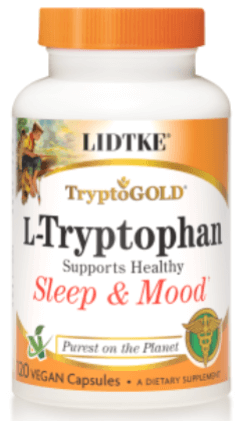
lidtke l-tryptophan

I recommend Lidtke EndorphiGen (which is DPA) and Lidtke Tryptophan 500mg. You can purchase these from my online store (Fullscript – only available to US customers – use this link to set up an account).

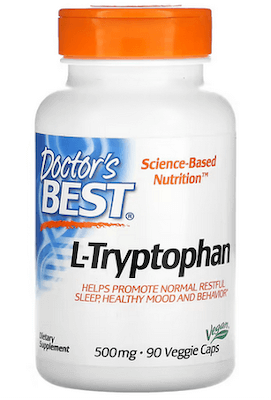
nature's best l-tryptophan
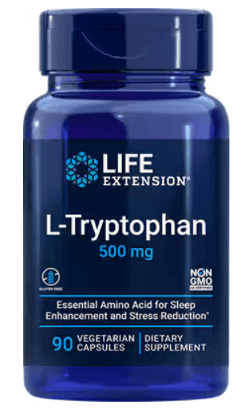
life extension l-tryptophan

If you’re not in the US, these products are available via iherb: Doctor’s Best D-Phenylalanine (or DPA) and Life Extension Tryptophan 500mg (use this link to save 5%).

Additional resources when you are new to using amino acids as supplements

As always, I use the symptoms questionnaire to figure out if low endorphins or low serotonin or other neurotransmitter imbalances may be an issue.

If you suspect low levels of any of the neurotransmitters and do not yet have my book, The Antianxiety Food Solution – How the Foods You Eat Can Help You Calm Your Anxious Mind, Improve Your Mood, and End Cravings, I highly recommend getting it and reading it before jumping in and using amino acids on your own so you are knowledgeable. And be sure to share it with the practitioner/health team you or your loved one is working with.

There is an entire chapter on the amino acids and they are discussed throughout the book in the sections on gut health, gluten, blood sugar control (this is covered in an entire chapter too), sugar cravings, anxiety and mood issues.

The book doesn’t include product names (per the publisher’s request) so this blog, The Antianxiety Food Solution Amino Acid and Pyroluria Supplements, lists the amino acids that I use with my individual clients and those in my group programs.

If, after reading this blog and my book, you don’t feel comfortable figuring things out on your own (i.e. doing the symptoms questionnaire and respective amino acids trials), if you need serotonin support, the Serotonin QuickStart Program is a good place to start. This is a paid online/virtual group program where you get my guidance on using tryptophan and 5-HTP safely, and community support during 5 LIVE Q&A calls. You can sign up to be notified when the next live launch of this program is happening. We take a deep dive into product options including Lidtke products and others if you’re not able to access Lidtke.

Low GABA can also affect sleep and cause stress eating. If you also have low GABA symptoms, the next step to get help is the GABA QuickStart Program. This is also a paid online/virtual group program where you get my guidance and community support. Another option is the budget-friendly GABA QuickStart Homestudy program.

If you are a practitioner, join us in The Balancing Neurotransmitters: the Fundamentals program. This is also a paid online/virtual program with an opportunity to interact with me and other practitioners who are also using the amino acids.

Wrapping up and your feedback

I’m thrilled Amanda is seeing these benefits with DPA, tryptophan and GABA and is fine-tuning her results even further. I appreciate her asking her questions on the blog so I can share and we all can learn.

Now I’d love to hear from you – does any of this resonate with you? If yes, which combination has worked best for you for emotional eating and sleep issues?

Is 5-HTP or tryptophan better for you and is vitamin B6 part of your supplement list.

If you’re a practitioner have you seen this combination work well with clients/patients?

Feel free to share and ask your questions below.

Filed Under: 5-HTP, Cravings, DPA/DLPA, serotonin, Sleep Tagged With: 5-HTP, amino acids, comfort eating, cravings, d-phenylalanine, DPA, endorphins, GABA, GABA Quickstart; Balancing Neurotransmitters: the Fundamentals program for practitioners, neurotransmitters, Nightmares, pyroluria, serotonin, sleep, stress-eating, sublingually, sugar cravings, tryptophan, vitamin B6

GABA works wonders for anal cramps (almost instantly) and relieves body aches in the hips and legs of a 75-year-old woman

May 17, 2024 By Trudy Scott 13 Comments

gaba and body aches

Dear Trudy, your recommendation of using GABA for anal cramps has changed my life. I don’t experience them often but when I do they are nasty. A crushed pill or open capsule on the tongue works wonders, almost instantly.

However, I want to add, after hearing your presentation on the Parkinson’s summit and your mention of relief from physical tension, that taking 500mg relieves body ache in hips and legs.

I’m 75, and have recently developed debilitating body aches. Taking one twice/day a.m. and p.m. has made a huge difference. Thank you for your brilliant blog.

Merril shared this wonderful feedback about how the amino acid GABA, used as a supplement helps her with anal cramps and also body aches. I never get tired of hearing feedback like this and as always, I like to share so I can educate further. This helps the person sharing the results and the community as a whole.

Today’s blog highlights more about the role GABA plays in muscle spasms and pain, and more about anal/rectal spasms in case this application is new to you. I also share other considerations when muscle spasms and/or pain are an issue: gluten, oxalates and low endorphins.

GABA works wonders (almost instantly) to eliminate anal cramps

I first blogged about GABA as a solution for agonizing rectal pain and spasms in 2017. I shared how I experienced the awful anal sphincter spasm and pain myself.  The medical term is proctalgia fugax and is described as a condition that leads to rectal/anal spasms and sharp fleeting pain in the lower rectum or anus. In some people it can be more than fleeting and is often described as excruciating and agonizing.

The first time it happened to me I was terrified and beside myself not knowing what it was or what to do. I eventually figured out the solution because of what I knew about GABA helping to ease tense muscles and wanted to shine some light on this very painful condition.

As Merril says GABA “works wonders, almost instantly”  to completely eliminate the pain. Take note that she says a “crushed pill or open capsule on the tongue.”  GABA is most effective when used this way: sublingual GABA or GABA powder or liposomal GABA (and presumably GABA cream too).

GABA can also be used to prevent a full-on spasm if you catch it in advance i.e. when you first feel the twinges of a spasm coming on.

GABA relieves body aches/pain for her and in Parkinson’s patient

I love that GABA has the side benefits of also relieving her body aches in her hips and legs. It’s not unusual to use GABA or one of the other amino acids for a symptom and then discover it’s helping in another area.

And do appreciate that she picked up this tip when tuning into the Parkinson’s summit. I always share new information when I speak at summits and the amino acid and neurotransmitter information typically has varied applications.

During my summit interviews I had shared that working with a few people with Parkinson’s disease, GABA has been very helpful for the stiffness and pain, the physical anxiety, easing some of their tremors and helping with insomnia. I had one client whose husband had anxiety, insomnia, and leg pain and “thrashed around the bed at night.” GABA helped this man tremendously.

I shared this research: Molecular Imaging of the GABAergic System in Parkinson’s Disease and Atypical Parkinsonisms

A growing number of neuroimaging studies have focused on the association with different symptoms of Parkinson’s disease, thereby suggesting a GABAergic role in motor symptoms, gait disturbances, frontal cognition, somatic symptom disorder, and hallucinations.

Other ways GABA helps with pain and muscle stiffness

With regards to my comment above about GABA having many applications, when it comes to aches, pain and spasms, GABA helps with the abdominal pain of colitis, muscle stiffness and pain in those with multiple sclerosis and even bladder pain.

Gluten, sugar, gut health, and oxalates

She didn’t mention what her diet was like so just to be safe, I encouraged her to also check out my book “The Antianxiety Food Solution” to explore all the possible root causes that may be contributing to the anal spasms, pain and body aches – such as gluten (“tingling at 50%, numbness at 27%, pain at 20%, burning at 13% and “buzzing” feeling at 7%”) , gut health and SIBO (small intestinal bacterial overgrowth) and even sugar.

I mentioned that I don’t cover oxalates in my book but with body aches, spasms and pain I’d also explore this aspect. More on oxalates here and here.

Endorphin support with the amino acid DPA helps ease pain

When there is a neurotransmitter imbalance like low GABA levels it’s not uncommon to also have other neurotransmitter imbalances. With pain and aching I’d want to explore the possibility of low endorphins and do a trial with the amino acid DPA (d-phenylalanine) if low endorphin symptoms are present (you can find the symptoms questionnaire here).

DPA supports endorphin production (by inhibiting the breakdown of endorphins), reducing pain quickly, often in 2-10 minutes.

The use of DPA is not new information as you can read in this paper from 1982 – D-phenylalanine and other enkephalinase inhibitors as pharmacological agents: implications for some important therapeutic application

A number of compounds have been shown to inhibit the degradation of enkephalins. As expected, these compounds produce naloxone reversible analgesia [pain-relief] and potentiate the analgesia produced by enkephalins and by acupuncture.

One of these, D-phenylalanine, is also anti-inflammatory.

D-phenylalanine has proven to be beneficial in many human patients with chronic, intractable pain. It is proposed the enkephalinase inhibitors may be effective in a number of human “endorphin deficiency diseases” such as depression, schizophrenia, convulsive disorders and arthritis.

DPA also improves mood, especially when there is weepiness, and provides comfort when there is emotional eating. Here is one of many blogs that address DPAfor pain. Feel free to use the blog search feature to find others if you are new to this amino acid.

A few GABA product options – a sublingual, a powder and a cream

gaba calm
gaba pure poder
somnium gaba cream

Some of the GABA products I recommend include Source Naturals GABA Calm lozenges and Now GABA Powder.  You can purchase these from my online store (Fullscript – only available to US customers – use this link to set up an account).

If you’re not in the US, Source Naturals GABA Calm lozenges and Now GABA Powder are available via iherb (use this link to save 5%).

Somnium GABA Cream is available with international shipping. Read more about the product and grab my coupon code to save 15%.

Additional resources when you are new to using amino acids as supplements

As always, I use the symptoms questionnaire to figure out if low GABA or other neurotransmitter imbalances may be an issue.

If you suspect low levels of any of the neurotransmitters and do not yet have my book, The Antianxiety Food Solution – How the Foods You Eat Can Help You Calm Your Anxious Mind, Improve Your Mood, and End Cravings, I highly recommend getting it and reading it before jumping in and using amino acids on your own so you are knowledgeable. And be sure to share it with the practitioner/health team you or your loved one is working with.

There is an entire chapter on the amino acids and they are discussed throughout the book in the sections on gut health, gluten, blood sugar control (this is covered in an entire chapter too), sugar cravings, anxiety and mood issues.

The book doesn’t include product names (per the publisher’s request) so this blog, The Antianxiety Food Solution Amino Acid and Pyroluria Supplements, lists the amino acids that I use with my individual clients and those in my group programs.

If, after reading this blog and my book, you don’t feel comfortable figuring things out on your own (i.e. doing the symptoms questionnaire and respective amino acids trials), a good place to get help is the GABA QuickStart Program (if you have low GABA symptoms too). This is a paid online/virtual group program where you get my guidance and community support.

If you are a practitioner, join us in The Balancing Neurotransmitters: the Fundamentals program. This is also a paid online/virtual program with an opportunity to interact with me and other practitioners who are also using the amino acids.

Wrapping up and your feedback

I do always appreciate feedback from the community and being able to share it on the blog. I’m thrilled Merril saw these benefits with GABA. She doesn’t mention if she has also seen benefits for sleep or feeling anxious or stress eating (all signs of low GABA too) – I’m curious to find out!

Now I’d love to hear from you – have you had success with GABA for anal/rectal spasms or other body aches, pains and muscle spasms? How much has helped and which product?

Have dietary changes or DPA also helped?

If you’re a practitioner have you seen GABA help in situations like this?

And please let me know if it’s helpful that I’m now including product recommendations and where to get them.

Feel free to share and ask your questions below.

Filed Under: Anxiety, GABA, Pain, Women's health Tagged With: amino acid, anal cramps, anxious, body aches, DPA, endorphins, GABA, GABA Quickstart; Balancing Neurotransmitters: the Fundamentals program for practitioners, gluten, hips, legs, muscle spasms, on the tongue, oxalates, pain, Parkinson's, physical-tension, rectal cramps

Lidtke Endorphigen vs Doctor’s Best D-phenylalanine: the taste difference and endorphin boosting benefits for mood and cravings

April 19, 2024 By Trudy Scott 26 Comments

lidtke endorphigen vs doctor's best d-phenylalanine

The amino acid d-phenylalanine (DPA) is used to boost endorphins in order to improve mood and reduce cravings. Lidtke Endorphigen has long been a favorite recommendation of mine for this purpose. Doctor’s Best D-phenylalanine is an equally effective and quality product, and both are ideally used opened onto the tongue. When DPA is used this way you get quick results. Many of my clients (and myself included) describe the opened DPA as a dark-chocolate bitter like taste that is not unpleasant. However, about half my clients don’t particularly like the taste of DPA and one woman in my community, Ali, was ready to give up on the Lidtke Endorphigen product because of the taste.

In today’s blog you can read her feedback comparing both products and what worked for her, feedback from a few other women about both products and my personal feedback – with all of us sharing results and taste. And I share some takeaway lessons from these DPA experiences.

She shared this about her strong aversion to the Endorphigen:

Oh goodness. If I open the Endorphigen on my tongue, it’s just awful. I might be able to get 1/4 of it but that’s it. And the taste stays there for at least an hour. No sense of chocolate in there for me. Isn’t that interesting that you and others like the taste. I consider myself pretty open to whatever needs to be done but wow, this is almost no way.

I shared how I love the taste of DPA and that it’s 50:50 in terms of loving it (chocolate-like taste) vs not loving it but also that using the amino acids opened is more effective for many folks. But it’s no good if it tastes bad. I also shared that Lidtke Endorphigen contains a small amount of vitamin B2 and vitamin B6 and maybe that was making it intolerable for her.

Doctor’s Best D-phenylalanine contains DPA only and when I let her know all this, Ali decided to give it a try. This is her feedback on the day she got it:

I received my Doctor’s Best D-phenylalanine and put it on my tongue. It’s 10 bazillion times better than the Endorphigen which was so bad for me that I couldn’t get past it. And I think I can get past a lot. I’m grateful. So now I have to see how it works for me.

Ali’s dark clouds have lifted and her sweet tooth has disappeared

The next day Ali posted this, amazed this product made such a difference in just one day:

I used the Doctor’s Best D-phenylalanine only once and that was today at about 8 am. I felt just generally better, no dark clouds. But also, it’s now 6:30pm when I get my sweet tooth. Nothing. Nothing at all. So no sweet tooth and an improved general feeling. I realize it’s only one day but I feel like it’s made a difference.

And a week later she posted this, confirming that Doctor’s Best D-phenylalanine “is a game changer”:

So much different from Endorphigen. I find I need only 1/2 capsule on my tongue. There’s not much of a taste to me. I then don’t want sweets like I have been wanting in the morning and evening. But I also have a better general feeling. Hard to describe but I just feel more grounded. I can’t tell if it physically reduces the sweet craving or if it’s a mental change. Or both. In any case, nice solid change. Thank you for being there.

Alicia also likes Doctor’s Best D-phenylalanine opened on to her tongue

She shared this about how this DPA product makes her feel:

It gives me a great feeling. Just getting me through some stressful moments. I recommend it! Opening onto the tongue is more effective than swallowing but swallowing adds a bit of relaxation too.

I don’t mind the taste at all – it reminds me of sugar or cocoa powder (my husband was less keen when I got him to try). And it works quickly, yes – I think within 10 minutes but probably less. And I feel more perky for hours. I think I feel more alert but calm emotionally.

I always have a bottle of DPA on hand and I shared my success with Doctor’s Best D-phenylalanine for a recent tooth issue/pain and emotional pain over the holidays on this blog post.

And yet many folks do well with Lidtke Endorphigen and like the taste

I’d like to be clear that this is not intended to be a negative post about Lidtke Endorphigen at all. I still recommend both products and I’ve personally used and like the taste of both. The purpose is to illustrate that we need to find what works for our unique needs and tastes.

As you can see, many folks do really well with the Lidtke product.

Lynn shared this: “I love using the DPA! I use the Lidke brand. Very helpful in improving mood and anxiety. Open on my tongue. I like the taste!”

Joan shared this: “It’s interesting to read your recommendation to open the capsule … I had just started doing that! (Already using powdered forms of other aminos) Anyone looking thru my trash might wonder what I’m up to. This method really works for me.” (she’s using the Lidtke brand).

The addition of vitamin B2 and vitamin B6 to the Lidtke DPA clearly makes no difference in these instances.

The takeaways from this post

  • DPA is effective for boosting mood and reducing cravings
  • DPA works more effectively when opened on to the tongue and you’ll see results more quickly
  • Don’t push through if a product tastes unpleasant
  • Don’t give up if one brand doesn’t work for you
  • What works for you may not work for someone else
  • We all have different taste perceptions – find what works for your unique needs and tastes
  • Product formulations change so keep track of exact ingredients on your log and check ingredients when you re-purchase a product

Both DPA products and where to find them

d-phenylalanine
lidke endorphigen

Doctor’s Best D-phenylalanine is available via iherb (use this link to save 5%). Lidtke Endorphigen is available from the company site and from my online store (Fullscript – only available to US customers – use this link to set up an account).

Update September 27, 2024

It appears there are issues with the supply of Doctor’s Best D-phenylalanine. As of now it’s no longer available on their website and nor is it available via iherb.

I emailed Doctor’s Best and received a very generic response and emailed again to try and find out if it’s a shortage or has been discontinued.

They replied to my 2nd email with this:

We appreciate your interest in the products that we offer. Unfortunately, our D-phenylalanine is temporarily out of stock and at this time, we do not have a specific restock date available. We apologize for the inconvenience.

We recommend checking back on our website periodically for updates on product availability. As soon as it is restocked, it will be listed on our website, and you’ll be able to place an order.

The problem is far from clear. Someone in the community reached out and shared this: “When I spoke to a DB representative on the phone, they told me the product was discontinued due to ‘supply chain issues,’ that they had not been producing it for some time, and that Lidtke was the only place they could redirect me. Sounds like they don’t even know in-house what the true status is.”

Let’s hope this is just a shortage. But either way, right now Lidtke Endorphigen is the only other company I know that offers DPA and because of the taste issue some individuals have with the Lidtke product, swallowing a capsule is going to be the best option. I have also reached out to Lidtke sharing the taste issue and this blog post, and asked if they would be willing to offer a DPA only product. I’ll keep you posted on the outcome (and thanks if you reached out to let me know your findings).

Update May 30, 2025

Unfortunately, Doctor’s Best D-phenylalanine has been discontinued. The good news is that Lidtke appreciated the fact that I shared your taste issues and feedback, and my request for a powder-only product of d-phenyalanine/DPA has come to fruition.

You can read more about this new DPA product on this blog post.

Additional resources when you are new to using DPA and other amino acids as supplements

As a reminder, low endorphins can cause low mood, weepiness, emotional pain, physical pain and emotional eating or cravings. As always, I use the symptoms questionnaire to figure out if low endorphins or other neurotransmitter imbalances may be an issue.

If you suspect low levels of any of the neurotransmitters and do not yet have my book, The Antianxiety Food Solution – How the Foods You Eat Can Help You Calm Your Anxious Mind, Improve Your Mood, and End Cravings, I highly recommend getting it and reading it before jumping in and using amino acids on your own so you are knowledgeable. And be sure to share it with the practitioner/health team you or your loved one is working with.

There is an entire chapter on the amino acids and they are discussed throughout the book in the sections on gut health, gluten, blood sugar control (this is covered in an entire chapter too), sugar cravings, anxiety and mood issues.

The book doesn’t include product names (per the publisher’s request) so this blog, The Antianxiety Food Solution Amino Acid and Pyroluria Supplements, lists the amino acids that I use with my individual clients and those in my group programs (over and above the DPA products I mentioned above).

If, after reading this blog and my book, you don’t feel comfortable figuring things out on your own (i.e. doing the symptoms questionnaire and respective amino acids trials), a good place to get help is the GABA QuickStart Program (if you have low GABA symptoms too). This is a paid online/virtual group program where you get my guidance and community support.

If you are a practitioner, join us in The Balancing Neurotransmitters: the Fundamentals program. This is also a paid online/virtual program with an opportunity to interact with me and other practitioners who are also using the amino acids.

Wrapping up and your feedback

I do always appreciate feedback like this so keep it coming so more folks can get results.

Now I’d love to hear from you – how has DPA helped your mood and cravings (and pain too?)

Which product has worked well for you?

Do you find DPA is more effective if swallowed or as a capsule opened? And how do you describe the taste?

If you’re a practitioner do you use DPA with your clients/patients and have you had this feedback?

And please let me know if it’s helpful that I’m now including product recommendations and where to get them?

Feel free to share and ask your questions below.
Filed Under: DPA/DLPA, Endorphins, Pain Tagged With: amino acid, cravings, d-phenylalanine, Doctor’s Best D-Phenylalanine, DPA, endorphin, GABA Quickstart; Balancing Neurotransmitters: the Fundamentals program for practitioners, Lidtke Endorphigen, mood, taste

  • Page 1
  • Page 2
  • Page 3
  • Interim pages omitted …
  • Page 8
  • Go to Next Page »

Primary Sidebar

NEW! GABA QuickStart Homestudy (with special intro pricing)

gaba quickstart homestudy

Free Report

9 Great Questions Women Ask about Food, Mood and their Health

You'll also receive a complimentary subscription to my ezine "Food, Mood and Gal Stuff"


Connect with me

Popular Posts

  • Amino Acids Mood Questionnaire from The Antianxiety Food Solution
  • The Antianxiety Food Solution Amino Acid and Pyroluria Supplements
  • Pyroluria Questionnaire from The Antianxiety Food Solution
  • Collagen and gelatin lower serotonin: does this increase your anxiety and depression?
  • Tryptophan for the worry-in-your-head and ruminating type of anxiety
  • GABA for the physical-tension and stiff-and-tense-muscles type of anxiety
  • The Antianxiety Food Solution by Trudy Scott
  • Seriphos Original Formula is back: the best product for anxiety and insomnia caused by high cortisol
  • Am I an anxious introvert because of low zinc and vitamin B6? My response to Huffington Post blog
  • Vagus nerve rehab with GABA, breathing, humming, gargling and key nutrients

Recent Posts

  • What do I use instead of Seriphos to help lower high cortisol that is affecting my sleep and making me anxious at night?
  • BeSerene™ GABA/theanine cream eases severe muscle tension in her neck/shoulders, prevents her bad headaches and quells her anxiety
  • How the correct approach, dose and sublingual use of GABA can be calming and not cause a flushed and itchy face and neck
  • The amino acid glutamine improves low mood by addressing gut health, and it has calming effects too
  • Flight anxiety with heightened breath, physical tension and also fearing the worst (the role of low GABA and low serotonin)

Categories

  • 5-HTP
  • AB575
  • Addiction
  • ADHD
  • Adrenals
  • Alcohol
  • Allergies
  • Alzheimer's disease
  • Amino Acids
  • Anger
  • Antianxiety
  • Antianxiety Food Solution
  • Antidepressants
  • Anxiety
  • Anxiety and panic
  • Autism
  • Autoimmunity
  • benzodiazapines
  • Bipolar disorder
  • Books
  • Caffeine
  • Cancer
  • Candida
  • Children/Teens
  • Collagen
  • Cooking equipment
  • Coronavirus/COVID-19
  • Cravings
  • Depression
  • Detoxification
  • Diabetes
  • Diet
  • DPA/DLPA
  • Drugs
  • EFT/Tapping
  • EMF
  • EMFs
  • Emotional Eating
  • Endorphins
  • Environment
  • Essential oils
  • Events
  • Exercise
  • Fear
  • Fear of public speaking
  • Fertility and Pregnancy
  • Fish
  • Food
  • Food and mood
  • Functional neurology
  • GABA
  • Gene polymorphisms
  • General Health
  • Giving
  • Giving back
  • Glutamine
  • Gluten
  • GMOs
  • Gratitude
  • Gut health
  • Heart health/hypertension
  • Histamine
  • Hormone
  • Hyperparathyroidism
  • Hypoglycemia
  • Immune system
  • Inflammation
  • Insomnia
  • Inspiration
  • Introversion
  • Joy and happiness
  • Ketogenic diet
  • Lithium orotate
  • Looking awesome
  • Lyme disease and co-infections
  • MCAS/histamine
  • Medication
  • Men's health
  • Mental health
  • Mercury
  • Migraine
  • Mold
  • Movie
  • MTHFR
  • Multiple sclerosis
  • Music
  • NANP
  • Nature
  • Nutritional Psychiatry
  • OCD
  • Osteoporosis
  • Oxalates
  • Oxytocin
  • Pain
  • Paleo
  • Parasites
  • Parkinson’s disease
  • PCOS
  • People
  • PMS
  • Postpartum
  • PTSD/Trauma
  • Pyroluria
  • Questionnaires
  • Real whole food
  • Recipes
  • Research
  • Schizophrenia
  • serotonin
  • SIBO
  • Sleep
  • Special diets
  • Sports nutrition
  • Stress
  • Sugar addiction
  • Sugar and mood
  • Supplements
  • Teens
  • Testimonials
  • Testing
  • The Anxiety Summit
  • The Anxiety Summit 2
  • The Anxiety Summit 3
  • The Anxiety Summit 4
  • The Anxiety Summit 5
  • The Anxiety Summit 6
  • Thyroid
  • Thyroid health
  • Toxins
  • Tryptophan
  • Tyrosine
  • Uncategorized
  • Vegan/vegetarian
  • Women's health
  • Yoga

Archives

  • October 2025
  • September 2025
  • August 2025
  • July 2025
  • June 2025
  • May 2025
  • April 2025
  • March 2025
  • February 2025
  • January 2025
  • November 2024
  • October 2024
  • September 2024
  • August 2024
  • July 2024
  • June 2024
  • May 2024
  • April 2024
  • March 2024
  • February 2024
  • January 2024
  • December 2023
  • November 2023
  • October 2023
  • September 2023
  • August 2023
  • July 2023
  • June 2023
  • May 2023
  • April 2023
  • March 2023
  • February 2023
  • January 2023
  • December 2022
  • November 2022
  • October 2022
  • September 2022
  • August 2022
  • July 2022
  • June 2022
  • May 2022
  • April 2022
  • March 2022
  • February 2022
  • January 2022
  • December 2021
  • November 2021
  • October 2021
  • September 2021
  • August 2021
  • July 2021
  • June 2021
  • May 2021
  • April 2021
  • March 2021
  • February 2021
  • January 2021
  • December 2020
  • November 2020
  • October 2020
  • September 2020
  • August 2020
  • July 2020
  • June 2020
  • May 2020
  • April 2020
  • March 2020
  • February 2020
  • January 2020
  • December 2019
  • November 2019
  • October 2019
  • September 2019
  • August 2019
  • July 2019
  • June 2019
  • May 2019
  • April 2019
  • March 2019
  • February 2019
  • January 2019
  • December 2018
  • November 2018
  • October 2018
  • September 2018
  • August 2018
  • July 2018
  • June 2018
  • May 2018
  • April 2018
  • March 2018
  • February 2018
  • January 2018
  • December 2017
  • November 2017
  • October 2017
  • September 2017
  • August 2017
  • July 2017
  • June 2017
  • May 2017
  • April 2017
  • March 2017
  • February 2017
  • January 2017
  • December 2016
  • November 2016
  • October 2016
  • September 2016
  • August 2016
  • July 2016
  • June 2016
  • May 2016
  • April 2016
  • March 2016
  • February 2016
  • January 2016
  • December 2015
  • November 2015
  • October 2015
  • September 2015
  • August 2015
  • July 2015
  • June 2015
  • May 2015
  • April 2015
  • March 2015
  • February 2015
  • January 2015
  • December 2014
  • November 2014
  • October 2014
  • September 2014
  • August 2014
  • July 2014
  • June 2014
  • May 2014
  • April 2014
  • March 2014
  • February 2014
  • January 2014
  • December 2013
  • November 2013
  • October 2013
  • September 2013
  • August 2013
  • July 2013
  • June 2013
  • May 2013
  • April 2013
  • March 2013
  • February 2013
  • January 2013
  • December 2012
  • November 2012
  • October 2012
  • August 2012
  • July 2012
  • June 2012
  • May 2012
  • April 2012
  • March 2012
  • February 2012
  • January 2012
  • December 2011
  • November 2011
  • October 2011
  • September 2011
  • August 2011
  • July 2011
  • June 2011
  • May 2011
  • April 2011
  • March 2011
  • February 2011
  • January 2011
  • December 2010
  • October 2010
  • September 2010
  • July 2010
  • May 2010
  • April 2010
  • March 2010
  • February 2010
  • January 2010
  • November 2009

Share the knowledge!

The above statements have not been evaluated by the Food and Drug Administration. Products listed in this website are not intended to diagnose, treat, cure or prevent any disease.

The information provided on this site is for informational and educational purposes only and is not intended as a substitute for advice from your physician or other health care professional. You should consult with a healthcare professional before starting or modifying any diet, exercise, or supplementation program, before taking or stopping any medication, or if you have or suspect you may have a health problem.


Copyright © 2026 Trudy Scott. All Rights Reserved. | Privacy | Terms and Conditions | Refund Policy | Medical Disclaimer

Free Report

9 Great Questions Women Ask about Food, Mood and their Health

You’ll also receive a complimentary subscription to my ezine “Food, Mood and Gal Stuff”