• Skip to primary navigation
  • Skip to main content
  • Skip to primary sidebar

everywomanover29 blog

Food, Mood and Women's Health – Be your healthiest, look and feel great!

  • Blog
  • About
  • Services
  • Store
  • Resources
  • Testimonials
  • The Book
  • Contact
  • Search this site

dementia

The marketing of Risperdal and how atypical antipsychotics became a multi-billion-dollar industry – a shockingly eye-opening article!

August 22, 2025 By Trudy Scott 2 Comments

marketing of risperdal

Even though I’m very aware this happens, this shockingly eye-opening article by Lydia Green is  the best explanation I’ve heard….

I didn’t set out to shape the field of psychiatry. I was just a copywriter working in pharmaceutical advertising. But over time, I found myself at the center of a campaign that would help transform how mental illness—and its treatment—are understood in the U.S. This is the story of how we marketed one drug, Risperdal, and how that effort helped turn atypical antipsychotics into a multi-billion-dollar industry.

If you’ve ever wondered how this powerful class of drugs ended up being prescribed for everything from adolescent mood swings to agitated nursing home patients, you’re not alone. The rise of atypical antipsychotics was a business and marketing phenomenon—driven in part by a wave of pharmaceutical mergers in the 1990s. First introduced for schizophrenia, atypical antipsychotics were promoted as more effective and safer than older drugs like Haldol or Thorazine.

While journalists and regulators have addressed this issue, I want to share my memories of marketing Risperdal—the first widely prescribed atypical antipsychotic. This is the story of how we promoted Risperdal not just as a medication, but as a revolution in psychiatric care. It’s also the story of how we redefined schizophrenia, rewrote the safety narrative of antipsychotics, and helped drive one of the most successful (and concerning) pharmaceutical launches in history.

It was also my first realization of the immense power marketers have to shape their version of the truth—and how I eventually came to question the very system I helped build.

This is an excerpt from the excellent article recently published on the Mad in America site.  We all need to be aware what happened with this medication and is still happening. It’s so wrong and is just heart-breaking to think how individuals and their families were manipulated and impacted. Unfortunately it’s very likely also happening with many other block-buster medications too – like Ozempic (for weight-loss),  Evenity (for osteoporosis) and more.

In this blog, I share stories from social workers and psychologists who were working in the field at time, the overprescribing of atypical antipsychotics to children and teens in the mid-1990s and now, and the powerful effects of tryptophan, GABA, other nutrients and diet for anxiety, agitation, rage and sleep issues in autism, dementia and ADHD.

You can read the full article here – Confessions of an Ad Writer: How I Helped Turn Atypical Antipsychotics into a Billion-Dollar Industry.

Be sure to read some of the many comments from individuals and families who bore the brunt of this. It’s heartbreaking.

Stories from individuals who were working in the trenches at the time

I shared this article on Facebook and here is some of the feedback I received from the community. Laura Ann’s response:

Thank you for sharing this article. I can remember when I was fresh out of my grad social work program and was working in child psychiatry at the University of Maryland, our docs were pushing this drug for young children with ADHD and conduct disorder. Unbelievable! These companies and their executives should be criminally prosecuted.

We tend to think of these scandals as something that happened but aren’t currently happening. I think we will be reading similar articles about GLP-1’s.

I appreciate her for sharing what she was seeing as a social worker at the time. This is so sad and so wrong. I agree that these companies should be prosecuted. Instead they pay massive fines which are part of their marketing and just-doing-business budget, and continue as before.

Unfortunately Laura Ann is spot on, as much of this continues with Risperdal and other psychiatric meds and it’s already happening with GLP-1s. I share more on this below.

Elizabeth Mary’s response:

Just reading your post gave me chills and made my stomach turn. I worked with folks with developmental disabilities during this time period, I had for years! I watched as the antipsychotics and various psych meds infiltrated the group homes and joined a team of co-workers to fight it. We lost. It was disgusting. And I had no idea all this was happening in the background

My heart breaks for these individuals and their families. Bravo to her for trying to fight it and I appreciate her for sharing what she saw happening.

And this feedback from someone else in the community:

This drug was pushed on individuals with ASD (autism spectrum disorder)! Probably still is! Very sad!

I am a retired psychologist who worked primarily with individuals with developmental disabilities. I saw it all the time. The “medical model” was used a lot, meaning many saw psychiatrists and/or PCPs (primary care providers) who prescribed these meds. It has a long history.

Overprescribing of atypical antipsychotics and other psychiatric medications to children and teens – then and now

As mentioned above, I’ve been aware for some time that there is overprescribing of psychiatric medications to children and teens. In one of my interviews on an Anxiety Summit, “Psychiatric Medications in Children and Teens” with Dr. Nicole Beurkens, we discuss these results from this 2019 paper, Current Pattern of Psychiatric Comorbidity and Psychotropic Drug Prescription in Child and Adolescent Patients:

  • Our study indicates that the rate of presentation to child and adolescent psychiatry outpatient clinics is increasing, and rates of diagnosis and initiation of psychiatry drugs are high among the presented children.
  • The prevalence of ADHD shows an increase in males and females in our country, and psychiatric polypharmacy (multiple medications) has reached significant rates.

Keep in mind that Lydia Green shared her marketing work began in the mid-1990s, about 25 years before the above paper was published.

Unfortunately not much has changed. This 2025 paper from Swedish authors reports that the “number of prescriptions to children aged 5-17 years has increased” and that “most prescribed drugs were risperidone [Risperdal] and aripiprazole.”

This 2025 paper report that in a group of Australian children with intellectual disability, autism spectrum disorder and cerebral palsy, “risperidone was the most prescribed antipsychotic medication” and it was often prescribed off-label.

Similar increases in antipsychotic prescriptions are also reported in children and teens in Israel in 2025. The list of papers goes on and on and there are similar papers for dementia and other conditions.

There are versions of this story about a lot of diseases: osteoporosis is another one

Melissa’s response to the Risperdal article was this: “Makes you wonder about therapies they are pushing today.” It’s creating awareness which is what we need and she is asking a great question. Yes – there are many versions of this story about other medications.

Here is a perfect quote from this 2009 article: How A Bone Disease Grew To Fit The Prescription

There’s a powerful economic incentive for pharmaceutical firms to expand the boundaries of the use of different therapies. So whether you consider treatments for osteoporosis or treatments for depression or treatments for high cholesterol — in all of these settings — pharmaceutical firms stand to benefit if the therapies for these diseases are broadly used, even if they’re used among people who have very mild forms of these diseases.

In this same article, Caleb Alexander, a pharmaco-epidemiologist at the University of Chicago, is writing about the marketing of osteoporosis medications and says “the dynamic is well understood.” But all this applies equally to the marketing of all medications i.e. “There are versions of this story about a lot of diseases.”

Dubious marketing by the makers of Ozempic and Wegovy (GLP-1s for weight loss)

This is happening right now for GLP-1s. There were already reports in 2023 about dubious marketing by Novo Nordisk, the makers of Ozempic and Wegovy:

In Great Britain, the company has paid within three years a total of around 21.7 million pounds (24.7 million euros) to experts and organisations including important opinion leaders who have since touted semaglutide as a “game changer” in obesity in a campaign described as an “orchestrated PR campaign.

Sadly I expect their marketing campaigns to run unchecked and get more and more sophisticated, with unsuspecting consumers being taken advantage of and harmed.

Families are not aware of the powerful effects of tryptophan, GABA, other nutrients and diet

My goal is to try and change this lack of awareness so families and individuals can explore other options when they are faced with decisions about some of these medications.

Instead of using antipsychotics for a family member with dementia or Alzheimer’s who is experiencing agitation, aggression and anxiety, consider tryptophan and melatonin, and GABA:

  • Sundowning in Alzheimer’s and dementia: melatonin/tryptophan for the agitation, restlessness, anxiety, disturbed sleep and aggression
  • GABA lessens anxiety, agitation and defiance in 98 year old mother who has been “sundowning” for a couple of years

Instead of using antipsychotics, explore the use of 5-HTP/tryptophan and/or GABA for kids with ADHD:

  • ADHD: 5-HTP melts have been a miracle for one of my adopted kids
  • GABA for children: ADHD, focus issues, irritability, anxiety and tantrums

Instead of antipsychotics and other psychotropic medications in autism, explore tryptophan and GABA:

  • Pathological Demand Avoidance (PDA) in children with autism – how much is behavioral and how much is due to low serotonin?
  • Half a crushed GABA Calm for my autistic child: sleep, anxiety and sensorimotor skills (writing, horse riding and swimming) improve

This is by no means a conclusive approach to addressing these symptoms in dementia/Alzheimer’s, ADHD and autism. We also need to consider and address diet, other nutritional imbalances, infections, gut health, toxins and much more.

Additional resources when you are new to using GABA and tryptophan as supplements

As always, I use the symptoms questionnaire to figure out if low GABA or low serotonin or other neurotransmitter imbalances may be an issue.

If you suspect low levels of any of the neurotransmitters and do not yet have my book, The Antianxiety Food Solution – How the Foods You Eat Can Help You Calm Your Anxious Mind, Improve Your Mood, and End Cravings, I highly recommend getting it and reading it before jumping in and using amino acids on your own so you are knowledgeable. And be sure to share it with the practitioner/health team you or your loved one is working with.

There is an entire chapter on the amino acids and they are discussed throughout the book in the sections on gut health, gluten, blood sugar control (this is covered in an entire chapter too), sugar cravings, anxiety and mood issues.

The book doesn’t include product names (per the publisher’s request) so this blog, The Antianxiety Food Solution Amino Acid and Pyroluria Supplements, lists the amino acids that I use with my individual clients and those in my group programs.

If, after reading this blog and my book, you don’t feel comfortable figuring things out on your own (i.e. doing the symptoms questionnaire and respective amino acids trials), a good place to get help is the GABA QuickStart Program (if you have low GABA symptoms). This is a paid online/virtual group program where you get my guidance and community support. You can sign up to be notified when the next live launch is happening.

If you need serotonin support, the Serotonin QuickStart Program is a good place to get help. This is also a paid online/virtual group program where you get my guidance on using tryptophan and 5-HTP safely, and community support during 5 LIVE Q&A calls. You can sign up to be notified when the next live launch of this program is happening.

If you are a practitioner, join us in The Balancing Neurotransmitters: the Fundamentals program. This is also a paid online/virtual program with an opportunity to interact with me and other practitioners who are also using the amino acids.

Wrapping up and your feedback

I appreciate Lydia for sharing this and enlightening us, and Mad in Arica for inviting her to do the article. And I appreciate community members for sharing and allowing me to share on this blog

Have you or a family member been the victim of the overprescribing of atypical antipsychotics ?

Have you seen this overprescribing of atypical antipsychotics happening in the work you do as a social worker, psychologist, doctor or other health professional?

Are you surprised to learn about similar strategies being used for marketing osteoporosis and GLP-1 medications?

Feel free to share and ask your questions below.
Filed Under: ADHD, Alzheimer's disease, Autism, GABA, Medication, serotonin Tagged With: ADHD, agitation, anxiety, atypical antipsychotics, autism, children, dementia, diet, Evenity, GABA, Lydia Green, marketing, mood swings, multi-billion-dollar industry, osteoporosis, overprescribing, Ozempic, pharmaceutical, psychiatry, rage, risperdal, sleep, teens, tryptophan, weight-loss

GABA lessens anxiety, agitation and defiance in 98 year old mother who has been “sundowning” for a couple of years

March 17, 2023 By Trudy Scott 11 Comments

gaba and sundowning

Marsha shared this feedback on one of the blogs, saying that GABA lessens anxiety in her 98 year old mother:

My mother is 98 and has been “sundowning” for a couple of years. It starts around 3pm, sometimes earlier. Some days it’s no big deal. It is on those other days when she starts and then it goes to anxiety, agitation, then she can get sort of defiant which is so not her. She is a gentle soul, friendly, and kind so this is difficult on her as well as our family.

I just started to use my pestle and mortar to crush up a 125 mg GABA CALM supplement (Source Naturals) and I mix a little into her flavored yogurt when I start to see her having difficulty. I give it to her throughout the day. She only gets the 125 mg amount so I feel safe with that.

I believe that I do notice it lessens her anxiety. I pray that this will be helpful for her because that anxiety can be really draining for her. I will keep you posted. I have not noticed any adverse reactions. Thank you Trudy for all your info.

Anxiety, fear and agitation in sundowning syndrome: circadian dysfunction and low GABA

I responded, saying how wonderful to hear that she is noticing supplemental GABA lessens her mother’s anxiety (and presumably her agitation and defiance too). And I shared that GABA may be involved in sundowning syndrome.

This paper describes “sundowning syndrome,” as “a poorly understood (and even controversial) clinical phenomenon in Alzheimer’s and dementia patients that is characterized by agitation, aggression, and delirium during the late afternoon and early evening hours.”

The authors are focusing on potential pathways for circadian rhythm – physical, mental, and behavioral changes that follow a 24-hour cycle – dysfunction in sundowning. They also mention the presence of fear and anxiety and the fact that there is a circadian aspect of these emotional processes.

What is interesting is that the “master circadian pacemaker” i.e. “the suprachiasmatic nucleus of the hypothalamus” has impacts on both GABA and serotonin, and also dopamine and orexin (involved in sleep-wake processes).

Given the circadian aspect addressed in the above paper, “properly timed light exposure” i.e. early morning sunlight, is also worth exploring.

This paper, Implications of GABAergic Neurotransmission in Alzheimer’s Disease, focuses onGABA and shares that “of the two major types of synapses in the central nervous system (CNS): glutamatergic and GABAergic, which provide excitatory and inhibitory outputs respectively, abundant data implicate an impaired glutamatergic system during disease progression.” 

The amino acid GABA helps to ease anxiety symptoms and agitation and restlessness, also helping with disturbed sleep.

GABA Calm dosing in the elderly with sundowning syndrome: my observations

I also expressed how this is a smart way to use the GABA Calm. I’m going to make some assumptions and share my observations:

  • Marsha uses GABA Calm herself and has a good level of comfort based on personal results. She knows how she feels after using it and is observing her mother’s symptoms. I have guided many family members in doing the same type of thing – mom’s working to help a child and a granddaughter helping a grandparent – and it works well.
  • Marsha has also started with a low dose of 125 mg. This is a typical starting dose and is a reasonable dose that may suffice for the entire day for someone this age. She may also need more and increasing the dose and observing is the way to go when someone can’t articulate how the amino acid is helping them. For some folks, 125mg may be too much – making them too sleepy or even more agitated/anxious – the dose can be reduced in this case (after using vitamin C as an antidote).
  • Marsha crushes the GABA Calm chewable/sublingual and mixes it into her mother’s flavored yogurt, since having her suck on the chewable is not an option. This is a great plan but as she continues to help her, she may see better results using a non-protein source to mix it in – like apple sauce or mashed banana.
  • Finally, she gives it to her mother when she starts to see her having difficulty. Again, it’s wonderful she is observing and helping her at the moment, but this could be a clue that she needs more GABA to provide even better results. We also don’t want to wait for the anxiety and then address it. Instead, we want to get GABA levels up and prevent it.

You can read more about Source Naturals GABA Calm product and why I use it with clients here.

Low serotonin, tryptophan and melatonin in sundowning syndrome

I also told Marsha that when I hear symptoms like agitation and defiance, especially with the 3pm start, I also would also consider low serotonin since it starts to decline afternoon into evening.

Her mother’s anxiety may be a mix of low GABA physical-type anxiety and low serotonin worry-type anxiety. She’ll only really know once she trials the respective amino acids.

I’ve seen low serotonin worry-type anxiety, agitation and defiance symptoms improve with tryptophan and/or melatonin and share more about this in this blog post – Sundowning in Alzheimer’s and dementia: melatonin/tryptophan for the agitation, restlessness, anxiety, disturbed sleep and aggression

Dietary factors and low dose lithium

Marsha says some days it’s no big deal. I would recommend keeping a food-mood log and make sure it’s not something in her diet that may be a trigger: hidden gluten, dietary oxalates or even blood sugar swings.

These are mentioned in the above blog, together with low dose lithium orotate which can help keep moods more even.

Microdose lithium is also capable of halting signs of advanced Alzheimer’s and improving cognition. More on that here.

It’s with much appreciation that Marsha shared this feedback. I’m thrilled for her and her mother. Hopefully, my feedback on this blog means she’ll be able to fine-tune things. And you get to learn and benefit from this feedback too – for your loved one.

A few GABA product options  – a sublingual, a powder and a cream

A product I use and recommend is Source Naturals GABA Calm lozenges. This is one Marsha uses for herself and is using with her mother.  It’s a good low dose of 125 mg and is convenient and effective because it’s a sublingual lozenge.

Now GABA Powder is another product I use and recommend. It does need to be measured out to provide a 125 mg typical starting dose or less (as needed), and could be mixed in water in a situation like this. I have clients use a handy mini measuring spoon like this one (my Amazon link) and share more about how to measure out GABA powder on this blog).

For Source Naturals GABA Calm lozenges and Now GABA Powder:

  • You can purchase these from my online store (Fullscript – only available to US customers – use this link to set up an account).
  • If you’re not in the US, you can purchase these at iherb (use this link to save 5%).

Somnium GABA Cream is another option that could be considered especially for those with Alzheimer’s or dementia who may struggle with using a supplement. It is available in the US and elsewhere with international shipping. Read more about the product and who else may benefit from using a cream, and grab my coupon code to save 15%.

Resources if you are new to using tryptophan or GABA as supplements

If you are new to using tryptophan or GABA as supplements, here is the Amino Acids Mood Questionnaire from The Antianxiety Food Solution (you can see all the symptoms of neurotransmitter imbalances, including low GABA and low serotonin).

If you suspect low levels of any of the neurotransmitters and do not yet have my book, The Antianxiety Food Solution – How the Foods You Eat Can Help You Calm Your Anxious Mind, Improve Your Mood, and End Cravings, I highly recommend getting it and reading it before jumping in and using amino acids on your own so you are knowledgeable. And be sure to share it with the practitioner/health team you or your loved one is working with.

There is an entire chapter on the amino acids and they are discussed throughout the book in the sections on gut health, gluten, blood sugar control, sugar cravings, anxiety and mood issues (which include rage/anger/irritability/self-harm).

The book doesn’t include product names (per the publisher’s request) so this blog, The Antianxiety Food Solution Amino Acid and Pyroluria Supplements, lists the amino acids that I use with my individual clients and those in my group programs. You can find them all in my online store. The above oral lavender products are available in my online store too.

If, after reading this blog and my book, you don’t feel comfortable figuring things out on your own (i.e. doing the symptoms questionnaire and respective amino acids trials), a good place to get help is the GABA QuickStart Program (if you have low GABA symptoms). This is a paid online/virtual group program where you get my guidance and community support.

If you are a practitioner, join us in The Balancing Neurotransmitters: the Fundamentals program. This is also a paid online/virtual program with an opportunity to interact with me and other practitioners who are also using the amino acids.

Have you found GABA to help in a situation like this?

If yes, which symptoms have resolved and how much GABA/which product are you using/did you use?

What time did the symptoms start to ramp up?

And has serotonin support with tryptophan and/or melatonin also helped?

If you have questions and other feedback please share it here too.

Filed Under: GABA, Lithium orotate, serotonin, Tryptophan Tagged With: agitation, alzheimer's, amino acids, anxiety, anxious; GABA Quickstart online program; Balancing Neurotransmitters: the Fundamentals program for practitioners, circadian dysfunction, defiance, dementia, dietary factors, elderly, fear, GABA, GABA Calm, lithium, melatonin, serotonin, Sundowning, tryptophan

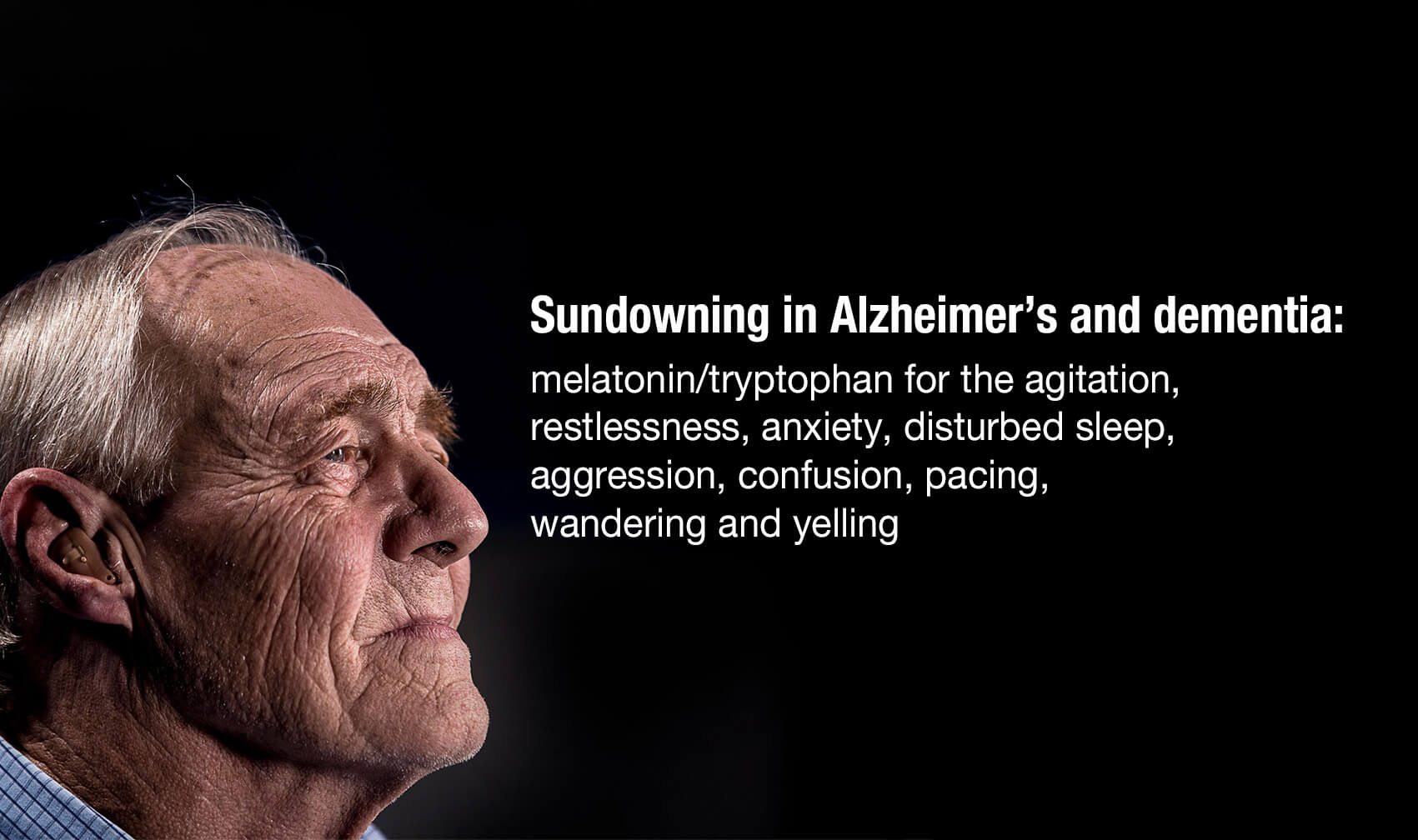
Sundowning in Alzheimer’s and dementia: melatonin/tryptophan for the agitation, restlessness, anxiety, disturbed sleep and aggression

March 3, 2023 By Trudy Scott 8 Comments

sundowning in alzheimer's and dementia

The terms “sundown syndrome” or “sundowning” are used to describe a wide range of neuropsychiatric symptoms occurring in individuals with dementia in the late afternoon, evening, or night. These symptoms include confusion, restlessness, anxiety, agitation, aggression, pacing, wandering, screaming, yelling, and hallucinations. The treatment of sundown syndrome is challenging, and pharmacological therapies are not particularly effective.

This definition is from a very encouraging case study published as a letter to the editor of the Journal of the American Geriatrics Society – Melatonin for Sundown Syndrome and Delirium in Dementia: Is It Effective?

This case study is very typical in terms of symptoms and a pharmacological approach:

An 81-year-old man with Alzheimer’s disease diagnosed 4 years previously was admitted to the elderly department because of behavioral disturbances, sleep disorders, and wandering. His wife said that his cognitive and functional impairments had gradually worsened over the past 4 years and that, in the last 6 months, her husband had become verbally aggressive, agitated, and restless; wandered; and paced. He did not sleep for long and had difficulty falling asleep. The symptoms increased in the late afternoon and at night. He had no hallucinations or delusions. One month before admission, delirium was suspected, and his general practitioner prescribed haloperidol, but it was not effective.

During admission, sundown syndrome was diagnosed, and he received pharmacological and nonpharmacological interventions for behavioral and sleep disturbances, but none was effective, and some aggravated symptoms. The pharmacological interventions consisted of benzodiazepines, antipsychotics, cholinesterase inhibitors, mood stabilizers, and antidepressants, all given in an optimal dosing schedule.

Melatonin led to much improved symptoms within a few hours

None of the medications were effective and some made his symptoms worse. This case study is atypical in that his doctors were open to the use of melatonin. This led to much improved symptoms within a few hours and complete resolution in 2 weeks with a second dose:

After extensive review of his history, the effect of past treatments, and the published literature, melatonin was started at a dose of 2 mg at 8:00 p.m. for sleep disorders. Not only did his sleep quality improve within a week, but there was also significant improvement in his behavior within 2 hours of initiation of melatonin. A therapeutic trial with an additional dose of 2 mg given at 3:00 p.m. was started, and his symptoms gradually improved over the subsequent 2 weeks (NPI score 20). No behavioral changes were observed in the 2-month follow-up.

These results are powerful and mirror what a number of other studies are showing, for sundowning and to also slow “down the progression of cognitive impairment”). We also see melatonin working clinically for this population.

I share this case study so if you are a carer or have a parent or loved one with Alzheimer’s or dementia, you have a resource to share with the medical team. There is growing awareness of this research and some neurologists are prescribing melatonin with success. Typically 0.5 mg to 5 mg melatonin is used once or twice a day.

My hope is that this becomes the standard of care instead of prescribing psychiatric medications which the authors acknowledge are not particularly effective. And they don’t get to the root cause that is triggering these symptoms: low melatonin and low serotonin (more on low serotonin below).

Melatonin and anxiety

Melatonin also improves sleep quality and reduces anxiety after a TBI (traumatic brain injury). I blogged about a study that used timed-release melatonin here. The study participants used 2 mg of timed-release/prolonged-release melatonin for 4 weeks. This improved sleep quality and melatonin was also associated with a small decrease in self-reported anxiety.

As outlined in this paper, Melatonin as a Potential Approach to Anxiety Treatment, “melatonin’s benefit in anxiety may reside in its sympatholytic action, interaction with the renin-angiotensin and glucocorticoid systems, modulation of interneuronal signaling and its extraordinary antioxidant and radical scavenging nature.”

The serotonin connection and using tryptophan or 5-HTP

Keep in mind the strong serotonin connection: these sundowning symptoms start late afternoon and evening (hence the name sundowning) and serotonin is a precursor to melatonin production.

I look forward to seeing research on the use of tryptophan or 5-HTP for sundowning symptoms too. Until then, based on the above, and the fact that many of these symptoms are classic signs of low serotonin, I feel comfortable recommending either of these amino acids.

As always, we start low, use afternoon and evening doses and increase based on symptom resolution. The typical adult dose of tryptophan is 500 mg and 50 mg of 5-HTP. I recommend starting with 100 mg tryptophan and 10mg of 5-HTP. The amino acid precautions are always reviewed. I would not recommend either tryptophan or 5-HTP if the individual is currently prescribed an antidepressant, unless you are working with a knowledgeable practitioner and always with the approval and monitoring of the prescribing doctor. This is because of the possibility of serotonin syndrome.

Dr. Dale Bredesen recommends tryptophan and melatonin

Dr. Dale Bredesen is the author of The End of Alzheimer’s (my Amazon link) and a number of other books on Alzheimer’s. He is an authority on Alzheimer’s and recommends both tryptophan and melatonin. In this paper, Reversal of cognitive decline: A novel therapeutic program, he reports the use of 0.5 mg melatonin and 500 mg tryptophan used (3 x week) for sleep issues.

Interestingly and surprisingly, he doesn’t mention sundowning in his books or papers. However, if you are new to his work, I encourage you to look into his functional medicine approach, which is extensive and offers results and hope for many.

Low GABA in Alzheimer’s disease and dementia

This paper, Implications of GABAergic Neurotransmission in Alzheimer’s Disease, shares that “of the two major types of synapses in the central nervous system (CNS): glutamatergic and GABAergic, which provide excitatory and inhibitory outputs respectively, abundant data implicate an impaired glutamatergic system during disease progression.” 

The amino acid GABA may also help anxiety, disturbed sleep and restlessness. And it’s common to have both low serotonin and low GABA.

This case study illustrates how using the amino acid GABA can help ease the anxiety often experienced in those with Alzheimer’s disease.

It’s too entrenched in our thinking that there is nothing to be done

It saddens me that it’s too entrenched in our thinking that there is nothing to be done. Unfortunately, many family members and medical professionals consider sundowning a normal part of the disease progression and question whether it’s worth doing anything.

My feedback is this: please don’t discount the power of the amino acids, melatonin and other nutritional approaches to offer some relief and improved quality of life for the patient. And when they are calmer, less aggressive and sleeping better it’s so much easier for the caregivers too.

Resources if you are new to using tryptophan or GABA as supplements

If you are new to using tryptophan or GABA as supplements, here is the Amino Acids Mood Questionnaire from The Antianxiety Food Solution (you can see all the symptoms of neurotransmitter imbalances, including low GABA and low serotonin).

If you suspect low levels of any of the neurotransmitters and do not yet have my book, The Antianxiety Food Solution – How the Foods You Eat Can Help You Calm Your Anxious Mind, Improve Your Mood, and End Cravings, I highly recommend getting it and reading it before jumping in and using amino acids on your own so you are knowledgeable. And be sure to share it with the practitioner/health team you or your loved one is working with.

There is an entire chapter on the amino acids and they are discussed throughout the book in the sections on gut health, gluten, blood sugar control, sugar cravings, self-medicating with alcohol and more.

The book doesn’t include product names (per the publisher’s request) so this blog, The Antianxiety Food Solution Amino Acid and Pyroluria Supplements, lists the amino acids that I use with my individual clients and those in my group programs. You can find them all in my online store. The above oral lavender products are available in my online store too.

If, after reading this blog and my book, you don’t feel comfortable figuring things out on your own (i.e. doing the symptoms questionnaire and respective amino acids trials), a good place to get help is the GABA QuickStart Program (if you have low GABA symptoms). This is a paid online/virtual group program where you get my guidance and community support.

If you are a practitioner, join us in The Balancing Neurotransmitters: the Fundamentals program. This is also a paid online/virtual program with an opportunity to interact with me and other practitioners who are also using the amino acids.

Have you used melatonin to help with sundowning symptoms with your loved one and if yes how much helps?

Was melatonin prescribed or did you research it and bring the information to the doctor?

Have you used melatonin to help with sundowning symptoms in your clients/patients? What ranges have you seen to help?

Have you also found tryptophan, 5-HTP and/or GABA to help?

If you have questions and other feedback please share it here too.

Filed Under: Alzheimer's disease, Anxiety, serotonin, Tryptophan Tagged With: 5-HTP, aggression, agitation, alzheimer's, anxiety, confusion, dementia, disturbed sleep, Dr. Dale Bredesen, GABA, GABA Quickstart online program; and Balancing Neurotransmitters: the Fundamentals program for practitioners, melatonin, pacing, restlessness, serotonin, sundown syndrome, Sundowning, tryptophan, wandering, yelling

The Toxin Solution – an interview with author Dr. Joseph Pizzorno

May 24, 2019 By Trudy Scott 4 Comments

toxin solution

Toxin exposure is at an all-time high and very relevant when it comes to anxiety, ADHD, asthma, diabetes, cancer, dementia and all chronic diseases. I did this wonderful interview with Dr. Joseph Pizzorno in 2017 when his book – The Toxin Solution – was published and for some reason it didn’t make it onto the blog.

I’ve decided to share it now because Dr. Pizzorno is one of the speakers at the August IMMH/Integrative Medicine for Mental Health conference.

If you’re planning to attend this will give you a taste of what to expect. If you’re on the fence hopefully this will convince you, together with the fact that I’m presenting again this year (I’m doing a deep dive into GABA).

I look forward to meeting him in person at the conference and will hopefully see you there too! If you can’t make it or are not a practitioner enjoy this interview and do checkout his fabulous book.

Read on for notes from our interview, the video interview and resources for you related to our interview. Some highlights include these facts: about 90% of diabetes is just due to 6 toxins; PCBs (polychlorinated biphenyls) may account for half of all breast cancer; top 10% of those exposed to organophosphate pesticides saw a doubling of ADHD (just one pesticide); 20% of osteoporosis in women is due to cadmium; lentil soup in a can has 10 x more BPA than homemade and much more

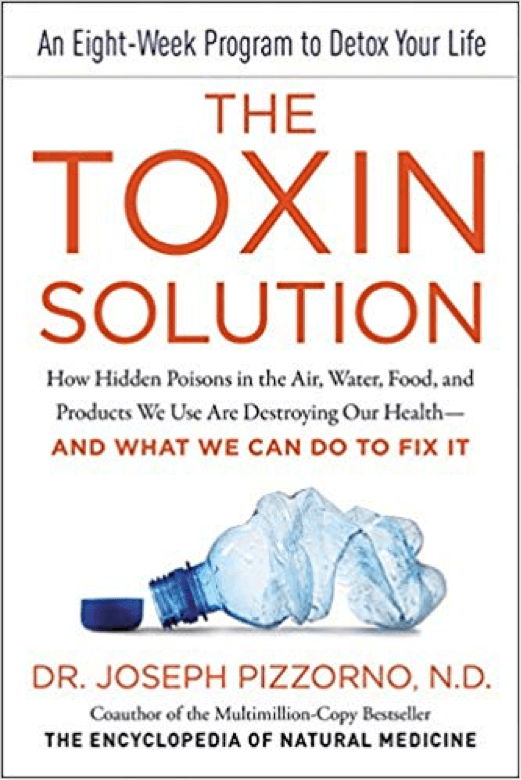
Here is the book: The Toxin Solution: How Hidden Poisons in the Air, Water, Food, and Products We Use Are Destroying Our Health–AND WHAT WE CAN DO TO FIX IT (my Amazon link)

Here is our wonderful interview

And here is a summary from the video interview:

  • in mid to late-70s people were sick because of nutritional deficiencies, lack of exercise and lifestyle factors
  • we have polluted our air, water, food, health and beauty aids, household cleaning products, products in our yards – independent of what you do, toxins are coming in
  • he worked with big oil company in Canada – they wanted to improve the health of the staff and he ran tests to measure nutritional status and toxin levels ($1500 worth of lab tests of 4500 people) – saw a lot of toxicity
  • top 20% of those with body burden of toxins vs bottom 20% – what is disease risk? very big increase in disease risk
  • diabetes as example – when he was in medical school 50 years ago diabetes affected 1% of the population and now it’s 20-30x more common
  • looked at data on diabetes and toxins – looked at organochlorine pesticides – used widely in our food supply
  • top 10% of those with high body burden – 12 fold increase risk of diabetes
  • looked at many other diseases and all had high correlation of toxicity with higher risk
  • used his book advance to hire researchers (Bastyr grads) to determine what toxins contribute to what diseases
  • about 90% of diabetes is just due to 6 toxins
  • it’s why he wrote this book The Toxin Solution (my Amazon link) – here’s how toxins cause disease, here’s where the toxins are coming from, here’s how you avoid them and here’s how you prepare your body for a detox (do this first) and then do the detox
  • [I shared my exposure to lead when I worked in an oil refinery before I became a nutritionist]
  • oil field workers he tested were never exposed to the oil itself as it was underground – they were also farmers and spaying with pesticides, herbicides and insecticides
  • everyone can relate to how dangerous smoking is i.e. lung cancer is doubled by smoking and it affects 20-25% of the population, so bring it home for people asked if there are other toxins that increase the risk of certain diseases – answer is most certainly yes
  • asthma – Polycyclic aromatic hydrocarbons (PAHs) from second-hand smoke, city living, diesel, barbecue smoke; 93% of the US population have enough PAH exposure to double their risk of asthma
  • breast cancer – PCBs (polychlorinated biphenyls) may account for half of all breast cancer
  • some data on toxins and anxiety, mental health but more on neurodegeneration and dementia; damage to the neurons will make you more prone to anxiety, stress and depression
  • anxiety and ADHD in children – top 10% of those exposed to organophosphate pesticides compared to bottom 10%, saw a doubling of ADHD (and this was just looking at one pesticide)
  • neurological system is really susceptible to these toxins
  • if you’re eating conventional foods you’re full of toxins
  • Seattle study on kids coming out of organic stores vs those coming out of conventional stores – the later had 10x higher levels of organophosphate pesticides
  • high phosphate fertilizers are contaminated with cadmium
  • osteoporosis study in women – thinner bones when exposed to cadmium from conventional soybeans; 20% of osteoporosis in women in the USA is due to cadmium
  • eat organically grown foods
  • foods will absorb BPA and phthalates from the cans they are in
  • study comparing homemade lentil soup vs lentil soup in a can – canned lentil soup had 10 x more BPA
  • BPA binds to insulin-receptor sites, pancreas burns out and you get diabetes
  • [I mention moms exposed to BPA when pregnant and their children have higher risk for ADHD and anxiety]
  • children born to moms in top 10% of exposure to organophosphate pesticides vs bottom 10% – children had a 7 point drop in IQ (even when followed for 7 years)
  • women who breastfeed have lower cancer risk and more breastfeeding leads to lower PCB levels (breast-feeding for 12 months decreased PCB levels by 40%)
  • great for the mom but no good for the children
  • what’s remarkable – PCBs were banned in the US 40 years ago – so hard to breakdown in our bodies and the environment so they accumulate
  • best plan – east organic, don’t use plastic storage containers, beauty products with no phthalates
  • check your water – in the USA 10% of public water has high enough arsenic levels to increase risk of diseases; at least use carbon filter to get out the chemicals
  • 60-70% of out toxin exposure comes from food – we have control over this and the body can heal
  • [I say the book offers solutions: The Toxin Solution: How Hidden Poisons in the Air, Water, Food, and Products We Use Are Destroying Our Health–AND WHAT WE CAN DO TO FIX IT (my Amazon link)]
  • our bodies evolved to detoxify and there is a lot we can do
  • what to do – don’t let them in
  • increase your fiber intake – liver denatures toxins by binding them to another molecule and dumps them into the gut where they are bound to fiber and excreted but 90% of toxins get reabsorbed through enterohepatic circulation because we now only consume 15-20g of fiber a day. You need at least 40-50g of fiber a day to detox
  • if you do nothing more than consume more fiber you will get the toxins out – it’s very slow but you will get the toxins out
  • flax seeds, oats, alginate, pectin
  • not a fan of wheat fiber – most of his patients don’t tolerate wheat
  • any kind of fiber that mixes in water and gels – this is good
  • NAC (N-acetyl cysteine) – the cysteine promotes the production of glutathione (most important intracellular and intra-mitochondrial antioxidant
  • glutathione is also part of process in the liver where it binds chemical toxins in order to neutralize them and dump them into the gut to get rid of them
  • as little 500mg/day of NAC can help your body get rid of toxins
  • next is sweat – saunas and running, but not steam-baths as this recirculates stuff – your sweat is full of toxins
  • [I have a question about the toxin-filled sweat on the towels and in the sauna]
  • air out the sauna and wash the towels but it’s not ideal because then we’re putting those toxins back into the environment (can burn them or bury them but there is no good solution) – best to stop putting chemicals into environment
  • [I have a question about an indoor saunas and toxins going into the home]
  • valid question – his sauna has a window to the outside
  • tip for homemade cleaning products – water, vinegar and lavender oil (which is both calming and antibacterial)
  • no to fragrances which are solubilized to phthalates and 1/3 of all diabetes is linked to phthalate exposure
  • you get exposed to phthalates when hot water hits your plastic shower curtain
  • great-grandfather ate a Mediterranean diet lived to 95 and never saw a doctor, grandfather ate a mix of American diet and Mediterranean diet
  • dad ate 100% American diet, plus not worried about exposure to chemicals – lived to 88 but had dementia by 83, osteoporosis, arthritis, hip replacement surgery, cardiac surgery
  • final words of wisdom: good health is quite straight-forward – eat real food rich in nutrients and avoid toxins as much as you can and your wonderful body will take of just about everything else

Resources for you

  • The Toxin Solution: How Hidden Poisons in the Air, Water, Food, and Products We Use Are Destroying Our Health–AND WHAT WE CAN DO TO FIX IT (my Amazon link). This is a wonderful book if you as a health-savvy consumer are looking to learn and protect yourself and your family. It’s aksi a great gift for someone who is new to the concept of how toxins affect our health. Finally, it’s a wonderful resource for practitioners to share with their patients and clients.
  • You can purchase NAC and lavender essential oil from my supplement store here.
  • As I mentioned, Dr. Pizzorno is one of the speakers at the August 2019 IMMH/Integrative Medicine for Mental Health. His presentation will be on day 2 – Neurotoxin Susceptibility by Age: The Impact of Metal and Non-Metal Toxins on the Brain. You can read more here.
  • We didn’t address how some of the amino acids can help with detox too. But you can learn more about how GABA protects against hypothyroidism caused by fluoride and reduces anxiety here. I’ll be discussing this and some other new GABA research in my presentation on day 3 – GABA for Anxiety, ADHD, Autism, Insomnia and Addictions: Research and Practical Applications. You can read more here.

Do let us know what steps you’ve made to reduce toxic exposure in your life and what you’ve done to detox, and what improvements you’ve observed.

Feel free to post questions in the comments too.

And let me know if you’ll be at IMMH. And be sure to stop by and say hi to both me and Dr. Pizzorno.

Filed Under: Toxins Tagged With: ADHD, anxiety, asthma, breast cancer, dementia, fiber, Joseph Pizzorno, NAC, organic, osteoporosis, PCBs, pesticides, phthalates, sauna, The Toxin Solution

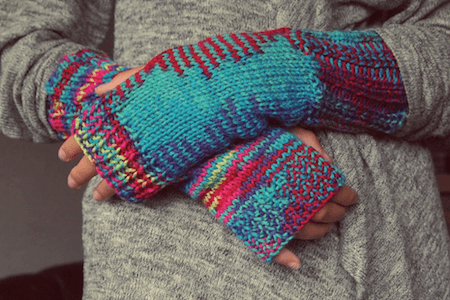
Knitting to ease anxiety, depression and dementia and give to a good cause

March 16, 2018 By Trudy Scott 3 Comments

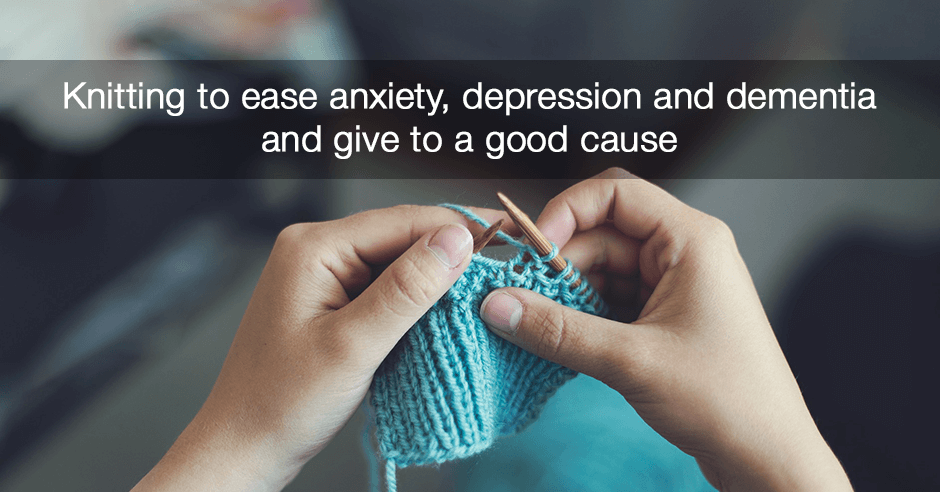
Knit for Peace, a UK based charity that “matches knitters with good causes” has published an extensive review of studies that reports the many physical and mental benefits of knitting, including easing anxiety and depression, benefiting those with dementia, helping with chronic pain, promoting a sense of community and improving sociability.

There is evidence-based research that shows that knitting does the following:

  • Lowers blood pressure
  • Reduces depression and anxiety
  • Slows the onset of dementia
  • Is as relaxing as yoga
  • Distracts from chronic pain
  • Provides an opportunity for creativity (at a time of reducing capacity)
  • Increases sense of wellbeing
  • Reduces loneliness and isolation
  • Increases sense of usefulness and inclusion in society

Knitting for those in need is a volunteering activity that can carry on into extreme old age and can be undertaken by those whose sight, hearing and mobility are severely limited. It provides an activity that gives a sense of purpose. Knitting for charity makes people feel more useful and worthwhile. Self-worth is important post retirement, especially with physical decline.

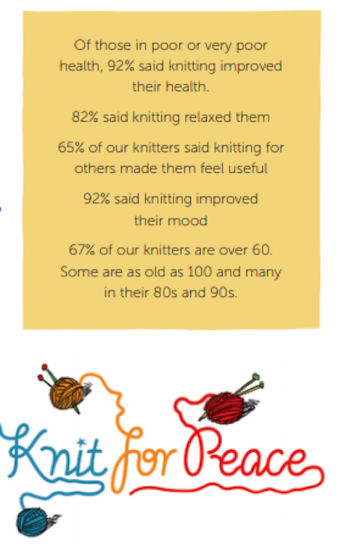
They also surveyed their members about their knitting experiences. Here is some of the feedback they received:

You can read a summary of that report here and request the entire digital report here.

You’ll be able to read some of the heartwarming backstory of Knit for Peace in the above summary… how they “started as an income generation project for Hutu and Tutsi widows, victims of the Rwandan genocide and civil war” and grew to a similar project in India “bringing together Hindu and Muslim women in the slums of Delhi” and then “Knit for Peace groups were set up in Pakistan, Bangladesh, Nepal and Afghanistan.” … And then “when people in the UK heard about this project they asked if they could knit for the children of Afghanistan.” “Through word of mouth the idea spread, and we were soon receiving a positive tsunami of knitted goods.”

Positive feedback about knitting

I asked my community on Facebook if they knit and how it makes them feel.

Diane shared this: I noticed that knitting lowers my blood pressure but interesting to note that crochet lowers it even more. Maybe because the crochet is an easier pattern?

Catriona shared this: I did some knitting when I had horrible anxiety and depressive symptoms. Really helped keep me focused on the present, which made it hard to ruminate and worry while doing it. Like mindfulness. And you end up with a nice gift at the end of it.

Maria shared this: I don’t knit but I crochet a lot. Very therapeutic 

Knitting is not for everyone

Knitting certainly isn’t for everyone. Bonnie shared this:  Knitting did not lower my stress level at all. First of all, I don’t like to sit or stand still that much, it bothered my wrists and was not easy to pick up. I think I was more stressed from doing it. Mountain biking is my stress reliever!

Aminda shared this: Knitting leads me to want to poke out eyes with knitting needles lol. I’ll stick to my crossword puzzles. I’m super tired of being told I just have to try it and being treated like something is wrong with me because I find crafts the opposite of de-stress. I’m glad people love knitting… I’m just not one of them and I only got happier when I stopped trying to fit onto the mold.

If knitting isn’t for you don’t worry about it, rather find something that you love to do.

Knitting is for kids too

I was very fortunate to have my granny teach me when I was about 8 years old. We had such fun time together, making scarves, gloves, baby clothes for my dolls and then my baby sister and eventually jerseys/jumpers for myself. It was a very special bonding time and it’s a skill I’ll always have. My granny was fearful of storms and I’d like to think knitting helped ease some of her anxieties.

I feel we should be encouraging kids to knit too. Many anxious kids could benefit from anxiety relief and contribute to a worthy cause by giving away their finished items.

Christina shared this on the Huffington Post blog: I’m an elementary teacher and I have a knitting group at lunch on Wednesday’s! The kids love it! It promotes patience, concentration and perseverance! I have about 25 students ages 10-12, both girls and boys!

Some of the research

In this Norwegian study, Knitters in a Day Center: The Significance of Social Participation for People With Mild to Moderate Dementia, the main activity of elderly women with mild dementia was knitting. It was found that

the social activity of knitting facilitated conversations about different topics, required various forms of memory and problem solving, and involved different participant statuses. Being part of the knitting group appeared to help the participants maintain their skills and facilitated sociability.

In this study, Managing anxiety in eating disorders with knitting, 38 women with anorexia reported these benefits of knitting:

  • it lessened the intensity of their fears and thoughts and cleared their minds of eating disorder preoccupations (74%)
  • it had a calming and therapeuticeffect (74%)
  • it provided satisfaction, pride and a sense of accomplishment (53%)

Where do you start if you don’t know how to knit?

If you didn’t learn to knit as a kid and want to learn now or possibly want your child or grandchild to learn, knitting is inexpensive and easily learned. Here are some resources for you:

  • The Complete Beginner’s Guide to Knitting (DVD). “Beautiful and clear demonstrations can get you started knitting in just 30 minutes.” You’ll learn all the basic stitches, get a booklet with scarf patterns and other bonus goodies.
  • A good starter yarn such as Lion Brand’s Wool Ease is recommended. Avoid dark colors when you are first learning to knit.
  • Wooden needles like Brittany 10-inch long Single Point Birch Knitting Needles are also suggested, US Size 10, 10.5 or 11. They say to avoid the more slippery metal needles (although I used these and they were fine), and the “grippy” plastics. (All these links are my Amazon affiliate links)

Knit as part of a group and give to someone in need

Whether or not you’re new to knitting, consider getting a knitting group together for that wonderful community aspect and once you’ve knitted enough goodies for family and friends, start to send knitted goods to a charity such as Knit for Peace or take them to a local shelter.

If you work in a nursing home or long-term care facility, in a school or after-school program, or are part of a church group, I encourage you to get a group knitting program together. Or you could even get together with friends and start knitting.

Notice the calmness you feel when you knit and the joy of giving your finished product to someone in need.

We’d love to hear if you knit and when you learned? And how do you feel when you knit? Are you part of a community knitting group and who do you knit for?

Filed Under: Antianxiety Tagged With: anxiety, calming, dementia, depression, fears, give, knit for peace, knitting, memory, sociability

Alzheimer’s disease: address the root cause to reverse symptoms (Microbiome summit)

May 7, 2017 By Trudy Scott 4 Comments

Dr. Jill Carnahan’s interview on the Microbiome Medicine Summit 2 covers cutting edge new information about Alzheimer’s disease, based on the work and research of Dr. Dale Bredesen. They start with the gut-brain connection and Dr. Carnahan shares this:

we used to think of early-onset cognitive decline and dementias and mood disorders as being in their own bucket. And so, we saw psychiatrists or neurological doctors or neurologists to treat those diseases. And now we’re finding as we knew for several years with functional medicine that, obviously, it’s all connected.

And the gut is especially important because this reservoir holds so many of our microbes and possibly pathogens and that speaks to the brain through the vagus nerve and through cytokines and through inflammatory molecules of all types.

And so, this conversation between our gut and our brain is very profound and has a huge impact on things like multiple sclerosis or dementia, Alzheimer’s, or even things like bipolar disorder, schizophrenia, depression, anxiety, and sleep disorders.

So what we’re finding is by addressing the immune system and the gut which are intricately connected, we can often get profound effects on areas in the body that are far from that, like the brain.

Dr. Kellman asks Dr. Carnahan to share a study that will be the slam dunk for really believing in this connection and she mentions a paper titled Microbes and Alzheimer’s Disease. It cites pathogens like herpes simplex virus type 1 (HSV1), Chlamydia pneumoniae, and several types of spirochaete which can affect the brain and play a role in Alzheimer’s disease.

Dr. Carnahan then covers Dr. Dale Bredesen’s subtypes of early-onset dementia which allows you to treat the root cause and actually reverse symptoms. She goes into it in great detail so I’m going to give you the summary version here:

Type #1 is inflammatory

  • This could be from inflammation or infections or other poor dietary habits. And that’s where the microbiome could play into that.
  • You might see elevated CRP, IL-6, TNF-alpha. You might see a low albumin to globulin ratio. You might see high homocysteine, hypothyroid, elevated cortisol

Type #1.5 is glycotoxic

  • The pure pre-diabetic, diabetic
  • That’s kind of the pure elevated insulin, elevated fasting blood sugar, elevated cortisol, low testosterone, high triglycerides, low HDL (and has an element of inflammation)

Type #2 is atrophic: So that’s someone who loses their trophic factor of support like estrogen, testosterone, insulin, and vitamin D3.

And often, these type 1s and type 2s actually have ApoE-4 double mutations which are higher risk for Alzheimer’s.

Type #3 is toxic:

  • Toxic mold exposure, biotoxins from Lyme disease, or heavy metals or other chemicals.
  • Often these chemicals will act on the tight junctions of the gut and increase permeability. And then that permeability leads to massive endotoxemia.
  • Younger onset of symptoms (like 40s and 50s) and reversible once you find and remove the root cause

Type #4 is vascular: inflammation of the blood vessels, high homocysteine

Type #5 is traumatic: wrestlers or boxers or football players that have had multiple head injuries or trauma.

By addressing the various root causes, Dr. Bredesen reports a reduction and in some instances reversal of dementia symptoms.

Of course, we know anxiety is common when it comes to Alzheimer’s and dementia. By addressing many of these above root causes we’re also able to reduce anxiety symptoms at the same time.

It was a fascinating interview and I hope you enjoy it as much as I did. I learned a great deal and find it very useful to group the symptoms into types.

There does seem to be one aspect that Dr. Carnahan didn’t address and I haven’t seen it covered in Dr. Bredesen’s papers: the impact of benzodiazepines on dementia and Alzheimer’s disease.  There is conflicting research on this but I feel there is enough research that does show a correlation – enough for us to be concerned.   Here is a recent paper looking at high-dose benzodiazepine use in Chinese patients , supporting an association.

This 2016 paper – Benzodiazepine Use and Risk of Dementia in the Elderly Population: A Systematic Review and Meta-Analysis states:

Our results suggest that benzodiazepine use is significantly associated with dementia risk. However, observational studies cannot clarify whether the observed epidemiologic association is a causal effect or the result of some unmeasured confounding variable. Therefore, more research is needed.

This may likely fall under type #3 (toxic).  I plan to reach out to them as a follow-up.

UPDATE: May 9, 2017.  I did hear back from Dr. Carnahan and she shared that she always discusses history and physical and lab testing, and history of benzodiazepine use or other neuroactive substances. 

And new research shows that it’s more than the benzodiazepines: SSRIs, SRNIs and atypical antipsychotics increase the risk of dementia in veterans with PTSD and even in those who don’t have PTSD. 

I hope you’ll join the host Dr. Raphael Kellman and all the great speakers on the Microbiome Medicine Summit 2, May 8-15, 2017 to learn more.

If you have questions or comments please feel free to share in the comments.


Filed Under: Alzheimer's disease, Events Tagged With: Alzheimer’s disease, anxiety, benzodiazepines, dementia, Dr. Dale Bredesen, Dr. Jill Carnahan, Dr. Kellman, gut-brain, microbiome, microbiome medicine summit, SRNI, SSRI

  • Page 1
  • Page 2
  • Go to Next Page »

Primary Sidebar

NEW! GABA QuickStart Homestudy (with special intro pricing)

gaba quickstart homestudy

Free Report

9 Great Questions Women Ask about Food, Mood and their Health

You'll also receive a complimentary subscription to my ezine "Food, Mood and Gal Stuff"


Connect with me

Popular Posts

  • Amino Acids Mood Questionnaire from The Antianxiety Food Solution
  • The Antianxiety Food Solution Amino Acid and Pyroluria Supplements
  • Pyroluria Questionnaire from The Antianxiety Food Solution
  • Collagen and gelatin lower serotonin: does this increase your anxiety and depression?
  • Tryptophan for the worry-in-your-head and ruminating type of anxiety
  • GABA for the physical-tension and stiff-and-tense-muscles type of anxiety
  • The Antianxiety Food Solution by Trudy Scott
  • Seriphos Original Formula is back: the best product for anxiety and insomnia caused by high cortisol
  • Am I an anxious introvert because of low zinc and vitamin B6? My response to Huffington Post blog
  • Vagus nerve rehab with GABA, breathing, humming, gargling and key nutrients

Recent Posts

  • What do I use instead of Seriphos to help lower high cortisol that is affecting my sleep and making me anxious at night?
  • BeSerene™ GABA/theanine cream eases severe muscle tension in her neck/shoulders, prevents her bad headaches and quells her anxiety
  • How the correct approach, dose and sublingual use of GABA can be calming and not cause a flushed and itchy face and neck
  • The amino acid glutamine improves low mood by addressing gut health, and it has calming effects too
  • Flight anxiety with heightened breath, physical tension and also fearing the worst (the role of low GABA and low serotonin)

Categories

  • 5-HTP
  • AB575
  • Addiction
  • ADHD
  • Adrenals
  • Alcohol
  • Allergies
  • Alzheimer's disease
  • Amino Acids
  • Anger
  • Antianxiety
  • Antianxiety Food Solution
  • Antidepressants
  • Anxiety
  • Anxiety and panic
  • Autism
  • Autoimmunity
  • benzodiazapines
  • Bipolar disorder
  • Books
  • Caffeine
  • Cancer
  • Candida
  • Children/Teens
  • Collagen
  • Cooking equipment
  • Coronavirus/COVID-19
  • Cravings
  • Depression
  • Detoxification
  • Diabetes
  • Diet
  • DPA/DLPA
  • Drugs
  • EFT/Tapping
  • EMF
  • EMFs
  • Emotional Eating
  • Endorphins
  • Environment
  • Essential oils
  • Events
  • Exercise
  • Fear
  • Fear of public speaking
  • Fertility and Pregnancy
  • Fish
  • Food
  • Food and mood
  • Functional neurology
  • GABA
  • Gene polymorphisms
  • General Health
  • Giving
  • Giving back
  • Glutamine
  • Gluten
  • GMOs
  • Gratitude
  • Gut health
  • Heart health/hypertension
  • Histamine
  • Hormone
  • Hyperparathyroidism
  • Hypoglycemia
  • Immune system
  • Inflammation
  • Insomnia
  • Inspiration
  • Introversion
  • Joy and happiness
  • Ketogenic diet
  • Lithium orotate
  • Looking awesome
  • Lyme disease and co-infections
  • MCAS/histamine
  • Medication
  • Men's health
  • Mental health
  • Mercury
  • Migraine
  • Mold
  • Movie
  • MTHFR
  • Multiple sclerosis
  • Music
  • NANP
  • Nature
  • Nutritional Psychiatry
  • OCD
  • Osteoporosis
  • Oxalates
  • Oxytocin
  • Pain
  • Paleo
  • Parasites
  • Parkinson’s disease
  • PCOS
  • People
  • PMS
  • Postpartum
  • PTSD/Trauma
  • Pyroluria
  • Questionnaires
  • Real whole food
  • Recipes
  • Research
  • Schizophrenia
  • serotonin
  • SIBO
  • Sleep
  • Special diets
  • Sports nutrition
  • Stress
  • Sugar addiction
  • Sugar and mood
  • Supplements
  • Teens
  • Testimonials
  • Testing
  • The Anxiety Summit
  • The Anxiety Summit 2
  • The Anxiety Summit 3
  • The Anxiety Summit 4
  • The Anxiety Summit 5
  • The Anxiety Summit 6
  • Thyroid
  • Thyroid health
  • Toxins
  • Tryptophan
  • Tyrosine
  • Uncategorized
  • Vegan/vegetarian
  • Women's health
  • Yoga

Archives

  • October 2025
  • September 2025
  • August 2025
  • July 2025
  • June 2025
  • May 2025
  • April 2025
  • March 2025
  • February 2025
  • January 2025
  • November 2024
  • October 2024
  • September 2024
  • August 2024
  • July 2024
  • June 2024
  • May 2024
  • April 2024
  • March 2024
  • February 2024
  • January 2024
  • December 2023
  • November 2023
  • October 2023
  • September 2023
  • August 2023
  • July 2023
  • June 2023
  • May 2023
  • April 2023
  • March 2023
  • February 2023
  • January 2023
  • December 2022
  • November 2022
  • October 2022
  • September 2022
  • August 2022
  • July 2022
  • June 2022
  • May 2022
  • April 2022
  • March 2022
  • February 2022
  • January 2022
  • December 2021
  • November 2021
  • October 2021
  • September 2021
  • August 2021
  • July 2021
  • June 2021
  • May 2021
  • April 2021
  • March 2021
  • February 2021
  • January 2021
  • December 2020
  • November 2020
  • October 2020
  • September 2020
  • August 2020
  • July 2020
  • June 2020
  • May 2020
  • April 2020
  • March 2020
  • February 2020
  • January 2020
  • December 2019
  • November 2019
  • October 2019
  • September 2019
  • August 2019
  • July 2019
  • June 2019
  • May 2019
  • April 2019
  • March 2019
  • February 2019
  • January 2019
  • December 2018
  • November 2018
  • October 2018
  • September 2018
  • August 2018
  • July 2018
  • June 2018
  • May 2018
  • April 2018
  • March 2018
  • February 2018
  • January 2018
  • December 2017
  • November 2017
  • October 2017
  • September 2017
  • August 2017
  • July 2017
  • June 2017
  • May 2017
  • April 2017
  • March 2017
  • February 2017
  • January 2017
  • December 2016
  • November 2016
  • October 2016
  • September 2016
  • August 2016
  • July 2016
  • June 2016
  • May 2016
  • April 2016
  • March 2016
  • February 2016
  • January 2016
  • December 2015
  • November 2015
  • October 2015
  • September 2015
  • August 2015
  • July 2015
  • June 2015
  • May 2015
  • April 2015
  • March 2015
  • February 2015
  • January 2015
  • December 2014
  • November 2014
  • October 2014
  • September 2014
  • August 2014
  • July 2014
  • June 2014
  • May 2014
  • April 2014
  • March 2014
  • February 2014
  • January 2014
  • December 2013
  • November 2013
  • October 2013
  • September 2013
  • August 2013
  • July 2013
  • June 2013
  • May 2013
  • April 2013
  • March 2013
  • February 2013
  • January 2013
  • December 2012
  • November 2012
  • October 2012
  • August 2012
  • July 2012
  • June 2012
  • May 2012
  • April 2012
  • March 2012
  • February 2012
  • January 2012
  • December 2011
  • November 2011
  • October 2011
  • September 2011
  • August 2011
  • July 2011
  • June 2011
  • May 2011
  • April 2011
  • March 2011
  • February 2011
  • January 2011
  • December 2010
  • October 2010
  • September 2010
  • July 2010
  • May 2010
  • April 2010
  • March 2010
  • February 2010
  • January 2010
  • November 2009

Share the knowledge!

The above statements have not been evaluated by the Food and Drug Administration. Products listed in this website are not intended to diagnose, treat, cure or prevent any disease.

The information provided on this site is for informational and educational purposes only and is not intended as a substitute for advice from your physician or other health care professional. You should consult with a healthcare professional before starting or modifying any diet, exercise, or supplementation program, before taking or stopping any medication, or if you have or suspect you may have a health problem.


Copyright © 2026 Trudy Scott. All Rights Reserved. | Privacy | Terms and Conditions | Refund Policy | Medical Disclaimer

Free Report

9 Great Questions Women Ask about Food, Mood and their Health

You’ll also receive a complimentary subscription to my ezine “Food, Mood and Gal Stuff”