• Skip to primary navigation
  • Skip to main content
  • Skip to primary sidebar

everywomanover29 blog

Food, Mood and Women's Health – Be your healthiest, look and feel great!

  • Blog
  • About
  • Services
  • Store
  • Resources
  • Testimonials
  • The Book
  • Contact
  • Search this site

bile

Osteoporosis: two of my favorite self-help books by R. Keith McCormick DC (and some of my own story)

August 16, 2024 By Trudy Scott 3 Comments

osteoporosis books

In May 2023 I posted this on Facebook and it never made it on to the blog so here goes …. osteoporosis and two of my favorite self-help books by R. Keith McCormick DC:

Earlier this week I read this book, The Whole-Body Approach to Osteoporosis: How to Improve Bone Strength and Reduce Your Fracture Risk by R. Keith McCormick DC, and wow, I’m very impressed and learned a ton.

It actually consolidates and builds on what I learned from him at the in-depth and excellent interviews with him on the Osteoporosis Summit, hosted by my friend and colleague, Margie Bissinger, MS, PT, CHC (thanks Margie! – I’ve ordered his newest book too).

I really love how Dr. McCormicks walks us through him being a detective with clients (the cases are excellent). And his information and interpretation on advanced bone health tests (like CTX, P1NP), other basic blood work (CRP, homocysteine, fibrinogen, vitamin D etc.) and functional testing (celiac/gluten sensitivity labs) he does is invaluable.

I’m curious to see what updates he’s made (if any) in his newest book, Great Bones: Taking Control of Your Osteoporosis.  Does he now prefer MK-4 to MK-7 (forms of vitamin K), if he addresses the tricky calcium-oxalate issues (I’m trying to figure this one out too) and if he also discusses Trabecular Bone Score (TBS) which can be included in the DXA.

I do like that he discusses prevention too – for younger women and men! He was in his 40s when he started to have osteoporotic fractures.

I’m in my early 60s and don’t have osteopenia or osteoporosis but I want to be proactive and do comprehensive testing. I do have concerns due to my dietary oxalate issues and calcium homeostasis as a result of this.

Read about both books below and more on my own osteoporosis story (yes, I do have osteoporosis after all!)  and probable root causes.

The Whole-Body Approach to Osteoporosis
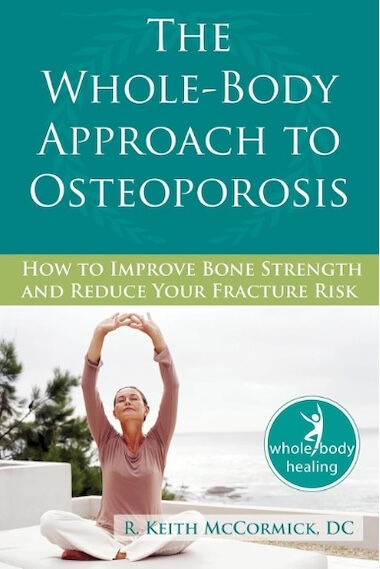
whole body approach to osteoporosis

Here is the official blurb for this book:

No pill will cure you of osteoporosis. While medication can sometimes help, it won’t fully address the underlying causes of your osteoporosis or osteopenia. To restore bone health, you’ll need a targeted program combining the best bone-building strategies from traditional and holistic medicine. The Whole-Body Approach to Osteoporosis distills these complex strategies into a whole-body plan you can begin today to dramatically improve your bone strength and overall vitality.

This comprehensive guide includes information on:

    • What to eat for stronger bones
    • Choosing bone-building supplements and osteoporosis medications
    • Foods and medications that may be contributing to bone loss
    • Signs and symptoms that can help you monitor your bone health
    • How lab tests can help you personalize your plan

It was published in 2009, and I found it to be eye-opening and a wonderful introduction to the comprehensive functional medicine, nutritional and lifestyle approach that needs to be considered when addressing bone health. It’s written for the layperson but is meaty enough for practitioners new to the mechanisms of bone building and bone breakdown, osteoporosis medication and the impacts of environmental toxins.

As I mentioned above, his information and interpretation on advanced bone health tests (like CTX, P1NP), and other labs that are important for bone health (CRP, homocysteine, fibrinogen, vitamin D etc.) is invaluable. He also covers the basics that I cover in my book/work – like eating real food, digestive health and celiac/gluten sensitivity.

It comes highly recommended and you can find it in bookstores and on Amazon here (my Amazon link).

Great Bones: Taking Control of Your Osteoporosis
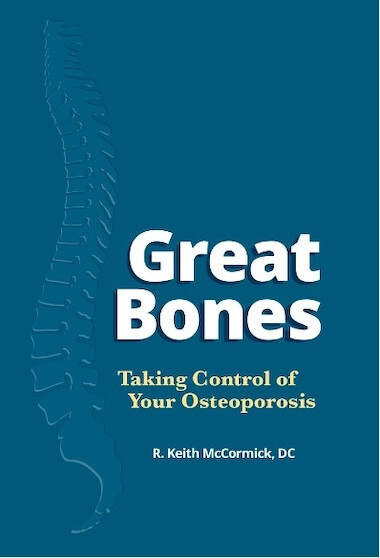
great bones

Here is the official blurb for this book:

Dr. McCormick knows what potential dangers lurk for women and men who don’t understand the life cycle of bone, who don’t realize the role nutrition plays in bone health, who don’t know what can happen to bone even when they think they’re doing “everything right.”

In his mission to help readers — women and men, athletes and nonathletes, primary care physicians and specialists — Dr. McCormick explains not just the fundamentals of osteoporosis but also the pathophysiology of bone loss and what it takes to regain skeletal health.

If you’re a patient suffering from bone loss, Dr. McCormick helps you take control of your osteoporosis; if you’re a doctor, he lays out the most up-to date science so you can best serve your patients. Great Bones is a book everyone can use to achieve better skeletal health well into their 70s, 80s, and beyond.

This one was published in 2023 and is a hefty 714 pages (vs 200 pages for his first book). This book takes everything in his first book to the next level. And while it is more geared to practitioners it is easy enough to follow for the health-savvy layperson.

Every time I pick it up to search for something I learn so much more. Here are a few eye-opening gems:

  • Test CTX early morning and avoid biotin and collagen for 48 hours beforehand (I also heard him say this on the osteoporosis summits)
  • “Butyric acid can increase bone formation by lowering osteoclastic formation” (bone break down) “and stimulating the deposition of calcium into the collagen matrix”
  • “High concentration of lead are found in the cement lines – where mineralized bone meets non-mineralized collagen and where zinc concentration is highest” (and more information on how lead adversely affects our bones)
  • “Post-menopausal women excrete eight times more urinary zinc than women with normal bone density”

With regards to my questions I had before getting this book – he does use both forms of vitamin K (MK-4 and MK-7) and he also discusses Trabecular Bone Score (TBS) which is an add-on for the DXA and a good indicator of bone texture and quality.

Unfortunately he doesn’t address the tricky calcium-oxalate issues that I’m trying to figure out, other than a very brief mention on one page.

I’m eagerly waiting for a kindle version to come out so I can more easily search for advanced topics. My index is full of my scribbles as I find some topics buried within other topics, like some of the TBS information.

This book is also highly recommended and you can find it on Amazon here (my Amazon link).

My osteoporosis story (some of it anyway)

When I posted about these books in May 2023, I was planning to be proactive and do comprehensive testing to get a good baseline in my early 60s. After reading these books and two others, I had my first DXA in July that included a TBS and testing of my left forearm. I was shocked to find out I have osteoporosis, despite the fact I have exercised my entire life – running (road and trails), playing tennis and then squash, rock-climbing, doing weights to train for climbing, backpacking with heavy packs, mountain biking, skiing and wind-surfing.

Because of this I’m really passionate about getting the message out about testing early (for women and men) and being informed and proactive. Dr. McCormick suggests women do their first DXA at 50 and men at 55 (and earlier if they’ve had a fracture).

Given my many possible root causes, I now wonder if I should have tested myself at 40 years of age? As I mentioned above, my dietary oxalate issues and the disruption of calcium homeostasis is likely a major factor. I’ve added these as contributing factors too: my long-term gut issues (since childhood), gluten sensitivity, SIBO, my history and propensity for anxiety and panic attacks, my past exposure to toxic lead (in my 20s I worked in an oil refinery and was exposed to jet fuel at a small airport), the fact that I have pyroluria (the zinc and vitamin B6 connections – I’ll be publishing a blog post on this and osteoporosis) and my liver/bile issues (which play into the oxalate issues).

Dr. McCormick says this at the start of Great Bones …  “you need to understand the causes” and I do so now I can work on all of this.  I love that he also says: “In this book what you will find is hope – within realistic physiological limitations – that you can improve your bone health.”

Dr. Kim Millman’s healthier bones course

With these books and other reading I’m doing, I now have the knowledge and tools. I’ve seen some improvements in the last year and I’m ready to jump in and do further testing and additional adjustments to actually reverse my bone loss.

But I need more so I’ve just signed up to do Dr. Kim Millman, MD’s online Restore & Rebuild: 100 Days to Healthier Bones program. Dr. Millman was also a speaker on Margie’s osteoporosis summit and if you are also looking for support and expert guidance via an online program, this one is a no-brainer. There is also an opportunity to ask your questions.  It’s really short notice and if you can’t make this cohort, I’ll share my feedback in case you make the 2025 class.

Dr. Millman shared this in one of her interviews with Margie: “I think that the most important thing to understand is that it is possible to reverse bone loss and drastically reduce your risk of fractures naturally. And in my 15 years of evaluating and treating the root causes of bone loss, my patients do not break bones, and they don’t feel fragile anymore. Their fear fades. They don’t feel vulnerable, and they return to living their most active lives and doing the things they love.”

Hearing this gives me even more hope and I’m excited!

And in case you’re wondering, I’m still glad I’ve read both these books and have them to refer back to again and again. Both are heavily referenced too and I love to look at the research.

Wrapping up and your feedback

Now I’d love to hear from you – do you have osteoporosis and have you read either of these books and have any gems to share?

Do you have another favorite book on bone health?

Have you done Dr. Millman’s program?

What age were you diagnosed with osteopenia or osteoporosis and were you surprised?

Have you been able to reverse your bone loss and drastically reduce your risk of fractures naturally?

What root causes do you feel play a role for you?

If you’re a practitioner working with clients/patients with osteopenia or osteoporosis I’d love your insights

Feel free to share and ask your questions below.
Filed Under: Anxiety, Osteoporosis, Pyroluria Tagged With: anxiety, bile, bone, books, calcium, celiac, CTX, Dr. Kim Millman, Dr. McCormick, DXA, fibrinogen, fracture, gluten sensitivity, Great Bones, homocysteine, Margie Bissinger, MK-4, MK-7, osteoporosis, Osteoporosis Summit, oxalate issues, P1NP, pyroluria, R. Keith McCormick, TBS, The Whole-Body Approach to Osteoporosis, vitamin D, vitamin K

Ox bile as a supplement: to help counter the effects of dietary oxalates very likely caused by bile issues and poor fat digestion

March 15, 2024 By Trudy Scott 68 Comments

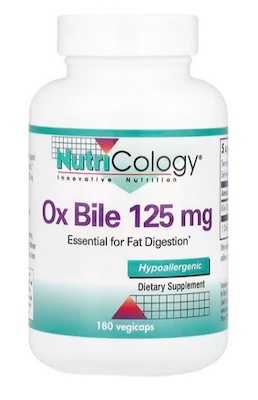
ox bile

I’m using ox bile (as a supplement) to help counter the effects of dietary oxalates very likely caused by my bile issues and poor fat digestion.

I started with 125 mg ox bile with lunch and dinner and now I’m up to 250 mg at lunch and 375 mg at dinner. Many ox bile products are 500 mg but I decided to start low and go slow and also use an ox bile only product rather than ox bile combined with digestive enzymes.

I don’t know exactly what my liver or gallbladder issues are but suspect low bile production and/or sluggish bile flow.

I have an issue with dietary oxalates and using ox bile confirms my suspicions because I can feel it helping further with symptom reduction (foot and eye pain, and restless legs at night). Because of improved fat digestion, I’m encouraged it’s going to help with longer term bone health (I was recently diagnosed with osteoporosis), immunity, hormone balance and heart health too. I expect better absorption of healthy fats like omega-3 fatty acids, evening primrose oil and fat-soluble vitamins A, E, D and K (and D and K are so important for bone health).

Of course, all this means less oxalate absorption and a reduced impact of the sharp damaging crystals found in medium/high oxalate foods. Oxalates also bind to minerals like zinc, magnesium, and calcium so those mineral deficiencies should shift too.

Read on for a background on oxalate crystal disease, the research on conjugated bile acid replacement therapy (or ox bile supplementation) and oxalate/fat digestion mechanisms, and more about signs of bile issues and solutions. I also share what else I do to mitigate oxalate issues and improve fat digestion,  and the ox bile product I am using.

Ox bile increases fat absorption and reduces oxalate absorption

This paper, Conjugated bile acid replacement therapy reduces urinary oxalate excretion in short bowel syndrome, explains that “Soluble oxalate is hyper absorbed by the colon leading to hyperoxaluria and an increased risk for renal calcium oxalate stones and deposits” (and other pain issues – more on that below).

Using ox bile as a supplement (or replacement) with meals “increases fat absorption and thereby decreases calcium fatty acid soap formation and oxalate hyperabsorption.”  What does this mean? When fat absorption is improved with ox bile supplements there is more calcium left to bind to excess oxalates in the gut and get rid of them in the stool i.e. less oxalates are absorbed.

I encourage you to read the above paper for a better understanding of the mechanisms.

I do appreciate this team of researchers who have highlighted this approach to help with oxalate issues. Keep in mind I’m experimenting and extrapolating from this single case study of someone with short bowel syndrome and based on what I already know about bile/fat digestion, my own oxalate issues and symptoms of poor bile production/flow (see below).

I don’t have short bowel syndrome but  there are a few related studies like this one from the same department, so I feel comfortable experimenting and tracking.

Other pain issues and my pain symptoms caused by dietary oxalates

Keep in mind that the increased absorption of oxalates also causes issues like joint and soft tissue pain, anxiety, restless legs, insomnia, bladder issues, vulvodynia, eye-poking (in autism), thyroid problems, osteoporosis, damage to the heart etc. even when there are no kidney stones. This is not recognized in kidney stone research but is seen extensively in clinical practice.

In 2012 I made the connection between oxalate intake and my excruciating foot pain – a combination of hot-burning-coals-pain and shards-of-glass-pain. The pain has always been worse at night and at its worst I was unable to sleep with severe restless legs.  A few years later, I noticed my left eye being affected too, with scratchy discomfort and mild pain. There is also a goopy kind of discharge from the inner part of my eye and burning/redness crystal-like teariness on the outer parts of my eyes.

You can read more about my oxalate story and oxalate crystal disease on this blog – Oxalate crystal disease, dietary oxalates and pain: the research & questions.

It’s more than only ox bile replacement to help with oxalate issues

I say that ox bile helps further because this is a journey I’m on and there are many nutritional approaches that have been helping me over the years. My symptoms have reduced as I do eat mostly low oxalate with some medium oxalate vegetables from time to time, and occasional chocolate or carob (which are high oxalate).

I continue to finesse my use of calcium citrate at bedtime when my symptoms do flare. I am fortunate that I am able to eat cheese so this is another source of calcium for me.

I have pyroluria so I have long used vitamin B6 which is recognized to be helpful for some with oxalate issues. I suspect this may have prevented dumping when I first switched to low oxalate eating.

Signs of low quality bile from Anne Louse Gittleman

These are from her book, The New Fat Flush Plan:

  • Queasiness after a fatty meal (impaired bile flow)
  • Light-colored or floating stools (lack of bile output)
  • Nausea/motion sickness (not enough bile)
  • Dry skin and hair (lack of essential fatty acids)
  • Constipation (inadequate bile for lubrication)
  • Constant feeling of fullness
  • Inability to lose weight
  • Pain under the right rib cage (reflective pain from the gallbladder)
  • Hemorrhoids (congested liver)
  • Varicose veins (pressure from constipation due to thickened bile)
  • Pain between the shoulder blades (reflective pain from the gallbladder)
  • Bloating or gas
  • Headache over the eyes (gallbladder meridian passes over this region)
  • Bitter taste in the mouth after meals (sign of bile regurgitation)
  • History of prescription or recreational drug use (need for more liver and gallbladder support)
  • Sensitivities to chemicals
  • Easily intoxicated (need for more liver and gallbladder support)
  • Fibromyalgia (sign of liver and gallbladder overload)
  • Hypothyroidism (sign of deficient bile to stimulate active thyroid hormone in fat cells)

I’m adding these signs/related issues/conditions:

  • Fatigue
  • Itchy skin
  • SIBO/small intestinal bacterial overgrowth
  • Osteoporosis
  • History of gallbladder attacks or gallstones
  • Oxalate issues

In my Anxiety Summit interview with Anne Louise Gittleman she explains what bile is and why it’s so important (read here if you’re new to this).

What I’ve already done to improve my bile production/quality

Here is a quick summary of the advice Anne Louise Gittleman offers, with a note of what I’ve done. I share this to illustrate that I didn’t jump straight to ox bile supplementation/replacement:

  • Elimination of food allergies (I’ve done this)
  • Addressing low levels of hydrochloric acid or stomach acid (this is not an issue for me)
  • Controlling stress (this is ongoing)
  • Adding bitter greens to the diet (I do this as much as I can, avoiding medium/high oxalate bitter greens)
  • Hot lemon water in the morning (a favorite of the original Fat Flush Plan and something I’ve done for years)
  • Adding non-GMO lecithin from soy and sunflowers to your morning smoothie (I don’t do this)
  • Using a bile building formula that contains choline, taurine, beet root, inositol and methionine, and pancreatic lipase (I use taurine but can’t use beet root because it’s high oxalate; I did a 2 month trial of a lipase only supplement with no changes; I will likely experiment with choline, methionine and inositol in the near future)
  • Using castor oil packs (I plan to do this in the near future)

These are some of the other approaches that can also help:

  • Digestive bitters (it does help me and I continue to use it but it’s not enough)
  • Toxin removal (I’ve experienced the harmful effects of acute environmental toxin exposure and my daily use of taurine helped. I blogged about this here.)
  • Ongoing detox with infrared sauna (I use a Therasage portable sauna)
  • Ox bile supplementation/replacement (I chose to use ox bile to be sure it was a bile issue I was dealing with and I did many other interventions first.)

My observations when using ox bile supplementation

I have not had any severe pain flares and have not needed to use extra calcium citrate in the night. The other profound change was a dramatic increase in energy. A few months ago I thought my Lyme was flaring again as I was so exhausted in the afternoons. This exhaustion has dissipated.

In terms of digestive symptoms, I notice less queasiness after a fatty meal like roast chicken with the skin on or a fatty lamb slow cooker stew. The constant feeling of fullness, gas and bloating has improved too. I suspect ox bile is helping with SIBO because it’s antimicrobial. But I can’t be sure since I started berberine 6 months ago and noticed it reduced methane gas production.

I have yet to test out motion sickness on a boat trip but I haven’t been using wristbands in the car and have been fine. I had been having some unusual/new skin itchiness a few months ago and this has now resolved. I do have sensitivities to chemicals but I haven’t noticed any change yet.

I used my stool color as a gauge to whether the ox bile was working – as I increased the dose I noticed it got darker and I have no more floaters. My bowel movements are much easier (more lubrication) and I feel the urge to go more than before.

It will be interesting to see if longer term this helps with improving my bone density. It makes no sense that I have osteoporosis given I’ve been physically active all my life. I highly suspect my bile issues have been a factor since childhood and then got worse during perimenopause Research shows “Gallbladder emptying time is longer during the perimenopausal period.”  Unfortunately kidney stones and oxalate issues ramp up in menopause so it’s the perfect storm.    I will be discussing all this with my endocrinologist/bone density doctor and ideally do some testing to figure out what the bile issues are (the pancreatic elastase test was fine).

I do track carefully and only make one change at a time so I typically know what improvements I can attribute to what changes.

Ox bile product options

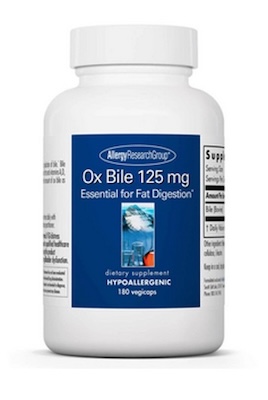
Allergy Research has an Ox Bile 125 mg product and a 500 mg product. You can purchase these from my online store (Fullscript – only available to US customers – use this link to set up an account).

If you’re not in the US, Nutricology has an Ox Bile 125 mg product and a 500 mg product. This is the brand I happen to be using. It can be purchased on iherb (use this link to save 5%).

In conclusion

I’d like to give a shout out to my colleagues… I first learned about oxalates from my dear friend  Julie Matthews. Hearing her present at a conference helped me make the connection to my feet pain issues. She introduced me to Susan Owens, oxalate guru and researcher, and the TLO/Trying Low Oxalate group, and now I communicate regularly with them, the TLO moderators and members. And I met Sally K. Norton a few years ago. She is the author of this excellent book, Toxic Superfoods: How Oxalate Overload Is Making You Sick (my Amazon link).

Unfortunately no-one discusses the use of ox bile replacement/supplementation for those of us with oxalate issues and bile issues, and I suspect it’s an under-appreciated tool for those of us who continue to struggle. Hopefully this research and my results starts a discussion on the topic and further interest.

Sally K. Norton does mention a connection in her book: “The immune system has a method for shielding surrounding tissues from oxalate crystals; entrapping them with extruded DNA called a neutrophil extracellular trap (NET). These NETs forming around oxalates may contribute to gallstones and gallbladder “sludge”. If this is the case in my situation, then my lifelong issues with bile were likely made worse by my intake of medium- and high-oxalate foods.

I do hope that me sharing my personal experiments and healing journey helps you or someone you know. Honestly, I could write a book on oxalates and what I’ve learned over the last few years. There is so much to all this and even though it’s a “pain” to be affected like this it is fascinating. I do feel thankful to have dietary and nutritional “solutions.”

The next step for me is looking into and addressing my endogenous oxalate production i.e. oxalates that are produced internally vs oxalates that are ingested. Stay tuned for an update on this.

Do you have oxalate issues together with gallbladder/bile issues/fat digestion issues and how has ox bile supplementation helped you?

Has ox bile helped you with low bile production or sluggish bile – even if you don’t have oxalate issues?

If you’re a practitioner have you used ox bile with your clients or patients?

Feel free to share and ask your questions below.
Filed Under: Oxalates, Pain, Supplements Tagged With: bile, dietary oxalates, fat digestion, ox bile, oxalate crystal disease, pain, supplement

Waking in the night due to environmental toxins: impacts on the liver, gallbladder and fat digestion (making oxalate issues worse)

September 9, 2022 By Trudy Scott 37 Comments

night waking environmental toxins

Today I’m sharing how waking in the night may be caused by oxalate issues that are  made more severe because of home cleaning products, environmental toxins and fragrances/phthalates. It can happen because of the additional detoxification work required and adverse impacts on your liver and gallbladder. This can impact bile production so fat digestion is impaired. And when you have impaired fat digestion this can contribute to more severe oxalate issues because more oxalates are absorbed in the gut. This can lead to increased pain, worsening sleep and/or waking in the night, increased anxiety, fatigue, depression, more severe bladder symptoms, eye problems etc.

Using extra calcium citrate in the night can help in the short term. But improving fat digestion (with lipase, ox bile, taurine, a lipotropic formula, digestive bitters etc.) and supporting the liver/gallbladder is key because it gets to the root of the problem. And of course, avoid the chemical exposure. Sometimes this can’t be done – which is the case when you are traveling – so you have to do your best to reduce exposure.

This is actually my story. I’m traveling in South Africa at the moment and had a flare of my old oxalate issues, with increased foot pain at night, so much so that it was waking me at 3am in the morning. I’d be awake from 3-5am feeling agitated and restless and waiting for the extra calcium citrate to work. I’m a hot mess when I don’t get a solid 8-9 hours sleep so I had to figure out what the issue was and fix it quickly. It was a somewhat convoluted journey (more on that below) but eventually I landed on taurine as the solution and it’s been wonderful to get my solid sleep with no waking in the night!

I do eat a fair amount of fat – plenty of butter on my steamed veggies, olive oil, coconut oil, avocados, the fat from grass-fed meat, chicken skin, full fat cheese and eggs – and didn’t want to cut back.

So when taurine came to the rescue I was thrilled and still am!

I took 500mg before bed the first day and woke briefly twice but went right back to sleep. The second day I took 500mg taurine mid-morning, 500mg taurine mid-afternoon and 500mg before bed (all away from food). That night I woke briefly once and went right back to sleep. The third day I did the same and slept solidly through the night. My goal had been to increase to 3000mg per day but I’ll stick with 1500mg as long as this continues.

There were a few clues that indicated a need for liver-gallbladder support: the 3am waking is classic for liver issues; and my stool had become pale despite nothing else changing.

Impaired fat digestion leads to an increase in oxalate absorption

As mentioned above, when you have impaired fat digestion this can contribute to more severe oxalate issues because more oxalates are absorbed in the gut. This paper, Fat malabsorption induced by gastrointestinal lipase inhibitor leads to an increase in urinary oxalate excretion, summarizes the mechanism well:

Unabsorbed bile acids and fatty acids may react with calcium in the intestinal lumen, forming “soaps” that limit the amount of free calcium binding with oxalate, with a consequent increase in intestinal oxalate absorption leading to hyperoxaluria

In the above study, it’s orlistat (Xenical®), a gastrointestinal lipase inhibitor rather than environmental toxins and bile issues, that causes the increase in oxalates. I share it because it has a helpful explanation of the mechanism.

I share more about my issues with dietary oxalates here – Oxalate crystal disease, dietary oxalates and pain: the research & questions. My main issues in the past have been foot pain and eye pain, with downstream impacts on sleep. This blog has links to a number of other dietary oxalate blogs if this topic is new to you.

Bile production and detoxification

You may recall my wonderful interview with Ann Louise Gittleman on The Anxiety Summit 5: Gut-Brain Axis. The topic was: Why Bile is the Key to Anxiety & Hormone Havoc. I’ll add sleep to that too.

She covered the role of bile in PMS, estrogen imbalance and thyroid health; and importantly, how it’s involved in the removal of toxins from the body:

Bile is the dumping ground for hormones like estrogen. It’s the dumping ground for heavy metals that create anxiety like mercury, as well as too much aluminum and lead. And it’s the dumping ground, also, for a bunch of chemicals. So you got to keep the bile flowing. You have to keep it decongested. You have to thin it out.

She mentions simple tools to improve bile production: bitters (already part of my routine), lemon and water in the morning (also part of my daily routine), coffee (I can’t drink coffee as it makes me anxious), grapefruit and watercress. She also discusses key  nutrients for bile production and quality: choline, inositol, methionine and taurine.

I could not find any lipotropic formula with choline, inositol, methionine (they all had rice flour). And I could not find any products that contained only lipase or ox bile.

While I was looking for something to improve my bile production, I did try a milk thistle extract (for overall liver support) and a liver-gallbladder herbal tincture but both made things worse. So I did some reading on taurine, found a nice taurine only 500mg product and haven’t looked back. Read on for some of the mechanisms.

Taurine and bile acid conjugation and detoxification

Metabolic actions of the amino acid taurine include: “bile acid conjugation, detoxification, membrane stabilization, osmoregulation, and modulation of cellular calcium levels.”

This paper, The Continuing Importance of Bile Acids in Liver and Intestinal Disease, explains the significance of bile acid conjugation with taurine:

After biosynthesis from cholesterol and before excretion from the hepatocyte, bile acid molecules are conjugated with glycine or taurine, which converts a weak acid to a strong acid. As a result, conjugated bile acids are fully ionized at the range of pH values present in the small intestine.

Taurine works on GABA receptors and is a GABA alternative

What is really interesting is that taurine works on GABA receptors and has a synergistic effect with GABA. I suspect this played a role for me too.

In this editorial, Taurine and GABA neurotransmitter receptors, a relationship with therapeutic potential?, the authors share the following::

  • “Taurine exerts its neuronal inhibitory effect through the activation of GABAA receptors (GABAAR) but with less affinity than the specific agonists of each receptor.
  • GABA and taurine act synergistically in extra-synaptic GABA receptors.
  • Some experiments suggest that taurine activates GABAB receptors with high affinity”

In countries where over-the-counter GABA is not available (like the UK, Australia and New Zealand), I will recommend taurine as an option. I don’t find it to be as effective as GABA but it is slightly calming.

You may need to course-correct from time to time

I share this story to illustrate that things can be going well in terms of sleep, pain, anxiety, depression and so on, and then something can happen and you have to course-correct.

I also often hear from folks in my community saying: “GABA and/or tryptophan was working perfectly to help me sleep and all of a sudden it’s no longer working. What is going on?”  A situation like this shows how something else can change and it has nothing to do with the amino acids no longer working.

I do already use GABA, tryptophan (more on these below), melatonin and magnesium at bedtime and continued taking these supplements but I had to fix the root cause – the fat digestion issue.

I will add this: even if you don’t have dietary oxalate issues, this approach may be worth considering if you have no gallbladder, have fat digestion issues, are exposed to environmental toxins, have liver issues and wake in the night.

Resources if you are new to using amino acids as supplements

If you are new to using any of the amino acids as supplements, here is the Amino Acids Mood Questionnaire from The Antianxiety Food Solution (you can see all the symptoms of neurotransmitter imbalances, including low serotonin and low GABA).

If you suspect low levels of any of the neurotransmitters and do not yet have my book, The Antianxiety Food Solution – How the Foods You Eat Can Help You Calm Your Anxious Mind, Improve Your Mood, and End Cravings, I highly recommend getting it and reading it before jumping in and using amino acids on your own so you are knowledgeable. And be sure to share it with the practitioner/health team you or your loved one is working with.

There is an entire chapter on the amino acids and they are discussed throughout the book in the sections on gut health, gluten, blood sugar control, sugar cravings, self-medicating with alcohol and more.

The book doesn’t include product names (per the publisher’s request) so this blog, The Antianxiety Food Solution Amino Acid and Pyroluria Supplements, lists the amino acids that I use with my individual clients and those in my group programs. You can find them all in my online store.

If, after reading this blog and my book, you don’t feel comfortable figuring things out on your own (i.e. doing the symptoms questionnaire and respective amino acids trials), a good place to get help is the GABA QuickStart Program (if you have low GABA symptoms). This is a paid online/virtual group program where you get my guidance and community support.

If you are a practitioner, join us in The Balancing Neurotransmitters: the Fundamentals program. This is also a paid online/virtual program with an opportunity to interact with me and other practitioners who are also using the amino acids.

Have you experienced any adverse symptoms when exposed to environmental toxins? And has this made your oxalate issues worse or affected your fat digestion?

Have you used taurine with success? How much helps you?

Have other liver or gallbladder approaches also helped?

If you have questions please share them here too.

Read all posts in this series:

  • Coronavirus and vitamin C for immune support: new pain or more severe pain due to oxalate issues? (part 1)
  • Oxalate crystal disease, dietary oxalates and pain: the research & questions (part 2)
  • Vitamin C causes oxalate formation resulting in pain, anxiety, and insomnia (when there is a defect in ascorbic acid or oxalate metabolism)? (part 3)
  • Willow’s survival story: Easter Lilies cause acute renal failure in cats and Peace Lilies cause oxalate issues (part 4)
  • Waking in the night due to environmental toxins: impacts on the liver, gallbladder and fat digestion (making oxalate issues worse) (part 5)

Filed Under: GABA, Insomnia, Oxalates, Pain Tagged With: anxiety, Balancing Neurotransmitters: the Fundamentals program for practitioners, bile, bladder symptoms, calcium citrate, depression, detoxification, digestive bitters; GABA Quickstart program, environmental toxins, eye problems, fat digestion, fatigue, fragrances, gallbladder, home cleaning products, insomnia, lipase, lipotropic formula, liver, ox bile, oxalates, pain, phthalates, sleep, taurine, Waking in the night

The Anxiety Summit 5: all the speakers and topics

October 11, 2019 By Trudy Scott 4 Comments

anxiety summit 5

The Anxiety Summit 5: Gut-Brain Axis
Hosted by Trudy Scott,
Food Mood Expert and Nutritionist, author of The Antianxiety Food Solution
Founder of Anxiety Nutrition Institute

ANXIETY has become the defining mental health issue of our decade – women are affected at twice the rate of men, and now children and young adults are also more stressed and anxious than ever before. Join us to learn nutritional and gut solutions for your anxiety!

Here are all the speakers/topics and blog posts with additional information, interview snippets, links to studies and more. Some of the speakers below include a link to an entire speaker blog.

“Why Bile is the Key to Anxiety & Hormone Havoc” – Ann Louise Gittleman

the connection between bile and hormone havoc and anxiety is one that is not readily understood in this day and time….bile is another detox method which actually is the dumping ground for hormones like estrogen

Additional snippets and information here

“Fix the Brain to Fix the Gut” – Datis Kharrazian, DHSc, DC, MS, FACN, CNS

I can tell you without question, there’s people who take GABA, they feel benefit from it, you do a blood brain barrier test but their blood brain barrier doesn’t have any markers to show permeability. So it’s not hard for me to consider the possibility that there’s some exogenous pathways too

Additional snippets and information here

“Parasites, Anxiety and TUDCA for Liver drainage” – Jay Davidson, DC, PScD

mimosa pudica seed is an amazing, just overall gut support. So even if your goal isn’t the parasite cleanse, mimosa pudica seed is awesome to help support the digestive tract. It can help break up biofilm. It’s really good against candida and just helping to normalize microbial levels within the GI besides the fact that it can help with parasites

Additional snippets and information here

“The Gut-Brain Axis and Mental Health” – Peter Bongiorno, ND, LAc

lactobacillus is also shown to lower cortisol; actually was shown to increase serotonin and melatonin as well as acetylcholine, which is really important for energy and for memory too. And it also increases short chain fatty acids….which are very, very important because they help with serotonin release, and they also help with memory and learning

Additional snippets and information here

“GABA & Tryptophan: The Gut-Anxiety Connections” – Trudy Scott, CN

In this study they looked at some different strains of candida, they looked at albicans, they looked at glabrata, tropicalis and some of the other strains. And they exposed these candida strains to serotonin and found that serotonin showed anti-fungal activity towards all these different strains of candida.

Additional snippets and information here

“SSRI Impact on the Microbiome and Safe SSRI Tapering” – Achina Stein, DO, IFMCP

The discussion on the SSRI (selective serotonin reuptake inhibitors) and SNRI (serotonin norepinephrine reuptake inhibitors) discontinuation syndrome (or withdrawal symptoms) is eye-opening and sobering. Here are just a few of the many psychological symptoms that she says patients may experience when tapering:

“I’m just going to read them off because I think it’s important for people to know: mood swings, unstable moods, hypomania, hyperarousal, anxiety, medication-induced agitation – which is described as being caffeinated – impulsive behavior, aggression, irritability, crying spells, lowered mood or depression.”

Dr. Stein also shares the many cognitive, physical and neurological side effects, and how she works with her patients with a functional medicine and nutritional approach to try and mitigate the side effects. She likes to use 5-HTP, GABA, theanine and glycine to smooth the taper process.

Additional snippets and information here.

“The Endocannabinoid System and the Gut” – Hyla Cass, MD

136 patients were treated in this clinic with full spectrum hemp oil extract for anxiety or sleep disorders over a nine month period. And the composition was 27 of them were pediatric patients. So, it’s really okay to give it to children as young as age five….What is remarkable is that 45 of those patients had only one visit. A lot of them exhibited dramatic response within a week. And that’s really fast

Additional snippets and information here

“Herbs to Improve Digestion & Support GABA” – Magdalena Wszelaki

astringents tighten everything up… like the loose junctions (when you have IBS) that cause the escape of food particles, that then trigger the immune system, right…And some astringents have a particular efficacy more so for the digestive system rather than others. And so the three that I would love to mention that are my absolute favorites is sage, rose, including rose petals, rosebuds, as well as red raspberry leaf

Additional snippets and information here

“Sugar/Fructose Addiction: Anxiety, ADHD and Aggression” – Michael Collins

My mother believed that sugar was love, and I think a lot of people do. In the baking and in the pies, and everything that happens around holidays. They just believe that these “treats” is love and I grew up this way. Every Saturday morning we would make this gigantic, I mean, gigantic bowl of oatmeal chocolate chip cookies and that lasted half the week, and we were eating cookie dough before cookie dough was cool. This is exactly how I grew up. Like, I think, a lot of people, Trudy, they grew up soaked in sugar. I mean, this was a treat that children got.

“Anxiety & the Gut-Brain Axis in Autism” – Julie Matthews, NC

One of the things we know about autism is that they have this hyperexcitation of mTOR. And what happens is they’re not able to properly prune the neurons in the brain… So this particular paper was looking at, “Oh, well, amino acids can help with that.” And so then it started looking at amino acids and how they can help with all different areas of this gut brain and immune axis. And so they looked at specifically the ability for amino acids to inhibit inflammation. Improve the gut barrier. And to modify microbiota.

Additional snippets and information here

“Hidden Jewels in your Stools & Castor Oil Packs” – Marisol Teijeiro, ND

it improves bile and improves liver detoxification… it improves the function of your digestion, how you absorb your food, and how you eliminate your food… It actually helps to reset how the function of your digestive system is working. And the problem with people who have anxiety is that anxiety really disturbs digestion completely, like 100%.

“Floatation Therapy for Anxiety and PTSD” – Evan Brand, BCHN, CFMP, NTP

huge benefit of feeling at peace with the world. They report more energy, the test subjects had heightened creativity, euphoria, increased ability to concentrate, appreciation that you’re alive, less anxious thoughts or worries, you feel connected to the world around you.

“Self-Advocating and the Power of Community” – Misty Williams

And if you’re part of a support group, you’re probably going to say, “Yes, I know this.” But it’s really nice to see that it’s documented. So the first thing is connection. So you can support each other, you can exchange advice, and you can overcome this feeling of loneliness because when you’re on this journey, you feel alone

“Mitochondrial Dysfunction in Anxiety” – Tara Hunkin, NTP, CGP, RWP

what they’re recognizing is that mitochondria are modulators of anxiety related behavior. And they’re seeing a bidirectional link between mitochondria and anxiety.

Additional snippets and information here

“Anxiety: The Latest Gluten Research and Testing Part 1” – Tom O’Bryan, DC, CCN, DACBN

If mom was in the top 5% of antibodies to wheat, her child had a 2.5 fold increased risk of developing schizophrenia 35 to 40 years later. And they checked for dairy, and mom having elevated antibodies to dairy had no correlation with developing schizophrenia at all. This was just wheat.

“Anxiety: The Latest Gluten Research and Testing Part 2” – Tom O’Bryan, DC, CCN, DACBN

With everything you know about gluteomorphins, if you have elevated antibodies to gluteomorphins; that could be triggering the inflammation in your brain. It also can be triggering the inflammation in your gut because there’s opiate receptors in the gut. That’s why CBD works and low dose naltrexone works because they stimulate the opiate receptors.

Additional snippets and information here

“Thiamine Deficiency in Anxiety and Gut Health (part 1 and 2)” – Chandler Marrs MS, MA, PhD

The assumption is that there is no such thing [as a thiamine deficiency] and that it’s rare unless you are a chronic alcoholic. And even then, it’s missed 80% of the time. Or you have a severe injury or illness that depletes thiamine rapidly.

The presumption is that we’ve solved it, and it’s rare, and it only happens in countries where food availability is problematic.

The reality is that the chemistry of our foods, the chemistry of our environment, the medications that we take all combine and accrue to not only deplete the available thiamine on the basis of intake but to increase the need and to damage a lot of the enzymes involved in the processing of thiamine.

So a lot of folks are functionally deficient in that even though by definition they meet the daily requirement and they may, based upon lab testing, show up as being sufficient and not frankly deficient.

Additional snippets and information here

“MTHFR, B12 Genes and Anxiety” – Carolyn Ledowsky, ND

find now there’s so many things that influence B12 and I know we’re going to talk about B12 but gut function, stress, vegan, vegetarianism; all of these things can deplete our B12, and if that happens, then we can’t use our folate. It doesn’t matter how much we take, we can’t use it. So we then have to get that folate into that methionine cycle

Additional snippets and information here

“GI MAP Stool Test for Anxiety/Fibromyalgia” – David Brady, ND, DC, CCN, DACBN

if you get a marker of elastase, and specifically elastase 1; a subtype of elastase, it is most predictive, globally, of pancreatic output/exocrine output. And not only the protease, there is the amylase, the lipase and so forth. So it’s a great marker because you can do one marker and make a determination across output of various enzymes

“Fasting for Anxiety and Gut Health” – David Jockers, DNM, DC, MS

on the extended fast, they found that endorphins went up. So there was this whole neuroendocrine activation, and people had improved mood, and a sense of tranquility is what was described where they just felt at peace. And that’s really because when we have mood disorders, it’s a sign of chronic inflammation in our brain.

“Bacteriophage Therapy instead of Antibiotics” – Donna Gates, MEd, ABAAHP

for every single bacteria, there are 10 phages. So, they are important. They actually control the bacteria on the planet. The same thing with our gut, they control the diversity and what actually lives in our gut is controlled by these phages. I’m always amazed by nature and the way things are set up already, which is why I like to study the universal laws and see how nature is already doing things, because these phages have been around since the beginning of time.

“Food Sensitivities & Anxiety” – Rodger Murphree, DC, CNS

Food allergies can contribute to or trigger symptoms whether that is the classic ones… breaking out in hives, or rash, or stomach pain, or bloating, or gas, or indigestion, that kind of thing. But they also can create mood disorders, anxiety, depression, brain fog. They’re notorious in the community that I work in for triggering allergic reactions that create inflammation by generating chemicals like bradykinins that can go on and attack different cells

“Anxiety: Gut-Brain Communication & Diet” – David Perlmutter, M.D., F.A.C.N

We know that histone deacetylase inhibitors, as a class of pharmaceuticals, are being deeply explored as they relate to the treatment of Alzheimer’s disease and cancer. So the notion that we can regulate histone deacetylase activity by a metabolite made from our gut bacteria, because we decided to eat a lot of prebiotic fiber, connects a lot of dots.

Additional snippets and information here

“B12: Anxiety, OCD, Constipation & the Microbiome” – Edward F. Group III, DC, NP, DACBN, DCBCN, DABFM

Metformin is going to cause B12 malabsorption. Anyone with heartburn, anyone taking acid blockers, most antacids are going to reduce B12 absorption. Proton pump inhibitors, anything that has to do with acid reflux, chemotherapy, anybody that’s had cancer and had chemotherapy. Chemo is extremely damaging on the intestinal lining

“Essential Oils for Anxiety & Digestion” – Eric Zielinski, DC, MPH(c)

one of the reasons why I think peppermint can help with anxiety, is it helps open up the airways. One of the worst things for panic and anxieties are short breaths. You need deep breaths. You need deep breathing for a number of different reasons and it helps. This is why some people find a benefit in breathing in like a brown paper bag or something like that. Well, essential oils open up your airways instantly.

“Lori’s Anxiety-Gut Story & Solution” – Jonathan & Lori Otto

And I wondered, “Why am I not able to cope, when so many other people can?” I would just beat myself up. And I couldn’t get out of that fog. I was learning all these health principles. I was going, you know, to personal development conferences. I would help so many people. And here, I was, not able to get out of this fog. Out of this darkness

“Homeopathy for Dysbiosis, Anxiety & Angst” – Joette Calabrese, HMC, CCH, RSHom

this is another example of like cures like. If you drink too much coffee, you feel wired and tired. You feel anxious. And you might fall asleep for a moment and then wake right up. And then fall asleep and then wake right up. And it is often a reaction to drugs as well, not necessarily. Some people have never had any drugs and Coffea can act. And so, Coffea is also used for helping someone get off of their medications.

“Gut Health & Anxiety in Chinese Medicine” – Pedram Shojai, OMD

The wood element, especially liver is really associated with this continuum of say frustration or depression all the way to anger and rage, depending on where the stagnation happens within that organ system. For the gallbladder, if you have gallbladder issues, the flow of your gallbladder energy isn’t working well, you tend to be indecisive. If your gut isn’t working well, you tend to be pensive or worry too much.

“Glutamine, DPA & Tyrosine for Anxiety & Sugar Cravings” – Trudy Scott, CN

I share the story of a client of mine who described her sugar cravings as an “almost demonic urge to eat sugar and all things sweet.”

Before working with me she had been trying to control her blood sugar levels by eating the right foods at the right times i.e. healthy fats and quality protein (especially at breakfast). But this wasn’t enough to eliminate her sweet cravings. She would make and eat sweet treats all day long, using “healthier” sweeteners like monk fruit and maple syrup.

The solution was using 500mg of glutamine opened onto her tongue. I had the same conversation that I have with all my clients who would obviously rather eat something sweet than open a glutamine capsule onto their tongue: “If you have an intense craving for something sweet, tell yourself that you’re going to indulge, but also humor your nutritionist and take the glutamine anyway. You may be surprised to find your urge completely disappears.”

She did that and it worked – it stopped her demonic urge to eat something sweet every time and very quickly!

Additional snippets and information here

“Vagus Nerve Activation to Reduce Anxiety” – Navaz Habib, DC, AFMCP

what we find is that, that inability to sleep allows the vagus nerve not to do its job. It actually slows or stops the vagus nerve from being able to allow function to really occur. So sleep and sleep quality are very strongly linked to vagus nerve function. And that’s why the Oura ring is so good at measuring HRV at night because it’s actually going to tell you how well you’ve recovered overnight, how well you’ve gone into that rest, digest, and recovery state while you’re asleep and your circadian rhythm is optimized.

Additional snippets and information here

“Spore-based Probiotics to Boost Serotonin & GABA” – Kiran Krishnan

one of the primary effects really of the campylobacter toxin is a severe and sudden onset of anxiety. So, this is a food-born pathogen that will come on contaminated chicken and instead of getting horrible diarrhea like you might get with an e-coli, you’ll actually get all of a sudden, all out of the blue panic attacks and anxiety. Because the toxin it produces creates that kind of panic attack and at the same time dismantles the bowel function.

Additional snippets and information here

“Biology of Trauma and the Freeze Response” – Aimie Apigian, MD, MS, MPH

When we talk about just trauma and mood, and stress even, it’s like we still lump everything in that fight, flight, or freeze response. And the fight and flight response could not be more different than the freeze response.

On a biological level, they are completely different biology states, which means that it is humanly impossible to be in both of those states at the same time. So when we look at this freeze response, okay, so what is it? If it’s not fight or flight, what is it?

When we look at what it is, it’s when the anxiety has become so high that the body is not able to sustain that level of both anxiety, but it’s really an energy level.

Because anxiety is a high energy state and it triggers this response in the body where it says, “Ooh, this is unsustainable,” and in order to survive, for our best interests, it would be better for us to go into a low energy state.

Additional snippets and information here

“Pyroluria, Oxidative Stress and Parasites” – Todd Watts, DC, PScD

Radium is a byproduct, a breakdown of uranium and thorium, which are …radioactive heavy metals. But there are more types of elements that can be radioactive as well. Lead, strontium, iodine, cesium. So, there is a variety of those that are very damaging to our white blood cells, our red blood cells, and our overall immune system function. And it can highly drive what I think many people are going through. And it is amazing. I’ve been researching this a lot lately. So many people are sensitive to a lot of things. And a lot of the symptoms match up with people that have pyroluria disorder. And looking at it, in the United States anyway, 177 million people are exposed to radium within their municipality water.

“Collagen Can Cause Anxiety & Insomnia” – Trudy Scott, CN

There are a number of papers that show that genetic polymorphisms can make individuals more susceptible…. And it was interesting again, in one of the serotonin polymorphism studies, they found this difference between men and women. They actually found that men became more impulsive with acute tryptophan depletion, whereas women found more mood reduction. So maybe it’s the men actually feel better and maybe it’s because the women are feeling worse that we’re getting this kind of feedback.

Additional snippets and information here

“PQQ for Stress, Sleep, Mitochondria & Gut Health” – Michael Murray, ND

PQQ…. a vitamin-like cofactor was shown to be essential in mammalian nutrition in 1994. So that was only 25 years ago, it takes a while in order for science to adapt to change. And eventually, PQQ is going to be recognized as a vitamin-like compound essential for human nutrition. We know that it’s vital for mitochondrion function.

Additional snippets and information here

“SIBO: Anxiety, Testing, Probiotics & Fecal Transplants Part 1” – Allison Siebecker, ND, MSOM, LAc

“What if that fails? What if that doesn’t work?” And so, I may go for a plan C, but I will never go farther than a plan C. But I do like patients to know that I’ve got a lot of options to help them, I want them to know that. But at a certain point, we have to stop and get a little bit realistic here about, “You know what? You haven’t even tried option A.” And this is the problem with anxiety, is an absolute fear that nothing will help, nothing will work, and nothing’s going to be good in the future, ever.

“SIBO: Anxiety, Testing, Probiotics & Fecal Transplants Part 2” – Shivan Sarna

There are so many conditions and medications, and circumstances that cause SIBO that are chronic themselves. So, just for example, food poisoning, we have no known cure for the autoimmune situation that it’s doing there to the nerves. Ehlers-Danlos syndrome is not rare, that’s a very, very big cause of SIBO. Diabetes can cause SIBO because of nerve damage and other things. Hashimoto’s hypothyroid. I could just stop right there and already we might be explaining most of it. But then what about opioids and so many other things? Lyme is another cause of SIBO. And I didn’t even mention adhesions, abdominal adhesions which come after surgery. Any kind of abdominal surgery or injury; blow to the belly, infection, inflammation.

“Bitters: Calming and Digestive Support” – Summer Bock

Bitters are essentially these alkaloid compounds that are found in plants. And the bitter flavor is something that stimulates the Vagus nerve. So, what are some common bitter plants that we encounter in our day to day lives? Dandelion greens, various greens in general have a bitter component. There’s grapefruit, coffee, chocolate; these are all bitter flavor plants. And what’s interesting is that they help kind of like, stimulate all the digestive juices

“Really Simple Solutions for Anxiety & Gut Health” – Trudy Scott, CN

forest bathing… study participants viewed the landscape for 12 to 16 minutes a day. There we have “the just doing nothing”, sitting there looking at landscape. And then they walked in the landscape for 14 to 18 minutes. So this wasn’t a long time. What they found is that they lowered their cortisol. And we know when you’ve got high cortisol, you can feel more anxious. It lowered their pulse rate. It lowered their blood pressure. And they found that they had greater parasympathetic nerve activity. This is the rest and the digest, which is giving us these calming effects. And lower sympathetic nerve activity. This is the fight or flight.

You can listen to each of the interviews (and get transcripts) by purchasing The Anxiety Summit 5: Gut-Brain Axis.

If you’d like to give feedback or ask a question, please post in the comments section below or in the click above on the respective speaker/topic blog and comment there.

What stood out for you? Gems you want to share with your friends and family? Changes you’re going to make? What you want to dig deeper into? What has already helped you? Light-bulbs? Do you want more information like this?

I’d love to hear from you!

Filed Under: The Anxiety Summit 5 Tagged With: anxiety, anxiety summit, B12, bile, GABA, gut-brain, mthfr, speaker, TBI

Why Bile is the Key to Anxiety & Hormone Havoc with Ann Louise Gittleman on The Anxiety Summit 5: Gut-Brain Axis

October 4, 2019 By Trudy Scott 9 Comments

bile anxiety hormone

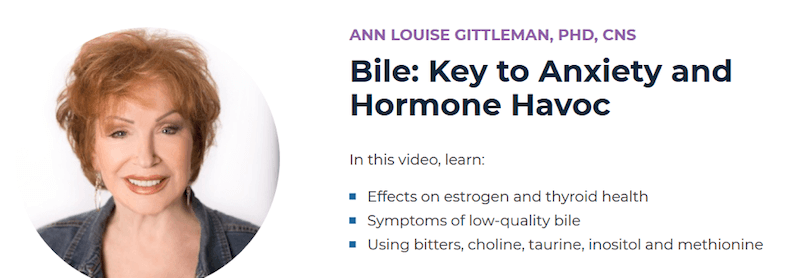
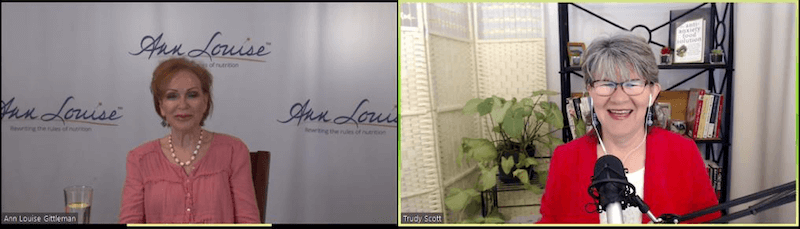
Ann Louise Gittleman is one my guest experts on The Anxiety Summit 5: Gut-Brain Axis and our topic is: Why Bile is the key to Anxiety & Hormone Havoc.

ann louise gittleman on anxiety summit 5

We had such a wonderful interview. She is sharp and funny, and really good with her short catchy phrases like this one: “Let’s make bile as important as probiotics!”

We start with the important role of bile in our bodies:

it emulsifies and digests fat, breaking it down into small particles so that your intestines can absorb them. It also helps escort toxins that your liver has removed out of the body.

We cover some of the many symptoms of low quality bile, such as queasiness, nausea, pale-colored stools, constipation and even motion-sickness.

ann louise gittleman and trudy scott

Here is a snippet from our interview where Ann Louise shares about bitters, bile and the importance of digesting your fats:

I’m all for fat, I’ve written about it for years and have been on the frontlines of essential fatty acids. But if you’re not digesting fats you’re not using them and getting the benefits of your fat soluble vitamins A, D, E and K.

So bile is brilliant! Bring back the importance of bile and we know that bitter is better!

If you can remember all of that you’re on the right track to dealing with your anxiety and hormone havoc.

She covers the role of bile in PMS, estrogen imbalance and thyroid health; how it’s involved in the removal of toxins from the body:

Bile is the dumping ground for hormones like estrogen. It’s the dumping ground for heavy metals that create anxiety like mercury, as well as too much aluminum and lead. And it’s the dumping ground, also, for a bunch of chemicals. So you got to keep the bile flowing. You have to keep it decongested. You have to thin it out.

And simple tools to improve bile production (one of them being the addition of bitter greens to your diet).

You need to keep your bile nice and thinned out so it doesn’t clog up with extra estrogen that it’s not breaking down. And we do that with the bitters. The bitters are going to be the theme throughout. We do that with lemon and water in the morning. We do it with coffee, which is a bitter, believe it or not. And we do it with grapefruit and watercress, which are wonderfully bittered produce, high-end bittered produce. So bitter is very important for this.

We take a deep dive into key  nutrients for bile production and quality: choline, taurine, inositol and methionine:

You want to make sure that you’re taking certain types of lipotropic nutrients. And the magic word here is lipotropic that will help to digest fats. And that would be your methionine, your choline, and your inositol.

Five hundred milligrams of choline, methionine, and inositol three times a day will help your body, particularly your liver, to break down hormones such as estrogen into a non-toxic metabolite like estriol, which is the non-toxic estrogen. And that’s very important. And those three nutrients, my dear friend, are very much deficient in the diet today.

We also go into zinc: copper imbalances and the role this plays in PMS, hormone balance and anxiety. We talk about avocado and almond flour – both are good sources of fats and both need good quality bile to be digested. You may be surprised to hear what Ann Louise shares about these two foods. You’re going to have to tune in to know what I’m talking about. If you’re surprised (or even if you’re not) please let me know in the comments.

You likely know Ann Louise Gittleman as a New York Times Bestselling author of over 30 books on diet, detox, the environment, and women’s health. Beloved by many, she is regarded as a nutritional visionary and health pioneer who has fearlessly stood on the front lines of holistic and integrative medicine.

One of my favorite books of hers is Before the Change: Taking Charge of Your Perimenopause (my Amazon link for the book). This book helped me so much when I was in the midst of my PMS, anxiety and panic attacks in my late 30s. It was this book that taught me about my need for zinc and vitamin B6 and evening primrose oil before I even knew that pyroluria existed. It was one of the many books I read at that time, starting me on my lifelong journey of reading about nutrition, studying to become a nutritionist and attending conferences and summits.

Learn more/purchase now

If you’d like to give feedback or ask a question, please post in the comments section below.

Filed Under: The Anxiety Summit 5 Tagged With: ann louise gittleman, anxiety, anxiety summit, bile, bitters, choline, copper zinc, hormone imbalance, inositol and methionine, taurine, toxins

Bile and modified citrus pectin for detox: Medicinal Supplements Summit

September 16, 2016 By Trudy Scott 23 Comments

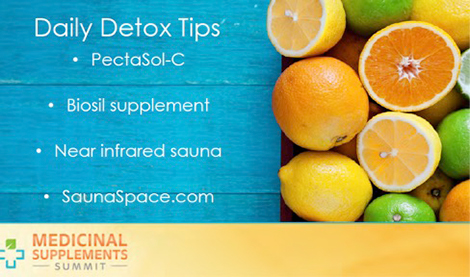
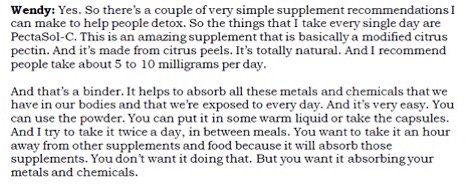
Wendy Myers, co-host of the Medicinal Supplements Summit, addresses minerals, toxins and heavy metals and shares one her favorite supplements for detox support: modified citrus pectin. This entire interview is fascinating!

medicinal-supplements-summit-detox

wendy-detox

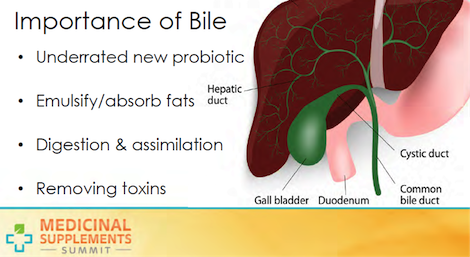
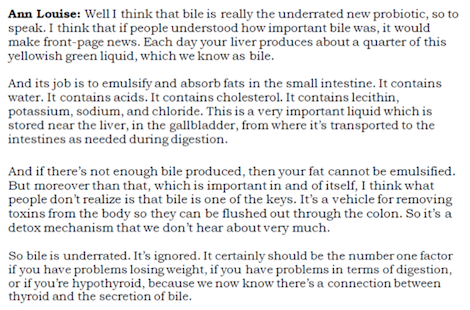
I just love Ann Louise Gittleman’s interview on the importance of bile for absorbing fats, hormone production, removing toxins, thyroid health, digestion and anxiety, and so much more. For promoting bile production and thinning, she covers choline, taurine, beets, lipase, bitter greens, apple-cider vinegar, hot lemon water and more.

bile

ann-louise-gittleman-bile

medicinal-supplements-summit-attend

Tune in to hear these entire interviews and all the other great speakers!

You can use this link to register for access https://qt247.isrefer.com/go/SUPP16reg/trudyscottcn/

And use this link to purchase at summit special prices https://qt247.isrefer.com/go/SUPP16order/trudyscottcn/

Filed Under: Detoxification, Events Tagged With: ann louise gittleman, bile, detox, Medicinal supplements summit, supplements

  • Page 1
  • Page 2
  • Go to Next Page »

Primary Sidebar

NEW! GABA QuickStart Homestudy (with special intro pricing)

gaba quickstart homestudy

Free Report

9 Great Questions Women Ask about Food, Mood and their Health

You'll also receive a complimentary subscription to my ezine "Food, Mood and Gal Stuff"


Connect with me

Popular Posts

  • Amino Acids Mood Questionnaire from The Antianxiety Food Solution
  • The Antianxiety Food Solution Amino Acid and Pyroluria Supplements
  • Pyroluria Questionnaire from The Antianxiety Food Solution
  • Collagen and gelatin lower serotonin: does this increase your anxiety and depression?
  • Tryptophan for the worry-in-your-head and ruminating type of anxiety
  • GABA for the physical-tension and stiff-and-tense-muscles type of anxiety
  • The Antianxiety Food Solution by Trudy Scott
  • Seriphos Original Formula is back: the best product for anxiety and insomnia caused by high cortisol
  • Am I an anxious introvert because of low zinc and vitamin B6? My response to Huffington Post blog
  • Vagus nerve rehab with GABA, breathing, humming, gargling and key nutrients

Recent Posts

  • What do I use instead of Seriphos to help lower high cortisol that is affecting my sleep and making me anxious at night?
  • BeSerene™ GABA/theanine cream eases severe muscle tension in her neck/shoulders, prevents her bad headaches and quells her anxiety
  • How the correct approach, dose and sublingual use of GABA can be calming and not cause a flushed and itchy face and neck
  • The amino acid glutamine improves low mood by addressing gut health, and it has calming effects too
  • Flight anxiety with heightened breath, physical tension and also fearing the worst (the role of low GABA and low serotonin)

Categories

  • 5-HTP
  • AB575
  • Addiction
  • ADHD
  • Adrenals
  • Alcohol
  • Allergies
  • Alzheimer's disease
  • Amino Acids
  • Anger
  • Antianxiety
  • Antianxiety Food Solution
  • Antidepressants
  • Anxiety
  • Anxiety and panic
  • Autism
  • Autoimmunity
  • benzodiazapines
  • Bipolar disorder
  • Books
  • Caffeine
  • Cancer
  • Candida
  • Children/Teens
  • Collagen
  • Cooking equipment
  • Coronavirus/COVID-19
  • Cravings
  • Depression
  • Detoxification
  • Diabetes
  • Diet
  • DPA/DLPA
  • Drugs
  • EFT/Tapping
  • EMF
  • EMFs
  • Emotional Eating
  • Endorphins
  • Environment
  • Essential oils
  • Events
  • Exercise
  • Fear
  • Fear of public speaking
  • Fertility and Pregnancy
  • Fish
  • Food
  • Food and mood
  • Functional neurology
  • GABA
  • Gene polymorphisms
  • General Health
  • Giving
  • Giving back
  • Glutamine
  • Gluten
  • GMOs
  • Gratitude
  • Gut health
  • Heart health/hypertension
  • Histamine
  • Hormone
  • Hyperparathyroidism
  • Hypoglycemia
  • Immune system
  • Inflammation
  • Insomnia
  • Inspiration
  • Introversion
  • Joy and happiness
  • Ketogenic diet
  • Lithium orotate
  • Looking awesome
  • Lyme disease and co-infections
  • MCAS/histamine
  • Medication
  • Men's health
  • Mental health
  • Mercury
  • Migraine
  • Mold
  • Movie
  • MTHFR
  • Multiple sclerosis
  • Music
  • NANP
  • Nature
  • Nutritional Psychiatry
  • OCD
  • Osteoporosis
  • Oxalates
  • Oxytocin
  • Pain
  • Paleo
  • Parasites
  • Parkinson’s disease
  • PCOS
  • People
  • PMS
  • Postpartum
  • PTSD/Trauma
  • Pyroluria
  • Questionnaires
  • Real whole food
  • Recipes
  • Research
  • Schizophrenia
  • serotonin
  • SIBO
  • Sleep
  • Special diets
  • Sports nutrition
  • Stress
  • Sugar addiction
  • Sugar and mood
  • Supplements
  • Teens
  • Testimonials
  • Testing
  • The Anxiety Summit
  • The Anxiety Summit 2
  • The Anxiety Summit 3
  • The Anxiety Summit 4
  • The Anxiety Summit 5
  • The Anxiety Summit 6
  • Thyroid
  • Thyroid health
  • Toxins
  • Tryptophan
  • Tyrosine
  • Uncategorized
  • Vegan/vegetarian
  • Women's health
  • Yoga

Archives

  • October 2025
  • September 2025
  • August 2025
  • July 2025
  • June 2025
  • May 2025
  • April 2025
  • March 2025
  • February 2025
  • January 2025
  • November 2024
  • October 2024
  • September 2024
  • August 2024
  • July 2024
  • June 2024
  • May 2024
  • April 2024
  • March 2024
  • February 2024
  • January 2024
  • December 2023
  • November 2023
  • October 2023
  • September 2023
  • August 2023
  • July 2023
  • June 2023
  • May 2023
  • April 2023
  • March 2023
  • February 2023
  • January 2023
  • December 2022
  • November 2022
  • October 2022
  • September 2022
  • August 2022
  • July 2022
  • June 2022
  • May 2022
  • April 2022
  • March 2022
  • February 2022
  • January 2022
  • December 2021
  • November 2021
  • October 2021
  • September 2021
  • August 2021
  • July 2021
  • June 2021
  • May 2021
  • April 2021
  • March 2021
  • February 2021
  • January 2021
  • December 2020
  • November 2020
  • October 2020
  • September 2020
  • August 2020
  • July 2020
  • June 2020
  • May 2020
  • April 2020
  • March 2020
  • February 2020
  • January 2020
  • December 2019
  • November 2019
  • October 2019
  • September 2019
  • August 2019
  • July 2019
  • June 2019
  • May 2019
  • April 2019
  • March 2019
  • February 2019
  • January 2019
  • December 2018
  • November 2018
  • October 2018
  • September 2018
  • August 2018
  • July 2018
  • June 2018
  • May 2018
  • April 2018
  • March 2018
  • February 2018
  • January 2018
  • December 2017
  • November 2017
  • October 2017
  • September 2017
  • August 2017
  • July 2017
  • June 2017
  • May 2017
  • April 2017
  • March 2017
  • February 2017
  • January 2017
  • December 2016
  • November 2016
  • October 2016
  • September 2016
  • August 2016
  • July 2016
  • June 2016
  • May 2016
  • April 2016
  • March 2016
  • February 2016
  • January 2016
  • December 2015
  • November 2015
  • October 2015
  • September 2015
  • August 2015
  • July 2015
  • June 2015
  • May 2015
  • April 2015
  • March 2015
  • February 2015
  • January 2015
  • December 2014
  • November 2014
  • October 2014
  • September 2014
  • August 2014
  • July 2014
  • June 2014
  • May 2014
  • April 2014
  • March 2014
  • February 2014
  • January 2014
  • December 2013
  • November 2013
  • October 2013
  • September 2013
  • August 2013
  • July 2013
  • June 2013
  • May 2013
  • April 2013
  • March 2013
  • February 2013
  • January 2013
  • December 2012
  • November 2012
  • October 2012
  • August 2012
  • July 2012
  • June 2012
  • May 2012
  • April 2012
  • March 2012
  • February 2012
  • January 2012
  • December 2011
  • November 2011
  • October 2011
  • September 2011
  • August 2011
  • July 2011
  • June 2011
  • May 2011
  • April 2011
  • March 2011
  • February 2011
  • January 2011
  • December 2010
  • October 2010
  • September 2010
  • July 2010
  • May 2010
  • April 2010
  • March 2010
  • February 2010
  • January 2010
  • November 2009

Share the knowledge!

The above statements have not been evaluated by the Food and Drug Administration. Products listed in this website are not intended to diagnose, treat, cure or prevent any disease.

The information provided on this site is for informational and educational purposes only and is not intended as a substitute for advice from your physician or other health care professional. You should consult with a healthcare professional before starting or modifying any diet, exercise, or supplementation program, before taking or stopping any medication, or if you have or suspect you may have a health problem.


Copyright © 2026 Trudy Scott. All Rights Reserved. | Privacy | Terms and Conditions | Refund Policy | Medical Disclaimer

Free Report

9 Great Questions Women Ask about Food, Mood and their Health

You’ll also receive a complimentary subscription to my ezine “Food, Mood and Gal Stuff”