• Skip to primary navigation
  • Skip to main content
  • Skip to primary sidebar

everywomanover29 blog

Food, Mood and Women's Health – Be your healthiest, look and feel great!

  • Blog
  • About
  • Services
  • Store
  • Resources
  • Testimonials
  • The Book
  • Contact
  • Search this site

amino acids

Anxiety and the thyroid: how to make the amino acids more effective

March 2, 2017 By Trudy Scott 16 Comments

Did you know that thyroid disease can be a root cause of anxiety? In fact, most of my anxious clients have thyroid issues.

Having an excess amount of thyroid hormone can make us extremely anxious, irritable and on edge. This is one symptom that is commonly attributed to Graves’ disease but can also happen in Hashimoto’s.

In the early stages of Hashimoto’s, the thyroid is under attack by the immune system. Thyroid cells are broken down, and they release thyroid hormones into the bloodstream. This causes thyroid hormone surges or a transient hyperthyroidism.

I know how awful anxiety can feel, I had anxiety, panic attacks and pyroluria (social anxiety) in my late 30s, together with an underactive thyroid, adrenal issues, gluten sensitivity, heavy metals, low progesterone (I call it my perfect storm!).   

I’m excited to share that there is a way out and that you don’t have to feel this way forever. Everyone is different, but two of the things that worked wonders for me and now work for my clients are nutrition and targeted individual amino acids (like GABA and tryptophan).

But are you aware that the amino acids will be effective for addressing low GABA and low serotonin (in their typical quick manner, often providing relief in 5 to 10 minutes) ONLY when thyroid health is optimal (not many people know this!)

And by optimizing your thyroid health, I don’t just mean taking thyroid medications….

Dr. Izabella Wentz, the Thyroid Pharmacist, is a personal friend of mine – we’re both members of Mindshare, a collaboration of like-minded functional medicine practitioners. 

Magdalena Wzelaki, Niki Gratrix, Izabella Wentz, myself and Julie Matthews

I adore Izabella and love how she is connecting all the dots with the research and the feedback she receives from her community.  She is trailblazing and always focused on the why of how a condition develops.

She has found that thyroid disease is triggered by a combination of food sensitivities, nutrient depletions, intestinal permeability, chronic infections, toxins and also a faulty stress response.

The thing about thyroid disease, just like anxiety, is that it’s a sign of a bigger imbalance in your body – while thyroid medications and glandulars can certainly help, they do not get to the underlying root cause of the condition, and thyroid conditions, which are usually autoimmune in nature, may progress to other types of autoimmune disorders.

Hashimoto’s, a condition that affects up to 27% of the population in the United States has 5 stages to it. Out of the 90 million or so people that have it, close to 80 million don’t know that they have it. Often, they are in the earlier stages that are missed by conventional tests.

Hashimoto’s is the primary cause of hypothyroidism, accounting for 95% of cases of hypothyroid in the United States. This condition occurs when the immune system recognizes the thyroid gland as foreign invader and launches an attack against it, eventually destroying enough of the thyroid to produce hypothyroidism.

The five stages of Hashimoto’s are:

1) In the first stage, for all intents and purposes, you will just have the genetic predisposition

2) In the second stage, you start developing an autoimmune attack on the thyroid gland – at this stage, you will also have thyroid symptoms (the most common one is anxiety), but the TSH test will still be normal. Only the thyroid antibodies will be elevated at that point, and at this stage people are often misdiagnosed with anxiety or depression

3) The third stage is when the thyroid gland starts to have more damage than it can repair, and begins to fail. More symptoms are seen, but doctors often miss this stage as well because the TSH is only “slightly” elevated according to their reference ranges

4) The fourth stage, we see overt hypothyroidism. At this page a person has had a significant amount of thyroid damage, and their thyroid fully loses its ability to compensate and create thyroid hormone

5) The fifth stage is the scariest, this is when a thyroid condition progresses to another autoimmune condition. The immune system finds another target to attack, and person may end up with lupus, rheumatoid arthritis, Sjogren’s or even multiple sclerosis.

The only treatment that is offered by conventional medicine is thyroid hormones, which is prescribed in stage 4. When that can help of course, it doesn’t address most people’s symptoms and doesn’t stop the progression of the condition and autoimmunity. There is no conventional treatment for stopping or reversing the progression, but luckily we have functional medicine and nutrition to the rescue!

A shocking thing that Izabella has shared, is that it takes people on average of 10 years to get diagnosed, and this is also the time it takes to get from stage 2 to stage 4 of Hashimoto’s! Izabella was actually misdiagnosed with anxiety and chronic fatigue for almost a decade before she got the Hashimoto’s diagnosis, and many people are told that they have intractable infertility, lifelong anxiety that they are told they will have to “manage” forever or even told they have treatment-resistant depression, or that they are simply overweight and lazy.

I know that many of my clients with anxiety are likely still in the earliest stages of Hashimoto’s, and there is hope that you can eliminate your symptoms, AND you can actually prevent the damage to the thyroid gland if you intervene at this point.

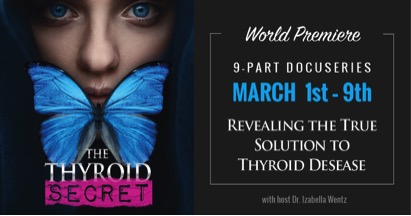
Izabella created the Thyroid Secret documentary series to help you connect the dots of your own thyroid condition, so that you can rebuild your health and eliminate your symptoms (and potentially your health conditions). She shares her latest research in overcoming thyroid disorders, and interviews the top experts who share their best strategies as well.

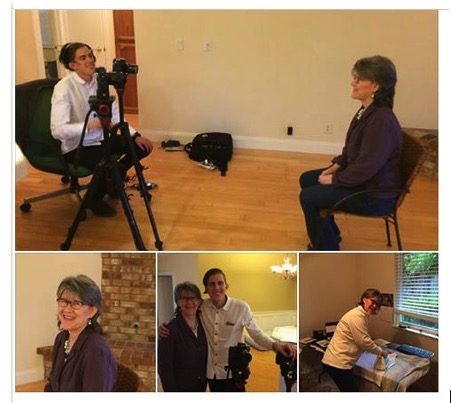
I was so excited when Izabella asked me to join the Thyroid Secret as an expert – in fact my interview was the very last thing I did in the United States, before I moved to Australia! This topic is so important to me (and so key for my clients and you to know about) that I did the interview in an empty house, with just a few chairs and our almost-packed suitcases, and just a few hours to spare before we got on the plane!

Here are a few pictures (I was ironing my clothes on a spare table in the mostly empty study!):
The Thyroid Secret covers not just the symptoms of thyroid disease (like anxiety) that can masquerade as mental illness, but also the triggers that can cause both conditions, and the solutions and protocols you need to recover your health.

When your thyroid is working as it should be, the amazing amino acids like GABA and tryptophan are truly effective in 5-10 minutes – so you really can say they are amazing!  You will see incredible results – anxiety relief right away – and a feeling of hope while you dig deeper for root causes that can take longer to address.

I wrote this blog for everyone using amino acids and not seeing results.  And also for everyone with a thyroid condition or if you have unresolved symptoms that could be related to your thyroid.

I do hope you’re already signed up and are enjoying watching, listening and learning as much as I am.

If you haven’t yet signed up you can still join as my guest to view the entire series at no cost (it started March 1). Just use this link to register.
We’ve come together in this Thyroid Secret documentary to give you this information because you deserve to feel on top of the world again!

Got questions or feedback? Your favorite speaker and some takeaways?

Did you find that GABA, tryptophan and other amino acids were more effective once you addressed your thyroid health? If you’re a practitioner do you see this with patients/clients?

Please share in the blog comments below.
 

Filed Under: Amino Acids, Antianxiety, Events, Thyroid Tagged With: amino acids, anxiety, GABA, izabella wentz, The Thyroid Secret, thyroid secrets, tryptophan

GABA takes some of the anxiety edge away and now I want to add tryptophan: how do I do this?

January 13, 2017 By Trudy Scott 23 Comments

GABA and tryptophan are both calming amino acids with GABA helping more with physical anxiety, tension-in-the-body type of anxiety and tryptophan with anxiety-in-the-head, worrying and ruminations. Many of my clients do really well with both but I like to have them use one at a time to really make sure they are seeing all the benefits before adding the next one.

I recently received this excellent question on one of the blogs about serotonin support: she’s doing better on the GABA and now wants to add tryptophan:        

I have started with Source Naturals Gaba Calm 125 mg, 2 on awakening and two in mid afternoon, and 2 Gaba Relaxer at bedtime. It has taken some anxiety edge away from me, but I still feel some anxiety on and off, not so severe as before. I used to feel very anxious on awakening. I want to improve more. to-day, I ordered Lidtke L-trytophan 500mg and am expecting to receive it in a week. I plan to take 2 Gaba Calm on awakening and 2 in mid afternoon, then add one 500mg trytophan mid afternoon and one 500 mg trytophan at bed time. Is this a good plan? or shall I have 2 Gaba Calm on awakening, 2 trytophan mid afternoon and 2 trytophan bedtime?

I love getting questions on the blog and make sure each one gets answered. However I can’t ever offer specific advice via the blog – you have to be a client for me to be able to do that. But because this is an excellent question I’d like to share some of what I shared with her in the hope it will help you (or your patients/clients) too.

First off I am so pleased to hear the Source Naturals GABA Calm and Country Life GABA Relaxer (a very nice combination of GABA, glycine, taurine, inositol, niacinamide and vitamin B6) has taken some of the anxiety edge away for her!

Here is my answer for her – about what I’d do next if I was working with her one-on-one:

There is also no specific formula to be followed because each person is different and when I’m working with someone we’re figuring out what is working and why and adjusting accordingly. If something is working we continue with that until no more benefits are seen.

I would say this – ask yourself what low GABA anxiety symptoms (this is the physical anxiety) have improved with the GABA and how much (rate each one before – out of 10; and what are they now – out of 10). From your question it sounds like they could improve more – so if we were working together I’d continue to increase GABA before adding something new.

Then once that has been done and we have the ideal amount I’d then check what low serotonin symptoms my client has (these are the busy mind, ruminations type or worry anxiety). If she does have some of these symptoms, pick or two and do a trial with 1 x 500mg tryptophan opened on to the tongue (or less if she’s super sensitive). She rates the symptoms out of 10 before the tryptophan trial and then after the trial. Depending on how she responds on the trial, we’ll decide if she needs 1 or 2 each time. The bedtime dose also depends on how bad the insomnia is. We continue to increase as needed based on symptoms.

All the while we are starting to make other changes – like diet, eating for blood sugar balance, no caffeine, no sugar, looking for high cortisol, no gluten, looking at gut health and for other nutritional deficiencies.

I hope this helps you and makes sense. In summary these are the guidelines I use:

  • It’s best to do one amino acid at a time when starting out
  • Make sure you’ve increased an amino acid so you can experience it’s full benefits before adding another one
  • Start all amino acids based on your unique needs – the best way to determine this is to do a trial first
  • Adjust accordingly while keeping a log of symptoms (with before and after ratings) and supplement amounts

Here are some links to additional resources related to the above:

  • The amino acid questionnaire to help you figure out which anxiety type you have: low GABA or low serotonin
  • How to do an amino acid trial
  • Targeted individual amino acids: what do we really mean?
  • Anxiety and the amino acids: an overview
    • In this blog I make the following recommendation: if you do not have my book The Antianxiety Food Solution, I highly recommend getting it and reading it before jumping in to taking amino acids
  • Here are the supplements I use with my clients

I’d love to hear your feedback on your low GABA and/or low serotonin symptoms and the before rating (from 1 to 10) and the after rating (from 1 to 10) once you’re taking the related amino acid.

And please let me know if it’s helpful to read a real life question and my response.

Filed Under: Tryptophan Tagged With: amino acids, amino acids trial, Antianxiety Food Solution, GABA, tryptophan

How do I taper from my antidepressant with tryptophan and can I safely use the other amino acids?

November 18, 2016 By Trudy Scott 119 Comments

antidepressant-tapering

Today’s article is based on a question I am seeing more and more on the blog: How do I taper from my antidepressant with tryptophan and can I safely use the other amino acids?

I find my clients do better when tapering off an antidepressant (which is often prescribed for anxiety and panic attacks) when their nutritional status is solid. Incorporating diet changes and adding amino acids and other nutrients first can result in a more successful taper with less side-effects. This would mean starting with the basics – eating real whole food, incorporating quality animal protein, eating to balance blood sugar, and removing gluten, caffeine and sugar.

If needed and based on testing results, it’s important to address any other nutritional deficiencies such as low iron, low vitamin D, low stomach acid, low total cholesterol, low B12 (and whatever else is an issue), plus support the adrenals/sex hormones/thyroid if needed and addressing gut health like leaky gut and dysbiosis.

Adding a good copper free multivitamin and often the addition of zinc and vitamin B6, evening primrose oil and possibly fish oil – the latter based on each person’s unique needs.

With antidepressants such as selective serotonin-reuptake inhibitors (SSRIs), I have my clients work with their prescribing doctor and get the approval to add tryptophan (or 5-HTP) 6 hours apart from the SSRI. If they are taking the medication at night they get the approval from their doctor to switch it to the morning, and will take tryptophan (or 5-HTP) at least 6 hours later, mid-afternoon and evening.

If they decide to do both the medication and tryptophan (or 5-HTP), they get a protocol for the SSRI taper for the future. This is important. If you are in too big a rush to start right away, it often causes more issues. It’s also important to make sure you get a very slow taper protocol from your doctor. Some antidepressants are harder to taper (Paxil is notoriously difficult) and they all should be tapered really slowly.

The plan is to start to taper the SSRI once you have been using the tryptophan (or 5-HTP) for at least 4 to 8 weeks and are seeing real benefits by using it. This translates to much much less or none of the following symptoms: anxiety, depression, insomnia, rumination, worry, negative-self-talk, perfectionism, afternoon and evening carbohydrate cravings, PMS, rage or anger.

For some of my clients it’s 3 months before they feel they are ready to taper. This may be because of feedback they have provided based on prior taper attempts and how they are feeling this time. It may also be based on what else is going on in their lives like a stressful work situation. It may also be based on the time of the year: winter is generally not a good time to taper and definitely not if you suffer from increased depression or anxiety in winter.

The tryptophan (or 5-HTP) is adjusted up as needed while continuing to taper the SSRI.

The doctor is always kept informed and monitors for the possibility of serotonin syndrome. I learned about the potential concerns about serotonin syndrome when using tryptophan or 5-HTP with an SSRI from Julia Ross, author of The Mood Cure, and so I continue to caution my clients about this.

When I interviewed Dr. Peter Bongiorno in season 4 of the Anxiety Summit (Serotonin and anxiety: tryptophan, 5-HTP, serotonin syndrome and medication tapers), he shared that he is not concerned about serotonin syndrome being an issue with tryptophan or 5-HTP dosed with an SSRI, even if taken at the same time. He cited research that found the combination of tryptophan and SSRI did not result in serotonin syndrome in any of the participants.

Dr. Bongiorno also uses the same approach to address the basics:

the most important thing is that we really establish all the basics and that they’re in the healthiest place possible.  Because if those aren’t there, if a patient just gets off the medication and we haven’t really done anything to change the underlying reasons why they got to the place where they had the mood issue, in most cases they’re going to go back there again.

Some people need amino acid support in more than just the low serotonin area so we review the amino acid questionnaire and consider trials of GABA and other amino acids too. All this only applies for SSRIs and tryptophan or 5-HTP. The other amino acids can safely be used with SSRIs, and it’s not uncommon to also have low GABA, low endorphins, low catecholamines and low blood sugar and need them all, but it’s still best to discuss them with the prescribing doctor.

We also review all the amino acid precautions.

Some people choose to work with their doctor to taper the SSRI and then add the tryptophan (or 5-HTP) once they have quit the medication. I have found that this makes it much harder to do and more side-effects are seen. With the amino acids you start to get some relief right away and have hope on the first day! They also make it so much easier to quit the sugar, gluten and caffeine without having to use will-power.

In summary, these are my recommendations for doing an SSRI taper with amino acids:

  • doctor’s approval to taper the SSRI and use amino acids
  • address diet and nutritional deficiencies first – before starting to taper
  • work with someone knowledgeable in amino acid use
  • OR educate yourself by
    • reading my book The Antianxiety Food Solution , Julia’s book The Mood Cure and Dr. Kelly Brogan’s new book A Mind of Your Own
    • listening to the Anxiety Summit interviews

(please don’t simply read one or two blogs and jump in to this)

  • use the amino acids from day one to start addressing low levels of all the brain chemicals
  • use the tryptophan or 5-HTP at least 6 hours away from the SSRI

I would like to add that Dr. Brogan shares that coffee enemas help her patients who are doing medication tapers.

If you are a practitioner, join us in The Balancing Neurotransmitters: the Fundamentals program. It’s an opportunity to interact with me and other practitioners who are also using the amino acids and helping their clients/patients to taper from antidepressants (always working with the prescribing doctor).

Have you used a similar SSRI taper protocol? And how did it work for you? What would you have done differently? And what advice would you give someone contemplating an SSRI taper?

Have you found that coffee enemas have helped?

If you are a practitioner, has the above approach been helpful for your clients/patients?

Filed Under: Antidepressants Tagged With: 5-HTP, amino acids, antidepressant, anxiety, depression, serotonin, SSRI, taper, tryptophan

The Autoimmune Fix by Dr. Tom O’Bryan: gluteomorphins, casomorphins and withdrawal

September 23, 2016 By Trudy Scott 4 Comments


autoimmune-fix

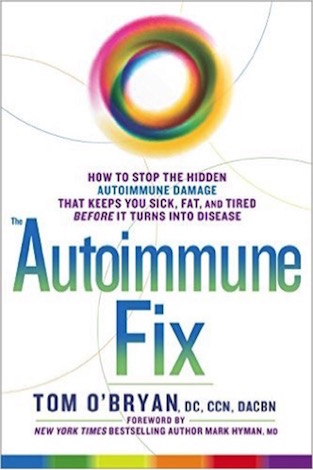
Alzheimer’s disease, multiple sclerosis, Type 1 diabetes, Hashimoto’s Thyroiditis, celiac disease, osteoporosis, and lupus are all autoimmune diseases and can be reversed because 70% of them are found in the gut. In Dr. Tom O’Bryan’s new book, The Autoimmune Fix: How to Stop the Hidden Autoimmune Damage That Keeps You Sick, Fat, and Tired Before It Turns Into Disease he provides a practical and much-needed guide to navigating autoimmune diseases to help you feel better and develop a plan that works for you.

A big factor with many autoimmune diseases and conditions is going gluten-free and often going dairy-free too. As Dr. O’ Bryan states:

This does not mean that everyone with a systemic autoimmune disease has a sensitivity to gluten, but it does show the very high correlation.

He also shares that Marios Hadjivassiliou MD believes that

gluten sensitivity is associated with autoimmune disease and that celiac is just one manifestation of it.

Here is a wonderful success story from the book – a gluten-free and dairy-free diet, and the nutrition to heal her intestinal permeability (or leaky gut):

Nancy never left the house without a packet of tissues. She suffered from chronic allergies but could never figure out exactly what she was allergic to. She was also constantly battling her depression, and although she didn’t think of herself as someone who had digestive problems, she always felt bloated. The comforting allure of a box of doughnuts, a pint of ice cream, a bowl of noodles, or, when things were really bad, a roll of raw cookie dough was often too hard to resist and seemed to calm down her anxiety. She dressed to hide her weight gain in public, hoping to pass invisibly through life. She didn’t even consider dating. She had lost interest in men anyway, despite being only 28 years old.

To the average doctor, Nancy was a classic depressed patient who needed a prescription for antidepressants, perhaps some antianxiety medication, and a good weight-loss and exercise program. But here’s what most doctors miss with people like Nancy: Her depression, anxiety, and weight gain were actually the result of immune responses that were causing chronic inflammation. Nancy, like so many women, had a constellation of symptoms that all pointed to one culprit: a systemic inflammatory cascade.

When Nancy came to my office, I ran an antibody test to determine the cause of her problems. I discovered that the culprits for her immune reaction were a sensitivity to gluten and dairy and elevated levels of LPS [lipopolysaccharides] in her blood. These molecules were activating her immune system. But how did these molecules enter her bloodstream? The answer was the third factor: intestinal permeability. With the proper testing and treatment, a gluten- and dairy-free diet, and the nutrition to heal her intestinal permeability, Nancy’s antibody load to LPS reduced within 6 months. She stopped throwing gasoline on the fire (by removing gluten and dairy), and her symptoms began lifting within the first 2 weeks as her inflammation subsided. Within 6 months, she was down two dress sizes and came back to see me, vibrant with life.

It really can be as successful as this and I see these kind of results with so many of my clients who make these few simple changes.

However, for some people, it can be more challenging and you may experience withdrawal symptoms when you give up wheat and dairy, and feel tired, depressed (or anxious) or nauseated:

Some don’t want to exercise, and some have headaches (just like with coffee withdrawal). This is especially true of those who in their blood tests have elevated levels of the peptide in wheat called gluteomorphin or elevated levels of the peptide in dairy called casomorphin.

These poorly digested peptides can stimulate the opiate receptors in the gut and brain. Opiate receptors trigger the production of hormones called endorphins and enkephalins that produce that feel-good response. Remember the last time you laughed out loud in a movie or with your friends? Perhaps you even had belly laughter—when you laugh so hard your belly hurts? Remember how good you felt after that? It’s because your opiate receptors were stimulated and you now have a little more endorphins circulating in your bloodstream. Well, gluten and dairy can mildly stimulate these same receptors. And just as an addict may have withdrawal symptoms when they stop their drug of choice, such may be the case with gluten and dairy withdrawal. My friend William Davis, MD, author of Wheat Belly, even came up with a name for it: wheat withdrawal. The same may be true for removing dairy or sugar.

If this happens to you, don’t be surprised. First of all, this may be the first time you had to give up some of your favorite comfort foods cold turkey. And these favorite foods become comfort foods for a reason: Sugar-laden foods, especially refined carbohydrates, are highly addictive. Your body is actually going through a gliadin-casein-sugar–derived opiate withdrawal.

You may ask how common is it to have these withdrawal symptoms? This can be different for each individual and can differ from one practice to the next:

Dr. Davis [author of Wheat Belly] believes that wheat withdrawal can be quite unpleasant for close to 40 percent of the population. That has not been my clinical experience. Our number has been closer to 10 percent, which is still a substantial number. You may have a friend or family member who has tried to go gluten-free and has told you, “My body must need wheat. It’s been 3 days since I’ve had anything made of wheat, and I feel awful!” This response can be scary. But remember, it’s not that the body needs wheat; it craves it. This is just the body craving a toxic substance that it has gotten accustomed to. Don’t worry: The symptoms will disappear quickly. And best of all, the cravings for sugar and wheat will subside, and then you feel wonderful!

It is interesting to read that Dr. O’Bryan finds that only 10% of his patients have unpleasant withdrawal symptoms. I’d like to add to the discussion and share that with the anxious women that I work with, it’s even higher than the 40% that Dr. Davis reports. It’s in these instances that I find the targeted amino acids so helpful to break the addiction, prevent the need for having to use willpower and provide instant mood and anxiety relief at the same time: tryptophan (if it’s afternoon/evening cravings), GABA (if you stress-eat), DPA (if you comfort-eat) or glutamine (if you crave due to low blood sugar).

Dr. O’Bryan does recommend glutamine for gut healing, together with vitamin D, fish oil, probiotics, zinc carnosine and colostrum. I suspect he doesn’t recommend the amino acids I mentioned above because he doesn’t see as many unpleasant or difficult withdrawal symptoms.

Some of my other favorite sections from this new book include:

  • his brilliant description of the immune system and how antibodies are created, and how inflammation is the primary tool in our immune system’s arsenal that keeps us healthy
  • the differences between autoimmune diseases and the many autoimmune conditions (he lists 159 that are on the autoimmune spectrum!)  
  • the differences between celiac disease and gluten sensitivity
  • the leaky gut and lipopolysaccharides discussion, and the section on the microbiome and dysbiosis (and the big connection to stress)
  • the connection of a disproportionally large forehead to celiac disease (fascinating!)
  • testing and measuring autoantibodies (I love that he calls them “messengers from the future”) and the chart that shows the likelihood as to whether you will develop a particular disease
  • the extensive lists of the hidden sources of gluten in supplements, cosmetics (this is surprisingly long) and even household products
  • the connection between gum disease, mouth bacteria and leaky gut
  • his food and nutrient recommendations
  • the long list of references and study summaries – if you’ve have the wonderful opportunity to have heard Dr. O’Bryan speak live or on summits (he’s a popular speaker on prior Anxiety Summits) you’ll recognize and love this style of his right away

If any of this is new to you and you suspect you may have an autoimmune disease or condition, then this book, The Autoimmune Fix is a must-read. It launched earlier this week and as you would expect from Dr. O’Bryan, it’s brilliant! You can order your copy here on Amazon. This is groundbreaking information we all need to know!

Let us know if you have an autoimmune disease or condition and if going gluten-free and/or dairy-free has helped you? Was it an easy change for you to make or did you experience withdrawal symptoms? Did you power through or did you successfully use amino acids to help? Have you done any of the testing he discusses or addressed dysbiosis? Healed your leaky gut?

If you have already purchased and read the book, please share some of your favorite sections and what has helped you.

Filed Under: Books Tagged With: amino acids, anxiety, Autoimmunity, casomorphin, celiac disease, depression, Dr. O’Bryan, gluten, gluteomorphin, The Autoimmune Fix, tom o’bryan, withdrawal

Confused about supplements? Join me on the Medicinal Supplements Summit

August 29, 2016 By Trudy Scott 1 Comment

medical-supplement-summit-speakers

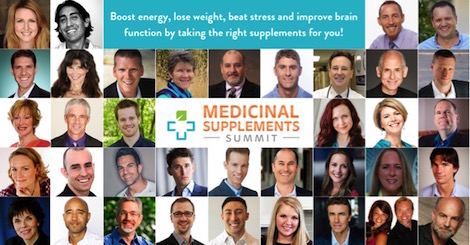
Confused about supplements? Are you they doing you more harm than good? Join me on The Medicinal Supplements Summit from September 12-19, 2016 and learn the latest in supplement customization to beat stress and end anxiety, boost energy, lose weight, improve brain function and heal your body!

Your hosts of The Medicinal Supplements Summit are Wendy Myers, an expert in detoxification and founder of Liveto110.com, and Ian Clark, founder of Activation Products.  

They both understand the importance of taking the right supplements – after all, they both healed their own health crises through targeted supplements, whole body health and the power of micronutrients!

This event is dedicated to helping you determine what you need, separate “claims” from the truth, customize to your needs and make proper decisions at the store or online.

All reasons not to miss The Medicinal Supplements Summit, online from September 12-19, 2016!

Here is the line-up of topics:

DAY 1 (September 12, after 10am US eastern)
The Medicinal Supplements Summit starts. We’ll discuss whether you need supplements to be healthy, can you get all your nutrients from food and important supplements missing from your health regime!

DAY 2 (September 13, after 10am US eastern)
On Day 2 of The Medicinal Supplements Summit, we discuss top supplements in depth: fish oil, probiotics, Vitamin C, food-based vs. synthetic supplements and minerals, like magnesium. Learn what kind of supplements you should take and how to take them!

DAY 3 (September 14, after 10am US eastern)
On Day 3 of The Medicinal Supplements Summit, we discuss tips and tests you can take to customize supplements to your body’s needs. Take the guesswork out of choosing supplements!

DAY 4 (September 15, after 10am US eastern)
Buyer beware! On day 4 of The Medicinal Supplements Summit we discuss the supplement categories that require extra scrutiny before you buy: weight loss, detox, energy, performance-enhancing and protein supplements. These supplement categories offer products that are harmful or ineffective, and should be avoided.

DAY 5 (September 16, after 10am US eastern)
On Day 5 of The Medicinal Supplements Summit, we review the top medicinal supplements for common health conditions: heart disease, pain, adrenal fatigue, thyroid dysfunction, gut health and autoimmunity. These supplements should be in your medicine cabinet!

DAY 6 (September 17, after 10am US eastern)
Day 6 at The Medicinal Supplements Summit reviews supplements for common health conditions: brain fog, depression, anxiety, digestive issues, fibromyalgia, pain and sleep disturbances.  

My interview airs on day 6: Using Amino Acids for Anxiety and Depression

  • How to find out what type of depression you have
  • Specific amino acids for your type of depression or anxiety (individual targeted amino acids: tryptophan, GABA, DPA, glutamine and tyrosine)
  • Serious complications caused by anti-anxiety medication

DAY 7 (September 18, after 10am US eastern)
On Day 7 of The Medicinal Supplements Summit, we discuss hot topics in the supplement world: toxic metals in supplements, hidden gluten, ingredients to avoid and using essential oils.

DAY 8 (September 19, after 10am US eastern)
Encore Day at The Medicinal Supplements Summit!

Here is the registration link https://qt247.isrefer.com/go/SUPP16reg/trudyscottcn/

Hope to see you there.

Filed Under: Events Tagged With: amino acids, anxiety, depression, GABA, Medicinal supplements summit, supplements, tryptophan, Wendy Myers

Tryptophan and melatonin make a big difference but why do I still wake at 4am?

August 26, 2016 By Trudy Scott 113 Comments

waking-up-early

I get many questions on the blog about problems with sleep: not able to fall asleep, not waking rested and waking in the early hours and not being able to go back to sleep. By far the most common question is “Why do I still wake at 4am and can’t go back to sleep?”

So let me share one of the typical questions I receive and my feedback in the hope that something you read here may help you or someone you’re working with. Here is the question:

I purchased Lidtke l-Tryptophan and time release melatonin and notice a big difference in my sleep. Instead of waking up every two hours I’m sleeping better but still wake up at 4 am and can’t get back to sleep. GABA hasn’t helped. What can I take to get back to sleep and what are your thoughts on Seriphos Phosphorylated Serine? I think my anxiety has to do with my adrenals because I wake up in a sweat and am way past menopause.

Since she is seeing a big difference with tryptophan and timed-release melatonin, low serotonin is the likely root cause of her insomnia or at least one of the root causes. We always want to capitalize on what is already working. Too many people don’t see expected results with 1 x 500mg tryptophan at bedtime and 1mg timed-release melatonin and start looking for other solutions when the answer may be right in front of them.

Here are the steps I’d follow with a client with similar sleep challenges:

  • Try more tryptophan, increasing it slowly over the course of a few weeks in the hope that it more will provide more serotonin support. This is what I call an amino acid trial where you rate and log your improvements as you incrementally increase – with the goal of finding an optimal amount for your needs. We all have different needs and post menopause it’s not uncommon for women to experience anxiety, depression and insomnia related to low serotonin and fluctuating sex hormones. We also always want to capitalize on what is already working.
  • Also, to add to what’s working, add tryptophan mid-afternoon if it’s not already in place. When someone scores high on the low serotonin questionnaire the typical timing of tryptophan is mid-afternoon and an hour before bed (always away from protein). Serotonin levels start to decline mid-afternoon hence the benefits of a mid-afternoon dose. Start low and increase slowly.
  • I would also suggest trying the tryptophan opened up (at both times) to see if this makes a difference.
  • Taking a tryptophan at the 4am waking can help you go back to sleep so this is worth trying. For some people 500mg at 4am is too much and using 125mg or 250mg works well. You determine the amount based on how you feel when you do get up. If you were able to go back to sleep easily buy wake groggy then it’s too much.
  • Some people are reporting better results with Lidtke Tryptophan Complete (which has all the co-factor nutrients) so this may be worth trialing too. I’d start by adding to what is already in place.
  • If we get benefits with any of the above by are not quite there then I would suggest additional timed-release melatonin until sleep improves.

This is always done slowly and methodically over the course of a few weeks. I always have my clients carefully log what they try and what is working and not working.

Other factors we’d make sure are addressed:

  • What GABA was used, was it trialed (starting low and increased) and was it used sublingually?
  • Is high cortisol at night a factor? Doing an adrenal saliva test will provide the answer. If it is then the Interplexus Seriphos is the best for lowering it. It’s best to take 1-3 x Seriphos about 2-3 hours before the high cortisol.  [UPDATE: INTERPLEXUS SERIPHOS WAS REFORMULATED IN 2016 – PLEASE SEE BELOW FOR MORE ON THIS]
  • Is gut health a factor? Look into SIBO, gluten sensitivity, other food sensitivities, dysbiosis and parasites (which are often active in the early hours and can cause night sweats)
  • Is there a sex hormone imbalance? Even with someone way past menopause, the night sweats mean this should be ruled out. The addition of amino acids starts to balance the hormones but more support may be needed.  
  • Is any caffeine (even decaf) still being consumed?
  • Is blood sugar stable? Make sure to have breakfast with animal protein and healthy fats and the same at each meal and for snacks. Consider a trial of glutamine during the day and just before bed for added blood sugar stability
  • Are medications a factor? Current medications or prior use of benzodiazepines or SSRIs can affect sleep even long after they have been tapered.
  • Is sleep apnea a factor?

We also address all the usual sleep hygiene factors: dark room, cool room, quiet room, no cell phone or clock radio on the bedside table, no late night computer use and getting some early morning light.

Many essential oils can provide added benefits when diffused at night or mixed with a carrier oil and used topically. One lovely combination I share on the Essential Oils Revolution 2 (happening now) is lavender, roman chamomile and neroli which helps both insomnia and anxiety.

There can be many other possible root causes of insomnia: autoimmunity, Lyme disease, pain, past trauma or grief and even genetic polymorphisms, all covered on the recent Sleep Success Summit.

Have you used tryptophan or other amino acids like GABA (for the more physical tension) and melatonin to reduce or eliminate early morning waking episodes?

If you’re a practitioner, have you helped your clients/patients with this methodical approach?

What else has helped you?

Update August 27, 2016 : INTERPLEXUS SERIPHOS HAS BEEN REFORMULATED -I am doing research to find suitable alternatives. For now, feel free to read through the comments below for discussions about this.  Once I have some useful information I’ll create a new blog post. 

Update November 18, 2016: Here are some possible alternatives to Seriphos

Update January 20, 2017: The Original Formula of Seriphos has been reintroduced you can read more about this here


Filed Under: Sleep Tagged With: amino acids, anxiety, GABA, insomnia, melatonin, seriphos, serotonin, sleep, tryptophan, waking

  • « Go to Previous Page
  • Page 1
  • Interim pages omitted …
  • Page 10
  • Page 11
  • Page 12
  • Page 13
  • Page 14
  • Interim pages omitted …
  • Page 18
  • Go to Next Page »

Primary Sidebar

NEW! GABA QuickStart Homestudy (with special intro pricing)

gaba quickstart homestudy

Free Report

9 Great Questions Women Ask about Food, Mood and their Health

You'll also receive a complimentary subscription to my ezine "Food, Mood and Gal Stuff"


Connect with me

Popular Posts

  • Amino Acids Mood Questionnaire from The Antianxiety Food Solution
  • The Antianxiety Food Solution Amino Acid and Pyroluria Supplements
  • Pyroluria Questionnaire from The Antianxiety Food Solution
  • Collagen and gelatin lower serotonin: does this increase your anxiety and depression?
  • Tryptophan for the worry-in-your-head and ruminating type of anxiety
  • GABA for the physical-tension and stiff-and-tense-muscles type of anxiety
  • The Antianxiety Food Solution by Trudy Scott
  • Seriphos Original Formula is back: the best product for anxiety and insomnia caused by high cortisol
  • Am I an anxious introvert because of low zinc and vitamin B6? My response to Huffington Post blog
  • Vagus nerve rehab with GABA, breathing, humming, gargling and key nutrients

Recent Posts

  • What do I use instead of Seriphos to help lower high cortisol that is affecting my sleep and making me anxious at night?
  • BeSerene™ GABA/theanine cream eases severe muscle tension in her neck/shoulders, prevents her bad headaches and quells her anxiety
  • How the correct approach, dose and sublingual use of GABA can be calming and not cause a flushed and itchy face and neck
  • The amino acid glutamine improves low mood by addressing gut health, and it has calming effects too
  • Flight anxiety with heightened breath, physical tension and also fearing the worst (the role of low GABA and low serotonin)

Categories

  • 5-HTP
  • AB575
  • Addiction
  • ADHD
  • Adrenals
  • Alcohol
  • Allergies
  • Alzheimer's disease
  • Amino Acids
  • Anger
  • Antianxiety
  • Antianxiety Food Solution
  • Antidepressants
  • Anxiety
  • Anxiety and panic
  • Autism
  • Autoimmunity
  • benzodiazapines
  • Bipolar disorder
  • Books
  • Caffeine
  • Cancer
  • Candida
  • Children/Teens
  • Collagen
  • Cooking equipment
  • Coronavirus/COVID-19
  • Cravings
  • Depression
  • Detoxification
  • Diabetes
  • Diet
  • DPA/DLPA
  • Drugs
  • EFT/Tapping
  • EMF
  • EMFs
  • Emotional Eating
  • Endorphins
  • Environment
  • Essential oils
  • Events
  • Exercise
  • Fear
  • Fear of public speaking
  • Fertility and Pregnancy
  • Fish
  • Food
  • Food and mood
  • Functional neurology
  • GABA
  • Gene polymorphisms
  • General Health
  • Giving
  • Giving back
  • Glutamine
  • Gluten
  • GMOs
  • Gratitude
  • Gut health
  • Heart health/hypertension
  • Histamine
  • Hormone
  • Hyperparathyroidism
  • Hypoglycemia
  • Immune system
  • Inflammation
  • Insomnia
  • Inspiration
  • Introversion
  • Joy and happiness
  • Ketogenic diet
  • Lithium orotate
  • Looking awesome
  • Lyme disease and co-infections
  • MCAS/histamine
  • Medication
  • Men's health
  • Mental health
  • Mercury
  • Migraine
  • Mold
  • Movie
  • MTHFR
  • Multiple sclerosis
  • Music
  • NANP
  • Nature
  • Nutritional Psychiatry
  • OCD
  • Osteoporosis
  • Oxalates
  • Oxytocin
  • Pain
  • Paleo
  • Parasites
  • Parkinson’s disease
  • PCOS
  • People
  • PMS
  • Postpartum
  • PTSD/Trauma
  • Pyroluria
  • Questionnaires
  • Real whole food
  • Recipes
  • Research
  • Schizophrenia
  • serotonin
  • SIBO
  • Sleep
  • Special diets
  • Sports nutrition
  • Stress
  • Sugar addiction
  • Sugar and mood
  • Supplements
  • Teens
  • Testimonials
  • Testing
  • The Anxiety Summit
  • The Anxiety Summit 2
  • The Anxiety Summit 3
  • The Anxiety Summit 4
  • The Anxiety Summit 5
  • The Anxiety Summit 6
  • Thyroid
  • Thyroid health
  • Toxins
  • Tryptophan
  • Tyrosine
  • Uncategorized
  • Vegan/vegetarian
  • Women's health
  • Yoga

Archives

  • October 2025
  • September 2025
  • August 2025
  • July 2025
  • June 2025
  • May 2025
  • April 2025
  • March 2025
  • February 2025
  • January 2025
  • November 2024
  • October 2024
  • September 2024
  • August 2024
  • July 2024
  • June 2024
  • May 2024
  • April 2024
  • March 2024
  • February 2024
  • January 2024
  • December 2023
  • November 2023
  • October 2023
  • September 2023
  • August 2023
  • July 2023
  • June 2023
  • May 2023
  • April 2023
  • March 2023
  • February 2023
  • January 2023
  • December 2022
  • November 2022
  • October 2022
  • September 2022
  • August 2022
  • July 2022
  • June 2022
  • May 2022
  • April 2022
  • March 2022
  • February 2022
  • January 2022
  • December 2021
  • November 2021
  • October 2021
  • September 2021
  • August 2021
  • July 2021
  • June 2021
  • May 2021
  • April 2021
  • March 2021
  • February 2021
  • January 2021
  • December 2020
  • November 2020
  • October 2020
  • September 2020
  • August 2020
  • July 2020
  • June 2020
  • May 2020
  • April 2020
  • March 2020
  • February 2020
  • January 2020
  • December 2019
  • November 2019
  • October 2019
  • September 2019
  • August 2019
  • July 2019
  • June 2019
  • May 2019
  • April 2019
  • March 2019
  • February 2019
  • January 2019
  • December 2018
  • November 2018
  • October 2018
  • September 2018
  • August 2018
  • July 2018
  • June 2018
  • May 2018
  • April 2018
  • March 2018
  • February 2018
  • January 2018
  • December 2017
  • November 2017
  • October 2017
  • September 2017
  • August 2017
  • July 2017
  • June 2017
  • May 2017
  • April 2017
  • March 2017
  • February 2017
  • January 2017
  • December 2016
  • November 2016
  • October 2016
  • September 2016
  • August 2016
  • July 2016
  • June 2016
  • May 2016
  • April 2016
  • March 2016
  • February 2016
  • January 2016
  • December 2015
  • November 2015
  • October 2015
  • September 2015
  • August 2015
  • July 2015
  • June 2015
  • May 2015
  • April 2015
  • March 2015
  • February 2015
  • January 2015
  • December 2014
  • November 2014
  • October 2014
  • September 2014
  • August 2014
  • July 2014
  • June 2014
  • May 2014
  • April 2014
  • March 2014
  • February 2014
  • January 2014
  • December 2013
  • November 2013
  • October 2013
  • September 2013
  • August 2013
  • July 2013
  • June 2013
  • May 2013
  • April 2013
  • March 2013
  • February 2013
  • January 2013
  • December 2012
  • November 2012
  • October 2012
  • August 2012
  • July 2012
  • June 2012
  • May 2012
  • April 2012
  • March 2012
  • February 2012
  • January 2012
  • December 2011
  • November 2011
  • October 2011
  • September 2011
  • August 2011
  • July 2011
  • June 2011
  • May 2011
  • April 2011
  • March 2011
  • February 2011
  • January 2011
  • December 2010
  • October 2010
  • September 2010
  • July 2010
  • May 2010
  • April 2010
  • March 2010
  • February 2010
  • January 2010
  • November 2009

Share the knowledge!

The above statements have not been evaluated by the Food and Drug Administration. Products listed in this website are not intended to diagnose, treat, cure or prevent any disease.

The information provided on this site is for informational and educational purposes only and is not intended as a substitute for advice from your physician or other health care professional. You should consult with a healthcare professional before starting or modifying any diet, exercise, or supplementation program, before taking or stopping any medication, or if you have or suspect you may have a health problem.


Copyright © 2026 Trudy Scott. All Rights Reserved. | Privacy | Terms and Conditions | Refund Policy | Medical Disclaimer

Free Report

9 Great Questions Women Ask about Food, Mood and their Health

You’ll also receive a complimentary subscription to my ezine “Food, Mood and Gal Stuff”