• Skip to primary navigation
  • Skip to main content
  • Skip to primary sidebar

everywomanover29 blog

Food, Mood and Women's Health – Be your healthiest, look and feel great!

  • Blog
  • About
  • Services
  • Store
  • Resources
  • Testimonials
  • The Book
  • Contact
  • Search this site

ADHD

Dr. Datis Kharrazian’s GABA Challenge for a leaky blood brain barrier is a theory and we still have much to learn

May 29, 2020 By Trudy Scott 16 Comments

gaba challenge theory

I highly respect Dr. Datis Kharrazian and his work and had the pleasure of interviewing him last November on the Anxiety Summit 5: Gut-Brain Axis. During our preparations I asked if we could talk about his GABA challenge for a leaky blood brain barrier and he graciously agreed.

I wanted to address this topic in our interview because two of the most common questions I get asked are these:

  • “How can GABA work if it can’t cross the blood brain barrier?” and
  • “If GABA works does this mean I have a leaky blood brain barrier?”

We had such a great conversation on the topic I’ve decided to pull this part of the transcript into a blog so I can share it here with you and use the blog link to share it more widely as I’m asked these questions on social media and elsewhere.

You will learn how Dr. Kharrazian came up with the GABA Challenge, what his thoughts are today, his reservations with GABA and my excellent results with low doses of sublingual GABA. I also share some links to success stories, some of the research and how to figure out if GABA is for you.

Here it is, word for word.

Trudy: So while we’re talking about the leaky blood brain barrier, I want to just talk briefly about GABA and the GABA challenge that you have proposed as a tool for testing for a leaky blood brain barrier. And as you know, I use GABA extensively with clients with the low GABA physical type of anxiety.

I’ve always been a huge fan of you and your work but we do have a professional difference of opinion in this area. And I’ve never actually been a proponent of using the GABA challenge, and I’ve been pretty vocal about it. So I’m really glad that we had a discussion about this in the Facebook group of your neuroinflammation training, and you shared some insights because I was asking some questions about this.

I’d love you to just share some of what we talked about in that discussion. Because if we don’t talk about it, my community is going to say, “Hey, why didn’t you talk to Dr. Kharrazian about this?”

Dr. Kharrazian: Sure, no problem. I don’t think we have this big a disagreement. I think we just have different ways of looking at what’s out there and what we are observing as people working with people, patients who have anxiety.

So ultimately, we have a bunch of theory right now and a bunch of potential models, but we don’t have any clear studies to show what’s really happening. So, one of the things that I proposed in my book before… you understand, I was working with brain patients for over 20 years now….before we had S100 B readily available for many years, it was only in research; you couldn’t get it from conventional labs, even though research was showing it. And the blood brain permeability test was not available either. These have really become more available the past five years and prior to that, we didn’t really have a great test to evaluate if the blood brain barrier was breached.

In an effort to work with what’s out there, what we could do, one of the things that I was doing was doing a test that we called the GABA challenge test. It was really based on the lactulose mannitol test. So the lactulose mannitol test is a well-established test in gastroenterology where they measure leaky gut. So, in that test what the person does is they consume a monosaccharide and a disaccharide, lactulose and mannitol. Lactulose is a disaccharide, it’s very large, and mannitol is very small. And if mannitol doesn’t get absorbed, then there’s a malabsorption issue. And if lactose, which is very large; that should not get through the tight junctions of the gut, gets absorbed in a post urine test, after they drink it, then it shows they have leaky gut. So the whole premise of when you find particle sizes too large to cross, can be a clue to an indication of permeability.

So the GABA challenge that I write about in my book, Why Isn’t My Brain Working? (my Amazon link) was really a way for us to have patients consume GABA. If you look at the molecular weight of GABA, the Dalton size, it’s several hundred Daltons. Several hundred Daltons cannot cross the blood brain barrier. So the concept was, well if someone is taking GABA and they have an effect, then there’s a potential for it to cross the blood brain barrier. And it was kind of following the theory of the lactulose mannitol test. So there’s patients out there who take GABA and nothing happens and some patients take it and go, “It was amazing. Best thing ever. It finally helped me sleep,” or, “Helped reduce anxiety for me.” So, one of the theories was that maybe for some of these people, their blood brain barrier is breached.

Now I know we talked and there is actually the possibility of other pathways that can impact GABA, maybe directly to the gut itself, through the vagus, so I don’t discount those possibilities because we still don’t know. I mean, ultimately, there’d have to be a study designed where they look at it. And it would have to be an animal study, there’s no way you can get an IRB for human studies to check if it’s crossing the brain. It’s some really advanced isotope tracing techniques and I just don’t think the level of dyes they would have to consume to look at the gut and the brain is peripheral and separate… it wouldn’t be possible. So the real answer is, we don’t know.

For me, I still am always suspicious if someone takes GABA and they have a reaction. I always want to go and check the blood brain barrier. And it’s not 100%, I mean, I can tell you without question, there’s people who take GABA, you do a blood brain barrier test, they feel benefit from it, but their blood brain barrier doesn’t have any markers to show permeability.

So it’s not hard for me to consider the possibility that there’s some exogenous pathways too. But at the same time, it’s also really hard to look at the molecular weight of GABA and look at what can cross a healthy blood brain barrier. This Dalton size, we’re talking nanoparticles to a huge, huge particle. So I don’t know but I think we’ll just have to see what happens. And ultimately, if you feel better with GABA, that’s great. If it’s not harmful to you, and if you feel like taking it, that’s great.

I like to also use things like Valerian root, passion flower, and hops because those compounds cross the blood brain barrier. They cross the blood brain barrier and they bind to GABA receptors.

So, the other thing too with actually using GABA you always have the potential for your neurotransmitter receptor sites to down regulate. And this is seen all the time too, patients take GABA and they feel great and then they have to increase their dose and they don’t get the effect as they first did. And they increase the dose and finally, they just don’t get much of an effect from it. And that’s potentially due to receptor site down regulation, which is not as common if you take agonists like Valerian root or passion flower, or hops. These things bind to GABA receptors. So I did a review in my book, where I went over all the literature of the different GABA compounds, which have been published in the literature.

But I’m not going to deny the possibility that there is a potential exogenous source but I also can’t let go the possibility that the blood brain barrier is permeable. So I’m still waiting.

Trudy: Yes, I think it’s great because the fact that you write about that and you taught about that, and you teach about it. It got me looking into the research further and it got me more curious; and it’s good, it’s good to have a healthy discussion and a healthy debate, and be open to possibilities. I’m very open to having my mind changed if something comes up.

I just see GABA works so well with my clients and we use very, very small amounts. I know with your GABA challenge, it’s… what is the amount, its 1,500 milligrams, I think or 1,500 to 2,000? So I’ll start my clients on 125 milligrams of GABA sublingually and get results. I have not noticed the effect that they need more and more, and more. So that’s interesting that you say that. But yeah, it’s good, I’m glad that we’ve had this discussion.

And the other thing that you did say in the online discussion, you said, if someone has a response to taking oral GABA, in other words, taking a GABA supplement does help them, you would want to test for the blood brain barrier permeability, just to see what’s going on. And I like that you say we can track. I’ve actually been in discussions with Cyrex and said, “Hey, why don’t we monitor people who are doing the Cyrex test and have a response to GABA, either therapeutically for the anxiety or with your challenge?” We may start to see some patterns, which I think would be very interesting.

Dr. Kharrazian: Yes, the best we can do with the data in that scenario is just the correlation statistical analysis. But it still wouldn’t answer it.

Trudy: No, I know. But maybe that will trigger someone to want to do a study. So, the good news is we’re seeing more and more research on GABA in the literature. So, it’s exciting. Well, thank you for discussing that with me.

You can read more from our very enlightening interview here: Fix the Brain to Fix the Gut. Dr Kharrazian covers the impact of brain injury and impaired vagal activity (as well as motility and breakdown of the blood brain barrier), how to activate your neurons, using polyphenols for neuroinflammation and butyrate for leaky gut/brain.

These blogs have additional information on GABA and some of the many possible mechanisms:

  • GABA and theanine for easing anxiety, improving sleep and supporting immunity
  • Oral GABA supplementation allows better prioritizing of planned actions
  • GABA helps with inhibition of unwanted thoughts
  • Pharma-GABA: study participants with an irrational fear of heights are relaxed and less anxious when crossing a swaying suspension bridge

Here are some blogs with feedback from folks who have benefited from using sublingual GABA for dental anxiety, ADHD/focus issues and Lyme anxiety:

  • GABA, Rescue Remedy & essential oils for eliminating dental anxiety
  • GABA for children: ADHD, focus issues, irritability, anxiety and tantrums
  • GABA helps with Lyme anxiety (while addressing the underlying disease)

The best way for you to figure out if you will benefit from GABA is to use the trial method. Do the low GABA questionnaire and do a trial of GABA (used sublingually), starting low and increasing until you find the right amount to ease anxiety and improve sleep. You can find the GABA products I recommend on my supplements blog.

Please do share if you’ve benefited from using GABA or if you use it with success with your clients or patients.
Filed Under: Anxiety, GABA Tagged With: ADHD, anxiety, anxiety summit, blood brain barrier, Dr. Datis Kharrazian, Dr. Kharrazian, GABA, GABA Challenge, leaky, Lyme anxiety, sleep, theanine, unwanted thoughts

GABA for Anxiety, ADHD, Autism, Insomnia, and Addictions at IMMH 2019 conference

June 26, 2019 By Trudy Scott Leave a Comment

immh trudy scott

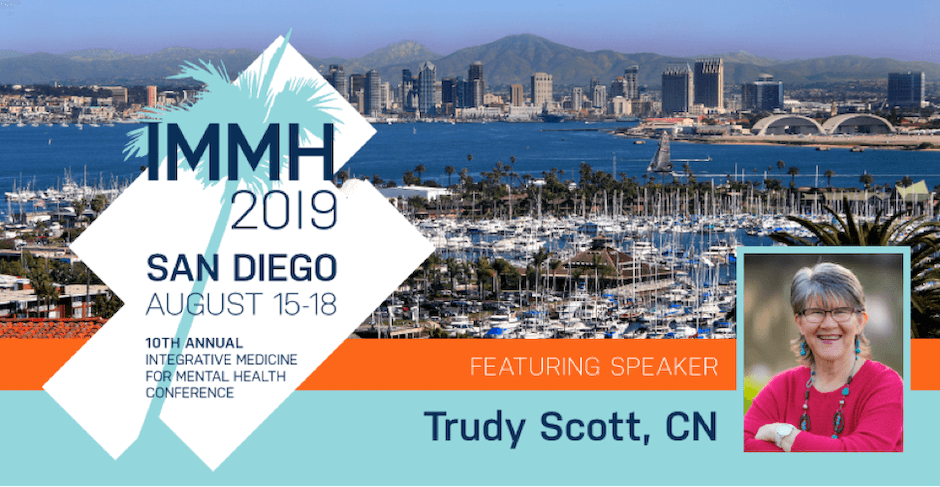
I’m proud to be presenting on “GABA for Anxiety, ADHD, Autism, Insomnia, and Addictions: Research and Practical Applications” at this year’s Integrative Medicine for Mental Health (IMMH) conference (a practitioner-only event)

I’ll be sharing the newest research on GABA and practical ways to use GABA with your clients/patients, as well as how to trouble-shoot when you’re not getting expected results.

Here is one of the many new studies I’ll be discussing (plus how to translate the animal study dosages for a human population): GABA and l-theanine mixture decreases sleep latency and improves NREM sleep

The use of GABA/l-theanine mixture rather than GABA or l-theanine alone restored to normal levels sleep time and quality in the arousal animal model.

The 10th Annual IMMH Conference will be held in San Diego, at the beautiful Hilton San Diego Bayfront! This four-day international conference gives practitioners a holistic approach to successfully diagnose and treat underlying issues contributing to the manifestations of neurological, behavioral, and psychiatric disorders.

Research has revealed that many disorders such as depression, bipolar disorder, anxiety, OCD, eating disorders, and autism spectrum disorders often have biomedical causes that contribute to symptoms, from nutritional deficiencies to chronic infections. Patients have better outcomes when these causes are addressed and treated through a combination of specialized testing and nutritional therapies, even in combination with traditional approaches.

CME, CE, and CEU credits available!

It’s my favorite integrative mental health conference and this year the speaker line-up and topics being addressed are excellent!


2019 CONFERENCE SPEAKERS

  • BRIDGET BRIGGS, MD
  • SURUCHI CHANDRA, MD
  • KABRAN CHAPEK, ND
  • BILL CODE, MD
  • MARK FILIDEI, DO
  • FELICE GERSH, MD
  • JAMES GREENBLATT, MD
  • ANN HATHAWAY, MD
  • GRACE JACKSON, MD
  • HEATHER KING, PhD
  • LESLIE KORN, PhD
  • JULIE MATTHEWS, CNC
  • NEIL NATHAN, MD
  • JAMES NEUENSCHWANDER, MD
  • SANFORD NEWMARK, MD
  • JOSEPH PIZZORNO, ND
  • MATTHEW PRATT-HYATT, PhD
  • SCOTT SHANNON, MD
  • KENNETH SHARLIN, MD
  • WILLIAM SHAW, PhD
  • RICK SPONAUGLE, MD
  • ELISA SONG, MD
  • KURT WOELLER, DO

A few of the conference topics include:

  • Solving the Brain Puzzle: Recovery Potential for Neurodegenerative Disorders
  • It’s Not All in Their Heads: Treating the Gut-Brain-Immune Triad
  • Brains on Fire: An Integrative Approach to Healing Childhood PANS/PANDAS
  • Integrative Therapies for Suicide Prevention
  • Reversal of Cognitive Decline: The Science, The Tools, and the Transformation
  • Concussion Rescue: A Comprehensive Approach to Traumatic Brain Injury
  • Neuropsychiatric Aspects of Lyme Disease and Associated Co-Infections
  • Non-Pharmacological Treatments for Chronic Pain
  • The Integrative Treatment of ADHD
  • Bioidentical Hormone Replacement for Mood and Cognition
  • New Frontiers in Mental Health: CBD and Beyond

IMMH CLINICIAN REGISTRY

Attendance at this conference qualifies you to join the Integrative Medicine for Mental Health (IMMH) Clinician Registry, making you accessible to potential patients. Each entry searchable by zip code in the U.S. and provides the medical professional’s specialty and contact information. In keeping with the integrative approach, the registry includes all professionals who have attended an IMMH conference and completed the IMMH registry application.

Details and registration here (Use promo code TRUDY50 to save an additional $50 on your registration). Early bird rates expire after June 30th.

If you are coming, please comment below and let me know! And be sure to come and say hi after my presentation and at my booth! If there is enough interest, I’ll be arranging a gathering/dinner one evening so let me know.

This is a practitioner-only event so if this doesn’t apply to you please consider sharing it with your practitioner. I’ll also be bringing back information to share with you via blog posts after the event so stay tuned. In the meanwhile, feel free to post questions in the comments below.

Filed Under: Events Tagged With: addictions, ADHD, anxiety, autism, GABA, IMMH, insomnia, Integrative Medicine for Mental Health, theanine, Trudy Scott

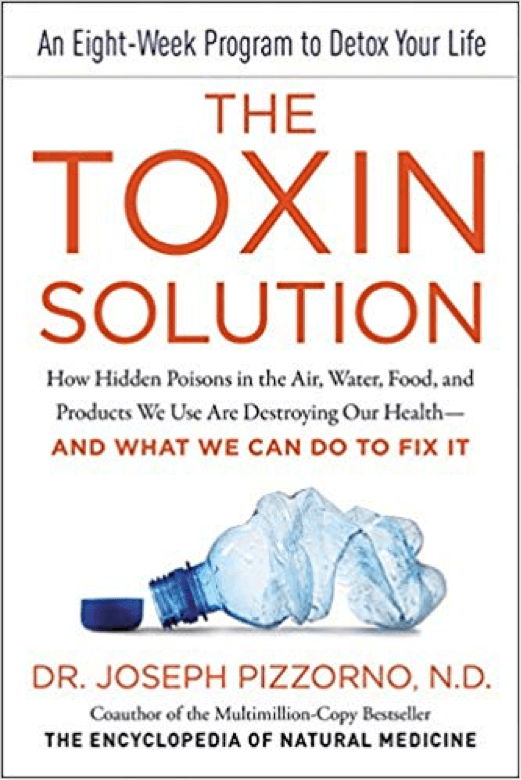
The Toxin Solution – an interview with author Dr. Joseph Pizzorno

May 24, 2019 By Trudy Scott 4 Comments

toxin solution

Toxin exposure is at an all-time high and very relevant when it comes to anxiety, ADHD, asthma, diabetes, cancer, dementia and all chronic diseases. I did this wonderful interview with Dr. Joseph Pizzorno in 2017 when his book – The Toxin Solution – was published and for some reason it didn’t make it onto the blog.

I’ve decided to share it now because Dr. Pizzorno is one of the speakers at the August IMMH/Integrative Medicine for Mental Health conference.

If you’re planning to attend this will give you a taste of what to expect. If you’re on the fence hopefully this will convince you, together with the fact that I’m presenting again this year (I’m doing a deep dive into GABA).

I look forward to meeting him in person at the conference and will hopefully see you there too! If you can’t make it or are not a practitioner enjoy this interview and do checkout his fabulous book.

Read on for notes from our interview, the video interview and resources for you related to our interview. Some highlights include these facts: about 90% of diabetes is just due to 6 toxins; PCBs (polychlorinated biphenyls) may account for half of all breast cancer; top 10% of those exposed to organophosphate pesticides saw a doubling of ADHD (just one pesticide); 20% of osteoporosis in women is due to cadmium; lentil soup in a can has 10 x more BPA than homemade and much more

Here is the book: The Toxin Solution: How Hidden Poisons in the Air, Water, Food, and Products We Use Are Destroying Our Health–AND WHAT WE CAN DO TO FIX IT (my Amazon link)

Here is our wonderful interview

And here is a summary from the video interview:

  • in mid to late-70s people were sick because of nutritional deficiencies, lack of exercise and lifestyle factors
  • we have polluted our air, water, food, health and beauty aids, household cleaning products, products in our yards – independent of what you do, toxins are coming in
  • he worked with big oil company in Canada – they wanted to improve the health of the staff and he ran tests to measure nutritional status and toxin levels ($1500 worth of lab tests of 4500 people) – saw a lot of toxicity
  • top 20% of those with body burden of toxins vs bottom 20% – what is disease risk? very big increase in disease risk
  • diabetes as example – when he was in medical school 50 years ago diabetes affected 1% of the population and now it’s 20-30x more common
  • looked at data on diabetes and toxins – looked at organochlorine pesticides – used widely in our food supply
  • top 10% of those with high body burden – 12 fold increase risk of diabetes
  • looked at many other diseases and all had high correlation of toxicity with higher risk
  • used his book advance to hire researchers (Bastyr grads) to determine what toxins contribute to what diseases
  • about 90% of diabetes is just due to 6 toxins
  • it’s why he wrote this book The Toxin Solution (my Amazon link) – here’s how toxins cause disease, here’s where the toxins are coming from, here’s how you avoid them and here’s how you prepare your body for a detox (do this first) and then do the detox
  • [I shared my exposure to lead when I worked in an oil refinery before I became a nutritionist]
  • oil field workers he tested were never exposed to the oil itself as it was underground – they were also farmers and spaying with pesticides, herbicides and insecticides
  • everyone can relate to how dangerous smoking is i.e. lung cancer is doubled by smoking and it affects 20-25% of the population, so bring it home for people asked if there are other toxins that increase the risk of certain diseases – answer is most certainly yes
  • asthma – Polycyclic aromatic hydrocarbons (PAHs) from second-hand smoke, city living, diesel, barbecue smoke; 93% of the US population have enough PAH exposure to double their risk of asthma
  • breast cancer – PCBs (polychlorinated biphenyls) may account for half of all breast cancer
  • some data on toxins and anxiety, mental health but more on neurodegeneration and dementia; damage to the neurons will make you more prone to anxiety, stress and depression
  • anxiety and ADHD in children – top 10% of those exposed to organophosphate pesticides compared to bottom 10%, saw a doubling of ADHD (and this was just looking at one pesticide)
  • neurological system is really susceptible to these toxins
  • if you’re eating conventional foods you’re full of toxins
  • Seattle study on kids coming out of organic stores vs those coming out of conventional stores – the later had 10x higher levels of organophosphate pesticides
  • high phosphate fertilizers are contaminated with cadmium
  • osteoporosis study in women – thinner bones when exposed to cadmium from conventional soybeans; 20% of osteoporosis in women in the USA is due to cadmium
  • eat organically grown foods
  • foods will absorb BPA and phthalates from the cans they are in
  • study comparing homemade lentil soup vs lentil soup in a can – canned lentil soup had 10 x more BPA
  • BPA binds to insulin-receptor sites, pancreas burns out and you get diabetes
  • [I mention moms exposed to BPA when pregnant and their children have higher risk for ADHD and anxiety]
  • children born to moms in top 10% of exposure to organophosphate pesticides vs bottom 10% – children had a 7 point drop in IQ (even when followed for 7 years)
  • women who breastfeed have lower cancer risk and more breastfeeding leads to lower PCB levels (breast-feeding for 12 months decreased PCB levels by 40%)
  • great for the mom but no good for the children
  • what’s remarkable – PCBs were banned in the US 40 years ago – so hard to breakdown in our bodies and the environment so they accumulate
  • best plan – east organic, don’t use plastic storage containers, beauty products with no phthalates
  • check your water – in the USA 10% of public water has high enough arsenic levels to increase risk of diseases; at least use carbon filter to get out the chemicals
  • 60-70% of out toxin exposure comes from food – we have control over this and the body can heal
  • [I say the book offers solutions: The Toxin Solution: How Hidden Poisons in the Air, Water, Food, and Products We Use Are Destroying Our Health–AND WHAT WE CAN DO TO FIX IT (my Amazon link)]
  • our bodies evolved to detoxify and there is a lot we can do
  • what to do – don’t let them in
  • increase your fiber intake – liver denatures toxins by binding them to another molecule and dumps them into the gut where they are bound to fiber and excreted but 90% of toxins get reabsorbed through enterohepatic circulation because we now only consume 15-20g of fiber a day. You need at least 40-50g of fiber a day to detox
  • if you do nothing more than consume more fiber you will get the toxins out – it’s very slow but you will get the toxins out
  • flax seeds, oats, alginate, pectin
  • not a fan of wheat fiber – most of his patients don’t tolerate wheat
  • any kind of fiber that mixes in water and gels – this is good
  • NAC (N-acetyl cysteine) – the cysteine promotes the production of glutathione (most important intracellular and intra-mitochondrial antioxidant
  • glutathione is also part of process in the liver where it binds chemical toxins in order to neutralize them and dump them into the gut to get rid of them
  • as little 500mg/day of NAC can help your body get rid of toxins
  • next is sweat – saunas and running, but not steam-baths as this recirculates stuff – your sweat is full of toxins
  • [I have a question about the toxin-filled sweat on the towels and in the sauna]
  • air out the sauna and wash the towels but it’s not ideal because then we’re putting those toxins back into the environment (can burn them or bury them but there is no good solution) – best to stop putting chemicals into environment
  • [I have a question about an indoor saunas and toxins going into the home]
  • valid question – his sauna has a window to the outside
  • tip for homemade cleaning products – water, vinegar and lavender oil (which is both calming and antibacterial)
  • no to fragrances which are solubilized to phthalates and 1/3 of all diabetes is linked to phthalate exposure
  • you get exposed to phthalates when hot water hits your plastic shower curtain
  • great-grandfather ate a Mediterranean diet lived to 95 and never saw a doctor, grandfather ate a mix of American diet and Mediterranean diet
  • dad ate 100% American diet, plus not worried about exposure to chemicals – lived to 88 but had dementia by 83, osteoporosis, arthritis, hip replacement surgery, cardiac surgery
  • final words of wisdom: good health is quite straight-forward – eat real food rich in nutrients and avoid toxins as much as you can and your wonderful body will take of just about everything else

Resources for you

  • The Toxin Solution: How Hidden Poisons in the Air, Water, Food, and Products We Use Are Destroying Our Health–AND WHAT WE CAN DO TO FIX IT (my Amazon link). This is a wonderful book if you as a health-savvy consumer are looking to learn and protect yourself and your family. It’s aksi a great gift for someone who is new to the concept of how toxins affect our health. Finally, it’s a wonderful resource for practitioners to share with their patients and clients.
  • You can purchase NAC and lavender essential oil from my supplement store here.
  • As I mentioned, Dr. Pizzorno is one of the speakers at the August 2019 IMMH/Integrative Medicine for Mental Health. His presentation will be on day 2 – Neurotoxin Susceptibility by Age: The Impact of Metal and Non-Metal Toxins on the Brain. You can read more here.
  • We didn’t address how some of the amino acids can help with detox too. But you can learn more about how GABA protects against hypothyroidism caused by fluoride and reduces anxiety here. I’ll be discussing this and some other new GABA research in my presentation on day 3 – GABA for Anxiety, ADHD, Autism, Insomnia and Addictions: Research and Practical Applications. You can read more here.

Do let us know what steps you’ve made to reduce toxic exposure in your life and what you’ve done to detox, and what improvements you’ve observed.

Feel free to post questions in the comments too.

And let me know if you’ll be at IMMH. And be sure to stop by and say hi to both me and Dr. Pizzorno.

Filed Under: Toxins Tagged With: ADHD, anxiety, asthma, breast cancer, dementia, fiber, Joseph Pizzorno, NAC, organic, osteoporosis, PCBs, pesticides, phthalates, sauna, The Toxin Solution

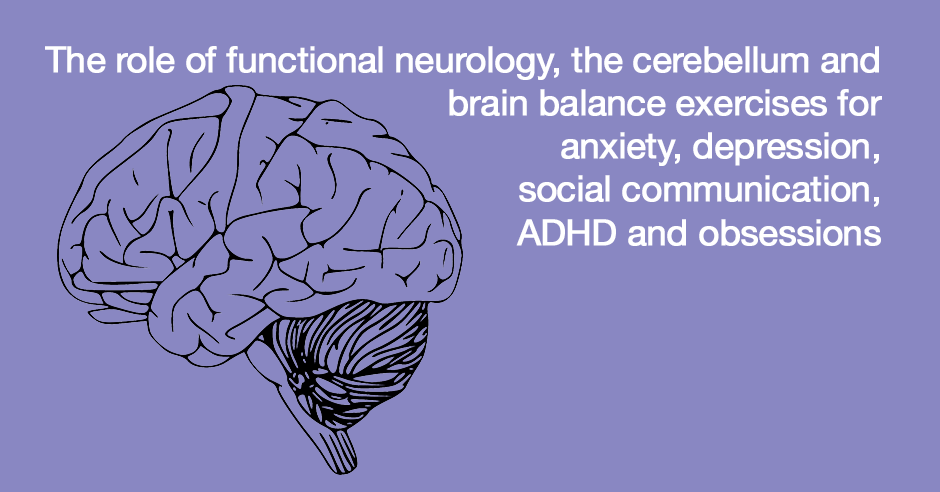
The role of functional neurology, the cerebellum and brain balance exercises for anxiety, depression, social communication, ADHD and obsessions

June 20, 2018 By Trudy Scott 29 Comments

Here are some snippets from a fascinating interview sharing cutting edge information on functional neurology and the cerebellum on the Autism, ADHD and Sensory Processing Disorder Summit.

Dr. Peter Scire, DC covers: How to Induce Neuroplastic Change in Your Teenager and Make it Fun. He shares how brain hemisphere imbalances and misfiring can be assessed and corrected with very specific exercises to induce neuroplastic change (in both children and even adults). 

I want to bring attention to, really what Schmahmann calls the cerebellum cognitive affective syndrome, so CCAS. It’s been in the literature now for 20 years. And now he’s developed a way to actually do a checklist and to look at these different aspects. But ultimately what he’s saying is that the cerebellum networks have huge relationships to your cognition of executive functions: like working memory, linguistics (your ability to generate language and to actually comprehend language), your affect, so your mood and your emotional stability. Being able to not only generate emotions, but also be able to receive emotions.

These are things that we thought for a long time were at the higher center of the brain, more of the frontal lobe specifically….. But again, the more that we’re looking at the neuro anatomy through neuroimaging, we’re able to really say, guess what? There are certain pockets of the cerebellum that specifically drive these networks.

He talks about the 3 major parts of the cerebellum, 10 subparts and how 5 of these subparts actually deal with non-motor aspects (i.e. mood and emotions, ADHD etc.). It’s this latter aspect – the non-moto aspects – that is not recognized in mainstream neurology and that forms the some of the central aspects of functional neurology: 

What we know about the cerebellum is that we have three major parts to it, and then there’s actually like 10 sub parts to it. And these 10 sub parts to it have different connections and when you look at the 10 sub parts, the first 5 have to do with more sensory motor aspects of the cerebellum. And then really the other 10 or so, give or take, are really dealing with non-motor aspects.

We have areas from the cortex that speak back to the cerebellum. We call them cerebral cerebellum loops. And then we have cerebellum back to the cerebrum. It kind of makes this bio directional system. Now it’s a little bit more complicated than that. There are other parts of the motor center, the basal ganglia and these other parts in the limbic system and stuff like that. But from a simple standpoint, for most of our attendees that understand brain gut access, just think about it in that sense. Cerebellum … brain, cerebellum, cerebellum back to the brain, okay?

And so we can have dysfunction in those systems. But again, most of the clinical model has always been looking at brain to cerebellum, not cerebellum back to the brain. And I think in my experience over the last 15 plus years, most of the work in functional neurology has actually been centered around, even chiropractic per se has been centered around cerebellum to brain, but we now are even getting more specific with our therapeutic entities.

Dr. Scire discusses the under-recognized relationships between the cerebellum networks and ADHD, social communication, mood, and emotional aspects, relationships, obsessions, compulsions, anxiety and depression: 

Again, when you look at the different phases of his work, you want to look at executive function – the whole ADHD population. You look at the linguistic processing. Obviously, we know language and social communication for autism spectrum disorders. Looking at spatial cognition so visual spatial information, visual memory aspects. Then you can begin to look at not only mood, and emotional aspects, but also relationships, obsessions, compulsions, anxiety and depression.

All this continuum of symptomatology can be traced back to the cerebellum. I agree with Doctor Melillo on this hemisphere communication model. But at the same time, in my opinion, I think that we can take it one step further and even get into the specifics of starting with these networks in the cerebellum. It starts out with this very specific examination to say okay, I want to look at motor functions of the cerebellum and I also want to look at non-motor functions of the cerebellum. And then my therapeutic entity is going to be based on that.

Dr. Scire shares the research published by Dr. Schmahmann. In this paper, The neuropsychiatry of the cerebellum – insights from the clinic they discuss the behaviors that they witnessed and that were described by patients and families:

distractibility and hyperactivity, impulsiveness, disinhibition, anxiety, ritualistic and stereotypical behaviors, illogical thought and lack of empathy, as well as aggression and irritability. Ruminative and obsessive behaviors, dysphoria and depression, tactile defensiveness and sensory overload, apathy, childlike behavior, and inability to appreciate social boundaries and assign ulterior motives were also evident.

He also recommends Dr. Robert Melillo’s book: Disconnected Kids: The Groundbreaking Brain Balance Program for Children with Autism, ADHD, Dyslexia, and Other Neurological Disorders (my Amazon link). I’ve skimmed it and will be doing a review –the functional neurology information is brilliant. I’d love to see the dietary information expanded upon.

In this interview you will learn…

  • What the latest research says about the role of the cerebellum in cognition and motor planning [and the role it also plays in anxiety, depression and ADHD]
  • What to look for when assessing cerebellar function.
  • How the cerebellum impacts executive function.
  • How to rehabilitate the brain and the importance of movement.
  • How to treat young adults with neurological disorders.
  • How what may seem to be “simple” exercises you can do at home with your child can have a major impact on their cognitive function.

I learned so much from his interview and will be delving into this aspect of functional neurology in order to add this element for clients who need this support beyond nutrition and functional medicine.

If you’re new to my work and the targeted individual amino acids be sure to catch my interview: Self-care strategies for parents that are stressed out, anxious and depressed – without using medications.

Using the targeted individual amino acids (such as tryptophan, GABA and DPA) provides quick relief from anxiety and overwhelm, giving my clients hope from day one.  And then we start to dig deeper for other root causes which can often take some time.

In this interview my focus was for stress and overwhelm support for parents but the use of amino acids is very applicable to children (and was the topic I covered in my interview in the first season).

As I learn more I expect to find that the amino acids used in conjunction with functional neurology is going to provide more comprehensive results for many individuals who also have cerebellum dysfunctions.

This event brings together 30+ of the leading doctors, nutritionists, and researchers working to help parents by sharing the latest information and strategies for achieving recovery for children with Autism, ADHD and Sensory Processing Disorder.

If you have (or a loved one has) anxiety, depression, OCD,  social anxiety, anger issues and other behavioral symptoms this event is one I highly recommend. Alzheimer’s disease, dementia and Parkinson’s disease are also covered in Dr. Scire’s interview.  This information has a wider application than autism, Asperger’s syndrome, ADHD and SPD and you will learn a great deal.

If you’ve benefited from functional neurology and these brain balancing exercises please do share in the comments. Feel free to post questions too.

Filed Under: Amino Acids, Anxiety, Autism, Children/Teens, Functional neurology, OCD, Teens Tagged With: ADHD, amino acids, anxiety, cerebellum, Dr Scire, Functional neurology, obsessions, OCD, social anxiety

Associations between Parental Anxiety/Depression and Child Behavior Problems

June 10, 2018 By Trudy Scott 2 Comments

In my interview on the Autism, ADHD and Sensory Processing Disorder Summit (June 11 to June 20, 2018) I discuss Self-care strategies for parents that are stressed out, anxious and depressed – without using medications.

You may think “why do I need research to show what I already feel and know?” but I can share that many of the moms I’ve worked find this validating and almost a relief to know they are not alone in this.

The paper, Associations between Parental Anxiety/Depression and Child Behavior Problems Related to Autism Spectrum Disorders: The Roles of Parenting Stress and Parenting Self-Efficacy reports that

Parents of children with autism spectrum disorders (ASDs) have been shown to experience increases in stress, depression, and anxiety, which are also associated with child behavior problems related to ASDs.

The paper lists some reasons for the increased parental stress, anxiety and depression:

  1. First and foremost, the realization that there is no cure for the disorder may serve to increase parenting stress.
  2. Aspects of the child’s behavior, specifically socially inappropriate and aggressive behaviors typically associated with ASD, have been found to be associated with increases in parenting stress… due to a lack of understanding of ASD
  3. Additionally, raising a child with ASD typically involves allocating extra time to meet the needs of the children.

This event addresses all of the above and more by providing you with insights and tools on how to recover your child using a biomedical and nutritional approach together with traditional behavioral models (#1 addressed). This event also helps you understand what some of the underlying causes of socially inappropriate and aggressive behaviors may be – like pyroluria and low serotonin and gluten issues (#2 addressed). And finally, the planning resources that Tara offers via her coaching program help you manage your time while you’re figuring all this out (#3 addressed).

And as an added bonus you get my nutritional advice to help make you more resilient and better able to handle the stress and worry that comes with parenting a cild with ASD or other developmental disorder.

As always, I share about the amazing amino acids that provide anxiety-relief and end the overwhelm, spinning mind, second guessing from day one while you’re figuring everything else out.

In my interview (which airs on day 1), I share:

  • How amino acids can provide instantaneous relief to symptoms of anxiety
  • Low serotonin anxiety, what are the symptoms, and what nutrients can help
  • Low GABA anxiety, how to identify and how to help
  • How to trial amino acids to see if they can help you (and your child)
  • How caring for a child with a neurodevelopmental disorder can be equivalent to combat and result in a form of PTSD
  • B vitamins and adaptogenic herbs for PTSD nutritional support
  • The benefits of a ketogenic diet for caregivers and our children
  • How collagen can actually make anxiety, depression and insomnia worse.
  • EMFs role in our health and how they are contributing to our stress.

This event brings together 30+ of the leading doctors, nutritionists, and researchers working to help parents by sharing the latest information and strategies for achieving recovery for children with Autism, ADHD and Sensory Processing Disorder.

Having a child with Autism, ADHD or Sensory Processing Disorder is challenging. Figuring out what to do to help them is just as challenging. Join us for 10 days of eye-opening information into the root causes of your child’s neurological dysfunction. Imagine learning about what may have caused their symptoms and how to address them with nutrition and biomedical approaches and leverage the power of positive neuroplasticity to improve function, health, and their lives.

Anxiety, stress, depression and PTSD-like symptoms are common in any caregiver situation, so even if you don’t have a child with a neurological disorder, this may be of interest to you if you are taking care of an older parent, a sibling, a spouse or expect to in the near future.

Register for the summit here

Hope to see you there.

Filed Under: Autism, Children/Teens, Events Tagged With: ADHD, amino acids, autism, PTSD, Self-care, spd

Could yeast infections impair recovery from mental illness?

April 13, 2018 By Trudy Scott 3 Comments

Julia Rucklidge, PhD, is an associate professor in the Department of Psychology, University of Canterbury, Christchurch, New Zealand and has published a number of studies looking at “micronutrients to treat psychiatric disorders including attention-deficit/hyperactivity disorder (ADHD), mood disorders, stress, and anxiety,” where benefits were reported. “Despite the positive benefits associated with micronutrients, some factors may limit a positive response, one of which may be the overgrowth of intestinal Candida.”

In this 2013 paper, Could yeast infections impair recovery from mental illness? A case study using micronutrients and olive leaf extract for the treatment of ADHD and depression the authors discuss the impact of candida on gut health and response to supplementation:

a number of factors influence optimal response and absorption of nutrients, including the health of the gut, particularly the presence of yeast infections, such as Candida.

As part of a wider investigation into the impact of micronutrients on psychiatric symptoms, many participants who experienced a yeast infection during their treatment showed a diminished response to the micronutrients.

One particular female client was followed for a 3-year period:

Kate (an alias) is a 24-year-old female of European descent who had participated in the 2010 trial by Rucklidge et al using micronutrients for the treatment of ADHD. In the past, she had been prescribed methylphenidate [Ritalin] by a psychiatrist but could not tolerate the side effects.

For just over 2 years, while using the micronutrient, she had no ADHD or mood symptoms, other than a mild increase around her period.

About 2.5 years participating in the trial, Kate started to feel increasingly unwell and reported the following:

(1) a chronic sore throat; (2) a constant runny nose; (3) cramps; (4) itchy toes, anus, and vagina; (5) rashes on her legs and groin area; and (6) an overall flu-like feeling. Concomitantly, all her psychiatric symptoms had returned… She was moody, anhedonic (unable to experience pleasure), and chronically irritable and was having cravings for sugary and starchy foods. Kate visited her family physician, who diagnosed Kate with a vaginal yeast infection

Over the next year, it was found that her psychiatric symptoms (ADHD and mood) got worse when she was infected with Candida and then her ADHD and mood symptoms improved once she was successfully treated with olive leaf extract and probiotics.

The study makes this conclusion about the role of inflammation, gut health and nutrient absorption:

This case outlines that micronutrient treatment might be severely compromised by infections such as Candida and may highlight the importance of gut health when treating psychiatric disorders with nutrients.

Given the role that inflammation can play in absorption of nutrients, it was hypothesized that the infection was impairing absorption of the micronutrients.

The authors also mention the growing body of literature on the gut-brain connection and how

the gut microbiota can influence brain function and subsequent psychiatric functioning.

Candida is always considered as one of many possible root causes with my anxious clients – it can contribute to anxiety as well as ADHD and depression, and out-of-control-sugar and intense carb cravings.

Olive leaf extract is one of many approaches for eliminating candida is more commonly used in Australia and New Zealand.

Another approach is to use garlic and oregano to kill the candida. I have great success with these products from Designs for Health:

  • Allicillin – a garlic product that contains Garlicillin®, a blend of garlic oil and parsley oil with specified levels of garlic sulfides and ajoene, the most bioactive compound formed from garlic and
  • Oil of Oregano – which has powerful antioxidant and intestinal cleansing benefits. It also helps to maintain a healthy microbial balance. This product is standardized for carvacrol and thymol, the principal phenolic compounds in oregano

Probiotics are also part of the protocol, as are dietary changes. Fresh garlic, onion, daikon, olive oil, coconut oil, lemon, apple cider vinegar, fermented vegetables and coconut oil are all therapeutic foods on an anti-candida diet.

In addition to killing the candida and restoring the good bacteria with probiotics, I also use targeted individual amino acids to help reduce the sugar and carb cravings, making it easier to quit the bread, sugar, cookies, cakes and fruit. These amino acids can also help to alleviate some of the anxiety, mood and ADHD symptoms from day one, offering relief and hope right away since eliminating candida is not a quick process:

  • tryptophan for afternoon cravings and mental worry (tryptophan also has some direct anti-candida effects – more to come on this in the future blog)
  • GABA for stress-related cravings and physical anxiety
  • glutamine for intense sugar cravings and low blood sugar
  • DPA for reward eating and weepiness
  • tyrosine for cravings due to low energy and low motivation
[all of the above supplements, including Allicillin, Oil of Oregano, various probiotics and an olive leaf product, called Olivirex Combination, can be ordered via my online store – details for creating an account on my supplements page. The category once you login is candida/dysbiosis]

Have you experienced anxiety, depression, panic attacks, ADHD and cravings with candida?

Have supplements that worked in the past stop working while you’re dealing with the candida?

Have you found the amino acids to help with anxiety and cravings while you’re addressing your candida?

Filed Under: Candida Tagged With: ADHD, allicillin, anxiety, candida, depression, Julia Rucklidge, olive leaf, oregano, probiotics, sugar cravings, yeast infection

  • « Go to Previous Page
  • Page 1
  • Page 2
  • Page 3
  • Page 4
  • Page 5
  • Page 6
  • Go to Next Page »

Primary Sidebar

NEW! GABA QuickStart Homestudy (with special intro pricing)

gaba quickstart homestudy

Free Report

9 Great Questions Women Ask about Food, Mood and their Health

You'll also receive a complimentary subscription to my ezine "Food, Mood and Gal Stuff"


Connect with me

Popular Posts

  • Amino Acids Mood Questionnaire from The Antianxiety Food Solution
  • The Antianxiety Food Solution Amino Acid and Pyroluria Supplements
  • Pyroluria Questionnaire from The Antianxiety Food Solution
  • Collagen and gelatin lower serotonin: does this increase your anxiety and depression?
  • Tryptophan for the worry-in-your-head and ruminating type of anxiety
  • GABA for the physical-tension and stiff-and-tense-muscles type of anxiety
  • The Antianxiety Food Solution by Trudy Scott
  • Seriphos Original Formula is back: the best product for anxiety and insomnia caused by high cortisol
  • Am I an anxious introvert because of low zinc and vitamin B6? My response to Huffington Post blog
  • Vagus nerve rehab with GABA, breathing, humming, gargling and key nutrients

Recent Posts

  • What do I use instead of Seriphos to help lower high cortisol that is affecting my sleep and making me anxious at night?
  • BeSerene™ GABA/theanine cream eases severe muscle tension in her neck/shoulders, prevents her bad headaches and quells her anxiety
  • How the correct approach, dose and sublingual use of GABA can be calming and not cause a flushed and itchy face and neck
  • The amino acid glutamine improves low mood by addressing gut health, and it has calming effects too
  • Flight anxiety with heightened breath, physical tension and also fearing the worst (the role of low GABA and low serotonin)

Categories

  • 5-HTP
  • AB575
  • Addiction
  • ADHD
  • Adrenals
  • Alcohol
  • Allergies
  • Alzheimer's disease
  • Amino Acids
  • Anger
  • Antianxiety
  • Antianxiety Food Solution
  • Antidepressants
  • Anxiety
  • Anxiety and panic
  • Autism
  • Autoimmunity
  • benzodiazapines
  • Bipolar disorder
  • Books
  • Caffeine
  • Cancer
  • Candida
  • Children/Teens
  • Collagen
  • Cooking equipment
  • Coronavirus/COVID-19
  • Cravings
  • Depression
  • Detoxification
  • Diabetes
  • Diet
  • DPA/DLPA
  • Drugs
  • EFT/Tapping
  • EMF
  • EMFs
  • Emotional Eating
  • Endorphins
  • Environment
  • Essential oils
  • Events
  • Exercise
  • Fear
  • Fear of public speaking
  • Fertility and Pregnancy
  • Fish
  • Food
  • Food and mood
  • Functional neurology
  • GABA
  • Gene polymorphisms
  • General Health
  • Giving
  • Giving back
  • Glutamine
  • Gluten
  • GMOs
  • Gratitude
  • Gut health
  • Heart health/hypertension
  • Histamine
  • Hormone
  • Hyperparathyroidism
  • Hypoglycemia
  • Immune system
  • Inflammation
  • Insomnia
  • Inspiration
  • Introversion
  • Joy and happiness
  • Ketogenic diet
  • Lithium orotate
  • Looking awesome
  • Lyme disease and co-infections
  • MCAS/histamine
  • Medication
  • Men's health
  • Mental health
  • Mercury
  • Migraine
  • Mold
  • Movie
  • MTHFR
  • Multiple sclerosis
  • Music
  • NANP
  • Nature
  • Nutritional Psychiatry
  • OCD
  • Osteoporosis
  • Oxalates
  • Oxytocin
  • Pain
  • Paleo
  • Parasites
  • Parkinson’s disease
  • PCOS
  • People
  • PMS
  • Postpartum
  • PTSD/Trauma
  • Pyroluria
  • Questionnaires
  • Real whole food
  • Recipes
  • Research
  • Schizophrenia
  • serotonin
  • SIBO
  • Sleep
  • Special diets
  • Sports nutrition
  • Stress
  • Sugar addiction
  • Sugar and mood
  • Supplements
  • Teens
  • Testimonials
  • Testing
  • The Anxiety Summit
  • The Anxiety Summit 2
  • The Anxiety Summit 3
  • The Anxiety Summit 4
  • The Anxiety Summit 5
  • The Anxiety Summit 6
  • Thyroid
  • Thyroid health
  • Toxins
  • Tryptophan
  • Tyrosine
  • Uncategorized
  • Vegan/vegetarian
  • Women's health
  • Yoga

Archives

  • October 2025
  • September 2025
  • August 2025
  • July 2025
  • June 2025
  • May 2025
  • April 2025
  • March 2025
  • February 2025
  • January 2025
  • November 2024
  • October 2024
  • September 2024
  • August 2024
  • July 2024
  • June 2024
  • May 2024
  • April 2024
  • March 2024
  • February 2024
  • January 2024
  • December 2023
  • November 2023
  • October 2023
  • September 2023
  • August 2023
  • July 2023
  • June 2023
  • May 2023
  • April 2023
  • March 2023
  • February 2023
  • January 2023
  • December 2022
  • November 2022
  • October 2022
  • September 2022
  • August 2022
  • July 2022
  • June 2022
  • May 2022
  • April 2022
  • March 2022
  • February 2022
  • January 2022
  • December 2021
  • November 2021
  • October 2021
  • September 2021
  • August 2021
  • July 2021
  • June 2021
  • May 2021
  • April 2021
  • March 2021
  • February 2021
  • January 2021
  • December 2020
  • November 2020
  • October 2020
  • September 2020
  • August 2020
  • July 2020
  • June 2020
  • May 2020
  • April 2020
  • March 2020
  • February 2020
  • January 2020
  • December 2019
  • November 2019
  • October 2019
  • September 2019
  • August 2019
  • July 2019
  • June 2019
  • May 2019
  • April 2019
  • March 2019
  • February 2019
  • January 2019
  • December 2018
  • November 2018
  • October 2018
  • September 2018
  • August 2018
  • July 2018
  • June 2018
  • May 2018
  • April 2018
  • March 2018
  • February 2018
  • January 2018
  • December 2017
  • November 2017
  • October 2017
  • September 2017
  • August 2017
  • July 2017
  • June 2017
  • May 2017
  • April 2017
  • March 2017
  • February 2017
  • January 2017
  • December 2016
  • November 2016
  • October 2016
  • September 2016
  • August 2016
  • July 2016
  • June 2016
  • May 2016
  • April 2016
  • March 2016
  • February 2016
  • January 2016
  • December 2015
  • November 2015
  • October 2015
  • September 2015
  • August 2015
  • July 2015
  • June 2015
  • May 2015
  • April 2015
  • March 2015
  • February 2015
  • January 2015
  • December 2014
  • November 2014
  • October 2014
  • September 2014
  • August 2014
  • July 2014
  • June 2014
  • May 2014
  • April 2014
  • March 2014
  • February 2014
  • January 2014
  • December 2013
  • November 2013
  • October 2013
  • September 2013
  • August 2013
  • July 2013
  • June 2013
  • May 2013
  • April 2013
  • March 2013
  • February 2013
  • January 2013
  • December 2012
  • November 2012
  • October 2012
  • August 2012
  • July 2012
  • June 2012
  • May 2012
  • April 2012
  • March 2012
  • February 2012
  • January 2012
  • December 2011
  • November 2011
  • October 2011
  • September 2011
  • August 2011
  • July 2011
  • June 2011
  • May 2011
  • April 2011
  • March 2011
  • February 2011
  • January 2011
  • December 2010
  • October 2010
  • September 2010
  • July 2010
  • May 2010
  • April 2010
  • March 2010
  • February 2010
  • January 2010
  • November 2009

Share the knowledge!

The above statements have not been evaluated by the Food and Drug Administration. Products listed in this website are not intended to diagnose, treat, cure or prevent any disease.

The information provided on this site is for informational and educational purposes only and is not intended as a substitute for advice from your physician or other health care professional. You should consult with a healthcare professional before starting or modifying any diet, exercise, or supplementation program, before taking or stopping any medication, or if you have or suspect you may have a health problem.


Copyright © 2026 Trudy Scott. All Rights Reserved. | Privacy | Terms and Conditions | Refund Policy | Medical Disclaimer

Free Report

9 Great Questions Women Ask about Food, Mood and their Health

You’ll also receive a complimentary subscription to my ezine “Food, Mood and Gal Stuff”