• Skip to primary navigation
  • Skip to main content
  • Skip to primary sidebar

everywomanover29 blog

Food, Mood and Women's Health – Be your healthiest, look and feel great!

  • Blog
  • About
  • Services
  • Store
  • Resources
  • Testimonials
  • The Book
  • Newsletter
  • Contact
  • Search this site

Mitomics – genetics of the mitochondria and food based antioxidants like curcumin

August 7, 2017 By Trudy Scott 2 Comments

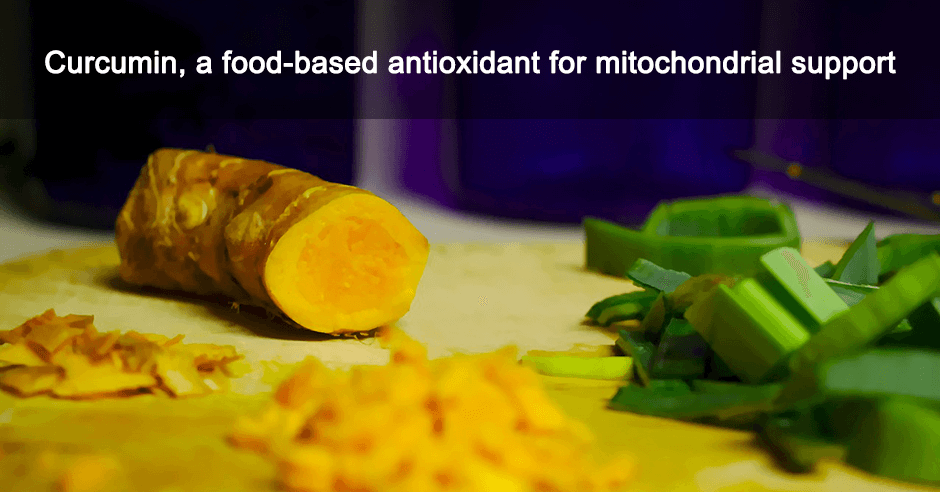
Dr. David Haase, a functional medicine doctor and a leader in the field of genetics and genomics, covers mitomics in this very interesting interview on the upcoming Interpreting Your Genetics Summit which runs August 21-28, 2017.

Mitomics is the genetics of the mitochondria themselves. The mitochondria have their own set of genes. And that’s often given a lot of importance because we get our mitochondria from our mothers and therefore we inherit this genome from the mother and we get our mother’s energy per se.

But when you step back a little bit, you recognize that the genetics of the mitochondria are not just nuclear. It’s not just thirty-seven genes that hang out in the mitochondria, but rather, there is over a thousand genes that are in the nucleus that control the proteins or make proteins and influence the mitochondria at great levels. I’ve used a company called Courtagen who do whole mitome analysis. And in individuals with chronic fatigue syndrome or bizarre multi-system dysfunction, this is instrumental in giving a new plan of action to address.

He shares the story of a patient who had had chronic pain, fatigue and irritable bowel syndrome (a mitochondrial symptom)

She had tachycardia, palpitations, some dizziness. And so we actually did a whole mitome analysis on her and we found that she had a uniqueness in something called the TRAP1 related disease. I think it’s clever because the acronym is T1RED.

And this TRAP actually codes for a protein, which is a chaperone to the mitochondria and it’s involved in antioxidant defenses. And what’s been shown is that individuals with this TRAP1 related disease will be queasy, they’ll have pain and they’ll be fatigued and highly aggressive.

But when we found that she had this heterozygote for this particular abnormality – and it was associated with her having a lot of oxidative stress and elevation of hydroxyguanidine, which is a marker of genetic damage and oxidative damage, and elevations in her CK [creatine kinase], which was a marker of muscle injury. We went into this very intense antioxidant program with a lot of food-based antioxidants: sulforaphane, curcumin, resveratrol, CoQ10 and alpha-lipoic acid.

We went after this as aggressively as I think I’ve ever gone after this in a single patient with doses that are in excess of what I would typically use. And she had a remarkable recovery.

I share this snippet because with the tachycardia (an abnormally fast resting heart rate of at least 100 beats per minute) and palpitations, you may think it’s anxiety with a root cause such as low GABA or low serotonin or high cortisol or even Hashimoto’s thyroiditis, when in fact these symptoms are caused by mitochondrial TRAP-1 related disease.

I hope you can join us on Interpreting Your Genetics Summit, August 21-28, 2017. You can register here.

Here are some other reasons to attend:

  • once you register you’ll have immediate access to these interviews: Epigenetic Mastery for Everyone from Andrea Nakayama, CNC, CNE; The Current State of Genetics from Jeffrey Bland, PhD; and Your Genetics and Autoimmune Diseases with Dr. Tom O’Bryan, DC, CCN.
  • my digital ebook is available to you if you choose to purchase the series: Anxiety, Benzodiazepines and Your Genetics
  • as part of the lead up to the event, summit host, James Maskell will even be doing three of his own genetic tests and getting them interpreted by speakers from the summit

James Maskell has gathered world-renowned leaders from genetics, genomics and functional medicine and this promises to be a cutting-edge online event. These pioneering experts are on the front lines interpreting genetic data!

Hope to “see you” on the summit.

UPDATE August 11: I just went to the site and see this message today “Courtagen has closed its diagnostic laboratory and will no longer be accepting samples.”

They have a link to this press release of July 18 so it’s a brand new change: “Courtagen Life Sciences Inc. announced today that the company will be shifting the core focus of its business to medicinal cannabis genetics and testing. As the company reorients its business to respond to the growing opportunities in the medicinal cannabis industry, the company has made the decision to wind down its diagnostic neurology testing division.”
Filed Under: Events, Testing Tagged With: curcumin, genetics, Interpreting Your Genetics Summit, mitochondria, mitomics

GABA: an amino acid supplement for neurotransmitter support and anxiety relief

August 4, 2017 By Trudy Scott 44 Comments

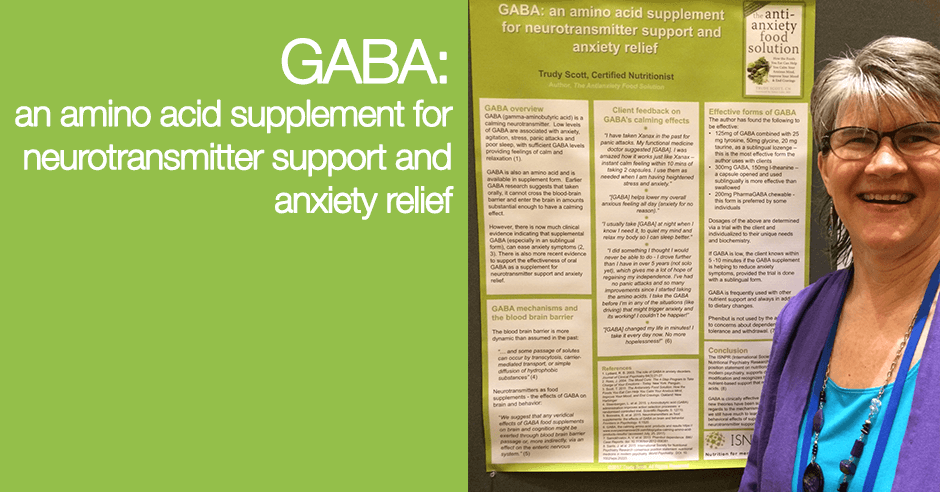
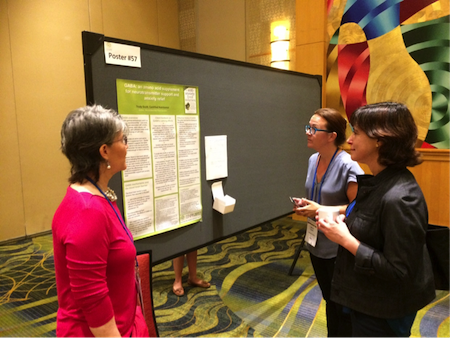
I recently attended the first international meeting of International Society for Nutritional Psychiatry Research and was honored and thrilled to present my poster – GABA: an amino acid supplement for neurotransmitter support and anxiety relief

Because you were not able to be there, here are the contents of my poster word for word.

GABA overview

GABA (gamma-aminobutyric acid) is a calming neurotransmitter. Low levels of GABA are associated with anxiety, agitation, stress, panic attacks and poor sleep, with sufficient GABA levels providing feelings of calm and relaxation (1).

GABA is also an amino acid and is available in supplement form. Earlier GABA research suggests that taken orally, it cannot cross the blood-brain barrier and enter the brain in amounts substantial enough to have a calming effect.

However, there is now much clinical evidence indicating that supplemental GABA (especially in a sublingual form), can ease anxiety symptoms (2, 3). There is also more recent evidence to support the effectiveness of oral GABA as a supplement for neurotransmitter support and anxiety relief.

GABA mechanisms and the blood brain barrier

The blood brain barrier is more dynamic than assumed in the past:

… and some passage of solutes can occur by transcytosis, carrier-mediated transport, or simple diffusion of hydrophobic substances (4)

Neurotransmitters as food supplements – the effects of GABA on brain and behavior:

We suggest that any veridical effects of GABA food supplements on brain and cognition might be exerted through blood brain barrier passage or, more indirectly, via an effect on the enteric nervous system. (5)

Client feedback on GABA’s calming effects

I have taken Xanax in the past for panic attacks. My functional medicine doctor suggested [GABA]. I was amazed how it works just like Xanax – instant calm feeling within 10 mins of taking 2 capsules. I use them as needed when I am having heightened stress and anxiety.

[GABA] helps lower my overall anxious feeling all day (anxiety for no reason).

I usually take [GABA] at night when I know I need it, to quiet my mind and relax my body so I can sleep better.”

I did something I thought I would never be able to do – I drove further than I have in over 5 years (not solo yet), which gives me a lot of hope of regaining my independence. I’ve had no panic attacks and so many improvements since I started taking the amino acids. I take the GABA before I’m in any of the situations (like driving) that might trigger anxiety and its working! I couldn’t be happier!

[GABA] changed my life in minutes! I take it every day now. No more hopelessness! (6)

Effective forms of GABA

The author has found the following to be effective:

  • 125mg of GABA combined with 25 mg tyrosine, 50mg glycine, 20 mg taurine, as a sublingual lozenge – this is the most effective form the author uses with clients
  • 300mg GABA, 150mg l-theanine – a capsule opened and used sublingually is more effective than swallowed
  • 200mg PharmaGABA chewable – this form is preferred by some individuals

Dosages of the above are determined via a trial with the client and individualized to their unique needs and biochemistry.

If GABA is low, the client knows within 5 -10 minutes if the GABA supplement is helping to reduce anxiety symptoms, provided the trial is done with a sublingual form.

GABA is frequently used with other nutrient support and always in addition to dietary changes.

Phenibut is not used by the author due to concerns about dependence, tolerance and withdrawal. (7)

Conclusion

The ISNPR (International Society for Nutritional Psychiatry Research) consensus position statement on nutritional medicine in modern psychiatry, supports dietary modification and recognizes the need for nutrient-based support that may include amino acids. (8)

GABA is clinically effective for anxiety, and new theories have been suggested with regards to the mechanism of action. However, we still have much to learn about the behavioral effects of supplemental GABA for neurotransmitter support and anxiety relief. (5)

References

  1. Lydiard, R. B. 2003. The role of GABA in anxiety disorders. Journal of Clinical Psychiatry 64(3):21-27.
  2. Ross, J. 2004. The Mood Cure: The 4-Step Program to Take Charge of Your Emotions – Today. New York: Penguin.
  3. Scott, T. 2011. The Antianxiety Food Solution: How the Foods You Eat Can Help You Calm Your Anxious Mind, Improve Your Mood, and End Cravings. Oakland: New Harbinger 
  4. Steenbergen, L. et al. 2015. γ-Aminobutyric acid (GABA) administration improves action selection processes: a randomised controlled trial. Scientific Reports. 5: 12770.
  5. Boonstra, E. et al. 2015. Neurotransmitters as food supplements: the effects of GABA on brain and behavior. Frontiers in Psychology. 6:1520.
  6. GABA, the calming amino acid: products and results (accessed July, 25, 2017)
  7. Samokhvalov, A. V. et al. 2013. Phenibut dependence. BMJ Case Reports. doi: 10.1136/bcr-2012-008381.
  8. Sarris, J. et al. 2015. International Society for Nutritional Psychiatry Research consensus position statement: nutritional medicine in modern psychiatry. World Psychiatry. DOI: 10. 1002/wps.20223

It was very encouraging to see the interest in my poster and this topic of GABA for anxiety! I shared how I use GABA with a number of psychiatrists, some dietitians, a psychiatric nurse practitioner, a number of researchers, and a number of nutritionists and health coaches.

I’m really pleased to have had the opportunity to meet so many amazing researchers and hope to be able to collaborate on research.  

Please let me know if you have questions and do share if you use GABA personally or use it with clients/patients.

Filed Under: Events, GABA Tagged With: anxiety relief, GABA, International Society for Nutritional Psychiatry Research, neurotransmitter support

Electromagnetic frequency pollution and wireless: a significant risk factor for disease

July 23, 2017 By Trudy Scott 23 Comments

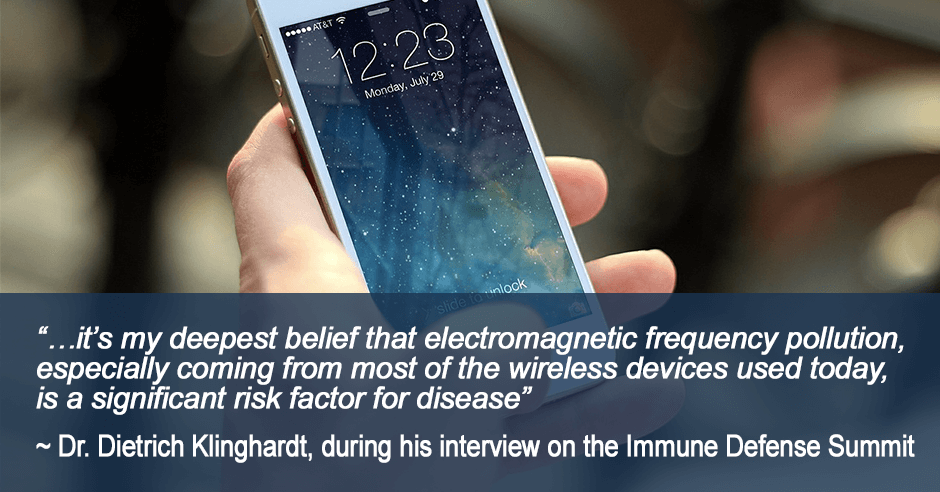
…it’s my deepest belief that electromagnetic frequency pollution, especially coming from most of the wireless devices used today, is a significant risk factor for disease”
~ Dr. Dietrich Klinghardt, during his interview on the Immune Defense Summit

Dr. Klinghardt is founder of the Klinghardt Academy, the American Academy of Neural Therapy, medical director of the Institute of Neural Biology, and lead clinician at the Sophia Health Institute shares this:

All the research points to the fact that it’s the cumulative effect of all the sources of Wi-Fi. We have the Wi-Fi router in the home; unfortunately, most of the cordless phones that are used in the US are also based on Wi-Fi technology. And they use 900 MHz, and they’re broadcasting 24/7 into the rooms in the home. Then we have the baby monitors, a huge source. And then the alarm systems in the house. And the new source, of course, the new kid on the block, is the smart meters…which create devastating amounts of radiation in the home, usually in a sheet that kind of goes horizontally through the house on the level where the smart meter is.

This is an in-depth interview and one of the best I’ve heard on the topic of EMFs and wireless technology and the dangers! He covers mercury containing compact fluorescent lights; Wi-Fi in schools; the responsible use of the cell phone; the impacts of this wireless technology on autism and insomnia, GABA and anxiety levels; how mold becomes more virulent in the presence of Wi-Fi; and how heavy metals in the brain can make you much more susceptible to microwave and wireless technology; how moisture contained in your mattress makes it a microwave receiver and more.    

He doesn’t expand on the insomnia mechanisms but because he mentions GABA I would assume using GABA as a supplement would help with both anxiety and sleep issues, in a similar way GABA helps with Lyme anxiety and GABA protects against fluoride-induced hypothyroidism.  This is an area I’m going to be researching further but clearly we want to be removing the source of exposure and not use GABA as a band-aid but rather as a tool to address the low GABA levels and anxiety/insomnia in the interim.

Dr. Klinghardt shares so much about how to protect yourself on the Immune Defense Summit. Here is some advice on how to protect your home from the incoming radio waves from the cell phone towers nearby, and from the neighbors:

We recommend the German system building biology. They have developed wall paints that can be applied to outside the home or inside the home with a graphite paint that’s electroconductive. It creates a faraday cage, basically, that needs to be grounded into the ground wire of your electric system, and shielding curtains that are made from silver coated cloth that deflect the incoming radio waves. That’s pretty much what we do with all of our clients.

He also offers the following tips for reducing exposure:

  • a sleep sanctuary that looks like a mosquito net that’s put over the bed that reduces the radiation to one-ten thousandths on the inside of it
  • only switch it on the Wi-Fi router if you need it – if you’re actually doing something with it
  • Stetzer filters

and much much more.

I was surprised that Dr. Klinghardt didn’t mention the Blushield devices which I learned about recently at the Sydney MINDD conference. I’m going to be following up with him to find out what results he has seen with these protective devices and will report back.

I do hope you can join us! Click here to register. The summit runs July 24-31

Be prepared – this interview is not for the faint of heart – Dr. Klinghardt is direct and to the point and doesn’t hold back.

Feel free to post questions and share your tips and experiences with EMFs and wireless in the comments.

Filed Under: Anxiety and panic, Environment, Events Tagged With: anxiety, Dr. Dietrich Klinghardt, electromagnetic frequency pollution, EMF, GABA, heavy metals, Immune Defense Summit, mold, wireless

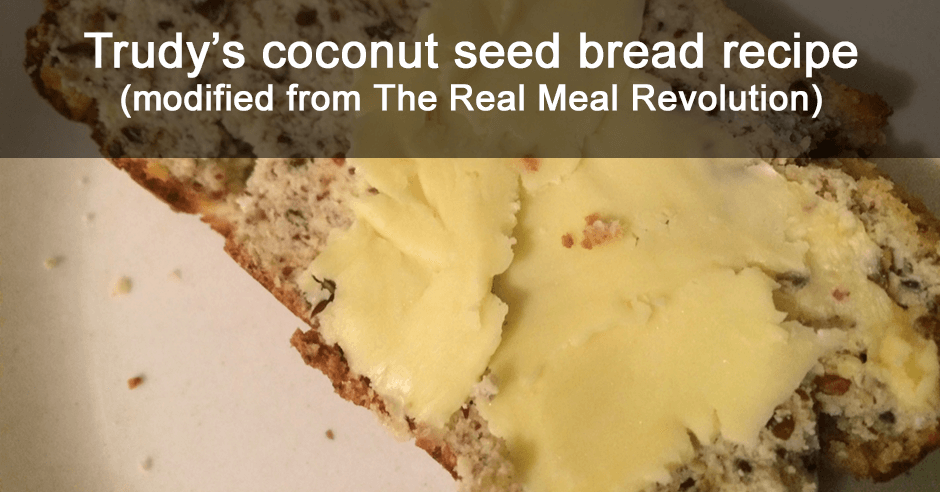
Trudy’s coconut seed bread recipe (modified from The Real Meal Revolution)

July 21, 2017 By Trudy Scott 27 Comments

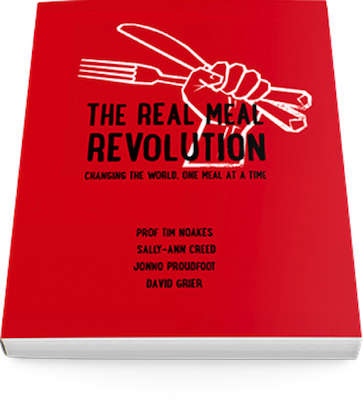
My favorite “bread” and the only one that I can actually eat right now is a coconut seed bread that I bake myself. I adapted a recipe from Tim Noake’s wonderful book The Real Meal Revolution, a recipe book from where I grew up – South Africa.

Why I modified the recipe

  • I opted to leave out the sunflower seeds and almond flour because of the higher levels of oxalates in these seeds and nuts. I have an oxalate issue right now but I’m also concerned with all the nuts that I see in Paleo recipes. Another possible issue for someone with anxiety and low zinc is the high copper levels in nut flours.
  • I typically don’t add sugar or anything sweet to baked goods so just left out the stevia/xylitol
  • I love coconut anything so why not try all coconut flour – it worked out great!

The ingredients and recipe for my version  

0.5 cup ground flax seeds (freshly ground)
1.5 cups coconut flour
2 tablespoons psyllium husk
250g / 1 cup plain Greek yogurt
6 organic or pastured eggs
10ml /2 teaspoons aluminum-free baking powder
0.5 teaspoon sea salt

Grind the seeds and mix all the dry ingredients in a bowl.
Mix the wet ingredients and combine with the dry ingredients using a wooden spoon.
Pour into a loaf pan that has been greased with butter.

Bake at 350 F/ 175 C for 50 minutes. I check it at 40 minutes and then take it out at 50 minutes once it starts to look brown on top and on the sides (I use a glass/pyrex loaf pan).

How to enjoy it?

It’s lovely eaten right away, warm and with loads of butter. I slice it thinly and keep a few slices in the fridge and freeze the rest in batches to use as needed through the next few weeks. It freezes really well and needs about 30 minutes to thaw at room temperature.

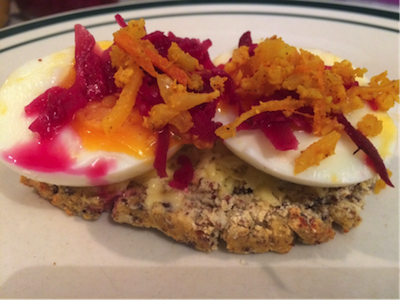
A few days a week I’ll have a slice with butter (I love butter!) and soft-boiled eggs, topped with whatever fermented vegetables we have on hand, and a side of avocado and left over vegetables from dinner the night before.

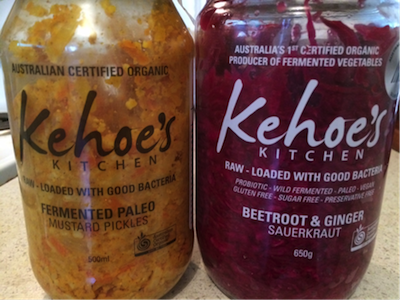
In case you’re curious, on this particular day, I used Kehoe’s Kitchen Fermented Paleo Mustard Pickles (it has a lot of cauliflower) and Kehoe’s Kitchen Beetroot & Ginger Sauerkraut. Both of these products are firm favorites in this household!

Similar products in the USA are made by The Brinery or FireFly Kitchens (just search online for “organic fermented vegetables”). Or make your own!

Remember if you buy fermented vegetables make sure to get them in the refrigerated section of the store. They need to be RAW in order to get all the benefits of the good bacteria for gut health and balancing your microbiome, and ultimately helping with reducing anxiety and depression.

The original recipe

Here is the original recipe from Tim Noake’s book (I don’t have the recipe book in hand right now as it’s still packed away with our move but I think this is the original)

0.5 cup ground flax seeds (freshly ground)
0.5 cup ground sunflower
1 cup almond flour or coconut flour
2 tablespoons psyllium husk
250g / 1 cup plain Greek yogurt or sour cream
6 organic or pastured eggs
10ml /2 teaspoons aluminum-free baking powder
0.5 teaspoon sea salt
Pinch stevia or teaspoon xylitol

Optional: Cinnamon, caraway seeds, pumpkin seeds, various chopped nuts and/or cranberries/raisins

Tim Noakes and anxiety and depression success stories

Here is some additional information about The Real Meal Revolution. It started out as a Banting recipe book and has grown into a movement in South Africa. Banting is similar to Paleo but does include dairy. My darling sister gave me a copy of this very popular book on one of my trips back to visit family and I really like it! It is fastest selling cook book in South African history with over 200,000 copies sold and is now available internationally in the UK, Australia and New Zealand.

In this blog post about anxiety and depression success stories when eating Paleo and grain-free, Alice shared this about her change to a Banting way of eating:

Three days after I stopped eating grains, my chronic depression lifted and has never returned (it’s three years later now). I had been a vegetarian most of my life, discovered in my early 50s that I was gluten intolerant, went off grains, started banting (Cape Town craze!) and have never felt better. Gut, mood, bones, energy, skin … all better!

Let us know if you try this recipe and enjoy it and do share some of your favorite fermented vegetable companies or recipe books.

And do let us know if you do better on a grain-free diet.

Filed Under: Food and mood, Recipes Tagged With: anxiety, coconut bread, depression, microbiome, oxalate, recipe, Trudy’s coconut seed bread

International Society for Nutritional Psychiatry Research: 2017 conference

July 21, 2017 By Trudy Scott Leave a Comment

This is the first major international meeting of the International Society for Nutritional Psychiatry Research and will be held July 30 – August 2, in Bethesda, MD, USA. The conference will comprise:

  • Plenary presentations from leading international researchers
  • State of the art symposia and free oral presentations from researchers and clinicians
  • Multidisciplinary workshops for psychiatrists, psychologists, dietitians, nutritionists and other health professionals
  • An exciting social program

This meeting will reflect the broad spectrum of research, from the sub-cellular to translation and implementation science. There will also be a strong focus on basic science and the biological processes and factors that underpin the links between diet, nutrition and mental health, including the brain-gut-microbe axis, immunology and metabolic processes and molecular science. The program will cater to the interests of researchers and clinicians from the fields of public health, diabetes, cardiovascular disease, obesity and dietetics, as well as psychiatry and psychology.

I’m excited to have the opportunity to hear and meet so many amazing food/nutrient and mental health researchers, many of whom I’ve referenced in my book and shared on my blog and in presentations:

  • Food mood /microbiome researcher, Professor Felice Jacka, President, International Society for Nutritional Psychiatry Research
  • Microbiome researcher, Professor John F. Cryan
  • Micronutrient researcher, Julia Rucklidge
  • Sugar and trans fats researcher, Professor Almudena Sánchez-Villegas, University of Las Palmas de Gran Canaria, Spain
  • Nutraceuticals researcher, Professor Jerome Sarris;
  • Hypoglycemia/anxiety researcher, Monique Aucoin ND and so many more!

I’ve been accepted to do a rapid fire presentation on gluten-free/Paleo diet for anxiety and will also be presenting a poster on GABA/amino acids for anxiety. What an honor!

You can find the program information here.

This is a conference for health professionals but I’m pleased to announce that the Sunday sessions are OPEN TO THE PUBLIC.

More information and registration for INSPR 2017 here.

Filed Under: Events Tagged With: anxiety, felice jacka, food, GABA, gut-brain, International Society for Nutritional Psychiatry Research, ISNPR

The Antianxiety Food Solution: This Book Is a Total Game Changer!!

July 21, 2017 By Trudy Scott 7 Comments

I write multiple blogs each week and the website is a wealth of information (be sure to check the comments too – I love the community feedback and questions and learn so much from you!) BUT the foundation of all that I teach and how I work with my anxious clients is outlined in great detail in my book The Antianxiety Food Solution, so I recommend this essential reading to make the basic food changes (for some people that’s all they need to do), and before using any of the nutrients, and especially before using targeted individual amino acids.  

Valerie Gangason posted this wonderful review on Amazon recently: This Book Is a Total Game Changer!!

If you have anxiety, panic attacks or phobias, read this book. It’s an eye opener and a complete game changer. It pushed me to re-evaluate the way I eat and to make some serious shifts in my life. FYI-sugar is the devil

I love the comment about sugar being the devil and commend her for re-evaluating how she eats and for making those serious shifts. It’s how you get results and I ever get tired of feedback like this.

Grab your copy from Amazon here if you don’t yet have it. If you already have a copy I’d love a review on Amazon please! And if you have an older copy with no index you can grab a copy of the index here

Feel free to share your great results or ask questions in the comments.

Filed Under: Books Tagged With: anxiety, anxious, eat, panic attacks, phobias, sugar, the antianxiety food solution, Trudy Scott

  • « Go to Previous Page
  • Page 1
  • Interim pages omitted …
  • Page 69
  • Page 70
  • Page 71
  • Page 72
  • Page 73
  • Interim pages omitted …
  • Page 160
  • Go to Next Page »

Primary Sidebar

GABA QuickStart Homestudy

gaba quickstart homestudy

Free Report

9 Great Questions Women Ask about Food, Mood and their Health

You'll also receive a complimentary subscription to my ezine "Food, Mood and Gal Stuff"


Connect with me

Popular Posts

  • Amino Acids Mood Questionnaire from The Antianxiety Food Solution
  • The Antianxiety Food Solution Amino Acid and Pyroluria Supplements
  • Pyroluria Questionnaire from The Antianxiety Food Solution
  • Collagen and gelatin lower serotonin: does this increase your anxiety and depression?
  • Tryptophan for the worry-in-your-head and ruminating type of anxiety
  • GABA for the physical-tension and stiff-and-tense-muscles type of anxiety
  • The Antianxiety Food Solution by Trudy Scott
  • Seriphos Original Formula is back: the best product for anxiety and insomnia caused by high cortisol
  • Am I an anxious introvert because of low zinc and vitamin B6? My response to Huffington Post blog
  • Vagus nerve rehab with GABA, breathing, humming, gargling and key nutrients

Recent Posts

  • Her cravings for chips and peanut butter were triggered by stress: GABA ends cravings and reduces physical tension and fear of heights
  • It is truly miraculous to be able to move through life without crippling anxiety and panic
  • GABA and tryptophan combo provide immediate and noticeable relief for tremors and cervical dystonia in just 7 days
  • Red light therapy for back and neck pain, plantar fasciitis and low mood – a complement to the amino acids GABA, DPA and tryptophan
  • What do I use instead of Seriphos to help lower high cortisol that is affecting my sleep and making me anxious at night?

Categories

  • 5-HTP
  • AB575
  • Addiction
  • ADHD
  • Adrenals
  • Alcohol
  • Allergies
  • Alzheimer's disease
  • Amino Acids
  • Anger
  • Antianxiety
  • Antianxiety Food Solution
  • Antidepressants
  • Anxiety
  • Anxiety and panic
  • Autism
  • Autoimmunity
  • benzodiazapines
  • Bipolar disorder
  • Books
  • Caffeine
  • Cancer
  • Candida
  • Children/Teens
  • Collagen
  • Cooking equipment
  • Coronavirus/COVID-19
  • Cravings
  • Depression
  • Detoxification
  • Diabetes
  • Diet
  • DPA/DLPA
  • Drugs
  • EFT/Tapping
  • EMF
  • EMFs
  • Emotional Eating
  • Endorphins
  • Environment
  • Essential oils
  • Events
  • Exercise
  • Fear
  • Fear of public speaking
  • Fertility and Pregnancy
  • Fish
  • Food
  • Food and mood
  • Functional neurology
  • GABA
  • Gene polymorphisms
  • General Health
  • Giving
  • Giving back
  • Glutamine
  • Gluten
  • GMOs
  • Gratitude
  • Gut health
  • Heart health/hypertension
  • Histamine
  • Hormone
  • Hyperparathyroidism
  • Hypoglycemia
  • Immune system
  • Inflammation
  • Insomnia
  • Inspiration
  • Introversion
  • Joy and happiness
  • Ketogenic diet
  • Lithium orotate
  • Looking awesome
  • Lyme disease and co-infections
  • MCAS/histamine
  • Medication
  • Men's health
  • Mental health
  • Mercury
  • Migraine
  • Mold
  • Movie
  • MTHFR
  • Multiple sclerosis
  • Music
  • NANP
  • Nature
  • Nutritional Psychiatry
  • OCD
  • Osteoporosis
  • Oxalates
  • Oxytocin
  • Pain
  • Paleo
  • Parasites
  • Parkinson’s disease
  • PCOS
  • People
  • PMS
  • Postpartum
  • PTSD/Trauma
  • Pyroluria
  • Questionnaires
  • Real whole food
  • Recipes
  • Research
  • Schizophrenia
  • serotonin
  • SIBO
  • Sleep
  • Special diets
  • Sports nutrition
  • Stress
  • Sugar addiction
  • Sugar and mood
  • Supplements
  • Teens
  • Testimonials
  • Testing
  • The Anxiety Summit
  • The Anxiety Summit 2
  • The Anxiety Summit 3
  • The Anxiety Summit 4
  • The Anxiety Summit 5
  • The Anxiety Summit 6
  • Thyroid
  • Thyroid health
  • Toxins
  • Tryptophan
  • Tyrosine
  • Uncategorized
  • Vegan/vegetarian
  • Women's health
  • Yoga

Archives

  • May 2026
  • April 2026
  • October 2025
  • September 2025
  • August 2025
  • July 2025
  • June 2025
  • May 2025
  • April 2025
  • March 2025
  • February 2025
  • January 2025
  • November 2024
  • October 2024
  • September 2024
  • August 2024
  • July 2024
  • June 2024
  • May 2024
  • April 2024
  • March 2024
  • February 2024
  • January 2024
  • December 2023
  • November 2023
  • October 2023
  • September 2023
  • August 2023
  • July 2023
  • June 2023
  • May 2023
  • April 2023
  • March 2023
  • February 2023
  • January 2023
  • December 2022
  • November 2022
  • October 2022
  • September 2022
  • August 2022
  • July 2022
  • June 2022
  • May 2022
  • April 2022
  • March 2022
  • February 2022
  • January 2022
  • December 2021
  • November 2021
  • October 2021
  • September 2021
  • August 2021
  • July 2021
  • June 2021
  • May 2021
  • April 2021
  • March 2021
  • February 2021
  • January 2021
  • December 2020
  • November 2020
  • October 2020
  • September 2020
  • August 2020
  • July 2020
  • June 2020
  • May 2020
  • April 2020
  • March 2020
  • February 2020
  • January 2020
  • December 2019
  • November 2019
  • October 2019
  • September 2019
  • August 2019
  • July 2019
  • June 2019
  • May 2019
  • April 2019
  • March 2019
  • February 2019
  • January 2019
  • December 2018
  • November 2018
  • October 2018
  • September 2018
  • August 2018
  • July 2018
  • June 2018
  • May 2018
  • April 2018
  • March 2018
  • February 2018
  • January 2018
  • December 2017
  • November 2017
  • October 2017
  • September 2017
  • August 2017
  • July 2017
  • June 2017
  • May 2017
  • April 2017
  • March 2017
  • February 2017
  • January 2017
  • December 2016
  • November 2016
  • October 2016
  • September 2016
  • August 2016
  • July 2016
  • June 2016
  • May 2016
  • April 2016
  • March 2016
  • February 2016
  • January 2016
  • December 2015
  • November 2015
  • October 2015
  • September 2015
  • August 2015
  • July 2015
  • June 2015
  • May 2015
  • April 2015
  • March 2015
  • February 2015
  • January 2015
  • December 2014
  • November 2014
  • October 2014
  • September 2014
  • August 2014
  • July 2014
  • June 2014
  • May 2014
  • April 2014
  • March 2014
  • February 2014
  • January 2014
  • December 2013
  • November 2013
  • October 2013
  • September 2013
  • August 2013
  • July 2013
  • June 2013
  • May 2013
  • April 2013
  • March 2013
  • February 2013
  • January 2013
  • December 2012
  • November 2012
  • October 2012
  • August 2012
  • July 2012
  • June 2012
  • May 2012
  • April 2012
  • March 2012
  • February 2012
  • January 2012
  • December 2011
  • November 2011
  • October 2011
  • September 2011
  • August 2011
  • July 2011
  • June 2011
  • May 2011
  • April 2011
  • March 2011
  • February 2011
  • January 2011
  • December 2010
  • October 2010
  • September 2010
  • July 2010
  • May 2010
  • April 2010
  • March 2010
  • February 2010
  • January 2010
  • November 2009

Share the knowledge!

The above statements have not been evaluated by the Food and Drug Administration. Products listed in this website are not intended to diagnose, treat, cure or prevent any disease.

The information provided on this site is for informational and educational purposes only and is not intended as a substitute for advice from your physician or other health care professional. You should consult with a healthcare professional before starting or modifying any diet, exercise, or supplementation program, before taking or stopping any medication, or if you have or suspect you may have a health problem.


Copyright © 2026 Trudy Scott. All Rights Reserved. | Privacy | Terms and Conditions | Refund Policy | Medical Disclaimer

Free Report

9 Great Questions Women Ask about Food, Mood and their Health

You’ll also receive a complimentary subscription to my ezine “Food, Mood and Gal Stuff”