• Skip to primary navigation
  • Skip to main content
  • Skip to primary sidebar

everywomanover29 blog

Food, Mood and Women's Health – Be your healthiest, look and feel great!

  • Blog
  • About
  • Services
  • Store
  • Resources
  • Testimonials
  • The Book
  • Newsletter
  • Contact
  • Search this site

GABA, the calming amino acid: expert opinions

December 11, 2015 By Trudy Scott 69 Comments

gaba-opinions

GABA (gamma-aminobutyric acid) is one of my top nutrient recommendations for clients with physical tension, anxiety, overwhelm and panic attacks. I’m often asked if it really works and is it even worth taking so here is some feedback from practitioners from the Anxiety Summit, all of whom I consider experts on the topic.

Julia Ross, MFT, pioneer in the field of amino acid therapy, my mentor and the author of The Mood Cure and The Diet Cure shares this wisdom about GABA during our interview: Eliminating Anxiety: Amino Acid Therapy and Adrenal Balancing on season 1 of the Anxiety Summit:

Among other things, GABA relaxes the nerves in the muscles in the body. One of the most common kinds of feedback that we get from people who are doing a GABA trial is that it seems to take effect so quickly. This may be because, unlike tryptophan, which has to be converted into serotonin, GABA is the neurotransmitter and the amino acid all in one and requires no conversion.

There isn’t often a GABA discussion when the topic of the blood-brain-barrier doesn’t come up and whether GABA actually does work. Of course Julia addresses this too:

There is a myth going around, based on one old study, that GABA doesn’t cross into the brain, that it doesn’t cross the blood-brain barrier. But there are other studies that show that it does [here is a paper published earlier this year], and our clinical experience is overwhelming. This is the most popular trial that we do, the GABA trial, using only 100 mg. It zips right into the brain, and people immediately feel relaxed physically and mentally.

I see this with my clients on a daily basis and I can certainly attest to that personally too. I like to share that I was a “GABA girl”: when I had my terrible anxiety and panic attacks in my late 30s anxiety, GABA worked beautifully for me. It was amazing and life-changing! Zero anxiety and no more panic attacks!  

We are all individual and you may find that theanine works better for you than GABA. Julia talks about this too:

I would say about 15 to 20 percent of people who need this GABA-type relief of the tension and stress, don’t seem to get it from GABA. In those cases, most of them do get it from the amino acid, l-theanine, instead, in our experience.

Dr. Josh Friedman, is dear friend, colleague and integrative psychotherapist who uses amino acids and other nutritional approaches in his practice. I also had the honor of interviewing him on season 1 of the Anxiety Summit. I ask him if he uses GABA with his patients and what he thinks about the naysayers. I just love his answer:

[GABA] is definitely something I use. I am not a biochemist, so I actually don’t really know whether it crosses the blood/brain barrier, nor do I care actually. The first question should be, is it harmful? Are any of these things going to cause harm? And the answer with all the amino acids are no, they’re not going to cause harm, especially when compared to psychiatric medicines. The second question is, does it work? Is it helpful for our patients that we see in our practice?

GABA certainly worked for Meme Grant, GAPS Practitioner, Nutritional Therapist, FNTP, and fellow African. She had anxiety, panic attacks, didn’t enjoy speaking in public, had insomnia and was an emotional eater. I also interviewed her in season 1 and she shared this:

I took GABA for the first time in the afternoon and had no panic attacks that afternoon, and I took one in the evening and I did that for a couple of weeks, and I haven’t seen a panic attack since.

I find that many people do well with a combination of GABA and one or more of theanine, taurine and glycine. All of these are calming amino acids and since we are all unique you may find that one of these combinations work better for you.

Dr. Hyla Cass, M.D. board-certified in psychiatry and integrative medicine and the author of Natural Highs and The Addicted Brain and How to Break Free, talks about this in our interview: The Addicted Brain and How to Break Free   

If someone has anxiety, it’s not a Valium or a Xanax deficiency. It could be a GABA deficiency. And that could be due to stress. So if you’re low in GABA, there are some really cool things to take – theanine, glycine, taurine. The different nutrients work together and when we add them together, it’s more than the sum of its parts. So adding glycine and GABA together is going to give you a better result and you don’t have to use as much as each of the individual ones. So that’s nature’s Valium.

Jonathan Prousky, ND, MSc, editor of the Journal of Orthomolecular Medicine and author of Anxiety: Orthomolecular Diagnosis and Treatment shares this in our season 2 interview: Tapering off psychiatric drugs so they do not ruin your life

I have found GABA to be invariably helpful and I don’t really know exactly how GABA works but I know it to be very, very safe and, to me, that is fundamentally important. It’s not associated with any withdrawal, with any tolerance, with any habituation, so people can try it without a lot of concern.

Dr. Prousky uses both regular crystalline GABA and pharmaGABA but prefers the latter. He uses it as part of his SRR model for helping his patients taper of psychiatric drugs such as benzodiazepines. SRR stands for sedation, relaxation and regulation:

  • Sedation: one gets the sedating effects of GABA (he uses pharmaGABA at a dose of 100-200 mg)
  • Relaxation: niacin at a dose of 250-500 mg (immediate-release)
  • Regulation: melatonin (generally about 3mg) to helps regulate the sleep-and-wake cycles

GABA really does work if your anxiety is a result of low GABA levels. As Julia so wisely says:

On a scale of zero to ten, zero is not an unrealistic goal when it comes to anxiety.  It’s really the human potential and GABA [and tryptophan] give us access to it.

So we have many expert opinions but the best way to figure out if GABA works is to try it. You’ll know within 5 minutes if it’s working for you. This is one of the reasons I love the amino acids: you get results right away and it makes you feel less anxious right away, giving you hope while you deal with other factors that may be contributing to your anxiety.

How much GABA do we need and how do we take it? I find that GABA is most effective when taken sublingually. Source Naturals GABA Calm is a great sublingual that contains 125mg GABA, 50mg Glycine, 20mg taurine, some magnesium and 25mg N-Acetyl L-Tyrosine. I also really like Nutritional Fundamentals for Health GABA-T SAP which contains 300mg GABA 300 mg and 150mg theanine. This is pleasant-tasting when opened on to the tongue and seems to be most effective when held there for about 2 minutes.   GABA products that contain 500mg and 750mg are often too much for most of my clients.

You can find these and other GABA products that I recommend here

If you’d like to learn more about GABA from the above experts, you can get details of the Anxiety Summits here 

You’ll also learn about many other nutritional and biochemical causes of anxiety: gut health and the microbiome, hormone imbalance, methylation issues, other low neurotransmitter levels, pyroluria (causing social anxiety), oxalates/gluten (special diets), pyschoneuroendocrinology, heavy metals, poor liver health, adrenal issues like high cortisol, mold, candida, parasites and much more!

Have you used GABA or any of the other calming amino acids and found benefits? Please share what product and how much worked for you?

If you have not tried GABA, were you a naysayer but now feel more inclined to look into this?
Filed Under: Amino Acids, GABA Tagged With: anxiety, anxiety summit, calming amino acid, GABA, Hyla Cass, Julia Ross, panic attacks, Trudy Scott

Joint hypermobility / Ehlers-Danlos Syndrome and pyroluria?

December 4, 2015 By Trudy Scott 98 Comments

brighton
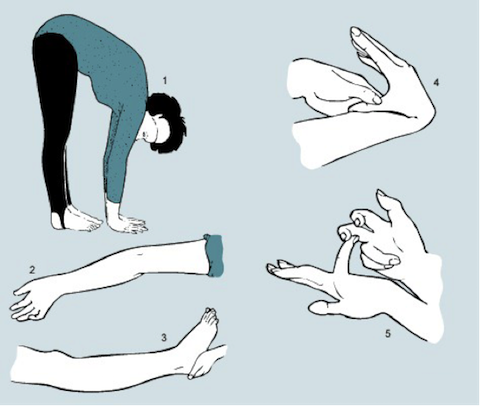
Brighton Diagnostic criteria for the Joint Hypermobility Syndrome (source: http://ednf.org/assessing-joint-hypermobility)

I recently received a question about the possible connection between joint hypermobility / Ehlers-Danlos Syndrome and pyroluria. It’s been on my long list of topics to look into, learn more about and write about because I also feel there may be a connection to pyroluria, a social anxiety condition. People with pyroluria can often relate to these symptoms: joints popping, cracking, or aching; pain or discomfort between the shoulder blades; or cartilage problems (likely due to low zinc levels).

So here goes, I’ll share what I know so far. I’d love to gather more information and am looking for feedback too so please do share your experiences in the comments.

Joint hypermobility syndrome is described in this British Medical Journal paper: by expert Professor Rodney Grahame:

Joint hypermobility syndrome (JHS), previously known as benign joint hypermobility syndrome (BJHS), is a heritable disorder of connective tissue that comprises symptomatic hypermobility predisposing to arthralgia, soft tissue injury, and joint instability. It is indistinguishable from the hypermobility type of Ehlers-Danlos syndrome.

Complications may include autonomic dysfunction, proprioceptive impairment, premature osteoarthritis, intestinal dysmotility, and laxity in other tissues causing hernias or uterine or rectal prolapse.

Symptoms are often minimal or mild, but 168 out of 700 patients with joint hypermobility syndrome (24%) attending the UCH Hypermobility Clinic already had an established chronic pain syndrome at the time of their first outpatient attendance. These patients were experiencing serious pain, disability, and impairment of the quality of life, some patients becoming chairbound or even bedbound.

As reported in this Dec 2014 paper: United States Physical Therapists’ Knowledge About Joint Hypermobility Syndrome Compared with Fibromyalgia and Rheumatoid Arthritis despite the fact that joint hypermobility syndrome is one of the most common inherited connective tissue disorders, “many physical therapists in the United States are not familiar with the diagnostic criteria, prevalence or common clinical presentation.”

This is the actual request that I received from Catriona, one of my blog readers/facbeook followers:

I was wondering if you’d ever be interested on doing a post on Ehlers-Danlos Syndrome/Joint Hypermobility. I wonder whether many of your clients suffer from it and possibly don’t even realize. It’s a group of connective tissue disorders which had mostly been thought to affect only the joints, skin, skeleton and blood vessels, but it turns out that connective tissue is a necessary part of all organs and that there are much higher than expected incidences of anxiety, depression, chronic pain which is often labelled as fibromyalgia, gastrointestinal problems and more. I suspect a lot of people with EDS [Ehlers-Danlos Syndrome] also have pyroluria, there are high numbers of people having to deal with POTS [Postural orthostatic tachycardia syndrome] and MCAS[Mast Cell Activation Syndrome] and very high levels of disability with it. I think that having connective tissue in the gut that might be more prone to tearing and leaking might make dietary changes even more important, but might also be one of the things that results in less good responses to nutrient therapies. As well as that there are so many people with EDS on cocktails of medications for pain, sleep, anxiety, depression, reflux, IBS, menstrual disorders etc. and I can’t help but wonder whether all those medications are actually sometimes making things worse for some. Is it something you’ve come across much? Thanks.

There are a number of papers published in 2014 and 2015 linking EDS / Ehlers-Danlos Syndrome with psychiatric disorders. None mention social anxiety but anxiety is very common, as is depression.

Here is one paper that was published October 2015: Psychiatric disorders in Ehlers-Danlos syndrome are frequent, diverse and strongly associated with pain

Psychiatric disorders were found in 42.5 % of the EDS cohort, with 22.7 % of patients affected with 2 or more psychiatric diagnoses. Anxiety and depression were most commonly reported, with frequencies of 23.6 and 25.5 %, respectively.

This paper was published in April 2015, looking postal survey results from 250 members (over 18 years) of the Swedish National EDS Association: Self-reported quality of life, anxiety and depression in individuals with Ehlers-Danlos syndrome (EDS): a questionnaire study

Of the respondents 74.8% scored high on anxiety and 22.4% scored high on depression on the HADS [Hospital Anxiety and Depression Scale]

This March 2015 paper: Psychopathological manifestations of joint hypermobility and joint hypermobility syndrome/ Ehlers-Danlos syndrome, hypermobility type: The link between connective tissue and psychological distress revised addresses generalized joint hypermobility and other disorders as well as anxiety:

Psychological distress is a known feature of generalized joint hypermobility (gJHM), as well as of its most common syndromic presentation, namely Ehlers-Danlos syndrome, hypermobility type (a.k.a. joint hypermobility syndrome – JHS/EDS-HT), and significantly contributes to the quality of life of affected individuals.

Interestingly, in addition to the confirmation of a tight link between anxiety and gJHM [generalized joint hypermobility], preliminary connections with depression, attention deficit (and hyperactivity) disorder, autism spectrum disorders, and obsessive-compulsive personality disorder were also found.

Of course the big question is which comes first ?

  • the EDS and pain leading to feelings of anxiety and depression
  • or the genetic factors that cause nutritional deficiencies affecting both connective tissue and contributing to anxiety/depression

I’d guess it’s likely a combination of both and that it’s going to vary by individual.

The website of the Ehlers-Danlos Syndromes National Foundation is an excellent resource for learning about the condition but interestingly they make no mention of psychiatric symptoms.

Here is some feedback I’ve received up until now, on my blog, about a possible connection to pyroluria:

  • As you can see in this blog post: Pyroluria prevalence and associated conditions Thin Basement Membrane Disease (an inherited collagen/connective tissue disorder diagnosed via kidney biopsy) may be related to pyroluria. Someone contacted me during season 3 of the Anxiety Summit and said she has pyroluria and TBMD/Thin Basement Membrane Disease. She shared that the pyroluria protocol helped with her TBMD/Thin Basement Membrane Disease symptoms.
  • Maruschka posted on the same pyroluria blog sharing this (slightly edited version): pyrrole disorder/pyroluria is big part of hypermobility, Ehlers Danlos syndrome 3 and mixed connective tissue disorder. 80% of us suffer with pyrrole in collagen issues. Often undiagnosed. Professor Rodney Grahame says every 5 people in 30 people we meet have it. Now there is a talk that hypermobility is induced by environment, so epigenetics could reverse it.
  • Ali commented on this blog post: Pyroluria, Amino Acids and Anxiety: Troubleshooting when you are not getting results saying she “immediately identified with almost all of the symptoms on your pyroluria questionairre, and ordered the test through Direct Health Care (the lab Dr. Walsh recommends). I ended up getting a mild positive urinary kryptopyrrole result .” She has also been “diagnosed with mast cell activation disorder (MCAD) and autoimmune disease (lupus, Hashimoto’s thyroiditis, celiac disease, Raynaud’s, interstitial cystitis), and Ehlers-Danlos Syndrome Type 3.” The pyroluria protocol does not seem to help her but she does have a great deal going on with her health.
  • Candy commented on the above post too, saying she has been diagnosed with Ehlers Danlos Syndrome and relates to many of the pyroluria symptoms.

I received this feedback from a colleague, Dr. Josh Friedman, an integrative psychotherapist who uses amino acids and other nutritional approaches in his practice. (You may remember him from the Anxiety Summit season 1 and then he interviewed me in season 3

One thing that I have noticed in the few folks in my practice with EDS (small sample of 4-5) is that that they tend toward low cholesterol (below 160 total) and do well with cholesterol supplementation. They do suffer from anxiety and/or depression. It seems pyroluria is a factor in some but not others (I have used the questionnaire from your book).

I look forward to learning more so I can help more people with social anxiety and hopefully some of the symptoms that may overlap with joint hypermobility and Ehlers-Danlos Syndrome.

Have you been diagnosed with joint hypermobility or Ehlers-Danlos Syndrome? And do you have pyroluria? If yes we’d love to hear if the pyroluria protocol of zinc, vitamin B6, evening primrose oil and a good copper-free multi has helped?

If you have been diagnosed with joint hypermobility or Ehlers-Danlos Syndrome and have social anxiety, we’d love to hear how you score on the Pyroluria Questionnaire

What approaches (nutritional and otherwise) have helped you? And please do share additional resources if you have them.

Filed Under: Pyroluria Tagged With: Ehlers-Danlos Syndrome, Joint hypermobility

GMO salmon approved – frankenfish?

November 27, 2015 By Trudy Scott 8 Comments

salmon
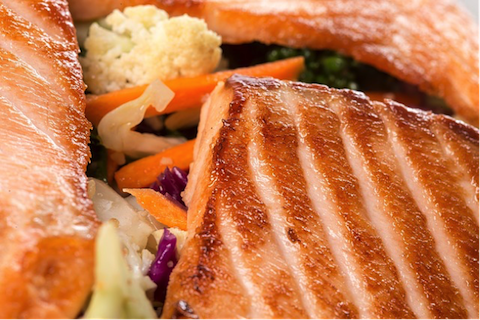
Is this wild salmon or GMO salmon? If you’re eating at a restaurant you may not know the difference

The FDA has just approved GMO salmon, which has already been dubbed frankenfish.

This USA Today story: In historic first, FDA approves genetically altered salmon reports the following:

If you want to find the latest product approved by the FDA, don’t bother with the pharmacy. Try the fish freezer.

The AquAdvantage Atlantic salmon has made history – along with a generous serving of controversy — by becoming the first genetically engineered food animal approved for sale in the U.S.

Because of its genetic modifications, the Food and Drug Administration said the new variety of salmon “meets the definition of a drug.”

It’s sad and also a little crazy – fish is now a drug!

Here is an excellent interview that Jeffrey Smith did on Underground Radio with Sean Croxton 5 years ago when the GMO salmon was pending approval: Say NO to GMO Salmon! with Jeffrey Smith. They talk more about the fact that this fish is now a drug which allows them to keep various aspects secret.

According to this Huffington Post article: FDA OKs Genetically Modified Salmon For Human Consumption

The fish grows twice as fast as normal salmon, so it reaches market size more quickly. It has an added growth hormone from the Pacific Chinook salmon that allows the fish to produce growth hormone all year long. The engineers were able to keep the hormone active by using another gene from an eel-like fish called an ocean pout that acts like an “on” switch for the hormone. Typical Atlantic salmon produce the growth hormone for only part of the year.

Boycotting the AquAdvantage salmon (produced by biotechnology company AquaBounty Technologies) won’t be easy because the salmon may not be labeled as GMO or genetically engineered/GE.  And if you’re eating at a restaurant you may not know the difference.

Many big food stores like Whole Foods, Trader Joes, Aldis and even Costco have said they will not sell this GMO salmon. This is good news!

The Center for Food Safety is ready to fight back and sue the FDA challenging its approval of these untested, unlabeled, and unwanted GMO/genetically engineered salmon and you can support this effort here.

Of course your best choice is wild-caught salmon, which are never genetically modified and have many added benefits over any type of farmed salmon, GMO or not. You may recall the great interview on The Anxiety Summit where Randy Hartnell, fisherman, and owner of Vital Choice talked about the wonderful benefits for seafood. Our topic: What you need to know about seafood—the ultimate brain and mood food

What do you think? Are we being overly concerned about GMO salmon? Or should we be boycotting it? Would you be willing to eat it and feed it to your family? Or are you strictly a wild salmon consumer?


Filed Under: GMOs Tagged With: fda, gmo salmon, organic, salmon

Anxiety and stress research summary: mother’s age, coffee and benzodiazepines

November 20, 2015 By Trudy Scott Leave a Comment

coffee-and-cream

I like to keep up with recent research papers and I post new studies on my facebook page each week asking for feedback, results, opinions and more. I’ve decided to try something new and I’ve gathered a few of the hot topics into a blog to share here.

Here are a few recent studies and links to the facebook discussions:

(1) Mother’s age at birth may influence symptoms of depression in daughters. Father’s age not a factor; effect not seen in sons, study says

Daughters whose mothers were age 30 to 34 when they gave birth reported significantly higher levels of stress and those whose mothers were over age 35 at the time of birth had significantly higher levels of stress, depression and anxiety compared with daughters whose mothers were under age 30.

Is this true for you, your daughters, your family? It’s not for me. My mom was under 30 when she had me and I really have to watch my stress levels and I did have really bad anxiety in my late 30s. Here is the link to the feedback on the facebook post and as you can see it’s about half and half.

(2) Drink To Your Health: Study Links Daily Coffee Habit To Longevity

In our study, we found people who drank three to five cups of coffee per day had about a 15 percent lower [risk of premature] mortality compared to people who didn’t drink coffee

Based on the all the excited and happy comments in this thread on the NPR facebook page there are many coffee addicts all self-medicating with caffeine! Sorry, but it’s the truth and one of the toughest things for most of my clients to quit.

Unfortunately coffee is not a great choice and it affects so many people with increasing anxiety and panic attacks, causing insomnia, impacting the adrenals and hormones. It’s also dehydrating, affects blood sugar levels, is loaded with pesticides unless organic, can cross-react with gluten and can be a source of mold.

Are you a coffee addict and would you like to quit? Are you a coffee addict but don’t plan to quit? Have you quit and are so glad you did? And what do you drink now? I quit about 18 years ago and I vote for rooibos herbal tea or carob!

Here is the link to the feedback on the facebook post and as you can see most commenters have embraced a life with no coffee which is wonderful!

(3) Drug driving: Are your meds affecting you?

In Australia, drivers with Benzodiazepines (used to treat sleep and anxiety disorders) levels at therapeutic concentrations and higher, were more likely to be culpable in a crash.

Many drivers think that the impairing effects of medicines only occur when they are used excessively, or taken in excess, but that is not the case.by drugs, according to (QUT) Queensland University of Technology road safety researcher Dr Tanya Smyth.

She said driving while affected by prescription and over-the-counter medications had the potential to be as dangerous as driving under the influence of illegal drugs.

The biggest problem is that research has shown drivers are unable to accurately self-assess their impairment when taking medication and are overconfident in assessing their abilities.

The concern is that drivers may be assessing themselves as safe to drive, when in fact they are not.

Many drivers think that the impairing effects of medicines only occur when they are used excessively, or taken in excess, but that is not the case.

Drug Driving is an interesting term and this is very scary considering how many people are prescribed benzodiazepines! If you’re currently on a benzo, do you feel safe driving? If you took benzos in the past, did you feel safe driving? Do you think we need better guidelines for driving for folks on certain prescription medications?

Here is the link to the feedback on the facebook post

I’d love to hear what you think of this format and if this is of interest to you? I’d also like to invite you to come on over to facebook and join in the discussion. Or feel free to post questions and comments right here on the blog.


Filed Under: Caffeine, Depression, Research

No Grain, No Pain – audio interview with Dr. Peter Osborne

November 19, 2015 By Trudy Scott 12 Comments

no-grain-no-pain

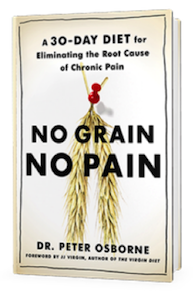
In the tradition of Wheat Belly and Grain Brain, this new book No Grain, No Pain by Dr. Peter Osborne demonstrates the proven link between a gluten-heavy diet and chronic pain and discomfort and offers a groundbreaking, 30-day, grain-free diet plan to help you heal yourself from the inside out.

Dr. Peter Osborne, the leading authority on gluten sensitivity and food allergies (and one of the favorite speakers on The Anxiety Summit), shows how grains wreak havoc on the body by causing tissue inflammation, creating vitamin and/or mineral deficiencies, and triggering an autoimmune response that causes the body to attack itself.

I received an advance copy of this new book and read it cover to cover in a few hours. I could NOT put it down! This book is brilliant and everyone with any health issue, including anxiety and mood problems needs to read it, even if physical pain is not an issue!

As promised, here is the audio interview:

https://s3.amazonaws.com/trudyblog/peter-osborne-book-interview.mp3

And here are some snippets from this great book:

  • The true definition of gluten is that it is a large family of storage proteins found in all forms of grain, including rice, corn, and many others. The bottom line is this: the majority of gluten-sensitive people who eliminate only wheat, barley, rye, and oats but continue to consume other grains don’t get better!
  • only one protein, gliadin, found in wheat, barley, and rye, has been extensively studied. Each grain has one or more types of gluten proteins. A recent study identified four hundred new forms of gluten, forty of which were more damaging than the form of gluten for which doctors most commonly test
  • Research shows that corn (and corn oil) also produces numerous intestinal and health problems for the gluten sensitive

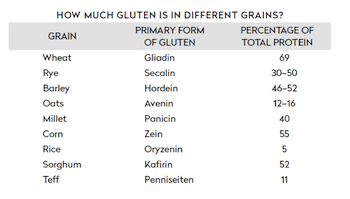
Here is a great table from the book showing the primary form of gluten and how much gluten is found in different grains:

how-much-grain

We covered the fascinating topic of leaky brain on our interview and Dr. Osborne covers it in great detail in the book. Here is a snippet from the book:

Now that you are familiar with leaky gut and understand the interconnected relationship of your brain and your GI tract, let me introduce the concept of leaky brain. Research on gluten sensitivity has identified this syndrome and revealed a connection between gluten-induced leaky gut and leaky brain, confirming the far-reaching effects of gluten on many diseases. Leaky brain means that the blood-brain barrier is breached, just as the gut walls can be breached by damage inflicted by grain. The blood-brain barrier is designed to keep toxic compounds out of the brain’s blood supply, so its disruption could lead to a battery of different neurological and mental symptoms. In addition to schizophrenia, gluten-induced damage can create other neurological problems, including depression, bipolar disease, seizure disorders (epilepsy), facial palsies such as Bell’s palsy, ADD/ADHD, and autism and others [like anxiety – this is my addition]. You could be gluten sensitive and have leaky brain syndrome.

Details about the book and bonus (Leaky Gut Solutions Guide) here

Enjoy!


Filed Under: Books, Gluten Tagged With: no pain no grain, peter osborne

Glutamine for healing a leaky gut

November 13, 2015 By Trudy Scott 46 Comments

glutamine-powder

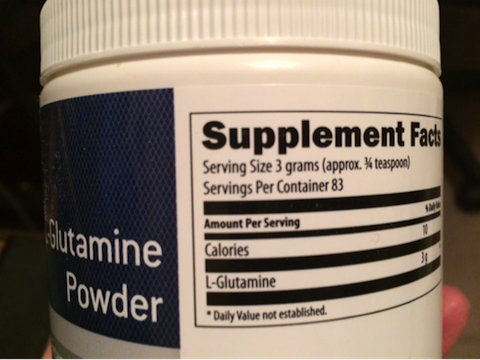
Glutamine is one of my favorite nutrients for healing the gut (or repairing the intestinal barrier). Here is the extract from a paper published last month: Glutamine and intestinal barrier function:

The intestinal barrier integrity is essential for the absorption of nutrients and health in humans and animals. Dysfunction of the mucosal barrier is associated with increased gut permeability and development of multiple gastrointestinal diseases.

Recent studies highlighted a critical role for glutamine, which had been traditionally considered as a nutritionally non-essential amino acid, in activating the mammalian target of rapamycin cell signaling in enterocytes.

In addition, glutamine has been reported to enhance intestinal and whole-body growth, to promote enterocyte proliferation and survival, and to regulate intestinal barrier function in injury, infection, weaning stress, and other catabolic conditions. Mechanistically, these effects were mediated by maintaining the intracellular redox status and regulating expression of genes associated with various signaling pathways.

Furthermore, glutamine stimulates growth of the small intestinal mucosa in young animals and also enhances ion transport by the gut in neonates and adults. Growing evidence supports the notion that glutamine is a nutritionally essential amino acid for neonates and a conditionally essential amino acid for adults.

Thus, as a functional amino acid with multiple key physiological roles, glutamine holds great promise in protecting the gut from atrophy and injury under various stress conditions in mammals and other animals.

I’d like to share how some well-known practitioners use glutamine for healing.  

In this article by Dr. Josh Axe: 4 Steps to Heal Leaky Gut and Autoimmune Disease, glutamine is listed as one of the key gut healing nutrients:

L-Glutamine is critical for any program designed to heal leaky gut. Glutamine is an essential amino acid that is anti-inflammatory and necessary for the growth and repair of your intestinal lining. L-glutamine benefits include acting as a protector: coating your cell walls and acting as a repellent to irritants. Take 2–5 grams twice daily.

Be sure to check out the whole article for great images of leaky gut and how leaky gut can lead to leaky brain and mental health problems like anxiety, depression and bipolar disorders. What Dr. Axe states is so true: in many cases, if you can heal the gut, you can heal the brain.

Dr. Axe references a 2008 paper that discusses normalization of leaky gut in chronic fatigue syndrome with

natural anti-inflammatory and anti-oxidative substances (NAIOSs), such as glutamine, N-acetyl cysteine and zinc

Dr. Amy Myers, author of The Autoimmune Solution shares this in her blog called 8 Supplements to Heal a Leaky Gut:

L-Glutamine is an amino acid that is fundamental to the well-being of the digestive and immune systems. Glutamine is great for repairing damage to the gut, helping the gut lining to regrow and repair, undoing the damage caused by leaky gut, and reducing sugar cravings. I recommend 3-5 grams a day.

Dr. David Perlmutter, author Grain Brain shares this in his interview with Dr. Tom O’ Bryan on The Gluten Summit:

Adding in nutritional supplements like glutamine to allow the gut to calm down, heal itself, and begin to rebuild those vital intestinal barriers to keep out the invaders.

Dr. Mark Hyman shares this in his book The UltraMind Solution in the gut food section:

Glutamine: 2,500 mg twice a day [this equates to 5000mg or 5g/day] You can use the powder or capsule form. This is a nonessential amino acid that is the preferred fuel for the lining of the small intestine and can greatly facilitate healing. It can be taken for one to two months. It generally comes in powder form and is often combined with other compounds that facilitate gut repair.  

In an article on Leaky Gut Syndrome, Sharon Garrett shares how she loves a product called GI Revive, a product that combines glutamine with other gut-healing nutrients:

I LOVE this product and it lasts a long time. It contains L-glutamine, Slippery Elm, Marshmallow Root, Deglycyrrhizinated Licorice, Mucin, Okra Extract, Cat’s Claw, Quercetin, Prune Powder, Zinc, MSM, Chamomile, N-Acetyl Glucosamine, Aloe Vera Extract, and Citrus Pectin. This product was one of the cornerstones of my own progress to heal my gut, and I still use it today for maintenance!

You can read more about glutamine for blood sugar stability, calming and gut healing here.

And be sure to read cancer concerns and benefits if you have active cancer and talk to your doctor before using glutamine. Stay tuned for more blog posts on glutamine and the cancer debate.   I’m still gathering information to share with you.

Keep in mind that licorice root/DGL (deglycyrrhizinated licorice), probiotics, zinc, slippery elm, marshmallow root and quercetin are other supplement options for gut healing if you can’t tolerate glutamine for some reason.

Have you used glutamine for gut healing? Have you used other approaches for gut healing? Please share and feel free to post questions you may have.

Filed Under: Amino Acids, Gut health Tagged With: glutamine, leaky gut

  • « Go to Previous Page
  • Page 1
  • Interim pages omitted …
  • Page 103
  • Page 104
  • Page 105
  • Page 106
  • Page 107
  • Interim pages omitted …
  • Page 160
  • Go to Next Page »

Primary Sidebar

GABA QuickStart Homestudy

gaba quickstart homestudy

Free Report

9 Great Questions Women Ask about Food, Mood and their Health

You'll also receive a complimentary subscription to my ezine "Food, Mood and Gal Stuff"


Connect with me

Popular Posts

  • Amino Acids Mood Questionnaire from The Antianxiety Food Solution
  • The Antianxiety Food Solution Amino Acid and Pyroluria Supplements
  • Pyroluria Questionnaire from The Antianxiety Food Solution
  • Collagen and gelatin lower serotonin: does this increase your anxiety and depression?
  • Tryptophan for the worry-in-your-head and ruminating type of anxiety
  • GABA for the physical-tension and stiff-and-tense-muscles type of anxiety
  • The Antianxiety Food Solution by Trudy Scott
  • Seriphos Original Formula is back: the best product for anxiety and insomnia caused by high cortisol
  • Am I an anxious introvert because of low zinc and vitamin B6? My response to Huffington Post blog
  • Vagus nerve rehab with GABA, breathing, humming, gargling and key nutrients

Recent Posts

  • Her cravings for chips and peanut butter were triggered by stress: GABA ends cravings and reduces physical tension and fear of heights
  • It is truly miraculous to be able to move through life without crippling anxiety and panic
  • GABA and tryptophan combo provide immediate and noticeable relief for tremors and cervical dystonia in just 7 days
  • Red light therapy for back and neck pain, plantar fasciitis and low mood – a complement to the amino acids GABA, DPA and tryptophan
  • What do I use instead of Seriphos to help lower high cortisol that is affecting my sleep and making me anxious at night?

Categories

  • 5-HTP
  • AB575
  • Addiction
  • ADHD
  • Adrenals
  • Alcohol
  • Allergies
  • Alzheimer's disease
  • Amino Acids
  • Anger
  • Antianxiety
  • Antianxiety Food Solution
  • Antidepressants
  • Anxiety
  • Anxiety and panic
  • Autism
  • Autoimmunity
  • benzodiazapines
  • Bipolar disorder
  • Books
  • Caffeine
  • Cancer
  • Candida
  • Children/Teens
  • Collagen
  • Cooking equipment
  • Coronavirus/COVID-19
  • Cravings
  • Depression
  • Detoxification
  • Diabetes
  • Diet
  • DPA/DLPA
  • Drugs
  • EFT/Tapping
  • EMF
  • EMFs
  • Emotional Eating
  • Endorphins
  • Environment
  • Essential oils
  • Events
  • Exercise
  • Fear
  • Fear of public speaking
  • Fertility and Pregnancy
  • Fish
  • Food
  • Food and mood
  • Functional neurology
  • GABA
  • Gene polymorphisms
  • General Health
  • Giving
  • Giving back
  • Glutamine
  • Gluten
  • GMOs
  • Gratitude
  • Gut health
  • Heart health/hypertension
  • Histamine
  • Hormone
  • Hyperparathyroidism
  • Hypoglycemia
  • Immune system
  • Inflammation
  • Insomnia
  • Inspiration
  • Introversion
  • Joy and happiness
  • Ketogenic diet
  • Lithium orotate
  • Looking awesome
  • Lyme disease and co-infections
  • MCAS/histamine
  • Medication
  • Men's health
  • Mental health
  • Mercury
  • Migraine
  • Mold
  • Movie
  • MTHFR
  • Multiple sclerosis
  • Music
  • NANP
  • Nature
  • Nutritional Psychiatry
  • OCD
  • Osteoporosis
  • Oxalates
  • Oxytocin
  • Pain
  • Paleo
  • Parasites
  • Parkinson’s disease
  • PCOS
  • People
  • PMS
  • Postpartum
  • PTSD/Trauma
  • Pyroluria
  • Questionnaires
  • Real whole food
  • Recipes
  • Research
  • Schizophrenia
  • serotonin
  • SIBO
  • Sleep
  • Special diets
  • Sports nutrition
  • Stress
  • Sugar addiction
  • Sugar and mood
  • Supplements
  • Teens
  • Testimonials
  • Testing
  • The Anxiety Summit
  • The Anxiety Summit 2
  • The Anxiety Summit 3
  • The Anxiety Summit 4
  • The Anxiety Summit 5
  • The Anxiety Summit 6
  • Thyroid
  • Thyroid health
  • Toxins
  • Tryptophan
  • Tyrosine
  • Uncategorized
  • Vegan/vegetarian
  • Women's health
  • Yoga

Archives

  • May 2026
  • April 2026
  • October 2025
  • September 2025
  • August 2025
  • July 2025
  • June 2025
  • May 2025
  • April 2025
  • March 2025
  • February 2025
  • January 2025
  • November 2024
  • October 2024
  • September 2024
  • August 2024
  • July 2024
  • June 2024
  • May 2024
  • April 2024
  • March 2024
  • February 2024
  • January 2024
  • December 2023
  • November 2023
  • October 2023
  • September 2023
  • August 2023
  • July 2023
  • June 2023
  • May 2023
  • April 2023
  • March 2023
  • February 2023
  • January 2023
  • December 2022
  • November 2022
  • October 2022
  • September 2022
  • August 2022
  • July 2022
  • June 2022
  • May 2022
  • April 2022
  • March 2022
  • February 2022
  • January 2022
  • December 2021
  • November 2021
  • October 2021
  • September 2021
  • August 2021
  • July 2021
  • June 2021
  • May 2021
  • April 2021
  • March 2021
  • February 2021
  • January 2021
  • December 2020
  • November 2020
  • October 2020
  • September 2020
  • August 2020
  • July 2020
  • June 2020
  • May 2020
  • April 2020
  • March 2020
  • February 2020
  • January 2020
  • December 2019
  • November 2019
  • October 2019
  • September 2019
  • August 2019
  • July 2019
  • June 2019
  • May 2019
  • April 2019
  • March 2019
  • February 2019
  • January 2019
  • December 2018
  • November 2018
  • October 2018
  • September 2018
  • August 2018
  • July 2018
  • June 2018
  • May 2018
  • April 2018
  • March 2018
  • February 2018
  • January 2018
  • December 2017
  • November 2017
  • October 2017
  • September 2017
  • August 2017
  • July 2017
  • June 2017
  • May 2017
  • April 2017
  • March 2017
  • February 2017
  • January 2017
  • December 2016
  • November 2016
  • October 2016
  • September 2016
  • August 2016
  • July 2016
  • June 2016
  • May 2016
  • April 2016
  • March 2016
  • February 2016
  • January 2016
  • December 2015
  • November 2015
  • October 2015
  • September 2015
  • August 2015
  • July 2015
  • June 2015
  • May 2015
  • April 2015
  • March 2015
  • February 2015
  • January 2015
  • December 2014
  • November 2014
  • October 2014
  • September 2014
  • August 2014
  • July 2014
  • June 2014
  • May 2014
  • April 2014
  • March 2014
  • February 2014
  • January 2014
  • December 2013
  • November 2013
  • October 2013
  • September 2013
  • August 2013
  • July 2013
  • June 2013
  • May 2013
  • April 2013
  • March 2013
  • February 2013
  • January 2013
  • December 2012
  • November 2012
  • October 2012
  • August 2012
  • July 2012
  • June 2012
  • May 2012
  • April 2012
  • March 2012
  • February 2012
  • January 2012
  • December 2011
  • November 2011
  • October 2011
  • September 2011
  • August 2011
  • July 2011
  • June 2011
  • May 2011
  • April 2011
  • March 2011
  • February 2011
  • January 2011
  • December 2010
  • October 2010
  • September 2010
  • July 2010
  • May 2010
  • April 2010
  • March 2010
  • February 2010
  • January 2010
  • November 2009

Share the knowledge!

The above statements have not been evaluated by the Food and Drug Administration. Products listed in this website are not intended to diagnose, treat, cure or prevent any disease.

The information provided on this site is for informational and educational purposes only and is not intended as a substitute for advice from your physician or other health care professional. You should consult with a healthcare professional before starting or modifying any diet, exercise, or supplementation program, before taking or stopping any medication, or if you have or suspect you may have a health problem.


Copyright © 2026 Trudy Scott. All Rights Reserved. | Privacy | Terms and Conditions | Refund Policy | Medical Disclaimer

Free Report

9 Great Questions Women Ask about Food, Mood and their Health

You’ll also receive a complimentary subscription to my ezine “Food, Mood and Gal Stuff”