• Skip to primary navigation
  • Skip to main content
  • Skip to primary sidebar

everywomanover29 blog

Food, Mood and Women's Health – Be your healthiest, look and feel great!

  • Blog
  • About
  • Services
  • Store
  • Resources
  • Testimonials
  • The Book
  • Newsletter
  • Contact
  • Search this site

Chronic Lyme Disease Summit – anxiety, pyroluria & more

March 21, 2016 By Trudy Scott 6 Comments

The Chronic Lyme Disease Summit runs from April 4th to 11th so I’m sharing some additional information for you.
chronic-lyme-disease-summit-y

The response to this summit, hosted by Dr. Jay Davidson, is out of this world already. Lyme disease is much more talked about than most realize and more people are affected by Lyme disease each year than breast cancer!

Many people with chronic Lyme disease have chronic anxiety too and the focus of my interview is how to use targeted individual amino acids GABA and tryptophan to top up low levels of GABA and serotonin while the Lyme is being addressed.

This gives Lyme sufferers resolution from much of the anxiety (if not all) right away and they don’t need to resort to meds like benzodiazepines or anti-depressants (like the women in the study below). There is also a big connection between Lyme disease and pyroluria and I cover this too.

Here is one study that shows that Lyme-anxiety is very real and that panic attacks may actually be trigged by the Lyme disease:

A paper published in the Journal of Psychiatric Practice in 2000: Panic attacks may reveal previously unsuspected chronic disseminated lyme disease

describes the histories of three patients with panic-like episodes that turned out to be related to underlying, previously unsuspected tick-borne diseases.

Each woman experienced symptoms that are not usual in panic disorder but are typical of neurological Lyme disease, including exquisite sensitivity to light, touch, and sounds, joint pain often in combination with cognitive changes including mental fogginess and loss of recent memory, and some degree of bizarre, shifting, and often excruciating neurological pain. Because these symptoms are atypical of primary panic disorder, they were very helpful in alerting the clinician to suspect an underlying physical illness.

In each case, the results of testing revealed positive hallmarks of disseminated Lyme and other tick-borne diseases [ including Lyme borreliosis caused by the spirochete, Borrelia burgdorferi, babesiosis, and ehrlichiosis.] Since beginning treatment with intensive doses of appropriate antimicrobial medications for their tick-borne infections, all three patients have become free of panic attacks.

Treatment of their infections by a specialist in Lyme disease allowed one of the women to discontinue anti-anxiety medication completely and another to reduce the dose of medication to occasional use only. The third patient is no longer anxious but her depression is resolving more slowly despite the ongoing use of an antidepressant. Two of the patients have also needed ongoing medication for pain and other symptoms of late-stage, neurological Lyme disease
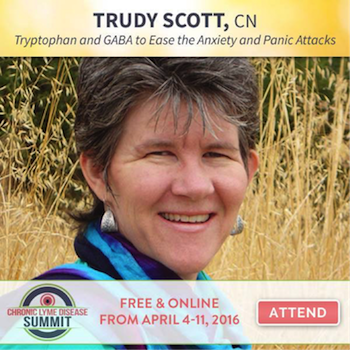
lyme-trudy

One of my favorite presentations at the 2015 IMMH/Integrative Medicine for Mental Health conference was Dr. Suruchi Chandra’s Neuropsychiatric Lyme Disease talk. She shared that:

Lyme disease is one of the fastest growing infectious diseases in the United States. It can remain dormant for years and then later mimic a number of psychiatric illnesses, including anxiety disorders, mood disturbances, psychosis, and autism-like behaviors. It can be further complicated by the presence of co-infections.

Tune in to the summit to hear more about Lyme and anxiety and the amino acids GABA and tryptophan (and the Lyme-pyroluria connection).

(Please note: I’m not a Lyme disease expert – people seek me out for help with their anxiety and many of them also happen to have Lyme disease. The information we covered in the interview is very powerful for anxiety whether or not Lyme disease is a factor.)

Here are a selection of the many excellent Lyme interviews you’ll hear:

  • Dr. Jay Davidson, DC, PScD: Heavy Metal Detox and Lyme Disease
  • Connie Strasheim: Lyme Disease and Cancer
  • Jack Tips, PhD, CCN: The Gut Microbiome and Lyme disease
  • Shayne Morris, PhD: Biofilm, Bugs and Bacteriophage
  • Bradley Bush, ND: A Lab Test that Actually Works for Detecting Lyme Disease

When you register you get access to 3 talks right away – mine is one of the 3 talks! You can register here:
https://qt247.isrefer.com/go/LYME16reg/trudyscottcn
Filed Under: Amino Acids, Anxiety and panic, Events, GABA, Lyme disease and co-infections, Pyroluria, Tryptophan Tagged With: anxiety, GABA, Lyme Disease, pyroluria, tryptophan

Depression is a message to stop and figure out our imbalance

March 20, 2016 By Trudy Scott 12 Comments

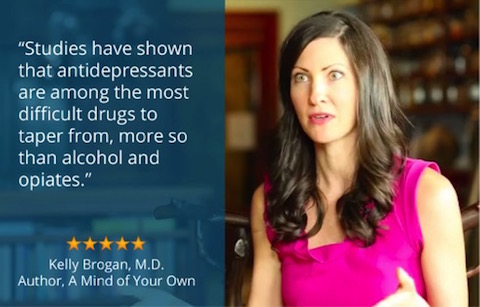
Studies have shown that antidepressants are among the most difficult drugs to taper from, more so than alcohol and opiates.

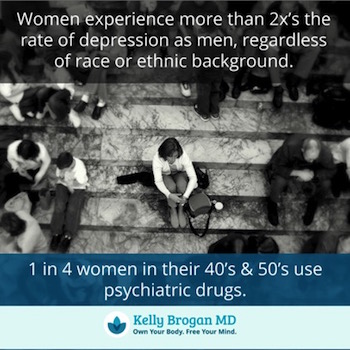
Women experience more than 2x’s the rate of depression as men, regardless of race or ethnic background.

1 in 4 women in 40s and 50s use psychiatric drugs.

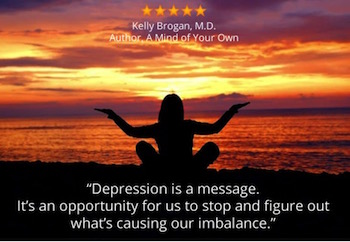
Depression is a message. It’s an opportunity for us to stop and figure out what’s causing our imbalance.

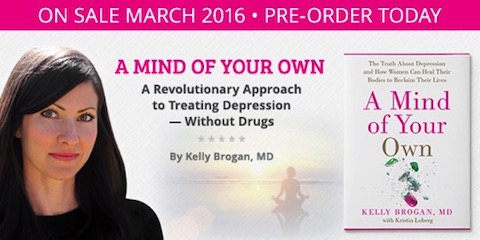
Wise words indeed!  As shared by Kelly Brogan MD in her bold new book. She is a trailblazer, is bold and is not afraid to say it like it is – A Mind of Your Own: The Truth about Depression and How Women Can Heal Their Bodies to Reclaim Their Lives.  It is groundbreaking, brave, science-based and offers a truly holistic approach.

Enjoy these excellent quotes from the book! (and the table of contents – see below)

kellybrogan1

kellybrogan2

kellybrogan3

The table of contents: 

Introduction: Psych—It’s Not All in Your Head

PART I: THE TRUTH ABOUT DEPRESSION

1. Decoding Depression
It’s Not a Disease: What You Don’t Know About This Syndrome and How It Manifests

2. Truth Serum: Coming Clean About the Serotonin Myth
How You’ve Been Misled, Misdiagnosed, and Mistreated

3. The New Biology of Depression
What Gut Microbes and Silent Inflammation Have to Do with Mental Health

4. The Great Psychiatric Pretenders
Two Common, Resolvable Conditions That Can Lead to a Psychiatric Diagnosis

5. Why Body Lotions, Tap Water, and OTC Pain Relievers Should Come with New Warning Labels
Common Exposures and Drugs That Can Lead to Depression

PART 2: NATURAL TREATMENTS FOR WHOLE-BODY WELLNESS

6. Let Food Be Thy Medicine
Nutritional Recommendations to Heal Your Body and Free YourMind (Without Feeling Like You’re on an Impossible Diet)

7. The Power of Meditation, Sleep, and Exercise
Three Simple Lifestyle Habits That Can Enhance Mental Health

8. Clean House
How to Detoxify Your Environment

9. Testing and Supplementing
Supporting the Healing Process

10. 4 Weeks to a Natural High
A 30-Day Plan of Action

Closing Words: Own Your Body and Free Your Mind

kellybrogan4

As you know, Dr. Kelly Brogan is one of my heroes in the world of integrative mental health and she truly is:

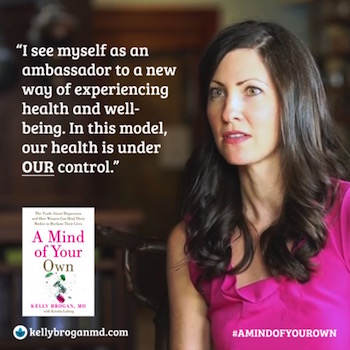
an ambassador to a new way of experiencing health and well-being.  In this model our health is under OUR control.

If you struggle with depression (or anxiety), you’ll find this book dispels common myths, and gives you the knowledge you need to truly heal.

kellybrogan5
The official release was March 15th. The book is already rated #1 on Amazon for Depression — so don’t miss out!  It offers a realistic action plan you can use to heal your body, alleviate inflammation, and feel yourself again without a single prescription!

Get chapter 1 and grab your bonuses here:
http://kellybroganmd.com/amindofyourown/?ref=35

And be sure to sign up for the live Q and A call she’ll be doing (just enter your book receipt).

Trudy Scott (CN), Certified Nutritionist is the founder of www.everywomanover29.com, a thriving nutrition practice with a focus on food, mood and women’s health. Trudy educates women about the amazing healing powers of food and nutrients and helps them find natural solutions for anxiety and other mood problems. Trudy’s goal for all her clients (and all women): “You can be your healthiest, look your best and feel on-top-of-the-world emotionally!”

Filed Under: Books, Depression Tagged With: a mind of your own, depression anxiety, Kelly Brogan

A Mind of Your Own by Kelly Brogan MD – Chapter 1 Download

March 19, 2016 By Trudy Scott 2 Comments

Here is a resource for you: Chapter 1 of Dr. Kelly Brogan’s new book on depression: A Mind of Your own.

mind-of-your-own-trudy


And  a reminder… if you’ve read chapter 1 and love it (and I’m sure you do!), and plan to buy a copy, Kelly is asking for your help.

It launched March 16th and there is a grass-roots effort to share this book widely because of the mainstream media blackout. Sayer Ji of GreenMedInfo shares this:

Unless about 3,000 copies of the book are sold in physical book stores throughout the country by Monday March 21st, it will not have a chance to make the NY Times and related best seller lists. Why is this so important? 

Two big reasons. 

One, because it sends a message that when major publishing companies like Harper Collins decide to print, uncensored, information that challenges the status quo, that instead of failing to receive a return on their investment, they can be further lionized in putting their money, influence, and power behind the truth, because not only is it the right thing to do but its good business (which ultimately is what drives future book buying decisions).

Two, because the very large publishers, like the NY Times, who wanted to ignore the message, and even threatened to publish negative reviews, will be compelled to acknowledge its success in their own best seller lists. Poetic, right?

So if you’d like to help, Kelly is asking that you buy a copy at your local bookstore by the end of day on Monday (and preferably sooner), take a picture with the book and show your support by posting on social media with #amindofyourown

I’d love to see the picture on my facebook page too https://www.facebook.com/TrudyScottAntianxietyFoodSolution/ or just tag me.

Get access to chapter 1 of the book here.  Be sure to enter your receipt number here so you can get access to a Q and A webinar too http://kellybroganmd.com/amindofyourown/?ref=35

And stay tuned for details of my upcoming audio interview with Kelly next week.  Have you got questions you’d like me to ask her?  If yes, please post them here and we’ll address them in our interview.

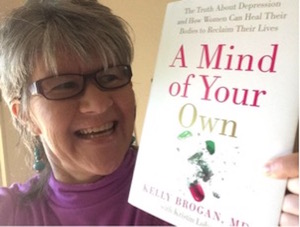
Check out the book selfies here – what fun! and what a lot of support!
https://tagboard.com/amindofyourown/274586


Trudy Scott (CN), Certified Nutritionist is the founder of www.everywomanover29.com, a thriving nutrition practice with a focus on food, mood and women’s health. Trudy educates women about the amazing healing powers of food and nutrients and helps them find natural solutions for anxiety and other mood problems. Trudy’s goal for all her clients (and all women): “You can be your healthiest, look your best and feel on-top-of-the-world emotionally!”

Filed Under: Anxiety and panic, Books, Depression Tagged With: anxiety, depression, Kelly Brogan

Dr. David Perlmutter on The Role of Microbiome Diversity in Health and Disease

March 18, 2016 By Trudy Scott Leave a Comment

I had the distinct pleasure of hearing Dr. David Perlmutter present in person at the recent Integrative Healthcare Symposium. Dr. Perlmutter is a well-known neurologist and author of New York Times Bestsellers Grain Brain – The Surprising Truth About Wheat, Carbs, and Sugar – Your Brain’s Silent Killers and Brain Maker: The Power of Gut Microbes to Heal and Protect Your Brain – For Life

David-Perlmutter

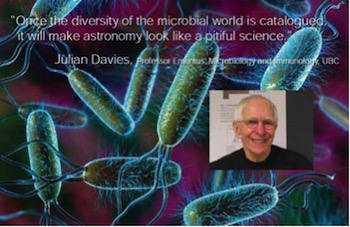
As expected, his talk was riveting, and so I’d like to share some of it with you! He opened with this quote from Julian Davies, Professor Emeritus, Microbiology and Immunology, UBC, showing just how much we have yet to learn about the microbiome:  

ihs-2

Once the diversity of the microbial world is catalogued it will make astronomy look like a pitiful science.  

ihs-3

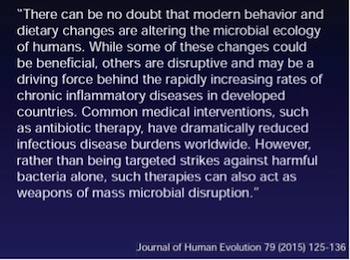
There can be no doubt that modern behavior and dietary changes are altering the microbial ecology of humans. While some of these changes could be beneficial, others are disruptive and may be a driving force behind the rapidly increasing rates of chronic inflammatory diseases in developed countries. Common medical interventions, such as antibiotic therapy, have dramatically reduced infectious disease burdens worldwide. However, rather than being targeted strikes against harmful bacteria alone, such therapies can also act as weapons of mass microbial disruption.

You can find the full paper here: Ancient Human Microbiomes

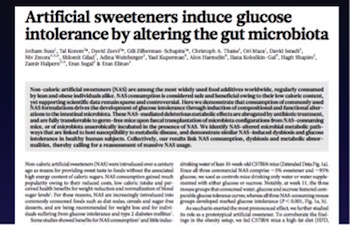
We know how harmful artificial sweeteners are (Mira Dessy writes about these and other harmful ingredients in her book The Pantry Principle)but now we are seeing how they affect the microbiome and contribute to diabetes.

ihs-4

ihs-5

In summary, our results suggest that NAS [non-caloric artificial sweeteners] consumption in both mice and humans enhances the risk of glucose intolerance and that these adverse metabolic effects are mediated by modulation of the composition and function of the microbiota. Notably, several of the bacterial taxa that changed following NAS consumption were previously associated with type 2 diabetes in humans, including over-representation of Bacteroides and under-representation of Clostridiales.

You can read the entire article in Nature: Artificial sweeteners induce glucose intolerance by altering the gut microbiota

You may have switched to artificial sweeteners because of sugar cravings and the desire to reduce sugar consumption. If this is the case, and you want to quit the artificial sweeteners and not go back to sugar, do check out this recent blog I wrote about diabetes and anxiety/cravings, and how the amino acid GABA was shown to:

increase islet hormonal secretion, suggesting potential therapeutic benefits for diabetes.

The GABA, will of course, also help with the cravings and quitting and not leave you feeling deprived, or needing to use willpower. You can read more on this topic here: GABA for ending sugar cravings (and anxiety and insomnia) 

ihs-6

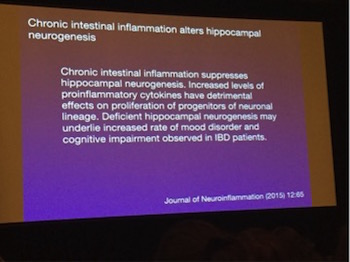
This paper in the Journal of Neuroinflammation shows us how connected the gut and the brain are:

Chronic intestinal inflammation suppresses hippocampal neurogenesis. Increased levels of proinflammatory cytokines have detrimental effects on proliferation of progenitors of neuronal lineage. Deficient hippocampal neurogenesis may underlie increased rate of mood disorder and cognitive impairment observed in IBD [inflammatory bowel disease] patients.

You can read the paper here: Chronic intestinal inflammation alters hippocampal neurogenesis.

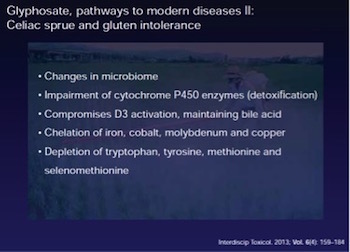
This paper: Glyphosate, pathways to modern diseases II: Celiac sprue and gluten intolerance states that :

Celiac disease, and, more generally, gluten intolerance, is a growing problem worldwide, but especially in North America and Europe, where an estimated 5% of the population now suffers from it. Symptoms include nausea, diarrhea, skin rashes, macrocytic anemia and depression. It is a multifactorial disease associated with numerous nutritional deficiencies as well as reproductive issues and increased risk to thyroid disease, kidney failure and cancer. Here, we propose that glyphosate, the active ingredient in the herbicide, Roundup®, is the most important causal factor in this epidemic.  

Glyphosate residues in wheat and other crops are likely increasing recently due to the growing practice of crop desiccation just prior to the harvest.

ihs-7

It discusses how glyphosate can cause the following:

  • Changes in microbiome
  • Impairment of cytochrome P450 enzymes (detoxification)
  • Compromises in D3 activation, maintaining bile acid
  • Chelation of iron, cobalt, molybdenum and copper
  • Depletion of tryptophan, tyrosine, methionine and selenomethionine

All of these factors can have a direct impact on your anxiety and depression levels. Dr. Perlmutter also discussed how glyphosate affects the shikimate pathway and in turn impacts our microbiome causing mood issues and anxiety.

Jeffrey Smith, non-GMO advocate, founder of Institute for Responsible Technology also talks about this on our Anxiety Summit interview: Anxiety, depression, GMOs and Roundup

Roundup shuts down this pathway called the shikimate pathway. Monsanto bragged up-and-down because Roundup blocks the shikimate pathway in order to kill weeds. And because humans don’t have the shikimate pathway, they said Roundup must be safe for humans. But it’s not safe for a lot of reasons.

It’s an endocrine disruptor. It can promote cancer. It’s linked to heart disease and diabetes. But what they failed to point out was that the shikimate pathway is what our gut bacteria use to produce the vast majority of the l-tryptophan that we assimilate. L-tryptophan is a precursor to melatonin, which is linked to sleep and circadian rhythms, daily cycles, but it’s also a precursor to serotonin and now we land squarely on the world of anxiety. Without sufficient serotonin there can be anxiety and depression.

ihs-8

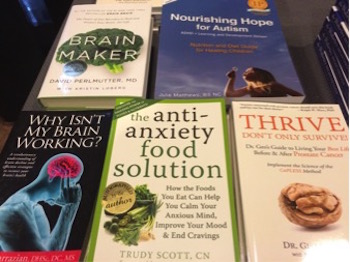
And now for a little fun! My book The Antianxiety Food Solution was on sale at the event, as was my colleague Julie Matthews’ book Nourishing Hope for Autism. After purchasing my signed copy of Brain Maker and “staged” it at the book table next to our books!

I have to admit it did give me a little thrill to see our books next to Dr. Perlmutter’s brilliant book and another great brain book Why Isn’t My Brain Working by Datis Kharrazian. The other book in the picture is a brand new book on prostate health by Dr. Geo Espinoza: Thrive Don’t Only Survive.

ihs-9

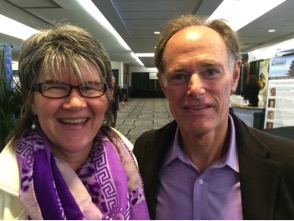
The other thrill was actually meeting a hero of mine! I heard his excellent presentation on the first day of the conference and then bumped in to him and his wife in one of the exhibit halls. I thanked him for his brilliance and asked if I could get a photo with him and he kindly obliged.

A bigger thrill and honor would be able to interview him on my next Anxiety Summit, now planned for June, so I can share his brilliance with you!  

In the meantime, I encourage you to check out his great blog and get a copy of Brain Maker, so you can learn from this great man and feel your absolute best!

Got questions? Feedback? Please post them in the comments.

Filed Under: Events Tagged With: Dr. David Perlmutter, microbiome

Food for Your Hormones + Brazil Nut Butter recipe

March 12, 2016 By Trudy Scott 6 Comments

In case you missed the email announcements, this is a quick reminder that this no-cost webinar is happening today (Saturday morning) at 10am PST!

If you haven’t registered yet, you can still register here:
https://xa202.isrefer.com/go/cfb1/trudys/

And if you have already signed up this is your friendly reminder and a new recipe for you! Enjoy!

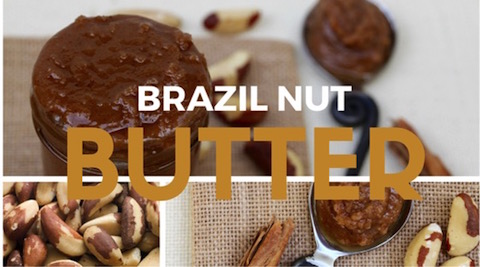
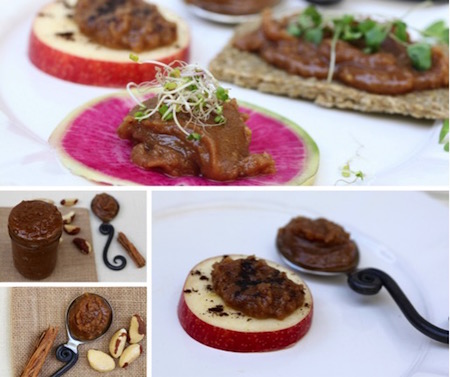
Brazil Nut Butter Recipe – by Magdalena Wszelaki

brazilnut-butter

This nut butter can be generously spread on crackers, toast or used as a dip with chopped up vegetables (I used radishes here as they also support estrogen detoxification) or fruit (I had apples on hand). I recommend soaking the nuts to improve their digestibility. If you tolerate nuts and have no time to soak and dry them, skip the initial steps and go to the blending instructions. Allow yourself to be creative and play with other nuts and seeds (sunflower and pumpkin seed butter is wonderful too) as well as spices like cardamom, cloves or lavender.

brazilnut-butter-2

Serves: 25 servings (tablespoons)
Time to soak: 12 hours
Time to roast: 1 hour
Time to prepare: 15 minutes

Ingredients
2 cups organic Brazil nuts
¾ cup avocado oil
½ cup coconut butter
½ cup golden flax seed
⅓ cup maca root powder
1 tablespoon camu camu (buy on Amazon)
1 tablespoon ground cinnamon
1 tablespoon vanilla essence or powder
¼ teaspoon sea salt 

Place the nuts in a large bowl, cover with filtered water and let them soak overnight, or for 12 hours.

Preheat the oven to 200F, spread the nuts on a baking tray and slow-roast for about an hour or until they become slightly brown.

Cool off the nuts and place in a high-speed blender or food processor (I use Vitamix). Add all the remaining ingredients and blend on high for 3 to 4 minutes.

Transfer to an air-tight container and keep in the fridge for no longer than 2 weeks. You can also freeze the butter.

Magdalena shares why incorporating brazil nuts and this lovely nut butter into your diet may be beneficial. It’s all about selenium and thyroid health and she shares this….

If you have a thyroid condition, it is very likely (like 90% likely) that you have Hashimoto’s disease, which is the autoimmune version of hypothyroidism. Interestingly, in most cases of hypothyroidism and Hashimoto’s disease, it’s not the thyroid that needs to be looked after but the immune system (since Hashimoto’s is an autoimmune condition). One way to know whether you have Hashimoto’s is to test for thyroid peroxidase antibodies (they also go by TPOab).

If the TPOab test result is high, an important mineral that can help bring down the TPO antibodies is selenium.

Selenium plays a key role in thyroid and autoimmune health because it protects thyroid cells from oxidative damage by forming selenoproteins. This extra protection helps to bring down the TPO antibodies. Selenium also acts as catalyst for converting the inactive T4 hormone to the biologically active T3 hormone.

The Brazil nut is the food that is highest in selenium. Three organic Brazil nuts per day will give you the daily recommended dose of 200mcg of selenium. You can incorporate them into your diet in a variety of ways. If you don’t tolerate nuts, you can take a selenium supplement.

I’d like to add that you can enjoy this nut butter even if you don’t have a thyroid problem. Selenium deficiency is pretty common and is often an issue with anxiety and depression.

So to recap (in case you missed the earlier notifications): Cooking for Balance will start with this no-cost live online workshop called How to Use Food to Rebalance Your Hormones today (at 10am PST, 1pm EST).

Cooking for Balance is an online cooking program created by my friend and colleague Magdalena Wszelaki, founder of Hormones Balance. You may remember our great interviews on last season of The Anxiety Summit! She was a hit, is a wealth of knowledge and very hands-on when it comes to food for hormone balancing! I really love what she offers (and her cute accent)!

Tune in to the no-cost webinar to learn a ton, have fun, get some great cooking ideas.

At the end of the webinar she’ll be sharing more about her next upcoming Cooking for Balance online cooking program that helps women rebalance their hormones with food, offering tailor-made nutritional protocols for women with thyroid issues, Hashimoto’s, adrenal fatigue, estrogen dominance, menopause and PCOS. This online program features 4 live classes, over 20+ done-for-you guides, 80+ recipes and 20+ demo videos. They focus on quick, simple yet nutritionally-dense cooking techniques that will help you feel like yourself again.

Registration page for the no-cost webinar is here:
https://xa202.isrefer.com/go/cfb1/trudys/


Filed Under: Events, Hormone, Recipes Tagged With: anxiety, balance hormone, Magdalena Wszelaki, selenium

Sleep promoting effects of combined GABA and 5-HTP: new research

March 11, 2016 By Trudy Scott 173 Comments

gaba 5-htp and sleep

A new paper published in Life Sciences reports that a combination of GABA (γ-aminobutyric acid) and 5-HTP (5-hydroxytryptophan) improved sleep and sleep duration more than the use of either of the two amino acids alone.

Insomnia is a common symptom of both low GABA and low serotonin. The amino acid GABA raises levels of GABA, our calming brain chemical/neurotransmitter. 5-HTP is one of the amino acids that raises serotonin, your happy brain chemical/neurotransmitter (which is also happens to be calming) and in turn converts to melatonin to help you sleep. Tryptophan is the other amino acid that raises serotonin.

Low levels of both brain chemicals can also make you anxious, worried and overwhelmed. With low GABA levels you’ll have physical anxiety and may lie awake in bed feeling tension in your body. With low serotonin you’ll have the busy-mind type of anxiety, often lying in bed not able to switch off the ruminating thoughts or monkey-mind. (You can find the complete amino acid questionnaire here.)

The study, Sleep-promoting effects of a GABA/5-HTP mixture: Behavioral changes and neuromodulation in an invertebrate model, used caffeine treated fruit flies and:

Behavioral assays were applied to investigate subjective nighttime activity, sleep episodes, and total duration of subjective nighttime sleep of two amino acids and GABA/5-HTP mixture

In case you’re wondering, fruit flies are often used in research. This paper shares that the “Homeostatic and circadian regulation in Drosophila are comparable to findings from mammalian sleep research.” I can’t help chuckling when I imagine these little fruit flies lying in a tiny bed, ramped up on caffeine and with busy little minds!

fruit-fly

After my attempt at some humor (laughter is good for us too!), let’s get on to the serious stuff.

The study concludes that:

using a GABA/5-HTP mixture modulates subjective nighttime activity, sleep episodes, and total duration of subjective nighttime sleep to a greater extent than single administration of each amino acid, and that this modulation occurs via GABAergic and serotonergic signaling.

How this might equate to human dosing and other possible combinations

You may be wondering how this might equate to human dosing of these amino acids. Since it was the combined use of 1% GABA and 0.1% 5-HTP that had the most impact, this could equate to:

  • 250mg GABA and 25mg 5-HTP or
  • 500mg GABA and 50mg 5-HTP or
  • 1000mg GABA and 100mg 5-HTP

Do keep in mind that we are all unique and there is no one size fits all so it’s important to do a trial to see how much of each may work for you. This means starting low and increasing until you don’t get added benefits or until you get an adverse effect.

You may do better with a combination of GABA and 5-HTP or you may even find that you do well with one or the other. And you may also find tryptophan works better for you than 5-HTP. We know that 5-HTP can raise cortisol so keep that in mind if you know you have high night-time cortisol. And for many of my clients 250mg to 500mg GABA is too much, although you may be able to get away with more at night than during the day. And different GABA products work well for different people. But again, it’s important to figure out what works for you.

Here are some possible combinations that could help you with the restless nights and anxiety:

  • GABA and 5-HTP
  • GABA alone
  • 5-HTP alone
  • Tryptophan alone
  • GABA and tryptophan (this is what recommend most of the time)

I recently blogged about the differences between Tryptophan 500mg and Tryptophan Complete (by Lidtke) so the Complete product may well be part of the equation too.

Additional resources when you are new to using tryptophan, 5-HTP, GABA and other amino acids as supplements

As always, I use the symptoms questionnaire to figure out if low serotonin or low GABA or other neurotransmitter imbalances may be an issue.

If you suspect low levels of any of the neurotransmitters and do not yet have my book, The Antianxiety Food Solution – How the Foods You Eat Can Help You Calm Your Anxious Mind, Improve Your Mood, and End Cravings, I highly recommend getting it and reading it before jumping in and using amino acids on your own so you are knowledgeable. And be sure to share it with the practitioner/health team you or your loved one is working with.

There is an entire chapter on the amino acids and they are discussed throughout the book in the sections on gut health, gluten, blood sugar control (this is covered in an entire chapter too), sugar cravings, anxiety and mood issues.

The book doesn’t include product names (per the publisher’s request) so this blog, The Antianxiety Food Solution Amino Acid and Pyroluria Supplements, lists the amino acids that I use with my individual clients and those in my group programs.

If, after reading this blog and my book, you don’t feel comfortable figuring things out on your own (i.e. doing the symptoms questionnaire and respective amino acids trials), a good place to get help is the GABA QuickStart Program (if you have low GABA symptoms). This is a paid online/virtual group program where you get my guidance and community support, and is where this question was asked of me during one of the live Q&A calls.

If you are a practitioner, join us in The Balancing Neurotransmitters: the Fundamentals program. This is also a paid online/virtual program with an opportunity to interact with me and other practitioners who are also using the amino acids.

Wrapping up and your feedback

Keep in mind that low GABA and/or low serotonin are just one of many causes of insomnia. If you try to address what appears to be low levels and it doesn’t work then you have to look for other root causes such as: high cortisol, low blood sugar, SIBO, gluten sensitivity, EMF sensitivity, medication side-effects, caffeine and sugar consumption, benzodiazepine tolerance and/or withdrawal, parasites, and too much light too late or not enough light early in the morning.

Have you used any of the above with good results for sleep? I’d love to hear if you do better with the synergistic effects of two amino acids. And how much works for you?

Or do you do better with another combination?

Feel free to share your feedback and ask your questions below in the comments section.

Filed Under: Amino Acids, GABA, Sleep

  • « Go to Previous Page
  • Page 1
  • Interim pages omitted …
  • Page 98
  • Page 99
  • Page 100
  • Page 101
  • Page 102
  • Interim pages omitted …
  • Page 160
  • Go to Next Page »

Primary Sidebar

GABA QuickStart Homestudy

gaba quickstart homestudy

Free Report

9 Great Questions Women Ask about Food, Mood and their Health

You'll also receive a complimentary subscription to my ezine "Food, Mood and Gal Stuff"


Connect with me

Popular Posts

  • Amino Acids Mood Questionnaire from The Antianxiety Food Solution
  • The Antianxiety Food Solution Amino Acid and Pyroluria Supplements
  • Pyroluria Questionnaire from The Antianxiety Food Solution
  • Collagen and gelatin lower serotonin: does this increase your anxiety and depression?
  • Tryptophan for the worry-in-your-head and ruminating type of anxiety
  • GABA for the physical-tension and stiff-and-tense-muscles type of anxiety
  • The Antianxiety Food Solution by Trudy Scott
  • Seriphos Original Formula is back: the best product for anxiety and insomnia caused by high cortisol
  • Am I an anxious introvert because of low zinc and vitamin B6? My response to Huffington Post blog
  • Vagus nerve rehab with GABA, breathing, humming, gargling and key nutrients

Recent Posts

  • Her cravings for chips and peanut butter were triggered by stress: GABA ends cravings and reduces physical tension and fear of heights
  • It is truly miraculous to be able to move through life without crippling anxiety and panic
  • GABA and tryptophan combo provide immediate and noticeable relief for tremors and cervical dystonia in just 7 days
  • Red light therapy for back and neck pain, plantar fasciitis and low mood – a complement to the amino acids GABA, DPA and tryptophan
  • What do I use instead of Seriphos to help lower high cortisol that is affecting my sleep and making me anxious at night?

Categories

  • 5-HTP
  • AB575
  • Addiction
  • ADHD
  • Adrenals
  • Alcohol
  • Allergies
  • Alzheimer's disease
  • Amino Acids
  • Anger
  • Antianxiety
  • Antianxiety Food Solution
  • Antidepressants
  • Anxiety
  • Anxiety and panic
  • Autism
  • Autoimmunity
  • benzodiazapines
  • Bipolar disorder
  • Books
  • Caffeine
  • Cancer
  • Candida
  • Children/Teens
  • Collagen
  • Cooking equipment
  • Coronavirus/COVID-19
  • Cravings
  • Depression
  • Detoxification
  • Diabetes
  • Diet
  • DPA/DLPA
  • Drugs
  • EFT/Tapping
  • EMF
  • EMFs
  • Emotional Eating
  • Endorphins
  • Environment
  • Essential oils
  • Events
  • Exercise
  • Fear
  • Fear of public speaking
  • Fertility and Pregnancy
  • Fish
  • Food
  • Food and mood
  • Functional neurology
  • GABA
  • Gene polymorphisms
  • General Health
  • Giving
  • Giving back
  • Glutamine
  • Gluten
  • GMOs
  • Gratitude
  • Gut health
  • Heart health/hypertension
  • Histamine
  • Hormone
  • Hyperparathyroidism
  • Hypoglycemia
  • Immune system
  • Inflammation
  • Insomnia
  • Inspiration
  • Introversion
  • Joy and happiness
  • Ketogenic diet
  • Lithium orotate
  • Looking awesome
  • Lyme disease and co-infections
  • MCAS/histamine
  • Medication
  • Men's health
  • Mental health
  • Mercury
  • Migraine
  • Mold
  • Movie
  • MTHFR
  • Multiple sclerosis
  • Music
  • NANP
  • Nature
  • Nutritional Psychiatry
  • OCD
  • Osteoporosis
  • Oxalates
  • Oxytocin
  • Pain
  • Paleo
  • Parasites
  • Parkinson’s disease
  • PCOS
  • People
  • PMS
  • Postpartum
  • PTSD/Trauma
  • Pyroluria
  • Questionnaires
  • Real whole food
  • Recipes
  • Research
  • Schizophrenia
  • serotonin
  • SIBO
  • Sleep
  • Special diets
  • Sports nutrition
  • Stress
  • Sugar addiction
  • Sugar and mood
  • Supplements
  • Teens
  • Testimonials
  • Testing
  • The Anxiety Summit
  • The Anxiety Summit 2
  • The Anxiety Summit 3
  • The Anxiety Summit 4
  • The Anxiety Summit 5
  • The Anxiety Summit 6
  • Thyroid
  • Thyroid health
  • Toxins
  • Tryptophan
  • Tyrosine
  • Uncategorized
  • Vegan/vegetarian
  • Women's health
  • Yoga

Archives

  • May 2026
  • April 2026
  • October 2025
  • September 2025
  • August 2025
  • July 2025
  • June 2025
  • May 2025
  • April 2025
  • March 2025
  • February 2025
  • January 2025
  • November 2024
  • October 2024
  • September 2024
  • August 2024
  • July 2024
  • June 2024
  • May 2024
  • April 2024
  • March 2024
  • February 2024
  • January 2024
  • December 2023
  • November 2023
  • October 2023
  • September 2023
  • August 2023
  • July 2023
  • June 2023
  • May 2023
  • April 2023
  • March 2023
  • February 2023
  • January 2023
  • December 2022
  • November 2022
  • October 2022
  • September 2022
  • August 2022
  • July 2022
  • June 2022
  • May 2022
  • April 2022
  • March 2022
  • February 2022
  • January 2022
  • December 2021
  • November 2021
  • October 2021
  • September 2021
  • August 2021
  • July 2021
  • June 2021
  • May 2021
  • April 2021
  • March 2021
  • February 2021
  • January 2021
  • December 2020
  • November 2020
  • October 2020
  • September 2020
  • August 2020
  • July 2020
  • June 2020
  • May 2020
  • April 2020
  • March 2020
  • February 2020
  • January 2020
  • December 2019
  • November 2019
  • October 2019
  • September 2019
  • August 2019
  • July 2019
  • June 2019
  • May 2019
  • April 2019
  • March 2019
  • February 2019
  • January 2019
  • December 2018
  • November 2018
  • October 2018
  • September 2018
  • August 2018
  • July 2018
  • June 2018
  • May 2018
  • April 2018
  • March 2018
  • February 2018
  • January 2018
  • December 2017
  • November 2017
  • October 2017
  • September 2017
  • August 2017
  • July 2017
  • June 2017
  • May 2017
  • April 2017
  • March 2017
  • February 2017
  • January 2017
  • December 2016
  • November 2016
  • October 2016
  • September 2016
  • August 2016
  • July 2016
  • June 2016
  • May 2016
  • April 2016
  • March 2016
  • February 2016
  • January 2016
  • December 2015
  • November 2015
  • October 2015
  • September 2015
  • August 2015
  • July 2015
  • June 2015
  • May 2015
  • April 2015
  • March 2015
  • February 2015
  • January 2015
  • December 2014
  • November 2014
  • October 2014
  • September 2014
  • August 2014
  • July 2014
  • June 2014
  • May 2014
  • April 2014
  • March 2014
  • February 2014
  • January 2014
  • December 2013
  • November 2013
  • October 2013
  • September 2013
  • August 2013
  • July 2013
  • June 2013
  • May 2013
  • April 2013
  • March 2013
  • February 2013
  • January 2013
  • December 2012
  • November 2012
  • October 2012
  • August 2012
  • July 2012
  • June 2012
  • May 2012
  • April 2012
  • March 2012
  • February 2012
  • January 2012
  • December 2011
  • November 2011
  • October 2011
  • September 2011
  • August 2011
  • July 2011
  • June 2011
  • May 2011
  • April 2011
  • March 2011
  • February 2011
  • January 2011
  • December 2010
  • October 2010
  • September 2010
  • July 2010
  • May 2010
  • April 2010
  • March 2010
  • February 2010
  • January 2010
  • November 2009

Share the knowledge!

The above statements have not been evaluated by the Food and Drug Administration. Products listed in this website are not intended to diagnose, treat, cure or prevent any disease.

The information provided on this site is for informational and educational purposes only and is not intended as a substitute for advice from your physician or other health care professional. You should consult with a healthcare professional before starting or modifying any diet, exercise, or supplementation program, before taking or stopping any medication, or if you have or suspect you may have a health problem.


Copyright © 2026 Trudy Scott. All Rights Reserved. | Privacy | Terms and Conditions | Refund Policy | Medical Disclaimer

Free Report

9 Great Questions Women Ask about Food, Mood and their Health

You’ll also receive a complimentary subscription to my ezine “Food, Mood and Gal Stuff”