• Skip to primary navigation
  • Skip to main content
  • Skip to primary sidebar

everywomanover29 blog

Food, Mood and Women's Health – Be your healthiest, look and feel great!

  • Blog
  • About
  • Services
  • Store
  • Resources
  • Testimonials
  • The Book
  • Newsletter
  • Contact
  • Search this site

Oprah on anxiety and depression: You are not alone, there is hope and help

February 5, 2016 By Trudy Scott 9 Comments

oprah-mag-cover
You are not alone! We’re starting a conversation about anxiety, depression, help and hope… ~ Oprah

I’m SO pleased to see this on the cover the February issue of O Magazine. Helping women with anxiety is my mission because I personally experienced the most awful anxiety and panic attacks in my late 30s and found complete resolution with food and nutrients!

Oprah shares how she has recently come face-to face with mental illness and recognizes that there is shame, that more help is needed and that we need to start talking about it. I commend her for these wise and compassionate words.

And I agree with so much of this: there is no shame, we are not alone and we need to be talking about it and offering help and hope. There is a solution for each one of us (it’s just a matter of finding the right one) and each of us deserves to feel on top of the world again!

I’m hoping to see some coverage of the growing field of nutritional psychiatry in one of the next two issues of O Magazine.

The fact that something like the removal of gluten could eliminate anxiety has not yet reached the mainstream and stories like the ones below would go a long way towards making that happen.

Lauren was feeling overwhelmed with life, she had some stressors that triggered heightened feelings of anxiety and fear. Her daily meditations were not enough to curb the anxiety and the supplements she trialed (inositol, Kava Kava and others) didn’t help either. But she did find a solution that worked for her and shares this in her blog: Tried & True: Gluten-Free Anxiety Fix

At the start of the new year, I found my saving grace. I had discovered an article written by Dr. Kelly Brogan, a Holistic Psychiatrist, in which she discusses the detrimental effects of gluten and the positive use of probiotics in treating neurological disorders.  A light bulb went off in my brain. I’ve always considered myself a health-conscious eater, but I’d never paid much attention to the gluten-free trend. I figured since I don’t have celiac disease there was no way gluten could be negatively affecting me. Right?  Wrong! There’s plenty of research linking gluten sensitivity to anxiety and depression and numerous testimonials of people who have cured their anxiety and depression by giving up gluten.

It was around this same time that I’d purchased a book called The Antianxiety Food Solution by Trudy Scott who also highly suggests eliminating gluten. The more I delved into the relationship between gluten and anxiety, the less I could convince myself that gluten-sensitivity wasn’t a possible issue for me.

On January 1st, Lauren cut all gluten from her diet. She shares:

It felt like a last ditch effort and I had little hope that it would actually work. Much to my surprise, I started to feel drastically better within a few days of going gluten-free.  I would go hours without feeling anxious (a rare feat in the previous month). I was able to enjoy life again! And since I couldn’t eat bread or other gluten-filled foods, I found myself eating a lot more vegetables and protein.  It was exactly what my body needed, a healthy, whole foods diet. Within 2 weeks, I was feeling 75% better. Not only did my mind feel better, but my whole body felt better.

Lauren went gluten-free and went from feeling anxious, fearful, defeated, baffled and out of control to feeling better than ever (90% better) in just 24 days.

For some people it’s the removal of gluten that makes the difference, for other it’s addressing biochemical imbalances and other nutritional deficiencies. With Jan it was a matter of addressing low GABA levels with the amino acid GABA and using zinc, vitamin B6 and evening primrose oil for her pyroluria symptoms. She recently shared her lovely results in the comments of this blog post – GABA, the calming amino acid: products and results:

After reading your book The Antianxiety Food Solution and taking one of your workshops I have had a great deal of improvement in my life. I did something I thought I would never be able to do again (not solo yet), but I drove further than I have in over 5 years, which gives me a lot of hope of regaining my independence. I’m a small step taker, but it’s working! I’ve had no panic attacks and so many improvements since I started taking the aminos and using the Pyroluria protocol. I take the GABA before I’m in any of the situations (like driving) that might trigger anxiety and its working! I couldn’t be happier!!!! Thank you, thank you, thank you!!!!… I’m getting my life back!

It warms my heart to hear powerful results like this and I appreciate both Lauren and Jan sharing and inspiring others with their hopeful stories.

Be sure to read Lauren’s whole blog post and the GABA blog (to see plenty of feedback from others who have also benefited from GABA).

Now we just need to get to get this information into the mainstream. Hopefully with Oprah starting the conversation and including stories like this, we can make this happen.

There certainly is help and much hope if you have anxiety, depression and other mental health disorders.

Do you have a story of hope to share? Please let us know in the comments.
Filed Under: Antianxiety Food Solution Tagged With: oprah, oprah magazine

Barefoot on the grass with The Urban Monk: an interview with Dr. Pedram Shojai

February 3, 2016 By Trudy Scott 28 Comments

urban-monk
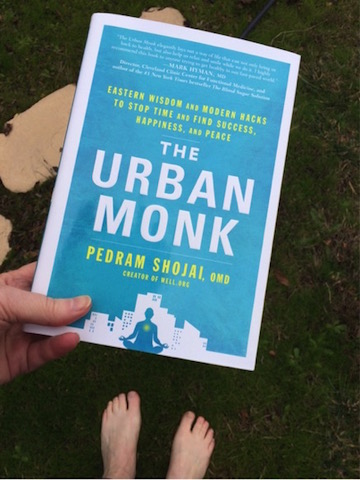
Barefoot on the grass with my copy of The Urban Monk

Dr. Pedram Shojai is the author of newly released book, The Urban Monk: Eastern Widsom and Modern Hacks to Stop Time and Find Success, Happiness and Peace.  

I recently had the opportunity to interview him and would love to share that wonderful interview with you (see the audio link below).

Dr. Shojai is a Doctor of Oriental Medicine and a Qi Gong master who has studied Kung Fu and Tai Chi for decades. He climbs big mountains and skies down them, he has two adorable kids, a delightful wife and is happy to be a family man. He’s the founder of Well.Org and the producer of the must-see movies “Vitality” and “Origins”.

Pedram was a Taoist monk for four years and decided his place was back here in the real world where he feels he can make a bigger impact:

Pedram has discovered a way for us to harness the calm of a Zen master in the midst of our hectic lives, showing how we can bring the centeredness of the monastery into our highly stimulating and demanding careers, families, and environments in a grounded way!

Here are some of the topics we discussed during our interview:

  • To merely survive is not enough. We want to thrive.
  • Stress impacts us physically and cuts off blood flow to the prefrontal cortex of our brains impacting digestion, reasoning, weight
  • A great “shake it out” de-stressing exercise
  • Sleep: “Our ancestors got a lot more of it and we’re suffering without it.” He shares a great tip for helping you get to sleep and here is his clip from the Dr. Oz show
  • How we are disconnected from nature and how our relationship with nature helps charge our batteries and soothe our souls … “the energy of nature is so simple and pure”
  • Why we want to kick off our shoes and put our feet on the grass

Here is an example of the simple and yet profound wisdom he shares in the book … on why we want to go barefoot:

Cutting off the flow of vital qi to your body is a bad idea. This happens as we cut off our contact with the natural world. We all get stuck doing it at times, and too much of it makes us weak and sick. Taking some time to reconnect with the planet and its free flow of limitless electrons is key. Take off your shoes and touch the earth. Doing so on raw earth is best. Grass, gravel, sand, and seawater are powerful ways to connect back into the “life soup” and let your body heal through the vital exchange of energy it needs (and direly misses) with the earth. The more the merrier on this. Some people take it to the extreme and go barefoot everywhere; I don’t advise this simply because walking around in urban environments subjects us to a barrage of petrochemicals and nasty agents that are not natural and have negative health impacts on us. We absorb things through our skin. We drag things into our homes with our feet. That’s why in traditional Asian cultures, shoes are left at the door and the house is to remain pure and clean. I’d say use shoes (with leather soles if you can) while walking the streets and go barefoot in nature, your yard, and your own house all the time.

Here is the whole interview.  (Click the link to listen)

Get a copy of the book if it sounds like you need help with some great ways for becoming an Urban Monk so you can reduce stress and anxiety and be a happier, healthier and more peaceful you!

Or sign up here for additional resources and Pedram’s upcoming Urban Monk 7-Day Reboot program if you feel you could do with wisdom and guidance from the Urban Monk himself, plus all the visuals of the videos.

I’ve also got 2 copies of the book for a giveaway so check out the table of contents (with the look inside Amazon feature) and share in the comments why you’d like to be one of the winners. Be sure to share at least one topic from the book that you think sounds really interesting. I’ll announce the winners in the ezine on Friday.

2/5/16 UPDATE: Thanks for participating and commenting – the winners are Michele and JoAnn. We’ll contact you to get a mailing address and get a copy of the book to each of you! 

If you missed out I encourage you to still check out the table of contents (with the look inside Amazon feature) and get the book if it feels like a fit for you. Check out the comments below to be inspired further.

Enjoy and lets us know what you think?

I’d also love to hear if you enjoy going barefoot in nature?

Filed Under: Anxiety and panic, Books, Stress Tagged With: anxiety, Dr. Pedram Shojai, happiness, stress, the urban monk

Fibromyalgia: tryptophan or 5-HTP for anxiety, depression, pain and insomnia

January 29, 2016 By Trudy Scott 39 Comments

fibro and anxiety

Fibromyalgia syndrome is a musculoskeletal pain and fatigue disorder manifested by diffuse myalgia [muscle aches and pain], localized areas of tenderness, fatigue, lowered pain thresholds, and nonrestorative sleep.

This description comes from a paper titled: Fibromyalgia and the serotonin pathway

The paper discusses how low serotonin is often a contributing factor with fibromyalgia and how beneficial tryptophan and/or 5-HTP can be for the anxiety, depression, pain and insomnia we often see in those with classic fibromyalgia:

Evidence from multiple sources support the concept of decreased flux through the serotonin pathway in fibromyalgia patients.

Serotonin substrate supplementation, via L-tryptophan or 5-hydroxytryptophan (5-HTP), has been shown to improve symptoms of depression, anxiety, insomnia and somatic pains in a variety of patient cohorts.

I recently blogged about the effectiveness of 5-HTP being a clinically-effective serotonin precursor and how it improves many of these same symptoms:

Therapeutic administration of 5-HTP has been shown to be effective in treating a wide variety of conditions, including depression, fibromyalgia, binge eating associated with obesity, chronic headaches, and insomnia.

5-HTP improves symptoms of fibromyalgia but can also cause agitation when cortisol is high

An open 90-day study in 50 patients affected by fibromyalgia found benefits with the use of 5-HTP:

When all the clinical variables studied throughout the trial (number of tender points, anxiety, pain intensity, quality of sleep, fatigue) were compared with baseline results, they all showed a significant improvement.

It is concluded that 5-HTP is effective in improving the symptoms of primary fibromyalgia syndrome and that it maintains its efficacy throughout the 90-day period of treatment.

UPDATES March 25, 2022:

Despite the fact that 5-HTP is beneficial for many individuals there is no one-size fits all. 

I don’t recommend 5-HTP when a client has elevated cortisol levels because we know that it can raise cortisol levels in certain individuals. This can leave you feeling agitated, cranky, as well as “wired and tired” at the same time. You may be able to relate to this if you’ve ever used 5-HTP to help with anxiety and insomnia and ended up feeling more anxious and more wide-awake despite your exhaustion and need for sleep. You can read more about this here: Does 5-HTP make you “wired-tired” and affect your sleep when cortisol is high? 

A tryptophan-enriched diet and a combination tryptophan product for fibromyalgia symptoms

As you can see below, a tryptophan-enriched diet and a combination tryptophan product improved some fibromyalgia symptoms and for some individuals, but we still need to customize protocols.

In this study, Psychological and Sleep Effects of Tryptophan and Magnesium-Enriched Mediterranean Diet in Women with Fibromyalgia, “the intervention group received a Mediterranean diet enriched with high doses of tryptophan and magnesium.” Interestingly, the source of extra tryptophan (60 mg) and magnesium (60 mg) was eating walnuts at breakfast and dinner!

This study concludes that tryptophan and magnesium-enriched Mediterranean diet reduced anxiety symptoms, mood disturbance, eating disorders, and dissatisfaction with body image but did not improve sleep quality in women with fibromyalgia.

The addition of additional tryptophan as a supplement would be the next thing I’d recommend for improving sleep. This would be dosed according to each person’s unique needs and after doing a trial and adjusting as needed.

In another study, Comparison between Acupuncture and Nutraceutical Treatment with Migratens® in Patients with Fibromyalgia Syndrome: A Prospective Randomized Clinical Trial, the treatment group used product called Migratens®, a powdered blend of coenzyme Q10, vitamin D, alpha-lipoic acid, magnesium, tryptophan (300mg), niacin, and riboflavin.

It was used twice a day on an empty stomach and dissolved in a glass of water, spaced about 10 hours apart.

The authors report that “Migratens® treatment shows a statistically significant reduction of pain 1 month after the start of therapy, strengthened after 3 months with maintenance of treatment.” They also noted improvement in quality of life.

Unfortunately, gastrointestinal side-effects (diarrhea, nausea, dyspepsia, constipation, and lack of appetite) were reported by 11% of participants in the treatment group. I’d suspect these side-effects were caused by the ingredients used to make the product slow release.

It’s not surprising that the authors also confirmed “the validity of acupuncture in these patients, as stated by the most recent literature.”

If we suspect low serotonin may be a factor, I have my clients do the following (whether or not they have a fibromyalgia diagnosis):

  • complete the Amino Acids Mood Questionnaire from The Antianxiety Food Solution and check off their symptoms on the low serotonin section.  The rating uses scale of 1-10 with 10 being worst.
  • review the Amino Acids Precautions and figure out if we can do a trial of 5-HTP or tryptophan
  • do a trial of the amino acid 5-HTP or tryptophan and observe for improvements in anxiety, depression, pain, insomnia and the other low serotonin symptoms

We are all unique and some people do better on 5-HTP and some do better on tryptophan. I typically start with a tryptophan trial since I’ve seen such great benefits with this amino acid. If that’s not working, we’ll do a 5-HTP trial, always watching for high cortisol as 5-HTP can raise cortisol if it’s already high. In this instance 5-HTP may be too stimulating.

Quality is an important issue when it comes to the amino acids and this is especially the case with tryptophan. I find that the Lidtke brand is the most superior. You can see my amino acid product recommendations here.

If you suspect low levels of serotonin and do not yet have my book, The Antianxiety Food Solution – How the Foods You Eat Can Help You Calm Your Anxious Mind, Improve Your Mood, and End Cravings, I highly recommend getting it and reading it before jumping in and using amino acids on your own so you are knowledgeable. And be sure to share it with the team you or your loved one is working with. Blog posts like this are intended to add value to the chapter on amino acids, which contains detailed information on doses and time of the day for dosing.

If you are a practitioner, join us in The Balancing Neurotransmitters: the Fundamentals program. It’s an opportunity to interact with me and other practitioners who are also using the amino acids.


Do you have a diagnosis of fibromyalgia and have you found benefits with 5-HTP or tryptophan? For your pain? For your sleep? For your anxiety and/or depression?

I’d love to also hear what else has helped with your symptoms?

Feel free to ask your questions here too.

Filed Under: Anxiety and panic, Depression, Pain Tagged With: Fibromyalgia

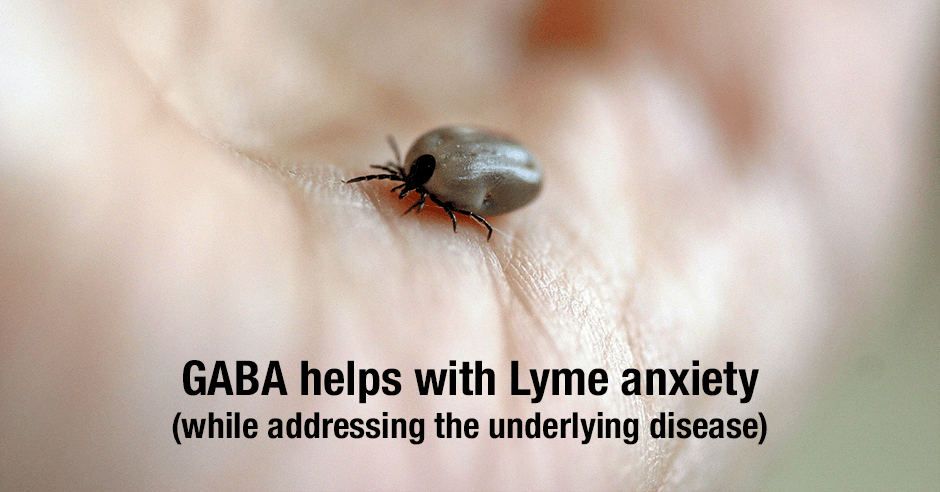
GABA helps with Lyme anxiety (while addressing the underlying disease)

January 22, 2016 By Trudy Scott 42 Comments

gaba and lyme anxiety

GABA is a calming amino acid that helps to reduce anxiety and panic attacks in individuals with low GABA levels and helps to address the anxiety that many individuals experience when they have Lyme disease.

At the recent IMMH/Integrative Medicine for Mental Health conference Dr. Suruchi Chandra presented on Neuropsychiatric Lyme Disease and shared that:

Lyme disease is one of the fastest growing infectious diseases in the United States. It can remain dormant for years and then later mimic a number of psychiatric illnesses, including anxiety disorders, mood disturbances, psychosis, and autism-like behaviors. It can be further complicated by the presence of co-infections.

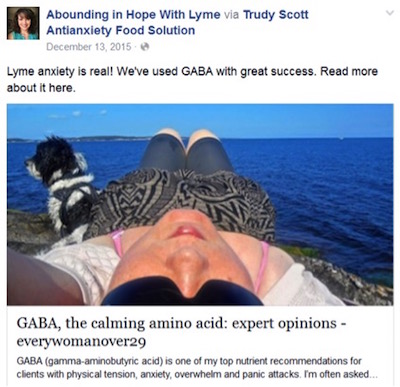
Last month I shared a post called GABA, the calming amino acid: expert opinions and Tricia Soderstrom, creator of the blog Abounding in Hope with Lyme shared it with her online Lyme community with this comment:

Lyme anxiety is real! We’ve used GABA with great success.

lyme-anxiety-real

Read on to learn about her daughter’s symptoms and which GABA product helped; how Tricia continued to search and discover the psychiatric and pyroluria connection; and then her discovery of GABA, 5-HTP, theanine and tryptophan. You can also read how GABA also helped Tricia with her Lyme-induced anxiety (and her advocacy work). You’ll also find additional resources if you need guidance using amino acids like tryptophan/5-HTP and GABA/theanine.

Her daughter’s symptoms and which GABA product helped

Tricia shared further when I asked what had helped:

We’ve used Source Naturals GABA Calm sublinguals with good results. I learned about GABA helping anxiety and because I was treating my young daughter I purchased this because it was easy for her to take.

Lyme, Bartonella and Babesia are all known to cause anxiety and other psychological disorders ranging from mild to very severe. My daughter had it very severely but thankfully is much better now that we’ve treated the tick-borne diseases.

She also shared this excellent article by Pamela Weintraub as a resource: High Anxiety (Neurological Lyme Disease, Part Three)

I asked Tricia if I could share some of her daughter’s Lyme story and how GABA (and other nutrients) had helped with her anxiety while they were treating the Lyme disease. She kindly agreed and here are some excerpts from her blog post: How A Tick Bite Changed My Daughter – Part 2 Using Supplements To Nourish The Brain

When my third daughter turned 7 we had no idea that our whole lives were beginning to turn upside down by severe anxiety and OCD.

As that year progressed I noticed my …daughter incessantly washing her hands, pooling saliva in her mouth, clenching her fists until the skin around her knuckles turned bright white and repeating motions.  Her eyes were wider than normal and she became very fearful of things that never bothered her before.

At the same time, she was complaining of deep hip pain, pain in her feet, very bad headaches, motion sickness, nausea, heart palpitations and other symptoms….

Her anxiety grew, her obsessions controlled her and she was incapable of thinking rationally during these episodes.  With age her episodes became more frequent and more severe.

Tricia continued to search and discovered the psychiatric and pyroluria connection

Tricia diligently searched for solutions for the Lyme disease that was impacting her daughter and herself. As Tricia learned more, she discovered the psychiatric connection to Lyme and they worked without success, with various doctors, having her daughter try antibiotic treatments and anti-anxiety and antidepressant medications.

Still searching, she discovered Dr. Klinghart teaching about pyroluria and started adjusting her daughter’s diet and adding various nutrients: magnesium, fish oil, trace minerals, vitamin D, evening primrose oil, vitamin B6 and zinc (the latter three are key for pyroluria).

Tricia’s discovery of GABA, 5-HTP, theanine and tryptophan

Tricia then came across some of the amazing interviews I did with various experts on season 1 of the Anxiety Summit and it further consolidated what she had already discovered. She shares this:

What I learned was astounding and it was very similar to what [Dr. Kinghart] taught but I began to also learn about GABA, 5-HTP, L-Theanine, and L-Tryptophan.

To my daughter’s routine I added Source Naturals GABA Calm sublingual, Nature’s Way 5-HTP, Nature’s Way L-Theanine/ Green Tea sublingal, and Source Natural’s Melatonin.

At first we used GABA or L-Theanine whenever she would have a panic attack or her OCD was too much to deal with.  After awhile I just had her take it first thing in the morning, mid-day and then again in the evenings when her symptoms would be at their worst.

The amino acids and brain nutrients were ONE part of the solution, together with dietary changes, cognitive behavioral therapy (CBT), and homeopathy. As Tricia says:

These supplements did not cure my daughter but they helped her get off the prescription drugs and they helped both of us during our most trying times

This is why I love using targeted individual amino acids such as GABA. They give you immediate relief from anxiety and panic attacks while you are dealing with bigger underlying issues such as Lyme disease. Adding other nutrients (like zinc, magnesium, vitamin B6 etc) address nutritional deficiencies that the Lyme disease may be causing.

Keep in mind that Tricia’s daughter did well with Source Natural GABA Calm but there are many other excellent GABA products that can be beneficial too.

Tricia’s daughter has given her the go ahead to share her story and she is now doing so well!

My daughter is now a beautiful 15 year old, looking forward to her 16th birthday and getting her driver’s license.

She is the brave one to allow me to expose how this illness completely changed her and controlled her.  At one point she was embarrassed about it but now she really wants to help others.

What an encouraging, heartwarming and inspiring story!

Both Tricia and her daughter are very brave and I appreciate having the opportunity to share their story with you. I encourage you to read the whole story here on her blog.

GABA also helped Tricia with her Lyme-induced anxiety (and her advocacy work)

Tricia also experienced Lyme-induced anxiety and she too found benefits with GABA. You can read more about her episodes of fear, panic attacks, fear of going outside and withdrawing from social situations on this blog post: Where Does Your Fear Come From And What Are You Doing About It? (Our Journey With Neurological Lyme)

Here is a little more about Tricia: She is a mom of 4 and wife of 26 years to Scott.  She was living a busy and active life as an outdoorsy homeschool mom, when chronic Lyme disease side-lined her and her entire family.  She has spent the past 8 years recovering, advocating and caring for her family and researching tick-borne diseases.  Tricia continues to homeschool her youngest two children and blogs about her life as a Christian homeschool mom with chronic Lyme, while homeschooling her children who also have chronic Lyme.  She is passionate about educating others about tick-borne disease, and how to prevent, recognize and get the proper treatment. You can read more about her and her Lyme resources here. And you can find Tricia on Facebook here AboundinginHopewithLyme

Additional resources when you are new to using tryptophan or GABA and other amino acids as supplements

We use the symptoms questionnaire to figure out if low serotonin or low GABA or other neurotransmitter imbalances may be an issue for you.

If you suspect low levels of any of the neurotransmitters and do not yet have my book, The Antianxiety Food Solution – How the Foods You Eat Can Help You Calm Your Anxious Mind, Improve Your Mood, and End Cravings. I highly recommend getting it and reading it before jumping in and using amino acids on your own so you are knowledgeable. And be sure to share it with the practitioner/health team you or your loved one is working with.

There is an entire chapter on the amino acids and they are discussed throughout the book in the sections on gut health, gluten, blood sugar control (this is covered in an entire chapter too), sugar cravings, anxiety and mood issues. The importance of quality animal protein and healthy fats is also covered.

The book doesn’t include product names (per the publisher’s request) so this blog, The Antianxiety Food Solution Amino Acid and Pyroluria Supplements, lists the amino acids that I use with my individual clients and those in my group programs.

If, after reading this blog and my book, you don’t feel comfortable figuring things out on your own (i.e. doing the symptoms questionnaire and respective amino acids trials), a good place to get help is the GABA QuickStart Program (if you have low GABA symptoms). This is a paid online/virtual group program where you get my guidance and community support. Another option is the budget-friendly GABA QuickStart Homestudy Program.

If you need serotonin support, the Serotonin QuickStart Program is a good place to get help. This is also a paid online/virtual group program where you get my guidance on using tryptophan and 5-HTP safely, and community support during 5 LIVE Q&A calls. You can sign up to be notified when the next live launch of this program is happening.

If you are a practitioner, join us in The Balancing Neurotransmitters: the Fundamentals program. This is also a paid online/virtual program with an opportunity to interact with me and other practitioners who are also using the amino acids.

Wrapping up and your feedback

I’d love to hear if you have used GABA (or one of the other amino acids) to help with your anxiety while undergoing treatment for Lyme disease.

Dr. Klinghart discusses the connection between Lyme disease and pyroluria. I’d also love to hear if you have Lyme disease and also have pyroluria? You can do the pyroluria questionnaire here.

I’d love to hear if you have used GABA (or one of the other amino acids) to help with your anxiety while undergoing treatment for Lyme disease.

Dr. Klinghart discusses the connection between Lyme disease and pyroluria. I’d also love to hear if you have Lyme disease and also have pyroluria? You can do the pyroluria questionnaire here.

Filed Under: GABA, Lyme disease and co-infections, Pyroluria

Heal Your Gut Summit: SIBO, microbiome, anxiety, depression

January 18, 2016 By Trudy Scott Leave a Comment

heal-your-gut-logo

The Heal Your Gut Summit starts this week and runs through January 25th.

Gut dysfunction can be linked to virtually every disease and can cause conditions like autoimmunity, fatigue, depression, anxiety and panic attacks, food sensitivities, chronic pain, allergies and many more. These conditions are by and large preventable.

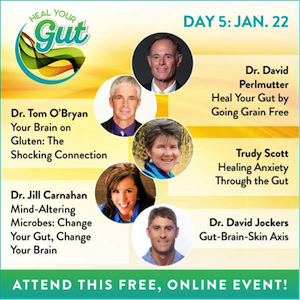
Here is the line-up of speakers and great topics on day 5 of the summit.

healthygutsummit-speakers

And some snippets from the Gut-Brain Connection by Dr. Jill Carnahan

What does the gut or stool have to do with my mood?” But as you and I know, there’s a ton of connection here.

And what we know is the composition of the gut microbiome has such a profound effect on the brain. And it talks back and forth, bi-directionally through the vagus nerve. So those gut microbes produce chemicals and cytokines and things that actually talk to the brain through the vagus nerve.

… So what I do is I will test. And I will do organic urinary acids to look at nutritional components and gut microbe markers and heavy metals and fatty acids and get a picture overall. Again, if there’s excess toxic or if something’s missing, and then, I’ll also do a stool profile. And those two pieces of data are core on every single new patient that I see.

And lipopolysaccharide may be one of the most potent triggers, not only for immune inflammation and autoimmunity, but also for depression. And this study after study after study is linking this LPS and depression and anxiety, as well.

So what happens is those excess microbes in the small bowels can create an inflammatory condition where there’s permeability along the lining of the gut. And then those LPS molecules leak into the bloodstream and create this inflammatory cytokine storm.

So TNF-alpha, IL-6, and IL-2, and some of these cytokines will start the process of inflammation. And we know now that many, many, many cases, if not all cases of depression, inflammation is underlined. So this is one of those triggers from the gut that’s creating inflammation and immune dysfunction and leading to depression and anxiety.

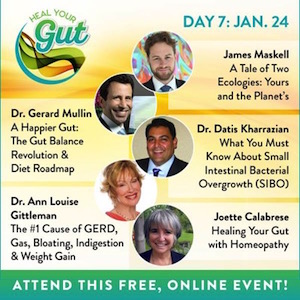
Here is the line-up of speakers and great topics on day 7 of the summit.

heal-your-gut-day7

And some snippets from the What You Must Know about Small Intestinal Bacterial Overgrowth (SIBO) by Dr. Datis Kharrazian:

Basically what happens is that there’s a valve between the small intestine and large intestine. And bacteria that’s in the large intestine move or translocate into the small intestine. And then we have this abnormal group of bacteria that should only be in the large intestine now in the small intestine. When people get this translocation of bacteria, or this movement of bacteria from their large intestine into their small intestine, that’s called small intestinal bacterial overgrowth.

… when this happens, this creates this vicious cycle that has consequences in the brain, that has consequences on the immune system

…there are some clear papers in the scientific literature that show that when people take NS medications like protein pump inhibitors, they’re at high risk for developing SIBO. And some have said as high as 50% to 80% of people that take antacid medications on a chronic basis end up with some aspect of SIBO.

…we know that the vagal motor nuclei, for example, that controls gut motility in the gut and controls valves that are so critical for things like SIBO, is just saturated with thyroid receptors. So when people become hypothyroid, we know that motility can really be compromised

heal-your-gut-summit

Join us for this fabulous upcoming online event that is being hosted by: Dr. Josh Axe, who specializes in functional medicine; Donna Gates, the international best-selling author of The Body Ecology Diet and Dr. Eric L. Zielinski, a sought-after natural health educator, motivational speaker and author, and host of the well-known Essential Oils Summit.

You can register here for the Healthy Gut Summit here https://ju127.isrefer.com/go/healyourgutreg/trudyscottcn/

Filed Under: Events, Gut health Tagged With: Heal Your Gut Summit

GABA rapidly absorbed and tolerated – benefits for anxiety and diabetes

January 15, 2016 By Trudy Scott 13 Comments

gaba-diabetes

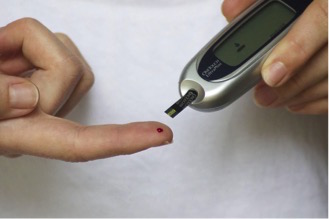
New research published in November 2015: Study of GABA in Healthy Volunteers: Pharmacokinetics and Pharmacodynamics shows potential benefits for diabetes:

Our data show that GABA is rapidly absorbed and tolerated in human beings; its endocrine effects, exemplified by increasing islet hormonal secretion, suggest potential therapeutic benefits for diabetes.

This is very interesting because they conclude that GABA is rapidly absorbed and tolerated in human beings. This is very encouraging because we often hear that taking oral GABA will have no impact.

Here are additional details about the study:

Twelve subjects were subjected to an open-labeled, three-period trial involving sequential oral administration of placebo, 2g GABA once, and 2g GABA three times/day for 7 days, with a 7-day washout between each period.

Based on my work with anxious clients, even using 2g of GABA once a day is considered a high dose, especially if they don’t have low GABA levels. Because of this I’m not surprised at some of the side-effects:

Subjects with repeated dosing showed an elevated incidence of minor adverse events in comparison to placebo or the single dosing period, most notably transient discomforts such as dizziness and sore throat.

I have my anxious clients do a GABA trial in order to figure out their ideal dose. I recommend starting with around 125 mg GABA a few times a day.

In this 2012 study: Oral intake of γ-aminobutyric acid affects mood and activities of central nervous system during stressed condition induced by mental tasks study participants used only 100mg of GABA and saw mental stress reduction effects within 30 minutes.

Anxiety is more prevalent in diabetes than we realize and it’s something I seldom hear discussed:

  • More than 25% of the diabetic women in this 2015 study done in India reported high levels of anxiety
  • This 2015 study found that severe anxiety in early pregnancy is more frequent in Brazilian women with diabetes
  • In this 2015 Australian study half of the women with diabetes experienced an anxiety disorder    

Diabetes is a growing and serious health issue. As Dr. Mark Hyman, author of The Blood Sugar Solution shares in this valuable blog post on 7 Steps to Reverse Obesity and Diabetes

What disease affects EVERY other American and one in four kids? Type 2 diabetes or pre-diabetes. Type 2 diabetes in America has tripled since the 1980s, and researchers estimate one in three Americans will have diabetes by mid-century. More than one-third of American adults are obese.

I’d like to highlight two of his 7 excellent steps: Pull the Sugar and Control Stress Levels.

GABA is an amino acid that makes both of these steps much easier to achieve! GABA stops sugar cravings so you don’t need to use willpower. And GABA ends physical anxiety so you don’t have to manage it. Make the food changes, take the nutrients and do the yoga Dr. Hyman recommends, but why not add GABA too?

You can read more about Melissa’s success with GABA in this blog: GABA for ending sugar cravings (and anxiety and insomnia)

So here we have the amino amazing acid GABA that:

  • we know reduces and often eliminates sugar cravings completely
  • calms the anxious mind and reduces stress within 5 to 30 minutes
  • has the potential of offering therapeutic benefits for diabetes

Pretty powerful!

Be sure to check out the other 5 tips that Dr. Hyman offers and do share if you have seen benefits from GABA – for anxiety/stress and sugar cravings. Do let us know if you also have/had diabetes and noticed any improvements in your blood sugar labs.

If you’re a practitioner and use GABA with your patients/clients with diabetes, please share too.

Filed Under: GABA Tagged With: diabetes, GABA

  • « Go to Previous Page
  • Page 1
  • Interim pages omitted …
  • Page 100
  • Page 101
  • Page 102
  • Page 103
  • Page 104
  • Interim pages omitted …
  • Page 160
  • Go to Next Page »

Primary Sidebar

GABA QuickStart Homestudy

gaba quickstart homestudy

Free Report

9 Great Questions Women Ask about Food, Mood and their Health

You'll also receive a complimentary subscription to my ezine "Food, Mood and Gal Stuff"


Connect with me

Popular Posts

  • Amino Acids Mood Questionnaire from The Antianxiety Food Solution
  • The Antianxiety Food Solution Amino Acid and Pyroluria Supplements
  • Pyroluria Questionnaire from The Antianxiety Food Solution
  • Collagen and gelatin lower serotonin: does this increase your anxiety and depression?
  • Tryptophan for the worry-in-your-head and ruminating type of anxiety
  • GABA for the physical-tension and stiff-and-tense-muscles type of anxiety
  • The Antianxiety Food Solution by Trudy Scott
  • Seriphos Original Formula is back: the best product for anxiety and insomnia caused by high cortisol
  • Am I an anxious introvert because of low zinc and vitamin B6? My response to Huffington Post blog
  • Vagus nerve rehab with GABA, breathing, humming, gargling and key nutrients

Recent Posts

  • Her cravings for chips and peanut butter were triggered by stress: GABA ends cravings and reduces physical tension and fear of heights
  • It is truly miraculous to be able to move through life without crippling anxiety and panic
  • GABA and tryptophan combo provide immediate and noticeable relief for tremors and cervical dystonia in just 7 days
  • Red light therapy for back and neck pain, plantar fasciitis and low mood – a complement to the amino acids GABA, DPA and tryptophan
  • What do I use instead of Seriphos to help lower high cortisol that is affecting my sleep and making me anxious at night?

Categories

  • 5-HTP
  • AB575
  • Addiction
  • ADHD
  • Adrenals
  • Alcohol
  • Allergies
  • Alzheimer's disease
  • Amino Acids
  • Anger
  • Antianxiety
  • Antianxiety Food Solution
  • Antidepressants
  • Anxiety
  • Anxiety and panic
  • Autism
  • Autoimmunity
  • benzodiazapines
  • Bipolar disorder
  • Books
  • Caffeine
  • Cancer
  • Candida
  • Children/Teens
  • Collagen
  • Cooking equipment
  • Coronavirus/COVID-19
  • Cravings
  • Depression
  • Detoxification
  • Diabetes
  • Diet
  • DPA/DLPA
  • Drugs
  • EFT/Tapping
  • EMF
  • EMFs
  • Emotional Eating
  • Endorphins
  • Environment
  • Essential oils
  • Events
  • Exercise
  • Fear
  • Fear of public speaking
  • Fertility and Pregnancy
  • Fish
  • Food
  • Food and mood
  • Functional neurology
  • GABA
  • Gene polymorphisms
  • General Health
  • Giving
  • Giving back
  • Glutamine
  • Gluten
  • GMOs
  • Gratitude
  • Gut health
  • Heart health/hypertension
  • Histamine
  • Hormone
  • Hyperparathyroidism
  • Hypoglycemia
  • Immune system
  • Inflammation
  • Insomnia
  • Inspiration
  • Introversion
  • Joy and happiness
  • Ketogenic diet
  • Lithium orotate
  • Looking awesome
  • Lyme disease and co-infections
  • MCAS/histamine
  • Medication
  • Men's health
  • Mental health
  • Mercury
  • Migraine
  • Mold
  • Movie
  • MTHFR
  • Multiple sclerosis
  • Music
  • NANP
  • Nature
  • Nutritional Psychiatry
  • OCD
  • Osteoporosis
  • Oxalates
  • Oxytocin
  • Pain
  • Paleo
  • Parasites
  • Parkinson’s disease
  • PCOS
  • People
  • PMS
  • Postpartum
  • PTSD/Trauma
  • Pyroluria
  • Questionnaires
  • Real whole food
  • Recipes
  • Research
  • Schizophrenia
  • serotonin
  • SIBO
  • Sleep
  • Special diets
  • Sports nutrition
  • Stress
  • Sugar addiction
  • Sugar and mood
  • Supplements
  • Teens
  • Testimonials
  • Testing
  • The Anxiety Summit
  • The Anxiety Summit 2
  • The Anxiety Summit 3
  • The Anxiety Summit 4
  • The Anxiety Summit 5
  • The Anxiety Summit 6
  • Thyroid
  • Thyroid health
  • Toxins
  • Tryptophan
  • Tyrosine
  • Uncategorized
  • Vegan/vegetarian
  • Women's health
  • Yoga

Archives

  • May 2026
  • April 2026
  • October 2025
  • September 2025
  • August 2025
  • July 2025
  • June 2025
  • May 2025
  • April 2025
  • March 2025
  • February 2025
  • January 2025
  • November 2024
  • October 2024
  • September 2024
  • August 2024
  • July 2024
  • June 2024
  • May 2024
  • April 2024
  • March 2024
  • February 2024
  • January 2024
  • December 2023
  • November 2023
  • October 2023
  • September 2023
  • August 2023
  • July 2023
  • June 2023
  • May 2023
  • April 2023
  • March 2023
  • February 2023
  • January 2023
  • December 2022
  • November 2022
  • October 2022
  • September 2022
  • August 2022
  • July 2022
  • June 2022
  • May 2022
  • April 2022
  • March 2022
  • February 2022
  • January 2022
  • December 2021
  • November 2021
  • October 2021
  • September 2021
  • August 2021
  • July 2021
  • June 2021
  • May 2021
  • April 2021
  • March 2021
  • February 2021
  • January 2021
  • December 2020
  • November 2020
  • October 2020
  • September 2020
  • August 2020
  • July 2020
  • June 2020
  • May 2020
  • April 2020
  • March 2020
  • February 2020
  • January 2020
  • December 2019
  • November 2019
  • October 2019
  • September 2019
  • August 2019
  • July 2019
  • June 2019
  • May 2019
  • April 2019
  • March 2019
  • February 2019
  • January 2019
  • December 2018
  • November 2018
  • October 2018
  • September 2018
  • August 2018
  • July 2018
  • June 2018
  • May 2018
  • April 2018
  • March 2018
  • February 2018
  • January 2018
  • December 2017
  • November 2017
  • October 2017
  • September 2017
  • August 2017
  • July 2017
  • June 2017
  • May 2017
  • April 2017
  • March 2017
  • February 2017
  • January 2017
  • December 2016
  • November 2016
  • October 2016
  • September 2016
  • August 2016
  • July 2016
  • June 2016
  • May 2016
  • April 2016
  • March 2016
  • February 2016
  • January 2016
  • December 2015
  • November 2015
  • October 2015
  • September 2015
  • August 2015
  • July 2015
  • June 2015
  • May 2015
  • April 2015
  • March 2015
  • February 2015
  • January 2015
  • December 2014
  • November 2014
  • October 2014
  • September 2014
  • August 2014
  • July 2014
  • June 2014
  • May 2014
  • April 2014
  • March 2014
  • February 2014
  • January 2014
  • December 2013
  • November 2013
  • October 2013
  • September 2013
  • August 2013
  • July 2013
  • June 2013
  • May 2013
  • April 2013
  • March 2013
  • February 2013
  • January 2013
  • December 2012
  • November 2012
  • October 2012
  • August 2012
  • July 2012
  • June 2012
  • May 2012
  • April 2012
  • March 2012
  • February 2012
  • January 2012
  • December 2011
  • November 2011
  • October 2011
  • September 2011
  • August 2011
  • July 2011
  • June 2011
  • May 2011
  • April 2011
  • March 2011
  • February 2011
  • January 2011
  • December 2010
  • October 2010
  • September 2010
  • July 2010
  • May 2010
  • April 2010
  • March 2010
  • February 2010
  • January 2010
  • November 2009

Share the knowledge!

The above statements have not been evaluated by the Food and Drug Administration. Products listed in this website are not intended to diagnose, treat, cure or prevent any disease.

The information provided on this site is for informational and educational purposes only and is not intended as a substitute for advice from your physician or other health care professional. You should consult with a healthcare professional before starting or modifying any diet, exercise, or supplementation program, before taking or stopping any medication, or if you have or suspect you may have a health problem.


Copyright © 2026 Trudy Scott. All Rights Reserved. | Privacy | Terms and Conditions | Refund Policy | Medical Disclaimer

Free Report

9 Great Questions Women Ask about Food, Mood and their Health

You’ll also receive a complimentary subscription to my ezine “Food, Mood and Gal Stuff”