• Skip to primary navigation
  • Skip to main content
  • Skip to primary sidebar

everywomanover29 blog

Food, Mood and Women's Health – Be your healthiest, look and feel great!

  • Blog
  • About
  • Services
  • Store
  • Resources
  • Testimonials
  • The Book
  • Newsletter
  • Contact
  • Search this site

Depression

Winter blues or SAD: light therapy

February 27, 2015 By Trudy Scott 44 Comments

Seasonal affective disorder (SAD) or “winter blues” is a form of depression most often associated with the lack of light during the fall and winter months. It is very common and may be associated with low serotonin levels. We often associate low serotonin with depression, however low serotonin can also be associated with: anxiety, excessive worry and feeling overly stressed. There’s evidence of seasonality in anxiety and panic attacks, just as there is with seasonal affective disorder (SAD). Another common sign of low serotonin is increased carbohydrate cravings, especially during the afternoon or evening.

One very effective approach for SAD is light therapy. I also find the use of targeted individual amino acids and a dietary approach to be very useful and share more about that below.

Winter Blues by Dr. Norman Rosenthal MD

I’ve just finished reading a really great book called Winter Blues: Everything You Need to Know to Beat Seasonal Affective Disorder by Dr. Norman Rosenthal MD, and the research is fascinating. He is a fellow South African who moved to the USA and found he was depressed each winter. After 3 seasons of this, he started doing research on light therapy and was one of the original SAD researchers. He is internationally recognized for his pioneering contributions to understanding SAD and using light therapy to treat it.

Feedback from colleagues: desk lamp, desk panels, floor lamps and light boxes

I asked some colleagues what they have used and/or liked, and recommend and share some of these below (providing my Amazon links in most cases so you can find them easily). Due to models being discontinued/revamped, I’ve made some updates as of Jan 2024.

Donna Kelley, Certified Holistic Nutritionist

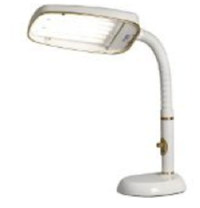
I have a Blue Max, full spectrum, 70 watt dimmable desk lamp. I have had it for 3 years and actually use it to work by. It was recommended by Julia Ross in her certification program. (The company that makes this one is Full Spectrum Solutions)
 

winter-lamp

UPDATE: Jan 2024 – the above model is no longer available but a very comparable one is the Verilux HappyLight Duo – 2-in-1 Light Therapy & Task Desk Lamp. Be sure to read some of the reviews. This is a really good one: “providing me with light therapy to lift my mood some during these dark times (literally since it’s winter…and figuratively…). I genuinely think I feel better/lighter/cheerier after I’ve been working by my HappyLight Duo for several hours.”

Christine Wokowsky, Board Certified in Holistic Nutrition

My office is the darkest room in the house and I have one sitting on my desk, especially helpful in the winter. This is the second Verilux Happy Light I have used and I really like it. Living in Nevada where there is sunshine over 330 days of the year I am so accustomed to light and brightness if I am in a dark room or space for too long it really affects me. This has been a great product for me and I can recommend it.

happy-light

Tracey Schuyler, Owner, Nutrition Counselor at Redefining Food 4 Health, LLC, also likes the Verilux

Like Christine, I personally use the Verilux Happy Light, which I purchased recently. It made a difference right away. I live in Boise, Idaho, and we are accustomed to winter inversions … sometimes days / weeks on end without any sunlight! I place it on my bathroom counter, turn it on in the morning before I shower, and turn it off as I’m leaving the bathroom, after drying my hair, etc. (about 25 minutes).

UPDATE: Jan 2024 – the above model, Verilux Happy Light, is no longer available but a very comparable one by the same company is the Verilux® HappyLight® Alba – New Round UV-Free LED Therapy Lamp. This one has a count-down timer and is portable so can be moved from room to room easily.

Shirley Pastore McCormack, Writer, Life/Wellness Coach, Registered Yoga Teacher

I use the Blue Max Lighting (BlueMax 70W dimmable) floor lamp. I use it 20 minutes each morning from the fall to spring equinoxes. I noticed a great level of improvement, but even more improvement when a doctor prescribed Vitamin D therapy. I was moderately to severely deficient, and needed 10,000 IU for 4-6 weeks under her care to bring my levels up. I do well with the light therapy as long as it is used in conjunction with regular daily doses of D3 (I’m now on 2000IU daily). The light therapy just seems to be “part of the whole solution.” (The company that makes this one is also Full Spectrum Solutions.)”

blue-max

UPDATE: Jan 2024 – the above model, Blue Max Lighting floor lamp, is no longer available but a very comparable one is the Verilux® HappyLight® Duo – 2-in-1 Light Therapy & Task Floor Lamp.

Dr Josh Friedman, PHD, Integrative Psychotherapy of Omaha

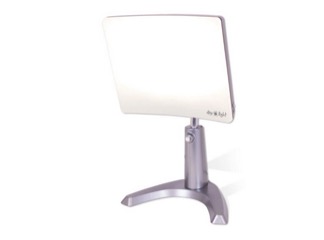
I follow the guidelines of Columbia University’s Center for Environmental Therapeutics. They have done research on a variety of light boxes and the one on this page is inexpensive and effective [and is 10,000 lux]  You can find it on Amazon here: Carex Day-Light Classic Plus Bright Light Therapy Lamp

daylight-simulator

This is what the Center for Environmental Therapeutics has to say about this newer light therapy device:

This handsome new bright light therapy unit ― the Carex Day-light “Classic” Plus Model supersedes our former Daylight “Classic” Model, presenting the same benefits at lower cost and with enhanced design. The required parameters for 10,000 lux light therapy have been thoroughly clinically tested at major university centers, and have been established as the international standard for treatment of winter depression, milder “winter doldrums,” and other chronobiological, circadian rhythm sleep and mood disturbances.
Using light therapy with amino acids or adjusting up the amino acids or doing both

Additional Jan 2024 updates:

I often recommend the use of light therapy in conjunction with amino acids. We may just add light therapy and keep amino acid dosing the same or we may  use higher doses of amino acids like tryptophan, 5-HTP and GABA during the winter months. We may also do both depending on the person’s unique needs.

Here are some blog posts where I address adjusting up/increasing the amino acids during winter:

  • Increasing tryptophan or 5-HTP temporarily when a winter dip in serotonin causes more severe anxiety, OCD and/or the winter blues
  • The seasonality of GABA: worsening anxiety, insomnia and intrusive thoughts in winter (and the need for increased GABA supplementation)

There may even be a seasonal aspect to PMDD/PMS with an increase in hormonal binge eating, wine drinking and anxiety – with symptoms ramping up from October (click here to read that blog post).

More binge eating, emotional eating and carb cravings in Winter

This paper, The Role of Diet, Eating Behavior, and Nutrition Intervention in Seasonal Affective Disorder: A Systematic Review discusses the eating and drinking habits of individuals with SAD (seasonal affective disorder):

Compared with non-clinical subjects, SAD patients tended to consume significantly larger dinners and more evening snacks during weekdays and weekends and exhibit a higher frequency of binge eating, external eating, and emotional eating. Additionally, compared to healthy controls, SAD patients presented more cravings for starch-rich food and food with high fiber.

This paper also mentions vegetarianism being associated with higher SAD prevalence. As outlined in my book (link below) and various blogs, I am an advocate of quality animal protein as it provides amino acids, zinc, iron, omega-3s and vitamin B12 – all needed for neurotransmitter production.

It also mentions that alcoholism is “associated with higher SAD prevalence.”

Amino acids and light therapy help emotional eating and excessive drinking

The authors don’t offer a solution but I can share that the amino acids mentioned above help with sugar/carb  cravings and emotional eating and alcohol addiction.

Using light therapy is going to help too, with research suggesting that bright light therapy is potentially effective at improving both disordered-eating behavior and mood.

Seasonality to anxiety and panic disorder and how to use bright light therapy

There is a seasonality to anxiety and panic disorder just as there are seasonal variations in mood for certain susceptible individuals. You can read more about this and some of the basics like how to use bright light, and for how long, possible adverse effects and who should not use bright light therapy.

The blog is: How to use bright light therapy for increased anxiety, increased panic and SAD during the cold dark winter months

This information about bright light and mood disorders can be applied to anxiety and panic attacks, in addition to SAD.

Additional resources when you are new to using tryptophan and the other amino acids as supplements

We use the symptoms questionnaire to figure out if low serotonin or other neurotransmitter imbalances may be an issue for you.

If you suspect low levels of any of the neurotransmitters and do not yet have my book, The Antianxiety Food Solution – How the Foods You Eat Can Help You Calm Your Anxious Mind, Improve Your Mood, and End Cravings, I highly recommend getting it and reading it before jumping in and using amino acids on your own so you are knowledgeable. And be sure to share it with the practitioner/health team you or your loved one is working with.

There is an entire chapter on the amino acids and they are discussed throughout the book in the sections on gut health, gluten, blood sugar control, sugar cravings, anxiety and mood issues. The importance of quality animal protein is also covered.

The book doesn’t include product names (per the publisher’s request) so this blog, The Antianxiety Food Solution Amino Acid and Pyroluria Supplements, lists the amino acids that I use with my individual clients and those in my group programs.

If, after reading this blog and my book, you don’t feel comfortable figuring things out on your own (i.e. doing the symptoms questionnaire and respective amino acids trials), a good place to get help is the GABA QuickStart Program (if you have low GABA symptoms too). This is a paid online/virtual group program where you get my guidance and community support.

If you are a practitioner, join us in The Balancing Neurotransmitters: the Fundamentals program. This is also a paid online/virtual program with an opportunity to interact with me and other practitioners who are also using the amino acids.

Do you get the winter blues and increased anxiety in the winter months? Have you had success with light therapy?

If yes, which full spectrum lamp have you found to be the most useful? What time of the day do you use it, how often do you use it and for what duration?

Have you used a combination of amino acids and light therapy, and adjusted up your amino acids during the colder and darker winter months?

If you’re a practitioner do you recommend light therapy to your clients/patients?

Feel free to share and ask your questions below.

Filed Under: Anxiety and panic, Depression, Environment Tagged With: anxiety, depression, light therapy, SAD, winter blues

BOUGHT the movie – watch at no charge

February 20, 2015 By Trudy Scott 44 Comments

bought

The movie that Big Pharma, the Vaccine Industry, the Medical Establishment and Big Ag DON’T WANT YOU TO SEE!


Watch it at NO CHARGE between February 20th – March 6th (details are below)

UPDATE 3/6/15: FREE VIEWING HAS BEEN EXTENDED THRU SUNDAY MARCH 15th – ENJOY! (the drawing will be done after this so keeping sharing and adding your WOWs in the comments!)

I’m thrilled to be able to share this incredible movie viewing with you. Jeff Hayes, producer of the new film BOUGHT, is a man on a mission, and he is making it available to view at no charge for a limited time.

BOUGHT is a groundbreaking documentary that exposes the shocking truth behind drugs, vaccines and GMOs. It’s all about Big Food, Big Ag, and Big Pharma and is all about money and profits.

The movie subtitle is perfect: “Your health – now brought to you by Wall Street.”

Watch this film and hear from acclaimed experts in science, medicine, and the law, plus the activists who are raising awareness to help protect their families and will help you protect your family.

Big Pharma funding medical education

You may recognize Dr. Kelly Brogan MD., integrative psychiatrist. I interviewed her on both season 1 and season 2 of the Anxiety Summit. She talks about how Big Pharma funded her medical education. She shared how she was heavily courted by the drug industry and taken to first class restaurants. Of course, she questioned all of this and now educates her patients about real food, gut health, inflammation, curcumin, low vitamin B12 etc.

Selling a drug (the antidepressant Paxil) off-label to children

Former drug sales rep (and now whistleblower) Blair Hamrick, was fired from GlaxoSmithKline when he reported that the company was selling a drug (the antidepressant Paxil) off-label to children. The drug was indicated for 18 years and above.

In July 2012, James Cole, Deputy Attorney General announced that GlaxoSmithKline (GSK) had to pay $3 billion dollars in fines. Carmen Ortiz, US Attorney, MA, shared that GlaxoSmithKline “bribed physicians to prescribe GSK drugs using every imaginable form high-priced entertainment.”

Here is a snippet about this from the New York Times

Prosecutors said the company had tried to win over doctors by paying for trips to Jamaica and Bermuda, as well as spa treatments and hunting excursions. In the case of Paxil, prosecutors claim GlaxoSmithKline employed several tactics aimed at promoting the use of the drug in children, including helping to publish a medical journal article that misreported data from a clinical trial.

A warning was later added to the drug that Paxil, like other antidepressants, might increase the risk of suicidal thoughts in teenagers.

Prosecutors said the company had marketed Wellbutrin for conditions like weight loss and sexual dysfunction when it was approved only to treat major depressive disorder.

Blair Hamrick shared this in the movie: “I have a new respect for doctors that didn’t want drug reps in their office.” Reps are given 3 week crash courses and are taught exactly what to say to the doctors. They are persuading doctors to make decisions about patient care.

Shocking Paxil study 329

One of my favorite integrative doctors, Dr. Tami Meraglia MD., talks more about the Paxil study 329. It found that suicide ideation tripled in adolescents who were on this antidepressant. The study authors omitted – yes omitted! – these parts from the study saying the adolescents were non-compliant, instead of reporting this as a side-effect! Had this been reported in the study, Paxil would not have been approved for use in adolescents.

A message of hope and empowerment

I love that it’s a movie with a mission and also with a message of hope and empowerment. It’s bringing these issues to light so we can make sure things get changed!  

Brad and I watched the movie earlier this week and we were riveted to our seats! I highly recommend it! You may not agree with everything and much of this is controversial (especially the vaccine information) but I encourage you to simply be open to listening to both sides.

Watch it at NO CHARGE

Just sign up HERE to get access to the full video viewing – enter your name and email and you’ll receive an email with a link to watch it at your leisure

Save your spot, enjoy the video, and do tell others about it!

You can also buy copies of the DVD and transcript (as a hardcopy booklet).  There are discounts for volume sales – for schools, organizations, clubs etc. or if you’d like to buy a copy for family and friends.

Addition 2/25/15: Let’s get this message out in a REALLY big way! 

  • Watch it and make a note of  1-3 things that made you go “Wow! I have to tell my sister/mother/husband/wife/best friend/daughter/son this right now!”  Also make note of the time elapsed (e.g. 13 minute mark)
  • For each of the 1-3 things/facts that made you go wow, come back and comment on the blog with each “wow fact” + the corresponding minute mark for each one. 
  • Here is an example: “Wow! Dr. Tami Meraglia – Paxil study – suicide ideation tripled in children – they omitted these parts from the study… 15 min mark”
  • This will inspire others to go and watch these sections and will give a great synopsis with minute marks each of us can go back to.

Win a copy of The Anxiety Summit

As a thank you, once the free viewing ends, I’ll do a drawing and 3 lucky winners will each win a copy of either season 1 or season 2 of The Anxiety Summit, 25+ hours of expert interviews on nutritional solutions for anxiety. If you already own a copy you’ll get a season 3 when it airs in May.

UPDATE: 4/17/15 – the winners have been selected – congratulations to Peace, Theresa and Susan!  Thanks to everyone for comments and shares!

Filed Under: Depression, Drugs, GMOs, Movie, Toxins Tagged With: anxiety, big ag, bought, depression, drugs, Jeff Hays, pharma, vaccine industry

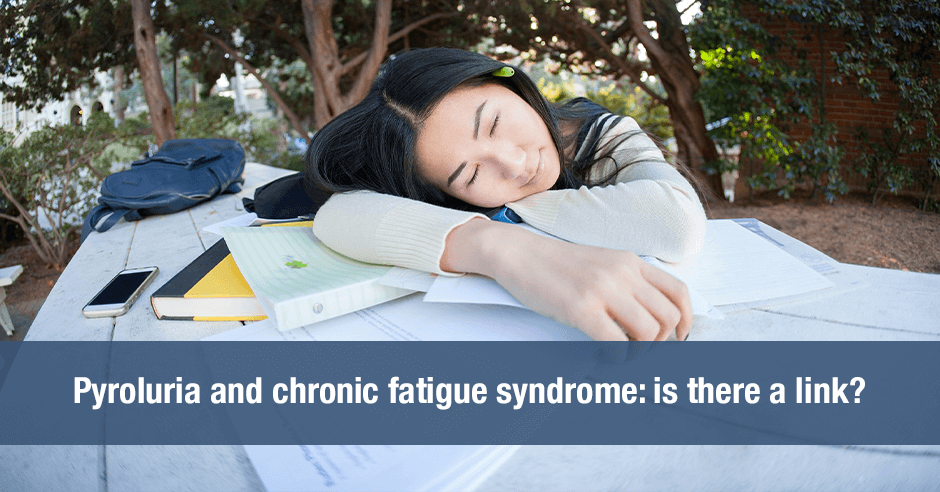
Pyroluria and chronic fatigue syndrome: is there a link?

January 16, 2015 By Trudy Scott 21 Comments

pyroluria and chronic fatigue

Last week I blogged about the social anxiety condition called pyroluria (Pyroluria, high mauve, pyrrole disorder, malvaria, elevated kryptopyrroles and social anxiety) and received some great comments on this and the other pyroluria blogs.

One question on this blog: The Anxiety Summit: How zinc and vitamin B6 prevent pyroluria and social anxiety was related to Chronic Fatigue Syndrome/CFS so I’ve decided to share this and some additional information I was able to find.

Hi Trudy, I’m calling from Melbourne Australia, I was wondering if you have had any of your clients present with Chronic Fatigue Syndrome as well as pyroluria. I have just recently been diagnosed with CFS, I also have ADHD. Someone on a CFS forum that I belong to told me about pyroluria and said it is common in ADHD and CFS sufferers. While the link between ADHD and pyroluria is well documented, I haven’t been able to find any information regarding a connection between Chronic Fatigue Syndrome and pyroluria. I notice that there is an overlap of symptoms in the two conditions. I have all of the symptoms of CFS and many of the symptoms of pyroluria. I’m very interested in hearing your views about CFS and how it relates to pyroluria if at all. — Tom

I was not aware of a CFS/pyroluria connection until now but see there is some research showing how CFS and mood disorders/anxiety can have related causes and one of them is inflammation:

An intriguing and hitherto unexplained co-occurrence: Depression and chronic fatigue syndrome are manifestations of shared inflammatory, oxidative and nitrosative (IO&NS) pathways

Low zinc is a factor in pyroluria and depression and of course we may also see low zinc in CFS:

Lower serum zinc in Chronic Fatigue Syndrome (CFS): relationships to immune dysfunctions and relevance for the oxidative stress status in CFS

I find this paper very interesting since many of these same nutrients are commonly low in folks with anxiety and depression: Nutritional strategies for treating chronic fatigue syndrome

A detailed review of the literature suggests a number of marginal nutritional deficiencies may have etiologic relevance. These include deficiencies of various B vitamins, vitamin C, magnesium, sodium, zinc, L-tryptophan, L-carnitine, coenzyme Q10, and essential fatty acids.

I’m surprised the above paper didn’t mention iron anemia.  This is very common with pyroluria.  This paper: Iron insufficiency and hypovitaminosis D in adolescents with chronic fatigue and orthostatic intolerance found this

In patients presenting with chronic fatigue and/or orthostatic intolerance, low ferritin levels and hypovitaminosis D are common

These are just a few of the links I found by doing a very quick pubmed search. There are likely many more.

Everything is so connected and inter-related! And it’s interesting how certain deficiencies can manifest in certain ways – one person may find themselves with a CFS diagnosis, someone else with arthritis and yet someone else with heart disease. I think we need to be thinking about addressing nutrient deficiencies, balancing biochemistry and getting healthy, perhaps more just than addressing a diagnosis.

If you score high on the Pyroluria Questionnaire I would suggest simply addressing the pyroluria which may have some ripple down effects and actually improve the symptoms of CFS.

Now the next post will have to dig into the link between ADHD and pyroluria. Stay tuned.

In the meantime, I’d love to see your comments/questions if you can relate to any of this. Also, please do share in the comments if you know you have pyroluria and find the nutrients have eliminated your social anxiety and inner tension symptoms, and have also helped your CFS.


Filed Under: Depression, Pyroluria, Stress Tagged With: ADHD, anxiety, fatigue, Inflammation, iron, pyroluria, zinc

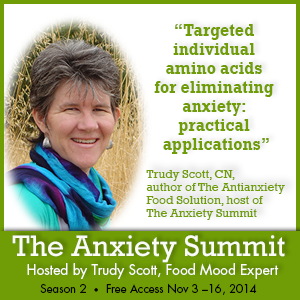
The Anxiety Summit – Targeted individual amino acids for eliminating anxiety: practical applications

November 10, 2014 By Trudy Scott 126 Comments

Host of the Anxiety Summit, Trudy Scott, Food Mood Expert and Nutritionist, author of The Antianxiety Food Solution. was interviewed by Dr Lauren Noel, host of Dr Lo radio.

Targeted individual amino acids for eliminating anxiety: practical applications

  • Glutamine: how it’s calming and helps with blood sugar balancing
  • GABA: how it eases physical tension
  • Tryptophan: how it eases anxiety in the head/busy ruminations (and when not to use 5-HTP)
  • DPA and tyrosine: how they help you quit the comfort-eating and coffee
  • Precautions when using individual amino acids
  • Factors that make them more effective and factors that make them less effective

Here are some snippets from our interview:

You’ll hear some practitioners say GABA molecules are too large to cross the blood brain barrier so GABA won’t work or if it does work you must have a leaky blood brain barrier

Some practitioners are talking about and using a “test” for leaky brain called the GABA Challenge which recommends taking1000- 2000 mg of GABA at night. If the blood brain barrier is intact, you supposedly won’t feel any effect from the GABA. If you do feel a change (drowsiness /feeling drunk or even jittery) then you will need to repair your leaky blood brain barrier.

I have not used the GABA Challenge and only recently learned about it but I am concerned with the very high dose of 2000mg of GABA. That is a lot of GABA for most people and I would expect severe drowsiness for most people or even a reverse effect. I find 125mg (in GABA Calm) is a good starting dose for my anxious clients.

I have also seen research indicating that GABA’s relaxing effect may be due to peripheral effects rather than the effect on/in the brain

Here are some of the papers about there being GABA-receptors in peripheral tissues (these are older papers and I’d love to see some newer research).

  • “GABA and its receptors are found in a wide range of peripheral tissues, including parts of the peripheral nervous system, endocrine, and non-neural tissues such as smooth muscle and the female reproductive system” (http://www.ncbi.nlm.nih.gov/pubmed/2162457)
  • “GABA is widely distributed in endocrine tissues including the pituitary, pancreas, adrenal glands, uterus, ovaries, placenta and testis” (http://www.ncbi.nlm.nih.gov/pubmed/16338174)

Here is the research on oral GABA being a natural relaxant for 13 subjects who crossed a suspended bridge as a stressful stimulus

GABA could work effectively as a natural relaxant and its effects could be seen within 1 hour of its administration to induce relaxation and diminish anxiety.

Here is the research on the stress-reducing effect of chocolate enriched with gamma-aminobutyric acid (GABA) in humans

the participants performed an arithmetic task and those that were given the GABA choc made a quick recovery to the normal state from the stressful state.

It has been reported that ordinary doses of GABA by oral ingestion do not permeate the blood brain barrier. Therefore, it has been considered that GABA may act on the peripheral nervous system of the digestive organs and not the central nervous system

Here is the blog post that discusses why I don’t use urinary neurotransmitter testing.
There are some precautions to be aware of when taking supplemental amino acids. Here are the Amino Acid Precautions.

Meme Grant shared her success story with the amazing amino acids (and the pyroluria protocol) in season 1. She had anxiety, had panic attacks, didn’t enjoy speaking in public, had insomnia and was an emotional eater.

  • glutamine allowed her to walk past the gluten and dairy free junk foods
  • tyrosine helped her flutterby mind, gave her energy, focus and a desire to do things again
  • DPA stopped her comfort eating for too much of the “healthy” sweeteners
  • Tryptophan stopped her mind talk, got her sleeping through the night for the first time in 11 years and helped reduce the frequency of her panic attacks
  • GABA was the best amino acid and how the panic attacks disappeared
  • zinc, vitamin B6 and evening primrose oil helped her pyroluria symptoms

Enjoy the bonus audio of my interview with Meme. You’ll be able to hear first-hand from someone who experienced amazing results.

Here is a video of Nicole trying some glutamine for low blood sugar

The questionnaires are also on the blog – amino acid questionnaire and pyroluria questionnaire.  Both have many comments that are invaluable.

If you are not already registered for the Anxiety Summit you can get live access to the speakers of the day here www.theAnxietySummit.com

Filed Under: Amino Acids, Antianxiety, Antianxiety Food Solution, Anxiety and panic, Depression, Emotional Eating, Food and mood, Sugar and mood, The Anxiety Summit 2 Tagged With: amino acids, anxiety, DPA, GABA, glutamine, the anxiety summit, Trudy Scott, tryptophan, tyrosine

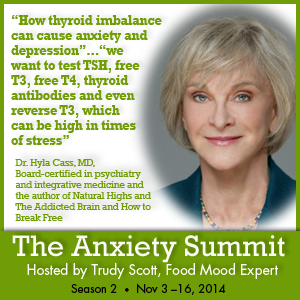
The Anxiety Summit – How thyroid imbalance can cause anxiety and depression

November 8, 2014 By Trudy Scott 6 Comments

Dr. Hyla CassQuote_Anxiety2

Dr Hyla Cass, MD, author of Eight Weeks to Vibrant Health was interviewed by host of the Anxiety Summit, Trudy Scott, Food Mood Expert and Nutritionist, author of The Antianxiety Food Solution.

How thyroid imbalance can cause anxiety and depression

  • An aside on Abram Hoffer and orthomolecular medicine
  • Thyroid disorders: frequency, causes, symptoms and the mood/anxiety connection
  • Hashimotos thyroiditis and anxiety
  • Hyperthyroidism and anxiety
  • Testing: basal temperature and blood tests
  • Conventional medical treatment
  • Natural thyroid hormones and dietary factors
  • Shoulder stands, rebounding and exercise for stress and anxiety

Hyla and I recently both presented at the Integrative Medicine for Mental Health conference.  While we were these I asked her to do a quick video.  Here it is…

Here is Hyla’s answer to: “What are some of the other factors that can cause us to have a low thyroid function?”

Well, if you’re not converting T4 to T3, you want to go another step deeper, and that is why aren’t you converting T4 to T3? Because that is the active form. So it could be that you’re converting it to inactive form, which is reverse T3. That’s what you do in times of stress. It could be that you’re deficient in certain minerals that are required to convert the T4 to T3. Those are selenium, for example, zinc, magnesium.

We need to have a lot of chemicals in our body, a lot of good chemicals, good vitamins, good minerals for all the chemistry to work properly. So rather than simply replacing thyroid hormones, which is a good idea and it works, but also to find out what’s going on to make your body produce the T3 instead of giving it exogenously, giving external T3. But let’s encourage the body first to make it.

Or your adrenals can be wiped out. You get really stressed and your adrenals are working too hard, and they kind of go on strike. What happens when your adrenals are really exhausted is they’re releasing cortisol. You actually suppress your thyroid, your production of thyroid. You could actually have a low TSH and a low T4 and a low T3. It has to do with your adrenal glands being really tired. What you look for is reverse T3. That’s a good clue that your adrenals are not functioning on all cylinders.

Here is the paper: The prevalence of depression and anxiety disorders in patients with euthyroid Hashimoto’s thyroiditis: a comparative study, discussing the connection between thyroid disorders and anxiety and depression (and treatment resistant depression)

Euthyroid Hashimotos thyroiditis and euthyroid goiter increase predisposition to major depression and anxiety disorders, and thyroid autoimmunity and other thyroid pathologies should be investigated in euthyroid patients with chronic and treatment-resistant complaints.

We discussed hyperthyroidism and psychiatric diagnoses. Here is the paper in the European Journal of Endinocrinology: Hyperthyroidism and psychiatric morbidity: evidence from a Danish nationwide register study:

Hyperthyroid individuals have an increased risk of being hospitalized with psychiatric diagnoses and being treated with antipsychotics, antidepressants, and anxiolytics, both before and after the diagnosis of hyperthyroidism.

Here is the 2014 paper I mentioned – Paradigm shifts in thyroid hormone replacement therapies for hypothyroidism.

Impaired psychological well-being, depression or anxiety are observed in 5-10% of hypothyroid patients receiving levothyroxine, despite normal TSH levels

Here is a link to my interview with Dr. Prousky – Tapering off psychiatric drugs so they don’t ruin your life. It has information about the Canadian Society for Orthomolecular Medicine

Here are two of Hyla’s great books:

Natural Highs: Supplements, Nutrition, and Mind-Body Techniques to Help You Feel Good All the Time

Eight Weeks to Vibrant Health: A Take Charge Plan for Women to Correct Imbalances, Reclaim Energy and Restore Well-Being

Get your free gifts from Dr. Hyla Cass: “Outsmart Your Addiction Quiz” and “Reclaim Your Brain” e-report

If you are not already registered for the Anxiety Summit you can get live access to the speakers of the day here www.theAnxietySummit.com

Filed Under: Antianxiety, Anxiety and panic, Depression, The Anxiety Summit 2, Thyroid health Tagged With: anxiety, depression, hashimoto's thyroiditis, Hyla Cass, hyperthyroidism, the anxiety summit, thyroid, Trudy Scott

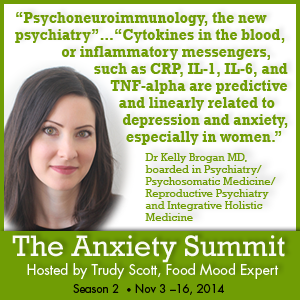
The Anxiety Summit – Psychoneuroimmunology, the new psychiatry

November 5, 2014 By Trudy Scott 9 Comments

Kelly Brogan

Dr. Kelly Brogan, MD. Holistic women’s health psychiatry was interviewed by host of the Anxiety Summit, Trudy Scott, Food Mood Expert and Nutritionist, author of The Antianxiety Food Solution.

Psychoneuroimmunology, the new psychiatry

  • The role of inflammation in anxiety and depression
  • Hormones and where the endocrine system fits in
  • Where inflammation comes from
  • What a healthy microbiome looks like
  • Natural lifestyle interventions to reverse symptoms and favorite nutraceuticals
  • Why psychiatrists don’t know about this

Here are some snippets from our interview:

What psychoneuroimmunology refers to is essentially the inherent inter-connectedness between multiple systems. So, it’s about no longer looking at psychiatry as a head up phenomenon, which at best can result in limited outcomes and at worst, can be quite dangerous. And what psychoneuroimmunology implies is that there is a relationship between neurology – so, between brain science – and the immune system. It is sometimes called psychoneuroendocrinology – it also sort of ropes in the gut and the endocrine system with the implication being that you cannot treat one without knowledge about the others. So, I think it’s very exciting and really is a term that embodies functional medicine, or naturopathy at its best.

What many are speaking about is something called the cytokine model, which has been around since 1991, the first paper hypothesizing about this model. So, it’s been a growing literature for some time. And what it refers to is essentially it looks at depression or anxiety, for example, as this non-specific sort of fever that tells us actually very little about what’s causing the body to react, but tells us that there’s is an expression of imbalance and that the body is working to recalibrate. So, there’s some sort of stressor or triggers or assault and the compensatory response on the part of the body is what we are seeing as these psychiatric symptoms.

Cytokines in the blood, or inflammatory messengers, such as CRP, IL-1, IL-6, and TNF-alpha are predictive and linearly related to depression and anxiety, especially in women.

Here is Dr. Brogan’s wonderful blog post on the topic of Psychoneuroimmunology, the new Psychiatry

What is driving this inflammation? How does it get kicked off? And how does it induce depression? With the limited clinical applications and revelations that came with the completion of the Human Genome Project in 2002, we have begun to focus on where we have outsourced our physiologic functions.

The microbiome has become an important consideration, and particularly, the gut, which houses at least 10 times as many human cells as there are in our bodies, and 150 times as many genes as are in our genome. These microbes control many vital operations and are responsible for synthesis of neuroactive and nutritional compounds, for immune modulation, and for inflammatory signaling.

Here is one of the studies on how traditional diets can impact the microbiome: Intestinal microbiota, probiotics and mental health: from Metchnikoff to modern advances: Part II – contemporary contextual research

researchers reported less potentially pathogenic bacteria, yet a far greater degree of biodiversity and microbial richness in rural Africans living a traditional lifestyle and consuming traditional high fiber foods

If you are not already registered for the Anxiety Summit you can get live access to the speakers of the day here www.theAnxietySummit.com

Filed Under: Anxiety and panic, Depression, Food and mood, Inflammation, The Anxiety Summit 2 Tagged With: anxiety, cytokines, depression, Inflammation, Kelly Brogan, Psychoneuroimmunology, the anxiety summit, Trudy Scott

  • « Go to Previous Page
  • Page 1
  • Interim pages omitted …
  • Page 11
  • Page 12
  • Page 13
  • Page 14
  • Go to Next Page »

Primary Sidebar

GABA QuickStart Homestudy

gaba quickstart homestudy

Free Report

9 Great Questions Women Ask about Food, Mood and their Health

You'll also receive a complimentary subscription to my ezine "Food, Mood and Gal Stuff"


Connect with me

Popular Posts

  • Amino Acids Mood Questionnaire from The Antianxiety Food Solution
  • The Antianxiety Food Solution Amino Acid and Pyroluria Supplements
  • Pyroluria Questionnaire from The Antianxiety Food Solution
  • Collagen and gelatin lower serotonin: does this increase your anxiety and depression?
  • Tryptophan for the worry-in-your-head and ruminating type of anxiety
  • GABA for the physical-tension and stiff-and-tense-muscles type of anxiety
  • The Antianxiety Food Solution by Trudy Scott
  • Seriphos Original Formula is back: the best product for anxiety and insomnia caused by high cortisol
  • Am I an anxious introvert because of low zinc and vitamin B6? My response to Huffington Post blog
  • Vagus nerve rehab with GABA, breathing, humming, gargling and key nutrients

Recent Posts

  • Her cravings for chips and peanut butter were triggered by stress: GABA ends cravings and reduces physical tension and fear of heights
  • It is truly miraculous to be able to move through life without crippling anxiety and panic
  • GABA and tryptophan combo provide immediate and noticeable relief for tremors and cervical dystonia in just 7 days
  • Red light therapy for back and neck pain, plantar fasciitis and low mood – a complement to the amino acids GABA, DPA and tryptophan
  • What do I use instead of Seriphos to help lower high cortisol that is affecting my sleep and making me anxious at night?

Categories

  • 5-HTP
  • AB575
  • Addiction
  • ADHD
  • Adrenals
  • Alcohol
  • Allergies
  • Alzheimer's disease
  • Amino Acids
  • Anger
  • Antianxiety
  • Antianxiety Food Solution
  • Antidepressants
  • Anxiety
  • Anxiety and panic
  • Autism
  • Autoimmunity
  • benzodiazapines
  • Bipolar disorder
  • Books
  • Caffeine
  • Cancer
  • Candida
  • Children/Teens
  • Collagen
  • Cooking equipment
  • Coronavirus/COVID-19
  • Cravings
  • Depression
  • Detoxification
  • Diabetes
  • Diet
  • DPA/DLPA
  • Drugs
  • EFT/Tapping
  • EMF
  • EMFs
  • Emotional Eating
  • Endorphins
  • Environment
  • Essential oils
  • Events
  • Exercise
  • Fear
  • Fear of public speaking
  • Fertility and Pregnancy
  • Fish
  • Food
  • Food and mood
  • Functional neurology
  • GABA
  • Gene polymorphisms
  • General Health
  • Giving
  • Giving back
  • Glutamine
  • Gluten
  • GMOs
  • Gratitude
  • Gut health
  • Heart health/hypertension
  • Histamine
  • Hormone
  • Hyperparathyroidism
  • Hypoglycemia
  • Immune system
  • Inflammation
  • Insomnia
  • Inspiration
  • Introversion
  • Joy and happiness
  • Ketogenic diet
  • Lithium orotate
  • Looking awesome
  • Lyme disease and co-infections
  • MCAS/histamine
  • Medication
  • Men's health
  • Mental health
  • Mercury
  • Migraine
  • Mold
  • Movie
  • MTHFR
  • Multiple sclerosis
  • Music
  • NANP
  • Nature
  • Nutritional Psychiatry
  • OCD
  • Osteoporosis
  • Oxalates
  • Oxytocin
  • Pain
  • Paleo
  • Parasites
  • Parkinson’s disease
  • PCOS
  • People
  • PMS
  • Postpartum
  • PTSD/Trauma
  • Pyroluria
  • Questionnaires
  • Real whole food
  • Recipes
  • Research
  • Schizophrenia
  • serotonin
  • SIBO
  • Sleep
  • Special diets
  • Sports nutrition
  • Stress
  • Sugar addiction
  • Sugar and mood
  • Supplements
  • Teens
  • Testimonials
  • Testing
  • The Anxiety Summit
  • The Anxiety Summit 2
  • The Anxiety Summit 3
  • The Anxiety Summit 4
  • The Anxiety Summit 5
  • The Anxiety Summit 6
  • Thyroid
  • Thyroid health
  • Toxins
  • Tryptophan
  • Tyrosine
  • Uncategorized
  • Vegan/vegetarian
  • Women's health
  • Yoga

Archives

  • May 2026
  • April 2026
  • October 2025
  • September 2025
  • August 2025
  • July 2025
  • June 2025
  • May 2025
  • April 2025
  • March 2025
  • February 2025
  • January 2025
  • November 2024
  • October 2024
  • September 2024
  • August 2024
  • July 2024
  • June 2024
  • May 2024
  • April 2024
  • March 2024
  • February 2024
  • January 2024
  • December 2023
  • November 2023
  • October 2023
  • September 2023
  • August 2023
  • July 2023
  • June 2023
  • May 2023
  • April 2023
  • March 2023
  • February 2023
  • January 2023
  • December 2022
  • November 2022
  • October 2022
  • September 2022
  • August 2022
  • July 2022
  • June 2022
  • May 2022
  • April 2022
  • March 2022
  • February 2022
  • January 2022
  • December 2021
  • November 2021
  • October 2021
  • September 2021
  • August 2021
  • July 2021
  • June 2021
  • May 2021
  • April 2021
  • March 2021
  • February 2021
  • January 2021
  • December 2020
  • November 2020
  • October 2020
  • September 2020
  • August 2020
  • July 2020
  • June 2020
  • May 2020
  • April 2020
  • March 2020
  • February 2020
  • January 2020
  • December 2019
  • November 2019
  • October 2019
  • September 2019
  • August 2019
  • July 2019
  • June 2019
  • May 2019
  • April 2019
  • March 2019
  • February 2019
  • January 2019
  • December 2018
  • November 2018
  • October 2018
  • September 2018
  • August 2018
  • July 2018
  • June 2018
  • May 2018
  • April 2018
  • March 2018
  • February 2018
  • January 2018
  • December 2017
  • November 2017
  • October 2017
  • September 2017
  • August 2017
  • July 2017
  • June 2017
  • May 2017
  • April 2017
  • March 2017
  • February 2017
  • January 2017
  • December 2016
  • November 2016
  • October 2016
  • September 2016
  • August 2016
  • July 2016
  • June 2016
  • May 2016
  • April 2016
  • March 2016
  • February 2016
  • January 2016
  • December 2015
  • November 2015
  • October 2015
  • September 2015
  • August 2015
  • July 2015
  • June 2015
  • May 2015
  • April 2015
  • March 2015
  • February 2015
  • January 2015
  • December 2014
  • November 2014
  • October 2014
  • September 2014
  • August 2014
  • July 2014
  • June 2014
  • May 2014
  • April 2014
  • March 2014
  • February 2014
  • January 2014
  • December 2013
  • November 2013
  • October 2013
  • September 2013
  • August 2013
  • July 2013
  • June 2013
  • May 2013
  • April 2013
  • March 2013
  • February 2013
  • January 2013
  • December 2012
  • November 2012
  • October 2012
  • August 2012
  • July 2012
  • June 2012
  • May 2012
  • April 2012
  • March 2012
  • February 2012
  • January 2012
  • December 2011
  • November 2011
  • October 2011
  • September 2011
  • August 2011
  • July 2011
  • June 2011
  • May 2011
  • April 2011
  • March 2011
  • February 2011
  • January 2011
  • December 2010
  • October 2010
  • September 2010
  • July 2010
  • May 2010
  • April 2010
  • March 2010
  • February 2010
  • January 2010
  • November 2009

Share the knowledge!

The above statements have not been evaluated by the Food and Drug Administration. Products listed in this website are not intended to diagnose, treat, cure or prevent any disease.

The information provided on this site is for informational and educational purposes only and is not intended as a substitute for advice from your physician or other health care professional. You should consult with a healthcare professional before starting or modifying any diet, exercise, or supplementation program, before taking or stopping any medication, or if you have or suspect you may have a health problem.


Copyright © 2026 Trudy Scott. All Rights Reserved. | Privacy | Terms and Conditions | Refund Policy | Medical Disclaimer

Free Report

9 Great Questions Women Ask about Food, Mood and their Health

You’ll also receive a complimentary subscription to my ezine “Food, Mood and Gal Stuff”