• Skip to primary navigation
  • Skip to main content
  • Skip to primary sidebar

everywomanover29 blog

Food, Mood and Women's Health – Be your healthiest, look and feel great!

  • Blog
  • About
  • Services
  • Store
  • Resources
  • Testimonials
  • The Book
  • Newsletter
  • Contact
  • Search this site

Depression

A RCT of a dietary intervention for adults with major depression (the “SMILES” trial): study protocol

July 24, 2015 By Trudy Scott 6 Comments

shish-kebab

Even though this study protocol is dated 2013, it’s worth a mention now because the International Society for Nutritional Psychiatry Research just posted this on the ISNPR facebook page.

Recruitment for this important ‘world first’ trial is finally complete (it is hoped that results will be published in late 2015/early 2016)

It’s very exciting! And don’t you just love the name: the “SMILES” trial!

A randomised, controlled trial of a dietary intervention for adults with major depression (the “SMILES” trial): study protocol

Adrienne O’Neil, Michael Berk, Catherine Itsiopoulos, David Castle, Rachelle Opie, Josephine Pizzinga, Laima Brazionis, Allison Hodge, Cathrine Mihalopoulos, Mary Lou Chatterton, Olivia M Dean and Felice N Jacka.

BMC Psychiatry 2013, 13:114  doi:10.1186/1471-244X-13-114

The electronic version of this article is the complete one and can be found online at: http://www.biomedcentral.com/1471-244X/13/114

© 2013 O’Neil et al.; licensee BioMed Central Ltd.

Abstract

Background

Despite increased investment in its recognition and treatment, depression remains a substantial health and economic burden worldwide. Current treatment strategies generally focus on biological and psychological pathways, largely neglecting the role of lifestyle. There is emerging evidence to suggest that diet and nutrition play an important role in the risk, and the genesis, of depression. However, there are limited data regarding the therapeutic impact of dietary changes on existing mental illness. Using a randomised controlled trial design, we aim to investigate the efficacy and cost-efficacy of a dietary program for the treatment of Major Depressive Episodes (MDE).

Methods/Design

One hundred and seventy six eligible participants suffering from current MDE are being randomised into a dietary intervention group or a social support group. Depression status is assessed using the Montgomery–Asberg Depression Rating Scale (MADRS) and Structured Clinical Interview for Diagnostic and Statistical Manual of Mental Disorders (Non Patient Edition) (SCID-I/NP). The intervention consists of 7 individual nutrition consulting sessions (of approximately 60 minutes), delivered by an Accredited Practising Dietitian (APD). Sessions commence within one week of baseline assessment. The intervention focuses on advocating a healthy diet based on the Australian Dietary Guidelines and the Dietary Guidelines for Adults in Greece. The control condition comprises a befriending protocol using the same visit schedule and length as the diet intervention. The study is being conducted at two locations in Victoria, Australia (a metropolitan and regional centre). Data collection occurs at baseline (pre-intervention), 3-months (post-intervention) and 6– months. The primary endpoint is MADRS scores at 3 months. A cost consequences analysis will determine the economic value of the intervention.

Discussion

If efficacious, this program could provide an alternative or adjunct treatment strategy for the management of this highly prevalent mental disorder; the benefits of which could extend to the management of common co-morbidities including cardiovascular disease (CVD), obesity, and type 2 diabetes.

Although the abstract doesn’t mention anxiety, when you read the full study protocol you’ll see these secondary outcomes and aims too:

Secondary outcomes include; depressive and anxiety symptoms, functioning, quality of life, and changes in targeted dietary behaviours, cardiovascular and metabolic risk. A secondary aim is to evaluate the cost efficacy of the intervention from a societal perspective at 3 months.

When I posted this on Facebook, here is a very positive comment I received:

Quote from the article: “A dietary intervention for depression as an adjunct to standard care, has the potential to be cost-effective, highly acceptable and widely applicable. This approach may lead to improved outcomes for individuals with MDE and reduce the public health burden of psychiatric illness.” This is very encouraging, from someone who has suffered from depression my entire life. I’ve had to be my own advocate, especially with the diet connection and finding a way to stay off medications with difficult side effects. Thanks for sharing!

Someone else made a comment about the amount of protein in the study:

17% protein in the study?

This was my response:

Yes it is rather low and the study includes low fat dairy and whole grains too – but it’s a start – it’s a wonderful start!

We can hope that the next step after this one has been published is to do more like this and hopefully have them include more protein (and discuss the quality of the protein), include more full fat dairy and exclude gluten and even one that excludes all grains.

The long term goal will be to dietary interventions as part of the standard of treatment for anxiety, depression and other mental health disorders.

Dr. Felice Jacka talked about this study and the long term goals during our interview on season 1 of the Anxiety Summit: The Research – Food to prevent and treat anxiety and depression?

This is beyond exciting and we so appreciate the researchers and study participants!

How excited are you to see this research being done?

 

Filed Under: Depression, Testing Tagged With: randomized controlled trial, RCT, SMILES

Low serotonin MAY often be a factor in anxiety and depression

July 17, 2015 By Trudy Scott 25 Comments

 low-serotonin-anxiety

I recently received the following series of questions/comments (all from the same person) on my blog Targeted Individual Amino Acids for Eliminating Anxiety: Practical Applications and would like to share some of what I shared, plus some additional information.

  1. Do you believe in the serotonin hypothesis? And that low serotonin is a factor in anxiety and/or depression? The serotonin hypothesis is a sales pitch from the pharmaceutical industry to sell psychotropic drugs. It is therefore very worrying that nutritional therapists found a market for sufferers and medicine addicts!

  2. There is no test you can take today that show low serotonin in the brain? So where is the evidence?

  3. Please read the books by Robert Whitaker, Peter Breggin and David Healy. Please read this article Things your Doctor Should tell You About Antidepressants and watch this Peter Breggin video

I’m sharing my response because these questions do come up periodically and you may hear other practitioners make similar statements. This is my response:

Yes, I do believe that low serotonin MAY be a factor in anxiety and/or depression (and research shows this to be a fact). I say MAY because anxiety and/or depression could have one of many possible causes – low serotonin, blood sugar instability, poor diet, not eating enough protein, sugar, caffeine, gluten, low dopamine (for depression), pyroluria, inflammation etc.

There is much evidence supporting low serotonin and depression/anxiety. Here are a few recent papers published in 2015:

  • “These findings suggest that the anxiolytic effect of dark cycle restraint is mediated by corticosterone, serotonin or γ-aminobutyric acid-independent mechanisms”
  • “Our results demonstrate that 5-HT [serotonin] deficiency leads to increased susceptibility to social defeat stress (SDS), a model of psychosocial stress”
  • “These findings link the serotonin transporter gene to affective circuitry findings in anxiety and depression psychopathology”
  • “Serotonin, tryptophan metabolism and the brain-gut-microbiome axis”

In response to the question about testing serotonin levels: you can actually test serotonin levels via platelet testing. It’s the test that correlates most closely with CSF levels. A lab called European Laboratory of Nutrients (ELN)/formerly Vitamin Diagnostics offers this platelet serotonin test. It’s not a test that I use as I rely on the Amino Acid Questionnaire and response to the amino acids.   I do not use Urinary Neurotransmitter testing.

With regards to the great article from Mad in America – I totally support these facts (for many individuals):

“antidepressant medications appear to do more harm than good as treatments for depression” and all the “harmful effects on other processes in the body” like digestion, sexual function, cognition etc.

I also respect Dr Peter Breggin’s concerns (in the youtube video) about biochemical imbalances in your brain being caused by the antidepressant drugs you are taking (such as Prozac or Paxil) and why we want to avoid them.

We know that anxiety and depression is not only caused by life stresses and trauma. There are physical biochemical imbalances, nutritional deficiencies, gut problems, food sensitivities, heavy metals and many more causes. I discussed 60+ Nutritional & Biochemical Causes of Anxiety during season 3 of the Anxiety Summit.

Low serotonin is just one of these possible contributing factors and we can address this with dietary and lifestyle changes:

  • Dietary changes include real whole food, grass-fed red meat, no sugar, no gluten, oily fish, healthy fats etc
  • Lifestyle changes include light therapy and exercise

Here are a few recent studies supporting the above:

  • “The effects of dietary tryptophan on affective disorders”
  • “Kefir protective effects against nicotine cessation-induced anxiety and cognition impairments in rats” (kefir is rich in tryptophan)
  • “Stress-Induced Depression Is Alleviated by Aerobic Exercise Through Up-Regulation of 5-Hydroxytryptamine 1A Receptors in rats”

The amino acid supplements tryptophan and 5-HTP are very powerful for providing immediate results of improved mood and reduced anxiety while the other factors are being addressed.   We really need more research on the supplements. Here are two papers:

  • “The effect of raising and lowering tryptophan levels on human mood and social behavior”
  • “5-Hydroxytryptophan: a clinically-effective serotonin precursor”

By boosting serotonin levels in my clients, I see incredible results on a daily basis. And with all this serotonin anxiety/depression research (literally thousands and thousands of papers), it just amazes me when I hear someone say that low serotonin is not a factor. It’s not THE ONLY factor, but is often one of any contributing factors.

If you are anxious or depressed and are still unconvinced, I encourage you to do the Amino Acid Questionnaire and a trial of tryptophan or 5-HTP and see how you respond. I’ve listed some brands I like on this blog: The Antianxiety Food Solution Amino Acid and Pyroluria Supplements.

If you don’t need convincing and have seen great results by boosting your serotonin levels please do share your experiences in the comments below so we can inspire others to look into this approach so they can feel wonderful too.

Filed Under: Antianxiety, Depression, Food and mood Tagged With: amino acids, anxiety, depression, serotonin

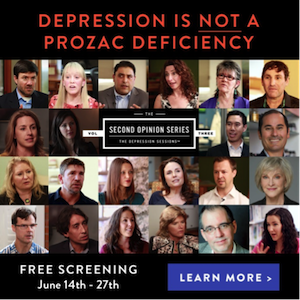
The Depression Sessions, Online event, June 14th to 27th

June 19, 2015 By Trudy Scott 12 Comments

depression-session 

It’s a wonderful FREE online event hosted by my friend Sean Croxton. Click here to register:
https://at105.isrefer.com/go/depreg/trudyscott/

This started earlier this week but looks what is ahead…

These Thursday/Friday interviews air until 8am tomorrow:

  • Damage Control for Anxiety and Panic Attacks – Dr. Corey Schuler, DC
  • PMS, PCOS and Postpartum: A Woman’s Guide to Depression – Alisa Vitti, HHC
  • How to Rewire Your Brain and Beat Depression with Neurofeedback – Nora Gedgaudas, CNS, CNT (I hear this one is very popular!)

Coming up on Saturday/Sunday:

  • Reframing Depression: A Functional Nutrition Approach – Andrea Nakayama, CNE (I love her functional medicine approach!)
  • The Microbiome-Mood Connection – Dr. Jillian Teta, ND (gut health is such a hot topic!)
  • How to Boost Your Mood with Foods and Fats – Dr. Ann Childers, MD (yes!)

Coming up on Monday/Tuesday:

  • Natural Antidepressant Alternatives – Sayer Ji (I love how he’s on top of the research!)
  • Depression is NOT a Serotonin Deficiency – Dr. Kelly Brogan, MD (you’ve heard me say why I don’t agree with everything Dr. Brogan says about serotonin and the amino acids)
  • How to Safely Transition Off of Psychiatric Meds – Dr. Hyla Cass, MD (her information is always great! She is always a favorite on the Anxiety Summits!)

And on Monday I’m doing a live Google hangout Q and A with Sean – once you’ve signed up you’ll just watch for emails from Sean with the details.

If you know you want these videos/transcripts/mp3s, simply go here to order them:
https://at105.isrefer.com/go/deporder/trudyscott/
Prices will increase after the summit.

Got questions? Please ask them in the comment section below.


Filed Under: Antianxiety, Depression, Events Tagged With: free event, sean croxton, the depression sessions

Holistic Solutions for Anxiety and Depression: review

June 12, 2015 By Trudy Scott 84 Comments

holistic-solutions-anxiety

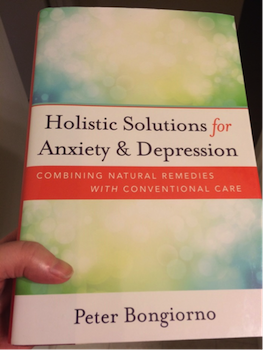
Although it is written for therapists I feel that Holistic Solutions for Anxiety and Depression: Combining Natural Remedies with Conventional Care, written by Dr. Peter Bongiorno, ND, is a great resource for anyone working with individuals with anxiety or depression, and this includes nutritionists.

As a nutritionist who works primarily with women with anxiety, I was so pleased to receive a physical review copy of this wonderful book. I did purchase the kindle but a real book is just so much nicer!

It’s also perfect for the anxious individual who taking charge of their own health and wants to become more empowered. It would also be a perfect book for the anxious person to share with their open-minded therapist or doctor.

Here are some of the reasons why I really enjoyed this book:

  • The extensive coverage of diet – Dr. Bongiorno favors a Mediterranean diet and cites research supporting this way of eating for mental health (I’d add more red meat and skip the grains, especially gluten)
  • The recommendation to eat crunchy vegetables based on the research about crunchy foods making us feel happier and calmer
  • The coverage of nutrients such as 5-HTP and tryptophan. Dr. Bongiorono will use 5-HTP first (he feels its “more effective at crossing the blood brain barrier) , whereas I tend to start with tryptophan. But he does say that “when dosed accordingly, tryptophan appears to be quite safe and effective.”    
  • The coverage of GABA: “GABA supplementation helps open chloride channels in neurons, which hyperpolarizes them, so that the positive charges remain on one side of the membrane, which inactivates the nerve cell. This slows firing and calms the brain.”
  • The coverage of vitamin B3: one way it helps mood is “its ability to inhibit the liver enzyme tryptophan pyrrolase. This enzyme breaks down tryptophan making it less available to produce serotonin. Vitamin B3 is also responsible for activating the enzyme that converts tryptophan to 5-hydroxytryptophan.”    
  • The coverage of lithium orotate: “It is suggested that lithium’s beneficial effects on mood may be due to its oxytocin-raising properties.” He suggests using it with an oxytocin-raising massage! Oxytocin also helps with social anxiety: Oxytocin and social anxiety, pyroluria and depression?
  • The fascinating discussion of the 5-HT1A receptor and oxytocin
  • The history of the discovery of serotonin (clams used it to keep their shells closed)
  • The coverage of light therapy, getting house-plants and a mind-body approach

As you can see, it includes plenty of geeky science, something I really love!

I had the pleasure of interviewing Dr. Bongiorno on The Anxiety Summit – our topic: Serotonin and Anxiety, Happiness, Digestion and our Hormones. Dr. Bongiorno’s speaking is as eloquent, factual and caring as his writing.

Dr. Bongiorno has been kind enough to offer a copy of his book as a giveaway. We’ll do a drawing and select one lucky reader and announce the winner next Friday. If you’d like to be entered in to the drawing simply comment below and share:

  • why you’d like to win the book
  • which section you’re most excited about reading and why (just go to the Amazon preview and check out the table of contents)
  • which holistic approaches you already use with patients/clients or you’ve used yourself

This drawing is open to practitioners and non-practitioners alike.

Peter Bongiorno, ND, a doctor of naturopathic medicine, is co-director of InnerSource Natural Health and Acupuncture in New York City. President of the New York Association of Naturopathic Physicians, he is a contributor to numerous blogs and online magazines, including DrOz.com and Sharecare.com, and is regularly interviewed as a natural medicine expert on national television and radio.

Filed Under: Anxiety and panic, Books, Depression, The Anxiety Summit 3 Tagged With: 5-HTP, anxiety, anxiety summit, depression, GABA, holistic, Peter Bongiorno, serotonin, tryptophan

How to figure out what’s causing your depression with Dr. Kharrazian

June 11, 2015 By Trudy Scott 12 Comments

 depressionsessions

The Depression Sessions officially starts on Sunday June 14th.

To give you a taste of what is to come, this week is a pre-summit kick-off with some great interviews airing RIGHT NOW!

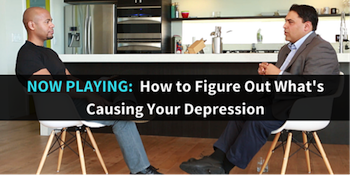
TODAY (and the next few days), you can watch Sean Croxton’s excellent interview with Dr. Datis Kharrazian, author of Why Isn’t My Brain Working.

Dr. Kharrazian’s full-length session is available for EARLY BIRD viewing and downloading (video, mp3 and transcript).

Dr. Datis Kharrazian: How to Figure Out What’s Causing Your Depression

dr-k
  • Why there is more to correcting mood disorders than only boosting neurotransmitter levels. A lot more!
  • Why traumatic brain injuries often show up as depression … years down the road. 
  • How chronic gut inflammation can cause brain inflammation, leading to depression.
  • How the “other” symptoms presenting with depression — anxiety, insomnia, brain fog –can help determine its cause.

This free EARLY BIRD viewing will be available until Sunday morning June 14th at 8am PST/11am EST when the Depression Sessions online event officially kicks off.

Here are a few gems from this interview:

  • Depression is decreased frequency of firing of areas the frontal cortex, pre-frontal, orbitofrontal, and the cingulate gyrus. At the end of the day, someone’s clinical depression is that part of their brain not firing. Then our goal as a clinical workup is why? What’s not making that area of the brain fire?
  • Every single case of depression is uniquely different
  • If you have depression and you notice it and you want to change it, that’s a really positive sign. If you have depression and you don’t even care anymore, you don’t even recognize it, that’s when things get really scary for us. That’s where all the neurodegenerative diseases have to be ruled out.

I’m so pleased to hear that Dr Kharrazian is not in favor of urinary neurotransmitter testing and do agree that depression (and anxiety) is often a lot more than only neurotransmitter deficiencies.

I see such incredible results with amino acids that I must say I do disagree with him on this one: “If you take an amino acid, like 5-HTP or tyrosine you do get a boost of brain function that doesn’t last.”

It may just be that he is working with people who have very complex issues like a history of brain injuries and neurodegenerative diseases. The whole discussion on head injuries is so interesting! And the wonderful thing is that there are certain nutrients that can help so much (fish oil, turmeric and others)!

The GABA blood-brain-barrier discussion comes up later (and I get a mention!) so be sure to listen out for that section. I’m still not convinced about the leaky brain GABA information but I am planning to have to look into the Cyrex blood-brain-barrier test Dr. Kharrazian mentions.  I’m also going to look into the Cyrex GAD autoimmunity test he talks about.

My interview on the amino acids (GABA and tryptophan) and pyroluria/social anxiety/introversion airs on Day 1 so be sure to tune in for this one too.  You can see a preview snippet on this blog called: Can Social Anxiety Be Reversed with Nutrition?

If you haven’t yet registered you can simply register here:
https://at105.isrefer.com/go/depreg/trudyscott/

I do hope you enjoy this one and all the others in the Depression Sessions!  


Filed Under: Amino Acids, Depression, Events Tagged With: causes of depression, datis kharrazian, depression sessions, GABA, sean croxton, Trudy Scott

The Anxiety Summit – Serotonin and Anxiety, Happiness, Digestion and our Hormones

May 14, 2015 By Trudy Scott 43 Comments


Dr. Peter Bongiorno ND, author of Holistic Therapies for Anxiety and Depression is interviewed by host of the Anxiety Summit, Trudy Scott, Food Mood Expert and Nutritionist, author of The Antianxiety Food Solution.

Serotonin and Anxiety, Happiness, Digestion and our Hormones

  • What is serotonin and why is it often considered the molecule of happiness
  • The role of serotonin when it comes to anxiety?
  • How serotonin was first discovered and the 5-HT1A receptor/oxytocin connection
  • Serotonin’s strong relationship to the digestive tract
  • The connection between inflammation and serotonin
  • How to naturopathically support serotonin and the overall neurotransmitter system for optimal mood support: 5-HTP, L-tryptophan and its vitamin co-factors
  • Serotonin’s effects on our hormones, other neurotransmitters and whole body

Here are some snippets from our interview:

In modern medicine we tend to focus on one thing and tend to work it to death, almost to the point that we believe we are doing things that will be helpful. Many studies have shown that antidepressants are not working any better than placebos in most people and yet we’re still treating it [depression/anxiety] the same way

In naturopathy we look at things from all angles. There can be multiple factors involved and why someone has anxiety. How you’re going to work through these factors successfully is going to be very different for each person.

Here is the 2010 JAMA paper: The Antidepressant Drug Effects and Depression Severity A Patient-Level Meta-analysis

The magnitude of benefit of antidepressant medication compared with placebo increases with severity of depression symptoms and may be minimal or nonexistent, on average, in patients with mild or moderate symptoms. For patients with very severe depression, the benefit of medications over placebo is substantial.

Dr. Bongiorno shares how using 5-HTP and tryptophan leads to quicker results for his patients, and unlike drugs you don’t get side-effects. He likes to use acupuncture for this too.

He discusses the co-factors that are needed for making neurotransmitters: the B vitamins like riboflavin, niacinamide and vitamin B6, plus the need for a good multivitamin.   Here is a recent Psychology Today article: Multiple Vitamins for Anxiety

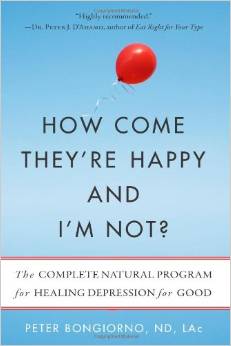
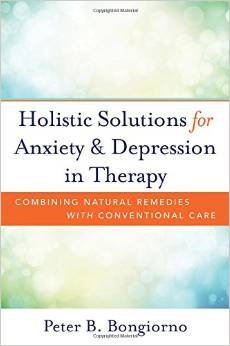
Here are Dr. Bongiorno’s two books:

How Come They’re Happy and I’m Not – The Complete Natural Program for Healing Depression for Good

peter bongiorno how come they're happy and I'm not

Holistic Solutions for Anxiety & Depression in Therapy: Combining Natural Remedies with Conventional Care

peter bongiorno holistic solutions for anxiety and depression

You can download his free gift here: 10 Ways to Boost Serotonin Naturally.  Once you sign up you’re taken to a page that has the free ebook about serotonin.

If you are not already registered for the Anxiety Summit you can get live access to the speakers of the day here: www.theAnxietySummit.com

Missed this interview or can’t listen live? Or want this and the other great interviews for your learning library? Purchase the MP3s or MP3s + transcripts and listen when it suits you.

You can find your purchasing options here: Anxiety Summit Season 1, Anxiety Summit Season 2, and Anxiety Summit Season 3.

Filed Under: Amino Acids, Antianxiety, Anxiety and panic, Depression, The Anxiety Summit 3 Tagged With: 5-HTP, anxiety, digestion, happiness, oxytocin, Peter Bongiorno, serotonin, the anxiety summit, Trudy Scott, tryptophan

  • « Go to Previous Page
  • Page 1
  • Interim pages omitted …
  • Page 9
  • Page 10
  • Page 11
  • Page 12
  • Page 13
  • Page 14
  • Go to Next Page »

Primary Sidebar

GABA QuickStart Homestudy

gaba quickstart homestudy

Free Report

9 Great Questions Women Ask about Food, Mood and their Health

You'll also receive a complimentary subscription to my ezine "Food, Mood and Gal Stuff"


Connect with me

Popular Posts

  • Amino Acids Mood Questionnaire from The Antianxiety Food Solution
  • The Antianxiety Food Solution Amino Acid and Pyroluria Supplements
  • Pyroluria Questionnaire from The Antianxiety Food Solution
  • Collagen and gelatin lower serotonin: does this increase your anxiety and depression?
  • Tryptophan for the worry-in-your-head and ruminating type of anxiety
  • GABA for the physical-tension and stiff-and-tense-muscles type of anxiety
  • The Antianxiety Food Solution by Trudy Scott
  • Seriphos Original Formula is back: the best product for anxiety and insomnia caused by high cortisol
  • Am I an anxious introvert because of low zinc and vitamin B6? My response to Huffington Post blog
  • Vagus nerve rehab with GABA, breathing, humming, gargling and key nutrients

Recent Posts

  • Her cravings for chips and peanut butter were triggered by stress: GABA ends cravings and reduces physical tension and fear of heights
  • It is truly miraculous to be able to move through life without crippling anxiety and panic
  • GABA and tryptophan combo provide immediate and noticeable relief for tremors and cervical dystonia in just 7 days
  • Red light therapy for back and neck pain, plantar fasciitis and low mood – a complement to the amino acids GABA, DPA and tryptophan
  • What do I use instead of Seriphos to help lower high cortisol that is affecting my sleep and making me anxious at night?

Categories

  • 5-HTP
  • AB575
  • Addiction
  • ADHD
  • Adrenals
  • Alcohol
  • Allergies
  • Alzheimer's disease
  • Amino Acids
  • Anger
  • Antianxiety
  • Antianxiety Food Solution
  • Antidepressants
  • Anxiety
  • Anxiety and panic
  • Autism
  • Autoimmunity
  • benzodiazapines
  • Bipolar disorder
  • Books
  • Caffeine
  • Cancer
  • Candida
  • Children/Teens
  • Collagen
  • Cooking equipment
  • Coronavirus/COVID-19
  • Cravings
  • Depression
  • Detoxification
  • Diabetes
  • Diet
  • DPA/DLPA
  • Drugs
  • EFT/Tapping
  • EMF
  • EMFs
  • Emotional Eating
  • Endorphins
  • Environment
  • Essential oils
  • Events
  • Exercise
  • Fear
  • Fear of public speaking
  • Fertility and Pregnancy
  • Fish
  • Food
  • Food and mood
  • Functional neurology
  • GABA
  • Gene polymorphisms
  • General Health
  • Giving
  • Giving back
  • Glutamine
  • Gluten
  • GMOs
  • Gratitude
  • Gut health
  • Heart health/hypertension
  • Histamine
  • Hormone
  • Hyperparathyroidism
  • Hypoglycemia
  • Immune system
  • Inflammation
  • Insomnia
  • Inspiration
  • Introversion
  • Joy and happiness
  • Ketogenic diet
  • Lithium orotate
  • Looking awesome
  • Lyme disease and co-infections
  • MCAS/histamine
  • Medication
  • Men's health
  • Mental health
  • Mercury
  • Migraine
  • Mold
  • Movie
  • MTHFR
  • Multiple sclerosis
  • Music
  • NANP
  • Nature
  • Nutritional Psychiatry
  • OCD
  • Osteoporosis
  • Oxalates
  • Oxytocin
  • Pain
  • Paleo
  • Parasites
  • Parkinson’s disease
  • PCOS
  • People
  • PMS
  • Postpartum
  • PTSD/Trauma
  • Pyroluria
  • Questionnaires
  • Real whole food
  • Recipes
  • Research
  • Schizophrenia
  • serotonin
  • SIBO
  • Sleep
  • Special diets
  • Sports nutrition
  • Stress
  • Sugar addiction
  • Sugar and mood
  • Supplements
  • Teens
  • Testimonials
  • Testing
  • The Anxiety Summit
  • The Anxiety Summit 2
  • The Anxiety Summit 3
  • The Anxiety Summit 4
  • The Anxiety Summit 5
  • The Anxiety Summit 6
  • Thyroid
  • Thyroid health
  • Toxins
  • Tryptophan
  • Tyrosine
  • Uncategorized
  • Vegan/vegetarian
  • Women's health
  • Yoga

Archives

  • May 2026
  • April 2026
  • October 2025
  • September 2025
  • August 2025
  • July 2025
  • June 2025
  • May 2025
  • April 2025
  • March 2025
  • February 2025
  • January 2025
  • November 2024
  • October 2024
  • September 2024
  • August 2024
  • July 2024
  • June 2024
  • May 2024
  • April 2024
  • March 2024
  • February 2024
  • January 2024
  • December 2023
  • November 2023
  • October 2023
  • September 2023
  • August 2023
  • July 2023
  • June 2023
  • May 2023
  • April 2023
  • March 2023
  • February 2023
  • January 2023
  • December 2022
  • November 2022
  • October 2022
  • September 2022
  • August 2022
  • July 2022
  • June 2022
  • May 2022
  • April 2022
  • March 2022
  • February 2022
  • January 2022
  • December 2021
  • November 2021
  • October 2021
  • September 2021
  • August 2021
  • July 2021
  • June 2021
  • May 2021
  • April 2021
  • March 2021
  • February 2021
  • January 2021
  • December 2020
  • November 2020
  • October 2020
  • September 2020
  • August 2020
  • July 2020
  • June 2020
  • May 2020
  • April 2020
  • March 2020
  • February 2020
  • January 2020
  • December 2019
  • November 2019
  • October 2019
  • September 2019
  • August 2019
  • July 2019
  • June 2019
  • May 2019
  • April 2019
  • March 2019
  • February 2019
  • January 2019
  • December 2018
  • November 2018
  • October 2018
  • September 2018
  • August 2018
  • July 2018
  • June 2018
  • May 2018
  • April 2018
  • March 2018
  • February 2018
  • January 2018
  • December 2017
  • November 2017
  • October 2017
  • September 2017
  • August 2017
  • July 2017
  • June 2017
  • May 2017
  • April 2017
  • March 2017
  • February 2017
  • January 2017
  • December 2016
  • November 2016
  • October 2016
  • September 2016
  • August 2016
  • July 2016
  • June 2016
  • May 2016
  • April 2016
  • March 2016
  • February 2016
  • January 2016
  • December 2015
  • November 2015
  • October 2015
  • September 2015
  • August 2015
  • July 2015
  • June 2015
  • May 2015
  • April 2015
  • March 2015
  • February 2015
  • January 2015
  • December 2014
  • November 2014
  • October 2014
  • September 2014
  • August 2014
  • July 2014
  • June 2014
  • May 2014
  • April 2014
  • March 2014
  • February 2014
  • January 2014
  • December 2013
  • November 2013
  • October 2013
  • September 2013
  • August 2013
  • July 2013
  • June 2013
  • May 2013
  • April 2013
  • March 2013
  • February 2013
  • January 2013
  • December 2012
  • November 2012
  • October 2012
  • August 2012
  • July 2012
  • June 2012
  • May 2012
  • April 2012
  • March 2012
  • February 2012
  • January 2012
  • December 2011
  • November 2011
  • October 2011
  • September 2011
  • August 2011
  • July 2011
  • June 2011
  • May 2011
  • April 2011
  • March 2011
  • February 2011
  • January 2011
  • December 2010
  • October 2010
  • September 2010
  • July 2010
  • May 2010
  • April 2010
  • March 2010
  • February 2010
  • January 2010
  • November 2009

Share the knowledge!

The above statements have not been evaluated by the Food and Drug Administration. Products listed in this website are not intended to diagnose, treat, cure or prevent any disease.

The information provided on this site is for informational and educational purposes only and is not intended as a substitute for advice from your physician or other health care professional. You should consult with a healthcare professional before starting or modifying any diet, exercise, or supplementation program, before taking or stopping any medication, or if you have or suspect you may have a health problem.


Copyright © 2026 Trudy Scott. All Rights Reserved. | Privacy | Terms and Conditions | Refund Policy | Medical Disclaimer

Free Report

9 Great Questions Women Ask about Food, Mood and their Health

You’ll also receive a complimentary subscription to my ezine “Food, Mood and Gal Stuff”