• Skip to primary navigation
  • Skip to main content
  • Skip to primary sidebar

everywomanover29 blog

Food, Mood and Women's Health – Be your healthiest, look and feel great!

  • Blog
  • About
  • Services
  • Store
  • Resources
  • Testimonials
  • The Book
  • Newsletter
  • Contact
  • Search this site

Books

The Lyme Solution by Dr. Darin Ingels

March 30, 2018 By Trudy Scott 4 Comments

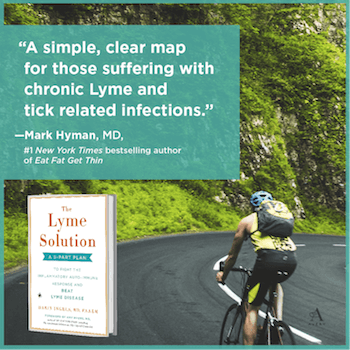
I highly recommend Dr. Darin Ingels, ND new book The Lyme Solution: A 5-Part Plan to Fight the Inflammatory Auto-Immune Response and Beat Lyme Disease. As a functional medicine practitioner, he provides a natural approach to treating Lyme disease that is both comprehensive and designed to each person’s own unique needs i.e. he doesn’t use a one size fits all approach. His uniquely holistic approach to treating this rampant disease, treats both the infection and the resulting autoimmune response. He’s also recovered from Lyme disease himself so he really gets it!

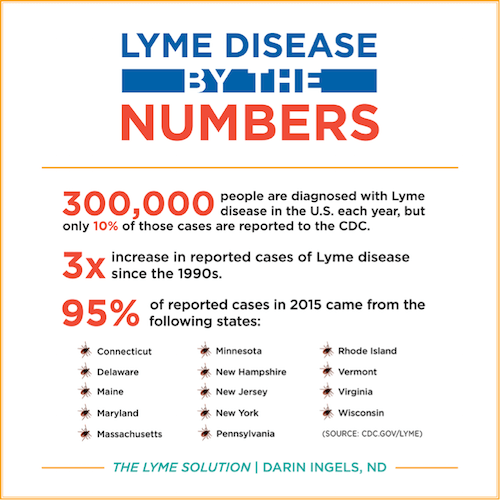
According to the CDC, over 300,000 cases of Lyme are reported every year in the U.S.A.
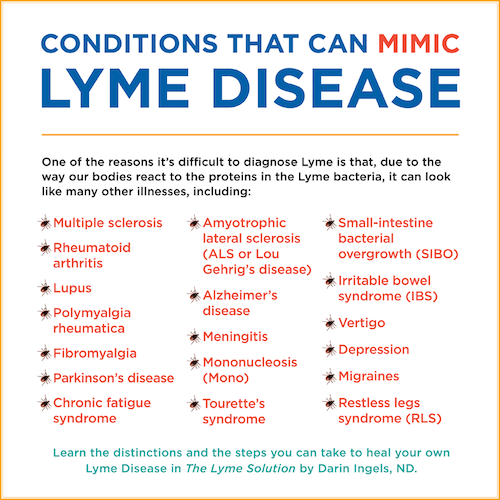
As you can see, many conditions can mimic Lyme disease, including anxiety and depression.
Many in my community have both Lyme disease and anxiety and many nutritional solutions, such as GABA (a calming amino acid supplement), can ease their anxiety while my client is working with a doctor such as Dr. Ingels in order to address and eliminate the Lyme disease.

Tricia Soderstrom from Abounding in Hope With Lyme shares her Lyme GABA story here: GABA helps with Lyme anxiety (while addressing the underlying disease)

Dr. Ingels shared this with me when I asked about what GABA products he likes and why:

I use DFH PharmaGaba and Allergy Research Liposomal GABA, which also has theanine. Liposomal GABA works beautifully for anxiety and sleep disturbances in my Lyme patients and children with autism. I also love how quickly it seems to affect people, often within 10-15 minutes of taking it.

Including the latest research about the diagnosis and treatment of Lyme, The Lyme Solution provides a path to wellness by strengthening the body’s ability to heal from within. Dr. Ingels suggests an actionable 5-Part Plan to:

  • Fortify gut health and restore the immune system
  • Follow a diet that increases immunity and reduces inflammation
  • Thwart and target an active infection
  • Identify hidden toxins that worsen Lyme
  • Lifestyle suggestions to help healing

Here are some of his gut support protocols: digestive enzymes, glutamine, resveratrol, herbs like slippery elm and marshmallow, fish oil and probiotics:
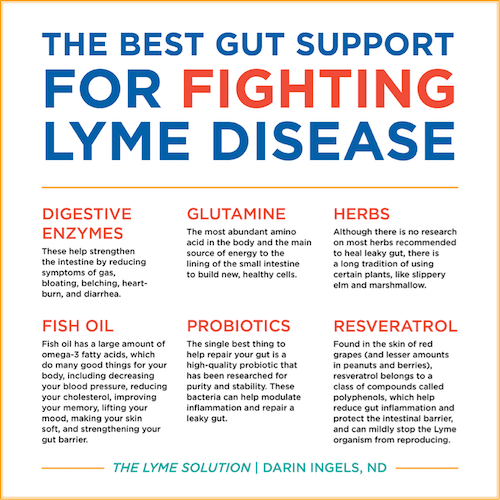
The Lyme Solution is a simple guide for how you can advocate for your own health and use innovative treatments to maintain wellness, using the least invasive ways to facilitate treatment. By following this plan, you can become even stronger than you were before the Lyme and better equipped to manage recurring symptoms.

UPDATE: April 20, 2018 – My actual review  

I highly recommend this book if you have Lyme disease or if you suspect that Lyme disease may be playing a role in your ill-health or have chronic anxiety (or another chronic health condition) and have not yet found a solution. I also highly recommend it for practitioners who are both treating Lyme disease patients and those, like myself, who want to really understand all aspects in order to make good referrals for Lyme treatment.

I read it cover to cover in one sitting and could not put it down!

Chapter 1 – An excellent discussion about the problems with long-term antibiotics for chronic Lyme disease and when antibiotics should be used. The chronic inflammatory autoimmune connection is unique to Dr. Ingels’ approach for treating Lyme disease and makes a great deal of sense. The Lyme facts are invaluable: Lyme spirochete going dormant and hiding in scar tissue and lymph nodes; the nymph the most dangerous; Lyme-reactive antibodies form against proteins in the brain, giving rise to neurological symptoms.

Chapter 2 – Covers complex and controversial issues with diagnosis and pitfalls of the various testing that is available. It contains Lyme signs/symptoms and a Lyme questionnaire. It was eye-opening to learn that the bull’s-eye rash is Lyme specific and that changes in handwriting and mixing up words may be a sign of chronic Lyme disease. This is one of my favorite chapters of the book and is very comprehensive.

Chapter 3 – Gut and immune restoring protocols and more on the autoimmune connection. Addressing gut health is key to any condition and Dr. Ingels reiterates that addressing the immune system is key for recovery from Lyme.

Chapter 4 – Immune boosting diet and the importance of alkalinity. This is my least favorite chapter because I’m an advocate of the Paleo diet and have found that when done well with large amounts of vegetables, it is healing and alkaline. (He did connect with me on this and agrees in principle with a Paleo diet that does include plenty of vegetables). I am pleased to see coffee is off the list but would have liked to hear his experiences with intermittent fasting.

Chapter 5 – Covers targeting the infection in a way that doesn’t impact gut flora and undermine the immune system. This chapter has extensive coverage of the herbal protocols Dr. Ingels has found to be effective for his patients: Zhang protocol, his version of the Cowden protocol and others. He goes into great detail for each herb, including products to help with a Herxheimer reaction, as well as the rationale and protocols for breaking up biofilm. It’s also one of my favorite chapters in the book.

Chapter 6 – Cleaning your home and environment and getting rid of toxic chemicals and products, as well as addressing mold. This is also common-sense to address for any condition so it’s great to cover for Lyme.

Chapter 7 – Sleep, exercise and stress reduction. This is also common-sense to address for any condition. I do have a professional difference of opinion for the GABA recommendation for sleep and typically start my clients on much lower doses. I also love GABA for stress and anxiety.

Chapter 8 – Advanced protocols for specific symptoms: mitochondrial issues, neuropathy and balance, low dose immunotherapy, LDN and other approaches where you’ll need to work with a health care provider. Another favorite chapter of mine.

Chapter 9 – Additional lab testing, SIBO, Mast cell activation syndrome and POTS are addressed in relation to Lyme disease. This chapter is enlightening.

The case studies throughout the book reflect the complex nature of Lyme disease and help us get a better understanding about unexpected symptoms, as well as Dr. Ingels’ level of expertise. One such example is Peter’s story: he developed tics but none of the other classic Lyme symptoms, PANS was found and then Lyme disease.

Given that neuropsychiatric symptoms are common in Lyme disease I hope to see more coverage of this in a later edition or follow-up book. I work with individuals with anxiety and underlying Lyme disease is very common, with benzodiazepines and SSRIs commonly prescribed. Using nutritional approaches for the anxiety and/or depression and since it gets to the root cause it’s more effective, plus it lowers the toxic burden and side-effects of added medications. (He also connected with me about this and said he agrees but word-count was the challenge in this first book).

Overall, this book is an excellent resource and I highly recommend it! It offers practical solutions and hope for those who are been suffering with chronic Lyme disease and are seeking a solution.

Learn more and get your copy here on Amazon (my link) or at major bookstores. Get access to a digital version of chapter 1 here.

Filed Under: Books, Lyme disease and co-infections Tagged With: anxiety, autoimmune, Darin Ingels, GABA, glutamine, gut, Lyme Disease, The Lyme Solution

New book: The Healing Power of Essential Oils

March 19, 2018 By Trudy Scott Leave a Comment

The Healing Power of Essential Oils: Soothe Inflammation, Boost Mood, Prevent Autoimmunity, and Feel Great in Every Way by Eric Zielinski, launched last week and I promised you a book review so here goes. I have always loved Dr. Z’s research-based approach and practical how-tos when it comes to essential oils and was so excited for this book. Well, all I can say is that this is one of the best books I’ve read this year! I read it cover-to-cover in one sitting and I have lists of things I want to try!

It’s perfect for you if you’re:

  • a total newbie to essential oils and have been hearing how great they are and want to learn the basics (and the science)
  • someone like me who does has been using essential oils for a few years but could really take things up notch in terms of therapeutic use and how to use blends
  • someone who is well versed in using essential oils therapeutically, making your own cleaning products and self-care products and wants the science behind each essential oil
  • looking for a great resource to give a loved one like your sister or mom, or to a friend, and if you’re a practitioner, as a resource for your clients and patients, so they too can benefit by what you already know
  • looking for a non-branded resource (Dr. Z has no brand loyalty but does teach you how to find quality brands of essential oils)

Here are some of the many reasons I love this book:

  • Dr. Z emphasizes biochemical individuality – just like with food and nutrients there is no one size fits all with essential oils and you have to find what works for you. He teaches you how to figure that out in the recipes sections
  • He addresses the ‘overwhelmed and where do I start’ aspect – he calls it “paralysis by analysis”. One way he does this in a few ways: 7 steps to start using them, a daily morning and/or evening practice and the tops oils everyone should start with. Here’s another idea (from me): start with a calming essential oil like lavender or neroli!
  • The background information is excellent: the source of the essential oil (for example cinnamon bark vs the leaf); why knowing the chemotype is important in terms of their different therapeutic effects; shelf life; how to find quality oils; why plants native to an area are better; dilution rules; inhalation, topical use and ingestion of oils
  • The research is comprehensive and best of all he refers to studies where the essential oil has been shown to provide therapeutic value, rather than referencing studies on various constituents
  • There is extensive coverage on carrier oils (like jojoba, coconut oil, fractionated coconut oil etc.) and emulsifiers (like Castile soap and aloe vera oil). He also shares that liquid stevia is a solubilizer (this one intrigues me)
  • All the wonderful recipes – from home cleaning to personal care products to many products for addressing specific health conditions like aching muscles, wounds, candida, dandruff and much more. Here are a few ways he shares how peppermint essential oil, one of my favorites, can help: as a digestive aid (I use it topically in coconut oil, together with lavender at night and love it!), to ease muscle tension, to clear sinuses, as a potential solution to antibiotic-resistant infections (I’ve used lavender and lemongrass when I had a boil but wasn’t aware peppermint had similar properties), to give you focus and provide an energy pick-up and much more.  Here is one application for your hair/scalp:

A few drops of peppermint essential oil included in your shampoo and conditioner will tingle your scalp and wake your senses. As a bonus, peppermint’s antiseptic properties can also help prevent or remove both lice and dandruff.


  • Here is a safe and effective bathroom cleaner recipe from the book – and it smells wonderful! I love the added bonus of getting a mood boost while cleaning!

    Tea Tree Citrus Bathroom Cleaner

    The star of this blend is orange essential oil, which is a known mood booster. You’ll be happier even though you’re stuck cleaning the bathroom!

    1 tablespoons Dr. Bronner’s liquid castile soap

    2 tablespoons baking soda

    20 drops tea tree essential oil

    15 drops orange or lemon essential oil (or 7 drops of each)

    15 drops lemon eucalyptus or lemon myrtle essential oil

    2 cups distilled water

    Supplies: 32 oz spray bottle, preferably glass

    1. Combine the liquid soap, baking soda and essential oils in the spray bottle and mix well.
    2. Pour in the water and shake well
    3. Use as you would any other bathroom cleaner. Shake before use.

    Elsewhere in the book, Dr. Z writes about how eucalyptus is highly antimicrobial, helping to clear surfaces of potential germs (and says you can use regular eucalyptus in the above recipe too).

  • There is a big focus on women’s health and anxiety and depression, so it’s perfect for you. The recipes for PMS, perimenopause and menopause are fabulous – with help for anxiety, depression, insomnia, vaginal dryness and much more. Here is one where clary sage helped with depression (anxiety was not assessed but we know high cortisol and low serotonin impacts both anxiety and depression)

Clary sage offers antidepressant effects as described in a 2014 study that was conducted on twenty-two women in Korea. The trial measured neurotransmitter levels found in blood samples of menopausal women and discovered that, by simply inhaling clary sage oil, levels of the stress hormone cortisol dropped considerably and serotonin levels were elevated. The result was an overall improvement in depression symptoms.

  • There is an entire chapter on essential oils for fertility, pregnancy and postpartum
  • Photosensitivity is explained and he lists all the oils that fall into this category (such as bergamot and expressed lemon)

Some essential oils can increase the photosensitivity of your skin. For example, chemicals in the citrus family such as bergapten are notable for their phototoxic effects. When bergapten is left on the skin and then exposed to the sun, it can amplify the effect of UV rays, potentially causing sunburn and leading to sunspots. Some people just decide not to use any bergapten-heavy oils topically, but simply avoiding the sun after use (for example, by applying them at night) is sufficient.

  • He addresses the concerns about lavender and tea tree being estrogenic and explaining why they are not (I get this question a lot!)
  • Plenty of oils and recipes for digestive support like a SIBO blend of a 1:1:1 ratio of caraway, lavender and neroli (which I am very interested in exploring further)

As you can see, this book is comprehensive, research-based, practical and I would even say pretty exciting and fun! Here is the official blurb about the book:

Eric Zielinski, D.C., host of the Essential Oils Revolution summits, offers a soup-to-nuts guide to mastering essential oils for vibrant health and well-being, featuring dozens of recipes and formulations for restful sleep, reduced inflammation, balanced hormones, and more.

Achieving true health is not an easy task. For many people, it might be easier to pop a pill or push aside lingering discomfort in favor of finishing everything on your to-do list. In The Healing Power of Essential Oils, Eric Zielinski, D.C. shows readers how to make their health a priority with the life-changing benefits of essential oils. Essential oils are the natural solution to everything from anxiety and depression to deep-seated inflammation.

For beginners, Dr. Z teaches everything you need to know to get started, including the top seven oils you should stock from Day 1 and the commonly used techniques and tools. He illustrates daily practices you can follow to enjoy the properties of essential oils, including a five-minute devotional using frankincense and neroli to set you up for a productive and stress-free day, and a simple bedtime routine harnessing the soporific effects of lavender.

Backed by extensive research, Dr. Z also supplies essential oil blends that promote hormone balance, reduced inflammation, improved digestion, increased immunity, and so much more. You’ll be armed with over 150 recipes for every health need, and a special section on women’s health includes dozens of formulations for PMS, fertility, pregnancy, candida, and menopause. Even those well-versed in essential oils will benefit from this thorough approach. With your newfound knowledge, you can begin tailoring an essential oils practice to your unique pain points and lifestyle right away – and start experiencing amazing results.

Grab a copy from your nearest bookstore or online store such as Amazon (this is my amazon affiliate link)

Be sure to grab the bonus gifts here after you’ve purchased the book

And let us know what you think and some of your favorite recipes and how they have helped you!

Filed Under: Books, Essential oils Tagged With: anxiety, clary sage, cortisol, depression, Dr. Z, eric zielinski, essential oils, lavender, menopause, The Healing Power of Essential Oils

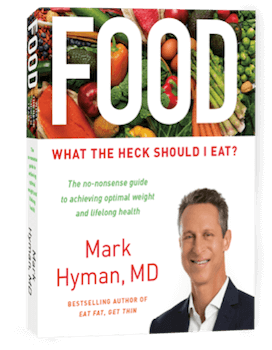
New book Food: What the Heck Should I Eat by Dr. Mark Hyman

February 27, 2018 By Trudy Scott 5 Comments

I highly recommend Dr. Mark Hyman’s new book Food: What the Heck Should I Eat if you are new to the world of nutrition and functional medicine.

I will be recommending it to my newbie clients who are switching from the SAD/standard American diet (that makes you sad and mad!) to a real whole foods quality diet.  

This book is well worth reading to get current trends and research

This book is well worth reading if:

  • you’re still on the fence about grass-fed red meat and eggs and still believe chicken is healthier than red meat

  • you are not current on the sugar-is-bad and fat-is-good research when it comes to cholesterol and heart disease

    Consuming lots of natural, whole food-based, healthy fats, including saturated fats, is absolutely critical for good health

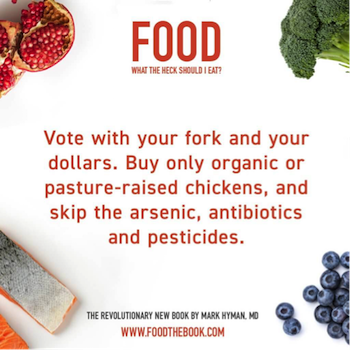
  • you’re not convinced that eating only organic chicken is a must and don’t know about the chicken-arsenic issue

    Why would anyone feed arsenic to a chicken? Because it makes the birds gain weight faster, turns their flesh a little rosier, and kills parasites. Unless the poultry you buy is labeled organic, it almost certainly has been treated with arsenic. Of course, the arsenic the birds are fed doesn’t kill them it’s the organic kind, which is harmless. But once they eat it, it can be converted in the chicken’s digestive tract to the inorganic kind, which the World Health Organization classifies as a carcinogen.

  • you appreciate a research-based approach from a functional medicine doctor who has been doing this work for 20+ years

  • you are looking for a short overview of the benefits of a ketogenic diet and intermittent fasting, plus confirmation that coconut oil is actually healthy

  • you need a re-fresher on which additives to avoid and why – like calcium propionate, an additive in almost all commercial bread products and has been shown to cause autistic behavior in rats and in kids

    It’s enough to make you wonder if there’s a link between the 133 pounds of flour consumed by each American each year and the rising rate of brain disorders such as ADHD, autism, depression, [anxiety] and more.

  • you are interested in the social and environmental aspects like: how much water it takes to produce 2 liters of soda (it’s about 132 gallons); and how we only absorb 10% of the Splenda/sucralose we consume with the rest ending up polluting waterways

  • you don’t know about the superior nutritional qualities of wild or heirloom varieties of vegetables and fruit

A wild crabapple, for example, has one hundred times more cancer and inflammation-fighting anthocyanins than the Golden Delicious variety found in supermarkets. Purple carrots contain twenty times more phytonutrients than their more common orange brethren. Wild blueberries have dozens of times more phytonutrients than domesticated berries.

  • you are behind in some of the news stories like skittles and other junk-food being fed to conventional feedlot cows:

    In January 2017, a flatbed pickup truck accidentally spilled its cargo on a Wisconsin highway, creating a remarkable scene. The truck, destined for a factory farm, was carrying hundreds of thousands of red Skittles to be used as feed for cattle. The spill left a blanket of red candies scattered across the road, but what was most disturbing about the accident was that it revealed a little-known fact about factory farming: that it’s not only legal but common for producers to feed their cattle all sorts of sugar, candy, Kool-Aid powder, potato chips, and molasses.

What if you’re health savvy and are already following a real whole foods diet?

You may also wonder if this book is worth a read if you are health savvy and are already following a real whole foods diet. Here are some reasons why it’s well worth getting a copy:

  • It’s a great introduction for a loved one or friend who may be new to all this

  • It’s a great gift for your doctor who may not yet be fully on board with this approach

  • It’s great to take to school administrators so you can help effect changes in your kid’s or grandkid’s schools (and even universities)

  • It’s also a great resource for sharing with food banks, drug treatment/rehab centers, and non-profits that offer food and/or meals

Other dietary resources you may need based on your unique health issues

This book does a brilliant job of covering everything you need to know about eating a quality real whole foods diet where food-is-your-medicine. But if you have certain health issues, you’ll need other very specific dietary resources (which Dr. Hyman doesn’t mention), such as a low oxalate diet, low histamine diet, low salicylate diet, diets for SIBO (small intestinal bacteria overgrowth), an anti-candida diet,  an autoimmune diet and so on. 

The official book blurb

#1 New York Times bestselling author Dr. Mark Hyman sorts through the conflicting research on food to give us the skinny on what to eat.

Did you know that eating oatmeal actually isn’t a healthy way to start the day? That milk doesn’t build bones, and eggs aren’t the devil?

Even the most health conscious among us have a hard time figuring out what to eat in order to lose weight, stay fit, and improve our health. And who can blame us? When it comes to diet, there’s so much changing and conflicting information flying around that it’s impossible to know where to look for sound advice. And decades of misguided “common sense,” food-industry lobbying, bad science, and corrupt food polices and guidelines have only deepened our crisis of nutritional confusion, leaving us overwhelmed and anxious when we head to the grocery store.

Thankfully, bestselling author Dr. Mark Hyman is here to set the record straight. In Food: What the Heck Should I Eat? — his most comprehensive book yet — he takes a close look at every food group and explains what we’ve gotten wrong, revealing which foods nurture our health and which pose a threat. From grains to legumes, meat to dairy, fats to artificial sweeteners, and beyond, Dr. Hyman debunks misconceptions and breaks down the fascinating science in his signature accessible style. He also explains food’s role as powerful medicine capable of reversing chronic disease and shows how our food system and policies impact the environment, the economy, social justice, and personal health, painting a holistic picture of growing, cooking, and eating food in ways that nourish our bodies and the earth while creating a healthy society.

With myth-busting insights, easy-to-understand science, and delicious, wholesome recipes, Food: What the Heck Should I Eat? is a no-nonsense guide to achieving optimal weight and lifelong health [I would also add …and for providing the foundation for excellent mental health with freedom from anxiety.]

Grab your copy from your nearest bookstore or online from Amazon (my affiliate link) and find out more here.

Dr. Hyman makes this promise:

If you take the time to read through each section … not only will you walk away with new information, but you’ll also let go of the anxiety and worry that most people have around the basic question, “What the heck should I eat?”

Feel free to comment or post questions below and please do let us know what you think of the book.

Filed Under: Books, Food, General Health Tagged With: food, mark hyman, What the Heck Should I Eat

The Better Brain Solution by Dr. Steven Masley

December 22, 2017 By Trudy Scott 9 Comments

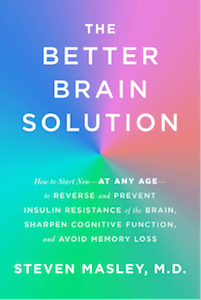
My friend and colleague, Dr. Steven Masley, has developed a groundbreaking book and wellness program, The Better Brain Solution (my Amazon affiliate link) with a release date of January 2, 2018.

The Better Brain Solution is based on what he sees in his clinic and is supported by research published by Dr. Masley and his colleagues: Lifestyle Markers Predict Cognitive Function

Published data from his clinic shows that we can improve executive function and brain processing speed by 25-30%, with the 5-step plan he developed, focused on adding the right foods, nutrients, activity, stress management, and toxin avoidance. As insulin resistance is the primary cause for cognitive decline and losing brain processing speed, he believes this approach can help prevent at least 60% of dementia and Alzheimer’s disease.

Dr. Masley also writes about partial intermittent fasting for improving cognitive performance:

Recent studies have shown that partial intermittent fasting can be as effective—and sometimes more effective—in improving cognitive per­formance than traditional fasting; plus it also improves blood sugar con­trol. Avoiding calories (especially carbohydrates) for at least fifteen to eighteen hours will initiate ketone formation and shift fuel usage from glucose (sugar) to ketones (a molecular by-product of fat-burning). The brain’s energy-producing factory, the mitochondria, then uses those ketones for fuel. Simply put, in ketosis, cells convert fat rather than sugar into energy, and the brain seems to like that.

And he reviews these partial intermittent fasting options, recommending #1 as the easiest one to follow for most:

  1. Fasting overnight for 15–18 hours (basically skipping breakfast) 2–3 days per week
  2. Very-low-carb fasting every other day
  3. Very-low-carb fasting 4–5 days per month

The MCT oil and coconut oil discussion is a valuable one but if caffeine is an anxiety trigger for you, simply skip the coffee and MCT oil/cream recommendation. He has a section for ApoE4 genotypes and it’s worth mentioning this here as it has come up on previous blog posts. Dr. Masley’s advice:

Keep to a modest intake of saturated fat from animal protein and dairy products. Because ApoE4 genotypes are less able to utilize MCT fats effectively as fuel, you have less reason to use MCT oil, coconut oil, and other coconut products.

There is an entire chapter on valuable nutrients. Here is a snippet on curcumin from the book – showing both cognitive and mood benefits:

Beyond its anti-inflammatory, arthritis-relieving, antioxidant, and cancer-fighting properties, curcumin has been studied for its effects on cognitive decline. The challenge is that original forms were poorly absorbed, while larger doses (which might be the most effective for addressing cognitive decline) have caused significant gastrointestinal symptoms.

Recently, improved curcumin formulations have been introduced, with much better rates of absorption and gastrointestinal tolerability. One study that used these newer forms of curcumin has shown improved cognitive function. Dr. Katherine Cox and her Australian research team evaluated 60 healthy adults (without memory loss), age sixty to eighty-five. Subjects were randomized to receive 400 mg of a well-absorbed curcumin formulation and a placebo, and sophisticated measures were used to assess their cognitive function pre-and post-therapy. Even after only three hours, researchers noted improved cognitive function with curcumin, but none in the control group. After four weeks, those receiving curcumin showed better cognition, plus subjects reported more energy and less anxiety.

Additional studies in humans have shown that giving curcumin decreased blood levels of beta-amyloid (the brain protein associated with Alzheimer’s disease); and in mice, giving curcumin enhanced hip­pocampal neurogenesis (regeneration of brain cells), helping to increase the size of the brain’s memory center.

In particular, its anti-inflammatory and antioxidant activity shows promise for high-risk individuals with ApoE4 genotypes, but that is yet to be proven. For now, I’m going to keep taking cur­cumin for my joints, with the hope it will protect my brain as well.

In the chapter on toxins and brain health, Dr. Masley discusses inorganic copper:

Only recently has copper emerged as a risk factor for Alzheimer’s, and the data are startling. In animal studies, giving mice inorganic cop­per supplements (also called copper-2 or divalent copper), compared to giving a placebo, caused increased beta-amyloid production in the brain, plus an elevated rate of Alzheimer’s disease. If you recall, beta-amyloid is the sticky protein that overaccumulates in the brains of those with Alzheimer’s disease.

Researcher and physician George Brewer, M.D., MACN, has stud­ied the relationship between inorganic copper intake and the dramatic recent increase in Alzheimer’s rates. He draws a very strong relationship between copper pipes used in home plumbing and the rapid rise in Alzheimer’s rates in the United States.

Keep in mind that for some individuals, even organic copper can be an issue when it comes to anxiety (this is not discussed but is my contribution to the discussion).

And some additional comments from me: if you’ve been following me for some time, you know I support the mental health research showing that grass-fed red meat is beneficial to consume more than only once a week. I also say no to tuna and sword-fish especially if you suspect mercury issues are a factor in your anxiety or cognitive issues. I would also like to point out that benzodiazepines are not mentioned despite the research showing the role it may be playing.  

I truly value the work of Dr. Masley and this book is wonderful for improving cognitive function (and even depression). I also really like the perspective he brings as a heart doctor and chef, the research that is woven in to the book and his advice, as well as the fun factor he teaches, like learning a new language!

In advance of the release of his book he is offering the following:

  • The Brain Symptom Quiz When you get your results you will receive Dr. Masley’s Better Brain Shopping Guide – The top 12 foods to boost your brain and the critical foods to avoid! Be sure to look out for his special offer that includes a copy of his new book.  
  • A sneak 3-video advanced viewing of the March 2018 PBS show

If you’d just prefer a copy of the book you can also pre-order here: The Better Brain Solution – How to Reverse and Prevent Insulin Resistance of the Brain, Sharpen Cognitive Function, and Avoid Memory Loss (my Amazon affiliate link)

Feel free to ask questions or comment below.

Filed Under: Books Tagged With: Dr. Steven Masley, steven masley, The Better Brain Solution

Trudy’s favorites: new books and golden oldies for your reading pleasure and as gift ideas

December 15, 2017 By Trudy Scott 6 Comments

With the holiday’s almost upon us and an opportunity to curl up with a cup of herbal tea and a good book, and also as gifts ideas, here are some of my favorite new books and a few older ones too – mostly related to anxiety, mood and emotional eating/cravings and functional medicine and biochemical imbalances.

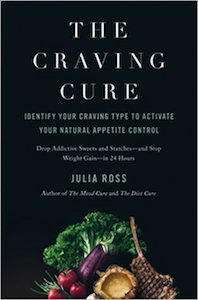
The Craving Cure: Identify Your Craving Type to Activate Your Natural Appetite Control by Julia Ross (Author)

Julia Ross, best-selling author and expert in nutrition and overeating, exposes the real reason so many of us can’t stick to a healthy diet: our favorite foods are engineered to be addictive. At her clinic in California, Julia Ross and her colleagues treat food addiction where it starts – in the brain – by triggering our natural appetite-regulating neurotransmitters with nutrients called amino acids. It turns out that these protein concentrates boost our neurotransmitters, which broadcast sensations of satisfaction that no food, including chocolate, can override. Thousands of Julia Ross’ clients have abolished their cravings for high-calorie confections using this simple nutritional strategy.

With The Craving Cure, Julia Ross grants all of us access to this revolutionary approach. The process begins with a five-part questionnaire that helps you identify your unique craving profile and specifies the amino acid supplements you need to curb your specific cravings. Julia Ross’ clear explanations of why and how to use the aminos empower you to reclaim your natural appetite control, and her anti-craving eating guidelines will permanently strengthen your dietary defenses. A well-researched and clinically-tested rejection of low-calorie, low-saturated fat, and low-protein diets, The Craving Cure reveals how we can effortlessly and permanently eradicate our cravings to lose weight, rediscover our nutritional heritage, and regain optimal mood, energy, and health.

Drop Addictive Sweets and Starches – and Stop Weight Gain – in 24 Hours

Julia is a pioneer in the use of amino acids for cravings and mood and I had the wonderful opportunity of learning from her while working in her clinic for 2 years. It’s thanks to her that I developed my foundational knowledge of amino acids – which I have now expanded on for their powerful effects for anxiety. With this new book, Julia takes a deep dive into using amino acids for the cravings aspect that goes hand-in-hand with anxiety and depression i.e. the emotional eating component.

Get your copy of The Craving Cure on Amazon here (this one just released this week)


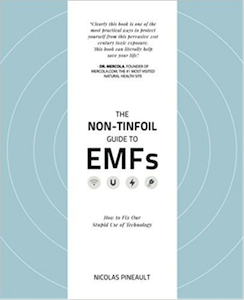
The Non-Tinfoil Guide to EMFs: How to Fix Our Stupid Use of Technology by Nicolas Pineault

Can you really feel years younger & make unexplained symptoms vanish with the click of a button — the “Airplane Mode” on your cell phone?

Investigative Health Journalist Nicolas Pineault used to think this all sounded like something only crazy people wearing tinfoil hats would say.

But the overwhelming amount of independent scientific evidence linking electromagnetic fields (EMFs) from wireless technologies with increased risks of cancer, infertility, insomnia, and depression sure has the uncanny ability to change a man’s mind.

The Non-Tinfoil Guide to EMFs is a simple and unconventional book that will teach you exactly how to reduce your exposure to this brand new 21st-century pollution without going back to the Stone Age.

You will learn:

  • What your smartphone, your wifi router and your microwave oven have in common (page 9)
  • Why policy makers and scientists all worldwide don’t agree about whether EMFs are dangerous or not (page 21)
  • Is Electro-Hypersensitivity as popularized in the TV show “Better Call Saul” real? Or is it all psychological? (page 62)
  • Why carrying a cell phone in your pocket can harm your fertility (201 studies prove it) (page 72)
  • The 1-click fix to reduce cellphone EMFs by 84% (page 142)
  • What is safer? Speakerphone, earbuds or a Bluetooth ear piece? (page 155)
  • The #1 worst source of EMF radiation at home (page 160)
  • Why baby monitors are worse than smartphones, and better alternatives (page 208)

It’s true. The jury is still out about whether cellphone radiation is the new smoking or just a temporary scare. But why take chances?

Instead, read The Non-Tinfoil Guide to EMFs — the technological seat belt you might just need to use your new gadgets safely.

This is the most comprehensive and balanced book I have read on the topic of EMFs. It covers the risks (supported by research) and also offers a myriad of practical solutions. I had the wonderful opportunity to see Nicolas present on this topic earlier this year and he is clearly passionate about getting this message out. I am thrilled he’s now published a book on the subject because I believe EMFs are one of the most under-reported factors when it comes to anxiety and many other chronic health conditions.  

Get your copy of The Non-Tinfoil Guide to EMFs on Amazon here (this is a new book that published in November).


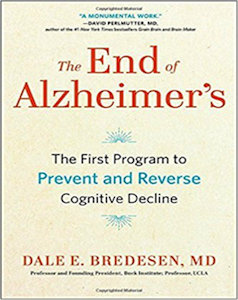
The End of Alzheimer’s – The First Program to Prevent and Reverse Cognitive Decline by Dale Bredesen, MD

A groundbreaking plan to prevent and reverse Alzheimer’s Disease that fundamentally changes how we understand cognitive decline.
 
Everyone knows someone who has survived cancer, but until now no one knows anyone who has survived Alzheimer’s Disease. 
 
In this paradigm shifting book, Dale Bredesen, MD, offers real hope to anyone looking to prevent and even reverse Alzheimer’s Disease and cognitive decline.  Revealing that AD is not one condition, as it is currently treated, but three, The End of Alzheimer’s outlines 36 metabolic factors (micronutrients, hormone levels, sleep) that can trigger “downsizing” in the brain. The protocol shows us how to rebalance these factors using lifestyle modifications like taking B12, eliminating gluten, or improving oral hygiene.
 
The results are impressive. Of the first ten patients on the protocol, nine displayed significant improvement with 3-6 months; since then the protocol has yielded similar results with hundreds more. Now, The End of Alzheimer’s brings new hope to a broad audience of patients, caregivers, physicians, and treatment centers with a fascinating look inside the science and a complete step-by-step plan that fundamentally changes how we treat and even think about AD.

I am familiar with the powerful results of his research and had been waiting in anticipation for the launch of this groundbreaking book.

Here is the Amazon link to the book: The End of Alzheimer’s (this book released in August)


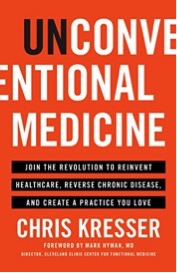
Unconventional Medicine: Join the Revolution to Reinvent Healthcare, Reverse Chronic Disease, and Create a Practice You Love by Chris Kresser

The world is facing the greatest healthcare crisis it has ever seen. Chronic disease is shortening our lifespan, destroying our quality of life, bankrupting governments, and threatening the health of future generations. Sadly, conventional medicine, with its focus on managing symptoms, has failed to address this challenge. The result is burned-out physicians, a sicker population, and a broken healthcare system.

In Unconventional Medicine, Chris Kresser presents a plan to reverse this dangerous trend. He shows how the combination of a genetically aligned diet and lifestyle, functional medicine, and a lean, collaborative practice model can create a system that better serves the needs of both patients and practitioners.

The epidemic of chronic illness can be stopped, if patients and practitioners can adapt.

This is a book that has been written primarily for practitioners but if you are a health enthusiast/health advocate who want to understand functional medicine you will enjoy it too.

I really enjoy the discussion about a collaborative practice model where there is a place for doctors, nutritionists, health coaches, and other allied health practitioners.

The only section in book I don’t agree with is where Chris states that: “Research suggests that depression is not actually caused by low serotonin.” Based on my experience, depression/anxiety is not always caused by low serotonin – it can be one of many causes. I am so vocal about this that I know you would will call me out on it if I don’t mention it!

Get your copy of Unconventional Medicine here on Amazon (newly published last month)


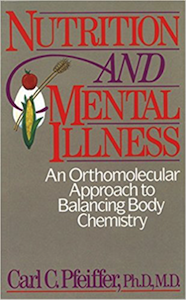
Nutrition and Mental Illness: An Orthomolecular Approach to Balancing Body Chemistry by Carl C. Pfeiffer Ph.D. M.D.

This book is a quick read and is one of my favorite older books on the subject of mental health and biochemical imbalances.

Believing that drugs and psychoanalysis were not always the best course of treatment for a variety of mental illnesses, Dr. Carl Pfeiffer began an extensive program of research into the causes and treatment of mental illness, and in 1973 opened the Brain Bio Center in Princeton, New Jersey. Here, with a team of scientists, he found that many psychological problems can be traced to biochemical imbalances in the body. With these patients, he achieved unprecedented success in treating a wide range of mental problems by adjusting diet and providing specific nutritional supplements for those conditions where deficiences exist. This book documents his approach.

Each year, thousands of people are diagnosed as schizophrenic; many more suffer from depression, anxiety, and phobias.

Dr. Pfeiffer’s methods of treatment presented in Nutrition and Mental Illness are a valuable adjunct to traditional therapies, and can bring hope of real wellness to many of those who suffer.

Get your copy of Nutrition and Mental Illness on Amazon here (this book was published in 1988)


antianxiety food solution

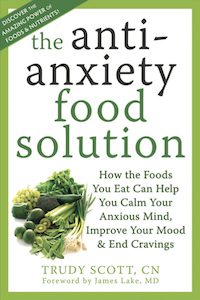
The Antianxiety Food Solution: How the Foods You Eat Can Help You Calm Your Anxious Mind, Improve Your Mood, and End Cravings by Trudy Scott

I’m sharing my book in case you don’t yet have a copy or as a reminder to share it with a loved one or friend if it helped you!

It’s remarkable how much the foods we eat can impact our brain chemistry and emotions. What and when we eat can make the difference between feeling anxious and staying calm and in control. But most of us don’t realize how much our diets influence our moods, thoughts, and feelings until we make a change.

In The Antianxiety Food Solution, you’ll find four unique antianxiety diets designed to help you address nutritional deficiencies that may be at the root of your anxiety and enjoy the many foods that foster increased emotional balance. This helpful guide allows you to choose the best plan for you and incorporates effective anxiety-busting foods and nutrients. You’ll soon be on the path to freeing yourself from anxiety—and enjoying an improved overall mood, better sleep, fewer cravings, and optimal health—the natural way! The book also includes an easy-to-use index.

In The Antianxiety Food Solution, you’ll discover:

  • How to assess your diet for anxiety-causing and anxiety-calming foods and nutrients
  • Foods and nutrients that balance your brain chemistry
  • Which anxiety-triggering foods and drinks you may need to avoid
  • Easy lifestyle changes that reduce anxiety and increase happiness

There are also complete chapters on the amino acids (with questionnaires and protocols for low serotonin/tryptophan, low GABA/GABA, low endorphins/DPA, low blood sugar/glutamine and low catecholamines/tyrosine) and the social anxiety condition called pyroluria (with the questionnaire and protocols for zinc, vitamin B6, GLA and other factors to consider).

Grab your copy of The Antianxiety Food Solution from Amazon here (published in 2011 but still very relevant)

Feel free to share some of the favorite nutritional books you are reading now or are planning to read….

Filed Under: Antianxiety Food Solution, Anxiety, Books, EMFs, Emotional Eating Tagged With: anxiety, cravings, EMFs, functional medicine

The Antianxiety Food Solution: This Book Is a Total Game Changer!!

July 21, 2017 By Trudy Scott 7 Comments

I write multiple blogs each week and the website is a wealth of information (be sure to check the comments too – I love the community feedback and questions and learn so much from you!) BUT the foundation of all that I teach and how I work with my anxious clients is outlined in great detail in my book The Antianxiety Food Solution, so I recommend this essential reading to make the basic food changes (for some people that’s all they need to do), and before using any of the nutrients, and especially before using targeted individual amino acids.  

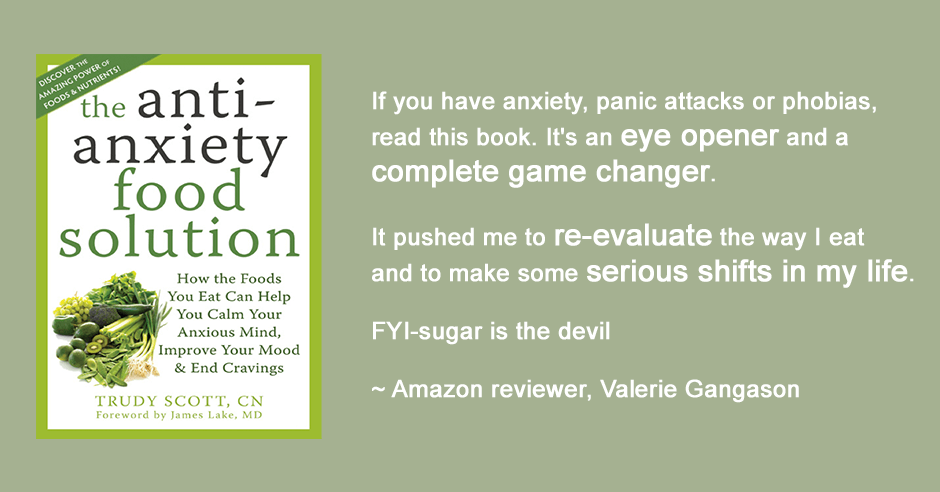
Valerie Gangason posted this wonderful review on Amazon recently: This Book Is a Total Game Changer!!

If you have anxiety, panic attacks or phobias, read this book. It’s an eye opener and a complete game changer. It pushed me to re-evaluate the way I eat and to make some serious shifts in my life. FYI-sugar is the devil

I love the comment about sugar being the devil and commend her for re-evaluating how she eats and for making those serious shifts. It’s how you get results and I ever get tired of feedback like this.

Grab your copy from Amazon here if you don’t yet have it. If you already have a copy I’d love a review on Amazon please! And if you have an older copy with no index you can grab a copy of the index here

Feel free to share your great results or ask questions in the comments.

Filed Under: Books Tagged With: anxiety, anxious, eat, panic attacks, phobias, sugar, the antianxiety food solution, Trudy Scott

  • « Go to Previous Page
  • Page 1
  • Page 2
  • Page 3
  • Page 4
  • Page 5
  • Page 6
  • Interim pages omitted …
  • Page 10
  • Go to Next Page »

Primary Sidebar

GABA QuickStart Homestudy

gaba quickstart homestudy

Free Report

9 Great Questions Women Ask about Food, Mood and their Health

You'll also receive a complimentary subscription to my ezine "Food, Mood and Gal Stuff"


Connect with me

Popular Posts

  • Amino Acids Mood Questionnaire from The Antianxiety Food Solution
  • The Antianxiety Food Solution Amino Acid and Pyroluria Supplements
  • Pyroluria Questionnaire from The Antianxiety Food Solution
  • Collagen and gelatin lower serotonin: does this increase your anxiety and depression?
  • Tryptophan for the worry-in-your-head and ruminating type of anxiety
  • GABA for the physical-tension and stiff-and-tense-muscles type of anxiety
  • The Antianxiety Food Solution by Trudy Scott
  • Seriphos Original Formula is back: the best product for anxiety and insomnia caused by high cortisol
  • Am I an anxious introvert because of low zinc and vitamin B6? My response to Huffington Post blog
  • Vagus nerve rehab with GABA, breathing, humming, gargling and key nutrients

Recent Posts

  • Her cravings for chips and peanut butter were triggered by stress: GABA ends cravings and reduces physical tension and fear of heights
  • It is truly miraculous to be able to move through life without crippling anxiety and panic
  • GABA and tryptophan combo provide immediate and noticeable relief for tremors and cervical dystonia in just 7 days
  • Red light therapy for back and neck pain, plantar fasciitis and low mood – a complement to the amino acids GABA, DPA and tryptophan
  • What do I use instead of Seriphos to help lower high cortisol that is affecting my sleep and making me anxious at night?

Categories

  • 5-HTP
  • AB575
  • Addiction
  • ADHD
  • Adrenals
  • Alcohol
  • Allergies
  • Alzheimer's disease
  • Amino Acids
  • Anger
  • Antianxiety
  • Antianxiety Food Solution
  • Antidepressants
  • Anxiety
  • Anxiety and panic
  • Autism
  • Autoimmunity
  • benzodiazapines
  • Bipolar disorder
  • Books
  • Caffeine
  • Cancer
  • Candida
  • Children/Teens
  • Collagen
  • Cooking equipment
  • Coronavirus/COVID-19
  • Cravings
  • Depression
  • Detoxification
  • Diabetes
  • Diet
  • DPA/DLPA
  • Drugs
  • EFT/Tapping
  • EMF
  • EMFs
  • Emotional Eating
  • Endorphins
  • Environment
  • Essential oils
  • Events
  • Exercise
  • Fear
  • Fear of public speaking
  • Fertility and Pregnancy
  • Fish
  • Food
  • Food and mood
  • Functional neurology
  • GABA
  • Gene polymorphisms
  • General Health
  • Giving
  • Giving back
  • Glutamine
  • Gluten
  • GMOs
  • Gratitude
  • Gut health
  • Heart health/hypertension
  • Histamine
  • Hormone
  • Hyperparathyroidism
  • Hypoglycemia
  • Immune system
  • Inflammation
  • Insomnia
  • Inspiration
  • Introversion
  • Joy and happiness
  • Ketogenic diet
  • Lithium orotate
  • Looking awesome
  • Lyme disease and co-infections
  • MCAS/histamine
  • Medication
  • Men's health
  • Mental health
  • Mercury
  • Migraine
  • Mold
  • Movie
  • MTHFR
  • Multiple sclerosis
  • Music
  • NANP
  • Nature
  • Nutritional Psychiatry
  • OCD
  • Osteoporosis
  • Oxalates
  • Oxytocin
  • Pain
  • Paleo
  • Parasites
  • Parkinson’s disease
  • PCOS
  • People
  • PMS
  • Postpartum
  • PTSD/Trauma
  • Pyroluria
  • Questionnaires
  • Real whole food
  • Recipes
  • Research
  • Schizophrenia
  • serotonin
  • SIBO
  • Sleep
  • Special diets
  • Sports nutrition
  • Stress
  • Sugar addiction
  • Sugar and mood
  • Supplements
  • Teens
  • Testimonials
  • Testing
  • The Anxiety Summit
  • The Anxiety Summit 2
  • The Anxiety Summit 3
  • The Anxiety Summit 4
  • The Anxiety Summit 5
  • The Anxiety Summit 6
  • Thyroid
  • Thyroid health
  • Toxins
  • Tryptophan
  • Tyrosine
  • Uncategorized
  • Vegan/vegetarian
  • Women's health
  • Yoga

Archives

  • May 2026
  • April 2026
  • October 2025
  • September 2025
  • August 2025
  • July 2025
  • June 2025
  • May 2025
  • April 2025
  • March 2025
  • February 2025
  • January 2025
  • November 2024
  • October 2024
  • September 2024
  • August 2024
  • July 2024
  • June 2024
  • May 2024
  • April 2024
  • March 2024
  • February 2024
  • January 2024
  • December 2023
  • November 2023
  • October 2023
  • September 2023
  • August 2023
  • July 2023
  • June 2023
  • May 2023
  • April 2023
  • March 2023
  • February 2023
  • January 2023
  • December 2022
  • November 2022
  • October 2022
  • September 2022
  • August 2022
  • July 2022
  • June 2022
  • May 2022
  • April 2022
  • March 2022
  • February 2022
  • January 2022
  • December 2021
  • November 2021
  • October 2021
  • September 2021
  • August 2021
  • July 2021
  • June 2021
  • May 2021
  • April 2021
  • March 2021
  • February 2021
  • January 2021
  • December 2020
  • November 2020
  • October 2020
  • September 2020
  • August 2020
  • July 2020
  • June 2020
  • May 2020
  • April 2020
  • March 2020
  • February 2020
  • January 2020
  • December 2019
  • November 2019
  • October 2019
  • September 2019
  • August 2019
  • July 2019
  • June 2019
  • May 2019
  • April 2019
  • March 2019
  • February 2019
  • January 2019
  • December 2018
  • November 2018
  • October 2018
  • September 2018
  • August 2018
  • July 2018
  • June 2018
  • May 2018
  • April 2018
  • March 2018
  • February 2018
  • January 2018
  • December 2017
  • November 2017
  • October 2017
  • September 2017
  • August 2017
  • July 2017
  • June 2017
  • May 2017
  • April 2017
  • March 2017
  • February 2017
  • January 2017
  • December 2016
  • November 2016
  • October 2016
  • September 2016
  • August 2016
  • July 2016
  • June 2016
  • May 2016
  • April 2016
  • March 2016
  • February 2016
  • January 2016
  • December 2015
  • November 2015
  • October 2015
  • September 2015
  • August 2015
  • July 2015
  • June 2015
  • May 2015
  • April 2015
  • March 2015
  • February 2015
  • January 2015
  • December 2014
  • November 2014
  • October 2014
  • September 2014
  • August 2014
  • July 2014
  • June 2014
  • May 2014
  • April 2014
  • March 2014
  • February 2014
  • January 2014
  • December 2013
  • November 2013
  • October 2013
  • September 2013
  • August 2013
  • July 2013
  • June 2013
  • May 2013
  • April 2013
  • March 2013
  • February 2013
  • January 2013
  • December 2012
  • November 2012
  • October 2012
  • August 2012
  • July 2012
  • June 2012
  • May 2012
  • April 2012
  • March 2012
  • February 2012
  • January 2012
  • December 2011
  • November 2011
  • October 2011
  • September 2011
  • August 2011
  • July 2011
  • June 2011
  • May 2011
  • April 2011
  • March 2011
  • February 2011
  • January 2011
  • December 2010
  • October 2010
  • September 2010
  • July 2010
  • May 2010
  • April 2010
  • March 2010
  • February 2010
  • January 2010
  • November 2009

Share the knowledge!

The above statements have not been evaluated by the Food and Drug Administration. Products listed in this website are not intended to diagnose, treat, cure or prevent any disease.

The information provided on this site is for informational and educational purposes only and is not intended as a substitute for advice from your physician or other health care professional. You should consult with a healthcare professional before starting or modifying any diet, exercise, or supplementation program, before taking or stopping any medication, or if you have or suspect you may have a health problem.


Copyright © 2026 Trudy Scott. All Rights Reserved. | Privacy | Terms and Conditions | Refund Policy | Medical Disclaimer

Free Report

9 Great Questions Women Ask about Food, Mood and their Health

You’ll also receive a complimentary subscription to my ezine “Food, Mood and Gal Stuff”