• Skip to primary navigation
  • Skip to main content
  • Skip to primary sidebar

everywomanover29 blog

Food, Mood and Women's Health – Be your healthiest, look and feel great!

  • Blog
  • About
  • Services
  • Store
  • Resources
  • Testimonials
  • The Book
  • Contact
  • Search this site

the pill

“Potion” of tyrosine, Endorphigen, GABA and tryptophan has been nothing less than a miracle for my depression and anxiety – how long can I remain on these?

August 11, 2023 By Trudy Scott 21 Comments

amino acids duration

Amy shares how much her particular “potion” or combination of amino acids has helped her depression and anxiety and wants to know how long she can remain on them:

I currently take 500 mg of l-tyrosine in the morning, 1 Endorphigen 2xday, 1 GABA calm 2x day and 1000 mg of tryptophan before bed with some natural calm & true calm. This “potion” has been nothing less than a miracle. I feel pretty good.

The past few years have been rough, managing depression and anxiety with frequent relapse, and I finally feel ok.

I don’t want to wean off yet and am curious as to how long I can remain on these. Is it dangerous to keep on it too long? Is there a maximum time? I follow your blog and reached out to you last year. Your information has been extremely helpful. Thank you.

I’m glad to hear Amy is doing so well on this miracle combination and finally feels ok. Before stopping the amino acids, the goal is to address diet, gut health, nutritional imbalances, toxins and all the underlying factors that lead to low catecholamines, low endorphins, low GABA and low serotonin.

It’s fine to stop taking them and see how you do and add some or all of them back if you find you still need that neurotransmitter support. This is one of a few approaches I use with clients. But here are times when it’s best to wait and continue using them (like when on the pill and when affected by seasonal depression). I share my insights on this and other ways to cut back below.

How long can you remain on amino acids and when do you consider stopping them?

There is no set time frame for staying on the amino acids. As I mentioned above you can stop taking the individual amino acids and see how you do and then add some or all of them back if you find you still need that neurotransmitter support. This is one of a few approaches I use with clients.

Other approaches include: completely stopping one amino acid at a time and monitoring symptoms or reducing the amount one amino acid at a time, also monitoring symptoms. I prefer the latter especially with someone like Amy who has been “managing depression and anxiety with frequent relapse.”

I can also hear that she has some hesitation about stopping her “potion” and going with your gut is a good thing too. She also has a few confounding factors that make me feel staying on them longer may be in her best interest. One factor is her long-term use of birth control pills.

Long term use of birth control pills and the impact on mood and nutritional status

Amy also shares about her use of the birth control pill and how she suspects it’s a factor in her depression and anxiety:

I should also mention I just went off birth control pills. I have taken them since age 16 only stopping for 3 pregnancies and breastfeeding. I am 46. I’ve been on for painful periods. I made the decision to stop for fear of clots, cardiac issues and most importantly my mental well being. I truly believe they contributed to my depression. I believe I’m in perimenopause and have higher than normal anxiety. I’m extremely worried about my periods if I stop the pill and think my amino acid supplements help these worries and I cope better. That’s why I’m reluctant to stop the supplements but still worried about long term use.

Because Amy has been using the birth control pill for around 25 years I’d have her continue with the amino acids for now and address the effects on her gut health and nutritional status first.

Women taking the pill and other hormonal contraception are more likely to be depressed. A Danish study published in JAMA Psychiatry of more than 1 million women aged 15 to 34, with no prior history of depression, were included in the study and followed for 13 years. The researchers found that those women who used the pill were 23% more likely to be depressed and  use antidepressants.

You can read more about the effects of the birth control pill on this blog and my book review of “Beyond the Pill” by Dr. Jolene Brighten. As you’ll read it causes vitamin, mineral, and antioxidant depletion (such as folate, B12, vitamin B6 and zinc).

She did actually come back and share that she tried and it didn’t work out going off the birth control pill. She was unable to manage the pain. She needs to address all these root causes first.

There is also no reason for her to be worried about long term use of the amino acids when they are clearly addressing her neurotransmitter imbalances.

The seasonal impact on mood and anxiety

I don’t have clients make changes to their amino acids in the Fall or Winter when there can be seasonal impacts on mood and anxiety. She had shared this too:

I’m more prone to depression this time of year. I think with these 2 factors [seasonal mood changes and the pill] I’ll stay on the regime until the spring.

This is a wise decision for Amy.

I would also hold off on making changes if someone is prone to airborne allergies. This is because there can be a higher need for neurotransmitter support when there are allergies.

Amy has already made many diet and lifestyle changes so she is heading in the right direction:

I have given my diet an overhaul. Not perfect but significantly less refined carbs and sugar. Plenty of fresh produce, healthy fats and protein ( especially animal). I also have committed to daily “body movement”: yoga, Pilates, max trainer, light weights or bike.

All of these changes are starting to support her overall nutritional status and resilience.

A recap of the amino acids Amy is using and the rationale for each one

If you’re new to using individual amino acids, here is a quick recap of the amino acids Amy is using and the rationale for each one.

She is using 500 mg of l-tyrosine in the morning. This supports low levels of dopamine/catchecolamines and improves the curl-up-in-bed kind of depression. You can read more about tyrosine here.

She is also using Endorphigen twice a day. This is a Lidtke product called Endorphigen and provides 500 mg  DPA/d-phenylalanine  per capsule. It raises endorphin levels, offering a mood boost, typically helping with weepiness and also emotional eating. You can read more about DPA here.

Amy is also using GABA Calm 2x day.  This is a sublingual/chewable product made by Source Naturals and is a nice low dose of 125mg per chewable. You can read more about GABA here.

And finally, she is using 1000 mg of tryptophan before bed. This supports low serotonin and improves worry-kind of anxiety and depression, ruminating, obsessive tendencies and also sleep issues. You can read more about tryptophan here.

Keep in mind this is what Amy found works for her unique needs and would have done trials of the amino acids one by one to figure out which ones to use and how much of each to use. There is no one size fits all.

It’s not unusual for folks using the amino acids to describe their results as miraculous!

Resources if you are new to using amino acids as supplements

If you are new to using amino acids as supplements, here is the Amino Acids Mood Questionnaire from The Antianxiety Food Solution (you can see all the symptoms of neurotransmitter imbalances, including low GABA, low serotonin, low dopamine, low blood sugar and low endorphins).

If you suspect low levels of any of the neurotransmitters and do not yet have my book, The Antianxiety Food Solution – How the Foods You Eat Can Help You Calm Your Anxious Mind, Improve Your Mood, and End Cravings, I highly recommend getting it and reading it before jumping in and using amino acids on your own so you are knowledgeable. And be sure to share it with the practitioner/health team you or your loved one is working with.

There is an entire chapter on the amino acids and they are discussed throughout the book in the sections on gut health, gluten, blood sugar control, sugar cravings, anxiety and mood issues.

The book doesn’t include product names (per the publisher’s request) so this blog, The Antianxiety Food Solution Amino Acid and Pyroluria Supplements, lists the amino acids that I use with my individual clients and those in my group programs. You can find them all in my online store.

If, after reading this blog and my book, you don’t feel comfortable figuring things out on your own (i.e. doing the symptoms questionnaire and respective amino acids trials), a good place to get help is the GABA QuickStart Program (if you have low GABA symptoms too). This is a paid online/virtual group program where you get my guidance and community support.

If you are a practitioner, join us in The Balancing Neurotransmitters: the Fundamentals program. This is also a paid online/virtual program with an opportunity to interact with me and other practitioners who are also using the amino acids.

Thanks to Amy for sharing her results and asking this question.

Have you seen similar benefits when using individual amino acids? If yes, which ones have helped you?

What approach have you used to stop or reduce your doses?

And have you continued using the amino acids because of the effects of the pill, seasonal mood shifts or seasonal allergies (or some other reason)?

If you have questions and feedback please share them here too.
Filed Under: Amino Acids, Anxiety, Depression, Women's health Tagged With: amino acids, catecholamines, dangerous, depression, diet, DPA, Endorphigen, endorphins, GABA, GABA Calm, GABA Quickstart online program; Balancing Neurotransmitters: the Fundamentals program for practitioners, gut health, how long, miracle, neurotransmitters, nutritional imbalances, seasonal depression, serotonin, the pill, toxins, tryptophan, tyrosine

I have issues with perimenopausal anxiety a couple of weeks per month and don’t want to turn to SSRIs.

March 8, 2019 By Trudy Scott 10 Comments

My challenges with anxiety have been hormonal. I’ve had issues with both postpartum anxiety and now perimenopausal anxiety a couple of weeks per month as I’m approaching menopause. I don’t want to turn to SSRIs but some days are pretty miserable and most other days I feel fine. Any info you have to share regarding this topic or any natural solutions would be of great interest.

When I’m working with a client who reports symptoms like this we start with serotonin and GABA support; determine if they have low zinc, low vitamin B6 and low iron. I also always ask the question: are you on the birth control pill (now or in even in the past).

I’ve blogged about much of this in the past so I’m going to share snippets and blogs for further reading.

Serotonin support with tryptophan for immediate worry-type anxiety relief

In a study published in 1999, A placebo-controlled clinical trial of L-tryptophan in premenstrual dysphoria, tryptophan was found to reduce symptoms of PMS when used in the luteal phase or second half of the cycle (i.e. after ovulation).

This is very typical when I’m working with someone with both PMS (premenstrual syndrome) and perimenopausal anxiety, depression, irritability and mood swings. It typically takes 2 to 3 cycles for an amino acid like tryptophan to have an impact on the cyclical nature of your perimenopausal symptoms.

However, tryptophan does typically start to work right away on the less severe anxiety and mood symptoms assuming you find the ideal dose for your needs. I use the trial method to help my clients figure this out.

When you boost serotonin you also reduce the worry-in-your-head and ruminating type of anxiety, and end to panic attacks and phobias, a boost of confidence, no more depression and negativity, imposter syndrome that is no more, an end to your anger issues and irritability, an improvement in sleep and no more afternoon/evening cravings for something sweet.

You can read more about tryptophan here: Tryptophan for the worry-in-your-head and ruminating type of anxiety

GABA support for relief from tension-type anxiety

During perimenopause progesterone is often low and when it is low, we can expect GABA to be low too. Research confirms low GABA and high glutamate-glutamine in premenstrual dysphoric disorder (PMDD) and that shifting hormones may lead to dysregulation of GABA which contributes to HPA axis dysfunction. The HPA (hypothalamic pituitary adrenal) axis is your stress response system and when it’s not functioning well you are more susceptible to the effects of stress and more likely to feel depressed and anxious.

If your GABA levels are low you will feel increased physical tension and insomnia. The amino acid GABA, opened on to the tongue, can provide calming results within minutes.

Dee likes the instant calm and compares how it worked as well as Xanax had worked for her in the past:

I have taken Xanax in the past for panic attacks. My functional medicine doctor suggested this product as I wanted a natural product. I was amazed how it works just like the Xanax did – instant calm feeling within 10 mins of taking 2 capsules. I use them as needed when I am having heightened stress and anxiety.

Low zinc, low vitamin B6 and/or low iron?

Low iron/ferritin is common if you’re still having a period and it’s one of the important -cofactors for making serotonin, thyroid hormones and the sex hormones. Low iron, together with low vitamin B6 plays a role in anxiety and panic attacks. In one study premenopausal women who had been admitted to the emergency room with panic attacks were found to have both low iron and low vitamin B6. I have an entire blog post on this topic here

The other key co-factor for making serotonin is zinc. You’ll want to look into and address pyroluria if you feel more anxious in social situations like family gatherings, going to church events or community picnics, or even while doing business networking or in work meetings. The key nutrients for pyroluria are zinc and vitamin B6 and both help with PMS and perimenopausal anxiety, and hormone balance.

Are you on the birth control pill?

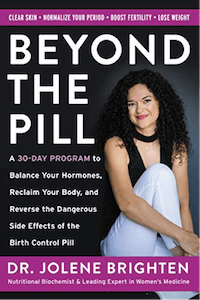
I recently reviewed Beyond the Pill A 30-Day Program to Balance Your Hormones, Reclaim Your Body, and Reverse the Dangerous Side Effects of the Birth Control Pill by Dr. Jolene Brighten.

If you currently on the pill or have been in the recent past read the above review and get the book to give you an excellent understanding of what may be going on with your body.

Dr. Jolene shares that mood disruption is common and mentions a study in the Journal of the American Medical Association which reports the following:

women who began the pill were more likely to be prescribed an antidepressant – which means it contributes to a bit more than moodiness

She writes in great detail about Post–birth control syndrome (PBCS) which is “is a constellation of symptoms women experience when they discontinue hormonal birth control.” She has found the symptoms of PBCS typically occur in the first 4-6 months after stopping the pill. As well as mood swings and anxiety, you may also experience heavy bleeding or no period, acne, headaches, infertility, pill-induced PCOS (polycystic ovarian syndrome), hypothyroidism, gut issues and even autoimmune symptoms.

You also want to reduce your stress levels. Here are some ideas for you:

  • Get into nature and experience the incredible benefits of forest bathing
  • Do some bird-watching in your backyard or at a nearby park: People living in neighborhoods with more birds, shrubs and trees are less likely to suffer from depression, anxiety and stress
  • Get outside and start bouldering or go and “play” in a climbing gym: A growing body of research suggests that bouldering, a form of rock climbing, can help build muscle and endurance while reducing stress

All the above is a great starting point. You also want to consider adrenal support if needed; and support liver health, together with dietary changes, addressing gut health and thyroid health, getting toxins out of your life and figuring out whatever your own root causes may be.

Here is the link to the amino acids and pyroluria supplements I use with my clients.

Have you found that any of the above has helped you with your PMS or perimenopausal anxiety?

Do you have any stress-relief tips to share with other women who find themselves so stressed out at this age?

Feel free to post questions here too.

Filed Under: Women's health Tagged With: adrenals, anxiety, Beyond the Pill, bird-watching, bouldering, depression, forest bathing, GABA, iron, perimenopause, serotonin, stress, the pill, vitamin B6, zinc

Beyond the Pill by Dr. Jolene Brighten – my book review

February 15, 2019 By Trudy Scott 9 Comments

I really wish this book – Beyond the Pill A 30-Day Program to Balance Your Hormones, Reclaim Your Body, and Reverse the Dangerous Side Effects of the Birth Control Pill by Dr. Jolene Brighten – was available when I was in my 30s and on the pill.

Dr. Jolene mentions a study in the Journal of the American Medical Association which reports the following:

women who began the pill were more likely to be prescribed an antidepressant – which means it contributes to a bit more than moodiness.

This was not a small study and included over one million women.

Symptoms caused by the pill and the damage it does to your body

This book, Beyond the Pill, provides a comprehensive list of symptoms caused by the pill:

  • hormonal confusion: missing or irregular periods, light or heavy periods, short cycles, infertility, headaches
  • digestive problems: leaky gut, gut dysbiosis, inflammatory bowel disease
  • energy reduction: fatigue, adrenal and thyroid dysfunction
  • skin issues: hair loss, dry skin
  • mood disruption: depression, anxiety
  • lady part disturbance: low libido (Oh, hell no!), vaginal dryness, chronic infection, pain with sex
  • vitamin, mineral, and antioxidant depletion (such as folate, B12, and magnesium) (I’ll add vitamin B6 to this list too – it is mentioned elsewhere in the book)

The pill does further damage to your body and also:

  • intensifies the risk of blood clots, which lead to strokes
  • increases the risk of breast, cervical, and liver cancers
  • increases the risk of diabetes
  • raises the risk of heart attacks
  • triggers autoimmune disease

Truth-bombs about how the pill works

She shares plenty of truth-bombs about how the pill works – like these gems:

As long as you’re on the pill, your brain and ovaries aren’t talking, which can seriously affect all your hormones.

When you take that week of placebo pills, you’re not actually getting a period because you never ovulated. Instead, this is what is called a withdrawal bleed (I did not know this!)

Post–birth control syndrome (PBCS)

I first became aware of Dr. Jolene’s brilliance in this area when she started writing about Post–birth control syndrome (PBCS) a few years ago. PBCS is “is a constellation of symptoms women experience when they discontinue hormonal birth control.” She has found the symptoms of PBCS – hormonal irregularities like no period or heavy bleeding, acne, mood swings and anxiety, headaches, infertility, pill-induced PCOS (polycystic ovarian syndrome), hypothyroidism, gut issues and even autoimmune symptoms – typically occur in the first 4-6 months after stopping the pill. To make it easy for you the PBCS symptoms are all laid out in a handy quiz in the book.

She has found these symptoms won’t go away without taking the necessary steps that include detox, gut repair, healing the thyroid and adrenals, addressing metabolic health or blood sugar control, boosting mood, improving libido and addressing nutritional deficiencies that the pill has caused. This is all covered in the book as a 30-day program to balance your hormones, reclaim your body, and reverse the dangerous side effects of the birth control pill.

I really appreciate that Dr. Jolene shares this:

I want you to know I’m not anti-pill. Nope. I’m pro–informed consent, which means doctors giving you all the information you need to consent to taking birth control.

This book will help you understand what those hormonal symptoms mean, how the pill is affecting your body, and what to do if you either need to stay on it or are ready to get off it.

Addressing low vitamin B6, low serotonin and low GABA

Here are a few of the nutritional supporting approaches she covers (all supported by research) that are very applicable for support for anxiety specifically and relevant to what you’ve been learning from me: addressing low vitamin B6, low serotonin and low GABA.

Because the pill depletes vitamin B6, she recommends up to 100mg per day for PMS and mood-related symptoms, and symptoms of PBCS. (I know vitamin B6 is controversial and she does acknowledge this).

Dr Jolene identifies the concerning and far-reaching effects of the pill on serotonin: “studies have shown that women on the pill don’t metabolize tryptophan normally” affecting both serotonin and melatonin production, reducing kynurenic acid and raising high-sensitivity C-reactive protein (hs-CRP), a marker of inflammation and immune system activation, and shifting the “tryptophan pathway… toward quinolinic acid production, which is inflammatory and harmful to the brain.”

I would have loved to see more about tryptophan and 5-HTP and even vitamin B6 (given that it is crucial for the conversion of tryptophan away from quinolinic acid) in this section of the book. Using tryptophan as a supplement is only briefly mentioned and 50-100mg 5-HTP is only recommended for serotonin-related cravings. As you may know from my work using targeted trials of the amino acid tryptophan and/or 5-HTP offers very quick anxiety relief and  support for PMS within 3 cycles. Fortunately, you can fill in the gaps and use what I teach about these amino acids in conjunction with everything else in the book.

I do love that she adds to our knowledge base with other tips, sharing that the botanicals “passionflower and skullcap support healthy serotonin production by reducing quinolinic acid production.” This was new to me and I’m intrigued.

I love what she writes about progesterone inducing “a sense of calm and a deep sense of love and connection by stimulating gamma-aminobutyric acid (GABA) receptors.”  Theanine and taurine (a precursor of GABA) are recommended and taurine is also part of her detox and adrenal protocols which I love.

However, I use GABA itself extensively in my work and find it to be more effective than theanine or taurine for the anxiety symptoms – it’s a firm favorite for the majority of my anxious clients. Again, you can fill in the gaps and check out what I share about GABA for very quick anxiety relief and PMS support.


My other favorite sections: libido and orgasms, and liver detox

Some of my other favorite sections include the libido section and her wonderful information about orgasms – she shares the myriad of health benefits of orgasms and recommends once-weekly orgasms but need I say more than this comment from Dr. Jolene:

Women can have four different types of orgasm throughout the month because of the hormonal changes we experience. Dude, this is a serious reason to consider ending that pill pack.

I couldn’t resist including this advice for anxiety and insomnia:

Trouble with anxiety? Have sex. Trouble with insomnia? Have sex. When you have an orgasm and release oxytocin, it relaxes you, calms your mind, and enables you to get a good night’s sleep. Besides oxytocin, your body releases vasopressin during orgasm, a hormone that often accompanies the release of melatonin.

If you do have low libido Dr. Jolene has this covered.

I also love the liver detox chapter and so will you. You’ll learn that the pill can cause benign liver tumors and can contribute to gallstones and gallbladder disease. She also shares this about the synthetic estrogen in birth control pills and the liver/libido connection:

There is some concern that long-term exposure to the synthetic estrogen in birth control pills actually alters your liver genes to make higher levels of SHBG (sex hormone binding globulin) for the rest of your life. Unfortunately, SHBG also binds up your testosterone. The result is a libido that’s nonexistent.

She also has you covered on how to detox as part of this wonderfully comprehensive hormone balancing program.

The official book blurb

Out of the 100 million women – almost 11 million in the United States alone – who are on the pill, roughly 60 percent take it for non-contraceptive reasons like painful periods, endometriosis, PCOS, and acne. While the birth control pill is widely prescribed as a quick-fix solution to a variety of women’s health conditions, taking it can also result in other more serious and dangerous health consequences.

Did you know that women on the pill are more likely to be prescribed an antidepressant? That they are at significantly increased risk for autoimmune disease, heart attack, thyroid and adrenal disorders, and even breast and cervical cancer? That the pill can even cause vaginal dryness, unexplained hair loss, flagging libido, extreme fatigue, and chronic infection.

As if women didn’t have enough to worry about, that little pill we’re taking to manage our symptoms is only making things worse.

This book is perfect for you if

  • You’re a woman in your child-bearing years and are currently on the pill, considering the pill, have been on the pill in the past and had issues, and even did well on the pill in the past
  • You’re a woman like me and past the birth control age and yet are intrigued to get a better understanding of how you may have been affected by the pill in the past and also want a better understanding of your body and hormonal health going forward
  • You have a daughter or grand-daughter or niece or friend you can gift a copy to
  • You are a practitioner who works with women
  • You are a curious male with women in your life and would like to understand them better so you can continue to have the healthiest relationship possible.

I’m already recommending this book and will continue to recommend it going forward!

This much-needed solution-based and heavily referenced book released January 29. It’s ground-breaking information and I’m thrilled to be sharing it with you!

Grab your copy of Beyond the Pill (my Amazon link) and find additional information here.

I now recognize that post–birth control syndrome (PBCS) was part the perfect storm that contributed to my anxiety and panic attacks in my late 30s (and a whole host of other symptoms). Personally, I found the entire book fascinating reading, and wish I’d had access to this material while I was in the midst of trying to figure things out.

Fortunately, GABA and tryptophan helped immensely with my anxiety and PMS (together with everything else I did) and I eventually discovered FAM (Fertility Awareness Method). But wish I’d know about this safer option when I was younger. Dr. Jolene is a big fan of FAM and covers it extensively in the book, sharing what I found to be true: it works even if it seems scary at first AND you get to learn so much about your body.

Please feel free to share your experiences with the birth control pill (both good and bad), why it was prescribed and what you learn from this book that can help others in your situation. Feel free to post questions here too.

Filed Under: Books, GABA, serotonin, Women's health Tagged With: antidepressant, anxiety, BCP, Beyond the Pill, Dr. Jolene Brighten, GABA, insomnia, libido, orgasm, post-birth control syndrome, serotonin, the birth control pill, the pill

Oral contraceptives cause low vitamin B6 and zinc, reduce serotonin levels and increase anxiety

February 16, 2018 By Trudy Scott 18 Comments

Oral contraceptives i.e. the birth control pill, cause low vitamin B6 and zinc, thereby reducing serotonin levels and can increase anxiety and depression in susceptible women.

Dr. Daniel Amen sees the association between the birth control pill and anxiety/depression in his practice and shared this when I interviewed him during season 3 of the Anxiety Summit.

Unfortunately, they drop serotonin levels. You’ve got to ask yourself why are 23 percent of women between the ages of 20 and 60 taking antidepressants? In large part, it’s the birth-control pills that are changing the hormones in their brain, the neurotransmitters in their brain. All of a sudden they’re more anxious and they’re more depressed.

Oral contraceptives lower serotonin due to various nutrient depletions and can also impact mood due effects on the progesterone/estrogen ratio.

Drug-induced nutrient depletions, especially vitamin B6

Many medications cause drug-induced nutrient depletions and oral contraceptives do this too. In this 2013 paper, Oral contraceptives and changes in nutritional requirements, the authors report:

It has been shown that the key nutrient depletions concern folic acid, vitamins B2, B6, B12, vitamin C and E and the minerals magnesium, selenium and zinc.

Zinc, magnesium, folate, vitamin C and vitamin B6 are all needed for the conversion of tryptophan to serotonin and can therefore impact both anxiety and depression, accentuating or precipitating the development of depression (and presumably anxiety too) in susceptible women.

The World Health Organization (WHO) report, Advances in Fertility Regulation, states that:

It has been shown that about 80% of women taking oral contraceptives have abnormal tryptophan metabolism suggestive of relative B6 deficiency.

Many of these same nutrients have a major impact on how women handle stress:

Magnesium and vitamin B6 may be effective in combination in reducing premenstrual stress, and vitamin B6 alone may reduce anxiety effectively in older women. High-dose sustained-release vitamin C may reduce anxiety and mitigate increased blood pressure in response to stress.

Zinc and copper imbalances occur very quickly

In this paper published in 1980, Serum copper and zinc in hormonal contraceptive users, it is reported that

Use of combined estrogen-progestogen contraceptives resulted in a significant decrease in serum zinc levels within 3 days and an increase in serum copper levels within 10 days.

In users of combined estrogen-progestogen contraceptives the magnitude and time of occurrence of the decrease in zinc levels and the increase in copper levels was unaltered by chemical composition, dosage, route of administration, and duration of use beyond 3 months.

We know zinc plays a role in the serotonergic system, reducing depression and anxiety.

Zinc and vitamin B6 are also key nutrients for alleviating symptoms of the social anxiety condition called pyroluria.

Lowered levels of endogenous estradiol and progesterone

Other mechanisms on how oral contraceptives lower serotonin relate to lowered levels of endogenous estradiol and progesterone (i.e. the estradiol and progesterone our bodies make), as well as out of balance progesterone/estrogen ratios leading to negative moods and emotional changes. The decreased prolactin response mentioned in this paper suggests reduced serotonergic activity.

High clinical relevance

The WHO report mentioned in the 2013 paper (mentioned above), states that this topic of nutrient depletions with oral contraceptives has high clinical relevance and should be receiving the attention it deserves.

Unfortunately, the nutrient-depletion with oral contraceptives conversation is not something many of my clients have ever had with their doctors, despite this being old news. The WHO report was published over 40 years ago, in 1975!

I’m particularly concerned about teens starting on birth control at such a young age and starting down this very slippery slope with no awareness of what they are getting into.

My recommendation is to NOT use oral contraceptives because of this increased risk in depression and anxiety. I write about this and FAM as an alternative here.

However, if you (or your daughter or grand-daughter or sister or friend) chooses to use oral contraceptives we need this awareness and you/they will very likely need to address these nutrient deficiencies. 

This awareness is also needed if you are using oral contraceptives (or have used them in the recent past) and have found you’ve needed to continuing using tryptophan or 5-HTP long-term.

And finally, this awareness is needed if you know you have pyroluria and the pyroluria protocol doesn’t seem to be working for you.

Filed Under: Anxiety Tagged With: anxiety, BCP, birth control pill, depression, Oral contraceptives, pyroluria, serotonin, the pill, vitamin B6, zinc

Primary Sidebar

NEW! GABA QuickStart Homestudy (with special intro pricing)

gaba quickstart homestudy

Free Report

9 Great Questions Women Ask about Food, Mood and their Health

You'll also receive a complimentary subscription to my ezine "Food, Mood and Gal Stuff"


Connect with me

Popular Posts

  • Amino Acids Mood Questionnaire from The Antianxiety Food Solution
  • The Antianxiety Food Solution Amino Acid and Pyroluria Supplements
  • Pyroluria Questionnaire from The Antianxiety Food Solution
  • Collagen and gelatin lower serotonin: does this increase your anxiety and depression?
  • Tryptophan for the worry-in-your-head and ruminating type of anxiety
  • GABA for the physical-tension and stiff-and-tense-muscles type of anxiety
  • The Antianxiety Food Solution by Trudy Scott
  • Seriphos Original Formula is back: the best product for anxiety and insomnia caused by high cortisol
  • Am I an anxious introvert because of low zinc and vitamin B6? My response to Huffington Post blog
  • Vagus nerve rehab with GABA, breathing, humming, gargling and key nutrients

Recent Posts

  • What do I use instead of Seriphos to help lower high cortisol that is affecting my sleep and making me anxious at night?
  • BeSerene™ GABA/theanine cream eases severe muscle tension in her neck/shoulders, prevents her bad headaches and quells her anxiety
  • How the correct approach, dose and sublingual use of GABA can be calming and not cause a flushed and itchy face and neck
  • The amino acid glutamine improves low mood by addressing gut health, and it has calming effects too
  • Flight anxiety with heightened breath, physical tension and also fearing the worst (the role of low GABA and low serotonin)

Categories

  • 5-HTP
  • AB575
  • Addiction
  • ADHD
  • Adrenals
  • Alcohol
  • Allergies
  • Alzheimer's disease
  • Amino Acids
  • Anger
  • Antianxiety
  • Antianxiety Food Solution
  • Antidepressants
  • Anxiety
  • Anxiety and panic
  • Autism
  • Autoimmunity
  • benzodiazapines
  • Bipolar disorder
  • Books
  • Caffeine
  • Cancer
  • Candida
  • Children/Teens
  • Collagen
  • Cooking equipment
  • Coronavirus/COVID-19
  • Cravings
  • Depression
  • Detoxification
  • Diabetes
  • Diet
  • DPA/DLPA
  • Drugs
  • EFT/Tapping
  • EMF
  • EMFs
  • Emotional Eating
  • Endorphins
  • Environment
  • Essential oils
  • Events
  • Exercise
  • Fear
  • Fear of public speaking
  • Fertility and Pregnancy
  • Fish
  • Food
  • Food and mood
  • Functional neurology
  • GABA
  • Gene polymorphisms
  • General Health
  • Giving
  • Giving back
  • Glutamine
  • Gluten
  • GMOs
  • Gratitude
  • Gut health
  • Heart health/hypertension
  • Histamine
  • Hormone
  • Hyperparathyroidism
  • Hypoglycemia
  • Immune system
  • Inflammation
  • Insomnia
  • Inspiration
  • Introversion
  • Joy and happiness
  • Ketogenic diet
  • Lithium orotate
  • Looking awesome
  • Lyme disease and co-infections
  • MCAS/histamine
  • Medication
  • Men's health
  • Mental health
  • Mercury
  • Migraine
  • Mold
  • Movie
  • MTHFR
  • Multiple sclerosis
  • Music
  • NANP
  • Nature
  • Nutritional Psychiatry
  • OCD
  • Osteoporosis
  • Oxalates
  • Oxytocin
  • Pain
  • Paleo
  • Parasites
  • Parkinson’s disease
  • PCOS
  • People
  • PMS
  • Postpartum
  • PTSD/Trauma
  • Pyroluria
  • Questionnaires
  • Real whole food
  • Recipes
  • Research
  • Schizophrenia
  • serotonin
  • SIBO
  • Sleep
  • Special diets
  • Sports nutrition
  • Stress
  • Sugar addiction
  • Sugar and mood
  • Supplements
  • Teens
  • Testimonials
  • Testing
  • The Anxiety Summit
  • The Anxiety Summit 2
  • The Anxiety Summit 3
  • The Anxiety Summit 4
  • The Anxiety Summit 5
  • The Anxiety Summit 6
  • Thyroid
  • Thyroid health
  • Toxins
  • Tryptophan
  • Tyrosine
  • Uncategorized
  • Vegan/vegetarian
  • Women's health
  • Yoga

Archives

  • October 2025
  • September 2025
  • August 2025
  • July 2025
  • June 2025
  • May 2025
  • April 2025
  • March 2025
  • February 2025
  • January 2025
  • November 2024
  • October 2024
  • September 2024
  • August 2024
  • July 2024
  • June 2024
  • May 2024
  • April 2024
  • March 2024
  • February 2024
  • January 2024
  • December 2023
  • November 2023
  • October 2023
  • September 2023
  • August 2023
  • July 2023
  • June 2023
  • May 2023
  • April 2023
  • March 2023
  • February 2023
  • January 2023
  • December 2022
  • November 2022
  • October 2022
  • September 2022
  • August 2022
  • July 2022
  • June 2022
  • May 2022
  • April 2022
  • March 2022
  • February 2022
  • January 2022
  • December 2021
  • November 2021
  • October 2021
  • September 2021
  • August 2021
  • July 2021
  • June 2021
  • May 2021
  • April 2021
  • March 2021
  • February 2021
  • January 2021
  • December 2020
  • November 2020
  • October 2020
  • September 2020
  • August 2020
  • July 2020
  • June 2020
  • May 2020
  • April 2020
  • March 2020
  • February 2020
  • January 2020
  • December 2019
  • November 2019
  • October 2019
  • September 2019
  • August 2019
  • July 2019
  • June 2019
  • May 2019
  • April 2019
  • March 2019
  • February 2019
  • January 2019
  • December 2018
  • November 2018
  • October 2018
  • September 2018
  • August 2018
  • July 2018
  • June 2018
  • May 2018
  • April 2018
  • March 2018
  • February 2018
  • January 2018
  • December 2017
  • November 2017
  • October 2017
  • September 2017
  • August 2017
  • July 2017
  • June 2017
  • May 2017
  • April 2017
  • March 2017
  • February 2017
  • January 2017
  • December 2016
  • November 2016
  • October 2016
  • September 2016
  • August 2016
  • July 2016
  • June 2016
  • May 2016
  • April 2016
  • March 2016
  • February 2016
  • January 2016
  • December 2015
  • November 2015
  • October 2015
  • September 2015
  • August 2015
  • July 2015
  • June 2015
  • May 2015
  • April 2015
  • March 2015
  • February 2015
  • January 2015
  • December 2014
  • November 2014
  • October 2014
  • September 2014
  • August 2014
  • July 2014
  • June 2014
  • May 2014
  • April 2014
  • March 2014
  • February 2014
  • January 2014
  • December 2013
  • November 2013
  • October 2013
  • September 2013
  • August 2013
  • July 2013
  • June 2013
  • May 2013
  • April 2013
  • March 2013
  • February 2013
  • January 2013
  • December 2012
  • November 2012
  • October 2012
  • August 2012
  • July 2012
  • June 2012
  • May 2012
  • April 2012
  • March 2012
  • February 2012
  • January 2012
  • December 2011
  • November 2011
  • October 2011
  • September 2011
  • August 2011
  • July 2011
  • June 2011
  • May 2011
  • April 2011
  • March 2011
  • February 2011
  • January 2011
  • December 2010
  • October 2010
  • September 2010
  • July 2010
  • May 2010
  • April 2010
  • March 2010
  • February 2010
  • January 2010
  • November 2009

Share the knowledge!

The above statements have not been evaluated by the Food and Drug Administration. Products listed in this website are not intended to diagnose, treat, cure or prevent any disease.

The information provided on this site is for informational and educational purposes only and is not intended as a substitute for advice from your physician or other health care professional. You should consult with a healthcare professional before starting or modifying any diet, exercise, or supplementation program, before taking or stopping any medication, or if you have or suspect you may have a health problem.


Copyright © 2026 Trudy Scott. All Rights Reserved. | Privacy | Terms and Conditions | Refund Policy | Medical Disclaimer

Free Report

9 Great Questions Women Ask about Food, Mood and their Health

You’ll also receive a complimentary subscription to my ezine “Food, Mood and Gal Stuff”