• Skip to primary navigation
  • Skip to main content
  • Skip to primary sidebar

everywomanover29 blog

Food, Mood and Women's Health – Be your healthiest, look and feel great!

  • Blog
  • About
  • Services
  • Store
  • Resources
  • Testimonials
  • The Book
  • Contact
  • Search this site

pyroluria

Does 5-HTP (an amino acid) cause nightmares or does it help prevent nightmares (and also support low serotonin symptoms)?

October 7, 2022 By Trudy Scott 24 Comments

5-htp and nightmares

How do you do with using the amino acid 5-HTP for supporting your low serotonin symptoms of anxiety, worry, ruminating, fears, depression and insomnia?  Does it help or does it cause nightmares? On a recent Facebook thread someone shared that 5-HTP causes really bad nightmares, so she had to stop using it. A few others posted saying 5-HTP also caused them nightmares. I’ve not had any clients report nightmares, so I was surprised to hear this feedback.  However, most folks on the same Facebook thread shared that 5-HTP works very well for them and does not cause nightmares. There is also research that supports the use of 5-HTP for night terrors. I suspect it may have to do with low vitamin B6 and share more on that below.

Here is her experience with 5-HTP and nightmares and some of my feedback:

I don’t know how anyone takes 5-HTP. The horrific nightmares I got from taking it made me stop 50 mg. I tried 3 times thinking it was a fluke and it happened every time. Too scary for me.

My first try was suggested from my Naturopath, Metagenics SeroSyn. 200 mg. First morning waking up I had a nightmare so bad I can’t even share it. I also woke up feeling unable to wake up, drugged almost. So I waited, did more research and googled 5-HTP and nightmares just to see if there was a connection. I found it. I read to lower the dosage. So I went to Pure Encapsulations 50 mg. Same thing happened. I tried 2 more times, same thing happened. When I researched, I found so many people talking about “vivid dreams” and after my last attempt the dream was so real I thought my son was in my home when I woke up and had to process reality from my dream. That did it for me. Now I’m terrified of it. Just my own experience. I did get help from depression though! But I cannot go through one evil for another. Now I’m stuck looking for help and answers.

I thanked her for sharing and agreed it does help to do a few experiments to be sure it was the 5-HTP. I also shared that I would not consider the Metagenics SeroSyn a good 5-HTP to test because of all the other ingredients. But it also happened with Pure Encapsulations 50 mg 5-HTP – that was a good test to confirm.

I also shared that some folks do better on 5-HTP and some on tryptophan so if 5-HTP did help with low serotonin symptoms then I’d consider a trial of tryptophan especially since she did say using the 5-HTP helped with her depression.

We would also look for other ways to support serotonin – saffron, turmeric, St. John’s Wort, theanine (it supports GABA, serotonin and dopamine) and of course diet (real whole food, quality animal protein, no gluten/sugar/caffeine, fermented foods, organic vegetables and fruit, healthy fats etc), gut health and more.

I’d also look into and address low zinc and low vitamin B6 as both are needed to make serotonin and the other neurotransmitters. More on low vitamin B6, pyroluria and nightmares below.

Here is some of the feedback from other folks who also had issues with 5-HTP:

  • 5-HTP didn’t mix well with my body either. Taken at night, horrible dreams, and 50mg Pure Encapsulations formula in the morning made me feel so dark, spaced out and terrible nausea.
  • I appreciate this post. I had nightmares from a magnesium supplement that included 5-HTP! Now I know I’m not alone.

And here is some of the feedback from folks who do well with 5-HTP (the majority of those who responded):

  • I take 100 mg of 5-HTP in the morning (Natural Factors) and about 350 mg of tryptophan before bed (Lidtke). It works well for me. No nightmares although I do dream a lot. Mostly noticed improvement in mood and ruminating thoughts. Also taking Sam-e which also helps.
  • I take chewable natural factors Tranquil Sleep. It contains other ingredients (like theanine) as well but it’s really easy to dose. If I take 2 it’s too much. I get weird dreams and a headache. So 1 1/2 it is.
  • 5-htp helped me so much! But I had to take it in the morning. 250mg was perfect for me. I was using this for my debilitating anxiety which would keep me in flight or fight all day and I would ruminate. Really helped me along with therapy. I no longer need it.
  • I’ve just started taking 50mg 5-HTP at night. It’s a micronized version I buy from a compounding chemist in Australia. No negative side effects so far.
  • Grateful for the reminder … I did great on 5-htp myself. Have had all dose amounts, given at different times too. I deal with chronic pain and trauma/stress.
  • My sister gets anxiety on 5-HTP but it helps me so much! I have not tracked regular consumption compared to my sleep (I get too much REM without it and wake up exhausted). I also no longer need it as a daily and can take it as needed. I take 200mg, forget the brand but it’s a single ingredient.
  • I take 50 mg of 5-HTP from Seeking Health and do very well on it. It has helped me with depression, worry, fear, more energy and motivation and no nightmares.
  • I take the Now brand, 100mg at bedtime along with the same brand of L theanine. No nightmares and I’ve been doing this for about 5 years.
  • I use 50mg Seeking Health 5-HTP and I love it. It gives me energy and motivation, helps with intrusive thoughts and anxiety. I’ve used the Jarrow brand in the past without results. No nightmares. P5P, on the other hand, I cannot take. It gives me such clear, vivid nightmares I would wake up crying. Never again.

We are all unique and there is clearly no one-size fits all.

Low vitamin B6 can cause nightmares or poor dream recall

It’s well recognized that low vitamin B6 can cause nightmares or poor dream recall. In this study, Effects of Vitamin B6 (Pyridoxine) and a B Complex Preparation on Dreaming and Sleep (which was randomized, double-blind and placebo-controlled), 100 participants from across Australia were given 240 mg vitamin B6 (pyridoxine hydrochloride) before bed for five consecutive days. Other study participants were given a B complex. This is the outcome of the study:

  • vitamin B6 significantly increased the amount of dream content participants recalled but did not significantly affect dream vividness, bizarreness, or color, nor did it significantly affect other sleep-related variables
  • participants in the B complex group showed significantly lower self-rated sleep quality and significantly higher tiredness on waking

This vitamin B6/dream recall research is of particular interest to me because of my work with pyroluria, a social anxiety condition which responds really well to supplementation with zinc, vitamin B6 or P5P (pyridoxal-5-phosphate) or a combination of both, and a few other key nutrients.  Here is the pyroluria questionnaire.

One of the classic signs of pyroluria is poor dream recall, stressful or bizarre dreams, or nightmares, signs which the late Carl Pfeiffer, MD attributed to low vitamin B6 status. He suggested that your dreams and dream recall serve as a good indicator of your need for vitamin B6. You should dream every night and you should remember your dreams. They should be pleasant – the kind of dreams where you wake up and want to close your eyes and continue dreaming.

Could it be that folks who get nightmares with 5-HTP, happen to also have pyroluria? Or perhaps they simply have low vitamin B6 status? I have all my anxious clients supplement with vitamin B6 and/or P5P and this may be why nightmares with 5-HTP was news to me.

5-HTP can increase cortisol – does this affect nightmares?

There is research and clinical evidence supporting that, for some individuals, 5-HTP can raise cortisol. I’ve blogged about this here:

This is not always the case. Someone in the same Facebook thread shared this: “My cortisol measured above the reference range, but 5-HTP is the only thing I’ve found that’s helping me sleep recently.”

I’m not aware of a high cortisol-nightmare connection but it’s possible. In one study, nightmares triggered high cortisol the next morning, but I donut this has relevance in this situation.

5-HTP induces long-term improvement of sleep terrors in children

There clearly is a subset of folks who don’t do well with 5-HTP and yet there is evidence that it can actually improve sleep terrors. In a small open label clinical trial of 45 children, it was found that 5-HTP was able to “modulate the arousal level in children and to induce a long-term improvement of sleep terrors” (in the majority of children in the trial). There were 34 male and 11 female children ranging in age from 3.2-10.6 years.

After the first visit, L -5-HTP was administered (2 mg/kg per day) at bedtime to 31 randomly selected patients for a single period of 20 consecutive days. After 1 month of treatment, 29/31 (93.5%) of patients showed a positive response. In the comparison group without drug therapy, after 1 month, the episodes disappeared only in four children (28.6%) while ten children (71.4%) showed the persistence of episodes with the same frequency as before. After 6 months, 26/31 (83.9%) of children treated with L -5HTP were sleep terror-free, while in five children (16.1%) sleep terror episodes persisted. Of the children in the comparison group, ten (71.4%) continued to show sleep terrors at 6-month follow-up.

If we assume a 10-year-old weighs, 70lb or close to 32kg, they would have been given 60mg 5-HTP (i.e. 2 mg/kg).

Typical adult dosing of 5-HTP is 50mg twice a day, mid-afternoon and evening. For a 10-year-old we may start with a quarter of this dose i.e. 12.5mg or 25mg 5-HTP twice a day, for a total of 25mg or 50mg a day – which is close to what was used in this study.

You can read more about this in the paper here: L -5-Hydroxytryptophan treatment of sleep terrors in children

Resources if you are new to using 5-HTP and other amino acids as supplements

If you are new to using any of the amino acids as supplements, here is the Amino Acids Mood Questionnaire from The Antianxiety Food Solution (you can see all the symptoms of neurotransmitter imbalances, including low serotonin and low GABA).

If you suspect low levels of any of the neurotransmitters and do not yet have my book, The Antianxiety Food Solution – How the Foods You Eat Can Help You Calm Your Anxious Mind, Improve Your Mood, and End Cravings, I highly recommend getting it and reading it before jumping in and using amino acids on your own so you are knowledgeable. And be sure to share it with the practitioner/health team you or your loved one is working with.

There is an entire chapter on the amino acids and they are discussed throughout the book in the sections on gut health, gluten, blood sugar control, sugar cravings, self-medicating with alcohol and more.

The book doesn’t include product names (per the publisher’s request) so this blog, The Antianxiety Food Solution Amino Acid and Pyroluria Supplements, lists the amino acids that I use with my individual clients and those in my group programs. You can find them all in my online store.

If, after reading this blog and my book, you don’t feel comfortable figuring things out on your own (i.e. doing the symptoms questionnaire and respective amino acids trials), a good place to get help is the GABA QuickStart Program (if you have low GABA symptoms). This is a paid online/virtual group program where you get my guidance and community support.

If you are a practitioner, join us in The Balancing Neurotransmitters: the Fundamentals program. This is also a paid online/virtual program with an opportunity to interact with me and other practitioners who are also using the amino acids.

How do you do with 5-HTP for low mood, worry-type of low serotonin anxiety, cravings, PMS, negative self-talk, anger/rage/irritability, insomnia, ruminating thoughts, winter blues etc? Does it help?

Or does it give you nightmares that are bad enough that you have had to stop?

Please share how much you used? And if tryptophan or other serotonin support helped instead?

Did the addition of vitamin B6 or P5P help prevent the nightmares when using 5-HTP?

And do you have pyroluria or suspect you may have it? Do you have high cortisol?

If you’re a practitioner I’d love to hear your experiences with 5-HTP and nightmares.

If you have questions please share them here too.
Filed Under: 5-HTP, Anxiety, Insomnia Tagged With: 5-HTP, amino acid, anxiety, Balancing Neurotransmitters: the Fundamentals program for practitioners, cortisol, depression, fears, GABA Quickstart program, insomnia, low serotonin, night terrors, Nightmares, P5P, pyroluria, ruminating, sleep, vitamin B6, worry

The importance of addressing pyroluria with chronic Lyme disease (and co-infections), MCAS (Mast Cell Activation Syndrome) and other chronic illnesses

August 5, 2022 By Trudy Scott 27 Comments

addressing pyroluria

Pyroluria is a social anxiety condition that responds well to zinc, vitamin B6, evening primrose oil and a few other key nutrients, typically resulting in resolution of social anxiety symptoms within a few weeks with the correct combination and dosing. However there is much more to pyroluria than meets the eye. Addressing this biochemical imbalance is crucial for recovery from chronic Lyme disease (and co-infections), MCAS (Mast Cell Activation Syndrome) and other chronic illnesses caused by heavy metal toxicity, mold toxicity, multiple chemical sensitivities and Ehlers Danlos syndrome (amongst others).

Dr. Neil Nathan, MD, author of Toxic: Heal Your Body from Mold Toxicity, Lyme Disease, Multiple Chemical Sensitivities, and Chronic Environmental Illness (2018), shares this about pyroluria and chronic illness:

This biochemical imbalance is surprisingly common in chronically ill patients, and missing this diagnosis (by neglecting to test for and treat it) also denies us the opportunity to provide a simple, benign treatment that can help quiet down patients’ already overstimulated nervous systems.

(Here is my Amazon link to his book, which is excellent)

For over 15 years Dr. Dietrich Klinghardt has been saying you won’t see success with Lyme disease without also addressing pyroluria. He has seen a correlation with all his patients with chronic illness and pyroluria.

Let me quote from an article by Scott Forsgren, FDN-P and Dr. Dietrich Klinghardt, MD PhD: Kryptopyrroluria (aka Hemopyrrollactamuria): A Major Piece of the Puzzle in Overcoming Chronic Lyme Disease (a Townsend letter article published in 2017):

Based on testing with a lab in Holland, Klinghardt has found the incidence of KPU [Kryptopyrroluria or pyroluria] in Lyme disease to be 80% or higher; incidence of KPU over 75% in patients with heavy metal toxicity (lead, mercury, aluminum, cadmium, and others) and in children with autism over 80%.

These are very significant percentages of the patient population with chronic illness that may benefit from a treatment program that addresses KPU.

They also state what has long been known when it comes to pyroluria: symptoms are made worse by stress and “chronic infections, such as Lyme disease, may themselves serve as a trigger for the condition (of pyroluria).”

When it comes to MCAS, an updated version of this same article states that:

Klinghardt has worked with biochemists in Germany that are beginning to link KPU with mastocytosis or mast cell activation syndrome (MCAS).

They have observed that KPU treatment repairs the heme molecule, which notably stabilizes the mast cells and lowers the response to these relative rises in histamine.

I use the term pyroluria in this article, throughout my blog and in my book. It was coined by Carl Pfeiffer, MD PhD in the 1970s (after its discovery by Abram Hoffer in 1958). You’ll see these other terms used in various articles and in some of the older research: kryptopyrroluria (KPU), hemopyrrollactamuria (HPU), pyrrole disorder, mauve factor and sometimes malvaria.

As I shared in my interview with Dr. Kelly MCann on the summit, The Many Manifestations of Mast Cell Activation, it would be wonderful to get the terminology standardized and to get some case studies published. This would allow it to gain more acceptance in the mainstream and in functional medicine.

These papers, Discerning the Mauve Factor, Part 1 and 2, highlight some of the mechanisms as to why addressing pyroluria is so important:

  • “Treatment with nutrients – particularly vitamin B6 and zinc – reduces urinary excretion of HPL and improves diverse neurobehavioral symptoms in subjects with elevated urinary HPL.
  • Heightened HPL excretion classically associates with emotional stress, which in turn is known to associate with oxidative stress.
  • HPL correlated inversely with plasma glutathione
  • HPL is a promising biomarker for oxidative stress. HPL is known to cause non-erythroid heme depression, which lowers zinc, increases nitric oxide, and increases oxidative stress.”

The Forsgren/Klinghardt article above, covers additional mechanisms. With regards to MCAS specifically, the pyroluria supplements – zinc, vitamin B and evening primrose oil – all play a role in reducing histamine, providing immune support and reducing inflammation. And they provide nutritional support for the anxiety and mental health aspects of the condition – directly for pyroluria and indirectly via neurotransmitter support (since they are necessary cofactors for making serotonin and GABA).

Here is some of the research I gathered on some of the ways zinc, vitamin B6 and evening primrose oil (EPO) may help when it comes to MCAS:

  • This paper, Role of Zinc Signaling in the Regulation of Mast Cell-, Basophil-, and T Cell-Mediated Allergic Responses, states that “zinc signaling dysregulation is a leading health problem in inflammatory disease and allergy…. These findings may lead to future therapeutic applications for suppressing inflammatory or allergic responses.”
  • In this paper, Effect of pyridoxine on histamine liberation and degranulation of rat mast cells, the authors share that vitamin B6 “significantly inhibited rat mast cell degranulation and histamine release induced by egg albumin allergen.” This paper also discusses the lack of toxicity of vitamin B6 and “the possibility that other mechanisms of action may be involved, such as the improvement in tryptophan metabolism.”
  • This paper, Alterations of mast cell mediator production and release by gamma-linolenic and docosahexaenoic acid/DHA, was looking at mastocytoma (a type of mastocytosis) using a cell line as a model for canine atopic dermatitis (cells were incubated with the wasp venom peptide.) They found that “GLA decreased histamine release …and DHA diminished prostaglandin production.” Evening primrose oil is a source of GLA and fish oil is a source of DHA.

If you’re new to MCAS, Dr. Jill Carnahan has an excellent overview here: Mast Cell Activation Syndrome: Here’s What You Need to Know When Histamine Goes Haywire and I’ve blogged about PharmaGABA often being an issue and making anxiety worse when you have MCAS or histamine issues.

The ramifications of this biochemical imbalance are far-reaching

Here is the pyroluria questionnaire / symptoms list (from my book, The Antianxiety Food Solution). It has been updated with recently with additional conditions. You can read about pyroluria prevalence and associated conditions here.

Here are some of my pyroluria blog posts you may find useful (click each of the linked articles to read further). As you will see the ramifications of this biochemical imbalance are far-reaching:

  • Alice in Wonderland Syndrome – is there a pyroluria connection?
  • I was called a vulture for preying on sensitive people in a social anxiety group – because I mentioned pyroluria and a nutritional solution
  • Intrusive thoughts are a thing with anxiety: low GABA, low serotonin, pyroluria (low zinc & vitamin B6) and hormone imbalances as possible causes
  • Increased sociability improves vagus nerve function: the role of social anxiety, pyroluria and low zinc
  • Joint hypermobility / Ehlers-Danlos Syndrome and pyroluria?

Feel free to use the search feature on the blog to find additional information about pyroluria. I have written about it extensively. I have it myself and it’s really common – I see it in about 80% of my community – so I am pretty passionate about the topic.

Resources if you are new to pyroluria

If you are new to pyroluria, there is an entire chapter on the topic in my book, The Antianxiety Food Solution – How the Foods You Eat Can Help You Calm Your Anxious Mind, Improve Your Mood, and End Cravings. I highly recommend getting it and reading it before jumping in and using the pyroluria supplements on your own. And be sure to share it with the practitioner/health team you or your loved one is working with. We need the wider practitioner community to be aware of this condition and the importance of addressing it.

I use individual amino acids such as GABA and tryptophan with all my anxious clients and we always layer in the pyroluria protocol. There is also an entire chapter on the amino acids and they are discussed throughout the book in the sections on gut health, gluten, blood sugar control, sugar cravings, self-medicating with alcohol and more.

The book doesn’t include product names (per the publisher’s request) so this blog, The Antianxiety Food Solution Amino Acid and Pyroluria Supplements, lists the amino acids and pyroluria supplements that I use with my individual clients and those in my group programs.

If you are a practitioner, join us in The Balancing Neurotransmitters: the Fundamentals program. This is a paid online/virtual program with an opportunity to interact with me and other practitioners who are also using the amino acids and pyroluria protocol with success with their clients/patients.

Have you used the pyroluria protocol as part of your recovery from chronic Lyme disease or MCAS (or another chronic illness)?

Did you learn about this from your practitioner or elsewhere? (please share where)

If you’re a practitioner, is the pyroluria protocol part of your  plan for clients and patients? And has it been a game-changer for them?

If you have questions please share them here too.
Filed Under: Lyme disease and co-infections, MCAS/histamine, Pyroluria Tagged With: Alice in Wonderland Syndrome, Balancing Neurotransmitters: the Fundamentals program for practitioners, chronic illnesses, chronic Lyme disease, Dr. Dietrich Klinghardt Kryptopyrroluria, Ehlers-Danlos Syndrome, evening primrose oil, heavy metal toxicity, Hemopyrrollactamuria, intrusive thoughts, KPU, lyme, mast cell activation syndrome, MCAS, mold toxicity, multiple chemical sensitivities, pyroluria, social anxiety, vagus, vitamin B6, zinc

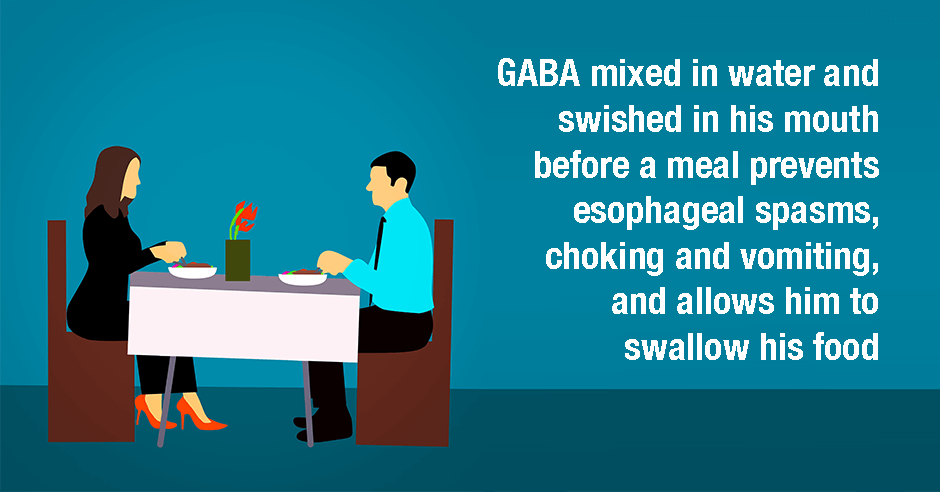
GABA mixed in water and swished in his mouth before a meal prevents esophageal spasms /choking/vomiting, and allows him to swallow

April 1, 2022 By Trudy Scott 24 Comments

gaba in water

GABA mixed in water and swished in the mouth of an adult male, before a meal, prevents his esophageal spasms, and stops his frequent choking and vomiting, and allows him to swallow his food. A colleague shared her husband’s swallowing issues after she read my blog post about using GABA powder inside the check for laryngospasms. 

This is what she shared:

That [blog] made me think that [GABA] might be useful for my husband‘s esophageal spasms. He frequently can’t get food down during a meal because of them.

So he started mixing 500 mg GABA in a little water and swishing it around his mouth and then swallowing it at the beginning of each meal. Since he started doing that he has not had one spasm, or vomiting episode.

It’s wonderful to hear about her husband’s success with GABA and this unique application of swishing around GABA powder (mixed in water) in his mouth before a meal (I’ll share more on this aspect below).

I asked if they know what the causes of his esophageal spasms are but they don’t yet know:

We can’t figure it out. It appears to be all food. I would expect there to be a trigger-food, but we can’t find it.

The GABA has completely stopped it. Last night we went out to dinner and he forgot to bring GABA with him and immediately started choking. So he went to the nearest vitamin store, (of which there is only one)! Fortunately it was open. As soon as he got back to the restaurant and took his GABA, he was fine.

GABA does work so well for him and offers him some relief while they continue to search for other underlying root cause/s. Until these are found, GABA is supporting overall low GABA levels, associated with physical tension-type anxiety, intrusive thoughts, stiff and tense muscles in other areas of the body and also stress-eating and self-medicating with alcohol in order to relax. More on low GABA symptoms here.

My input on his dosing and swishing

Regarding the dosing and swishing method I have this input:

  • 500 mg GABA is the ideal dose for his needs but this is considered a high dose to start. For low GABA tension-type anxiety, I have clients start with a trial of 125 mg GABA and go up from there. I’d recommend the same approach for someone with issues like this gentleman experiences.
  • GABA is most effective when used sublingually or by opening a capsule on to the tongue or by using GABA powder on the inside of a cheek, rather than swallowing a GABA capsule. For this reason, his method of swishing GABA mixed in water is excellent for achieving the spasm-reducing and relaxing benefits quickly. For some folks doing this 30 minutes before a meal may be more effective than doing it right before eating.

The diagnosis can vary from person to person

The diagnosis can vary from person to person. But as long as there are spasms that are affecting swallowing, doing a trial of GABA is worthwhile in order to determine if it will help.

One example is eosinophilic esophagitis where

Clinical manifestations in infants and toddlers generally include vomiting, food refusal, choking with meals and, less commonly, failure to thrive. Predominant symptoms in school-aged children and adolescents include dysphagia (difficulty swallowing), food impactions, and choking/gagging with meals, particularly when comprised of foods with coarse textures. Other symptoms in this patient population include abdominal/chest pain, vomiting, and regurgitation.

The predominant symptom in adults is dysphagia [difficulty swallowing]; however, intractable heartburn and food avoidance may also be present.

One paper, Esophageal microbiome in active eosinophilic esophagitis and changes induced by different therapies discusses the role of the microbiome and how “an increase in levels of gamma-aminobutyric acid (GABA) …is known to exert a role in esophageal motor function.”

Finding the other root causes (other than low GABA)

Regarding finding the root causes, other than low GABA, this is an important aspect that does need to be pursued. Here are some of the many factors worth considering:

  • Finding food triggers. This can be challenging but an obvious one is gluten which can play a role in eosinophilic esophagitis. Dairy and environmental irritants can be issues too.
  • GERD/reflux needs to be ruled out or addressed. Food sensitivities are often a factor here too.
  • Vagus nerve issues can play a role in digestive issues like this. GABA and vagus nerve exercises helped my cough and voice issues. I recorded all my exercises on video and you can find these here. Fortunately I didn’t have any swallowing or choking episodes at that time but have had a choking episode more recently (GABA did help) so I know how scary this can be.
  • Pyroluria, a social anxiety condition needs to be ruled out or addressed too. This is because nausea, gagging and choking are common symptoms for some individuals.
  • I’d also consider a tongue tie. I just finished reading Tongue Tied: How a Tiny String Under the Tongue Impacts Nursing, Speech, Feeding, and More (my Amazon link) by Richard Baxter, DMD, MS. The focus on babies and children but adults can also benefit from addressing tongue tie issues later in life.
  • Addressing gut health and the microbiome may be one of the keys, as outlined in the paper above.

This is not a comprehensive list and a full functional workup will help to identify all possible root causes.

Related blogs: young boy with choking episodes, lump-in-the throat sensation, anxiety and globus pharyngeus

Here are some related blogs that you may find useful

  • Paroxysmal laryngospasm with low GABA physical-tension-type-anxiety: Is GABA powder rubbed on the inside of the cheek a solution? (this is the blog that inspired my colleague to have her husband do the GABA mouth swishing)
  • GABA helps a stressed young boy with episodes of “choking” or tightening in his throat
  • GABA is the answer after 40 years of a lump-in-the-throat sensation, nervousness and muscle tension at work
  • Anxiety and globus pharyngeus (lump in the throat): GABA to the rescue?

Resources if you are new to using GABA as a supplement

If you are new to using the the amino acid GABA as a supplement, here is the Amino Acids Mood Questionnaire from The Antianxiety Food Solution (you can see the low GABA and other low neurotransmitter symptoms).

If you suspect low levels of GABA or low serotonin and do not yet have my book, The Antianxiety Food Solution – How the Foods You Eat Can Help You Calm Your Anxious Mind, Improve Your Mood, and End Cravings, I highly recommend getting it and reading it before jumping in and using amino acids on your own so you are knowledgeable. And be sure to share it with the team you or your loved one is working with.

The book doesn’t include product names (per the publisher’s request) so this blog, The Antianxiety Food Solution Amino Acid and Pyroluria Supplements, lists the GABA products that I use with my individual clients and those in my group programs.

If you don’t feel comfortable reading my book, doing the low GABA symptoms questionnaire and doing trials of GABA on your own, you can get guidance from me in the GABA Quickstart Program (online/virtual).

If you are a practitioner, join us in The Balancing Neurotransmitters: the Fundamentals program. It’s an opportunity to interact with me and other practitioners who are also using the amino acids.

Have you experienced throat or esophageal spasms and difficulty swallowing with choking and/or vomiting.

And do you have the low GABA physical-tension-type-anxiety symptoms?  What else is a trigger for you and do you have a diagnosis?

If you’ve already been using GABA with success for easing your anxiety, have you noticed a reduction in your swallowing issues?

Have you ever used GABA in this way to help your swallowing issues?

If you’re a practitioner please share what you have seen?

Feel free to ask your questions here too.

Filed Under: Amino Acids, Anxiety, GABA, Gluten Tagged With: anxiety, can’t get food down, choking, choking sensation, eosinophilic esophagitis, esophageal spasms, GABA, GABA Quickstart, globus pharyngeus, gluten, gut health, laryngospasms, lump in the throat, physical-tension, pyroluria, swallow, swallowing issues, swished, tongue tie, trigger-food, vomiting

DLPA (DL-Phenylalanine) eases PMDD/PMS symptoms in women who experience declining endorphin levels in the second half of their cycles

March 18, 2022 By Trudy Scott 23 Comments

dlpa

Mood swings, intense sugar cravings, comfort/binge eating, sadness, anxiety, crying, cramps and increased pain, irritability, anger, fatigue, cognitive dysfunction, overwhelm, feelings of unease and dissatisfaction, aggression, heartache, and/or insomnia are common for many women during the second half of the menstrual cycle i.e. in the luteal phase. You may relate to all or some of these symptoms. And you may have been diagnosed with or may identify with PMS (premenstrual syndrome) or PMDD (premenstrual dysphoric disorder – similar to PMS but more serious).

Research shows improvements of these symptoms with the amino acids tryptophan (which provides serotonin support) and GABA (which supports GABA levels). Although there is no research that the pyroluria protocol improves symptoms it’s something I see clinically all the time. (I’ve written about this extensively and share more on this below)

A really interesting study published in 1989 identified low endorphins and low catecholamines as a probable cause for some women – Prevention of Late Luteal Phase Dysphoric Disorder Symptoms with DL-Phenylalanine in Women with Abrupt β-Endorphin Decline: A Pilot Study

I recently came across the above paper and prior to this, had not considered this as a primary root cause. Here is the excerpt from the abstract:

Twenty-two women with late luteal phase dysphoric disorder were treated with DL-phenylalanine during the 15 days prior to menses in a double-blind crossover study.

DL-Phenylalanine was shown to be more effective than placebo in attenuating many symptoms characteristic of luteal phase dysphoric disorder. This amino acid was chosen because of its hypothesized actions in attenuating the symptoms associated with the sharp decline in central β-endorphin levels during the late luteal phase in women with luteal phase dysphoric disorder.

Let’s review a few terms… Late luteal phase dysphoric disorder is a synonym for PMDD. The luteal phase is one stage of the menstrual cycle and occurs after ovulation and before your period. When you feel dysphoric you feel very unhappy, uneasy, or dissatisfied. With the downward endorphin shift at this time, period pain and other pain can be worse, and weepiness and emotional symptoms increase. The need for comfort or reward eating also increases. The study authors suggest these PMDD symptoms may “closely resemble those seen during morphine or heroin withdrawal.”

Based on my experience I do feel comfortable extrapolating these findings to PMS and even peri and post-menopausal women who experience some or all of these symptoms (other than actual periods and period issues in post-menopausal women).

Study participants, dosing and timing of DLPA and improvements

The participants in the study were white, middle-class, and between 24 and 29. Each woman took one 750 mg of DLPA at breakfast and lunch for the 15 days prior to the expected onset of their periods.

In the study groups, it was found that “initial improvement started at the end of the first month of DLPA therapy. Continued therapy brought increased relief from symptoms by the end of the second month. Interestingly, the greatest period of improvement occurred during the washout period” at the end of the third month possibly due to a delayed action of DL-phenylalanine.

The authors make the following conclusion:

DL-phenylalanine was found to be safe, well-accepted, and without significant side effects. The significant improvement it produced with many of the symptoms characteristic of Late Luteal Phase Dysphoric Disorder [PMDD] suggests that it may prove a useful addition to the therapeutic armamentarium for this syndrome.

Keep in mind that a typical starting dose of DLPA is 500mg used 2-3 x per day and it’s typically used between meals for best effects. Ideal is also to customize dosing to your unique needs. In this study, everyone received the same dose at the same time. For these reasons it’s even more impressive to see results like they did.

It makes sense but I have just not used DPLA alone and only in the second half of the cycle

It’s a very small pilot study but given my experience with the amino acids DLPA, DPA and tyrosine, and the vast number of women I have worked with who had symptoms like the above, it makes sense. Using the above three amino acids in combination with dietary changes, tryptophan, GABA and the pyroluria protocol, this approach has offered relief for many of my clients. I have just not used DPLA alone and only in the second half of the cycle.

In case you’re wondering why I mention the three amino acids DLPA, DPA and tyrosine above, it’s because:

  • DLPA (the amino acid used in this study) supports both endorphins and catecholamines (dopamine is one of them)
  • Or DPA (supports endorphins only) can be used with tyrosine (supports catecholamines only) instead of DLPA which does both

I blog about the differences between DLPA and DPA here, together with all the symptoms we look at when considering doing a trial.

In this study, they used DLPA which boosts endorphins and catecholamines. As I share in my DPA vs DLPA blog, I prefer DPA (d-phenylalanine) for endorphin support when symptoms are severe. But DPA is not always available so DLPA is a good alternative, assuming the person can handle the catecholamine support. Some people can’t and there are some contraindications too.

I’d love to see follow-on research covering the following:

  • A larger group of women using DLPA
  • Individualizing the dosing of DLPA to each person’s unique needs
  • Correlating results with the low endorphin and low catecholamine symptoms questionnaire
  • Comparing DLPA alone with a combination of DPA + tyrosine (with each individualized based on unique needs)

Serotonin and GABA support for PMS/PMDD, and the pyroluria protocol

In this paper, Premenstrual Dysphoric Disorder the authors share that PMDD

comprises emotional and physical symptoms and functional impairment that lie on the severe end of the continuum of premenstrual symptoms. Women with PMDD have a differential response to normal hormonal fluctuations.

It’s recognized that serotonin and GABA play a role:

This susceptibility may involve the serotonin system, altered sensitivity of the GABAA receptor to the neurosteroid allopregnanalone [a naturally occurring neurosteroid which is made from the hormone progesterone], and altered brain circuitry involving emotional and cognitive functions.

They share SSRIs that are considered as the first-line treatment. Second-line treatments include oral contraceptives, calcium, chasteberry, and cognitive-behavioral therapy.

However, as I share in this blog, research supports the use of tryptophan – Tryptophan for PMS: premenstrual dysphoria, mood swings, tension, and irritability

A study published in 1999, A placebo-controlled clinical trial of L-tryptophan in premenstrual dysphoria, tryptophan was found to reduce symptoms of PMS when used in the luteal phase or second half of the cycle (i.e. after ovulation).

I mention GABA in this blog and the fact that many anxious women I work with also have pyroluria or signs of low zinc and low vitamin B6 and adding these nutrients, together with evening primrose oil, provide additional hormonal and neurotransmitter support, and help with the social anxiety.

Resources if you are new to using DLPA (or other amino acids) as supplements

If you are new to using DLPA or the other amino acids as supplements, here is the Amino Acids Mood Questionnaire from The Antianxiety Food Solution (you can see the low endorphin and low catecholamine symptoms.)

If you suspect low levels of endorphins and/or low levels of catecholamine and do not yet have my book, The Antianxiety Food Solution – How the Foods You Eat Can Help You Calm Your Anxious Mind, Improve Your Mood, and End Cravings, I highly recommend getting it and reading it before jumping in and using amino acids on your own so you are knowledgeable. And be sure to share it with the team you or your loved one is working with. Blog posts like this are intended to add value to the chapter on amino acids, which contains detailed information on doses and time of the day for dosing.

The book doesn’t include product names (per the publisher’s request) so this blog, The Antianxiety Food Solution Amino Acid and Pyroluria Supplements, lists the amino acid products that I use with my individual clients and those in my group programs.

If you are a practitioner, join us in The Balancing Neurotransmitters: the Fundamentals program. It’s an opportunity to interact with me and other practitioners who are also using the amino acids.

Have you considered that there may be different types of PMS (premenstrual syndrome) or PMDD (premenstrual dysphoric disorder) i.e. a different combination of root causes and therefore different solutions?

And have you had success with DLPA alone (providing both endorphin and dopamine support) or by using a combination of DPA (endorphin support only) and tyrosine (catecholamine support only).

If you’re peri or post menopausal have you also seen success with any of these amino acids?

Have the other amino acids, tryptophan and GABA or the pyroluria protocol helped too?

If you’re a practitioner please share what you’ve seen with clients/patients.

Feel free to ask your questions here too.

Filed Under: Amino Acids, Anxiety, Hormone, PMS, Women's health Tagged With: aggression, anger, anxiety, catecholamines, Cognitive dysfunction, comfort/binge eating, cramps, crying, dissatisfaction, dl-phenylalanine, DLPA, endorphin, fatigue, feelings of unease, GABA, heartache, increased pain, insomnia, intense sugar cravings, irritability, luteal phase. premenstrual syndrome, menstrual cycle, mood swings, overwhelm, PMDD, PMS, premenstrual dysphoric disorder, pyroluria, sadness, second half of their cycles, serotonin, tryptophan

Intrusive thoughts are a thing with anxiety: low GABA, low serotonin, pyroluria (low zinc & vitamin B6) and hormone imbalances as possible causes

February 4, 2022 By Trudy Scott 56 Comments

intrusive thoughts and anxiety

Intrusive thoughts are a thing with anxiety even though they are not often talked about. It’s for this reason I shared a link to an article on Facebook recently – “The Debilitating Anxiety Symptom No One Ever Talks About” – and the response was overwhelming. I promised to do a blog to do a deeper dive into this topic and share actual real-life examples of uncomfortable and unwanted intrusive thoughts that seemingly appear out of no-where when you have anxiety. And of course, I’m using these real-life examples to highlight some of the many biochemical root causes and nutritional solutions: low GABA, low serotonin, low zinc, low vitamin B6 (and pyroluria) and hormone imbalances. These root cause solutions are all backed by research and clinical results.

You’ll also discover that intrusive thoughts are more common than you’d expect and it’s not just you who experiences them.

Katelyn, author of the above article, shared this about her intrusive thoughts (and this is part of what I shared on Facebook):

As I gained more life experiences, my intrusive thoughts developed into other fears. Now that I was older, these thoughts turned into new scenarios, ones that felt more real. For example, when I started driving, I’d see myself veering off the road, hitting a side rail, flying off a ledge, or running head-on into a semi. I didn’t really want to do any of these things. I just wanted to get to my destination, but these thoughts would keep running through my mind, and I couldn’t stop them.

I did not realize intrusive thoughts were a ‘thing,’ and I thought this was just me

The Facebook post and article quickly resonated with many women with someone saying “I have never identified with an article more…wow.”

One woman said “I did not realize intrusive thoughts were a ‘thing,’ a symptom of something” and someone else said “I thought this was just me.”

Someone else responded: “I thought it was only me as well. I’ve had thoughts like this nearly my entire life.”

(You can read the entire article here: The Debilitating Anxiety Symptom No One Ever Talks About)

The purpose of this blog is to share actual feedback so you can see how varied these intrusive thoughts can be. And recognize that they are a thing and that you are not alone if you experience them.

And then use these cases to illustrate the variety of root causes (and solutions) and show how some of them are very interconnected: like zinc and vitamin B6 for pyroluria, for making GABA and serotonin, and also for hormone balance (more on that below).

A definition from The Anxiety and Depression Association of America

In case you need a definition: “Unwanted intrusive thoughts are stuck thoughts that cause great distress. They seem to come from out of nowhere, arrive with a whoosh, and cause a great deal of anxiety.

The content of unwanted intrusive thoughts often focuses on sexual or violent or socially unacceptable images. People who experience unwanted intrusive thoughts are afraid that they might commit the acts they picture in their mind. They also fear that the thoughts mean something terrible about them….

Unwanted intrusive thoughts can be very explicit, and many people are ashamed and worried about them, and therefore keep them secret.” ~ The Anxiety and Depression Association of America (ADAA).

The ADAA offers an excellent overview that is worth reading, but unfortunately they do not offer any of the nutritional solutions that we know can eliminate these uncomfortable intrusive thoughts.

GABA support with the amino acid GABA

Assessing for and addressing low GABA levels is the first place I start because you get results so quickly if low GABA is one of the root causes.

Jacqueline shared this on the Facebook post about intrusive thoughts: “GABA definitely helped me with this! Also meditation has helped me to learn to stay present. The two combined are helpful.”

Tiffany shares how Source Naturals GABA Calm helps her: “I have definitely noticed that sublingual GABA Calm that you suggest helps calm my overactive brain.”

Elicia offered this input about GABA on the seasonality of GABA blog and needing more in winter:

I use GABA Calm and usually take 1 or 2 a day. The past two days I’ve taken 4 because I suspected that I needed an increase.

I take it for physical anxiety, insomnia and intrusive thoughts. My symptoms had been worsening recently. The increased GABA seems to be helping.

Intrusive thoughts is one of the symptoms on the low GABA section of the Amino Acids Mood Questionnaire: “Have intrusive thoughts, perseverate or have an overactive brain or have unwanted thoughts – thoughts about unpleasant memories, images or worries.”

This is not in my book or on the original questionnaire but was added in 2017 based on new GABA research on intrusive thoughts. I blogged about this here: GABA helps with inhibition of unwanted thoughts (and have added more recent supporting research on the glutamate/GABA balance i.e. increased glutamatergic excitation and reduced GABAergic inhibition.)

Serotonin support with the amino acid 5-HTP (or tryptophan)

Assessing for and addressing low serotonin levels would be the next step for the same reason – you get results so quickly if low serotonin is one of the root causes.

Yosef shared this about his anxiety, panic and intrusive thoughts on the GABA blog on intrusive thoughts hoping low GABA might be his root cause, with GABA as a solution:

I have issues with intrusive thoughts that present daily challenges. On top of that, I have been living with anxiety and panic issues for so long that I have adjusted to the limitations (I work from home, order pretty much everything online and have a very tolerant wife). I’ve been trying mindfulness for the intrusive thoughts, but if GABA might help with that and the panic (and perhaps help me unlearn the agoraphobia) that would be awesome. Imagine being able to go on vacations with my wife!! I’m ordering some and will give it a shot.

About 6 weeks later he shared that he didn’t notice a drastic difference with GABA but that serotonin support did help. He used 5-HTP and shared these wonderful results after using it for only a week:

What did make a difference is 5-HTP (Now – 100mg). I’ve been using it for a week so far. It was recommended by Dr. Amen (the brain doctor) who says it is helpful with OCD, intrusive thoughts, and the like. You take it before going to sleep. It used to be that I had trouble falling asleep because of the “noise” in my head – random anxious thoughts, jumpiness. I would usually need to have something playing (podcast, music, anything) to help me fall asleep. So far, on 5-HTP I find it easier to fall asleep, I don’t have to search for the right podcast, etc. I just feel really tired and fall asleep.

He did a trial of GABA and then a trial of 5-HTP when GABA didn’t help. This is exactly what I would have done. Tryptophan is also an option when 5-HTP is not tolerated.

You’ll see intrusive thoughts listed as “Obsessive thoughts or behaviors” on the low serotonin section of the Amino Acids Mood Questionnaire

5-HTP and tryptophan are listed in this paper: Nutraceuticals in the treatment of obsessive compulsive disorder (OCD): a review of mechanistic and clinical evidence.

Low zinc and low vitamin B6 (and pyroluria)

Low zinc and low vitamin B6 is common with the social anxiety condition called pyroluria. Kez shared how addressing pyroluria/pyrrole disorder resolved her intrusive or ruminating thoughts:

I noticed after being diagnosed with pyrolle disorder that when I had been taking zinc and vitamin B6 supps for a couple of years, the ruminating thoughts left me and my head was peaceful.

Before starting on the zinc and vitamin B6, she described her intrusive thoughts as follows:

Everything would go around and around in my head, it never stopped. And if my son was a few minutes late home, I would picture him in an accident dead on the side of the road. All really negative stuff. When I realised it had stopped it was such a relief.

She confirmed that she didn’t use 5-HTP/tryptophan or GABA. However the pyroluria protocol helps with the production of GABA and serotonin, and also helps to balance sex hormones (more on that below).

You’ll see “Neurotransmitter imbalances, especially low serotonin” on the Pyroluria Questionnnaire.

In one study, Alterations of serum zinc, copper, manganese, iron, calcium, and magnesium concentrations and the complexity of interelement relations in patients with obsessive-compulsive disorder, patients with obsessive-compulsive disorder had low zinc, iron and magnesium.

In another study, Depressive Symptoms in Middle-Aged and Elderly Women Are Associated with a Low Intake of Vitamin B6: A Cross-Sectional Study, they looked at anxiety symptoms like “feeling tense, restless, or panicky; feeling something awful will happen; having worrying thoughts” and low vitamin B6.

Hormonal imbalances: more than 3 x the intrusive thoughts

In this study summary, Hormone levels may provide key to understanding psychological disorders in women, the authors share that  “a common symptom of mood and anxiety problems is the tendency to experience repetitive and unwanted thoughts. These ‘intrusive thoughts’ often occur in the days and weeks after a stressful experience.” In this particular study the women watched a 14-minute stressful film containing death or injury and then salivary hormone levels were measured.

In this study “women in the ‘early luteal’ phase… had more than three times as many intrusive thoughts.”  The luteal phase happens after ovulation i.e. about 16 to 20 days after the start of their period.

The authors conclude that “Women at a particular stage in their monthly menstrual cycle may be more vulnerable to some of the psychological side-effects associated with stressful experiences.”

If your intrusive thoughts ramp up in the luteal phase it’s important to consider the role of hormone imbalances.

But keep in mind that the pyroluria protocol also helps to balance sex hormones. And that tryptophan and GABA help to balance hormones too: Tryptophan for PMS: premenstrual dysphoria, mood swings, tension, and irritability.

As I mentioned above, I typically like to start with addressing low serotonin and/or low GABA because the amino acids offer quick relief, and they give you time to dig deeper into other causes like hormonal imbalances. I also always consider pyroluria with anyone who is anxious so that’s high on the list too. We can see results in a week when we figure out the correct doses.

In part 2, I share one woman’s story of how a lifetime of horrible and bizarre intrusive thoughts were eliminated by a low carb/high fat diet (not as strict as keto).

Stay tuned for part 3 of this blog where I’ll address other possible root causes of intrusive thoughts: low magnesium, low iron, gluten issues, discontinuation syndrome, Lyme disease, mold toxicity, heavy metals, toxins, infections, TBI and trauma.

Resources if you are new to using GABA and 5-HTP/tryptophan as supplements

If you are new to using the the amino acids GABA or 5-HTP/tryptophan as supplements, here is the Amino Acids Mood Questionnaire from The Antianxiety Food Solution (you can see the low GABA and other low neurotransmitter symptoms) and a brief overview here: Anxiety and targeted individual amino acid supplements: a summary.

If you suspect low levels of GABA or low serotonin and do not yet have my book, The Antianxiety Food Solution – How the Foods You Eat Can Help You Calm Your Anxious Mind, Improve Your Mood, and End Cravings, I highly recommend getting it and reading it before jumping in and using amino acids so you are knowledgeable. And be sure to share it with the team you or your loved one is working with.

The book doesn’t include product names (per the publisher’s request) so this blog, The Antianxiety Food Solution Amino Acid and Pyroluria Supplements, lists the GABA products that I use with my individual clients and those in my group programs.

If, after reading this blog and my book, you don’t feel comfortable figuring things out on your own (i.e. doing the symptoms questionnaire and respective amino acids trials), a good place to get help is the GABA QuickStart Program (if you have low GABA symptoms). This is a paid online/virtual group program where you get my guidance and community support. Here is the budget-friendly GABA QuicksStart Homestudy version.

If you also need serotonin support, the Serotonin QuickStart Program is a good place to get help. This is also a paid online/virtual group program where you get my guidance on using tryptophan and 5-HTP safely, and community support during 5 LIVE Q&A calls. You can sign up to be notified when the next live launch of this program is happening.

If you are a practitioner, join us in The Balancing Neurotransmitters: the Fundamentals program. This is also a paid online/virtual program with an opportunity to interact with me and other practitioners who are also using the amino acids.

We appreciate Katelyn for writing the article I shared and everyone for being willing to share their stories so we can all learn and feel better.

Let’s change this and talk about intrusive thoughts so we don’t have to feel alone and so we can find solutions. As Katelyn says: “If you struggle with intrusive thoughts, share them. The more we share these experiences, the better we can understand ourselves and others and the more we can help one another. Know you are not alone.”

I’ll add this: and share your success with nutritional solutions when something works for you. Share it with your friends and your health practitioner.

Now I’d love to hear from you …

Did you know intrusive thoughts are a ‘thing,’ or did you think it was just you?

Has any of the above helped you: GABA, 5-HTP or tryptophan, zinc and/or vitamin B6?

And have you observed more intrusive thoughts after ovulation and before your next period?

Feel free to ask your questions here too.

Filed Under: Anxiety, GABA Tagged With: 5-HTP, after ovulation, anxiety, GABA, hormone imbalances, intrusive thoughts, luteal phase, nutritional approach, pyroluria, serotonin, tryptophan, unwanted thoughts, vitamin B6, zinc

The seasonality of GABA: worsening anxiety, insomnia and intrusive thoughts in winter (and the need for increased GABA supplementation)

January 7, 2022 By Trudy Scott 33 Comments

seasonability of gaba

Seasonal variations in serotonin have long been documented with much research on the winter blues and SAD lamps. There is less awareness about GABA seasonality and I only recently started to look into the research when I wrote about the need to increase tryptophan or 5-HTP temporarily when a winter dip in serotonin causes more severe anxiety, OCD and/or the winter blues.

Following on from my blog post on the seasonality of serotonin, it’s important to be aware of the seasonality of GABA and that GABA levels may also be lower in the winter months. This is also due to shorter days and less light because of more overcast and cloudy/rainy/snowy days.

You may find you need to increase your GABA supplement dosing during this time, in order to get the same benefits for your low GABA physical anxiety, stiff and tense muscles, insomnia (the low GABA lying-awake-tense type), feelings of overwhelm, intrusive thoughts (the low-GABA type), and stress-eating or self-medicating with alcohol.

Read on to learn more about seasonal fluctuations in GABA, an example of how adjusting GABA could look and some of the possible mechanisms.

Intuitively increased GABA without knowing about the seasonality of GABA

A few weeks ago I shared on Facebook that GABA has a seasonal aspect and an increase may be needed in winter when it’s darker earlier and colder. Elicia offered this input:.

I use GABA Calm and usually take 1 or 2 a day. The past two days I’ve taken 4 because I suspected that I needed an increase.

I take it for physical anxiety, insomnia and intrusive thoughts. My symptoms had been worsening recently. The increased GABA seems to be helping.

She also asked what an increase in GABA would look like.

My feedback for her is (you guessed it!) that it depends on each person. If 4 x instead of 1 or 2 x GABA Calm a day helps to ease her symptoms then that’s the right amount for her unique needs at this time. It may be less or more for someone else. And it’s going to change again after the winter season.

I’m so glad to hear she intuitively increased her dose without knowing about the seasonality of GABA and that she saw her worsening symptoms improve.

Other approaches to boost GABA levels may help too: Yoga, meditation, tai chi and essential oils.

Seasonal fluctuations are also found in anxiety disorders and bulimia nervosa

As I mentioned above, SAD or seasonal affective disorder, appears to be relatively common and is well-recognized.

This review paper, An overview of epidemiological studies on seasonal affective disorder mentions anxiety and other conditions too:

  • Seasonal variations in mood, depressive symptoms usually peaking in winter
  • SAD was more prevalent at higher northern latitudes, but the prevalence varied across ethnic groups.
  • SAD has also been identified in children and adolescents.
  • Seasonal exacerbations and remissions are not limited to mood disorders, it has also been found in bulimia nervosa, anxiety disorders and other psychiatric illnesses.

Some of this may be related to low serotonin and as you’ll see below, melatonin and low GABA (and low dopamine too), and the liver, all may play a role too.

GABA is higher in summer/lower in winter and tied to liver function

In this animal study, Effect of the pineal gland on 5-hydroxytryptamine and γ-aminobutyric acid secretion in the hippocampus of male rats during the summer and winter, they report that

GABA secretion in the hippocampus of rats had a seasonal rhythm consisting of increased secretion in summer and decreased secretion in the winter.

Additionally, the liver can regulate the content of active substances, including GABA, and its function is controlled by brain centers, especially in the marginal lobe.

This paper reports similar seasonal changes with respect to serotonin, stating that both fluctuations may be related to the seasonal changes of “regulation by the liver”. The authors remind us that in Chinese Medicine the liver is closely related to emotions, and that the liver functions well in hot weather and is weak in winter.

GABA exhibits seasonal rhythms related to the pineal gland and melatonin

The introduction of this animal study (by the same authors), Molecular mechanisms of seasonal photoperiod effects of the pineal gland on the hippocampus in rats highlights a number of points related to seasonal variations in mood:

Based on the theory of “five Zang-organs corresponding to the seasons” in traditional Chinese medicine (TCM), physiological functions including emotions vary with the seasons.

The production of mood-related neurotransmitters such as 5-hydroxytryptamine [serotonin], γ-aminobutyric acid [GABA], dopamine, and norepinephrine exhibits seasonal rhythms, which are related to the regulation of the hippocampus by the pineal gland-MT [melatonin] system.

In other words, GABA (and these other neurotransmitters) exhibit seasonal rhythms related to melatonin secreted by the pineal gland, thereby impacting the hippocampus.

Be sure to read the paper for additional information on depression, seasonal affective disorder and bright light therapy; the seasonal effects of the pineal gland on the hippocampus; the role of melatonin and photoperiod/length of night; the hippocampus and melatonin receptors and more.

The authors were looking for direct evidence of the signalling mechanisms that cause this to happen:

Our findings suggest that the MTR-Gs/Gi-cAMP-PKA-CREB signaling pathway is involved in the seasonal photoperiod [length of night] effects of the pineal gland on the hippocampus and may underpin seasonal changes in emotions.

Feel free to read more about all this in the paper too as it’s beyond the topic of this blog.

Other factors to consider: sugar/alcohol, stress/pyroluria and low serotonin

I’d also consider the following:

  • The increased consumption of sugar at this time can lead to reduced zinc, magnesium and B vitamins (like vitamin B6 and thiamine) and this can further reduce GABA levels, which relies on these nutrients as cofactors for production. By boosting GABA levels with the amino acid GABA (and higher amounts if needed) you can actually reduce some of the cravings and stress-eating.
  • Overindulging in alcoholic holiday beverages can also deplete zinc and B vitamins, further affecting GABA production. Using higher amounts of the amino acid GABA (if needed) can also prevent self-medicating with alcohol. This often happens when trying to fit in and socialize.
  • If you have the social anxiety condition called pyroluria, the added stress of family and holiday gatherings can also contribute to zinc and vitamin B6 being dumped, and further impacting serotonin production.
  • The need to also increase tryptophan or 5-HTP temporarily when a winter dip in serotonin causes more severe anxiety (the low serotonin worry-type), OCD and/or the winter blues.

Resources if you are new to using GABA as a supplement

If you are new to using the the amino acid GABA as a supplements, here is the Amino Acids Mood Questionnaire from The Antianxiety Food Solution (you can see the low GABA and other low neurotransmitter symptoms) and a brief overview here: Anxiety and targeted individual amino acid supplements: a summary.

If you suspect low levels of GABA and do not yet have my book, The Antianxiety Food Solution – How the Foods You Eat Can Help You Calm Your Anxious Mind, Improve Your Mood, and End Cravings, I highly recommend getting it and reading it before jumping in and using amino acids so you are knowledgeable. And be sure to share it with the team you or your loved one is working with.

The book doesn’t include product names (per the publisher’s request) so this blog, The Antianxiety Food Solution Amino Acid and Pyroluria Supplements, lists the GABA products that I use with my individual clients and those in my group programs.

Have you noticed worsening anxiety, insomnia, intrusive thoughts or even bulimia in the winter months?

Have you noticed you need more GABA in the winter? And then you ease off at the end of winter again?

What changes in your dosing have made a difference with your symptoms?

Did you adjust intuitively or were you aware of the GABA seasonality aspect?

And do you notice something similar with serotonin support and needing additional melatonin in winter too (if you already use it)?

If you’re a practitioner, do you have your clients/patients make adjustments too?

Feel free to ask your questions here too.

Filed Under: Anxiety, GABA, Insomnia, serotonin Tagged With: alcohol, anxiety, bulimia, depression, GABA, insomnia, intrusive thoughts, liver, melatonin, pineal gland, pyroluria, SAD lamps, seasonality, self-medicating, serotonin, stress-eating, sugar, winter, winter blues

  • « Go to Previous Page
  • Page 1
  • Page 2
  • Page 3
  • Page 4
  • Page 5
  • Interim pages omitted …
  • Page 11
  • Go to Next Page »

Primary Sidebar

NEW! GABA QuickStart Homestudy (with special intro pricing)

gaba quickstart homestudy

Free Report

9 Great Questions Women Ask about Food, Mood and their Health

You'll also receive a complimentary subscription to my ezine "Food, Mood and Gal Stuff"


Connect with me

Popular Posts

  • Amino Acids Mood Questionnaire from The Antianxiety Food Solution
  • The Antianxiety Food Solution Amino Acid and Pyroluria Supplements
  • Pyroluria Questionnaire from The Antianxiety Food Solution
  • Collagen and gelatin lower serotonin: does this increase your anxiety and depression?
  • Tryptophan for the worry-in-your-head and ruminating type of anxiety
  • GABA for the physical-tension and stiff-and-tense-muscles type of anxiety
  • The Antianxiety Food Solution by Trudy Scott
  • Seriphos Original Formula is back: the best product for anxiety and insomnia caused by high cortisol
  • Am I an anxious introvert because of low zinc and vitamin B6? My response to Huffington Post blog
  • Vagus nerve rehab with GABA, breathing, humming, gargling and key nutrients

Recent Posts

  • What do I use instead of Seriphos to help lower high cortisol that is affecting my sleep and making me anxious at night?
  • BeSerene™ GABA/theanine cream eases severe muscle tension in her neck/shoulders, prevents her bad headaches and quells her anxiety
  • How the correct approach, dose and sublingual use of GABA can be calming and not cause a flushed and itchy face and neck
  • The amino acid glutamine improves low mood by addressing gut health, and it has calming effects too
  • Flight anxiety with heightened breath, physical tension and also fearing the worst (the role of low GABA and low serotonin)

Categories

  • 5-HTP
  • AB575
  • Addiction
  • ADHD
  • Adrenals
  • Alcohol
  • Allergies
  • Alzheimer's disease
  • Amino Acids
  • Anger
  • Antianxiety
  • Antianxiety Food Solution
  • Antidepressants
  • Anxiety
  • Anxiety and panic
  • Autism
  • Autoimmunity
  • benzodiazapines
  • Bipolar disorder
  • Books
  • Caffeine
  • Cancer
  • Candida
  • Children/Teens
  • Collagen
  • Cooking equipment
  • Coronavirus/COVID-19
  • Cravings
  • Depression
  • Detoxification
  • Diabetes
  • Diet
  • DPA/DLPA
  • Drugs
  • EFT/Tapping
  • EMF
  • EMFs
  • Emotional Eating
  • Endorphins
  • Environment
  • Essential oils
  • Events
  • Exercise
  • Fear
  • Fear of public speaking
  • Fertility and Pregnancy
  • Fish
  • Food
  • Food and mood
  • Functional neurology
  • GABA
  • Gene polymorphisms
  • General Health
  • Giving
  • Giving back
  • Glutamine
  • Gluten
  • GMOs
  • Gratitude
  • Gut health
  • Heart health/hypertension
  • Histamine
  • Hormone
  • Hyperparathyroidism
  • Hypoglycemia
  • Immune system
  • Inflammation
  • Insomnia
  • Inspiration
  • Introversion
  • Joy and happiness
  • Ketogenic diet
  • Lithium orotate
  • Looking awesome
  • Lyme disease and co-infections
  • MCAS/histamine
  • Medication
  • Men's health
  • Mental health
  • Mercury
  • Migraine
  • Mold
  • Movie
  • MTHFR
  • Multiple sclerosis
  • Music
  • NANP
  • Nature
  • Nutritional Psychiatry
  • OCD
  • Osteoporosis
  • Oxalates
  • Oxytocin
  • Pain
  • Paleo
  • Parasites
  • Parkinson’s disease
  • PCOS
  • People
  • PMS
  • Postpartum
  • PTSD/Trauma
  • Pyroluria
  • Questionnaires
  • Real whole food
  • Recipes
  • Research
  • Schizophrenia
  • serotonin
  • SIBO
  • Sleep
  • Special diets
  • Sports nutrition
  • Stress
  • Sugar addiction
  • Sugar and mood
  • Supplements
  • Teens
  • Testimonials
  • Testing
  • The Anxiety Summit
  • The Anxiety Summit 2
  • The Anxiety Summit 3
  • The Anxiety Summit 4
  • The Anxiety Summit 5
  • The Anxiety Summit 6
  • Thyroid
  • Thyroid health
  • Toxins
  • Tryptophan
  • Tyrosine
  • Uncategorized
  • Vegan/vegetarian
  • Women's health
  • Yoga

Archives

  • October 2025
  • September 2025
  • August 2025
  • July 2025
  • June 2025
  • May 2025
  • April 2025
  • March 2025
  • February 2025
  • January 2025
  • November 2024
  • October 2024
  • September 2024
  • August 2024
  • July 2024
  • June 2024
  • May 2024
  • April 2024
  • March 2024
  • February 2024
  • January 2024
  • December 2023
  • November 2023
  • October 2023
  • September 2023
  • August 2023
  • July 2023
  • June 2023
  • May 2023
  • April 2023
  • March 2023
  • February 2023
  • January 2023
  • December 2022
  • November 2022
  • October 2022
  • September 2022
  • August 2022
  • July 2022
  • June 2022
  • May 2022
  • April 2022
  • March 2022
  • February 2022
  • January 2022
  • December 2021
  • November 2021
  • October 2021
  • September 2021
  • August 2021
  • July 2021
  • June 2021
  • May 2021
  • April 2021
  • March 2021
  • February 2021
  • January 2021
  • December 2020
  • November 2020
  • October 2020
  • September 2020
  • August 2020
  • July 2020
  • June 2020
  • May 2020
  • April 2020
  • March 2020
  • February 2020
  • January 2020
  • December 2019
  • November 2019
  • October 2019
  • September 2019
  • August 2019
  • July 2019
  • June 2019
  • May 2019
  • April 2019
  • March 2019
  • February 2019
  • January 2019
  • December 2018
  • November 2018
  • October 2018
  • September 2018
  • August 2018
  • July 2018
  • June 2018
  • May 2018
  • April 2018
  • March 2018
  • February 2018
  • January 2018
  • December 2017
  • November 2017
  • October 2017
  • September 2017
  • August 2017
  • July 2017
  • June 2017
  • May 2017
  • April 2017
  • March 2017
  • February 2017
  • January 2017
  • December 2016
  • November 2016
  • October 2016
  • September 2016
  • August 2016
  • July 2016
  • June 2016
  • May 2016
  • April 2016
  • March 2016
  • February 2016
  • January 2016
  • December 2015
  • November 2015
  • October 2015
  • September 2015
  • August 2015
  • July 2015
  • June 2015
  • May 2015
  • April 2015
  • March 2015
  • February 2015
  • January 2015
  • December 2014
  • November 2014
  • October 2014
  • September 2014
  • August 2014
  • July 2014
  • June 2014
  • May 2014
  • April 2014
  • March 2014
  • February 2014
  • January 2014
  • December 2013
  • November 2013
  • October 2013
  • September 2013
  • August 2013
  • July 2013
  • June 2013
  • May 2013
  • April 2013
  • March 2013
  • February 2013
  • January 2013
  • December 2012
  • November 2012
  • October 2012
  • August 2012
  • July 2012
  • June 2012
  • May 2012
  • April 2012
  • March 2012
  • February 2012
  • January 2012
  • December 2011
  • November 2011
  • October 2011
  • September 2011
  • August 2011
  • July 2011
  • June 2011
  • May 2011
  • April 2011
  • March 2011
  • February 2011
  • January 2011
  • December 2010
  • October 2010
  • September 2010
  • July 2010
  • May 2010
  • April 2010
  • March 2010
  • February 2010
  • January 2010
  • November 2009

Share the knowledge!

The above statements have not been evaluated by the Food and Drug Administration. Products listed in this website are not intended to diagnose, treat, cure or prevent any disease.

The information provided on this site is for informational and educational purposes only and is not intended as a substitute for advice from your physician or other health care professional. You should consult with a healthcare professional before starting or modifying any diet, exercise, or supplementation program, before taking or stopping any medication, or if you have or suspect you may have a health problem.


Copyright © 2026 Trudy Scott. All Rights Reserved. | Privacy | Terms and Conditions | Refund Policy | Medical Disclaimer

Free Report

9 Great Questions Women Ask about Food, Mood and their Health

You’ll also receive a complimentary subscription to my ezine “Food, Mood and Gal Stuff”