• Skip to primary navigation
  • Skip to main content
  • Skip to primary sidebar

everywomanover29 blog

Food, Mood and Women's Health – Be your healthiest, look and feel great!

  • Blog
  • About
  • Services
  • Store
  • Resources
  • Testimonials
  • The Book
  • Contact
  • Search this site

panic attacks

The correlation between terrible anxiety/panic attacks and collagen

July 25, 2025 By Trudy Scott 14 Comments

collagen and anxiety

Bea shared her collagen experience and insights on one of the collagen blogs:

I discovered the correlation between terrible anxiety and collagen myself several years ago! Couldn’t find any data about it then so just assumed I was a weirdo. But then my 26 yr old daughter started having terrible panic attacks. And bam! She too had started a collagen supplement! So I realized at least 2 ladies have this trouble! Got me to think about how many women seek anti-aging help with collagen and then also end up on prescriptions to help calm terrible anxiety without seeing the connection. Practitioners don’t seem to know about this. But every vitamin shop I visit hears from me on the anxiety/collagen connection. Perhaps grassroots word of mouth will help others eventually.

And yesssss… for me, bone broth is equally horrible!! Even if it is simmered for only 30 mins.

Thank you for explaining, Trudy!! How fascinating to learn it’s the drop in serotonin! I’ve never tried Tryptophan… just a bit nervous. But I think it’s time. I sure need the bone broth for my waning gut health. And I’m weary of ruminating thoughts lately! Thank you immensely for shining a needed light on how these amino acids help! I only wish I could share lunch with you and pass along my grateful hug!

God bless you, Trudy!

I’m so glad Dea found this correlation for herself and her daughter! Collagen use is on the rise and there is little awareness about these effects on serotonin levels in susceptible individuals. Read on for many of the anti-aging benefits of collagen, more information about tryptophan depletion studies, another similar story, other possible causes, and other blog resources on this topic.

Collagen use as we age: for skin, joints and bone health

Her comment about an increase in collagen use for anti-aging is so true. This 2023 paper, Collagen supplementation in skin and orthopedic diseases: A review of the literature, discusses the many age-related benefits of collagen:

hydrolyzed collagen supplementation promotes skin changes, such as decreased wrinkle formation; increased skin elasticity; increased hydration; increased collagen content, density, and synthesis, which are factors closely associated with aging-related skin damage.

Regarding orthopedic changes, collagen supplementation increases bone strength, density, and mass; improves joint stiffness/mobility, and functionality; and reduces pain. These aspects are associated with bone loss due to aging and damage caused by strenuous physical activity.

This paper mentions these aspects about collagen, that it’s low in tryptophan and that it is not a complete protein i.e. it’s a low biological value protein:

  • Notably, collagen is a low-tryptophan protein, an essential amino acid for humans.
  • Collagen is a source of conditionally essential amino acids (glycine and proline), which are important in some physiological situations.
  • Collagen is a low biological value protein, since its amino acid composition is poor in essential amino acids. However, it has a positive intrinsic value because its amino acid composition is equivalent to that of human connective tissue.

This supports what we have learned from acute tryptophan depletion studies causing low serotonin.

Tryptophan-depletion studies to study the relationship between low serotonin and depression

Here is my first blog explaining acute tryptophan depletion studies (published in 2017) – Collagen and gelatin lower serotonin: does this increase your anxiety and depression?.

Tryptophan-depletion studies have been done for years, as a way to study the relationship between low serotonin and depression.  Often a tryptophan-deficient amino acid mixture is used for this purpose.  More recently, collagen and gelatin are being used.

Collagen and gelatin are an excellent source of these amino acids: proline, glycine, glutamine and arginine, but they do not contain the amino acid tryptophan.

This paper, Pharmacokinetics of acute tryptophan depletion using a gelatin-based protein in male and female Wistar rats summarizes what we find in a number of studies that use gelatin for the purpose of lowering serotonin levels, in order to study the relationship between serotonin and behavior:

The essential amino acid tryptophan is the precursor of the neurotransmitter serotonin. By depleting the body of tryptophan, brain tryptophan and serotonin levels are temporarily reduced. In this paper, several experiments are described in which dose and treatment effects of acute tryptophan depletion (ATD) using a gelatin-based protein-carbohydrate mixture were studied in male and female Wistar rats.

I encourage you to read the above blog to learn about who may be more susceptible to these effects.

I also share my personal experience with collagen consumption and can totally relate to Bea’s story and what clients and those in my community have shared.

Toni used collagen for 8 months – anxiety and panic attacks are off the charts

Toni experienced something similar:

I’ve been using Organic collagen for about 8 months now… love the hair and skin results. My tummy felt better at first but not currently. My anxiety and panic attacks are off the charts: panic attacks, heart racing, sweating, brain fog. I want to escape – like fight or flight. Definitely obsessing and fears. Memory difficulty. I have an upcoming GI appointment to check for Candida /SIBO… but I had no idea this could add to my anxiety. I’ll be looking forward to more information, Seriously.

And a few weeks after stopping the collagen she shared this:

I stopped using collagen. Since then, my anxiety and panic have decreased by less than half. Mild in comparison. I’m definitely taking a long break.

Instead of stopping collagen altogether, my advice is to figure out if low serotonin is the cause and address this with tryptophan or 5-HTP so collagen can be used for its many anti-aging and health benefits.

Is their anxiety due to reduced serotonin or histamine, glutamate or oxalate issues

Keep in mind tryptophan will help and allow collagen, gelatin and broth to be consumed without the increase in anxiety and panic attacks (and sleep issues) only if it is due to low serotonin.

Presumably both Dea and her daughter have other low serotonin symptoms – in addition to anxiety and panic attacks – such as sleep issues, worry, fears, afternoon/evening cravings etc (here is the list of symptoms).  As you can see from Toni’s feedback (above), she does have many low serotonin symptoms.

A trial of tryptophan and symptom reduction (initially until the ideal dose is found) will confirm symptoms are related to low serotonin very quickly. This will also help Dea with her nervousness and ruminating thoughts, help her daughter ease the feelings of panic and help Toni too.

It’s also often helpful to also rule out histamine, glutamate and oxalate issues from collagen, gelatin and broth intake – as all of these factors can contribute to an increase in anxiousness too.

Additional blog posts on the topic of collagen

In case you are new to these potential issues, here are additional blog posts on the topic:

  • Collagen causes anxiety and sleep problems for some people. I would never have connected the dots but apparently I am one of those people
  • I have osteoporosis – within a week of starting collagen I experienced profound insomnia, was much more anxious and had tons of worrying thoughts
  • Collagen causes increased anxiety, low mood, irritability, insomnia, gut issues and an itchy skin: some questions and my answers
  • Gelatin triggers Enid’s anxiety in 2 weeks but also lowers her high blood sugar
  • Collagen Can Cause Anxiety and Insomnia with Trudy Scott: The Anxiety Summit 5

If you are new to this topic and are still skeptical about all this, do read the many comments and stories on these blogs. It’s a way more common issue than you’d think!

Additional resources when you are new to using tryptophan and other amino acids as supplements

As always, I use the symptoms questionnaire to figure out if low serotonin or other neurotransmitter imbalances may be an issue.

If you suspect low levels of any of the neurotransmitters and do not yet have my book, The Antianxiety Food Solution – How the Foods You Eat Can Help You Calm Your Anxious Mind, Improve Your Mood, and End Cravings, I highly recommend getting it and reading it before jumping in and using amino acids on your own so you are knowledgeable. And be sure to share it with the practitioner/health team you or your loved one is working with.

There is an entire chapter on the amino acids and they are discussed throughout the book in the sections on gut health, gluten, blood sugar control (this is covered in an entire chapter too), sugar cravings, anxiety and mood issues.

The book doesn’t include product names (per the publisher’s request) so this blog, The Antianxiety Food Solution Amino Acid and Pyroluria Supplements, lists the amino acids that I use with my individual clients and those in my group programs.

If, after reading this blog and my book, you don’t feel comfortable figuring things out on your own (i.e. doing the symptoms questionnaire and respective amino acids trials), a good place to get help is the GABA QuickStart Program (if you have low GABA symptoms). This is a paid online/virtual group program where you get my guidance and community support. You can sign up to be notified when the next live launch is happening.

If you need serotonin support, the Serotonin QuickStart Program is a good place to get help. This is also a paid online/virtual group program where you get my guidance on using tryptophan and 5-HTP safely, and community support during 5 LIVE Q&A calls. You can sign up to be notified when the next live launch of this program is happening.

If you are a practitioner, join us in The Balancing Neurotransmitters: the Fundamentals program. This is also a paid online/virtual program with an opportunity to interact with me and other practitioners who are also using the amino acids.

Wrapping up and your feedback

I appreciate Dea for sharing her story on the blog and for sharing this information at vitamin stores – we do need more awareness, hence this new blog on the topic to further help create awareness.

It’s very likely that this is one big contributing factor to the rise in anxiety and sleep issues in perimenopause and menopause. And this is probably made worse because so many practitioners are still not aware.

I thanked her for her kind words, and said I’ll take a virtual lunch and a virtual hug from her.

Have you experienced any adverse effects from collagen, gelatin or bone broth?

Have you been able to continue using them by adding tryptophan?

And why do you use collagen/how is it helping?

If you’re a practitioner are you aware of this issue for certain susceptible individuals?

Feel free to share and ask your questions below.
Filed Under: Anxiety, Collagen, Depression, Insomnia, serotonin Tagged With: amino acids, anti-aging, anxiety, brain fog, collagen, fears, GABA Quickstart, gut health, hair, heart racing, nervous, obsessing, panic, panic attacks, practitioners, ruminating thoughts, serotonin, Serotonin Quickstart, skin, sweating, tryptophan, tryptophan depletion studies

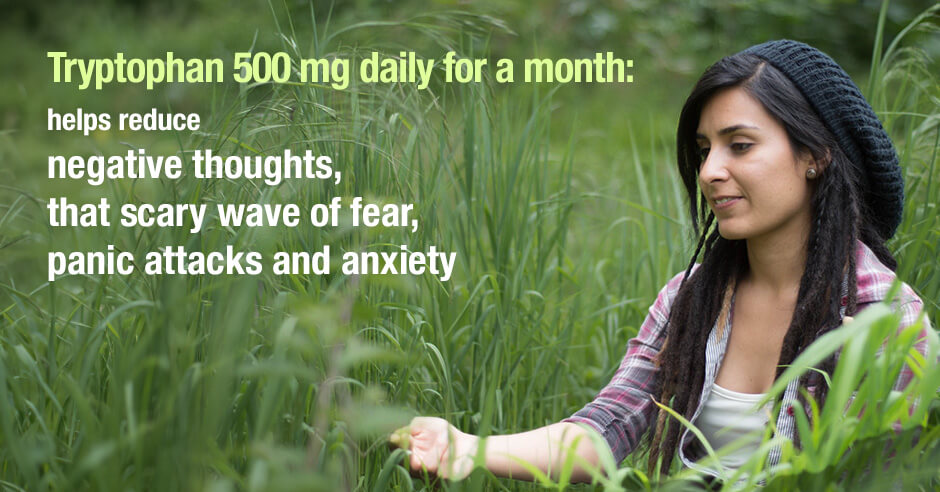
Tryptophan 500 mg daily for a month: helps reduce negative thoughts, that scary wave of fear, panic attacks and anxiety

December 22, 2023 By Trudy Scott 32 Comments

tryptophan 500mg

Sylvie learned about my work after hearing me speak about nutritional solutions for anxiety on a summit. I discussed the use of tryptophan for low serotonin type of anxiety and panic attacks. She shared how much just 500 mg of tryptophan helps her and asks about using pharmaGABA too. In this blog I share my insights on next steps for someone in her shoes: using more tryptophan and/or more GABA and/or another GABA product. I also suggest that she reconsiders her vegetarian diet which can definitely play a role in low serotonin and some of the other neurotransmitters. Here is her wonderful feedback about tryptophan and her question in her own words:

I’ve been dealing with anxiety and panic attacks for a while. I am a vegetarian and really have no apparent reason why to have these two ghosts (anxiety and panic attacks) stealing the show in my present life. I don’t have anything causing intense stress or trauma and I take good care of myself. I went to see a Ph.D. in Psychotherapy and she couldn’t help me much, then I heard you talking about Tryptophan.

I got it the next day and I have been taking 1 x 500 mg at night daily, for about a month now. I have had almost no negative thoughts and that scary wave of fear in my body. Ok, maybe a couple of times, but really, very minimum. I was having a panic attack about once a week, ever since I took Lidtke Tryptophan so far I think I wanted to have a couple of them in the whole month, but they came very mildly and they disappeared.

May I take advantage and ask a question? When I felt I was going to have a panic attack I tried a 100mg of Pharmagaba that I found at Whole Foods, but I don’t think it did much for me. I know you recommend the GABA Calm, but I’ve suffered from migraines in the past, and I am afraid that the tyrosine will trigger one (one of my triggers for panic/anxiety are migraines), so what other brand/amount could I take that does not have tyrosine?

I don’t take any medications and am very healthy (had a yearly check up with complete lab work done in January), so the minimum dose of Tryptophan seems to be working well for me. THANK YOU SO MUCH for sharing this information. I now understand the power of nutrition in our brain’s health, thanks to your book, etc…

Use what is already working and increase to find the ideal dose

It’s wonderful to hear how just 500 mg tryptophan once a day had such an impact on her and I appreciate her for sharing this on the blog so I can share here.

When I’m working with a client we always use what is already working well – in this case it’s tryptophan – and increase it to see if we can find the ideal dose and alleviate all the low serotonin symptoms.

Her negative thoughts and the scary wave of fear have been dramatically reduced but do happen from time to time. By increasing tryptophan she may well be able to completely eliminate them.

Panic attacks are a classic sign of low serotonin and with this amount of tryptophan they have decreased from once a week to a mild version once a month. This is another clue that tryptophan is helping and that it’s worth considering an increase. I would start with this before adding in pharmaGABA or another GABA product (but more on that below).

I would also review the list of low serotonin symptoms (you can find these here) and rate what else may still be causing any issues – like insomnia, PMS, anger, afternoon sugar cravings etc.

As far as increasing tryptophan a few options could be considered:

  • 500 mg tryptophan mid-afternoon and 500 mg tryptophan at night OR
  • 2 x 500 mg tryptophan at night (this would be a good option if sleep is still not ideal)

Precaution about serotonin syndrome with tryptophan/5-HTP

There are precautions when using certain amino acids and I always review them with all my clients. If they have been prescribed an SSRI I have them discuss the use of tryptophan/5-HTP with their prescribing doctor so they can be monitored for serotonin syndrome. With careful monitoring and doctor approval I feel comfortable having my clients use tryptophan/5-HTP 6 hours away from their one and only SSRI.

If they are using more than one SSRI and/or a combination of psychiatric medications, the use of tryptophan/5-HTP is not advised.

None of the above applied in this situation but it’s important to be aware of.

When to consider GABA and some products to trial

Low GABA can also be a factor when it comes to anxiety and panic attacks. But it’s best to get a good baseline of serotonin support before adding a new amino acid like GABA.

I would also review the list of low GABA symptoms (you can find these here) and rate which ones may still be causing issues – like how severe her physical anxiety/tension is when she has a panic attack, if she eats more sugar/drinks more alcohol when stressed and has low GABA tension-type of insomnia.

Tyrosine is a precaution with migraines so it was wise not to use GABA Calm but the pharmaGABA dose she used may not have been high enough. It’s worth increasing the dose to see if that helps before adding a different GABA product. A GABA only product like NOW GABA powder or a liposomal GABA/theanine product would be something to consider if the pharmaGABA doesn’t help. I shared a link to many of the GABA products that I use and recommend

The role of a vegetarian diet in low serotonin

I also suggest that Sylvie reconsiders her vegetarian diet which can definitely play a role in low serotonin and some of the other neurotransmitters.

She does share that she is surprised about the anxiety and panic attacks but it’s not really surprising to me because it’s a fact that you can become nutrient depleted on a vegetarian diet: low iron, low vitamin B12, low omega-3s and low vitamin D, as well as low intake of amino acids are common. All of the above are needed to make serotonin and other neurotransmitters.

She says “I now understand the power of nutrition in our brain’s health, thanks to your book.” I do address the issue with vegetarianism in my book so hopefully she is open to considering some changes.

Here are a few blog posts to illustrate the power of eating real whole food that does include quality animal protein:

  • Paleo and grain free diets: anxiety and depression success stories
  • A lifetime of horrible and bizarre intrusive thoughts eliminated by a low carb/high fat diet (not as strict as keto) – a case study and research

If she doesn’t make changes to her diet it’s possible she may need to use tryptophan and/or GABA long term.

Tryptophan and 5-HTP product options

Sylvie happens to respond well to tryptophan and yet some folks do better with 5-HTP so it’s a matter of doing a trial of each.

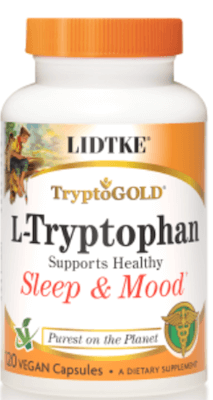
lydke l-tryptophan
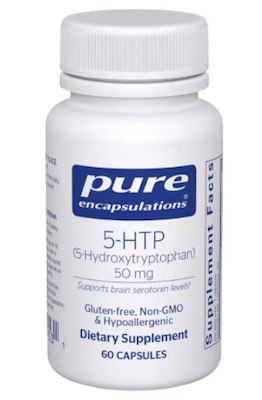
pure 5htp

Products I recommend include Lidtke 500 mg Tryptophan, and Pure Encapsulations 50 mg 5-HTP.  You can purchase these from my online store (Fullscript – only available to US customers – use this link to set up an account).

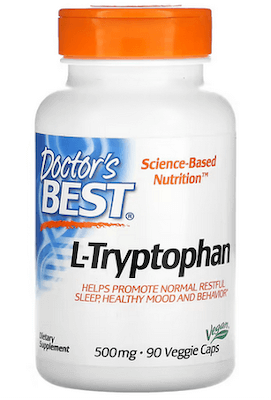
nature's best l-tryptophan
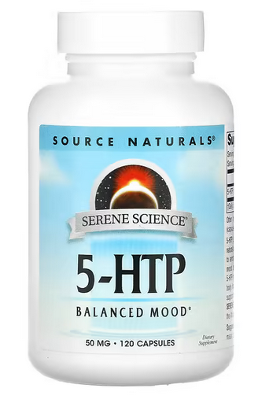
source natural 5-htp

If you’re not in the US, Doctor’s Best L-Tryptophan 500mg and Source Naturals 50 mg 5-HTP  are products I recommend on iherb (use this link to save 5%).

Additional resources when you are new to using tryptophan, GABA and the other amino acids as supplements

We use the symptoms questionnaire to figure out if low serotonin or low GABA may be an issue for you.

If you suspect low levels of any of the neurotransmitters and do not yet have my book, The Antianxiety Food Solution – How the Foods You Eat Can Help You Calm Your Anxious Mind, Improve Your Mood, and End Cravings, I highly recommend getting it and reading it before jumping in and using amino acids on your own so you are knowledgeable. And be sure to share it with the practitioner/health team you or your loved one is working with.

There is an entire chapter on the amino acids and they are discussed throughout the book in the sections on gut health, gluten, blood sugar control, sugar cravings, anxiety and mood issues.

The book doesn’t include product names (per the publisher’s request) so this blog, The Antianxiety Food Solution Amino Acid and Pyroluria Supplements, lists the amino acids that I use with my individual clients and those in my group programs. You can find them all – including the Lidtke Tryptophan 500 mg and some of the GABA products mentioned above – in my online store.

If, after reading this blog and my book, you don’t feel comfortable figuring things out on your own (i.e. doing the symptoms questionnaire and respective amino acids trials), a good place to get help is the GABA QuickStart Program (if you have low GABA symptoms too). This is a paid online/virtual group program where you get my guidance and community support.

If you are a practitioner, join us in The Balancing Neurotransmitters: the Fundamentals program. This is also a paid online/virtual program with an opportunity to interact with me and other practitioners who are also using the amino acids.

Have you had success using tryptophan and/or GABA for your anxiety, panic attacks, negative thoughts and scary waves of fear?  If yes, how much helps? Did you start low and then increase?

If you’re a practitioner do you have success using tryptophan and GABA this way with your clients/patients?

Feel free to share and ask your questions below.
Filed Under: Anxiety, Fear, GABA, Tryptophan, Women's health Tagged With: anxiety, fear, GABA, migraine; GABA Quickstart; Balancing Neurotransmitters: the Fundamentals program for practitioners, negative thoughts, neurotransmitters, panic attacks, pharmaGABA, serotonin, tryptophan, tyrosine, vegetarian diet, wave of fear

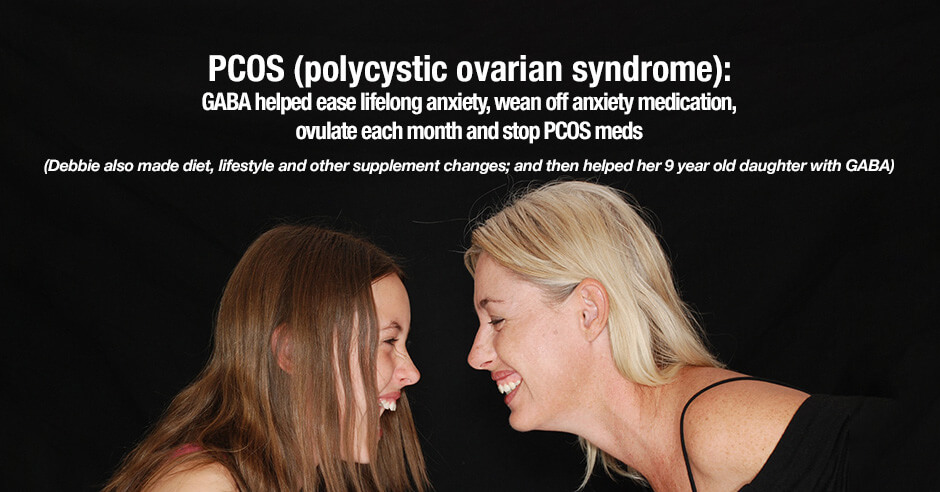
PCOS (polycystic ovarian syndrome): GABA helped ease lifelong anxiety, wean off anxiety medication, ovulate each month and stop PCOS meds

May 19, 2023 By Trudy Scott 19 Comments

PCOS and GABA

I was diagnosed with PCOS (polycystic ovarian syndrome) when I was 27. (I’m currently 43 now). When diagnosed they immediately put me on birth control and metformin.

I also eventually went on anti-anxiety medication. I’ve been anxious my whole life, even as a kid, but my anxiety increased through my late 20s and peaked in my late 30s when panic attacks started taking over, even with anti-anxiety medication(Lexapro). It was debilitating.

I first heard about GABA/amino acids and how they can help with anxiety from a podcast you did with Wellness Mama about 3 years ago. I started to wean off my anxiety medication and I started taking GABA and noticed a huge difference [in my anxiety].

I eventually got off birth control and all medication for my PCOS and started regulating my cycle with diet, lifestyle changes and supplements, all while still taking GABA. Now I ovulate every month! Which I could never do on my own before.

Debbie shared this wonderful feedback on this blog: GABA eases anxiety and is protective against metabolic and reproductive disturbances in polycystic ovarian syndrome (PCOS)?

I love that GABA helped her so much with her anxiety and allowed her to get off her anxiety meds. And that GABA helped her resolve her PCOS, together with making diet, lifestyle changes and using other supplements too.

As you can read on the above blog, the study reports some very specific benefits of GABA being protective against metabolic and reproductive disturbances in PCOS. It’s an animal study but the results are profound: “the effects observed with GABA were comparable to that with metformin” with none of the side-effects (which can actually include anxiety, a racing heart, shakiness and depression).

If you’re new to PCOS, I share this in the above blog:

Research suggests that 5% to 10% of females 18 to 44 years of age are affected by PCOS, making it the most common endocrine abnormality among women of reproductive age in the U.S. Women seeking help from health care professionals to resolve issues of obesity, acne, amenorrhea, excessive hair growth, and infertility often receive a diagnosis of PCOS.

If you’re interested, here is the podcast where Debbie first learned about GABA – 105: Trudy Scott on How to Beat Anxiety & Resolve Panic Attacks

I commend her for taking control and making changes and then for seeking answers when her panic attacks returned.

Debbie started having panic attacks again – this time it was collagen causing low serotonin

Then about three and a half years ago, Debbie started having panic attacks again out of nowhere! She was very surprised and shared this:

I couldn’t understand why [I started having panic attacks again]. I wasn’t stressed. One attack even landed me in the ER (again). I was disappointed to be on this road again. Then I came across your interview talking about collagen and how it can lower your serotonin. I also have the MTHFR gene variant so I run low on serotonin already. I had started taking some collagen supplements not knowing that it was probably setting me into a panic attack mode.

As soon as I stopped taking collagen (and switched all my supplements that were in gelatin caps to veggie caps) I never had another episode again. Or if I felt one coming on, I know now to take Tryptophan to help counteract it.

Here is the interview she is referring to – Collagen Can Cause Anxiety and Insomnia with Trudy Scott: The Anxiety Summit 5

And here is the blog where I first wrote about this topic – Collagen and gelatin lower serotonin: does this increase your anxiety and depression?

Debbie mentions the MTHFR polymorphism and it’s impact on serotonin but another aspect is a predisposition to low serotonin in PCOS. This review paper, Neuroendocrine Determinants of Polycystic Ovary Syndrome, states that “different neurotransmitters (gamma-aminobutyric acid (GABA), glutamate, serotonin, dopamine, and acetylcholine) can also be involved in neuroendocrine etiopathogenesis [i.e. cause and development] of PCOS.” 

As you’ll read in the latter collagen blog, collagen affects a subset of susceptible individuals in this way. We can now add PCOS to that list.

Different root causes of anxiety (low GABA and then low serotonin) and different solutions

Debbie’s story illustrates that things can change and we need to figure out the root cause and course-correct if anxiety and panic attacks show up again. Earlier on, her anxiety and panic attacks were caused by low GABA, which also contributed to her PCOS symptoms.

Then later, the addition of collagen lowered her serotonin levels, because as someone with PCOS she was susceptible. What helped her was stopping the collagen and using tryptophan as needed. This was smart of her to connect the dots with her panic attacks and collagen, and use tryptophan as needed.

I will add that another option would have been to continue using collagen and use tryptophan at the same time. I’m also not sure how big an impact gelatin capsules would have been but switching them clearly gave her peace of mind.

Debbie’s oldest daughter asks for GABA, her “happy pills”

She also shared this lovely feedback when she commented on the blog:

My oldest daughter who is 9 has been showing early signs of developing PCOS and other of my issues. When her mood started changing and she was getting angry out of nowhere and very dark and moody, I started her on a small dose of GABA. Immediately both of us saw the difference in her mood. She now asks for her “happy pills” daily because she doesn’t want to feel those dark feelings anymore. I wish this information was around when I was young. It could’ve helped so much of what I had to struggle with for years.

What an amazing healing journey Debbie has had and she gets to help her daughter too!

She thanked Katie Wells and myself saying: “I want to thank you so much for both of those podcasts/interviews that I feel literally helped save my life.”

I never get tired of hearing this and thanked her for the kind words. I also appreciate her for sharing her wonderful results and said I’d share it as a blog post so you get to learn, be inspired and have hope.

And finally, all this illustrates that there is no one-size-fits-all and we often get unexpected side-benefits when using amino acids.

Resources if you are new to using amino acids as supplements

If you are new to using amino acids as supplements, here is the Amino Acids Mood Questionnaire from The Antianxiety Food Solution (you can see all the symptoms of neurotransmitter imbalances, including low GABA, low serotonin and low endorphins).

If you suspect low levels of any of the neurotransmitters and do not yet have my book, The Antianxiety Food Solution – How the Foods You Eat Can Help You Calm Your Anxious Mind, Improve Your Mood, and End Cravings, I highly recommend getting it and reading it before jumping in and using amino acids on your own so you are knowledgeable. And be sure to share it with the practitioner/health team you or your loved one is working with.

There is an entire chapter on the amino acids and they are discussed throughout the book in the sections on gut health, gluten, blood sugar control, sugar cravings, anxiety and mood issues.

The book doesn’t include product names (per the publisher’s request) so this blog, The Antianxiety Food Solution Amino Acid and Pyroluria Supplements, lists the amino acids that I use with my individual clients and those in my group programs. You can find them all in my online store.

If, after reading this blog and my book, you don’t feel comfortable figuring things out on your own (i.e. doing the symptoms questionnaire and respective amino acids trials), a good place to get help is the GABA QuickStart Program (if you have low GABA symptoms too). This is a paid online/virtual group program where you get my guidance and community support.

If you are a practitioner, join us in The Balancing Neurotransmitters: the Fundamentals program. This is also a paid online/virtual program with an opportunity to interact with me and other practitioners who are also using the amino acids.

Do you have PCOS and has GABA helped you or your loved one in any of these ways – easing anxiety and being able to quit anxiety meds, birth control and PCOS medications?

What other approaches have helped your PCOS?

Has collagen lowered your serotonin and does tryptophan or 5-HTP help?

What about low GABA and dark moods/anger – has GABA helped you or a loved one?

If you have questions and other feedback please share it here too.

Filed Under: Anxiety, GABA, PCOS, Women's health Tagged With: amino acids, anger, anxiety, anxiety medication, anxious, birth control, collagen serotonin, dark mood, diet, GABA, lifestyle, metabolic, metformin, ovulate, panic attacks, PCOS, polycystic ovarian syndrome, reproductive, tryptophan, “happy pills”; the GABA Quickstart online program; and Balancing Neurotransmitters: the Fundamentals program for practitioners

GABA and Silexan (an oral lavender product) for anxiety, panic attacks, agoraphobia, insomnia and stressful events like travel/social events

February 24, 2023 By Trudy Scott 29 Comments

gaba and silexan

When sharing a study on the benefits of Silexan, a proprietary formulation of oral lavender essential oil (used as a supplement), I received this feedback from Kat. She uses both Silexan and GABA with success, depending on the situation:

I used Silexan (CalmAid) here in the USA, for 7 weeks and had wonderful results!!

I was having daily constant panic attacks… agoraphobia and insomnia. They put me on several SSRIs to which I had severe reactions to. The Silexan saved me! I was able to get my life back. I used it nightly and it helped tremendously with sleep and anxiety. I heard about it through The Carlat Report Psych podcast and website after a desperate search to find something to help.

It’s a product that I highly recommend to everyone I know who suffers with anxiety. I now use it only as needed. There are no side effects except a perfume burp but that’s tolerable for me! It can be stopped without any withdrawal effects.

And this is how she responded when I asked if she had previously done a trial of GABA or tryptophan and how Silexan compared to the amino acids.

I use the GABA during times where the panic is increasing (GABA Calm 1/2 tablet, sublingually).

I use the Silexan when I have something stressful planned like travel, social events etc. Silexan works so well without any side effects and can be stopped without any withdrawal effects.

The GABA is an immediate effect vs the Silexan which is slower acting but lasts throughout the day.

What wonderful results for Kat. I thanked her for sharing and voiced my concern with CalmAid and some of the other products that contain Silexan: they contain canola oil. I just wish they stopped making this with canola oil! I share more about this below and another product option that doesn’t use canola oil.

GABA or Silexan? Kat’s sweet spot, serotonin and pyroluria

If you’re wondering where you should start – GABA or Silexan? If you’ve been following my work or even starting to use GABA, you’ll know I always start clients with GABA when they have low GABA symptoms of physical anxiety and tension.

I agree with Kat – it’s very typical for GABA to provide immediate results. I did also share with her that in order to get longer lasting effects GABA does need to be used 3-4 x day, between meals. This means that, for her, GABA may offer similar results to Silexan by slowly building up her GABA levels.

However, Kat has found the sweet spot she needs by using this combination so I would stick with this approach.

If she did decide to stop using Silexan in the future, tryptophan may be needed too – for low serotonin worry-type anxiety symptoms. She did mention that she doesn’t currently use tryptophan and Silexan also affects serotonin levels.  

I do love that Kat plans for stressful events and uses Silexan in these situations. She does mention needing it for social events so I’d suggest looking into pyroluria too. More here on this social anxiety condition and how zinc, vitamin B6 and other key nutrients can help.

Kat’s dietary changes, no caffeine, no sugar and cravings?

I also asked if she has also made dietary changes and quit caffeine, alcohol and sugar. Kat shared that she doesn’t drink any caffeine and hasn’t since 2015. Good for her – caffeine is a major anxiety trigger. She does recognize that her anxiety gets worse when she’s eating a lot of processed foods/gluten/dairy/soy and she limits these.

I said it’s best to avoid these trigger foods altogether. This is often easier said than done! The amino acids help so much to break the addiction and eliminate the need to use willpower: GABA for stress-eating, tryptophan or 5-HTP if her cravings happen mostly in the afternoon and evening, and DPA if comfort foods are her reward. More on the amino acids and cravings here.

I thanked Kat for sharing her wonderful results and asked for permission to share as a blog.  I always appreciate being able to do this so I can continue to educate and inspire. This also shows how there is no-one size fits all.

Silexan research on anxiety and insomnia

This is the study I shared on Facebook – Prescription of Silexan Is Associated with Less Frequent General Practitioner Repeat Consultations Due to Disturbed Sleep Compared to Benzodiazepine Receptor Agonists: A Retrospective Database Analysis

The prescription of Silexan to adult patients consulting general practitioners (GPs) for disturbed sleep results in less frequent repeat consultations than Z-drugs (including zolpidem, zopiclone, and zaleplon).

This may support Silexan’s role as an efficacious, self-enabling, well-tolerated, and sustained treatment option.

Because Silexan is a proven anxiolytic, its impact in improving undiagnosed anxiety disorders may have had a lasting effect for certain patients.

As explained in this same paper, “Silexan is an active substance with an essential oil produced from Lavandula angustifolia flowers.” It’s a proprietary lavender oil that complies with and exceeds the European Pharmacopoeia quality definition for the monograph lavender oil. “Several studies have shown positive effects of Silexan on symptoms of subsyndromal/mild anxiety or GAD [generalized anxiety disorder] compared to conventional treatment or placebo groups.”

Silexan and other oral lavender products

The proprietary product of Silexan, with 80mg of Lavandula angustifolia essential oil, is found in a number of products:

  • Nature’s Way CalmAid ® (this is the product Kat used/uses)
  • Integrative Therapeutics Lavela ™
  • Seremind ® (in Australia)

This supplement, NFH Lavender SAP, does not use the proprietary Silexan but does contain 80mg of organic lavender (Lavandula angustifolia) essential oil. This product is my preference since it contains olive oil and not canola oil like the others mentioned above.

All of the above are available in my online supplement store (for US purchases only). Nature’s Way CalmAid ® is also available on iherb.

Dosing recommendations for adults is 1 softgel once or twice daily with a full glass of water. There is a caution not to use while pregnant, nursing, or for children under 12 years of age.

GABA for anxiety, insomnia, sugar cravings, sensorimotor skills and immunity

I share case studies and research about GABA all the time so I’ll just share links to some of the past GABA blogs in case you’re new to GABA (a calming amino acid and neurotransmitter):

  • GABA for ending sugar cravings (and anxiety and insomnia)
  • GABA is a life saver for anxiety, theanine helps at night (insomnia) and 5-HTP makes a significant difference in lessening daily pain
  • GABA and theanine for easing anxiety, improving sleep and supporting immunity
  • Half a crushed GABA Calm for my autistic child: sleep, anxiety and sensorimotor skills (writing, horse riding and swimming) improve

Resources if you are new to using GABA and other amino acids as supplements

If you are new to using GABA or any of the other amino acids as supplements, here is the Amino Acids Mood Questionnaire from The Antianxiety Food Solution (you can see all the symptoms of neurotransmitter imbalances, including low GABA and low serotonin).

If you suspect low levels of any of the neurotransmitters and do not yet have my book, The Antianxiety Food Solution – How the Foods You Eat Can Help You Calm Your Anxious Mind, Improve Your Mood, and End Cravings, I highly recommend getting it and reading it before jumping in and using amino acids on your own so you are knowledgeable. And be sure to share it with the practitioner/health team you or your loved one is working with.

There is an entire chapter on the amino acids and they are discussed throughout the book in the sections on gut health, gluten, blood sugar control, sugar cravings, self-medicating with alcohol and more.

The book doesn’t include product names (per the publisher’s request) so this blog, The Antianxiety Food Solution Amino Acid and Pyroluria Supplements, lists the amino acids that I use with my individual clients and those in my group programs. You can find them all in my online store. The above oral lavender products are available in my online store too.

If, after reading this blog and my book, you don’t feel comfortable figuring things out on your own (i.e. doing the symptoms questionnaire and respective amino acids trials), a good place to get help is the GABA QuickStart Program (if you have low GABA symptoms). This is a paid online/virtual group program where you get my guidance and community support.

If you are a practitioner, join us in The Balancing Neurotransmitters: the Fundamentals program. This is also a paid online/virtual program with an opportunity to interact with me and other practitioners who are also using the amino acids.

Have you found that an oral lavender product such as Silexan (used as a supplement) helps with your anxiety, panic attacks and/or sleep?

Have you used the NFH Lavender SAP product with similar success to other Silexan products?

Do you also use the amino acid GABA (sublingually) and in what situations do you use GABA vs oral lavender?

How much of each do you use?

If you have other questions and feedback please share them here too.

Filed Under: Anxiety, GABA, Insomnia Tagged With: Agoraphobia, anxiety, essential oil supplement, GABA, GABA Calm, lavender, Nature’s Way CalmAid, NFH Lavender SAP, oral lavender, panic attacks, pyroluria, resources if you are new to the amino acids; the GABA Quickstart online program; and Balancing Neurotransmitters: the Fundamentals program for practitioners, serotonin, Silexan, sleep, social events, stressful events, sugar cravings, travel

My 6 year old was having panic attacks getting out of the car for Kindergarten: GABA has completely relieved him of his fears

January 27, 2023 By Trudy Scott 12 Comments

gaba for fears

My 6 year old son was having panic attacks getting out of the car going to Kindergarten and taking two GABA Calm has completely relieved him of his fears. He has been going for 3 straight weeks in a row.

I thought it may be low serotonin since this happened last winter as well but I gave him 5-HTP for a couple months and it didn’t seem to affect him and his anxiety. We had to have him repeat Kinder this year.

But wow, the GABA has been fabulous and Kindergarten is in full swing because of your help.

This is from Lisa, a mom in the community. I never get tired of getting feedback like this – how wonderful for this young boy and his family. She shared this very positive outcome on one of the GABA blogs, asking this question (which I address below):

Quick question…does the GABA have to be taken on an empty stomach to work? We try to give it as soon as he is awake and wait to eat for 15-20 mins but sometimes it’s not possible.

The timing of GABA and tracking symptoms

I share that GABA is best taken on an empty stomach and ideally 30 minutes away from protein-containing food. But I also say that the way she is having him use it is clearly working for him. In a situation like this it’s simple enough to track the outcome on days they do wait 15-20 mins and on days when it’s not possible to wait the 15-20 mins (and make a note of how close to food he does take GABA). How is his anxiety, fears and panic attacks in these two situations?

Lisa shared that GABA works well in both instances:

We will keep doing the no food for 15-20 minutes after taking it because it is obviously working. We’ve only had it happen where he eats after about 5 mins and it seems to still do the job.

This sounds like a great plan. If they can, I would also do a trial waiting the full 30 minutes and see how he does on those days. She may find with the longer duration he only needs one GABA Calm.

It may also be that because GABA is being used in a sublingual manner like this, it can be used closer to food. Perhaps a trial right after food is worthwhile. I’m sure it will reduce some of the early morning stress and rush getting ready for Kindergarten.

I also confirmed with her that he is using the Source Naturals GABA Calm product. This is the sublingual product (with just 125mg of GABA and a few other ingredients) that I have so much success with. You can read more about it here – Source Naturals GABA Calm™: Why I recommend it for anxiety.

The school is in shock at how well carpooling is going for him

I love that the school is now in shock and that this mom went with her instinct and pulled him out of school the first year his fears showed up:

We just got a call from the school today and they are in shock at how well carpooling is going for him. They wanted to know what I was doing, ha! He had been a star student so they were shocked when he started to have meltdowns and panic attacks, running away and into traffic about 3 months into school. We deal with a bit of ADHD at home (it’s manageable with the diet) but anxiety is what most see on the outside.

We are repeating Kindergarten because half way through last year he started to panic getting out of the car. The previous school wanted to grab him out of the car and have me drive off. They said he would calm down better without me. What? Just what I want to do is traumatize my child at the start of his academic life. I pulled him and we waited since he was on the younger side and put him in a fabulous charter school this year.

The GABA has taken all those fears out and has been a huge bridge for him to get to school.

I do hope Lisa told the school exactly what he’s doing with GABA and how quickly it’s helped him. So many children are struggling with anxiety and mental health issues and could do with nutritional support like GABA and some of the dietary changes he had made before using GABA (more on that below).

5-HTP didn’t help and why a switch to tryptophan may have helped

You’ll notice she mentioned that 5-HTP had not helped the previous year:

I thought it may be low serotonin since this happened last winter as well but I gave him 5-HTP for a couple months and it didn’t seem to affect him and his anxiety.

Fear and panic attacks are common with low serotonin so it’s good that she did a trial of 5-HTP. Here are some of my insights:

  • I would not have someone use 5-HTP for a couple of months – the amino acids work quickly so a week or possibly two should be enough to decide whether to continue or stop
  • You always want to increase until you find the ideal dose. I’m not sure how Lisa approached this aspect.
  • When there are low serotonin symptoms and 5-HTP doesn’t work, we switch to tryptophan. 5-HTP works well for some and tryptophan works better for others. You can see all the low serotonin symptoms here

It’s possible her son may still benefit from additional serotonin support. Or it may be that the GABA is all he needs. With ADHD it may be worth investigating tyrosine too.

Dietary changes: gluten, dairy, phenols and high histamine foods

It’s important to always address the foundational diet so I checked with Lisa about dietary changes. This is key to not needing long-term GABA supplementation (once other causes of low GABA are addressed – such as Lyme disease, phthalates, aspartame, gut health etc). She shared this about his diet:

He has always been gluten free and dairy free (only goats milk as a baby). We follow the Feingold Diet and try to stay away from high histamine foods as it causes his anger and anxiety to be worse.

It’s great she has made these foundational dietary changes with gluten and dairy – both can exacerbate mood issues. The Feingold diet eliminates phenols. Both phenols and high histamine foods can be problematic for many children too, as she reports.

All these dietary factors are so key but even then additional neurotransmitter support is often needed and in this instance it’s GABA that he clearly needs. Because of his issue with histamines it’s possible he may not have tolerated pharmaGABA (a fermented GABA) so GABA Calm was a good first choice for the initial trial.

Pyroluria testing – why I often don’t use this urine test

I know he has some imbalances so we need to do an OAT test and pyroluria test (I have pyroluria so I know he is bound to have it). Money is the issue at the moment so the GABA chewables have been a true lifesaver. I can’t thank you enough!

I let her know that I don’t often have clients do the urine test for pyroluria because of the false negatives. He’s doing really well but children with pyroluria are really good at masking and pushing through (and so are adults, as I’m sure Lisa already knows). The pyroluria protocol (zinc, vitamin B6 and evening primrose oil) provide raw materials for neurotransmitter production and can help with ADHD symptoms too. We simply do a trial of the protocol when symptoms exist and determine if they are helping.

I love her comment: “the GABA chewables have been a true lifesaver.” This and the outcome for this 6 year old is the reason I love the amino acids.  They offer incredible results and relief from anxiety, fears and panic attacks, while you are working through testing (like the OAT and others) and other contributing root causes.

I said her feedback is really inspiring and I’d love to share it as a blog post for other families. She kindly responded with this:

You can definitely write up a blog post about it. If I can help other families going through the same thing it was all worth it. If you have any other questions don’t hesitate to ask. Thank you again for sharing all your knowledge.

I appreciate her willingness to post their success and her permission to share as a blog post.

Resources if you are new to using GABA and other amino acids as supplements

If you are new to using GABA or any of the other amino acids as supplements, here is the Amino Acids Mood Questionnaire from The Antianxiety Food Solution (you can see all the symptoms of neurotransmitter imbalances, including low GABA and low serotonin).

If you suspect low levels of any of the neurotransmitters and do not yet have my book, The Antianxiety Food Solution – How the Foods You Eat Can Help You Calm Your Anxious Mind, Improve Your Mood, and End Cravings, I highly recommend getting it and reading it before jumping in and using amino acids on your own so you are knowledgeable. And be sure to share it with the practitioner/health team you or your loved one is working with.

There is an entire chapter on the amino acids and they are discussed throughout the book in the sections on gut health, gluten, blood sugar control, sugar cravings, self-medicating with alcohol and more.

The book doesn’t include product names (per the publisher’s request) so this blog, The Antianxiety Food Solution Amino Acid and Pyroluria Supplements, lists the amino acids that I use with my individual clients and those in my group programs. You can find them all in my online store.

If, after reading this blog and my book, you don’t feel comfortable figuring things out on your own (i.e. doing the symptoms questionnaire and respective amino acids trials), a good place to get help is the GABA QuickStart Program (if you have low GABA symptoms). This is a paid online/virtual group program where you get my guidance and community support.

If you are a practitioner, join us in The Balancing Neurotransmitters: the Fundamentals program. This is also a paid online/virtual program with an opportunity to interact with me and other practitioners who are also using the amino acids.

Have one of your children experienced similar results with GABA offering relief for anxiety, fears and panic attacks? Which GABA product helped your child and how much helped?

When using sublingual or chewable GABA products like GABA Calm, have you found the timing in relation to foods being important?

What dietary changes has your child also made and how have they helped?

If you have questions and feedback please share them here too.

Filed Under: Anxiety, Children/Teens, GABA Tagged With: 5-HTP, 6 year old, amino acids, anxiety, Balancing Neurotransmitters: the Fundamentals program, dietary changes, empty stomach, fears, GABA, GABA Calm, GABA Quickstart online program, Kindergarten, panic attacks, practitioners, pyroluria, school, serotonin, Timing, tracking, tryptophan

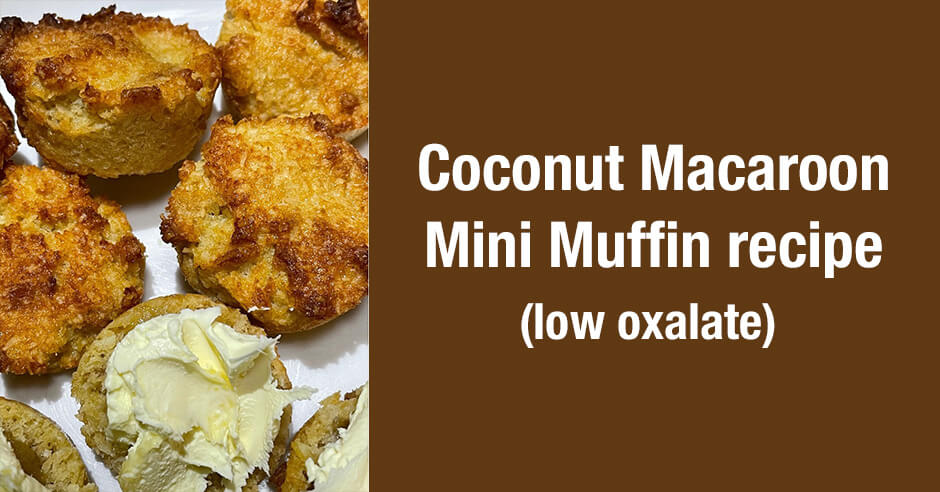
Coconut Macaroon Mini Muffin recipe (low oxalate)

January 20, 2023 By Trudy Scott 18 Comments

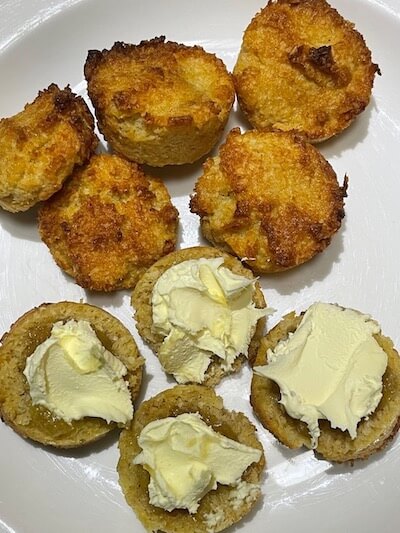
coconut macaroon mini muffin

If you have dietary oxalate issues (pain, anxiety, insomnia, restless legs, hearing loss, eye issues, unresolved thyroid issues, bladder issues and more) and yet really miss the occasional muffin this Coconut Macaroon Mini Muffin recipe is a delicious low oxalate option. I see way too many so-called healthy gluten-free recipes that use almond flour and it’s concerning given that almonds are high oxalate foods. If you’re new to the dietary oxalate issues you can read more about this below. I’m finding it to be underappreciated as an issue especially in menopausal women when symptoms seem to be more severe in susceptible individuals. I have also found that using almond flour in baking affects your zinc/copper balance, increasing copper and hence causing more anxiety and even panic attacks.

If you don’t have dietary oxalate issues, you can certainly enjoy this recipe too. The addition of flaked coconut does make it similar to macaroons.

Coconut Macaroon Mini Muffin recipe (a low oxalate option)

Ingredients

1/2 cup melted butter
1/2 cup coconut sugar
4 eggs
1/2 teaspoon vanilla
1/2 cup sifted coconut flour
2 cups coconut flakes

Method

Melt the butter over low heat and add the coconut sugar. Once it’s cooled add the eggs and vanilla. Stir in the coconut flour and coconut flakes.

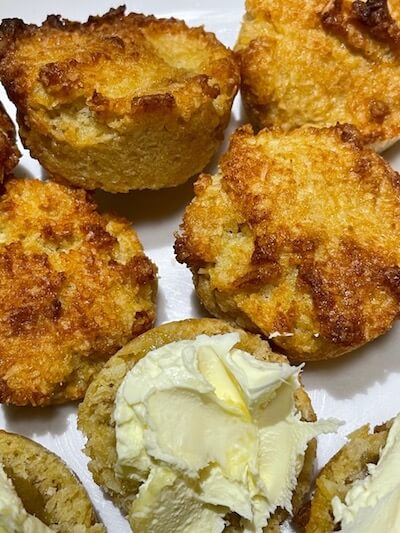
Spoon the mixture into a greased mini muffin pan. Bake at 375 degrees F/ 190 degrees C for 18 – 20 minutes. The muffins don’t rise at all but will start to turn golden brown. Remove and cool on a cooking rack. Makes 12 mini muffins.

Eat warm or when cooled. Serve with butter and/or cream and/or coconut butter. For a little added sweetness a small amount of raw honey can be spread on a muffin too.

coconut macaroon muffins

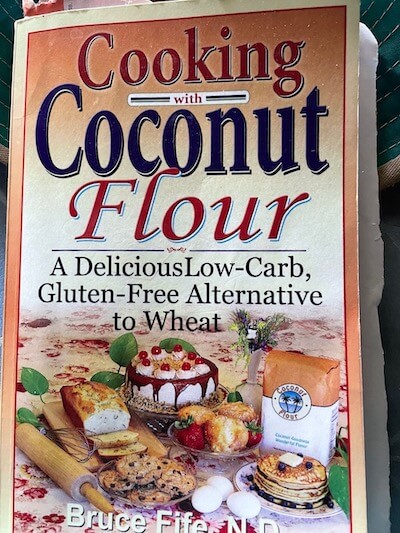
I adapted this recipe from the Coconut Butter Cookies recipe in “Cooking with Coconut Flour” by Bruce Fife ND. I pretty much always do this when I cook – adapt recipes to my needs and likes – and always reduce the sugar. In this instance, I halved the sugar and used coconut sugar.

The original recipe does have a reduced sugar option suggesting using ½ cup of sugar and adding ¼ teaspoon stevia. I’d find this too sweet.

I decided to cook them in mini muffin pans instead of making cookies on a baking tray but you could always try this option. Use the same temperature and cooking time per the original recipe.

They were a little dry (next time I’ll use a little extra butter in the recipe) but eating them with butter and/or cream made them delicious. I tried both – I always like to include some healthy fats. If dairy isn’t tolerated, coconut cream could be substituted. I suspect coconut oil could be substituted for the melted butter but have not tried it.

cooking with coconut flour

Here is “Cooking with Coconut Flour” by Bruce Fife ND. You can find it on Amazon here (my link). I’ve baked a number of recipes from this book and I’m impressed. I really appreciate that it’s all coconut flour recipes with no almond flour or other gluten-free flours used.

It’s ideal to keep baked goods – especially the ones shown on the cover of this book – to a minimum. But for an occasional treat this recipe book is excellent.

If you’re new to dietary oxalates as a possible issue

This blog post is a helpful one to start with if you’re new to dietary oxalates and the issues they can cause: Oxalate crystal disease, dietary oxalates and pain: the research & questions

These are the common medium-oxalate and high-oxalate foods that many folks have problems with: nuts, nut-butters and nut-flour (especially baking with almond flour and something to watch when eating Paleo or GAPS), wheat, chocolate, kiwi fruit (very high – see the raphides image on the above blog), star fruit (also very high), beets, potatoes, sweet potatoes, legumes, raspberries, spinach and soy.

In the above blog post, I share an overview of oxalates, my pain issues with dietary oxalates (severe foot pain and eye pain), and deeper dive into the condition called oxalate crystal disease (with some of my insights and questions).

The big take-aways are that calcium oxalate crystals are sharp and can cause far reaching harm beyond pain – such as unresolved anxiety, thyroid issues, neurological symptoms, eye issues, hearing loss, bladder issues, headaches, fatigue, insomnia, restless legs, autism symptoms and more. You can have issues with dietary oxalates and not have kidney disease/kidney stones, although there is very little research supporting the latter.

You may find these oxalate blogs helpful too:

  • Increased kidney stones in postmenopausal women with lower estradiol levels. What about increased dietary oxalate issues too?
  • Waking in the night due to environmental toxins: impacts on the liver, gallbladder and fat digestion (making oxalate issues worse)
  • Butternut Bake recipe (a low oxalate alternative to Potato Bake)

What dietary oxalates issues have you experienced and has a low oxalate diet helped you?

Do let us know if you make this recipe and enjoy it.

Feel free to share a favorite recipe of something you’ve adapted to be low or even medium oxalate.

If you have questions and feedback please share them here too.

Filed Under: Anxiety, Oxalates, Recipes Tagged With: almond flour, anxiety, bladder issues, coconut, coconut flour, Coconut Macaroon Mini Muffin recipe, copper, dietary oxalate issues, eye issues, gluten-free recipes, hearing loss, insomnia, Low oxalate, menopausal, oxalate, pain, panic attacks, restless legs, unresolved thyroid issues, zinc

  • Page 1
  • Page 2
  • Page 3
  • Interim pages omitted …
  • Page 5
  • Go to Next Page »

Primary Sidebar

NEW! GABA QuickStart Homestudy (with special intro pricing)

gaba quickstart homestudy

Free Report

9 Great Questions Women Ask about Food, Mood and their Health

You'll also receive a complimentary subscription to my ezine "Food, Mood and Gal Stuff"


Connect with me

Popular Posts

  • Amino Acids Mood Questionnaire from The Antianxiety Food Solution
  • The Antianxiety Food Solution Amino Acid and Pyroluria Supplements
  • Pyroluria Questionnaire from The Antianxiety Food Solution
  • Collagen and gelatin lower serotonin: does this increase your anxiety and depression?
  • Tryptophan for the worry-in-your-head and ruminating type of anxiety
  • GABA for the physical-tension and stiff-and-tense-muscles type of anxiety
  • The Antianxiety Food Solution by Trudy Scott
  • Seriphos Original Formula is back: the best product for anxiety and insomnia caused by high cortisol
  • Am I an anxious introvert because of low zinc and vitamin B6? My response to Huffington Post blog
  • Vagus nerve rehab with GABA, breathing, humming, gargling and key nutrients

Recent Posts

  • What do I use instead of Seriphos to help lower high cortisol that is affecting my sleep and making me anxious at night?
  • BeSerene™ GABA/theanine cream eases severe muscle tension in her neck/shoulders, prevents her bad headaches and quells her anxiety
  • How the correct approach, dose and sublingual use of GABA can be calming and not cause a flushed and itchy face and neck
  • The amino acid glutamine improves low mood by addressing gut health, and it has calming effects too
  • Flight anxiety with heightened breath, physical tension and also fearing the worst (the role of low GABA and low serotonin)

Categories

  • 5-HTP
  • AB575
  • Addiction
  • ADHD
  • Adrenals
  • Alcohol
  • Allergies
  • Alzheimer's disease
  • Amino Acids
  • Anger
  • Antianxiety
  • Antianxiety Food Solution
  • Antidepressants
  • Anxiety
  • Anxiety and panic
  • Autism
  • Autoimmunity
  • benzodiazapines
  • Bipolar disorder
  • Books
  • Caffeine
  • Cancer
  • Candida
  • Children/Teens
  • Collagen
  • Cooking equipment
  • Coronavirus/COVID-19
  • Cravings
  • Depression
  • Detoxification
  • Diabetes
  • Diet
  • DPA/DLPA
  • Drugs
  • EFT/Tapping
  • EMF
  • EMFs
  • Emotional Eating
  • Endorphins
  • Environment
  • Essential oils
  • Events
  • Exercise
  • Fear
  • Fear of public speaking
  • Fertility and Pregnancy
  • Fish
  • Food
  • Food and mood
  • Functional neurology
  • GABA
  • Gene polymorphisms
  • General Health
  • Giving
  • Giving back
  • Glutamine
  • Gluten
  • GMOs
  • Gratitude
  • Gut health
  • Heart health/hypertension
  • Histamine
  • Hormone
  • Hyperparathyroidism
  • Hypoglycemia
  • Immune system
  • Inflammation
  • Insomnia
  • Inspiration
  • Introversion
  • Joy and happiness
  • Ketogenic diet
  • Lithium orotate
  • Looking awesome
  • Lyme disease and co-infections
  • MCAS/histamine
  • Medication
  • Men's health
  • Mental health
  • Mercury
  • Migraine
  • Mold
  • Movie
  • MTHFR
  • Multiple sclerosis
  • Music
  • NANP
  • Nature
  • Nutritional Psychiatry
  • OCD
  • Osteoporosis
  • Oxalates
  • Oxytocin
  • Pain
  • Paleo
  • Parasites
  • Parkinson’s disease
  • PCOS
  • People
  • PMS
  • Postpartum
  • PTSD/Trauma
  • Pyroluria
  • Questionnaires
  • Real whole food
  • Recipes
  • Research
  • Schizophrenia
  • serotonin
  • SIBO
  • Sleep
  • Special diets
  • Sports nutrition
  • Stress
  • Sugar addiction
  • Sugar and mood
  • Supplements
  • Teens
  • Testimonials
  • Testing
  • The Anxiety Summit
  • The Anxiety Summit 2
  • The Anxiety Summit 3
  • The Anxiety Summit 4
  • The Anxiety Summit 5
  • The Anxiety Summit 6
  • Thyroid
  • Thyroid health
  • Toxins
  • Tryptophan
  • Tyrosine
  • Uncategorized
  • Vegan/vegetarian
  • Women's health
  • Yoga

Archives

  • October 2025
  • September 2025
  • August 2025
  • July 2025
  • June 2025
  • May 2025
  • April 2025
  • March 2025
  • February 2025
  • January 2025
  • November 2024
  • October 2024
  • September 2024
  • August 2024
  • July 2024
  • June 2024
  • May 2024
  • April 2024
  • March 2024
  • February 2024
  • January 2024
  • December 2023
  • November 2023
  • October 2023
  • September 2023
  • August 2023
  • July 2023
  • June 2023
  • May 2023
  • April 2023
  • March 2023
  • February 2023
  • January 2023
  • December 2022
  • November 2022
  • October 2022
  • September 2022
  • August 2022
  • July 2022
  • June 2022
  • May 2022
  • April 2022
  • March 2022
  • February 2022
  • January 2022
  • December 2021
  • November 2021
  • October 2021
  • September 2021
  • August 2021
  • July 2021
  • June 2021
  • May 2021
  • April 2021
  • March 2021
  • February 2021
  • January 2021
  • December 2020
  • November 2020
  • October 2020
  • September 2020
  • August 2020
  • July 2020
  • June 2020
  • May 2020
  • April 2020
  • March 2020
  • February 2020
  • January 2020
  • December 2019
  • November 2019
  • October 2019
  • September 2019
  • August 2019
  • July 2019
  • June 2019
  • May 2019
  • April 2019
  • March 2019
  • February 2019
  • January 2019
  • December 2018
  • November 2018
  • October 2018
  • September 2018
  • August 2018
  • July 2018
  • June 2018
  • May 2018
  • April 2018
  • March 2018
  • February 2018
  • January 2018
  • December 2017
  • November 2017
  • October 2017
  • September 2017
  • August 2017
  • July 2017
  • June 2017
  • May 2017
  • April 2017
  • March 2017
  • February 2017
  • January 2017
  • December 2016
  • November 2016
  • October 2016
  • September 2016
  • August 2016
  • July 2016
  • June 2016
  • May 2016
  • April 2016
  • March 2016
  • February 2016
  • January 2016
  • December 2015
  • November 2015
  • October 2015
  • September 2015
  • August 2015
  • July 2015
  • June 2015
  • May 2015
  • April 2015
  • March 2015
  • February 2015
  • January 2015
  • December 2014
  • November 2014
  • October 2014
  • September 2014
  • August 2014
  • July 2014
  • June 2014
  • May 2014
  • April 2014
  • March 2014
  • February 2014
  • January 2014
  • December 2013
  • November 2013
  • October 2013
  • September 2013
  • August 2013
  • July 2013
  • June 2013
  • May 2013
  • April 2013
  • March 2013
  • February 2013
  • January 2013
  • December 2012
  • November 2012
  • October 2012
  • August 2012
  • July 2012
  • June 2012
  • May 2012
  • April 2012
  • March 2012
  • February 2012
  • January 2012
  • December 2011
  • November 2011
  • October 2011
  • September 2011
  • August 2011
  • July 2011
  • June 2011
  • May 2011
  • April 2011
  • March 2011
  • February 2011
  • January 2011
  • December 2010
  • October 2010
  • September 2010
  • July 2010
  • May 2010
  • April 2010
  • March 2010
  • February 2010
  • January 2010
  • November 2009

Share the knowledge!

The above statements have not been evaluated by the Food and Drug Administration. Products listed in this website are not intended to diagnose, treat, cure or prevent any disease.

The information provided on this site is for informational and educational purposes only and is not intended as a substitute for advice from your physician or other health care professional. You should consult with a healthcare professional before starting or modifying any diet, exercise, or supplementation program, before taking or stopping any medication, or if you have or suspect you may have a health problem.


Copyright © 2026 Trudy Scott. All Rights Reserved. | Privacy | Terms and Conditions | Refund Policy | Medical Disclaimer

Free Report

9 Great Questions Women Ask about Food, Mood and their Health

You’ll also receive a complimentary subscription to my ezine “Food, Mood and Gal Stuff”