• Skip to primary navigation
  • Skip to main content
  • Skip to primary sidebar

everywomanover29 blog

Food, Mood and Women's Health – Be your healthiest, look and feel great!

  • Blog
  • About
  • Services
  • Store
  • Resources
  • Testimonials
  • The Book
  • Contact
  • Search this site

panic

Flight anxiety with heightened breath, physical tension and also fearing the worst (the role of low GABA and low serotonin)

September 19, 2025 By Trudy Scott Leave a Comment

flight anxiety

Do you have suggestions for supplements for flight anxiety, something to make flying bearable without heightened breath, etc, or is that out of the supplement realm?

I also have physical tension and fear the worst. Any kind of turbulence or warnings of turbulence makes me extremely nervous.

K asked this question on one of my blogs and I responded that this is very much in the supplement realm! And what we use depends on the type of anxiety someone is experiencing.

I would first consider serotonin support before and during flying – tryptophan or 5-HTP – because she fears the worst and feels extremely nervous. With low serotonin there may also be  worry and fear leading up to the trip, as well as feelings of panic and imagining the worst during the flight.

GABA support – using the amino acid GABA or theanine – should also be considered for the more physical symptoms of heightened breath and physical tension. With low GABA there can be other physical symptoms such as excessive sweating (like the palms), a racing or pounding heart and a dry mouth. These amino acids could also be used leading up to the flight and during the trip if needed.

Read on for more on my insights on using these amino acids in a situation like this, additional information about fear of flying and a success story with GABA.

Serotonin and/or GABA support for fear of flying

In an ideal situation I would want to address both low serotonin and low GABA before flying and have her use extra during the flight, as needed. It’s very likely that many of the low serotonin and low GABA symptoms are present in some way in her day to day life too.

This means she can be methodical about doing a trial of the respective amino acids and figure out the optimal dose of each in familiar surroundings – using powder, capsule opened, sublingual, chewable or liposomal.

As always we trial one at a time so we know which one is working best. Keep in mind some folks do better with tryptophan and some do better with 5-HTP so both may need to be trialed. The same can be said for GABA and theanine.

Once the product and dose of each has been figured out, she’ll need to find a suitable option for use while traveling i.e. a sublingual or chewable tablet

It’s always a comprehensive approach

It’s a comprehensive approach – amino acids AND diet so I recommend eating real whole food, quality animal protein, eating for blood sugar stability, going gluten-free, sugar-free and caffeine-free, eating healthy fats, organic vegetables and fruit and fermented foods. My book “The Antianxiety Food Solution”  is a great place to start when you are new to the amino acids and other anxiety nutrition solutions like gluten/sugar/caffeine removal, blood sugar control, gut health, pyroluria etc.

During travel it’s important to be prepared with healthy travel foods and drinks. I share some ideas here.

The definition of a specific phobia such as the fear of flying

The fear of flying is called aviophobia and it’s one of many common phobias about something specific. According to this ebook

Specific phobia is an anxiety disorder characterized by excessive and irrational fear of a particular object, situation, or activity. The anxiety response goes beyond normal apprehension and leads to avoidance behavior. The intensity of the fear is often disproportionate to the actual danger posed by the phobic stimulus.

Common examples of specific phobias include fear of heights (acrophobia), fear of spiders (arachnophobia), fear of flying (aviophobia), and fear of needles (trypanophobia). People with specific phobias may experience intense anxiety or panic attacks when exposed to the feared object or situation.

This Australian article reports that “One in six people have a significant fear that prevents them from flying, and about one in five regular flyers use alcohol or prescription drugs to “help” them through a flight, according to Victoria’s Department of Health.”

Using the amino acids to address low serotonin and/or low GABA addresses the root cause and does away with the need for alcohol and antianxiety meds (and the associated side-effects).

Cognitive behavior therapy (CBT) and exposure therapy is often recommended for aviophobia but doesn’t always help, and doesn’t address the biochemical imbalances.

A success story with GABA before and during a flight – cool as a cucumber

Melissa started using Source Naturals GABA Calm in anticipation of holiday travel and holiday gatherings and shared this:

I’m glad I saw the post about GABA on your FB page a couple weeks ago. I bought Source Naturals GABA Calm and have been taking 1-3 per day for two weeks.

I’m glad I bought it before travelling home for Christmas – I was cool as a cucumber at the airport and was much calmer when visiting family and friends compared to last year! The true test of its efficacy will be in two weeks when the semester starts. For now, I notice a general calmness and am sleeping well.

Notice that she started using it in the 2 weeks leading up to her trip and not on the flight itself.

Additional resources when you are new to using tryptophan or GABA and other amino acids as supplements

We use the symptoms questionnaire to figure out if low serotonin or low GABA or other neurotransmitter imbalances may be an issue for you.

If you suspect low levels of any of the neurotransmitters and do not yet have my book, The Antianxiety Food Solution – How the Foods You Eat Can Help You Calm Your Anxious Mind, Improve Your Mood, and End Cravings. I highly recommend getting it and reading it before jumping in and using amino acids on your own so you are knowledgeable. And be sure to share it with the practitioner/health team you or your loved one is working with.

There is an entire chapter on the amino acids and they are discussed throughout the book in the sections on gut health, gluten, blood sugar control (this is covered in an entire chapter too), sugar cravings, anxiety and mood issues. The importance of quality animal protein and healthy fats is also covered.

The book doesn’t include product names (per the publisher’s request) so this blog, The Antianxiety Food Solution Amino Acid and Pyroluria Supplements, lists the amino acids that I use with my individual clients and those in my group programs.

If, after reading this blog and my book, you don’t feel comfortable figuring things out on your own (i.e. doing the symptoms questionnaire and respective amino acids trials), a good place to get help is the GABA QuickStart Program (if you have low GABA symptoms too). This is a paid online/virtual group program where you get my guidance and community support.

If you need serotonin support, the Serotonin QuickStart Program is a good place to get help. This is also a paid online/virtual group program where you get my guidance on using tryptophan and 5-HTP safely, and community support during 5 LIVE Q&A calls. You can sign up to be notified when the next live launch of this program is happening.

If you are a practitioner, join us in The Balancing Neurotransmitters: the Fundamentals program. This is also a paid online/virtual program with an opportunity to interact with me and other practitioners who are also using the amino acids.

Have you had success using serotonin and/or GABA support for your fear of flying (or other phobia/s)? If yes, which amino acids have helped you?

Did you have any success with CBT or exposure therapy or other approaches?

Feel free to share and ask your questions below.

Filed Under: Amino Acids, Anxiety, GABA, serotonin Tagged With: 5-HTP, amino acids, anxiety, aviophobia, dry mouth, fear, fear the worst, fearing the worst, flight anxiety, flying, GABA, heightened breath, low GABA, low serotonin, nervous, panic, physical-tension, racing heart, supplement, sweating, theanine, tryptophan, turbulence, worry

The correlation between terrible anxiety/panic attacks and collagen

July 25, 2025 By Trudy Scott 14 Comments

collagen and anxiety

Bea shared her collagen experience and insights on one of the collagen blogs:

I discovered the correlation between terrible anxiety and collagen myself several years ago! Couldn’t find any data about it then so just assumed I was a weirdo. But then my 26 yr old daughter started having terrible panic attacks. And bam! She too had started a collagen supplement! So I realized at least 2 ladies have this trouble! Got me to think about how many women seek anti-aging help with collagen and then also end up on prescriptions to help calm terrible anxiety without seeing the connection. Practitioners don’t seem to know about this. But every vitamin shop I visit hears from me on the anxiety/collagen connection. Perhaps grassroots word of mouth will help others eventually.

And yesssss… for me, bone broth is equally horrible!! Even if it is simmered for only 30 mins.

Thank you for explaining, Trudy!! How fascinating to learn it’s the drop in serotonin! I’ve never tried Tryptophan… just a bit nervous. But I think it’s time. I sure need the bone broth for my waning gut health. And I’m weary of ruminating thoughts lately! Thank you immensely for shining a needed light on how these amino acids help! I only wish I could share lunch with you and pass along my grateful hug!

God bless you, Trudy!

I’m so glad Dea found this correlation for herself and her daughter! Collagen use is on the rise and there is little awareness about these effects on serotonin levels in susceptible individuals. Read on for many of the anti-aging benefits of collagen, more information about tryptophan depletion studies, another similar story, other possible causes, and other blog resources on this topic.

Collagen use as we age: for skin, joints and bone health

Her comment about an increase in collagen use for anti-aging is so true. This 2023 paper, Collagen supplementation in skin and orthopedic diseases: A review of the literature, discusses the many age-related benefits of collagen:

hydrolyzed collagen supplementation promotes skin changes, such as decreased wrinkle formation; increased skin elasticity; increased hydration; increased collagen content, density, and synthesis, which are factors closely associated with aging-related skin damage.

Regarding orthopedic changes, collagen supplementation increases bone strength, density, and mass; improves joint stiffness/mobility, and functionality; and reduces pain. These aspects are associated with bone loss due to aging and damage caused by strenuous physical activity.

This paper mentions these aspects about collagen, that it’s low in tryptophan and that it is not a complete protein i.e. it’s a low biological value protein:

  • Notably, collagen is a low-tryptophan protein, an essential amino acid for humans.
  • Collagen is a source of conditionally essential amino acids (glycine and proline), which are important in some physiological situations.
  • Collagen is a low biological value protein, since its amino acid composition is poor in essential amino acids. However, it has a positive intrinsic value because its amino acid composition is equivalent to that of human connective tissue.

This supports what we have learned from acute tryptophan depletion studies causing low serotonin.

Tryptophan-depletion studies to study the relationship between low serotonin and depression

Here is my first blog explaining acute tryptophan depletion studies (published in 2017) – Collagen and gelatin lower serotonin: does this increase your anxiety and depression?.

Tryptophan-depletion studies have been done for years, as a way to study the relationship between low serotonin and depression.  Often a tryptophan-deficient amino acid mixture is used for this purpose.  More recently, collagen and gelatin are being used.

Collagen and gelatin are an excellent source of these amino acids: proline, glycine, glutamine and arginine, but they do not contain the amino acid tryptophan.

This paper, Pharmacokinetics of acute tryptophan depletion using a gelatin-based protein in male and female Wistar rats summarizes what we find in a number of studies that use gelatin for the purpose of lowering serotonin levels, in order to study the relationship between serotonin and behavior:

The essential amino acid tryptophan is the precursor of the neurotransmitter serotonin. By depleting the body of tryptophan, brain tryptophan and serotonin levels are temporarily reduced. In this paper, several experiments are described in which dose and treatment effects of acute tryptophan depletion (ATD) using a gelatin-based protein-carbohydrate mixture were studied in male and female Wistar rats.

I encourage you to read the above blog to learn about who may be more susceptible to these effects.

I also share my personal experience with collagen consumption and can totally relate to Bea’s story and what clients and those in my community have shared.

Toni used collagen for 8 months – anxiety and panic attacks are off the charts

Toni experienced something similar:

I’ve been using Organic collagen for about 8 months now… love the hair and skin results. My tummy felt better at first but not currently. My anxiety and panic attacks are off the charts: panic attacks, heart racing, sweating, brain fog. I want to escape – like fight or flight. Definitely obsessing and fears. Memory difficulty. I have an upcoming GI appointment to check for Candida /SIBO… but I had no idea this could add to my anxiety. I’ll be looking forward to more information, Seriously.

And a few weeks after stopping the collagen she shared this:

I stopped using collagen. Since then, my anxiety and panic have decreased by less than half. Mild in comparison. I’m definitely taking a long break.

Instead of stopping collagen altogether, my advice is to figure out if low serotonin is the cause and address this with tryptophan or 5-HTP so collagen can be used for its many anti-aging and health benefits.

Is their anxiety due to reduced serotonin or histamine, glutamate or oxalate issues

Keep in mind tryptophan will help and allow collagen, gelatin and broth to be consumed without the increase in anxiety and panic attacks (and sleep issues) only if it is due to low serotonin.

Presumably both Dea and her daughter have other low serotonin symptoms – in addition to anxiety and panic attacks – such as sleep issues, worry, fears, afternoon/evening cravings etc (here is the list of symptoms).  As you can see from Toni’s feedback (above), she does have many low serotonin symptoms.

A trial of tryptophan and symptom reduction (initially until the ideal dose is found) will confirm symptoms are related to low serotonin very quickly. This will also help Dea with her nervousness and ruminating thoughts, help her daughter ease the feelings of panic and help Toni too.

It’s also often helpful to also rule out histamine, glutamate and oxalate issues from collagen, gelatin and broth intake – as all of these factors can contribute to an increase in anxiousness too.

Additional blog posts on the topic of collagen

In case you are new to these potential issues, here are additional blog posts on the topic:

  • Collagen causes anxiety and sleep problems for some people. I would never have connected the dots but apparently I am one of those people
  • I have osteoporosis – within a week of starting collagen I experienced profound insomnia, was much more anxious and had tons of worrying thoughts
  • Collagen causes increased anxiety, low mood, irritability, insomnia, gut issues and an itchy skin: some questions and my answers
  • Gelatin triggers Enid’s anxiety in 2 weeks but also lowers her high blood sugar
  • Collagen Can Cause Anxiety and Insomnia with Trudy Scott: The Anxiety Summit 5

If you are new to this topic and are still skeptical about all this, do read the many comments and stories on these blogs. It’s a way more common issue than you’d think!

Additional resources when you are new to using tryptophan and other amino acids as supplements

As always, I use the symptoms questionnaire to figure out if low serotonin or other neurotransmitter imbalances may be an issue.

If you suspect low levels of any of the neurotransmitters and do not yet have my book, The Antianxiety Food Solution – How the Foods You Eat Can Help You Calm Your Anxious Mind, Improve Your Mood, and End Cravings, I highly recommend getting it and reading it before jumping in and using amino acids on your own so you are knowledgeable. And be sure to share it with the practitioner/health team you or your loved one is working with.

There is an entire chapter on the amino acids and they are discussed throughout the book in the sections on gut health, gluten, blood sugar control (this is covered in an entire chapter too), sugar cravings, anxiety and mood issues.

The book doesn’t include product names (per the publisher’s request) so this blog, The Antianxiety Food Solution Amino Acid and Pyroluria Supplements, lists the amino acids that I use with my individual clients and those in my group programs.

If, after reading this blog and my book, you don’t feel comfortable figuring things out on your own (i.e. doing the symptoms questionnaire and respective amino acids trials), a good place to get help is the GABA QuickStart Program (if you have low GABA symptoms). This is a paid online/virtual group program where you get my guidance and community support. You can sign up to be notified when the next live launch is happening.

If you need serotonin support, the Serotonin QuickStart Program is a good place to get help. This is also a paid online/virtual group program where you get my guidance on using tryptophan and 5-HTP safely, and community support during 5 LIVE Q&A calls. You can sign up to be notified when the next live launch of this program is happening.

If you are a practitioner, join us in The Balancing Neurotransmitters: the Fundamentals program. This is also a paid online/virtual program with an opportunity to interact with me and other practitioners who are also using the amino acids.

Wrapping up and your feedback

I appreciate Dea for sharing her story on the blog and for sharing this information at vitamin stores – we do need more awareness, hence this new blog on the topic to further help create awareness.

It’s very likely that this is one big contributing factor to the rise in anxiety and sleep issues in perimenopause and menopause. And this is probably made worse because so many practitioners are still not aware.

I thanked her for her kind words, and said I’ll take a virtual lunch and a virtual hug from her.

Have you experienced any adverse effects from collagen, gelatin or bone broth?

Have you been able to continue using them by adding tryptophan?

And why do you use collagen/how is it helping?

If you’re a practitioner are you aware of this issue for certain susceptible individuals?

Feel free to share and ask your questions below.

Filed Under: Anxiety, Collagen, Depression, Insomnia, serotonin Tagged With: amino acids, anti-aging, anxiety, brain fog, collagen, fears, GABA Quickstart, gut health, hair, heart racing, nervous, obsessing, panic, panic attacks, practitioners, ruminating thoughts, serotonin, Serotonin Quickstart, skin, sweating, tryptophan, tryptophan depletion studies

Fran suffered from proctalgia fugax alarmingly frequently for over 10 years: GABA is the only thing that helps and has absolutely changed her life

October 4, 2024 By Trudy Scott 4 Comments

proctalgia fugax and gaba

Trudy, your information about GABA has absolutely changed my life. I was suffering from proctalgia fugax alarmingly frequently over the last 10 + years, not just during the night but also during the day, at work, while driving, anywhere… which caused so much anxiety and stress for me. I had many episodes where I had vasovagal episodes and passed out (which instantly resolved the symptoms but left me exhausted and battered.)

Now, because of your information I have a strategy that seems to work almost all the time- I take half a teaspoon of GABA powder sublingually as soon as I feel the twinge coming on. I sit on the ground in a safe place where I can either slump left or right without hitting my head (seriously! ).

I open the “breathing app” on my phone (free app) and focus on breathing in time with the inflating and deflating ball on the screen . I have more powder if the symptoms are not fading. Reducing the panic by controlling my breath is absolutely crucial, and the GABA powder short cuts the whole episode.

In the past, before GABA, I have had episodes that lasted over an hour. I have small tubs of GABA stashed in my handbag, gym bag, office, car etc. This has been the only thing that helped. Thank you

Fran posted this wonderful feedback about how the amino acid GABA, used as a supplement, is life-changing for her proctalgia fugax. If, like Fran and I, you’ve experienced these anal cramps (or butt cramps or anal sphincter spasms or “cramps in your bottom”), I know you can relate to how intense the pain can often be.

Today’s blog highlights more about this condition in case proctalgia fugax is new to you or if this application of GABA is new to you. I also discuss GABA dosing and some insights that may help Fran (and her son) get even more relief. And I share some of the latest research which unfortunately doesn’t offer much in the way of a solution.

How much GABA does Fran use?

I thanked Fran for sharing her wonderful success using GABA for proctalgia fugax. And I acknowledged how stressful it is to not know when the next episode will happen and then to be in such pain for over an hour in some instances. Like Fran, I’ve had a few clients also report passing out due to the pain.

She mentions using “half a teaspoon of GABA powder sublingually” as soon as she feels the twinge coming on. The key here is use it as soon as you feel the twinge of pain and using it sublingually like Fran does is perfect. Half a teaspoon of the powder is around 1500 mg GABA, which is a very high dose (a typical starting dose is 125 mg GABA).

I first blogged about GABA as a solution for my agonizing rectal pain and spasms in 2017. I find that 125 mg to 250 mg GABA works well for my needs and have had similar feedback from others in the community. I share this to illustrate the variability in the amount that may help.

For Fran, increasing the amount of GABA may help with prevention. But given the high dose she is already using I suspect that as time goes on and her GABA levels increase, it’s possible that her need to sit on the ground and use the breathing app may no longer be needed. She may find her GABA levels rebound with consistent GABA use throughout the day, even when she is not experiencing rectal spasms.

She does also mention feelings of panic so it’s possible that low serotonin may also be a factor. If this is the case then a trial of tryptophan or 5-HTP is worth considering.

GABA helps Fran’s son too

Fran added this PS to her comment:

Ps my 21 yo son has started experiencing these symptoms recently and he follows the process of taking GABA and using the breathing app and hasn’t had an episode last longer than a few minutes. I am so grateful that he hasn’t experienced a full blown episode of proctalgia fugax.

How wonderful that this helps her son too!

For both of them, I’d recommend trying to figure out what may be contributing to their low GABA levels and addressing those root causes. My book is a great starting point to address dietary factors, gut health, low zinc, low vitamin B6, toxins and infections that may play a role.

What is proctalgia fugax pain like and how is it treated medically?

This recent paper, Chronic anal pain: A review of causes, diagnosis, and treatment shares that “chronic anal pain is a relatively common problem affecting up to 11.6% of the US population.” Proctalgia fugax is one type of chronic anal pain and in this paper the pain is described as follows:

  • “Short-lasting (seconds or minutes) sharp deep rectal stabbing or cramping. No radiation. No anorectal pain between episodes.
  • The pain can occur night or day and vary in severity from uncomfortable to unbearable.”

It’s really disappointing to me that the solution offered is simply reassurance and an explanation:

From a treatment perspective, the problem with diagnosing proctalgia fugax is that symptoms are generally too brief or infrequent to treat. Thus, the key is patient reassurance and explanation, such as describing the condition as a “cramp in your bottom” that is harmless and not indicative of any serious bowel disease.

It may be harmless but I’ve had clients describe the pain as excruciating and agonizing, with many saying it’s worse than childbirth.

As you read above, these episodes caused Fran “so much anxiety and stress”, caused her to pass out and left her feeling “exhausted and battered.” I don’t know what her medical team told her but I believe we can do better than what these authors are proposing.

The first time I experienced a proctalgia fugax episode, I was terrified and beside myself, not knowing what it was or what to do. The pain was extremely severe and lasted about an hour.  I eventually figured out the solution because I had used GABA for my own anxiety and to ease tense muscles and other kinds of pain.

GABA for anxiety, pain and muscle spasms (and more)

A number of studies have shown that “GABA is implicated in a large number of diseases including anxiety and stress disorders, pain, musculoskeletal disorders, sleep disorders, depression, addiction and withdrawal syndromes.”

It’s time that GABA supplementation is recognized and used more for pain, muscle spasms and anxiety – everything that Fran and her son experience. I’d love to get some cases like this published so we can get the message out in a bigger way and have the research catch up with what we are seeing clinically. If you know of anyone who could help in this regard please do comment below or reach out.  

A few GABA product options  – a sublingual, a powder and a cream

gaba calm
gaba pure poder
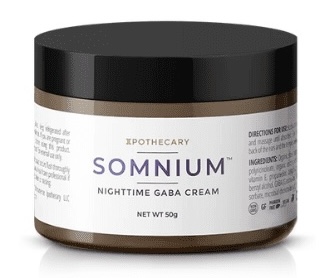
somnium gaba cream

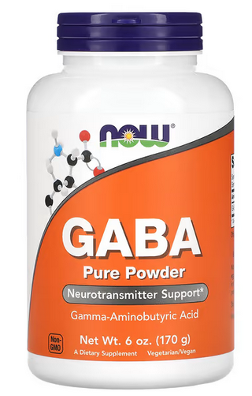
Fran used a GABA powder, possibly similar to Now GABA Powder (which does need to be measured out to provide a 125 mg typical starting dose). Keep in mind, some individuals need less to start and some like Fran may need more.

When using GABA powder I have clients use a handy mini measuring spoon like this one (my Amazon link) and share more about how to measure out GABA powder on this blog).

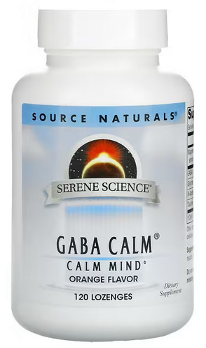
Source Naturals GABA Calm lozenges (a good low dose of 125 mg) is another GABA product I recommend and is helpful in cases of proctalgia fugax because of the lozenge instead of it being a powder that needed to be measured.

For Source Naturals GABA Calm lozenges and Now GABA Powder:

  • You can purchase these from my online store (Fullscript – only available to US customers – use this link to set up an account).
  • If you’re not in the US, you can purchase these at iherb (use this link to save 5%).

Somnium GABA Cream used before bed may prevent an episode in the night and is less likely to stop an episode that is in full force. It is available in the US and elsewhere with international shipping. Read more about the product and who else may benefit from using a cream, and grab my coupon code to save 15%.

Additional resources when you are new to using GABA and other amino acids as supplements

As always, I use the symptoms questionnaire to figure out if low low GABA or other neurotransmitter imbalances may be an issue.

If you suspect low levels of any of the neurotransmitters and do not yet have my book, The Antianxiety Food Solution – How the Foods You Eat Can Help You Calm Your Anxious Mind, Improve Your Mood, and End Cravings, I highly recommend getting it and reading it before jumping in and using amino acids on your own so you are knowledgeable. And be sure to share it with the practitioner/health team you or your loved one is working with.

There is an entire chapter on the amino acids and they are discussed throughout the book in the sections on gut health, gluten, blood sugar control (this is covered in an entire chapter too), sugar cravings, anxiety and mood issues.

The book doesn’t include product names (per the publisher’s request) so this blog, The Antianxiety Food Solution Amino Acid and Pyroluria Supplements, lists the amino acids that I use with my individual clients and those in my group programs.

If, after reading this blog and my book, you don’t feel comfortable figuring things out on your own (i.e. doing the symptoms questionnaire and respective amino acids trials), a good place to get help is the GABA QuickStart Program (if you have low GABA symptoms). This is a paid online/virtual group program where you get my guidance and community support.

If you are a practitioner, join us in The Balancing Neurotransmitters: the Fundamentals program. This is also a paid online/virtual program with an opportunity to interact with me and other practitioners who are also using the amino acids.

Wrapping up and your feedback

I appreciate Fran for sharing her success with GABA and the success her son has experienced too. I do hope this information has been helpful for you and for them too.

Now I’d love to hear from you – does any of this resonate with you? Have you had success like this with GABA? What solution has your medical team offered?

If you’re a practitioner is GABA one of the amino acids you use with your clients/patients?

Feel free to share and ask your questions below.
Filed Under: Anxiety, GABA, Women's health Tagged With: amino acid anal cramps, anal sphincter spasms, anxiety, butt cramps, cramps in your bottom, GABA, pain, panic, passed out, Proctalgia fugax, twinge, vasovagal episodes

I’m anxious about GABA side effects and feel like adding a bit of tryptophan before increasing GABA (to avoid overdoing it with either one)

September 6, 2024 By Trudy Scott 9 Comments

gaba side effects

I have symptoms from both low GABA and low serotonin on your questionnaire. So I suspect I need to supplement with both. The main issues I have (anxiety, panic) are common to both deficiencies. I took a trial dose of 1 Gaba Calm and it seemed to help a bit. Should one continue increasing the dose of GABA or introduce some tryptophan next?

I am trying to avoid GABA side effects because now that I read your last post on tingling etc (which would be a huge trigger for me), I’m anxious about that.

I feel like adding a bit of tryptophan before increasing GABA and going up like that, one at a time. Versus going higher and higher with GABA since the symptoms are on both lists – in order to avoid overdoing it with one .

Does that make sense or do you still recommend doing one at a time (I just read on one of your blog posts that one should try one amino acid first before introducing another one)? Thank you!

Liz asked this great question on one of the blogs where I discuss how there can be an extremely large variation in dosing for GABA and how too much can cause a niacin-like flush and tingling.

Her concerns are very valid – especially for someone who is anxious – but I still recommend doing a trial of just one amino acid before introducing another. In today’s blog I share why this is my recommendation and why sometimes there is an exception to this recommendation (and how best to implement it).

My recommendation and her results

Liz is correct, I do always recommend doing a trial of one amino acid at a time before introducing the next one. I confirmed that this is still my recommendation and also reminded her that when “one GABA Calm seems to help a bit” it’s a positive sign. When I hear this it’s a big clue that you are on track and the next step is to continue to increase the GABA to determine if you’ll get even better results. I told her we are looking for a wow effect in a few days to weeks.

In case you’re wondering, she did increase just the GABA (without adding tryptophan) and shared “I’ve now increased to 2 GABA Calms and it helps a lot!”

With this kind of result she may decide to stay with just 2 GABA Calm or she may decide to increase yet again if this amount hasn’t substantially reduced her low GABA symptoms of physical tension, anxious thoughts, self-medicating with sugar or alcohol to relax, feelings of panic, pain etc. You can see all the low GABA symptoms here).

As always, I also reminded her what when you are new to the amino acids and other anxiety nutrition solutions like eating real whole food, quality animal protein, fermented foods, organic produce, healthy fats, gluten/sugar/caffeine removal, eating for blood sugar control, addressing gut health and pyroluria, my book “The Antianxiety Food Solution” is a great place to start. It’s a comprehensive approach – amino acids AND diet.

She has “been eating organic, gluten-free, whole foods for 10+ yrs” (this is a wonderful foundation). However the stress of the last few years has really gotten to her and she has been meaning to get my book to get some help with amino acids. Hopefully she now has a  copy!

Why do I recommend doing a trial of one amino acid at a time before introducing the next one?

As she mentioned, she has overlaps with low GABA and low serotonin symptoms: “anxiety, panic.” This is not uncommon. Although they do differ – with low GABA it’s more physical and with low serotonin it’s more mental – it can often be challenging to figure out which neurotransmitter imbalance is the issue. Doing a trial of one of the amino acids and seeing/feeling the results provides the answer.

In this case, Liz discovered all or some of her anxiety was caused by low GABA levels. I say some, because it can be due to both low GABA and low serotonin. Once she has a good baseline of GABA and assuming she still has some lingering anxiety symptoms (and other low serotonin symptoms like PMS, anger, low mood, afternoon cravings etc – see them all here), she would then trial tryptophan without changing GABA dosing.

Laying in the tryptophan (after doing an initial trial) would help Liz know that low serotonin is also an issue for her.

And it would have all been challenging to figure out what was doing what had she done some GABA and some tryptophan and then more GABA and then more tryptophan.

Too much GABA and the adverse effects

Liz was understandably concerned about potential adverse effects of using too much GABA after reading this blog post: How much GABA should I use for my anxiety? It depends on your unique needs (and there is an extremely large variation in dosing). (This is the blog she commented on)

I’ve also published these blogs with similar messages:

  • Too much GABA causes a tingling niacin-like flush sensation (in the brain and body). It’s awful and very uncomfortable!
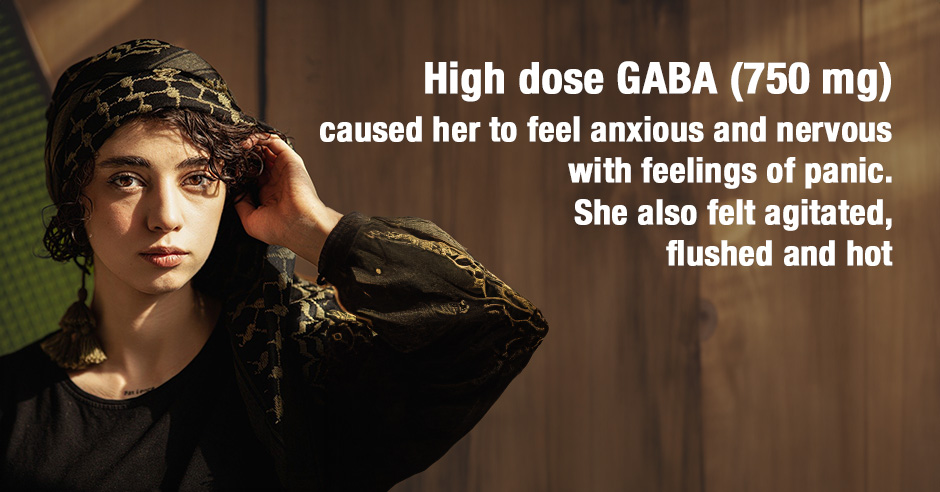
  • High dose GABA (750 mg) caused her to feel anxious and nervous with feelings of panic. She also felt agitated, flushed and hot

Learning about adverse effects like this may make you feel more anxious rather than educated and empowered – hence her question about using tryptophan. However, too much tryptophan can also increase feelings of anxiousness and keep you awake (and it’s going to complicate the trial).

Knowing about vitamin C as an antidote often helps mitigate some of the anxious feelings but when it doesn’t then there may be an exception.

Why there may be an exception to my recommendation (and how best to implement it).

Typically when someone has profound fears that hold them back and stop them from using any of the amino acids, my recommendation is always to start with serotonin support as it can allay fears, worry, obsessing and ruminations about possible adverse effects.

In a situation like Liz describes, if anxious thoughts and worrying prevents her from increasing GABA, we would discuss all of the above and I’d help her decide what to do next:

  • Layer on tryptophan before she has found her ideal dose of GABA, without any change to GABA i.e. one change only. And then go from there to increase the GABA and eventually increase the tryptophan later if she needs to
  • Stop GABA and switch to tryptophan only and then come back to GABA. It isn’t ideal to lose the gains experienced, even when GABA only “seems to help a bit.”

The good news is that Liz felt comfortable enough increasing the GABA and saw the benefits. This may not be the case for everyone and the above are some options to consider.

A few GABA product options  – a sublingual, a powder and a cream

gaba calm
gaba pure poder
somnium gaba cream

Liz used Source Naturals GABA Calm lozenges (a good low dose of 125 mg). It’s one of the many products I recommend. Another one is Now GABA Powder (which does need to be measured out to provide a 125 mg typical starting dose). Keep in mind, some individuals need less to start.

When using GABA powder I have clients use a handy mini measuring spoon like this one (my Amazon link) and share more about how to measure out GABA powder on this blog).

For Source Naturals GABA Calm lozenges and Now GABA Powder:

  • You can purchase these from my online store (Fullscript – only available to US customers – use this link to set up an account).
  • If you’re not in the US, you can purchase these at iherb (use this link to save 5%).

Somnium GABA Cream is available in the US and elsewhere with international shipping. Read more about the product and who may benefit from using a cream, and grab my coupon code to save 15%.

Additional resources when you are new to using GABA and other amino acids as supplements

As always, I use the symptoms questionnaire to figure out if low low GABA or other neurotransmitter imbalances may be an issue.

If you suspect low levels of any of the neurotransmitters and do not yet have my book, The Antianxiety Food Solution – How the Foods You Eat Can Help You Calm Your Anxious Mind, Improve Your Mood, and End Cravings, I highly recommend getting it and reading it before jumping in and using amino acids on your own so you are knowledgeable. And be sure to share it with the practitioner/health team you or your loved one is working with.

There is an entire chapter on the amino acids and they are discussed throughout the book in the sections on gut health, gluten, blood sugar control (this is covered in an entire chapter too), sugar cravings, anxiety and mood issues.

The book doesn’t include product names (per the publisher’s request) so this blog, The Antianxiety Food Solution Amino Acid and Pyroluria Supplements, lists the amino acids that I use with my individual clients and those in my group programs.

If, after reading this blog and my book, you don’t feel comfortable figuring things out on your own (i.e. doing the symptoms questionnaire and respective amino acids trials), a good place to get help is the GABA QuickStart Program (if you have low GABA symptoms). This is a paid online/virtual group program where you get my guidance and community support.

If you are a practitioner, join us in The Balancing Neurotransmitters: the Fundamentals program. This is also a paid online/virtual program with an opportunity to interact with me and other practitioners who are also using the amino acids.

Wrapping up and your feedback

I appreciate Liz for asking this question. I do hope this information has been helpful for you and for her too.

Now I’d love to hear from you – does any of this resonate with you? Have you felt anxious or fearful about increasing your dose of GABA? And how did you resolve it?

If you’re a practitioner is this how you advise your clients/patients?

Feel free to share and ask your questions below.
Filed Under: Anxiety, GABA, serotonin, Tryptophan Tagged With: amino acid, anxiety, anxious, avoid overdoing it, GABA, GABA Calm, GABA side effects, niacin-like flush, panic, serotonin, side-effects, tingling, tryptophan

High dose GABA (750 mg) caused her to feel anxious and nervous with feelings of panic. She also felt agitated, flushed and hot

August 30, 2024 By Trudy Scott 15 Comments

high doze gaba

I casually read about GABA and ordered a bottle from Walmart. It was 750mg and it said take 1x daily. Ooooooooh boy did that mess me up – anxious nervous panic. That’s how I found you though, so I guess the universe had its reasons. I read your article about GABA dosing and started doing a micro dose by opening the pill, splitting it into 4 and putting it under my tongue and it was a game changer! Immense anxiety relief and now I’m researching more to add

These game changing results are wonderful to hear and I’m very happy for Tiffany but I’m not happy with GABA product labels. Folks need to know this, and I really want to get the message out about safe ways to use GABA.

She posted this on one of my facebook threads and I asked her if she’d be willing to share what happened so this doesn’t happen to someone else. She kindly said “absolutely you can share” and proceeded to provide a very detailed description of what happened. I share all this below with some of my insights about starting with GABA 750mg (considered a high dose for most individuals), what she did really well and my takeaway lessons, plus more about GABA dosing and the antidote when too much is used.

This is what happened (in her exact words):

Day 1 (Aug 3) – 4AM – After swallowing the 750 I first noticed a heat/flush feeling. It was my neck and upper chest area. This alone had me panicking that death was imminent, then it slowed after I’d say 15-30 minutes. I felt overly anxious & agitated after that, kept checking my pulse & BP (blood pressure) reassuring myself I was not dying.

Looking at my search history my anxieties lasted hours – by 11am I was searching “can I overdose on gaba” then I finally slept

I haven’t formed a connection yet between the gaba & the flush / panic yet.

10ish pm

I again swallowed the 750. I also applied icy hot for my chronic pain condition 30ish mins later. Then the flush sensation again neck & chest like before hit me. 15-30 mins of tingling , this time I convinced myself it must just be the icy hot mixing with the gaba altering my skin sensations (I had read about how it works in the central nervous system).

Day 2 (Aug 4) – 1am (+3hrs ingested)

I was in full “health” anxiety/panic mode, panic googling & [My search “gaba cause warming sensation”] landed me on your article

This was my game changer/ life saving moment!!!!

I’m unsure how long the anxieties lingered but I had a new game plan for microdosing from now on.

Plan: open the capsule (750mg) & separate the powder into 4 equal parts. Place this 1/4 under my tongue

7am

I took my 1st 1/4 micro-dose and felt like a champ! My google searching was now about understanding how it worked in the brain and why it had unclenched my jaw muscles. (My chronic pain is from TMJD largely due to my anxiety clenching)

I’m sorry she experienced this but I’m so glad she found my dosing article and figured it out. And that the lower dose of GABA is helping so much.

She was totally new to GABA and supplements in general: “I’m just learning supplements after detoxing effexor” so it’s not totally unexpected for something like this to happen BUT it really doesn’t have to be this way when you are an informed user (I share my take-aways below). 

In my article/blog, Too much GABA causes a tingling niacin-like flush sensation (in the brain and body). It’s awful and very uncomfortable! I share the issues with starting with too high a dose. If you’re new to GABA, I encourage you to click the above and read the post.

Splitting the 750 mg GABA capsule into four equal doses works for Tiffany

This is the change she made after reading my blog post i.e. she used much smaller doses

From then till now I’ve consumed 1 of the 750mg gabas each day by splitting into the 1/4’s (3-4hrs in between) and it has kept my anxiety at a consistent baseline level and helped immensely with the clenched jaw.

I also started adding l-theanine (100mg) supplement and I’m actively researching additional amino acid supplements to add in once I have some extra money to buy.

For context on Aug 7,  I had an emergency dental extraction that was traumatic. I took my gaba 1/4 right before and remained relatively calm through the whole 4 hour ordeal.

Once the Walmart bottle is gone I’ll be buying a low dose sublingual.

It was fortunate that 187 mg (a quarter of 750 mg) worked well for her based on her unique needs and biochemistry. It’s possible this may have been too much for her too and in this case she would have adjusted down.

Why Tiffany considered GABA for her issues and her next steps

Her initial reason for wanting to take GABA was a desire to keep her “anxiety / panic levels regulated.” Her physical anxiety symptoms manifest as “flight or fight” response and were hitting her constantly without warning or outside triggers. She was also in “constant pain from the jaw muscle issues but couldn’t face leaving the house to find a new doctor for help.”

The good news is that  after finding the proper dose of GABA she was “able to remain calm enough to find a new doctor.”  Tiffany also shared this:

I am treating my brain as a delicate little flower right now. Taking copious notes trying to establish what my baseline brain chemistry is and how the individual neurotransmitters impact my mood/state in the moment.

I mentioned before I am just starting my research journey about brain chemistry and planning to start to “play” around with additional amino acid supplements.

I’m in the stage now of discovery, finding a new amino acid, researching what transmitter it is connected to, it’s role as a precursor and once I have my data compiled I’m going to take a targeted approach testing to see what the impacts are.

I’m focused on figuring out my root deficiency i.e. serotonin vs dopamine vs norepinephrine and then going from there.

Takeaway lessons for Tiffany and what she did well

I shared some of my takeaway lessons with Tiffany and here they are in case you’re also new to using the amino acid GABA:

  1. Learn how to safely use GABA and the other aminos before you start using them i.e. read my book “The Antianxiety Food Solution”  or do one of my online group programs (details below)
  2. Use vitamin C as an antidote if you have a reaction. I write about this in my book. It negates any adverse symptoms quickly but also negates any benefits
  3. Start with a low dose of GABA and ignore the product label. I recommend 125 mg as a safe starting dose and less for sensitive folks
  4. Trial only one new supplement at a time so you know what is working and what is causing issues. With the GABA reaction Tiffany experienced I would not have added theanine before finding the ideal GABA dose. With her pain issues I’d be considering serotonin and endorphin support, but using one amino at a time and starting low dose with the correct timing
  5. If you have an adverse reaction stop immediately i.e. don’t push through
  6. Purchase professional grade supplements from Fullscript or iherb (here is the link to my products page with links to both). We want quality supplements just like we want quality food.

What Tiffany did well:

  • She carefully logged exactly what happened
  • She searched for expert advice and didn’t continue to push through the adverse effects
  • She split the GABA 750 mg into 4 and put the powder under her tongue
  • She is in the process of educating herself (and says she’ll get a copy of my book)

A few GABA product options  – a sublingual, a powder and a cream

gaba calm
gaba pure poder
somnium gaba cream

Some of the many GABA products I recommend include Source Naturals GABA Calm lozenges (a good low dose of 125 mg) and Now GABA Powder (which does need to be measured out to provide a 125 mg typical starting dose).  Keep in mind, some individuals need less to start.

When using GABA powder I have clients use a handy mini measuring spoon like this one (my Amazon link) and share more about how to accurately measure out GABA powder on this blog.

For Source Naturals GABA Calm lozenges and Now GABA Powder:

  • You can purchase these from my online store (Fullscript – only available to US customers – use this link to set up an account).
  • If you’re not in the US, you can purchase these at iherb (use this link to save 5%).

Somnium GABA Cream is available in the US and elsewhere with international shipping. Read more about the product and who may benefit from using a cream, and grab my coupon code to save 15%.

Additional resources when you are new to using GABA and other amino acids as supplements

As always, I use the symptoms questionnaire to figure out if low low GABA or other neurotransmitter imbalances may be an issue.

If you suspect low levels of any of the neurotransmitters and do not yet have my book, The Antianxiety Food Solution – How the Foods You Eat Can Help You Calm Your Anxious Mind, Improve Your Mood, and End Cravings, I highly recommend getting it and reading it before jumping in and using amino acids on your own so you are knowledgeable. And be sure to share it with the practitioner/health team you or your loved one is working with.

There is an entire chapter on the amino acids and they are discussed throughout the book in the sections on gut health, gluten, blood sugar control (this is covered in an entire chapter too), sugar cravings, anxiety and mood issues.

The book doesn’t include product names (per the publisher’s request) so this blog, The Antianxiety Food Solution Amino Acid and Pyroluria Supplements, lists the amino acids that I use with my individual clients and those in my group programs.

If, after reading this blog and my book, you don’t feel comfortable figuring things out on your own (i.e. doing the symptoms questionnaire and respective amino acids trials), a good place to get help is the GABA QuickStart Program (if you have low GABA symptoms). This is a paid online/virtual group program where you get my guidance and community support.

If you are a practitioner, join us in The Balancing Neurotransmitters: the Fundamentals program. This is also a paid online/virtual program with an opportunity to interact with me and other practitioners who are also using the amino acids.

Wrapping up and your feedback

I appreciate Tiffany for sharing and giving me permission to blog about this. I do hope it’s been helpful for you and her too.

Now I’d love to hear from you – does any of this resonate with you? If yes, how high a dose of GABA did you start with and what was your adverse reaction? And how much helps now and how does it help? Feel free to share which product too.

If you’re a practitioner is this how you advise your clients/patients?

Feel free to share and ask your questions below.
Filed Under: Anxiety, GABA Tagged With: 750 mg, agitated, anxiety relief, anxious, can I overdose on GABA, flushed, GABA, GABA dosing, high dose GABA, hot, nervous, pain, panic

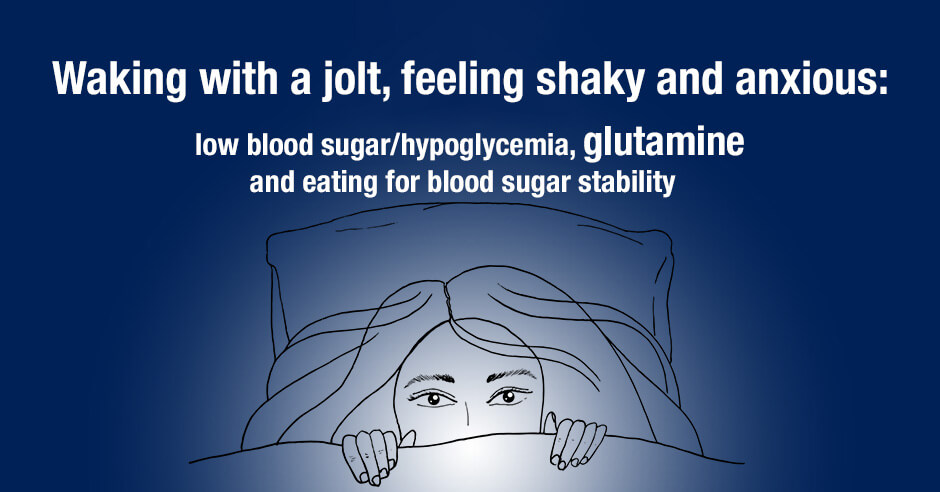
Waking with a jolt, feeling shaky and anxious: low blood sugar/hypoglycemia, glutamine and eating for blood sugar stability

February 2, 2024 By Trudy Scott 22 Comments

blood sugar stability

Low blood sugar is one of a number of causes of waking in the night or early hours, often with a jolt and feelings of anxiety or feeling like you’re having a panic attack. As shared in a recent blog post, cortisol that is high at night can cause very similar symptoms.

Because of a low blood sugar question on the high cortisol blog, today I’m explaining the very different solutions to each root cause: glutamine and eating for blood sugar stability when you have low blood sugar versus Seriphos when you have high cortisol.

Katherine shares that she has low cortisol and suspects hypoglycemia or low blood sugar, and is hesitant about using Seriphos:

My last 4 point cortisol test showed mine is low throughout the day. But I’m having episodes where I’m waking up in the mornings feeling a jolt (every time I wake up from sleeping) and sometimes also shaky and anxious.

A functional pharmacist suggested my blood sugar may be dropping during the night and hypoglycemia could cause an adrenaline surge.

I don’t know. I’m nervous to try something [such as Seriphos] to lower cortisol when it seems mine is already too low.

I agree with her functional pharmacist that hypoglycemia is likely a factor as it often is with adrenal dysfunction and low cortisol. And I am glad Katherine is being cautious about using Seriphos.

I shared that Seriphos is not the solution in this instance because she doesn’t have high cortisol based on her adrenal saliva test (4 collections). Instead, she has low cortisol throughout the day and using Seriphos would lower her cortisol even further. What many folks don’t realize is that high cortisol and low cortisol can lead to similar symptoms of anxiety, shakiness and waking in the night and early hours.

The good news is it’s relatively easy to figure out if low blood sugar is causing your symptoms. First I have clients rate their symptoms on the low blood sugar questionnaire and do a trial of glutamine. Next is figuring out the dosing and timing of glutamine, looking at a current food log and making dietary changes as needed.

If Katherine notices improvements – typically seen within a week – it’s very likely that hypoglycemia is a factor.

Finally, if additional support is needed for her anxiety I’d consider looking at low GABA and low serotonin symptoms and doing a trial of GABA and/or tryptophan.

Longer term solutions include all the dietary changes mentioned in my book – gluten-free, no sugar, no caffeine or alcohol, using nutritional support for the adrenals and addressing toxins, infections, trauma etc.

Low blood sugar symptoms

First I have clients rate their symptoms on the low blood sugar questionnaire and do a trial of glutamine if they have low blood sugar symptoms.

Here are the low blood sugar symptoms which are rated on a scale of 1 to 10, with 10 being most severe:

  • Crave sugar, starch or alcohol any time during the day
  • Irritable, shaky, headachey – especially if too long between meals
  • Intense cravings for sweets
  • Lightheaded if meals are missed
  • Eating relieves fatigue
  • Agitated, easily upset, nervous
  • Waking in the night or early hours with a jolt of anxiety/shakiness

If the ratings indicate the possibility of low blood sugar i.e. any cluster of the above symptoms, we do a trial of the amino acid glutamine on the tongue and record before and after ratings of a few symptoms.

Glutamine is a key amino acid for blood sugar stability and helps quickly while the adrenals heal and the dietary changes are figured out.

Glutamine for low blood sugar: dosing and timing

Typically 500 mg glutamine is a good starting dose. I see many folks start too high, like 5000 mg / 5 g and up multiple times a day, and it’s not necessary. However, we increase based on individual needs and you may find you do need to use 500 mg -1000 mg two to three times a day. Using a glutamine powder is a great way to use it especially if you find you do need more than 500 mg each time.

When you use glutamine powder directly on the tongue (rather than mixed in water), the benefits are seen almost immediately.

For someone like Katherine, using glutamine throughout the day may set her up for night time or early morning low blood sugar. She may also find she needs to use some glutamine just before bed too.

GABA and/or serotonin support too?

Depending on the causes of her anxiety and shakiness, in addition to glutamine, Katherine may need to consider GABA and/or tryptophan too. We use the low GABA and low serotonin symptoms questionnaire and do trials of GABA and/or tryptophan/5-HTP.

All three amino acids can be used before bed and during the night if needed but trials are best done one at a time.

Glutamine for low blood sugar, healing the gut, to reduce sugar cravings and for better sleep

In addition to helping with blood sugar stability and sleep issues, glutamine also helps to heal the gut and helps reduce sugar cravings. Laura shared how it’s been helping her with all of this on another blog:

I am currently struggling with gastritis (inflammation of the stomach lining) as well as a lifetime of low blood sugar and irritability. I started glutamine a few days ago (15 grams a day) and I am amazed at how it has calmed my gut as well as calmed the sugar cravings. I am also sleeping better!

I did share that 15 g is considered a high starting dose of glutamine. She may well get similar benefits with much less.

Glutamine for early morning low blood sugar and headaches

As you can see in this case, Cat finds 500 mg glutamine just once a day works well for her unique needs:

I found a powder that I mix approximately 500 mg of with water. It works within about 15 minutes and keeps me going for about 2 – 3 hours — long enough to reach a reasonable time for lunch.

I’m thrilled to have this option as anytime that I travel, low blood sugar becomes a huge issue as I suffer from ketotic hypoglycemia and end up with massive headaches and vomiting for 6-8 hours.

You can read more about Cat’s success here – Glutamine for hypoglycemia/low blood sugar: “500mg mixed in water works in 15 minutes and keeps me going for 2 – 3 hours”.

Dietary changes for blood sugar control and adrenal support

All my clients keep a food log and we look at what they are eating on a typical day and when. It’s key to eat in a certain way in order to control blood sugar:. breakfast on waking, healthy snacks 3 to 4  x day and some folks do well with a snack before bed. These meals and snacks should include quality animal protein and healthy fats. This is all outlined in detail in the diet and low blood sugar chapters in my book “The Antianxiety Food Solution”.

A protein smoothie in the morning is a good option too and especially helpful if you have the social anxiety condition pyroluria, where morning nausea and a low appetite is common initially. This blog highlights a research paper about breakfast smoothies helping to reduce anxiety and hypoglycemia symptoms.

Nutritional support for adrenal function includes a good B vitamin complex, extra vitamin B5/pantothenic acid, vitamin C and adaptogenic herbs such as rhodiola and ashwagandha.

Glutamine product options – capsule vs powder

l-glutamine
l-glutamine

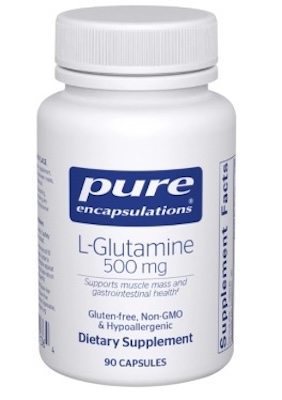
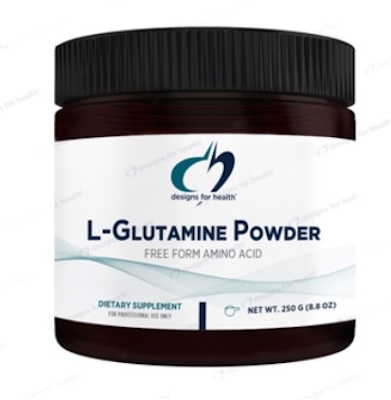
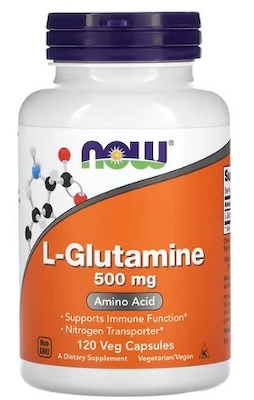
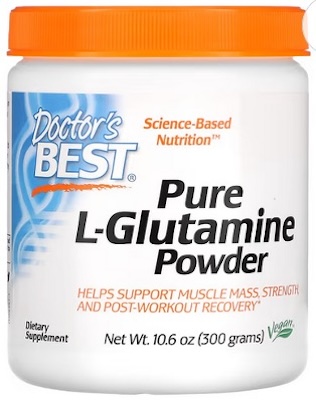
Products I recommend include Pure Encapsulations 500 mg l-glutamine (capsules opened on to your tongue) and Designs for Health l-glutamine powder as you find you need higher amounts.  You can purchase these from my online store (Fullscript – only available to US customers – use this link to set up an account).

l-glutamine
l-glutamine

If you’re not in the US, Now l-glutamine 500 mg and Doctor’s best l-glutamine powder are products I recommend on iherb (use this link to save 5%).

Additional resources when you are new to using amino acids as supplements

We use the symptoms questionnaire to figure out if low blood sugar and/or low serotonin and/or low GABA and other neurotransmitter imbalances may be an issue for you.

If you suspect low levels of any of the neurotransmitters and do not yet have my book, The Antianxiety Food Solution – How the Foods You Eat Can Help You Calm Your Anxious Mind, Improve Your Mood, and End Cravings, I highly recommend getting it and reading it before jumping in and using amino acids on your own so you are knowledgeable. And be sure to share it with the practitioner/health team you or your loved one is working with.

There is an entire chapter on the amino acids and they are discussed throughout the book in the sections on gut health, gluten, blood sugar control (this is covered in an entire chapter too), sugar cravings, anxiety and mood issues. The importance of quality animal protein and healthy fats is also covered.

The book doesn’t include product names (per the publisher’s request) so this blog, The Antianxiety Food Solution Amino Acid and Pyroluria Supplements, lists the amino acids that I use with my individual clients and those in my group programs.

If, after reading this blog and my book, you don’t feel comfortable figuring things out on your own (i.e. doing the symptoms questionnaire and respective amino acids trials), a good place to get help is the GABA QuickStart Program (if you have low GABA symptoms too). This is a paid online/virtual group program where you get my guidance and community support.

If you are a practitioner, join us in The Balancing Neurotransmitters: the Fundamentals program. This is also a paid online/virtual program with an opportunity to interact with me and other practitioners who are also using the amino acids.

Have you had success with glutamine for blood sugar stability and waking with a jolt of anxiety/panic at night or in the early hours?

Have you used it for blood sugar stability, reduced cravings, leaky gut and anxiety during the day?

If yes, how much helps you? And how often do you use it?

Have dietary changes and adrenal support helped too?

If you’re a practitioner do you use glutamine and dietary approaches with clients/patients with low blood sugar?

And please let me know if it’s helpful that I’m now including product recommendations and where to get them?

Feel free to share and ask your questions below.

Filed Under: Adrenals, Anxiety and panic, Glutamine, Insomnia Tagged With: anxiety, cortisol, dosage, GABA Quickstart; Balancing Neurotransmitters: the Fundamentals program for practitioners, glutamine, Hypoglycemia, insomnia, jolt, low blood sugar, panic, salivary testing, shakiness, shaky, Timing, waking

  • Page 1
  • Page 2
  • Page 3
  • Interim pages omitted …
  • Page 5
  • Go to Next Page »

Primary Sidebar

NEW! GABA QuickStart Homestudy (with special intro pricing)

gaba quickstart homestudy

Free Report

9 Great Questions Women Ask about Food, Mood and their Health

You'll also receive a complimentary subscription to my ezine "Food, Mood and Gal Stuff"


Connect with me

Popular Posts

  • Amino Acids Mood Questionnaire from The Antianxiety Food Solution
  • The Antianxiety Food Solution Amino Acid and Pyroluria Supplements
  • Pyroluria Questionnaire from The Antianxiety Food Solution
  • Collagen and gelatin lower serotonin: does this increase your anxiety and depression?
  • Tryptophan for the worry-in-your-head and ruminating type of anxiety
  • GABA for the physical-tension and stiff-and-tense-muscles type of anxiety
  • The Antianxiety Food Solution by Trudy Scott
  • Seriphos Original Formula is back: the best product for anxiety and insomnia caused by high cortisol
  • Am I an anxious introvert because of low zinc and vitamin B6? My response to Huffington Post blog
  • Vagus nerve rehab with GABA, breathing, humming, gargling and key nutrients

Recent Posts

  • What do I use instead of Seriphos to help lower high cortisol that is affecting my sleep and making me anxious at night?
  • BeSerene™ GABA/theanine cream eases severe muscle tension in her neck/shoulders, prevents her bad headaches and quells her anxiety
  • How the correct approach, dose and sublingual use of GABA can be calming and not cause a flushed and itchy face and neck
  • The amino acid glutamine improves low mood by addressing gut health, and it has calming effects too
  • Flight anxiety with heightened breath, physical tension and also fearing the worst (the role of low GABA and low serotonin)

Categories

  • 5-HTP
  • AB575
  • Addiction
  • ADHD
  • Adrenals
  • Alcohol
  • Allergies
  • Alzheimer's disease
  • Amino Acids
  • Anger
  • Antianxiety
  • Antianxiety Food Solution
  • Antidepressants
  • Anxiety
  • Anxiety and panic
  • Autism
  • Autoimmunity
  • benzodiazapines
  • Bipolar disorder
  • Books
  • Caffeine
  • Cancer
  • Candida
  • Children/Teens
  • Collagen
  • Cooking equipment
  • Coronavirus/COVID-19
  • Cravings
  • Depression
  • Detoxification
  • Diabetes
  • Diet
  • DPA/DLPA
  • Drugs
  • EFT/Tapping
  • EMF
  • EMFs
  • Emotional Eating
  • Endorphins
  • Environment
  • Essential oils
  • Events
  • Exercise
  • Fear
  • Fear of public speaking
  • Fertility and Pregnancy
  • Fish
  • Food
  • Food and mood
  • Functional neurology
  • GABA
  • Gene polymorphisms
  • General Health
  • Giving
  • Giving back
  • Glutamine
  • Gluten
  • GMOs
  • Gratitude
  • Gut health
  • Heart health/hypertension
  • Histamine
  • Hormone
  • Hyperparathyroidism
  • Hypoglycemia
  • Immune system
  • Inflammation
  • Insomnia
  • Inspiration
  • Introversion
  • Joy and happiness
  • Ketogenic diet
  • Lithium orotate
  • Looking awesome
  • Lyme disease and co-infections
  • MCAS/histamine
  • Medication
  • Men's health
  • Mental health
  • Mercury
  • Migraine
  • Mold
  • Movie
  • MTHFR
  • Multiple sclerosis
  • Music
  • NANP
  • Nature
  • Nutritional Psychiatry
  • OCD
  • Osteoporosis
  • Oxalates
  • Oxytocin
  • Pain
  • Paleo
  • Parasites
  • Parkinson’s disease
  • PCOS
  • People
  • PMS
  • Postpartum
  • PTSD/Trauma
  • Pyroluria
  • Questionnaires
  • Real whole food
  • Recipes
  • Research
  • Schizophrenia
  • serotonin
  • SIBO
  • Sleep
  • Special diets
  • Sports nutrition
  • Stress
  • Sugar addiction
  • Sugar and mood
  • Supplements
  • Teens
  • Testimonials
  • Testing
  • The Anxiety Summit
  • The Anxiety Summit 2
  • The Anxiety Summit 3
  • The Anxiety Summit 4
  • The Anxiety Summit 5
  • The Anxiety Summit 6
  • Thyroid
  • Thyroid health
  • Toxins
  • Tryptophan
  • Tyrosine
  • Uncategorized
  • Vegan/vegetarian
  • Women's health
  • Yoga

Archives

  • October 2025
  • September 2025
  • August 2025
  • July 2025
  • June 2025
  • May 2025
  • April 2025
  • March 2025
  • February 2025
  • January 2025
  • November 2024
  • October 2024
  • September 2024
  • August 2024
  • July 2024
  • June 2024
  • May 2024
  • April 2024
  • March 2024
  • February 2024
  • January 2024
  • December 2023
  • November 2023
  • October 2023
  • September 2023
  • August 2023
  • July 2023
  • June 2023
  • May 2023
  • April 2023
  • March 2023
  • February 2023
  • January 2023
  • December 2022
  • November 2022
  • October 2022
  • September 2022
  • August 2022
  • July 2022
  • June 2022
  • May 2022
  • April 2022
  • March 2022
  • February 2022
  • January 2022
  • December 2021
  • November 2021
  • October 2021
  • September 2021
  • August 2021
  • July 2021
  • June 2021
  • May 2021
  • April 2021
  • March 2021
  • February 2021
  • January 2021
  • December 2020
  • November 2020
  • October 2020
  • September 2020
  • August 2020
  • July 2020
  • June 2020
  • May 2020
  • April 2020
  • March 2020
  • February 2020
  • January 2020
  • December 2019
  • November 2019
  • October 2019
  • September 2019
  • August 2019
  • July 2019
  • June 2019
  • May 2019
  • April 2019
  • March 2019
  • February 2019
  • January 2019
  • December 2018
  • November 2018
  • October 2018
  • September 2018
  • August 2018
  • July 2018
  • June 2018
  • May 2018
  • April 2018
  • March 2018
  • February 2018
  • January 2018
  • December 2017
  • November 2017
  • October 2017
  • September 2017
  • August 2017
  • July 2017
  • June 2017
  • May 2017
  • April 2017
  • March 2017
  • February 2017
  • January 2017
  • December 2016
  • November 2016
  • October 2016
  • September 2016
  • August 2016
  • July 2016
  • June 2016
  • May 2016
  • April 2016
  • March 2016
  • February 2016
  • January 2016
  • December 2015
  • November 2015
  • October 2015
  • September 2015
  • August 2015
  • July 2015
  • June 2015
  • May 2015
  • April 2015
  • March 2015
  • February 2015
  • January 2015
  • December 2014
  • November 2014
  • October 2014
  • September 2014
  • August 2014
  • July 2014
  • June 2014
  • May 2014
  • April 2014
  • March 2014
  • February 2014
  • January 2014
  • December 2013
  • November 2013
  • October 2013
  • September 2013
  • August 2013
  • July 2013
  • June 2013
  • May 2013
  • April 2013
  • March 2013
  • February 2013
  • January 2013
  • December 2012
  • November 2012
  • October 2012
  • August 2012
  • July 2012
  • June 2012
  • May 2012
  • April 2012
  • March 2012
  • February 2012
  • January 2012
  • December 2011
  • November 2011
  • October 2011
  • September 2011
  • August 2011
  • July 2011
  • June 2011
  • May 2011
  • April 2011
  • March 2011
  • February 2011
  • January 2011
  • December 2010
  • October 2010
  • September 2010
  • July 2010
  • May 2010
  • April 2010
  • March 2010
  • February 2010
  • January 2010
  • November 2009

Share the knowledge!

The above statements have not been evaluated by the Food and Drug Administration. Products listed in this website are not intended to diagnose, treat, cure or prevent any disease.

The information provided on this site is for informational and educational purposes only and is not intended as a substitute for advice from your physician or other health care professional. You should consult with a healthcare professional before starting or modifying any diet, exercise, or supplementation program, before taking or stopping any medication, or if you have or suspect you may have a health problem.


Copyright © 2026 Trudy Scott. All Rights Reserved. | Privacy | Terms and Conditions | Refund Policy | Medical Disclaimer

Free Report

9 Great Questions Women Ask about Food, Mood and their Health

You’ll also receive a complimentary subscription to my ezine “Food, Mood and Gal Stuff”