• Skip to primary navigation
  • Skip to main content
  • Skip to primary sidebar

everywomanover29 blog

Food, Mood and Women's Health – Be your healthiest, look and feel great!

  • Blog
  • About
  • Services
  • Store
  • Resources
  • Testimonials
  • The Book
  • Contact
  • Search this site

neuropsychiatric

The amino acid glutamine improves low mood by addressing gut health, and it has calming effects too

October 3, 2025 By Trudy Scott 2 Comments

glutamine and low mood

Recent research has shown that the amino acid glutamine can positively affect gut health by supporting the gut microbiome, gut mucosal wall integrity, and by modulating inflammatory responses.

As modulated by the vagus nerve, via the enteric nervous system, the gut-brain connection can impact the brain’s neurochemical environment. Poor gut health can disrupt the balance of neurotransmitters, which can result in neuropsychiatric based conditions such as depression.

Glutamine supplementation may provide significant adjunctive nutritional support in cases of depression by promoting proper gut health and function.

The above is an excerpt from the paper, The role of glutamine in supporting gut health and neuropsychiatric factors, published in 2021.

The authors do note the fact that glutamine is a “fundamental precursor to the most prevalent neurotransmitters, GABA and glutamate.” This is why glutamine supplementation can be calming for many individuals and may sometimes be too stimulating for some folks. It also highlights the importance of biochemical individuality and why it’s important to find your ideal dose (more on that below).

I appreciate their call for more research on glutamine, “as well as studies which could explore using glutamine in concert with other supportive amino acids, such as GABA and tyrosine, in an effort to restore neurotransmitter equilibrium” (more on that below too).

Read on below to learn more about how glutamine directly supports gut health and what harms the gut; how to know if glutamine will be calming or too stimulating, and how much to use; and other clues that you may benefit from glutamine; and additional resources when are new to amino acids such as glutamine, GABA and others.

How glutamine directly supports gut health and what harms the gut

From the above paper, glutamine:

1) has a positive impact on sustaining the balance of the gut microbiome
2) increases the expression of tight junction proteins and the integrity of the intestinal lining (i.e. it heals leaky gut)
3) helps to minimize the inflammatory response in situations of gut mucosal irritation (i.e the inner most lining of the digestive tract).

The authors also discuss all of the many factors that are harmful for the gut: highly processed foods, refined sugars, saturated fat, and minimal healthy fatty acids and antioxidants; lack of probiotics and prebiotics; blood sugar swings; stress and high cortisol; medications and alcohol consumption. Much of this is addressed in my book “The Antianxiety Food Solution”

It’s well-worth reading the entire paper for a full understanding of the two-way gut-brain connection via the vagus nerve and the role of the microbiome when it comes to neurotransmitter production and much more.

How to know if glutamine will be calming or too stimulating, and how much to use

As mentioned above, the authors share that glutamine is a precursor to GABA, a calming neurotransmitter i.e. it is often calming.

Glutamine is also a precursor to glutamate and can be too stimulating for some, typically when very high doses are used.

The paper mentions studies that “observed the effects of glutamine supplementation used at doses of between 15 g and 30 g,” however my recommendation is to start low and slowly increase based on your unique need. I have clients and those in my programs start with 500 mg once a day and increase to 1-3 x 500 mg, up to 3 or 4 times a day.

The only way to know if it will be calming or stimulating is to do a trial alone i.e. with no other new supplements, and carefully track the effects.

I also find using glutamine powder and holding it for 1-2 minutes on the tongue is more effective and less is often needed. This has additional benefits of stopping intense sugar cravings in their tracks (more on this below).

Other clues that you may benefit from glutamine: symptoms of low blood sugar

As mentioned above, glutamine helps reduce intense sugar cravings, and prevents low blood sugar (which can actually cause anxiety and panic attacks). This aspect is not mentioned in the paper but addressing low blood sugar is yet another application of glutamine when it comes to anxiety and low mood.

Here are all the symptoms we see with low blood sugar:

  • Crave sugar, starch or alcohol any time during the day
  • Irritable, shaky, headachey – especially if going too long between meals
  • Intense cravings for sweets
  • Lightheaded if meals are missed
  • Eating relieves fatigue
  • Agitated, easily upset
  • Nervous, anxious, panic attacks

And here are some other blog posts that illustrate some of the above:

  • Reactive hypoglycemia in binge eating disorder, food addiction and intense sugar cravings, and how glutamine stops the cravings
  • Waking with a jolt, feeling shaky and anxious: low blood sugar/hypoglycemia, glutamine and eating for blood sugar stability
  • Glutamine for hypoglycemia/low blood sugar: “500mg mixed in water works in 15 minutes and keeps me going for 2 – 3 hours”
  • “A demonic urge to eat sugar and all things sweet”: glutamine opened onto the tongue stops the urge every time!

Together with low serotonin and low GABA, addressing low blood sugar is one of the most effective approaches I use with clients to help ease anxiety.  We achieve this with the use of glutamine and by controlling blood sugar by starting the day with a breakfast that includes quality animal protein.

We may also use tyrosine if there are low dopamine symptoms and d-phenylalanine if there are low endorphin symptoms, in an “effort to restore neurotransmitter equilibrium.”

Additional resources when you are new to using glutamine, GABA or tyrosine, or other amino acids as supplements

We use the symptoms questionnaire to figure out if low blood sugar (indicating a possible need for glutamine) or low GABA (indicating a possible need for GABA or theanine) or low dopamine (indicating a possible need for tyrosine) or other neurotransmitter imbalances may be an issue for you.

If you suspect low levels of any of the neurotransmitters and do not yet have my book, The Antianxiety Food Solution – How the Foods You Eat Can Help You Calm Your Anxious Mind, Improve Your Mood, and End Cravings. I highly recommend getting it and reading it before jumping in and using amino acids on your own so you are knowledgeable. And be sure to share it with the practitioner/health team you or your loved one is working with.

There is an entire chapter on the amino acids and they are discussed throughout the book in the sections on gut health, gluten, blood sugar control (this and glutamine is covered in an entire chapter too), sugar cravings, anxiety and mood issues. The importance of quality animal protein and healthy fats is also covered.

The book doesn’t include product names (per the publisher’s request) so this blog, The Antianxiety Food Solution Amino Acid and Pyroluria Supplements, lists the amino acids that I use with my individual clients and those in my group programs.

If, after reading this blog and my book, you don’t feel comfortable figuring things out on your own (i.e. doing the symptoms questionnaire and respective amino acids trials), a good place to get help is the GABA QuickStart Program (if you have low GABA symptoms too). This is a paid online/virtual group program where you get my guidance and community support.

If you need serotonin support, the Serotonin QuickStart Program is a good place to get help. This is also a paid online/virtual group program where you get my guidance on using tryptophan and 5-HTP safely, and community support during 5 LIVE Q&A calls. You can sign up to be notified when the next live launch of this program is happening.

If you are a practitioner, join us in The Balancing Neurotransmitters: the Fundamentals program. This is also a paid online/virtual program with an opportunity to interact with me and other practitioners who are also using the amino acids.

Now I’d love to hear from you…

Has glutamine helped you with your leaky gut, low mood and/or offered calming effects?

What about intense cravings for something sweet or irritability and poor focus? And other low blood sugar symptoms?

How much do you find helps? And do you use powder or capsules?

Are you interested in a program to learn more about the safe and effective use of glutamine and/or tyrosine?

Feel free to share and ask your questions below.
Filed Under: Amino Acids, Anxiety, Depression, GABA, Glutamine, Gut health Tagged With: amino acid, blood sugar, calming, cravings, depression, GABA, glutamate, glutamine, gut, gut health, gut-brain connection, Inflammation, low mood, microbiome, mood, neuropsychiatric, neurotransmitters, serotonin, stimulating, tyrosine, vagus nerve

Psychiatric Complications of Primary Hyperparathyroidism and Mild Hypercalcemia: anxiety, depression, anger, irritability, delusions and impaired cognition

July 7, 2023 By Trudy Scott 38 Comments

primary hyperparathyroidism

In samples of patients undergoing parathyroidectomy for primary hyperparathyroidism (PHPT), these disturbances have been identified at a rate of 43.1%–53.0% for anxiety, 33.0%–62.1% for depression, 22.0% for thoughts of death or suicide, 51.9% for anger and irritability, 5.0%–20.0% for hallucinations and delusions, and 37.3%–46.5% for impaired cognition.

In fact, it has been noted that there are more neuropsychiatric phenomena in PHPT than is often recognized and that these symptoms are easily missed, particularly in the elderly population.

This excerpt is from, Psychiatric Complications of Primary Hyperparathyroidism and Mild Hypercalcemia, published in Psychiatry Online.

I’ve recently been reading as much as I can about this condition, for personal and professional reasons. As soon as I learn about something new I go digging to see if there is an anxiety connection. And I must say I was very surprised to read these stats. It’s not something I’ve heard discussed or taught at mental health conferences.

The authors also state this about the condition:

The incidence of primary hyperparathyroidism (PHPT) is about 21 cases per 100,000 person-years, and the disorder is usually caused by a solitary parathyroid adenoma. PHPT has traditionally been recognized by its characteristic symptoms, including urolithiasis (“stones”); osteopenia and osteoporosis (“bones”); abdominal cramping, nausea, and peptic ulceration (“moans”); and depression, anxiety, cognitive dysfunction, insomnia, confusion, and personality changes (“psychiatric overtones”).

How do changes in serum calcium levels contribute to mental health and cognitive symptoms?

It’s always helpful to understand the mechanism and it was the first thought that went through my mind – how does hyperparathyroidism and changes in serum calcium levels cause these mental health and cognitive symptoms? The authors share this:

Although the pathogenesis [or cause] of psychiatric symptoms in primary hyperparathyroidism remains unclear, calcium is thought to figure prominently in determining changes in monoamine metabolism in the central nervous system(CNS), thereby modifying neurotransmission and resulting in alterations in mood and cognition.

I went digging and found this paper – Acute psychosis secondary to suspected hyperparathyroidism: A case report and literature review.

The authors also state that the mechanism isn’t known for certain. And although they are referring specifically to psychosis, the explanation could be applied to other symptoms too: “It is thought that the changes in serum calcium level slow down nerve function and neurotransmission rate, inducing psychosis (and other symptoms like anxiety, depression, anger, irritability and suicidal thoughts).

Understanding this possible mechanism helps us find a temporary solution for these symptoms until the hyperparathyroidism is addressed with surgery i.e. using amino acids as supplements.

Using amino acids to ease symptoms while you are seeking the root cause/s

If you’ve been following my work and have read my book The Antianxiety Food Solution, you’ll be familiar with using targeted amino acids as supplements to support low levels of neurotransmitters. These provide quick relief of symptoms (in a day or less) while you are seeking the root cause.

If we look at the above symptoms:

  • Anxiety can be a sign of low serotonin (worry type of anxiety) and/or low GABA (physical type of anxiety) – and tryptophan/5-HTP and/or GABA help ease symptoms.
  • Depression can be a sign of low serotonin (negativity), low dopamine (curl-up-in-bed depression) an/or low endorphins (weepy depression) – and tryptophan/5-HTP, tyrosine and/or DPA help ease symptoms.
  • Irritability and anger are common with low serotonin – and tryptophan/5-HTP helps to ease symptoms.
  • Low GABA can also be involved with anger and rage
  • Cognitive issues can be caused by low dopamine and low GABA – and tyrosine and/or GABA help ease symptoms

(You can find the symptoms questionnaire here. As always, amino acids are used based on symptom clusters and dosed according to your unique needs.)

If you find you have been using the amino acids long term and have explored all the possible root causes described in my book and summarized here, it may be worth investigating primary hyperthyroidism especially if you’re menopausal.

Case: “I had to have a parathyroid gland removed a few years ago… I literally felt better from the moment I came round from the surgery”

We always want to find the root cause when we have various symptoms. With this condition, it’s common to observe very quick resolution of symptoms after parathyroid surgery to remove the adenoma/s. Someone in our community shared this:

I had to have a parathyroid gland removed a few years ago … I literally felt better from the moment I came round from the surgery. It’s a miserable disease. I thought I was going to die! Lots of people get so low that they don’t feel like they can go on.

Bone pain was awful. Fatigue, depression etc.

I had had some dental issues around that time. One of my teeth crumbled. My Vitamin D went down to 9 so I am sure that was a large part of the puzzle.

I was actually diagnosed fairly quickly but was retested many times. I self-referred to a surgeon that was in-network in the end as my insurance wouldn’t cover various surgeons that my doctor wanted me to go too.

I had had breast cancer a few years ago and so had had weekly blood tests and, when I went back and looked, my calcium had been high for years. So important to read our own results.

The surgery was so easy.

What an amazing outcome for this woman and I appreciate her for sharing so we all get to learn and benefit from her journey. And yes, I agree, we need to advocate for ourselves and ask for and keep copies of all our labs. And get educated and ask questions. It’s really unfortunate that high calcium and hyperparathyroidism is so often missed.

Not everyone has all the listed symptoms of primary hyperparathyroidism. This woman did experience fatigue, depression and bone pain. She did not experience anxiety and didn’t have kidney stones. I do suspect dietary oxalate issues (without kidney stones) can be an issue for some folks because of the calcium disruption.

Some reasons why hyperparathyroidism is underdiagnosed

In the last few months I have learned that primary hyperparathyroidism is underdiagnosed. PTH (parathyroid hormone) is not routinely tested and I believe that it should be. Also, as you read above, elevated calcium levels are often ignored or brushed off as being a non-issue. And to complicate things further calcium is not always elevated. Hyperparathyroidism is also underdiagnosed and undertreated in the elderly.

For many women (and men) the discovery happens after they are diagnosed with osteoporosis and then calcium and PTH are tested, and/or past elevated calcium levels are “discovered.” If the hyperparathyroidism diagnosis happens first then osteoporosis screening is not always done and I believe it should be. And don’t get me started on when I believe osteoporosis screening should start (at 45 and not 65 or 70 years old) and issues with DEXA screening (more to come on this).

The good news is that primary hyperparathyroidism is a well-established cause of secondary osteoporosis which starts to resolve after the surgery too.

I’m still very much in learning mode

Primary hyperparathyroidism only recently appeared on my radar as a result of the 2023 osteoporosis summit, hosted by my friend and colleague, Margie Bissinger, Physical Therapist and osteoporosis coach. Dr. Deva Boone was a speaker on this condition on the summit and her site is a wealth of information. I appreciate them both.

As I mentioned above, I am also amazed it’s not something I’ve heard about at mental health or integrative health conferences and when doing continuing education.

I will admit I’m no expert and I’m still very much in learning mode – for myself and for you and this community. But, as you know, I like to share what I learn. As I continue to learn, I plan to share additional perspectives and the osteoporosis/menopause and oxalate links.

I am also in the process of creating a hyperparathyroidism questionnaire to use with my clients. Not everyone has all the above symptoms and not all the papers and resources list all the symptoms covered here today. For example, fatigue is listed on many sites but not in the above two papers and very few sites emphasize the mental health symptoms.

I’m also learning there are clues to look for – like forearm results on the DEXA scan and a good TBS/trabecular bone score has some significance. Stay tuned.

Resources if you are new to using amino acids as supplements

If you are new to using amino acids as supplements, here is the Amino Acids Mood Questionnaire from The Antianxiety Food Solution (you can see all the symptoms of neurotransmitter imbalances, including low GABA, low serotonin, low dopamine and low endorphins).

If you suspect low levels of any of the neurotransmitters and do not yet have my book, The Antianxiety Food Solution – How the Foods You Eat Can Help You Calm Your Anxious Mind, Improve Your Mood, and End Cravings, I highly recommend getting it and reading it before jumping in and using amino acids on your own so you are knowledgeable. And be sure to share it with the practitioner/health team you or your loved one is working with.

There is an entire chapter on the amino acids and they are discussed throughout the book in the sections on gut health, gluten, blood sugar control, sugar cravings, anxiety and mood issues.

The book doesn’t include product names (per the publisher’s request) so this blog, The Antianxiety Food Solution Amino Acid and Pyroluria Supplements, lists the amino acids that I use with my individual clients and those in my group programs. You can find them all in my online store.

If, after reading this blog and my book, you don’t feel comfortable figuring things out on your own (i.e. doing the symptoms questionnaire and respective amino acids trials), a good place to get help is the GABA QuickStart Program (if you have low GABA symptoms too). This is a paid online/virtual group program where you get my guidance and community support.

If you are a practitioner, join us in The Balancing Neurotransmitters: the Fundamentals program. This is also a paid online/virtual program with an opportunity to interact with me and other practitioners who are also using the amino acids.

If you’ve been diagnosed with hyperparathyroidism (or a family member has been) you can likely relate to much of this. Please share your/their journey. I’d love to hear how long it took for a diagnosis and treatment and what symptoms resolved after surgery, and how quickly.

Did you find the amino acids helped anxiety, mood and cognition symptoms in the short term, and then were no longer needed after surgery?

If you’re new to hyperparathyroidism, feel free to ask your questions and share what you’d like to hear more about in the follow-up blog.

If you are a practitioner, is primary hyperparathyroidism on your radar and do you recommend PTH testing in addition to calcium testing? Have you found the amino acids to be a good short-term solution for your clients/patients?

And if hyperparathyroidism is your area of expertise, feel free to add to the discussion.

Feel free to post your feedback here in the comments.

Filed Under: Anger, Anxiety, Depression, Hyperparathyroidism, Osteoporosis Tagged With: abdominal cramping, amino acids, anger, anxiety, cognition, delusions, depression, dopamine, GABA, hallucinations, Hypercalcemia, insomnia, irritability, neuropsychiatric, osteopenia, osteoporosis, parathyroid adenoma. Urolithiasis, Primary Hyperparathyroidism, psychiatric, psychosis, resources if you are new to the amino acids; the GABA Quickstart online program; and Balancing Neurotransmitters: the Fundamentals program for practitioners, serotonin, serum calcium, tryptophan, tyrosine

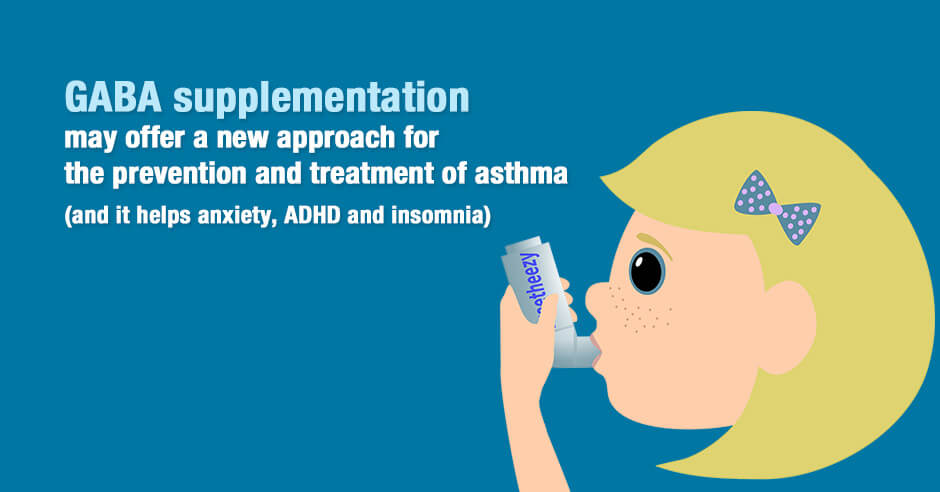
GABA supplementation may offer a new approach for the prevention and treatment of asthma (and it helps anxiety, ADHD and insomnia)

December 16, 2022 By Trudy Scott 12 Comments

gaba and asthma

If you’re already taking the amino acid GABA for physical anxiety, have you noticed if it’s also helping to ease your asthma symptoms too? This may sound surprising but research shows GABA may reduce inflammation and spasms and help with asthma symptoms via these mechanisms. What’s encouraging is the fact that GABA supplementation also helps with anxiety, obesity, ADHD and insomnia which commonly occur with asthma and can be associated with inflammation too. It’s so important to be addressing the root causes of asthma because of the many neuropsychiatric side-effects of  asthma medications. This blog addresses all of these topics.

We’ll start with the research first. In this study, Effect of gamma-aminobutyric acid treatment on plasma substance P and calcitonin gene-related peptide levels in children with asthma, of 75 children with asthma, 36 children were in the GABA treatment group and received oral GABA (25-30 mg/kg per day) in addition to standard asthma medications.

The authors propose that airway inflammation may be a factor in asthma and GABA helps because it reduces SP (substance P) and CGRP (calcitonin gene-related peptide), easing neurogenic inflammation and tracheal spasms.

The conclusion of the study is that oral GABA:

can significantly decrease plasma levels of SP and CGRP in children suffering from acute asthma.

It may offer a new approach for the prevention and treatment of asthma.

(this is my best translation from the Chinese paper).

Dosing of GABA for asthma

The children in the study group received oral GABA of  25-30 mg/kg per day. For a 100 lb /45 kg child this would equate to 1125 mg -1350 mg of GABA per day.

As I always share, I don’t recommend using GABA based on the weight of the person and I consider this a high dose. For adults, 125 mg GABA is a good starting dose with 125 mg often used 2-4 times a day. For a child, ¼ to ⅓ this dose is typically good to start with. All that said, many adults and children with asthma and anxiety need higher doses than what they initially start with.

It’s also worth noting that the oral dose of GABA was swallowed so it’s possible (and very likely) that more was needed than if it was used sublingually or with the capsule opened or a powder or a liposomal form.

GABA is seldom recommended for asthma – more recent research supports this approach

This is not new research – the paper was published in 2013 – but I seldom see it discussed or hear about practitioners recommending GABA for asthma.

A more recent paper, Neuroimmune Pathophysiology in Asthma (published in 2021) supports this and discusses the role of neurotransmitters (including GABA and serotonin) and neuropeptides (including SP, CGRP and others) in asthma. The authors suggest “that regulating the effects of neurotransmitters and neuropeptides represents a potential novel approach for the treatment of asthma.”

Why we need to consider GABA – the neuropsychiatric side effects of asthma medications

Exploring the use of GABA and these approaches is especially important given the neuropsychiatric side effects of asthma medications. In this study (published in March this year), Neuropsychiatric adverse drug reactions induced by montelukast impair the quality of life in children with asthma

Neuropsychiatric ADRs (adverse drug reactions) were reported in 78 (62.4%) of 125 patients, who recovered when the drug was discontinued.

These were children of 3-18 years taking montelukast for the first time. The good news is that they recovered when the drug was stopped.

The bad news is there is no information on how many kids who have been prescribed this class of medication are subsequently prescribed psychiatric medications.

This concern needs to be considered for all asthma medications: there are similar adverse effects with antihistamine and inhaled corticosteroid medications.

GABA helps with other conditions where spasms are common

The study results are very encouraging and support what I see clinically with asthma and other conditions where spasms are common. These include

  • proctalgia fugax/rectal spasms
  • laryngospasms
  • vagus nerve issues with a chronic cough and throat spasms and
  • globus pharyngeus/ lump-in-the-throat

GABA helps with all of the above and the non-allergic comorbidities seen with asthma.

Asthma in children and non-allergic comorbidities (obesity, depression and anxiety, ADHD and insomnia)

As stated in this paper, Paediatric asthma and non-allergic comorbidities: A review of current risk and proposed mechanisms “It is increasingly recognized that children with asthma are at a higher risk of other non-allergic concurrent diseases than the non-asthma population.” These include obesity, depression and anxiety, neurodevelopmental disorders (such as ADHD), sleep disorders and autoimmune diseases.

This paper looks at mechanisms and inflammation is a common theme except when it comes to anxiety and depression. Given that this paper was published this year and all that we now know  about nutritional psychiatry and neuroinflammation and anxiety, it’s clearly lacking in this aspect.

Clinically, we see how GABA can help with obesity (and cravings or stress-eating), depression and anxiety, ADHD and insomnia, as illustrated by these case studies:

  • GABA for ending sugar cravings (and anxiety and insomnia)
  • GABA for easing physical anxiety and tension: some questions and answers
  • The seasonality of GABA: worsening anxiety, insomnia and intrusive thoughts in winter (and the need for increased GABA supplementation)
  • GABA for children: ADHD, focus issues, irritability, anxiety and tantrums

I see similar comorbidities (the occurrence of more than one disorder at the same time) in adults and GABA can be used safely with adults and children.

Asthma from a functional medicine approach

There is clearly more to asthma than only GABA. This this article on natural remedies for asthma covers diet (eat real good quality food and avoid junk food), nutrients like vitamin D, zinc and others, and allergens – and all this needs to be investigated and addressed with a functional medicine approach.

Dr. Axe does mention stress and anxiety being a trigger: “It’s well-known that stress increases the severity and frequency of asthmatic attacks because it hinders immune function and raises inflammation.” He mentions stress-reduction techniques and breathing. I say let’s add GABA to the mix too.

Resources if you are new to using GABA and other amino acids as supplements

If you are new to using GABA or any of the other amino acids as supplements, here is the Amino Acids Mood Questionnaire from The Antianxiety Food Solution (you can see all the symptoms of neurotransmitter imbalances, including low GABA and low serotonin).

If you suspect low levels of any of the neurotransmitters and do not yet have my book, The Antianxiety Food Solution – How the Foods You Eat Can Help You Calm Your Anxious Mind, Improve Your Mood, and End Cravings, I highly recommend getting it and reading it before jumping in and using amino acids on your own so you are knowledgeable. And be sure to share it with the practitioner/health team you or your loved one is working with.

There is an entire chapter on the amino acids and they are discussed throughout the book in the sections on gut health, gluten, blood sugar control, sugar cravings, self-medicating with alcohol and more.

The book doesn’t include product names (per the publisher’s request) so this blog, The Antianxiety Food Solution Amino Acid and Pyroluria Supplements, lists the amino acids that I use with my individual clients and those in my group programs. You can find them all in my online store.

If, after reading this blog and my book, you don’t feel comfortable figuring things out on your own (i.e. doing the symptoms questionnaire and respective amino acids trials), a good place to get help is the GABA QuickStart Program (if you have low GABA symptoms). This is a paid online/virtual group program where you get my guidance and community support.

If you are a practitioner, join us in The Balancing Neurotransmitters: the Fundamentals program. This is also a paid online/virtual program with an opportunity to interact with me and other practitioners who are also using the amino acids.

Has GABA helped ease your physical anxiety and asthma symptoms too?

What about obesity/cravings, ADHD and insomnia as well?

Have you or one of your children been adversely impacted by asthma medications? If yes please share which medications and what symptoms were experienced.

What functional medicine and nutritional approaches have helped your asthma symptoms?

Feel free to post your questions and feedback in the comments below.

Filed Under: ADHD, Anxiety, Cravings, GABA, Insomnia Tagged With: ADHD, ADHD and insomnia; GABA Quickstart online program; Balancing Neurotransmitters: the Fundamentals program for practitioners, anxiety, asthma, asthma medications, calcitonin gene-related peptide, children, cravings, depression, GABA, Inflammation, insomnia, neurogenic inflammation, neuropsychiatric, obesity, physical anxiety, side-effects, spasms, substance P, tracheal spasms

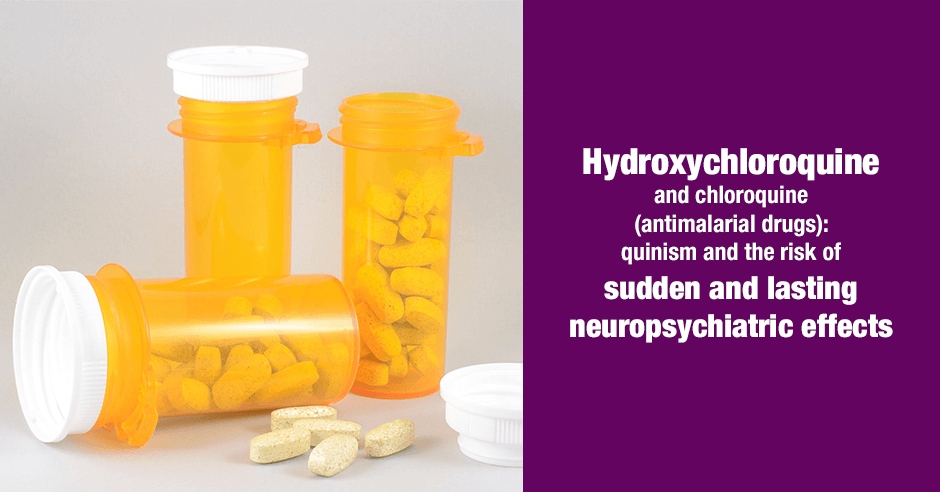
Hydroxychloroquine and chloroquine (antimalarial drugs): quinism and the risk of sudden and lasting neuropsychiatric effects

July 31, 2020 By Trudy Scott 80 Comments

Hydroxychloroquine

The Quinism Foundation, a nonprofit charitable organization “promotes and supports education and research on quinism, the family of medical disorders caused by poisoning by mefloquine, tafenoquine, chloroquine, and related quinoline drugs.”

Executive Director of the foundation, Dr. Remington Nevin, MD, MPH, DrPH, is a Johns-Hopkins trained psychiatric epidemiologist and drug safety expert and former U.S. Army public health physician. He has published extensively on the subject.

The foundation share the symptoms of chronic quinoline encephalopathy, also known as neuropsychiatric quinism:

The term “quinism” may seem new, but the symptoms of poisoning by mefloquine (previously marketed as Lariam®), tafenoquine (marketed as Krintafel® and Arakoda™), chloroquine (marketed as Aralen®), and related quinoline drugs are all too familiar: Tinnitus. Dizziness. Vertigo. Paresthesias. Visual disturbances. Gastroesophageal and intestinal problems. Nightmares. Insomnia. Sleep apnea. Anxiety. Agoraphobia. Paranoia. Cognitive dysfunction. Depression. Personality change. Suicidal thoughts.

These symptoms are not “side effects,” they are symptoms of poisoning by a class of drug that is neurotoxic and that injures the brain and brainstem. This poisoning causes a disease, and this disease has a name: Chronic quinoline encephalopathy — also known as quinism.

In March they published this press release: The Quinism Foundation Warns of Dangers from Use of Antimalarial Quinolines Against COVID‑19. Here are some highlights:

  • A risk of sudden and lasting neuropsychiatric effects from the use of antimalarial quinolines against COVID‑19, the disease caused by the novel coronavirus
  • In susceptible individuals, these drugs act as idiosyncratic neurotoxicants, potentially causing irreversible brain and brainstem dysfunction, even when used at relatively low doses

What is concerning is lasting neuropsychiatric effects and the fact that even low doses can cause irreversible effects. The Foundation “has urged policy makers, physicians, and members of the public to be alert to such effects.”

Dr. Nevin states that “these are not safe drugs” and “While it may be tempting to attribute anxiety, depression, paranoia, or other mental health symptoms to the psychological effects of the COVID‑19 pandemic, these symptoms may be an early warning sign of idiosyncratic neurotoxicity, and must be taken seriously.” 

You can read the entire March 2020 press release here. It contains a link to U.S. Food and Drug Administration’s MedWatch program for reporting adverse effects.

Another press release published late July also cautions the use of tafenoquine against COVID-19 which The Qunism Foundation states “is a neurotoxic quinoline antimalarial drug with a similar adverse effect profile to mefloquine.”

New COVID-19 research on chloroquine and hydroxychloroquine

It’s encouraging to see that new research published on COVID-19 and these medications also highlights the possibility of neuropsychiatric side effects (even through the authors state it’s considered uncommon): Psychiatric Aspects of Chloroquine and Hydroxychloroquine Treatment in the Wake of COVID-19: Psychopharmacological Interactions and Neuropsychiatric Sequelae

…neuropsychiatric side effects are very uncommon but possible, and include a potentially prolonged phenomenon of “psychosis following chloroquine.” Hydroxychloroquine has less information available about its neuropsychiatric side effects than chloroquine, with psychosis literature limited to several case reports

Case reports on psychiatric symptoms induced by hydroxychloroquine

Here is one of these case reports: Psychiatric symptoms induced by hydroxychloroquine.  A 36-year-old woman was diagnosed with Systemic Lupus Erythematosus (SLE) and antiphospholipid syndrome, and was treated with prednisone 10 mg and hydroxychloroquine 200 mg every 24 hours. Her arthritis improved but

One month after initiation of treatment, the patient began with generalized anxiety, suicidal ideation and the appearance of auditory and kinaesthetic [tactile] hallucinations.

She had similar adverse effects 5 years later  when hydroxychloroquine (without prednisone) was prescribed following an outbreak of cutaneous SLE

A week later, the patient was admitted to the Department of Psychiatry because of suicidal ideation, self-harm and kinaesthetic and auditory hallucinations, which improved after withdrawal of hydroxychloroquine and treatment in a psychiatric setting. 

Since then, the patient has not been taking hydroxychloroquine and has had no further episodes of kinaesthetic [tactile] or auditory hallucinations.

Here are two other case reports: Hydroxychloroquine-induced acute psychosis in a systemic lupus erythematosus female and Hydroxychloraquine-induced acute psychotic disorder in a female patient with rheumatoid arthritis: a case report.

Risk factors for susceptibility

This review article from 2018, Neuropsychiatric clinical manifestations in elderly patients treated with hydroxychloroquine: A review article mentions that these adverse events can range from less severe nervousness to “actual psychosis and suicidal tendencies.” 

It also lists possible risk factors that may make certain individuals more susceptible:

co-exposure to interacting drugs, alcohol intake, familial history of psychiatric diseases, female gender, and the concomitant use of low-dose glucocorticoids [such as prednisone]. 

Malaria drug causes brain damage that mimics PTSD

I first learned of this neuropsychiatric connection a number of years ago when I read about the “case of a service member diagnosed with post-traumatic stress disorder but found instead to have brain damage caused by a malaria drug.” You can read about this here – Malaria drug causes brain damage that mimics PTSD: case study.

A few years ago I also blogged about the anti-malaria medication mefloquine and how it was known to contribute to neuropsychiatric symptoms in susceptible individuals: PTSD from 3 tours in Afghanistan: Can GABA help with the anxiety?

My concerns about long-term prophylactic use and lack of awareness

My concerns are long-term prophylactic use. There are a number of clinical trials planned or in progress for long-term use in healthcare workers. If they are stressed, anxious, depressed and exhausted because of the COVID-19 work they have been doing, they may incorrectly attribute some of their symptoms to all that rather than the medication side-effects. And if they do get COVID-19, they may confuse the neurological and psychiatric effects of COVID-19 with those of chloroquine or hydroxychloroquine.

What also concerns me is the lack of awareness. None of the advocates of this class of medications mentions quinism, the possible neuropsychiatric side-effects and long-term risks, or who may be susceptible.

I would be very happy if chloroquine or hydroxychloroquine is found to be a solution (or part of a solution) for COVID-19 – alone or in combination with zinc – for certain individuals.

But I believe we do need to be very aware about side-effects as serious as these. I’d also like to see education for healthcare providers and the consumer, as well as informed consent for the consumer.

Similar concerns with other medications

In the past I’ve written about similar concerns with other medications such as benzodiazepines, SSRIs and fluoroquinolone antibiotics:

  • Antibiotic Induced Anxiety – How Fluoroquinolone Antibiotics Induce Psychiatric Illness Symptoms
  • World Benzodiazepine Awareness Day – say NO to Benzodiazepines for anxiety! 
  • The benzodiazepine valium blocks DAO and impacts histamine levels: wisdom from Yasmina Ykelenstam and a tribute to her brilliance
  • Little evidence for SSRI use in anxiety and compulsions in ASD: my interview on Nourishing Hope for Autism Summit 

Your feedback and questions so we can all learn

I encourage you to keep all this in mind as you navigate what you hear in the news, read on social media and/or read in the research on hydroxychloroquine.

Keep all this in mind too if you have future plans to travel to a malaria area for a vacation in the future (wouldn’t we love that – a trip!?).

Have you used chloroquine or hydroxychloroquine for COVID-19 and experienced psychiatric side-effects? Or know someone who has?

Have you used antimalarial medications in the past and experienced psychiatric side-effects? Was this a short-course or long-term prophylactic use?

Have you used these medications for lupus or rheumatoid arthritis with success and without psychiatric side-effects? Or have you experienced adverse effects and had to stop?

If you have had adverse psychiatric effects please share which medication, dosage and frequency? Also do you have any of the predisposing risk factors: alcohol intake at the time, history of psychiatric diseases (you or family members), are female, and were also prescribed low-dose glucocorticoids such as prednisone, and/or other medications (and which ones)?

Feel free to post your questions here too.

Filed Under: Medication Tagged With: Agoraphobia, antimalarial drugs, anxiety, benzodiazepines, chloroquine, chronic quinoline encephalopathy, Cognitive dysfunction, Coronavirus, COVID-19, depression, Dizziness, fluoroquinolone antibiotics, Hydroxychloroquine, insomnia, lasting neuropsychiatric effects, mental health symptoms, neuropsychiatric, Nightmares, paranoia, Personality change, quinism, Quinism Foundation, Sleep apnea, SSRI, Suicidal, Tinnitus, vertigo

Primary Sidebar

NEW! GABA QuickStart Homestudy (with special intro pricing)

gaba quickstart homestudy

Free Report

9 Great Questions Women Ask about Food, Mood and their Health

You'll also receive a complimentary subscription to my ezine "Food, Mood and Gal Stuff"


Connect with me

Popular Posts

  • Amino Acids Mood Questionnaire from The Antianxiety Food Solution
  • The Antianxiety Food Solution Amino Acid and Pyroluria Supplements
  • Pyroluria Questionnaire from The Antianxiety Food Solution
  • Collagen and gelatin lower serotonin: does this increase your anxiety and depression?
  • Tryptophan for the worry-in-your-head and ruminating type of anxiety
  • GABA for the physical-tension and stiff-and-tense-muscles type of anxiety
  • The Antianxiety Food Solution by Trudy Scott
  • Seriphos Original Formula is back: the best product for anxiety and insomnia caused by high cortisol
  • Am I an anxious introvert because of low zinc and vitamin B6? My response to Huffington Post blog
  • Vagus nerve rehab with GABA, breathing, humming, gargling and key nutrients

Recent Posts

  • What do I use instead of Seriphos to help lower high cortisol that is affecting my sleep and making me anxious at night?
  • BeSerene™ GABA/theanine cream eases severe muscle tension in her neck/shoulders, prevents her bad headaches and quells her anxiety
  • How the correct approach, dose and sublingual use of GABA can be calming and not cause a flushed and itchy face and neck
  • The amino acid glutamine improves low mood by addressing gut health, and it has calming effects too
  • Flight anxiety with heightened breath, physical tension and also fearing the worst (the role of low GABA and low serotonin)

Categories

  • 5-HTP
  • AB575
  • Addiction
  • ADHD
  • Adrenals
  • Alcohol
  • Allergies
  • Alzheimer's disease
  • Amino Acids
  • Anger
  • Antianxiety
  • Antianxiety Food Solution
  • Antidepressants
  • Anxiety
  • Anxiety and panic
  • Autism
  • Autoimmunity
  • benzodiazapines
  • Bipolar disorder
  • Books
  • Caffeine
  • Cancer
  • Candida
  • Children/Teens
  • Collagen
  • Cooking equipment
  • Coronavirus/COVID-19
  • Cravings
  • Depression
  • Detoxification
  • Diabetes
  • Diet
  • DPA/DLPA
  • Drugs
  • EFT/Tapping
  • EMF
  • EMFs
  • Emotional Eating
  • Endorphins
  • Environment
  • Essential oils
  • Events
  • Exercise
  • Fear
  • Fear of public speaking
  • Fertility and Pregnancy
  • Fish
  • Food
  • Food and mood
  • Functional neurology
  • GABA
  • Gene polymorphisms
  • General Health
  • Giving
  • Giving back
  • Glutamine
  • Gluten
  • GMOs
  • Gratitude
  • Gut health
  • Heart health/hypertension
  • Histamine
  • Hormone
  • Hyperparathyroidism
  • Hypoglycemia
  • Immune system
  • Inflammation
  • Insomnia
  • Inspiration
  • Introversion
  • Joy and happiness
  • Ketogenic diet
  • Lithium orotate
  • Looking awesome
  • Lyme disease and co-infections
  • MCAS/histamine
  • Medication
  • Men's health
  • Mental health
  • Mercury
  • Migraine
  • Mold
  • Movie
  • MTHFR
  • Multiple sclerosis
  • Music
  • NANP
  • Nature
  • Nutritional Psychiatry
  • OCD
  • Osteoporosis
  • Oxalates
  • Oxytocin
  • Pain
  • Paleo
  • Parasites
  • Parkinson’s disease
  • PCOS
  • People
  • PMS
  • Postpartum
  • PTSD/Trauma
  • Pyroluria
  • Questionnaires
  • Real whole food
  • Recipes
  • Research
  • Schizophrenia
  • serotonin
  • SIBO
  • Sleep
  • Special diets
  • Sports nutrition
  • Stress
  • Sugar addiction
  • Sugar and mood
  • Supplements
  • Teens
  • Testimonials
  • Testing
  • The Anxiety Summit
  • The Anxiety Summit 2
  • The Anxiety Summit 3
  • The Anxiety Summit 4
  • The Anxiety Summit 5
  • The Anxiety Summit 6
  • Thyroid
  • Thyroid health
  • Toxins
  • Tryptophan
  • Tyrosine
  • Uncategorized
  • Vegan/vegetarian
  • Women's health
  • Yoga

Archives

  • October 2025
  • September 2025
  • August 2025
  • July 2025
  • June 2025
  • May 2025
  • April 2025
  • March 2025
  • February 2025
  • January 2025
  • November 2024
  • October 2024
  • September 2024
  • August 2024
  • July 2024
  • June 2024
  • May 2024
  • April 2024
  • March 2024
  • February 2024
  • January 2024
  • December 2023
  • November 2023
  • October 2023
  • September 2023
  • August 2023
  • July 2023
  • June 2023
  • May 2023
  • April 2023
  • March 2023
  • February 2023
  • January 2023
  • December 2022
  • November 2022
  • October 2022
  • September 2022
  • August 2022
  • July 2022
  • June 2022
  • May 2022
  • April 2022
  • March 2022
  • February 2022
  • January 2022
  • December 2021
  • November 2021
  • October 2021
  • September 2021
  • August 2021
  • July 2021
  • June 2021
  • May 2021
  • April 2021
  • March 2021
  • February 2021
  • January 2021
  • December 2020
  • November 2020
  • October 2020
  • September 2020
  • August 2020
  • July 2020
  • June 2020
  • May 2020
  • April 2020
  • March 2020
  • February 2020
  • January 2020
  • December 2019
  • November 2019
  • October 2019
  • September 2019
  • August 2019
  • July 2019
  • June 2019
  • May 2019
  • April 2019
  • March 2019
  • February 2019
  • January 2019
  • December 2018
  • November 2018
  • October 2018
  • September 2018
  • August 2018
  • July 2018
  • June 2018
  • May 2018
  • April 2018
  • March 2018
  • February 2018
  • January 2018
  • December 2017
  • November 2017
  • October 2017
  • September 2017
  • August 2017
  • July 2017
  • June 2017
  • May 2017
  • April 2017
  • March 2017
  • February 2017
  • January 2017
  • December 2016
  • November 2016
  • October 2016
  • September 2016
  • August 2016
  • July 2016
  • June 2016
  • May 2016
  • April 2016
  • March 2016
  • February 2016
  • January 2016
  • December 2015
  • November 2015
  • October 2015
  • September 2015
  • August 2015
  • July 2015
  • June 2015
  • May 2015
  • April 2015
  • March 2015
  • February 2015
  • January 2015
  • December 2014
  • November 2014
  • October 2014
  • September 2014
  • August 2014
  • July 2014
  • June 2014
  • May 2014
  • April 2014
  • March 2014
  • February 2014
  • January 2014
  • December 2013
  • November 2013
  • October 2013
  • September 2013
  • August 2013
  • July 2013
  • June 2013
  • May 2013
  • April 2013
  • March 2013
  • February 2013
  • January 2013
  • December 2012
  • November 2012
  • October 2012
  • August 2012
  • July 2012
  • June 2012
  • May 2012
  • April 2012
  • March 2012
  • February 2012
  • January 2012
  • December 2011
  • November 2011
  • October 2011
  • September 2011
  • August 2011
  • July 2011
  • June 2011
  • May 2011
  • April 2011
  • March 2011
  • February 2011
  • January 2011
  • December 2010
  • October 2010
  • September 2010
  • July 2010
  • May 2010
  • April 2010
  • March 2010
  • February 2010
  • January 2010
  • November 2009

Share the knowledge!

The above statements have not been evaluated by the Food and Drug Administration. Products listed in this website are not intended to diagnose, treat, cure or prevent any disease.

The information provided on this site is for informational and educational purposes only and is not intended as a substitute for advice from your physician or other health care professional. You should consult with a healthcare professional before starting or modifying any diet, exercise, or supplementation program, before taking or stopping any medication, or if you have or suspect you may have a health problem.


Copyright © 2026 Trudy Scott. All Rights Reserved. | Privacy | Terms and Conditions | Refund Policy | Medical Disclaimer

Free Report

9 Great Questions Women Ask about Food, Mood and their Health

You’ll also receive a complimentary subscription to my ezine “Food, Mood and Gal Stuff”