• Skip to primary navigation
  • Skip to main content
  • Skip to primary sidebar

everywomanover29 blog

Food, Mood and Women's Health – Be your healthiest, look and feel great!

  • Blog
  • About
  • Services
  • Store
  • Resources
  • Testimonials
  • The Book
  • Contact
  • Search this site

insomnia

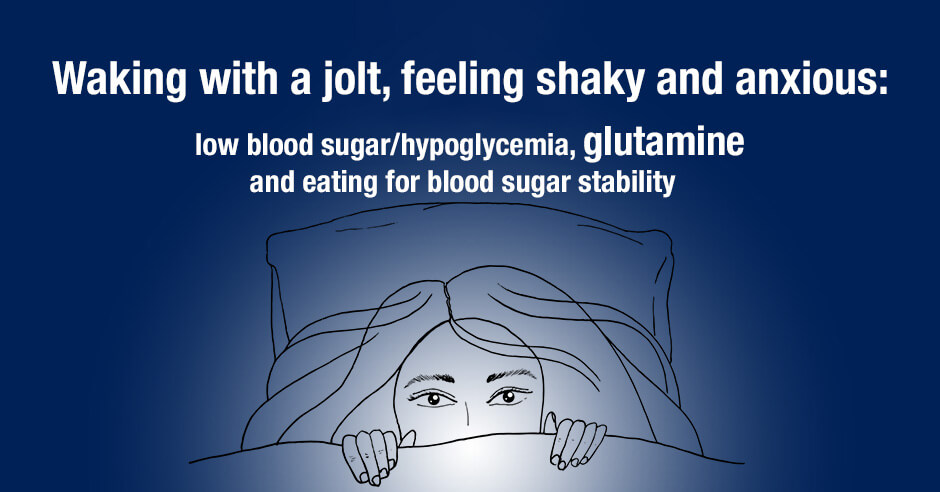
Waking with a jolt, feeling shaky and anxious: low blood sugar/hypoglycemia, glutamine and eating for blood sugar stability

February 2, 2024 By Trudy Scott 22 Comments

blood sugar stability

Low blood sugar is one of a number of causes of waking in the night or early hours, often with a jolt and feelings of anxiety or feeling like you’re having a panic attack. As shared in a recent blog post, cortisol that is high at night can cause very similar symptoms.

Because of a low blood sugar question on the high cortisol blog, today I’m explaining the very different solutions to each root cause: glutamine and eating for blood sugar stability when you have low blood sugar versus Seriphos when you have high cortisol.

Katherine shares that she has low cortisol and suspects hypoglycemia or low blood sugar, and is hesitant about using Seriphos:

My last 4 point cortisol test showed mine is low throughout the day. But I’m having episodes where I’m waking up in the mornings feeling a jolt (every time I wake up from sleeping) and sometimes also shaky and anxious.

A functional pharmacist suggested my blood sugar may be dropping during the night and hypoglycemia could cause an adrenaline surge.

I don’t know. I’m nervous to try something [such as Seriphos] to lower cortisol when it seems mine is already too low.

I agree with her functional pharmacist that hypoglycemia is likely a factor as it often is with adrenal dysfunction and low cortisol. And I am glad Katherine is being cautious about using Seriphos.

I shared that Seriphos is not the solution in this instance because she doesn’t have high cortisol based on her adrenal saliva test (4 collections). Instead, she has low cortisol throughout the day and using Seriphos would lower her cortisol even further. What many folks don’t realize is that high cortisol and low cortisol can lead to similar symptoms of anxiety, shakiness and waking in the night and early hours.

The good news is it’s relatively easy to figure out if low blood sugar is causing your symptoms. First I have clients rate their symptoms on the low blood sugar questionnaire and do a trial of glutamine. Next is figuring out the dosing and timing of glutamine, looking at a current food log and making dietary changes as needed.

If Katherine notices improvements – typically seen within a week – it’s very likely that hypoglycemia is a factor.

Finally, if additional support is needed for her anxiety I’d consider looking at low GABA and low serotonin symptoms and doing a trial of GABA and/or tryptophan.

Longer term solutions include all the dietary changes mentioned in my book – gluten-free, no sugar, no caffeine or alcohol, using nutritional support for the adrenals and addressing toxins, infections, trauma etc.

Low blood sugar symptoms

First I have clients rate their symptoms on the low blood sugar questionnaire and do a trial of glutamine if they have low blood sugar symptoms.

Here are the low blood sugar symptoms which are rated on a scale of 1 to 10, with 10 being most severe:

  • Crave sugar, starch or alcohol any time during the day
  • Irritable, shaky, headachey – especially if too long between meals
  • Intense cravings for sweets
  • Lightheaded if meals are missed
  • Eating relieves fatigue
  • Agitated, easily upset, nervous
  • Waking in the night or early hours with a jolt of anxiety/shakiness

If the ratings indicate the possibility of low blood sugar i.e. any cluster of the above symptoms, we do a trial of the amino acid glutamine on the tongue and record before and after ratings of a few symptoms.

Glutamine is a key amino acid for blood sugar stability and helps quickly while the adrenals heal and the dietary changes are figured out.

Glutamine for low blood sugar: dosing and timing

Typically 500 mg glutamine is a good starting dose. I see many folks start too high, like 5000 mg / 5 g and up multiple times a day, and it’s not necessary. However, we increase based on individual needs and you may find you do need to use 500 mg -1000 mg two to three times a day. Using a glutamine powder is a great way to use it especially if you find you do need more than 500 mg each time.

When you use glutamine powder directly on the tongue (rather than mixed in water), the benefits are seen almost immediately.

For someone like Katherine, using glutamine throughout the day may set her up for night time or early morning low blood sugar. She may also find she needs to use some glutamine just before bed too.

GABA and/or serotonin support too?

Depending on the causes of her anxiety and shakiness, in addition to glutamine, Katherine may need to consider GABA and/or tryptophan too. We use the low GABA and low serotonin symptoms questionnaire and do trials of GABA and/or tryptophan/5-HTP.

All three amino acids can be used before bed and during the night if needed but trials are best done one at a time.

Glutamine for low blood sugar, healing the gut, to reduce sugar cravings and for better sleep

In addition to helping with blood sugar stability and sleep issues, glutamine also helps to heal the gut and helps reduce sugar cravings. Laura shared how it’s been helping her with all of this on another blog:

I am currently struggling with gastritis (inflammation of the stomach lining) as well as a lifetime of low blood sugar and irritability. I started glutamine a few days ago (15 grams a day) and I am amazed at how it has calmed my gut as well as calmed the sugar cravings. I am also sleeping better!

I did share that 15 g is considered a high starting dose of glutamine. She may well get similar benefits with much less.

Glutamine for early morning low blood sugar and headaches

As you can see in this case, Cat finds 500 mg glutamine just once a day works well for her unique needs:

I found a powder that I mix approximately 500 mg of with water. It works within about 15 minutes and keeps me going for about 2 – 3 hours — long enough to reach a reasonable time for lunch.

I’m thrilled to have this option as anytime that I travel, low blood sugar becomes a huge issue as I suffer from ketotic hypoglycemia and end up with massive headaches and vomiting for 6-8 hours.

You can read more about Cat’s success here – Glutamine for hypoglycemia/low blood sugar: “500mg mixed in water works in 15 minutes and keeps me going for 2 – 3 hours”.

Dietary changes for blood sugar control and adrenal support

All my clients keep a food log and we look at what they are eating on a typical day and when. It’s key to eat in a certain way in order to control blood sugar:. breakfast on waking, healthy snacks 3 to 4  x day and some folks do well with a snack before bed. These meals and snacks should include quality animal protein and healthy fats. This is all outlined in detail in the diet and low blood sugar chapters in my book “The Antianxiety Food Solution”.

A protein smoothie in the morning is a good option too and especially helpful if you have the social anxiety condition pyroluria, where morning nausea and a low appetite is common initially. This blog highlights a research paper about breakfast smoothies helping to reduce anxiety and hypoglycemia symptoms.

Nutritional support for adrenal function includes a good B vitamin complex, extra vitamin B5/pantothenic acid, vitamin C and adaptogenic herbs such as rhodiola and ashwagandha.

Glutamine product options – capsule vs powder
l-glutamine
l-glutamine

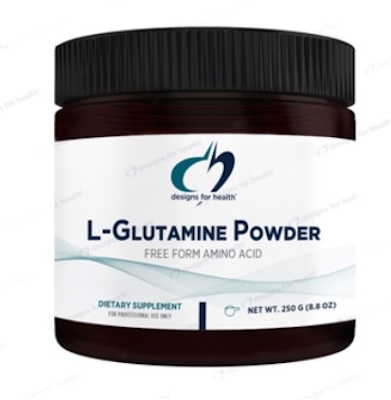
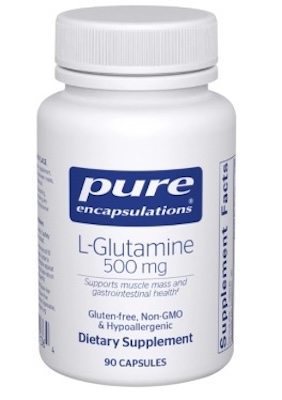
Products I recommend include Pure Encapsulations 500 mg l-glutamine (capsules opened on to your tongue) and Designs for Health l-glutamine powder as you find you need higher amounts.  You can purchase these from my online store (Fullscript – only available to US customers – use this link to set up an account).
l-glutamine
l-glutamine

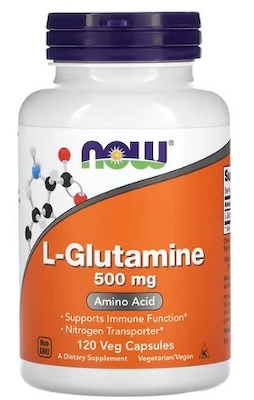
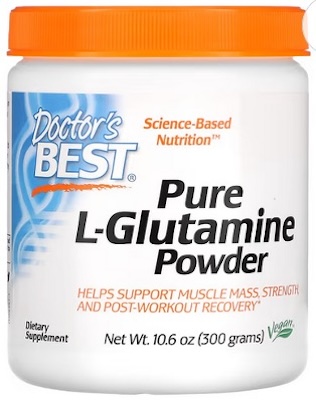
If you’re not in the US, Now l-glutamine 500 mg and Doctor’s best l-glutamine powder are products I recommend on iherb (use this link to save 5%).

Additional resources when you are new to using amino acids as supplements

We use the symptoms questionnaire to figure out if low blood sugar and/or low serotonin and/or low GABA and other neurotransmitter imbalances may be an issue for you.

If you suspect low levels of any of the neurotransmitters and do not yet have my book, The Antianxiety Food Solution – How the Foods You Eat Can Help You Calm Your Anxious Mind, Improve Your Mood, and End Cravings, I highly recommend getting it and reading it before jumping in and using amino acids on your own so you are knowledgeable. And be sure to share it with the practitioner/health team you or your loved one is working with.

There is an entire chapter on the amino acids and they are discussed throughout the book in the sections on gut health, gluten, blood sugar control (this is covered in an entire chapter too), sugar cravings, anxiety and mood issues. The importance of quality animal protein and healthy fats is also covered.

The book doesn’t include product names (per the publisher’s request) so this blog, The Antianxiety Food Solution Amino Acid and Pyroluria Supplements, lists the amino acids that I use with my individual clients and those in my group programs.

If, after reading this blog and my book, you don’t feel comfortable figuring things out on your own (i.e. doing the symptoms questionnaire and respective amino acids trials), a good place to get help is the GABA QuickStart Program (if you have low GABA symptoms too). This is a paid online/virtual group program where you get my guidance and community support.

If you are a practitioner, join us in The Balancing Neurotransmitters: the Fundamentals program. This is also a paid online/virtual program with an opportunity to interact with me and other practitioners who are also using the amino acids.

Have you had success with glutamine for blood sugar stability and waking with a jolt of anxiety/panic at night or in the early hours?

Have you used it for blood sugar stability, reduced cravings, leaky gut and anxiety during the day?

If yes, how much helps you? And how often do you use it?

Have dietary changes and adrenal support helped too?

If you’re a practitioner do you use glutamine and dietary approaches with clients/patients with low blood sugar?

And please let me know if it’s helpful that I’m now including product recommendations and where to get them?

Feel free to share and ask your questions below.
Filed Under: Adrenals, Anxiety and panic, Glutamine, Insomnia Tagged With: anxiety, cortisol, dosage, GABA Quickstart; Balancing Neurotransmitters: the Fundamentals program for practitioners, glutamine, Hypoglycemia, insomnia, jolt, low blood sugar, panic, salivary testing, shakiness, shaky, Timing, waking

Seasonal PMDD/PMS and hormonal binge eating, wine drinking and anxiety – symptoms ramp up from October

November 17, 2023 By Trudy Scott 3 Comments

seasonal PMDD/PMS

Someone in the community asked for help for the seasonal aspect of her PMDD symptoms i.e. more severe symptoms in winter  …

My PMDD symptoms massively increase around the beginning of October right through to March. Would love some advice.

The binge eating and wine drinking is becoming habitual

She specifically mentions binge eating and wine drinking but I assume her other PMDD symptoms – such as anxiety, tension, anger, irritability, depression, sadness, hopelessness, insomnia, overwhelm, low energy, breast tenderness, headaches, pain, bloating, and/ or weight gain –  are more severe at this time too.

As you can see, her symptoms are much more severe from October through March (winter in the Northern Hemisphere). If you live in the Southern Hemisphere you could expect more severe symptoms from May through September (or thereabouts).

There is a seasonal aspect to PMDD (premenstrual dysphoric disorder) and PMS (premenstrual syndrome and other hormonal imbalances.  It’s not well recognized despite the fact that it’s documented in the research and seen clinically.

My feedback for her is to look into and address low serotonin, low GABA and/or low endorphins with the respective amino acids (adjusting up and down based on the season and symptoms), using recognized SAD (seasonal affective disorder) approaches and addressing pyroluria if needed (the nutrients are cofactors for neurotransmitter production.) I share more about each of these approaches and the research below.

The research: patients with PMDD have substantial seasonal patterns in mood and premenstrual symptoms

Premenstrual dysphoric disorder (PMDD) “accounts for the most severe form of PMS with the greatest impairment of women’s functioning and perceived quality of life, often prompting them to seek treatment.”

This older paper from 1997, Seasonality of symptoms in women with late luteal phase dysphoric disorder

  • Out of 100 patients treated in a subspecialty clinic in a university teaching hospital, “a significantly higher rate of seasonal affective disorder (38% versus 8%) as determined by Seasonal Pattern Assessment Questionnaire criteria.”
  • Also, 25% of the patients with seasonal variations in their premenstrual symptoms, consider them marked or a severe problem

The authors conclude that:

These results suggest that patients with LLPDD [or PMDD] have substantial seasonal patterns in mood and premenstrual symptoms. These seasonal patterns have implications for the clinical assessment and treatment of LLPDD [or PMDD]. For example, light therapy may be beneficial for women with seasonal worsening of LLPDD [or PMDD].

As you look at the research keep in mind the fact that late luteal dysphoric disorder (LLDD),“is now known as premenstrual dysphoric disorder (PMDD)”, as mentioned in the above paper and other older studies.

Seasonal variations in serotonin and GABA

Seasonal variations in serotonin have long been documented with much research on the winter blues. This paper, The chronobiology and neurobiology of winter seasonal affective disorder describes winter seasonal affective disorder (SAD) as “a mood disorder characterized by the predictable onset of depression in the fall/winter months, with spontaneous remissions in the spring/summer period.” They also state that “The typical patient with SAD is a premenopausal woman who experiences carbohydrate craving, hypersomnia, and prominent fatigue during winter depressive episodes.”

There is less awareness about GABA seasonality but GABA levels may also be lower in the winter months. In this animal study, Effect of the pineal gland on 5-hydroxytryptamine and γ-aminobutyric acid secretion in the hippocampus of male rats during the summer and winter, it is reported that: “GABA secretion in the hippocampus of rats had a seasonal rhythm consisting of increased secretion in summer and decreased secretion in the winter.”  I share more about this and the seasonality of GABA here.

It makes sense that supporting these lower levels in winter is going to help with the more severe PMDD symptoms that correlate with each neurotransmitter imbalance.

One solution: address low levels of neurotransmitters with amino acids

As you can see the PMDD symptoms mentioned above could fall into the categories of low GABA, low serotonin and/or low endorphins (and possibly low dopamine/catecholamines and low blood sugar too: binge eating, wine drinking, anxiety, tension, anger, irritability, depression, sadness, hopelessness, insomnia, overwhelm, low energy, breast tenderness, headaches, pain, bloating, and/ or weight gain.

(You can read this StatPearls ebook for the full description of the above symptoms: Premenstrual Dysphoric Disorder)

It’s for this reason I always have clients with PMDD (and other hormonal issues) do the Amino Acids Mood Questionnaire and trials of the respective amino acids.

Using a food mood log and tracking what time of day you binge eat and drink wine (and  all the other symptoms) is a clue as to which amino acids may help most. I would expect tryptophan, GABA and DPA would be at the top of the list, and possibly tyrosine and glutamine too.

Because of the seasonality aspect, a higher dose is likely to be needed in the winter time so if you’re just starting your amino acid trails keep this in mind. If you are already using amino acids with success in summer, then bumping up the amounts during winter is going to help further. And then be sure to reduce amounts once winter is over.

Hopefully you’ve also been working on diet, gut health, liver health, adrenal function, toxin removal and other factors to reduce or eliminate PMDD/PMS so the amino acids are not needed long term.

How targeted individual amino acids may help – some examples

As you can see from one study, tryptophan can help with premenstrual dysphoria/sadness, mood swings, tension, and irritability.

Low endorphins and low dopamine may also be a factor. I share more on this blog: DLPA (DL-Phenylalanine) eases PMDD/PMS symptoms in women who experience declining endorphin levels in the second half of their cycles

Here are some specific amino acid cases around binge eating/cravings and excessive wine drinking:

  • Would using 5-HTP or tryptophan help when you crave sugar (as a sort of antidepressant) late afternoon/evening?
  • Tryptophan had the added benefit of turning me completely off alcohol when I took it to improve mood and sleep during perimenopause
  • GABA for ending sugar cravings (and anxiety and insomnia)

None of the above are specific to seasonal changes in symptoms but illustrate the use of amino acids.

Supportive solutions: a SAD lamp when serotonin is low and addressing pyroluria

The late luteal phase dysphoric disorder paper above doesn’t mention amino acids (which is unfortunate but not surprising)  but it does mention light therapy. I do recommend the use of a SAD lamp (full spectrum light) when there are low serotonin symptoms that get more severe in the winter.

With PMDD/PMS and other hormonal imbalances, we also always consider pyroluria and the use of higher amounts of zinc, vitamin B6 and evening primrose oil. The “stress” of winter and increased sugar consumption can deplete zinc and vitamin B6 for everyone but more so if you have pyroluria. These nutrients are also key for hormonal imbalances.

Additional resources when you are new to using amino acids as supplements

We use the symptoms questionnaire to figure out if low GABA or low serotonin or low endorphins or low dopamine or low blood sugar may be an issue with your seasonal PMDD/PMS.

If you suspect low levels of any of the neurotransmitters and do not yet have my book, The Antianxiety Food Solution – How the Foods You Eat Can Help You Calm Your Anxious Mind, Improve Your Mood, and End Cravings, I highly recommend getting it and reading it before jumping in and using amino acids on your own so you are knowledgeable. And be sure to share it with the practitioner/health team you or your loved one is working with.

There is an entire chapter on the amino acids and they are discussed throughout the book in the sections on gut health, gluten, blood sugar control, sugar cravings, anxiety and mood issues.

The book doesn’t include product names (per the publisher’s request) so this blog, The Antianxiety Food Solution Amino Acid and Pyroluria Supplements, lists the amino acids that I use with my individual clients and those in my group programs. You can find them all in my online store.

If, after reading this blog and my book, you don’t feel comfortable figuring things out on your own (i.e. doing the symptoms questionnaire and respective amino acids trials), a good place to get help is the GABA QuickStart Program (if you have low GABA symptoms too). This is a paid online/virtual group program where you get my guidance and community support.

Another option is the budget-friendly GABA QuickStart Homestudy program.

If you also need serotonin support, the Serotonin QuickStart Program is a good place to get help. This is also a paid online/virtual group program where you get my guidance on using tryptophan and 5-HTP safely, and community support during 5 LIVE Q&A calls. You can sign up to be notified when the next live launch of this program is happening.

If you are a practitioner, join us in The Balancing Neurotransmitters: the Fundamentals program. This is also a paid online/virtual program with an opportunity to interact with me and other practitioners who are also using the amino acids.

Now I’d like to hear from you

Does any of this resonate with you? If yes, has any of the above helped with the seasonal aspect of your PMDD, PMS or other hormonal issues?

Feel free to share and ask your questions below.
Filed Under: Anxiety, Cravings, GABA, Tryptophan, Women's health Tagged With: amino acids, anger, anxiety, Balancing Neurotransmitters: the Fundamentals program for practitioners, binge eating, depression, endorphins, GABA, GABA Quickstart, hopelessness, hormonal, insomnia, irritability, PMDD, PMS, premenstrual dysphoric disorder, premenstrual syndrome, sadness, seasonal affective disorder, seasonal PMDD, seasonal PMS, serotonin, tension, wine drinking, winter, winter blues

GABA and taurine reduce high blood pressure: the anxiety connection and what do when on blood pressure medication or if blood pressure is already low

September 1, 2023 By Trudy Scott 18 Comments

gaba and taurine

Gamma-amino butyric acid (GABA) is an amino acid that used as a supplement to help ease physical anxiety and help with insomnia, and a host of other symptoms ranging from pain to throat spasms (you can see the most recent list of symptoms here)

Research shows that GABA lowers blood pressure too. This has implications if you have high blood pressure/hypertension and are currently taking blood pressure medication or if you happen to have low blood pressure. The latter is already a precaution I review with my clients i.e. to watch the use of GABA when blood pressure is low. But we do need to add another precaution to cover folks already on blood pressure medications. Read on to learn about these precautions and what they may mean for you, and to read about the GABA (and taurine) hypertension research. And the fact that anxiety is common when you have high blood pressure and can actually be a driving factor.

This paper, United States Pharmacopeia (USP) Safety Review of Gamma-Aminobutyric Acid (GABA), published in 2021, reports the results of a 4-week study that investigated the tolerability of GABA supplementation in mildly hypertensive but otherwise healthy adults:

The authors first established an optimum dose in mildly hypertensive subjects (SBP/systolic blood pressure between 130 and 180 mm Hg) who were randomized to receive oral doses of GABA at 0 (placebo), 20, 40, or 80 mg/day for 4 weeks.

An intake of 80 mg/day of GABA was associated with a significant reduction of the BP in adults with mild hypertension, and no adverse effects were reported.

A subsequent study evaluated long-term effects of GABA at 80 mg daily versus placebo in mildly hypertensive subjects for 8 weeks:

At the end of the 8-week study, SBP [systolic blood pressure i.e. the top number] and DBP [diastolic blood pressure i.e. the bottom number] were on average 5% lower in all the subjects who received 80 mg/day of GABA compared to participants in the placebo group whose blood pressure levels remained above normal.

This is a substantial reduction when 80 mg of GABA a day is considered a very low dose. I typically have my anxious clients start with 125mg GABA and increase from there. They may end up using 125 mg GABA 3 or 4 times a day and sometimes 250 mg a few times a day.

I’m not suggesting using only GABA or taurine (more on this below) when blood pressure is high as there can be many variables and root causes. I would, however, like to see GABA be given more consideration, especially when anxiety is a symptom too.

The existing GABA precautions: a new one if you are taking medication for high blood pressure

If you are currently taking blood pressure medication for high blood pressure and plan to do a trial of GABA, it’s worth monitoring your blood pressure and discussing with your prescribing doctor. GABA may lower your blood pressure enough that your medication can be reduced or possibly stopped.  The above paper states this:

Because some studies showed that GABA was associated with decreases in blood pressure, it is conceivable that concurrent use of GABA with anti-hypertensive medications could increase risk of hypotension [low blood pressure].

I have now added this as a new precaution – High blood pressure and on blood pressure medications: GABA, taurine. You can see it on the Amino Acid Precautions blog.

The existing GABA precautions: watch when you have low blood pressure and don’t use when pregnant or nursing

As you can read in the amino acids chapter of my book and on the above precautions blog, there is already a precaution stating to watch the use of GABA when you have low blood pressure. It’s worth being aware of but is not something I’ve actually seen to be an issue. Occasionally folks reduce their GABA dose because they feel light-headed.

This precaution is already addressed – not to use GABA when pregnant or nursing – but it’s worth repeating here as it’s a frequent question I am asked . The above paper states:

Caution is advised for pregnant and lactating women since GABA can affect neurotransmitters and the endocrine system, i.e., increases in growth hormone and prolactin levels.

Taurine: hypertension, stroke and heart disease

You’ll notice taurine grouped with GABA on the list of precautions. Based on the research, this amino acid also helps reduce blood pressure and is cardio-protective: “Advances in extensive studies on experimental models indicate that taurine is preventive against hypertension, stroke and atherosclerotic arterial diseases.”

This is one of the proposed mechanisms of taurine for lowering blood pressure : “The preventive mechanisms of taurine were ascribed to sympathetic modulation for reducing blood pressure (BP) and anti-inflammatory action.” GABA works in a similar way.

The same precautions would apply: low blood pressure and high blood pressure with blood pressure medication.

As I mentioned above, there is more to hypertension than adding only taurine or GABA. This book by Dr. Mark Houston MD, is an excellent resource – What Your Doctor May Not Tell You About(TM): Hypertension: The Revolutionary Nutrition and Lifestyle Program to Help Fight High Blood Pressure (my Amazon link).

He does mention taurine and recommends 1 to 1.5 g of taurine twice a day for high blood pressure. He does not mention GABA supplementation but does mention how vitamin B6 is important for GABA and serotonin production and improving sympathetic function.

Stress, anxiety and fear affect blood pressure and GABA helps

Dr. Houston shares that “numerous studies have linked stress, anxiety, fear and other negative emotions to an elevation in blood pressure. Conversely, as stress decreases, so does blood pressure. ”

This supports my comments above about giving GABA more consideration when it comes to high blood pressure, especially when anxiety is a symptom too. Here are some cases studies:

  • GABA for the physical-tension and stiff-and-tense-muscles type of anxiety
  • PCOS (polycystic ovarian syndrome): GABA helped ease lifelong anxiety, wean off anxiety medication, ovulate each month and stop PCOS meds
  • Multiple sclerosis: low GABA research and the amino acid GABA for anxiety, muscle stiffness, swallowing/voice issues and pain
  • GABA lessens anxiety, agitation and defiance in 98 year old mother who has been “sundowning” for a couple of years

When GABA is not available taurine is a viable option for anxiety and hypertension.

Resources if you are new to using amino acids as supplements

If you suspect low levels of any of the neurotransmitters and do not yet have my book, The Antianxiety Food Solution – How the Foods You Eat Can Help You Calm Your Anxious Mind, Improve Your Mood, and End Cravings, I highly recommend getting it and reading it before jumping in and using amino acids on your own so you are knowledgeable. And be sure to share it with the practitioner/health team you or your loved one is working with.

There is an entire chapter on the amino acids and they are discussed throughout the book in the sections on gut health, gluten, blood sugar control, sugar cravings, anxiety and mood issues.

The book doesn’t include product names (per the publisher’s request) so this blog, The Antianxiety Food Solution Amino Acid and Pyroluria Supplements, lists the amino acids that I use with my individual clients and those in my group programs. You can find them all in my online store.

If, after reading this blog and my book, you don’t feel comfortable figuring things out on your own (i.e. doing the symptoms questionnaire and respective amino acids trials), a good place to get help is the GABA QuickStart Program (if you have low GABA symptoms too). This is a paid online/virtual group program where you get my guidance and community support.

If you are a practitioner, join us in The Balancing Neurotransmitters: the Fundamentals program. This is also a paid online/virtual program with an opportunity to interact with me and other practitioners who are also using the amino acids.

If you have low blood pressure, has GABA (or taurine) been an issue for you?

Do you have high blood pressure and has GABA (or taurine) lowered it? If yes, how much did you use and how much did your blood pressure improve? And did you have to adjust your blood pressure medication (and which one)?

Has GABA (or taurine) helped ease your physical anxiety and other low GABA symptoms?

If you have questions and other feedback please share in the comments too.

Filed Under: Anxiety, GABA Tagged With: amino acids, anxiety, Balancing Neurotransmitters: the Fundamentals program for practitioners, blood pressure medication, fear, GABA, GABA Quickstart, heart disease, high blood pressure, hypertension, hypertensive, insomnia, low blood pressure, nursing, pain, precaution, pregnant, stress, stroke, systolic blood pressure, taurine, throat spasms

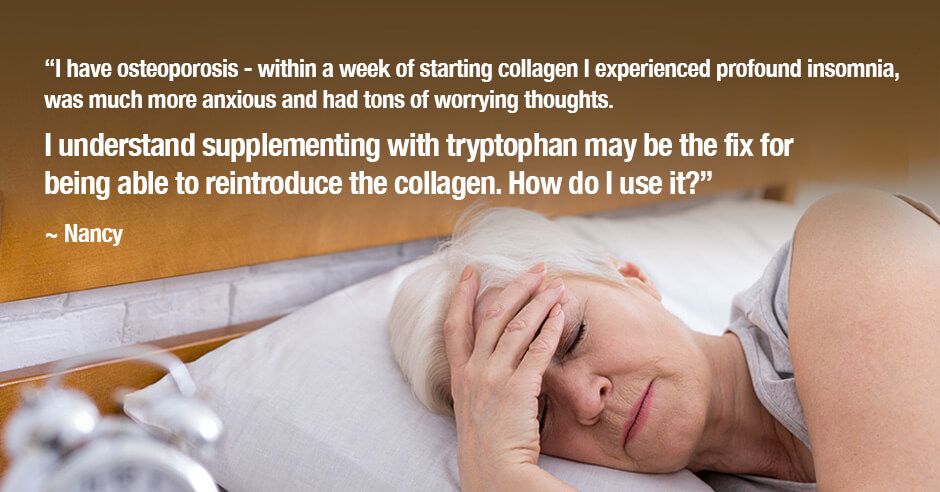
I have osteoporosis – within a week of starting collagen I experienced profound insomnia, was much more anxious and had tons of worrying thoughts

August 18, 2023 By Trudy Scott 10 Comments

osteoporosis collagen tryptophan

Nancy shares her unpleasant experience when using collagen for her osteoporosis and asks how she can use tryptophan and possibly add the collagen back:

I have osteoporosis and recently started taking a collagen peptide product (Fortibone). At the same time, I started taking a bone support formula containing calcium, magnesium, vitamin D, vitamin K2, boron, etc.

Within a week I began experiencing such PROFOUND insomnia. I felt like I was wide awake and could not drift off till 4 am each morning. Also, when I laid down at night, I was much more anxious than I normally am and had tons of worrying thoughts flitting thru my mind.

Within a couple weeks of the insomnia starting, I thankfully caught your talk about collagen and folks who are susceptible to it, at the 2023 Osteoporosis Summit. The puzzle pieces clicked together; I’m a MAO-A. I immediately stopped the collagen and the bone support supplement.

I understand supplementing with tryptophan may be the fix for being able to reintroduce the collagen.

I appreciate her for sharing her experience on one of my collagen blogs and thanked her, saying how glad I was that she heard my interview about this.

Collagen and gelatin lower serotonin in susceptible individuals

Intake of collagen (and gelatin) can lower serotonin in susceptible individuals and cause these symptoms she experienced. I first blogged about this in 2017 but it’s still not common knowledge even amongst practitioners and companies selling collagen products.

The good news is that awareness is growing. Dr. R. Keith McCormick does mention the serotonin-collagen connection in his excellent book Great Bones – Taking Control of Your Osteoporosis  (my Amazon link). He does not, however, offer tryptophan as a solution.

If this is new to you, this blog post describes why it happens (i.e. collagen does not contain any tryptophan), lists many of the tryptophan depletion studies and who may be more susceptible to this effect – Collagen and gelatin lower serotonin: does this increase your anxiety and depression?

Here is a more recent blog on the topic too: Collagen causes increased anxiety, low mood, irritability, insomnia, gut issues and an itchy skin: some questions and my answers

The causes of these symptoms can be due to the serotonin-lowering effects of collagen but also the dietary oxalate impact, a histamine reaction and/or a glutamate reaction to collagen.

Could supplementing with tryptophan be the fix for being able to reintroduce the collagen?

Nancy said “I understand supplementing with tryptophan may be the fix for being able to reintroduce the collagen.” Hearing her symptoms – profound insomnia, increased anxiety and worrying thoughts flitting through her mind – led me to the same conclusion, especially since they all started soon after starting collagen.

We know she has the MAOA (monoamine oxidase A) genetic polymorphism – this does make her more susceptible to the serotonin-lowering effects of collagen. Other factors that may make her more susceptible (explained in the 2017 blog above) are current or prior depression and/or OCD (obsessive compulsive disorder) or family history of these conditions and being a smoker. In addition to a MAOA defect is having a 5-HTTLPR genetic polymorphism.

To confirm the likely low serotonin connection, it would have been helpful to know if she also experienced other low serotonin symptoms: panic attacks and phobias, lack of confidence, depression, negativity, imposter syndrome, PMS, irritability, anger issues and afternoon/evening cravings.

It would also be helpful to know if her symptoms resolved when she stopped using the collagen.

But the best way to confirm is to do a trial of tryptophan and observe if these symptoms resolve when using collagen.

How to use tryptophan in a situation like this?

She asked these specific questions about using tryptophan:

I bought the Lidtke brand which is a 500 mg. capsule. How do I dose this? I realize you said to trial dose it but:

1) what time of day is best to take it?

2) is it taken on an empty stomach or can it be taken with food?

3) should I start taking the tryptophan BEFORE restarting the collagen and be watching for the night time anxiety/insomnia symptoms to reappear?

4) if the insomnia, anxiety do reappear, how much do I titrate up and is there a max dose of tryptophan? If I’m taking more than one capsule a day, should they be taken at one time or divided throughout the day?

Tryptophan is always taken midafternoon and evening on an empty stomach/away from protein and increased until there is symptom resolution.

For clients in a similar situation who have stopped the collagen but still have insomnia, anxiety and worry symptoms, I have them start on tryptophan before adding back collagen and adjust the tryptophan dose up if needed once collagen is reintroduced.

If symptoms resolved when the collagen was stopped, tryptophan would be trialed as soon as symptoms show up when collagen is reintroduced.

With tryptophan, 500 mg is a typical starting dose but less may work in a situation like this. I’ve had clients use up to 1500 mg tryptophan 2 x day. It’s really individualized with no one-size fits all.

I did mention my book, The Antianxiety Food Solution, as an excellent resource for Nancy. There is an entire chapter on the amino acids and how to use them. I recommend everyone read it before using any of the amino acids as supplements.

Resources if you are new to using amino acids as supplements

If you are new to using amino acids as supplements, here is the Amino Acids Mood Questionnaire from The Antianxiety Food Solution (you can see all the symptoms of neurotransmitter imbalances, including low GABA, low serotonin, low dopamine, low blood sugar and low endorphins).

If you suspect low levels of any of the neurotransmitters and do not yet have my book, The Antianxiety Food Solution – How the Foods You Eat Can Help You Calm Your Anxious Mind, Improve Your Mood, and End Cravings, (as I mentioned above) I highly recommend getting it and reading it before jumping in and using amino acids on your own so you are knowledgeable. And be sure to share it with the practitioner/health team you or your loved one is working with.

There is an entire chapter on the amino acids and they are discussed throughout the book in the sections on gut health, gluten, blood sugar control, sugar cravings, anxiety and mood issues.

The book doesn’t include product names (per the publisher’s request) so this blog, The Antianxiety Food Solution Amino Acid and Pyroluria Supplements, lists the amino acids that I use with my individual clients and those in my group programs. You can find them all in my online store.

If, after reading this blog and my book, you don’t feel comfortable figuring things out on your own (i.e. doing the symptoms questionnaire and respective amino acids trials), a good place to get help is the GABA QuickStart Program (if you have low GABA symptoms too). This is a paid online/virtual group program where you get my guidance and community support.

If you are a practitioner, join us in The Balancing Neurotransmitters: the Fundamentals program. This is also a paid online/virtual program with an opportunity to interact with me and other practitioners who are also using the amino acids.

Thanks to Nancy for sharing her experience with collagen and asking this question.

Have you used collagen for bone health/osteoporosis or for other reasons? And have you experienced insomnia, and increased anxiety and worrying?

Were your symptoms due to low serotonin and did tryptophan allow you to continue with collagen or add it back if you stopped it?

Or were your symptoms caused by oxalates in collagen, a histamine reaction and/or a glutamate reaction?

Has Fortibone led to improvements in your bone health? If yes, how long have you been using it and which collagen product (a number of products contain Fortibone)?

If you have questions and feedback please share them here too.

Filed Under: Anxiety, Collagen, Depression, Osteoporosis, Tryptophan Tagged With: amino acids; anxiety, anxious, collagen, collagen peptide, Fortibone, GABA Quickstart online program; Balancing Neurotransmitters: the Fundamentals program for practitioners, gelatin, how to use, insomnia, MAOA, osteoporosis, serotonin, serotonin-lowering, susceptible, tryptophan, wide awake, worrying thoughts

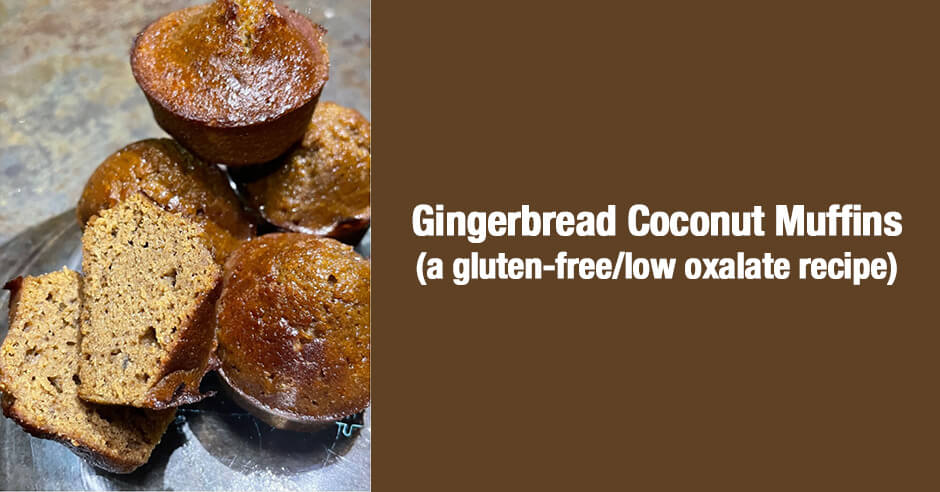
Gingerbread Coconut Muffins (a gluten-free/low oxalate recipe)

July 28, 2023 By Trudy Scott 12 Comments

gingerbread coconut muffins

If you have gluten sensitivity or celiac disease and/or dietary oxalate issues (pain, anxiety, insomnia, restless legs, hearing loss, eye issues, unresolved thyroid issues, bladder issues and more) and yet really miss the occasional muffin this Gingerbread Coconut Muffins recipe is a delicious gluten-free and low oxalate option. I see way too many so-called healthy gluten-free recipes using almond flour.  This is concerning given that almonds are high in oxalates. Keep in mind that wheat is also high oxalate.

I’m finding dietary oxalate issues to be underappreciated especially in menopausal women when symptoms can show up and be more severe. If you’re new to the dietary oxalate issues you can read more below.

I have also found that using almond flour and other nut flours in baking affects your zinc/copper balance, increasing copper and hence causing more anxiety and even panic attacks.

If you don’t have dietary oxalate issues, you can certainly enjoy this recipe too. But watch the overindulging and binge-eating (more on that and using amino acids below).

Gingerbread Coconut Muffins (a low oxalate recipe)

Ingredients

6 eggs
1/3 cup melted butter
1/4 teaspoon salt
1/2 cup molasses
1/2 cup coconut sugar
2-3 teaspoons ginger powder (or liquid ginger extract)
3/4 cup sifted coconut flour
1 tablespoon ground flax seeds

Method

Melt the butter over low heat and add the coconut sugar and molasses. Once it’s cooled add the eggs and mix well. Stir in the coconut flour, salt, ground flax seeds and ginger powder.

Spoon the mixture into two greased mini muffin pans. Bake at 400 degrees F/ 205 degrees C for 12 – 14 minutes. The muffins will rise nicely and will start to turn dark brown. Remove and cool on a cooking rack. Makes 24 mini muffins.

Eat warm or when cooled. Serve with butter and/or cream and/or coconut butter. For a little added sweetness a small amount of raw honey can be spread on a muffin too.

My adaptation from a gingerbread cookies recipe

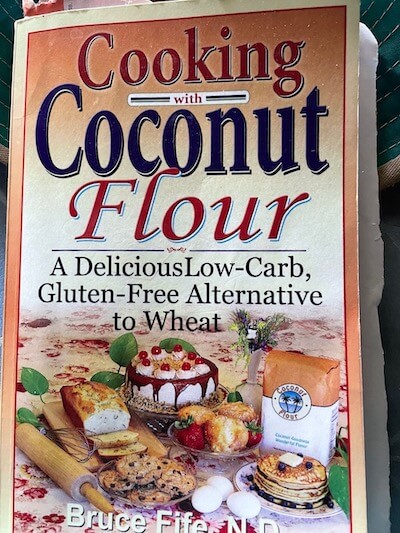
I adapted this recipe from a Gingerbread Cookies recipe in Cooking with Coconut Flour by Bruce Fife ND. I pretty much always do this when I cook – adapt recipes to my needs and likes – and always reduce the sugar. In this instance, I halved the sugar and used coconut sugar instead.

I also increased the ginger because I love all things ginger. I upped it from 1 teaspoon ground ginger to 2 teaspoons and will actually try 3 teaspoons next time I make them. Ginger can be an issue if you have oxalate issues so you’d want to see how much you can tolerate – so far so good for me. If you do have issues with ground ginger you could always use a liquid ginger extract which is low oxalate.

I omitted the cinnamon and cloves to emphasize the ginger taste. I also added ground flax seeds for added fiber.

I decided to cook them in mini muffin pans instead of making cookies on a baking tray but you could always try this option. Use the same temperature and cooking time per the original recipe.

The blackstrap molasses makes them so flavorful too and takes me back to my childhood. Molasses is nutrient dense too, providing calcium, magnesium, potassium, manganese, iron, vitamin B6, and selenium. Just be sure to use molasses made from sugar cane and not sugar beets (which are high in oxalates).

They were surprisingly soft and moist and eating them with butter and/or cream made them even more delicious. I always like to include some healthy fats. If dairy isn’t tolerated, coconut cream could be substituted. I suspect coconut oil could be substituted for the melted butter but have not tried this yet.

cooking with coconut flour

Here is Cooking with Coconut Flour by Bruce Fife ND. You can find it on Amazon here (my link). I’ve baked a number of recipes from this book and I’m impressed. I really appreciate that it’s all coconut flour recipes with no almond flour or other gluten-free flours used.

If you do battle with sugar cravings and binge eating – use amino acids

It’s ideal to keep baked goods – especially the ones shown on the cover of this book – to a minimum. But for an occasional treat this recipe book is excellent.

If you do battle with sugar cravings and binge eating, don’t forget how useful the amino acids are for stopping your cravings with no willpower and no feelings of deprivation. You can learn more about this here: The individual amino acids glutamine, GABA, tryptophan (or 5-HTP), DPA and tyrosine are powerful for eliminating sugar cravings, often within 5 minutes.

I discuss cravings/emotional eating and how to use amino acids in my book, The Antianxiety Food Solution – How the Foods You Eat Can Help You Calm Your Anxious Mind, Improve Your Mood and End Cravings. More here. I also cover how low blood sugar can lead to both anxiety and cravings and how to prevent this by use glutamine and eating for blood sugar stability.

If you’re new to dietary oxalates as a possible health issue

This blog post is a helpful one to start with if you’re new to dietary oxalates and the issues they can cause: Oxalate crystal disease, dietary oxalates and pain: the research & questions

These are the common medium-oxalate and high-oxalate foods that many folks have problems with: nuts, nut-butters and nut-flour (especially baking with almond flour and something to watch when eating Paleo or GAPS), wheat, chocolate, kiwi fruit (very high – see the raphides image on the above blog), star fruit (also very high), beets, potatoes, sweet potatoes, legumes, raspberries, spinach and soy.

In the above blog post, I share an overview of oxalates, my pain issues with dietary oxalates (severe foot pain and eye pain), and deeper dive into the condition called oxalate crystal disease (with some of my insights and questions).

The big take-aways are that calcium oxalate crystals are sharp and can cause far reaching harm beyond pain – such as unresolved anxiety, thyroid issues, neurological symptoms, eye issues, hearing loss, bladder issues, headaches, fatigue, insomnia, restless legs, autism symptoms and more. You can have issues with dietary oxalates and not have kidney disease/kidney stones, although there is very little research supporting the latter.

You may find these oxalate blogs helpful too:

  • Increased kidney stones in postmenopausal women with lower estradiol levels. What about increased dietary oxalate issues too?
  • Waking in the night due to environmental toxins: impacts on the liver, gallbladder and fat digestion (making oxalate issues worse)
  • Butternut Bake recipe (a low oxalate alternative to Potato Bake)
  • Coconut Macaroon Mini Muffin recipe (low oxalate)

What dietary oxalates issues have you experienced and has a low oxalate diet helped you?

If you have dietary oxalates issues can you handle ginger?

Do let us know if you make this recipe and enjoy it.

Feel free to share a favorite recipe of something you’ve adapted to be low or even medium oxalate.

If you have questions and feedback please share them here too.

Filed Under: Amino Acids, Anxiety, Recipes Tagged With: almond flour, anxiety, blackstrap molasses, bladder issues, celiac disease, coconut flour, copper, cravings. amino acids, dietary oxalate issues, eye issues, Gingerbread, gluten sensitivity, gluten-free, hearing loss, insomnia, Low oxalate, menopause, muffin, pain, recipe, restless legs, unresolved thyroid issues

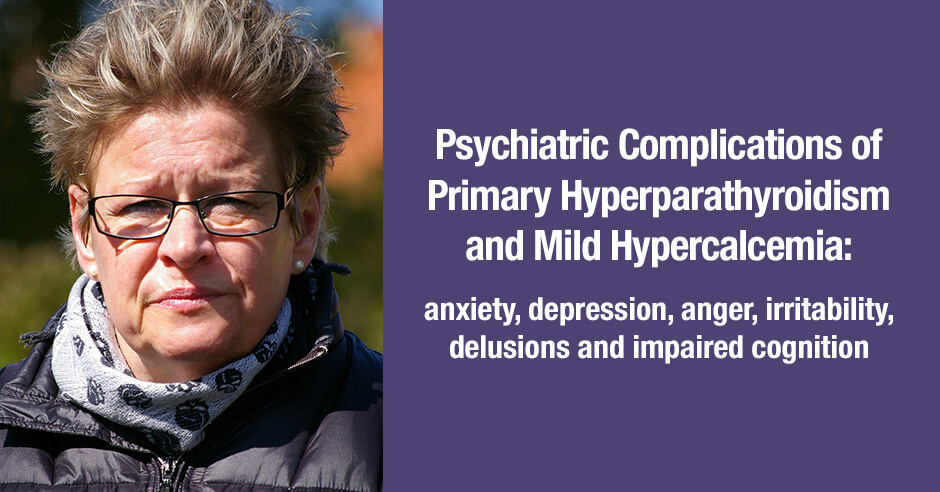
Psychiatric Complications of Primary Hyperparathyroidism and Mild Hypercalcemia: anxiety, depression, anger, irritability, delusions and impaired cognition

July 7, 2023 By Trudy Scott 38 Comments

primary hyperparathyroidism

In samples of patients undergoing parathyroidectomy for primary hyperparathyroidism (PHPT), these disturbances have been identified at a rate of 43.1%–53.0% for anxiety, 33.0%–62.1% for depression, 22.0% for thoughts of death or suicide, 51.9% for anger and irritability, 5.0%–20.0% for hallucinations and delusions, and 37.3%–46.5% for impaired cognition.

In fact, it has been noted that there are more neuropsychiatric phenomena in PHPT than is often recognized and that these symptoms are easily missed, particularly in the elderly population.

This excerpt is from, Psychiatric Complications of Primary Hyperparathyroidism and Mild Hypercalcemia, published in Psychiatry Online.

I’ve recently been reading as much as I can about this condition, for personal and professional reasons. As soon as I learn about something new I go digging to see if there is an anxiety connection. And I must say I was very surprised to read these stats. It’s not something I’ve heard discussed or taught at mental health conferences.

The authors also state this about the condition:

The incidence of primary hyperparathyroidism (PHPT) is about 21 cases per 100,000 person-years, and the disorder is usually caused by a solitary parathyroid adenoma. PHPT has traditionally been recognized by its characteristic symptoms, including urolithiasis (“stones”); osteopenia and osteoporosis (“bones”); abdominal cramping, nausea, and peptic ulceration (“moans”); and depression, anxiety, cognitive dysfunction, insomnia, confusion, and personality changes (“psychiatric overtones”).

How do changes in serum calcium levels contribute to mental health and cognitive symptoms?

It’s always helpful to understand the mechanism and it was the first thought that went through my mind – how does hyperparathyroidism and changes in serum calcium levels cause these mental health and cognitive symptoms? The authors share this:

Although the pathogenesis [or cause] of psychiatric symptoms in primary hyperparathyroidism remains unclear, calcium is thought to figure prominently in determining changes in monoamine metabolism in the central nervous system(CNS), thereby modifying neurotransmission and resulting in alterations in mood and cognition.

I went digging and found this paper – Acute psychosis secondary to suspected hyperparathyroidism: A case report and literature review.

The authors also state that the mechanism isn’t known for certain. And although they are referring specifically to psychosis, the explanation could be applied to other symptoms too: “It is thought that the changes in serum calcium level slow down nerve function and neurotransmission rate, inducing psychosis (and other symptoms like anxiety, depression, anger, irritability and suicidal thoughts).

Understanding this possible mechanism helps us find a temporary solution for these symptoms until the hyperparathyroidism is addressed with surgery i.e. using amino acids as supplements.

Using amino acids to ease symptoms while you are seeking the root cause/s

If you’ve been following my work and have read my book The Antianxiety Food Solution, you’ll be familiar with using targeted amino acids as supplements to support low levels of neurotransmitters. These provide quick relief of symptoms (in a day or less) while you are seeking the root cause.

If we look at the above symptoms:

  • Anxiety can be a sign of low serotonin (worry type of anxiety) and/or low GABA (physical type of anxiety) – and tryptophan/5-HTP and/or GABA help ease symptoms.
  • Depression can be a sign of low serotonin (negativity), low dopamine (curl-up-in-bed depression) an/or low endorphins (weepy depression) – and tryptophan/5-HTP, tyrosine and/or DPA help ease symptoms.
  • Irritability and anger are common with low serotonin – and tryptophan/5-HTP helps to ease symptoms.
  • Low GABA can also be involved with anger and rage
  • Cognitive issues can be caused by low dopamine and low GABA – and tyrosine and/or GABA help ease symptoms

(You can find the symptoms questionnaire here. As always, amino acids are used based on symptom clusters and dosed according to your unique needs.)

If you find you have been using the amino acids long term and have explored all the possible root causes described in my book and summarized here, it may be worth investigating primary hyperthyroidism especially if you’re menopausal.

Case: “I had to have a parathyroid gland removed a few years ago… I literally felt better from the moment I came round from the surgery”

We always want to find the root cause when we have various symptoms. With this condition, it’s common to observe very quick resolution of symptoms after parathyroid surgery to remove the adenoma/s. Someone in our community shared this:

I had to have a parathyroid gland removed a few years ago … I literally felt better from the moment I came round from the surgery. It’s a miserable disease. I thought I was going to die! Lots of people get so low that they don’t feel like they can go on.

Bone pain was awful. Fatigue, depression etc.

I had had some dental issues around that time. One of my teeth crumbled. My Vitamin D went down to 9 so I am sure that was a large part of the puzzle.

I was actually diagnosed fairly quickly but was retested many times. I self-referred to a surgeon that was in-network in the end as my insurance wouldn’t cover various surgeons that my doctor wanted me to go too.

I had had breast cancer a few years ago and so had had weekly blood tests and, when I went back and looked, my calcium had been high for years. So important to read our own results.

The surgery was so easy.

What an amazing outcome for this woman and I appreciate her for sharing so we all get to learn and benefit from her journey. And yes, I agree, we need to advocate for ourselves and ask for and keep copies of all our labs. And get educated and ask questions. It’s really unfortunate that high calcium and hyperparathyroidism is so often missed.

Not everyone has all the listed symptoms of primary hyperparathyroidism. This woman did experience fatigue, depression and bone pain. She did not experience anxiety and didn’t have kidney stones. I do suspect dietary oxalate issues (without kidney stones) can be an issue for some folks because of the calcium disruption.

Some reasons why hyperparathyroidism is underdiagnosed

In the last few months I have learned that primary hyperparathyroidism is underdiagnosed. PTH (parathyroid hormone) is not routinely tested and I believe that it should be. Also, as you read above, elevated calcium levels are often ignored or brushed off as being a non-issue. And to complicate things further calcium is not always elevated. Hyperparathyroidism is also underdiagnosed and undertreated in the elderly.

For many women (and men) the discovery happens after they are diagnosed with osteoporosis and then calcium and PTH are tested, and/or past elevated calcium levels are “discovered.” If the hyperparathyroidism diagnosis happens first then osteoporosis screening is not always done and I believe it should be. And don’t get me started on when I believe osteoporosis screening should start (at 45 and not 65 or 70 years old) and issues with DEXA screening (more to come on this).

The good news is that primary hyperparathyroidism is a well-established cause of secondary osteoporosis which starts to resolve after the surgery too.

I’m still very much in learning mode

Primary hyperparathyroidism only recently appeared on my radar as a result of the 2023 osteoporosis summit, hosted by my friend and colleague, Margie Bissinger, Physical Therapist and osteoporosis coach. Dr. Deva Boone was a speaker on this condition on the summit and her site is a wealth of information. I appreciate them both.

As I mentioned above, I am also amazed it’s not something I’ve heard about at mental health or integrative health conferences and when doing continuing education.

I will admit I’m no expert and I’m still very much in learning mode – for myself and for you and this community. But, as you know, I like to share what I learn. As I continue to learn, I plan to share additional perspectives and the osteoporosis/menopause and oxalate links.

I am also in the process of creating a hyperparathyroidism questionnaire to use with my clients. Not everyone has all the above symptoms and not all the papers and resources list all the symptoms covered here today. For example, fatigue is listed on many sites but not in the above two papers and very few sites emphasize the mental health symptoms.

I’m also learning there are clues to look for – like forearm results on the DEXA scan and a good TBS/trabecular bone score has some significance. Stay tuned.

Resources if you are new to using amino acids as supplements

If you are new to using amino acids as supplements, here is the Amino Acids Mood Questionnaire from The Antianxiety Food Solution (you can see all the symptoms of neurotransmitter imbalances, including low GABA, low serotonin, low dopamine and low endorphins).

If you suspect low levels of any of the neurotransmitters and do not yet have my book, The Antianxiety Food Solution – How the Foods You Eat Can Help You Calm Your Anxious Mind, Improve Your Mood, and End Cravings, I highly recommend getting it and reading it before jumping in and using amino acids on your own so you are knowledgeable. And be sure to share it with the practitioner/health team you or your loved one is working with.

There is an entire chapter on the amino acids and they are discussed throughout the book in the sections on gut health, gluten, blood sugar control, sugar cravings, anxiety and mood issues.

The book doesn’t include product names (per the publisher’s request) so this blog, The Antianxiety Food Solution Amino Acid and Pyroluria Supplements, lists the amino acids that I use with my individual clients and those in my group programs. You can find them all in my online store.

If, after reading this blog and my book, you don’t feel comfortable figuring things out on your own (i.e. doing the symptoms questionnaire and respective amino acids trials), a good place to get help is the GABA QuickStart Program (if you have low GABA symptoms too). This is a paid online/virtual group program where you get my guidance and community support.

If you are a practitioner, join us in The Balancing Neurotransmitters: the Fundamentals program. This is also a paid online/virtual program with an opportunity to interact with me and other practitioners who are also using the amino acids.

If you’ve been diagnosed with hyperparathyroidism (or a family member has been) you can likely relate to much of this. Please share your/their journey. I’d love to hear how long it took for a diagnosis and treatment and what symptoms resolved after surgery, and how quickly.

Did you find the amino acids helped anxiety, mood and cognition symptoms in the short term, and then were no longer needed after surgery?

If you’re new to hyperparathyroidism, feel free to ask your questions and share what you’d like to hear more about in the follow-up blog.

If you are a practitioner, is primary hyperparathyroidism on your radar and do you recommend PTH testing in addition to calcium testing? Have you found the amino acids to be a good short-term solution for your clients/patients?

And if hyperparathyroidism is your area of expertise, feel free to add to the discussion.

Feel free to post your feedback here in the comments.

Filed Under: Anger, Anxiety, Depression, Hyperparathyroidism, Osteoporosis Tagged With: abdominal cramping, amino acids, anger, anxiety, cognition, delusions, depression, dopamine, GABA, hallucinations, Hypercalcemia, insomnia, irritability, neuropsychiatric, osteopenia, osteoporosis, parathyroid adenoma. Urolithiasis, Primary Hyperparathyroidism, psychiatric, psychosis, resources if you are new to the amino acids; the GABA Quickstart online program; and Balancing Neurotransmitters: the Fundamentals program for practitioners, serotonin, serum calcium, tryptophan, tyrosine

  • « Go to Previous Page
  • Page 1
  • Page 2
  • Page 3
  • Page 4
  • Interim pages omitted …
  • Page 17
  • Go to Next Page »

Primary Sidebar

NEW! GABA QuickStart Homestudy (with special intro pricing)

gaba quickstart homestudy

Free Report

9 Great Questions Women Ask about Food, Mood and their Health

You'll also receive a complimentary subscription to my ezine "Food, Mood and Gal Stuff"


Connect with me

Popular Posts

  • Amino Acids Mood Questionnaire from The Antianxiety Food Solution
  • The Antianxiety Food Solution Amino Acid and Pyroluria Supplements
  • Pyroluria Questionnaire from The Antianxiety Food Solution
  • Collagen and gelatin lower serotonin: does this increase your anxiety and depression?
  • Tryptophan for the worry-in-your-head and ruminating type of anxiety
  • GABA for the physical-tension and stiff-and-tense-muscles type of anxiety
  • The Antianxiety Food Solution by Trudy Scott
  • Seriphos Original Formula is back: the best product for anxiety and insomnia caused by high cortisol
  • Am I an anxious introvert because of low zinc and vitamin B6? My response to Huffington Post blog
  • Vagus nerve rehab with GABA, breathing, humming, gargling and key nutrients

Recent Posts

  • What do I use instead of Seriphos to help lower high cortisol that is affecting my sleep and making me anxious at night?
  • BeSerene™ GABA/theanine cream eases severe muscle tension in her neck/shoulders, prevents her bad headaches and quells her anxiety
  • How the correct approach, dose and sublingual use of GABA can be calming and not cause a flushed and itchy face and neck
  • The amino acid glutamine improves low mood by addressing gut health, and it has calming effects too
  • Flight anxiety with heightened breath, physical tension and also fearing the worst (the role of low GABA and low serotonin)

Categories

  • 5-HTP
  • AB575
  • Addiction
  • ADHD
  • Adrenals
  • Alcohol
  • Allergies
  • Alzheimer's disease
  • Amino Acids
  • Anger
  • Antianxiety
  • Antianxiety Food Solution
  • Antidepressants
  • Anxiety
  • Anxiety and panic
  • Autism
  • Autoimmunity
  • benzodiazapines
  • Bipolar disorder
  • Books
  • Caffeine
  • Cancer
  • Candida
  • Children/Teens
  • Collagen
  • Cooking equipment
  • Coronavirus/COVID-19
  • Cravings
  • Depression
  • Detoxification
  • Diabetes
  • Diet
  • DPA/DLPA
  • Drugs
  • EFT/Tapping
  • EMF
  • EMFs
  • Emotional Eating
  • Endorphins
  • Environment
  • Essential oils
  • Events
  • Exercise
  • Fear
  • Fear of public speaking
  • Fertility and Pregnancy
  • Fish
  • Food
  • Food and mood
  • Functional neurology
  • GABA
  • Gene polymorphisms
  • General Health
  • Giving
  • Giving back
  • Glutamine
  • Gluten
  • GMOs
  • Gratitude
  • Gut health
  • Heart health/hypertension
  • Histamine
  • Hormone
  • Hyperparathyroidism
  • Hypoglycemia
  • Immune system
  • Inflammation
  • Insomnia
  • Inspiration
  • Introversion
  • Joy and happiness
  • Ketogenic diet
  • Lithium orotate
  • Looking awesome
  • Lyme disease and co-infections
  • MCAS/histamine
  • Medication
  • Men's health
  • Mental health
  • Mercury
  • Migraine
  • Mold
  • Movie
  • MTHFR
  • Multiple sclerosis
  • Music
  • NANP
  • Nature
  • Nutritional Psychiatry
  • OCD
  • Osteoporosis
  • Oxalates
  • Oxytocin
  • Pain
  • Paleo
  • Parasites
  • Parkinson’s disease
  • PCOS
  • People
  • PMS
  • Postpartum
  • PTSD/Trauma
  • Pyroluria
  • Questionnaires
  • Real whole food
  • Recipes
  • Research
  • Schizophrenia
  • serotonin
  • SIBO
  • Sleep
  • Special diets
  • Sports nutrition
  • Stress
  • Sugar addiction
  • Sugar and mood
  • Supplements
  • Teens
  • Testimonials
  • Testing
  • The Anxiety Summit
  • The Anxiety Summit 2
  • The Anxiety Summit 3
  • The Anxiety Summit 4
  • The Anxiety Summit 5
  • The Anxiety Summit 6
  • Thyroid
  • Thyroid health
  • Toxins
  • Tryptophan
  • Tyrosine
  • Uncategorized
  • Vegan/vegetarian
  • Women's health
  • Yoga

Archives

  • October 2025
  • September 2025
  • August 2025
  • July 2025
  • June 2025
  • May 2025
  • April 2025
  • March 2025
  • February 2025
  • January 2025
  • November 2024
  • October 2024
  • September 2024
  • August 2024
  • July 2024
  • June 2024
  • May 2024
  • April 2024
  • March 2024
  • February 2024
  • January 2024
  • December 2023
  • November 2023
  • October 2023
  • September 2023
  • August 2023
  • July 2023
  • June 2023
  • May 2023
  • April 2023
  • March 2023
  • February 2023
  • January 2023
  • December 2022
  • November 2022
  • October 2022
  • September 2022
  • August 2022
  • July 2022
  • June 2022
  • May 2022
  • April 2022
  • March 2022
  • February 2022
  • January 2022
  • December 2021
  • November 2021
  • October 2021
  • September 2021
  • August 2021
  • July 2021
  • June 2021
  • May 2021
  • April 2021
  • March 2021
  • February 2021
  • January 2021
  • December 2020
  • November 2020
  • October 2020
  • September 2020
  • August 2020
  • July 2020
  • June 2020
  • May 2020
  • April 2020
  • March 2020
  • February 2020
  • January 2020
  • December 2019
  • November 2019
  • October 2019
  • September 2019
  • August 2019
  • July 2019
  • June 2019
  • May 2019
  • April 2019
  • March 2019
  • February 2019
  • January 2019
  • December 2018
  • November 2018
  • October 2018
  • September 2018
  • August 2018
  • July 2018
  • June 2018
  • May 2018
  • April 2018
  • March 2018
  • February 2018
  • January 2018
  • December 2017
  • November 2017
  • October 2017
  • September 2017
  • August 2017
  • July 2017
  • June 2017
  • May 2017
  • April 2017
  • March 2017
  • February 2017
  • January 2017
  • December 2016
  • November 2016
  • October 2016
  • September 2016
  • August 2016
  • July 2016
  • June 2016
  • May 2016
  • April 2016
  • March 2016
  • February 2016
  • January 2016
  • December 2015
  • November 2015
  • October 2015
  • September 2015
  • August 2015
  • July 2015
  • June 2015
  • May 2015
  • April 2015
  • March 2015
  • February 2015
  • January 2015
  • December 2014
  • November 2014
  • October 2014
  • September 2014
  • August 2014
  • July 2014
  • June 2014
  • May 2014
  • April 2014
  • March 2014
  • February 2014
  • January 2014
  • December 2013
  • November 2013
  • October 2013
  • September 2013
  • August 2013
  • July 2013
  • June 2013
  • May 2013
  • April 2013
  • March 2013
  • February 2013
  • January 2013
  • December 2012
  • November 2012
  • October 2012
  • August 2012
  • July 2012
  • June 2012
  • May 2012
  • April 2012
  • March 2012
  • February 2012
  • January 2012
  • December 2011
  • November 2011
  • October 2011
  • September 2011
  • August 2011
  • July 2011
  • June 2011
  • May 2011
  • April 2011
  • March 2011
  • February 2011
  • January 2011
  • December 2010
  • October 2010
  • September 2010
  • July 2010
  • May 2010
  • April 2010
  • March 2010
  • February 2010
  • January 2010
  • November 2009

Share the knowledge!

The above statements have not been evaluated by the Food and Drug Administration. Products listed in this website are not intended to diagnose, treat, cure or prevent any disease.

The information provided on this site is for informational and educational purposes only and is not intended as a substitute for advice from your physician or other health care professional. You should consult with a healthcare professional before starting or modifying any diet, exercise, or supplementation program, before taking or stopping any medication, or if you have or suspect you may have a health problem.


Copyright © 2026 Trudy Scott. All Rights Reserved. | Privacy | Terms and Conditions | Refund Policy | Medical Disclaimer

Free Report

9 Great Questions Women Ask about Food, Mood and their Health

You’ll also receive a complimentary subscription to my ezine “Food, Mood and Gal Stuff”