• Skip to primary navigation
  • Skip to main content
  • Skip to primary sidebar

everywomanover29 blog

Food, Mood and Women's Health – Be your healthiest, look and feel great!

  • Blog
  • About
  • Services
  • Store
  • Resources
  • Testimonials
  • The Book
  • Contact
  • Search this site

insomnia

Microdose lithium formulation is capable of halting signs of advanced Alzheimer’s and improving cognition

February 7, 2020 By Trudy Scott 59 Comments

microdose lithium formulation and alzheimer

In a new study, a team of researchers has shown that, when given in a formulation that facilitates passage to the brain, lithium in doses up to 400 times lower than what is currently being prescribed for mood disorders is capable of both halting signs of advanced Alzheimer’s pathology and of recovering lost cognitive abilities.

The above snippet is from a press release published in January 2020 on Science Daily: Can lithium halt progression of Alzheimer’s disease? Keep in mind that this is an animal study but the results are so promising.  I’m also very intrigued by the delivery method (more on that below).

In order to give this microdosing context, a typical adult prescription is 900-1800mg lithium carbonate/day.  I reached out to the lead author for clarification about the dosing of this new formulation and lead researcher Dr. Cuello shared this with me:

I calculate that our lithium dosage is 285 times lower concentration than the 900 mg dose (based on 70 kg of body weight) and 570 times lower than the 1800 mg dose.

This translates to around 3.2 mg to 6.4 mg NP03 based on 70kg of body weight (which is around 154.3 lbs).

NP03 is a disease-modifying nano dose formulation of lithium citrate which is used sublingually. I assume it’s not yet commercially available.

Also from the press release: “our findings show that microdoses of lithium in formulations such as the one we used, which facilitates passage to the brain through the brain-blood barrier while minimizing levels of lithium in the blood, sparing individuals from adverse effects, should find immediate therapeutic applications.”

Here is a link to the actual paper: NP03, a Microdose Lithium Formulation, Blunts Early Amyloid Post-Plaque Neuropathology in McGill-R-Thy1-APP Alzheimer-Like Transgenic Rats

Can we compare NP03 to low dose lithium orotate?

What is really interesting is that low dose lithium in the form of lithium orotate is commonly recommended by integrative practitioners for anxiety, mild mood swings, brain fog, ADHD and insomnia. I have found it to be extremely beneficial for many of my clients and have used it personally with success (for brain fog and insomnia).

Just how much lithium orotate is low dose? Typical doses are 5-10 mg per day, increasing to 20mg per day.

Can we compare NP03 to low dose lithium orotate? It’s too early to know for sure but we I believe we can start to make extrapolations, especially given that both are very low doses.

Integrative psychiatrist, Dr. James Greenblatt, MD has written extensively about low dose lithium orotate for the above purposes and for Alzheimer’s too. In this article, Lithium: The Cinderella Story About a Mineral That May Prevent Alzheimer’s Disease, he shares that

Scientists first became interested in the use of lithium for treating neurodegenerative disorders when they observed that bipolar patients using lithium therapy seemed to have lower rates of cognitive decline than peers on other medications.

He writes how an enzyme called Glycogen Synthase Kinase-3 (GSK-3) – a serine/threonine protein kinase – normally plays a major role in neural growth and development and how lithium

works as a direct GSK-3 inhibitor… halting inappropriate amyloid production and the hyper-phosphoryation of tau proteins before they become problematic.

If all this fascinates you as much as it does me, Dr. Greenblatt writes more about lithium orotate in his excellent book: “Nutritional Lithium: A Cinderella Story: The Untold Tale of a Mineral That Transforms Lives and Heals the Brain” (my Amazon link).

Lithium deficiency and the onset of Alzheimer’s disease: a 2025 study

Update August 8,  2025:

A new animal study, Lithium deficiency and the onset of Alzheimer’s disease (and published Aug 2025), supports the above, concluding that lithium orotate is “a potential approach to the prevention and treatment of Alzheimer’s disease.” The authors share this about lithium in the brain:

endogenous lithium is dynamically regulated in the brain and contributes to cognitive preservation during ageing. Of the metals we analysed, lithium was the only one that was significantly reduced in the brain in individuals with mild cognitive impairment (MCI), a precursor to Alzheimer’s disease. Lithium bioavailability was further reduced in Alzheimer’s disease by amyloid sequestration.

The authors explored the role of endogenous lithium in the brain (i.e. lithium within the brain) by depleting it from the diet of wild-type and Alzheimer’s disease mouse models and found that:

Reducing endogenous cortical lithium by approximately 50% markedly increased the deposition of amyloid-β and the accumulation of phospho-tau, and led to pro-inflammatory microglial activation, the loss of synapses, axons and myelin, and accelerated cognitive decline.

It’s exciting that they found that lithium orotate, “a lithium salt with reduced amyloid binding, prevents pathological changes and memory loss in Alzheimer’s disease mouse models and ageing wild-type mice.” And this paper also mentions the fact that these “effects were mediated, at least in part, through activation of the kinase GSK3β.”

They conclude that:

These findings reveal physiological effects of endogenous lithium in the brain and indicate that disruption of lithium homeostasis may be an early event in the pathogenesis (cause) of Alzheimer’s disease. Lithium replacement with amyloid-evading salts [such as lithium orotate] is a potential approach to the prevention and treatment of Alzheimer’s disease.

Given the concerns with the toxicity of high dose prescription lithium carbonate, I appreciate that this was addressed:

An important limitation in the treatment of aged individuals with pharmacological doses of lithium [i.e. lithium carbonate] is kidney and thyroid toxicity. It is encouraging that toxicity could not be detected following long-term treatment of ageing mice with a low dose of lithium orotate.

Alzheimer’s and cognitive decline have many root causes

Keep in mind that Alzheimer’s and cognitive decline have many root causes that must be considered. This may include inflammation, stress and candida, and even insecticide exposure.

The best Alzheimer’s book is “The End of Alzheimer’s: The First Program to Prevent and Reverse Cognitive Decline” by Dr. Dale Bredeson (my Amazon link). He doesn’t mention lithium orotate so I look forward to hearing his thoughts on this new research. [I’ll come and update the blog when I do]

You can read about some of Dr. Bredesen’s work here: Alzheimer’s disease, mercury and mycotoxins.

Benzodiazepines have also been linked to increased Alzheimer’s risk which is why a nutritional approach for anxiety is the best approach. Let’s use the amino acids like GABA (for physical anxiety), and tryptophan (for worry and fears), as well as dietary changes and improving gut health instead of anti-anxiety medications (more on these below).

Additional resources when you are new to using tryptophan and other amino acids as supplements

As always, I use the symptoms questionnaire to figure out if low serotonin or other neurotransmitter imbalances may be an issue.

If you suspect low levels of any of the neurotransmitters and do not yet have my book, The Antianxiety Food Solution – How the Foods You Eat Can Help You Calm Your Anxious Mind, Improve Your Mood, and End Cravings, I highly recommend getting it and reading it before jumping in and using amino acids on your own so you are knowledgeable. And be sure to share it with the practitioner/health team you or your loved one is working with.

There is an entire chapter on the amino acids and they are discussed throughout the book in the sections on gut health, gluten, blood sugar control (this is covered in an entire chapter too), sugar cravings, anxiety and mood issues.

The book doesn’t include product names (per the publisher’s request) so this blog, The Antianxiety Food Solution Amino Acid and Pyroluria Supplements, lists the amino acids that I use with my individual clients and those in my group programs.

If, after reading this blog and my book, you don’t feel comfortable figuring things out on your own (i.e. doing the symptoms questionnaire and respective amino acids trials), a good place to get help is the GABA QuickStart Program (if you have low GABA symptoms). This is a paid online/virtual group program where you get my guidance and community support. You can sign up to be notified when the next live launch is happening.

If you need serotonin support, the Serotonin QuickStart Program is a good place to get help. This is also a paid online/virtual group program where you get my guidance on using tryptophan and 5-HTP safely, and community support during 5 LIVE Q&A calls. You can sign up to be notified when the next live launch of this program is happening.

If you are a practitioner, join us in The Balancing Neurotransmitters: the Fundamentals program. This is also a paid online/virtual program with an opportunity to interact with me and other practitioners who are also using the amino acids.

Wrapping up and your feedback

I look forward to human clinical trials of NP03. Dr. Cuello “ believes that there is an excellent opportunity to launch initial clinical trials of this formulation with populations with detectable preclinical Alzheimer’s pathology or with populations genetically predisposed to Alzheimer’s, such as adult individuals with Down Syndrome.”

I also look forward to human clinical trials of lithium orotate for Alzheimer’s disease. And  I would love to see lithium orotate compared to NP03 in future research.

In the meantime I feel this research is exciting because it supports so much of what is being seen clinically with lithium orotate.

Have you used lithium orotate with success? How much has helped you and have you seen cognitive benefits? What about a more even mood, better sleep and less anxiety?

And have you or a family member seen improvements with the Bredesen protocol?
Filed Under: Alzheimer's disease, Anxiety Tagged With: alzheimer's, anxiety, benzodizepines, brain fog, cognition, cognitive, Dr. Dale Bredesen, Dr. James Greenblatt, insomnia, lithium, lithium citrate, lithium orotate, low-dose, Microdose, mood swings

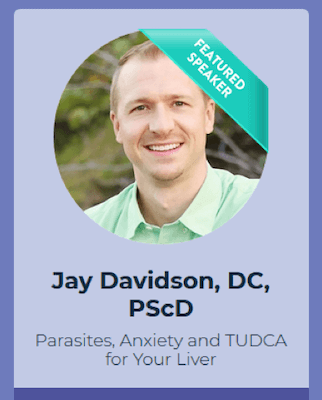
Parasites, Anxiety and TUDCA for Your Liver with Dr. Jay Davidson: The Anxiety Summit 5

November 22, 2019 By Trudy Scott 4 Comments

parasites anxiety TUDCA

Dr. Jay Davidson is one my guest experts on The Anxiety Summit 5: Gut-Brain Axis and our topic is: Parasites, Anxiety and TUDCA for Your Liver.  What you’ll learn

  • Parasite facts and myths
  • New dosing options for mimosa pudica seed
  • TUDCA for liver, neuroinflammation and depression

and much more. It’s an excellent interview and was voted as one of the top 5 interviews of the summit in 2019.

jay davidson

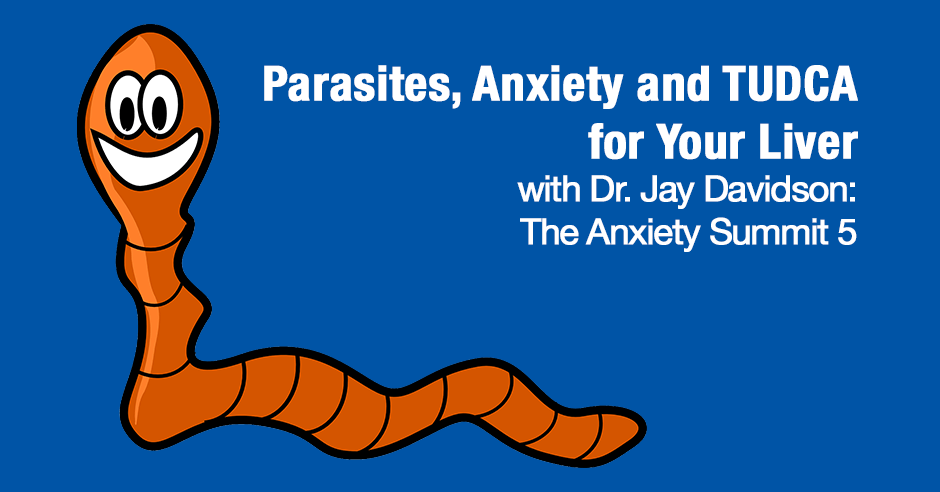
After hearing Dr. Jay’s explanation of what a parasite is, I couldn’t resist using the above image of a happy worm. This is what he shares:

the Greek meaning of parasite is one that sits at another’s table. So essentially think of a parasite as it’s taking things from you. It’s taking nutrients, it’s taking key things that your body needs and literally off of you, not to the point that it’s killing you because then you’re not a good host to give a good environment. So it’s basically just kind of sucking you dry.

Unfortunately you have this very “happy” and satisfied parasite sitting at your “table” and causing all kinds of symptoms:

Mood stuff for sure, which obviously this is The Anxiety Summit. So we want to highlight that one, absolutely. Sleep issues though. In the big sleep one that I see is restless sleep where you toss, you turn, you wake often. You can’t just be relaxed when you sleep. Parasites get active when you go to bed.

So the more active they are within your body and the more you’re trying to calm down, the more your body is getting stressed out. This is where teeth grinding happens when you sleep. This is, again, where the restless legs. You can also say the calf cramping, restless leg type symptoms would come in as well being associated. It’s classic, though, for parasites to affect the gut. So obviously diarrhea, is clearly a classic sign of acute parasitic type infection.

Other symptoms we discuss at length: bowel urgency, SIBO, vertical wrinkles above your mouth, nail-biting, food sensitivities, bed-wetting, insomnia (especially around full moon), grinding teeth, night sweats and anxiety.

And Dr. Jay shares how parasites contribute to neurotransmitter imbalances:

Parasites will eat the protein you eat and not allow your body to break down that protein into amino acids. That’s why amino acid therapy can be so beneficial symptomatically and change people’s lives, because they’re getting these amino acids that they’re not getting when they have parasites. But you always want to make sure to go to the underlying cause to remove the parasitic infection.

He also shares that parasites will “literally manipulate your thoughts and your personality” and I share the example of toxoplasma gondii and schizophrenia, and rats losing their fear of cats so the parasite can be transferred. It’s fascinating.

We cover why and how do do the parasite protocol before, during and after the full moon, his parasite story and the latest information on mimosa pudica seed:

So mimosa pudica seed is an amazing, just overall gut support. So even if your goal isn’t the parasite cleanse, mimosa pudica seed is awesome to help support the digestive tract. It can help break up biofilm. It’s really good against Candida and just helping to normalize microbial levels within the GI besides the fact that it can help with parasites.

Dr. Jay shares what he’s seeing clinically in terms of dosing mimosa pudica seed and when exactly to use it.

I share that I found an animal study where they were looking at the whole plant extract and found that it helped with modulating GABA receptors. And they said it had very similar effects to diazepam, which is a benzodiazepine that a lot of people with anxiety are prescribed. Fascinating!

The latter half of the interview focuses on drainage and supporting bile production with TUDCA, which also happens to support the mitochondria and help prevent Alzheimer’s disease.

I encourage you to also listen to Pyroluria, Oxidative Stress and Parasites with Todd Watts, DC, PScD. We discuss some of these same protocols in the context of pyroluria/social anxiety and oxidative stress.

You’re going to be hearing a lot more from me about these products and protocols as I learn more and trial them personally.

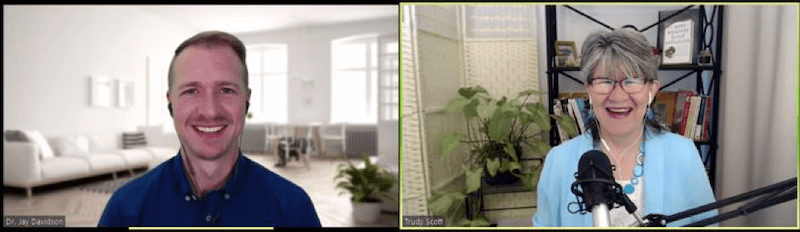
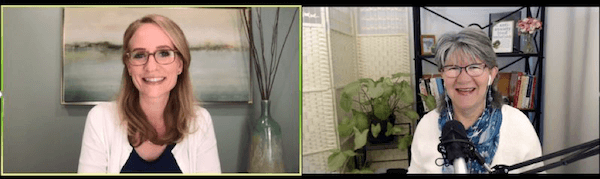
jay davidson trudy scott as5

You may notice this image doesn’t look like the video on the summit. This was one of 4 interviews we had to repeat due to technical issues!

Be sure to listen to Dr. Jay’s wonderful interview on The Anxiety Summit 5: Gut-Brain Axis.

As I mentioned, his interview was voted as one of the top 5 interviews of the summit in 2019. The other 4 top voted interviews are:

  • Fix the Brain to Fix the Gut – Datis Kharrazian, DHSc, DC, MS, FACN, CNS (more here)
  • Why Bile is the Key to Anxiety & Hormone Havoc – Ann Louise Gittleman, PhD, CNS (more here)
  • Vagus Nerve Activation to Reduce Anxiety – Dr. Navaz Habib, DC (more here)

and my interview GABA & Tryptophan: The Gut-Anxiety Connections (more here)

If you’re already familiar with Dr. Jay’s parasite protocols and TUDCA please share how they have helped you. That way we can all learn.

I’d also love to hear from you once you’ve listened in to Dr. Jay’s interview and the others.

If you’d like to ask a question, please post in the comments below.

Learn more/purchase now


Filed Under: The Anxiety Summit 5 Tagged With: anxiety, anxiety summit, biofilm, candida, GABA, insomnia, Jay Davidson, microbial, mimosa pudica seed, mood, parasites, Todd Watts, TUDCA

Collagen Can Cause Anxiety and Insomnia with Trudy Scott: The Anxiety Summit 5

October 25, 2019 By Trudy Scott 107 Comments

collagen anxiety

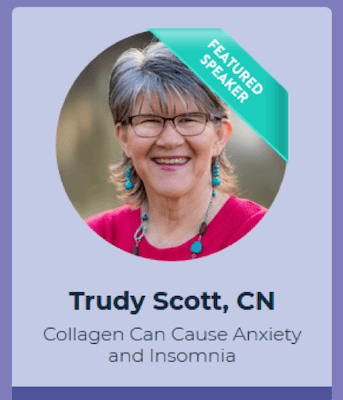
One of my three interviews on The Anxiety Summit 5: Gut-Brain Axis is: Collagen Can Cause Anxiety and Insomnia. In this interview, I’m interviewed by my colleague and friend Dr. Nicole Beurkens, PhD,  and you’ll learn:

  • How acute tryptophan depletion lowers serotonin
  • How to figure out if you may be susceptible to serotonin-lowering effects of collagen or gelatin
  • About other factors to consider: Oxalates, glutamates, arginine, glyphosate and histamine

trudy scott as5

Collagen and gelatin are an excellent source of these amino acids: proline, glycine, glutamine and arginine BUT they do not contain the amino acid tryptophan. This can cause increased anxiety, worsening insomnia and even a low mood in individuals who are susceptible to the fact that both collagen and gelatin can lower serotonin levels.

We talk about some of this in a short in-person interview I recently did in San Diego, with my friend and colleague Tara Hunkin (who also happens to be speaking on the summit – on the topic of mitochondrial dysfunction and anxiety).

(Note: The dates for the 2021 Anxiety Summit 5 is November 8-14, 2021)

I actually blogged about this topic in Sept 2017 and updated the blog with a number of studies in Dec 2017. You can read about this and all the feedback from folks who have observed similar issues when consuming collagen and/or gelatin – Collagen and gelatin lower serotonin: does this increase your anxiety and depression? (there are also quite a few naysayers)

This will get you up to speed for the summit interview if you’re hearing this for the first time or if you read this back in 2017.

In the summit interview (Dr. Nicole Beurkens is my interviewer for this one) I review the theory and serotonin-depleting mechanisms, the 3 different effects folks are noticing and share some feedback from real people, as well as my story and what I experienced.

I also discuss a new paper that further supports this very probable connection: Use of tryptophan fortified hydrolyzed collagen for nutritional support. I share this about the study: “they were using hydrolyzed collagen – because the collagen is very well digested,- for people that were very severely nutritionally depleted. But they added in tryptophan to make it more of a complete protein” and presumably also prevent these mood and sleep issues.

The authors share this about hydrolyzed collagen and the addition of tryptophan for this population:

Standard hydrolyzed collagen is not a perfect amino acid according to the established standards because it does not contain the amino acid tryptophan. A tryptophan-fortified liquid hydrolyzed collagen supplement is, in fact, considered a complete protein. Forms of hydrolyzed collagen have been utilized for several decades as a dietary supplement. Collagen hydrolysate has been of interest as a potential therapeutic agent in the treatment of osteoarthritis and osteoporosis

Closer investigation of this product will reveal that it may indeed meet the protein requirements of a malnourished individual, containing an optimal amino acid composition, high bioavailability, and high digestibility.

trudy scott as5

In the summit interview we also talk about bone broths and a step-by-step approach to figure out if your issue with collagen is one of the following and what to do about it:

  • low serotonin
  • oxalates
  • a histamine reaction
  • a reaction to glutamates or glycine
  • arginine

This is one of 4 interviews I do on the summit. My other 3 interviews are:

  • GABA & Tryptophan: The Gut-Anxiety Connections (here is the blog for this one)
  • Simple Solutions for Anxiety and Gut Health (I’ll share highlights from this ones in another email/blog)
  • Glutamine, DPA and Tyrosine for Anxiety and Sugar Cravings

Please join us and listen to this interview and all the others on The Anxiety Summit 5: Gut-Brain Axis.

If you’d like to give feedback or ask a question, please post in the comments below.

I’d love to hear from you once you’ve listened in to my interview.

Until then let us know how you do use collagen or gelatin and if you’ve noticed any mood issues, increased anxiety or insomnia? And if it was due to low serotonin or something else?

Filed Under: The Anxiety Summit 5 Tagged With: anxiety, anxiety summit, anxious, collagen, Collagen Can Cause Anxiety and Insomnia, gut-brain, insomnia, serotonin, Trudy Scott, tryptophan

How high to go on GABA for sleep issues and what are the negative effects of too much tyrosine?

September 13, 2019 By Trudy Scott 12 Comments

gaba and sleep issues

How high to go on GABA for sleep issues and what are the negative effects of too much tyrosine?

Today I’m sharing a great question I received about sleep issues – how high to go on GABA and what are the negative effects of too much tyrosine – together with my feedback because it’s not always a simple answer.

Here is the question about sleep, GABA and tyrosine:

I find I need more than the 500mg of sublingual Gaba Calm for sleep even with 200mg theanine. What dose can I go up to. Took a while to work up to that dose. I want to get away from sleeping tablets. Also what are the negative effects of too much tyrosine that comes with this product?

GABA Calm contains both GABA (125mg) and tyrosine (25mg) and it’s one of my most recommended products for anxiety. It sometimes works for insomnia and sometimes it doesn’t.

GABA and feeling stiff and tense with insomnia and anxiety

As you may know, with sleep issues caused by low GABA levels you’ll often lie awake with feelings of physical tension and stiff muscles rather than the ruminating thoughts which is the low serotonin type of insomnia – although it’s not uncommon to experience both. You may also have the stiff-and-tense type of anxiety, panic attacks and the need to self-medicate to calm down, often with alcohol but sometimes with carbs and sugary foods. By using the amino acid GABA you can raise your GABA levels and ease many of these symptoms.

Tyrosine can be stimulating and can be calming

Tyrosine is a considered a stimulating amino acid that is the precursor for making catecholamines (one of the neurotransmitters) like dopamine, epinephrine and norepinephrine. Boosting these neurotransmitters provides focus, increased energy and more motivation, and can also alleviate some forms of “curl-up-in-bed” depression.

Conversely tyrosine can also provide a sort of calm focus for some folks.

How much GABA and how much tyrosine?

Keeping all the above in mind, here is my feedback: 500mg of GABA is a large dose when starting out and is typically too high for most people, causing a light-headed feeling and sometimes a niacin-like flush. For this reason, it was good to hear that she worked up to that dose of GABA, found in 4 of the GABA Calm tablets i.e. 125mg of GABA for each one.

When my clients get up to multiple GABA Calm tablets I will often have them switch to a GABA-only product or a GABA/theanine product (opened up onto the tongue and held there for 2 minutes or longer) as the tyrosine can be stimulating. Some folks do fine on a small amount of tyrosine in the evening so 1-2 GABA Calm may be fine but more than that and it can be too much and may need to be avoided.

Taking 4 x GABA Calm tablets also provide a hefty dose of sugar alcohols which could cause diarrhea.

As far as using higher amounts of GABA, I have clients increase as long as they are seeing added benefits. I have had some clients go up to 1000-2000mg but more than this is rare. Theanine can often also be increased up to around 1000mg.

Here are some clues to look out for:

  • too tired in the day → too much GABA or too much theanine?
  • too tired in the day → too little GABA or too little theanine causing disturbed sleep?
  • too tired in the day → not enough tyrosine?
  • not able to sleep well → too little GABA or theanine?
  • not able to sleep well → too much tyrosine (at night or even mid-afternoon)?
  • calm energy → just enough tyrosine
  • sleep well → just enough GABA and/or theanine

There is research supporting that a GABA/theanine combination can improve sleep and that a GABA/5-HTP combination can too. There is no research on GABA Calm and insomnia but in practice it works for some people at night and not for others.

I’m sure you can agree with me that it’s not always simple and there can never be one size fits all. This doesn’t work: “Since you have insomnia take 2 GABA Calm and I’ll see you in a month” or even “This 250mg GABA with 100mg theanine will sort out your sleep issues in no time.”

It’s always a matter of figuring out what your own unique needs are.

Looking for other root causes of your insomnia

If my clients are not seeing incremental benefits as they increase the GABA and/or theanine (and stop the tyrosine) they go back down to their lower dose and we start looking for other root causes for their insomnia.

These root causes can range from low serotonin to high cortisol, also gut issues like SIBO, parasites (which are more active at night) or gluten issues. Too much caffeine (even if consumed in the morning and even a single cup of coffee!) and low blood sugar must always be ruled out too. Some sleep medications can actually make sleep worse especially benzodiazepines. And side-effects of all medications need to be looked at and also the possible effects of EMFs/WiFi.

Have you found that using the trial method with GABA and/or theanine has enabled you to find the ideal amount to take for your insomnia or anxiety? Where did you start and how high did you need to go and how much did this approach help?

Did the removal of tyrosine make a difference or make you more tired in the day?

Were there other factors at play as root causes of your insomnia or anxiety?

As a practitioner, do you want to learn more about how to incorporate GABA and theanine and the other targeted individual amino acids, tryptophan/5-HTP, DPA, glutamine and tyrosine, into your work to help your clients/patients with sleep issues and anxiety? I invite you to check out my online practitioner training here: Balancing Neurotransmitters – The Fundamentals.

Filed Under: GABA, Sleep Tagged With: anxiety, benzodiazepines, caffeine, cortisol, GABA, insomnia, serotonin, sleep, theanine, trial method

IMMH highlights: mold, oxalates, anxiety, panic attacks and depersonalization

August 30, 2019 By Trudy Scott 3 Comments

IMMH highlights

Today I’m sharing some highlights from three different presentations at the recent IMMH/Integrative Medicine for Mental Health Conference – on mold and the connection to oxalate issues, as well as a major trigger of anxiety, panic attacks, depression and depersonalization.

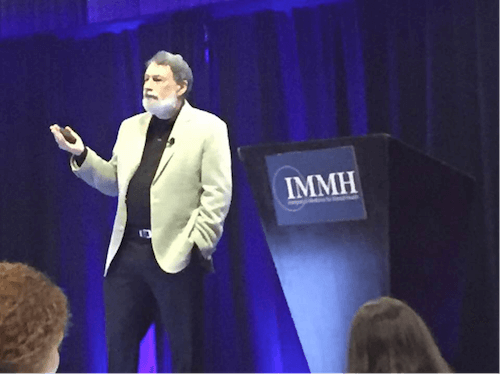
Matthew Pratt-Hyatt, PhD: “The Hidden Threats of Mycotoxins.”

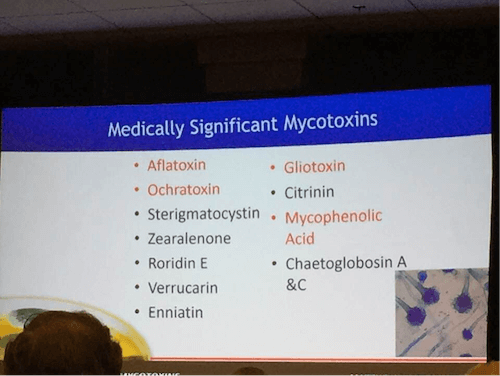
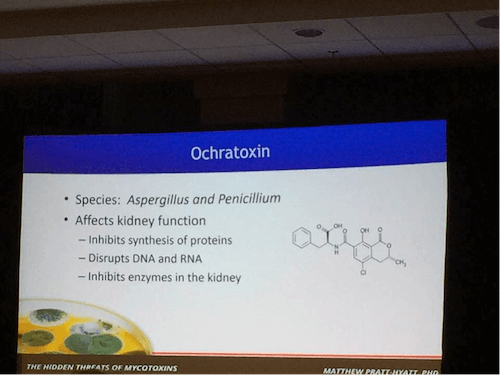
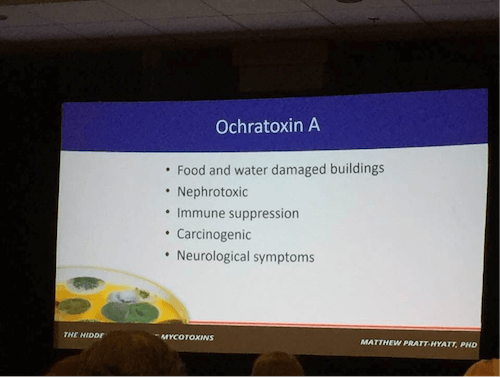
Matthew Pratt-Hyatt, PhD presented on “The Hidden Threats of Mycotoxins.” He shared medically significant mycotoxins and that ochratoxin affects the kidneys and my first thought was: “I wonder if this plays a role in oxalate issues?”

I asked Dr. Pratt-Hyatt after his presentation and he said yes, the mycotoxins produce oxalates and then dietary oxalates can be the tipping point. He wasn’t aware of any research on the mycotoxin-oxalate connection but sees the connection on the Great Plains MycoTOX lab test and Organic Acids test

Matthew Pratt-Hyatt

Matthew Pratt-Hyatt

Matthew Pratt-Hyatt

Matthew Pratt-Hyatt

Dr. Neil Nathan: “Mold Toxicity as an Unrecognized Cause of Mental Health issues.”

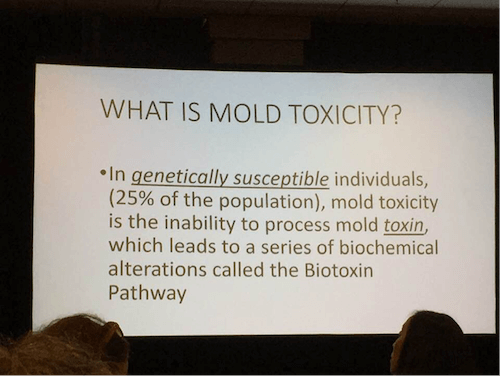
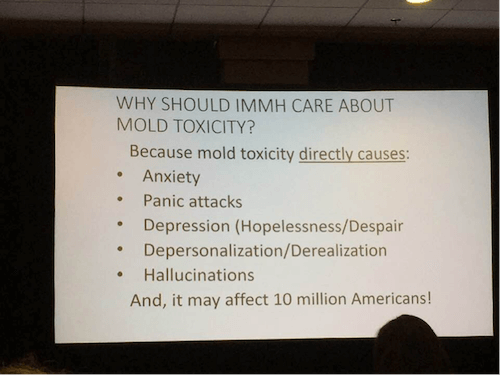
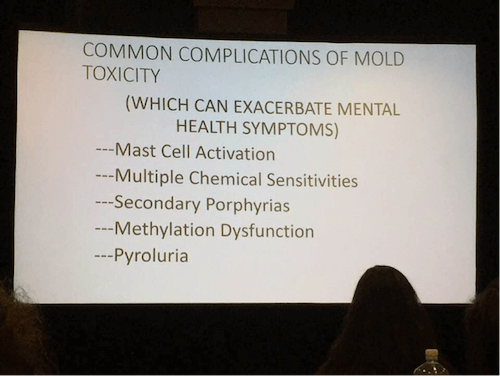
One of my favorite presentations was the one delivered by Dr. Neil Nathan on “Mold Toxicity.” He defines mold toxicity and how it can directly trigger anxiety, panic attacks, depression, depersonalization and hallucinations, as well as some of the common complications which can exacerbate mental health symptoms. These include mast cell activation, multiple chemical sensitivities, secondary porphyrias, methylation dysfunction and pyroluria.

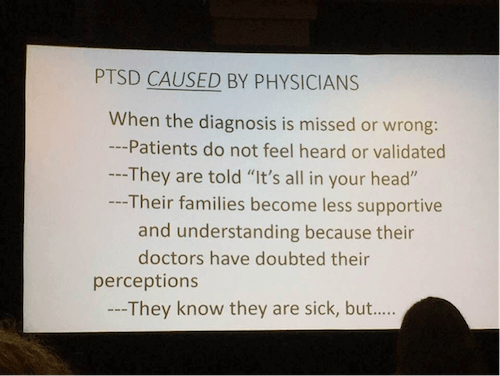
I do appreciate the fact that he addressed that there can be PTSD caused by physicians when someone knows they are sick – especially with mold toxicity – and yet they do not feel heard or validated. This can even lead to their families being less supportive.

Dr. Nathan is a brilliant and compassionate practitioner, and the author of the excellent book – Toxic: Heal Your Body from Mold Toxicity, Lyme Disease, Multiple Chemical Sensitivities, and Chronic Environmental Illness (my Amazon link)

Neil Nathan

Neil Nathan

Neil Nathan

Neil Nathan

Neil Nathan

Dr. Kurt Woeller: “Metabolic Products in Mental Health – How Fungal, Bacterial, Mitochondrial and Other Compounds Influence the Brain.”

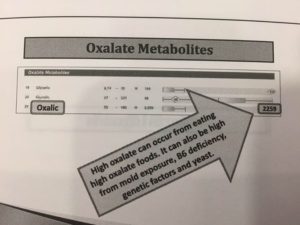
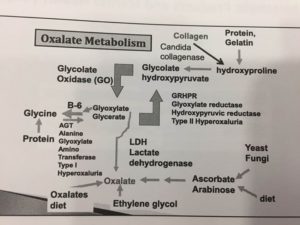
Dr. Kurt Woeller shared more about oxalates and mold in his presentation: “Metabolic Products in Mental Health.” I really like the Oxalate Metabolism diagram that shows the role of low vitamin B6, dietary oxalates including ascorbic acid, collagen and gelatin, mold, yeast and genetics in someone with high oxalates.

On a side note, low serotonin is often a factor with collagen and gelatin but it can be a source of oxalates.

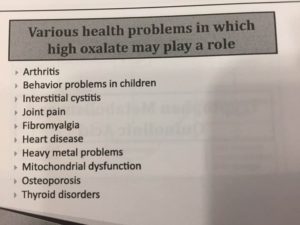
He mentions various health problems associated with high oxalates – pain issues are common and so is fatigue and behavioral issues. Dr. Woeller works primarily with children but I have seen anxiety and depression in adults with oxalate issues too.   If mold is one of the triggers then the mental health issues can be further impacted.


In case you missed the previous two IMMH blogs:

  • Last week I shared a few highlights from my IMMH presentation: “GABA for Anxiety, Insomnia, ADHD, Autism and Addictions: Research and Practical Applications” – benzodiazepines are not the solution, some new 2019 research on the far-reaching benefits of GABA, and the role of GABA in ADHD.
  • The previous week I wrote this blog post on one of the new studies in my presentation: how a combination of GABA and theanine improves sleep and reduces anxiety.

What wasn’t discussed were some of the other mechanisms that may be causing the increased anxiety – such as the impacts of toxic mold on neurotransmitters and low levels of zinc.

Have you been exposed to toxic mold and was this a trigger for your anxiety, panic attacks and other mood issues?

Did GABA, tryptophan and zinc (and other nutritional support approaches) help ease some of the anxiety symptoms while you were remediating your home and detoxing from the mold toxicity?

Do you have oxalate issues and have you ruled out the fact that toxic mold may be a trigger? I personally have oxalate issues (I share more about this here) and plan to do the MycoTOX test to learn more. I’ll keep you posted on what I find.

As a practitioner, do you want to learn more about how to incorporate GABA and the other targeted individual amino acids, tryptophan/5-HTP, DPA, glutamine and tyrosine, into your work to help your clients/patients with anxiety triggered by toxic mold? I invite you to check out my new online practitioner training here: Balancing Neurotransmitters – The Fundamentals. I’m extending the $100 discount offered at IMMH for a few weeks (use coupon code immh2019).

Filed Under: Anxiety, Depression, Environment, Events, GABA, Mold Tagged With: ADHD and addictions, anxiety, autism, benzodiazepines, depersonalization, depression, GABA, IMMH, insomnia, Integrative Medicine for Mental Health conference, mold, oxalates, panic attacks

IMMH highlights: GABA for anxiety, insomnia, ADHD, autism and addictions

August 23, 2019 By Trudy Scott 6 Comments

immh highlights

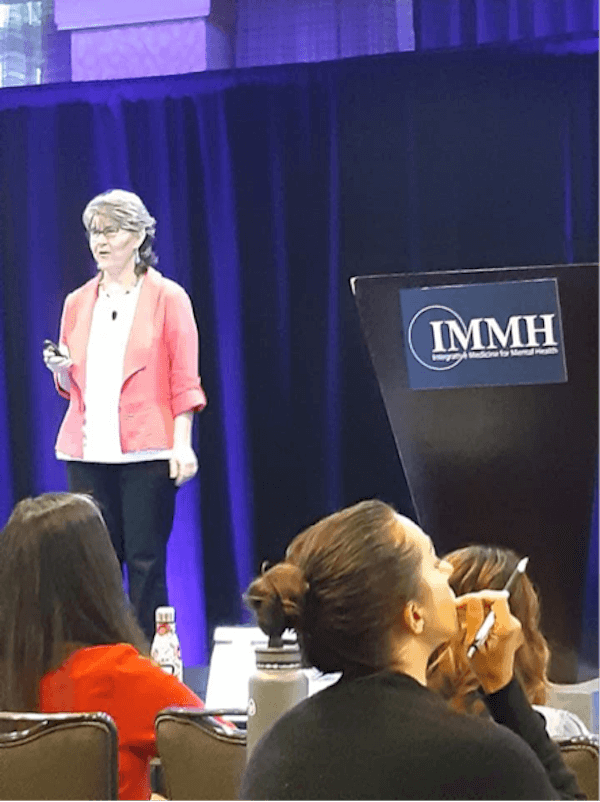
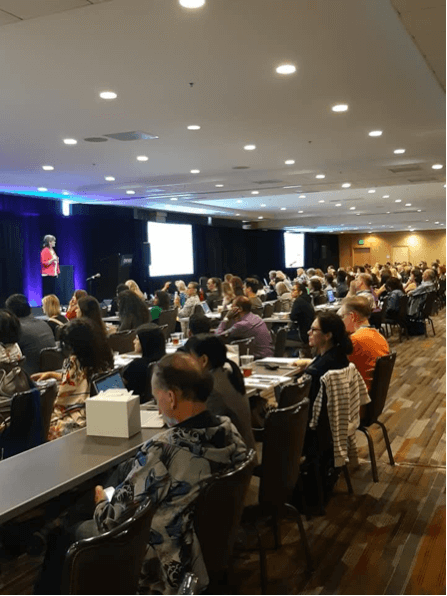
I’m back from 2 weeks in the USA, first attending the Mindshare Summit (a collaborative community of like-minded practitioners) and then speaking at the IMMH/Integrative Medicine for Mental Health Conference – my favorite mental health conference – on “GABA for Anxiety, Insomnia, ADHD, Autism and Addictions: Research and Practical Applications.”

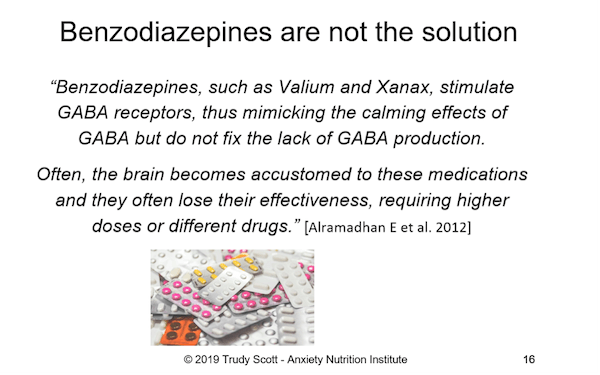
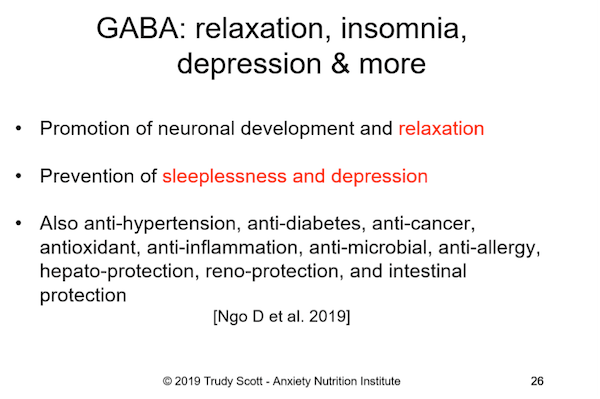
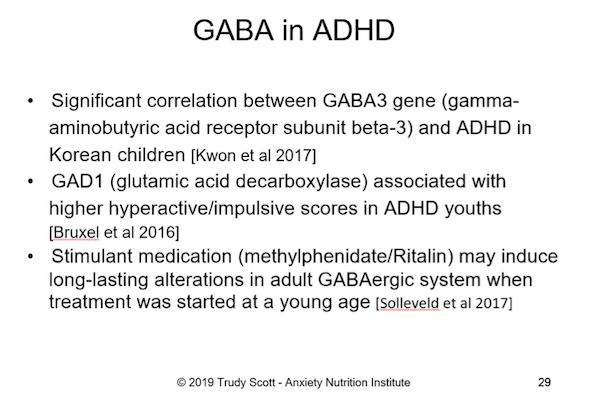
Last week I shared a blog on one of the new studies in my presentation: how a combination of GABA and theanine improves sleep and reduces anxiety. Today I’m sharing some other highlights from my presentation: benzodiazepines are not the solution, some new 2019 research on the far-reaching benefits of GABA, and the role of GABA in ADHD.

immh slide

immh slide

immh slide

It was great to meet so many of you from my community and to make new connections! I’m thrilled there is so much interest in using the individual amino acids for anxiety and insomnia, and for those with ADHD, autism and addictions.

trudy at immh
trudy at immh

It was also wonderful to get the support of my colleagues at my booth, for my talk, and to hang out with them, laugh and eat good food. There was plenty of sardines, sauerkraut and grass-fed beef in the place we all shared!

immh booth

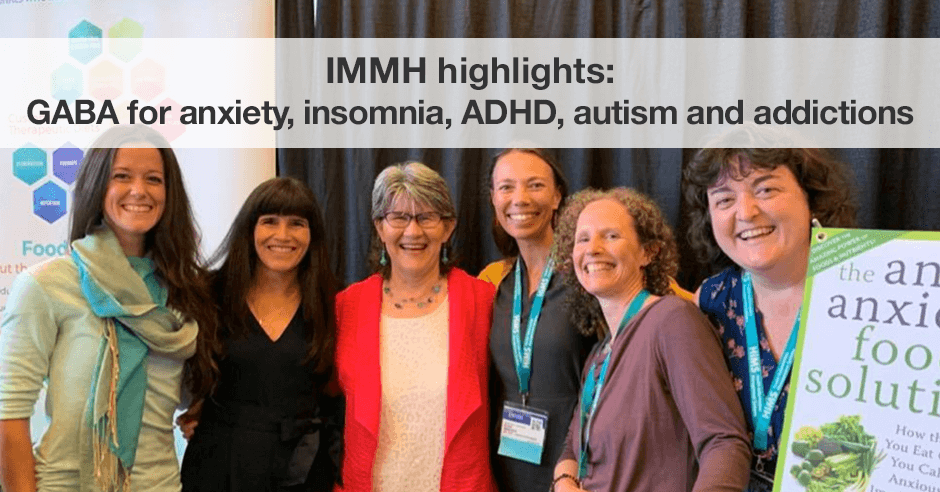
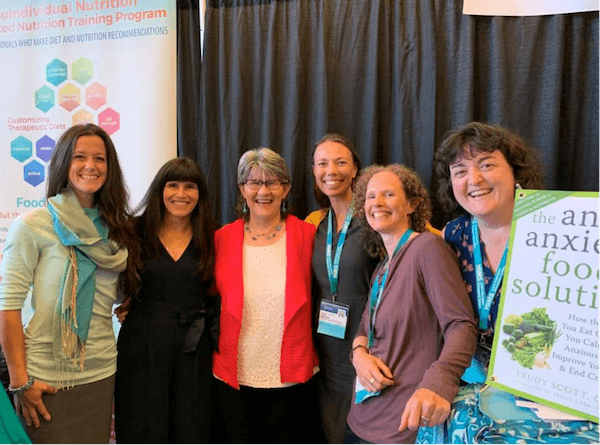
Pictured here, on the left is is Annie and Julie; on the right is Elissa, Jessica and Dr. Zendi

Let me share a little about these wonderful practitioners who are doing life-changing work:

  • Julie Matthews, is the author of Nourishing Hope for Autism (my Amazon link), co-author of a new study, Nutritional and Dietary Intervention for Autism Spectrum Disorder and creator/founder of the Bioindividual Nutrition Institute, offering practitioner training on special diets and bioindividual nutrition. Julie also presented at IMMH this year: “Effective Nutrition and Diet Intervention for Autism Spectrum Disorder: Newly Published Research.”
  • Elissa Arnheim is a health coach and a certified fermentationist. She is the creator of “Healthy Gut Happy Child”, “8 Days to Freedom from Picky Eating!” and the “Gut Health Mamas” group coaching programs.
  • Jessica Sherman’s work is all about raising resilient healthy kids and she teaches about nutrition for the brain, mood, behavior and better overall health. She is the author of Raising Resilience: Take the Stress out of Feeding Your Family and Love Your Life.
  • Zendi Molderhauer, works with children, adolescents and young adults, integrating her conventional medical background in pediatrics and psychiatry with more natural, holistic, and functional healing modalities.

Once the conference was over, we also got to lie on the warm sand chatting about what we had just learned, walk along the beach, jump for joy and play, and even have a quick swim in the ocean (it was chilly but invigorating).

san diego beach

san diego beach

san diego beach

san diego beach

Has GABA helped you with your anxiety, insomnia or addictions (carbs or alcohol or even drugs)? Do you have a child with autism or ADHD and have they benefited from GABA?

Do you have questions about using GABA for anxiety, insomnia, autism, ADHD and addictions?

If you’re a practitioner and want to learn more about how to incorporate GABA and the other targeted individual amino acids (tryptophan/5-HTP, DPA, glutamine and tyrosine) into your work to help your clients/patients with anxiety/insomnia/addictions/ADHD/autism, I invite you to check out my online practitioner training here: Balancing Neurotransmitters – The Fundamentals.

And be sure to save the date for IMMH 2020:  August 20-23 in Chicago!

Filed Under: Events Tagged With: ADHD and addictions, anxiety, autism, benzodiazepines, GABA, IMMH, insomnia, Integrative Medicine for Mental Health conference

  • « Go to Previous Page
  • Page 1
  • Interim pages omitted …
  • Page 10
  • Page 11
  • Page 12
  • Page 13
  • Page 14
  • Interim pages omitted …
  • Page 17
  • Go to Next Page »

Primary Sidebar

NEW! GABA QuickStart Homestudy (with special intro pricing)

gaba quickstart homestudy

Free Report

9 Great Questions Women Ask about Food, Mood and their Health

You'll also receive a complimentary subscription to my ezine "Food, Mood and Gal Stuff"


Connect with me

Popular Posts

  • Amino Acids Mood Questionnaire from The Antianxiety Food Solution
  • The Antianxiety Food Solution Amino Acid and Pyroluria Supplements
  • Pyroluria Questionnaire from The Antianxiety Food Solution
  • Collagen and gelatin lower serotonin: does this increase your anxiety and depression?
  • Tryptophan for the worry-in-your-head and ruminating type of anxiety
  • GABA for the physical-tension and stiff-and-tense-muscles type of anxiety
  • The Antianxiety Food Solution by Trudy Scott
  • Seriphos Original Formula is back: the best product for anxiety and insomnia caused by high cortisol
  • Am I an anxious introvert because of low zinc and vitamin B6? My response to Huffington Post blog
  • Vagus nerve rehab with GABA, breathing, humming, gargling and key nutrients

Recent Posts

  • What do I use instead of Seriphos to help lower high cortisol that is affecting my sleep and making me anxious at night?
  • BeSerene™ GABA/theanine cream eases severe muscle tension in her neck/shoulders, prevents her bad headaches and quells her anxiety
  • How the correct approach, dose and sublingual use of GABA can be calming and not cause a flushed and itchy face and neck
  • The amino acid glutamine improves low mood by addressing gut health, and it has calming effects too
  • Flight anxiety with heightened breath, physical tension and also fearing the worst (the role of low GABA and low serotonin)

Categories

  • 5-HTP
  • AB575
  • Addiction
  • ADHD
  • Adrenals
  • Alcohol
  • Allergies
  • Alzheimer's disease
  • Amino Acids
  • Anger
  • Antianxiety
  • Antianxiety Food Solution
  • Antidepressants
  • Anxiety
  • Anxiety and panic
  • Autism
  • Autoimmunity
  • benzodiazapines
  • Bipolar disorder
  • Books
  • Caffeine
  • Cancer
  • Candida
  • Children/Teens
  • Collagen
  • Cooking equipment
  • Coronavirus/COVID-19
  • Cravings
  • Depression
  • Detoxification
  • Diabetes
  • Diet
  • DPA/DLPA
  • Drugs
  • EFT/Tapping
  • EMF
  • EMFs
  • Emotional Eating
  • Endorphins
  • Environment
  • Essential oils
  • Events
  • Exercise
  • Fear
  • Fear of public speaking
  • Fertility and Pregnancy
  • Fish
  • Food
  • Food and mood
  • Functional neurology
  • GABA
  • Gene polymorphisms
  • General Health
  • Giving
  • Giving back
  • Glutamine
  • Gluten
  • GMOs
  • Gratitude
  • Gut health
  • Heart health/hypertension
  • Histamine
  • Hormone
  • Hyperparathyroidism
  • Hypoglycemia
  • Immune system
  • Inflammation
  • Insomnia
  • Inspiration
  • Introversion
  • Joy and happiness
  • Ketogenic diet
  • Lithium orotate
  • Looking awesome
  • Lyme disease and co-infections
  • MCAS/histamine
  • Medication
  • Men's health
  • Mental health
  • Mercury
  • Migraine
  • Mold
  • Movie
  • MTHFR
  • Multiple sclerosis
  • Music
  • NANP
  • Nature
  • Nutritional Psychiatry
  • OCD
  • Osteoporosis
  • Oxalates
  • Oxytocin
  • Pain
  • Paleo
  • Parasites
  • Parkinson’s disease
  • PCOS
  • People
  • PMS
  • Postpartum
  • PTSD/Trauma
  • Pyroluria
  • Questionnaires
  • Real whole food
  • Recipes
  • Research
  • Schizophrenia
  • serotonin
  • SIBO
  • Sleep
  • Special diets
  • Sports nutrition
  • Stress
  • Sugar addiction
  • Sugar and mood
  • Supplements
  • Teens
  • Testimonials
  • Testing
  • The Anxiety Summit
  • The Anxiety Summit 2
  • The Anxiety Summit 3
  • The Anxiety Summit 4
  • The Anxiety Summit 5
  • The Anxiety Summit 6
  • Thyroid
  • Thyroid health
  • Toxins
  • Tryptophan
  • Tyrosine
  • Uncategorized
  • Vegan/vegetarian
  • Women's health
  • Yoga

Archives

  • October 2025
  • September 2025
  • August 2025
  • July 2025
  • June 2025
  • May 2025
  • April 2025
  • March 2025
  • February 2025
  • January 2025
  • November 2024
  • October 2024
  • September 2024
  • August 2024
  • July 2024
  • June 2024
  • May 2024
  • April 2024
  • March 2024
  • February 2024
  • January 2024
  • December 2023
  • November 2023
  • October 2023
  • September 2023
  • August 2023
  • July 2023
  • June 2023
  • May 2023
  • April 2023
  • March 2023
  • February 2023
  • January 2023
  • December 2022
  • November 2022
  • October 2022
  • September 2022
  • August 2022
  • July 2022
  • June 2022
  • May 2022
  • April 2022
  • March 2022
  • February 2022
  • January 2022
  • December 2021
  • November 2021
  • October 2021
  • September 2021
  • August 2021
  • July 2021
  • June 2021
  • May 2021
  • April 2021
  • March 2021
  • February 2021
  • January 2021
  • December 2020
  • November 2020
  • October 2020
  • September 2020
  • August 2020
  • July 2020
  • June 2020
  • May 2020
  • April 2020
  • March 2020
  • February 2020
  • January 2020
  • December 2019
  • November 2019
  • October 2019
  • September 2019
  • August 2019
  • July 2019
  • June 2019
  • May 2019
  • April 2019
  • March 2019
  • February 2019
  • January 2019
  • December 2018
  • November 2018
  • October 2018
  • September 2018
  • August 2018
  • July 2018
  • June 2018
  • May 2018
  • April 2018
  • March 2018
  • February 2018
  • January 2018
  • December 2017
  • November 2017
  • October 2017
  • September 2017
  • August 2017
  • July 2017
  • June 2017
  • May 2017
  • April 2017
  • March 2017
  • February 2017
  • January 2017
  • December 2016
  • November 2016
  • October 2016
  • September 2016
  • August 2016
  • July 2016
  • June 2016
  • May 2016
  • April 2016
  • March 2016
  • February 2016
  • January 2016
  • December 2015
  • November 2015
  • October 2015
  • September 2015
  • August 2015
  • July 2015
  • June 2015
  • May 2015
  • April 2015
  • March 2015
  • February 2015
  • January 2015
  • December 2014
  • November 2014
  • October 2014
  • September 2014
  • August 2014
  • July 2014
  • June 2014
  • May 2014
  • April 2014
  • March 2014
  • February 2014
  • January 2014
  • December 2013
  • November 2013
  • October 2013
  • September 2013
  • August 2013
  • July 2013
  • June 2013
  • May 2013
  • April 2013
  • March 2013
  • February 2013
  • January 2013
  • December 2012
  • November 2012
  • October 2012
  • August 2012
  • July 2012
  • June 2012
  • May 2012
  • April 2012
  • March 2012
  • February 2012
  • January 2012
  • December 2011
  • November 2011
  • October 2011
  • September 2011
  • August 2011
  • July 2011
  • June 2011
  • May 2011
  • April 2011
  • March 2011
  • February 2011
  • January 2011
  • December 2010
  • October 2010
  • September 2010
  • July 2010
  • May 2010
  • April 2010
  • March 2010
  • February 2010
  • January 2010
  • November 2009

Share the knowledge!

The above statements have not been evaluated by the Food and Drug Administration. Products listed in this website are not intended to diagnose, treat, cure or prevent any disease.

The information provided on this site is for informational and educational purposes only and is not intended as a substitute for advice from your physician or other health care professional. You should consult with a healthcare professional before starting or modifying any diet, exercise, or supplementation program, before taking or stopping any medication, or if you have or suspect you may have a health problem.


Copyright © 2026 Trudy Scott. All Rights Reserved. | Privacy | Terms and Conditions | Refund Policy | Medical Disclaimer

Free Report

9 Great Questions Women Ask about Food, Mood and their Health

You’ll also receive a complimentary subscription to my ezine “Food, Mood and Gal Stuff”