• Skip to primary navigation
  • Skip to main content
  • Skip to primary sidebar

everywomanover29 blog

Food, Mood and Women's Health – Be your healthiest, look and feel great!

  • Blog
  • About
  • Services
  • Store
  • Resources
  • Testimonials
  • The Book
  • Contact
  • Search this site

hormones

Are adrenal issues causing your anxiety? Highlights from the book: Adrenal Transformation Protocol by Izabella Wentz PharmD

April 21, 2023 By Trudy Scott 8 Comments

adrenal transformation protocol

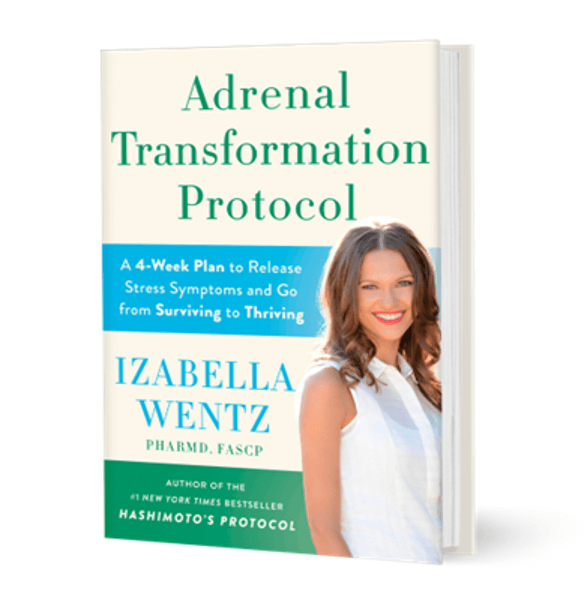
This is a guest post from my friend and colleague, Dr. Izabella Wentz, who just came out with her latest book, Adrenal Transformation Protocol (my Amazon link). The book is focused on healing your adrenals, and in it she shares specific strategies to support anxiety. Izabella shares a few of the many strategies with you here in this guest post.

You’ll notice that we share many common approaches:

  • Addressing low blood sugar (much more on that below)
  • Caffeine intake: Izabella recommends reducing caffeine but I have found many folks in my community need to quit altogether. I have noticed that those with panic disorders experience increases in symptoms such as nervousness, fear, nausea, heart palpitations, and tremors after consuming caffeine and said the effects were similar to how they felt during a panic attack.
  • Gluten elimination: Interestingly, I have found in my clinical experience and research that there is a connection between gluten and anxiety, social phobia, depression, and even schizophrenia.
  • Using herbal adaptogens, addressing nutrient deficiencies, and even pyroluria which can deplete key nutrients needed for adrenal health (especially when under high amounts of stress).

All of her approaches focus on adrenal health specifically and she has now taken over 3000 people on an adrenal healing journey. And 86% of them reported that their anxiety improved after going through her protocol.

By Dr. Izabella Wentz. PharmD

Stress is at the root cause of many chronic health issues, and very well may be at the root of your anxiety, too. Chronic stress can put a burden on our adrenal glands, resulting in an excess of stress hormones like cortisol. The body’s repeated exposure to cortisol can result in increased blood sugar levels, increased heart rate, and increased blood pressure, all of which can lead to feelings of anxiety.

The adrenals are two small glands, located on top of each kidney, that release hormones such as cortisol and adrenaline. Adrenal dysfunction generally occurs when your hypothalamic-pituitary-adrenal (HPA) axis is unable to effectively manage your stress response. The HPA axis describes the interactive feedback loop that takes place among these three endocrine, or hormone-producing, glands. If the communication among these three breaks down, your adrenals and their ability to produce important essential hormones can be jeopardized.

Overactive adrenals can leave you feeling like you’re constantly in “fight or flight” mode. First, your body releases high levels of stress chemicals like adrenaline and cortisol. To ensure you’re ready to defend yourself or run, these chemicals spike your blood sugar, as well as increase heart rate, blood pressure, and insulin levels – making you feel anxious, stressed and wide awake at night.

Chronic stress is one of the most common causes of adrenal dysfunction. Our bodies are well-equipped to respond to acute stressors (like being chased by a bear or getting out of the way of an oncoming car), where we experience activation of the fight-or-flight response, followed by a return to the rest-and-digest state.

However, many of us today face a never-ending presence of stressful, yet non-life-threatening, situations that can lead to the constant activation of the stress response.

With enough chronic stress, the HPA axis becomes overwhelmed and desensitized to the usual feedback loop, and stops sending messages to the adrenals to produce more hormones or less hormones, no matter what’s happening.[1]

Other common causes of adrenal dysfunction include sleep deprivation, blood sugar dysregulation, and chronic inflammation (which are all forms of stress on the body).

Symptoms of poor adrenal function may include the following:

  • Feeling overwhelmed
  • Feeling anxious
  • Feeling tired despite adequate sleep
  • Trouble falling asleep or trouble staying asleep
  • Difficulty getting up in the morning
  • Dependency on caffeine
  • Cravings for salty foods (a.k.a. the “I just ate a whole bag of chips” syndrome)
  • Cravings for sweet foods
  • Increased effort required for everyday activities
  • Intolerance to exercise
  • Low blood pressure
  • Feeling faint/dizzy when getting up quickly
  • Easily startled
  • Mental fog or trouble concentrating
  • Alternating diarrhea/constipation
  • Low blood sugar (often presenting as feeling angry when hungry or, as I like to call it, “hangry”)
  • Decreased sex drive
  • Decreased ability to handle stress
  • Longer healing time
  • Mild depression
  • Less enjoyment in life
  • Feeling worse after skipping meals
  • Increased premenstrual syndrome (PMS)
  • Reduced ability to make decisions
  • Reduced productivity
  • Poor memory

If you have three or more of these symptoms, and if these symptoms developed after experiencing a period of acute or chronic stress, sleep deprivation, an infection, or toxic exposure, chances are that you have adrenal dysfunction.

The anxiety adrenal connection

Anxiety is a hallmark symptom of adrenal dysfunction. When the adrenals are compromised, your resilience to stress starts to go down, and you might start to feel more anxious.

Of course, anxiety and adrenal dysfunction run on a two-way street. Chronic stress and anxiety can tax the adrenals, and weakened adrenals can contribute to feelings of anxiety.[2]

There’s another connection here that I’d like to highlight, and that is the thyroid. The thyroid is impacted by adrenal function, and anxiety can also be connected to thyroid conditions. In fact, I’ve noticed that up to 50 percent of my clients with anxiety have Hashimoto’s, an autoimmune thyroid condition.

A 2004 study found an association between the presence of a mood or anxiety disorder, and the presence of anti-TPO antibodies (indicating Hashimoto’s).[3] It also noted that a slight reduction in thyroid hormone secretion (such as that found in subclinical hypothyroidism) may affect mood as well. Therefore, it’s also possible that the anxiety you are feeling is related to your thyroid.

Anxiety solutions: Use the ABC’s

One of the first places to start is with the ABCs of adrenal health – adaptogens, B vitamins, and vitamin C.

Adaptogens both tone down overactive systems and boost underactive systems in the body, and are thought to help normalize the HPA axis. Examples of adaptogenic herbs that may increase the body’s ability to resist stress include: ashwagandha, astragalus, reishi mushroom, dang shen, eleuthero, ginseng, jiaogulan, licorice, maca, schisandra, spikenard, and suma.

Ashwagandha in particular is helpful for stress and anxiety, and it can also support thyroid health. Research supports that ashwagandha may offer antidepressant, antioxidant, anti-inflammatory and neuroprotective benefits.[4] It also may reduce anxiety, improve sleep, and even help address sexual dysfunction in women.[5]

Rhodiola is another favorite for stress support, mood support, and improved sleep. Sometimes referred to as golden root, rhodiola focuses on our nervous system health. Izabella has found it to be helpful for those with depressed cortisol levels (which can happen in later stages of adrenal dysfunction).

One of the main chemicals in rhodiola is salidroside, found to have neuroprotective effects that reduce the impact of stress on the immune system and the neuro-endocrine system.[6] Studies have found an anti-fatigue effect along with cognitive function improvements, such as memory improvements (during stressful conditions), and it’s also been shown to diminish depressive symptoms.[7]

B vitamins and vitamin C tend to be depleted during times of stress and high cortisol production. In particular, deficiencies in pantothenic acid and biotin (vitamins in the “B” family), have been linked to decreased adrenal function in animals and humans.[8]

Vitamin C is an important antioxidant that helps support the adrenals, mitochondria, collagen production, and immune function.[9] It’s also needed for the production of cortisol.

Supplementing with the ABCs is a really good place to start if you’re experiencing anxiety or adrenal dysfunction.

Balancing blood sugar

One of the most important strategies to reduce your anxiety involves addressing blood sugar issues. Blood sugar swings can put us on an emotional rollercoaster.

After consuming carbohydrate-rich foods, some people find their blood sugar goes up too high, too quickly.

This leads to a rapid, sometimes excessive release of insulin (a hormone that regulates blood sugar levels). These insulin surges can cause low blood sugar, which can cause unpleasant symptoms such as anxiety, nervousness, lightheadedness, fatigue, excessive hunger, and “hanger”.[10]

You can balance your blood sugar by reducing your intake of carbohydrates, and increasing your protein and fat intake. A low-carb or ketogenic diet (a low-carb diet where the body breaks down fats for fuel instead of relying on carbohydrates) could be beneficial for some.

Starting the day off by having a breakfast that is filled with good fats (for example, avocado or coconut milk), as well as a good source of protein, while limiting your intake of sugars (even from fruit). Some options include eggs with avocados, burger patties, or protein and fat-based smoothies. In addition to a good breakfast, eating frequent protein and fat-containing meals and snacks, help to balance your blood sugar throughout the day.

Eat on a schedule to avoid getting “Hangry”

It’s ideal to eat every two to three hours, and avoid high carbohydrate foods, to support balanced blood sugar. This will also help with energy levels, feelings of anxiety, and “hanger”. A typical day would look like this:

  • Start the day with an energizing Adrenal Kick Start (recipe is in the book), followed by a blood-sugar-balancing breakfast smoothie.
  • A mid-morning snack/caffeine-free latte/tea/green juice to help with blood sugar, hunger, hormones, and energy levels.
  • A nourishing and balancing midday lunch.
  • Another snack/caffeine-free latte/tea/green juice two to three hours later.
  • An easy-to-digest dinner is scheduled for the early evening to set up for restful sleep.
  • An optional after dinner snack or tea, to support restful sleep through stable blood sugar levels at night.

Reduce (and ideally eliminate) caffeine

If you’re currently drinking coffee, soda, green tea, or black tea, removing or reducing your intake of caffeine can be helpful for an immediate reduction in anxiety, and is supportive over time to your adrenals.

Some people who are slow metabolizers of caffeine and do not clear it effectively out of their body may not be able to have any caffeine at all – not even chocolate! Others who are fast metabolizers and are able to clear caffeine more quickly from their bodies, may be able to tolerate more daily caffeine without it impacting their anxiety levels.

Regardless of your genes and metabolism of caffeine, the weaker your adrenals and the more unbalanced your blood sugar levels are, the more likely you are to experience anxiety from caffeine. This is because caffeine forces more glucose to be produced by the liver, sending the body on a blood sugar rollercoaster that can trigger anxiety.

If you’re thinking about reducing your caffeine intake, do it gradually over time, instead of quitting cold-turkey, which can cause withdrawal symptoms such as headaches, fatigue and even vomiting.

There are ways to improve energy levels and sleep before trying to get off caffeine, such as supporting your mitochondria and tuning into the circadian rhythm.

[Trudy’s note: be sure to read my comment above about the need to eliminate caffeine altogether in many instances]

Address low magnesium

Research suggests that a magnesium deficiency may be associated with anxiety. Several studies have found that feelings of fear and panic can be greatly reduced with an increased magnesium intake.[11] It has even been shown to have a positive effect on both post-traumatic anxiety and premenstrual anxiety, as well.[12]

Even more interesting, is the understanding that magnesium also controls the hypothalamic-pituitary-adrenocortical (HPA) axis, which is the hub of the body’s stress response system.[13] This could provide some explanation as to why a magnesium deficiency could lead to increased stress and anxiety when the HPA axis is out of balance. Other signs of a magnesium deficiency include headaches, insomnia, constipation, and menstrual cramps.

A magnesium supplement throughout the day may help, or at bedtime if you have insomnia or a racing mind when you’re trying to fall asleep. The citrate version is best if you tend to be constipated (magnesium citrate has stool softening effects), and I recommend the glycinate version if you tend to have normal bowel movements or diarrhea. Keep in mind that, for some people, magnesium glycinate can worsen anxiety symptoms. If you notice that your anxiety increases after taking magnesium glycinate, try switching to magnesium citrate.

Remove reactive foods

The most common food reactions responsible for anxiety symptoms are due to gluten, dairy, soy, grains (especially corn), sugar, caffeine (as discussed above), and surprisingly to some, nuts.[14]

Doing targeted food sensitivity testing, or simply a trial of eliminating the suspect foods for a period of time (with an elimination diet), can help you uncover your food triggers.

If anxiety is not resolved using the strategies above, there are many advanced strategies for anxiety support, and the book provides plenty of information and options for testing.

Address copper toxicity

A toxic buildup of copper may be at the root of anxiety, racing thoughts, mood swings, fatigue, and insomnia.[15] High-copper foods include shellfish, oysters, nuts, seeds, and chocolate. We can also absorb copper from our water and metal pipes and products. Certain medications (oral contraceptives, antacids, copper-rich multivitamins), excess estrogen, copper IUDs, and zinc deficiency can increase our exposure. Many people with adrenal dysfunction have a congested liver, so that is likely one reason copper toxicity is a common root cause.

Reducing copper containing foods, and increase zinc containing foods (non-organ meats, eggs, poultry).

Balance thyroid hormones

Having an excess amount of thyroid hormone can make us extremely anxious, irritable and on edge. This is commonly attributed to Graves’ disease, but can also occur in Hashimoto’s. The ideal TSH for most people is between 0.5-2 μIU/mL. Levels that are too high or too low indicate an imbalance of thyroid hormone levels and have been associated with various symptoms, including anxiety. Work with your doctor to test your thyroid and adjust medication if needed.

Address female hormone imbalances

Estrogen dominance and/or low progesterone may lead to many symptoms like irritability, mood lability, depression, and mood swings.[16] If tests reveal low progesterone, supplementing with oral or topical bioidentical progesterone might just be the chill pill you need.

Address gut infections

An imbalance of gut bacteria can contribute to mood issues. There are also certain overgrowths and gut infections that can impact anxiety levels. For example, overgrowth of Streptococcus bacteria has been associated with obsessive-compulsive disorder.[17] The book includes recommendations for further testing that can help you determine if you have an overgrowth or infection.

Address iron toxicity/overload

A buildup of too much iron can cause irritability and depression.[18] Ferritin levels above 200 ng/dL in women (300 ng/mL in men) can indicate iron toxicity or overload. The book offers several different options for treatment.

Address mold toxicity

There is a big connection between mood issues and mold exposure.[19] If your symptoms appeared or increased after moving into a new home, there’s a good chance your anxiety may be connected to mold exposure.

Address common nutrient deficiencies

Nutrient deficiencies are common in those with adrenal issues, and could be contributing to feelings of anxiety. Address these important nutrients for mood support: omega-3 fatty acids, folate (vitamin B9), iron, vitamin B12, and vitamin D.

Address the social anxiety condition called pyroluria

Symptoms of social anxiety have been associated with pyroluria, which is a condition where there are too many pyrrole molecules in your body.[20] These molecules can deplete your system of essential nutrients that play an important role in mood and adrenal health.

[Trudy’s note: I’m really pleased to see pyroluria mentioned in this book, because it’s not often acknowledged as a condition. I also appreciate the reference, in the pyroluria section, to my work and book, The Antianxiety Food Solution.]

Adrenal Transformation Protocol – for anxiety

Adrenal Transformation Protocol (my Amazon link) provides comprehensive support for the many potential stressors the body can experience, so that you can heal anxiety using a whole body, root-cause approach.

When we address the root causes of adrenal fatigue and anxiety, like blood sugar imbalances, food sensitivities, and nutrient deficiencies, we can increase our resilience and reduce feelings of anxiety!

Adrenal dysfunction often begins after a stressful period in our lives. When the body puts cortisol front and center, rebuilding and repairing go on the backburner, and we can end up with a host of symptoms including fatigue, brain fog, and anxiety.

While most people can bounce back from small stressors, some of us can get caught up in a stress cycle that ends up affecting our physiology. When we are caught in this stress cycle, it throws our hormonal systems out of balance, and leads to us being stuck in “fight or flight” mode. Prolonged “fight or flight” mode eventually leads to burnout, and often contributes to anxiety.

Through years of research, patient study, and work with thousands of clients, my signature protocol has been shown to reverse symptoms of adrenal fatigue. It provides a foundation for optimal health, and can even be one of the keys to resolving anxiety.

In both my own work and Izabella’s, we have found that addressing the adrenals often results in the complete resolution of chronic stress symptoms!

Izabella has experienced multiple bouts of adrenal fatigue and has struggled with anxiety. She realized that her body was responding to the various stress triggers in her environment, and decided to send it safety signals instead, to put it into a healing and rebuilding state. The protocol worked so well for her that she piloted it as a program with a small group in 2020. Despite all of the things that happened in 2020, people reported that the program helped them rebalance their stress response.

Over 3000 people have now completed this protocol, with incredible results, and it’s all in her new book, Adrenal Transformation Protocol (my Amazon link). The book outlines a simple four-week plan to help you recover your adrenal function and resolve symptoms like fatigue, brain fog, depression, and anxiety. The protocol is designed to help you feel calm, strong, excited about life, and brilliant once more!

In addition to reduced brain fog, reduced fatigue, and better sleep, participants reported incredible results in mood – 86 percent reported reduced anxiety and 80 percent reported reduced feelings of nervousness.

Adrenal dysfunction can be a root cause of anxiety. If you’re still experiencing anxiety symptoms and feel like you’ve tried everything, but haven’t yet addressed your adrenal health, I’d highly recommend Adrenal Transformation Protocol (my Amazon link)!

Feel free to share your feedback once you’ve read the book.

Also, let us know if any of the above approaches have helped you address your adrenal issues?

If you have questions and other feedback please share it here too.


[1] Cook SB. Current Controversy: Does Adrenal Fatigue Exist?. Natural Medicine Journal. 2017;9(10).[2] Faravelli C, Lo Sauro C, Lelli L, et al. The role of life events and HPA axis in anxiety disorders: a review. Curr Pharm Des. 2012;18(35):5663-5674. doi:10.2174/138161212803530907

[3] Carta M, Loviselli A, Hardoy M et al. The link between thyroid autoimmunity (antithyroid peroxidase autoantibodies) with anxiety and mood disorders in the community: A field of interest for public health in the future. BMC Psychiatry. 2004;4(1). doi:10.1186/1471-244x-4-25.

[4] Lopresti AL, Smith SJ, Malvi H, Kodgule R. An investigation into the stress-relieving and pharmacological actions of an ashwagandha (Withania somnifera) extract: A randomized, double-blind, placebo-controlled study. Medicine (Baltimore). 2019;98(37):e17186. doi:10.1097/MD.0000000000017186

[5] Dongre S, Langade D, Bhattacharyya S. Efficacy and Safety of Ashwagandha (Withania somnifera) Root Extract in Improving Sexual Function in Women: A Pilot Study. Biomed Res Int. 2015;2015:284154. doi:10.1155/2015/284154

[6]  Lee Y, Jung JC, Jang S, et al. Anti-Inflammatory and Neuroprotective Effects of Constituents Isolated from Rhodiola rosea. Evid Based Complement Alternat Med. 2013;2013:514049. doi:10.1155/2013/514049

[7] Cropley M, Banks AP, Boyle J. The Effects of Rhodiola rosea L. Extract on Anxiety, Stress, Cognition and Other Mood Symptoms. Phytother Res. 2015;29(12):1934-1939. doi:10.1002/ptr.5486

[8] Pan L, Jaroenporn S, Yamamoto T, et al. Effects of pantothenic acid supplement on secretion of steroids by the adrenal cortex in female rats. Reprod Med Biol. 2011;11(2):101-104. Published 2011 Dec

[9] Valdés F. Vitamina C [Vitamin C]. Actas Dermosifiliogr. 2006;97(9):557-568. doi:10.1016/s0001-7310(06)73466-4

[10] Mathew P, Thoppil D. Hypoglycemia. In: StatPearls. Treasure Island (FL): StatPearls Publishing; July 23, 2022.

[11] Boyle NB, Lawton C, Dye L. The Effects of Magnesium Supplementation on Subjective Anxiety and Stress—A Systematic Review. Nutrients. 2017 May; 9(5): 429. doi:10.3390/nu9050429.

[12] Fromm L, Heath DL, Vink R, Nimmo AJ. Magnesium attenuates post-traumatic depression/anxiety following diffuse traumatic brain injury in rats. J Am Coll Nutr. 2004;23(5):529S-533S. doi:10.1080/07315724.2004.10719396

[13] Sartori SB, Whittle N, Hetzenauer A, Singewald N. Magnesium deficiency induces anxiety and HPA axis dysregulation: modulation by therapeutic drug treatment. Neuropharmacology. 2012;62(1):304-312. doi:10.1016/j.neuropharm.2011.07.027

[14] Vatn MH. Food intolerance and psychosomatic experience. Scand J Work Environ Health. 1997;23 Suppl 3:75-78.

[15] Russo AJ. Decreased zinc and increased copper in individuals with anxiety. Nutr Metab Insights. 2011;4:1-5. Published 2011 Feb 7. doi:10.4137/NMI.S6349

[16] Glick ID, Bennett SE. Psychiatric complications of progesterone and oral contraceptives. J Clin Psychopharmacol. 1981;1(6):350-367. doi:10.1097/00004714-198111000-00003

[17] Mell LK, Davis RL, Owens D. Association between streptococcal infection and obsessive-compulsive disorder, Tourette’s syndrome, and tic disorder. Pediatrics. 2005;116(1):56-60. doi:10.1542/peds.2004-2058

[18] Cutler P. Iron overload and psychiatric illness. Can J Psychiatry. 1994;39(1):8-11. doi:10.1177/070674379403900104

[19] Harding CF, Pytte CL, Page KG, et al. Mold inhalation causes innate immune activation, neural, cognitive and emotional dysfunction. Brain Behav Immun. 2020;87:218-228. doi:10.1016/j.bbi.2019.11.006

[20] Mensah A. Mood instability: Pyrrole disorder underlying cause bipolar, DMDD. Mensah Medical. https://www.mensahmedical.com/pyroluria-pyrrole-disorder/. Published July 12, 2016. Accessed February 8, 2023.
Filed Under: Adrenals, Books Tagged With: adaptogens, adrenal issues, Adrenal Transformation Protocol, adrenaline, adrenals, anxiety, B vitamins, caffeine, copper toxicity, cortisol, depression, gluten, hormones, iron overload, izabella wentz, low blood sugar, magnesium, nutrient deficiencies, panic, pyroluria, social phobia, stress

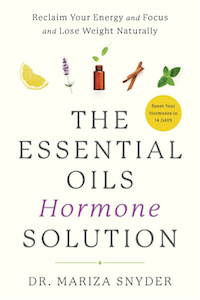
The Essential Oils Hormone Solution by Dr. Mariza Snyder – my book review

February 22, 2019 By Trudy Scott 15 Comments

Together with dietary changes and key nutrients like GABA, tryptophan, zinc and vitamin B6, using essential oils are a wonderful tool for helping to ease anxiety, reduce stress, improve sleep and focus and contribute to overall hormonal health for women. Now we have a new book that is a wonderful essential oil resource specifically for women, The Essential Oils Hormone Solution: Reclaim Your Energy and Focus and Lose Weight Naturally by Dr. Mariza Snyder.

She shares this about essential oils:

Essential oils are natural aromatic com­pounds found in the roots, seeds, stems, bark, leaves, and flowers of various plants. They are super-charged, fifty to seventy times more potent than their dried-herbal counterparts. They’re simply the best plant-based remedy that exists, and they have been success­fully used for thousands of years.

Dr. Mariza lists these top 5 must-have hormone-support essential oils for perimenopausal and menopausal women: clary sage, geranium, lavender, peppermint and rosemary. Lavender and peppermint have been long-time favorites of mine and I recently learned about clary sage and rosemary and love both.

She covers so many wonderful essential oils in the book but for the purposes of this review I’ll focus on clary sage since it was new to me until recently and may be new to you too.

In the chapter on sleep, she shares this about the benefits of clary sage and how to use this essential oil:

CLARY SAGE (Salvia sclarea)

  • Promotes relaxation of the body for a restful night’s sleep
  • Calms and soothes the mind and body
  • Supportive during menstrual distress

Aromatic Use 

  • Apply 1–2 drops directly to bedclothes or pillow.
  • Diffuse 3–4 drops before bedtime.

Topical Use

  • Dilute 1–2 drops with your favorite carrier oil and massage into abdomen.
  • Add 2–3 drops to a warm bath with ¼ cup Epsom salts dis­solved in the water.
  • Dilute 1–2 drops with your favorite carrier oil and massage into your soles before bedtime.

I had looked into clary sage about 6 months ago when I learned that it supports serotonin production and also lowers high cortisol.

Interestingly, I didn’t care for the aroma of clary sage when I first purchased it and I diffused it with lavender and rosemary to disguise the aroma. But I have grown to really like it and use a drop on a hanky each night and look forward to how much it helps me sleep and the fact that it eased the mild hot flashes I had started to experience again.

I love the combinations/blends Dr. Mariza recommends in the book and would have welcomed these ideas when I first started using clary sage myself. Here is one example of a rollerball blend with clary sage:

Tense-Away Rollerball Blend

10 drops Lavender essential oil

10 drops Clary Sage essential oil

10 drops Peppermint essential oil

Carrier oil of choice

I also really like that Dr. Mariza describes different ways to use the oils other than only diffusing – like using rollerballs, using them for massages and in baths, and applying the essential oils on various parts of the body for a more direct impact. One such example is the Hormone Synergy Rollerball Blend (which contains clary sage, lavender, geranium, bergamot and ylang ylang). She recommends applying this blend directly over your ovaries.

I learned this direct application tip from Dr. Mariza last year and started using lavender, peppermint and rosemary (in a carrier oil) topically on my belly before bed. It helps with digestion, occasional belly bloat from SIBO (if I’ve eaten something that triggers symptoms) and is relaxing too. I think I’ll add clary sage to this belly blend too for the added hormone benefits. This could be one way to use clary sage for the benefits if you find you don’t really like the aroma (because it will be further from your nose!)

Here are some of the benefits of the other top 5 hormone-support essential oils for perimenopausal and menopausal women that Dr. Mariza shares:

  • geranium – calming and soothing and “rejuvenates and revitalizes skin, complexion, and hair” (I haven’t been using this one and looking forward to trying this one)
  • lavender – “eases and calms feelings of anxiety, stress, and tension while rebalancing emotions” and “relieves discomfort associated with menstrual cycles” (I’ve been using lavender for years)
  • peppermint – “stimulates mental focus and energy by enlivening the senses” and supports your respiratory system (I also use this one all the time. It’s also great for headaches and neck pain)
  • and rosemary – “increases memory, concentration, and focus” (I also use it for EMF/electromagnetic radiation protection. Research shows rosemary could play a protective role against this harmful effect through its antioxidant activity)

Clary sage is also featured in the libido chapter: “Commonly used to stimulate sexual energy and boost libido.” This aspect was new to me, but it makes sense given that it lowers cortisol and supports serotonin production (and hence estrogen). Dr. Mariza also covers many other wonderful essential oils that boost libido too: jasmine, neroli, rose, sandalwood, ylang ylang and geranium.  In one study neroli, lavender, fennel, geranium, and rose significantly improved sexual function in menopausal women.

Here is the official book blurb:

Have your hormones been hijacked? Do you feel energy-depleted and irritable, unable to sleep, stay focused, or lose weight? You may have attributed these symptoms to the natural hormonal fluctuations that occur with age. But behind the scenes, there are a host of pesky culprits wreaking havoc on your hormonal health: chronic stress, air pollution, chemical-laden foods and cleaning supplies, and the synthetic estrogens in personal care products. Women of all ages are left vulnerable to the consequences, suffering from unnecessary hormonal imbalance and frustrating symptoms that are often dismissed by their doctors.

Dr. Mariza Snyder is here to help put you back in control of your health. In The Essential Oils Hormone Solution, you will learn how to heal hormonal chaos and revitalize the body from the inside out with the support of high-quality essential oils. You’ll learn how essential oils work on a cellular level to mitigate the toxic loads we carry, and how to use essential oils to reduce cravings, get deep, restful sleep, ease stress, improve mood, banish the worst symptoms of PMS, regain focus and concentration, boost libido, and increase energy.

Featuring a 14-day plan to jumpstart your hormonal health, with over 100 essential oil blends, daily self-care rituals, and delicious, easy-to-prepare recipes, you’ll discover how to reset your body and pave the way for improved hormonal health, without taking hormones.

Grab your copy of The Essential Oils Hormone Solution here (my Amazon link).

I’d like to add my thoughts on what I have found to be safe use of essential oils, and what I share with my clients (I consider myself an essential oil user like you – I’m not an expert):

  • Always use a carrier oil, unless you are diffusing, and this includes using essential oils in the bath (I know there is some conflicting advice on this, but I like to err on the side of caution)
  • Don’t try to remove too much of an essential oil with water – it will only drive it deeper into the skin
  • Think low doses i.e. a little goes a long way
  • Be sure to rotate your essential oils
  • Don’t ingest the oils neat or even in a gelatin capsule. I would only consider doing so if I was working with an experienced practitioner and using an enteric coated capsule  (there is definitely conflicting advice on this one but again I like to err on the side of caution)

It’s a fun book with wonderful ideas for how to combine essential oils and use them to improve hormone imbalance. I love this quote from Dr. Mariza:

Inhaling them and applying them is like adorning yourself in something truly beautiful

What are your favorite essential oils and combinations for easing anxiety, reducing stress, improving sleep and balancing your hormones? How are you “adorning yourself” and what is your favorite way to use them – diffused, topically, via a rollerball, or via a massage or in the bath? Feel free to post questions here too.

Filed Under: Books, Essential oils Tagged With: anxiety, calming, clary sage, cortisol, Dr. Mariza Snyder, energy, essential oils, focus, hormone, hormones, insomnia, lavender, libido, mood, peppermint, PMS, serotonin, sleep, stress, The Essential Oils Hormone Solution

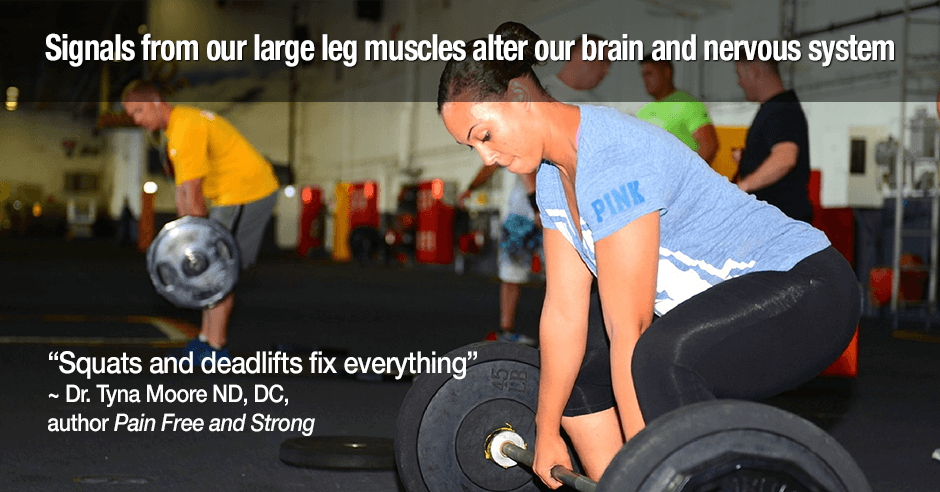
Squats and deadlifts fix everything: Signals from our large leg muscles alter our brain and nervous system

June 1, 2018 By Trudy Scott 22 Comments

A new paper published in Frontiers in Neuroscience reports new research that highlights how signals from our large leg muscles alter our brain and nervous system:

Groundbreaking research shows that neurological health depends as much on signals sent by the body’s large, leg muscles to the brain as it does on directives from the brain to the muscles… the study fundamentally alters brain and nervous system medicine – giving doctors new clues as to why patients with motor neuron disease, multiple sclerosis, spinal muscular atrophy and other neurological diseases often rapidly decline when their movement becomes limited.

My friend and colleague, Dr. Tyna Moore ND, DC, author Pain Free and Strong said this when she shared the study on social media: “Told ya – squats and deadlifts fix everything!”

Study author, Dr. Raffaella Adami, shares this about body chemistry being altered:

Our study supports the notion that people who are unable to do load-bearing exercises – such as patients who are bed-ridden, or even astronauts on extended travel – not only lose muscle mass, but their body chemistry is altered at the cellular level and even their nervous system is adversely impacted.

Here are some points from the discussion section in the actual study that relate directly to anxiety, depression and cognition:

The level of glutamate was up-regulated… the concentration of serotonin, dopamine, GABA, and epinephrine was reduced

What this means is that people who are not able to do load-bearing exercise had glutamate up-regulated (likely leading to more anxiety and excitotoxicity), reduced serotonin and GABA (contributing to more anxiety, worry, fear, depression and carb cravings), and lower dopamine and epinephrine (so more depression, less energy and less motivation).  (You can read all the symptoms associated with out of balance neurotransmitters here and how I use targeted individual amino acids to address low levels – which you want to do in conjunction with dietary and lifestyle changes such as resistance training.)

The study goes on to share that:

Prospective studies indicate that physical inactivity is one of the most frequent avoidable risk factors for developing Alzheimer’s disease. Moreover, elevated physical activity levels are associated with a lower risk of Alzheimer’s disease. The Alzheimer’s disease patient who undertook exercise training showed decreased neuropsychiatric symptoms, improvement in cognitive function, and a slower decline in the activities of daily life.

This was an animal study conducted with mice but we have many human studies that highlight the benefits of exercise for both anxiety and depression. In this recent meta-analysis “of 33 clinical trials including 1877 participants, resistance exercise training was associated with a significant reduction in depressive symptoms.”

When I shared the Frontiers in Neuroscience paper on Facebook, I received this feedback that correlates with the research:

Chris: My son’s concussion symptoms improved by leaps when he began consistent light cardio and added some leg weight training

Katie: I wonder if this is why my mom “lost her mind” (suddenly dementia) when she broke her ankle. I thought it was the antibiotics but maybe it was the extended reclining recovery

Jessica: I had a brain injury due to being hit by a car while crossing the street a year ago. I had to dig deep to heal – meditation, fish oil….. But I thought I had hit a plateau in my healing. About 2 months ago I was able to start doing yoga again, and move my body… wow, what a difference it has made in my brain healing! I am feeling able to focus again and have more brain energy! The body is connected from head to toes

As you’ve gathered from Dr. Tyna Moore’s quote about squats and deadlifts, she is a big fan of resistance training, and she is my go-to person for questions on this topic. I’ve been following her online for a few years, love her posts and we finally got to meet in person last summer.

Tyna and trudy
Tyna and I last summer

Dr. Tyna has written a great ebook called Pain Free and Strong (you can download a copy here). She shares how sarcopenia or muscle wasting results from “deconditioning and lack of strength training exercises,” and this wisdom about movement and resistance training, also referred to as strength training:

Movement is the key to life. Without movement, your cells cannot do their thing. Your blood and lymph do not pump well. Your metabolism slows, your hormones suffer and your sleep becomes compromised. More than anything, you hurt. Motion is lotion and movement is medicine.

We have been taught as a society to do cardiovascular exercises, such as running, biking or walking as the core of our exercise routines. When I discuss exercise with my patients, I talk about “appropriate and strategic exercise” and what I’m referring to is strength training.

the most potent exercises for orthopedic health, improving metabolism, balancing hormones, decreasing inflammation, modulating immune function, reducing pain, lowering blood pressure, improving heart health and increasing resilience revolve around adding and maintaining healthy lean skeletal muscle mass to the body, and keeping it there as we age.

The entire chapter on movement is well-worth reading to get a better understanding of the importance of adding and maintaining healthy lean skeletal muscle mass.

Dr. Tyna also has the answer on how we can do this, sharing that squats and deadlifts “are king and the cornerstone to any strength and conditioning program”:

Compound lifts like squats and deadlifts can give us more bang for our buck metabolically, while also providing profound hormetic and hormonal benefits. Studies have also shown that free weights may be more potent than machines, and that machines put you into an unnatural position at times, which can lead to further injury. If machines are all you have access to, so be it. Just know that free weights are optimal and you need [a professional] to show you how to use them safely.

If you’re new to squats and deadlifts like I am, you may be like me and prefer to know what you’re letting yourself in for so here are 2 excellent blog posts with great images on how to and how not to do deadlifts and squats.  For women, the exercise section in this book looks excellent: The New Rules of Lifting for Women: Lift Like a Man, Look Like a Goddess (my Amazon link). The exercise information is more than half the book and has in-depth explanations on the mechanisms, going into much more in detail than I can cover in a blog. I would pass on the nutritional sections as the advice about canola, Splenda and low-fat is clearly outdated information. But as Dr. Tyna says in her ebook, you can’t learn this from  a book or video – find a personal trainer to guide you if you’re new to free weights.

In case you’re wondering about aerobic exercise it’s still good. In fact, one study reports how both aerobic exercise and resistance training offer slightly different benefits if you suffer from anxiety:

aerobic exercise improved general psychological distress and anxiety, while resistance training improved disorder-specific symptoms, anxiety sensitivity, distress tolerance, and intolerance of uncertainty.

So go for your walk, ride your bike, swim in the ocean, go hiking, play tennis – and all the better if you can do this out in nature for the added benefits of sunshine, fresh air, greenery and the scenery – but don’t forget the huge benefits of resistance training and find a personal trainer to get you up to speed on doing squats and deadlifts and using free weights.

And remember what Dr. Tyna says: “squats and deadlifts fix everything!”

Let us know if this is new to you and you’re now interested in doing squats and deadlifts and using free weights?

I’ve done plenty of resistance training with free weights over the years, especially when I was rock-climbing every weekend, but have not done deadlifts or squats with free weights and have decided it’s time to start. I’ll keep you posted on my progress. Feel free to share your progress too.

If you’re already doing squats and deadlifts and using free weights we’d love to hear how you enjoy it, how long you’ve been doing it and the benefits you’ve seen?  And please do share tips or words of encouragement for us newbies.

Filed Under: Exercise Tagged With: ALS, anxiety, brain, brain chemicals, deadlifts, depression, hormones, leg muscles, lifting weights, nervous system, squats, weights

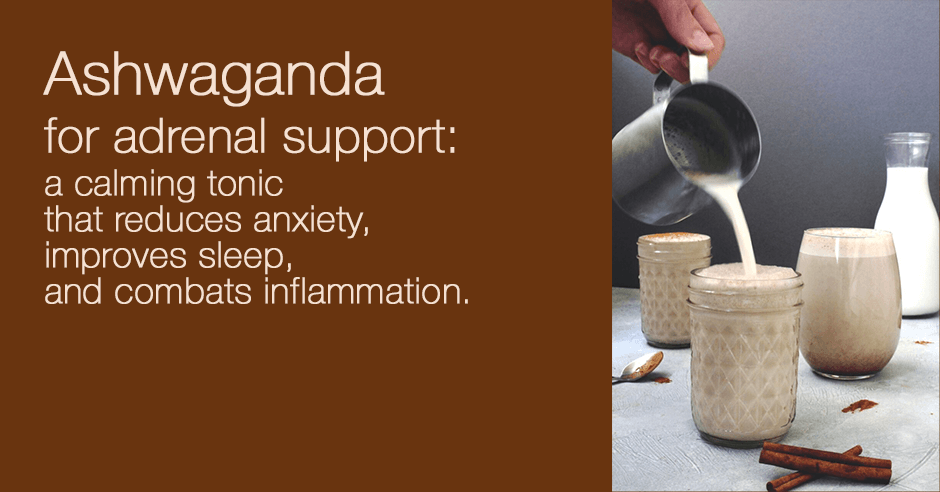
Ashwaganda for adrenal support: a calming tonic that reduces anxiety and improves sleep

September 16, 2017 By Trudy Scott 17 Comments

Overactive adrenals can leave you feeling like you’re constantly in “fight or flight” mode. First, your body releases high levels of stress chemicals like adrenaline and cortisol. To ensure you’re ready to defend yourself or run, these chemicals spike your blood sugar, as well as increasing heart rate, blood pressure, and insulin levels – making you feel anxious, stressed and wide awake at night.

Nature offers plenty of wonderful herbal remedies to support the adrenals. Herbal adaptogens such as ashwaganda and rhodiola are two of my favorite herbs for the adrenals. They gently calm your overactive system helping your body damp down your fight or flight response and reduce stress and anxiety.

  • Ashwaganda is often called “Indian Ginseng” and is widely used in Ayurvedic medicine to lower stress and stabilize thyroid hormones. It is a calming tonic that reduces anxiety, improves sleep, and combats inflammation.
  • Rhodiola is a another potent herbal adaptogen that helps your body reduce anxiety and irritability. At the same time, it boosts immune function, hormonal balance, and concentration.

You can learn how to use herbs like this in your everyday routine in this no-cost online workshop “How To Use Everyday Herbs and Spices To Rebalance Your Hormones”

In this online workshop, you will learn about 20 healing herbs and spices to help support and heal your thyroid, adrenals, menopause, weight, hair loss, cellulite, PCOS, hot flashes (and more).

  • Skullcap – used to treat conditions like panic attacks, anxiety and also helps to promote better quality sleep.
  • Chamomile is well known for its calming properties. After people drink chamomile tea their levels of glycine increase. Glycine is a nerve relaxant with mild sedative properties – all things that can help you to de-stress. Chamomile also has anti-spasmodic properties that help to relieve menstrual cramps in women. It also contains a potent flavonoid called apigenin, a mild tranquilizer that can help benefit sleep onset and sleep quality.
  • Lavender made into a tea is an effective tonic for jittery nerves because it encourages a calmer state of mind. Research comparing the use of lavender to (synthetic) benzodiazepine medication for anxiety has found it provides equal benefit, minus all the side effects.

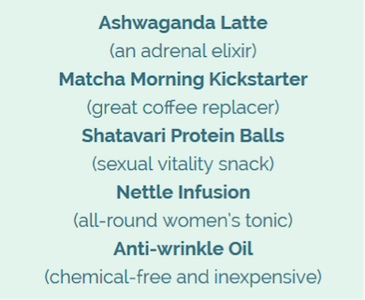
You will also learn 5 simple and delicious herbal recipes to restore and rebalance your hormones

Watch this video snippet to get a taste of some of what Magdalena will be covering in the online herbal workshop. One thing she’ll be making is the wonderful and nourishing Ashwaganda Latte for adrenal support.

And here is the recipe for the Ashwaganda Latte

Author: Magdalena Wszelaki

Ingredients

  • 1 cup of milk (almond or hazelnut works well, if using coconut milk, I would suggest ½ cup coconut milk and ½ cup water)
  • 1 teaspoon ashwagandha powder
  • ½ teaspoon cinnamon powder
  • ½ teaspoon maple syrup or honey

How To Make

  1. Warm the milk, then add the powdered spices and maple syrup or honey
  2. Stir well, using the whisk to blend, adjusting for sweetness if necessary
  3. Pour into a nice cup and drink an hour before bed

Equipment: Medium saucepan, whisk, strainer

You’ll also learn how to avoid common chemicals found in everyday skincare, personal care and house cleaning products that disrupt your hormones, and discover which herbs are best for your individual needs.

Hope to see you there! You can register for this online herbal workshop here

You may remember Magdalena from the Anxiety Summit and her wonderful interviews on eating for hormone balance! She is now taking hormone balance to the next level by teaching us how to use herbs. This wonderful workshop is a taste of what’s to come in her upcoming longer program so stay tuned for more on that!

Filed Under: Adrenals, Hormone Tagged With: adrenals, anxiety, ashwaganda, herbs, hormones, lavender, rhodiola, sleep, stress

One Hidden Hormone-Disrupting Ingredient to Avoid: on Hormones – A Women’s Wellness Summit

April 11, 2016 By Trudy Scott 12 Comments

It starts today so I’m just sending you a quick reminder about Hormones – A Women’s Wellness Summit. Join me, Bridgit Danner, LAc, and the 30+ health and wellness experts and educate yourself online and no cost from April 11-18.

(you can still register here https://qt247.isrefer.com/go/WWH16reg/trudyscottcn/)

Summit speakers cover the adrenals, low testosterone in women, PMS and missed periods, endometriosis, how to have gorgeous skin, fertility, pregnancy and post-partum, perimenopause, your hunger hormones, toxins in your food, bio-identical hormones, cell phone dangers and much much more.

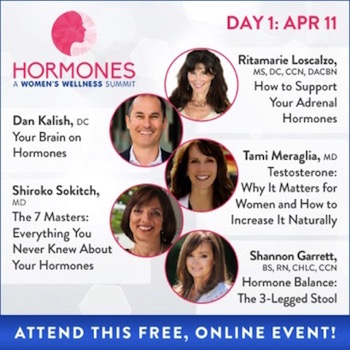
Here is the speaker/topic line-up for today/day 1:

hormones-day1

My interview is Balance Brain Chemistry to End Anxiety and airs on day 3. I talk about the importance of cholesterol and how to figure out how much of the amino acids you may need and how to do a trial. Dr. Jill Carnahan’s interview is also on day 3: What’s the Big Deal About Methylation? You can read snippets from our interviews here.

Here are a few snippets from Lara Adler’s informative interview (which airs on day 6): One Hidden Hormone-Disrupting Ingredient to Avoid

…there are a lot of chemicals that research is showing can have really dramatic impacts on our health. And not just women’s health issues and endocrine disruption, which we’ll get into, but everything from cancers and heart disease and metabolic diseases, as I mentioned earlier, to autism and learning disabilities, behavioral problems, infertility, thyroid problems. Basically, every single health struggle that people have, there is some connection to environmental toxins.

…unfortunately, the most common endocrine disruptor is in thousands and thousands of products. And that is disguised under the word fragrance. And so fragrance is a catch-all word. Like there’s anywhere between, I think, it’s up to…It’s either 300 or 3,000 ingredients that can make up the word fragrance.

So labeling laws don’t require companies to disclose what that fragrance ingredients are because it sometimes a trade secret.

…if you can smell a product, if it has a fragrance, then those are fragrance molecules that you are inhaling into your body.

And interestingly, inhalation is the fastest way for something to enter your bloodstream is through inhalation, aside from injection..This is why this is one of my first stops in having people make shifts – is let’s look at fragrance first.

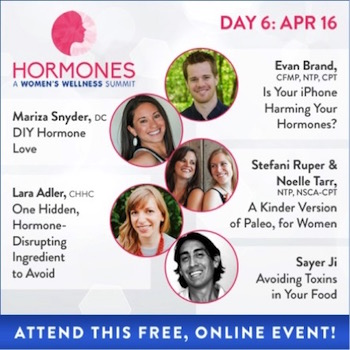
Here are the other days 6 speakers/topics:

hormones-day6

I hope you can join us online on Hormones: A Women’s Wellness Summit

You can register here: https://qt247.isrefer.com/go/WWH16reg/trudyscottcn/

PS. Please share with other women who may be looking for this type of information.

Filed Under: Events, Hormone Tagged With: hormones, summit, women's wellness

Food to Rebalance Your Hormones & Super Sprout Smoothie recipe

March 9, 2016 By Trudy Scott 3 Comments

In case you missed the newsletter announcements, this is a quick reminder that this no-cost webinar is happening on Saturday morning!

How to Use Food to Rebalance Your Hormones – online March 12th (at 10am PST, 1pm EST).

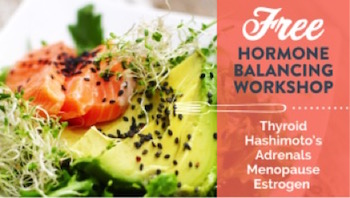
hormone-balancing-workshop

Cooking for Balance will start with this no-cost live online workshop on March 12th (at 10am PST, 1pm EST). Seats are limited and they get snapped up quickly.

Cooking for Balance is an online cooking program created by my friend and colleague Magdalena Wszelaki, founder of Hormones Balance. You may remember our great interviews on last season of The Anxiety Summit! She was a hit, is a wealth of knowledge and very hands-on when it comes to food for hormone balancing! I really love what she offers (and her cute accent)!

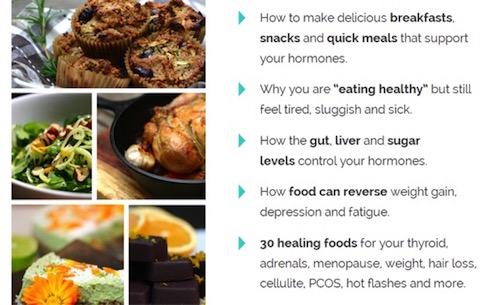
Here is a sampling of what Magdalena is going to show you in the no-cost webinar:

balance-hormone-2

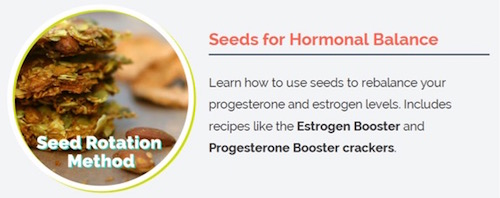
Plus she has a bonus for you: Seeds for Hormonal Balance – learn how to use seeds to rebalance your progesterone and estrogen levels. I really love that Magdalena teaches this simple and yet powerful concept!

balance-hormone-3

Here is a great example of Magdalena’s teachings on how to use food to balance your hormones: using broccoli sprouts for estrogen dominance. She shares this:

Most women have experienced some form of estrogen dominance without even realizing it. Symptoms include PMS, endometriosis, water retention, cellulite, weight gain, moodiness and infertility. Estrogen dominance can also be responsible for thyroid nodules and cancer as well as breast lumps and breast cancer. It is believed that 90% of breast cancers are of non-genetic origin and estrogen dominance can be the leading cause.

This hormonal imbalance can happen due to the dominance of the antagonistic estrogen called estradiol (or E2) as compared to progesterone or the protective estrogen called estriol (or E3). Estrogen dominance can also happen when there is an excess of metabolized estrogen called hydroxyestrones (a simple blood test called 2:16 hydroxyestrone can confirm that).

One of my favorite go-to foods to rebalance the estrogens and nudge them in the right direction are broccoli sprouts.

They contain di-indolyl-methane (short form: DIM, also found as a supplement) which detoxifies us of estradiol. Broccoli sprouts also contain the highest amounts of sulforaphane, which has been linked by numerous studies to not only prevent but also reverse breast cancer. Sulforaphane can also be found in smaller quantities in other cruciferous vegetables like kale, broccoli or cauliflower.

Depending on one’s health condition, studies have shown that ¼ cup to 1 cup of broccoli sprouts can create profound health improvement resulting from rebalancing estrogen dominance.

I recommend using them raw by adding to smoothies, wraps, salads or warm (not hot) soups. See recipes below for some cool ideas.  

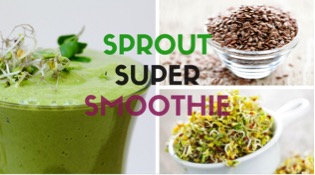
And here is Magdalena’s Super Sprout Smoothie recipe

balance-hormone-4

This recipe is a little different as it takes you on an unusual taste adventure to the land of a green savory smoothie. It is an energizing way to start the day with no sugar that will sustain you until lunch with no energy crushes. This smoothie is packed with the hormone-balancing superfoods: broccoli sprouts, flax seed, maca, Brazil nuts and camu camu and can be consumed by women of any hormonal imbalances.

Serves: 1

Time to prepare: 15 minutes

Ingredients

1½ cups water
½ avocado
½ cup broccoli sprouts
½ cup freshly chopped cilantro
4 Brazil nuts
3 tablespoons lemon juice
2 tablespoons flax seed
1 teaspoon maca root powder
½ teaspoon camu camu powder (get it on Amazon)
½ teaspoon ground fennel seed
½ teaspoon ground cumin
a generous pinch of salt

Place all the ingredients in the blender and blend until silky smooth.

Impressed? Intrigued to learn more? Salivating?

Tune in to the no-cost webinar to learn a ton, have fun, get some great cooking ideas.

If you can’t make it live sign up anyway to get the recording.

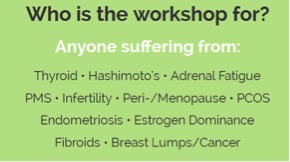
At the end of the webinar she’ll be sharing more about her next upcoming Cooking for Balance online cooking program that helps women rebalance their hormones with food, offering tailor-made nutritional protocols for women with thyroid issues, Hashimoto’s, adrenal fatigue, estrogen dominance, menopause and PCOS. This online program features 4 live classes, over 20+ done-for-you guides, 80+ recipes and 20+ demo videos. They focus on quick, simple yet nutritionally-dense cooking techniques that will help you feel like yourself again.

balance-hormone-5

Registration page for the no-cost webinar is here:
https://xa202.isrefer.com/go/cfb1/trudys/

Filed Under: Events, Hormone Tagged With: adrenal, hormones, Magdalena Wszelaki, menopause, PCOS, PMS, thyroid

  • Page 1
  • Page 2
  • Go to Next Page »

Primary Sidebar

NEW! GABA QuickStart Homestudy (with special intro pricing)

gaba quickstart homestudy

Free Report

9 Great Questions Women Ask about Food, Mood and their Health

You'll also receive a complimentary subscription to my ezine "Food, Mood and Gal Stuff"


Connect with me

Popular Posts

  • Amino Acids Mood Questionnaire from The Antianxiety Food Solution
  • The Antianxiety Food Solution Amino Acid and Pyroluria Supplements
  • Pyroluria Questionnaire from The Antianxiety Food Solution
  • Collagen and gelatin lower serotonin: does this increase your anxiety and depression?
  • Tryptophan for the worry-in-your-head and ruminating type of anxiety
  • GABA for the physical-tension and stiff-and-tense-muscles type of anxiety
  • The Antianxiety Food Solution by Trudy Scott
  • Seriphos Original Formula is back: the best product for anxiety and insomnia caused by high cortisol
  • Am I an anxious introvert because of low zinc and vitamin B6? My response to Huffington Post blog
  • Vagus nerve rehab with GABA, breathing, humming, gargling and key nutrients

Recent Posts

  • What do I use instead of Seriphos to help lower high cortisol that is affecting my sleep and making me anxious at night?
  • BeSerene™ GABA/theanine cream eases severe muscle tension in her neck/shoulders, prevents her bad headaches and quells her anxiety
  • How the correct approach, dose and sublingual use of GABA can be calming and not cause a flushed and itchy face and neck
  • The amino acid glutamine improves low mood by addressing gut health, and it has calming effects too
  • Flight anxiety with heightened breath, physical tension and also fearing the worst (the role of low GABA and low serotonin)

Categories

  • 5-HTP
  • AB575
  • Addiction
  • ADHD
  • Adrenals
  • Alcohol
  • Allergies
  • Alzheimer's disease
  • Amino Acids
  • Anger
  • Antianxiety
  • Antianxiety Food Solution
  • Antidepressants
  • Anxiety
  • Anxiety and panic
  • Autism
  • Autoimmunity
  • benzodiazapines
  • Bipolar disorder
  • Books
  • Caffeine
  • Cancer
  • Candida
  • Children/Teens
  • Collagen
  • Cooking equipment
  • Coronavirus/COVID-19
  • Cravings
  • Depression
  • Detoxification
  • Diabetes
  • Diet
  • DPA/DLPA
  • Drugs
  • EFT/Tapping
  • EMF
  • EMFs
  • Emotional Eating
  • Endorphins
  • Environment
  • Essential oils
  • Events
  • Exercise
  • Fear
  • Fear of public speaking
  • Fertility and Pregnancy
  • Fish
  • Food
  • Food and mood
  • Functional neurology
  • GABA
  • Gene polymorphisms
  • General Health
  • Giving
  • Giving back
  • Glutamine
  • Gluten
  • GMOs
  • Gratitude
  • Gut health
  • Heart health/hypertension
  • Histamine
  • Hormone
  • Hyperparathyroidism
  • Hypoglycemia
  • Immune system
  • Inflammation
  • Insomnia
  • Inspiration
  • Introversion
  • Joy and happiness
  • Ketogenic diet
  • Lithium orotate
  • Looking awesome
  • Lyme disease and co-infections
  • MCAS/histamine
  • Medication
  • Men's health
  • Mental health
  • Mercury
  • Migraine
  • Mold
  • Movie
  • MTHFR
  • Multiple sclerosis
  • Music
  • NANP
  • Nature
  • Nutritional Psychiatry
  • OCD
  • Osteoporosis
  • Oxalates
  • Oxytocin
  • Pain
  • Paleo
  • Parasites
  • Parkinson’s disease
  • PCOS
  • People
  • PMS
  • Postpartum
  • PTSD/Trauma
  • Pyroluria
  • Questionnaires
  • Real whole food
  • Recipes
  • Research
  • Schizophrenia
  • serotonin
  • SIBO
  • Sleep
  • Special diets
  • Sports nutrition
  • Stress
  • Sugar addiction
  • Sugar and mood
  • Supplements
  • Teens
  • Testimonials
  • Testing
  • The Anxiety Summit
  • The Anxiety Summit 2
  • The Anxiety Summit 3
  • The Anxiety Summit 4
  • The Anxiety Summit 5
  • The Anxiety Summit 6
  • Thyroid
  • Thyroid health
  • Toxins
  • Tryptophan
  • Tyrosine
  • Uncategorized
  • Vegan/vegetarian
  • Women's health
  • Yoga

Archives

  • October 2025
  • September 2025
  • August 2025
  • July 2025
  • June 2025
  • May 2025
  • April 2025
  • March 2025
  • February 2025
  • January 2025
  • November 2024
  • October 2024
  • September 2024
  • August 2024
  • July 2024
  • June 2024
  • May 2024
  • April 2024
  • March 2024
  • February 2024
  • January 2024
  • December 2023
  • November 2023
  • October 2023
  • September 2023
  • August 2023
  • July 2023
  • June 2023
  • May 2023
  • April 2023
  • March 2023
  • February 2023
  • January 2023
  • December 2022
  • November 2022
  • October 2022
  • September 2022
  • August 2022
  • July 2022
  • June 2022
  • May 2022
  • April 2022
  • March 2022
  • February 2022
  • January 2022
  • December 2021
  • November 2021
  • October 2021
  • September 2021
  • August 2021
  • July 2021
  • June 2021
  • May 2021
  • April 2021
  • March 2021
  • February 2021
  • January 2021
  • December 2020
  • November 2020
  • October 2020
  • September 2020
  • August 2020
  • July 2020
  • June 2020
  • May 2020
  • April 2020
  • March 2020
  • February 2020
  • January 2020
  • December 2019
  • November 2019
  • October 2019
  • September 2019
  • August 2019
  • July 2019
  • June 2019
  • May 2019
  • April 2019
  • March 2019
  • February 2019
  • January 2019
  • December 2018
  • November 2018
  • October 2018
  • September 2018
  • August 2018
  • July 2018
  • June 2018
  • May 2018
  • April 2018
  • March 2018
  • February 2018
  • January 2018
  • December 2017
  • November 2017
  • October 2017
  • September 2017
  • August 2017
  • July 2017
  • June 2017
  • May 2017
  • April 2017
  • March 2017
  • February 2017
  • January 2017
  • December 2016
  • November 2016
  • October 2016
  • September 2016
  • August 2016
  • July 2016
  • June 2016
  • May 2016
  • April 2016
  • March 2016
  • February 2016
  • January 2016
  • December 2015
  • November 2015
  • October 2015
  • September 2015
  • August 2015
  • July 2015
  • June 2015
  • May 2015
  • April 2015
  • March 2015
  • February 2015
  • January 2015
  • December 2014
  • November 2014
  • October 2014
  • September 2014
  • August 2014
  • July 2014
  • June 2014
  • May 2014
  • April 2014
  • March 2014
  • February 2014
  • January 2014
  • December 2013
  • November 2013
  • October 2013
  • September 2013
  • August 2013
  • July 2013
  • June 2013
  • May 2013
  • April 2013
  • March 2013
  • February 2013
  • January 2013
  • December 2012
  • November 2012
  • October 2012
  • August 2012
  • July 2012
  • June 2012
  • May 2012
  • April 2012
  • March 2012
  • February 2012
  • January 2012
  • December 2011
  • November 2011
  • October 2011
  • September 2011
  • August 2011
  • July 2011
  • June 2011
  • May 2011
  • April 2011
  • March 2011
  • February 2011
  • January 2011
  • December 2010
  • October 2010
  • September 2010
  • July 2010
  • May 2010
  • April 2010
  • March 2010
  • February 2010
  • January 2010
  • November 2009

Share the knowledge!

The above statements have not been evaluated by the Food and Drug Administration. Products listed in this website are not intended to diagnose, treat, cure or prevent any disease.

The information provided on this site is for informational and educational purposes only and is not intended as a substitute for advice from your physician or other health care professional. You should consult with a healthcare professional before starting or modifying any diet, exercise, or supplementation program, before taking or stopping any medication, or if you have or suspect you may have a health problem.


Copyright © 2026 Trudy Scott. All Rights Reserved. | Privacy | Terms and Conditions | Refund Policy | Medical Disclaimer

Free Report

9 Great Questions Women Ask about Food, Mood and their Health

You’ll also receive a complimentary subscription to my ezine “Food, Mood and Gal Stuff”