• Skip to primary navigation
  • Skip to main content
  • Skip to primary sidebar

everywomanover29 blog

Food, Mood and Women's Health – Be your healthiest, look and feel great!

  • Blog
  • About
  • Services
  • Store
  • Resources
  • Testimonials
  • The Book
  • Newsletter
  • Contact
  • Search this site

GABA

DPA to end comfort-eating, end weepiness and boost endorphins

September 10, 2016 By Trudy Scott 83 Comments

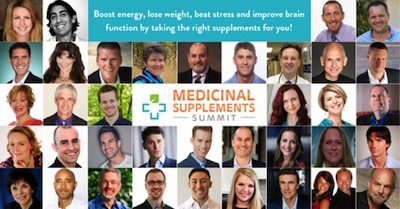
medicinal-supplements-summit-speakers

The Medicinal Supplements Summit runs September 12 -19 and is dedicated to helping you learn the latest in supplement customization to boost energy, lose weight, beat stress, improve brain function and heal your body! 

My interview addresses amino acids for both anxiety and depression – I talk about GABA, tryptophan, 5-HTP (and when not to use it), DPA, glutamine and tyrosine.
medicinal-supplements-summit-day6

Wendy asks me to share more about DPA for the low endorphins kind of depression, comfort eating, emotional pain, weepiness and physical pain. Here are some snippets on this topic from my interview:

DPA is D-phenylalanine. It’s an amino acid that actually destroys the enzyme that breaks down endorphins. Endorphins are feel-good chemicals that we may relate to when you hear about getting an endorphin rush, when you go for a run or when someone gives you a big hug or when you do something nice for someone or someone does something nice for you, you get that nice sort of feel good feeling, like you’ve got this big hug kind of feeling. So taking this amino acid, DPA, helps, in essence, to raise your endorphins.

There are different kinds of depression. I mentioned the low serotonin depression, which is more the anxiety kind of depression. With the low endorphin kind of depression, you’re very weepy. You may be overly emotional. So if you watched a TV ad or you watched a really sad movie, you may be more prone to crying than the average person. As well as being sensitive to emotional pain, which is the crying and the weepiness, you also tend to be sensitive to physical pain.

So we know that doing acupuncture raises your endorphin levels. And in that way it helps with pain. So taking this amino acid will help with that emotional sadness that you often feel when you’ve got low endorphins. And it is very, very helpful for physical pain as well. I find a number of clients with physical pain that is related to low endorphins. Pain can be related to low oxalates or nightshades, something physical, or even osteoarthritis. So you’ve got some kind of physical issue. But if it’s related to low endorphins you’ll actually see a really nice pain reduction effect from it.

Now, the big thing with low endorphins is this comfort eating. So I mentioned earlier with low serotonin you have the anxiety and the depression and the afternoon and the evening cravings. With low endorphins, as well as this emotional aspect and the pain aspect, the cravings part is very much a comfort kind of craving.

It’s like, “This is my reward. This is my treat. I deserve it.” And when you consume those carbohydrates, that bowl of ice cream, that bowl of cereal, that chocolate chip cookie, you feel like this is my reward. I deserve it. So a lot of people will resonate with the low endorphins kind of emotional eating. And when they get on DPA their mood improves, and this comfort eating goes away.

Tune in to hear my entire interview and all the other great speakers!

You can use this link to register for access: https://qt247.isrefer.com/go/SUPP16reg/trudyscottcn/

And use this link to purchase at pre-summit special prices:
https://qt247.isrefer.com/go/SUPP16order/trudyscottcn/
Filed Under: Events, GABA Tagged With: 5-HTP, aminos for anxiety, comfort eating, depression, DPA, emotional, GABA, glutamine, Medicinal supplements summit, tryptophan, tyrosine

Confused about supplements? Join me on the Medicinal Supplements Summit

August 29, 2016 By Trudy Scott 1 Comment

medical-supplement-summit-speakers

Confused about supplements? Are you they doing you more harm than good? Join me on The Medicinal Supplements Summit from September 12-19, 2016 and learn the latest in supplement customization to beat stress and end anxiety, boost energy, lose weight, improve brain function and heal your body!

Your hosts of The Medicinal Supplements Summit are Wendy Myers, an expert in detoxification and founder of Liveto110.com, and Ian Clark, founder of Activation Products.  

They both understand the importance of taking the right supplements – after all, they both healed their own health crises through targeted supplements, whole body health and the power of micronutrients!

This event is dedicated to helping you determine what you need, separate “claims” from the truth, customize to your needs and make proper decisions at the store or online.

All reasons not to miss The Medicinal Supplements Summit, online from September 12-19, 2016!

Here is the line-up of topics:

DAY 1 (September 12, after 10am US eastern)
The Medicinal Supplements Summit starts. We’ll discuss whether you need supplements to be healthy, can you get all your nutrients from food and important supplements missing from your health regime!

DAY 2 (September 13, after 10am US eastern)
On Day 2 of The Medicinal Supplements Summit, we discuss top supplements in depth: fish oil, probiotics, Vitamin C, food-based vs. synthetic supplements and minerals, like magnesium. Learn what kind of supplements you should take and how to take them!

DAY 3 (September 14, after 10am US eastern)
On Day 3 of The Medicinal Supplements Summit, we discuss tips and tests you can take to customize supplements to your body’s needs. Take the guesswork out of choosing supplements!

DAY 4 (September 15, after 10am US eastern)
Buyer beware! On day 4 of The Medicinal Supplements Summit we discuss the supplement categories that require extra scrutiny before you buy: weight loss, detox, energy, performance-enhancing and protein supplements. These supplement categories offer products that are harmful or ineffective, and should be avoided.

DAY 5 (September 16, after 10am US eastern)
On Day 5 of The Medicinal Supplements Summit, we review the top medicinal supplements for common health conditions: heart disease, pain, adrenal fatigue, thyroid dysfunction, gut health and autoimmunity. These supplements should be in your medicine cabinet!

DAY 6 (September 17, after 10am US eastern)
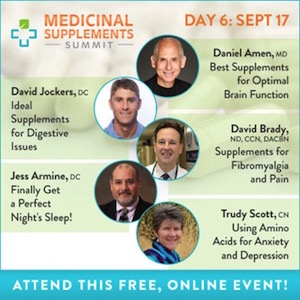
Day 6 at The Medicinal Supplements Summit reviews supplements for common health conditions: brain fog, depression, anxiety, digestive issues, fibromyalgia, pain and sleep disturbances.  

My interview airs on day 6: Using Amino Acids for Anxiety and Depression

  • How to find out what type of depression you have
  • Specific amino acids for your type of depression or anxiety (individual targeted amino acids: tryptophan, GABA, DPA, glutamine and tyrosine)
  • Serious complications caused by anti-anxiety medication

DAY 7 (September 18, after 10am US eastern)
On Day 7 of The Medicinal Supplements Summit, we discuss hot topics in the supplement world: toxic metals in supplements, hidden gluten, ingredients to avoid and using essential oils.

DAY 8 (September 19, after 10am US eastern)
Encore Day at The Medicinal Supplements Summit!

Here is the registration link https://qt247.isrefer.com/go/SUPP16reg/trudyscottcn/

Hope to see you there.

Filed Under: Events Tagged With: amino acids, anxiety, depression, GABA, Medicinal supplements summit, supplements, tryptophan, Wendy Myers

Tryptophan and melatonin make a big difference but why do I still wake at 4am?

August 26, 2016 By Trudy Scott 113 Comments

waking-up-early

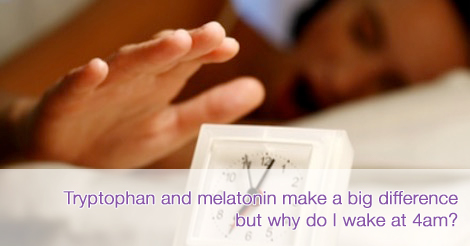
I get many questions on the blog about problems with sleep: not able to fall asleep, not waking rested and waking in the early hours and not being able to go back to sleep. By far the most common question is “Why do I still wake at 4am and can’t go back to sleep?”

So let me share one of the typical questions I receive and my feedback in the hope that something you read here may help you or someone you’re working with. Here is the question:

I purchased Lidtke l-Tryptophan and time release melatonin and notice a big difference in my sleep. Instead of waking up every two hours I’m sleeping better but still wake up at 4 am and can’t get back to sleep. GABA hasn’t helped. What can I take to get back to sleep and what are your thoughts on Seriphos Phosphorylated Serine? I think my anxiety has to do with my adrenals because I wake up in a sweat and am way past menopause.

Since she is seeing a big difference with tryptophan and timed-release melatonin, low serotonin is the likely root cause of her insomnia or at least one of the root causes. We always want to capitalize on what is already working. Too many people don’t see expected results with 1 x 500mg tryptophan at bedtime and 1mg timed-release melatonin and start looking for other solutions when the answer may be right in front of them.

Here are the steps I’d follow with a client with similar sleep challenges:

  • Try more tryptophan, increasing it slowly over the course of a few weeks in the hope that it more will provide more serotonin support. This is what I call an amino acid trial where you rate and log your improvements as you incrementally increase – with the goal of finding an optimal amount for your needs. We all have different needs and post menopause it’s not uncommon for women to experience anxiety, depression and insomnia related to low serotonin and fluctuating sex hormones. We also always want to capitalize on what is already working.
  • Also, to add to what’s working, add tryptophan mid-afternoon if it’s not already in place. When someone scores high on the low serotonin questionnaire the typical timing of tryptophan is mid-afternoon and an hour before bed (always away from protein). Serotonin levels start to decline mid-afternoon hence the benefits of a mid-afternoon dose. Start low and increase slowly.
  • I would also suggest trying the tryptophan opened up (at both times) to see if this makes a difference.
  • Taking a tryptophan at the 4am waking can help you go back to sleep so this is worth trying. For some people 500mg at 4am is too much and using 125mg or 250mg works well. You determine the amount based on how you feel when you do get up. If you were able to go back to sleep easily buy wake groggy then it’s too much.
  • Some people are reporting better results with Lidtke Tryptophan Complete (which has all the co-factor nutrients) so this may be worth trialing too. I’d start by adding to what is already in place.
  • If we get benefits with any of the above by are not quite there then I would suggest additional timed-release melatonin until sleep improves.

This is always done slowly and methodically over the course of a few weeks. I always have my clients carefully log what they try and what is working and not working.

Other factors we’d make sure are addressed:

  • What GABA was used, was it trialed (starting low and increased) and was it used sublingually?
  • Is high cortisol at night a factor? Doing an adrenal saliva test will provide the answer. If it is then the Interplexus Seriphos is the best for lowering it. It’s best to take 1-3 x Seriphos about 2-3 hours before the high cortisol.  [UPDATE: INTERPLEXUS SERIPHOS WAS REFORMULATED IN 2016 – PLEASE SEE BELOW FOR MORE ON THIS]
  • Is gut health a factor? Look into SIBO, gluten sensitivity, other food sensitivities, dysbiosis and parasites (which are often active in the early hours and can cause night sweats)
  • Is there a sex hormone imbalance? Even with someone way past menopause, the night sweats mean this should be ruled out. The addition of amino acids starts to balance the hormones but more support may be needed.  
  • Is any caffeine (even decaf) still being consumed?
  • Is blood sugar stable? Make sure to have breakfast with animal protein and healthy fats and the same at each meal and for snacks. Consider a trial of glutamine during the day and just before bed for added blood sugar stability
  • Are medications a factor? Current medications or prior use of benzodiazepines or SSRIs can affect sleep even long after they have been tapered.
  • Is sleep apnea a factor?

We also address all the usual sleep hygiene factors: dark room, cool room, quiet room, no cell phone or clock radio on the bedside table, no late night computer use and getting some early morning light.

Many essential oils can provide added benefits when diffused at night or mixed with a carrier oil and used topically. One lovely combination I share on the Essential Oils Revolution 2 (happening now) is lavender, roman chamomile and neroli which helps both insomnia and anxiety.

There can be many other possible root causes of insomnia: autoimmunity, Lyme disease, pain, past trauma or grief and even genetic polymorphisms, all covered on the recent Sleep Success Summit.

Have you used tryptophan or other amino acids like GABA (for the more physical tension) and melatonin to reduce or eliminate early morning waking episodes?

If you’re a practitioner, have you helped your clients/patients with this methodical approach?

What else has helped you?

Update August 27, 2016 : INTERPLEXUS SERIPHOS HAS BEEN REFORMULATED -I am doing research to find suitable alternatives. For now, feel free to read through the comments below for discussions about this.  Once I have some useful information I’ll create a new blog post. 

Update November 18, 2016: Here are some possible alternatives to Seriphos

Update January 20, 2017: The Original Formula of Seriphos has been reintroduced you can read more about this here


Filed Under: Sleep Tagged With: amino acids, anxiety, GABA, insomnia, melatonin, seriphos, serotonin, sleep, tryptophan, waking

Anxiety and Hypoglycemia Symptoms Improve with Diet Modification

August 12, 2016 By Trudy Scott 15 Comments

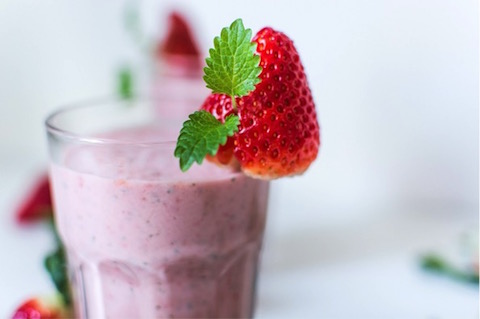
strawberry-smoothie

A paper published by the Canadian College of Naturopathic Medicine last month supports what I see with my clients on a daily basis: when it comes to anxiety caused by low blood sugar (or hypoglycemia) the correct diet can have a huge impact. And this means is the inclusion of enough protein, fats and fiber, especially at breakfast.

Here is the abstract from the paper: Generalized Anxiety Disorder and Hypoglycemia Symptoms Improved with Diet Modification

Observational evidence suggests that a relationship may exist between high glycemic index diets and the development of anxiety and depression symptoms; however, as no interventional studies assessing this relationship in a psychiatric population have been completed, the possibility of a causal link is unclear.

AB is a 15-year-old female who presented with concerns of generalized anxiety disorder and hypoglycemia symptoms. Her diet consisted primarily of refined carbohydrates. The addition of protein, fat, and fiber to her diet resulted in a substantial decrease in anxiety symptoms as well as a decrease in the frequency and severity of hypoglycemia symptoms.

A brief return to her previous diet caused a return of her anxiety symptoms, followed by improvement when she restarted the prescribed diet.

This case strengthens the hypothesis that dietary glycemic index may play a role in the pathogenesis or progression of mental illnesses such as generalized anxiety disorder and subsequently that dietary modification as a therapeutic intervention in the treatment of mental illness warrants further study.

Here are some details about this case report for AB, who was a 15-year-old female student of south-Asian descent:

  • she had anxiety (rated as 8/10 with 10 being the highest level of anxiety), worried excessively, experienced heart palpitations, shakiness, discomfort in her stomach, and muscle tension and often missed school because of how she felt
  • she experienced symptoms of hypoglycemia/low blood sugar and when her blood sugar dipped too low she experienced muscle weakness, headaches, nausea, anxiety, and poor concentration
  • when she felt anxious she would eat she would eat chocolate, chips, fruit and when her blood sugar dipped she would eat a granola bar

As you can see from her typical daily diet she was eating mostly carbohydrates, with very little protein, fat or fiber:

  1. Breakfast: fruit smoothie containing fruit, fruit juice, and water.
  2. Morning snack: bagel with margarine.
  3. Lunch: pasta or white rice with vegetables.
  4. Afternoon snack: granola bar or cookies or gummy candies.
  5. After school meal: white pasta; it may include meat.
  6. Dinner: white rice or spaghetti; it may include meat.
  7. Evening snack: cookies and toast.
  8. Beverages: 2 liters of water, 1 cup of juice, 1 cup of lactose-free milk, and 1 cup of tea.

She made the following changes in her diet adding protein at breakfast, lunch, dinner and at snack time, and adding healthy fats like flax seeds, olive oil and nut butters:

  1. Breakfast: includes a smoothie containing fruit, water, 1 scoop of protein powder, and 1 tablespoon of flax seeds or olive oil.
  2. Lunch and dinner: include a serving of protein (meat, legume, and soy) and a serving of vegetables.
  3. Snacks: include protein when possible (e.g., apple with sunflower seed butter, vegetable sticks with hummus, and pumpkin seeds).
  4. Continue to eat carbohydrate-containing snacks as needed for the management of hypoglycemia symptoms.

Over a 4-week period she made a few simple dietary changes and saw profound results: her anxiety decreased significantly from 8/10 to 4 or 5/10, she had more energy, she had fewer headaches, better concentration and improved mood.

The interesting factor is that when she slipped up for a week and went back to her old diet she felt more anxious within a day, but felt better within 2 days of adding back protein, fats and fiber.

These results are very typical with my clients and getting a handle on stabilizing blood sugar is the first thing I do with all my clients. Believe it or not, for some people this is ALL they need to do. I would add that I recommend making these changes in conjunction with the removal of gluten and caffeine.

I also like to see animal protein (and fat) as part of the snacks: like grass-fed beef jerky, grass-fed beef sticks, boiled eggs or pemmican. AB was allergic to eggs, nuts, and fish so these were not an option for her. Soy is often as issue so would need to be watched.

So this case study supports the fact that we must not forget the basics like blood sugar control. It’s very common for me to get questions like this on my blog: “I’m anxious, which amino acid should I use?” I always reply: focus first on real whole food and eating to balance blood sugar, remove sugar, gluten and caffeine, and then look at doing a trial of one or more of the amino acids

I do like to make things easier for my clients and this is where an amino acid like glutamine is very helpful in terms of providing added blood sugar stability, a calming effect and help with gut healing

Adding the glutamine and also doing a trial of an amino acid like GABA Calm may get the anxiety down a few more notches because we are always aiming for zero.

Addressing adrenal issues (which are closely related to blood sugar issues), and of course addressing all the other possible factors like thyroid health, gut health, other food sensitivities and so on would be the next step.

Have you see the positive impacts of keeping your blood sugar stable? What makes the most impact for you?

If you are a practitioner, how do you help your clients or patients address blood sugar issues?

Filed Under: Antianxiety Tagged With: anxiety, Carbohydrate, fat, fatigue, GABA, glutamine, Headaches, Hypoglycemia, low blood sugar, protein

Essential oils for dementia, agitation, anxiety on the Alzheimer’s & Dementia Summit

July 31, 2016 By Trudy Scott 6 Comments

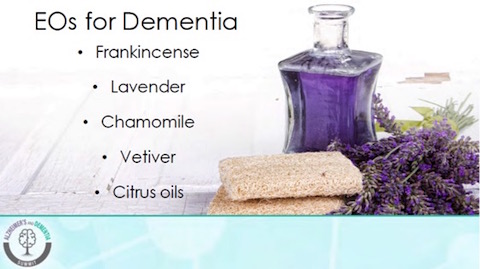
essential-oils-for-dimentia

One of the excellent speakers, Eric Zielinski, DC, MPH(c) is interviewed on the Alzheimer’s & Dementia Summit. He’s fondly known as Dr. Z and I love everything he shares about the simplicity and power of essential oils (and all the research).

The topic of his interview is “Best Essential Oils for Brain Health”, dementia and Alzheimer’s disease – but as you will hear these essential oils also help with anxiety, agitation, insomnia and social withdrawal.

One aspect that I find very interesting is the discussion about aromatherapy versus using essential oils in lotions with those with dementia and Alzheimer’s disease. The latter is more effective because of the loss of sense of smell with advanced dementia.

Here are some of the gems he shares (from Professor Elaine Perry’s paper: Aromatherapy for the treatment of Alzheimer’s disease:

Lemon balm (Melissa) lotion was applied to the face and arms of 36 patients, whilst another 36 patients had sunflower oil applied. Melissa was associated with highly significant reductions measured on an agitation inventory and social withdrawal, together with an increase in constructive activities (dementia care mapping).

In a trial involving 122 non-demented patients in intensive care, massage aromatherapy using lavender oil was well received, the greatest improvements being in mood and reduction in anxiety.

In another trial, lavender, geranium and mandarin essential oils in an almond oil base were applied to the skin of 39 patients over an unspecified period. This resulted in increased alertness, contentment and sleeping at night; and reduced levels of agitation, withdrawal and wandering.

I’m so pleased Dr. Z talks about antipsychotics and how a number of studies have shown a reduced need for these medications when using essential oils.

This interview and other interviews on the Alzheimer’s & Dementia Summit are well-worth tuning in to. They represent a unique opportunity to discover how to prevent, slow down and even reverse (yes reverse!) the symptoms of Alzheimer’s disease and dementia.

I say “yes reverse!” because I received this concerned question from someone in my community

It’s a big claim to say you can reverse Alzheimer’s, especially to those of us sensitized to the issue because of a very ill parent. On what studies or peer-reviewed research do you and your colleagues rely? Do you mean when someone is so far along that they are unable to communicate effectively? How would you find the “root cause” then? I am interested in alternative approaches but sometimes the claims seem to veer toward irresponsible

I feel for this concerned caregiver and her question is very valid because we have been led to believe that Alzheimer’s disease cannot be reversed. I only share information I have vetted and always make sure it is research-based and this summit is no exception, even when someone can no longer communicate effectively. Simply using essential oils in a lotion is a wonderful start. Getting the testing that Dr. Bredesen recommends would be the next step. There really is SO much that can be done!

Here are some of my other favorite interviews:

  • Christopher Shade PhD – Brain Defense: What to Do About Heavy Metal Toxicity
  • Niki Gratrix – Dementia Warning: Uncovering the Threat of Emotional Stress
  • Nadine Artemis – Protecting the Brain: Why You Should Care About Oral Health
  • Datis Kharrazian, DHSc, DC, MS – Dementia Solutions: Overlooked Therapies Revealed
  • Dale E. Bredesen, MD – Reversing Alzheimer’s Disease: A Comprehensive Approach (read more here and see his research)
  • David Minkoff, MD – Link Between Lyme Disease and Alzheimer’s

These interviews also provide a resource for you if you are just starting to notice that your own memory and focus is not quite what it used to be, if you have low motivation, if you suffer from brain fog and if you have anxiety and/or insomnia.

Today is the last day of the Alzheimer’s & Dementia Summit and REPLAYS of all the speakers will be tomorrow Monday August 1. You can still register here:
https://qt247.isrefer.com/go/ALZ16reg/trudyscottcn/

Prices will increase after the final REPLAY DAY that so if you know you want to purchase the series, now is the time. This is one summit I highly RECOMMEND purchasing! Here is the order link:
https://qt247.isrefer.com/go/ALZ16order/trudyscottcn/

If you have questions or feedback please feel free to post them in the comments.

PS. If you enjoyed this information and interview and want to learn more about essential oils, don’t forget that Dr. Z is hosting The Essential Oils Revolution 2 online from August 22-29. You can register for this one now.

Filed Under: Essential oils Tagged With: 5-HTP, anxiety, GABA, our calming neurotransmitter, PMS, sleep

GABA the calming amino acid: common questions I get asked

July 29, 2016 By Trudy Scott 53 Comments

gaba common questions

GABA is the main calming neurotransmitter and the amino acid GABA is wonderful for boosting low levels of GABA and thereby eliminating physical anxiety, tension, panic attacks and overwhelm. It can also help reduce pain and insomnia. I get asked great questions about GABA on the blog all the time and here are some common questions that you may find helpful.

GABA, new found peace and do I need more at different times of my cycle?

I have taken your recommendations I heard you speak about on your most recent Anxiety Summit about GABA – and have been experiencing some new found peace that I thought was forever lost to me. It has been truly wonderful! Thank you!

I have a question – in your experience, have you found that different levels/amounts of GABA were needed at different times in a woman’s cycle? I would be interested to know if there is any research or observational data related to GABA receptors and how they are affected by the hormonal ups and downs – AND how to respond to that with supplementation and/or food and lifestyle adjustments.

Here is my response: I love this – new found peace!  GABA is closely related to progesterone which we know fluctuates during our cycles so for some people mirroring this can help even more i.e. some of my clients find it’s beneficial to take extra GABA just before their period or earlier if their anxiety symptoms increase. I have them use their symptoms to guide increasing and decreasing their GABA.

Here are two studies that support this connection in women with premenstrual dysphoric disorder and women who are perimenopausal:

  • Alterations of GABA and glutamate-glutamine levels in premenstrual dysphoric disorder

Increasing evidence has suggested that the GABAergic neurotransmitter system is involved in the pathogenesis of premenstrual dysphoric disorder (PMDD) … dysregulation of the amino acid neurotransmitter system may be an important neurobiological mechanism in the pathogenesis of PMDD

  • Ovarian hormone fluctuation, neurosteroids, and HPA axis dysregulation in perimenopausal depression: a novel heuristic model

failure of the GABAA receptor to regulate overall GABA-ergic tone in the face of shifting levels of these neurosteroids may induce HPA axis dysfunction, thereby increasing sensitivity to stress and generating greater vulnerability to depression.

I have not seen any research on GABA supplementation in the second half of the cycle (luteal phase) but recently blogged about how tryptophan helps PMS symptoms of anxiety, tension and irritability.

I write about GABA, pyroluria and low cholesterol in this same blog.

A question about GABA, tyrosine and other neurotransmitter imbalances

GABA Calm – who can take this as it has tyrosine? Can someone with low serotonin or high serotonin take this? Or is it best to take straight GABA for those who are not meant to take tyrosine. Can a person who has low GABA have other neurotransmission issues i.e. high dopamine or low serotonin?

Here is my response: The GABA Calm (by Source Naturals)  has a very small amount of tyrosine so unless it’s contraindicated it’s the one I use with most of my clients. You would not use it if you have melanoma or Grave disease and would watch carefully if you have high blood pressure or migraines. You can read all the amino acid precautions here.

Many people with low GABA levels may also have signs of the other low neurotransmitters. The best way to figure this out is to do the amino acid questionnaire and do a trial of the relevant amino acid.

You mention high serotonin and high dopamine so I’m guessing you have had the urinary neurotransmitter test done. I’d like to share that I don’t place much value in urinary neurotransmitter testing and prefer to have my clients do a trial.

A question about migraines and getting a red flush with GABA

I’ve had lifelong migraines along with anxiety and depression that have waxed and waned. I’d like to try the aminos and curious if you have any special recommendations or contraindications for migraine with aura.

I’ve tried GABA in the past but ended up with a red flush like a niacin flush. Any ideas on why that might have happened? I suspect maybe the dose was too high. I wanted to try the GABA Calm since it has a low dose of GABA but I’m not sure if tyrosine is a potential migraine trigger.

Would love a little enlightenment on all the above so I’m not so gun shy and doing more harm than good.

Here is my response: Tyrosine is an issue with migraines and I avoid it with clients with a lifelong history of them especially if they are still having them (please see the precautions). If they choose to try a product with tyrosine they simply stop if a migraine is triggered.

Too much GABA can cause a flush and breathlessness. I find this to be the case when 500mg or 750 mg and above is used to start. I have my clients start on the 125mg found in GABA Calm and slowly build up.

When GABA Calm can’t be taken, opening a capsule of a GABA-only product is what we do. You can find the GABA/theanine products I use here. Some of my clients are pixie dust people and need 1/10th of capsule or 200mg GABA so starting low is important for everyone but even more so if you have had a reaction in the past.

I blogged about the large variation in GABA dosing here.

Don’t forget that 1000mg of vitamin C can help to negate the effects of an amino acid. Hopefully this will give you more confidence to do a trial.

A question about insomnia with SIBO/candida and GABA and 5-HTP

What do you do or recommend for people with SIBO/ yeast Overgrowth and can’t sleep well as a result (can’t stay asleep)? I have played with 5-HTP and GABA in the past, but they seemed to have the opposite effect (caused more insomnia). I have read that with overgrowth issues, these products can travel down the wrong metabolic pathway. Have you found this in your clients?

Here is my response: The amino acids will only help with sleep if neurotransmitters are low i.e. GABA will help if GABA is low, 5-HTP or tryptophan will help if serotonin is low. There is actually a great study that shows that a combination of GABA and 5-HTP may help insomnia.

If they are making sleep worse I’d wonder if doses are too high, and I’d look at quality and fillers. I’d also do a trial with tryptophan as 5-HTP can be an issue with high cortisol and this could impact sleep.

Tryptophan can convert to quinolinic acid without the correct co-factors, so taking zinc, curcumin and B vitamins etc. are important. Some people find the Lidtke Tryptophan Complete to be more helpful that the 500mg Tryptophan if they don’t have the co-factors as part of their current protocol.

It goes without saying that foods that make SIBO and candida symptoms worse should be avoided as they may cause bloating and would keep you awake.

With insomnia I’d also look at the following: low blood sugar, parasites, high cortisol, gluten, being on the computer, prior or current benzodiazepine prescriptions.

Resources if you are new to using the amino acids as supplements

If you are new to using any of the amino acids as supplements, here is the Amino Acids Mood Questionnaire from The Antianxiety Food Solution (you can see all the symptoms of neurotransmitter imbalances).

If you suspect low levels of any of the neurotransmitters and do not yet have my book, The Antianxiety Food Solution – How the Foods You Eat Can Help You Calm Your Anxious Mind, Improve Your Mood, and End Cravings, I highly recommend getting it and reading it before jumping in and using amino acids on your own so you are knowledgeable. And be sure to share it with the practitioner/health team you or your loved one is working with.

There is an entire chapter on the amino acids and they are discussed throughout the book in the sections on gut health, blood sugar control, sugar cravings, self-medicating with alcohol and more.

The book doesn’t include product names (per the publisher’s request) so this blog, The Antianxiety Food Solution Amino Acid and Pyroluria Supplements, lists the amino acids that I use with my individual clients and those in my group programs.

If, after reading this blog and my book, you don’t feel comfortable figuring things out on your own (i.e. doing the symptoms questionnaire and respective amino acids trials), a good place to get help is the GABA Quickstart Program (if you have low GABA symptoms). This is a paid online/virtual group program where you get my guidance and community support. There are many moms in the program who are having much success with their kids.

If you are a practitioner, join us in The Balancing Neurotransmitters: the Fundamentals program. This is also a paid online/virtual program with an opportunity to interact with me and other practitioners who are also using the amino acids.

With much appreciation for these women for sharing their stories and allowing me to provide my insights for them and you. We all have much to learn from each other.

Can you relate to any of these questions and have some of these GABA adjustments helped you?

If you have questions please share them here too.

(Most recent updates: June 24, 2022)

Filed Under: GABA, Sleep Tagged With: 5-HTP, anxiety, GABA, our calming neurotransmitter, PMS, sleep

  • « Go to Previous Page
  • Page 1
  • Interim pages omitted …
  • Page 40
  • Page 41
  • Page 42
  • Page 43
  • Page 44
  • Interim pages omitted …
  • Page 49
  • Go to Next Page »

Primary Sidebar

GABA QuickStart Homestudy

gaba quickstart homestudy

Free Report

9 Great Questions Women Ask about Food, Mood and their Health

You'll also receive a complimentary subscription to my ezine "Food, Mood and Gal Stuff"


Connect with me

Popular Posts

  • Amino Acids Mood Questionnaire from The Antianxiety Food Solution
  • The Antianxiety Food Solution Amino Acid and Pyroluria Supplements
  • Pyroluria Questionnaire from The Antianxiety Food Solution
  • Collagen and gelatin lower serotonin: does this increase your anxiety and depression?
  • Tryptophan for the worry-in-your-head and ruminating type of anxiety
  • GABA for the physical-tension and stiff-and-tense-muscles type of anxiety
  • The Antianxiety Food Solution by Trudy Scott
  • Seriphos Original Formula is back: the best product for anxiety and insomnia caused by high cortisol
  • Am I an anxious introvert because of low zinc and vitamin B6? My response to Huffington Post blog
  • Vagus nerve rehab with GABA, breathing, humming, gargling and key nutrients

Recent Posts

  • Her cravings for chips and peanut butter were triggered by stress: GABA ends cravings and reduces physical tension and fear of heights
  • It is truly miraculous to be able to move through life without crippling anxiety and panic
  • GABA and tryptophan combo provide immediate and noticeable relief for tremors and cervical dystonia in just 7 days
  • Red light therapy for back and neck pain, plantar fasciitis and low mood – a complement to the amino acids GABA, DPA and tryptophan
  • What do I use instead of Seriphos to help lower high cortisol that is affecting my sleep and making me anxious at night?

Categories

  • 5-HTP
  • AB575
  • Addiction
  • ADHD
  • Adrenals
  • Alcohol
  • Allergies
  • Alzheimer's disease
  • Amino Acids
  • Anger
  • Antianxiety
  • Antianxiety Food Solution
  • Antidepressants
  • Anxiety
  • Anxiety and panic
  • Autism
  • Autoimmunity
  • benzodiazapines
  • Bipolar disorder
  • Books
  • Caffeine
  • Cancer
  • Candida
  • Children/Teens
  • Collagen
  • Cooking equipment
  • Coronavirus/COVID-19
  • Cravings
  • Depression
  • Detoxification
  • Diabetes
  • Diet
  • DPA/DLPA
  • Drugs
  • EFT/Tapping
  • EMF
  • EMFs
  • Emotional Eating
  • Endorphins
  • Environment
  • Essential oils
  • Events
  • Exercise
  • Fear
  • Fear of public speaking
  • Fertility and Pregnancy
  • Fish
  • Food
  • Food and mood
  • Functional neurology
  • GABA
  • Gene polymorphisms
  • General Health
  • Giving
  • Giving back
  • Glutamine
  • Gluten
  • GMOs
  • Gratitude
  • Gut health
  • Heart health/hypertension
  • Histamine
  • Hormone
  • Hyperparathyroidism
  • Hypoglycemia
  • Immune system
  • Inflammation
  • Insomnia
  • Inspiration
  • Introversion
  • Joy and happiness
  • Ketogenic diet
  • Lithium orotate
  • Looking awesome
  • Lyme disease and co-infections
  • MCAS/histamine
  • Medication
  • Men's health
  • Mental health
  • Mercury
  • Migraine
  • Mold
  • Movie
  • MTHFR
  • Multiple sclerosis
  • Music
  • NANP
  • Nature
  • Nutritional Psychiatry
  • OCD
  • Osteoporosis
  • Oxalates
  • Oxytocin
  • Pain
  • Paleo
  • Parasites
  • Parkinson’s disease
  • PCOS
  • People
  • PMS
  • Postpartum
  • PTSD/Trauma
  • Pyroluria
  • Questionnaires
  • Real whole food
  • Recipes
  • Research
  • Schizophrenia
  • serotonin
  • SIBO
  • Sleep
  • Special diets
  • Sports nutrition
  • Stress
  • Sugar addiction
  • Sugar and mood
  • Supplements
  • Teens
  • Testimonials
  • Testing
  • The Anxiety Summit
  • The Anxiety Summit 2
  • The Anxiety Summit 3
  • The Anxiety Summit 4
  • The Anxiety Summit 5
  • The Anxiety Summit 6
  • Thyroid
  • Thyroid health
  • Toxins
  • Tryptophan
  • Tyrosine
  • Uncategorized
  • Vegan/vegetarian
  • Women's health
  • Yoga

Archives

  • May 2026
  • April 2026
  • October 2025
  • September 2025
  • August 2025
  • July 2025
  • June 2025
  • May 2025
  • April 2025
  • March 2025
  • February 2025
  • January 2025
  • November 2024
  • October 2024
  • September 2024
  • August 2024
  • July 2024
  • June 2024
  • May 2024
  • April 2024
  • March 2024
  • February 2024
  • January 2024
  • December 2023
  • November 2023
  • October 2023
  • September 2023
  • August 2023
  • July 2023
  • June 2023
  • May 2023
  • April 2023
  • March 2023
  • February 2023
  • January 2023
  • December 2022
  • November 2022
  • October 2022
  • September 2022
  • August 2022
  • July 2022
  • June 2022
  • May 2022
  • April 2022
  • March 2022
  • February 2022
  • January 2022
  • December 2021
  • November 2021
  • October 2021
  • September 2021
  • August 2021
  • July 2021
  • June 2021
  • May 2021
  • April 2021
  • March 2021
  • February 2021
  • January 2021
  • December 2020
  • November 2020
  • October 2020
  • September 2020
  • August 2020
  • July 2020
  • June 2020
  • May 2020
  • April 2020
  • March 2020
  • February 2020
  • January 2020
  • December 2019
  • November 2019
  • October 2019
  • September 2019
  • August 2019
  • July 2019
  • June 2019
  • May 2019
  • April 2019
  • March 2019
  • February 2019
  • January 2019
  • December 2018
  • November 2018
  • October 2018
  • September 2018
  • August 2018
  • July 2018
  • June 2018
  • May 2018
  • April 2018
  • March 2018
  • February 2018
  • January 2018
  • December 2017
  • November 2017
  • October 2017
  • September 2017
  • August 2017
  • July 2017
  • June 2017
  • May 2017
  • April 2017
  • March 2017
  • February 2017
  • January 2017
  • December 2016
  • November 2016
  • October 2016
  • September 2016
  • August 2016
  • July 2016
  • June 2016
  • May 2016
  • April 2016
  • March 2016
  • February 2016
  • January 2016
  • December 2015
  • November 2015
  • October 2015
  • September 2015
  • August 2015
  • July 2015
  • June 2015
  • May 2015
  • April 2015
  • March 2015
  • February 2015
  • January 2015
  • December 2014
  • November 2014
  • October 2014
  • September 2014
  • August 2014
  • July 2014
  • June 2014
  • May 2014
  • April 2014
  • March 2014
  • February 2014
  • January 2014
  • December 2013
  • November 2013
  • October 2013
  • September 2013
  • August 2013
  • July 2013
  • June 2013
  • May 2013
  • April 2013
  • March 2013
  • February 2013
  • January 2013
  • December 2012
  • November 2012
  • October 2012
  • August 2012
  • July 2012
  • June 2012
  • May 2012
  • April 2012
  • March 2012
  • February 2012
  • January 2012
  • December 2011
  • November 2011
  • October 2011
  • September 2011
  • August 2011
  • July 2011
  • June 2011
  • May 2011
  • April 2011
  • March 2011
  • February 2011
  • January 2011
  • December 2010
  • October 2010
  • September 2010
  • July 2010
  • May 2010
  • April 2010
  • March 2010
  • February 2010
  • January 2010
  • November 2009

Share the knowledge!

The above statements have not been evaluated by the Food and Drug Administration. Products listed in this website are not intended to diagnose, treat, cure or prevent any disease.

The information provided on this site is for informational and educational purposes only and is not intended as a substitute for advice from your physician or other health care professional. You should consult with a healthcare professional before starting or modifying any diet, exercise, or supplementation program, before taking or stopping any medication, or if you have or suspect you may have a health problem.


Copyright © 2026 Trudy Scott. All Rights Reserved. | Privacy | Terms and Conditions | Refund Policy | Medical Disclaimer

Free Report

9 Great Questions Women Ask about Food, Mood and their Health

You’ll also receive a complimentary subscription to my ezine “Food, Mood and Gal Stuff”